
• Home
  • About Us
  • Toolkit
  • Archives
  • Advertise
  • Privacy Policy

Kids Ain't Cheap

But They Sure Are Worth It

  • Parenting
    • Baby Stuff
    • Books and Reading
      • Aesops Fables
      • Comic Books
    • Education
    • Family Time
    • Green Living
    • Growing Up
    • Healthy Living & Eating
    • Holidays
    • Parenting
    • Random Musings
    • Shopping
    • Stuff to Do
  • Money
  • Product Reviews
    • Books and Magazines
    • Discount Sites
    • Furniture
    • House Keeping
    • Reviews News
    • Toys and Games
  • Contact Us
  • Our Editorial Commitment
  • Search

9 Puppy Names So Cute You’ll Cry a Little

May 24, 2025 | Leave a Comment

9 Puppy Names So Cute Youll Cry a Little

Choosing a name for a new puppy might be one of the most joy-filled decisions a pet parent makes—until you realize just how many cute options there are. It’s not just about picking something that sounds sweet; it’s about capturing your pup’s personality in one perfect word. Whether you’re leaning toward something playful, nostalgic, or delightfully silly, a name that melts hearts will make every vet visit, walk, and cuddle session feel even more special, these puppy names are packed with charm, and yes, a few might make you tear up just imagining them on a tiny name tag. Get ready to fall in love with some of the most adorable dog name ideas out there.

1. Waffles

Waffles are warm, cozy, and impossible not to smile at—just like the breakfast they’re named after. It’s the kind of name that instantly brings up images of golden fluff and a happy wagging tail. Great for cuddly pups who love to snooze in sunbeams or curl up like a cinnamon roll. Bonus: it’s just fun to say out loud. A dog named Waffles is bound to leave a lasting impression at the dog park.

2. Pudding

Soft, sweet, and maybe just a little bit squishy, Pudding is perfect for those extra-snuggly pups with big eyes and floppy ears. This name has a vintage charm to it, like something out of a storybook. It works especially well for lap dogs or shy rescue pups in need of a little extra love. Saying “Pudding, come here!” just feels like giving a hug with your voice. It’s tender, nostalgic, and guaranteed to turn heads.

3. Button

Tiny dog? Big name energy. Button is an ideal fit for those pint-sized puppies who look like fairies sewed them together. It’s playful and endearing without trying too hard. Think of a pup with tiny paws and big curiosity who steals everyone’s attention without making a sound. Naming a dog Button says they’re small but packed with personality.

4. Muffin

This name just radiates sweetness. Muffin is a classic choice for soft-coated pups or those with a gentle, mellow temperament. It’s got a homey vibe, the kind of name you want to say every time you walk through the door. Whether your puppy is chocolate-colored, blueberry-eyed, or just full of joy, Muffin wraps them in warmth. This is one of those names that only gets cuter with age.

5. Pickles

Pickles brings a dash of quirk to the list. Perfect for a spunky pup who zips around the house like a whirlwind one minute and crashes into your lap the next. It’s a name that says “I’m full of surprises,” just like the dog who carries it. Whether your pup has a unique bark, a sideways tail wag, or a taste for trouble, Pickles captures the playful spirit of puppyhood. Plus, it’s sure to make strangers giggle.

6. Niblet

Niblet is a name that never gets old for the tiniest pup with the biggest personality. There’s something about the soft “nib” sound that makes it feel gentle and cozy, like a whispered nickname. Great for teacup breeds, runts of the litter, or dogs who stay forever puppy-sized. Niblet feels personal and custom, like a name you invented just for your one-of-a-kind fur baby. It’s a little silly, but in the best possible way.

7. Marshmallow

If your puppy is pure fluff and sugar, Marshmallow might be the ultimate fit. This name is especially adorable for white or cream-colored dogs, but it works for any pup with a soft, sweet disposition. Marshmallow is comforting, inviting, and just a little magical— like the dog who never wants to leave your side. It gives you instant cozy vibes every time you say it. And let’s be honest, calling out “Marshmallow” in public is a great conversation starter.

8. Tater Tot

This name practically guarantees instant smiles. Tater Tot is full of spunk, making it ideal for round-bellied puppies with stubby legs and nonstop wiggles. It’s unexpected, a little goofy, and totally irresistible. You can picture a dog with this name bounding across the yard like a bite-sized ball of energy. It’s cute now and will be even cuter when your full-grown dog is still responding to it.

9. Snickers

For a puppy that’s sweet with a hint of mischief, Snickers is the perfect blend. It works especially well for dogs with chocolate-brown markings or those that melt your heart with their expressions. Snickers suggests charm, playfulness, and a lovable personality that wins everyone over. It’s also a great unisex name that fits just about any breed. Whether they’re stealing socks or hearts, a dog named Snickers will always bring smiles.

The Name You Choose Becomes Part of the Magic

A puppy’s name is more than a label—it’s the first glimpse into their personality and a reflection of the joy they bring to your family. Whether you lean toward the whimsical, the food-themed, or the utterly original, the right name makes every command, cuddle, and vet visit more personal. Don’t be afraid to get creative, lean into the cuteness, and pick something that brings a smile every time you say it. Naming your new furry family member is one of the first acts of love—and one of the most memorable.

What’s the cutest puppy name you’ve ever heard—or given? Drop your favorites in the comments and help another pet parent find their perfect match.

Read More:

14 Places to Get Amazing Free Stuff For Your Dog

The Safest Ways to Introduce Pets to Young Children

Catherine Reed
Catherine Reed

Catherine is a tech-savvy writer who has focused on the personal finance space for more than eight years. She has a Bachelor’s in Information Technology and enjoys showcasing how tech can simplify everyday personal finance tasks like budgeting, spending tracking, and planning for the future. Additionally, she’s explored the ins and outs of the world of side hustles and loves to share what she’s learned along the way. When she’s not working, you can find her relaxing at home in the Pacific Northwest with her two cats or enjoying a cup of coffee at her neighborhood cafe.

Filed Under: Pets Tagged With: cute dog names, dog name ideas, naming a puppy, pet parenting, puppy names

7 Behaviors That Make Dogs Bite Children

May 24, 2025 | Leave a Comment

7 Behaviors That Make Dogs Bite Children

Dog bites can happen in an instant, and the aftermath is often traumatic for everyone involved—especially when children are the victims. While many families trust their pets completely, certain actions or behaviors can unintentionally provoke even the calmest dog. Teaching kids how to interact safely with animals is just as important as teaching them to look both ways before crossing the street. In many cases, a trigger that causes dogs to bite children is preventable when parents understand what triggers them and how to guide their child’s behavior. Keeping children safe around dogs starts with awareness, respect, and a few simple rules.

1. Hugging or Leaning Over Dogs

While a hug might feel like love to a child, dogs often interpret it as a threatening gesture. Being squeezed or leaned on can make a dog feel trapped, especially if the dog doesn’t have a way to move away. Children often place their faces near a dog’s head during a hug, putting them at risk of a bite to the face or neck. Even well-socialized dogs bite children if they react defensively to physical restraint. Instead of hugging, children should be taught to pet a dog’s back or side gently.

2. Approaching Dogs While They’re Eating

Food aggression is a common reason dogs lash out, even in their own homes. Children who approach or try to take food from a dog’s bowl may trigger an instinctive reaction. Dogs are naturally protective of their resources; even a quick move toward their food can be seen as a threat. It’s best to teach children to give dogs space while they eat, just as they would expect someone to respect their own mealtime. Establishing this boundary helps prevent tension and builds mutual trust.

3. Pulling on Ears, Tails, or Fur

Young children often explore the world with their hands, and that can include grabbing, tugging, or poking. Unfortunately, pulling on a dog’s tail or ears can cause discomfort, pain, and confusion. Some dogs will tolerate it for a while, but most have a limit, and biting may become their only communication method. It’s crucial to model gentle touch and explain that dogs feel pain just like people do. Respecting a pet’s body helps maintain a calm and friendly relationship.

4. Running or Screaming Around Dogs

Sudden movements and loud noises can trigger a dog’s chase instinct or make them feel anxious and overstimulated. Kids who run past a dog or shriek in excitement might not mean any harm, but the dog may not understand their intent. Some dogs react by barking, lunging, or nipping in response to the chaos. Active play should happen away from pets or only under close supervision. Calm, predictable behavior around dogs creates a safer environment for everyone.

5. Ignoring a Dog’s Warning Signs

Dogs rarely bite out of nowhere—they usually give signals first. Growling, showing teeth, stiff posture, and pinned ears are all signs that a dog feels uncomfortable or afraid. Children who haven’t been taught to recognize these cues may push the dog past its limit. Teaching kids to stop, step back, and alert an adult if a dog seems uneasy can prevent dangerous interactions. Understanding canine body language is an essential part of respectful pet ownership.

6. Waking a Sleeping Dog

Startling a sleeping dog can be risky, even if the dog is normally calm and affectionate. Like people, dogs may wake up disoriented and instinctively react to perceived threats. Children often want to cuddle or play the moment they see a dog resting, not realizing the dog needs space. Remind kids to give sleeping dogs privacy and wait until the dog is fully awake and aware. This small habit helps avoid accidental bites caused by fear or surprise.

7. Treating Dogs Like Toys

Dogs may be part of the family, but are not stuffed animals. Dressing them up, climbing on them, or trying to ride them can cause stress or physical pain. While some dogs may tolerate this behavior for a short time, most do not enjoy it, and it can erode their tolerance quickly. Respecting a dog as a living, feeling creature is key to keeping both kids and pets safe. Teaching boundaries is a form of kindness, not restriction.

Bite Prevention Starts With Education and Empathy

Dog safety isn’t just about rules—it’s about building empathy, awareness, and respect between kids and animals. Understanding why dogs bite children helps prevent accidents, but more importantly, it strengthens the bond between pets and children. When families take time to teach safe interactions, dogs are more likely to feel secure, and kids are less likely to be harmed. These small lessons are acts of protection, not just for children, but for the dogs they love. Everyone wins when safety comes first.

What rules do you have in place for your kids around dogs? Share your family’s pet safety tips and stories in the comments.

Read More:

6 Dog Breeds That Will Fiercely Protect Your Children

Is Your Dog Ready to Be a Big Brother or Sister?

Catherine Reed
Catherine Reed

Catherine is a tech-savvy writer who has focused on the personal finance space for more than eight years. She has a Bachelor’s in Information Technology and enjoys showcasing how tech can simplify everyday personal finance tasks like budgeting, spending tracking, and planning for the future. Additionally, she’s explored the ins and outs of the world of side hustles and loves to share what she’s learned along the way. When she’s not working, you can find her relaxing at home in the Pacific Northwest with her two cats or enjoying a cup of coffee at her neighborhood cafe.
Filed Under: Pets Tagged With: dog behavior around children, dog safety, kids and pets, pet safety tips, preventing dog bites

6 Reasons Why Sending Your Child to Private School Won’t Change Their Outcome

May 24, 2025 | Leave a Comment

6 Reasons Why Sending Your Child to Private School Wont Change Their Outcome

When parents think about giving their child the “best,” private school often tops the list of options. With their polished brochures, small class sizes, and promises of academic rigor, private schools look like a fast track to future success. But here’s the hard truth—tuition doesn’t guarantee transformation. A private education might look impressive on paper, but it isn’t a magic wand for long-term achievement, happiness, or even college admissions. Here’s why spending thousands on private school may not actually change your child’s outcome in the way you think it will.

1. Parental Involvement Matters More Than Tuition

Study after study shows that a parent’s engagement in their child’s education has a greater impact on academic success than the school itself. Whether your child is enrolled in public or private school, your presence at conferences, help with homework, and attitude toward learning sets the tone. Children with supportive, involved parents often outperform those with expensive resources but limited emotional support. Private school can’t replace consistent parenting. It’s what happens at the dinner table and during bedtime chats that truly shapes a child’s future.

2. Success Comes From Motivation, Not Zip Codes

You can enroll a child in the most elite institution, but if they’re not motivated to learn or emotionally ready to thrive, it won’t matter. Internal drive, curiosity, and resilience play a bigger role in long-term outcomes than school prestige. Private schools might provide more structured environments, but they can’t manufacture grit or spark passion. In fact, pressure-cooker environments can sometimes backfire, causing burnout or anxiety. A child who feels confident and inspired will go further, regardless of where they go to school.

3. The Same Curriculum Exists in Public Schools

Contrary to popular belief, many public schools offer just as rigorous an academic program as private schools—sometimes even more so. Honors, Advanced Placement, and International Baccalaureate programs are widely available and often taught by experienced educators. The belief that private automatically means “better academics” doesn’t hold up across the board. Many public school students thrive academically, gain college acceptances, and develop leadership skills in diverse, real-world settings. The curriculum isn’t what makes the difference—it’s how it’s taught and received.

4. College Admissions Don’t Favor Private Students

While some private schools have well-staffed college counseling offices, universities are increasingly focused on the student, not the school. Admissions officers look for well-rounded individuals, not just a fancy transcript header. In fact, many value students who have excelled with fewer resources, viewing them as more resilient and grounded. Public school students who challenge themselves and take initiative are just as likely to gain admission to top colleges. Spending more on private school doesn’t guarantee a better shot at elite universities.

5. Diversity and Real-World Experience Are Limited

One often overlooked benefit of public schools is the diversity—of thought, background, race, and socioeconomic experience. This helps prepare children for the real world, where they’ll need to collaborate with people from all walks of life. Some private schools are highly homogeneous, offering a more sheltered view of the world. That can create a disconnect when it comes time to navigate diverse college campuses or workplaces. Exposure to different perspectives builds empathy and adaptability in ways textbooks can’t.

6. The Price Tag Doesn’t Reflect Personal Fit

Just because something is expensive doesn’t mean it’s right for your child. Not all kids thrive in academically intense or socially competitive environments. A quieter child may feel overwhelmed, while a more independent learner may feel constrained. In some cases, children perform worse under the pressure to “justify” their tuition. The best school is one where your child feels supported, challenged, and known—not necessarily the one with the highest tuition bill.

Your Involvement is the Best Investment

At the end of the day, the biggest factor in your child’s outcome is not the logo on their uniform but the support system around them. Encouragement, structure, and love will outlast any school enrollment list. If private school works for your family, that’s great—but it isn’t a guarantee of success. When you prioritize connection over comparison, and growth over image, you give your child something far more valuable than a pricey education. The most powerful influence in their life is—and always will be—you.

Have you considered public vs. private school for your child? What factors influenced your decision? Share your story in the comments!

Read More:

10 School Mistakes That Follow Kids for Years

7 Reasons You Shouldn’t Waste Money on Private Schools

Catherine Reed
Catherine Reed

Catherine is a tech-savvy writer who has focused on the personal finance space for more than eight years. She has a Bachelor’s in Information Technology and enjoys showcasing how tech can simplify everyday personal finance tasks like budgeting, spending tracking, and planning for the future. Additionally, she’s explored the ins and outs of the world of side hustles and loves to share what she’s learned along the way. When she’s not working, you can find her relaxing at home in the Pacific Northwest with her two cats or enjoying a cup of coffee at her neighborhood cafe.
Filed Under: Education Tagged With: child education, Family Budgeting, parenting advice, parenting choices, private school, public school vs private school, school decision-making

The Summer Danger No One Talks About—Until It’s Too Late

May 23, 2025 | Leave a Comment

The Summer Danger No One Talks About Until Its Too Late

Summer is packed with things parents do expect to watch for: sunburn, bug bites, and pool safety top most lists. But there’s one summer danger that creeps in slowly, quietly, and often goes unnoticed until a child is already in trouble—heat exhaustion. Unlike a scraped knee or obvious sunburn, the signs of this summer danger can be subtle, especially in kids who are too busy playing to notice how they feel. When left unchecked, it can escalate into something much more serious, like heatstroke. Understanding this hidden threat can help you keep your child safe before things reach a boiling point.

1. Kids Don’t Always Know When They’re Overheating

Children are notorious for pushing through discomfort just to keep playing. They may not recognize when their bodies are overheating or feel too distracted to say something. Heat exhaustion symptoms in children can include irritability, dizziness, headache, or nausea—things that are easy to dismiss as minor issues. Unlike adults, kids won’t always stop and take a break when their bodies need it. That’s why it’s crucial for parents to step in and monitor physical signs of this summer danger before they become dangerous.

2. Dehydration Happens Faster Than You Think

In hot weather, kids lose fluids rapidly through sweat, even if they don’t appear drenched. Many children don’t feel thirsty until they’re already dehydrated, making it easy to fall behind on fluid intake. This is especially true during high-energy activities like biking, running, or playing sports. Make it a habit to offer water frequently, not just when your child asks for it. Staying ahead of dehydration is one of the easiest ways to prevent a summer danger from catching you off guard.

3. Symptoms Can Look Like “Just Being Tired”

One of the reasons this summer danger gets overlooked is because it often looks like simple fatigue. A child may act sluggish, complain of a tummy ache, or seem unusually cranky—none of which immediately scream “heat emergency.” But these early signs are your warning flag. If your child has been outside and is suddenly unusually quiet or out of sorts, it’s time to get them into the shade and rehydrated. Never assume “tired” is harmless in the heat without checking other symptoms.

4. Humidity Makes Everything Worse

High humidity makes it harder for the body to cool itself through sweat. That means even on a cloudy or breezy day, your child could be at higher risk for heat exhaustion if the air is thick with moisture. Parents often underestimate risk on days that don’t feel oppressively hot. Always check the heat index—not just the temperature—when planning outdoor activities. When the humidity is high, build in extra rest time and prioritize shade breaks.

5. Certain Clothes Trap Heat

That adorable costume or character tee might be great for pictures, but if it’s made of thick, synthetic fabric, it could be keeping heat in. Breathable, lightweight clothing made from natural fibers like cotton is a better choice for summer play. Avoid dark colors, which absorb more heat, and always opt for a wide-brimmed hat when possible. Proper clothing helps your child’s body stay cool and avoid the slow buildup of heat exhaustion. The right outfit can be just as important as sunscreen when it comes to avoiding a summer danger.

6. Heat Exhaustion Can Sneak Up Indoors Too

It’s not just playgrounds and parks where heat exhaustion lurks. Homes without proper ventilation, cars sitting in the sun, or indoor areas without fans or AC can get dangerously hot in a short time. Even a shaded garage or stuffy bedroom can trap heat and affect your child more than you realize. Always check indoor temps, especially during nap time or quiet play sessions. Don’t assume your child is safe just because they’re not outside.

7. Parents Often Miss the Danger Until It’s an Emergency

Perhaps the biggest risk with heat exhaustion in children is that it escalates before anyone realizes what’s happening. By the time a child is vomiting or passing out, you’re dealing with a medical emergency that may require hospitalization. That’s why prevention and early recognition are everything. Knowing what this summer danger looks like—and acting quickly—can stop it from becoming something far more serious. Don’t wait for dramatic symptoms to take action.

Don’t Let Summer Fun Turn into a Heat Emergency

Heat exhaustion in children doesn’t get nearly enough attention, but it’s a risk that rises with every hot day, sports practice, or backyard play session. You don’t have to cancel the fun—just stay proactive. Offer water often, build in breaks, dress kids appropriately, and trust your instincts when something seems off. With a little awareness and a lot of hydration, you can keep summer fun and safe from this often overlooked summer danger.

Have you ever had a close call with heat exhaustion in your family? What helped you recognize the signs? Share your experience in the comments.

Read More:

Summer Fun on a Budget: 10 Ways to Beat the Heat for Cheap

15 Outdoor Adventures to Transform Your Kids’ Summer

Catherine Reed
Catherine Reed

Catherine is a tech-savvy writer who has focused on the personal finance space for more than eight years. She has a Bachelor’s in Information Technology and enjoys showcasing how tech can simplify everyday personal finance tasks like budgeting, spending tracking, and planning for the future. Additionally, she’s explored the ins and outs of the world of side hustles and loves to share what she’s learned along the way. When she’s not working, you can find her relaxing at home in the Pacific Northwest with her two cats or enjoying a cup of coffee at her neighborhood cafe.
Filed Under: Safety Tagged With: child overheating, dehydration in kids, heat exhaustion in children, hot weather safety, parenting in summer, summer danger, summer health risks, summer safety tips

7 Unreasonable Demands From Schools That Are Breaking Parents

May 23, 2025 | Leave a Comment

7 Unreasonable Demands From Schools That Are Breaking Parents

From bake sales to behavior charts, today’s parents are expected to do more than ever to support their children’s education—and many are nearing their breaking point. It’s not that families don’t want to be involved. But when schools start expecting full-time volunteer hours, 24/7 availability, and deep pockets for constant donations, it stops being a partnership and starts feeling like pressure. The growing list of expectations stretches parents thin, especially those juggling jobs, multiple children, or limited resources. Here are seven unreasonable demands from schools that are exhausting families and making it harder to just be a parent.

1. Expecting Parents to Be Available During Work Hours

Many schools send last-minute reminders for midday events, assemblies, or volunteer shifts, assuming parents can just drop everything and show up. But for working families, especially those with rigid schedules or hourly jobs, that kind of flexibility simply doesn’t exist. Taking time off for a 30-minute reading session might mean losing income or scrambling for childcare for younger siblings. It creates guilt for parents who want to be present but physically can’t. When school schedules clash with real-world responsibilities, it leaves families feeling like they’re constantly letting someone down.

2. Assigning Projects That Require Parental Help (and Supplies)

We’ve all seen it: a “student” science fair project that clearly involved a hot glue gun, a $40 trip to the craft store, and a parent pulling an all-nighter. These assignments often demand not just time but money, turning into a competition between families instead of a learning experience for the child. For single parents, caregivers with multiple jobs, or those who simply aren’t crafty, these tasks feel overwhelming. Instead of encouraging independence, they create unnecessary stress and inequality. Schools should focus on student-led learning—not who has the most Pinterest-worthy volcano.

3. Piling on Fundraisers (Over and Over Again)

Cookie dough, wrapping paper, discount cards, fun runs—modern fundraising feels nonstop. And it often falls on parents to do the selling, collecting, and even delivering. While schools understandably need extra funds, relying on families to be the sales force every month is exhausting. Not every household has a network of coworkers or relatives to hit up for donations. The constant pressure to contribute financially—on top of school supplies and activity fees—makes many parents feel tapped out.

4. Demanding Constant Digital Communication

Parent portals, daily emails, class apps, group chats—it’s information overload. While communication is important, expecting parents to monitor five platforms daily is not realistic. Missing one message shouldn’t mean missing out on critical updates or being labeled “uninvolved.” The pressure to stay digitally engaged can feel like another job, especially for those with limited access to devices or internet during the day. Families need streamlined communication—not a full-time commitment to school inboxes.

5. Holding Parents Accountable for Student Behavior

Yes, parents play a vital role in their child’s development. But when schools shift disciplinary responsibility entirely onto families—without context or support—it creates blame instead of solutions. Sending home behavior charts, requiring daily signatures, or calling for every minor disruption assumes a level of control many parents simply don’t have once their child walks into school. Worse, it puts families on edge, worried that every phone call means they’re being judged. Schools and parents should work together, not point fingers.

6. Expecting Parents to Provide Classroom Supplies

At the beginning of the year, families often receive long supply lists—including not just their child’s basics but extras like tissues, dry erase markers, and disinfecting wipes for the whole class. In underfunded districts, this burden falls squarely on families who may already be struggling to cover essentials. Many want to help, but when a supply list costs $150 per child, it crosses the line into unsustainable. Public education shouldn’t depend on parents acting as emergency donors for basic classroom needs.

7. Assuming Everyone Has the Same Time and Resources

Perhaps the biggest underlying issue is the assumption that all families are starting from the same place. Not everyone has flexible jobs, disposable income, reliable transportation, or the mental bandwidth to take on more. When schools expect uniform participation without recognizing differences in ability, they unintentionally shame or exclude those who can’t meet every ask. What’s meant to be a partnership ends up feeling like a pressure cooker. Equity requires empathy—and realistic expectations.

We Want to Help—But We Need a Break Too

Most parents truly want to support their child’s education, but they’re already doing more than enough. When school demands start to overshadow home life, it leads to burnout, resentment, and disengagement. The solution isn’t to lower standards—it’s to build systems that respect everyone’s limits and encourage sustainable involvement. If we want to raise thriving students, we need schools and families that thrive together—not fall apart under the weight of unreasonable demands.

What demands from schools have pushed you to your limit? What changes would help your family feel more supported? Let’s talk in the comments.

Read More:

10 School Mistakes That Follow Kids for Years

7 Reasons You Shouldn’t Waste Money on Private Schools

Catherine Reed
Catherine Reed

Catherine is a tech-savvy writer who has focused on the personal finance space for more than eight years. She has a Bachelor’s in Information Technology and enjoys showcasing how tech can simplify everyday personal finance tasks like budgeting, spending tracking, and planning for the future. Additionally, she’s explored the ins and outs of the world of side hustles and loves to share what she’s learned along the way. When she’s not working, you can find her relaxing at home in the Pacific Northwest with her two cats or enjoying a cup of coffee at her neighborhood cafe.
Filed Under: Education Tagged With: : parenting and schools, education inequality, modern parenting struggles, parent burnout, school fundraising stress, school pressure on parents

The Cost of “Gentle Parenting” When You’re Not Emotionally Equipped

May 23, 2025 | Leave a Comment

The Cost of Gentle Parenting When Youre Not Emotionally Equipped

Gentle parenting promises a calmer, more connected way to raise kids—but what happens when the parent isn’t in a calm, connected place themselves? The social media version makes it look easy: speak softly, validate emotions, and skip the punishment. In reality, it demands a high level of emotional regulation, patience, and self-awareness that many exhausted parents simply don’t have. Trying to maintain the gentle parenting ideal without the emotional tools to support it can leave you drained, frustrated, and feeling like a failure. The cost isn’t just emotional—it can affect your relationship with your child, your mental health, and your confidence as a parent.

1. You Bottle Up Frustration Instead of Processing It

One of the most common missteps in gentle parenting is mistaking “gentle” for “never getting upset.” If you’re trying to stay calm for your child’s sake but haven’t developed healthy ways to process your own anger, it turns into emotional pressure that builds fast. You might stay quiet on the outside but feel resentment bubbling under the surface. When those feelings go unchecked, they often explode at the worst times or in unrelated situations. True gentle parenting isn’t about perfection—it’s about recognizing your limits and taking care of your own emotional needs too.

2. You Feel Guilty for Wanting a Break

Gentle parenting often emphasizes constant presence, connection, and emotional availability. But when you’re already running on fumes, those expectations can feel impossible to meet. Wanting time alone or feeling touched out doesn’t make you a bad parent—it makes you human. If you don’t give yourself permission to step away and recharge, burnout hits hard. Parenting gently starts with treating yourself with the same compassion you’re trying to offer your child.

3. You Avoid Setting Boundaries Out of Fear

If you’re emotionally exhausted, you may start to confuse boundaries with being harsh or controlling. Instead of confidently setting limits, you avoid them entirely to keep the peace—or out of fear of upsetting your child. The result? Kids feel uncertain and test more, while you grow more overwhelmed and out of control. Healthy boundaries are a core part of gentle parenting, not a contradiction to it. When you’re emotionally equipped, you can set those boundaries with calm confidence, not guilt.

4. You Struggle to Stay Consistent

Consistency is the glue that holds any parenting approach together, but it’s nearly impossible to maintain when you’re emotionally depleted. One day you might respond with patience and understanding, and the next you snap at the exact same behavior. This inconsistency can confuse your child and undermine your efforts to build trust and predictability. Emotional exhaustion doesn’t just impact your reactions—it impacts your follow-through. Without tools to recharge, gentle parenting starts to feel like an unreachable standard instead of a daily practice.

5. You Internalize Every Parenting Mistake

When gentle parenting is framed as the gold standard, every misstep feels like a personal failure. You might obsess over losing your temper, forget a script you saw on Instagram, or beat yourself up for not connecting during a meltdown. But gentle parenting isn’t about being perfectly regulated—it’s about modeling how to repair, take accountability, and try again. Without emotional support or realistic expectations, this parenting style can feel like one long, quiet guilt trip. You deserve grace too, not just your child.

6. You Neglect Your Own Emotional Healing

Many parents are drawn to gentle parenting as a way to break cycles from their own upbringing. But you can’t parent gently through sheer willpower if you haven’t addressed your own emotional wounds. Trying to give your child everything you didn’t have while still carrying your own unresolved trauma puts you on a fast track to emotional burnout. Healing doesn’t happen overnight, but it has to be part of the process—not an afterthought. Your ability to show up for your child improves when you start showing up for yourself too.

Parenting Gently Starts With Being Gentle to Yourself

You don’t need to be a zen master to be a good parent. Gentle parenting is not about stuffing down your emotions or ignoring your own needs in service of your child’s. It’s about being real, staying present, and doing the work—even when that means admitting you need support. If you’re not emotionally equipped right now, that doesn’t mean you’ve failed. It just means you’re human, and it might be time to shift the focus to your own healing, rest, and resilience.

Have you ever struggled to practice gentle parenting when your own tank was empty? What helped you reset? Share your story in the comments.

Read More:

One Gentle Parenting Trick That Changed Everything

Balancing Empathy with Discipline

Catherine Reed
Catherine Reed

Catherine is a tech-savvy writer who has focused on the personal finance space for more than eight years. She has a Bachelor’s in Information Technology and enjoys showcasing how tech can simplify everyday personal finance tasks like budgeting, spending tracking, and planning for the future. Additionally, she’s explored the ins and outs of the world of side hustles and loves to share what she’s learned along the way. When she’s not working, you can find her relaxing at home in the Pacific Northwest with her two cats or enjoying a cup of coffee at her neighborhood cafe.

Filed Under: Parenting Tagged With: emotional exhaustion, emotional health for moms, gentle parenting, parenting burnout, parenting guilt, parenting struggles, self-care for parents

Skip These 7 Expenses Before Your Baby Arrives—They’re All Hype

May 23, 2025 | Leave a Comment

Skip These 7 Expenses Before Your Baby Arrives Theyre All Hype

When you’re expecting a baby, it’s easy to get swept up in the excitement—and the marketing. Suddenly, every ad, registry list, and influencer post is convincing you that your baby needs a wipe warmer, designer stroller, and three different swings before they’ve even arrived. The truth? Newborns need a lot less than the baby industry wants you to believe. While there are definitely some must-haves, there are just as many overhyped items that end up collecting dust. If you’re trying to save money and avoid regretful spending, skip these seven expenses before baby arrives.

1. Fancy Crib Bedding Sets

Yes, those matching crib bumpers, quilts, and decorative pillows look adorable in the nursery catalog—but they’re more for show than practicality. In fact, many of the items included in crib bedding sets aren’t safe for newborns. Bumpers and quilts increase the risk of suffocation and SIDS, which is why pediatricians recommend a bare crib with just a fitted sheet. That $200 coordinating set might look great in pictures but will end up packed away or unused. Save your money and stick with breathable, fitted sheets that are easy to wash and safe to use.

2. Bottle Warmers

It sounds convenient, but most babies are just fine with room-temperature or gently warmed bottles using a bowl of warm water. Bottle warmers take up counter space and often cost more than they’re worth, especially if your baby doesn’t mind a cooler bottle. Plus, they add another step (and potential hassle) to nighttime feeds when all you want is speed and simplicity. Parents quickly find that flexibility is more valuable than gadgetry when it comes to feeding. Skip this item from your list of expenses before baby arrives unless you’re certain your baby will demand perfect-temperature milk every time.

3. Designer Diaper Bags

Function beats fashion when you’re juggling diapers, wipes, bottles, and snacks on the go. Designer diaper bags may look sleek, but many lack the practical features of more affordable options—like insulated pockets, easy-clean material, and wide openings. And let’s be honest: no bag stays pristine when it’s regularly stuffed with crushed crackers and mystery fluids. You’re better off choosing a well-reviewed, mid-range option that does the job and doesn’t stress you out when it gets scuffed. When it comes to expenses before baby arrives, this is a prime area to save.

4. Matching Newborn Outfits

Tiny coordinated sets with suspenders, dress shoes, or tutu leggings might make for a cute photo, but they’re not what your newborn needs. Babies grow out of newborn sizes in the blink of an eye, and comfort is far more important than cuteness. Soft onesies, footed pajamas, and easy snap closures are your real MVPs in those early days. Parents often find that the fancy outfits sit in a drawer with tags still on them while their baby lives in practical clothes. If you want something special for a picture, just one nice outfit is plenty.

5. Multiple Swings and Bouncers

Many parents panic-buy baby gear hoping one of them will be the magical sleep solution. But here’s the thing: not every baby likes swings, bouncers, or rockers—and you won’t know until they arrive. Buying all of them ahead of time is a gamble and a costly one at that. Start with one tried-and-true option (or borrow one from a friend), then see what your baby actually likes before expanding your gear collection. Skipping these costly gadgets is a smart way to cut expenses before baby arrives.

6. Expensive Nursery Furniture Sets

Retailers love to sell matching nursery sets with cribs, dressers, gliders, and changing tables as a package deal. But here’s the truth: you can mix and match without sacrificing style or safety, and you can often find high-quality used pieces at a fraction of the cost. A changing table, for instance, is often unnecessary if you already have a sturdy dresser and a pad. Focus your spending on a safe crib and comfortable chair—you’ll use those most. The rest is just extra cost disguised as convenience, and another one of those unnecessary expenses before baby arrives.

7. Newborn Shoes

They’re tiny, they’re adorable, and they’re absolutely unnecessary. Newborns don’t walk, and most shoes don’t even stay on their little feet. Socks or footed onesies will keep them warm without the constant game of “where did that shoe go?” Shoes may make you feel like you’re finishing the outfit, but they serve no real purpose for babies under six months. This is one of the easiest expenses before baby arrives to skip.

Spend Smart So You Can Breathe Easier Later

Preparing for a baby doesn’t have to drain your bank account. By focusing on what’s truly needed and skipping the trendy but unnecessary baby expenses, you’ll create room in your budget for the things that really matter—like diapers, sleep support, and maybe an occasional takeout night. Babies grow fast, and so do your expenses, so starting with smart habits now can help you stay ahead. Your wallet (and your future self) will thank you.

What’s one baby item you bought that you totally regretted? Or one you were glad you skipped? Share your thoughts in the comments!

Read More:

8 Baby Nursery Ideas That’ll Make Your Friends Jealous

5 Quality Baby Items That Are Worth the Investment

Catherine Reed
Catherine Reed

Catherine is a tech-savvy writer who has focused on the personal finance space for more than eight years. She has a Bachelor’s in Information Technology and enjoys showcasing how tech can simplify everyday personal finance tasks like budgeting, spending tracking, and planning for the future. Additionally, she’s explored the ins and outs of the world of side hustles and loves to share what she’s learned along the way. When she’s not working, you can find her relaxing at home in the Pacific Northwest with her two cats or enjoying a cup of coffee at her neighborhood cafe.

Filed Under: Shopping Tagged With: baby budgeting, baby gear advice, baby items to skip, expecting parents, newborn shopping list, parenting on a budget, pregnancy tips

5 Silent Red Flags That a Babysitter Isn’t Trustworthy

May 23, 2025 | Leave a Comment

5 Silent Red Flags That a Babysitter Isnt Trustworthy

Leaving your child in someone else’s care is one of the most vulnerable decisions a parent can make. While most babysitters are well-meaning and responsible, not every hire is the right fit—or even safe. The problem is that warning signs don’t always show up in obvious ways. Sometimes, it’s the subtle, quiet cues that reveal a babysitter isn’t trustworthy. Paying attention to the small things can protect your child, your peace of mind, and your ability to walk out the door with confidence.

1. They Avoid Giving Details About the Day

If your babysitter gives vague answers when you ask how things went— “Everything was fine” or “We just played a little”—that’s worth paying attention to. Trustworthy sitters tend to share highlights, challenges, and any minor incidents with transparency. A lack of detail could signal disinterest, forgetfulness, or even an unwillingness to be fully honest. You shouldn’t have to dig for information about naps, meals, or behavior. Communication is key, and a sitter who avoids specifics might be hiding more than a missed snack.

2. Your Child Seems Unusually Anxious or Withdrawn

Kids might not always have the words to explain what’s wrong, but their behavior speaks volumes. If your typically outgoing child suddenly dreads being left with the babysitter, clings to you more than usual, or becomes withdrawn afterward, take it seriously. Emotional changes can be caused by many things, but they’re often early signs that something doesn’t feel safe or comfortable to them. Even small changes in mood or energy level after babysitting sessions can be a silent red flag. Trust your child’s instincts—and your own—if something feels off.

3. They’re Always Glued to Their Phone

Everyone checks their phone occasionally, but a babysitter who’s constantly scrolling, texting, or taking selfies while they’re on the job is showing a major lack of focus. You may not witness it firsthand, but signs like missed messages from you, vague answers about your child’s activities, or your child saying “they were always on their phone” should raise concern. Children need engaged, attentive supervision—not a distracted adult scrolling through social media. If your sitter seems more invested in their screen than your child, they’re not meeting the most basic expectations of care.

4. They’re Too Comfortable Too Soon

It’s great when a babysitter seems relaxed and confident—but if they start acting overly casual too quickly, it might be a red flag. This can show up as dismissing your instructions, being late without apology, or acting like they’re doing you a favor by being there. A trustworthy sitter respects your boundaries, values your expectations, and takes their role seriously. Overfamiliarity early on could indicate poor judgment, entitlement, or a lack of professionalism. The best sitters strike a balance between friendly and responsible.

5. Something Just Doesn’t Sit Right With You

Sometimes the biggest warning sign is the one you can’t put into words. If something feels off, even if you can’t explain why, don’t ignore that gut feeling. Maybe it’s the way they handled a question, how they interacted with your child, or just a subtle shift in your child’s energy after they leave. You don’t need a dramatic incident to reconsider a caregiver’s fit for your family. You’re not being paranoid—you’re being protective, and there’s no harm in pausing to reevaluate.

Trust Is Earned, Not Assumed

A babysitter may come with glowing reviews and a warm smile, but true trust is built over time. By watching for these silent red flags and paying attention to your intuition, you can make more confident choices about who cares for your child. Being proactive doesn’t make you overbearing—it makes you a parent who prioritizes safety over awkwardness or convenience. It’s better to ask one too many questions than to ignore the quiet signs that something’s wrong. Your child’s well-being is always worth the extra effort.

Have you ever had to switch babysitters because something felt off? What signs helped you make that decision? Share your story in the comments.

Read More:

8 Babysitter Safety Tips Every Parent Wishes They Knew Sooner

Is It Ethical to Use Nanny Cams to Monitor Babysitters?

Catherine Reed
Catherine Reed

Catherine is a tech-savvy writer who has focused on the personal finance space for more than eight years. She has a Bachelor’s in Information Technology and enjoys showcasing how tech can simplify everyday personal finance tasks like budgeting, spending tracking, and planning for the future. Additionally, she’s explored the ins and outs of the world of side hustles and loves to share what she’s learned along the way. When she’s not working, you can find her relaxing at home in the Pacific Northwest with her two cats or enjoying a cup of coffee at her neighborhood cafe.

Filed Under: Safety Tagged With: babysitter warning signs, babysitting issues, childcare red flags, choosing a babysitter, parenting safety tips, trustworthy babysitter

8 Types of Colleges That No Parent Should Be Looking At For Their Child

May 20, 2025 | Leave a Comment

8 Types of Colleges That No Parent Should Be Looking At For Their Child

College is one of the most significant investments parents make in their child’s future—but not every school is worth the price tag or the stress. While flashy brochures and persuasive tour guides can make any campus look like a dream, some colleges simply don’t deliver when it comes to long-term value, support, or transparency.

As parents, it’s easy to be swayed by prestige, promises, or proximity, but looking past the surface is essential when narrowing down options. The wrong type of college can leave students in debt, overwhelmed, or poorly prepared for the real world. Before you encourage your child to apply anywhere, make sure none of these red-flag schools are on your list.

1. Colleges With Sky-High Tuition and Low ROI

Just because a school charges top-tier tuition doesn’t mean it delivers top-tier results. Some colleges offer little in terms of career preparation or networking support, despite their hefty price tag. When a school’s graduates consistently earn lower-than-average salaries or struggle to find relevant work, it’s a sign the return on investment is lacking. Parents should always look beyond the sticker price and examine graduation rates, job placement data, and alumni success. Spending big on a name alone won’t pay off if the value of the degree falls flat.

2. For-Profit Colleges With Aggressive Marketing

For-profit colleges often target students with flashy promises and flexible schedules, but many have a track record of high dropout rates, low-quality programs, and excessive student debt. These schools typically spend more on advertising than on instruction, and the credentials they offer don’t always hold weight in the job market. Accreditation can also be a concern, with some degrees being virtually useless in certain industries. Parents should be wary of any institution that prioritizes enrollment over education. If it feels more like a business than a learning environment, it’s best to steer clear.

3. Colleges With Poor Financial Health

Schools can—and do—go bankrupt. Colleges operating on shaky financial footing may cut programs, reduce faculty, or close entirely, leaving students in limbo. Warning signs include shrinking enrollment, high faculty turnover, and reports of budget cuts or layoffs. Parents should check a school’s financial score with the U.S. Department of Education or review news articles and audits before making any commitments. A college that can’t sustain itself financially isn’t one that can support your child’s future.

4. Schools That Lack Career Services and Internship Support

A solid college education includes more than just classroom learning. If a school doesn’t offer robust career services, job placement support, or internship opportunities, students may graduate without direction or a professional network. These services are critical for helping students transition from college to career. When evaluating options, ask how many students participate in internships and what support is offered for job seekers. Colleges that fall short here aren’t setting students up for long-term success.

5. Colleges With Disorganized or Outdated Programs

Curriculum should evolve to keep up with modern industry standards, but some schools lag behind, offering outdated courses that don’t reflect today’s job market. Disorganized advising and inconsistent course availability can also delay graduation, increasing both time and cost. Parents should take time to review the departments their child is interested in and see whether those programs offer current, hands-on experiences. A shiny dorm or beautiful campus doesn’t matter if the classes aren’t relevant. Academics should always be the main priority.

6. Party Schools With a Problematic Reputation

Every college has some level of social life, but schools known for partying more than learning often have high dropout rates and low academic rigor. Excessive drinking, weak enforcement of policies, and limited campus safety resources can create an environment where students struggle to stay focused. If a school’s reputation centers around nightlife rather than academic achievement, it’s a red flag for parents. Choosing a school where academics are taken seriously helps students stay on track and avoid unnecessary distractions.

7. Colleges That Don’t Prioritize Student Mental Health

Today’s students face enormous pressure, and mental health support is no longer optional—it’s essential. Colleges without accessible counseling services, peer support programs, or wellness initiatives may leave struggling students without help. A school’s commitment to student wellness should be easy to find on their website and evident during campus tours. Parents should ask about counseling availability, crisis response, and how the school promotes emotional well-being. If mental health isn’t on the college’s radar, it won’t be able to support students when they need it most.

8. Schools That Are a Bad Fit for Your Child

Even highly-ranked schools can be the wrong choice if they don’t align with your child’s personality, goals, or learning style. Some kids thrive in big lecture halls, while others need smaller classes and closer faculty relationships. Some want a rural campus; others crave city life. Ignoring your child’s preferences in favor of prestige, tradition, or convenience can lead to an unhappy and unproductive college experience. Listen to your child and choose a school that feels right—not just one that looks good on paper.

Focus on Fit, Value, and Support—Not Flash

When it comes to choosing a college, it’s not about the fanciest dorms, the boldest promises, or the biggest brand name. It’s about finding a place that supports your child academically, emotionally, and financially. By avoiding these eight types of colleges, parents can help steer their kids toward an experience that leads to both personal growth and career success. A good college decision starts with knowing what not to settle for.

Have you encountered a college that raised red flags during your search? What made you decide to look elsewhere? Share your story in the comments!

Read More:

The Best Ways to Pay for College: A Guide for Parents

College Doesn’t Have to Cost a Fortune – Kids Ain’t Cheap

Catherine Reed
Catherine Reed

Catherine is a tech-savvy writer who has focused on the personal finance space for more than eight years. She has a Bachelor’s in Information Technology and enjoys showcasing how tech can simplify everyday personal finance tasks like budgeting, spending tracking, and planning for the future. Additionally, she’s explored the ins and outs of the world of side hustles and loves to share what she’s learned along the way. When she’s not working, you can find her relaxing at home in the Pacific Northwest with her two cats or enjoying a cup of coffee at her neighborhood cafe.

Filed Under: Education Tagged With: choosing a college, college planning, college red flags, college search tips, higher education advice, parenting teens, student debt

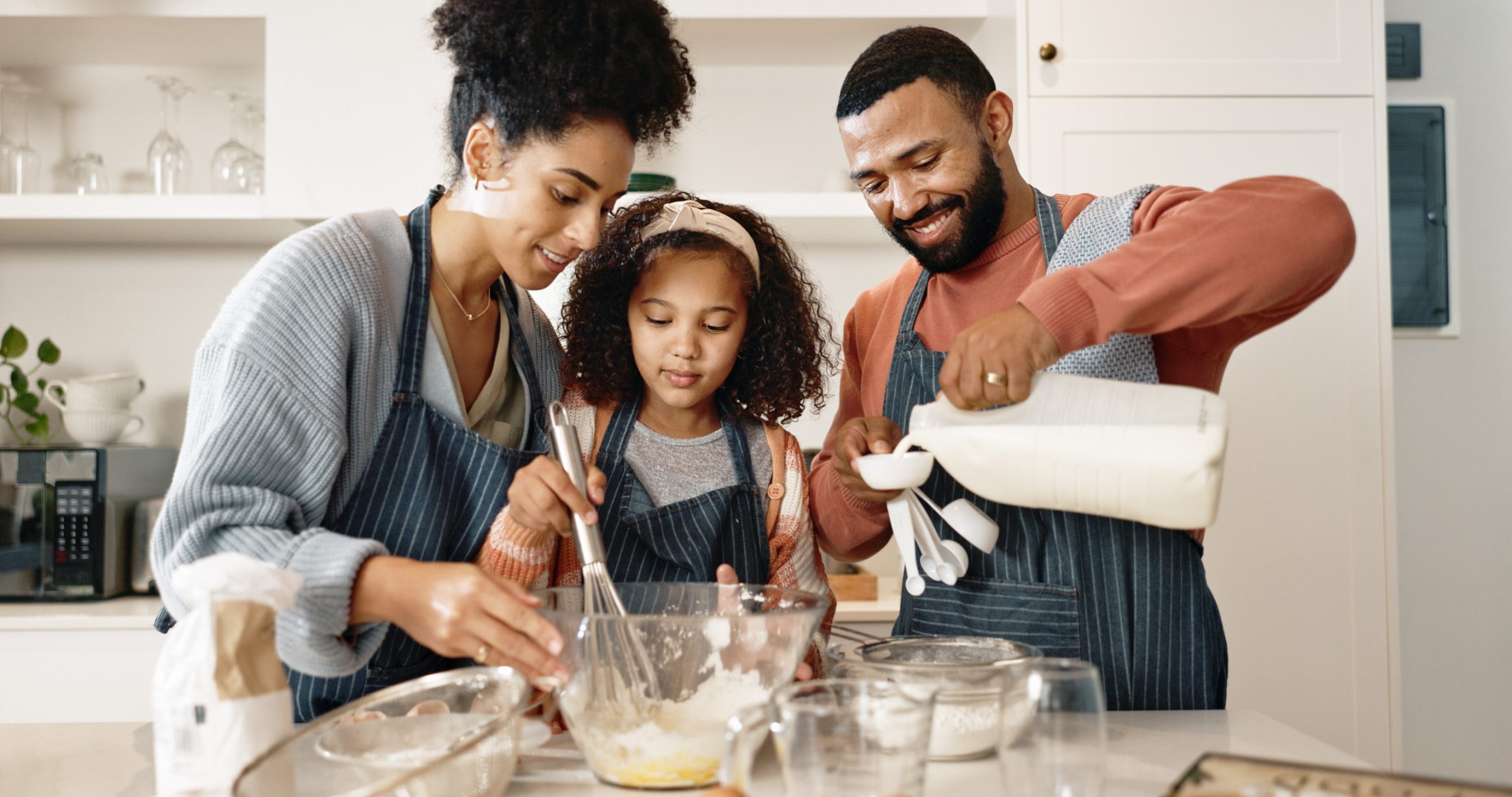
7 Reasons You’re Directly Responsible For Your Child’s Poor Grades In School

May 19, 2025 | Leave a Comment

7 Reasons Youre Directly Responsible For Your Childs Poor Grades In School

It’s easy to point fingers when a child’s report card shows more Cs than As. Parents might blame the teacher, the curriculum, or even the kid’s attitude. But what if the real issue hits closer to home? The uncomfortable truth is that school performance is heavily influenced by what happens beyond the classroom walls. Before you start punishing screen time or scolding for missing assignments, it may be time to hold up a mirror.

School success doesn’t just happen in the classroom. It starts with habits, expectations, and environments shaped at home. When a child consistently underperforms, it’s rarely due to laziness or lack of ability. More often, it reflects the routines, priorities, and examples set by the people raising them. If your child is struggling with school performance, these are seven parenting habits that might be standing in the way.

1. You Don’t Prioritize a Routine at Home

Kids thrive on consistency, and without a structured routine, everything from bedtime to homework gets lost in the chaos. If your child doesn’t know when (or if) they’re supposed to study, it’s no surprise their school performance is slipping. Unpredictable evenings filled with screens, snacks, and distractions leave little room for learning. A predictable routine sets the tone for focus, responsibility, and calm. Structure is a form of support—not control.

2. You Rely on Teachers to Handle Everything

Teachers are educators, not miracle workers. If your child is struggling and you’re waiting for the school to fix it alone, you’re already part of the problem. Strong school performance requires reinforcement at home—things like checking assignments, practicing reading, and discussing what they’ve learned. When parents stay hands-off, kids get the message that school isn’t a priority. Showing up consistently matters.

3. You’re Modeling the Wrong Attitude About Education

Kids pick up on how adults view learning. If you make sarcastic comments about homework, bash teachers, or downplay the value of school, your child will do the same. Even subtle cues—like eye rolls when they mention a test—can chip away at motivation. Respect for education starts at home. When parents embrace learning, it reinforces the importance of school performance.

4. You Don’t Set Expectations (Or You Set Unrealistic Ones)

Kids need to know what’s expected of them—not just that they should “do well,” but what “doing well” actually looks like. If you never talk about schoolwork or hold them accountable, they’ll assume grades don’t matter. On the flip side, if your expectations are sky-high with zero support, your child may give up before they even try. Clear, reasonable expectations encourage consistency in school performance.

5. You’re Not Monitoring Screen Time

Technology can be a valuable tool for learning—but without limits, it becomes a black hole for time and attention. If your child is spending hours on video games, YouTube, or social media, it’s likely replacing time that should be spent reviewing or reading. Many parents overlook how deeply distracting screens are, especially when they’re used as a default babysitter. Screen time habits are one of the biggest under-the-radar factors affecting school performance.

6. You Avoid Tough Conversations About Struggles

When a child brings home bad grades, it’s tempting to scold or ignore it and hope it improves next time. But real progress starts with honest conversations. Ask why they’re struggling, how they feel in class, or what they need more support with. Shutting down discussions—or making them feel like failures—only drives the issue underground. A child’s school performance often improves once they feel emotionally supported.

7. You Don’t Create a Space for Learning

Kids need a physical and emotional space where they can focus. If they’re doing homework on the couch with the TV on, or in a noisy kitchen during dinner prep, their brains are not set up for success. A designated homework area, even a small one, tells your child that learning matters. That space should feel calm, organized, and free from unnecessary distractions. Your home setup directly affects your child’s school performance.

Grades Are a Reflection of the Ecosystem—Not Just the Student

If your child is struggling in school, it doesn’t mean you’ve failed—but it does mean something in their environment needs to shift. School performance reflects more than intelligence—it mirrors what’s modeled, supported, and prioritized at home. Being part of the solution starts with asking how your habits, routines, and attitudes are influencing your child’s education. Change doesn’t happen overnight, but with intention and consistency, it can start at home.

Have you ever realized your own habits were affecting your child’s school success? What did you change that made a difference? Share your story in the comments!

Read More:

12 Reasons Why Your Kids are Behind Academically

10 School Mistakes That Follow Kids for Years

Catherine Reed
Catherine Reed

Catherine is a tech-savvy writer who has focused on the personal finance space for more than eight years. She has a Bachelor’s in Information Technology and enjoys showcasing how tech can simplify everyday personal finance tasks like budgeting, spending tracking, and planning for the future. Additionally, she’s explored the ins and outs of the world of side hustles and loves to share what she’s learned along the way. When she’s not working, you can find her relaxing at home in the Pacific Northwest with her two cats or enjoying a cup of coffee at her neighborhood cafe.
Filed Under: Education Tagged With: academic success, child education, homework help, parenting habits, parenting strategies, school performance, student support

8 Times It Makes Sense For A Child To Drop Out Of High School

May 18, 2025 | Leave a Comment

8 Times It Makes Sense For A Child To Drop Out Of High School

Dropping out of high school is usually painted as a worst-case scenario, a sure sign that a child is headed for hardship. But the reality is more nuanced, especially in today’s world, where traditional education doesn’t always fit every student. While staying in school is often the best path, there are situations where leaving early can actually lead to better outcomes, both emotionally and practically. Sound parenting advice means recognizing when the system is failing the child, not the other way around. Dropping out doesn’t have to be a dead end if it leads to growth, stability, or a healthier alternative.

Of course, dropping out should never be the first solution to a problem, and it should never be done without a clear plan. But there are exceptions where continuing high school may cause more harm than good. If your child is struggling and nothing seems to be working, it’s worth considering whether an alternative path could help them thrive. Here are eight situations where it might make more sense to step off the traditional high school track and into something different.

1. When Mental Health Is Suffering

If a child is battling anxiety, depression, or other mental health issues that are worsened by the demands of school, dropping out may be a temporary or necessary step. Pushing through can lead to breakdowns, hospitalizations, or long-term consequences. In some cases, stepping away allows time for healing and focused treatment. School can be resumed later through alternative education, online programs, or GED pathways. Sound parenting advice sometimes means prioritizing mental health over milestones.

2. When School Is an Unsafe Environment

Bullying, harassment, or unsafe conditions can make daily attendance feel like walking into a war zone. If the school cannot or will not take meaningful steps to address these issues, it may not be the right place for your child. Emotional and physical safety should never be sacrificed in the name of completing a traditional education. Dropping out doesn’t mean giving up; it can mean escaping a harmful setting and finding a better fit. Every child deserves to learn in an environment of respect and protection.

3. When an Alternative Program Offers a Better Fit

Some kids just don’t thrive in traditional classrooms, no matter how much support they’re given. Hands-on learners, neurodivergent students, or those with unique career interests may find more success in trade schools, alternative education programs, or self-paced online curricula. Leaving high school for a program that actually suits their strengths isn’t a failure—it’s a smart move. Sound parenting advice includes knowing that one-size-fits-all education doesn’t always serve every child.

4. When They’re Supporting the Family

In families facing financial hardship, teens sometimes feel pressured to work full-time just to help cover rent or groceries. While this shouldn’t be the burden of a child, real-life circumstances can force tough decisions. Dropping out may allow the student to work while pursuing a GED or night classes later. It’s not ideal, but it can be a responsible choice when survival is the priority. Compassionate support can help the child return to education when the time is right.

5. When Pregnancy or Parenthood Becomes a Priority

Teen parents face unique challenges, and juggling school with the demands of parenting is no small feat. In some cases, stepping away from school temporarily allows them to care for their child and stabilize their home life. That doesn’t mean the education journey ends. Many go on to finish through alternative schools, online programs, or community college. Dropping out can be part of a long-term plan to build a better future, not the end of one.

6. When Career Opportunities Come Early

Occasionally, teens land rare opportunities in creative industries, athletics, or entrepreneurship that don’t align with a rigid school schedule. While this is uncommon, it can be a legitimate reason to leave school, especially when combined with a plan to complete education in a flexible format later. The decision should be made carefully and with a backup plan in place. Still, some kids grow faster outside the classroom when they’re chasing a passion or building a business. Sound parenting advice is about helping them pursue those goals responsibly.

7. When They’ve Already Fallen Too Far Behind

Some students face repeated academic failure and frustration despite their best efforts. By the time they reach a certain point, the chances of catching up are slim without a total reset. Dropping out may be part of transitioning to a GED program or other alternative route that lets them start fresh and succeed on their terms. Sometimes, letting go of what’s not working is the first step toward real progress. Education doesn’t have to look like high school to be valid or valuable.

8. When The Goal Is Still Education—Just Not in a Traditional Way

Dropping out doesn’t mean giving up on learning. Many students leave high school and go on to earn a GED, enroll in college, or pursue vocational training. The goal is still growth, just through a different method. If your child has a clear plan and the maturity to follow through, it’s possible to step off the high school path and still land on solid ground. Sound parenting advice involves guiding that process, not shaming it.

Support Over Stigma Is the Real Game-Changer

Leaving high school isn’t a decision that should ever be made lightly, but it’s also not one that deserves automatic judgment. A dropout can become a comeback story with the right structure, support, and vision. Sound parenting advice requires flexibility, empathy, and the courage to recognize when the traditional path just doesn’t fit. There are many roads to success, and some begin outside the classroom.

Have you or someone you know taken a non-traditional route through education? What helped make it work? Share your thoughts in the comments!

Read More:

School Success Starts at Home—Here’s How to Prep Your Kids

12 Reasons Why Your Kids are Behind Academically

Catherine Reed
Catherine Reed

Catherine is a tech-savvy writer who has focused on the personal finance space for more than eight years. She has a Bachelor’s in Information Technology and enjoys showcasing how tech can simplify everyday personal finance tasks like budgeting, spending tracking, and planning for the future. Additionally, she’s explored the ins and outs of the world of side hustles and loves to share what she’s learned along the way. When she’s not working, you can find her relaxing at home in the Pacific Northwest with her two cats or enjoying a cup of coffee at her neighborhood cafe.

Filed Under: Education Tagged With: alternative schooling, education alternatives, GED path, high school dropout, parenting teens, sound parenting advice, teen mental health

10 Places Your Kids Can Learn Real-Life Skills (That Schools Won’t Teach Them)

May 17, 2025 | Leave a Comment

10 Places Your Kids Can Learn Real Life Skills That Schools Wont Teach Them

Schools cover a lot—reading, math, science, and history—but some of life’s most important lessons don’t appear in any textbook. Real-life skills like budgeting, cooking, negotiation, time management, and emotional intelligence often get skipped in favor of standardized testing. That’s where parents come in. The world outside the classroom is full of valuable teaching moments if you know where to look. You don’t need a formal curriculum to help your child become capable, confident, and self-sufficient.

Whether your child is a toddler or a teen, these everyday places can become powerful learning environments. Each one offers hands-on opportunities to build practical knowledge they’ll use for the rest of their lives. Let’s take a look at 10 spots where kids can gain real-world experience and pick up real-life skills that schools often leave out.

1. The Grocery Store

The grocery store is a crash course in budgeting, nutrition, planning, and patience. Have your child help make the shopping list, compare prices, or keep track of spending. They’ll quickly learn how to make trade-offs, read labels, and stick to a plan. Older kids can calculate unit prices and determine which items offer better value. This is one of the easiest ways to sneak in lessons on money management and healthy choices.

2. The Kitchen

Cooking teaches more than just how to follow a recipe—it builds confidence, creativity, and independence. Measuring ingredients helps with math, while prepping meals reinforces safety, cleanliness, and nutrition. Kids also learn time management and how to multitask effectively. Let younger kids wash veggies or stir ingredients, and give older ones control over simple meals. Kitchen time is hands-on, satisfying, and endlessly useful in adulthood.

3. The Library

Libraries offer more than books—they teach responsibility, self-directed learning, and digital literacy. Kids learn how to find information, manage return deadlines, and explore topics that interest them. Library cards can be their first experience with personal accountability. Many libraries also offer free workshops, tech classes, and community events. It’s a great way to build curiosity while reinforcing real-life skills like organization and follow-through.

4. The Bank

A visit to the bank (or even using a banking app together) is an opportunity to demystify money. Kids can learn how to deposit checks, understand savings and interest, and see where their money goes. Explain the difference between checking and savings accounts and how budgeting tools work. This real-world exposure builds financial literacy from a young age. It also opens the door to conversations about earning, spending, and saving wisely.

5. The Post Office

While it may seem old-school, the post office teaches kids how to address mail, understand postage, and follow procedures. They can learn about sending packages, filling out forms, and respecting queues and deadlines. Understanding how systems work—from stamps to tracking numbers—teaches attention to detail. It’s a small but valuable lesson in responsibility and logistics. Plus, writing letters helps build communication and social skills.

6. Local Volunteer Organizations

Volunteering is one of the best ways to teach empathy, teamwork, and social responsibility. Whether they help at an animal shelter, food bank, or park clean-up, kids gain real-life skills that go far beyond the classroom. They see the impact of their actions and develop a deeper appreciation for their community. Volunteering also helps kids practice leadership, follow directions, and interact with diverse groups of people. It’s an excellent way to foster gratitude and personal growth.

7. The Hardware Store

A trip to the hardware store can turn into a masterclass in problem-solving and home maintenance. Talk about how different tools work, why materials cost what they do, and how to plan for a repair project. Let kids help choose paint colors, count screws, or measure lumber. Projects at home—like fixing a leaky faucet or building a shelf—teach practical skills that schools rarely touch. This kind of hands-on learning builds both competence and confidence.

8. Family Budget Meetings

Inviting your kids into simple money discussions at home helps them understand how financial decisions get made. Break down the basics of income, expenses, bills, and savings goals. Let them suggest ideas for cutting costs or saving up for something fun as a family. Kids who are included in budgeting early learn to be thoughtful and realistic about money. It’s one of the best ways to model financial responsibility.

9. The Car

The car can be a classroom on wheels, from filling up gas to checking tire pressure. Show kids how to read the dashboard, schedule maintenance, or even change a tire. Older teens should know how to budget for gas and basic car care before they’re handed keys. These lessons teach responsibility, attention to detail, and long-term planning. Plus, they help prevent costly mistakes down the road.

10. The Workplace (Even Just Visiting Yours)

Letting your child see what you do for work teaches them about effort, routine, and professionalism. Whether it’s an office, construction site, or small business, they’ll start to understand the value of time and labor. Ask if they want to help with simple tasks or shadow for an hour. It gives context to your daily schedule and helps them think about their own future goals. Plus, they’ll appreciate your efforts more when they see what “a day at work” really means.

Real-Life Lessons Don’t Require a Lesson Plan

You don’t need to be a teacher to teach real-life skills. Daily errands and household routines can become powerful learning moments with just a little intention. By involving your kids in the real world, you’re preparing them for the kind of independence, resilience, and resourcefulness no standardized test can measure.

What everyday places have helped your kids learn real-world lessons? Share your insights in the comments!

Read More:

How to Teach Kids to Say No—Even to Grownups

How Do You Teach Kids About Consent and Boundaries?

Catherine Reed
Catherine Reed

Catherine is a tech-savvy writer who has focused on the personal finance space for more than eight years. She has a Bachelor’s in Information Technology and enjoys showcasing how tech can simplify everyday personal finance tasks like budgeting, spending tracking, and planning for the future. Additionally, she’s explored the ins and outs of the world of side hustles and loves to share what she’s learned along the way. When she’s not working, you can find her relaxing at home in the Pacific Northwest with her two cats or enjoying a cup of coffee at her neighborhood cafe.

Filed Under: Parenting Tagged With: child development, family learning, financial literacy, life lessons for kids, parenting advice, raising independent kids, real-life skills

« Previous Page
Next Page »
  • Facebook
  • Pinterest
  • RSS
  • Twitter
Best Parenting Blogs

Most Popular

Baby Girl

12 “Grandma” Baby Names That Are Suddenly Cool Again

Evan Morgan
Baby

9 Baby Names That Sound Rare Without Being Hard to Spell

Evan Morgan
Target Store

Choking Incident Prompts Recall of 49,000 Target Gigglescape “Under the Sea” Popping Toys

Evan Morgan
Frustrated Girl

Why Some Students on the Spectrum Are Labeled With ODD

Evan Morgan
Coke Bottles

12 Things Kids Took to School in the ’70s That Would Never Be Allowed Today

Evan Morgan

All content on Kids Ain’t Cheap is for entertainment purposes only. By reading this blog, you agree that Kids Ain’t Cheap is not responsible for any actions taken after reading this blog. For the full disclaimer, see our privacy policy.

Please note that Kids Ain’t Cheap has financial relationships with some of the merchants mentioned here. Kids Ain’t Cheap is funded by banner advertising, commission sales and search optimization consulting.

Copyright © 2006–2026 | District Media | All Rights Reserved | Privacy Policy

Copyright © 2026 Runway Pro Theme by Viva la Violette