
• Home
  • About Us
  • Toolkit
  • Archives
  • Advertise
  • Privacy Policy

Kids Ain't Cheap

But They Sure Are Worth It

  • Parenting
    • Baby Stuff
    • Books and Reading
      • Aesops Fables
      • Comic Books
    • Education
    • Family Time
    • Green Living
    • Growing Up
    • Healthy Living & Eating
    • Holidays
    • Parenting
    • Random Musings
    • Shopping
    • Stuff to Do
  • Money
  • Product Reviews
    • Books and Magazines
    • Discount Sites
    • Furniture
    • House Keeping
    • Reviews News
    • Toys and Games
  • Contact Us
  • Our Editorial Commitment
  • Search

When “Screen-Free” Weekends Become Emotional Landmines

August 3, 2025 | Leave a Comment

When “Screen-Free” Weekends Become Emotional Landmines
Image source: 123rf.com

Declaring screen-free weekends often sounds like a brilliant plan until Saturday afternoon hits and the house feels like a ticking time bomb. What started as a wholesome idea to bring the family closer can quickly turn into tantrums, sulking, and parents second-guessing the decision to unplug. The emotional reaction to taking away screens often catches families off guard, making it hard to enjoy the benefits of more connection and less tech dependence. But with the right approach, you can turn screen-free weekends from emotional landmines into fun, drama-free opportunities for bonding and creating memories that stick.

1. Understanding Why Screen-Free Weekends Trigger Big Feelings

For kids, removing screens can feel like losing a favorite toy or missing out on time with friends. Many children rely on devices not just for games, but for social connection and comfort after a long week. When parents suddenly cut off that outlet, frustration and disappointment can spill over into big emotions. Understanding that resistance often comes from a place of habit and attachment helps parents respond with empathy instead of anger. The first step to peaceful screen-free weekends is acknowledging that it’s a big change for everyone involved.

2. Planning Ahead to Avoid Weekend Meltdowns

One of the biggest reasons screen-free weekends go wrong is lack of preparation. Declaring “no screens” without offering fun alternatives leaves kids bored and irritable. Planning outdoor adventures, family baking sessions, or even a living room fort-building competition gives kids something to anticipate. When exciting activities replace screens, children are less focused on what they’ve lost and more engaged in what they’re gaining. A little planning can turn a dreaded unplugged weekend into something kids look forward to.

3. Giving Kids a Voice in Screen-Free Decisions

Kids handle screen-free weekends better when they feel included in the process. Letting them help choose weekend activities makes it less about rules and more about teamwork. You might sit down on Thursday night, brainstorm ideas, and vote as a family on what to do. This shared decision-making gives kids a sense of control, reducing emotional blowups when the weekend arrives. When children help shape the plan, they’re more invested in making it a success.

4. Setting Realistic Boundaries for Screen-Free Weekends

Going from constant device use to zero screen time can be overwhelming. Instead of aiming for a total tech blackout, try easing into it with small, realistic boundaries. Perhaps mornings and mealtimes are screen-free, with one set movie time in the evening. This approach helps kids adjust gradually while still meeting the goal of reducing screen dependence. A little flexibility keeps the weekend peaceful and avoids unnecessary battles.

5. Creating Excitement That Competes With Screens

If screen-free weekends feel dull, kids will naturally want their devices back. The key is offering engaging alternatives that grab their attention. Family challenges, scavenger hunts, water balloon fights, or DIY crafts can all outshine screen time when done right. The more fun and interactive the options, the less likely emotional landmines will explode. Unplugging works best when it feels like an adventure rather than a punishment.

Turning Screen-Free Weekends Into Family Wins

When handled thoughtfully, screen-free weekends can transform from emotional struggles into cherished family traditions. The shift takes empathy, preparation, and creativity, but the reward is stronger bonds and lasting memories. Over time, kids learn that life without screens can be just as fun, if not more, than endless scrolling or gaming. Parents gain peace of mind knowing they’re fostering balance in a digital-heavy world. With patience and the right strategies, your next unplugged weekend can feel like a win for the whole family.

How have your family’s screen-free weekends gone? Do you have any go-to tricks for making them enjoyable instead of stressful? Share your tips in the comments!

Read More:

9 Privacy Settings You Didn’t Know Existed for Kids’ Devices

The Dark Side of Kids’ YouTube You Didn’t See Coming

Catherine Reed
Catherine Reed

Catherine is a tech-savvy writer who has focused on the personal finance space for more than eight years. She has a Bachelor’s in Information Technology and enjoys showcasing how tech can simplify everyday personal finance tasks like budgeting, spending tracking, and planning for the future. Additionally, she’s explored the ins and outs of the world of side hustles and loves to share what she’s learned along the way. When she’s not working, you can find her relaxing at home in the Pacific Northwest with her two cats or enjoying a cup of coffee at her neighborhood cafe.


Filed Under: Family Time Tagged With: Family bonding, kids and technology, parenting struggles, parenting tips, reducing screen time, screen-free weekends

8 Subsidy Traps That Cause Families to Lose Childcare Aid

August 3, 2025 | Leave a Comment

8 Subsidy Traps That Cause Families to Lose Childcare Aid
Image source: 123rf.com

Childcare assistance programs can be a lifeline for families trying to balance work and the high costs of raising children. But many parents discover too late that certain rules, overlooked details, or unexpected changes can quickly cause them to lose their benefits. These subsidy traps often catch families off guard, leaving them scrambling to cover expenses they thought were handled. Understanding the most common mistakes and pitfalls can help you avoid losing your childcare aid and keep much-needed financial support in place.

1. Missing Income Reporting Deadlines

One of the most common subsidy traps is failing to report changes in household income on time. Many childcare aid programs require families to notify them within a set period if they receive a raise, change jobs, or lose income. Missing this window can result in overpayment claims or a sudden cutoff of benefits. Parents often underestimate how closely income levels are monitored, which can lead to unpleasant surprises. Staying proactive and reporting updates promptly is key to keeping your aid secure.

2. Not Updating Family Size or Household Changes

Childcare aid eligibility often depends on the size of your household and who lives with you. If someone moves in or out, or if you have another child, these changes must be reported quickly. Ignoring these updates is another subsidy trap that can jeopardize benefits. Programs may reassess your eligibility and revoke aid if they believe your information is inaccurate or outdated. Keeping records up-to-date ensures you avoid unexpected reductions or loss of support.

3. Exceeding Income Thresholds Without Realizing It

Some families unknowingly fall into subsidy traps by earning just slightly above the allowed limit. Even small raises or bonuses can push income past the threshold and disqualify you. Because the calculations can be complex, many parents are unaware they’re at risk until aid is suddenly cut. Understanding the exact limits for your program can help you plan ahead and avoid surprises. It’s better to know where you stand financially before the benefits disappear.

4. Letting Paperwork Expire or Go Unverified

Childcare programs often require periodic verification of employment, pay stubs, or provider information. Missing these deadlines or failing to provide complete documentation can result in a pause or cancellation of aid. This is one of the easiest subsidy traps to fall into because parents are already juggling work and childcare responsibilities. Setting reminders and keeping documents organized helps ensure you don’t miss critical updates. Staying on top of paperwork can make the difference between continued support and sudden loss.

5. Choosing a Provider Who Loses Eligibility

Your childcare provider must remain approved under state or program rules for aid to continue. If they lose licensing or fail to meet program requirements, your subsidies may stop without much notice. This situation can leave families scrambling for new childcare or covering costs out of pocket. One of the less obvious subsidy traps, this one highlights the importance of choosing reliable, compliant providers. Regularly checking their status can save you from a sudden funding gap.

6. Failing to Report Job Loss or Schedule Changes

Subsidy programs often require parents to be working, in school, or in training to qualify. If your job ends or your work hours significantly change, not reporting it can cause problems later. Aid may be retroactively revoked, leaving you with repayment obligations. These subsidy traps can happen even if you’re only temporarily out of work. Communicating openly with the program office ensures they adjust your benefits correctly and help you stay eligible.

7. Misunderstanding Copay or Attendance Rules

Some programs have strict rules about paying your share of costs on time or maintaining consistent childcare attendance. Falling behind on copayments or having too many unexplained absences can trigger penalties or loss of aid. Parents often overlook these details while managing hectic schedules, which is why these subsidy traps are so common. Reviewing your program’s rules carefully can help you avoid mistakes that cost you benefits. Consistency and good recordkeeping go a long way in protecting your support.

8. Assuming Benefits Are Guaranteed Long-Term

Many parents assume that once they’re approved for childcare aid, it will remain steady for years. In reality, subsidy traps exist because programs review eligibility regularly, and funding can change based on government budgets. Not preparing for reassessments or potential benefit reductions can leave you unprepared if aid stops. It’s wise to have a backup plan for childcare costs in case funding shifts. Awareness and preparation can help you avoid financial stress if the unexpected happens.

Staying Ahead of Subsidy Traps

Childcare aid is a valuable resource, but keeping it often takes careful attention to details and deadlines. Understanding the common subsidy traps that lead to lost benefits helps you take action before problems arise. By staying organized, communicating with your program office, and choosing reliable childcare providers, you can protect your support. Families who stay proactive are less likely to face sudden cuts and more likely to maintain consistent help. With the right approach, you can navigate the system successfully and keep the aid your family depends on.

Have you experienced subsidy traps firsthand? What tips would you share with other parents to help them keep their childcare aid? Drop your advice in the comments below!

Read More:

14 Reasons Parents Should Consider In-Home Childcare

9 Creepy Red Flags That a Daycare Isn’t Safe

Catherine Reed
Catherine Reed

Catherine is a tech-savvy writer who has focused on the personal finance space for more than eight years. She has a Bachelor’s in Information Technology and enjoys showcasing how tech can simplify everyday personal finance tasks like budgeting, spending tracking, and planning for the future. Additionally, she’s explored the ins and outs of the world of side hustles and loves to share what she’s learned along the way. When she’s not working, you can find her relaxing at home in the Pacific Northwest with her two cats or enjoying a cup of coffee at her neighborhood cafe.

Filed Under: Money and Finances Tagged With: childcare aid, childcare assistance, Family Budgeting, parenting finances, parenting tips, subsidy traps

7 “Innocent” Family Activities That Are Triggering TikTok Outrage

August 1, 2025 | Leave a Comment

7 Innocent Family Activities That Are Triggering TikTok Outrage
Image source: 123rf.com

Family time is supposed to be joyful and free from drama, but in today’s world of viral videos and endless commentary, even the most harmless outings can become hot topics online. Parents are discovering that their everyday activities, once considered simple and wholesome, are now drawing unexpected criticism on TikTok. Whether it’s due to safety concerns, changing social norms, or just the internet’s tendency to stir debate, certain family habits are suddenly seen in a new light. If you’ve been scrolling and wondering why these moments are sparking so much conversation, you’re not alone. Here’s a look at seven “innocent” family activities that are causing major TikTok outrage and what parents can take away from the discussion.

1. Posting First-Day-of-School Photos

First-day-of-school pictures have long been a cherished tradition for families, but TikTok outrage has turned them into a hot-button topic. Many viral posts highlight safety risks, pointing out that visible school logos, street signs, or name tags can reveal personal information. Commenters warn that this data could be used by strangers to track a child’s location. What once felt like a sweet way to mark a milestone is now being debated as potentially unsafe. Parents are left questioning how much is too much to share online.

2. Public Gender Reveal Celebrations

Gender reveal parties have faced plenty of criticism in recent years, and TikTok outrage has only added fuel to the fire. Videos of public reveals, especially those involving loud fireworks or colored smoke in crowded spaces, often attract negative comments. Critics argue that these events can disrupt communities, harm the environment, or put children near unsafe setups. While many parents see them as harmless celebrations, the viral backlash has made them a lightning rod for online debate. It’s a reminder that private moments shared publicly can quickly spiral into internet drama.

3. Allowing Kids to Have Leash Backpacks

Leash backpacks are often used for toddlers who like to wander, giving parents peace of mind in busy areas. However, videos showing families using them have caused intense TikTok outrage, with many commenters comparing the practice to treating children like pets. Supporters argue that they’re a practical safety tool, especially in crowded places like airports or amusement parks. The online controversy often leaves parents feeling judged for choosing what works best for their child. The debate highlights how easily parenting decisions can be misinterpreted when posted online.

4. Filming Public Meltdowns

Every parent has dealt with a toddler meltdown in public, but TikTok outrage erupts when videos of these moments go viral. Some parents share the clips to be relatable or humorous, while others use them to document milestones. Viewers, however, often criticize the decision to record and post instead of comforting the child. Many argue that it can embarrass the child or violate their privacy. This ongoing debate shows how quickly online opinions can turn a tough parenting moment into public scrutiny.

5. Taking Kids on Theme Park Thrill Rides

Videos of young children on roller coasters or big thrill rides have sparked major TikTok outrage. Commenters worry about safety and whether the rides are age-appropriate, even when the child meets the height requirement. Parents who post these clips often face backlash, with critics accusing them of pressuring their kids or ignoring potential dangers. Supporters counter that many children enjoy these experiences and it’s ultimately a parental decision. Still, the viral discussions have made some families second-guess what they record and share from vacations.

6. Letting Kids Walk Home Alone

Independent moments, like letting a child walk home from school, are now under a spotlight thanks to viral TikTok clips. Videos of solo walkers, even in safe neighborhoods, often trigger waves of comments expressing concern or outrage. Critics argue that children shouldn’t be unsupervised, citing potential dangers from strangers or traffic. Others push back, saying kids need independence and confidence-building experiences. This clash of opinions shows how social media can amplify differing parenting philosophies in unexpected ways.

7. Filming Pranks on Kids

Lighthearted pranks on children used to be considered harmless fun, but TikTok outrage has shifted the conversation. Videos of parents tricking their kids for laughs often face criticism for being mean-spirited or potentially harmful to trust. Viewers argue that children can feel embarrassed or confused, even if the intent is playful. While some families see these moments as funny memories, the online reaction has made many rethink the practice. The debate emphasizes how humor in parenting isn’t always well-received by a broader audience.

What Parents Can Learn from the Viral Backlash

The rise of TikTok outrage over everyday family moments shows how parenting choices can be interpreted differently online. What feels like an innocent activity in real life may become controversial once it’s shared with millions of strangers. The key takeaway for families is to think carefully before posting and consider how content might be viewed by others. While every parent has the right to their own approach, social media magnifies opinions and judgment. Protecting your child’s safety, privacy, and feelings should always outweigh the quest for viral attention.

Have you seen any family moments online that sparked unexpected outrage? Share your thoughts and experiences in the comments below.

Read More:

8 Parenting Styles That Are Sparking Heated Debates

Privacy Violation: 7 Things Never to Post About Your Kids Online

Catherine Reed
Catherine Reed

Catherine is a tech-savvy writer who has focused on the personal finance space for more than eight years. She has a Bachelor’s in Information Technology and enjoys showcasing how tech can simplify everyday personal finance tasks like budgeting, spending tracking, and planning for the future. Additionally, she’s explored the ins and outs of the world of side hustles and loves to share what she’s learned along the way. When she’s not working, you can find her relaxing at home in the Pacific Northwest with her two cats or enjoying a cup of coffee at her neighborhood cafe.

Filed Under: Parenting Tagged With: family activities online, parenting tips, social media safety, TikTok parenting trends, viral parenting moments

Is Your Family Using a Baby Name That Schools May Mock?

August 1, 2025 | Leave a Comment

Is Your Family Using a Baby Name That Schools May Mock
Image source: 123rf.com

Choosing a name for your child is one of the most exciting and meaningful decisions parents make, but it’s not without its pitfalls. While you might love a unique or creative name, kids can be brutally honest and sometimes downright cruel. The last thing any parent wants is to pick a name that opens the door for teasing or mockery once school starts. With social media trends and pop culture adding new layers of complexity, some names that seem cute or cool today can end up being a burden later. Before finalizing your choice, it’s worth considering whether you’ve chosen a baby name that schools may mock and how to prevent future heartache for your child.

1. Names That Sound Like Common Teasing Words

Children are quick to find rhymes or similar-sounding words they can twist into insults. A baby name that schools may mock often has an easy, silly-sounding rhyme or a similarity to words associated with teasing. For example, names that rhyme with “smelly,” “nerdy,” or “farty” can lead to cruel jokes in class. While you can’t anticipate every potential nickname, you can test out rhymes and variations before committing to a name. Doing a quick brainstorm of what other kids might say could save your child years of avoidable teasing.

2. Names With Unusual Spellings

Creative spellings can make a name stand out, but they also make it a target for jokes. A baby name that schools may mock is often one that teachers struggle to pronounce or spell, leading to awkward classroom moments. Kids may laugh or make fun of repeated corrections, turning the name into an unwanted spectacle. While individuality is important, choosing a name that’s easy to read and say can spare your child unnecessary embarrassment. Striking a balance between uniqueness and simplicity is often the safest bet.

3. Names That Resemble Pop Culture Characters

Pop culture references can be a double-edged sword when it comes to names. A baby name that schools may mock might share a name with a controversial celebrity, cartoon villain, or infamous movie character. Kids often latch onto these connections, making jokes or nicknames based on what they’ve seen online or on TV. Trends change fast, meaning a once-beloved name could become a source of ridicule overnight. Parents should research their chosen name and check if it’s tied to a figure that could spark teasing down the road.

4. Names That Are Too Old-Fashioned or Overly Trendy

A name that feels out of step with current times can quickly catch unwanted attention. A baby name that schools may mock might sound extremely old-fashioned compared to peers’ names or be overly trendy in a way that invites eye-rolls. Children tend to tease anyone who seems “different,” and names can be a big part of that. While classic names often stand the test of time, extremes on either end of the popularity spectrum can create teasing risks. Looking for names that feel timeless but not outdated can help avoid future mockery.

5. Names With Double Meanings or Slang Associations

Some names might sound perfectly fine to adults but have slang meanings among kids or teens. A baby name that schools may mock often has a hidden double meaning that younger generations won’t let slide. This can lead to laughter, taunts, or even inappropriate jokes that stick with the child for years. Before finalizing a name, it’s smart to research whether it has slang connotations in different cultures, age groups, or languages. Catching these connections early can prevent a lifetime of awkward or hurtful moments.

6. Names That Are Difficult to Pronounce

Complicated or unfamiliar names can lead to consistent mispronunciation, which kids often turn into a joke. A baby name that students may mock usually stands out in roll call or group activities when a teacher stumbles over it. While diversity in names is beautiful and should be embraced, children sometimes turn these moments into ridicule. If you love a complex name, consider offering a simpler nickname option to make things easier for young classmates and teachers. This can help your child feel comfortable and confident in social settings.

7. Names With Obvious Nickname Potential

Nicknames can be fun and affectionate, but they can also be cruel and hurtful. A baby name that schools may mock is often one that has easy, unflattering nicknames built right in. For example, names that can be shortened to negative terms give bullies material to work with. Thinking ahead about the nicknames a name might naturally inspire can help you avoid these pitfalls. Sometimes, just picking a name without obvious negative spinoffs can save your child unnecessary stress.

Protecting Your Child from Name-Based Teasing

While no name is completely safe from teasing, parents can take steps to reduce the risk. Thinking carefully about rhymes, spellings, cultural references, and hidden meanings can help you avoid choosing a baby name that schools may mock. Remember that your child will carry this name through school, friendships, and early social interactions, making it an important part of their self-confidence. Balancing uniqueness with practicality can help you give your child a name they’ll be proud of. A little extra thought now can spare them from years of avoidable playground teasing.

Have you ever heard a baby name that schools may mock? What’s your approach to choosing a name that will age well? Share your thoughts in the comments below.

Read More:

9 Baby Names You’ve Never Heard Before, But Should Consider

10 Names That Only Parents From The 80s Would Give A Child

Catherine Reed
Catherine Reed

Catherine is a tech-savvy writer who has focused on the personal finance space for more than eight years. She has a Bachelor’s in Information Technology and enjoys showcasing how tech can simplify everyday personal finance tasks like budgeting, spending tracking, and planning for the future. Additionally, she’s explored the ins and outs of the world of side hustles and loves to share what she’s learned along the way. When she’s not working, you can find her relaxing at home in the Pacific Northwest with her two cats or enjoying a cup of coffee at her neighborhood cafe.

Filed Under: Parenting Tagged With: baby names, baby naming mistakes, child bullying prevention, parenting tips, school teasing

Are You Covered? 6 Urgent Updates To Your Child’s Health Records

July 31, 2025 | Leave a Comment

Are You Covered 6 Urgent Updates To Your Childs Health Records
Image source: 123rf.com

When was the last time you reviewed your child’s health records? If your answer involves a long pause or a nervous shrug, you’re not alone. Many parents don’t think about medical paperwork until they need it—and by then, it’s often out of date. From school forms to emergency care, your child’s health records should always reflect their current needs. Making these six urgent updates today could save you time, stress, and serious complications down the line.

1. Update Allergies and Adverse Reactions

Allergies can develop unexpectedly, and reactions can become more severe over time. That’s why your child’s health records should always include an up-to-date list of any known food, environmental, or medication allergies. Even if the allergy was mild, it’s important to record it in both paper files and electronic records. This helps prevent dangerous prescriptions or exposure at school, daycare, or the ER. Be sure to include the date of the last reaction and any treatment provided.

2. Add New Vaccinations and Immunization Dates

Whether your child recently received routine shots or a seasonal flu vaccine, those records need to be documented accurately. Schools, camps, and sports programs often require up-to-date immunization forms, and missing entries can lead to last-minute scrambles. Your child’s health records should reflect every vaccine they’ve received, along with the date and location. Ask your pediatrician for a printed or digital copy after each visit. Double-check that the record includes COVID-19 vaccines, if applicable.

3. Record Growth and Development Changes

Pediatricians regularly track your child’s height, weight, and developmental milestones—but are you keeping a copy? Growth charts are more than numbers on a wall. They offer insight into your child’s health patterns and are often used for diagnosing conditions, approving medications, or qualifying for services. Your child’s health records should include their most recent measurements and notes on any significant milestones or delays. If your child has a learning plan, this information can also support educational evaluations.

4. Update Medications and Dosage Information

If your child is on medication—even temporarily—this should be reflected in their health records. Include the name of the medication, dosage, frequency, and reason it was prescribed. Incorrect or outdated information can lead to serious complications if a substitute caregiver or emergency room provider makes treatment decisions based on old data. Don’t forget to remove medications they’re no longer taking. Regular updates ensure your child’s health records accurately reflect what’s working now.

5. Include Specialist Visits and Diagnoses

Has your child seen a speech therapist, allergist, psychologist, or any other specialist recently? These visits often result in diagnoses, treatment plans, or follow-ups that should be included in their central health file. When your child’s health records are scattered across providers, crucial information can slip through the cracks. Ask for summary notes from each specialist and keep them with your main pediatric records. This helps new doctors or school nurses understand your child’s full picture without confusion.

6. Review Emergency Contact and Insurance Information

In an emergency, every second counts—and outdated contact or insurance details can slow things down. Make sure your child’s health records include your current phone numbers, emergency contacts, and insurance provider. If your policy has changed, update the group number and member ID. It’s also smart to include any secondary coverage or government assistance programs. These updates can streamline billing and ensure your child gets care without delay or denial.

Keep It Current, Keep It Safe

Your child’s health records are more than paperwork—they’re a powerful tool that protects your child in every medical setting. Whether you’re updating allergy lists or adding the latest vaccine, each piece of information helps ensure safer, faster, and more personalized care. Take a few minutes each season to review your records and share updates with all relevant caregivers, schools, and providers. Staying on top of these details today can make all the difference tomorrow.

What’s one update you’ve recently made to your child’s health records? Share your tips or must-haves in the comments below!

Read More:

7 Health Symptoms That Demand Immediate Attention In Kids

7 Health Warnings Your Child’s Feet Are Telling You

Catherine Reed
Catherine Reed

Catherine is a tech-savvy writer who has focused on the personal finance space for more than eight years. She has a Bachelor’s in Information Technology and enjoys showcasing how tech can simplify everyday personal finance tasks like budgeting, spending tracking, and planning for the future. Additionally, she’s explored the ins and outs of the world of side hustles and loves to share what she’s learned along the way. When she’s not working, you can find her relaxing at home in the Pacific Northwest with her two cats or enjoying a cup of coffee at her neighborhood cafe.

Filed Under: Parenting Tagged With: allergy updates, child safety, child’s health records, family health management, healthcare organization, medical preparedness, parenting tips, pediatric medical records

Beyond The Babysitter: 10 Legal Papers You Need For Child Care Before An Emergency

July 31, 2025 | Leave a Comment

Beyond The Babysitter 10 Legal Papers You Need For Child Care Before An Emergency
Image source: 123rf.com

Most parents have a babysitter or relative on call for everyday help—but in a real emergency, good intentions aren’t enough. If you’re unexpectedly hospitalized, out of town, or otherwise unavailable, the person watching your child may not have the authority to make critical decisions. Having the right legal papers ready ahead of time ensures your child gets timely care, access to services, and protection without delays or confusion. It also gives you peace of mind, knowing your family won’t be stuck in a holding pattern when every second counts. Here are 10 legal papers every parent should have in place before an emergency hits.

1. Medical Consent Form

This is one of the most essential legal papers for childcare during emergencies. A medical consent form gives your chosen caregiver legal permission to seek treatment for your child. Without it, hospitals may delay non-life-threatening care until a legal guardian is contacted. The form should include the child’s health insurance info, allergies, medications, and your pediatrician’s contact details. Sign and notarize it, then keep a copy with your caregiver and in your child’s backpack or diaper bag.

2. Temporary Guardianship Agreement

If you’ll be away for an extended period—or in case of an unexpected event—this agreement allows a trusted adult to act as your child’s temporary guardian. It grants the authority to make legal, educational, and medical decisions. This legal paper is especially important if the caregiver is not a close relative. Most states require this to be notarized and include start and end dates. It’s a powerful tool that helps avoid delays in care or access to schooling during emergencies.

3. Power of Attorney for Minor Child

A power of attorney is broader than a temporary guardianship and allows another adult to manage your child’s affairs during your absence. This legal paper can cover medical, educational, and financial decisions. It’s ideal for military parents, extended trips, or health-related separations. Unlike guardianship, it doesn’t remove your parental rights—it simply shares them for a set time. Make sure it complies with your state’s laws and is kept up to date.

4. Emergency Contact Information Sheet

While not as formal as other legal papers, an emergency contact sheet is vital. It should list parents’ names, phone numbers, a backup contact, and details for your child’s doctor, dentist, and school. Include health insurance info, known allergies, and medications. This sheet should be easy to find and placed near the front door, in your child’s backpack, and with your caregiver. Having it ready helps first responders or caregivers act fast and accurately.

5. Health Care Proxy (for Older Children)

If your child is 16 or older in some states, they may need to sign a health care proxy so you or a guardian can make decisions on their behalf. This legal paper becomes critical if your teen is unconscious or unable to communicate. It helps doctors know who has authority without confusion. Talk through this with your teen so they understand why it’s necessary. Many parents skip this step, but it’s a smart move for families with older kids.

6. Child’s Birth Certificate (Copy)

Having a copy of your child’s birth certificate may not seem urgent, but in emergencies it can be required to confirm identity, enroll in school, or authorize medical care. Keep a photocopy in your emergency file and give one to your designated caregiver. This document can also help clarify parental relationships in more complex custody situations. If you’re a single parent or guardian, this becomes even more important. Don’t rely on digital copies alone—paper backups matter.

7. Custody Agreement or Parenting Plan

If you share custody, having a copy of your parenting plan or custody order helps resolve potential legal issues in an emergency. This document clarifies who has legal decision-making authority. It also outlines visitation schedules, school choices, and more. Make sure your co-parent has access to it as well. These legal papers reduce confusion and protect your rights during high-stress situations.

8. School Authorization Letter

Many schools require written permission for someone else to pick up or sign out your child. A school authorization letter allows a non-parent to interact with your child’s school when you’re unavailable. It should be signed, dated, and filed with the school in advance. Keep an extra copy with your caregiver. This ensures your child doesn’t get stuck at school due to a missing piece of paper.

9. Insurance Authorization Form

If someone else may need to speak with your health or dental insurance provider on your behalf, fill out an insurance authorization form. This gives them permission to manage billing issues, access plan details, or clarify benefits. It’s one of the legal papers that makes it easier to navigate claims and approvals. Without it, even routine matters can turn into major headaches. Contact your insurance provider for the right version of this form.

10. Family Emergency Plan

Wrap all your legal papers into one clear emergency plan. This document should outline who takes over in different situations, where to find important forms, and how to access medical, school, and legal information. Store it in a labeled folder in a secure but accessible place. Review it yearly and update as needed. When chaos hits, having a well-organized plan keeps everyone calm and prepared.

Planning Now Means Peace Later

Emergencies don’t wait for convenience. Having the right legal papers in place before one happens protects your child, reduces confusion, and gives you confidence that your family is covered. Even if these documents never get used, knowing they’re ready is one of the best gifts you can give yourself and your child. Preparedness isn’t about expecting the worst—it’s about being strong enough to handle anything that comes your way.

Have you started collecting the legal papers needed for your child’s emergency care? What documents are on your checklist? Let us know in the comments!

Read More:

6 Legal Protections for Your Child’s Digital Footprint

8 Legal Battles Families Face Over Inheritance and Children’s Rights

Catherine Reed
Catherine Reed

Catherine is a tech-savvy writer who has focused on the personal finance space for more than eight years. She has a Bachelor’s in Information Technology and enjoys showcasing how tech can simplify everyday personal finance tasks like budgeting, spending tracking, and planning for the future. Additionally, she’s explored the ins and outs of the world of side hustles and loves to share what she’s learned along the way. When she’s not working, you can find her relaxing at home in the Pacific Northwest with her two cats or enjoying a cup of coffee at her neighborhood cafe.
Filed Under: Parenting Tagged With: child care documents, child safety planning, emergency legal forms, emergency preparedness, family planning, guardianship, legal papers, parenting tips

Beyond The Toys: 8 Hidden Dangers In Your Child’s Toys

July 30, 2025 | Leave a Comment

Beyond The Toys 8 Hidden Dangers In Your Childs Toys
Image source: 123rf.com

That bright, colorful toy sitting in your child’s room might seem harmless, but what if it isn’t? Many parents assume that if a toy is sold in a store, it must be safe. Unfortunately, that’s not always the case. From toxic materials to small parts that pose serious hazards, hidden dangers can lurk where you least expect them. Knowing what to look for can help you make better decisions and keep your little one safe while still letting them enjoy playtime.

1. Toxic Chemicals in Plastic

Some toys are made with plastics that contain harmful chemicals like phthalates and BPA. These hidden dangers can affect your child’s hormonal development and have been linked to serious health issues. While many toy companies have phased them out, they’re still found in cheaper or imported toys. Always check labels and opt for toys labeled BPA-free and phthalate-free when possible. Choosing toys made from natural materials can also be a safer alternative.

2. Lead Paint in Imported Toys

Despite strict regulations in the U.S., some imported toys still contain lead-based paint. Lead exposure, especially in young children, can cause irreversible damage to their nervous system. These hidden dangers often go unnoticed because the toy appears new and vibrant. Always be cautious with toys that don’t come from reputable brands or that lack proper safety labeling. When in doubt, research the manufacturer and product history online before buying.

3. Small Parts That Pose a Choking Hazard

Small removable parts are one of the most common hidden dangers in children’s toys. Items like buttons, beads, or detachable eyes can easily come loose and be swallowed. For toddlers and babies, these pose a major choking risk. Always follow the age recommendations on toy packaging and do regular inspections for wear and tear. If a toy seems even slightly risky, it’s best to keep it out of reach.

4. Magnetic Pieces That Can Be Swallowed

Magnets may seem like a fun addition to a toy, but they can be incredibly dangerous if swallowed. When more than one magnet is ingested, they can attract inside the body and cause internal damage. These hidden dangers often appear in building sets, fake piercings, or small figurines. If you choose toys with magnets, supervise playtime and check that the magnets are securely enclosed. Better yet, avoid them entirely for younger children.

5. Button Batteries in Interactive Toys

Many electronic toys include button batteries, which are especially hazardous if swallowed. These batteries can cause severe internal burns within hours of ingestion. What makes them even more dangerous is how easily they can fall out of loose compartments. Check for secure battery cases that require a screwdriver to open. If a toy has easy battery access, it’s worth skipping in favor of something safer.

6. Strings and Cords That Can Strangle

Long strings or cords on toys may seem harmless, but they pose a serious strangulation risk. This is especially true for young children who may wrap cords around their necks while playing. These hidden dangers can be found in pull toys, crib mobiles, and dress-up costumes. The general rule is to avoid any strings longer than 7 inches for kids under 3. When in doubt, snip or remove long cords or simply choose another toy.

7. Loud Noises That Can Damage Hearing

Some toys, especially electronic ones, emit sounds at dangerously high decibel levels. Prolonged exposure to loud noises can damage a child’s hearing over time. The hidden dangers here often go unnoticed because the sound is meant to entertain. Test toys yourself by holding them up to your ear—if it’s too loud for you, it’s definitely too loud for your child. Look for volume control options or sound-free alternatives to be safe.

8. Flammable Materials in Dress-Up Clothes

Costume play is a favorite for many kids, but flammable fabrics can be a serious concern. Some dress-up clothes are made from synthetic materials that ignite easily. These hidden dangers can escalate quickly in a household with candles or a gas stove nearby. Always check that costumes are labeled “flame-resistant” and made from safer fabrics like cotton. When shopping secondhand, verify the label or avoid if it’s missing altogether.

Safe Play Starts with Awareness

The hidden dangers in children’s toys often hide behind bright colors and fun packaging, making them hard to spot at first glance. But with a little extra vigilance and awareness, you can dramatically reduce the risks they pose. Choose quality over quantity, inspect toys regularly, and don’t ignore age recommendations on the box. Trust your instincts—if something feels unsafe, it probably is. A few thoughtful choices today can go a long way toward ensuring safer, happier play for your child.

Have you ever discovered a hidden danger in your child’s toys? Share your story and safety tips in the comments below!

Read More:

5 Toys That Were Never Designed to Be Used by Children

The Real Reason: Your Child’s Favorite Toy Is Secretly Spying

Catherine Reed
Catherine Reed

Catherine is a tech-savvy writer who has focused on the personal finance space for more than eight years. She has a Bachelor’s in Information Technology and enjoys showcasing how tech can simplify everyday personal finance tasks like budgeting, spending tracking, and planning for the future. Additionally, she’s explored the ins and outs of the world of side hustles and loves to share what she’s learned along the way. When she’s not working, you can find her relaxing at home in the Pacific Northwest with her two cats or enjoying a cup of coffee at her neighborhood cafe.

Filed Under: Parenting Tagged With: child safety, choking hazards, hidden dangers, kids' health, parenting tips, safe toys, toy recalls, toy safety

The Hidden Risk: 9 Financial Scams That Target Your Child’s Bank Account

July 30, 2025 | Leave a Comment

The Hidden Risk 9 Financial Scams That Target Your Childs Bank Account
Image source: 123rf.com

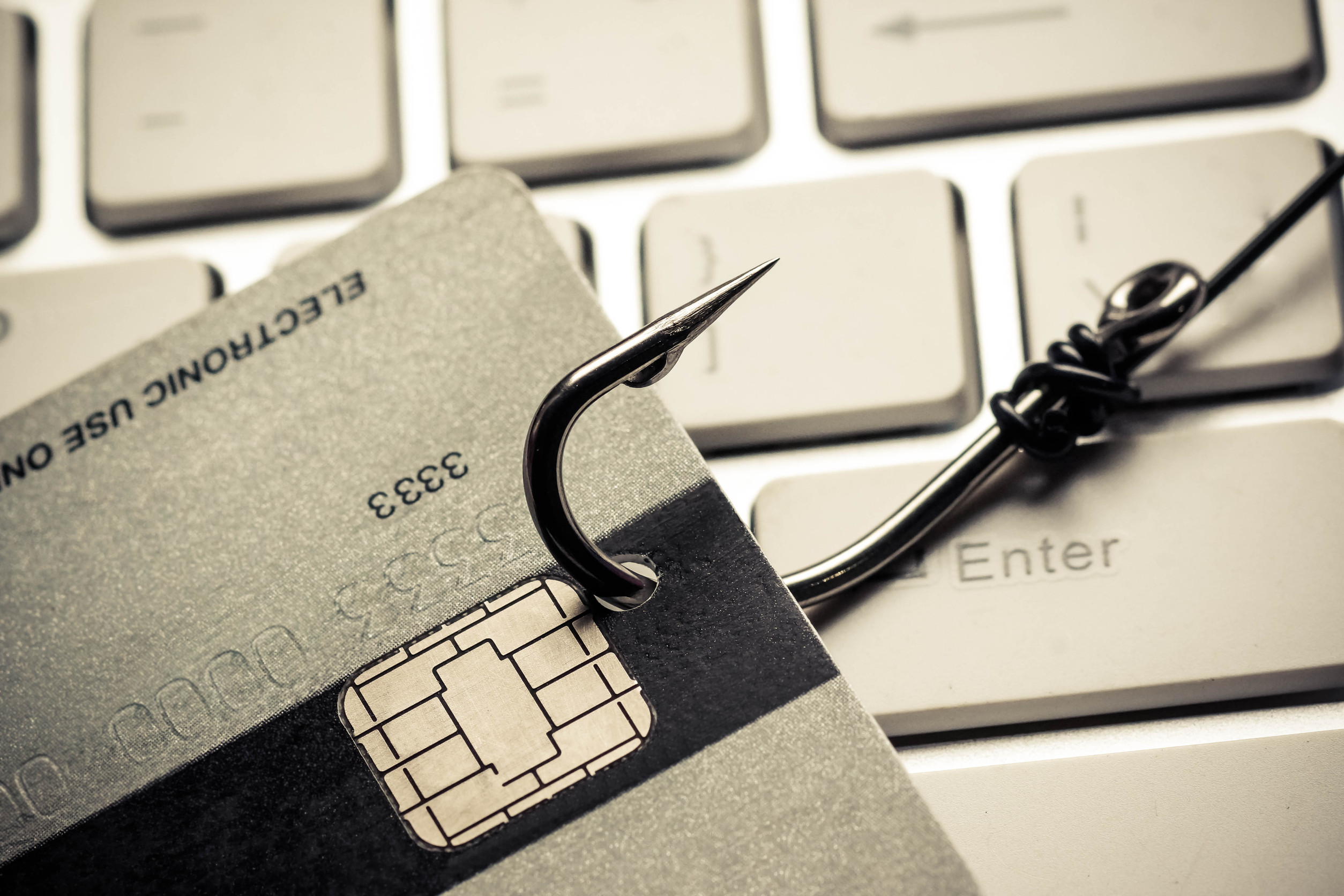
Children may not have much money, but they do have something scammers want: clean banking records and fresh identities. With the rise of kids’ debit cards, teen banking apps, and online shopping, more financial scams are now targeting minors than ever before. The worst part? Many of these scams are designed to fly under the radar of both the child and the parent. If your child has a bank account—or even just access to a digital device—it’s time to get proactive. Here are nine financial scams you need to watch for to protect your child’s growing financial future.

1. Fake Refund or Prize Calls

Scammers often impersonate popular brands, telling kids they’ve won a contest or refund they never entered. These calls or emails ask for “verification” details like bank account numbers or debit card info. The lure of a reward makes it easy for kids to fall for this trick. To prevent these financial scams, teach your child never to give out financial information over the phone or through unsolicited messages. Let them know that real companies will never ask for sensitive data like that.

2. Phishing Links in Gaming Chats

Online games and gaming chat rooms are hotspots for financial scams. Scammers might pose as other players and send links promising free in-game currency or rare items. When clicked, these links can harvest login credentials or even banking information linked to a child’s account. Talk to your child about never clicking on suspicious links, even if they come from a “friend.” Encourage them to come to you if they ever feel unsure.

3. Fake Jobs for Teens

Some scams pose as part-time jobs or social media “brand ambassador” roles and are aimed at teens with newly opened bank accounts. These financial scams often ask for account info to set up direct deposit, only to use it to drain the account or commit fraud. If your child is earning money, help them vet any job offers carefully. Encourage them to never give out account numbers until a job is verified as legitimate.

4. Peer-to-Peer Payment Scams

Apps like Venmo or Cash App may seem convenient, but they also open the door to scammers posing as friends or family. One popular scam involves sending a payment by mistake and asking your child to send it back—only for the original payment to later bounce. To fight back against these financial scams, teach your child to only send or receive money from people they know personally. Help them lock down their privacy settings and link the app to a secondary account with limited funds.

5. Fake Tech Support Pop-Ups

Children who use shared or personal devices may come across pop-ups warning them of a virus or account hack. These pop-ups often direct users to call a fake support line or enter banking information to “fix” the issue. These financial scams work because they instill panic, causing kids to act quickly without checking. Make sure your child knows that tech companies will never contact users this way. Installing pop-up blockers and teaching safe browsing habits can also help.

6. YouTube Giveaway Scams

Scammers often leave comments or create fake videos claiming a giveaway is happening, then direct viewers to a shady website. These scams frequently ask for small “processing fees” or personal banking info to “claim” the prize. Kids eager to get something for free may not see the red flags. Talk about how real giveaways don’t ask for money upfront or require bank account details. Encourage your child to run anything suspicious by you first.

7. Identity Theft Through School Accounts

If a school or after-school program collects your child’s personal information and stores it digitally, that data can be a target. In recent years, cyberattacks on educational institutions have increased, exposing student data. Stolen information can be used to open fraudulent bank accounts or credit lines. Keep track of what personal information is shared and ask how it’s protected. It’s a subtle but serious source of financial scams against minors.

8. Fraudulent Charities and Fundraisers

Scammers may contact kids directly or use social platforms to promote fake causes that tug at the heartstrings. Kids may donate using their bank or debit card, only to find the money gone with no trace of a real charity. Explain how to verify legitimate organizations by looking them up on sites like Charity Navigator or through official school fundraisers. Financial scams like these are especially harmful because they target kids’ generosity.

9. Fake Banking Apps or Logins

In some cases, kids may be tricked into downloading a fake banking app or entering login credentials on a phony site. These scams are incredibly sophisticated and can closely mimic real banks. Once the scammer has access, they can drain the account or lock the user out. Emphasize the importance of downloading apps only from trusted sources and bookmarking the official banking site. Regularly check the account with your child to spot anything unusual.

Stay One Step Ahead with Shared Awareness

The best protection against financial scams is awareness—and that includes your child. As your kids begin to manage money, they also need to learn how to recognize red flags, question too-good-to-be-true offers and seek your help when unsure. Financial education isn’t just about saving and spending wisely anymore—it’s about defending those hard-earned dollars from digital thieves. By staying involved, setting rules, and having open conversations, you can help your child grow into a smart, scam-savvy money manager.

Has your child encountered any financial scams or suspicious activity? Share your experience or advice in the comments—we’d love to hear from you!

Read More:

Don’t Fall For This: 7 Social Media Challenges Kids Are Doing That Are Scams

The Hidden Message: 9 Online Threats That Use Deepfakes of Kids

Catherine Reed
Catherine Reed

Catherine is a tech-savvy writer who has focused on the personal finance space for more than eight years. She has a Bachelor’s in Information Technology and enjoys showcasing how tech can simplify everyday personal finance tasks like budgeting, spending tracking, and planning for the future. Additionally, she’s explored the ins and outs of the world of side hustles and loves to share what she’s learned along the way. When she’s not working, you can find her relaxing at home in the Pacific Northwest with her two cats or enjoying a cup of coffee at her neighborhood cafe.

Filed Under: Money and Finances Tagged With: child identity theft, digital safety, financial literacy for kids, financial scams, kids bank account safety, online fraud prevention, parenting tips, youth banking

Their Future Selves: 12 Ways To Build Resilience In Your Kids

July 30, 2025 | Leave a Comment

Their Future Selves 12 Ways To Build Resilience In Your Kids
Image source: 123rf.com

Life is unpredictable, and our kids won’t be little forever. What we do today shapes how they handle challenges, setbacks, and tough emotions as they grow. When we intentionally build resilience, we’re giving them tools that last far beyond childhood. From how they manage friendships to how they respond to failure, resilient kids grow into confident adults who bounce back instead of breaking down. These practical tips can help you raise emotionally strong, capable children ready for whatever life throws their way.

1. Model Calm in Stressful Moments

Kids are always watching how we respond to pressure. When they see you stay calm, breathe deeply, and think things through, they learn to do the same. This is one of the most direct ways to build resilience without even saying a word. Try talking through your own stress responses aloud so they understand the process. Staying steady doesn’t mean hiding emotions—it means showing how to manage them well.

2. Encourage Problem-Solving

Instead of jumping in to fix every issue, ask your child what they think they should do. Giving them a chance to brainstorm solutions teaches them how to navigate hard situations independently. It’s a small but powerful way to build resilience over time. You can guide them, but let their ideas lead the way. Even if the solution isn’t perfect, the process matters more than the result.

3. Let Them Fail Safely

Failure is not the enemy—avoiding it entirely is. Kids who never experience setbacks miss the chance to learn how to recover. To build resilience, allow them to stumble in low-stakes situations, like losing a game or forgetting homework. Be there to support and reflect, not rescue. Learning that failure is part of growth prepares them to take healthy risks later in life.

4. Praise Effort, Not Just Results

When you praise your child, focus on the hard work, persistence, and creativity they showed—not just the final outcome. This mindset encourages them to keep trying, even when success isn’t immediate. You build resilience by showing them that progress matters more than perfection. Say things like “You worked so hard on that” instead of “You’re so smart.” This helps them develop a growth mindset that thrives on challenge.

5. Teach Emotional Vocabulary

Resilient kids can name what they’re feeling and express it in healthy ways. Expand your child’s emotional vocabulary by regularly talking about feelings, both yours and theirs. This emotional awareness makes it easier for them to process difficult experiences. It’s one more way to build resilience by equipping them to deal with emotions rather than ignore them. Books and visual charts can be helpful tools for younger children.

6. Promote a Support Network

Let your child know it’s okay to ask for help and lean on others. Whether it’s family, teachers, or friends, strong relationships provide safety and encouragement. You can build resilience by creating a home environment where your child feels heard, valued, and supported. Remind them that even strong people need connection. This foundation can keep them steady during life’s storms.

7. Set Realistic Expectations

Kids feel more confident when they know what’s expected and believe they can achieve it. Avoid setting the bar too high or constantly shifting the goalposts. To build resilience, help them see that effort and improvement are more important than being the best. Celebrate progress, not perfection. The right expectations boost motivation without adding pressure.

8. Keep Routines Consistent

Routines provide a sense of safety and predictability that helps children thrive. Even in chaotic seasons, having a few daily anchors—like bedtime stories or mealtime together—can ground a child. This structure supports mental and emotional regulation. When kids know what to expect, they’re more prepared to handle the unexpected. That emotional stability is a key piece in efforts to build resilience.

9. Encourage Physical Activity

Exercise does more than strengthen the body—it also boosts mood, confidence, and stress tolerance. Make movement a regular part of your child’s life through sports, outdoor play, or even dance parties at home. These moments help them release tension and build emotional flexibility. Regular activity supports resilience by increasing overall well-being. Plus, it’s fun and great bonding time.

10. Foster Optimism

Teach your kids to look for the good, even when things go wrong. This doesn’t mean ignoring hard feelings but rather balancing them with hope. Phrases like “What’s one good thing that happened today?” or “What can we learn from this?” shift their mindset. You can build resilience by encouraging a habit of looking forward instead of staying stuck in disappointment. Optimism becomes a powerful coping tool.

11. Let Them Take on Responsibility

Giving your child age-appropriate responsibilities builds confidence and capability. It might be something as small as feeding the pet or helping pack their lunch. When they follow through, they feel capable and proud. These small acts build resilience by reinforcing the idea that they can contribute and handle challenges. Just make sure to praise the process and support them as needed.

12. Normalize Asking for Help

One of the strongest things a person can do is ask for help when they need it. Make this a regular part of your family’s culture so your child never feels ashamed for needing support. Let them see you reach out, too—it shows them that strength isn’t about doing it all alone. This mindset builds resilience by reinforcing that connection is part of coping. Strong kids know they don’t have to carry everything by themselves.

Raising Tomorrow’s Strongest Adults Starts Today

To build resilience in your kids is to plant seeds that bloom over a lifetime. These habits don’t require perfection—just consistency and intention. When you create a home filled with trust, communication, and opportunity, your child learns to bend without breaking. The world won’t always be easy, but your child will know how to meet it with confidence, strength, and courage. And it all starts with the love and lessons you give them now.

Which of these strategies have worked in your home? Share your own tips for helping kids build resilience in the comments below!

Read More:

8 Tiny Phrases That Build Big Confidence in Kids

5 Tiny Habits That Build Emotional Resilience in Children

Catherine Reed
Catherine Reed

Catherine is a tech-savvy writer who has focused on the personal finance space for more than eight years. She has a Bachelor’s in Information Technology and enjoys showcasing how tech can simplify everyday personal finance tasks like budgeting, spending tracking, and planning for the future. Additionally, she’s explored the ins and outs of the world of side hustles and loves to share what she’s learned along the way. When she’s not working, you can find her relaxing at home in the Pacific Northwest with her two cats or enjoying a cup of coffee at her neighborhood cafe.

Filed Under: Parenting Tagged With: build resilience, child development, emotional strength, family connection, Growth Mindset, kids mental health, parenting tips, raising strong kids

The Silent Disease: 7 Chronic Childhood Illnesses Often Undiagnosed

July 30, 2025 | Leave a Comment

The Silent Disease 7 Chronic Childhood Illnesses Often Undiagnosed
Image source: 123rf.com

Some kids struggle every day with something they can’t explain—and parents may not even know it’s happening. Chronic childhood illnesses can creep in slowly, masking themselves as typical developmental quirks or short-term health issues. Unlike acute sicknesses, these conditions often go undetected for months or even years, affecting a child’s physical, emotional, or mental well-being. Early detection can make all the difference, yet many of these illnesses are missed due to subtle symptoms or lack of awareness. The good news? Knowing what signs to look for can help you advocate for your child and get them the support they need.

1. Pediatric Autoimmune Neuropsychiatric Disorders (PANDAS)

This little-known condition can drastically alter a child’s behavior following a common strep infection. PANDAS is a type of chronic childhood illness that causes sudden onset of OCD-like symptoms, anxiety, or tics. It’s often mistaken for developmental disorders or behavioral changes unrelated to physical health. What makes it tricky is how fast the symptoms appear—sometimes overnight—leaving parents confused and worried. Proper diagnosis requires a connection between the strep infection and the neuropsychiatric symptoms, which many doctors may overlook.

2. Juvenile Arthritis

When we think of arthritis, we usually picture older adults, not children. However, juvenile arthritis affects thousands of kids and is one of the most misunderstood chronic childhood illnesses. Swollen joints, stiffness in the morning, and fatigue may be chalked up to growing pains or lack of sleep. Without treatment, it can lead to joint damage and long-term mobility issues. If your child often complains of aches or seems unusually tired and stiff, it’s worth having a conversation with a pediatric rheumatologist.

3. Eosinophilic Esophagitis (EoE)

This painful inflammatory condition affects the esophagus and is triggered by food allergies or immune reactions. Children with EoE may have trouble swallowing, persistent heartburn, or even food impaction, but it’s often misdiagnosed as simple acid reflux. As a chronic childhood illness, EoE can severely impact nutrition and growth if left untreated. Because kids might not be able to describe their symptoms well, parents and doctors might miss the warning signs. A specialist can diagnose EoE through endoscopy and biopsy, making early testing important for persistent symptoms.

4. Childhood Migraines

Not all migraines come with a pounding headache—especially in kids. Some children experience abdominal migraines, dizziness, or visual disturbances that mimic other issues. Because they may not have the language to describe what’s happening, this chronic childhood illness can go undetected or be dismissed as attention-seeking. Triggers vary from sleep disruptions to certain foods or environmental changes. Keeping a symptom diary and speaking with a pediatric neurologist can help identify a pattern and lead to treatment that improves daily life.

5. Celiac Disease

Celiac disease isn’t just a dietary trend—it’s an autoimmune disorder that can wreak havoc if not properly diagnosed. Children with undiagnosed celiac disease often show signs like stomach pain, irritability, skin rashes, or delayed growth. These symptoms are easy to misinterpret, especially when they fluctuate. As a chronic childhood illness, it requires a lifelong gluten-free diet to prevent damage to the small intestine. Blood tests and a biopsy can confirm a diagnosis, offering families a clear path to healthier living.

6. Type 1 Diabetes

Type 1 diabetes can come on suddenly, but early signs like increased thirst, frequent urination, and fatigue may be mistaken for other things. Kids might also lose weight quickly or wet the bed after being potty-trained. Since it’s one of the most serious chronic childhood illnesses, early intervention is critical to avoid life-threatening complications. Many children are misdiagnosed with a virus or flu before doctors consider diabetes. A simple blood sugar test can offer answers and lead to the right treatment plan.

7. Asthma with Atypical Symptoms

Asthma doesn’t always look like wheezing and coughing fits. In some children, it presents as chronic nighttime coughing, rapid breathing during play, or frequent chest tightness. These symptoms may be brushed off as colds or allergies, delaying a proper diagnosis. When untreated, this chronic childhood illness can affect sleep, school performance, and overall energy levels. If respiratory symptoms keep popping up without clear cause, it’s time to ask about asthma testing.

Empowerment Begins with Awareness

Raising awareness about chronic childhood illnesses isn’t about fear—it’s about being prepared to act when something doesn’t feel right. Many of these conditions are manageable with early detection, giving kids a better shot at a healthy, active life. If your child has ongoing symptoms that don’t add up, trust your instincts and push for answers. Keep a journal, ask questions, and don’t be afraid to seek a second opinion. A well-informed parent is often the first and most important line of defense in uncovering a silent disease.

Have you ever faced an unexpected diagnosis with your child? Share your story or questions with us in the comments below.

Read More:

Child’s Voice: 4 Critical Questions To Ask Your Child’s Doctor

7 Health Symptoms That Demand Immediate Attention In Kids

Catherine Reed
Catherine Reed

Catherine is a tech-savvy writer who has focused on the personal finance space for more than eight years. She has a Bachelor’s in Information Technology and enjoys showcasing how tech can simplify everyday personal finance tasks like budgeting, spending tracking, and planning for the future. Additionally, she’s explored the ins and outs of the world of side hustles and loves to share what she’s learned along the way. When she’s not working, you can find her relaxing at home in the Pacific Northwest with her two cats or enjoying a cup of coffee at her neighborhood cafe.

Filed Under: Parenting Tagged With: child wellness, chronic childhood illnesses, juvenile conditions, parenting tips, pediatric health, silent symptoms, undiagnosed diseases

Future Focused: 6 Powerful Steps to Prepare Your Child for What’s Next

July 30, 2025 | Leave a Comment

Future Focused 6 Powerful Steps to Prepare Your Child for Whats Next
Image source: 123rf.com

As parents, we spend a lot of time thinking about the present—getting dinner on the table, helping with homework, managing meltdowns. But it’s just as important to be future focused, guiding our children toward independence, resilience, and real-world readiness. Whether your child is just starting school or inching toward adolescence, the habits you build today shape their ability to thrive tomorrow. Future success doesn’t happen by accident—it comes from steady encouragement, intentional teaching, and everyday choices. Here are six powerful steps you can take now to help your child prepare for what comes next.

1. Teach Life Skills Early and Often

It’s never too soon to start teaching the basics: how to tie shoes, make a snack, or fold laundry. These seemingly small tasks help your child build confidence and understand responsibility. A future focused approach means giving your child age-appropriate tasks that grow with them. As they mature, increase their involvement in budgeting, cooking, or planning family outings. Building these skills now lays the groundwork for independence and reduces anxiety when they eventually leave the nest.

2. Create a Safe Space for Big Feelings

Helping your child manage emotions is just as important as teaching them math or reading. Emotional regulation gives them the tools to handle setbacks, communicate clearly, and make thoughtful decisions. Being future focused means helping your child name their emotions, talk about stress, and find healthy outlets like journaling, movement, or art. Don’t rush to solve every problem—sometimes just listening is the best support. Kids who can express their feelings without shame grow into emotionally resilient adults.

3. Foster Curiosity and Problem-Solving

The world is changing fast, and the ability to adapt will matter more than ever. Encourage your child to ask questions, explore ideas, and tackle problems on their own. A future focused mindset nurtures critical thinking, not just compliance. Let them try new things, make mistakes, and come up with creative solutions—without immediately stepping in. These small moments of exploration help build confidence and flexibility that will serve them in academics, relationships, and future work.

4. Prioritize Goal Setting and Follow-Through

Goal setting helps kids dream big and develop focus. Sit down with your child to talk about short-term and long-term goals—like improving a grade, learning a skill, or saving up for something special. Being future focused also means helping them break goals into smaller steps and celebrating progress along the way. When they hit roadblocks, talk about what can be learned and how to adjust. Teaching them to work toward something meaningful helps build discipline and determination.

5. Model Financial Awareness and Responsibility

Money conversations shouldn’t be reserved for adulthood. Help your child understand how to earn, save, and spend wisely. A future focused financial foundation starts with basics like budgeting allowance, making smart choices at the store, and understanding needs versus wants. As they grow older, introduce ideas like interest, debt, and charitable giving. Kids who understand the value of money are better prepared to make responsible decisions later in life.

6. Encourage Ownership of Routines and Decisions

Letting your child make choices—within reasonable boundaries—helps them build ownership and self-trust. Whether it’s choosing their outfit, managing their homework, or planning their weekend time, these decisions empower them to take control. A future focused parent steps back just enough to allow their child to lead. When kids experience the outcomes of their choices, both good and bad, they develop accountability. That sense of ownership strengthens self-esteem and prepares them for life beyond your watchful eye.

Raising Capable, Confident, Future-Ready Kids

Preparing your child for the future isn’t about pushing perfection or setting unrealistic standards. It’s about being present today while keeping your eye on what’s coming. A future focused parent guides with love, lets their child stumble safely, and celebrates growth along the way. The little steps you take now—teaching a new skill, having an honest conversation, letting them take the lead—can shape a confident, capable adult. And one day, they’ll thank you for it.

Which future focused habit has made the biggest impact in your home? Share your favorite tips or lessons in the comments below!

Read More:

Smart Parenting: 11 Rules You Shouldn’t Ignore When Planning for Your Child’s Future

Are You Ready? 11 Parenting Decisions That Require Urgent Action This Year

Catherine Reed
Catherine Reed

Catherine is a tech-savvy writer who has focused on the personal finance space for more than eight years. She has a Bachelor’s in Information Technology and enjoys showcasing how tech can simplify everyday personal finance tasks like budgeting, spending tracking, and planning for the future. Additionally, she’s explored the ins and outs of the world of side hustles and loves to share what she’s learned along the way. When she’s not working, you can find her relaxing at home in the Pacific Northwest with her two cats or enjoying a cup of coffee at her neighborhood cafe.

Filed Under: Parenting Tagged With: child development, emotional development, future focused, goal setting for children, kids financial literacy, life skills for kids, parenting tips, raising responsible kids

Financial Security: 6 Urgent Steps To Protect Your Child’s Assets From Fraud

July 30, 2025 | Leave a Comment

Financial Security 6 Urgent Steps To Protect Your Childs Assets From Fraud
Image source: 123rf.com

Most parents don’t realize their child’s identity and assets can be stolen before they even learn to spell their name. From trust funds and savings accounts to Social Security numbers, a child’s financial profile is a tempting target for fraudsters. Because children typically don’t use their credit or banking accounts for many years, identity theft can go unnoticed until major damage is already done. Taking early, proactive steps to ensure financial security is more important than ever. The good news? With a few simple habits and safeguards, you can dramatically reduce the risk of fraud and protect your child’s financial future.

1. Freeze Your Child’s Credit Early

One of the most effective ways to protect your child’s financial security is to place a credit freeze on their profile. This prevents identity thieves from opening new credit accounts in your child’s name. Since minors don’t need active credit until adulthood, freezing it now eliminates unnecessary risk. You’ll need to contact each of the three major credit bureaus—Experian, Equifax, and TransUnion—to initiate the freeze. Just be sure to store your PINs in a safe place so you can lift the freeze when the time comes.

2. Keep Their Social Security Number Under Lock and Key

Your child’s Social Security number is a golden ticket for fraudsters. Avoid carrying their Social Security card in your wallet or sharing the number unless absolutely necessary. Schools, medical offices, and even extracurricular programs might ask for it—but you have every right to ask how it will be used and whether it’s truly required. Protecting that number is a major step in maintaining their financial security. Store it in a fireproof safe and limit its exposure whenever possible.

3. Monitor for Unusual Activity

Even if your child isn’t using credit, you can still watch for suspicious financial activity. Start by requesting a credit report in their name once a year to make sure no accounts have been opened. Some identity protection services even offer plans tailored to minors, providing alerts for new applications or changes. Financial security means staying one step ahead, and regular monitoring gives you that edge. If anything looks off, act quickly and report it to the credit bureaus and FTC.

4. Be Cautious with Digital Accounts and Apps

Children today often use apps, games, or learning platforms that request personal information. Many of these apps collect data, and some may not be as secure as they claim. To protect your child’s financial security, monitor what they download, and avoid linking any accounts to debit or credit cards. Use parental controls to limit access and always read privacy policies before signing up. It’s easy to overlook small apps, but they can be a doorway for data thieves.

5. Secure Any Savings or Custodial Accounts

Whether you’ve opened a 529 college savings plan or a custodial account, these funds can be vulnerable if left unchecked. Always choose strong, unique passwords for any online portals and enable two-factor authentication wherever possible. Be mindful of who has access to the account, and review balances and transaction histories regularly. Financial security for your child includes safeguarding every dollar set aside for their future. Even a minor breach can have long-term consequences if not addressed quickly.

6. Educate Your Child as They Grow

Financial security isn’t just about locking things down—it’s also about teaching your child how to protect themselves. As they grow, talk about topics like phishing, strong passwords, and how to spot suspicious activity. Age-appropriate conversations lay the groundwork for responsible habits later on. Help them understand the value of their personal information and why it needs to be guarded. When kids know how to protect themselves, they become your partner in keeping their assets safe.

Building a Strong Financial Shield Starts Today

Protecting your child’s financial security isn’t something to put off until they’re older. The earlier you act, the more control you’ll have over safeguarding their identity and resources. From freezing credit to educating them about smart digital habits, every step you take now helps secure their future. In a world where fraud is growing more sophisticated, proactive parenting makes all the difference. Their financial safety is just as important as their physical and emotional well-being.

Have you taken steps to protect your child’s financial security? What strategies worked best for your family? Share your tips in the comments below!

Read More:

10 Financial Habits Keeping Parents Stressed

Beyond The Allowance: 9 Financial Investments For Kids That Are Bad Ideas

Catherine Reed
Catherine Reed

Catherine is a tech-savvy writer who has focused on the personal finance space for more than eight years. She has a Bachelor’s in Information Technology and enjoys showcasing how tech can simplify everyday personal finance tasks like budgeting, spending tracking, and planning for the future. Additionally, she’s explored the ins and outs of the world of side hustles and loves to share what she’s learned along the way. When she’s not working, you can find her relaxing at home in the Pacific Northwest with her two cats or enjoying a cup of coffee at her neighborhood cafe.

Filed Under: Money and Finances Tagged With: child identity theft, credit freeze, financial security, fraud prevention, kids banking, money safety for kids, parenting tips, protecting child’s assets

« Previous Page
Next Page »
  • Facebook
  • Pinterest
  • RSS
  • Twitter

Basic Principles Of Good Parenting

Here some basic principles for good parenting:

  1. What You Do Matters: Your kids are watching you. So, be purposeful about what you want to accomplish.
  2. You Can’t be Too Loving: Don’t replace love with material possessions, lowered expectations or leniency.
  3. Be Involved Your Kids Life: Arrange your priorities to focus on what your kid’s needs. Be there mentally and physically.
  4. Adapt Your Parenting: Children grow quickly, so keep pace with your child’s development.
  5. Establish and Set Rules: The rules you set for children will establish the rules they set for themselves later.  Avoid harsh discipline and be consistent.
  6. Explain Your Decisions: What is obvious to you may not be evident to your child. They don’t have the experience you do.
  7. Be Respectful To Your Child: How you treat your child is how they will treat others.  Be polite, respectful and make an effort to pay attention.
Best Parenting Blogs

Most Popular

Baby

9 Unusual Baby Names That Sound Like They Belong to Future CEOs

Evan Morgan
Baby

10 Baby Names That Were Once Considered “Grandparent Names” but Feel Cool Again

Evan Morgan
Target Store

Choking Incident Prompts Recall of 49,000 Target Gigglescape “Under the Sea” Popping Toys

Evan Morgan
Frustrated Girl

Why Some Students on the Spectrum Are Labeled With ODD

Evan Morgan
Coke Bottles

12 Things Kids Took to School in the ’70s That Would Never Be Allowed Today

Evan Morgan

All content on Kids Ain’t Cheap is for entertainment purposes only. By reading this blog, you agree that Kids Ain’t Cheap is not responsible for any actions taken after reading this blog. For the full disclaimer, see our privacy policy.

Please note that Kids Ain’t Cheap has financial relationships with some of the merchants mentioned here. Kids Ain’t Cheap is funded by banner advertising, commission sales and search optimization consulting.

Copyright © 2006–2026 | District Media | All Rights Reserved | Privacy Policy

Copyright © 2026 Runway Pro Theme by Viva la Violette