• Home
  • About Us
  • Toolkit
  • Archives
  • Advertise
  • Privacy Policy

Kids Ain't Cheap

But They Sure Are Worth It

  • Parenting
    • Baby Stuff
    • Books and Reading
      • Aesops Fables
      • Comic Books
    • Education
    • Family Time
    • Green Living
    • Growing Up
    • Healthy Living & Eating
    • Holidays
    • Parenting
    • Random Musings
    • Shopping
    • Stuff to Do
  • Money
  • Product Reviews
    • Books and Magazines
    • Discount Sites
    • Furniture
    • House Keeping
    • Reviews News
    • Toys and Games
  • Contact Us
  • Our Editorial Commitment
  • Search

Archives for February 2014

What to Do If Your Family is Involved In a Car Accident

February 6, 2014 | Leave a Comment

car accident familyIt’s the time of the year when car accidents are prevalent. The snow is quickly accumulating in most areas and vehicles tend to slip and slide on the road.

As careful as you might be you can’t control other drivers on the road and a car accident can come out of nowhere. If your family is involved in a car accident here’s what to do.

Stay Calm and Call for Help

It’s important to stay calm if you’re in an accident and it’s even more important if your children are with you.

If you haven’t sustained any injuries check on all of the members of your family and the passengers in any other vehicles involved. Quickly assess the situation and call for help.

Even if no one has been injured it’s still important to call the authorities and file an accident report.

The calmer you remain the better you’ll be able to help your children. Even if they haven’t been injured they’re most likely very scared.

Contact Your Insurance Agent

After the authorities have been contacted and medical treatment has been provided for any injured passengers, you should contact your insurance agent.

If the accident was your fault your agent can take necessary information from you and file a claim with your insurance company. If the accident was caused by another driver your agent can file a claim with the at fault party’s insurance company on your behalf. If you don’t have the insurance information from the other drivers involved your agent should be able to get this from the accident report.

Your insurance agent will be able to walk you through the claims filing process and assist you with any questions you have.

Seek Legal Counsel if Needed

If a serious injury was sustained by a member of your family you may need to contact a disability or personal injury lawyer.

A disability lawyer such as Preszler Law Firm or an accident law firm like can assess your situation and help you determine what kind of damages are owed to you by the insurance company. It’s especially important that you contact the best personal injury lawyer in your area if you or one of your family members have sustained long term injuries.

Since personal injury lawyers work with insurance companies on a daily basis they’ll be able to look at your situation and evaluate what type of compensation you should receive for your injuries. You might be entitled to payment for your long or short term medical bills, pain and suffering, and loss of wages.  If you to learn more about costs, see this.   Its the webpage for Obrien and Ford, a solid accident firm in Buffalo, New York.  They have some solid information for people who need legal counsel.

If you aren’t sure whether the insurance company is treating you fairly, a personal injury attorney like this can help.

Talk to Your Children

As parents we want to shield our children from everything bad in the world. Unfortunately, accidents happen.

Being in a car accident can heavily impact a child. Talk to your child about what she is feeling and do your best to comfort her. In some cases a child may need to talk to a professional counselor to help deal with her feelings.

Car accidents happen.  Do you have any other advice?

Brian
Brian

Brian is the founder of Kids Ain’t Cheap and is now sharing his journey through parenthood.

 
Email • Google + • Facebook • Twitter

Filed Under: Safety Tagged With: car accident, family accident

Why You Need an Emergency Fund Before Buying a House

February 5, 2014 | Leave a Comment

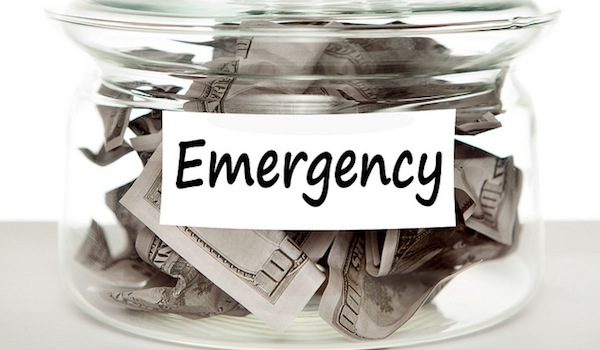
Emergency FundBecoming a homeowner is a dream for many. However, the dream of homeownership quickly turns into a nightmare for those who aren’t prepared for the unexpected costs that come with owning a home.

Switching from renting to owning a home comes with many changes. As a renter you were able to call your landlord any time something went wrong. As a homeowner you are responsible for the maintenance and repairs of your home like Water Heater Replacement – this can be very expensive.

As a homeowner there are many times when an emergency fund will come into play. Here are some of the surprises that come along with being a homeowner.


Unexpected Maintenance

As a homeowner you should save for routine maintenance issues like getting a regular Furnace Tune-up, sealing blacktop driveways, or getting your septic tank pumped. Then there are unexpected maintenance issues that pop up.

A prime example is waterproofing your basement. If your house has a basement then waterproofing it is extremely important.

Many new homeowners find out that they have flooding issues in their basements only after purchasing their house. To prevent flooding. the drain systems outside have to be fixed and waterproofing inside the basement needs to be performed by a professional to prevent mold and mildew. You can check out basement waterproofing in St Louis services, or services closer to your home, and discuss with them the best way to waterproof your basement for optimum protection.


Costly Repairs

Making repairs to your home has crossed your mind but you don’t understand just how much of a financial impact these repairs can have until one has occurred.

In some circumstances your homeowners insurance will cover repairs, such as wind blowing the roof off your house but you’ll still have to pay the deductible portion of the bill. However, if your roof is deteriorating you’ll have to cover the cost yourself. A new roof for a small house can easily cost in excess of five thousand dollars. So it’s worth picking a long-lasting option from someone like an otsego metal roof contractor who can help you with what you’re looking for.

Other common repairs include plumbing and electrical. In the winter your pipes could freeze and bust causing major plumbing issues that could call for an emergency plumber. Your hot water heater could go out, also requiring plumbers like Express Rooter to repair it for you.

Other costly repairs that might come up are:

  • Replacing appliances
  • New windows
  • Exterior siding
  • New garage door
  • Rewiring electric

You never know what can go wrong when you own your own home.


You Need to Be Prepared

Your refrigerator could stop working. Your lawnmower could break down. Your furnace could die. Your hot water heater could go bad. You just never know what will happen when you own a home.

It’s important to have savings for routine maintenance that will help prevent costly repairs and also enough money to cover those unexpected expenses. At the very least you need enough money to cover your homeowner’s insurance deductible. Although it’s wise to have a much larger buffer for all of the repairs that may arise.

Even though owning a home is a dream for many it can quickly turn into a nightmare if you aren’t prepared financially. When it comes to owning a home it’s better to be safe than sorry.

What are your thoughts on making sure you have enough savings before buying a house?

Brian
Brian

Brian is the founder of Kids Ain’t Cheap and is now sharing his journey through parenthood.

 
Email • Google + • Facebook • Twitter

Filed Under: Money and Finances Tagged With: buying a house, Emergency Fund, Home Owner

How We Plan To Financially Afford More Children

February 5, 2014 | Leave a Comment

pregnant and toddlerBefore I had any kids I thought I’d want a house full of kids. Three or four. Not necessarily because I want to be pregnant that many times or, if I’m being honest, spend that much money, but I want my kids to have each other when they get older. However, since having one child, I am surprisingly content. She’s a great kid who you’d think I’d be looking to clone ASAP but I’m not. As of right now, as our little one approaches 20 months, we have no immediate plans to extend our family.

However, if we can control it, we would like to have at least one more (in a few years). Sure we’re looking forward to having another baby but more than that, again, we want our daughter to have a sibling. Family is very important to us. Though I believe there is no real perfect time to have kids, there will always be something on your to-to list, you can still be more prepared than we were with our first.

We went into having our first sort of blindly. We had no idea how long, or if at all, we would take to get pregnant. It took a lot less than we ever expected which sort of threw us through a loop. We lived on a ”it will all work out” mantra and luckily for us, it did, barely. Come baby #2 we will be much, much more prepared.


Deal With Debt

Ideally we’re debt free by the time kiddo #2 is born, but if we’re not we will try to save enough extra money during the (ideal) nine month pregnancy to continue making our extra debt payments so my 12 month maternity leave doesn’t hinder our efforts. Unless someone has other plans for us, this is something we should be able to control. Having this sort of financial freedom will be liberating and allow me to have a stress-free mat leave.


Use What I Have

There will be huge monetary savings with kid #2 in the aspect that we don’t need any baby ”stuff” since we bought almost all gender neutral baby stuff (minus clothes). We chose to buy a lot of quality baby clothes which we kept so if we have another girl, there will be additional savings with cloths. If we have a boy, I’m confident we can sell the clothes we have to get a good start on a new wardrobe for a little man.


Be More Selective

I’ll be way more selective about what I buy. There was a lot of baby stuff and mom necessities I ran out and bought out of sheer ignorance and barely used most of it. Now that I know what I’ll want and need I will be able to better predict how much money we will really need. I’ll also utilize family and friends in the sense that if it’s an item I can borrow instead of buy, I will.


Diapers

I’ll try cloth diapering. I opted out of cloth diapers this child simply because I was scared and overwhelmed with the whole process. I have friends who have since started cloth diapering and I’ve done research myself and it doesn’t seem so overwhelming. For an upfront cost of approximately <$1000 I’ll definitely give it a shot. If it doesn’t work out I won’t worry since there is a large market for second-hand cloth diapers regaining a large portion of what I put into it.


Breastfeed Again

I was fortunate enough to be able to breastfeed our first for over a year. If I can do it again I would love to for the many benefits and huge cost savings!

How did you proceed with children after your first? Does it get any easier?

Catherine
Catherine

Catherine is a first time momma to a rambunctious toddler. When she isn’t soaking up all that motherhood has to offer, you can find her blogging over at Plunged in Debt where she chronicles her and her husbands journey out of debt. You can also follow her on Twitter.

plungedindebt.com

Filed Under: Money and Finances Tagged With: financially afford children, raise children, the cost of children

Why Should I Contribute Extra to My 401(k)?

February 4, 2014 | Leave a Comment

max your 401kMany people contribute to their 401(k) to get the matching contributions from their employer, if that is offered to them. However, a lot of people do not contribute more than the amount that their employer will match. Unfortunately, by not contributing extra to your 401(k) account, you’re missing out on plenty of benefits. Here are some of the top reasons why you should definitely contribute extra to your 401(k). You can check out the Suncorp superannuation calculator to find out how much you really need to retire.


1. You Get Automatic Savings

Contributions to your 401(k) plan are taken out of each of your paychecks every pay period, allowing for simple, automatic savings. You don’t ever have to make a bank transfer or write a check to deposit funds into your 401(k) account, making this an excellent option to save money, especially for those who don’t feel like they have the discipline to add to their savings regularly.


2. Tax Breaks are Available

When you contribute to your 401(k) plan, you are reducing your taxable income, as the government allows you to put a certain dollar amount each year into your plan before taxes are calculated on your gross income. While your funds are in your plan, taxes on all of the interest you make on both the money you contributed and any matching contributions your employer made are also deferred.

So, you don’t have to pay taxes on them until you take the money out of your 401(k) plan when you are ready to retire.  In addition, your contributions into your 401(k) plan can also help to drop you into a lower tax bracket where you would pay a lower rate on your taxes.


3. Your Contributions are Portable

All of the funds you contribute to your 401(k) plan are portable, allowing you to take those funds with you even if you switch jobs. It is important to keep in mind that you only have a 60-day deadline to do so, though, before you have to pay taxes on those funds, as well as a 10% penalty if you are less than 59 ½ years of age.


4. You Can Contribute More Than an IRA

The government allows for higher annual contributions to 401(k) plans than IRAs, which have a much lower limit on the amount of tax-deferred money you can contribute each year. In fact, you can contribute more than triple the amount each year to your 401(k) plan than you can to your IRA.


5. Social Security Will Not Provide Enough

Social security is only supposed to provide a percentage of your retirement income, not the full amount. So, a 401(k) could definitely help to make up another part of your retirement income, so you can live comfortably in your retirement. Contributing money into your 401(k) plan each month could definitely help you save up plenty of funds for your retirement, allowing you to retire when you want to and without worry of financial stress.

Do you try to max out your 401k contribution?

Brian
Brian

Brian is the founder of Kids Ain’t Cheap and is now sharing his journey through parenthood.

 
Email • Google + • Facebook • Twitter

Filed Under: Money and Finances Tagged With: 401k, 401k contributions, max your 401k

How to Develop a Healthy Lifestyle without Depriving Yourself

February 4, 2014 | Leave a Comment

joggingHow many times have you tried to stick to a diet but failed after about a week? If that sounds like you, you’re not alone.

It’s often said that 95 percent of dieters fail. While that number isn’t technically accurate I don’t think it’s too far off. If you’re stuck in the dieting trap let’s look at how you can maintain a healthy lifestyle without depriving yourself.


Change Your Lifestyle

Going on a fad diet is not a good way to lose weight or maintain a healthy lifestyle.

Whether you’re trying to shed a few pounds or just live a healthier life, you need to develop long lasting habits. To maintain long term results you need to gradually transform your bad habits into good habits.

It’s important to start small and slowly incorporate changes into your life that you’ll be to maintain long term. For instance, if you want to try using vitamins or supplements to help you reach your health goals, then you may want to look into a liver detox supplement or something within that line, so you can weigh up your options and choose the right thing for you.


Start with Your Diet

Changing a diet is where most people fail. And, this is all due to perception of the word diet.

Whether you’re trying to lose weight, tone up, or improve your health a diet should be looked at as a long term solution not a temporary fix. Having a consultation with a reputable nutrition expert or internist such as Dr. Amy Lee or simply reading their published material can be the realisation you require to start moving your diet in the right direction in the long term for the betterment of your health in the future. Doing a fad diet might have excellent results for you but if you can’t hold it up long term then you’ll end up going back to your old ways.

The changes you make in your eating habits should be sustainable. If you can’t imagine living your whole life on a liquid only diet – don’t even try it.

They key to maintaining better long term eating habits is moderation. If you currently take in 2500 calories a day don’t try to limit yourself to 1,000 calories right off the bat. Slowly work your way down to a more healthy level, your brain will tell you it wants to see results quickly for having a habit changed however you need to remember it is a gradual process. In order to make things easier some mental reinforcement can help – a detox of your body can help to expedite the process of eating healthier by aiding in cleaning out all the unhealthy addictive components in the food of today and set you towards feeling cleaner, there are many available, such as Easy Detox, which you can search up online to see reviews and decide if this would work for you.

And, it’s also important that you occasionally treat yourself. You don’t need to cut everything out of your diet. Focus on serving sizes. And, occasionally treat yourself. Everyone needs some Ben and Jerry’s every once in a while!


Find an Exercise Routine You Enjoy

If you hate exercise it could be that you’ve never found the right exercise program.

There are so many things that you can do for exercise. Anything from running on a treadmill to taking a kickboxing class, dancing, or even swimming can benefit your health drastically. Yoga or Pilates are other popular choices, and if you’re wondering, do I need equipment to do Pilates?it can be as simple as using a mat in the comfort of your own home!

Exercise doesn’t have to be boring. You can check out free exercise videos on YouTube and start your search from there. Exercise can also be more enjoyable when you have a friend by your side.

Ask a friend or family member if they’d be interested in taking an exercise class or meeting up at your house to do an exercise video.

Once you find a program you like be sure to slowly incorporate more and more exercise into your life.


Don’t Beat Yourself Up

We all fall off the bandwagon at one point or another. The difference between failure and success is admitting when you’ve messed up and taking that step back into your more healthy routine.

You’re not going to develop a healthier lifestyle overnight. It’s going to take time to build up your new, healthier habits. Remember to do things in moderation, treat yourself occasionally, and find exercise that you love. Take it one step at a time and you’ll develop a sustainable, healthy lifestyle.

Brian
Brian

Brian is the founder of Kids Ain’t Cheap and is now sharing his journey through parenthood.

 
Email • Google + • Facebook • Twitter

Filed Under: Healthy Living & Eating Tagged With: health, healthy life, healthy lifestyle

How to Save Money by Going Green

February 3, 2014 | Leave a Comment

going greenDo you want to save money in an environmentally conscious way?

Going green can sometimes seem expensive. Especially when you compare the shelf prices of green products verses regular products. But, by trying to live a more environmentally conscious lifestyle you can help make the world a better place for future generations to come.

If you’re trying to go green without breaking the bank here are three ways you can do just that.


Make Your Own Cleaners

Going green is becoming increasingly popular and because of this many green items have a hefty mark up. One of these items is household cleaners.

Instead of purchasing cleaners from a big box store you can make your own for much less money. Here are some natural alternatives to chemical cleaners:

  • Baking Soda: cleans and deodorizes.
  • Lemons: kills household bacteria.
  • Isopropyl Alcohol: can be used as a disinfectant.
  • White Vinegar: will remove grease, mildew, and some odors.
  • Cornstarch: can be used as a window cleaner or as furniture polish.

There are also all types of combinations you can create to replace your favorite name brand cleaners. You can easily find a natural recipe for the cleaner you need online.

In addition to household cleaners you can make your own toothpaste, soap, and laundry detergent.


Don’t Throw Away – Recycle

The next time you think about throwing something out check and see if it can be recycled. By recycling you can help out the planet and even put some cash back in your pocket.

You can recycle things such as aluminum cans, copper, steel, plastics, and paper. You should also think about recycling appliances and electronics. You can reduce your carbon footprint by practicing computer recycling, cell phone recycling, and the recycling of your other electronics.  You just need to find a recycler like Vernon Technology Solutions to help.

Don’t forget about up cycling, either. A lot of times you can breathe new life into an old item. Things like small furniture, fabric, and old flower pots can be refurbished or turned into something new. If you don’t want to up cycle an item consider selling it or donating. This way your unwanted items won’t wind up in a land fill somewhere.


Rent Instead of Buy

Another great way to reduce your carbon footprint is to rent instead of buy- this is especially true with electronics.

If you occasionally need a tablet you can rent ipads instead of buying them. The same goes for renting computers. When you’re in a bind you can rent a computer for a specified time rather than shelling out hundreds of dollars for a new one.


Other Ways to Be Green and Save

Reducing the amount of harmful impact you do to the environment isn’t limited to just these three things. There are others things you can do to help out the planet and your pockets.

Here are a few:

  • Shop for clothing at thrift stores
  • Take shorter showers
  • Unplug appliances and electronics not in use
  • Don’t waste food
  • Drive your car less

There are many green things you can incorporate into your everyday life. The little things you do can have huge impact.

How do you save money by going green?

Brian
Brian

Brian is the founder of Kids Ain’t Cheap and is now sharing his journey through parenthood.

 
Email • Google + • Facebook • Twitter

Filed Under: Green Living Tagged With: Going Green, Saving Money

3 Tips for Maintaining Healthy Cholesterol Levels

February 3, 2014 | Leave a Comment

heart healthKeeping your cholesterol levels under control is important to protect you from heart attack, stroke, and also to improve your overall health.

It’s also important to recognize that not all cholesterol is bad. There are good types of cholesterol and bad types of cholesterol. Looks take a look at both types of cholesterol and how you can keep both under control for a healthier lifestyle.


Good Cholesterol

Good Cholesterol is HDL (high-density lipoprotein.) HDL actually removes any unneeded cholesterol in your body. When you look at your overall cholesterol levels, HDL will be one of the numbers measured. For women a healthy HDL level is 40-60 mg.


Bad Cholesterol

When you hear someone refer to bad cholesterol they are talking about LDL (low-density lipoprotein.) LDL is made up of fat and can leave fatty deposits in your arteries causing forms of heart disease.

Luckily LDL can be controlled by diet, exercise, and if needed, medication.

Now that we have your good and bad cholesterol level explained let’s look at the three most common ways you can maintain healthy cholesterol levels.


Maintain a Healthy Diet

The number one culprit for unhealthy cholesterol levels is your diet.

Bad cholesterol is found in foods that are rich with saturated and trans fat. By limiting the intake of these foods you’ll limit your intake of bad cholesterol.

LDL is found foods like these:

  • Fatty Meats
  • Dairy Products
  • Fast Food
  • Egg Yolks

Look at the saturated and trans fat content of the foods you’re eating and slowly decrease the amount you consume. Cutting the bad fats from your diet will decrease your bad cholesterol levels.

Some heart healthy foods you can incorporate into your diet are oatmeal, salmon, avocado, nuts, nut butters, and olive oil.


Incorporate an Exercise Plan Into Your Routine

Exercising can help lower your cholesterol in two ways: first losing weight (if needed) will help lower LDL cholesterol levels. Secondly the enzymes you produce by practicing moderately intense exercise will increase your good cholesterol levels.

Experts recommend that you find a moderately intense exercise like walking, jogging, swimming, or riding a bike that you can partake in for 10-20 minute bursts. It’s recommended to get a total of 30 minutes of this exercise per day or 60 minutes of moderately intense exercise if you’re trying to lose weight.

If you don’t currently have an exercise routine, start small. Try to incorporate 30 minutes of exercise into your day three times per week. Remember, it’s okay to exercise in small ten minute bursts. Gradually try to increase the number of time you exercise per week. You’ll be more likely to stick to a new exercise routine by going slow and steady.


Use Medication if Needed

If you are unable to naturally lower your cholesterol levels then medication may be needed.

If you think your cholesterol levels are at unhealthy levels you should consult with a doctor before changing your diet or exercise plan. A doctor will help you come up with a plan to get your cholesterol levels under control and will be able to prescribe medication if needed.

Brian
Brian

Brian is the founder of Kids Ain’t Cheap and is now sharing his journey through parenthood.

 
Email • Google + • Facebook • Twitter

Filed Under: Healthy Living & Eating Tagged With: cholesterol, healthy living, heart, heart health

« Previous Page
  • Facebook
  • Pinterest
  • RSS
  • Twitter

Basic Principles Of Good Parenting

Here some basic principles for good parenting:

  1. What You Do Matters: Your kids are watching you. So, be purposeful about what you want to accomplish.
  2. You Can’t be Too Loving: Don’t replace love with material possessions, lowered expectations or leniency.
  3. Be Involved Your Kids Life: Arrange your priorities to focus on what your kid’s needs. Be there mentally and physically.
  4. Adapt Your Parenting: Children grow quickly, so keep pace with your child’s development.
  5. Establish and Set Rules: The rules you set for children will establish the rules they set for themselves later.  Avoid harsh discipline and be consistent.
  6. Explain Your Decisions: What is obvious to you may not be evident to your child. They don’t have the experience you do.
  7. Be Respectful To Your Child: How you treat your child is how they will treat others.  Be polite, respectful and make an effort to pay attention.
Best Parenting Blogs

Most Popular

Baby

9 Baby Names That Sound Expensive Even Though Naming Your Baby Is Still Free

Evan Morgan
Baby

The Rise of “Aggressive” Baby Names Is Raising Eyebrows — Here’s What Parents Are Choosing

Evan Morgan
Baby names

Teachers Admit: These 6 Baby Names Create Instant Bias in the Classroom

Latrice Perez
6 Baby Names That Sound Cute Now but Cause Problems Later

6 Baby Names That Sound Cute Now but Cause Problems Later

Brandon Marcus
11 Ways Kids Are Outsmarting Parental Controls 1. Using Alternate Devices One common trick is simply turning to another device. If a child’s main phone or tablet is restricted, they may borrow a sibling’s, friend’s, or even a school laptop. This instantly gives them access to content outside of parental oversight. Parents often focus on one device, forgetting that others in the household can serve as loopholes. Knowing this tactic helps families tighten controls across all electronics. 2. Clearing Browsing Histories Many kids quickly learn that clearing browsing history hides evidence of restricted activity. With just a few clicks, they can erase any trace of websites visited. This makes it harder for parents to notice when rules are being broken. Parents may assume no history means no browsing, but the reality is often the opposite. Kids are outsmarting parental controls by making it seem like nothing happened at all. 3. Using Private Browsing Modes Most browsers offer “incognito” or private browsing features. Kids use this mode to access websites without leaving a record in the history. To parents checking later, everything looks clean and safe. This simple trick is often one of the first ways kids discover how to bypass restrictions. Conversations about private browsing can help close this gap. 4. Guessing or Resetting Passwords Children who are persistent may try to guess passwords to parental control apps or accounts. Others may find ways to reset them through email prompts or security questions. Once inside, they can disable restrictions entirely. Parents may not even realize controls have been altered until much later. Stronger, less predictable passwords can make this more difficult. 5. Using VPNs to Hide Activity Virtual private networks, or VPNs, let kids disguise their online locations. With one downloaded app, they can bypass geographic or parental restrictions. Some children learn about VPNs through friends or even social media. This makes it easy for them to reach content that should be blocked. Parents often underestimate just how simple it is for kids to use these tools. 6. Creating Fake Accounts When parents monitor social media, kids may create hidden accounts. These “finstas” or fake profiles allow them to interact freely without parental oversight. While their main account appears harmless, the secondary one tells a different story. Kids are outsmarting parental controls by playing both sides at once. Checking for duplicate accounts can help parents stay more aware. 7. Exploiting Time Zone Settings Some kids change the time zone on their devices to bypass screen time limits. This trick allows them to gain extra hours of usage undetected. Parents may assume controls are working, but in reality, the child is bending the clock. It’s a clever loophole that highlights just how resourceful kids can be. Monitoring device settings regularly can catch this tactic. 8. Disabling or Uninstalling Apps Parental control apps can be deleted or disabled with surprising ease. Some kids even reinstall them before a parent checks, making it seem like nothing changed. Others may simply restrict permissions to prevent apps from functioning properly. When apps aren’t monitored closely, parents may not notice they’ve been tampered with. This shows the importance of consistent follow-up. 9. Turning to Friends for Access If a child can’t get past restrictions on their own, they may rely on friends. Visiting a friend’s house or borrowing their phone can give them a free pass. Parents often forget that peer environments can override restrictions set at home. This kind of social workaround is especially common with gaming or social media. Open conversations about trust and responsibility are essential. 10. Hiding Apps in Plain Sight Kids sometimes download apps that look innocent but serve as gateways to hidden activity. These apps may disguise themselves as calculators or utilities. In reality, they allow file storage, private messaging, or browser access. Parents glancing at a home screen may overlook them entirely. Learning to recognize these disguised apps can help parents stay informed. 11. Outpacing Parents’ Tech Knowledge Finally, kids often know more about devices than their parents do. Whether through YouTube tutorials, TikTok hacks, or peer groups, they quickly learn advanced workarounds. This knowledge gap means controls can be bypassed before parents even realize the loophole exists. Staying informed and continually learning about new technology is the best defense. Kids are outsmarting parental controls because they adapt faster than most adults. The Real Solution Lies Beyond Restrictions While controls and filters are important, no system is perfect. Kids will always find creative ways around barriers, making communication the strongest safeguard. Setting clear expectations, building trust, and having ongoing conversations about online behavior matter more than apps alone. Parents who combine technology with open dialogue create a safer digital environment. The goal isn’t to win a battle of wits but to build a relationship that keeps kids both safe and honest. Do you think kids are outsmarting parental controls faster than parents can keep up? Share your experiences in the comments below. What to Read Next... 6 Parenting Tech Shortcuts That Can Expose Your Child to Strangers How Much Screen Time Is Too Much—Legally Speaking? Is Your Child’s School Quietly Tracking Their Location Without Your Consent? How Much Screen Time Is Quietly Reshaping Childhood Behavior? Why Some Parents Are Being Investigated Over Homeschooling Records

11 Ways Kids Are Outsmarting Parental Controls

Catherine Reed

All content on Kids Ain’t Cheap is for entertainment purposes only. By reading this blog, you agree that Kids Ain’t Cheap is not responsible for any actions taken after reading this blog. For the full disclaimer, see our privacy policy.

Please note that Kids Ain’t Cheap has financial relationships with some of the merchants mentioned here. Kids Ain’t Cheap is funded by banner advertising, commission sales and search optimization consulting.

Copyright © 2006–2026 | District Media | All Rights Reserved | Privacy Policy

Copyright © 2026 Runway Pro Theme by Viva la Violette