• Home
  • About Us
  • Toolkit
  • Archives
  • Advertise
  • Privacy Policy

Kids Ain't Cheap

But They Sure Are Worth It

  • Parenting
    • Baby Stuff
    • Books and Reading
      • Aesops Fables
      • Comic Books
    • Education
    • Family Time
    • Green Living
    • Growing Up
    • Healthy Living & Eating
    • Holidays
    • Parenting
    • Random Musings
    • Shopping
    • Stuff to Do
  • Money
  • Product Reviews
    • Books and Magazines
    • Discount Sites
    • Furniture
    • House Keeping
    • Reviews News
    • Toys and Games
  • Contact Us
  • Our Editorial Commitment
  • Search

4-Year College: Smart Investment or Total Rip-Off?

March 24, 2025 | Leave a Comment

4-Year College: Smart Investment or Total Rip-Off?
Image Source: Pexels

Many Millennials were taught that attending a 4-year college was the best path to success. However, recent studies suggest that this conventional wisdom may be incorrect. Roughly half of recent college grads are still stuck in high school-level jobs. If 4-year college doesn’t guarantee career advancement, is higher education worth the cost? Let’s explore whether or not it’s a smart investment. 

Is a 4-Year College Degree Worth the Cost? 

Is a 4-Year College Degree Worth the Cost?
Image Source: Pexels

Is a 4-year college degree worth the cost? Luckily researchers have studied the return on investment of college degrees after accounting for their total cost. Graduates usually receive a median return of $160,000 over the course of their career, which is a significant earnings boost. 

However, keep in mind that not all degree paths are created equal. Some programs actually yield a lower ROI than vocational certificates. Overall, one-third of federal student loan funding goes toward college degrees that don’t pay off. 

Trade School vs. 4-Year College

Trade School vs. 4-Year College
Image Source: Pexels

As a parent, you may be wondering if 4-year college is worth saving for, or if you should advise your kids to consider a different path. Alternate routes like starting a business or attending a boot camp or vocational school can lead to a fulfilling career. 

Plus, these options often cost a lot less than a 4-year college degree. In-state students at public colleges in the US pay roughly $11,600 in tuition annually. Out-of-state attendees fork over a whopping $30,780 per year. 

On average, trade school students pay $15,000 per year for their training. However, vocational programs usually take just a year or two to complete. So overall, attending trade school is usually cheaper than getting a 4-year college degree. 

It’s important to keep in mind that trade school grads usually earn a bit less than workers with bachelor’s degrees. A 2014 study showed that BA holders made $267,863 more than trade school attendees over the course of 20 years. However, vocational grads often start their careers two or three years earlier than college attendees, which can help make up for this salary difference. 

What You Study Matters 

Whether your child chooses to attend a 4-year college or trade school, what they decide to study matters. As we all know, certain specialties pay more than others. For example, computer science grads can expect to earn a starting salary of $75,900 per year. On the other hand, humanities majors only net $50,681 in their first roles. The same goes for vocational school. Automotive technicians earn a median salary of $47,770, whereas dental hygienists can make $87,530. 

Career Advancement Requires Soft Skills 

What You Study Matters
Image Source: Pexels

When it comes to career advancement, degrees aren’t the be-all, end-all. Soft skills that aren’t necessarily taught in trade school or college, such as relationship-building and communication skills, are required for career advancement.  According to research by Harvard, Stanford, and the Carnegie Foundation, soft skills account for 85% of job success. Hard technical skills and industry knowledge make up the remaining 15%.

Teaching your child soft skills now can help ensure they’ll be able to climb the career ladder later. Fostering positive attributes like emotional intelligence and creativity will set them up for success whether they choose 4-year college or vocational pathways. 

Play to the Student’s Strengths

Ultimately, whether or not a 4-year degree is worth it depends on the student. If your child excels in school and enjoys academics, proceeding to college may be right for them. But if they dislike studying and want to start their career sooner, vocational school could be a good alternative. Evaluating your child’s strengths and future goals will help you determine the best path forward.

Vicky Monroe headshot
Vicky Monroe

Vicky Monroe is a freelance personal finance writer who enjoys learning about and discussing the psychology of money. In her free time, she loves to cook and tackle DIY projects.


Filed Under: Money and Finances Tagged With: college, education, Finances

Kiddies Watching: 10 Things Your Kids Realize That You Never Pay Attention To

March 23, 2025 | Leave a Comment

beautiful multiethnic children lying on carpet and looking at camera
Image Source: 123rf.com

Kids are always watching. They absorb more than we think—from our moods and habits to the way we treat others and handle stress. But while parents are focused on bedtime routines and lunchboxes, kids are noticing things that fly right under our radar. These quiet observations shape their beliefs, their behaviors, and even their sense of self. Here are 10 surprising things your kids pick up on—even if you don’t realize it.

How You Talk About Yourself

When you call yourself fat, stupid, or “a mess,” your child hears it loud and clear. They learn how to talk to themselves by watching how you talk to you. Even self-deprecating jokes can plant seeds of insecurity. Modeling self-respect teaches them to value their own worth. Speak kindly about yourself—you’re showing them how to do the same.

How You React Under Stress

Whether you’re stuck in traffic or dealing with work drama, your response matters. If you explode or shut down, they learn to do the same when things get hard. Calm, problem-solving responses show them that big feelings can be handled with grace. You don’t have to be perfect—just aware. Your coping style becomes their blueprint.

How You Treat Strangers

Whether you smile at the cashier or ignore the homeless man on the street, your kids notice. These small moments shape their sense of empathy and kindness. Even casual rudeness can leave an impression. Kids watch how you treat people who can’t give you anything in return. That’s where they learn true compassion.

If You Keep Your Promises

“I’ll play with you after dinner” or “We’ll go to the park this weekend” sticks with them. When promises aren’t kept—even small ones—kids feel forgotten. Following through builds trust and teaches accountability. Life happens, but consistent follow-through matters more than you think. Your word is their security blanket.

Your Screen Time Habits

Smiling parents with children spending time playing with smartphones at home
Image Source: 123rf.com

Telling your child to put down the iPad while you scroll Instagram sends mixed signals. Kids notice when they have to compete with a screen for your attention. Your digital habits teach them what real presence looks like. Modeling balance helps them develop healthier tech boundaries. Show them they matter more than your notifications.

How You Handle Conflict With Your Partner

Even if you fight behind closed doors, tension leaks. Kids sense when things feel off. Watching how you argue—whether it’s respectful or resentful—teaches them how relationships work. Conflict isn’t the problem; it’s how you manage it that leaves a lasting impression. Resolve with love, and they’ll carry that lesson into their own lives.

What You Say About Others

Gossip, judgment, or criticism doesn’t go unnoticed. When kids hear you talking badly about neighbors, friends, or family, it affects how they view the world. They may start to question who they can trust—or mimic the behavior themselves. Choose kindness in your words, even when others aren’t around. You’re always teaching—even unintentionally.

Whether You Listen

When your child talks and you half-listen while multitasking, they notice. Being present, even for a 60-second story, builds their confidence and sense of importance. Dismissing them, even accidentally, can make them feel invisible. Focused attention, eye contact, and a few genuine questions go a long way. Listening isn’t just kind—it’s empowering.

If You Practice What You Preach

Telling your child to be honest while lying to get out of a commitment sends mixed messages. Kids are quick to spot hypocrisy. They crave authenticity. If your actions don’t align with your values, they may stop listening. Walk your talk—it matters more than anything you say.

How You Treat Yourself

From how you eat to whether you rest, your child watches how you care for yourself. Self-neglect teaches them that it’s normal to run on empty. Prioritizing your own well-being teaches them that taking care of yourself isn’t selfish—it’s necessary. Love yourself, and you’ll teach them how to do the same.

Kids Pick Up Everything

Your kids may not say much, but they’re picking up everything. It’s not about being perfect—it’s about being intentional. The little things you do speak louder than any lecture. And when you lead with love, honesty, and presence, your children learn how to do the same. Your daily actions are their lifelong lessons.

What’s something you realized your child picked up from you—good or bad? Let’s hear it in the comments.

Read More:

10 Times Kids’ Stupid Mistakes Wrecked Their Parents’ Finances

7 Lessons from Kids That’ll Change How You See the World

Latrice Perez

Latrice is a dedicated professional with a rich background in social work, complemented by an Associate Degree in the field. Her journey has been uniquely shaped by the rewarding experience of being a stay-at-home mom to her two children, aged 13 and 5. This role has not only been a testament to her commitment to family but has also provided her with invaluable life lessons and insights.  As a mother, Latrice has embraced the opportunity to educate her children on essential life skills, with a special focus on financial literacy.

Filed Under: Money and Finances

Naming Regrets: 8 Types of Names That Could Spell Trouble for Your Child’s Future

March 23, 2025 | Leave a Comment

A portrait of happy young family with two small children in autumn nature, having fun.
Image Source: 123rf.com

Picking a baby name can feel like the most joyful part of parenting—until the regrets start to creep in. Some names may sound adorable in the nursery but bring problems down the road, from teasing to job discrimination. While every name is valid, certain choices unintentionally set kids up for struggle. Whether it’s pronunciation issues, pop culture references, or gender confusion, naming carries more weight than we realize. Here are 8 names parents often regret—along with why they cause trouble later on.

Overly Trendy Names

What’s popular today might feel outdated tomorrow. Trendy names often tie a child to a specific moment in pop culture. Think “Khaleesi” or “Nevaeh.” These names may stand out now, but in 10 years, they might feel cringey. Choose a name that can grow with your child—not just impress your Instagram followers.

Names With Difficult Spellings

Creative spellings like “Maddisyn” or “Jaykub” may feel unique, but they often create lifelong hassles. Teachers mispronounce them, friends misspell them, and job applications get confusing. A name shouldn’t require constant clarification. Simplicity doesn’t mean boring—it means accessible. Consider how your child will feel having to spell their name out forever.

Names With Negative Associations

Some names come with baggage. Whether it’s a criminal in the news, a notorious celebrity, or a disliked public figure, the association sticks. Even if the name itself is nice, the reputation may follow your child unfairly. Always Google the full name before you commit. A quick check could save a lifetime of awkward moments.

Gender-Ambiguous Names Without Clarity

Two little child, girl and boy in nature, sitting on a stone, looking at each other with a smile, outdoors. Space for Text. Retro toned. Summer
Image Source: 123rf.com

Names like “Jordan,” “Taylor,” or “Rowan” are beautiful, but they can cause confusion without context. While gender-neutral names are gaining popularity, they may require extra explanation in certain settings. Think email introductions, resumes, or roll calls. It’s not a dealbreaker—but it’s something to consider if clarity matters to you.

Unpronounceable Foreign Names (in Certain Regions)

Cultural names are beautiful and meaningful—but when they’re placed in regions where no one can pronounce them, it can lead to frustration. Constant correction wears on a child’s patience and self-esteem. It’s okay to honor your roots—just be aware of the potential challenges. Some parents find balance by using traditional middle names instead.

Names That Invite Teasing

Kids are creative—and sometimes cruel. Names that rhyme with embarrassing words or sound like body parts often become punchlines on the playground. Before finalizing a name, say it out loud with the last name and consider how kids might twist it. A little foresight can save your child a lot of grief.

Initials That Spell Something Unfortunate

Your child’s initials may not seem important—until they spell something like “BUM” or “PMS.” Kids notice, and so do adults. Double-check initials against monograms, backpacks, and future email addresses. It’s a small step that can prevent big regrets.

Names That Clash With Surnames

Sometimes the first name and last name just don’t flow. Think “Ella Bella” or “Nick Kerr.” It might be unintentional, but when names rhyme, sound silly, or create crude phrases, they can become a lifelong source of embarrassment. Say the full name out loud several times before deciding. You’ll be glad you did.

Think Beyond the Baby Years

A name isn’t just for birth announcements—it follows your child into classrooms, job interviews, and adult relationships. Choosing wisely doesn’t mean playing it safe—it means thinking long-term. A name can empower your child, open doors, or become a burden. It’s one of the first gifts you give them. Make it one that grows with them, not one they’ll wish they could change.

Do you have name regrets—or did someone you know struggle with theirs? Share your stories below.

Read More: 

The Ultimate First Year Baby Budget Guide: Affordable Must-Haves for New Parents on a Tight Budget 

Why Vintage Baby Clothes Are Cooler Than Anything in Stores Right Now

Latrice Perez

Latrice is a dedicated professional with a rich background in social work, complemented by an Associate Degree in the field. Her journey has been uniquely shaped by the rewarding experience of being a stay-at-home mom to her two children, aged 13 and 5. This role has not only been a testament to her commitment to family but has also provided her with invaluable life lessons and insights.  As a mother, Latrice has embraced the opportunity to educate her children on essential life skills, with a special focus on financial literacy.

Filed Under: Money and Finances Tagged With: baby name advice, baby names, child development, name meanings, naming mistakes, parenting regrets, unique baby names

Doctors Swear by These 7 Baby Sleep Hacks—And They Actually Work

March 23, 2025 | Leave a Comment

Laughing, smiling  little newborn baby boy sleeping in white blanket, lying on bed.
Image Source: 123rf.com

When you’re a sleep-deprived parent running on fumes and cold coffee, getting your baby to sleep can feel like solving a mystery with no clues. Every baby is different, but pediatricians and sleep experts agree on a few tried-and-true techniques that actually work. These aren’t just recycled internet tips—they’re backed by science and used by professionals who help babies sleep better every day. If you’ve tried everything and nothing sticks, these hacks might be your game-changer. Here are seven doctor-approved baby sleep strategies that work for real families.

Establish a Predictable Bedtime Routine

Doctors emphasize that babies thrive on routine, especially when it comes to sleep. Creating a simple, calming ritual—like bath time, followed by a lullaby and cuddles—helps signal to your baby that it’s time to wind down. Repeating the same pattern every night conditions their brain to associate these actions with sleep. Keep it quiet and consistent, avoiding bright lights or screen time before bed. The more predictable bedtime becomes, the less resistance you’ll face.

Use White Noise Strategically

White noise mimics the comforting sounds babies hear in the womb, making it easier for them to fall—and stay—asleep. Pediatricians often recommend a white noise machine to drown out household sounds or street noise that could jolt your baby awake. Just be sure to place the device at a safe distance from the crib and keep the volume under 50 decibels. Don’t worry about creating a “dependency”—many babies naturally wean off it as they grow. For now, if it helps your little one sleep, it’s worth using.

Respect Wake Windows (And Don’t Wait Too Long)

Many parents wait until their baby is rubbing eyes or yawning to start bedtime, but doctors say that might be too late. Once babies get overtired, their cortisol spikes, making it harder for them to settle down. Knowing your baby’s ideal wake window based on their age can prevent this struggle. For example, newborns may only tolerate 45–90 minutes of wake time, while older babies might go two to three hours. Timing naps and bedtime around these windows can improve sleep quality dramatically.

Don’t Rush to Pick Them Up

cute newborn baby girl in the bed
Image Source: 123rf.com

It’s natural to want to soothe your baby the second you hear a whimper, but sleep experts say pausing can be helpful. Babies, especially in lighter stages of sleep, often stir, fuss, or cry briefly before settling back down. By rushing in too quickly, you might actually wake them fully. Doctors suggest giving your baby a minute or two to see if they self-soothe. You’re not ignoring them—you’re giving them a chance to develop healthy sleep habits.

Keep Day and Night Clearly Separate

Newborns don’t know the difference between day and night, but you can teach them. During the day, keep the lights bright, talk to your baby often, and don’t tiptoe around. At night, keep things dim, quiet, and low-key—even during feedings or diaper changes. Doctors recommend avoiding eye contact at night to signal that it’s not time to play. This helps regulate their internal clock and supports better nighttime sleep.

Try a Dream Feed

For babies who wake up hungry during the night, some pediatricians recommend a “dream feed.” This involves gently feeding your baby while they’re still partially asleep, usually between 10 p.m. and midnight. The goal is to fill their belly before they hit their longest sleep stretch, helping them (and you) rest longer. Not all babies respond to this technique, but it’s worth trying if your child consistently wakes from hunger. Make sure they’re still upright and burped afterward to avoid gas.

Make the Crib a Sleep-Only Zone

Sleep experts agree: the crib should be a space dedicated to rest. Avoid using it for playtime or time-outs, as this can create mixed associations. Keeping the crib strictly for sleep helps your baby mentally link it with relaxation and rest. Doctors also stress the importance of a safe sleep environment—firm mattress, no loose blankets or toys, and baby on their back. Consistency here builds a stronger sleep routine and ensures safety, too.

 Sleep Success Starts With Simplicity

You don’t need fancy gadgets or complicated sleep schedules to help your baby rest better. The best advice often comes from experts who’ve studied infant sleep for years—and their strategies focus on consistency, awareness, and comfort. By tuning into your baby’s needs while implementing these proven tips, you’ll likely see major improvements. Sleep isn’t just a dream—it’s a skill, and like any skill, it gets better with the right support. Your well-rested baby (and your well-rested self) will thank you.

Which of these sleep hacks have you tried—or are planning to try tonight? Let us know in the comments and share what’s worked for you.

Read More:

14 Things We Used to Do at Sleepovers That Kids Today Would Find Bizarre
10 Ways To Get Your Newborn To Sleep Through The Night

Latrice Perez

Latrice is a dedicated professional with a rich background in social work, complemented by an Associate Degree in the field. Her journey has been uniquely shaped by the rewarding experience of being a stay-at-home mom to her two children, aged 13 and 5. This role has not only been a testament to her commitment to family but has also provided her with invaluable life lessons and insights.  As a mother, Latrice has embraced the opportunity to educate her children on essential life skills, with a special focus on financial literacy.

Filed Under: Money and Finances Tagged With: baby sleep, baby sleep schedule, infant sleep hacks, new parent survival, newborn sleep advice, pediatrician tips, sleep training, white noise

7 Secrets to Stopping Toddler Tantrums—And It’s Not What You Think

March 23, 2025 | Leave a Comment

cute little girl is crying
Image Source: 123rf.com

Every parent knows the feeling: your toddler is red-faced, flailing, and howling in the middle of the grocery store. The judgmental stares come from every direction, and you’re left wondering what you did wrong. But here’s the truth—tantrums are a normal part of development. Still, that doesn’t mean you’re powerless. These seven lesser-known tactics go beyond the usual “stay calm” advice and actually help stop tantrums before they escalate.

Connect Before You Correct

When toddlers act out, they’re usually not trying to misbehave—they’re overwhelmed. Correcting them mid-tantrum often backfires because they’re not in a place to listen. Instead, try kneeling down, making eye contact, and saying something like, “You’re really upset right now, huh?” This simple act of connection helps them feel seen, which can calm their nervous system. Once they’re regulated, then you can talk about behavior.

Give Two Controlled Choices

Toddlers crave autonomy, but they don’t know how to ask for it. When they’re denied something outright, it can trigger frustration. Instead of just saying no, offer them two acceptable choices. For example, “Do you want the blue cup or the red one?” This empowers them while still keeping you in charge. It’s a small shift that can prevent a full-blown meltdown.

Catch the Tantrum Before It Starts

Most tantrums have a buildup—eye rubbing, whining, or clumsiness. These are signs your toddler may be hungry, tired, or overstimulated. By noticing and responding to these cues early, you can often stop a tantrum in its tracks. Sometimes, a snack or a five-minute cuddle break is all it takes. Prevention isn’t always possible, but it’s incredibly effective when you catch the storm before it hits.

Use Play as a Pressure Valve

little girl with their mouth wide open
Image Source: 123rf.com

Toddlers process emotions through movement and play. A game of chase or a silly dance session can release pent-up energy and reduce tantrum frequency. Laughter and connection lower stress hormones and build emotional resilience. If your child is on the edge, try a spontaneous game instead of a stern talk. You’ll be surprised how quickly giggles can replace tears.

Validate Without Giving In

You can acknowledge your toddler’s feelings without giving them what they want. Say something like, “You’re really upset that you can’t have another cookie. That’s hard.” This shows empathy but keeps your boundary intact. Often, kids escalate tantrums because they feel misunderstood, not because they didn’t get their way. Validation teaches them to trust you—even when they’re disappointed.

Model Emotional Language

Most toddlers don’t have the words to describe what they feel, so it comes out as screaming or hitting. Help them build an emotional vocabulary by naming their feelings in the moment. “It looks like you’re feeling frustrated because the blocks fell.” Over time, they’ll learn to express themselves more clearly. This won’t stop tantrums overnight, but it lays the foundation for better communication.

Stay Consistent With Boundaries

One of the biggest tantrum triggers is inconsistency. If bedtime is 8 p.m. one night and 10 p.m. the next, your toddler’s brain gets confused and overwhelmed. Set predictable routines and stick to them, even when it’s inconvenient. The more they know what to expect, the safer and more stable they feel. And that sense of safety dramatically reduces outbursts.

Tantrums Aren’t A Sign of Bad Parenting

Tantrums aren’t a sign of bad parenting or a “difficult” child—they’re a natural part of learning to manage big emotions. But how you respond can either make them worse or help them pass. By using these connection-based techniques, you give your child the tools to calm themselves and trust you more deeply. And when that happens, tantrums don’t disappear—but they definitely get easier to handle. You’ve got this.

What’s the strangest place your toddler has ever had a meltdown—and how did you handle it? Share your story in the comments!

Read More:

What Is Positive Discipline? A Cost-Effective Approach to Parenting
Stop Now! 12 Behaviors That Say You’ve Crossed The Line From Discipline to Abuse

Latrice Perez

Latrice is a dedicated professional with a rich background in social work, complemented by an Associate Degree in the field. Her journey has been uniquely shaped by the rewarding experience of being a stay-at-home mom to her two children, aged 13 and 5. This role has not only been a testament to her commitment to family but has also provided her with invaluable life lessons and insights.  As a mother, Latrice has embraced the opportunity to educate her children on essential life skills, with a special focus on financial literacy.

Filed Under: Money and Finances Tagged With: child development, Emotional Regulation, gentle discipline, parenting hacks, parenting toddlers, toddler behavior, toddler tantrums

The One Gentle Parenting Trick That Changed Everything

March 23, 2025 | Leave a Comment

Family in a summer park. Mother in a white t-shirt. Cute little boy with paints on his face
Image Source: 123rf.com

If you’ve ever felt torn between being a nurturing parent and setting strong boundaries, you’re not alone. Gentle parenting can seem like a balancing act between love and discipline, and sometimes it’s hard to know if you’re doing it “right.” But there’s one simple, powerful mindset shift that changes everything. It’s not about having the perfect script or never losing your temper—it’s about something much deeper. Here’s the gentle parenting trick that made all the difference.

Focus on Connection Before Correction

Most of us are wired to jump straight into fixing behavior: “Stop that!” “Don’t do that!” But kids respond better when they feel emotionally connected first. Gentle parenting emphasizes building trust, especially during moments of conflict. When your child knows you’re on their team—even when they mess up—they’re more open to learning and changing. This shift in perspective turns discipline into an act of love, not punishment.

Why Connection Calms the Nervous System

Science backs up what many parents have learned intuitively: kids can’t learn when they’re emotionally flooded. Tantrums, defiance, and meltdowns are often signs of an overwhelmed nervous system. When you respond with calm, empathetic presence instead of punishment, you help your child regulate. That co-regulation is the foundation of emotional intelligence. And it starts with you—not the timeout corner.

Seeing Misbehavior as Communication

Children often “act out” because they lack the language to express what they need. Gentle parenting teaches us to look beneath the behavior. Is your child hungry? Tired? Feeling disconnected from you? By addressing the root instead of just the symptom, you build trust and solve the real issue. It’s not permissive—it’s powerful.

Setting Limits with Kindness

Dad and son in field park on sunny day
Image Source: 123rf.com

Being gentle doesn’t mean being a pushover. In fact, clear, loving boundaries are a key part of this approach. Instead of shouting “no,” you can say, “I won’t let you hit, but I’m here to help you calm down.” The limit stays firm, but it’s delivered with compassion. This teaches your child how to navigate strong feelings without shame.

Repairing After We Mess Up

No parent gets it right 100% of the time. The beauty of gentle parenting is that it honors the repair process. Saying “I’m sorry I yelled. I was feeling really stressed, but that’s not your fault,” models’ emotional accountability. Kids learn that mistakes are part of relationships—and that love isn’t conditional. Repair builds resilience and teaches emotional maturity by example.

How This One Trick Shifted Everything

The moment I started connecting first—kneeling down, making eye contact, offering a calm touch—my home changed. The yelling decreased. My child became more cooperative. And I became less reactive. It wasn’t magic, but it felt like it. Connection was the missing piece I didn’t know I needed.

Parenting That Builds Hearts, Not Just Habits

Gentle parenting isn’t a trend—it’s a mindset that prioritizes emotional connection over compliance. The simple act of connecting before correcting turns discipline into a bridge instead of a wall. Your child still learns boundaries—but they also learn trust, empathy, and security. And you get a more peaceful home in the process.

What’s one parenting moment where connection worked better than correction? Share your story—we’d love to hear it.

Read More: 

5 Characteristics of a Good Parent for Raising Financially Savvy Kids

Parents, Listen Up! 12 Gentle Parenting Fails and the Fixes That’ll Change Your Life

Latrice Perez

Latrice is a dedicated professional with a rich background in social work, complemented by an Associate Degree in the field. Her journey has been uniquely shaped by the rewarding experience of being a stay-at-home mom to her two children, aged 13 and 5. This role has not only been a testament to her commitment to family but has also provided her with invaluable life lessons and insights.  As a mother, Latrice has embraced the opportunity to educate her children on essential life skills, with a special focus on financial literacy.

Filed Under: Money and Finances

8 Nursery Ideas That’ll Make Your Friends Jealous

March 19, 2025 | Leave a Comment

8 Nursery Ideas That’ll Make Your Friends Jealous
Image Source: Pexels

This post includes affiliate links. If you purchase anything through these affiliated links, the author/website may earn a commission.

One of the most exciting parts of a pregnancy journey is getting to decorate and prepare the nursery. There’s no shortage of baby nursery ideas out there, so how do you narrow things down? To help you find the style that suits you best, we’ve put together this list of baby nursery ideas that will make your friends jealous. From modern to boho, here are eight trending nursery designs you’re sure to love. 

1. Modern Nursery 

If you’re not a fan of colorful or childish baby nursery ideas, take notes from designer Devin Kirk. The nursery in his Chicago home features funky black and white stripes and a mobile that looks like a piece of modern art. Flensted Mobiles offers similar mobiles that are made in Denmark. This one incorporates primary colors, while this one keeps things more neutral and airy with an all-white design. Add a bold, modern accent wall using this black and white brush stroke wallpaper by Bobby Berk, and you’ll be well on your way to creating an enviable nursery. 

2. Boho Nursery 

Boho Nursery
Image Source: Pexels

One of the best baby nursery ideas is a boho design that incorporates lots of cozy textures. This boucle glider by Yaheetech has wooden legs and plush cream upholstery, adding tons of warmth to your baby’s room. Another fun way to play with texture is by laying a faux fur rug on the floor or even draping it over your glider. Montessori toys in soothing colors like a pastel xylophone help complete the neutral boho chic look. 

3. Nautical Ocean Theme

If you’re looking for a creative, gender-neutral nursery theme, consider creating a cute ocean-themed room. This nautical blue and white wallpaper features an octopus and mermaids to help set the mood without going overboard. Fill the room with stuffed sea friends like fish plushies. Don’t forget to pick up a copy of Who Do You See Under the Sea to help your child learn about life underwater! 

4. Enchanted Garden

Enchanted Garden
Image Source: Pexels

If you’re craving fresh baby nursery ideas that bring the outdoors in, consider building your own enchanted garden. Flora wallpaper and fairy lights can help you set a magical mood. Decorate with a cute wooden toadstool and use a gauzy canopy to create a cozy rocking area. A butterfly toy and leafy mobile can add the finishing touches. Additionally, this padded board book called Goodnight Sleepy Fairy will fit right in. 

5. Safari Expedition

Take your newborn on an exciting adventure every time you put them in their crib with a safari nursery. Hang baby lion and elephant pictures on the walls. You can also use a tropical leaf mobile to help set the scene. Place a few comfy, earth-toned pillows around the room and add stuffed giraffe toys to complete the look. There is no shortage of children’s books that can pull double duty as both enrichment and decor. Books like The Happy Lion and Curious George are sure to entertain your little one. 

6. Retro Nursery 

Retro Nursery
Image Source: Pexels

Looking for baby nursery ideas that aren’t too juvenile? A retro theme is a classic choice that can grow with your child. You won’t have to redo it in a few years, helping you save money and effort. This geometric peel-and-stick wallpaper will help bring a fun 1970s vibe to the space. Or opt for more neutral linear wallpaper for a more subtle vintage look. Round out the retro theme by adding this mid-century modern-inspired rocker. 

7. Space Explorer

Visit new worlds with your baby in their exciting space exploration nursery! From floating planets to star fairy lights, there will be a lot to keep your baby interested and happy. Decorate the room with fun constellation wallpaper and moon pillows to make it comfy while carrying the theme throughout. A rocket ship toy and the book Goodnight Moon are the perfect finishing touches. 

8. Rustic Nursery 

Rustic Nursery
Image Source: Pexels

Last but not least, one of our favorite baby nursery ideas is a rustic theme. A great way to create drama is to create a shiplap accent wall, either with real wood or this slatted peel-and-stick wallpaper. Hanging up a plush deer head and plaid tassel curtains helps continue the country vibe. This woodland mobile featuring bears and trees pairs perfectly with this framed mountain wall art. Wooden furniture can help round out the space. 

What are your favorite baby nursery ideas? Share your design tips in the comments!

Vicky Monroe headshot
Vicky Monroe

Vicky Monroe is a freelance personal finance writer who enjoys learning about and discussing the psychology of money. In her free time, she loves to cook and tackle DIY projects.

Filed Under: Baby Stuff, Money and Finances Tagged With: baby nursery ideas, Baby stuff, nursery

10 Extracurriculars That Are Draining Your Wallet (But Totally Worth It)

March 17, 2025 | Leave a Comment

10 Extracurriculars That Are Draining Your Wallet (But Totally Worth It)
Image Source: Pexels

Due to inflation and high demand, extracurricular activities for kids have become much more expensive in recent years. According to Yahoo Finance, 52% of parents say they spend more than $1,000 per year on their children’s hobbies. Sports like horseback riding and karate help kids burn off energy and develop self-confidence and discipline, so the expense is definitely worth it. Although these 10 extracurricular activities for kids will drain your wallet, you’ll love watching your child play or perform so much that you won’t mind! 

Horseback Riding 

Horseback riding
Image Source: Pexels

According to the Louisiana Federal Credit Union, horseback riding costs an average of $2,000 to $5,000 per year. But speaking from personal experience, that estimate may be on the low side if you plan to buy your child a horse. Between lesson costs, farrier and vet visits, and boarding and competition fees, owning a horse costs at least ten thousand dollars per year. Ouch! 

However, if you can afford it, this hobby is a wonderful way to teach your kids responsibility and help them stay active. Students learn to care for their horses by picking out their feet, grooming them, and bathing them. English-style riding and dressage are difficult to master and require a great deal of discipline and physical exertion. Plus, riding and bonding with a horse is very therapeutic and can help your child cope with stress. 

Figure Skating 

Figure Skating
Image Source: Pexels

Figure skating is one of the most expensive extracurricular activities for kids, especially if your child has dreams of competing on the national stage. Competing in the sport can cost upwards of $35,000 per year according to Money.com. Specialized, experienced coaches often charge $60 to $120 per hour for lessons. Skaters also have to pay for their practice time on the ice, competition fees, costumes, and choreography. Some skaters even cross-train as dancers to improve their technique. 

If you can afford these costs, figure skating can be an incredibly enriching endeavor for your child. It’s both an art and a sport, allowing kids to express themselves creatively while building self-confidence and physical ability. When your child steps out on the ice with confidence and flair, the financial outlay will definitely feel worth it!

Ice Hockey 

Hockey is one of the most expensive extracurricular activities for kids
Image Source: Pexels

If you’re looking for cheap extracurricular activities for kids, unfortunately, ice hockey doesn’t fit the bill. If your child wants to play competitively, you’ll likely spend $2,500 per year or more on equipment, travel, lessons, and other costs. Player registration alone, (which is required to participate in competitions) costs over $600. Although ice hockey is a pricey activity, it will help teach your child how to cooperate with others and manage their time. Balancing competitions with homework will help your child learn to prioritize and work efficiently. 

Skiing or Snowboarding 

Skiing
Image Source: Pexels

Skiing and snowboarding are popular options for winter extracurricular activities for kids, but did you know on average it will cost $2250 per season? Your child will likely outgrow equipment like skis and snow pants every other season. Lift tickets can also be pricey depending on your location. Some resorts have free tickets for kids under a certain age or offer early bird specials, helping families save money. You may also spend a lot of time and gas traveling to ski resorts unless you have a hill nearby. 

Fortunately, there are upsides to snowboarding and skiing. Your child will need fewer lessons than in most other activities, potentially just one or two a season. Plus, this sport is a great way to keep kids active after most summer and fall activities have ended. 

Karate

Karate is one of the most common extracurricular activities for kids
Image Source: Pexels

Karate and similar martial arts are very popular options to keep kids active while teaching them self-control and personal strength. However, keep in mind that instruction costs can vary, ranging from just $50 per month to over $200 depending on the dojo. And if your child becomes interested in pursuing martial arts on a competitive level, private lessons and tournaments can quickly inflate your annual costs to $2,000. But the values that karate instills, such as respect and perseverance, are definitely worth the cost. 

Piano

Piano
Image Source: Pexels

Piano is one of the most common extracurricular activities for kids, and for good reason. Learning to play the piano pushes our brain, and studies have shown that children who play music have higher IQs and improved performance in math and reading. Playing the piano is a skill that will stay with your child for life and is a very fun talent to show off. Before signing your child up for lessons, it’s important to understand the costs associated. 

Your child will likely need weekly lessons to progress, which can add up to $3000 per year or more. Your child will also need access to a piano to practice outside of lessons. An upright is usually best for serious young pianists but can cost upwards of $3,000 to $10,000 depending on the brand. Upright pianos also require regular maintenance and tuning, so don’t forget to factor piano servicing fees into your cost estimate. 

Golf

Golf
Image Source: Pexels

Golf.com has done a great job breaking down the costs for a child to learn to golf and become competitive at it. If your child just wants to learn casually and can find an older set of clubs, you are likely looking at about $1,000 for the season. This cost estimate includes start-up costs, tee times, and a basic lesson or two. If your child becomes competitive and attends tournaments, the costs can skyrocket. 

From weekly lessons to equipment and travel, parents can be looking at a $20,000 bill per season. With all of that said golf is a great option when looking at extracurricular activities for kids. It gets your child outside and encourages sociability while being less dangerous than other contact sports like football. Learning to golf at a young age can even lead to fun summer jobs like being a caddy in high school. Plus, knowing how to golf can benefit your child’s career as it’s a common networking activity in the business world. 

Tennis

Tennise
Image Source: Pexels

Tennis is a great option when looking at summertime extracurricular activities for kids. It keeps kids active and improves hand-eye coordination, balance, and agility. Depending on how seriously your child decides to pursue tennis, you may not need to pay for too many lessons either. If this is just a casual summer sport, a single season of weekend camps can be enough to solidify basic skills. 

If your child starts to pursue tennis competitively, expect costs to rise. Growing kids will need new tennis equipment and clothing more often than adults. Altogether, the cost of private lessons, tournaments, travel, and camps can add up to $1,100 or more each season. 

Dance 

Dance is one of the best extracurricular activities for kids
Image Source: Pexels

Dance is one of the most popular extracurricular activities for kids, especially girls. It’s a fun way for kids to burn off energy, improve their physical fitness, and express their creativity. Similar to horseback riding, mastering different dance styles and learning routines requires dedication and practice, teaching your child the value of hard work. 

However, the benefits of dance come at a cost. On average, parents spend between $60 and $150 per month on lessons. You’ll also have to cover the cost of footwear, clothing, and competition fees. But luckily shopping at discount dancewear stores can help you save money. Some dance studios also host fundraisers to help offset the cost of competing.

Sailing 

Sailing is one of the most unique extracurricular activities for kids
Image Source: Pexels

If you live near the water and have a local program offering sailing camps for children, you may be able to get away with paying under $200 for weekly lessons and races spanning most of the season. Compared to some other options on this list, that is a downright bargain. Unfortunately, as your child progresses and gets older, these lessons quickly increase in price. Learning on larger boats with more rigorous programs like American Sailing can start costing over $500 just for a day or two on the water. 

While your child can then potentially crew on other’s boats for races and similar events, this may spark a desire to buy a boat as an adult, which is prohibitively expensive. From docking and seasonal maintenance to repairs and recurring costs, owning a boat can cost $10,000 per year or more. However, the health benefits of sailing make this hobby worth it. Getting out on the water is a great way to reduce stress, build muscle and bone strength, promote heart health, and learn to collaborate well with other crew members.

Do you think the cost of extracurricular activities for kids is worth it? Share your thoughts in the comments.

Vicky Monroe headshot
Vicky Monroe

Vicky Monroe is a freelance personal finance writer who enjoys learning about and discussing the psychology of money. In her free time, she loves to cook and tackle DIY projects.

Filed Under: Money and Finances Tagged With: Activities, cost of raising a child, extracurricular activties

5 Reasons Why Texas Daycare Costs Are Skyrocketing (and How to Cope)

March 12, 2025 | Leave a Comment

5 Reasons Why Texas Daycare Costs Are Skyrocketing (and How to Cope)
Image Source: Pexels

Child care has always been expensive, but the average cost of daycare in Texas has skyrocketed over the past few years. Inflation and worker shortages have forced many daycares in the state to raise their prices. As a result, care for a 4-year-old costs an average of $800 per month, which is out of reach for many families. To help you understand the child care landscape in Texas, we’ll explain why costs are surging and cover financial strategies to help you cope.

Why the Average Cost of Daycare in Texas Is Skyrocketing

Population Growth 

Population Growth
Image Source: Pexels

Population growth is one of the reasons why the average cost of daycare in Texas is skyrocketing. From April 2020 to July 2023, the state’s population grew 4.7%, with many families relocating to major cities like Dallas and Austin. Newcomers have increased the demand for child care, and unfortunately, there aren’t enough child care providers to go around. 

Child Care Deserts 

Child Care Deserts
Image Source: Pexels

As mentioned above, Texas is experiencing a shortage of childcare providers. In fact, more than half of Texas counties have become child care deserts. In these areas, there are three times as many children under 5 than the number of daycare slots available. Due to this shortage, many parents are forced to stay at home with their kids instead of working. It’s estimated that lack of child care costs the state over $11 billion in lost productivity. 

Staff Shortages

Staff Shortages
Image Source: Pexels

Daycare centers have a difficult time finding qualified staff, which limits the number of children they can safely accommodate. According to the Texas Legislative Study Group, low wages may be contributing to staffing challenges. On average, daycare workers in Texas are paid just $11.43 per hour, well below the national average of $14.60 per hour. As a result, daycare centers have trouble attracting workers, and the industry has high employee turnover rates. Unfortunately, these staffing shortages have driven up the average cost of daycare in Texas to a level that’s unaffordable for many families. 

High Operating Expenses

High Operating Expenses
Image Source: Pexels

Daycares have high operating expenses, which is why they often can’t afford to provide competitive salaries. Despite low wages, labor costs still account for 80% of the average child care center’s budget. Daycares also spend heavily on nutritious meals and enrichment activities, leading to slim profit margins. Many child care centers have been forced to close due to insufficient revenue. Between March 2020 and January 2023, 5,000 child care providers shut their doors. 

Loss of Funding 

Loss of Funding
Image Source: Pexels

Unfortunately, loss of pandemic-era funding may increase the average cost of daycare in Texas even more. In 2026, daycares will stop receiving federal stimulus funding. Since these funds are helping offset high operating costs, daycares may be forced to raise their prices when the stimulus ends.

How to Cope with Rising Daycare Costs

The average cost of daycare in Texas can feel downright unaffordable. Here are some financial strategies you can implement to help your family cope. 

The Texas Workforce Commission

The Texas Workforce Commission
Image Source: Pexels

The Texas Workforce Commission provides child care scholarships for eligible children under 13 to allow parents to attend work or school. TWC’s Child Care Management Services requirements differ from county to county, and applicants have to pass an eligibility screener.  Once approved, these scholarships can cover a portion or all of the costs associated with child care. Their website can help you identify local service providers who accept the benefits. 

Taxes

Taxes
Image Source: Pexels

The Child and Dependent Care Credit is a tax break that can offset the cost of daycare. The tax credit can be applied to 20-35% of qualifying daycare expenses, helping to relieve some of your financial burden. However, you must be a working parent or looking for a job to qualify, and the tax credit may be smaller for higher-income families.

Flexible Spending Accounts

FSAs help with the average cost of daycare in Texas
Image Source: Pexels

Your employer may offer a Dependent Care Flexible Spending Account, which allows you to set aside pre-tax dollars for child care costs. However, there’s a limit to how much you can contribute to an FSA. Single-filers can only deposit up to $5,000 per year even if the amount they spend on daycare is higher.

How do you cope with the cost of daycare? Share your tips in the comments.

Vicky Monroe headshot
Vicky Monroe

Vicky Monroe is a freelance personal finance writer who enjoys learning about and discussing the psychology of money. In her free time, she loves to cook and tackle DIY projects.

Filed Under: Money and Finances Tagged With: cost of day care, daycare, money

12 Childcare Issues That Rich People Never Have to Face

February 26, 2025 | Leave a Comment

12 Childcare Issues That Rich People Never Have to Face
Image Source: Pexels

For the average family, childcare is one of their biggest monthly expenses. If daycare is draining your finances, you might have to put savings for your child and their future on the backburner. Wealthy people usually don’t have to make trade-offs or sacrifices to afford quality childcare. In this post, we’ll explore 12 childcare issues that rich people never have to face to help raise awareness about these disparities. 

1. Limiting Family Size Due to Childcare Costs

Limiting Family Size Due to Childcare Costs
Image Source: Pexels

Depending on the age of the child, the cost of full-time childcare can range from $5,000 to $17,000 per year. For some families, sending just one child to daycare is such a financial struggle that they can’t afford to have a second. 

Lower-income couples who have always wanted multiple children are often forced to make tough family planning decisions. Out of financial necessity, they might have to limit their family size or delay having more kids until their oldest children are in school and out of daycare. Wealthy families simply don’t face these financial constraints.

2. Skipping Date Night to Save Money 

Going on a weekly date night is a great way for couples to reconnect. Rich couples can easily afford nanny services, allowing them to regularly enjoy time away from the kids. 

On the other hand, less affluent families are often unable to fit the cost of babysitting and eating out into their tight budgets. If they live near family and friends, they may be able to get free childcare occasionally when they need a break from parenting duties. This disparity may be one of the reasons low-income couples have higher divorce rates on average. 

3. Dealing with Daycare Closures 

Dealing with Daycare Closures
Image Source: Pexels

Wealthy people often have live-in nannies and don’t have to deal with daycare closures. Daycares can shut down temporarily due to inclement weather, staffing issues, or illness outbreaks. During the pandemic, many parents struggled to find backup care for their children and were forced to juggle childcare responsibilities with remote work.

4. Burden on Older Siblings 

Low-income families often struggle to afford childcare, which can place more responsibility on older siblings. In lieu of aftercare, the eldest child may walk younger siblings home from school and look after them until their parents return. This role forces the oldest child to grow up more quickly and may not be developmentally appropriate. Kids from affluent backgrounds who don’t have to step up for their siblings are free to enjoy their childhood and act their age. 

5. Trouble Affording Summer Camp 

Trouble Affording Summer Camp
Image Source: Pexels

Summer camp is a quintessential childhood experience. Everyone remembers those warm summer days spent canoeing, playing games, and hiking. But while the kids are out having fun, the parents are working to pay up to $2000 for each week of camp. If you’ve been saving for your child for a long time, you may be able to afford this luxury. But many low-income families can’t and struggle to arrange childcare during the summer. 

Going into debt for summer camp or simply being unable to afford it is a hardship wealthy families don’t have to face. They can send their children to the best, most enriching summer camps without blinking at the cost, which is definitely a privilege. 

6. Lack of Individualized Attention 

In daycare settings, workers often have to look after multiple children at a time, limiting the amount of attention each child receives. Studies have shown that lack of attention during childhood can lead to behavioral problems. 

Wealthy families often have a highly qualified live-in nanny who can focus on their child individually, allowing them to form a closer bond. Rich parents may also hire tutors for their young children to help prepare them for school and extracurriculars. As a result, children from rich backgrounds may have better developmental outcomes.

7. Limited Parental Leave 

In the US, new parents aren’t guaranteed paid time off. Some workplaces don’t provide paid maternity or paternity leave as a benefit, which is why saving for your child is so important. Having cash reserves set aside will enable you to take time off to bond with your newborn without financial stress. 

8. Lack of Services for Special Needs

Skipping Date Night to Save Money
Image Source: Pexels

Even if you’ve been saving for your child for a while, you still might not have enough funds to cover services for a special needs child. Speech, occupational, and physical therapy sessions can cost $100 or more. Depending on your child’s level of impairment, they may need years of treatment to catch up, costing you thousands. 

Wealthy families can afford to pay for therapy or even send their children to specialized schools without financial strain, leading to better long-term outcomes. 

9. Transportation Issues

Lack of transportation is another childcare issue that wealthy people don’t deal with. Some families can only afford one car, which makes coordinating daycare and work schedules difficult. Low-income families may even rely on public transportation, which makes getting around even harder. 

Affluent families can afford extra vehicles, and may even be able to pay a nanny or driver to bring their kids to school. This is a big advantage that saves wealthy parents a lot of time. 

10. Staying at Home Isn’t an Option

For many, childcare is a catch-22. You can’t have a traditional job without childcare, but childcare can take up a significant portion of your income. Less affluent couples are forced to find a way to get by on a single income or pony up for childcare. While couples will often debate if having a parent stay home is worth it, for single parents that isn’t an option at all. 

When making childcare decisions, wealthy couples usually don’t have to factor in the cost. If one parent wants to stay home, they can do so without financial strain. Nannies can also be hired to help fill in any gaps, which is an option regular people don’t have. 

11. Saving for Your Child vs. Paying for Childcare 

If you’re middle or working class, saving for your child to go to college while paying for childcare is likely impossible. In 2022, the average family spent between 9% and 16% of their income on daycare. After paying bills and buying food, this leaves little room for saving for the future. 

Affluent parents are often able to set up trusts for their kids and pass on generational wealth. Children from rich backgrounds who can attend college without worrying about the cost have a big leg up. 

12. Impacts on Your Career

Impacts on Your Career
Image Source: Pexels

You always want to see some form of forward momentum in your career. But if you’re consistently being taken away from work to care for your kids or arrange last-minute backup care, you may miss some opportunities. While some employers may be more understanding or flexible, many lower-income parents will experience some impact on their career trajectory.

What are some childcare issues you’ve faced? Share your experiences in the comments.

Vicky Monroe headshot
Vicky Monroe

Vicky Monroe is a freelance personal finance writer who enjoys learning about and discussing the psychology of money. In her free time, she loves to cook and tackle DIY projects.

Filed Under: Money and Finances Tagged With: Childcare, financial problems, rich people

How to Plan an Epic Party: 10 Cheap Birthday Party Ideas You’ll Love

February 21, 2025 | Leave a Comment

How to Plan an Epic Party: 10 Cheap Birthday Party Ideas You’ll Love
Image Source: Pexels

One in five parents spend more than $500 on their child’s birthday party every year. Considering how expensive hosting an event has gotten, cheap birthday party ideas can be hard to come by. To help you stick to your budget without sacrificing fun, we’ve come up with this list of affordable celebration options. From camping in the backyard to decorating baked goods with friends, here are 10 ways to make your kiddo feel special without breaking the bank. 

Top 10 Cheap Birthday Party Ideas 

1. Movie Night

Movie Night
Image Source: Pexels

A movie night is one of the top cheap birthday party ideas. Thanks to streaming services, tons of movies are available right on your TV. If you want to create an extra special experience, buy a cheap projector and set up your viewing outside. You can simply use a bedsheet as a makeshift flatscreen to keep things budget-friendly. 

An advantage of being outside is not having to worry about providing enough seating for everyone. Just bring some blankets and lay out on the lawn! Don’t forget to grab some bags of popcorn, chips, and candy on sale, or ask guests to bring their favorite snack or drink to share instead of gifts. 

2. Brunch Party

Brunch Party
Image Source: Pexels

An at-home brunch buffet will be a hit with both kids and adults! If you have a waffle maker, you can set up a made-to-order waffle station with a variety of toppings. With parental assistance, your child’s guests could also toast their own bagels or English muffins. Breakfast foods like scrambled eggs, pancakes, and sausage are easy to keep warm using disposable chafing dishes and sterno cans. 

Alternatively, you could stick to continental breakfast favorites like yogurt and pastries. For entertainment, garden party games such as croquet, bocce ball, and cornhole pair well with a brunch theme. 

3. At-Home Spa Day 

At-Home Spa Day
Image Source: Pexels

Everyone likes to be pampered on their special day, so consider hosting an at-home spa party for your birthday girl. It’s easy to set up a DIY facial bar using common ingredients like oats, honey, yogurt, and avocado. Alternatively, you could purchase a few sheet facial masks from the drugstore. While you’re there, grab some nail polish for mani-pedis and a few hair accessories for a French braiding station. A DIY bath bomb-making kit could also be a fun addition. 

To feed your child and their friends on a budget, make finger foods like cucumber sandwiches, mini quiches, or muffins, and cut veggies with dip. Don’t forget to whip up some fruit-flavored spa water to keep everyone hydrated, which is the secret to glowing skin. 

4. Free Museum Day

Free Museum Day
Image Source: Pexels

Virtually all museums have free admission days that allow the public to enjoy the exhibits at no cost. While these events might not fall exactly on your birthday, they can still be a fun and affordable way to celebrate with a small group. Some libraries also offer free day passes to local museums, but keep in mind that the number available is usually limited. 

Whether you love art, science, or seeing animals at the zoo, we know you’ll have a great time celebrating your birthday at one of your local institutions! 

5. Camping 

Camping
Image Source: Pexels

Camping is another cheap birthday party idea that’s always a hit with kids. Consider setting up a tent in the backyard to give guests a taste of the outdoors without losing access to amenities like indoor plumbing. If local regulations allow, starting a bonfire can enhance the camping experience, enabling you to roast marshmallows and tell stories around the fire. Stargazing using an app like SkyView Lite is another fun party activity that children of all ages will enjoy. 

If your guests are prepared to rough it, hosting the event at a campground could be a fun adventure. You’ll be able to fully embrace the outdoors by preparing a meal over the fire and hiking local trails.

Does your child have a winter birthday? If space allows, you could set up a fort in the living room to create an indoor glamping experience. Instead of roasting marshmallows, make smores in the microwave and tell spooky stories while passing around a flashlight.

6. Backyard Sprinkler Party

Yard Sprinkler Party
Image Source: Pexels

Can’t afford to take your child and their friends to the water park? Set up one at home instead! Even if you don’t have a pool or slip-and-slide, you can run the sprinklers or turn on the hose to cool everyone off. Water soakers and balloons are also fun additions to a backyard sprinkler party. Just don’t forget the sunscreen!

7. Scavenger Hunt

Treasure Hunt
Image Source: Pexels

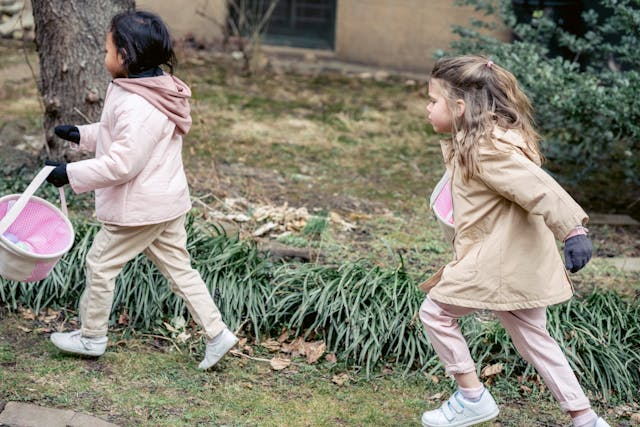
If cheap birthday party ideas are still outside of your budget, consider setting up a free scavenger hunt. You can use items from around the house (such as stuffed animals, toy figurines, and other small objects) to create a fun scavenger hunt for guests.

The venue can be your home, neighborhood, local park, or even the beach. No matter where you set up the event, creating interesting clues is key. If your child is older, they may enjoy geocaching, which involves using coordinates off of their phone to find the objects. Younger kids would love a treasure map or hand-written riddles and clues. 

8. Picnic at a Local Park

Picnic at a Local Park
Image Source: Pexels

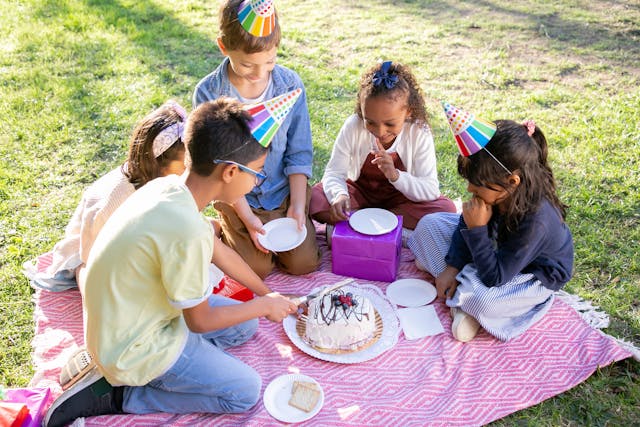
If camping isn’t your style but your family still enjoys being outdoors, consider hosting a picnic at a local park. Most parks have designated event spaces with picnic tables, grills, and pavilions, making it easy to entertain a group of any size. However, you may need a permit or reservation to take advantage of these amenities. 

To feed everyone affordably, bring along a cooler filled with sandwiches or hot dogs and burgers to cook on the grill. You won’t need to spend much on entertainment either thanks to the playground equipment. But it can’t hurt to bring some outdoor toys like bubbles, hula hoops, and frisbees. Keep the decorations simple to stay on budget—a pinata, some streamers, and a weighted balloon bouquet are enough to set the mood. 

9. Indoor or Outdoor Game Night 

Indoor or Outdoor Game Night
Image Source: Pexels

Looking for cheap birthday party ideas that work in both winter and summer? An at-home game night is a great option. When the weather is cold, kids can enjoy their favorite video and board games inside the house. You can also play classic party games like musical chairs, pin the tail on the donkey, limbo, and Simon Says. 

During the summer, activities like badminton, capture the flag, freeze tag, and soccer can help kids burn off steam. You can also set up fun relay races, such as an egg toss or sack race. 

10. Baking Party 

Baking Party
Image Source: Pexels

Kids of all ages love sweet treats, making a baking party a fun idea for an event. Depending on the age and skill level of your guests, you could get them involved in the baking process or simply allow them to help decorate. Cookies, cupcakes, and brownies are all good menu options. Allow guests to customize their goodies with sprinkles, colored icing, candy, edible glitter, and fondant. 

What are your favorite cheap birthday party ideas? Let us know in the comments!

Vicky Monroe headshot
Vicky Monroe

Vicky Monroe is a freelance personal finance writer who enjoys learning about and discussing the psychology of money. In her free time, she loves to cook and tackle DIY projects.

Filed Under: Money and Finances Tagged With: birthday celebrations, birthday on a budget, Saving Money

10 Times Kids’ Stupid Mistakes Wrecked Their Parents’ Finances

February 14, 2025 | Leave a Comment

Kids mistakes that wreck family finances
Image Source: Pexels

Some types of kids’ mistakes are easy to laugh off, such as the DIY haircuts children give each other when they discover the kitchen shears. However, other mishaps and accidents can have real financial consequences for families. For example, parents may be saddled with serious costs if their kids cause property damage at a neighbor’s house or make unauthorized, nonrefundable purchases. To help make you aware of potential financial risks, here are 10 common kids’ mistakes that could cost you serious money. 

10 Kids’ Mistakes That Cost Their Parents Serious Money

1. Game Microtransactions

Gaming microtransactions
Image Source: Pexels

One of the most common and costly kids’ mistakes is game microtransactions. Over the years, there have been many reports of children buying thousands of dollars of in-game content. For example, a six-year-old in Connecticut racked up a $16,000 bill in a mobile game called Sonic Forces: Speed Battle. His mom initially noticed the problem after $2,500 was charged to her credit card. 

However, when she contacted her credit card company, she was told that the charges were probably fraud-related. Because she believed she was being scammed, she didn’t question her son about the charges, which continued to mount. 

By the time everyone realized what was happening, her son had run up a $16,000 bill. Unfortunately, the 60-day refund window had passed, leaving her responsible for the microtransactions. Yikes! 

To prevent this from happening to you, remember to enable parental controls that block in-app purchases and remove your credit card information from your devices. 

2. Property Damage 

Kids’ mistakes can also cause extensive property damage. Football star Tyreek Hill’s South Florida home, which he purchased for $6.9 million, was damaged in an accidental fire. Reportedly, a child playing with a lighter in one of the bedrooms started the blaze, which primarily engulfed the attic. Luckily the family made it out safely and no one was injured. 

Although insurance covers property damage, homes hold many sentimental memories and belongings that often can’t be replaced. So it’s tragic when children’s unintentional mishaps cause fires. 

3. A $4,000 Amazon Order 

Amazon orders can be kids mistakes
Image Source: Pexels

Nowadays kids are so tech-savvy that a 5-year-old figured out how to place a massive Amazon order, costing her parents thousands. According to Today.com, Lila asked her mom for her phone one night to play some games. But instead, Lila actually logged into Amazon and went on a huge shopping spree. 

She bought nearly $4,000 of merchandise using a saved credit card, including multiple dirt bikes and pairs of women’s cowboy boots. Her mom canceled the orders that hadn’t shipped yet, but several huge boxes still showed up at their door a few days later. 

Fortunately, this was one of the kids’ mistakes that was reversible. All of the Amazon sellers agreed to take back the merchandise and issue refunds. Some parents aren’t so lucky and end up saddled with unreturnable products. 

When Lila’s parents asked why she pulled this stunt, she simply said “I wanted it and I got it.” Hopefully, this sassy little shopper has learned her lesson and won’t put her parents in financial jeopardy again! 

4. Roughhousing 

Another common kid mistake is roughhousing. Children can get carried away while playing and forget their own strength, which sometimes results in injuries. If you leave your child unsupervised and cause harm to a peer, you could be responsible for the injured party’s medical bills. However, there are usually caps on how much money parents can be held liable for. 

5. Unauthorized Donations 

Tweens and teens have also made costly kids mistakes that messed up their family’s finances. According to Screen Rant, one teenager donated nearly $20,000 of his family’s savings to popular Twitch streamers. Luckily the parents were able to contact Twitch’s payment processor and get the vast majority of the money refunded. 

However, the situation was a big logistical headache. It was hard to get in touch with anyone who could help, and some of the funds couldn’t be recovered, causing financial losses. Although this teen definitely should’ve known better, younger children also use Twitch, so parents argue that the platform needs better fraud detection methods. 

6. Memecoins 

Memecoin kids financial mistakes
Image Source: Pexels

Another financial kids’ mistake parents should be aware of is selling memecoins. These are cryptocurrencies that are created for fun or as a joke. One teen made his own memecoin and bought a large percentage of the shares. 

Unexpectedly, the coin surged in value, prompting the teen to cash out and earn tens of thousands of dollars in an evening. However, many other investors lost money on the coin because the teen sold his entire supply at once, causing the value to plummet. Although this incident didn’t cost his parents any money, they received angry messages on social media from disgruntled investors. 

Kids can easily be convinced to create or buy memecoins and end up on the losing end of the transaction. So make sure to closely monitor your child’s online activity so they don’t get taken in by crypto schemes. 

7. Accidental Cable Purchase

Did you ever buy a pay-per-view movie without your parent’s permission? Even today, kids are still making unauthorized cable purchases, including a 2-year-old who accidentally bought an NBA League Pass. 

While playing with the remote, she clicked just the right combination of buttons to purchase a pricey $200 cable add-on. Sadly, her dad wasn’t able to get the charge reversed, leaving him on the hook for a hefty unexpected expense. To prevent future mishaps, he added password purchase protection to his TV. 

8. Online Auction Gone Awry 

Online auctions kids bidding
Image Source: Pexels

Kids can also get into trouble with online auctions. A 14-month-old little girl gained access to her father’s eBay account on his phone. She placed a bid on a vintage car and ended up winning the auction for $225. Her dad’s first reaction was to panic and ask the seller to cancel the transaction. 

Although the seller was willing to release him from the deal, he ended up deciding to keep the vehicle. He started working on it as a project car and hopes to give it to his daughter when she’s old enough to drive. While this purchase didn’t necessarily wreck her family’s finances, the car repairs will likely cost them thousands, making it an expensive kids’ mistake.

9. Damage to Neighbor’s Property 

Another common kid mistake that puts strain on the family’s finances is vandalism. Some children act out their frustration on others’ property, resulting in hefty bills for their parents. One Reddit user’s glass greenhouse was broken by an unruly neighborhood child, resulting in nearly $3,000 in damages. 

10. Huge DoorDash Orders

Kids mistakes DoorDash
Image Source: Pexels

The final kid mistake we want to highlight is placing an accidental food order. A Texas mother left her phone unlocked, allowing her 2-year-old son to gain access to her DoorDash account. Somehow he clicked the right combination of buttons to order 31 cheeseburgers from McDonald’s. He also left a generous 25% tip for the driver, which brought the total to a whopping $91.70. 

His mom said the incident was funny because no one in the family likes cheeseburgers. She made a post on a local Facebook page to explain the saga and offer up the burgers for free. Her story ended up going viral and was even covered by CNN.

Have your children ever made any mistakes that had negative financial consequences? Share your stories in the comments.

Vicky Monroe headshot
Vicky Monroe

Vicky Monroe is a freelance personal finance writer who enjoys learning about and discussing the psychology of money. In her free time, she loves to cook and tackle DIY projects.

Filed Under: Money and Finances Tagged With: Kids, money, playtime disasters

« Previous Page
Next Page »
  • Facebook
  • Pinterest
  • RSS
  • Twitter
Best Parenting Blogs

Most Popular

Baby

10 Baby Names That Were Once Considered “Grandparent Names” but Feel Cool Again

Evan Morgan
Baby

9 Baby Names Inspired by Fall Without Naming Your Child Autumn

Evan Morgan
Baby

9 Baby Names That Sound Expensive Even Though Naming Your Baby Is Still Free

Evan Morgan
Baby names

Teachers Admit: These 6 Baby Names Create Instant Bias in the Classroom

Latrice Perez
6 Baby Names That Sound Cute Now but Cause Problems Later

6 Baby Names That Sound Cute Now but Cause Problems Later

Brandon Marcus

All content on Kids Ain’t Cheap is for entertainment purposes only. By reading this blog, you agree that Kids Ain’t Cheap is not responsible for any actions taken after reading this blog. For the full disclaimer, see our privacy policy.

Please note that Kids Ain’t Cheap has financial relationships with some of the merchants mentioned here. Kids Ain’t Cheap is funded by banner advertising, commission sales and search optimization consulting.

Copyright © 2006–2026 | District Media | All Rights Reserved | Privacy Policy

Copyright © 2026 Runway Pro Theme by Viva la Violette