• Home
  • About Us
  • Toolkit
  • Archives
  • Advertise
  • Privacy Policy

Kids Ain't Cheap

But They Sure Are Worth It

  • Parenting
    • Baby Stuff
    • Books and Reading
      • Aesops Fables
      • Comic Books
    • Education
    • Family Time
    • Green Living
    • Growing Up
    • Healthy Living & Eating
    • Holidays
    • Parenting
    • Random Musings
    • Shopping
    • Stuff to Do
  • Money
  • Product Reviews
    • Books and Magazines
    • Discount Sites
    • Furniture
    • House Keeping
    • Reviews News
    • Toys and Games
  • Contact Us
  • Our Editorial Commitment
  • Search

How To Use Governmental Resources for Inexpensive Speech Therapy for Kids

August 23, 2024 | Leave a Comment

123rf

Speech therapy is essential for children who struggle with communication challenges. However, the cost of private therapy can be a barrier for many families. Thankfully, there are governmental resources available that can make speech therapy for kids more accessible and affordable. By tapping into these resources, parents can ensure their children receive the support they need without financial strain.

Utilizing Public School Services

Public schools often provide speech therapy services as part of their special education programs. Not only are these services typically available at no extra cost to families. They also ensure children receive professional help within their school environment. Parents can work with their child’s school to develop an Individualized Education Plan (IEP) that includes speech therapy. This plan ensures the child receives tailored support to address their specific speech and language needs.

Accessing Early Intervention Programs

For children under three, early intervention programs offer crucial services for those with developmental delays, including speech issues. Funded by the government, these programs provide free or low-cost services to eligible families. Which can be a significant financial relief. By enrolling in an early intervention program, parents can start speech therapy for kids at a young age. Which often leads to better outcomes. Therefore, it’s important for parents to contact their state’s early intervention office to get started with these services.

Leveraging Medicaid and CHIP

Medicaid and the Children’s Health Insurance Program (CHIP) offer coverage for speech therapy for kids from low-income families. Moreover, these programs can significantly reduce or eliminate the cost of therapy sessions, making them a vital resource for those who qualify. Parents should check their eligibility for Medicaid or CHIP and apply if they qualify, as this can greatly ease financial burdens. Once enrolled, families can work with healthcare providers who accept these insurance programs to access the necessary speech therapy services.

Exploring Community Health Centers

Community health centers often provide speech therapy services at a reduced cost or on a sliding fee scale based on income. Because these centers receive federal funding to offer affordable healthcare services, they are an excellent option for families seeking cost-effective solutions. Parents can find a local community health center through the Health Resources and Services Administration (HRSA) website, ensuring they have access to affordable speech therapy services. These centers can be a lifeline for families needing affordable speech therapy for their children.

Finding Additional Support

In addition to government programs, many non-profits and charitable organizations offer resources and support for speech therapy. Some may provide grants or scholarships to cover therapy costs, while others might offer free workshops or resources for parents to use at home. Therefore, it’s worth exploring all available options to ensure your child receives the help they need. Combining these resources can provide comprehensive support for your child’s speech therapy needs.

Ensuring Long-Term Success

Navigating the available resources can take time; however, the benefits for your child are worth the effort. By using government-funded programs, parents can make speech therapy more accessible and affordable, ensuring children with speech and language difficulties get the early intervention and ongoing support they need. In the end, the right resources can make a significant difference in your child’s communication skills and overall development, setting them up for long-term success.

Latrice Perez

Latrice is a dedicated professional with a rich background in social work, complemented by an Associate Degree in the field. Her journey has been uniquely shaped by the rewarding experience of being a stay-at-home mom to her two children, aged 13 and 5. This role has not only been a testament to her commitment to family but has also provided her with invaluable life lessons and insights.  As a mother, Latrice has embraced the opportunity to educate her children on essential life skills, with a special focus on financial literacy.


Filed Under: Money and Finances

What Is the Cost of Raising a Child in Alabama?

August 19, 2024 | Leave a Comment

Raising a child
Father is raising happy cheerful toddler son in green jacket up in the air in the park. Toddler boy is playing with father. Happy healthy family, love concept, positive human emotions, feelings.

Raising a child is a significant financial commitment for any family. In Alabama, this cost varies based on factors such as location, lifestyle, and specific needs. Understanding these costs can help parents plan better and ensure they provide for their child’s future. This article explores the average expenses associated with raising a child in Alabama.

Child-Rearing Expenses in Alabama

The cost of raising a child in Alabama is influenced by various factors, including housing, food, education, and healthcare. Housing is typically one of the largest expenses, especially in urban areas where rent and property values are higher. Food costs are also significant, as families strive to provide nutritious meals for their children. Additionally, the cost of education, including tuition for private schools and extracurricular activities, can add up over the years.

Average Costs for Healthcare and Childcare

Healthcare is a crucial aspect of raising a child, and in Alabama, it can be a considerable expense. Families need to account for regular doctor visits, vaccinations, and any unexpected medical needs. Childcare is another significant cost, especially for working parents who require full-time care for their young children. Depending on the location and type of care, childcare expenses can vary widely across the state. It’s essential to plan for these costs as part of the overall budget for raising a child.

Education and Extracurricular Activity Costs

Education is a vital part of a child’s upbringing, and in Alabama, parents have various options, from public to private schooling. While public schools are generally more affordable, private school tuition can significantly increase the cost of raising a child. Extracurricular activities, such as sports, music lessons, and clubs, also contribute to the overall expenses. These activities are essential for a child’s development but require careful financial planning.

The Impact of Inflation and Rising Costs

Over the years, the cost of raising a child in Alabama has steadily increased due to inflation and other economic factors. The price of essentials such as food, clothing, and housing continues to rise, putting additional strain on family budgets. It’s important for parents to anticipate these increases and adjust their financial planning accordingly. By staying informed about these trends, families can better prepare for the financial demands of raising a child.

Planning for the Future

Raising a child in Alabama comes with its financial challenges, but careful planning can help mitigate these costs. Parents should consider setting up a savings plan early on to cover future expenses, such as college tuition or unexpected medical bills. Budgeting and prioritizing spending can also make a significant difference in managing the overall cost of raising a child. By being proactive, families can ensure they provide a secure and stable environment for their children.

Latrice Perez

Latrice is a dedicated professional with a rich background in social work, complemented by an Associate Degree in the field. Her journey has been uniquely shaped by the rewarding experience of being a stay-at-home mom to her two children, aged 13 and 5. This role has not only been a testament to her commitment to family but has also provided her with invaluable life lessons and insights.  As a mother, Latrice has embraced the opportunity to educate her children on essential life skills, with a special focus on financial literacy.

Filed Under: Money and Finances Tagged With: Alabama child costs, child-rearing expenses Alabama, cost of raising a child, family budget planning

Here Are The 5 Best Books for Kids with Wild Imaginations

August 13, 2024 | Leave a Comment

123rf

Books have the power to transport kids into worlds where anything is possible. For children with vivid imaginations, the right book can spark creativity and inspire dreams. These five books are perfect for kids who love to explore the limits of their imagination. Here are the 5 best books for kids with wild imaginations each one offers a unique adventure that will captivate young minds.

The Magic Tree House Series

The Magic Tree House series is a perfect choice for children who love thrilling adventures. This series follows siblings Jack and Annie as they travel through time and space in a magical treehouse. Each book takes them to a different historical period or fantasy world, where they solve mysteries and learn valuable lessons. The Magic Tree House books are some of the best books for kids who enjoy a blend of history and fantasy.

Harry Potter and the Philosopher’s Stone

J.K. Rowling’s Harry Potter and the Philosopher’s Stone is a must-read for kids with a love for magic and wonder. This book introduces young readers to the magical world of Hogwarts, where Harry discovers his true identity as a wizard. With its rich world-building and unforgettable characters, this book ignites the imagination and draws kids into a story of friendship and bravery. It’s one of the top books for kids who dream of magical adventures.

Where the Wild Things Are

Opened hardback book diary, fanned pages on blurred nature landscape backdrop, lying in summer field on green grass. Books stacking. Copy space, back to school education background.

Where the Wild Things Are by Maurice Sendak is a timeless classic that celebrates the power of imagination. The story follows a young boy named Max, who creates a world filled with wild creatures after being sent to his room. This beautifully illustrated book explores themes of anger, love, and the comfort of home. It’s an ideal read for kids who love to escape into their own fantasy worlds.

Alice’s Adventures in Wonderland

Alice’s Adventures in Wonderland by Lewis Carroll is a beloved tale that has enchanted generations of children. The story of Alice, who falls down a rabbit hole into a bizarre and whimsical world, is full of curious characters and strange happenings. This book is perfect for kids who enjoy the bizarre and unexpected. It remains one of the best books for kids who love stories that defy logic and convention.

The Chronicles of Narnia: The Lion, the Witch, and the Wardrobe

C.S. Lewis’s The Lion, the Witch, and the Wardrobe is the first book in The Chronicles of Narnia series and a true fantasy classic. This book tells the story of four siblings who discover a magical wardrobe that leads them into the land of Narnia. There, they embark on an epic adventure to free Narnia from the rule of an evil witch. It’s an excellent pick for kids who love epic tales filled with courage, friendship, and magic.

Ignite Your Child’s Imagination with These Books

These five books are perfect for sparking the imagination of young readers. Each story offers a unique journey into worlds filled with magic, adventure, and wonder. If you’re looking for the best books for kids with wild imaginations, these titles are sure to inspire creativity and provide hours of enchanting reading. Encourage your child to dive into these stories and watch their imagination soar.

Latrice Perez

Latrice is a dedicated professional with a rich background in social work, complemented by an Associate Degree in the field. Her journey has been uniquely shaped by the rewarding experience of being a stay-at-home mom to her two children, aged 13 and 5. This role has not only been a testament to her commitment to family but has also provided her with invaluable life lessons and insights.  As a mother, Latrice has embraced the opportunity to educate her children on essential life skills, with a special focus on financial literacy.

Filed Under: Money and Finances

7 Key Financial Differences Between Parallel Parenting and Co-Parenting

August 6, 2024 | Leave a Comment

Co Parenting
123rf

Navigating the financial aspects of parenting can be challenging, especially when dealing with different parenting styles. Parallel parenting and co-parenting offer distinct approaches that can significantly impact your finances. Understanding these differences can help you make informed decisions for your family’s well-being.

Childcare Expenses

Childcare costs can vary greatly depending on the parenting style you adopt. In co-parenting, expenses are often shared more equally, as both parents collaborate on decisions and split costs. In contrast, parallel parenting might involve each parent covering their own childcare expenses independently, which can lead to a lack of coordination and potential discrepancies in spending.

Educational Costs

Education is another critical area where financial differences arise. Co-parenting typically involves joint decision-making regarding school choices and extracurricular activities, with costs being shared. Parallel parenting, however, might see each parent making independent decisions about their child’s education, leading to varied financial commitments and potential conflicts over educational expenses.

Healthcare Expenses

Health Care expenses
123rf

Healthcare costs can be a significant financial burden for any family. Co-parenting usually includes a coordinated effort to manage and share these expenses, ensuring that both parents contribute fairly. Parallel parenting might result in separate healthcare plans and individual payments, which can complicate budgeting and lead to higher overall costs.

Living Arrangements

Living arrangements are a substantial financial consideration. Co-parenting often allows for more flexibility and shared housing arrangements, reducing the overall financial burden. In parallel parenting, each parent typically maintains their own residence, which can double the housing expenses and add significant strain to the family budget.

Transportation Costs

Transportation is another area where financial differences are evident. Co-parenting can facilitate shared transportation responsibilities and costs, as parents often coordinate schedules and carpooling. Parallel parenting may require each parent to manage their own transportation needs independently, leading to higher costs and less efficient use of resources.

Financial Planning and Budgeting

Effective financial planning and budgeting are crucial for managing family expenses. Co-parenting allows for collaborative budgeting, with both parents working together to create and follow a unified financial plan. In parallel parenting, each parent typically manages their own budget independently, which can result in a lack of coordination and potentially higher overall costs.

Legal and Mediation Costs

Legal and mediation costs can also differ between parallel parenting and co-parenting. Co-parenting arrangements often involve fewer legal disputes and reduced reliance on mediation, leading to lower costs. Parallel parenting, on the other hand, may require more frequent legal intervention to resolve conflicts, increasing legal fees and related expenses.

Making the Right Choice for Your Family

Choosing between parallel parenting and co-parenting involves considering numerous factors, including the financial implications. Each approach has its unique challenges and benefits, and understanding the key financial differences can help you make the best decision for your family’s situation. By carefully evaluating these factors, you can ensure that your parenting arrangement supports both your financial stability and your child’s well-being.

Latrice Perez

Latrice is a dedicated professional with a rich background in social work, complemented by an Associate Degree in the field. Her journey has been uniquely shaped by the rewarding experience of being a stay-at-home mom to her two children, aged 13 and 5. This role has not only been a testament to her commitment to family but has also provided her with invaluable life lessons and insights.  As a mother, Latrice has embraced the opportunity to educate her children on essential life skills, with a special focus on financial literacy.

Filed Under: Money and Finances Tagged With: childcare expenses, co-parenting, educational costs, financial differences, financial planning, healthcare expenses, living arrangements, parallel parenting, transportation costs

Energy Efficient Practices to Implement at Home

August 5, 2024 | Leave a Comment

Adopting energy-efficient practices at home not only reduces your utility bills but also contributes to environmental sustainability. From optimizing your heating systems to choosing the right materials for your home, there are several ways to enhance energy efficiency. Here are some effective strategies to implement.

Upgrade Your Roofing Materials

Your choice of roofing material can significantly impact your home’s energy efficiency. According to This Old House, metal roofing is one of the most energy-efficient options available, capable of reducing energy costs by up to 40% annually. Metal roofs reflect solar radiant heat, which can reduce cooling costs in the summer. Additionally, they are durable and often made from recycled materials, making them an eco-friendly choice. If you are considering a roof replacement, investing in metal roofing could lead to substantial energy savings.

Replace Old Heating Equipment

Heating systems are critical for maintaining a comfortable home environment, but they can also be a major source of energy consumption. The Office of Energy Efficiency and Renewable Energy reports that nearly 29% of households have heating equipment that is older than 15 years. Older systems are typically less efficient and more prone to breakdowns. Upgrading to a modern, energy-efficient heating system can reduce your energy usage and lower your heating bills. Consider options like heat pumps or high-efficiency furnaces, which offer improved performance and energy savings.

Install Energy-Efficient Windows

Windows play a significant role in your home’s energy efficiency. Poorly insulated windows can lead to heat loss in the winter and heat gain in the summer, causing your heating and cooling systems to work harder. Energy-efficient windows, such as those with double or triple glazing, low-E coatings, and insulated frames, can help maintain a consistent indoor temperature. These windows reduce the amount of energy needed to heat and cool your home, leading to lower energy bills and increased comfort.

Use Smart Thermostats

Smart thermostats are an excellent investment for enhancing your home’s energy efficiency. These devices allow you to control your heating and cooling systems remotely via a smartphone app. They can learn your schedule and adjust the temperature accordingly, ensuring that your home is always at the optimal temperature without wasting energy. By using a smart thermostat, you can save energy and reduce your utility bills without sacrificing comfort.

Improve Water Heating Efficiency

Water heating accounts for a significant portion of home energy use. According to the U.S. Department of Energy, the average person uses about 75 gallons of water per day. Installing a high-efficiency water heater, such as a tankless or solar water heater, can reduce energy consumption. Additionally, insulating your water heater and pipes can help retain heat and reduce the amount of energy needed to maintain hot water. Simple practices like taking shorter showers and using cold water for laundry can also contribute to energy savings.

Upgrade to Energy-Efficient Appliances

Household appliances are major contributors to your overall energy consumption. When it’s time to replace old appliances, look for those with the ENERGY STAR label, which signifies that the appliance meets energy efficiency guidelines set by the U.S. Environmental Protection Agency. Energy-efficient appliances, such as refrigerators, washing machines, and dishwashers, use less energy and water, leading to lower utility bills. While they might have a higher upfront cost, the long-term savings make them a worthwhile investment.

Insulate Your Home

Proper insulation is crucial for maintaining energy efficiency. Insulating your walls, attic, and floors can prevent heat loss in the winter and keep your home cooler in the summer. This reduces the strain on your heating and cooling systems, leading to lower energy usage and increased comfort. Additionally, sealing any gaps or cracks around doors and windows can prevent drafts and further improve your home’s insulation.

Filed Under: Money and Finances

5 Ways To Find The Most Budget Friendly School Supplies on Amazon

August 2, 2024 | Leave a Comment

123rf

As the back-to-school season approaches, finding budget-friendly school supplies becomes a top priority for parents and students alike. Amazon, known for its vast selection and competitive prices, can be a treasure trove for those looking to save money. Here are five strategies to help you find the most affordable school supplies on Amazon.

Utilize Amazon’s Filter and Sort Options

One of the best ways to find budget-friendly school supplies on Amazon is to make use of their filter and sort options. By sorting results by price from low to high, you can quickly identify the most affordable items. Additionally, applying filters such as ‘Free Shipping’ or ‘Prime Eligible’ can further narrow down your choices to those that offer the best value.

Look for Bulk Purchase Options

Buying in bulk is another effective strategy to save on school supplies. Many items like pencils, notebooks, and markers are available in larger quantities at a lower price per unit. Not only does this approach save money, but it also ensures that you have enough supplies to last the entire school year, reducing the need for frequent purchases.

Take Advantage of Amazon Warehouse Deals

Amazon Warehouse offers great discounts on returned, warehouse-damaged, used, or refurbished products that are still in good condition. By browsing through the Amazon Warehouse section, you can find significant savings on school supplies. These deals often include slightly damaged packaging items that are otherwise in perfect condition, making them a cost-effective choice.

Use Amazon Coupons and Discounts

123rf

Amazon frequently offers coupons and discounts on various products, including school supplies. Before making a purchase, check the product page for any available coupons you can apply at checkout. Additionally, keep an eye on Amazon’s ‘Today’s Deals’ section, where you can find time-limited discounts on a wide range of items.

Subscribe to Amazon Prime for Exclusive Deals

Subscribing to Amazon Prime not only gives you access to free two-day shipping but also offers exclusive deals and discounts. Prime members often have early access to sales events like Prime Day, where you can find deep discounts on school supplies. The savings from these exclusive deals can quickly offset the cost of the Prime membership itself.

Smart Shopping for School Supplies

By utilizing these strategies, you can significantly reduce the cost of school supplies without compromising on quality. Amazon’s extensive selection and variety of cost-saving options make it an excellent platform for finding budget-friendly school necessities. Happy shopping!

Latrice Perez

Latrice is a dedicated professional with a rich background in social work, complemented by an Associate Degree in the field. Her journey has been uniquely shaped by the rewarding experience of being a stay-at-home mom to her two children, aged 13 and 5. This role has not only been a testament to her commitment to family but has also provided her with invaluable life lessons and insights.  As a mother, Latrice has embraced the opportunity to educate her children on essential life skills, with a special focus on financial literacy.

Filed Under: Money and Finances Tagged With: affordable school supplies, Amazon Prime discounts, Amazon school supplies, Amazon Warehouse deals, budget-friendly school supplies, bulk school supplies, school supplies savings

How to Bake Shrinky Dinks: The Fun DIY Craft You Need to Try!

August 2, 2024 | Leave a Comment

Cartoon kid’s stickers or patches set with pineapple, sunglasses, banana, and other cute design elements in 80s and 90s style. Isolated on a white background. Vector

Shrinky Dinks are a nostalgic and fun DIY craft that has been delighting children and adults for decades. These versatile creations start as thin plastic sheets that you can color, cut, and then bake to shrink into durable, miniature versions of your designs. Here’s a step-by-step guide on how to bake shrinky dinks at home.

Gather Your Materials

To get started with Shrinky Dinks, you’ll need a few basic materials. You will need to shrink plastic sheets, which are available at most craft stores or online. Additionally, gather permanent markers or colored pencils for decorating, scissors for cutting out your designs, parchment paper, and a baking sheet. An oven is essential for the baking process.

Design and Decorate

Begin by drawing your designs on the shrink-plastic sheets. Remember that your designs will shrink to about one-third of their original size, so make your drawings larger than the desired final product. Use permanent markers or colored pencils to color your designs. Be creative and experiment with different shapes, patterns, and colors to make unique pieces.

Cut Out Your Designs

Once you are satisfied with your decorated designs, carefully cut them out using scissors. Make sure to leave a small margin around each design to prevent the edges from becoming too sharp after baking. If you plan to turn your Shrinky Dinks into charms or keychains, use a hole punch to make a hole near the top of each piece before baking.

Preheat the Oven

Preheat your oven to the temperature specified on the shrink plastic packaging, typically around 325°F (165°C). While the oven is heating, line a baking sheet with parchment paper to prevent the plastic from sticking during the baking process.

Bake the Shrinky Dinks

Set of different stickers from embroidery on clothes. Trends in modern fashion, dressing for young people. Top view, soft focus.

Place your cut-out designs on the prepared baking sheet, ensuring they are spaced apart to allow for even shrinking. Place the baking sheet in the preheated oven and watch the magic happen. The plastic will curl and then flatten out as it shrinks. This process usually takes about 1-3 minutes. Once the pieces have flattened out completely, remove them from the oven.

Let Them Cool

Allow your Shrinky Dinks to cool completely before handling them. They will harden as they cool, becoming durable and ready for use. If you made holes for charms or keychains, now is the time to attach jump rings, key rings, or other findings.

Creative Uses for Shrinky Dinks

Shrinky Dinks can be used in a variety of creative ways. Turn them into jewelry, keychains, ornaments, magnets, or decorative items. They make excellent personalized gifts and can be customized for any occasion. Get inspired by experimenting with different shapes, colors, and uses for your Shrinky Dinks.

Enjoy Learning How to Bake Shrinky Dinks

Creating Shrinky Dinks is a fun and rewarding DIY craft that can be enjoyed by people of all ages. Whether you’re revisiting a childhood favorite or discovering this craft for the first time, the process of designing, baking, and using Shrinky Dinks is sure to bring joy and satisfaction. Gather your materials and start crafting your own unique creations today.

Latrice Perez

Latrice is a dedicated professional with a rich background in social work, complemented by an Associate Degree in the field. Her journey has been uniquely shaped by the rewarding experience of being a stay-at-home mom to her two children, aged 13 and 5. This role has not only been a testament to her commitment to family but has also provided her with invaluable life lessons and insights.  As a mother, Latrice has embraced the opportunity to educate her children on essential life skills, with a special focus on financial literacy.

Filed Under: Money and Finances Tagged With: Baking Shrinky Dinks, Craft Projects, DIY Crafts, Fun DIY Activities, How to Bake Shrinky Dinks, Kids Crafts, Shrinky Dinks

Why Sensory Bins Are Crucial for Your Child’s Development!

July 30, 2024 | Leave a Comment

Sensory bins are more than just a fun activity for children; they play a significant role in early childhood development. These bins, filled with various materials and objects, stimulate the senses and provide numerous learning opportunities. Why are sensory bins important for your child’s development? We’ll dive into it in this article.

Enhancing Fine Motor Skills

Sensory bins help enhance fine motor skills as children manipulate small objects, scoop, pour, and sort materials. These activities strengthen hand muscles and improve coordination. Regular interaction with sensory bins can lead to better handwriting, cutting, and other tasks requiring fine motor control.

Promoting Cognitive Development

Engaging with sensory bins encourages cognitive development through problem-solving and critical thinking. Children explore different textures, shapes, and sizes, learning to categorize and differentiate objects. This hands-on exploration helps build their understanding of the world and enhances memory and attention to detail.

Encouraging Language Development

Sensory play is a great way to boost language development. As children describe what they feel, see, and do, they expand their vocabulary and improve their communication skills. Asking open-ended questions about their sensory experiences can further enhance language development and encourage expressive speech.

Supporting Emotional Regulation

Bins like these can provide a calming effect and help children regulate their emotions. The repetitive actions involved in sensory play, like pouring and sifting, can be soothing and help reduce anxiety. This calming influence can improve focus and attention, making it easier for children to manage their emotions.

Fostering Social Skills

123rf

Playing with sensory bins can also foster social skills. When children share a sensory bin, they learn to take turns, cooperate, and communicate with others. Group sensory activities encourage teamwork and can build stronger peer relationships, enhancing social development.

Stimulating Creativity and Imagination

Sensory bins stimulate creativity and imagination as children explore and create their own play scenarios. Using a variety of materials encourages them to think outside the box and come up with unique ways to interact with the sensory bin contents. This imaginative play is essential for cognitive and social development.

Developing Sensory Processing Skills

Sensory bins are particularly beneficial for children with sensory processing issues. They provide a controlled environment where children can safely explore different sensory inputs. Regular sensory play can help these children become more comfortable with various textures and sensations, improving their sensory processing abilities.

Integrating Learning Themes

These bins can be tailored to fit educational themes, making learning more engaging and hands-on. For example, a sensory bin with letters and numbers can reinforce literacy and numeracy skills. Themed sensory bins can make abstract concepts more concrete, aiding in better understanding and retention.

Creating Opportunities for Bonding

Parents and caregivers can use sensory bins as a bonding activity. Participating in sensory play together strengthens the parent-child relationship and provides quality time for interaction. It also offers parents insight into their child’s interests and developmental progress.

Embracing Holistic Development

Incorporating these into your child’s routine can provide numerous developmental benefits, answering the question “why are sensory bins important?” From enhancing fine motor skills to fostering creativity and emotional regulation, sensory bins offer a versatile and effective tool for holistic child development. Embrace the power of sensory play to support your child’s growth and learning in a fun and engaging way.

Latrice Perez

Latrice is a dedicated professional with a rich background in social work, complemented by an Associate Degree in the field. Her journey has been uniquely shaped by the rewarding experience of being a stay-at-home mom to her two children, aged 13 and 5. This role has not only been a testament to her commitment to family but has also provided her with invaluable life lessons and insights.  As a mother, Latrice has embraced the opportunity to educate her children on essential life skills, with a special focus on financial literacy.

Filed Under: Money and Finances Tagged With: child development, Cognitive Development, Early Childhood Education, Emotional Regulation, Fine Motor Skills, Language Skills, Sensory Bins, Sensory Play

12 Cheap Summer Activities for Kids That Will Keep Them Entertained All Season Long!

July 26, 2024 | Leave a Comment

Summer is the perfect time for kids to explore, play, and enjoy outdoor activities. Keeping children entertained doesn’t have to break the bank. Here are 12 cheap summer activities for kids that will keep them busy and happy all season long.

Backyard Camping Adventure

Transform your backyard into a camping site with a tent, sleeping bags, and a campfire setup. Kids can enjoy stargazing, telling stories, and making s’mores. This activity provides an exciting adventure without leaving home, fostering a love for nature and the outdoors.

Water Play Days

Beat the heat with various water activities. Set up a sprinkler, kiddie pool, or slip-and-slide in your yard. Water balloon fights and homemade splash pads are also great ways to keep kids cool and entertained. These activities are inexpensive and provide hours of fun.

DIY Arts and Crafts

Encourage creativity with DIY arts and crafts projects. Use everyday household items like paper, cardboard, and markers to create masterpieces. Activities such as painting rocks, making friendship bracelets, and building cardboard forts are fun and cost-effective ways to spark imagination.

Nature Scavenger Hunts

123rf

Organize a nature scavenger hunt in your local park or backyard. Create a list of items for kids to find, such as leaves, rocks, and flowers. This activity encourages exploration and teaches kids about the environment while providing an engaging outdoor adventure.

Picnic in the Park

Pack a simple picnic and head to your local park. Enjoying a meal outdoors can be a refreshing change of pace. Bring along some outdoor games like frisbee, soccer, or a kite to make the day even more enjoyable.

Storytime and Reading Challenges

Visit your local library for summer reading programs and challenges. Many libraries offer free storytime sessions and incentives for reading books. Encourage your kids to set reading goals and explore new genres, fostering a love for literature and learning.

DIY Obstacle Course

Create a backyard obstacle course using household items like chairs, ropes, and hula hoops. Kids can race against each other, improving their physical fitness and coordination. This activity is not only fun but also helps develop motor skills and teamwork.

Cooking and Baking Together

Get your kids involved in the kitchen by cooking and baking together. Choose simple recipes like cookies, pizzas, or smoothies. This activity teaches valuable life skills, enhances creativity, and provides a delicious reward at the end.

Garden Planting and Care

Start a small garden and involve your kids in planting and caring for it. Choose easy-to-grow plants like herbs, tomatoes, or flowers. Gardening teaches responsibility, patience, and the basics of plant biology, making it both educational and enjoyable.

Bike Rides and Nature Trails

Explore local bike trails and nature paths with your kids. Biking is a great way to exercise and enjoy the outdoors together. Discovering new trails and parks can make each outing an adventure, promoting a healthy lifestyle.

DIY Science Experiments

Conduct simple science experiments at home using household items. Activities like baking soda and vinegar volcanoes, homemade slime, and floating egg experiments can be both fun and educational. These experiments foster curiosity and a love for science.

Movie Nights Under the Stars

Set up an outdoor movie night with a projector and a white sheet. Choose family-friendly movies and create a cozy seating area with blankets and pillows. Add popcorn and snacks for a complete movie theater experience in your backyard.

Keeping Kids Entertained on a Budget

With a little creativity and planning, you can provide endless entertainment for your kids without spending a fortune. These cheap summer activities for kids offer opportunities for learning, creativity, and family bonding. Enjoy a summer filled with fun and memorable moments.

Latrice Perez

Latrice is a dedicated professional with a rich background in social work, complemented by an Associate Degree in the field. Her journey has been uniquely shaped by the rewarding experience of being a stay-at-home mom to her two children, aged 13 and 5. This role has not only been a testament to her commitment to family but has also provided her with invaluable life lessons and insights.  As a mother, Latrice has embraced the opportunity to educate her children on essential life skills, with a special focus on financial literacy.

Filed Under: Money and Finances Tagged With: Budget-Friendly Activities, Cheap Summer Activities for Kids, DIY Crafts, family activities, Outdoor Play, Summer Fun

How to Dye Rice for Sensory Bins: The Ultimate Step-by-Step Guide!

July 23, 2024 | Leave a Comment

123rf

Creating colorful rice for sensory bins is a fun and easy activity that can enhance your child’s sensory play experience. Dyeing rice is a simple process that involves a few household ingredients, and it results in vibrant, tactile play materials that children will love. Here’s a step-by-step guide to help you dye rice for sensory bins.

Gather Your Supplies

Before you begin, gather all the necessary supplies. You will need uncooked white rice, food coloring, white vinegar or rubbing alcohol, ziplock bags or containers, and a baking sheet or large tray for drying. These items are readily available and make the process smooth and efficient.

Measure the Rice

Decide how much rice you want to dye and measure it out. A good starting point is one cup of rice per color, but you can adjust this amount based on your needs. Place the measured rice into ziplock bags or containers, one for each color you plan to make.

Add Color and Vinegar

Add a few drops of food coloring to each bag or container of rice. The amount of food coloring depends on the desired intensity of the color. Add one teaspoon of white vinegar or rubbing alcohol to help distribute the color evenly and ensure it adheres to the rice. Seal the bag or container and shake it well until the rice is evenly coated with the color.

Let the Rice Dry

Once the rice is evenly colored, spread it out on a baking sheet or large tray to dry. Spread the rice in a single layer to allow it to dry completely. This process can take a few hours to overnight, depending on the humidity and temperature of your environment. Stir the rice occasionally to ensure even drying and prevent clumping.

Store the Colored Rice

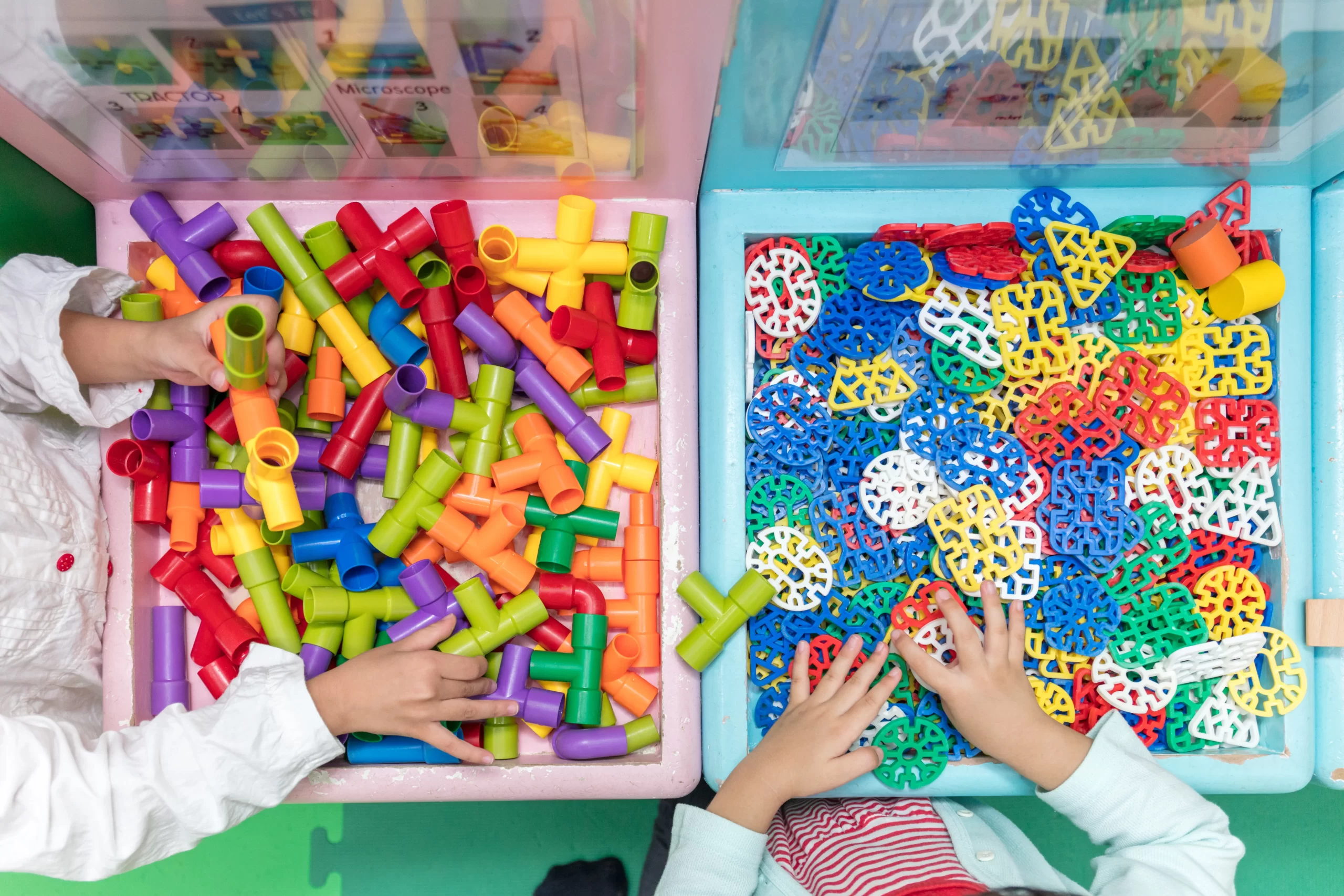
Sensory bin for toddlers with colourful rice on red table. Universal educational game in kindergarten.

After the rice is completely dry, store it in airtight containers or ziplock bags until you are ready to use it. Properly stored dyed rice can last for several months, providing endless fun for sensory play. Ensure the containers are labeled with the color and date for easy identification.

Incorporate into Sensory Bins

Now that you have your colorful rice, it’s time to incorporate it into sensory bins. Fill a large bin or tray with the dyed rice and add various scoops, funnels, and toys to enhance the sensory experience. Encourage your child to explore the textures and colors, which can help develop fine motor skills and creativity.

Experiment with Colors and Scents

To add an extra dimension to your sensory bins, experiment with mixing colors to create new shades or adding scents to the rice. A few drops of essential oils can add a pleasant aroma, making the sensory experience even more engaging. Just be sure to use child-safe, non-toxic scents.

Encourage Creative Play

Encourage your child to use their imagination while playing with the dyed rice. They can create patterns, bury and find small toys, or practice counting and sorting by color. Sensory bins provide endless opportunities for creative and educational play.

Cleaning Up

Clean-up is straightforward. Store the rice back in its containers for future use, and vacuum or sweep up any stray grains. The colored rice is reusable, making it an economical and sustainable choice for sensory play activities.

Enjoy the Benefits of Sensory Play

Dyeing rice for sensory bins is a fun and rewarding activity that enhances your child’s playtime. By following these simple steps, you can create vibrant and engaging sensory materials that promote creativity, fine motor skills, and sensory development. Enjoy the process and watch your child’s imagination soar.

Latrice Perez

Latrice is a dedicated professional with a rich background in social work, complemented by an Associate Degree in the field. Her journey has been uniquely shaped by the rewarding experience of being a stay-at-home mom to her two children, aged 13 and 5. This role has not only been a testament to her commitment to family but has also provided her with invaluable life lessons and insights.  As a mother, Latrice has embraced the opportunity to educate her children on essential life skills, with a special focus on financial literacy.
Filed Under: Money and Finances Tagged With: Colorful Rice, DIY Sensory Bins, Dye Rice for Sensory Bins, kids activities, Sensory Play

Biblical Parenting 101: What Does the Bible Say About Raising Kids?

July 19, 2024 | Leave a Comment

123rf

Raising children is a profound responsibility that many seek guidance on from various sources, including religious texts. The Bible offers timeless principles and wisdom for parenting, providing a foundation for nurturing children in a loving and disciplined environment. Here’s what the Bible says about raising kids.

Teaching and Training

The Bible emphasizes the importance of teaching and training children in the ways of the Lord. Proverbs 22:6 advises, “Train up a child in the way he should go; even when he is old, he will not depart from it.” This underscores the value of instilling moral and spiritual principles from an early age, ensuring that children grow up with a strong ethical foundation.

Discipline and Correction

Discipline is another critical aspect of biblical parenting. The Bible encourages parents to correct their children lovingly and firmly. Proverbs 13:24 states, “Whoever spares the rod hates their children, but the one who loves their children is careful to discipline them.” This suggests that discipline, when administered appropriately, is an expression of love and care, helping children learn the consequences of their actions and guiding them towards better behavior.

Love and Compassion

Love and compassion are central to biblical parenting. Ephesians 6:4 advises, “Fathers, do not exasperate your children; instead, bring them up in the training and instruction of the Lord.” This verse highlights the importance of nurturing children in a loving environment, avoiding harshness, and fostering a relationship based on mutual respect and understanding. Love serves as the foundation for all interactions between parents and children.

Leading by Example

Parents are called to lead by example in the Bible. Deuteronomy 6:6-7 instructs, “These commandments that I give you today are to be on your hearts. Impress them on your children. Talk about them when you sit at home and when you walk along the road, when you lie down and when you get up.” This passage encourages parents to live out their faith and values daily, demonstrating to their children the importance of living a life aligned with biblical teachings.

Encouragement and Support

123rf

The Bible also speaks about the need for encouragement and support in parenting. Colossians 3:21 advises, “Fathers, do not embitter your children, or they will become discouraged.” This emphasizes the role of positive reinforcement and encouragement in fostering a child’s self-esteem and confidence. Parents are encouraged to build up their children through words of affirmation and support.

Nurturing Faith

Nurturing a child’s faith is a fundamental aspect of biblical parenting. Psalm 78:4 states, “We will not hide them from their descendants; we will tell the next generation the praiseworthy deeds of the Lord, his power, and the wonders he has done.” This encourages parents to actively share their faith and experiences with God, helping children develop a personal relationship with Him and a deep understanding of their spiritual heritage.

Guiding Kids with Biblical Principles

The Bible provides a comprehensive guide for raising children with wisdom, love, and discipline. By teaching and training, leading by example, and nurturing their faith, parents can raise their children according to biblical principles. Embracing these teachings can help parents navigate the challenges of parenting while fostering a loving and spiritually enriched family environment.

Latrice Perez

Latrice is a dedicated professional with a rich background in social work, complemented by an Associate Degree in the field. Her journey has been uniquely shaped by the rewarding experience of being a stay-at-home mom to her two children, aged 13 and 5. This role has not only been a testament to her commitment to family but has also provided her with invaluable life lessons and insights.  As a mother, Latrice has embraced the opportunity to educate her children on essential life skills, with a special focus on financial literacy.

Filed Under: Money and Finances Tagged With: Biblical Parenting, Christian Parenting, Discipline in Parenting, parenting tips, raising kids, teaching children

How You Spend and Give Your Money: Teaching Financial Responsibility to Kids

July 16, 2024 | Leave a Comment

Teaching kids about financial responsibility is crucial for their future success and independence. By understanding how to spend and give money wisely, children can develop healthy financial habits that will benefit them throughout their lives. Here’s how you can guide your kids in learning financial responsibility.

Start with the Basics

Begin by introducing your kids to the basic concepts of money, including earning, saving, spending, and giving. Explain the difference between needs and wants, and why it’s important to prioritize spending on necessities. Using simple terms and real-life examples can make these concepts more relatable and easier to understand.

Set Up an Allowance System

An allowance system is a practical way to teach kids about managing money. Give them a weekly or monthly allowance and encourage them to divide it into categories such as saving, spending, and giving. This hands-on experience helps children learn the value of money and the importance of budgeting from an early age.

Encourage Savings

123rf

Teach your kids the importance of saving by setting up a savings account or a piggy bank. Explain how saving money can help them achieve their goals, whether it’s buying a toy, a game, or saving for future expenses. Encourage them to save a portion of their allowance regularly and discuss the benefits of long-term savings.

Introduce Charitable Giving

Incorporate charitable giving into your child’s financial education. Explain the importance of helping others and the impact of donations. Encourage them to set aside a portion of their allowance for charitable contributions. This practice fosters empathy and teaches them the value of giving back to the community.

Teach Budgeting Skills

Budgeting is a crucial skill for financial responsibility. Help your kids create a simple budget to manage their allowance. Include categories for different expenses and savings goals. Review the budget with them regularly to track their progress and make necessary adjustments. This practice helps them understand the importance of planning and controlling their spending.

Use Real-Life Experiences

Use everyday experiences to teach financial lessons. Take your kids grocery shopping and involve them in making purchasing decisions. Discuss prices, compare products, and explain the concept of getting value for money. These real-life examples make financial concepts more tangible and understandable.

Discuss the Importance of Work

Teaching kids about the value of work can help them appreciate money more. Assign age-appropriate chores and offer extra opportunities to earn money through additional tasks. This approach helps them understand the connection between work and earning, fostering a sense of responsibility and independence.

Set Financial Goals

Setting financial goals teaches kids about planning and delayed gratification. Help them identify short-term and long-term goals and create a plan to achieve them. Whether it’s saving for a new toy or a bigger purchase, working towards a goal reinforces the importance of saving and managing money wisely.

Encourage Smart Spending

Teach kids to be smart consumers by discussing the difference between quality and quantity. Encourage them to think about their purchases carefully and consider whether they really need an item. This practice helps them develop critical thinking skills and avoid impulsive buying habits.

Lead by Example

Children learn a lot by observing their parents. Demonstrate good financial habits by managing your money wisely, saving regularly, and making thoughtful spending decisions. Discuss your financial choices with your kids and explain the reasoning behind them. Leading by example reinforces the lessons you teach and helps kids understand the importance of financial responsibility.

Fostering Financial Responsibility in Kids

Teaching kids about financial responsibility equips them with essential life skills. By introducing basic money concepts, encouraging savings, promoting charitable giving, and involving them in budgeting, you can help your children develop healthy financial habits. Leading by example and using real-life experiences further reinforce these lessons, preparing them for a financially responsible future.

Latrice Perez

Latrice is a dedicated professional with a rich background in social work, complemented by an Associate Degree in the field. Her journey has been uniquely shaped by the rewarding experience of being a stay-at-home mom to her two children, aged 13 and 5. This role has not only been a testament to her commitment to family but has also provided her with invaluable life lessons and insights.  As a mother, Latrice has embraced the opportunity to educate her children on essential life skills, with a special focus on financial literacy.

Filed Under: Money and Finances Tagged With: Allowance System, Budgeting for Kids, Charitable Giving, Financial Education, kids and money, Saving Money, Teaching Financial Responsibility to Kids

« Previous Page
Next Page »
  • Facebook
  • Pinterest
  • RSS
  • Twitter
Best Parenting Blogs

Most Popular

Baby

10 Baby Names That Were Once Considered “Grandparent Names” but Feel Cool Again

Evan Morgan
Baby

9 Baby Names Inspired by Fall Without Naming Your Child Autumn

Evan Morgan
Baby

9 Baby Names That Sound Expensive Even Though Naming Your Baby Is Still Free

Evan Morgan
Baby names

Teachers Admit: These 6 Baby Names Create Instant Bias in the Classroom

Latrice Perez
6 Baby Names That Sound Cute Now but Cause Problems Later

6 Baby Names That Sound Cute Now but Cause Problems Later

Brandon Marcus

All content on Kids Ain’t Cheap is for entertainment purposes only. By reading this blog, you agree that Kids Ain’t Cheap is not responsible for any actions taken after reading this blog. For the full disclaimer, see our privacy policy.

Please note that Kids Ain’t Cheap has financial relationships with some of the merchants mentioned here. Kids Ain’t Cheap is funded by banner advertising, commission sales and search optimization consulting.

Copyright © 2006–2026 | District Media | All Rights Reserved | Privacy Policy

Copyright © 2026 Runway Pro Theme by Viva la Violette