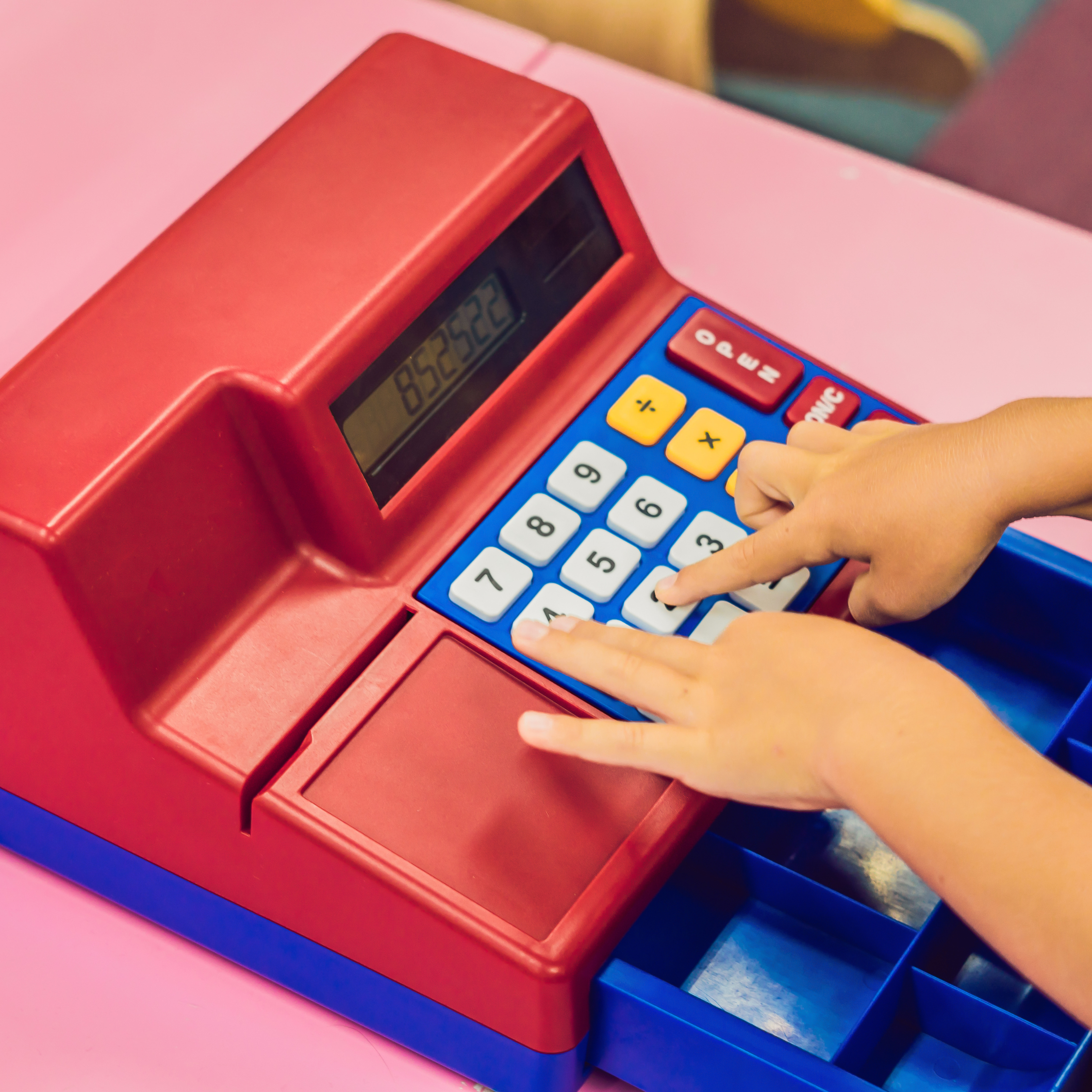
• Home
  • About Us
  • Toolkit
  • Archives
  • Advertise
  • Privacy Policy

Kids Ain't Cheap

But They Sure Are Worth It

  • Parenting
    • Baby Stuff
    • Books and Reading
      • Aesops Fables
      • Comic Books
    • Education
    • Family Time
    • Green Living
    • Growing Up
    • Healthy Living & Eating
    • Holidays
    • Parenting
    • Random Musings
    • Shopping
    • Stuff to Do
  • Money
  • Product Reviews
    • Books and Magazines
    • Discount Sites
    • Furniture
    • House Keeping
    • Reviews News
    • Toys and Games
  • Contact Us
  • Our Editorial Commitment
  • Search

9 Cool Toys for Your Kids in the 2000s

July 12, 2024 | Leave a Comment

123rf

The 2000s brought a wave of innovative and exciting toys that captured the imaginations of children worldwide. From interactive electronics to creative playsets, these toys provided endless hours of fun and learning. Here are nine cool toys from the 2000s that your kids will love.

Beyblades

Beyblades became a massive hit in the early 2000s with their customizable spinning tops and competitive gameplay. Kids would battle their Beyblades in special arenas, aiming to knock out their opponent’s top. The excitement of collecting different parts to enhance performance made Beyblades a favorite among children and collectors alike.

Bratz Dolls

Bratz dolls offered a modern twist on fashion dolls, with their distinct style and bold personalities. These dolls came with trendy outfits and accessories, allowing kids to create various fashion looks. The diverse characters and edgy designs made Bratz dolls stand out in the toy market and continue to be popular today.

LEGO Bionicle

LEGO Bionicle combined the joy of building with an immersive storyline. These action figures could be constructed from various parts, encouraging creativity and problem-solving skills. The Bionicle series also included comics and movies, which enriched the play experience and engaged kids in an epic adventure.

Nintendo DS

123rf

The Nintendo DS revolutionized portable gaming with its dual-screen design and touch-screen capabilities. Offering a wide range of games from educational titles to action-packed adventures, the DS provided endless entertainment for kids. Its portability made it a favorite for gaming on the go, and it remains a beloved device among gaming enthusiasts.

Webkinz

Webkinz plush toys were unique in that they came with a code that allowed kids to access an online world. In this virtual environment, children could adopt, care for, and play with their Webkinz pets. The combination of a physical toy and interactive online experience made Webkinz a hit, promoting both fun and responsibility.

Tamagotchi Connection

Building on the success of the original Tamagotchi, the Tamagotchi Connection introduced new features like infrared communication for connecting with friends. Kids could care for their digital pets, play games, and even exchange gifts. This interactive and portable toy continued to capture the hearts of children in the 2000s.

Razor Scooters

Razor scooters became a must-have for kids seeking fun and outdoor activity. These sleek, foldable scooters were perfect for zipping around neighborhoods and parks. With their durable design and easy maneuverability, Razor scooters offered an exhilarating way for kids to stay active and enjoy the outdoors.

Polly Pocket

Polly Pocket made a comeback in the 2000s with updated designs and more elaborate playsets. These miniature worlds provided endless imaginative play, allowing kids to create and explore different scenarios. The compact size of Polly Pocket sets made them easy to carry and enjoy anywhere.

Furby

Furby made a resurgence in the 2000s with advanced features like voice recognition and learning capabilities. These interactive plush toys could speak, respond to touch, and even develop their own personalities over time. The engaging and lifelike interactions made Furby a fascinating companion for kids.

Rediscovering 2000s Toys

The toys from the 2000s brought a mix of nostalgia and innovation, offering unique play experiences that captivated kids. From electronic gadgets to creative playsets, these toys provided endless fun and learning opportunities. Exploring these cool toys from the 2000s can be a delightful trip down memory lane and an exciting introduction for a new generation of kids.

Latrice Perez

Latrice is a dedicated professional with a rich background in social work, complemented by an Associate Degree in the field. Her journey has been uniquely shaped by the rewarding experience of being a stay-at-home mom to her two children, aged 13 and 5. This role has not only been a testament to her commitment to family but has also provided her with invaluable life lessons and insights.  As a mother, Latrice has embraced the opportunity to educate her children on essential life skills, with a special focus on financial literacy.
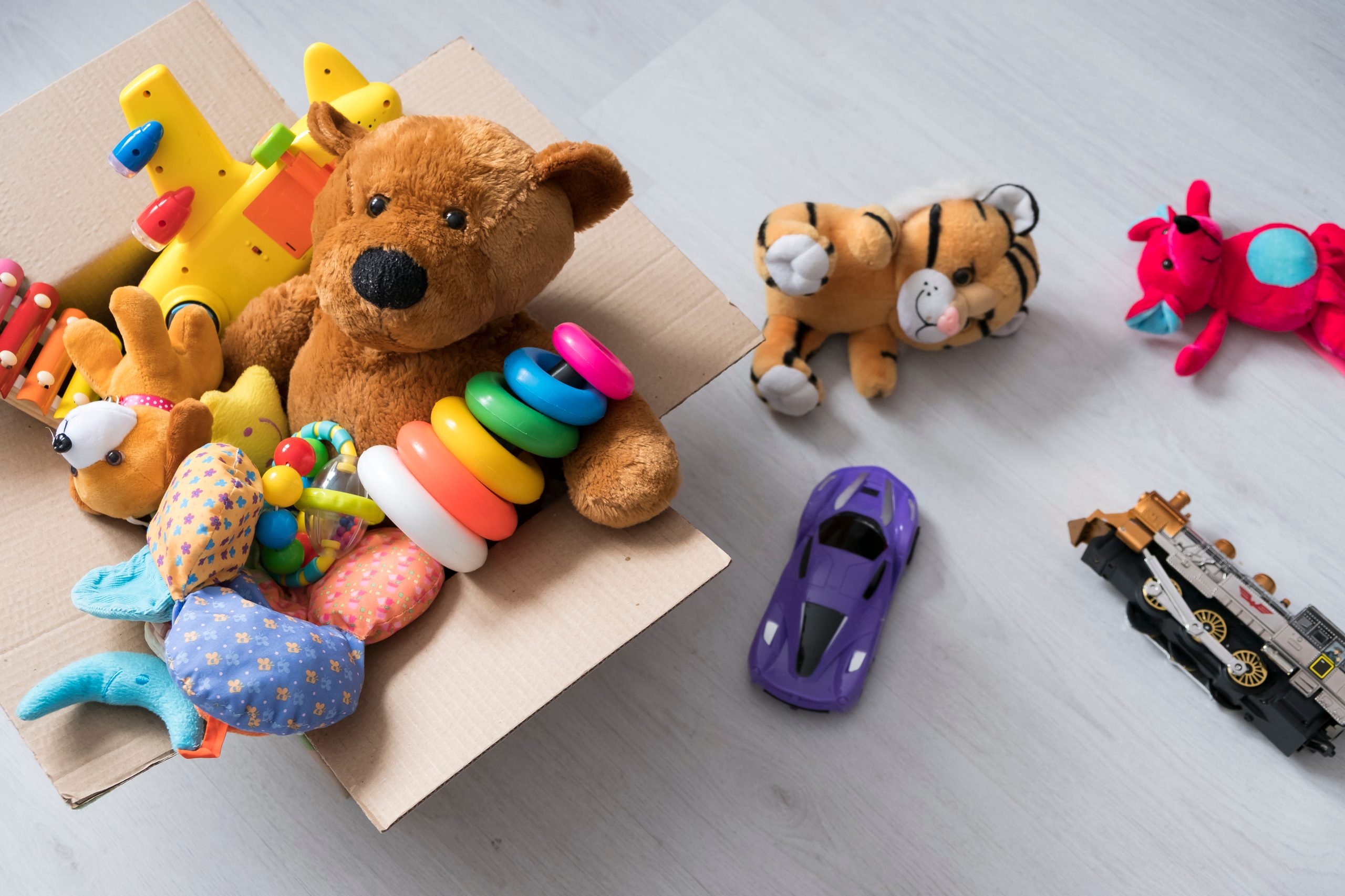
Filed Under: Money and Finances Tagged With: 2000s toys, Beyblades, Bratz dolls, cool toys from the 2000s, Furby, LEGO Bionicle, Nintendo DS, Polly Pocket, Razor scooters, Tamagotchi Connection, Webkinz

8 Budget-Friendly Cool Toys That Were Popular in the 90’s

July 10, 2024 | Leave a Comment

123rf

The 90s was a decade filled with iconic toys that brought joy to children everywhere. These toys not only provided endless entertainment but also left a lasting impression on pop culture. Here are eight budget-friendly cool toys from the 90s that you can still enjoy today without breaking the bank.

Tamagotchi

Tamagotchis were one of the biggest virtual pet sensations of the 90s. These handheld digital pets required regular feeding, playing, and cleaning. Although the original versions might be rare, modern re-releases capture the nostalgia perfectly at a budget-friendly price. Tamagotchis remain a fun and engaging toy for both kids and adults.

Beanie Babies

Beanie Babies were more than just stuffed animals; they were a collectible craze. These small, plush toys came in a variety of animal shapes, each with its own name and unique style. While some rare editions can be pricey, many Beanie Babies are still available at affordable prices, making them a nostalgic and budget-friendly option.

Yo-Yos

Yo-yos experienced a resurgence in popularity during the 90s, with brands like Duncan leading the charge. These classic toys are not only inexpensive but also provide endless entertainment and a chance to master impressive tricks. Modern yo-yos come in various designs and colors, making them a fun and affordable toy.

Pogs

Pogs were simple yet incredibly popular cardboard discs that kids would collect and play with in competitive games. The goal was to use a heavier disc called a slammer to flip over as many Pogs as possible. Pogs are still available today, often at very low prices, and can provide a fun trip down memory lane.

Slinky

The Slinky, with its simple metal or plastic coil design, has been a beloved toy for decades, including the 90s. Watching a Slinky “walk” down stairs or across a room never gets old. Slinkys are highly affordable and can still be found in many toy stores, making them a timeless and budget-friendly option.

Polly Pocket

Polly Pocket playsets were miniature worlds that could fit in your pocket. These tiny dolls and their compact environments were a favorite among kids in the 90s. While vintage sets can be expensive, many modern Polly Pocket sets are designed to be budget-friendly, offering the same imaginative play.

Super Soaker

123rf

Super Soaker water guns revolutionized outdoor play with their powerful streams of water. These iconic toys from the 90s are still popular today, and many affordable models are available. Super Soakers are perfect for summer fun and can provide hours of entertainment without costing a fortune.

Bop It

Bop It was an electronic game that challenged players to follow commands quickly, like “bop it,” “twist it,” and “pull it.” This fast-paced toy was a hit in the 90s and remains a favorite. Modern versions of Bop It are available at reasonable prices, offering the same engaging gameplay.

Rediscovering 90s Toys

These eight toys from the 90s not only bring back fond memories but also provide budget-friendly fun for new generations. Whether you’re looking to relive your childhood or introduce these classics to your kids, these toys offer timeless entertainment without breaking the bank. Enjoy the nostalgia and the joy these 90s toys bring.

Latrice Perez

Latrice is a dedicated professional with a rich background in social work, complemented by an Associate Degree in the field. Her journey has been uniquely shaped by the rewarding experience of being a stay-at-home mom to her two children, aged 13 and 5. This role has not only been a testament to her commitment to family but has also provided her with invaluable life lessons and insights.  As a mother, Latrice has embraced the opportunity to educate her children on essential life skills, with a special focus on financial literacy.
Filed Under: Money and Finances Tagged With: 90s toy craze, Beanie Babies, Bop It, budget-friendly 90s toys, nostalgic toys, Pogs, Polly Pocket, Slinky, Super Soaker, Tamagotchi, yo-yos

7 Cool Toys with High Resale Value

July 8, 2024 | Leave a Comment

123rf

Investing in toys that hold or even increase in value over time can be a smart move. Whether you’re a collector or a parent looking to recoup some costs, certain toys are known for their high resale value. Here are seven cool toys that can fetch a good price in the resale market.

LEGO Sets

LEGO sets are famous for their ability to retain and often increase in value. Limited edition and discontinued sets, in particular, can become quite valuable. Collectors are willing to pay top dollar for sets that are in good condition, especially if they are complete and include the original packaging. Keeping the pieces organized and maintaining the box can significantly boost the resale value.

Vintage Action Figures

Action figures from popular franchises such as Star Wars, G.I. Joe, and Transformers are highly sought after by collectors. Vintage figures that are well-preserved, especially those still in their original packaging, can command high prices. Limited edition and rare variants can be particularly lucrative, making these toys a valuable investment.

American Girl Dolls

American Girl dolls have a dedicated following, and certain models can be highly valuable on the resale market. Dolls that have been retired, special editions, and those that are in excellent condition with their original accessories are especially prized. Collectors and fans are often willing to pay a premium for these iconic dolls.

Hot Wheels

Two scale model toy cars accident on the road. Traffic jam. Stupidity. Top view.

Hot Wheels cars, particularly rare and vintage models, can have impressive resale value. Special edition cars, those from limited runs, and older models that are no longer in production are highly desirable. Keeping these toy cars in mint condition, ideally in their original packaging, can significantly increase their resale price.

Board Games

Certain board games, especially those that are out of print or limited edition, can become valuable over time. Games like Settlers of Catan, Risk, and vintage editions of classic games like Monopoly can fetch high prices if they are well-maintained and complete. Collectors often seek out these games for their nostalgia and rarity.

Beanie Babies

Although the Beanie Baby craze has long passed, some rare models still hold significant value. Beanie Babies with unique features, production errors, or those from limited runs can be highly collectible. Keeping these plush toys in excellent condition, with their tags intact, is crucial for maintaining their resale value.

Nintendo Consoles and Games

Vintage Nintendo consoles and games, such as the NES, SNES, and Game Boy, can be worth a lot on the resale market. Collectors and gaming enthusiasts often seek out these items, especially if they are in good working condition and come with their original packaging. Rare games and limited edition consoles can be particularly valuable.

Finding Value in Toys

Investing in toys that have high resale value can be both fun and financially rewarding. By taking good care of these items and staying informed about what collectors are looking for, you can ensure that your toys retain their value over time. Whether you’re a collector or just looking to make some extra cash, these seven toys are a great place to start.

Latrice Perez

Latrice is a dedicated professional with a rich background in social work, complemented by an Associate Degree in the field. Her journey has been uniquely shaped by the rewarding experience of being a stay-at-home mom to her two children, aged 13 and 5. This role has not only been a testament to her commitment to family but has also provided her with invaluable life lessons and insights.  As a mother, Latrice has embraced the opportunity to educate her children on essential life skills, with a special focus on financial literacy.

Filed Under: Money and Finances Tagged With: American Girl dolls, Beanie Babies, board games, collectible toys, Hot Wheels, LEGO sets, Nintendo consoles and games, toys with high resale value, vintage action figures

Important Replacements to Consider as a Homeowner

July 2, 2024 | Leave a Comment

If you’re a homeowner, there are many measures you must take to keep your home safe and keep its systems functional. Sometimes, you’ll find things you must replace in your home to increase your safety or save money. You may not be aware of the importance of keeping household items current. It would help if you considered replacing some items once they have served their purpose.

Your Plumbing System Drains

According to House Logic, if your home is over 40 years old, and the drain pipes in your plumbing system haven’t previously been replaced, you should replace them. Older pipes are likely to be subject to leaks or breaks, leading to water damage in your home. Leaks from damaged pipes will also lead to wasted water and a higher water bill. Older pipes are also at risk for a buildup of rust, corrosion, bacteria, and mold, which can cause severe health problems when water is used.

Your Standby Generator

One important safety feature for your home is a standby generator. Those appliances are designed to turn on if your home’s power goes out, which can be crucial during a severe storm. According to Platinum Generator Experts, if your current generator is over 20 years old, it is likely time to replace it. According to HomeGuide, a large 20kW standby generator is sufficient to provide power for your home.

Your Paint and Insulation

According to the National Association of Home Builders, over half of the houses in America were built before 1980, when building standards were lower. If this applies to your home, checking whether your insulation or home lining was made from asbestos is essential. If asbestos breaks down, or if it’s sanded, it can turn into powder that can damage your lungs. Older homes may also have walls painted with lead paint, which can damage your brain and other vital organs.

Your Home’s Exterior

Some items you may consider updating can be a good investment since they will increase your home’s value when you sell it. For example, according to HGTV, if you replace your current exterior with fiber cement siding, you can expect an ROI (return on investment) of over 88% when you sell your home. The same website suggests that if fiber cement is too costly, you might choose vinyl siding, which will lower your initial investment by approximately $3000. Your ROI for vinyl siding is estimated to be over 80%.

Your Mattress and Pillows

According to The Everygirl, if your mattress is older than five years, you should consider replacing it. The same source recommends replacing pillows every 1– 2 years and getting new blankets every 2 -3 years. You’ll know it’s time for a new pillow if you consistently wake up with a stiff or sore neck. If you decide to buy a new mattress, consider doing so with a company that will accept your old mattress for recycling.

Your Smoke Detector

You probably already know changing your smoke detector batteries twice a year is essential. According to the US Fire Administration, you should replace the entire smoke detector every ten years. According to Sun Electric, a smoke detector begins to lose its sensitivity after ten years. To ensure a prompt and accurate response to a potential fire, buy a new model every ten years or if it starts to chirp all the time.

Many smaller household items must also be replaced, such as your cutting board. According to The Everygirl, the constant assault of knives on a cutting board leaves the cutting board at risk of being too difficult to clean. All household items with frequent use should be considered for replacement if their safety becomes overly compromised. You and your family deserve nothing less than the best.

Filed Under: Money and Finances

The Link Between the Cost of Living Crisis and Loan Default

July 1, 2024 | Leave a Comment

Anyone who has visited a store or tried to buy necessary goods or services lately has noticed a dramatic increase in prices. Even outside of the United States, the cost of everyday goods have risen dramatically in the past few years. In 2023, the International Rescue Committee marked the average global inflation rate at 6.8%. 

This cost of living crisis has manifested itself in many different aspects of human life. One of the major effects of this crisis is its relationship to borrowing, loans and in particular, loan default on things like student loans, car title loans and credit cards. To fully understand this issue, it is first important to understand the cost of living, and its many different facets. 

Cost of living can be defined as the amount of money needed to cover the necessary aspects of living. Simply stated, it costs more money to live in certain areas than in others. In the United States, some states with the highest cost of living include Hawaii, New York and California, while some states with the lowest cost of living include Mississippi, Kansas and Alabama. When there is a cost of living crisis, and the price of mandatory everyday costs rise dramatically, this can have far reaching effects. 

What Happens When There is a Cost of Living Crisis?

A cost of living crisis can be stressful for both individuals and institutions alike. Consumers, particularly low-income consumers, may find themselves unable to accommodate these large shifts in the economy. In addition, the following can be expected during a cost of living crisis: 

  • Reduced Disposable Income
  • Financial Strain
  • Reduced Consumer Spending
  • Increased Interest Rates

When consumers are required to tighten the purse strings, they have less disposable income for unnecessary or “want” items. Typically, shopping, dining out and entertainment budgets are the first to get slashed in consumer households. This is no fun for anyone, especially local business and small business owners who rely on the community for their income and do not have a large corporation to fall back on. 

The financial strain caused by a cost of living crisis can be felt by all parties. Individuals, families and local businesses all feel an increased stress when there is less disposable income. According to the National Institute of Health, more than 75% of working adults felt or experienced stress due to inflation and the rising cost of living. 

In addition, not only does a cost of living crisis reduce spending which in turn affects business and consumers, but long term this can drastically pump the brakes on economic growth. Once the economy is stuck in a pitfall such as this for too long, it can be extremely difficult to get out, and take time. 

All About Loan Default

Anyone who has taken part in the loan process knows the one word that you don’t want to hear: default. Loan default occurs when you have stopped making payments on a loan. One single missed or late payment will not put you in default. While it varies from lender to lender, usually a loan is considered in default if the borrower has not made any type of payment toward the debt in 90 days. Typically, lenders are responsive to proactive communication and will reach out to their lenders multiple times before loans go into default. 

Particularly if you have taken out a loan that required some type of collateral, or object of value, when your loan defaults your lender will have the legal right to seize your collateral. While there are many issues that can factor into loan default, usually a borrower defaults on a loan when they do not communicate with the lender and they are unable to make the payments, usually due to an unforeseen life circumstance. A cost of living crisis oftentimes counts as one of these life circumstances. 

Exploring the Relationship Between Cost of Living and Loan Default

The relationship between cost of living and loan default is extremely interconnected. Neither borrower nor lender want loan default to occur. However, the results of a cost of living crisis are oftentimes the very same causes that lead to loan default. Some of these circumstances include: 

  • Budget strain
  • Employment and income factors 
  • Wage stagnation
  • High borrowing costs and rates 

During a cost of living crisis, households may also find themselves in a budget crisis. Households need to continue to purchase basic goods to survive and live their day to day lives. Should these costs rise, households may find themselves in a situation where they are unable to make ends meet and they skip a loan payment or two. 

During a cost of living crisis, many local and small businesses suffer. If an individual’s employment is tied to any of these businesses, then a cost of living crisis could also impact their income. When consumers experience a decrease in income in tandem with an increase in consumer prices, the outcome can result in loan default among other things. 

Wage stagnation, or, when the wages of workers does not rise for an extended period of time despite the rise of prices around them can lead to loan default, particularly during a cost of living crisis. According to the Economic Policy Institute, middle class worker’s hourly wage is up only 6% since 1979, whereas prices of goods and services have soared. 

How to Avoid Loan Default in a Cost of Living Crisis

While a cost of living crisis is out of one’s control, there are actionable steps that you can take to help guard yourself against loan default. 

First off, proactive budgeting is key. Even if you find yourself in a place where you do not have a lot of disposable income, prioritizing saving can help guard you against falling victim to any unexpected expenses. Furthermore, having an emergency savings fund can also help you to avoid taking out additional debt and loans during a cost of living crisis. 

Additionally, the importance of proactive communication cannot be understated. The majority of lenders want to work with their borrowers, and everyone involved in the equation wants to avoid loan default. By communicating and documenting your communication with lenders at the first sight of financial strain and trouble, you may be able to work with a lender to negotiate your monthly payment or to even potentially put your loan in deferment. 

It is easy to feel at the mercy of the economy during stressful financial times. However, you as a borrower and consumer hold much power. Through research, education and careful financial planning you have the ability to guard yourself against financial stress and loan default. 

Filed Under: KACURP, Money and Finances

The Role of an Au Pair: Bringing Cultural Exchange to Childcare

June 19, 2024 | Leave a Comment

Table of Contents:

  1. Introduction to Au Pairs
  2. Benefits of Hosting an Au Pair
  3. Typical Duties of an Au Pair
  4. Cultural Exchange and Its Impact
  5. Choosing the Right Au Pair
  6. Success Stories from Host Families
  7. Tips for a Successful Au Pair Experience
  8. Future of Au Pair Programs

Introduction to Au Pairs

Au pairs have been valuable to many households for generations, providing essential childcare services and unique cultural exchange experiences. If you’re curious about what is an au pair, they are typically young adults from foreign countries who live with a host family. Their primary role involves helping with child-related duties while immersing themselves in the local culture. This setup offers significant mutual benefits: the au pair can experience life in a different country. At the same time, the host family gains flexible and reliable childcare that often goes beyond typical day-to-day arrangements.

Benefits of Hosting an Au Pair

Hosting an au pair comes with numerous advantages that extend beyond essential childcare. One key benefit is the provision of personalized childcare explicitly tailored to the family’s needs. This individualized attention is often more adaptable and consistent than what can be found in traditional childcare settings. Moreover, an au pair can become like a family member, positively contributing to family dynamics.

Flexible Scheduling

One of the standout benefits of having an au pair is the flexibility they offer. Unlike daycare centers that operate on fixed schedules, an au pair can adjust their working hours to fit the family’s routine. This flexibility makes it easier for parents to juggle work commitments, social obligations, and unexpected events. This adaptability makes the au pair program popular among families seeking a reliable childcare solution.

Typical Duties of an Au Pair

The duties of an au pair typically revolve around childcare and light household chores. These responsibilities can vary depending on the family’s needs but generally include preparing meals for the children, helping with homework, and organizing recreational activities. Light housekeeping tasks related to the children, such as doing their laundry and tidying up their rooms, are also commonly expected duties. Such comprehensive care allows parents to focus on their professional and personal commitments with the assurance that their children are in capable hands.

Childcare Tasks

  • Preparing Meals and Snacks: Ensure the children have nutritious meals throughout the day.
  • Helping with Homework and Educational Activities: Assisting with school assignments and encouraging learning through educational games.
  • Organizing Playdates and Outings: Plan and supervise playdates and take children to various activities and outings.
  • Bathing and Dressing the Children: Ensuring the kids are bathed and dressed appropriately for their daily activities.

Cultural Exchange and Its Impact

Cultural exchange is a vital component of the au pair program. This exchange fosters mutual understanding and respect between the au pair and the host family. According to a research study, such programs positively affect both parties, including increased cultural competence and personal growth. This exposure to new languages, foods, and customs can be particularly enriching for children, offering them a broader global perspective from a young age.

Choosing the Right Au Pair

Selecting the right au pair is crucial for a successful experience. Families should carefully consider candidates whose values and lifestyles align with their own. During the selection process, it’s essential to conduct thorough interviews, check references, and, if possible, arrange trial periods to ensure compatibility. This diligence helps set the stage for a positive and harmonious living arrangement. 

Key Considerations

  • Alignment of Values and Lifestyle: Ensuring that the au pair’s values and lifestyle align with the family’s own.
  • Language Proficiency and Communication Skills: The au pair’s ability to communicate effectively in the language spoken at home.
  • Previous Childcare Experience and References: A background check on the au pair’s childcare experience and referrals from past employers.

Success Stories from Host Families

Many host families have heartwarming stories about how their au pairs have become integral members of their households. Success stories often emphasize the lasting friendships that form and the significant contributions au pairs make to family life. For example, one host family recounted how their au pair introduced their children to different cultural traditions and foods, significantly broadening their worldview and enriching their family’s daily life. These positive experiences underline the mutual benefits of the au pair program, making it an advantageous arrangement for both parties involved.

Tips for a Successful Au Pair Experience

Clear communication and mutual respect are essential to ensure a positive experience. Setting expectations early on and maintaining open lines of communication help prevent misunderstandings. Additionally, integrating the au pair into family activities and respecting their cultural background can create a more harmonious relationship. Following these practices can ensure a happy, productive, and lasting relationship between the au pair and the host family.

Effective Communication

  • Establish Clear Guidelines and Expectations Front: Define roles and responsibilities early in the relationship.
  • Regularly Schedule Check-Ins: Have frequent meetings to discuss any issues or concerns.
  • Be Open and Respectful: Always communicate openly and respectfully to maintain a positive environment.

Future of Au Pair Programs

The future of au pair programs looks promising as globalization continues to bring diverse cultures closer together. These programs will likely expand to include more countries and participants, further enhancing cultural exchange on a global scale. This growth will provide even more opportunities for young adults and families to benefit from this unique form of childcare and cultural immersion, ensuring that the tradition of au pairing remains a viable and enriching experience for future generations.

Filed Under: KACURP, Money and Finances

10 Ways to F.I.R.E Without Sacrificing Everything

June 11, 2024 | Leave a Comment


Canva

The path to financial independence and retire early (F.I.R.E) is often portrayed as requiring extreme sacrifices and austerity. However, it’s possible to pursue F.I.R.E. without compromising your quality of life. By implementing strategic financial practices and lifestyle choices, you can achieve your goals while still enjoying the journey.

In this article, we’ll explore ten ways to pursue F.I.R.E. without sacrificing everything, focusing on practical tips for optimizing your finances, prioritizing your well-being, and finding fulfillment along the way. Whether you’re just starting your F.I.R.E. journey or looking for ways to accelerate your progress, these strategies can help you achieve financial freedom while living a life of purpose and abundance.

1. Embrace Frugality Without Sacrificing Quality of Life

Canva

In the journey to financial independence and early retirement (F.I.R.E), frugality is often a key principle. However, this doesn’t mean living a life of deprivation. Instead, it’s about being intentional with spending. Look for areas where you can cut costs without sacrificing what brings you joy. For example, cooking at home can be both cost-effective and a way to enjoy delicious meals. Opting for affordable leisure activities or free hobbies can also enrich your life without breaking the bank.

2. Maximize Income Streams Through Side Hustles

Canva

Increasing your income through side hustles is a powerful way to accelerate your journey to F.I.R.E. Explore your skills and passions to find opportunities for additional income. Whether it’s freelance work, consulting, or creating a small online business, diversifying your income streams can provide financial security and flexibility. Additionally, investing in yourself through education or training can open up higher-paying opportunities in the future.

3. Invest Wisely for Long-Term Growth

Canva

Investing is a cornerstone of the F.I.R.E. movement, but it’s essential to do so wisely. Instead of trying to time the market or chasing quick gains, focus on a long-term strategy. Consider low-cost index funds or exchange-traded funds (ETFs) for diversified exposure to the market. Research shows that consistently investing over time, even small amounts, can yield significant returns due to compounding interest. Don’t overlook tax-advantaged accounts like IRAs or 401(k)s, which can further boost your savings through tax benefits.

4. Optimize Expenses Without Sacrificing Quality

Canva

Cutting expenses doesn’t have to mean cutting quality. Look for ways to optimize your spending by eliminating unnecessary costs and negotiating better deals. For example, reviewing your subscriptions and canceling those you don’t use can free up extra cash each month. Similarly, shopping around for insurance policies or utilities can often result in lower bills without sacrificing coverage or service quality. Being mindful of your spending habits and prioritizing value over convenience can lead to significant savings over time.

5. Prioritize Health and Wellness on a Budget

Canva

Investing in your health is crucial for long-term well-being and can also save you money in the long run. However, this doesn’t mean spending a fortune on gym memberships or trendy diets. Instead, focus on simple, sustainable habits like regular exercise, nutritious home-cooked meals, and adequate sleep. There are plenty of free or low-cost resources available, such as workout videos online or community fitness classes. Additionally, preventive care and wellness screenings can help catch potential health issues early, saving you both money and stress down the road.

6. Practice Mindful Spending to Align With Values

Canva

Mindful spending involves aligning your purchases with your values and priorities. Before making a purchase, ask yourself if it brings you true happiness or if it’s just a fleeting desire. Consider the environmental and social impact of your spending choices and opt for products and services that align with your values. This approach not only helps you save money by avoiding impulse purchases but also promotes a more conscious and fulfilling lifestyle.

7. Cultivate a Thriving Social Life Without Overspending

Canva

Maintaining a vibrant social life is essential for overall well-being, but it doesn’t have to come with a hefty price tag. Get creative with socializing by hosting potluck dinners or organizing outdoor activities like hiking or picnics. Take advantage of free community events or cultural festivals in your area for inexpensive entertainment options. By focusing on quality time spent with loved ones rather than expensive outings, you can nurture your relationships without blowing your budget.

8. Plan for Emergencies and Unexpected Expenses

Canva

Building a robust financial safety net is crucial for weathering unexpected expenses or emergencies without derailing your F.I.R.E. goals. Aim to save at least three to six months’ worth of living expenses in an easily accessible emergency fund. This cushion can provide peace of mind and prevent you from having to dip into your investments or incur high-interest debt in case of a job loss or medical emergency. Automate your savings contributions to ensure consistency and gradually increase your emergency fund over time.

9. Embrace Minimalism for Clarity and Freedom

Canva

Minimalism is about intentionally simplifying your life by focusing on what truly matters and decluttering the rest. By reducing material possessions and expenses, you can free up space, time, and resources for things that bring you joy and fulfillment. Start by decluttering your home and selling or donating items you no longer need or use. Adopting a minimalist mindset can also extend to your finances by avoiding lifestyle inflation and prioritizing experiences over material possessions.

10. Practice Gratitude and Contentment Along the Journey

Canva

Finally, remember to cultivate gratitude and contentment throughout your F.I.R.E. journey. Celebrate your progress and accomplishments, no matter how small, and appreciate the abundance in your life. Gratitude can help shift your focus away from what you lack to what you already have, fostering a sense of fulfillment and happiness. By embracing gratitude and contentment, you can find joy and satisfaction in the present moment while still working towards your financial goals.


Financial Independence and Early Retirement

Canva

Achieving financial independence and early retirement is possible without sacrificing everything. By embracing frugality, maximizing income streams, investing wisely, and optimizing expenses, you can accelerate your journey to F.I.R.E. while maintaining a high quality of life. Prioritizing health and wellness, practicing mindful spending, and cultivating meaningful relationships are essential components of a fulfilling and sustainable lifestyle. Remember to plan for emergencies, embrace minimalism, and practice gratitude along the way. With these strategies, you can achieve your F.I.R.E. goals while living a life of purpose and abundance.

Ashleigh Clyde
Ashleigh Clyde

Ashleigh Clyde is a dedicated youth advocate, journalist, and researcher. Passionate about shedding light on important issues, such as financial literacy and marketing tactics. She has extensive experience in entertainment journalism.

Filed Under: Money and Finances Tagged With: Early retirement, F.I.R.E, Financial freedom, financial independence

8 Best Cool Toys for Teaching Financial Literacy

June 5, 2024 | Leave a Comment

Canva

In today’s fast-paced world, financial literacy is more critical than ever. Teaching kids the basics of managing money from a young age can set them on the path to a financially secure future. Here are eight cool toys that make learning about money fun and engaging.

1. Monopoly Ultimate Banking Edition

Canva

Monopoly has been a family favorite for generations, and the Ultimate Banking Edition brings a modern twist to the classic game. This version uses electronic banking instead of paper money, helping children understand digital transactions. Monopoly teaches essential financial skills such as budgeting, investing in properties, and paying rent. It’s a great way to introduce concepts like credit, loans, and interest. Plus, it’s an excellent opportunity for family bonding while learning about money management.

2. The Allowance Game

Canva

The Allowance Game is an interactive board game designed to teach children the basics of earning, saving, and spending money. Players move around the board completing chores, earning allowances, and making purchases. This game helps kids understand the value of money and the importance of saving for future goals. It’s particularly effective for younger children who are just starting to grasp financial concepts. The Allowance Game is a fun and educational way to prepare kids for real-life financial decisions.

3. Learning Resources Pretend & Play Calculator Cash Register

Canva

This pretend cash register is more than just a toy; it’s a powerful educational tool. With a working solar-powered calculator, kids can practice addition, subtraction, multiplication, and division. The Learning Resources Pretend & Play Calculator Cash Register includes play money and a credit card, allowing children to simulate shopping experiences. This helps them understand the mechanics of transactions and the importance of math in everyday financial activities. The realistic experience encourages role-playing, enhancing both financial literacy and social skills.

4. Moonjar Classic Moneybox

Canva

The Moonjar Classic Moneybox is a three-part savings bank designed to teach kids about budgeting. It has three compartments labeled Save, Spend, and Share, encouraging children to allocate their money thoughtfully. This hands-on approach helps kids understand the importance of saving for future needs, spending wisely, and sharing with others. The Moonjar Moneybox provides a practical way for kids to manage their money and develop good financial habits early on.

5. Cashflow for Kids

Canva

Created by Robert Kiyosaki, the author of “Rich Dad Poor Dad,” Cashflow for Kids is a board game that introduces children to investing and financial independence. The game simplifies complex financial concepts, making them accessible and engaging for young minds. Players learn about income, expenses, assets, and liabilities through interactive gameplay. Cashflow for Kids is an excellent tool for teaching children how to build and manage wealth, encouraging strategic thinking and financial responsibility.

6. Greenlight Debit Card for Kids

Canva

The Greenlight Debit Card is a real-world tool that helps kids learn about money management through practical experience. Parents can set up a Greenlight account and transfer funds to their child’s debit card, which can be used for spending, saving, and giving. The accompanying app allows parents to monitor transactions and set spending limits, teaching children about budgeting and financial responsibility in a controlled environment. This hands-on approach prepares kids for future financial independence.

7. Money Bags Coin Value Game

Canva

Money Bags is a fun and educational game that helps children understand the value of different coins and bills. Players move around the board collecting, counting, and exchanging money, which enhances their math skills and financial knowledge. Money Bags also introduces concepts like earning, saving, and making smart purchases. Money Bags is an engaging way to teach kids about the various denominations of currency and how to manage their money effectively.

8. Zillionz Talking ATM Machine

Canva

The Zillionz Jr Talking ATM Machine is an interactive toy that teaches kids how to save and withdraw money. It works like a real ATM, with a card and PIN system, helping children learn about banking and secure transactions. The Zillionz Jr. keeps track of deposits and withdrawals, providing a practical understanding of account balances. This toy is a fantastic way to introduce kids to the basics of banking and the importance of keeping track of their finances.

Check Out These Cool Toys

Canva

Teaching kids about financial literacy doesn’t have to be boring. These toys provide fun, interactive ways to introduce essential money management skills. By integrating these tools into their playtime, you can help your children develop a solid foundation for financial success. Explore these options and find the perfect fit for your family’s needs.

Ashleigh Clyde
Ashleigh Clyde

Ashleigh Clyde is a dedicated youth advocate, journalist, and researcher. Passionate about shedding light on important issues, such as financial literacy and marketing tactics. She has extensive experience in entertainment journalism.

Filed Under: Money and Finances Tagged With: Amazon, amazon affiliated links, cool toys, financial literacy

Parenting Pitfalls: The Brutal Reality of These 10 Child-Rearing Tips

June 4, 2024 | Leave a Comment

Canva

Parenting is often portrayed as a joyful journey filled with heartwarming moments and the pure bliss of nurturing young minds. However, the reality is that it is also fraught with challenges and unexpected hurdles. Despite the abundance of advice available, some well-intentioned child-rearing tips can lead to unforeseen pitfalls. This article delves into the harsh truths behind ten commonly recommended parenting strategies, shedding light on the brutal reality that parents may encounter. From dealing with tantrums to setting boundaries, we will explore the complexities of these tips and offer insights to help navigate the tricky terrain of raising children.

1. Consistency is Key

Canva

While consistency in parenting is often touted as essential, rigid adherence can backfire. Children are dynamic, and so are their needs. Overemphasis on consistency can lead to inflexibility, making it difficult to adapt to changing circumstances. For instance, a strict bedtime might not be appropriate during family vacations or special events. Moreover, parents may feel immense pressure to maintain routines, which can lead to stress and burnout. It’s crucial to strike a balance, allowing for flexibility when necessary.

2. Avoiding All Conflict

Canva

Many parents believe they should shield their children from any form of conflict. While this intention comes from a place of care, it can be detrimental. Children who never witness conflict may struggle to develop conflict resolution skills. It’s important for kids to see disagreements handled in a healthy way. This exposure helps them understand that conflict is a natural part of relationships. Furthermore, avoiding all conflict can create an unrealistic expectation that life is always smooth, setting them up for disappointment.

3. Positive Reinforcement Only

Canva

The emphasis on positive reinforcement can sometimes lead to neglecting the importance of constructive criticism. Children need to understand that not all behavior is acceptable. Solely focusing on praise can create a skewed sense of reality where children expect constant approval. This approach can hinder their ability to cope with criticism in the real world. Balanced feedback, including constructive criticism, helps children develop resilience and a more realistic self-image.

4. Keeping Kids Constantly Busy

Canva

Filling every moment of a child’s day with structured activities is a common practice. However, this can lead to burnout and deprive children of the chance to learn how to entertain themselves. Free play is crucial for fostering creativity and independence. Over-scheduling can also lead to stress and anxiety, as children may feel pressured to perform and excel in every activity. Allowing time for unstructured play helps them develop critical thinking and problem-solving skills.

5. Always Putting Kids First

Canva

While it’s natural for parents to prioritize their children, neglecting self-care can have negative consequences. Parents who always put their kids first may experience burnout, leading to decreased patience and effectiveness. Additionally, children who see their parents neglect their own needs may learn to do the same in their future relationships. Modeling self-care is essential for teaching children the importance of balance. Parents should remember that their well-being directly impacts their ability to care for their children.

6. Encouraging Early Academics

Canva

Pushing children into early academics can seem beneficial, but it can lead to unnecessary pressure and stress. Young children benefit more from play-based learning, which fosters creativity and social skills. Early academic pressure can also lead to a dislike for learning and school. Moreover, it can stifle a child’s natural curiosity and love for exploration. It’s important to let children learn at their own pace and ensure they have a well-rounded early childhood experience.

7. Helicopter Parenting

Canva

Hovering over every aspect of a child’s life can stifle their independence and problem-solving abilities. Helicopter parenting can prevent children from learning to navigate challenges on their own. This over-involvement can lead to anxiety and a lack of confidence. Children need the opportunity to make mistakes and learn from them. Encouraging autonomy helps them develop the skills they need to handle life’s ups and downs independently.

8. Strict Screen Time Limits

Canva

While limiting screen time is important, being overly strict can lead to rebellion and secrecy. Screens are an integral part of modern life, and children need to learn how to use them responsibly. Instead of imposing strict limits, parents should focus on teaching balance and healthy habits. Discussing the content and co-viewing can make screen time more educational and interactive. This approach helps children develop a healthier relationship with technology.

9. Never Letting Kids Fail

Canva

Protecting children from failure might seem like good parenting, but it can hinder their growth. Failure is a natural part of learning and developing resilience. Shielding children from failure can lead to fear of trying new things and a lack of perseverance. It’s important for kids to experience setbacks and learn how to overcome them. Parents should support their children in understanding that failure is not the end, but a step towards improvement.

10. Emphasizing Achievement Over Effort

Canva

Praising achievements rather than effort can create a fixed mindset in children. They may become afraid to take on challenges for fear of failure. Emphasizing effort encourages a growth mindset, helping children understand that persistence leads to improvement. Focusing on effort over achievement fosters a love for learning and resilience. Children learn that hard work and dedication are more important than the outcome, setting them up for lifelong success.

Encouraging Balanced Parenting

Canva

It’s essential for parents to critically evaluate common parenting tips and adapt them to their unique family dynamics. Striking a balance between guidance and flexibility, praise and constructive criticism, and involvement and independence is key. Parents should remember that their well-being is crucial for effective parenting. By modeling balance and resilience, they can raise well-adjusted, confident children.

Ashleigh Clyde
Ashleigh Clyde

Ashleigh Clyde is a dedicated youth advocate, journalist, and researcher. Passionate about shedding light on important issues, such as financial literacy and marketing tactics. She has extensive experience in entertainment journalism.

Filed Under: Money and Finances Tagged With: Child rearing, Parenting, parenting pitfalls, Tips

15 Surprising Changes If 70 Becomes The New Retirement Age In The US

June 3, 2024 | Leave a Comment

Canva

As the conversation around retirement age intensifies in the United States, the prospect of pushing the retirement age to 70 is gaining traction. This shift would bring about significant and surprising changes across various aspects of life. Here’s a closer look at what could happen if 70 becomes the new retirement age.

1. Extended Workforce Participation

Canva

If 70 becomes the standard retirement age, millions of Americans will remain in the workforce longer. This change means people will need to adapt to longer careers, potentially leading to increased opportunities for career advancement. Additionally, businesses might benefit from the experience and knowledge of older employees. However, it could also mean fewer job openings for younger workers, impacting the job market dynamics.

2. Increased Healthcare Demand

Canva

As older individuals continue to work, the demand for healthcare services is likely to rise. Employers may need to offer more comprehensive healthcare plans to cater to the needs of aging employees. This shift could also spur growth in industries focused on elder care and wellness programs. Moreover, the increased stress and physical demands of prolonged work could lead to higher healthcare costs for both individuals and businesses.

3. Social Security System Revisions

Canva

Raising the retirement age to 70 would necessitate changes to the Social Security system. Benefits could be delayed, which might help extend the solvency of the Social Security Trust Fund. On the flip side, individuals who rely on these benefits may face financial challenges if they are unable to work until 70 due to health issues or job market conditions.

4. Financial Planning Adjustments

Canva

With a later retirement age, financial planning strategies will need to evolve. Americans will have to rethink their savings goals, investment timelines, and retirement plans. Financial advisors might recommend more aggressive savings plans and diversified investment portfolios to ensure sufficient funds for a longer retirement period. Additionally, the emphasis on long-term financial health will become more pronounced.

5. Changing Dynamics in the Workplace

Canva

A significant presence of older employees will alter workplace dynamics. Companies may need to invest in training programs tailored to different age groups to ensure that older workers can keep up with technological advancements. Intergenerational collaboration could foster innovation, but it might also require new policies to manage age diversity and prevent ageism.

6. Impact on Pensions and Retirement Funds

Canva

Pension plans and retirement funds will be affected by the shift in retirement age. Employers might revise their contributions and benefits structures to accommodate longer working periods. Employees will need to stay informed about changes to their pension plans and may need to adjust their retirement savings strategies accordingly.

7. Shift in Consumer Behavior

Canva

Older workers tend to have different spending habits compared to their younger counterparts. With more people working into their 70s, there could be a shift in consumer behavior, with increased demand for products and services catering to an older demographic. This trend could create new market opportunities for businesses focusing on health, leisure, and technology designed for senior citizens.

8. Enhanced Lifelong Learning

Canva

The necessity to stay competitive in the job market will drive lifelong learning initiatives. Older employees will seek continuous education and skills development to maintain their employability. Educational institutions and online learning platforms might see a rise in enrollment from older adults looking to upskill or change careers later in life.

9. Changes in Family Dynamics

Canva

Family dynamics could also shift with a later retirement age. Grandparents may have less time to spend with grandchildren, potentially affecting family relationships. Additionally, the financial burden on younger family members might increase as they may need to support their aging parents longer if those parents are unable to work up to the new retirement age.

10. Psychological and Emotional Impact

Canva

Working longer can have significant psychological and emotional impacts. While some may find continued employment fulfilling, others might experience increased stress, burnout, or dissatisfaction. Mental health support will become crucial in helping older workers manage the challenges associated with extended careers.

11. Policy and Legal Adjustments

Canva

Federal and state policies will need to adapt to the new retirement age. Labor laws, retirement benefits, and age discrimination policies might undergo significant revisions to protect the rights and well-being of older workers. This regulatory evolution will be crucial in ensuring fair treatment and opportunities for all age groups in the workforce.

12. Technological Adaptation and Inclusion

Canva

As technology continues to advance, older workers will need to adapt to new tools and platforms. Companies will have to prioritize technological inclusion, offering training and support to ensure that all employees, regardless of age, can utilize the latest technologies effectively. This inclusion will be key to maintaining productivity and competitiveness.

13. Economic Implications

Canva

Raising the retirement age could have broad economic implications. On one hand, it may boost the economy by increasing the labor force participation rate and reducing the burden on Social Security. On the other hand, it could strain public services and healthcare systems as the aging population remains active in the workforce longer.

14. Impact on Retirement Lifestyle

Canva

The concept of retirement will undergo a transformation. Instead of viewing retirement as a period of complete leisure, individuals might adopt a more gradual transition into retirement, balancing part-time work and personal pursuits. This shift will redefine what it means to be retired and could lead to more diverse and fulfilling post-career lifestyles.

15. Evolution of Retirement Communities

Canva

Retirement communities and housing will need to evolve to meet the needs of an older, more active population. These communities might offer more amenities and opportunities for continued learning and engagement. The focus will shift towards creating environments that support both independent living and professional engagement for those who choose to work longer.

Preparing for a New Era of Retirement

Canva

As the possibility of raising the retirement age to 70 looms, it’s essential for individuals, businesses, and policymakers to prepare for the profound changes it will bring. From healthcare and financial planning to workplace dynamics and family life, every facet of society will feel the impact. Embracing these changes proactively can help ensure a smoother transition and a more sustainable future for all.

Ashleigh Clyde
Ashleigh Clyde

Ashleigh Clyde is a dedicated youth advocate, journalist, and researcher. Passionate about shedding light on important issues, such as financial literacy and marketing tactics. She has extensive experience in entertainment journalism.

Filed Under: Money and Finances Tagged With: new retirement age, Retirement, retirement age, Social Security

Key Tips for Saving Money While Being Energy-Efficient

May 23, 2024 | Leave a Comment

In most cases, a focus on energy efficiency results in money savings. Some energy-efficient household options cost a bit more on the front end but result in long-term savings, such as installing a metal roof. A typical roof lasts between 25 and 50 years, according to Roofers Guild. During that time, you reap the benefits of its energy efficiency, and the savings repay you for the upfront costs.

Update Your Thermostat

According to Gitnux, about 90% of U.S. households feature an air conditioning system. Update the thermostat connected to yours to a smart thermostat. These smart devices let you program when the air conditioning runs, at what temperature, and for how long. A mobile app lets you control the device from anywhere, so you can cancel a program cycle if your plans change, and you won’t go home at the typical time.

Leverage the Power of Free Inspections

In most areas of the U.S., professional services, such as roofers, plumbers, and electricians, offer free inspections or estimates. Those inspections can save you money by spotting damage, leaks, and fire hazards. For example, every year, U.S. households lose about 1 trillion gallons of water because of household leaks, according to the Nevada Irrigation District (NID).

Let Nature Help You

During the day, open your home’s drapes to let in natural light into your home office or rooms where children study. Close the drapes in rooms that overheat so you don’t need to run the air conditioning on high. Install window screens and let the breeze cool your home by opening the windows.

Conduct Regular Maintenance

Some of the smallest maintenance tasks mean the most around the home. Replace your heat, ventilation, and air conditioning system’s air filter each month. This small task helps it run more efficiently and provides you with cleaner indoor air.

Reduce High Energy Tasks

Wash the family laundry using cold water. It saves money and energy and helps clothing last longer. Instead of using a dryer, hang clothes to dry on a clothesline. Making your home more energy efficient doesn’t have to take months or a major renovation either. Switch to CFL or LED light bulbs to light your home for a few cents per day per bulb. Install smart light switches, including motion sensor lights outside.

Seasonal Updates

When seasons change, items that go out of use, such as window air conditioners, need winterizing. Cover an AC that you leave in the window to block drafts. When winter ends, close the chimney flue. Replace a dryer vent flap that no longer closes to prevent drafts from entering your home.

Upgrade Appliances

Every home needs new appliances eventually, so switch to Energy Star-rated appliances when your incumbents wear out. Most appliances last 15 years before needing replacement. When you update your HVAC, consider switching to ductless mini splits.

Watch for Drafts and Air Leaks

Check doors and windows for drafts, then caulk any drafts. Add insulation to your attic, crawlspace, walls, and ducts. These activities cost little upfront but result in instant and lasting savings.

A home’s entry points – its doors and windows – need updating, too. If caulking a drafty window doesn’t fix the problem, reglaze or replace the window. Entry doors last about 20 years. Replace it sooner if you notice cracks, or it won’t hang level.

Start creating a more energy-efficient home that saves you money by switching to better bulbs and smart switches. Make changes to your routine, such as washing clothes in cold water. Update appliances and entry points on a rolling basis to spread out the upfront costs. A few simple changes can result in big savings.

Filed Under: Money and Finances

How to Promote and Encourage Your Child’s Hobbies and Passions

May 22, 2024 | Leave a Comment

One of the many ways we can show love to our children is to encourage them to find hobbies and activities they love. When our children become adults, they will need activities that can help them enjoy life during their time off. Here are some suggestions for helping your children find and enjoy hobbies:

Learn Their Interests

Watch your children when they are at home, and see what their interests are. Listen to details as they recount their day and check their grades at school. They may show they have a talent for music, art, or sports. If your children are part of their student government, they may work well with a community service organization or a church group. Ask your children what they’d like to learn more about.

Don’t Assume They Will Enjoy Your Hobbies

Just because you love line dancing or hiking, don’t assume your children will feel the same way. When you love an activity, it may seem difficult not to want your child to share those interests. If you insist on your children spending their time on activities they don’t care about, they may no longer have the passion to follow their own passions.

Help Them Overcome Physical Barriers

If your child is involved in an auto accident or sustains a sports injury, they could experience a period when they need help to resume walking, let alone participate in sports. Your role as a parent, if this occurs, should then prioritize their ability to walk. They may be able to receive help from a physical therapist. After all, according to the United States Bureau of Labor Statistics, there are almost 247,000 physical therapists in the United States.

Give Them a Way to Practice the Sports They Love

If your child discovers they enjoy baseball, it could become a lasting pastime – or even turn into a career if they’re a gifted ballplayer. Baseball can provide healthy exercise and lessons in teamwork for your child. If you see they have a unique talent, such as hitting home runs, you can offer them additional opportunities to develop that talent. As an option, according to the Pitching Machines Guide, you could let them spend time with a pitching machine, which will usually be set to throw at a rate of 70 mph.

Include Their Hobby in a Family Vacation

When we see our children enjoying their hobbies, it can provide reassurance that our children may continue their hobbies during their adulthood. As adults, we have learned that life brings stress and hard work – and our hobbies can be a welcome relief. According to a recent OnePoll survey, almost 70% of the respondents plan a vacation to escape the burnout they feel from their daily lives. We can show our children that hobbies can be part of those vacations by ensuring we reserve time for your child’s preferred activities on your family vacation.

Become Part of Your Child’s Hobby

You may not enjoy the same pastimes as your child, but you can show them support by investing time in their hobbies. You don’t have to run with them on a track team or play sax with them in the band, but you can ensure they make it to every practice and give them adequate time to practice and improve. Learn more about the hobby they like, so when they share details, you know what they’re talking about. At the very least, sit in the stands to watch the track meets or in the audience at the band’s concert.

Your child may find many passing interests, and you may find some of them bewildering. Most of all, let them know how much you encourage their pursuit of those interests. Please sit back and enjoy the view as you celebrate the sights of your child discovering themselves. Here’s hoping those experiences will bring your family closer together.

Filed Under: Money and Finances

« Previous Page
Next Page »
  • Facebook
  • Pinterest
  • RSS
  • Twitter
Best Parenting Blogs

Most Popular

Baby

10 Baby Names That Were Once Considered “Grandparent Names” but Feel Cool Again

Evan Morgan
Baby

9 Baby Names Inspired by Fall Without Naming Your Child Autumn

Evan Morgan
Baby

9 Baby Names That Sound Expensive Even Though Naming Your Baby Is Still Free

Evan Morgan
Baby names

Teachers Admit: These 6 Baby Names Create Instant Bias in the Classroom

Latrice Perez
6 Baby Names That Sound Cute Now but Cause Problems Later

6 Baby Names That Sound Cute Now but Cause Problems Later

Brandon Marcus

All content on Kids Ain’t Cheap is for entertainment purposes only. By reading this blog, you agree that Kids Ain’t Cheap is not responsible for any actions taken after reading this blog. For the full disclaimer, see our privacy policy.

Please note that Kids Ain’t Cheap has financial relationships with some of the merchants mentioned here. Kids Ain’t Cheap is funded by banner advertising, commission sales and search optimization consulting.

Copyright © 2006–2026 | District Media | All Rights Reserved | Privacy Policy

Copyright © 2026 Runway Pro Theme by Viva la Violette