
• Home
  • About Us
  • Toolkit
  • Archives
  • Advertise
  • Privacy Policy

Kids Ain't Cheap

But They Sure Are Worth It

  • Parenting
    • Baby Stuff
    • Books and Reading
      • Aesops Fables
      • Comic Books
    • Education
    • Family Time
    • Green Living
    • Growing Up
    • Healthy Living & Eating
    • Holidays
    • Parenting
    • Random Musings
    • Shopping
    • Stuff to Do
  • Money
  • Product Reviews
    • Books and Magazines
    • Discount Sites
    • Furniture
    • House Keeping
    • Reviews News
    • Toys and Games
  • Contact Us
  • Our Editorial Commitment
  • Search

Ways to Make a Simple Hot Chocolate Bar at Home That Would Cost a Fortune Elsewhere

December 16, 2025 | Leave a Comment

Ways to Make a Simple Hot Chocolate Bar at Home That Would Cost a Fortune Elsewhere
Image source: shutterstock.com

When your kids spot a fancy hot cocoa station at a café or winter festival, the prices can add up faster than the marshmallows disappear. The good news is you can recreate the same magic at home with a hot chocolate bar that feels special without wrecking your budget. With a little planning, some creative shortcuts, and smart shopping, you can turn an ordinary afternoon into a cozy memory-making event. Best of all, you control the costs, the ingredients, and the vibe, so your family gets all the fun without the “How did we spend that much?” moment later.

1. Plan Your Budget-Friendly Menu

Before you buy anything, decide what you actually want to serve instead of grabbing every cute item you see. Start with one main drink option, like classic cocoa made from mix or a simple homemade recipe, and build from there. Think about a few toppings you know your kids will actually use instead of a huge spread that goes to waste. Planning ahead lets you price out ingredients and decide where the hot chocolate bar can borrow from what you already have at home. With a clear menu, you’ll avoid impulse buys and keep the whole setup fun and affordable.

2. Shop Your Pantry Before the Store

Many of the “fancy” toppings you see at high-end hot cocoa bars already live in your kitchen. Check your pantry and fridge for sprinkles, mini marshmallows, chocolate chips, cinnamon, or leftover holiday candy that can be chopped and repurposed. Crush up cookies, graham crackers, or candy canes to create topping bowls that look impressive without costing extra. Even simple items like whipped cream and flavored syrups might already be on hand from other recipes. When you start with what you own, the only things you may need to buy are the real gaps in your hot chocolate bar plan.

3. Set Up a Festive Self-Serve Station

You don’t need brand-new décor to make your setup feel special for kids. Use a tray, cutting board, or even a cleared-off section of the counter as your mini drink station. Add a tablecloth, scarf, or piece of wrapping paper as a base to make it look pulled together. Label toppings with small sticky notes or scrap cardstock so kids can easily see what’s what. A small string of lights or a few seasonal decorations you already own can turn the self-serve area into the cozy centerpiece of the afternoon.

4. Add Toppings That Feel Fancy for Less

Cafés often charge premium prices for toppings that are surprisingly simple. Mini marshmallows, a drizzle of chocolate or caramel sauce, and a sprinkle of cinnamon or cocoa powder instantly make cups feel “gourmet.” You can offer just three or four toppings and still have a spread that looks exciting to kids. Buy store brands for sauces and marshmallows to keep costs down while still delivering the fun. When kids see their creations piled high, they’ll never guess your “fancy” toppings cost a fraction of what a shop would charge.

5. Turn Your Hot Chocolate Bar Into an Activity

Instead of just serving drinks, turn the hot chocolate bar into a mini family event. Let kids help arrange the toppings, place the spoons, and decide where each bowl goes so they feel like junior party planners. You can set up a “topping challenge” where each person builds a themed drink, like “Snow Day Sundae” or “Peppermint Dream.” Take quick photos of everyone’s creations before they start sipping to capture the moment without any extra spending. When the whole experience feels like a game, the value comes from laughter and connection more than from what’s in each cup.

6. Savor Big Memories on a Small Budget

A café version of this experience might mean paying per cup, per topping, and possibly per kid, but your home setup will stretch much further. Leftover toppings can be used again for movie nights, baking projects, or next weekend’s treat. Kids remember the feeling of being included, making choices, and showing off their creations far more than they remember where the cocoa came from. You get to enjoy the glow of giving them something special without stressing about the bill. With a little creativity, your simple setup proves you don’t need pricey outings to enjoy rich, cozy family memories.

What fun toppings or tricks would you add to your own hot chocolate bar at home to keep it special and affordable?

What to Read Next…

How to Turn Snowy Park Trips Into Free Family Bonding Moments

7 Things Kids Remember Most About Their Parents (It’s Not What You Think)

Winter Craft Materials You Probably Already Have and Kids Will Love

6 Holiday Family Movie Night Ideas That Will Make Your Winter Extra Cozy

Budget-Friendly Family Road Trips That Are Still Fun When It’s Cold Outside

Catherine Reed
Catherine Reed

Catherine is a tech-savvy writer who has focused on the personal finance space for more than eight years. She has a Bachelor’s in Information Technology and enjoys showcasing how tech can simplify everyday personal finance tasks like budgeting, spending tracking, and planning for the future. Additionally, she’s explored the ins and outs of the world of side hustles and loves to share what she’s learned along the way. When she’s not working, you can find her relaxing at home in the Pacific Northwest with her two cats or enjoying a cup of coffee at her neighborhood cafe.

Filed Under: Family Time Tagged With: budget-friendly treats, family activities, frugal fun, holiday traditions, hot chocolate, kids party ideas, winter ideas

Why It’s Smart to Postpone the Big Toy Buy Until After January Sales Return

December 15, 2025 | Leave a Comment

Why It’s Smart to Postpone the Big Toy Buy Until After January Sales Return
Image source: shutterstock.com

Kids see the big, shiny toys in ads and store displays long before the holidays hit, and the pressure to buy right now can feel intense. Parents want to make the season magical, but those high prices and last-minute purchases can wreck a careful budget. The truth is, waiting a few extra weeks often means better prices, less stress, and smarter decisions all around. When you shift your “big toy” timeline, you still get the joy on your child’s face without the painful credit card bill that follows. Postponing the big toy buy until after the rush can become one of your favorite quiet money-saving traditions.

1. Avoid Paying Peak Toy Prices

Retailers know that emotions run high in the weeks before the holidays, and they price toys accordingly. Popular items often stay close to full price, and panic buying makes it easy to overspend without realizing it. When you plan to shop during January sales, you avoid the worst markups of the holiday rush. That extra breathing room lets you compare prices, watch for markdowns, and decide if the toy is truly worth it. Instead of impulse-buying in a crowded aisle, you’re making a calm choice with a clearer head.

2. Let January Sales Do The Heavy Lifting

Once the holiday rush ends, stores focus on clearing shelves to make room for new inventory. That’s when you start seeing deeper discounts on toys that barely budged in price a few weeks earlier. Retailers roll out clearance stickers, bundle deals, and unadvertised markdowns that simply don’t exist in peak season. You might find that “must-have” toy at a fraction of the original price just by waiting. In many cases, you can even upgrade to a better version of the toy because the sale brings it into reach.

3. Use The Waiting Period To Reset Expectations

Delaying the big toy gives you a chance to talk about money, patience, and value in a kid-friendly way. You can explain that you’re waiting because smart shoppers try to avoid paying full price when they don’t have to. You can talk about how the big toy will be easier to afford once January sales arrive and prices drop. Instead of feeling deprived, kids begin to see the wait as part of the plan. This kind of conversation plants seeds that will help them make better choices with their own money someday.

4. Take Advantage Of Clearance And Secondhand Finds

The weeks after the holidays are a gold mine for deals if you know where to look. Many stores move toys to clearance sections, especially bulkier items they don’t want to store until next year. Many stores slash prices even more during January sales as they clear leftover stock. Stack coupons or loyalty rewards on top of January sales to stretch the budget further. Don’t forget local buy-sell groups and consignment shops too, where barely used toys often show up after families declutter.

5. Turn The Delay Into A Learning Moment

Waiting for the big toy creates a perfect opportunity to teach kids about goals. Together, you can set up a simple savings jar or chart and let kids contribute coins or a small portion of gift money. You can mark the calendar with the day you’ll go look for the toy, once the January sales are in full swing. Watching the savings grow and counting down to the shopping day makes the experience feel exciting instead of disappointing. Kids learn that good things are still fun when they take a little longer to arrive.

6. Protect Your Budget For The Rest Of The Year

Overspending in December can put pressure on your budget for months. By planning the big toy purchase for later, you keep more room in your wallet for essentials like groceries, bills, and unexpected expenses. You can even decide on a firm spending limit and let the January sales work within that number instead of pushing you over it. When you start the new year without a huge credit card hangover, it’s easier to stick to other financial goals. That one decision to delay can ripple into less stress and more stability all year long.

7. A Toy Strategy That Keeps The Joy

Postponing the big toy buy doesn’t mean your child gets less joy; it just means the timing and price work more in your favor. You still get the fun of choosing the toy together, unboxing it, and watching your child dive into play. The difference is that you’re not matching that excitement with dread about the bill. Over time, this approach can become part of your family’s rhythm, right alongside decorating cookies and watching holiday movies. You’re building a tradition that respects both your child’s happiness and your family’s financial health.

Have you ever waited until after the holidays to grab a big toy or gift? What smart timing tricks have helped your family save without losing the fun?

What to Read Next…

The One Thing Most Parents Forget to Budget for in January and How Kids Can Help

How to Create a Family Savings Jar with Kids That Feels Like a Game

Stock-Up Items to Buy Right After Christmas That Will Last Through Winter

Why Leaving the Holiday Sales Doesn’t Mean the Deals Are Gone for Your Kids

New Year’s Resolutions for Families That Focus on Savings and Togetherness

Catherine Reed
Catherine Reed

Catherine is a tech-savvy writer who has focused on the personal finance space for more than eight years. She has a Bachelor’s in Information Technology and enjoys showcasing how tech can simplify everyday personal finance tasks like budgeting, spending tracking, and planning for the future. Additionally, she’s explored the ins and outs of the world of side hustles and loves to share what she’s learned along the way. When she’s not working, you can find her relaxing at home in the Pacific Northwest with her two cats or enjoying a cup of coffee at her neighborhood cafe.

Filed Under: Shopping Tagged With: Family Budgeting, frugal parenting, holiday spending tips, January toy sales, kids gifts, parenting on a budget, saving money on toys, toy deals

The Winter Sports Swap-Up Plan That Saves on Gear Without Losing the Fun

December 15, 2025 | Leave a Comment

The Winter Sports Swap-Up Plan That Saves on Gear Without Losing the Fun
Image source: shutterstock.com

Winter can feel long and expensive when your kids discover how many winter sports exist and want to try them all. Between boots, helmets, jackets, and activity fees, the cost of keeping them active can snowball fast. It is easy to feel like you have only two choices: say yes and blow the budget, or say no and feel guilty about limiting their fun. The good news is there is a third option that sits right in the middle. A simple swap-up plan lets your kids stay active, try new things, and enjoy the season while you protect your bank account. With a little organization and creativity, you can treat winter like a gear-sharing season instead of a spending spree.

1. Map Out Your Winter Sports Plan

Start by listing the specific activities your kids want to try this season and how often they will realistically do them. Next to each activity, write down any must-have gear and what is optional or nice to have. This quick overview keeps you from buying everything for every winter sports idea that pops up. Once you see it all on paper, you can prioritize one or two main activities and treat others as occasional adventures. A clear plan helps you swap and share with purpose instead of panic-buying whatever is left on the rack.

2. Start With A Closet And Basement Gear Hunt

Before you buy anything, shop your own house. Pull out bins, check coat closets, and look through storage for last year’s gloves, helmets, and snow pants. Try everything on the kids and sort items into “fits now,” “too small but still in good shape,” and “ready to donate or recycle.” The “too small” pile becomes your ticket for swapping with other families. When you know exactly what you already have, it is easier to match up with friends who need what your kids have outgrown and who can offer what your kids need now for winter fun.

3. Build A Simple Neighborhood Swap-Up Network

You do not need a huge event to make gear swapping work. Start by texting a few nearby families and asking if anyone wants to trade or loan items for the season. You can create a group chat where parents post photos and sizes of extra boots, skates, or coats they are willing to share. When kids decide a certain activity is not their favorite, that gear can move to another family without sitting unused. Over time, your small network can cover a wide range of winter sports needs with far less money leaving anyone’s wallet.

4. Mix Borrowed, Used, And Rented Gear

Not every item has to be brand-new or owned outright. For fast-growing kids, borrowed or thrifted outerwear often makes more sense than expensive sets that fit for one season. Consider rental shops or community programs for big-ticket items like skis or snowboards, especially if your child is just trying an activity for the first time. Save your “buy new” budget for gear that must fit precisely for safety, like helmets, and still keep an eye out for sales and coupons. This mix lets your child explore different winter sports options while you keep long-term costs under control.

5. Rotate Activities So Gear Stretches Further

If your kids love everything, resist the pressure to do it all every weekend. Instead, rotate activities so you use the same basic gear for multiple outings. A sturdy pair of snow pants and warm base layers can work for sledding, snowshoeing, and backyard snow play. You can plan themed days, like “sled hill morning and hot cocoa afternoon,” that feel special without adding new expenses each week. By focusing on a few core pieces and rotating how you use them, your winter sports budget stretches much further.

A Fun-First Mindset That Kids Remember

At the end of the season, your kids will not remember the brand names on their coats as much as they remember laughing on the hill or gliding across the ice. When you focus on experiences instead of constant upgrades, you send a powerful message about what really matters. A thoughtful swap-up plan also shows kids how communities share, reuse, and take care of resources together. They learn that trying new things does not have to mean buying new things every time. That mindset can follow them into future sports, hobbies, and even how they approach money as adults.

What is one swap, share, or creative gear hack that has helped your family enjoy winter without overspending? Share your ideas in the comments to help other parents.

What to Read Next…

Winter Gear Essentials That Parents Overbuy and How to Avoid the Trap

7 Hidden Costs of Enrolling Your Kid in Travel Sports

8 After-School Activities That Drain Family Budgets the Fastest

How to Pick the Right Inflatable Snow-Toy for Your Kids Without Overpaying

3 Sports That Cost Very Little To Participate In But Kids Love

Catherine Reed
Catherine Reed

Catherine is a tech-savvy writer who has focused on the personal finance space for more than eight years. She has a Bachelor’s in Information Technology and enjoys showcasing how tech can simplify everyday personal finance tasks like budgeting, spending tracking, and planning for the future. Additionally, she’s explored the ins and outs of the world of side hustles and loves to share what she’s learned along the way. When she’s not working, you can find her relaxing at home in the Pacific Northwest with her two cats or enjoying a cup of coffee at her neighborhood cafe.

Filed Under: Money and Finances Tagged With: Family Budget, frugal family fun, gear swap, kids activities, kids winter gear, parenting on a budget, saving money on sports, winter sports

How to Build Kids’ Resilience and Gratitude During a Cold Month of Cabin Fever

December 14, 2025 | Leave a Comment

How to Build Kids’ Resilience and Gratitude During a Cold Month of Cabin Fever
Image source: shutterstock.com

When the weather keeps your family inside for days, the mood in your home can shift fast. Kids get restless, parents feel tapped out, and tiny frustrations start to feel huge. It is easy to slip into survival mode and count the minutes until spring returns. But these long, cold weeks can also become powerful training ground for resilience and gratitude. With a little intention, you can turn a month of cabin fever into a season where your child learns to cope, appreciate, and bounce back stronger.

1. Reframe Cabin Fever As A Family Challenge

Kids take their emotional cues from the adults around them. If you talk about this stretch as “the worst time of year,” children will absorb that script. Instead, frame it as a challenge your family can face together, like a team trying to beat a tricky level in a game. You might say, “This month is tough, but we’re going to practice new skills and see how creative we can get.” When you talk this way, you normalize hard days while reinforcing that your family knows how to handle them.

2. Create Routines That Make Days Feel Different

When every day looks the same, kids feel stuck and cranky. Simple routines break up the monotony and give kids something to look forward to, especially when cabin fever feels heavy. Try making themed evenings, like “Cozy Reading Night,” “Build-It Night,” or “Family Show Night.” Post a simple weekly calendar where kids can see what is coming and add their own ideas. These small anchors give structure to long days and help kids learn that they can shape their environment, not just endure it.

3. Practice Gratitude In Small, Concrete Ways

Gratitude does not have to mean big speeches about how “lucky” kids are. It works best when it shows up in tiny, specific moments that kids can see and feel. This is where cabin fever can become an opportunity, because kids notice small comforts more when life slows down. At dinner, ask each person to name one thing that helped them today, like “my warm socks” or “laughing during our dance break.” Over time, children start looking for these bright spots on their own, building a habit of noticing what is going right.

4. Build Coping Skills Through Play

Play is one of the safest ways for kids to practice handling big feelings. When cabin fever makes everyone edgy, lean into games and activities that help kids move their bodies and manage emotions. You might try “freeze dance” where kids practice stopping and starting on cue, or a “feelings charades” game where they act out emotions. Board games and card games also teach patience, turn-taking, and how to lose without falling apart. Each playful moment becomes a tiny lesson in frustration tolerance and emotional control.

5. Stay Connected To Others From Home

Feeling isolated makes tough months harder for both kids and parents. If cabin fever leaves your child missing friends or relatives, build connection into your weekly plan. Schedule video calls with grandparents, cousins, or school friends and give kids a simple “show and tell” to share. Older kids might enjoy writing short notes, drawing comics, or sending voice messages to loved ones. These connections remind children that their world is bigger than four walls and that relationships can stay strong even when you cannot visit in person.

6. Let Kids Help With Real-World Problems

Resilience grows when kids see themselves as capable, not fragile. During cabin fever months, invite kids into real tasks instead of trying to entertain them nonstop. Younger kids can help sort laundry by color, match socks, or stir ingredients for dinner. Older kids can help plan meals, make a simple grocery list, or reorganize a cluttered shelf. When children contribute, they learn that they are part of the solution on hard days, not just passengers along for the ride.

Turning A Cold Month Into A Kinder One

At the end of a long winter stretch, your home might still feel messy and loud, but your child can come out of it with new emotional muscles. By giving structure, practicing gratitude, and making room for real-world contribution, you plant seeds that last well beyond this season. Your child learns that boredom and disappointment are uncomfortable, but they are not emergencies. They discover that connection, creativity, and small comforts are still possible on the hardest days. Most importantly, they see that your family faces challenges together, which might be the most powerful lesson of all.

What is one simple tradition or routine you use to help your kids handle a long stretch of being stuck inside? Share your ideas in the comments to inspire other parents.

What to Read Next…

Quick Fixes for Parents to Avoid the “I’m Bored” Meltdown at Home

Their Future Selves: 12 Ways To Build Resilience In Your Kids

Winter Craft Materials You Probably Already Have and Kids Will Love

8 Unexpected Benefits of Boredom in Children

7 Ways to Raise Resilient Kids in a World of Instant Gratification

Catherine Reed
Catherine Reed

Catherine is a tech-savvy writer who has focused on the personal finance space for more than eight years. She has a Bachelor’s in Information Technology and enjoys showcasing how tech can simplify everyday personal finance tasks like budgeting, spending tracking, and planning for the future. Additionally, she’s explored the ins and outs of the world of side hustles and loves to share what she’s learned along the way. When she’s not working, you can find her relaxing at home in the Pacific Northwest with her two cats or enjoying a cup of coffee at her neighborhood cafe.

Filed Under: Parenting Tagged With: cabin fever, child gratitude, emotional skills for kids, family routines, kids resilience, parenting tips, Positive Parenting, winter activities for kids

Ways to Make the Most of Free Online Resources for Kids While Staying Warm Inside

December 13, 2025 | Leave a Comment

Ways to Make the Most of Free Online Resources for Kids While Staying Warm Inside
Image source: shutterstock.com

When the weather turns cold, kids still have plenty of energy even if no one wants to bundle up and go outside. That’s where the internet can actually work in your favor instead of against your budget and sanity. With a little planning, you can turn your devices into tools that support learning, creativity, and connection on those long indoor days. The key is choosing sites that fit your child, your values, and your wallet instead of just clicking whatever pops up first. With a few simple strategies, you can stretch cozy days at home into something that feels fun, enriching, and surprisingly inexpensive.

1. Start With Safe Free Online Resources

Before you open a single tab, decide what your kids are actually going to do online. Talk together about whether you want reading practice, math games, science videos, or creative projects. Then choose a few free online resources that match those goals instead of letting random links decide for you. Check that each site is age-appropriate, has clear privacy policies, and doesn’t pressure kids to buy add-ons. Starting with intention keeps your time online focused and makes it easier to say no to sites that don’t feel like a good fit.

2. Create Cozy At-Home Learning Stations

When it’s cold outside, kids pay better attention if their space feels inviting instead of cramped or chaotic. Set up a simple “indoor camp” with blankets, pillows, and a small table for their laptop or tablet. Keep basic supplies like crayons, scratch paper, and headphones nearby so they don’t have to hunt for things and lose focus. You can even hang a small sign that lists which free online resources they’ll use that day, so everyone knows what to expect. A cozy, organized spot signals that this isn’t endless screen time, but a special learning block you’ve planned together.

3. Mix Videos With Hands-On Activities

Even the best sites can’t keep kids engaged if they’re just staring at a screen for hours. When you choose free online resources for a winter afternoon, look for ones that naturally lead to real-world projects. A video about snowstorms can turn into drawing weather maps, building a “storm lab” with stuffed animals, or writing a mini forecast. A cooking tutorial can become a family snack project that sneaks in math and reading practice. Connecting online ideas to offline activities helps kids remember what they learned and makes the whole day feel more balanced.

4. Use Online Resources to Save on Supplies

Plenty of sites share printable worksheets, reading lists, and project plans that cut down on what you need to buy. Before you head to the store for new workbooks or craft kits, check whether free online resources already offer similar materials. You can download a few pages at a time, reuse plastic sleeves with dry erase markers, or rotate activities to keep things fresh. Some sites even suggest household items, like cardboard boxes or recycled jars, instead of specialized supplies. Using what you have at home first keeps costs low while still giving kids plenty to explore.

5. Turn Library Cards Into Digital Gold

Your local library is often the secret doorway to more content than you could ever use in one winter. Many systems provide free online resources through their websites, including e-books, audiobooks, and kid-friendly research tools. Ask a librarian which platforms they recommend for your child’s age and interests. Then log in together, bookmark your favorites, and show your kids how to find new options safely. Leaning on the library stretches your budget and teaches kids that learning doesn’t always have to come with a price tag.

6. Set Gentle Limits and Routines

It’s tempting to let screens fill every long winter afternoon, especially when everyone is tired. Instead, decide how much time you want to spend with free online resources and how much you want to spend on unplugged play. You might create a simple schedule, like 30 minutes of online learning, 30 minutes of toys or movement, and then a snack break. Use timers and visual charts so kids know what’s coming next without constant nagging. Predictable routines help kids feel secure and keep “just five more minutes” arguments from taking over your day.

7. Invite Kids to Share What They Learn

Kids remember more when they teach someone else, so give them chances to show off what they’ve discovered. Ask them to retell a story, explain a science fact, or demonstrate a new dance from a video. You can record short “news reports,” hang their drawings on the fridge, or let them present to siblings or grandparents over video chat. When you celebrate their effort rather than just the final product, kids feel proud of the time they spent learning. That pride makes them more likely to use screens for meaningful activities instead of mindless scrolling next time.

Warm Days, Full Hearts, Happy Budgets

Long, chilly days at home don’t have to feel endless or expensive when you plan ahead. By choosing high-quality sites, setting up cozy learning spaces, and mixing screens with hands-on fun, you get the best of both worlds. You save money, cut down on cabin fever, and show your kids that learning can fit right into everyday life. Most importantly, you’re spending time together in ways that feel calm and connected instead of rushed and frazzled. Those small choices add up to warm memories your kids will carry long after the snow melts and the screens are turned off.

What are your family’s favorite ways to use the internet for learning while staying warm inside? Share your tips in the comments.

What to Read Next…

New Year’s Eve Traditions That Are Fun, Free and Unforgettable for Kids

How to Turn Snowy Park Trips Into Free Family Bonding Moments

10 Screen-Free Activities to Keep Kids Entertained

Here Are 10 Free Things You Can Get For Being A Parent

Budget-Friendly Family Road Trips That Are Still Fun When It’s Cold Outside

Catherine Reed
Catherine Reed

Catherine is a tech-savvy writer who has focused on the personal finance space for more than eight years. She has a Bachelor’s in Information Technology and enjoys showcasing how tech can simplify everyday personal finance tasks like budgeting, spending tracking, and planning for the future. Additionally, she’s explored the ins and outs of the world of side hustles and loves to share what she’s learned along the way. When she’s not working, you can find her relaxing at home in the Pacific Northwest with her two cats or enjoying a cup of coffee at her neighborhood cafe.
Filed Under: Parenting Tagged With: cozy learning spaces, free resources for kids, frugal parenting, indoor activities for kids, kids and screen time, online learning at home, winter family ideas

Why Teaching Kids to Donate After the Holidays Can Save Money and Build Gratitude

December 12, 2025 | Leave a Comment

Why Teaching Kids to Donate After the Holidays Can Save Money and Build Gratitude
Image source: shutterstock.com

After the holidays, many parents look around the house and realize the new gifts have pushed them past their storage limit. Overflowing toy bins, closets, and bedrooms can feel stressful, especially when you know you paid good money for things your kids barely touch. The weeks after big celebrations are actually the perfect time to start teaching kids to donate so they learn to share and you reclaim some breathing room in your budget. When kids help choose what to pass on, they see how much they already have and how their generosity can help other families. That simple habit can save money, cut clutter, and build a deeper sense of gratitude that lasts long after the decorations are packed away.

1. Post-Holiday Clutter Is a Teachable Moment

Once the wrapping paper is gone, take a quiet look at what actually stayed in your child’s hands. You’ll probably spot a few clear favorites and a lot of items that already landed in a corner. Use that honest snapshot to talk with your kids about how too much stuff can make it harder to enjoy what they really love. Explain that donating gently used toys or clothes to charitable organizations gives those items a second life instead of letting them collect dust. When you frame decluttering as a chance to help instead of a punishment, kids feel included in a positive family decision.

2. How Teaching Kids to Donate Builds Perspective

Kids don’t automatically know that other families may not have the same pile of toys or new clothes they do. By teaching kids to donate, you give them a concrete way to connect their abundance with someone else’s needs. You can explain that every toy they pass on might become the only new item another child receives that month. Talking about real situations, like local shelters or community centers, helps kids picture who their donations might reach. Over time, they start to see giving as a normal part of life rather than a rare event tied only to the holidays.

3. Donations Help You Save Real Money

Teaching kids to donate can also protect your wallet in ways that aren’t always obvious at first. When you regularly clear out what they’ve outgrown or stopped using, you see patterns in what ends up ignored. Those patterns help you avoid impulse buys or trendy items that never matched your child’s real interests. You can also sell a few high-quality items and set that money aside for future birthdays or experiences instead of more clutter. Over time, your spending shifts toward meaningful, longer-lasting purchases because you know exactly what tends to get passed on.

4. Make Decluttering and Giving a Family Habit

To make this stick, schedule a regular post-holiday and mid-year cleanout where everyone participates. You might set a rule that for every new toy or outfit that comes in, one older item needs to go into the donation box. During those times, remind your children that you’re teaching kids to donate as part of how your family shows kindness and stays on budget. Let each child choose a few items on their own so they feel ownership instead of feeling like everything is being taken away. When the routine is predictable, kids complain less and start to see it as just something your family does together.

5. Let Kids Help Choose Where Items Go

Kids feel more invested when they know exactly who might receive their donations. You can research local charities, thrift stores, schools, or faith-based groups together and talk about what each one does. As you keep teaching kids to donate, ask which cause matters most to them, like helping other kids, supporting animals, or assisting families in crisis. If possible, let them help drop off the items so they can see where everything ends up. Those small moments make the connection between their choices and real people in the community much stronger.

6. Use Donations to Talk About Privilege and Gratitude

Donation days create a natural opening to talk about why your family has what it has. You can explain that income, health, location, and pure luck all play a role in how secure people feel. When kids hear that not everyone gets new toys or clothes during the holidays, they start to see their own situation more clearly. Invite them to name specific things they’re grateful for, from a warm bed to a favorite stuffed animal. Linking those conversations to the items they’re giving away helps them understand gratitude as an action, not just a word you say before a meal.

7. Keep Generosity Going All Year

You don’t have to wait for the next holiday to bring out the donation box again. Anytime you notice clutter building up or your child losing interest in certain toys, you can revisit the idea of teaching kids to donate. Consider tying donations to other milestones, like the end of the school year, a growth spurt, or a big family goal you’re saving for. The more consistent you are, the more your children will see generosity and mindful spending as part of who they are. In the long run, you’re not only saving money and space at home, you’re raising kids who feel proud of the way they show up for others.

How do you involve your kids in donating after the holidays, and what has worked best for your family? Share your ideas in the comments.

What to Read Next…

From Closet to Cause: The Best Places to Donate Baby Clothes

Why Teaching Kids to Use Coupons and Apps During December Sets Them Up for Life

How to Turn Kids’ Post-Holiday Blues Into an Opportunity for Connection

New Year’s Eve Traditions That Are Fun, Free and Unforgettable for Kids

9 Fun Ways to Teach Kids Emotional Intelligence (That Actually Work)

Catherine Reed
Catherine Reed

Catherine is a tech-savvy writer who has focused on the personal finance space for more than eight years. She has a Bachelor’s in Information Technology and enjoys showcasing how tech can simplify everyday personal finance tasks like budgeting, spending tracking, and planning for the future. Additionally, she’s explored the ins and outs of the world of side hustles and loves to share what she’s learned along the way. When she’s not working, you can find her relaxing at home in the Pacific Northwest with her two cats or enjoying a cup of coffee at her neighborhood cafe.

Filed Under: Parenting Tagged With: decluttering with kids, Family Budgeting, frugal parenting, Gratitude, holiday donations, kids and money, parenting tips, teaching generosity

Tips for Parents to Navigate Toy Sales Without Being Oversold

December 12, 2025 | Leave a Comment

Tips for Parents to Navigate Toy Sales Without Being Oversold
Image source: shutterstock.com

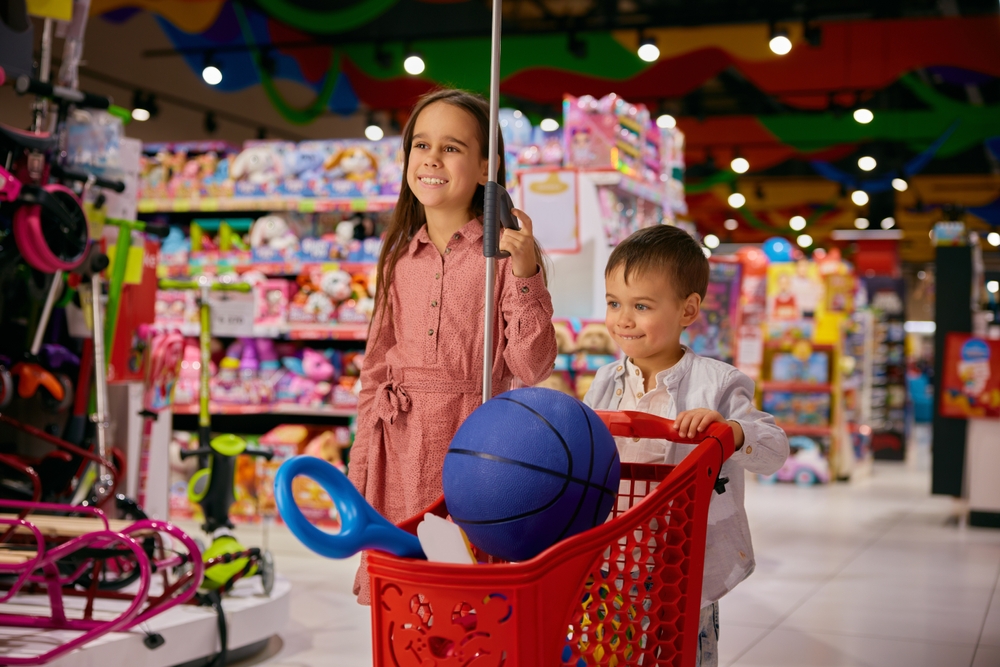
When every ad, influencer, and store display is screaming about the “deal of the year,” it’s easy for loving parents to feel pressured into overspending on toy sales. You want to see your child’s face light up, but you also want to keep your budget intact long after the wrapping paper is gone. The good news is that you don’t have to choose between happy kids and healthy finances. With a little planning and a few smart strategies, you can walk into any sale feeling confident instead of overwhelmed. These tips will help you make thoughtful choices that fit your values, not the store’s profit goals.

1. Start With Your Real Budget

Before you ever scroll a sale page or walk into a store, decide exactly how much you can afford to spend this season. Think about your total holiday or birthday budget, not just what looks reasonable on one receipt. When you set a number first, it becomes easier to say no to “one more” item that quietly pushes you over the line. Share that budget with your partner if you have one, and agree on how flexible it can be so you’re on the same page. Treat the budget like a promise to your future self, not a suggestion you can ignore when a flashy sale pops up.

2. Separate Needs From “Nice-To-Haves”

Every kid has toys they truly use and toys that look exciting for five minutes and then gather dust. Take a moment to think about what your child actually plays with now, not what advertisers claim they’ll love. You might decide that you’re prioritizing open-ended toys, hobbies that build skills, or replacements for broken favorites. Once you’ve defined those priorities, everything else is a “nice-to-have” that you only buy if it fits your budget and your values. This simple filter keeps impulse buys from taking over your cart when the sale pressure is high.

3. Plan Your Approach to Toy Sales

Instead of letting toy sales dictate your choices, decide in advance how you’ll use them to your advantage. Make a short list of specific items or categories you’re watching, then compare prices across a few stores before you commit. When you see toy sales pop up in your email or social feeds, check them against your list instead of adding new temptations. If something isn’t on the list, give yourself a 24-hour pause before buying so you can decide whether it truly belongs there. This approach keeps toy sales in their place as a tool to help your budget, not a reason to blow it up.

4. Teach Kids to Read Price Tags

If your child is old enough, bring them into the process instead of trying to hide the money conversation. Show them how price tags work, what a discount looks like, and how sales tax changes the final cost. You can even turn it into a quick math game where they help estimate totals or compare two similar toys. When kids see that money is finite, they’re more likely to appreciate thoughtful choices instead of expecting endless surprises. Over time, they’ll learn that being careful with spending is part of taking care of the whole family.

5. Spot Marketing Tricks Quickly

Stores are designed to make you feel like you’re winning by spending more. Limited-time countdowns, “only three left” alerts, and giant percentage-off signs are meant to stir up panic and excitement. Before you react, pause and ask yourself whether the item would still feel worth it at full price. If the only thing that makes it appealing is the urgency, that’s a sign to walk away. Remember that most toy sales come back around in some form, and there will always be another deal.

6. Use Sales to Build Better Habits

Instead of treating every promotion as a free-for-all, use this season’s deals to practice habits you want to keep all year. Decide how many toys you’re willing to bring home, whether the sale is big or small, and stick to that number. Use toy sales as a reason to declutter with your kids, asking them to choose a few toys to donate before new ones come in. Talk openly about how saving money during toy sales makes room in the budget for experiences, savings goals, or future emergencies. When kids connect smart shopping with stability and fun, they’ll start to see limits as something that protects them, not something that holds them back.

Leaving the Store With Confidence

At the end of the day, your kids remember how they felt with you more than they’ll remember every single toy. When you shop with a plan, you’re modeling calm, confident decision-making instead of frantic, “grab-it-all” spending. That lesson will stick with them far longer than any plastic figure or limited-edition set. You’re allowed to say no to deals that don’t serve your family, even when every ad says you’re missing out. The real win is leaving the store feeling proud of how you handled your money and excited to enjoy what you chose together.

How do you keep your toy budget under control when big sales pop up? Share your favorite strategies in the comments.

What to Read Next…

How to Pick the Right Inflatable Snow-Toy for Your Kids Without Overpaying

Why Leaving the Holiday Sales Doesn’t Mean the Deals Are Gone for Your Kids

How Much Are You Really Paying for Developmental Toys?

7 Cool Toys with High Resale Value

Why Post-Holiday Clearance Is the Best Time to Shop Kids’ Sizes for Next Year

Catherine Reed
Catherine Reed

Catherine is a tech-savvy writer who has focused on the personal finance space for more than eight years. She has a Bachelor’s in Information Technology and enjoys showcasing how tech can simplify everyday personal finance tasks like budgeting, spending tracking, and planning for the future. Additionally, she’s explored the ins and outs of the world of side hustles and loves to share what she’s learned along the way. When she’s not working, you can find her relaxing at home in the Pacific Northwest with her two cats or enjoying a cup of coffee at her neighborhood cafe.
Filed Under: Shopping Tagged With: frugal parenting, Gift Ideas, holiday shopping, kids and money, parenting on a budget, sales and discounts, toy deals

How to Use Kids’ Holiday Gift Money to Start a Savings Habit Before They Spend

December 11, 2025 | Leave a Comment

How to Use Kids’ Holiday Gift Money to Start a Savings Habit Before They Spend
Image source: shutterstock.com

When relatives hand your child an envelope of cash at the holidays, it can feel like that money burns a hole in their pocket instantly. Before they rush to buy the first toy or game they see, you have a rare chance to use that moment to teach lifelong money skills. With a little planning and the right scripts, you can help them turn part of their holiday gift money into the start of a solid savings habit instead of an impulse spree. Instead of being the parent who always says no, you become the coach who helps them make choices they’ll feel proud of later. When kids see their savings grow from a gift they were excited to receive, they connect generosity, gratitude, and independence in a way that sticks.

1. Reframe Holiday Gift Money As a Tool

The first step is helping kids see gift cash as more than a ticket to the nearest toy aisle. Sit down together and talk about how this money can do different jobs, like saving for something big, giving to others, or buying a fun treat now. Use simple language and examples from their world, such as saving for a big LEGO set or a trip to the trampoline park. When you emphasize choice, kids feel empowered rather than restricted, which makes them more open to saving. Framing the conversation around what the money can help them do, instead of what they can’t have, keeps things positive and collaborative.

2. Set Clear Save, Spend, Give Buckets

Once you’ve set the tone, break the money into simple categories that make sense to your child. Many families like using three jars or envelopes labeled save, spend, and give so kids can see the plan in action. Together, decide what percentage of the holiday gift money goes into each jar, and let your child help count it out. Younger kids might do better with easy fractions like half to save and half to spend, while older kids can handle more detailed splits. When they physically move the bills or coins into each container, they feel ownership over the system, not just the stuff they’ll eventually buy.

3. Let Kids Help Build the Plan

Kids are more likely to stick with a savings habit when they’ve had a voice in shaping it. Ask them what they want to save for and write it down or draw a picture to tape onto the save jar. Talk through how long it might take to reach that goal and whether they want to add future allowance or chore money to the same container. If they’re old enough, involve them in choosing a basic savings account or custodial account so they can see their balance on a screen. When they feel like co-creators instead of passengers, they learn that managing money is something they can handle, not just something adults do for them.

4. Make Saving Feel Just as Fun as Spending

If saving always feels like the boring option, kids will naturally push back. Build excitement by celebrating small milestones, like hitting the first five or ten dollars in their save jar. Turn “deposit days” into a quick family ritual with a favorite snack or a silly song to mark the occasion. The more fun you attach to the act of saving, the less your child will see it as a sacrifice and the more they’ll see it as a win.

5. Use Simple Visuals So Progress Feels Real

Kids are visual learners, so make their progress impossible to miss. Clear jars, see-through piggy banks, or basic charts on the fridge help them connect the money they’re choosing not to spend with something tangible. You can divide the chart into blocks that match real dollar amounts and let them color in a block each time they move money into savings. Point out how those blocks or coins add up over time and compare them to the picture of their goal. When they see that part of their holiday gift money is bringing them closer to something meaningful, they start to understand delayed gratification without a lecture.

Small Habits Now, Big Confidence Later

In the end, the goal isn’t to control every dollar your child receives, but to help them practice making thoughtful choices. Using even a portion of their holiday gift money to build a savings habit shows them they have power over what happens next. They learn that they can enjoy some spending now and still plan for bigger dreams later, which is a skill many adults are still working on. Over time, these small decisions add up to real confidence, because they’ve watched themselves follow through on a plan they helped create. That’s a gift that lasts far longer than any toy they would have grabbed on the first shopping trip.

How do you handle holiday cash gifts in your house, and what tricks have helped your kids get excited about saving some of it? Share your ideas in the comments to inspire other families.

What to Read Next…

New Year’s Resolutions for Families That Focus on Savings and Togetherness

DIY Gifts Kids Can Make That Cost Less Than a Movie Ticket

How to Turn Kids’ Post-Holiday Blues Into an Opportunity for Connection

Child Savings: 11 Unexpected Taxes That Destroy Child Savings

Start The New Year Off With A Fun Family Trip to Florida

Catherine Reed
Catherine Reed

Catherine is a tech-savvy writer who has focused on the personal finance space for more than eight years. She has a Bachelor’s in Information Technology and enjoys showcasing how tech can simplify everyday personal finance tasks like budgeting, spending tracking, and planning for the future. Additionally, she’s explored the ins and outs of the world of side hustles and loves to share what she’s learned along the way. When she’s not working, you can find her relaxing at home in the Pacific Northwest with her two cats or enjoying a cup of coffee at her neighborhood cafe.

Filed Under: Money and Finances Tagged With: Family Finance, frugal parenting, holiday gift money, kids and money, parenting tips, savings habits for kids, teaching kids to save

Winter Gear Essentials That Parents Overbuy and How to Avoid the Trap

December 11, 2025 | Leave a Comment

Winter Gear Essentials That Parents Overbuy and How to Avoid the Trap
Image source: shutterstock.com

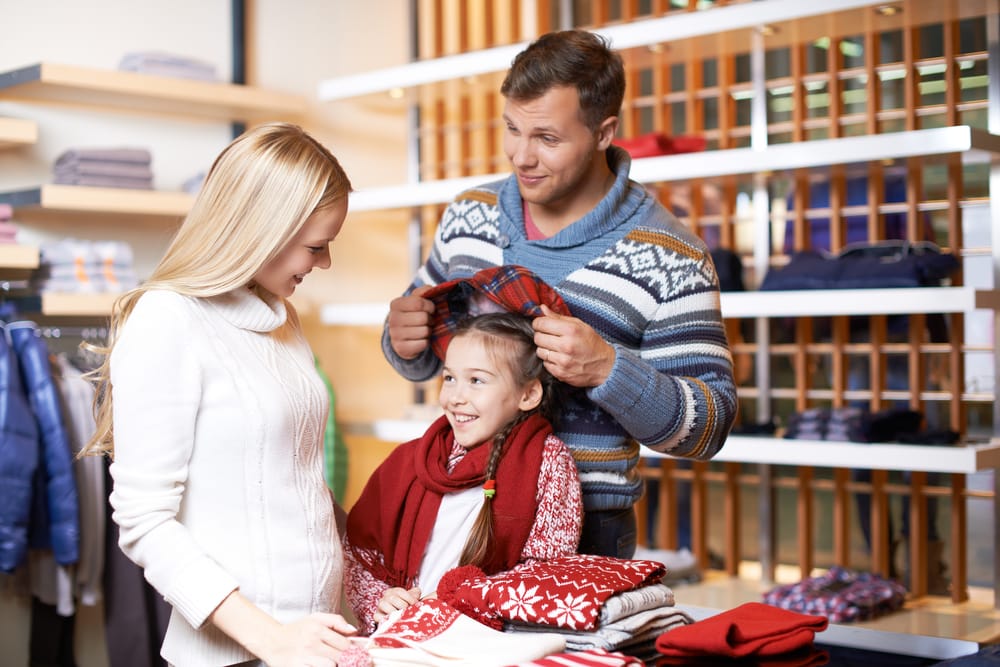
Winter gear for kids has a way of multiplying before you even realize what you’ve spent. Between boots, coats, snow pants, hats, and gloves, it’s easy to convince yourself you need top-of-the-line everything just to keep your child warm. The problem is that many so-called winter gear essentials barely get worn before they’re outgrown, lost, or pushed to the back of the closet. If you’ve ever totaled up your cold-weather spending and felt a little sick, you’re not alone. With a bit of planning and a reality check on what your child actually needs, you can skip the overbuying trap and still send them out the door cozy and dry.

1. Why Parents Overbuy Winter Gear

Most parents overbuy because winter feels high stakes, and no one wants to be the one who sent their kid to school shivering. Stores feed that anxiety with displays packed full of coordinated outfits, matching accessories, and limited-time sales. Social media doesn’t help when you see picture-perfect families in head-to-toe new outfits every season. On top of that, it’s hard to remember what still fits from last year, so buying everything new feels easier than sorting through bins. Naming a few true winter gear essentials for your climate helps you calm the panic and shop from a place of intention instead of fear.

2. Turn Winter Gear Essentials Into a Checklist

Before you spend a dollar, make a simple checklist of what each child needs for daily life, not a fantasy ski vacation you may or may not take. Start with school requirements, like a waterproof coat, everyday boots, and gloves that work for recess. Then think about your actual routines, such as weekly sledding trips to the park or occasional long car rides, and add only the winter gear essentials that match those activities. Writing the list on paper or in your phone keeps you from grabbing random items just because they’re cute or on sale. When you can check off specific boxes instead of shopping on vibes, you protect your wallet and still cover the basics your kids truly need.

3. Layering Beats Buying More

One of the biggest money savers is remembering that layers do more work than one ultra-thick piece. Instead of buying three different heavy sweaters, focus on long-sleeve tees, thin fleece pullovers, and a solid outer layer. Many items your kids already own, like leggings, pajamas, or athletic shirts, can double as base layers on the coldest days. You can reserve specialized pieces, such as snow pants, for the truly icy days instead of treating them like everyday wear. When you rely on smart layering instead of stockpiling individual items, your list of winter gear essentials gets shorter and much more affordable.

4. Shop Your Closets and Community First

Before you head to the store, pull out last year’s bins, check hooks and backpacks, and gather every stray glove and hat. You might discover that you already own half of what you thought you needed, especially if you have multiple kids sharing hand-me-downs. Next, ask family and friends if they have outgrown coats or boots to pass along, or check local buy-nothing groups and community swaps. Secondhand shops and consignment sales are also gold mines for barely worn outerwear, because kids grow faster than they wear things out. When you treat borrowing and thrifting as part of your winter gear essentials strategy, you can redirect the money you save toward experiences your family will actually remember.

5. When to Spend and When to Skip

Not every item needs to be premium, but a few pieces are worth investing in so you’re not constantly replacing them. A warm, waterproof coat in a neutral color often carries kids through more than one season and can be passed down to younger siblings. Sturdy boots with good traction matter if your child walks on icy sidewalks, while bargain options may be fine for quick trips from house to car. On the other hand, extra scarves, fashion hats, and multiple novelty sweaters usually fall outside true winter gear essentials and end up cluttering drawers. Decide ahead of time where you’ll splurge and where you’ll buy the cheapest option that still does the job, and stick to that plan when sales try to lure you in.

6. Teach Kids to Care for Their Gear

The fastest way to blow your budget is replacing lost mittens and hats every other week. Build simple habits, like hanging coats and snow pants on the same hooks every day and tucking gloves into sleeves before kids rush off to play. For younger children, use bright labels, name tags, or even a small charm on zippers so they can spot their things quickly on crowded racks. Older kids can help pack their own bags the night before with whatever they’ll need for the next day’s weather. When kids learn that taking care of their belongings means more money left for fun family plans, they suddenly have a reason to cooperate.

A Warmer Winter Without Overspending

You don’t have to choose between keeping your kids warm and keeping your budget on track. By slowing down, making a realistic list, and checking what you already own, you avoid piling extra stuff into your cart out of panic. A few smart purchases, thoughtful layers, and some secondhand treasures can cover most of your child’s cold-weather needs. Along the way, you’re also modeling mindful spending and showing your kids that more things don’t always equal more comfort. When winter rolls around next year, you’ll feel prepared instead of pressured, and your bank account will thank you.

What are the winter gear essentials you’ve decided are truly worth buying—and which items do you skip now? Share your best tips in the comments to help other parents save.

What to Read Next…

The Winter Adaptive Wardrobe Plan That Cuts Kids’ Clothing Costs in Half

Stock-Up Items to Buy Right After Christmas That Will Last Through Winter

How to Pick the Right Inflatable Snow-Toy for Your Kids Without Overpaying

10 Things You’re Overspending On Because of Social Media Parenting Trends

How Much You’re Really Spending on Kids’ Clothes Each Year

Catherine Reed
Catherine Reed

Catherine is a tech-savvy writer who has focused on the personal finance space for more than eight years. She has a Bachelor’s in Information Technology and enjoys showcasing how tech can simplify everyday personal finance tasks like budgeting, spending tracking, and planning for the future. Additionally, she’s explored the ins and outs of the world of side hustles and loves to share what she’s learned along the way. When she’s not working, you can find her relaxing at home in the Pacific Northwest with her two cats or enjoying a cup of coffee at her neighborhood cafe.
Filed Under: Shopping Tagged With: budget parenting, frugal family tips, kids in cold weather, kids winter clothing, saving money on kids clothes, seasonal shopping, winter gear

How to Create a Family Savings Jar with Kids That Feels Like a Game

December 10, 2025 | Leave a Comment

How to Create a Family Savings Jar with Kids That Feels Like a Game
Image source: shutterstock.com

If you’ve ever wished your kids were as excited about saving as they are about spending, you’re definitely not alone. Money talks can feel heavy or boring for kids, especially if they only hear “no” when they want something. Turning saving into a playful project can change the whole tone. When you build a simple family savings jar together, kids get to see their progress grow right in front of them. Saving suddenly feels like a game they’re winning, not a lecture they have to sit through.

1. Start With a Shared Goal

Before you even pull out a jar, talk about what you’re all saving for together as a family. Ask your kids to share ideas, like a zoo trip, a backyard movie night, or a new board game. Narrow it down to one clear goal so your family savings jar has a purpose that feels real and exciting. Write the goal on a sticky note or small card and tape it to the jar where everyone can see it. When kids can connect saving to something specific, they’re more likely to stay motivated and involved.

2. Turn Your Family Savings Jar Into a Game Board

Now it’s time to turn the container itself into part of the fun. Let kids decorate the outside of the family savings jar with markers, stickers, or cutout pictures of your shared goal. Draw “level-up” lines up the side of the jar so it looks like a progress bar or game board. Every time the money reaches a new line, celebrate with a small family ritual, like a silly dance or a special high-five. The more the jar looks like a game piece instead of a plain container, the more your kids will want to keep playing.

3. Build Simple Rules Kids Can Actually Follow

Games are only fun when everyone understands the rules and feels like they have a real chance of winning. Sit down together and decide how money gets added to the family savings jar, like chore bonuses, found coins, or a portion of birthday cash. Keep the rules short and clear, and write them on a piece of paper you can tape near the jar for easy reminders. You might decide that every time someone adds money, they get to move a small token or color in a square on a progress chart. When kids understand how their choices change the jar, saving feels less like a chore and more like a challenge.

4. Make Regular “Deposit Time” a Family Event

Instead of tossing money into the jar at random, turn deposits into a quick weekly ritual. Pick a day, like Sunday evening, and gather around the family savings jar to see what everyone can add. Count the coins and bills out loud together so kids can hear and see the total grow. Let kids take turns being the banker, in charge of counting and announcing the new total. Over time, that regular deposit time becomes a habit that anchors your saving goals and gives kids something to look forward to.

5. Track Progress in Ways Kids Can See and Feel

Kids learn best when they can see and touch what’s happening, not just hear about it. Along with the family savings jar, create a simple progress chart that breaks your goal into small milestones. Each time you hit a new dollar amount, color in a section, add a sticker, or place a paper star on the chart. Celebrate each milestone with a tiny, free reward, like choosing the next family game or picking the music during dinner. Those small celebrations keep kids engaged and remind them that saving isn’t just about the end result; it’s about all the little wins along the way.

Saving Habits That Stick With Kids for Life

The real power of this project isn’t just reaching one fun goal, like a trip or a toy. It’s showing your kids that they can make a plan, stick with it, and watch their effort pay off over time. When you treat saving like a game, kids practice patience, teamwork, and self-control without even realizing they’re learning. You’re also building positive memories around money instead of stress or arguments. Long after this particular jar is emptied and spent, your kids will remember that they know how to save on purpose, together.

How have you helped your kids get excited about saving instead of spending right away? Share your favorite ideas in the comments so other families can try them too.

What to Read Next…

New Year’s Resolutions for Families That Focus on Savings and Togetherness

Why Teaching Kids to Use Coupons and Apps During December Sets Them Up for Life

Child Savings: 11 Unexpected Taxes That Destroy Child Savings

Are You Accidentally Teaching Your Kids Money Doesn’t Matter?

The One Thing Most Parents Forget to Budget for in January and How Kids Can Help

Catherine Reed
Catherine Reed

Catherine is a tech-savvy writer who has focused on the personal finance space for more than eight years. She has a Bachelor’s in Information Technology and enjoys showcasing how tech can simplify everyday personal finance tasks like budgeting, spending tracking, and planning for the future. Additionally, she’s explored the ins and outs of the world of side hustles and loves to share what she’s learned along the way. When she’s not working, you can find her relaxing at home in the Pacific Northwest with her two cats or enjoying a cup of coffee at her neighborhood cafe.

Filed Under: Family Time Tagged With: allowance ideas, family savings, frugal family activities, kids and money, money games for kids, parenting tips, teaching kids about saving

Why Post-Holiday Clearance Is the Best Time to Shop Kids’ Sizes for Next Year

December 9, 2025 | Leave a Comment

Why Post-Holiday Clearance Is the Best Time to Shop Kids’ Sizes for Next Year
Image source: shutterstock.com

If you’ve ever opened your child’s closet in November and realized everything is too short, you know how fast kids outgrow clothes. One of the easiest ways to stay ahead of those growth spurts without wrecking your budget is to plan around post-holiday clearance. After the rush of December, stores slash prices on winter outfits, pajamas, shoes, and even dress clothes that work perfectly well next year. With a little strategy, you can stock up on future sizes and favorite styles while everyone else is packing away decorations. Instead of panicking at full-price tags right before the next season, you’ll already have a stash ready to go.

1. Post-Holiday Clearance Maximizes Your Clothing Budget

Retailers want leftover inventory gone, which is why post-holiday clearance often delivers the deepest discounts of the entire year. You’ll regularly see 50–70 percent off, and sometimes even more, especially when you combine sale prices with coupons or store rewards. Those lower prices make it realistic to buy multiple sizes or sets of basics like leggings, tees, and socks in one trip. When you treat this time as your main stock-up window instead of an impulse shopping moment, you stretch every dollar much further. Over the year, these savings free up room in your budget for activities, experiences, or higher-quality items you can’t grab on clearance.

2. Buy Next Year’s Sizes with Confidence

Guessing future sizes feels scary at first, but there are simple ways to make smart estimates. Think back over the past year and how often your child jumped up a size, then use that pattern as your guide when you shop post-holiday clearance for next year. For younger kids who grow quickly, buying one to two sizes up usually works well for seasonal items like coats and boots. For older kids and tweens, sticking to one size up for most clothing keeps you safe without overbuying. Aim for adjustable features like elastic waistbands, drawstrings, and cuffed sleeves so you get an extra year or two of wear even if growth spurts hit at awkward times.

3. Build a Basics and Special-Occasion Stash

Clearance racks are perfect for filling two important categories: everyday basics and dressier pieces you’ll need later. Start with layering items like plain tees, leggings, sweatshirts, and pajamas, because your child will use those no matter what the trends look like. Then scan the post-holiday clearance section for dress shoes, collared shirts, simple dresses, or sweaters that can work for school photos, weddings, or family events. Sticking to solid colors and classic patterns gives you flexibility to mix and match with whatever is in their closet next year. When a last-minute invitation pops up, you’ll already have something appropriate in the right size instead of scrambling for full-price outfits.

4. Shop Smartly Online and In-Store

You don’t have to choose between online deals and in-store treasure hunts; the real power comes when you combine both. Many retailers mark down items differently, so checking the website before or after a store visit shows you where the best post-holiday clearance prices actually are. In-store, you can quickly feel fabric quality, check seams, and look at how generous the fit seems, which helps you decide if sizing up makes sense. Online, you can stack promo codes, use cashback apps, and filter by size to avoid falling in love with pieces that won’t fit next year. Setting a clear budget and making a simple list before you shop keeps you focused and helps you avoid tossing random “deals” into your cart.

5. Avoid Common Clearance Shopping Mistakes

It’s easy to get swept up in red tags and digital countdown timers, but a few guardrails protect your wallet. First, skip buying something just because it’s cheap if your child hates that fabric, color, or style; it will sit unworn no matter how good the post-holiday clearance price was. Second, watch out for very trendy designs or holiday-specific prints that may feel dated by next year, especially for older kids. Third, always check the return policy on clearance items, since some stores allow exchanges or store credit even when they don’t offer full refunds. Finally, store what you buy in a labeled bin by size and season so you don’t forget what you already have when the weather changes.

Clearance Habits That Keep You Ahead of the Growth Spurts

The real magic of shopping this way isn’t just the bargains; it’s the calm that comes from knowing you’re prepared. Instead of rushing out for last-minute coats or paying full price for a dress the night before a school concert, you can shop your own stash first. Building a routine around post-holiday clearance turns shopping into a planned part of your money strategy, not a reaction to sudden growth spurts. Your kids still get clothes that feel good and look like their style, and you get to feel proud of how far you’ve stretched each clothing dollar. Over time, this simple shift turns once-a-year sales into a powerful tool for keeping your family dressed, comfortable, and on budget.

Do you like to shop ahead for your kids’ clothes, and what’s the smartest end-of-season deal you’ve found so far?

What to Read Next…

Stock-Up Items to Buy Right After Christmas That Will Last Through Winter

Why Leaving the Holiday Sales Doesn’t Mean the Deals Are Gone for Your Kids

The Winter Adaptive Wardrobe Plan That Cuts Kids’ Clothing Costs in Half

Why Teaching Kids to Use Coupons and Apps During December Sets Them Up for Life

How to Turn Kids’ Post-Holiday Blues Into an Opportunity for Connection

Catherine Reed
Catherine Reed

Catherine is a tech-savvy writer who has focused on the personal finance space for more than eight years. She has a Bachelor’s in Information Technology and enjoys showcasing how tech can simplify everyday personal finance tasks like budgeting, spending tracking, and planning for the future. Additionally, she’s explored the ins and outs of the world of side hustles and loves to share what she’s learned along the way. When she’s not working, you can find her relaxing at home in the Pacific Northwest with her two cats or enjoying a cup of coffee at her neighborhood cafe.

Filed Under: Shopping Tagged With: Family Budgeting, frugal parenting, kids clothing deals, kids growth spurts, seasonal sales, shop ahead and save

Winter Craft Materials You Probably Already Have and Kids Will Love

December 9, 2025 | Leave a Comment

Winter Craft Materials You Probably Already Have and Kids Will Love
Image source: shutterstock.com

If you’ve ever pulled out the craft bin on a snowy afternoon and realized you’re out of glitter, glue sticks, and construction paper, you’re not alone. Before you add more to your cart, it helps to remember that some of the best projects don’t require a big shopping trip. With a little creativity, you can turn recyclables, pantry odds and ends, and old clothing into colorful masterpieces your kids will proudly show off. The secret is noticing the winter craft materials hiding in plain sight all over your home. Once you start seeing those everyday items as building blocks for fun, you’ll save money, reduce clutter, and give your kids a chance to stretch their imaginations.

1. Turn Recycling into Craft Gold

Your recycling bin is one of the easiest places to find free supplies for kids’ projects. Cardboard boxes, cereal cartons, and paper towel tubes can become castles, rockets, or pretend cameras with just markers and tape. Show your kids how to flatten boxes, cut windows, and add doors so they learn basic cutting and building skills while they play. When you treat clean recyclables as winter craft materials instead of trash, your kids start to see possibilities in everyday objects too. Keep a small bin of rinsed containers and interesting cardboard pieces near your regular craft spot so inspiration is always within reach.

2. Pantry Finds That Spark Creativity

Your pantry holds more than ingredients for dinner; it can also fuel a whole afternoon of sensory play and art. Dry pasta, rice, oats, and beans can be used for collages, shaker instruments, or simple sorting activities for younger kids. You can dye pasta or rice with a bit of food coloring and let it dry on a tray to make colorful, touchable supplies. Label a few jars with things like “collage pieces” or “shake and play” so kids know which pantry items are for crafts and not for snacks. By pulling a few safe ingredients aside as winter craft materials, you stretch your grocery budget while giving your kids new textures and colors to explore.

3. Fabric and Clothing Scraps Kids Can Transform

Before you donate or discard worn-out clothing, see if there are pieces you can cut into squares, strips, or shapes for craft time. Old t-shirts, socks, and flannel pajamas can become puppets, capes for stuffed animals, or simple patchwork collages. Give kids blunt scissors, fabric glue, and markers so they can design faces, patterns, or outfits on their creations. Even tiny bits of ribbon, lace, or buttons can add personality to homemade bookmarks, cards, or pretend jewelry. When you introduce these soft, colorful scraps as winter craft materials, kids learn that creativity doesn’t depend on brand-new supplies from the store.

4. Outdoor Treasures for Indoor Art

Even in cold weather, a quick walk outside can help kids gather interesting materials for their next project. Pinecones, small sticks, smooth stones, and dried leaves can be turned into nature collages, tiny forests, or homemade decorations. Talk with your kids about collecting only what you need and leaving plenty behind to respect the plants and animals that live there. Once you’re home, lay everything out on a tray and let kids sort, count, and arrange their finds before they start gluing. Blending natural objects with the winter craft materials you already have at home gives projects more texture and helps kids feel connected to the world outside.

5. Simple Tools That Stretch Every Supply

You don’t need a closet full of specialized tools to make craft time fun and productive. A few basics like child-safe scissors, glue, tape, markers, and washable paint can help kids transform almost anything into art. If you have hole punchers, clothespins, rubber bands, or cookie cutters, add them to your supply basket for even more options. Show kids how a single box or tube can be used three or four different ways so they learn to make the most of what they have. Pairing a small set of reliable tools with your stash of winter craft materials teaches kids to think creatively instead of expecting new kits every time they want to make something.

Winter Craft Materials That Build Memories

When your kids grow up, they’re unlikely to remember which trendy kit you skipped at the store, but they will remember the time you spent creating together. Using what you already have sends a powerful message that imagination matters more than fancy supplies or perfect results. Letting kids take the lead on how to use boxes, beans, fabric, or pinecones helps them feel confident and capable. You benefit too, because slower, screen-free afternoons give you a chance to talk, laugh, and enjoy the small details of their ideas. Those simple projects become shared stories, proof that family fun can be meaningful, memorable, and kind to your budget at the same time.

Which household item has surprised you by becoming your child’s favorite craft supply, and what creative project did they make with it?

What to Read Next…

9 Surprisingly Simple DIY Crafts to Keep Your Kids Entertained for Hours

Affordable DIY Kids Crafts Supplies You Can Buy Today for Endless Fun

10 Cozy Activities That Double as Emotional Regulation Tools

Budget-Friendly Family Road Trips That Are Still Fun When It’s Cold Outside

How to Bake Shrinky Dinks: The Fun DIY Craft You Need to Try!

Catherine Reed
Catherine Reed

Catherine is a tech-savvy writer who has focused on the personal finance space for more than eight years. She has a Bachelor’s in Information Technology and enjoys showcasing how tech can simplify everyday personal finance tasks like budgeting, spending tracking, and planning for the future. Additionally, she’s explored the ins and outs of the world of side hustles and loves to share what she’s learned along the way. When she’s not working, you can find her relaxing at home in the Pacific Northwest with her two cats or enjoying a cup of coffee at her neighborhood cafe.

Filed Under: Family Time Tagged With: Budget-Friendly Activities, DIY kids projects, Family Fun, frugal parenting, Indoor Activities, Kids Crafts, recycled crafts, winter crafts for kids

« Previous Page
Next Page »
  • Facebook
  • Pinterest
  • RSS
  • Twitter
Best Parenting Blogs

Most Popular

Baby Girl

12 “Grandma” Baby Names That Are Suddenly Cool Again

Evan Morgan
Baby

9 Baby Names That Sound Rare Without Being Hard to Spell

Evan Morgan
Target Store

Choking Incident Prompts Recall of 49,000 Target Gigglescape “Under the Sea” Popping Toys

Evan Morgan
Frustrated Girl

Why Some Students on the Spectrum Are Labeled With ODD

Evan Morgan
Coke Bottles

12 Things Kids Took to School in the ’70s That Would Never Be Allowed Today

Evan Morgan

All content on Kids Ain’t Cheap is for entertainment purposes only. By reading this blog, you agree that Kids Ain’t Cheap is not responsible for any actions taken after reading this blog. For the full disclaimer, see our privacy policy.

Please note that Kids Ain’t Cheap has financial relationships with some of the merchants mentioned here. Kids Ain’t Cheap is funded by banner advertising, commission sales and search optimization consulting.

Copyright © 2006–2026 | District Media | All Rights Reserved | Privacy Policy

Copyright © 2026 Runway Pro Theme by Viva la Violette