
• Home
  • About Us
  • Toolkit
  • Archives
  • Advertise
  • Privacy Policy

Kids Ain't Cheap

But They Sure Are Worth It

  • Parenting
    • Baby Stuff
    • Books and Reading
      • Aesops Fables
      • Comic Books
    • Education
    • Family Time
    • Green Living
    • Growing Up
    • Healthy Living & Eating
    • Holidays
    • Parenting
    • Random Musings
    • Shopping
    • Stuff to Do
  • Money
  • Product Reviews
    • Books and Magazines
    • Discount Sites
    • Furniture
    • House Keeping
    • Reviews News
    • Toys and Games
  • Contact Us
  • Our Editorial Commitment
  • Search

Creative Winter Projects Kids Can Make Using Items You Already Own

December 25, 2025 | Leave a Comment

Creative Winter Projects Kids Can Make Using Items You Already Own
Image source: shutterstock.com

When kids are stuck inside and boredom starts bouncing off the walls, it’s tempting to run to the store for a quick “fix.” But some of the best crafts and activities don’t come from a shopping bag, they come from a drawer, a recycling bin, and that random stash of buttons you forgot you had. At-home creativity is cheaper, calmer, and often more satisfying because kids get to invent instead of just assemble. If you’ve been craving activities that feel fresh without spending extra money, this list is for you. Here are creative winter projects kids can make using things you probably already own.

1. Cardboard “Snow Town” With Boxes And Paper Scraps

Grab cereal boxes, shipping boxes, and any cardboard you can safely cut, then help kids build a tiny neighborhood. These winter projects work best when kids draw doors, windows, and signs using markers, crayons, or leftover wrapping paper. Use tape, glue, or even folded tabs to stand buildings upright and connect them like a street. Add “snow” by tearing white paper, cotton balls, or tissue into little drifts. When it’s done, kids can play with it for days, not just minutes.

2. Sock Snowmen Made From Singles And Fillers

Those lonely socks without a match can finally become something useful… a snowman! For these projects, fill a sock with rice, dried beans, or even crumpled paper, then tie it off with a hair tie or string. Add a face with markers or buttons, and use ribbon, yarn, or scrap fabric for a scarf. If you have rubber bands, you can shape a head and belly by banding the sock in the middle. Kids love making a whole “family” of snowmen and naming each one.

3. “Window Snowflakes” Using Paper You’d Recycle

All you need is paper and scissors to create instant winter magic. Fold printer paper, old homework pages, or brown bag paper, then cut shapes and unfold for surprise designs. These winter projects become extra fun when kids try to make themes, like stars, trees, or initials. Tape the snowflakes to windows or string them into a garland for a big visual payoff. Even better, kids can make a few each day and watch the display grow.

4. DIY Snow Globes With Jars And Kitchen Odds And Ends

If you have a jar, you have the foundation for a snow globe-style craft. Use a small toy, a Lego figure, a pinecone, or a random figurine as the centerpiece, then secure it to the lid with glue if you have it. For these projects, fill the jar with water and add a pinch of glitter, confetti, or even tiny paper bits for the “snow.” A drop of dish soap can help the sparkle float more slowly, which kids find oddly fascinating. Just tighten the lid well and keep it as a shake-and-watch winter decoration.

5. Coffee Filter Or Tissue Paper “Stained Glass” Art

Kids can create bright, beautiful window art without fancy supplies. Color coffee filters with markers, then lightly spray with water so the colors blend, or use tissue paper squares stuck to a clear surface with a glue-and-water mix. These winter projects are perfect for using up old markers that don’t write perfectly anymore. Once the paper dries, tape it to a window and let sunlight do the decorating. It’s an easy win when you need something calming and low-mess.

6. Card Games Turned Into Homemade Board Games

Old decks of cards can become an entire game workshop. Have kids design a simple board on paper or cardboard, then use cards as movement rules, challenges, or “event” prompts. These winter projects build creativity and problem-solving because kids have to test the rules and fix what doesn’t work. Add tokens made from coins, buttons, or small toys, and you’ve got a playable game that feels original. The best part is that kids will want to teach the game to someone else, which reinforces the fun.

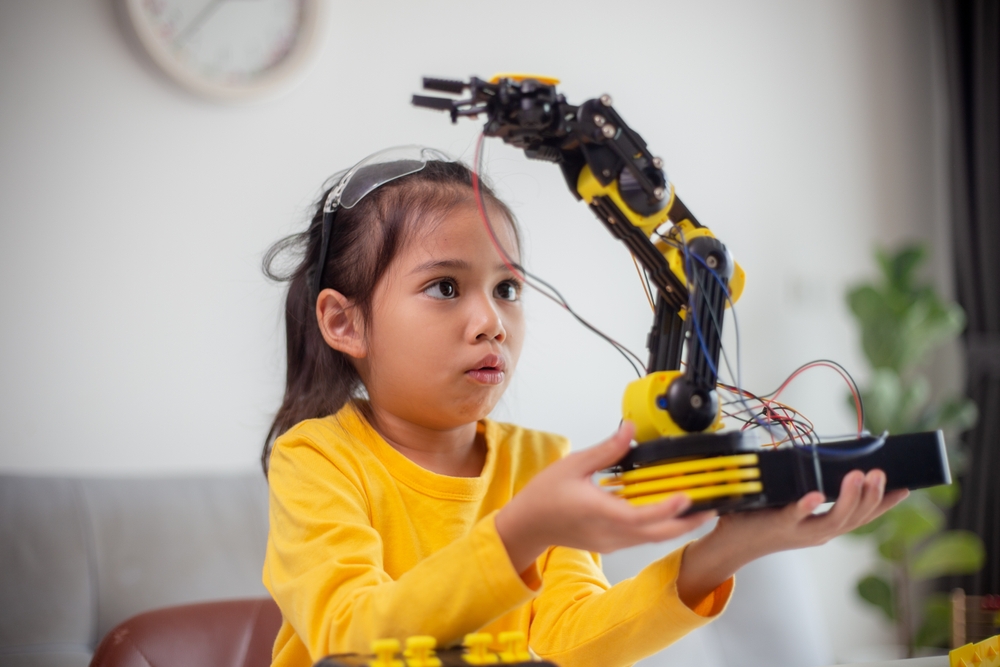
7. “Recycled Robot” Builds From Packaging And Containers

Save a few safe recyclables like paper towel tubes, egg cartons, yogurt cups, and bottle caps, and let kids invent characters. Use tape as your best friend and let perfection go, because the charm is in the weirdness. These projects get even better when kids create a backstory, name, and “powers” for their robot. If you have foil, stickers, or leftover gift tags, those make easy upgrades. When kids display their robot lineup, it feels like a mini art show at home.

8. Memory Or Matching Games Made From Old Cards And Paper

Cut cardstock, cereal boxes, or thick paper into small squares and let kids decorate pairs. You can theme it around winter shapes, family jokes, or even spelling words they’ve been practicing. These winter projects double as a game you can play on repeat, which makes the effort feel worth it. Keep the designs simple for younger kids and more detailed for older kids who like a challenge. Store the set in a zip bag or jar so it stays ready for the next bored afternoon.

9. Indoor “Campfire” Story Corner With Blankets And Flashlights

This isn’t a craft in the traditional sense, but it’s a project kids can build and then use. Stack pillows, drape blankets over chairs, and create a cozy corner with a flashlight “campfire” and paper flames. These projects help kids practice storytelling, especially if you add a jar of prompts written on scraps of paper. Kids can draw a prompt like “a talking mitten” or “a lost snow boot” and spin a story. It’s simple, screen-free fun that feels special because they helped create the setup.

10. Upcycled Gift Wrap Collages And “Winter Cards”

Save scraps of wrapping paper, tissue paper, and ribbon from holidays or birthdays and turn them into collage art. Kids can make greeting cards, bookmarks, or winter scenes by cutting and layering shapes. These winter projects are great for practicing fine motor skills while keeping the vibe relaxed and playful. Add handwriting practice by having kids write notes to grandparents, neighbors, or teachers. It creates something meaningful without requiring a trip to the craft aisle.

Winter Projects That Save Money And Make Memories

The real win isn’t just that these ideas cost almost nothing, it’s that they turn ordinary items into shared moments. When kids learn to create with what’s around them, they build confidence and creativity at the same time. You also avoid the cycle of buying supplies that get used once and then forgotten. Keep a small “project bin” of recyclables, paper scraps, and odds and ends so you can start quickly when boredom hits. A little imagination can stretch a winter day in the best way.

Which of these ideas would your kids get excited about first, and what random household item do you always seem to have plenty of?

What to Read Next…

Winter Craft Materials You Probably Already Have and Kids Will Love

Homemade Gifts Made Easy: 8 Fun Projects for Kids to Create and Give

10 Cozy Activities That Double as Emotional Regulation Tools

6 Holiday Family Movie Night Ideas That Will Make Your Winter Extra Cozy

Cure Cabin Fever: Ideas for When Children Are Bored Indoors

Catherine Reed
Catherine Reed

Catherine is a tech-savvy writer who has focused on the personal finance space for more than eight years. She has a Bachelor’s in Information Technology and enjoys showcasing how tech can simplify everyday personal finance tasks like budgeting, spending tracking, and planning for the future. Additionally, she’s explored the ins and outs of the world of side hustles and loves to share what she’s learned along the way. When she’s not working, you can find her relaxing at home in the Pacific Northwest with her two cats or enjoying a cup of coffee at her neighborhood cafe.


Filed Under: Money and Finances Tagged With: budget parenting, DIY projects, frugal family fun, Kids Crafts, recycled crafts, screen-free ideas, winter activities

Smart Ways to Teach Kids About Money During Winter Break

December 24, 2025 | Leave a Comment

Smart Ways to Teach Kids About Money During Winter Break
Image source: shutterstock.com

Winter break is one of those rare stretches when school schedules loosen up and family time expands, which makes it a sneaky-good moment to build money skills without a lecture. Kids are already noticing holiday spending, extra treats, and the way errands and plans cost real dollars. With a few simple activities, you can turn everyday moments into lessons that actually stick. The goal isn’t to raise a tiny accountant, it’s to help kids connect choices to outcomes in a way that feels empowering. Here are smart, low-stress ways to teach money basics during winter break.

1. Give Kids A “Mini Budget” For One Fun Thing

Pick one outing or treat and let kids manage a small amount of money for it during winter break. You might give them $10 for snacks at the movies, a set amount for a craft store trip, or a budget for a family game night prize. Explain the total, then let them make the trade-offs while you stay neutral. If they spend it fast, don’t rescue the budget with extra cash. That gentle discomfort teaches more than a long speech ever could.

2. Turn Grocery Shopping Into A Real-World Money Lab

Groceries are perfect practice because kids can see prices, compare options, and understand that choices add up. During the break, walk the aisles together and give them a simple mission like “find the best snack for under $5.” Let them compare store brands to name brands and talk about why some items cost more. If you use coupons or loyalty discounts, show them the before-and-after at checkout. They’ll start to notice that saving money is often about habits, not deprivation.

3. Use A Three-Jar System That Actually Matches Real Life

The classic “save, spend, give” setup works best when it feels connected to something they care about. During winter break, help them pick a specific saving goal, like a toy, a book series, or a small outing. For “give,” choose something concrete, like a pet shelter donation or a toy drive, so it doesn’t feel abstract. For “spend,” set a boundary so they learn pacing, not just impulse. Keep it visible and simple, because complicated systems don’t survive January.

4. Teach “Needs Vs. Wants” Without Making Kids Feel Guilty

Kids should enjoy treats, so the lesson isn’t “wants are bad,” it’s “wants have a place.” During the break, use everyday examples like hot cocoa, a new video game, or a takeout meal. Ask, “Is this a need or a want, and what do we give up if we choose it?” Keep your tone curious, not judgey, so kids stay open. This framing builds decision-making skills instead of shame.

5. Let Them Plan One Family Meal With A Price Limit

Give kids ownership of a meal and a set amount to spend, then let them build the plan. During winter break, kids can help pick recipes, write a list, and compare prices in-store. Encourage them to think in categories like protein, sides, and dessert so they learn balance. If their first plan is too expensive, help them swap items instead of scrapping the idea. That revision process is the lesson: money planning is flexible, not all-or-nothing.

6. Use Winter Break To Introduce A Simple “Work, Earn, Spend” Loop

Money makes more sense when kids connect it to effort and time. During winter break, create a short menu of optional tasks that help the household, like organizing a shelf, pairing socks, or wiping baseboards. Pay a small, consistent amount so the math stays easy and the system feels predictable. Then let them decide how to use what they earned, using your jars or a basic plan. This builds confidence because they learn they can create money, not just ask for it.

7. Practice Comparison Shopping With One Item They Really Want

Pick one item your child wants and turn it into a price hunt, not a power struggle. During the break, look at two or three options and compare price, quality, and what comes with it. Talk about timing, too, like whether waiting for a sale changes what you can afford. If they choose the cheaper option, celebrate the decision, not the sacrifice. This teaches kids that “best” doesn’t always mean “most expensive.”

8. Make Savings Feel Like Progress With A Visual Tracker

Kids love seeing progress, especially when it’s colorful and easy to understand. During winter break, create a paper thermometer chart, sticker tracker, or simple checklist toward a goal. Every time they save, they color in a chunk or add a sticker, which makes patience feel active. Keep the goal realistic so they don’t lose steam. When they reach it, point out how planning made it possible.

9. Model “Pause Before Buying” With A 24-Hour Rule

Impulse spending hits kids and adults, especially around holidays and boredom days. During the break, teach a simple pause rule: if you want something that isn’t necessary, wait 24 hours before deciding. Help them write it down so the want feels acknowledged, not dismissed. After the wait, some kids still want it, and that’s fine, but they’ll make the choice with a calmer brain. This one habit can protect future budgets more than almost any other lesson.

10. Make Money Conversations Normal, Not Secretive

Kids don’t need every detail of your finances, but they do benefit from hearing how adults think about money. During winter break, narrate simple decisions like choosing store-brand cereal, skipping an extra outing, or saving for a future trip. Use clear language like “We’re prioritizing this” or “That’s not in the plan right now.” When money is discussed calmly, kids learn it’s a tool, not a source of fear. Over time, they’ll ask better questions and make smarter choices.

Lessons That Last Longer Than Winter Break

The best money teaching doesn’t come from one big talk, it comes from small, repeatable moments that kids can practice. When you give them tiny budgets, real choices, and simple systems, they build skills without feeling pressured. The bonus is that these activities often reduce whining because kids understand the “why” behind decisions. Keep it light, keep it consistent, and remember that progress matters more than perfection. A few intentional habits now can shape how they handle money for years.

What’s one money lesson you’d love your kids to learn before school starts back up?

What to Read Next…

Why Teaching Kids to Donate After the Holidays Can Save Money and Build Gratitude

10 Ways Parents Are Accidentally Teaching Entitlement

Why Teaching Kids to Use Coupons and Apps During December Sets Them Up for Life

Ways Parents Can Sneak in Money Lessons at Family Game Night

Are You Accidentally Teaching Your Kids Money Doesn’t Matter?

Catherine Reed
Catherine Reed

Catherine is a tech-savvy writer who has focused on the personal finance space for more than eight years. She has a Bachelor’s in Information Technology and enjoys showcasing how tech can simplify everyday personal finance tasks like budgeting, spending tracking, and planning for the future. Additionally, she’s explored the ins and outs of the world of side hustles and loves to share what she’s learned along the way. When she’s not working, you can find her relaxing at home in the Pacific Northwest with her two cats or enjoying a cup of coffee at her neighborhood cafe.
Filed Under: Parenting Tagged With: budgeting for families, financial literacy, kids and money, parenting tips, Saving Money, Teaching Kids, winter break activities

Budget-Friendly Indoor Adventures for Kids When It’s Too Cold to Play Outside

December 23, 2025 | Leave a Comment

Budget-Friendly Indoor Adventures for Kids When It’s Too Cold to Play Outside
Image source: shutterstock.com

When the weather turns brutal, “go play” stops working and the day can start feeling very long by 9:12 a.m. Kids get restless, parents get tapped out, and the usual screen-time bargain starts creeping upward. The good news is that indoor adventures don’t have to cost money, require fancy supplies, or turn your house into a glitter crime scene. With a little structure, a few household basics, and a clear start-and-finish point, you can turn cabin-fever days into something that actually feels fun. Here are budget-friendly ideas that keep kids moving, thinking, and laughing without buying a whole new set of entertainment.

1. Living Room Obstacle Course Challenge

Use pillows, painter’s tape, chairs, and a laundry basket to build a course with stations kids can repeat. Add simple rules like “crawl under,” “hop over,” and “balance across” so it feels like a real mission. Time each run and let kids redesign the course after three rounds to keep it fresh. This is one of the easiest indoor activities because it burns energy fast and works for multiple ages. Parents can raise the challenge by adding a “quiet feet” round or a “carry a stuffed animal safely” round.

2. Painter’s Tape Road Map City

Create roads on the floor with painter’s tape and add “buildings” using cereal boxes, books, and empty containers. Kids can drive toy cars, set up a bus route, or create delivery missions with pretend packages. Give them prompts like “deliver medicine to the hospital” or “find the fastest route to the grocery store.” These indoor adventures encourage storytelling and planning without needing new toys. Cleanup is simple because the tape pulls up easily and the “city” can live for a few days.

3. Kitchen Science With Pantry Basics

Turn the kitchen into a lab with safe experiments like baking soda and vinegar reactions, sink-or-float tests, or simple density jars. Kids can make predictions, write results, and “present” what they learned like tiny scientists. Use cups, spoons, food coloring, and whatever you already have, which keeps the cost near zero. Indoor adventures feel more exciting when kids wear a “lab coat,” even if it’s just an old button-down shirt. Parents can end with a quick clean-up routine that becomes part of the experiment.

4. Indoor Scavenger Hunt With Clue Cards

Write clues on sticky notes and hide them around the house with a small “treasure” at the end, like choosing dessert or picking a family movie. Make clues age-appropriate: rhyming riddles for older kids and picture clues for younger ones. Add movement prompts such as “do five jumping jacks before the next clue” to keep bodies busy. Indoor activities like this work especially well on days when kids feel cranky because it gives them a clear mission. If you want a longer activity, build two rounds and let kids create the second hunt for parents.

5. Blanket Fort With a Storytime Twist

Build a fort, then turn it into a destination instead of just a pile of blankets. Kids can create a fort sign, invent rules, and bring in flashlights for “campfire” reading time. Add a twist by choosing a theme like “space station,” “arctic base,” or “secret library.” Indoor adventures feel bigger when kids can role-play, even if the fort only takes ten minutes to build. Parents can make it special by serving snacks inside and ending with a tidy-up countdown.

6. DIY Mini Theater and Puppet Show

Kids can make simple puppets from socks, paper bags, or cut-out characters taped to spoons. Help them plan a beginning, middle, and end, then invite the family to watch the performance. They can also create tickets, a program, and a “concession stand” using crackers and fruit. This is one of those indoor adventures that builds confidence because kids get to be in charge of the show. Parents can encourage teamwork by giving siblings different jobs like narrator, set builder, or music maker.

7. Board Game Remix Night

Instead of buying a new game, remix an old one with house rules that make it feel new. Try “reverse Uno,” “silent charades,” or a family trivia game built from index cards. Kids love being the rule makers, and it teaches them problem-solving and negotiation. Indoor activities can be simple when the goal is laughter and connection, not perfection. Set a time limit so it ends on a high note instead of dragging until everyone’s tired.

8. “Restaurant Day” Cooking and Pretend Play

Let kids design a menu using what you already have, then assign roles like chef, server, and customer. They can make simple items like sandwiches, fruit cups, or hot chocolate and practice taking orders. Add math by using pretend money and prices, and let kids “pay” and make change. Indoor adventures like this feel special because they blend real-life skills with play. Parents can keep it calm by limiting the menu to three items and setting a clear cleanup plan.

9. Art Studio With a One-Bin Supply Limit

Pick one bin of supplies and set a theme, like “winter animals,” “my dream bedroom,” or “design a superhero.” Kids can rotate through stations such as drawing, collage, and building with recyclables. The one-bin rule prevents the “everything out at once” problem that overwhelms parents. Indoor adventures can still be creative without turning into a craft-store explosion. End by creating a mini gallery wall and letting kids explain their favorite piece.

10. Indoor Adventures With a “Tour Guide” Game

Turn your home into a museum, zoo, or travel destination where kids act as tour guides. They can label exhibits, create facts, and lead the family through a guided tour with dramatic storytelling. This works well with stuffed animals, books, and any themed objects they can gather. Activities become memorable when kids get to be the expert and the adult becomes the audience. Parents can add a learning twist by asking one curiosity question at each “stop.”

The Winter Win Is Having a Go-To Adventure Menu

Cold days feel easier when you don’t have to invent entertainment from scratch every time. Keep a short list of favorites on the fridge and rotate them so kids don’t burn out on the same activity. The best ideas have a clear mission, a built-in end point, and a cleanup routine that’s part of the plan. When indoor adventures feel predictable and fun, kids settle faster and parents feel less pressure to “save the day.” A little structure can turn a stuck-inside day into something that actually feels like a family memory.

Which of these would your kids try first, and what’s your go-to trick for surviving cold, stuck-inside days?

What to Read Next…

Winter Craft Materials You Probably Already Have and Kids Will Love

Cure Cabin Fever: Ideas for When Children Are Bored Indoors

10 Cozy Activities That Double as Emotional Regulation Tools

Budget-Friendly Family Road Trips That Are Still Fun When It’s Cold Outside

10 Screen-Free Activities to Keep Kids Entertained

Catherine Reed
Catherine Reed

Catherine is a tech-savvy writer who has focused on the personal finance space for more than eight years. She has a Bachelor’s in Information Technology and enjoys showcasing how tech can simplify everyday personal finance tasks like budgeting, spending tracking, and planning for the future. Additionally, she’s explored the ins and outs of the world of side hustles and loves to share what she’s learned along the way. When she’s not working, you can find her relaxing at home in the Pacific Northwest with her two cats or enjoying a cup of coffee at her neighborhood cafe.

Filed Under: Parenting Tagged With: cheap kids activities, family routines, frugal parenting, home learning, Indoor Activities, kids games, parenting tips, rainy day ideas, screen-free fun, winter boredom busters

10 Subscription Boxes That Promise Growth but Cost More Than You Think

December 23, 2025 | Leave a Comment

10 Subscription Boxes That Promise Growth but Cost More Than You Think
Image source: shutterstock.com

It’s easy to get sold on the idea that one monthly delivery will fix everything: more reading, more creativity, more confidence, less screen time. These boxes look like a neat shortcut, especially when parents are juggling work, school emails, and the endless “what do we do now?” question. The catch is that many options that promise growth also quietly add costs that don’t show up in the first promo price. Some of those costs are financial, and some are time, clutter, and stress that lands right back on the parent. Here are 10 common box types to watch closely, plus simple ways to keep your budget from getting surprised.

1. The “STEM Experiment” Boxes With One-Time Tools

These kits can look like a great learning boost, but supplies often run out fast. Parents end up buying refills like vinegar, batteries, goggles, or extra containers. Some boxes include fragile parts that break after one use, which turns “science time” into a replacement shopping trip. If a child loves it, the monthly price can become the smaller part of the total. Before subscribing, check whether each activity needs extras and price those add-ons.

2. The Book Boxes That Create a Book-Pile Budget

A monthly book delivery can be fun, but it adds up quickly if a child’s interests shift. Many families already pay for books through school fairs, classroom wish lists, and library holds. When the box overlaps with what a parent would have bought anyway, the “new value” shrinks. The cost also includes storage, because books don’t disappear when the month ends. A smart compromise is rotating library stacks first, then subscribing only for truly special picks.

3. The Arts-and-Crafts Boxes That Multiply Mess and Rebuys

Craft kits can be calming for kids, but they often generate leftover supplies that don’t match anything else. A parent may need to buy better glue, paint brushes, or extra paper to finish projects cleanly. Glitter, beads, and tiny pieces also create ongoing cleanup time that doesn’t come with the box. That hidden labor matters, especially on busy weeknights. If a kit is meant to promise growth, make sure it also fits the time a family actually has.

4. Promise Growth Boxes That Push “Optional” Upgrades

Some subscriptions lure families in with a low intro price, then layer on add-ons for the “real” experience. Parents see offers for bonus packs, premium materials, extra lessons, or “limited edition” upgrades. Kids often feel the pressure because the upgrades are marketed as the most exciting part. Over time, the base box becomes the starting line, not the full product. If the box seems designed to promise growth through upsells, it can be better to buy a single kit at retail instead.

5. The Sensory Play Boxes That Require Constant Refills

Sensory kits can be a lifesaver for quiet play, but many rely on consumables like sand, putty, slime, or foam. Those materials dry out, get contaminated, or end up in the vacuum within days. Parents also end up buying bins, mats, and storage systems to keep the mess contained. The box price rarely includes the “home setup” costs that make sensory play manageable. If a family loves sensory activities, buying bulk materials locally can be cheaper than monthly deliveries.

6. The Cooking Boxes That Don’t Cover the Grocery Reality

Kid-friendly cooking kits can teach skills, but they often require fresh ingredients that a parent supplies. That means extra grocery runs, missing items at dinnertime, and more waste if the recipe flops. Some also require special tools like kid-safe knives, baking sheets, or measuring sets. The hidden cost becomes the parent’s planning time, not just the receipt total. To keep it affordable, choose boxes that use pantry basics a family already keeps.

7. The “Confidence and Mindset” Boxes With Ongoing Extras

Boxes built around feelings, journaling, or “self-esteem boosts” can be thoughtful, but they often include memberships or digital content. Parents may find paywalled audio tracks, app access fees, or recommended companion products. The messaging can also create pressure to keep subscribing so a child “stays on track.” A family might spend a lot without seeing clear results, especially if the child needs personalized support. When a box claims to promise growth emotionally, consider whether a school counselor, library books, or local groups offer more value.

8. The Coding Boxes That Require Screens and Subscriptions Anyway

Coding kits can be great, but many still rely on tablets, laptops, or online portals. Some require a monthly software membership or a specific device compatibility that isn’t obvious at checkout. If the program is glitchy, a parent becomes tech support, which adds stress on top of cost. Kids may also lose interest if the learning curve feels steep without live help. It’s often cheaper to start with free beginner platforms, then pay only when a child sticks with it.

9. The “Little Explorer” Boxes That Add Hidden Travel Spending

Nature or adventure-themed boxes can inspire curiosity, but they often suggest outings to complete the activities. Families might feel nudged toward museums, classes, trail gear, or weekend trips to make the box “worth it.” That turns a subscription into a lifestyle expense that’s bigger than the monthly fee. Parents also spend time coordinating schedules, transportation, and weather-friendly plans. If the goal is to promise growth through experiences, pick boxes that work at home without extra spending.

10. The Boxes That Are Hard to Cancel and Easy to Forget

Some subscriptions bury the cancellation steps or require a specific window to stop billing. Parents can miss that window during busy seasons and pay for months they don’t use. Others ship automatically even if a child has aged out of the content level. The longer a family pays, the harder it feels to quit, because nobody wants to admit it didn’t work. Before buying, check cancellation rules, email reminders, and whether you can pause easily.

The Real “Growth” Is Spending With Eyes Open

Subscriptions can be fun, and some truly help families build better routines. The key is separating the marketing story from the real total cost in money, time, space, and stress. When a box is a good fit, it supports family life instead of taking it over. When it’s not, it quietly drains the budget while everyone feels guilty about “not using it enough.” A plan that protects your budget is also a plan that protects your energy.

Which subscription box tempted your family the most, and what hidden costs showed up after the first month?

What to Read Next…

9 Parenting Trends That Are Quietly Harming Emotional Growth

The Best Ways to Encourage a Growth Mindset in Children

How Much Are You Really Paying for Developmental Toys?

Why Teaching Kids to Donate After the Holidays Can Save Money and Build Gratitude

Brain Drain: 7 Everyday Habits Hurting Your Child’s Brain Development

Catherine Reed
Catherine Reed

Catherine is a tech-savvy writer who has focused on the personal finance space for more than eight years. She has a Bachelor’s in Information Technology and enjoys showcasing how tech can simplify everyday personal finance tasks like budgeting, spending tracking, and planning for the future. Additionally, she’s explored the ins and outs of the world of side hustles and loves to share what she’s learned along the way. When she’s not working, you can find her relaxing at home in the Pacific Northwest with her two cats or enjoying a cup of coffee at her neighborhood cafe.

Filed Under: Money and Finances Tagged With: clutter control, family spending, frugal parenting, household budgeting, kids activities, kids learning, money-saving tips, parenting budget, screen-free ideas, subscription boxes

Do Modern Parenting Hacks Leave Out Crucial Emotional Support?

December 22, 2025 | Leave a Comment

Do Modern Parenting Hacks Leave Out Crucial Emotional Support?
Image source: shutterstock.com

If you’ve ever searched “how to stop tantrums fast” at 2 a.m., you already understand the appeal of quick fixes. Modern parenting hacks promise calmer mornings, smoother bedtimes, and fewer power struggles, and some of them genuinely help. The problem is that speed can quietly become the main goal, even when a child actually needs connection more than correction. When that happens, the household may look more “controlled,” but kids can feel unseen, and parents can feel strangely disconnected even when routines run like clockwork. This article breaks down where hacks can miss the emotional layer and how to keep the convenience while still showing up for what kids are really trying to say.

1. When The Goal Becomes Compliance Instead of Understanding

Many popular tips focus on getting a child to do the thing, not on why the child is resisting. A sticker chart might produce clean teeth, but it won’t explain anxiety about the bathroom mirror after a rough day. When parenting hacks only measure success by obedience, parents can miss the message underneath the behavior. A simple shift helps: after the “do it” moment, ask one curious question like “What made that hard today?” Kids don’t always answer right away, but the question tells them their feelings matter, too.

2. When Scripts Replace Real Listening

Scripts can be useful, especially when a parent feels burned out or stuck, but they can also become a shortcut around empathy. A child who hears the same perfectly worded phrase every time may start to feel managed instead of understood. Parenting hacks often teach what to say, yet emotional support depends on how well a parent matches the child’s actual moment. Try using a script as a starting point, then add a real observation, such as “Your shoulders are tight and your voice is shaky.” That tiny detail shows presence, not performance.

3. When Calming Tools Become “Stop Feeling That”

Breathing exercises, sensory bottles, and calm-down corners can be great, but they can also send the wrong message if used like a mute button. If the tool appears only when a child is loud, the child may learn that big feelings are unacceptable. Parenting hacks sometimes skip the part where a parent stays close and helps a child name what’s happening. Pair the tool with connection by saying, “I’m right here while your body settles.” The goal isn’t to erase emotion; it’s to help a child move through it safely.

4. When Efficiency Pushes Out Repair After Conflict

Shortcuts shine in busy households, but emotional safety grows in the moments after things go sideways. A parent can “win” the morning battle and still lose the chance to repair a harsh tone or a rushed response. Parenting hacks rarely emphasize the power of a two-minute reconnect, because it doesn’t look impressive on a reel. Repair can be simple: “I didn’t like how I handled that, and I’m sorry.” Kids who see repair learn that relationships can hold mistakes without breaking.

5. When Routines Become Rigid Instead of Supportive

Routines reduce decision fatigue, and they help many kids feel secure, but rigid routines can ignore real needs. If a child is melting down because they are overwhelmed, pushing the schedule harder may increase stress instead of building resilience. Parenting hacks can turn structure into a rulebook that leaves no room for grief, sensory overload, or social conflict. Keep routines as a helpful baseline, then adjust when the day clearly calls for flexibility. A flexible routine teaches kids that systems exist to serve people, not the other way around.

6. When Rewards Replace Relationship

Reward systems can motivate, but they can also teach kids to perform for approval rather than internal growth. If every hard moment ends with a prize, kids may struggle to build self-trust and emotional coping skills. Parenting hacks often highlight rewards because they work quickly, but emotional support usually works slowly and lasts longer. Try swapping some rewards for relational “payoffs,” like choosing a shared activity or getting special one-on-one time. Kids still feel recognized, but the recognition lands as connection instead of a transaction.

7. When Parents Use Hacks to Avoid Their Own Feelings

This part is uncomfortable, but it matters, because kids can sense avoidance even when adults sound calm. Sometimes parents lean on parenting hacks because they are overwhelmed, triggered, or scared they’ll mess it up. A hack can become a shield: “If I follow the steps, I won’t have to feel how hard this is.” Emotional support starts when a parent can tolerate emotion in the room, including their own, without rushing to shut it down. If a parent needs help building that tolerance, therapy, parenting groups, or even a trusted friend can make the emotional load feel less lonely.

How To Keep The Convenience and Add the Missing Emotional Layer

Parents don’t need to throw out every trick that makes life smoother, because families need practical systems to survive. The better move is to treat parenting hacks like tools, not a philosophy, and to pair them with small moments of connection. Aim for a “two-step” response: first stabilize the situation, then circle back for understanding and repair. That second step might be five sentences in the car, a quick cuddle at bedtime, or a quiet check-in while making snacks. When parents do that consistently, kids learn that support doesn’t disappear just because a solution exists.

The Real Hack Is Connection That Doesn’t Rush

The most effective strategies don’t just change behavior; they protect the relationship while behavior changes. Parents can keep structure, use scripts, and lean on routines, but still prioritize a child’s emotional experience as real and worthy of attention. If something works fast but leaves a child feeling alone, it’s not a win, it’s a trade-off. When parenting hacks include empathy, repair, and curiosity, they stop feeling like tricks and start feeling like care. That’s when kids feel guided instead of managed, and parents feel like they’re building a relationship, not just running a household.

Which “hack” has helped your family most, and how do you make sure it doesn’t replace the emotional support your child needs?

What to Read Next…

9 Ways to Emotionally Support Your Child After a Meltdown

How to Turn Kids’ Post-Holiday Blues Into an Opportunity for Connection

9 Parenting Trends That Are Quietly Harming Emotional Growth

8 Emotional Red Flags in Kids That Show Up During the Holidays

Mental Health Crisis: 4 Critical Questions About Your Child’s Mental Health

Catherine Reed
Catherine Reed

Catherine is a tech-savvy writer who has focused on the personal finance space for more than eight years. She has a Bachelor’s in Information Technology and enjoys showcasing how tech can simplify everyday personal finance tasks like budgeting, spending tracking, and planning for the future. Additionally, she’s explored the ins and outs of the world of side hustles and loves to share what she’s learned along the way. When she’s not working, you can find her relaxing at home in the Pacific Northwest with her two cats or enjoying a cup of coffee at her neighborhood cafe.

Filed Under: Parenting Tagged With: behavior management, child development, communication skills, emotional support, family routines, gentle parenting, kids’ emotions, Mental Health, parent burnout, parenting tips

How Many Free-Range Practices Could Be Illegal in Your County?

December 21, 2025 | Leave a Comment

How Many Free-Range Practices Could Be Illegal in Your County?
Image source: shutterstock.com

If you’ve ever let your kid bike a few blocks ahead, play in the yard while you folded laundry, or walk into a store with a friend’s parent, you’ve probably tasted the “free-range” vibe without labeling it. The surprising part is how quickly ordinary independence can collide with local rules, neighbor expectations, or a well-meaning call that escalates. Some families learn the hard way that free-range practices don’t always match what a county or city considers “supervision.” This isn’t about scaring parents into hovering; it’s about knowing the friction points before they blow up into a stressful situation. Here are common scenarios to check, so you can keep raising capable kids without accidentally stepping into a legal mess.

1. Free-Range Practices And “Unsupervised Child” Rules

A lot of places have vague standards around what counts as “adequate supervision,” even if they don’t list a specific age. The same free-range practices that feel normal in one neighborhood can trigger concern in another if someone thinks a child looks “too young” to be alone. The risk often rises in public spaces, like parks or sidewalks, where strangers can misread the situation. A practical move is to write down your child’s emergency info, practice a simple script (“I’m walking home and my parent is expecting me”), and make sure they know safe adults nearby. If you’re unsure, search your county’s child welfare guidance and your city’s ordinances so you’re not guessing.

2. Walking To School Without An Adult

Plenty of families want kids to build independence by walking, but the rules can get weird fast. Some schools have policies that pressure parents to escort children, even when the law doesn’t require it. Free-range practices like letting a second-grader walk with a sibling may be seen as reasonable by you and suspicious by someone else. The safest path is to confirm the school’s written expectations, map a route with your child, and do a few practice walks together. If a staff member challenges you, calm documentation beats a heated hallway debate.

3. Playing Outside While You’re Inside

Letting kids play in a fenced yard can feel like the most normal thing in the world. The problem is that some complaints don’t focus on actual danger; they focus on what someone assumes based on a quick glance. When free-range practices include kids outside while a parent cooks, works, or tends to another child indoors, a neighbor might claim “no adult was present.” You can reduce risk by keeping a visible check-in routine, setting a clear boundary line, and using a simple timer kids respond to. It’s also smart to meet nearby neighbors so your family isn’t just “those people” to them.

4. “Quick Errands” Where Kids Stay In The Car

This is one of the biggest lightning-rod topics because the legal rules vary widely by state and sometimes by local enforcement priorities. Even if the weather seems mild, a short stop can become a serious situation if someone reports it. Free-range practices that treat “two minutes” as harmless can look negligent to an observer who doesn’t know your plan. If you want independence training, choose safer errands where your child comes inside, helps pay, or completes a small task with you nearby. If your child must wait briefly, keep it rare, keep it visible, and know your state’s specific guidance first.

5. Babysitting Siblings Or Being Home Alone

Families often start small: a 12-year-old watches a 9-year-old while a parent walks the dog or runs to the corner store. Some places have official recommendations, while others rely on judgment calls that can swing based on who responds to a complaint. Free-range practices around home-alone time can become a problem if a child answers the door, wanders outside, or gets into a conflict with a neighbor. The best safety net is a plan: locked doors, no cooking, a trusted adult contact, and a clear “what to do if…” checklist. It also helps to teach kids how to handle authority calmly if an adult questions them.

6. Roaming The Neighborhood With Friends

Kids playing outside together feels like childhood, but it can cross lines depending on where they go and how they behave. Issues pop up around trespassing, “nuisance” complaints, or being in areas that are technically off-limits, like construction zones or private paths. Free-range practices work best when kids understand boundaries the same way they understand traffic rules. Create a “yes zone” map, agree on check-in times, and set a simple rule about asking before entering anyone’s property. Independence sticks when it comes with predictable structure, not endless freedom.

7. Being At The Park Without You Hovering Nearby

Some parents stay within sight but don’t follow every step, and that’s often the sweet spot for confidence-building. The tricky part is that parks are public, and public spaces invite public opinions, especially when a child looks young. A kid climbing alone, using the bathroom alone, or navigating peer conflict can attract attention even if everything is fine. It helps to choose a familiar park, teach your child how to find you fast, and pick a consistent meeting spot. You can also bring a book, sit in one place, and stay visibly “there” without becoming your child’s shadow.

Independence With A Plan Beats Independence As A Gamble

Kids need real-world practice to become capable, and parents shouldn’t have to parent in fear. The goal is to keep the spirit of independence while removing the surprises that turn normal days into stressful reports. When you learn the local rules, teach your kid scripts and boundaries, and build predictable routines, you lower the chance of misunderstandings. You don’t need perfection—you need clarity and consistency that other adults can recognize. That’s how you raise confident kids while protecting your family’s peace.

Which independence rule in your area surprised you most, and what free-range habit are you trying to build with your kids right now?

What to Read Next…

How Parenting Trends Are Changing the Way Kids Grow Up

8 Reasons Why “Free‑Range Parenting” Might Be Endangering Your Child

7 Unorthodox Parenting Methods That Actually Work

If You Were Raised in the 80s or 90s, You’ll Relate to These Parenting Shifts

Are We Giving Our Kids Too Much Freedom Too Soon? Here’s Why You Might Be Wrong

Catherine Reed
Catherine Reed

Catherine is a tech-savvy writer who has focused on the personal finance space for more than eight years. She has a Bachelor’s in Information Technology and enjoys showcasing how tech can simplify everyday personal finance tasks like budgeting, spending tracking, and planning for the future. Additionally, she’s explored the ins and outs of the world of side hustles and loves to share what she’s learned along the way. When she’s not working, you can find her relaxing at home in the Pacific Northwest with her two cats or enjoying a cup of coffee at her neighborhood cafe.

Filed Under: Parenting Tagged With: child independence, Free-Range Parenting, neighborhood safety, parenting boundaries, parenting laws, Raising Resilient Kids, school routines, supervision norms

7 “Clean Play” Trends That Are Denying Kids Real Risk Experience

December 20, 2025 | Leave a Comment

7 “Clean Play” Trends That Are Denying Kids Real Risk Experience
Image source: shutterstock.com

A lot of modern parenting advice sounds like it’s helping kids thrive, but sometimes it’s quietly sanding down the very experiences that build real confidence. When every bump gets prevented, every mess gets avoided, and every conflict gets managed by adults, kids lose chances to practice judgment. That doesn’t mean parents should chase danger or ignore safety—it means kids need manageable risk to learn what their bodies can do and what their choices cause. The issue isn’t caring too much; it’s overengineering childhood until it becomes a supervised performance. Let’s talk about the clean play trends that look wholesome on the surface but can shrink kids’ real-world skill-building.

1. Foam-Only Play That Never Gets Truly Messy

Soft sensory bins and foam stations can be fun, but they often replace the kind of play that teaches kids to tolerate discomfort. Mud, sand, water, and grass are where kids learn balance, grip, patience, and problem-solving. When clean play trends keep everything contained in a plastic tub, kids miss the surprise of “too slippery” or “too heavy” and the chance to adjust. Messy play also teaches cleanup responsibility, which is a life skill, not a punishment. A simple fix is setting clear boundaries—messy outside, towels ready, and kids involved in restoring the space.

2. “Safe” Playgrounds With No Challenge Points

Modern playgrounds sometimes remove anything that looks intimidating, even if it’s developmentally useful. Kids need to climb high enough to feel their heart race a little, then decide what to do next. When clean play trends push for only low, padded, predictable structures, kids lose practice with controlled fear and body awareness. Challenge points also teach kids to take turns, plan routes, and watch for others, which builds social coordination. Look for parks with a mix of options, and stay close without narrating every move.

3. Adults Who Constantly Spot, Steer, And Direct

It’s normal to want to help, but constant hovering can turn kids into passengers in their own play. When adults preempt every wobble, kids stop learning how to recover, adjust, and self-correct. Some clean play trends frame independence as “unsafe,” when it’s actually how kids build competence in small steps. Kids don’t need adults to disappear; they need adults to pause before stepping in. Try a simple rule: wait five seconds before helping, unless there’s a true emergency.

4. No-Conflict Play Rules That Prevent Natural Negotiation

A lot of families try to eliminate conflict by designing play that avoids disagreement entirely. But kids learn fairness by bumping into unfairness, then working it out with support. When clean play trends insist on constant sharing, zero arguing, and instant adult mediation, kids don’t practice persuasion, compromise, or standing up for themselves. Conflict doesn’t have to mean chaos, and it definitely doesn’t mean bullying gets a pass. The goal is coaching after the moment, not erasing the moment before it happens.

5. Over-Scheduled “Enrichment Play” That Leaves No Room For Boredom

Structured activities can be great, but nonstop scheduling crowds out the open-ended time where kids invent games. Boredom is the doorway to creativity, and creativity requires trial, error, and sometimes frustration. When clean play trends replace free play with constant classes and curated stations, kids lose chances to lead their own ideas. They also lose practice managing time, building stamina, and working through “I don’t know what to do.” Protect at least a few weekly blocks where nothing is planned and kids have to figure it out.

6. Sanitized Outdoor Time That Avoids Weather And Rough Terrain

Many families still do outdoor time, but it’s often limited to perfect weather and easy surfaces. Real risk experience includes wind, uneven ground, cold fingers, and figuring out how to stay comfortable. When clean play trends treat nature like a backdrop instead of a place to interact with, kids miss grit-building moments. They also miss learning how to prepare—shoes that fit, layers that work, and pacing themselves. A practical shift is embracing “almost any weather” with smart gear and a shorter start time if needed.

7. Kid Life That Never Includes Tools, Heat, Or Real Materials

Kids can learn to handle real materials safely long before they’re teens, but many households avoid them completely. Scissors, whisks, small hammers, glue guns with supervision, and simple kitchen tasks teach focus and respect for boundaries. When clean play trends keep kids in soft, toy-only environments, kids miss the satisfaction of real competence. They also miss learning what “careful” feels like in their hands and bodies. Start with one “real” task a week and build gradually, using clear rules and close supervision without constant micromanaging.

Raising Brave Kids In A Cushioned World

Kids don’t need dangerous childhoods, but they do need childhoods where manageable risk exists, and learning happens through doing. The clean play trends that remove mess, discomfort, conflict, and challenge can unintentionally remove confidence-building, too. Parents can keep kids safe while still letting them stretch, stumble, and try again in ways that fit their age and temperament. A few small shifts—more outdoor unpredictability, less adult steering, and more real-world materials—can rebuild the kind of resilience kids carry for life. The goal isn’t chaos; it’s capability.

Which of these trends do you see most often, and what’s one small way your family could bring back safer real-world risk this week?

What to Read Next…

10 Playground Designs That Are Quietly Disappearing

8 Unexpected Benefits of Boredom in Children

9 Ways to Encourage Independent Play (So You Can Finally Pee Alone)

The Parent Trap: Why We Feel Guilty About Children Being Bored

8 Reasons Your Kids Should Be Playing Video Games

Catherine Reed
Catherine Reed

Catherine is a tech-savvy writer who has focused on the personal finance space for more than eight years. She has a Bachelor’s in Information Technology and enjoys showcasing how tech can simplify everyday personal finance tasks like budgeting, spending tracking, and planning for the future. Additionally, she’s explored the ins and outs of the world of side hustles and loves to share what she’s learned along the way. When she’s not working, you can find her relaxing at home in the Pacific Northwest with her two cats or enjoying a cup of coffee at her neighborhood cafe.

Filed Under: Parenting Tagged With: child development, free play, Outdoor Play, parenting trends, playground safety, raising confident kids, resilience, risk and safety

6 Co-Parenting Habits That Breed Quiet Resentment Over Time

December 19, 2025 | Leave a Comment

6 Co-Parenting Habits That Breed Quiet Resentment Over Time
Image source: shutterstock.com

Resentment rarely shows up with a dramatic speech—it usually creeps in through tiny moments that repeat for months. Co-parenting habits that feel “no big deal” in the short term can slowly turn into a running tally of who carries the mental load, who gets flexibility, and who always has to be the bad guy. Most parents don’t mean to create that dynamic, but stress, schedules, and assumptions make it easy to slip into patterns. The good news is you can fix a lot of this with small changes that lower friction and build trust. Here are six habits that quietly poison teamwork, plus practical ways to reset.

1. One Parent Becomes the Default Manager of Everything

One of the most common co-parenting habits is letting one parent handle appointments, forms, birthdays, school emails, and “Did you pack the water bottle?” details. The other parent may still help, but only after being asked, which turns the helper into another task to manage. Over time, the default manager feels invisible and trapped in constant vigilance. The fix is to assign full ownership of categories, not “help,” like one parent handles medical and the other handles school communication. When ownership is clear, mental load becomes shared instead of borrowed.

2. Keeping Score Instead of Sharing Reality

It’s easy to start counting who did bedtime, who made dinner, and who got up with the sick kid. Keeping score seems fair, but it usually builds a courtroom vibe instead of a team vibe. Co-parenting habits that center on “I did more” can ignore context, like whose job is flexible or who’s dealing with a family emergency. Try replacing scorekeeping with a weekly check-in that asks, “What felt heavy this week, and what can we shift?” When both people name reality out loud, the need to tally drops.

3. Last-Minute Schedule Changes Become Normal

Swapping days once in a while is part of real life, but constant last-minute changes drain goodwill fast. The parent who has to scramble feels like their time doesn’t matter, even if the other parent isn’t trying to be disrespectful. Co-parenting habits that treat flexibility as a default can also make kids feel unsteady, especially when plans change without warning. Build a simple rule: non-emergency changes need a minimum notice window whenever possible. When emergencies happen, acknowledge the inconvenience and offer a concrete make-up plan instead of vague promises.

4. Making Rules the Other Parent’s Problem

Some parents avoid conflict by letting the other parent enforce homework, bedtime, or screen limits. That creates a “fun parent vs. strict parent” split that kids notice quickly. Co-parenting habits like this don’t just frustrate the stricter parent—they also undermine consistency for the child. Choose two or three non-negotiables you both agree on and commit to backing each other up. If you disagree on a rule, discuss it privately and present a united front in front of the kids. Consistency beats perfection, and it protects your relationship too.

5. Communication Happens Only During Conflict

If the only time you talk is when something goes wrong, every message feels like an attack. That pattern trains both parents to brace for impact, which makes calm planning harder. Co-parenting habits that rely on reactive texting can also invite misunderstandings because tone gets lost. Create a low-stress channel for logistics, like a shared calendar and a short weekly check-in call or message thread. Add quick neutral updates, like “Practice went well” or “New shoes fit,” so contact isn’t always negative. When communication includes normal life, conflict doesn’t feel like the whole relationship.

6. Avoiding Money Conversations Until It Explodes

Money issues can sit quietly for a long time, then erupt over a forgotten fee or uneven spending. When one parent regularly buys supplies, pays activity costs, or handles childcare, resentment builds if reimbursement feels unclear or inconsistent. Co-parenting habits that include “We’ll figure it out later” almost always turn into “I’ve been covering this forever.” Set a basic system, like splitting specific categories, using a shared expense app, or agreeing on a monthly true-up. Keep it boring and predictable, because boring systems prevent emotional blowups.

Building a New Pattern Before Resentment Hardens

Resentment grows when needs stay unspoken and patterns stay unchallenged. You can change co-parenting habits by picking one problem area, naming it calmly, and testing a new system for two weeks. Focus on clarity—who owns what, how far in advance schedules change, and which rules you both support. When mistakes happen, treat them like data instead of proof your co-parent “doesn’t care.” The goal isn’t perfect harmony; it’s a workable rhythm that respects both parents’ time and keeps the child stable. Small, consistent adjustments now can save you years of silent frustration later.

Which of these co-parenting habits feels most familiar in your house, and what’s one small change you could try this week to reduce resentment?

What to Read Next…

10 Ways Modern Co-Parenting Apps Are Backfiring on Families

8 Things You Should Never Say When Co-Parenting

Co-Parenting Success: 10 Things You Should Agree On Early

10 Smart Co-Parenting Tips That Keep the Kids (and Peace) First

7 Ridiculous Demands That Make Co-Parenting a Nightmare

Catherine Reed
Catherine Reed

Catherine is a tech-savvy writer who has focused on the personal finance space for more than eight years. She has a Bachelor’s in Information Technology and enjoys showcasing how tech can simplify everyday personal finance tasks like budgeting, spending tracking, and planning for the future. Additionally, she’s explored the ins and outs of the world of side hustles and loves to share what she’s learned along the way. When she’s not working, you can find her relaxing at home in the Pacific Northwest with her two cats or enjoying a cup of coffee at her neighborhood cafe.

Filed Under: Parenting Tagged With: blended families, co-parenting, divorce parenting, family routines, mental load, parenting communication, parenting teamwork, shared custody

Are Millennial Parents Overreacting To Boomer Advice On Screen Time?

December 18, 2025 | Leave a Comment

Are Millennial Parents Overreacting To Boomer Advice On Screen Time?
Image source: shutterstock.com

If you’ve ever heard, “You kids turned out fine,” right after someone suggests unlimited cartoons, you already know this debate gets personal fast. Screen time isn’t just a parenting preference anymore—it touches school expectations, friendships, safety, and how kids unwind. Millennial parents often feel judged for setting boundaries, while Boomers may feel dismissed for offering what worked in their day. Let’s cut through the eye-rolls and look at what’s really happening, plus a few practical ways to keep the peace without ditching your family rules.

1. When Screens Become a Symbol, Not a Strategy

Sometimes the argument isn’t actually about devices at all. It’s about respect, control, and whose experience counts. Millennial parents may hear advice as criticism, even when it’s clumsy concern. Boomers may interpret boundaries as a rejection of their wisdom. Naming the real issue helps you respond with less heat and more clarity.

2. Why “We Didn’t Have That” Changes the Whole Conversation

Boomers didn’t raise kids in a world of algorithms, tablets at school, and group chats that never sleep. That doesn’t mean their instincts are useless, but the environment is different. Today, screens follow kids everywhere, and the content can be sticky by design. When you explain that the modern landscape is constant, not occasional, it’s easier to justify limits. Try framing it as “new tools, new guardrails,” not “you don’t get it.”

3. How Parenting Anxiety Fuels Tougher Limits

A lot of Millennial parents carry heavy pressure to “get it right.” They’ve seen headlines about attention, mental health, and online risks, and it’s hard to ignore. Screen time rules can feel like a way to control a world that’s bigger than any parent. That doesn’t automatically mean you’re overreacting, but it can mean you’re running on fear instead of values. The fix is choosing boundaries that match your kid and your goals, not the loudest story online.

4. The Hidden Catch: Kids Need Devices For Real Life Now

Many kids use screens for homework, reading programs, and school communication. Even playdates and birthday invites can happen through devices. If Boomers suggest “just take it away,” they may not realize how much school systems rely on tech. You can validate the idea of balance while still saying total bans don’t fit your family. A helpful line is, “We can’t avoid screens completely, so we’re teaching healthy use.”

5. Where Boomers Might Be Right About Overcorrecting

Some parents treat screen time like a moral scoreboard, and that can backfire. If every minute becomes a fight, screens start to look even more valuable to kids. Constant policing can also crowd out chances to teach self-management. Boomers may be reacting to the intensity they see, not the boundary itself. If your rules create daily tension, you may need a simpler system your child can actually follow.

6. Why Quality Matters More Than Hours

Not all screen use hits the same. Video chatting a cousin, drawing, coding, or a calming show after a hard day aren’t equal to endless scrolling. This is where the conversation can shift from “How much?” to “What kind and when?” Boomers often think in TV terms, while today’s screens are interactive and personalized. When you share how you choose content and set timing, you sound thoughtful, not reactive.

7. The Real Problem Is Transitions, Not the Device

Many parents don’t hate screens—they hate what happens when it’s time to stop. If your child melts down after devices, that’s information, not failure. Build predictable off-ramps like timers, five-minute warnings, and a consistent next step. Offer a bridge activity, like a snack, a puzzle, or going outside for ten minutes. When transitions get smoother, you’ll feel less defensive around older relatives.

8. How To Talk About Rules Without Starting a Family War

You don’t need a lecture or a research dump at the dinner table. Keep it simple: “This works best for our kid right now.” If someone pushes, repeat the same calm sentence without adding new details. You can also offer a role that helps, like, “If you want to spoil them, pick a book or a board game to do together.” Clear, boring boundaries end debates faster than passionate explanations.

9. A Compromise That Respects Everyone’s Reality

If grandparents babysit, negotiate basics before the next visit. Decide what’s allowed, what’s not, and what happens if things go off the rails. Give options that make it easy to succeed, like one pre-approved movie or a short list of shows. Then emphasize the goal: connection and calm, not perfection. You can hold your line while still trusting them to enjoy their grandchild.

10. When You’re Not Overreacting at All

If your child’s sleep collapses, behavior shifts, or they can’t stop once they start, pay attention. If screen time replaces meals, movement, friendships, or school focus, your concern is reasonable. Kids differ, and some need firmer boundaries than others. Trust patterns you see in your own home more than commentary from anyone outside it. You can stay kind and still take your child’s needs seriously.

Choosing Calm Rules In a Loud Debate

You’re not “too sensitive” for wanting limits, and your parents or in-laws aren’t villains for having opinions. The win is building a plan that supports your child’s sleep, mood, and relationships, then communicating it with steady confidence. Focus on quality, transitions, and routines that reduce daily conflict. Keep your message short, repeatable, and tied to your kid, not to internet arguments. When your home feels better, the generational debate gets a lot quieter.

How do you handle it when a relative pushes back on your screen time rules—do you explain, ignore, or set a firm boundary?

What to Read Next…

Do Family Screen Time Rules Invite Emotional Manipulation?

Quick Fixes for Parents to Avoid the “I’m Bored” Meltdown at Home

7 Reasons “Screen Time” Studies Are Misleading Parents

Are Boomer vs. Millennial Bedtime Styles Causing Sibling Trauma?

9 Millennial Parenting Trends That Boomers Quietly Judge

Catherine Reed
Catherine Reed

Catherine is a tech-savvy writer who has focused on the personal finance space for more than eight years. She has a Bachelor’s in Information Technology and enjoys showcasing how tech can simplify everyday personal finance tasks like budgeting, spending tracking, and planning for the future. Additionally, she’s explored the ins and outs of the world of side hustles and loves to share what she’s learned along the way. When she’s not working, you can find her relaxing at home in the Pacific Northwest with her two cats or enjoying a cup of coffee at her neighborhood cafe.

Filed Under: Parenting Tagged With: boomer advice, digital wellness, family boundaries, grandparents, kids routines, millennial parents, Parenting, screen habits

Should Parents Be Tracking Their Teens with AI-Powered Apps?

December 17, 2025 | Leave a Comment

Should Parents Be Tracking Their Teens with AI-Powered Apps?
Image source: shutterstock.com

If you’re parenting a teenager right now, you probably feel like you’re raising them in a completely different world than the one you grew up in. Between social media, constant group chats, and independence-building activities, it can be hard to tell where “normal teen life” ends and real danger begins. That’s why so many parents look at tracking tools and think, “Maybe this is how I keep my kid safe without hovering.” The tech promises real-time locations, alerts, and even behavior predictions, but it also brings big questions about privacy, trust, and long-term family dynamics. Before you download AI-powered apps to keep tabs on your teen, it helps to pause and think about what you really want.

1. Understand What These Apps Really Do

Before you decide whether to use any tool, you need a clear picture of what it actually tracks. Many AI-powered apps bundle GPS location, driving data, app usage, and even message analysis into one dashboard. That can sound helpful, but the level of detail might feel intense for both you and your teen once you see it in action. Ask yourself whether you genuinely need every data point or whether a simpler option would do. The more you understand the tech, the easier it is to decide if it fits your family’s values, not just your fears.

2. Weigh The Safety Benefits Of AI-Powered Apps

Supporters point out that these tools can help you spot dangerous patterns early, like risky driving or late-night disappearances. You might feel more comfortable letting your teen attend events, drive with friends, or walk home from practice if you know you can see where they are. Some parents use alerts as a backup, not a first line of defense, focusing on bigger red flags instead of micromanaging every move. Used thoughtfully, AI-powered apps can reduce your anxiety enough that you say “yes” to reasonable freedoms instead of shutting things down. The key is deciding whether you’ll use the data to guide calm conversations or to jump straight into punishment.

3. Think About Privacy And Growing Independence

Teen years are when kids learn how to handle freedom, and privacy plays a big role in that process. If tracking feels like constant surveillance, your teen may pull away, hide more, or stop telling you things voluntarily. They might also internalize the idea that they can’t be trusted unless someone watches them, which can damage their confidence. Before you turn on any new monitoring, think about how you’ll explain it and what it signals about your view of them. You want safety tools to support your teen’s growing independence, not to replace it.

4. Make Transparency A Non-Negotiable Rule

Secret tracking almost always backfires when teens eventually discover it, and they usually do. If you choose to use AI-powered apps, tell your teen what you’re using, what it tracks, and why you feel it’s necessary right now. Invite them to share what feels fair and what crosses the line so you can adjust together. You might agree that you check location in certain situations but not scroll through every detail of their day. When you treat your teen as part of the decision, you model the kind of honest communication you want from them.

5. Set Limits On How You Use The Data

Even the best tools can cause problems if you use them to monitor every tiny decision. Decide in advance which kinds of alerts matter most, such as big location changes, late-night activity, or repeated unsafe behavior. Promise yourself that you won’t use data to nitpick who they sat with at lunch or how long they stayed at the library. Share your boundaries with your teen so they know you’re not looking for reasons to pounce. Clear limits keep AI-powered apps from becoming a 24/7 report card on your child’s life.

6. Consider Costs, Stress, And Alternatives

Some tracking tools come with monthly fees, and the emotional “cost” can be just as real as the financial one. If you constantly refresh the app, you may feel more anxious, not less, because you’re always on alert for something to be wrong. It’s worth asking whether structured check-in times, shared calendars, or agreed-upon curfews could meet most of your needs. For some families, a simple phone call when plans change works better than a stream of notifications. You don’t have to use AI-powered apps just because they exist; you get to choose what supports your family best.

Why Your Relationship Matters More Than Any App

In the long run, your teen’s choices will depend more on your relationship than on any setting in a dashboard. If they feel respected, heard, and trusted, they’re more likely to come to you when something feels off, whether you’re tracking them or not. Tech can offer information, but it can’t replace honest talks, clear boundaries, and consequences that make sense. The most powerful safety tool you have is a teen who believes you’re on their side, even when you say “no.” Whatever you decide about AI-powered apps, keep your real goal in focus: raising a young adult who knows how to stay safe and still live their own life.

Where do you personally draw the line on tracking—would you use AI to monitor your teen, or do you lean more on trust and check-ins?

What to Read Next…

Digital Parenting: The Mistake That’s Making Teen Anxiety Skyrocket

Is Your Teen Secretly Using AI to Fake School Assignments?

Why Are So Many Teenagers Avoiding Driver’s Licenses Now?

The Real Talk: 6 Hard Conversations Parents Need To Have With Their Teens

Teen Privacy: 10 Things Never to Post About Your Teen Online

Catherine Reed
Catherine Reed

Catherine is a tech-savvy writer who has focused on the personal finance space for more than eight years. She has a Bachelor’s in Information Technology and enjoys showcasing how tech can simplify everyday personal finance tasks like budgeting, spending tracking, and planning for the future. Additionally, she’s explored the ins and outs of the world of side hustles and loves to share what she’s learned along the way. When she’s not working, you can find her relaxing at home in the Pacific Northwest with her two cats or enjoying a cup of coffee at her neighborhood cafe.

Filed Under: Parenting Tagged With: AI parenting tools, digital parenting, family communication, parenting teens, privacy and kids, teen safety, teens and technology

6 Babysitter Habits That Can Actually Cause Long-Term Damage

December 17, 2025 | Leave a Comment

6 Babysitter Habits That Can Actually Cause Long-Term Damage
Image source: shutterstock.com

When you find a babysitter you trust enough to watch your child, it feels like winning the parenting lottery. You want your kid to feel safe, cared for, and maybe even a little spoiled with fun while you’re away. But some patterns that seem harmless in the moment can quietly chip away at routines, boundaries, and your child’s sense of security. The goal isn’t to panic or fire every sitter, but to get clear on which behaviors can lead to problems if they become a pattern. Once you know what to watch for, you can address issues early and protect your child from long-term fallout.

1. Treating Rules As Optional

A sitter who regularly shrugs off your household rules sends a confusing message to your child. When screen limits, snack rules, or bedtime routines suddenly disappear, kids may start to test those limits with you, too. Over time, your child may decide that rules only matter when certain adults are present. That can erode your authority and make everyday parenting battles much harder. Clear expectations and follow-through help prevent this habit from turning into a long-term problem.

2. Babysitter Habits That Ignore Your Rules

Some babysitter habits develop a pattern of “forgetting” the instructions you leave, especially if they think their way is easier. Maybe they let your child stay up way too late because it avoids bedtime protests in the moment. They might offer sugary snacks you’ve limited or skip brushing teeth because they don’t want to push back. When that keeps happening, your child learns that your rules are flexible depending on who’s in charge. That can cause long-term damage to your child’s trust that adults are on the same team and working together.

3. Using Screens As A Stand-In For Attention

Screens can be a useful tool, but problems arise when they become the main way a sitter keeps kids occupied. If your child spends most of the night in front of a tablet instead of playing, reading, or talking, they miss out on important social and emotional connection. Over time, some babysitter habits like this can make kids associate babysitting with zoning out instead of feeling engaged and safe. Too much passive screen time during care can also make transitions back to normal limits tougher once you’re home. You want a sitter who uses screens thoughtfully, not as the default option.

4. Ignoring Emotional Red Flags

A sitter doesn’t have to be a therapist, but they should at least notice and respond when a child seems scared, withdrawn, or unusually clingy. When emotional shifts get brushed off or punished, kids may learn to hide their feelings instead of asking for help. In some cases, repeated dismissals from babysitter habits can make children believe their emotions are “too much” or an inconvenience. That can impact their confidence in speaking up later, even with you. A good sitter will share what they observe and work with you to support your child’s emotional health.

5. Bad-Mouthing Parents Or Other Adults

It can be tempting for a bored sitter to vent about a long day, but your child shouldn’t be the audience. When a caregiver complains about parents, teachers, or siblings, a child may feel stuck choosing sides. They may start to question whether it’s safe to be honest with you or worry that people say hurtful things behind their back. Over time, this type of talk from babysitter habits can quietly damage your child’s sense of trust and stability. You want sitters who speak respectfully about the adults in your child’s life, even when they’re frustrated.

6. Crossing Physical Or Privacy Boundaries

Even when abuse is not happening, smaller boundary issues still matter. A sitter who forces hugs, teases about bodies, or barges into the bathroom without knocking teaches kids that their “no” doesn’t count. When babysitter habits minimize a child’s discomfort, kids may stop trusting their own instincts. They might also have a harder time telling you if something bigger ever feels wrong. Caregivers should model consent, respect, and privacy so children learn they’re allowed to protect their space.

Turning Red Flags Into A Safer Care Plan

The good news is that most issues can be fixed once you recognize them. Start by asking your child open-ended questions about what it feels like when the sitter is there, and listen closely to any hesitations. Then calmly address specific concerns with your babysitter, using examples and reminding them why certain routines and boundaries matter to your family. If patterns don’t change or you see serious red flags, trust your gut and move on, even if finding a replacement feels inconvenient. Protecting your child means choosing caregivers whose everyday choices support your values instead of chipping away at them.

Have you ever noticed babysitter habits that didn’t sit right with you—what did you change after you spotted those red flags?

What to Read Next…

8 Common Babysitting Practices That Can Lead to Legal Trouble

Should Parents Be Required to Disclose Their Kids’ Diagnoses to Babysitters?

5 Silent Red Flags That a Babysitter Isn’t Trustworthy

8 Reasons Your Kids Prefer Babysitters to Their Actual Parents

Spying On The Nanny: Is It Ethical to Use Nanny Cams to Monitor Babysitters?

Catherine Reed
Catherine Reed

Catherine is a tech-savvy writer who has focused on the personal finance space for more than eight years. She has a Bachelor’s in Information Technology and enjoys showcasing how tech can simplify everyday personal finance tasks like budgeting, spending tracking, and planning for the future. Additionally, she’s explored the ins and outs of the world of side hustles and loves to share what she’s learned along the way. When she’s not working, you can find her relaxing at home in the Pacific Northwest with her two cats or enjoying a cup of coffee at her neighborhood cafe.

Filed Under: Parenting Tagged With: Babysitters, childcare safety, family boundaries, kids emotional health, parenting advice, parenting tips, trusted caregivers

How to Use December to Launch a Family Habit That Will Save Big in the New Year

December 16, 2025 | Leave a Comment

How to Use December to Launch a Family Habit That Will Save Big in the New Year
Image source: shutterstock.com

December gets a reputation for blowing up everyone’s budget, but it can quietly become the month that changes your money story. Between school breaks, holiday events, and year-end sales, you see exactly where your cash tends to disappear. That makes this the perfect time to start one simple family habit that quietly saves money all year long. Instead of waiting for a tough January reset, you can use the rhythm of December to test ideas, get your kids on board, and make changes feel natural. By the time the calendar flips, you’re not starting from scratch—you’re already in motion.

1. Look At Where Your Money Actually Goes

Before you launch anything new, you need a clear picture of what December really costs your family. Pull up your bank or credit card statements and highlight all the holiday-related spending, from gifts and groceries to last-minute takeout. Notice patterns like “We order food on busy nights” or “We always add extra treats to the cart when we shop with the kids.” Share a simple version of what you see with your children so they understand why you want to make a change. When everyone sees the same numbers, the new plan feels like a team solution instead of a surprise rule.

2. Choose One Family Habit Together

Trying to fix everything at once almost guarantees frustration, so pick one focus. Ask your kids which money-saving idea sounds doable, like planning snacks so you skip drive-thru stops or always checking the pantry before a grocery run. When you focus on just one family habit, everyone knows what you are working on and it feels doable. Let each person share what might make that new routine easier or more fun, and write down the final choice where everyone can see it. When kids help choose the goal, they feel ownership instead of resistance.

3. Start With A Tiny December Trial

Instead of declaring a huge resolution, frame December as an experiment. Choose a small, specific version of your new routine, like “On weeknights, we make simple dinners at home four nights instead of three.” Decide how long the trial will last, such as the last two weeks of December or the days when everyone is out of school. Treat the month as a low-pressure test run for your new family habit, not a pass-or-fail challenge. At the end of the trial, talk together about what worked, what felt hard, and what you want to keep in January.

4. Build The Habit Into Your Existing Routine

New routines stick best when they attach to something you already do. If you want to cut grocery overspending, make “five-minute list time” a non-negotiable part of your routine before anyone grabs their coat. Add your chosen family habit to something you already do every day, like eating dinner together or packing school lunches. This keeps the change from feeling like one more task that steals time from an already busy season. The easier the habit is to remember in December chaos, the more likely it is to last once the New Year starts.

5. Make It Visible And Fun For Kids

Kids love seeing their progress, so turn your plan into something they can track. Create a simple chart, sticker system, or paper chain that grows every time your family follows the new routine. Let kids help decorate a poster or chart that celebrates your family habit in a way that feels playful instead of strict. You might add little rewards that don’t cost much, like choosing the movie for family night or picking a board game to play. When the process looks fun, kids remind you to stick with it instead of the other way around.

6. Celebrate Small Wins And Show The Savings

Don’t wait for a giant result before you celebrate what you’re doing differently. At the end of each week in December, talk about moments when your family made a choice that supported the new routine. Count up the money you saved, even if it’s just a few dollars from skipping one impulse purchase. Then connect those savings to something your family cares about, like paying off a bill faster or building a summer activity fund. When kids see how small choices turn into real numbers, they understand that their efforts matter.

Let December Be Your Launchpad For Change

By treating December as a practice month, you remove the pressure that often makes New Year’s resolutions fade. You’ve already seen how your new routine fits your real life, not an imaginary perfect schedule. You can adjust anything that felt too strict and keep the pieces that worked smoothly. By the time January arrives, your family habit will already be in motion and saving you real money in the background. That way, your New Year starts with confidence, momentum, and a shared sense of purpose instead of financial stress.

What kind of family habit do you think would save your household the most money if you started testing it this December?

What to Read Next…

New Year’s Resolutions for Families That Focus on Savings and Togetherness

Why Teaching Kids to Donate After the Holidays Can Save Money and Build Gratitude

How to Use Kids’ Holiday Gift Money to Start a Savings Habit Before They Spend

The Winter Adaptive Wardrobe Plan That Cuts Kids’ Clothing Costs in Half

How to Create a Family Savings Jar with Kids That Feels Like a Game

Catherine Reed
Catherine Reed

Catherine is a tech-savvy writer who has focused on the personal finance space for more than eight years. She has a Bachelor’s in Information Technology and enjoys showcasing how tech can simplify everyday personal finance tasks like budgeting, spending tracking, and planning for the future. Additionally, she’s explored the ins and outs of the world of side hustles and loves to share what she’s learned along the way. When she’s not working, you can find her relaxing at home in the Pacific Northwest with her two cats or enjoying a cup of coffee at her neighborhood cafe.

Filed Under: Money and Finances Tagged With: December planning, Family Budgeting, family routines, financial goals, frugal parenting, kids and money, New Year habits, Saving Money

« Previous Page
Next Page »
  • Facebook
  • Pinterest
  • RSS
  • Twitter
Best Parenting Blogs

Most Popular

Baby Girl

12 “Grandma” Baby Names That Are Suddenly Cool Again

Evan Morgan
Baby

9 Baby Names That Sound Rare Without Being Hard to Spell

Evan Morgan
Target Store

Choking Incident Prompts Recall of 49,000 Target Gigglescape “Under the Sea” Popping Toys

Evan Morgan
Frustrated Girl

Why Some Students on the Spectrum Are Labeled With ODD

Evan Morgan
Coke Bottles

12 Things Kids Took to School in the ’70s That Would Never Be Allowed Today

Evan Morgan

All content on Kids Ain’t Cheap is for entertainment purposes only. By reading this blog, you agree that Kids Ain’t Cheap is not responsible for any actions taken after reading this blog. For the full disclaimer, see our privacy policy.

Please note that Kids Ain’t Cheap has financial relationships with some of the merchants mentioned here. Kids Ain’t Cheap is funded by banner advertising, commission sales and search optimization consulting.

Copyright © 2006–2026 | District Media | All Rights Reserved | Privacy Policy

Copyright © 2026 Runway Pro Theme by Viva la Violette