• Home
  • About Us
  • Toolkit
  • Archives
  • Advertise
  • Privacy Policy

Kids Ain't Cheap

But They Sure Are Worth It

  • Parenting
    • Baby Stuff
    • Books and Reading
      • Aesops Fables
      • Comic Books
    • Education
    • Family Time
    • Green Living
    • Growing Up
    • Healthy Living & Eating
    • Holidays
    • Parenting
    • Random Musings
    • Shopping
    • Stuff to Do
  • Money
  • Product Reviews
    • Books and Magazines
    • Discount Sites
    • Furniture
    • House Keeping
    • Reviews News
    • Toys and Games
  • Contact Us
  • Our Editorial Commitment
  • Search

Parenting Hacks That Actually Make Life Easier

May 4, 2025 | Leave a Comment

Image by Kelli McClintock 

Let’s be honest—parenting is one of the most rewarding jobs in the world, but it’s also one of the most exhausting. Between the endless laundry, forgotten lunchboxes, tantrums in Target, and the mythical idea of “me time,” it’s easy to feel like you’re just trying to survive each day. But it doesn’t have to be this way.

Some of the best parenting hacks aren’t about adding more to your plate. Tzhey’re about taking things off of it. Whether you’re raising toddlers or navigating the teenage years, a few clever strategies can make a world of difference in your daily life. The goal isn’t perfection—it’s practicality. Let’s dive into the hacks that actually help.

1. The “Set It and Forget It” Morning Routine

Mornings are often the most chaotic part of the day, especially when school and work deadlines collide. Simplify them with a visual morning checklist for your kids. Print or draw pictures of each task: get dressed, brush teeth, pack lunch, grab backpack.

Hang it in a visible spot and make it the new “parental reminder.” Instead of repeating yourself 50 times, you can just say, “Check your list.” It gives your kids more independence, and it gives you fewer headaches.

2. Embrace the “Two-Minute Toy Sweep”

Instead of letting toys pile up until the mess becomes overwhelming, set a two-minute timer after dinner each night. Everyone, including parents, spends those 120 seconds cleaning up. It’s short enough that no one complains but consistent enough to keep your home from spiraling into chaos.

Over time, this tiny habit adds up to a cleaner space and teaches your kids that cleaning doesn’t have to be a big, scary event. It’s just part of the rhythm of family life.

3. Put Snacks Where Kids Can Reach Them

Tired of being asked for a snack every 12 minutes? Create a kid-friendly snack drawer in your fridge or pantry. Fill it with healthy grab-and-go items you approve of—string cheese, sliced fruit, yogurt, granola bars, etc.

This one small setup teaches independence, reduces constant interruptions, and gives your kids a sense of control over their choices (within your boundaries). Everyone wins.

4. Use “When-Then” Statements for Better Cooperation

Battling over screen time, tooth brushing, or putting on shoes? Flip the script with “when-then” phrasing. Instead of yelling, “Brush your teeth now!” try: “When your teeth are brushed, then you can watch your show.”

It’s not bribery. It’s structure. These simple statements teach consequences in a calm, logical way and put the control back in your child’s hands. And it cuts down on power struggles big time.

5. Reuse the Calendar—Digitally and Visually

Every family needs a system that works. For digital folks, apps like Cozi or Google Calendar can keep everyone synced. For visual learners, use a whiteboard calendar in the kitchen to lay out the week.

Add chores, school events, soccer practice, and even “fun nights.” Kids love seeing what’s coming, and parents love not hearing “What are we doing today?” ten times in a row. The more predictable the rhythm, the fewer meltdowns you’ll see.

Image by Tim Mossholder

6. The Magic of a “Boredom Box”

When your kids say, “I’m bored,” you don’t need to scramble for ideas. Keep a boredom box filled with quiet, screen-free activities: coloring books, puzzles, DIY crafts, sticker sets, or prompts like “Draw your dream room.”

Having this box handy turns a frustrating moment into a fun one and gives you a breather when you need it most.

7. Rotate Toys Instead of Buying New Ones

If your kids are tired of their toys, you don’t necessarily need to buy more. Try rotating instead. Store half of the toys out of sight and swap them out every few weeks. Suddenly, “old” toys feel brand new again.

This hack minimizes clutter, saves money, and keeps playtime fresh without constantly adding to your toy budget.

8. Pre-Pack the Car Like It’s a Survival Kit

Keep a bin in your trunk with essentials: extra diapers, wipes, snacks, a change of clothes, bottled water, sunscreen, and a few emergency toys or books. Having this backup kit has saved countless parents from public meltdowns, blowouts, or unexpected errands that run longer than planned.

You’ll feel like a superhero the next time disaster strikes—and you’re ready.

9. Give Kids Jobs That Matter

Kids love feeling needed. Give them age-appropriate jobs that actually help the family—feeding pets, setting the table, sorting laundry. Instead of busy work, make it meaningful.

The result? More responsibility, less entitlement, and a stronger family team. Plus, they’re building life skills every single time.

10. Don’t Forget to Hack Your Own Time

Lastly, remember this: parenting hacks aren’t just about making life easier for your kids—they’re about making it better for you, too. Use online grocery pickup. Plan freezer meals. Decline the birthday party you feel guilty about.

Your energy matters. When you create systems that support your own well-being, everyone in the family benefits.

Parenting doesn’t need to be harder than it already is. These hacks may not solve every problem, but they’ll help you move from survival mode to something that feels a lot more like joy.

What’s the one parenting hack that’s changed your life the most? Or one you wish you’d discovered sooner?

Read More:

8 Reasons Why Parenting Today Is Way Too Soft: Here’s Why It Might Be Hurting Your Kids

10 Parenting Practices That Are More Harmful Than You Think

Filed Under: Child behavior, Parenting, Parenting Blog at KidsAintCheap Tagged With: busy parents tips, family organization, independent kids, morning routine for kids, parenting hacks, parenting made easier, parenting systems, raising confident kids, real life parenting solutions, time-saving parenting tricks

Handling the Whine: What to Do When Children Are Bored

May 4, 2025 | Leave a Comment

Image by Thomas Park

There it is again—the dreaded whine. “I’m booooored.” It creeps into your living room on a Saturday afternoon, echoes in the car during errands, and somehow finds its way into every school break. But before you lose your patience or launch into a list of chores as punishment, pause. When children say they’re bored, they’re not just announcing a lack of entertainment. They’re revealing a need for connection, creativity, or even just quiet.

Learning how to handle this phrase with empathy (and a plan) can turn an annoying complaint into an opportunity for growth for your child and for you.

The Truth Behind “I’m Bored”

Contrary to what it sounds like, boredom in children doesn’t usually stem from a lack of options. In fact, most kids today are surrounded by toys, screens, and structured activities. So why the constant boredom?

Because what they’re really craving is engagement—a feeling that what they’re doing matters, excites them, or, at the very least, feels different from the everyday. Boredom is the mind’s way of saying, “I need something more.” Sometimes, that “more” is stimulation. Other times, it’s a connection or freedom to explore.

Understanding the root of the boredom is key to how you respond.

Don’t Panic. Pause

Your first instinct might be to fill the gap with something—anything—to stop the whining. But this can unintentionally teach kids that boredom is a problem someone else must solve. Instead of panicking or offering a solution right away, pause.

You can calmly respond with, “It’s okay to feel bored sometimes. What do you think you want to do about it?” This approach empowers your child to become a problem-solver, not just a complainer.

Boredom Breeds Creativity (If You Let It)

Here’s a truth we sometimes forget: boredom is good for kids. It can be the soil where imagination grows if we don’t stomp on it with constant entertainment.

When kids are forced to sit with boredom, they often come up with their own solutions. They may build a fort, invent a game, write a story, or pick up a neglected toy. These moments foster creativity, independence, and confidence.

Let them be bored. And let the magic happen.

Reframe the Moment: It’s Not a Problem, It’s a Skill-Building Opportunity

The goal isn’t to eliminate boredom. It’s to teach kids how to move through it. Like any skill, this takes practice. You can support this by gently guiding them rather than entertaining them.

Try offering a simple challenge: “Think of three things you could do with just what’s in this room.” Or make it playful: “If you had to invent a new game right now, what would it be?” These prompts give them a push while still keeping the responsibility in their hands.

When to Step In (and When Not To)

Of course, there are moments when stepping in is helpful, especially with younger children or those with unique developmental needs. If a child is melting down in frustration or feeling stuck after trying their best to self-direct, a little guidance goes a long way.

But make sure your help still encourages autonomy. Instead of directing, offer choices: “Would you like to draw, go outside, or help me with something in the kitchen?” This maintains boundaries while still meeting their emotional needs.

Create a “Boredom Basket”

One practical tip: build a boredom basket. This isn’t a toy bin. It’s a curated collection of simple activities kids can turn to when they don’t know what to do. Think coloring books, puzzles, old magazines for cutting, paper for drawing, brain teasers, or even a small notebook of writing prompts.

When a child says they’re bored, point to the basket and say, “That sounds like a great time to check the basket.” This tool encourages independence and reduces the constant pressure on parents to entertain.

Teach the Art of Doing Nothing

In a world driven by productivity, we’ve forgotten how to do nothing. And our kids are learning that same pattern.

But there is beauty in stillness. In quiet moments. In watching clouds pass or listening to birds. When kids complain of boredom, sometimes they’re being offered a rare gift: the chance to slow down.

Encourage rest. Teach that not every moment has to be filled. Help them understand that being alone with their thoughts isn’t boring. It’s human.

Boredom Isn’t the Enemy. Avoiding It Is

Ultimately, how we react to our children’s boredom shapes their relationship with time, solitude, and self-motivation. If we rush to fill every empty space, we rob them of the chance to learn resilience, patience, and imagination.

So next time you hear the whine of “I’m bored,” don’t rush to fix it. Invite your child to explore it, sit with it, and maybe even enjoy it.

How do you handle boredom in your home? Do you encourage free time, offer guidance, or a mix of both?

Read More:

6 Surprising Ways Kids Benefit From Boredom

The Parent Trap: Why We Feel Guilty About Children Being Bored

Filed Under: Parenting, Parenting, Parenting Blog at KidsAintCheap Tagged With: child boredom tips, child development, creative play ideas, dealing with bored children, emotional intelligence for kids, how to handle boredom, independent play, parenting advice, parenting mindset, raising confident kids

10 Things We Need to Stop Teaching Kids to Prepare Them for the Future That Won’t Exist

April 29, 2025 | Leave a Comment

son looking sad
Image Source: Unsplash

Our children are heading into a future nothing like the one we grew up imagining. Automation, climate disruption, and shifting social dynamics are already rewriting the rules for success and happiness—and the pace is only accelerating. Yet many family routines and classroom lessons still echo a world where linear careers, rote memorization, and unquestioned authority reigned supreme.

Clinging to those outdated teachings risks leaving the next generation unprepared and uninspired. Instead of forcing yesterday’s playbook, we need to rethink what truly equips kids for a fluid, unpredictable tomorrow.

Below are ten ideas, habits, and assumptions that belong on the chopping block. For each, you’ll also find a future-focused alternative—practical, empowering, and better aligned with the realities children will face.

1. Stop: Valuing Obedience Above All

Drilling kids to “do as you’re told” without question teaches compliance more than wisdom. In an era of misinformation and rapid change, we need critical thinkers, not passive followers.

Start: Encourage respectful disagreement and curiosity. When your child pushes back, pause the lecture and ask, “What led you to that conclusion?” Model how to critique ideas—facts first, feelings second—so they learn to debate without demeaning. Over time, they’ll view questioning as a sign of strength, not defiance, and carry that mindset into classrooms, workplaces, and civic life.

2. Stop: Treating Grades as the Ultimate Goal

A-plus report cards don’t guarantee adaptability or resilience. Employers increasingly prioritize skills, portfolios, and problem-solving over GPAs.

Start: Celebrate mastery and growth. Help them set stretch goals like improving their reading speed or mastering fractions a week early, then track progress on a whiteboard or in a shared doc. Build a digital portfolio with screenshots of science fair prototypes, coding projects, or art commissions that showcase real-world skills. Applaud the process—research, revision, resilience—just as loudly as the outcome. That shift trains kids to see learning as a lifelong game of leveling up, not a quarterly scoreboard.

3. Stop: Separating Science from Creativity

Traditional schooling seprates “left-brain” and “right-brain” pursuits, yet breakthrough innovations come from their intersection.

Start: Blend art with tech. Spend Saturday afternoons coding beats in a music app or designing upcycled tote bags with 3D-printed logos. Encourage them to enter STEM contests that reward visual storytelling or to illustrate science notes with comics. Visit makerspaces where laser cutters sit beside easels, erasing the artificial wall between left and right brain. When imagination and logic coexist, kids learn to translate wonder into workable solutions.

4. Stop: Teaching One Right Career Path

The idea of a single, lifelong job is fading fast. Gig economies, remote teams, and portfolio careers are the norm for many adults already.

Start: Foster entrepreneurial thinking. Challenge your kids to sell handmade stickers on Etsy, moderate a gaming server for tips, or build a neighborhood pet-sitting roster—real ventures that flex marketing, budgeting, and customer service muscles. Rotate chores so they try logistics (planning grocery runs), design (decorating rooms), and analytics (tracking family expenses). Set up informal interviews with baristas-turned-UX-designers or teachers-turned-app-founders to show that zigzags, not straight lines, often lead to fulfilling work.

toy on ground
Image Source: Unsplash

5. Stop: Punishing Failure

When mistakes equal shame, kids play it safe, missing the iterative process every innovator relies on.

Start: Rebrand errors as data. After a flop—be it a burnt cupcake or a lost soccer match—ask, “What worked? What will you tweak next time?” Keep a “fail-forward” journal where family members log missteps alongside lessons learned. Celebrate bold attempts—like auditioning for the play or submitting a poem—regardless of outcome. Over time, children internalize that each setback is simply feedback, propelling their next iteration.

6. Stop: Overemphasizing Memorization

Search engines and AI exceed human recall. What machines can’t replicate are context, discernment, and synthesis.

Start: Prioritize media literacy and sense-making. Make headline dissection a dinner-table game—compare coverage of the same event across three outlets, then rank reliability. Have kids annotate YouTube explainers, noting where creators cite sources or gloss over complexity. Teach them to triangulate data with original reports, expert interviews, or public databases. These habits forge savvy navigators who can filter noise, spot bias, and form evidence-based views.

7. Stop: Equating Screen Time with Laziness

Lumping all digital activity under “bad screen time” ignores the difference between passive scrolling and active creating.

Start: Differentiate consumption from production. Create a daily ratio—say, 60 minutes making for every 60 minutes consuming. They might code a simple game, animate a short film, or mix a podcast intro. Review their creations together, asking what they’d improve next iteration. This approach reframes screens as tools for invention and self-expression, not just entertainment.

8. Stop: Expecting Quiet Compliance in Classrooms

Modern workplaces reward collaboration, negotiation, and cross-cultural dialogue—skills dulled by silent rows of desks.

Start: Champion collaborative projects at home and school. Challenge siblings to co-design a backyard pollinator garden, assigning roles—from researcher to project manager—to mirror real-world teams. Propose a class mini-documentary where students handle scriptwriting, filming, and editing in squads. Debrief conflicts openly, highlighting negotiation tactics that kept momentum. These experiences encode communication, delegation, and conflict-resolution muscles essential for modern work.

9. Stop: Romanticizing Overwork

Hustle culture equates worth with exhaustion, leading to burnout epidemics even among teens.

Start: Model sustainable productivity. Share your own strategies—Pomodoro breaks, Sunday digital detoxes, or post-project vacations—and the performance gains you see afterward. Help them design schedules that block in sleep, exercise, and play before homework fills every corner. Periodically audit commitments together, pruning low-value activities to protect bandwidth. Demonstrating balance today equips them to thrive—not merely survive—in high-pressure settings later.

10. Stop: Ignoring Emotional Intelligence

Technical know-how alone won’t solve global challenges. Teams thrive on empathy, self-awareness, and interpersonal agility.

Start: Teach feelings as fluently as facts. Keep a vocabulary chart on the fridge with nuanced emotions like “frustrated,” “disappointed,” or “elated,” and practice naming them during daily check-ins. Role-play tricky scenarios—resolving a group-project standoff or supporting a friend who failed a test—to rehearse perspective-taking. Slip mindfulness moments between tasks, guiding kids to notice breath and bodily cues. Such habits nurture resilient, compassionate leaders ready to collaborate across cultures and crises.

What Will You Retire—and Replace—First?

Letting go of outdated lessons can feel unsettling, especially when they shaped our own upbringing. Yet choosing future-proof alternatives is an act of faith in our kids’ potential and in a world that desperately needs fresh thinking.

Which old rule do you see differently now, and what new practice will you adopt this week? Share your plans and experiences in the comments so we can learn from one another’s journey toward raising future-ready humans.

Read More

  • Teaching Honesty: Preventing Lying Habits in Children
  • The Parent Trap: Why We Feel Guilty About Children Being Bored

Samantha Warren
Samantha

Samantha Warren is a holistic marketing strategist with 8+ years of experience partnering with startups, Fortune 500 companies, and everything in between. With an entrepreneurial mindset, she excels at shaping brand narratives through data-driven, creative content. When she’s not working, Samantha loves to travel and draws inspiration from her trips to Thailand, Spain, Costa Rica, and beyond.

Filed Under: Parenting Tagged With: Creativity, critical thinking, emotional intelligence, future-ready kids, lifelong learning, outdated education, parenting tips, skills for tomorrow

5 Unintended Consequences Of Keeping A Child Sheltered

April 29, 2025 | Leave a Comment

baby looking out window
Image Source: Unsplash

Every parent wants to keep their child safe, but there’s a fine line between reasonable caution and wrapping kids in bubble wrap. Constantly monitoring every move, solving every problem, and steering clear of all risks can feel like the ultimate act of love. Yet research shows that children need manageable challenges to build confidence, judgment, and grit.

When protection turns into overprotection, kids may miss out on essential life skills—and parents may end up exhausted by the impossible task of eliminating all bumps in the road. Before doubling down on “better safe than sorry,” it helps to understand what an over-sheltered childhood can cost in the long run.

1. Struggling With Basic Problem-Solving

Sheltered kids rarely face small setbacks alone—someone steps in the moment frustration appears. Without chances to troubleshoot, they can freeze when a real-world problem arises, whether it’s a forgotten homework assignment or a college roommate conflict. Experts warn that chronic rescue parenting limits opportunities for children to test possible solutions, learn from mistakes, and witness the satisfaction of self-reliance. Offering guidance instead of instant fixes—“What do you think might work?”—helps them flex critical-thinking muscles while still feeling supported.

2. Higher Anxiety and Fear of Failure

It’s ironic: shielding children from anxiety-provoking situations often increases long-term anxiety. When kids rarely experience uncertainty, unfamiliar scenarios feel terrifying rather than exciting. They may avoid new sports, social invitations, or academic challenges because any risk of failure seems catastrophic. Gradual exposure to age-appropriate challenges—trying out for the school play, ordering their own meal at a restaurant—teaches that nerves are normal and failure is survivable. Over time, modest stress inoculates them against overwhelming worry later.

3. Limited Social and Emotional Skills

Playground disagreements, group projects, and neighborhood games are messy—but they’re also training grounds for communication and empathy. Children who are constantly supervised or steered away from peer conflict miss valuable practice in reading body language, negotiating, and apologizing. As teens and adults, they might struggle with friendships, dating, or teamwork because they never got to experiment early on. Allowing kids to navigate low-stakes conflicts (while staying nearby for safety) nurtures social agility they’ll need for life.

4. Poor Risk Assessment in Adolescence

When every decision has been vetted by an adult, teens often enter high-school hallways or driving classes without an internal compass for danger. Over-sheltered adolescents can swing between paralyzing caution and reckless rebellion because they haven’t practiced judging risks incrementally. Teaching kids how to weigh pros and cons—“Riding your bike that fast downhill feels fun, but what might happen if you can’t brake in time?”—builds the neural pathways for sound future choices, from internet safety to college parties.

5. Dependence That Extends Into Adulthood

Parents who micromanage everything from homework to hygiene might discover, years later, an adult child still leaning on them for routine decisions. The goal of parenting is to work yourself out of a job; fostering independence early ensures your child can manage bills, doctor appointments, and setbacks without panicked phone calls every time life veers off script. Gradually transferring responsibility—laundry at age nine, simple budgeting at twelve—paves the way for confident adulthood.

child looking out into the sunset
Image Source: Unsplash

Finding the Sweet Spot Between Safety and Strength

Protecting children from genuine harm is non-negotiable, yet so is equipping them to handle life once they step beyond the front door. A balanced approach means spotting which risks build resilience and which truly endanger safety.

Try “scaffolding” new experiences: stay close while your preschooler climbs the playground ladder, then step back a bit once they gain footing. Celebrate effort over perfection, let natural consequences teach mild lessons, and remind yourself that scraped knees often heal faster than crushed confidence.

How might loosening your grip, even slightly, help your child grow stronger wings—and lighten your own load in the process? Share your thoughts and real-life experiments in the comments below!

Read More

  • These Are the 9 Most Common Mistakes Parents Make When Their Kids Start School
  • Why “Old Lady” Names Are Back—And People Are Loving It
Samantha Warren
Samantha

Samantha Warren is a holistic marketing strategist with 8+ years of experience partnering with startups, Fortune 500 companies, and everything in between. With an entrepreneurial mindset, she excels at shaping brand narratives through data-driven, creative content. When she’s not working, Samantha loves to travel and draws inspiration from her trips to Thailand, Spain, Costa Rica, and beyond.

Filed Under: Parenting Tagged With: child confidence, helicopter parenting, life skills, overprotective parenting, parenting advice, resilience, sheltered children

9 Silly Mistakes That Kids Make That We Should Quickly Forgive

April 29, 2025 | Leave a Comment

happy looking child
Image Source: Unsplash

Children aren’t miniature adults with flawless self-control; they’re curious explorers who discover boundaries by occasionally crossing them. Each “oops” moment—from spilling milk to blurting out awkward questions—teaches crucial lessons about cause and effect, empathy, and self-regulation. When adults respond with harsh critique instead of calm guidance, kids may internalize shame rather than insight, shrinking their confidence to try again.

Quick forgiveness, on the other hand, signals that mistakes are stepping stones, not character flaws. As parents or caregivers, our grace lays the groundwork for resilient, open-minded learners who trust us enough to keep sharing their world.

Reacting gently to minor blunders doesn’t mean condoning bad behavior—it means recognizing developmental reality and choosing connection over conflict. Here are 9 silly mistakes you should forgive quickly:

1. Spilling Something… Again

Little hands are still refining grip strength and spatial awareness, so the occasional toppled cup is development, not defiance. Remain calm and pass your child a towel so they can participate in the clean-up. Demonstrate a steadier two-hand hold and explain why slow movements help. Praise their effort once the mess is gone to reinforce responsibility, not shame. Each spill becomes a lesson in coordination and accountability.

2. Forgetting Shoes on the Way Out

Executive-function skills—planning, memory, and sequencing—are far from finished in young brains. When bare feet appear at the door, treat it as a cue for teaching, not scolding. Keep spare flip-flops in the car to lower stress while habits form. Create a playful “head-to-toe” chant by the door, reviewing shoes last for an easy mnemonic. Consistency and humor will turn forgetfulness into routine.

3. Interrupting Adult Conversation

Impulse control matures slowly, so blurting out feels irresistible to many kids. Explain that conversations have turns just like their favorite games. Offer a silent cue—lightly touching your arm—so they can signal a need without cutting in. When they wait patiently, thank them specifically to reinforce the new skill. Over time, courtesy becomes second nature rather than forced compliance.

4. Asking Embarrassing Questions in Public

Curiosity overrides social filters in childhood, often at inconvenient moments. Whisper a brief, honest answer so your child feels heard without broadcasting details. Later, at home, discuss which topics are private and when it’s okay to ask aloud. Emphasize that questions themselves are never wrong—timing and place simply matter. This approach preserves curiosity while teaching empathy and discretion.

5. Drawing on Walls or Furniture

Creative impulses rarely come with built-in boundaries, so sofas and walls become tempting canvases.

Calmly redirect without scolding the artist’s intent: “Markers go on paper, not the couch.” Provide washable supplies and a dedicated art board or giant paper roll to channel inspiration. Or you could give your kids a template to draw a fun shape on. The main point is to praise every masterpiece created on the correct surface to cement the new rule. Clear expectations paired with positive feedback protect both imagination and décor.

silly child
Image Source: Unsplash

6. Feeding the Dog Human Food

Sharing feels loving, yet children don’t grasp that certain snacks can harm pets. Explain in simple terms which foods are “doggy treats” and which are “people treats.” Involve your child in choosing or making safe pet snacks so they feel included. Celebrate each time they offer the correct treat to reinforce smart caregiving. Soon your child will see responsible feeding as another way to show love.

7. Sneaking an Extra Cookie

Temptation around sweets challenges adults and kids alike, so secret munching isn’t shocking. Use the moment to discuss hunger cues, balance, and why treats are occasional. Plan a baking session together, substituting healthier ingredients to empower better choices. Involve them in setting household snack guidelines so rules feel fair, not imposed. Transforming transgression into teamwork builds both trust and nutrition know-how.

8. Blaming the Sibling (or Imaginary Friend)

Pinning mistakes on others is an early defense mechanism, not malicious deceit. Calmly describe the evidence and explain how honesty fixes problems faster. Model accountability by admitting your own small slip-ups in daily life. Praise truthful admissions, even if they come after initial denial, to reward courage over blame. Gradually, owning actions will feel safer than deflecting them.

9. Mispronouncing a New Word Loudly

Language grows through trial, error, and plenty of public bloopers. Smile and gently repeat the word correctly so your child hears the model without embarrassment. Applaud their effort and curiosity; attempting big words is a sign of growth. Share a humorous story about a word you once mangled to normalize mistakes. Encouragement turns awkward moments into linguistic leaps.

Turning Slip-Ups into Stepping Stones

Responding with calm humor and quick forgiveness transforms household “uh-ohs” into confidence-building lessons. Children absorb our reactions like sponges; when we choose empathy over exasperation, they learn to approach life—and their inevitable future mistakes—with resilience and grace.

Which silly mistake tested your patience this week, and how might a faster forgive-and-teach response strengthen your bond with your child? Share your stories and strategies in the comments so fellow parents can learn from your experience!

Read More

  • These Are the 6 Best Types of Neighborhoods to Raise Your Kids In
  • Is Parenting Today Way Too Soft? Here’s Why It Might Be Hurting Your Kids

Samantha Warren
Samantha

Samantha Warren is a holistic marketing strategist with 8+ years of experience partnering with startups, Fortune 500 companies, and everything in between. With an entrepreneurial mindset, she excels at shaping brand narratives through data-driven, creative content. When she’s not working, Samantha loves to travel and draws inspiration from her trips to Thailand, Spain, Costa Rica, and beyond.

Filed Under: Parenting Tagged With: child development, emotional growth, family harmony, forgiving children, kids’ mistakes, parenting mindset, parenting tips, positive discipline

8 Risks We Never Think About When Leaving Trusts For Children

April 29, 2025 | Leave a Comment

mom and dad walking with baby
Image Source: Unsplash

Most parents create a trust with pure intentions: to shield assets, avoid probate, and ensure kids are financially secure. But trusts aren’t one-size-fits-all instruments—you must weigh tax laws, beneficiary maturity, and family dynamics long before documents are signed.

Small oversights now can morph into costly disputes, frozen funds, or squandered inheritances later. Because trustees, courts, and even your children’s future spouses all play roles in how money is managed, every clause matters. Before you check “open a trust” off your list, consider the lesser-known risks hiding between the legal lines.

1. Age-Based Distributions Can Backfire

Trusts often release funds when a child hits predetermined ages—say 25, 30, 35—but maturity isn’t tied to birthdays. If your 25-year-old inherits a lump sum yet lacks money management skills, they may splurge or fall prey to financial predators. A better approach: stagger smaller distributions tied to milestones (graduation, home purchase) and include “spendthrift” provisions that protect assets from creditors and impulsive decisions.

2. Too Much Control in the Wrong Hands

Parents frequently appoint a close relative as trustee, assuming love equals competency. Yet trustees must understand investments, tax filings, and fiduciary duty—or risk mismanaging assets. Consider naming a professional co-trustee or corporate fiduciary to handle complex finances while a family member offers personal insight. Dual oversight balances expertise with empathy.

3. Sibling Resentment Over Unequal Terms

Leaving different rules for each child—such as one receiving funds sooner due to special needs—can breed jealousy and long-term conflict. While customized clauses are sometimes necessary, transparency is essential. A personal letter or family meeting (facilitated by your estate attorney) can explain your rationale and minimize future disputes.

4. Neglecting Inflation and Investment Strategy

A trust funded today could lose real value decades later if assets sit in low-yield accounts. Trustees must follow an investment policy that outpaces inflation and aligns with the beneficiary’s life stage. Failure to do so erodes purchasing power and may even invite legal action for breach of fiduciary duty. Build clear guidelines that balance growth with risk tolerance.

woman doing paperwork
Image Source: Unsplash

5. Overlooking Guardian–Trustee Collaboration

Guardians raise the child; trustees control the purse strings. If these two parties barely communicate, educational or medical expenses may be delayed or denied. Establish regular reporting requirements and conflict-resolution procedures so guardian and trustee act as partners, not opponents, in your child’s welfare.

6. Tax Surprises That Shrink the Estate

Improperly structured trusts can trigger unnecessary income, capital-gains, or generation-skipping transfer taxes. High trust tax brackets kick in quickly, and state levies vary widely. Work with an estate-planning attorney and CPA to explore grantor-trust rules, lifetime gifting strategies, and charitable carve-outs that minimize taxation and preserve principal.

7. Marriage, Divorce, and Creditor Claims

Without robust asset-protection clauses, a beneficiary’s ex-spouse or lawsuit creditor could tap into trust funds. “Spendthrift” and “discretionary distribution” language fortifies assets against claims, while keeping trustees—not courts—in charge of payouts. Review state statutes regularly; protections differ by jurisdiction and can shift with new legislation.

8. Failure to Teach Financial Literacy

Even the best-drafted trust can’t compensate for a beneficiary who never learned budgeting or investing. Build education into the plan: allow the trustee to fund personal-finance courses, match IRA contributions, or require apprenticeships in a family business before large distributions occur. A trust that fosters wisdom as well as wealth creates generational stability.

Crafting a Trust That Truly Protects

Trusts are powerful tools, yet their effectiveness hinges on granular details many families overlook. By addressing trustee competence, flexible distribution schedules, tax planning, and beneficiary education, you transform an inheritance from a potential liability into an enduring asset.

Which of these hidden risks surprised you most, and what step will you take this month to strengthen your estate plan? Share your insights and questions in the comments—we’re building smarter legacies together!

Read More

  • 7 Clues You’re Placing Parental Duties Above Your Own Happiness
  • The School Is Calling Again: 5 Ways to Help Change a Child’s Bad Behavior at School
Samantha Warren
Samantha

Samantha Warren is a holistic marketing strategist with 8+ years of experience partnering with startups, Fortune 500 companies, and everything in between. With an entrepreneurial mindset, she excels at shaping brand narratives through data-driven, creative content. When she’s not working, Samantha loves to travel and draws inspiration from her trips to Thailand, Spain, Costa Rica, and beyond.

Filed Under: Parenting Tagged With: children’s trusts, estate planning, Family Finance, financial literacy, guardianship, inheritance risks, trust pitfalls, wealth transfer

The Dark Side of Grandparenting – Why Your Grandkids Don’t Actually Need You That Much

April 29, 2025 | Leave a Comment

grandparents sitting outside together
Image Source: Unsplash

Grandparents once held an almost mythic place in family life: built-in babysitters, living historians, and gentle mentors all in one. Yet modern families—shaped by digital connection, shifting work patterns, and evolving childcare options—don’t depend on grandparents the way earlier generations did. Many kids now have structured after-school programs, video chats with far-flung friends, and a wealth of extracurricular experiences that fill the gaps grandparents once occupied.

Add in longer lifespans, second careers, and greater geographic spread among relatives, and a new reality emerges: grandparents can still enrich a child’s life, but they’re rarely indispensable. Recognizing this shift doesn’t diminish grandparents’ value—it simply reframes their role for the era we’re living in.

Tech-Savvy Kids Don’t Rely on Grandparent Entertainment

Today’s children have an unprecedented buffet of digital learning tools, online games, and social platforms at their fingertips. They can video-call cousins on another continent, practice coding, or attend virtual art classes—activities that once fell to grandparents to arrange or supervise.

When a grandparent’s main draw used to be story time or board games, competing with an interactive world built for instant engagement can feel daunting. Rather than fighting technology, grandparents can adapt: share photos via a family app, play online chess together, or co-read digital books. The key is quality, not quantity—short, meaningful check-ins trump marathon visits where attention fizzles and screens inevitably win.

Parents Now Have More Childcare Alternatives

A generation ago, grandparents were the go-to solution when parents needed affordable, trustworthy childcare. Today, many households budget for full-time daycare, preschool, or rotating nannies—services tailored to early education and flexible schedules.

Government subsidies in certain regions further reduce reliance on extended family, enabling parents to choose professional caregivers without draining finances or testing family relationships. When grandparents feel less “needed,” resentment can bubble up, especially if they equate usefulness with love. Families thrive when expectations are addressed upfront: a grandparent can be a cherished option, not an obligation, for childcare.

Helicopter Grandparenting Can Crowd Out Parental Authority

Good intentions sometimes morph into overreach when grandparents second-guess or undermine parents’ rules on sleep, diet, or discipline. Consistency is vital to healthy child development, so conflicting signals—like unlimited sugar at Grandma’s after Mom says no—can confuse kids and create tension.

Boundary clashes not only strain adult relationships but also burden children with split loyalties. Clear communication and respectful limits protect everyone’s emotional landscape: grandparents remain beloved supporters, while parents retain primary guidance in daily routines and values.

Grandparent Guilt Trips Damage, Not Deepen, Bonds

Phrases such as “You never visit anymore” or “I guess you don’t need me” can pile shame onto busy parents already juggling work, childcare, and mental health. Intentional or not, guilt erodes goodwill and causes families to withdraw rather than draw closer. Instead of lamenting missed visits, grandparents can offer flexible solutions—suggesting video chats, sending voice memos, or planning shorter, child-friendly outings. Emotional generosity fosters reciprocal connection; guilt only fuels avoidance.

dad holding baby
Image Source: Unsplash

Kids Benefit from Wider Social Circles, Not a Single Source of Wisdom

Diverse adult influences—teachers, mentors, coaches, family friends—expose children to varied skills and perspectives. Grandparents remain one piece of a bigger puzzle, rather than the sole source of guidance. Accepting this reality frees grandparents to focus on what they uniquely offer: family history, unconditional affirmation, or specialized talents. By celebrating those distinct contributions, kids gain depth without feeling smothered, and grandparents find genuine satisfaction instead of obligatory involvement.

A Modern Grandparent’s Toolkit

Here are a few tips to make your role as a grandparent a beneficial one:

  • Choose Quality Moments: Pinpoint activities that ignite curiosity—baking a cherished recipe, planting a mini garden, or sharing travel tales.
  • Respect Household Rules: Ask parents about screen-time limits, dietary guidelines, and bedtime routines—then honor them.
  • Offer Flexible Help: Instead of demanding weekly visits, volunteer for occasional school pickups or virtual homework sessions.
  • Mind Emotional Boundaries: Replace “You never call” with “I miss you—how can we connect this week?” Direct requests foster cooperation, not defensiveness.
  • Stay Curious, Stay Relevant: Learn the grandkids’ favorite songs, memes, or games to build conversational bridges across generations.

Rethinking “Need” for Healthier Family Harmony

Grandparents aren’t relics, but their necessity has shifted—from constant caretakers to intentional companions who add flavor, not pressure, to family life. When everyone acknowledges that kids no longer need grandparents in the old-fashioned sense, relationships can evolve toward authenticity over obligation.

What special role do you want to play—wise storyteller, spontaneous adventure buddy, or quiet cheerleader? Define it collaboratively with parents and children to avoid resentment and nurture genuine joy.

How will you reshape your grandparent-grandchild connection for this new era—and what first step will you take this month? Share your thoughts below so we can learn from each other’s experiences!

Read More

  • How Grandparents Can Undermine Kids’ Responsibility—And What You Can Do About It
  • Tired of Chaos? Blunt Advice for Restoring Order at Home
Samantha Warren
Samantha

Samantha Warren is a holistic marketing strategist with 8+ years of experience partnering with startups, Fortune 500 companies, and everything in between. With an entrepreneurial mindset, she excels at shaping brand narratives through data-driven, creative content. When she’s not working, Samantha loves to travel and draws inspiration from her trips to Thailand, Spain, Costa Rica, and beyond.

Filed Under: Parenting Tagged With: child independence, grandparent boundaries, grandparent guilt, intergenerational relationships, modern family dynamics, over-involved grandparents, parenting support

10 Etiquette Rules We Learned From Our Parents That We Refuse To Teach Our Kids

April 28, 2025 | Leave a Comment

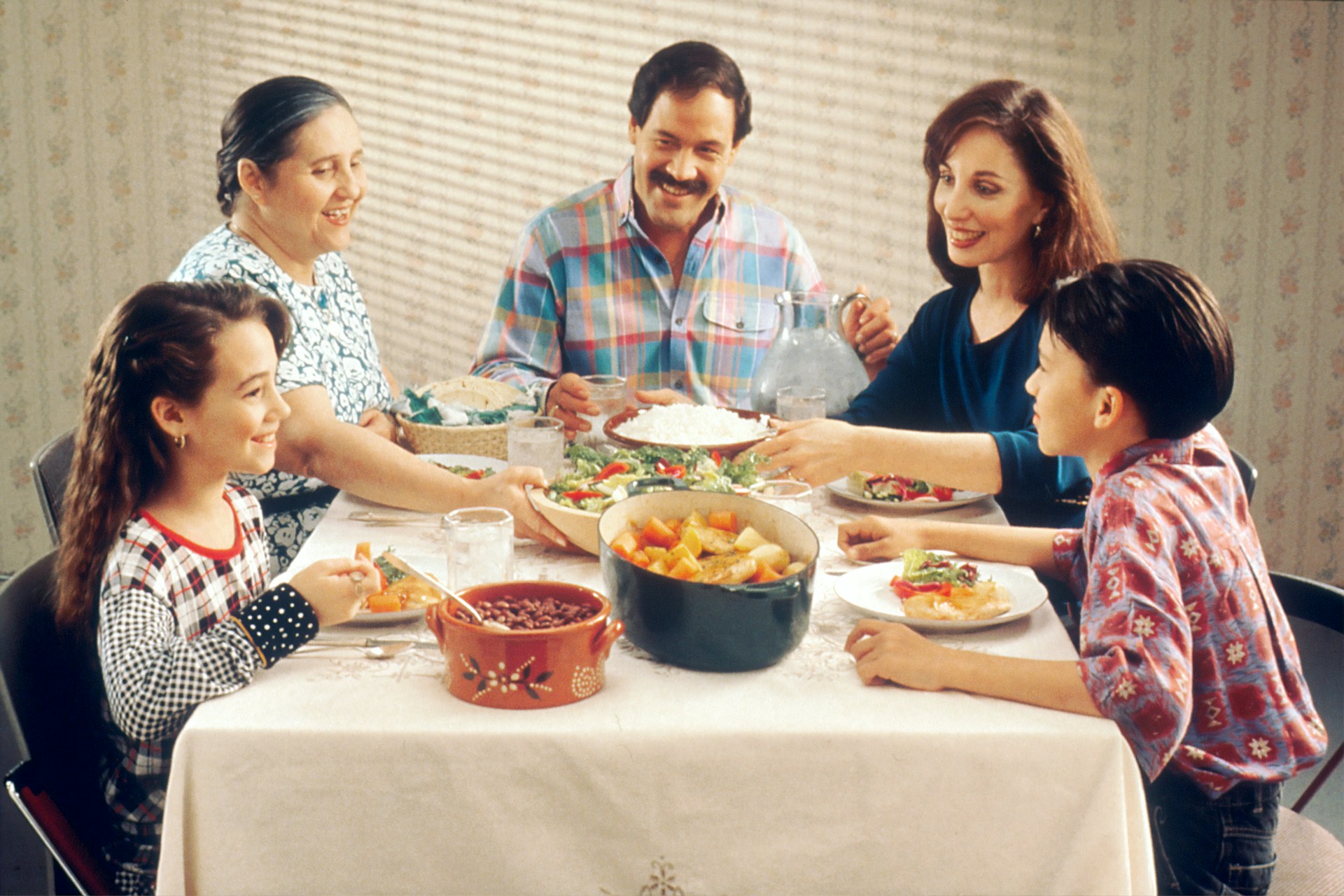
family eating dinner at the table
Image Source: Unsplash

Politeness never goes out of style, yet some manners drilled into us decades ago feel more performative than purposeful in 2025. Many of today’s parents want their children to be respectful and authentic, not simply compliant for appearances’ sake. That means re-examining certain etiquette “musts” we absorbed at grandma’s dinner table or in elementary classrooms.

If a rule stifles a child’s autonomy, complicates consent, or ignores inclusivity, maybe it belongs in the past. Updating our approach isn’t about tossing courtesy aside—it’s about aligning social skills with current values of consent, diversity, and mental health.

Just as language and technology evolve, so do social expectations. Children now navigate multicultural classrooms, digital friend groups, and less hierarchical family structures. Teaching them blanket obedience can undermine critical thinking in complex settings. Instead of forcing outmoded customs, we can model empathy, consent, and authentic connection—skills they’ll actually use in future workplaces and relationships. Below are 10 etiquette standards many of us once followed without question, plus the alternative lessons we’re choosing to pass on to the next generation.

1. Always Hug Relatives—Even When You Don’t Want To

Past Rule: “Give Auntie a hug; don’t be rude.”
Modern Swap: Today, parents emphasize body autonomy so children choose whether to hug, high-five, or wave. Respecting a child’s “no” teaches them their boundaries matter and must be honored by others. It also models consent, an essential skill for future relationships. Relatives can still feel welcomed through warm words and eye contact, proving physical contact isn’t the only sign of love. Physical contact becomes an option, not an obligation.

silverware
Image Source: Unsplash

2. Clean Your Plate No Matter What

Past Rule: Wasted food was a sign of disrespect.
Modern Swap: Modern families instead encourage intuitive eating and mindful portioning. Letting children stop when full builds healthier lifelong habits and prevents power struggles at meals. Parents can offer smaller servings first and allow seconds if hunger persists. Respect for food now includes reducing waste through better planning. The focus shifts from empty plates to listening to the body’s cues.

3. Address All Adults as “Sir” or “Ma’am”

Past Rule: Formal titles equaled instant respect.
Modern Swap: Today’s etiquette emphasizes learning and using each person’s preferred name and pronouns. Respect shows up in warm eye contact, attentive listening, and polite language more than honorifics alone. This flexible approach supports inclusivity and diverse identities in modern communities. Children still learn courtesy but without rigid formulas that can exclude or mislabel. Individual preferences become the guide.

4. Never Talk About Feelings at the Dinner Table

Past Rule: Keep conversation light; big emotions are “impolite.”
Modern Swap: Now, many parents treat dinner as a safe space for emotional check-ins. Sharing highs, lows, and coping strategies deepens family bonds and emotional intelligence. Kids practice naming feelings and listening with empathy to others’ experiences. The table transforms into a classroom for healthy communication instead of silent etiquette drills. Big emotions become welcome guests rather than taboos.

5. Answer the Landline Politely—Even If You’re Busy

Past Rule: Dropping everything for a ringing phone showed good manners.
Modern Swap: Today, presence and focus outrank instant responses to calls or notifications. Kids are taught it’s courteous to finish ongoing conversations or tasks before picking up. Voicemail, text replies, or scheduled callbacks maintain politeness without sacrificing mindfulness. This shift counters tech overload and reinforces boundaries around personal time. Manners adapt to digital realities while preserving respect.

6. Boys Don’t Cry, Girls Don’t Burp

Past Rule: Gendered behavior defined “proper” conduct.
Modern Swap: Modern parenting rejects those stereotypes as outdated and harmful. All children may express feelings openly and manage natural body processes responsibly. Courtesy is recast as empathy, self-awareness, and consideration for others—not gendered repression. Allowing tears or laughter regardless of sex nurtures emotional health. Everyone learns respect through authenticity rather than restrictive roles.

7. Always Wear “Proper” Attire to Appear Respectable

Past Rule: External appearance signaled character.
Modern Swap: Today’s rule of thumb is situational appropriateness paired with self-expression. Kids learn to choose clothing that suits the occasion while honoring comfort and identity. Respect stems from behavior and attitude rather than a single fashion standard. Inclusivity means jeans, cultural attire, or adaptive gear can all be respectful. Personal style and respect coexist peacefully.

8. Respond Immediately to Every Adult Request

Past Rule: Instant compliance proved you were well-raised.
Modern Swap: Current thinking values respectful dialogue and critical thought instead. Kids are encouraged to ask clarifying questions or express needs before complying. Practicing polite negotiation prepares them for future collaborations and healthy boundaries. Cooperation replaces blind submission, fostering mutual respect between generations. Adults model listening just as much as leading.

9. Silence at the Table (Children Should Be Seen, Not Heard)

Past Rule: Kids stayed quiet while adults talked.
Modern Swap: Practice conversation skills. Turn-taking, active listening, and sharing opinions teach confidence and respect across ages. This inclusion boosts confidence and shows their voices matter at home and beyond. Lively yet courteous discussion enriches the meal’s social flavor. Dialogue, not silence, defines modern table manners.

10. Send Thank-You Notes in Cursive Only

Past Rule: Formality mattered more than authenticity.
Modern Swap: Modern etiquette prioritizes sincerity over medium or penmanship style. Kids can express thanks through drawings, voice messages, short videos, or printed notes. The goal is heartfelt appreciation, delivered in an accessible format. Technology and creativity expand, rather than replace, genuine acknowledgment. Gratitude becomes personalized and meaningful, not merely formal.

Rethinking Manners for a Kinder Tomorrow

Discarding outdated etiquette doesn’t mean raising rude children—it means teaching manners rooted in empathy, autonomy, and relevance. When kids learn why a courtesy matters, they’re more likely to practice it sincerely rather than performatively.

Which old-school rule will you retire—or reinvent—first, and what new habit will you teach in its place? Share your thoughts and family experiments in the comments; we can build a kinder code of conduct together!

Read More

  • Tired of Chaos? Blunt Advice for Restoring Order at Home
  • Parenting Fairness: 10 Tips to Make Sure Both Parents Share the Load
Samantha Warren
Samantha

Samantha Warren is a holistic marketing strategist with 8+ years of experience partnering with startups, Fortune 500 companies, and everything in between. With an entrepreneurial mindset, she excels at shaping brand narratives through data-driven, creative content. When she’s not working, Samantha loves to travel and draws inspiration from her trips to Thailand, Spain, Costa Rica, and beyond.

Filed Under: Parenting Tagged With: family traditions, generational change, modern etiquette, outdated manners, parenting culture, raising kids, Social Skills

8 Reasons Why Parenting Today Is Way Too Soft: Here’s Why It Might Be Hurting Your Kids

April 28, 2025 | Leave a Comment

dad comforting crying baby
Image Source: Unsplash

The pendulum of parenting has swung from stern rules to soothing affirmations, leaving many caregivers wondering whether we’ve gone too far toward softness. Social media brims with advice to validate every feeling, avoid every “no,” and rescue kids from the slightest struggle.

While empathy is essential, unlimited leniency can unintentionally sabotage the very resilience we hope to nurture. Children need both warmth and structure to thrive; remove one, and the other loses power. Before dismissing firmness as outdated, consider how chronically soft parenting might create long-term challenges.

Kids Don’t Learn Boundaries When Every Rule Is Negotiable

Consistently caving after a toddler tantrum or a tween’s eye roll teaches kids that persistence—not cooperation—wins the day. Without clear, predictable limits, children struggle to respect others’ boundaries at school, on teams, and in friendships. They may test teachers, ignore peers’ personal space, or resist authority figures who don’t bend as easily as Mom or Dad. Healthy boundary-setting starts early: concise expectations, calm enforcement, and logical consequences. When kids understand “stop” truly means stop, they develop self-control that carries into adulthood.

Self-Regulation Weakens When Adults Regulate Everything

Soft parents often intercept discomfort before it appears—topping off juice to prevent disappointment, solving homework hiccups before frustration sets in. Yet small frustrations are practice rounds for managing bigger emotions later. Research indicates that children allowed to experience mild stress and then self-soothe display stronger executive function and emotional resilience. Rather than rushing to fix, offer empathy (“I see that’s tough”) and space for problem-solving. The short-term tears are worth the long-term coping skills.

Constant Praise Can Dilute Real Confidence

Celebrating every scribble or half-hearted chore with outsized applause can lead children to expect praise for minimal effort. Studies on mindset show that inflated compliments encourage performance anxiety and avoidance of challenging tasks. Swap generic “Good job!” for process-oriented feedback: “You kept trying different puzzle pieces until it fit.” Authentic praise tied to genuine effort fosters internal motivation, not approval-seeking.

Overprotection Fuels Anxiety and Risk Aversion

When kids rarely climb a tree, walk to a friend’s house, or navigate conflict solo, the world feels scarier than it is. Recent studies show links between overly protective parenting and heightened child anxiety. Allow low-stakes risks—balancing on playground beams, ordering food, forgetting homework once—and coach safety strategies rather than imposing bans. Gradual exposure builds judgment and courage that can’t grow in cotton wool.

mom and baby in bed
Image Source: Unsplash

Delayed Gratification Becomes a Foreign Concept

Instantly handing over snacks, screens, or new toys trains brains to expect immediate rewards. Yet the famous Marshmallow Test and its follow-up studies show that kids who practice waiting demonstrate stronger academic and social outcomes later. Create opportunities for patience: a family savings jar for a shared outing, timer-based screen limits, baking cookies from scratch instead of buying them. Small waits teach big lessons about goal-setting and perseverance.

Teachers and Coaches Can’t Compete With Helicopter Parents

Some students raised under ultra-soft regimes resist feedback or crumble at constructive critique. Coaches see similar trends in sports—kids quit when benched or corrected because they’ve rarely faced disappointment at home. Parenting’s purpose is to prepare children for a world that won’t cushion every blow. Model how to receive feedback gracefully: discuss mistakes openly, strategize improvements, and celebrate growth over perfection.

Sibling and Peer Conflicts Escalate Without Conflict Skills

When adults intervene at the first hint of sibling squabbles, children miss chances to negotiate and compromise. Gentle guidance—“Can you two agree on a plan?”—beats immediate arbitration. Children who solve disputes independently build empathy and perspective-taking. Resist refereeing every clash; instead, teach conflict vocabulary and step back unless safety is at risk.

Parental Burnout Rises as Structures Fall

Endless negotiating, placating, and midnight snack fetching exhausts caregivers. It’s easy to suffer from parental burnout if you never say “no.” Clear rules simplify life for everyone—kids know what to expect, and parents reclaim energy for connection, creativity, and self-care. Boundaries aren’t just for children; they protect parental well-being too.

Building Balanced Parenting—Your Next Step

Softness without structure can stunt resilience, yet harshness without empathy harms trust. The sweet spot is authoritative parenting: warm relationship combined with firm, consistent limits. Try implementing one concrete boundary this week—perhaps a device curfew or chore chart—and pair it with supportive dialogue. Notice how predictability reduces power struggles and boosts confidence on both sides of the dinner table.

Which boundary will you set—or reinforce—first, and how do you expect it to help your family thrive? Share your plan or success story in the comments so we can learn together!

Read More

  • Surviving the “No” Phase Without Losing Your Mind
  • These Are the 6 Best Types of Neighborhoods to Raise Your Kids In

Samantha Warren
Samantha

Samantha Warren is a holistic marketing strategist with 8+ years of experience partnering with startups, Fortune 500 companies, and everything in between. With an entrepreneurial mindset, she excels at shaping brand narratives through data-driven, creative content. When she’s not working, Samantha loves to travel and draws inspiration from her trips to Thailand, Spain, Costa Rica, and beyond.

Filed Under: Parenting Tagged With: authoritative parenting, child discipline, emotional resilience, gentle parenting, overprotection, parenting mistakes, parenting trends, soft parenting

Should Parents Be Fined for Their Kids’ TikTok Pranks?

April 28, 2025 | Leave a Comment

young boy holding a phone
Image Source: Unsplash

Pranks have always been part of childhood, but TikTok’s global stage has turned everyday antics into high-stakes performances. Kids now record elaborate stunts not just to amuse friends but to rack up likes from millions of strangers. That thirst for attention often clouds judgment, pushing harmless gags into dangerous territory involving theft, assault, or costly vandalism.

Parents frequently discover the fallout only after a viral clip has already circulated, sparking backlash from victims, schools, or the police. Suddenly the question isn’t “Was that funny?” but “Who’s paying for the damage?” Below, we explore whether the parents should be the ones paying for their kids’ mistakes.

Current Laws: Can Parents Be Held Liable?

In most U.S. states, parents can already face civil liability for a minor’s willful misconduct, including property damage or bodily harm—regardless of whether the incident was filmed for TikTok. Those rules usually cap financial penalties, but they set a clear precedent: caregivers aren’t fully off the hook. Criminal charges are rarer; still, precedent exists.

The notorious 2017 “DaddyOFive” YouTube case led to probation and a ban on filming certain children after courts deemed the parents’ prank content abusive. While no nationwide statute targets TikTok pranks specifically, prosecutors can—and do—invoke existing vandalism, harassment, and endangerment laws when a video crosses legal lines.

Why Social Platforms Alone Can’t Fix the Problem

TikTok’s Community Guidelines prohibit harmful challenges and allow users to report dangerous content. The app also promotes Family Pairing tools that limit screen time, private messaging, and mature videos. Yet algorithms designed to maximize engagement still amplify shocking or risky pranks before moderators remove them. Parental controls matter but can’t substitute for real-time oversight and value-based conversations at home. Without adult guidance, the platform’s sheer speed and visibility tempt kids to chase clout over common sense.

tiktok app
Image Source: Unsplash

The Emotional Cost No One Sees on Camera

Even when a prank doesn’t end in legal trouble, the social fallout can devastate young participants. Public shaming, cyberbullying, and school disciplinary actions often follow viral mischief. Kids may experience anxiety, depression, or ostracism long after the video disappears. Parents who address only the external consequences—paying a fine or replacing broken property—miss the deeper emotional repair their child needs. Teaching empathy and digital citizenship becomes crucial to break the cycle of harmful pranks and reckless challenges.

Five Ways Parents Can Get Ahead of Trouble

Here are a few tips to help you monitor and manage your child’s social media use:

  • Activate safety settings together. Sit with your child and walk through TikTok’s privacy and content filters so they understand why each toggle matters.
  • Create a posting pause rule. Require kids to wait 24 hours before uploading any prank or challenge, giving them time to rethink potential harm.
  • Discuss real-world impact stories. Share age-appropriate news reports of pranks gone wrong to illustrate legal and emotional consequences.
  • Establish consent as non-negotiable. Make it clear that filming anyone without permission—or in a way that humiliates them—breaks both family rules and, often, the law.
  • Model mindful scrolling. Kids copy adult behavior; showing restraint and critical thinking online reinforces every lecture about safe sharing.

Toward Accountability Without Automatic Fines

Should every reckless upload trigger a parental ticket? Blanket fines risk punishing attentive caregivers whose children act impulsively despite firm guidance. A more balanced approach combines existing liability laws with stronger digital-literacy education in schools, clearer reporting pathways on platforms, and community service options that teach restitution.

Parents, tech companies, and lawmakers each hold part of the solution; none can shoulder it alone. What matters most is cultivating households where curiosity and creativity thrive without endangering others or courting viral chaos.

Your Turn: Where Should Responsibility Fall?

Holding parents automatically liable for every TikTok prank might deter some posts—but could it also overlook root causes like peer pressure and algorithmic incentives? How do you balance a child’s learning curve with community safety? Share your take and any preventative strategies you’ve tried in the comments—we’re eager to hear your perspective and keep this conversation moving forward!

Read More

  • Second Hand Parenting: 12 Reasons Your Parents Shouldn’t Be Raising Your Kids
  • 15 Things You Should NEVER Share About Your Children on Social Media
Samantha Warren
Samantha

Samantha Warren is a holistic marketing strategist with 8+ years of experience partnering with startups, Fortune 500 companies, and everything in between. With an entrepreneurial mindset, she excels at shaping brand narratives through data-driven, creative content. When she’s not working, Samantha loves to travel and draws inspiration from her trips to Thailand, Spain, Costa Rica, and beyond.

Filed Under: Parenting Tagged With: child safety, digital parenting, family responsibility, online challenges, social media law, TikTok pranks

Are We Giving Our Kids Too Much Freedom Too Soon? Here’s Why You Might Be Wrong

April 28, 2025 | Leave a Comment

playful child
Image Source: Unsplash

Kids riding bikes alone, walking to school with friends, or managing their own homework schedules can set off alarm bells for modern parents. Media headlines amplify every “what-if,” making unsupervised moments feel reckless instead of routine.

Yet childhood has changed dramatically from just a generation ago, and hovering has become many families’ default. Before we clamp down further, it’s worth asking whether our fears align with facts.

Research suggests well-scaffolded freedom often nurtures safer, more resilient kids—not the opposite. So how do we strike a balance between healthy autonomy and reasonable caution?

Freedom Builds Competence, Not Chaos

Children granted age-appropriate independence gain stronger decision-making skills, better self-esteem, and greater problem-solving confidence. When kids navigate small risks—like ordering their own meal or budgeting allowance—they practice executive functions essential for lifelong success. You could also have your kid try a new recipe in the kitchen, get the mail, do chores, etc. It’s up to you as long as the activity is age-appropriate.

The takeaway: measured freedom is less about recklessness and more about structured skill-building.

Overprotection Carries Its Own Risks

Parental anxiety can unintentionally hinder growth. When every misstep is pre-empted, kids miss critical feedback loops: stumble, adjust, succeed. By shielding them from manageable risks—like climbing a challenging playground structure—we may undermine physical literacy and self-trust. Autonomy, when thoughtfully introduced, is a protective factor against mental health struggles rather than a catalyst for harm.

Start Small: Incremental Autonomy Strategies

Granting freedom doesn’t mean tossing a smartphone and car keys at a ten-year-old. Instead, break responsibility into bite-size milestones. Let younger children choose wardrobe layers for the weather; allow tweens to navigate a safe neighborhood route with a buddy.

Each new privilege should come with clear expectations, rehearsed safety plans, and debriefs afterward. Celebrate responsible choices, and treat mistakes as coaching moments rather than proof that freedom was a bad idea. This incremental model teaches cause-and-effect without overwhelming kids or parents.

Tech Can Be a Safety Net—Not a Leash

GPS watches and check-in apps often attract criticism, but used mindfully they can bolster autonomy rather than erode it. For example, agree on geofenced zones your teen may explore, with a shared understanding that location pings are for emergencies, not micromanagement.

Many families set digital “office hours” for quick texts: “Arrived at basketball,” “Walking home.” Maintaining transparency about data use preserves trust, allowing parents to step back physically while still feeling psychologically secure.

Community Culture Matters

Kids thrive when neighborhoods collectively value and support youth independence. Consider rallying other parents to normalize walking school buses, group bike outings, or shared play in local parks. When adults know one another—and know the children—freedom no longer feels like abandonment but community empowerment.

Municipal efforts such as “Safe Routes to School” and “Play Streets” demonstrate that environment shapes opportunity; autonomy is easier when sidewalks, traffic speeds, and social networks align for safety.

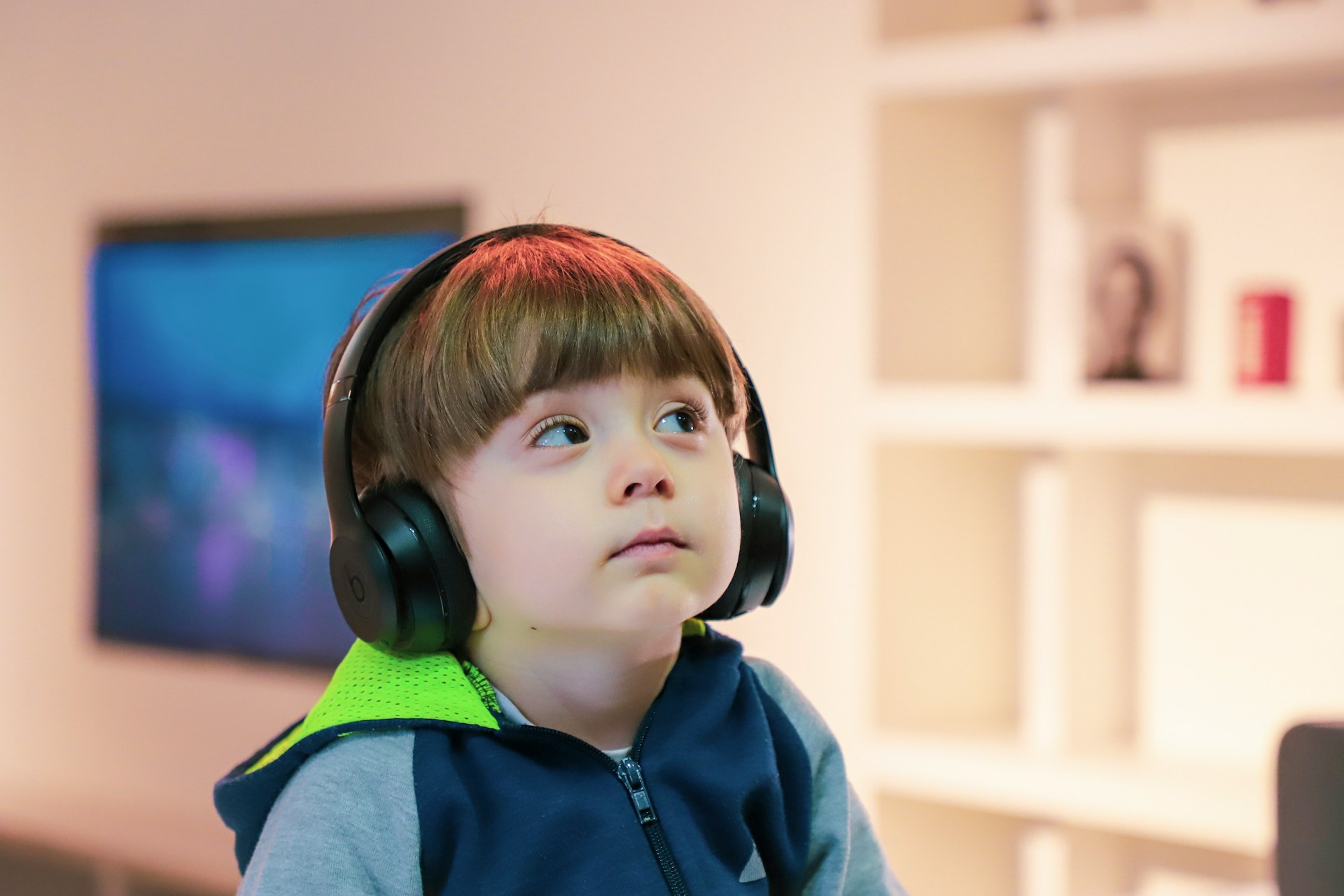
child with headphones on
Image Source: Unsplash

Rethink “Too Soon” Through a Developmental Lens

Age alone is a blunt metric for freedom. A cautious nine-year-old may handle solo library trips better than a risk-seeking twelve-year-old. Instead of rigid age rules, gauge readiness using questions: Can my child articulate a plan if something goes wrong? Do they follow agreed check-in protocols? Have they demonstrated honesty with smaller responsibilities? Adjust privileges dynamically—expanding or contracting based on observed maturity rather than birthday milestones.

Empowerment Over Fear: Your Next Move

Parenting in 2025 often feels like walking a tightrope between vigilance and liberation. Yet evidence keeps pointing to a reassuring truth: calibrated independence prepares kids for real-world complexity more effectively than constant oversight.

The goal isn’t reckless freedom but a deliberate handoff of responsibility, matched to each child’s skills and context. Ready to test the waters? Pick one small arena—perhaps letting your child manage their own morning routine—and observe the growth that follows.

What step toward greater autonomy will you try this week, and how might it reshape your child’s confidence? Share your plan or concerns in the comments so we can learn from each other’s journeys!

Read More

  • From Chaos to Calm: Strategies for Difficult Toddler Behavior
  • Real Talk: Blunt Parenting Advice You Won’t Hear Elsewhere
Samantha Warren
Samantha

Samantha Warren is a holistic marketing strategist with 8+ years of experience partnering with startups, Fortune 500 companies, and everything in between. With an entrepreneurial mindset, she excels at shaping brand narratives through data-driven, creative content. When she’s not working, Samantha loves to travel and draws inspiration from her trips to Thailand, Spain, Costa Rica, and beyond.

Filed Under: Parenting Tagged With: autonomy support, child development, child independence, free-range kids, modern parenting, parenting trends, risk management

8 Signs Your Teen Doesn’t Feel Safe Talking to You

April 28, 2025 | Leave a Comment

sad teen walking down the street
Image Source: Unsplash

Your teen’s world is a swirl of new friendships, social pressures, and rapidly shifting emotions, and you desperately want to stay connected. Yet somewhere between school drop-off and bedtime, conversations that once flowed easily now stall out in monosyllables or closed bedroom doors. Many caregivers chalk this up to “typical teen moodiness,” missing the deeper message: your child may not feel safe sharing what’s really on their mind.

Left unchecked, this silent distance can erode trust, hide serious mental health struggles, and leave both of you feeling isolated under the same roof. Understanding the difference between normal privacy and emotional shutdown is critical, because teenagers who feel heard and respected turn to their parents first when life gets messy. Spotting the small cues early—tone shifts, body language, avoidance tactics—gives you the chance to reopen lines of communication before they snap entirely.

Just as you’d notice a fever or limp, learning these social symptoms helps you respond with empathy instead of frustration. Below are eight signs your teen doesn’t feel safe talking to you, paired with actionable ways to re-establish a listening space where honesty can thrive.

1. Conversations End in One-Word Responses

When every exchange stalls at “Fine,” “Nothing,” or “Whatever,” your teen is signaling caution. One-word replies create a quick exit and shield them from deeper questions. They’ve decided that opening up invites judgment, lectures, or unwanted advice. Over time, this habit can shrink your window into their world. Short answers aren’t laziness—they’re protective armor.

2. They Avoid Eye Contact or Physical Proximity

A teen glued to a phone or inching toward the door is sending clear body-language cues. Avoiding eye contact reduces the chance of uncomfortable questions and emotional exposure. Physical distance feels safer when criticism or disappointment is expected. Notice how quickly they retreat the moment serious topics surface. Retreat is their silent way of saying, “I don’t feel safe here.”

3. Personal Items Suddenly Stay Hidden

Locked screens, hidden journals, and guarded backpacks often point to more than ordinary privacy. Teens who trust their parents rarely feel compelled to secure every detail. Secrecy rises when they fear harsh reactions to what you might discover. The tighter the grip on belongings, the deeper the worry about judgment. Respectful curiosity—rather than suspicion—invites openness back.

downcast looking teen
Image Source: Unsplash

4. Humor Turns Sarcastic or Defensive

Sarcasm can sound playful, but it often masks anxiety and frustration. Quips like “Sure, Mom, you’d totally get it” deflect real feelings with a laugh. Humor becomes a shield that lets teens vent without true vulnerability. When jokes feel sharp instead of lighthearted, emotional safety is running low. Listen beneath the sarcasm to hear the hurt.

5. Your Advice Triggers Irritation Instead of Relief

Eye-rolls and heavy sighs after every suggestion aren’t just teenage attitude. They reflect a belief that guidance equals criticism or dismissal. If advice arrives before empathy, teens brace for invalidation. They want understanding of their feelings before solutions to their problems. Without that order, help feels like judgment.

6. They Share More with Peers or Online Communities

Confiding in friends is normal, but total reliance on peers signals a trust gap at home. Teens instinctively seek support where they feel least judged. Online forums and group chats become safe havens when parents seem unsafe. Major life updates bypass the dinner table and appear on social feeds. That reroute is a call to rebuild connection.

7. Arguments Escalate Quickly or End Abruptly

Explosive blowups or sudden shutdowns share the same root: fear of honest dialogue. A teen who expects punishment over understanding defends themselves fiercely or disappears emotionally. Minor feedback can spark outsized reactions because the stakes feel high. Fast exits or yelling fits are protective, not defiant. Conflict style often mirrors how safe they feel to speak.

8. They Downplay Achievements or Problems

A casual shrug after a big win or a vague “It’s fine” about a setback hides deeper feelings. Teens minimize successes to avoid added pressure or comparison. They gloss over problems to dodge possible blame or overreaction. By shrinking their news, they manage your emotional response. Celebration or concern feels risky when parental reactions loom large.

Opening the Door to Honest Conversation

Rebuilding psychological safety starts with small, consistent gestures: active listening without interrupting, validating feelings before offering solutions, and apologizing when your tone misses the mark. Ask open-ended questions during low-pressure moments—while driving, cooking, or walking the dog—then give space for silence so your teen can gather thoughts.

Celebrate their efforts, not just outcomes, and demonstrate that mistakes trigger support, not shame. Consider family “tech-free” check-ins where everyone—including you—shares highs and lows to model vulnerability.

Which of these strategies will you try first, and how might it transform the way your teen confides in you? Share your commitment—and any breakthroughs or hurdles you encounter—in the comments below so we can learn together.

Read More

  • Ditch the Guilt: A Realistic Approach to Parenting
  • Building Strong Character in Your Children: Simple Steps

Samantha Warren
Samantha

Samantha Warren is a holistic marketing strategist with 8+ years of experience partnering with startups, Fortune 500 companies, and everything in between. With an entrepreneurial mindset, she excels at shaping brand narratives through data-driven, creative content. When she’s not working, Samantha loves to travel and draws inspiration from her trips to Thailand, Spain, Costa Rica, and beyond.

Filed Under: Parenting Tagged With: adolescent mental health, emotional safety, family dynamics, listening skills, parent-child relationship, parenting teens, teen communication, trust building

« Previous Page
Next Page »
  • Facebook
  • Pinterest
  • RSS
  • Twitter
Best Parenting Blogs

Most Popular

Baby

10 Baby Names That Were Once Considered “Grandparent Names” but Feel Cool Again

Evan Morgan
Baby

9 Baby Names Inspired by Fall Without Naming Your Child Autumn

Evan Morgan
Baby

10 Vintage Baby Names That Sound Surprisingly Modern Again

Evan Morgan
Baby names

Teachers Admit: These 6 Baby Names Create Instant Bias in the Classroom

Latrice Perez
6 Baby Names That Sound Cute Now but Cause Problems Later

6 Baby Names That Sound Cute Now but Cause Problems Later

Brandon Marcus

All content on Kids Ain’t Cheap is for entertainment purposes only. By reading this blog, you agree that Kids Ain’t Cheap is not responsible for any actions taken after reading this blog. For the full disclaimer, see our privacy policy.

Please note that Kids Ain’t Cheap has financial relationships with some of the merchants mentioned here. Kids Ain’t Cheap is funded by banner advertising, commission sales and search optimization consulting.

Copyright © 2006–2026 | District Media | All Rights Reserved | Privacy Policy

Copyright © 2026 Runway Pro Theme by Viva la Violette