
• Home
  • About Us
  • Toolkit
  • Archives
  • Advertise
  • Privacy Policy

Kids Ain't Cheap

But They Sure Are Worth It

  • Parenting
    • Baby Stuff
    • Books and Reading
      • Aesops Fables
      • Comic Books
    • Education
    • Family Time
    • Green Living
    • Growing Up
    • Healthy Living & Eating
    • Holidays
    • Parenting
    • Random Musings
    • Shopping
    • Stuff to Do
  • Money
  • Product Reviews
    • Books and Magazines
    • Discount Sites
    • Furniture
    • House Keeping
    • Reviews News
    • Toys and Games
  • Contact Us
  • Our Editorial Commitment
  • Search

8 Parenting Styles That Are Sparking Heated Debates

June 1, 2025 | Leave a Comment

8 Parenting Styles That Are Sparking Heated Debates

If there’s one thing parents are passionate about, it’s how they raise their kids—and that passion can quickly lead to heated debates. From TikTok threads to playground gossip, opinions on different parenting styles often clash hard. Everyone has an idea of what’s “best,” but as new trends emerge and old ones evolve, the disagreements seem louder than ever. Whether you’re team gentle parenting or swear by a strict schedule, these parenting styles are stirring up big feelings on both sides. Curious where your approach lands on the controversy scale? Here are eight methods that are making waves—and why they’re so polarizing.

1. Gentle Parenting

Gentle parenting emphasizes empathy, emotional regulation, and respectful communication. Supporters say it nurtures emotionally secure kids and reduces behavior rooted in fear. Critics argue it can lead to permissiveness or a lack of boundaries if not done carefully. Social media has helped popularize this parenting style, but it’s also fueled debates over what’s “gentle” versus what’s simply ineffective. Whether you love or loathe it, gentle parenting is one of the most talked-about parenting styles right now.

2. Free-Range Parenting

Free-range parenting gives kids more independence and encourages them to explore the world with less adult interference. Advocates believe this boosts confidence, problem-solving, and real-world readiness. Detractors, however, worry it’s too risky or even neglectful, especially in today’s safety-conscious culture. Debates often arise when free-range parents allow young kids to walk alone or play unsupervised. It’s a parenting style that tests how much freedom is too much.

3. Helicopter Parenting

Helicopter parenting is all about hovering—closely monitoring everything from grades to friendships. It’s often rooted in love and protection, but critics say it creates anxious, dependent kids. Opponents argue that children need space to make mistakes and learn resilience, while supporters see it as being involved and proactive. The fine line between support and smothering is at the heart of this parenting style debate. It’s a lightning rod for discussions around overparenting and boundaries.

4. Attachment Parenting

Attachment parenting emphasizes closeness through practices like babywearing, extended breastfeeding, and co-sleeping. Supporters believe it fosters a secure emotional bond and long-term trust. Critics worry it places too much pressure on parents—especially mothers—and may delay independence. This parenting style often sparks fierce debates around sleep training, daycare, and self-soothing. It’s a style grounded in connection but often judged for its intensity.

5. Authoritative Parenting

Authoritative parenting strikes a balance between firm expectations and emotional support. Many experts label it the “gold standard” because it promotes both structure and warmth. Still, some parents argue it’s easier said than done, especially for those managing high-stress households. Others claim it can feel controlling if not adapted to a child’s personality. Even this widely praised approach isn’t safe from debate in the world of parenting styles.

6. Permissive Parenting

Permissive parenting is known for few rules, lots of freedom, and minimal discipline. Supporters often say it fosters creativity and individuality, while critics argue it can lead to entitled or poorly behaved children. This style raises questions about where to draw the line between freedom and chaos. When kids are allowed to self-regulate too early, things can spiral quickly. It’s a parenting style that’s hotly contested in classrooms and family gatherings alike.

7. Snowplow Parenting

Snowplow parenting, also called bulldozer parenting, involves removing all obstacles from a child’s path to ensure success. Think rescheduling homework, intervening in social issues, or calling colleges on their behalf. While it’s well-meaning, it’s been criticized for raising kids who lack resilience and problem-solving skills. Advocates say it’s just being a strong advocate for your child in a competitive world. The debate? Whether it helps kids, or handicaps them long term.

8. Traditional Authoritarian Parenting

This strict, rules-based style demands obedience and often includes punishment as a key part of discipline. It was more common in past generations and is still practiced in many households today. Supporters believe it instills respect and strong values, while opponents say it can damage self-esteem and emotional health. Critics link this style to fear-based parenting and emotional distance. Few parenting styles spark such intense generational debates.

Parenting in the Age of Judgment

The truth is, most parents don’t fit perfectly into just one category—and that’s okay. While labels like “gentle,” “authoritarian,” or “free-range” help define trends, parenting is deeply personal and shaped by culture, experience, and your child’s unique needs. The parenting styles that spark heated debates often reflect broader societal values and fears. At the end of the day, what matters most is that you’re showing up, learning, and doing your best.

Which of these parenting styles do you connect with, or totally disagree with? Share your perspective in the comments and join the conversation!

Read More:

Real Talk: Blunt Parenting Advice You Won’t Hear Elsewhere

14 Misguided Parental Advice We Need to Abandon

Catherine Reed
Catherine Reed

Catherine is a tech-savvy writer who has focused on the personal finance space for more than eight years. She has a Bachelor’s in Information Technology and enjoys showcasing how tech can simplify everyday personal finance tasks like budgeting, spending tracking, and planning for the future. Additionally, she’s explored the ins and outs of the world of side hustles and loves to share what she’s learned along the way. When she’s not working, you can find her relaxing at home in the Pacific Northwest with her two cats or enjoying a cup of coffee at her neighborhood cafe.

Filed Under: Parenting Tagged With: discipline styles, Free-Range Parenting, gentle parenting, helicopter parenting, modern parenting, parenting debates, parenting styles, raising kids

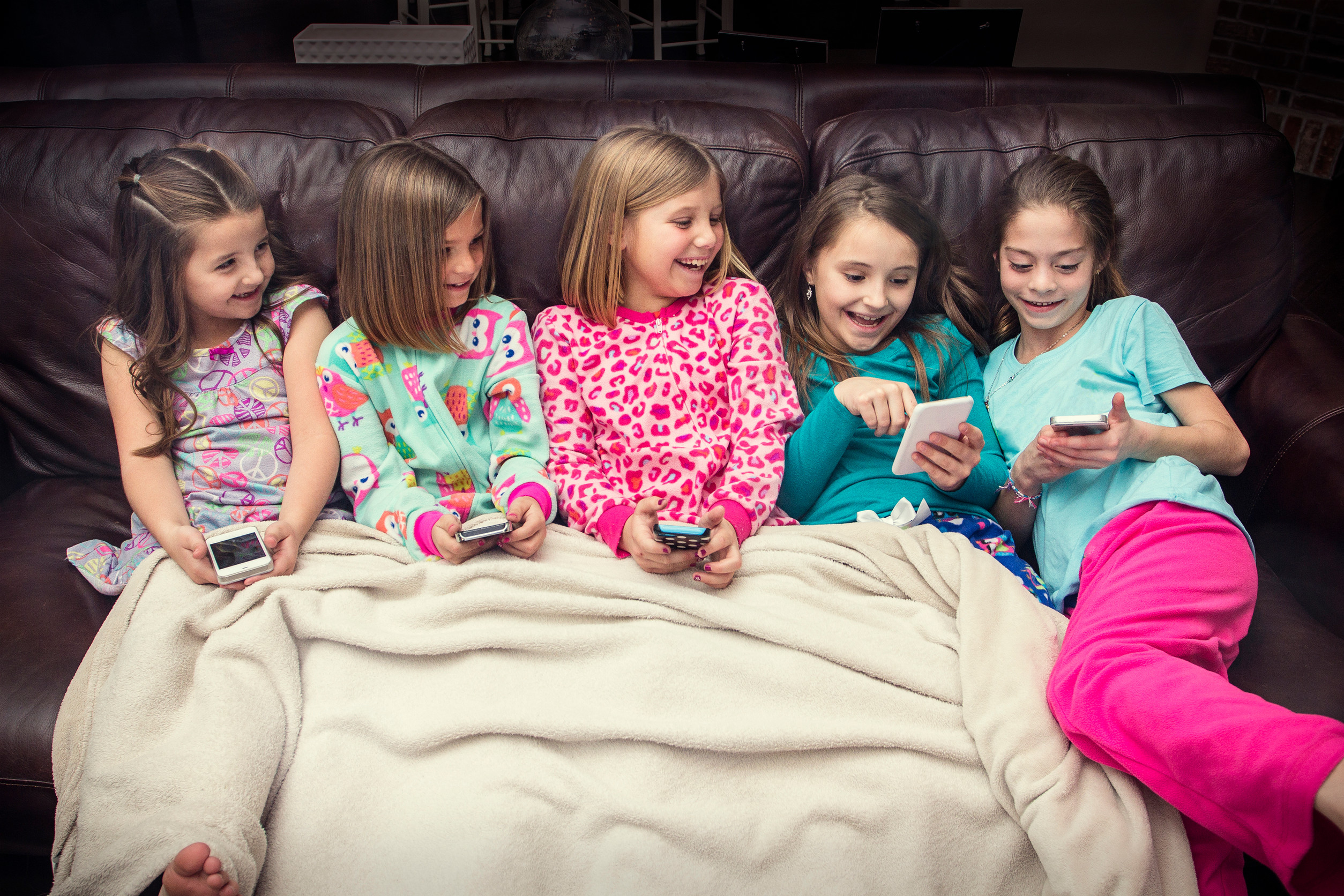
6 Sleepover Disasters That Every Parent Should Hear About

May 31, 2025 | Leave a Comment

6 Sleepover Disasters That Every Parent Should Hear About

Sleepovers seem like harmless childhood fun—until something goes wrong. What starts as pizza, movies, and sleeping bags can quickly turn into tears, trauma, or a phone call in the middle of the night. While plenty of sleepovers go off without a hitch, others reveal the risks that come with trusting someone else’s home, rules, or level of supervision. Knowing real-life sleepover disasters other families have experienced can help you ask better questions, set clearer boundaries, and make more informed decisions. If your child is starting to get those first invites, these cautionary tales are worth hearing.

1. The “Unattended” Sleepover

One of the most unsettling sleepover disasters involves households where adult supervision is severely lacking or completely absent. In some cases, parents may assume another adult is watching the kids, or they head out for the evening, believing the group will “be fine.” But when tweens or teens are left alone, things can spiral quickly. From sneaking out to unsafe behavior, the absence of adult oversight turns a fun night into a risky situation. Always confirm that a trusted adult will be physically present the entire time.

2. The Secret Sleepover Add-Ons

Another common sleepover disaster happens when uninvited guests show up. Some hosts allow extra kids to come over, or older siblings invite their own friends, turning the environment into one you didn’t agree to. These unexpected additions can bring with them different maturity levels, questionable behavior, or even bullying. Parents may not be notified, assuming all is well. Before saying yes to a sleepover, it’s wise to ask if any older kids or additional guests will be in the home.

3. The Inappropriate Media Marathon

What seems like an innocent movie night can turn uncomfortable when kids are shown content that’s not age-appropriate. Whether it’s scary films, explicit comedies, or unmonitored internet access, exposure to mature media is a sleepover disaster that many parents don’t see coming. Even kids who know their family rules may feel pressured to stay silent or go along with the group. Ask about the planned entertainment ahead of time, and let your child know it’s okay to call you if something feels wrong.

4. The Food Allergy Emergency

A simple oversight can quickly become a dangerous medical situation if food allergies aren’t taken seriously. One parent may forget an ingredient, another child may offer food without checking, or labels might be ignored altogether. Unfortunately, several real-life sleepover disasters have involved emergency room visits because of this kind of mistake. Never assume another parent knows what “nut-free” or “dairy-sensitive” means. Provide clear written instructions, pack your child’s safe snacks, and communicate the allergy’s severity directly.

5. The Unsafe Home Environment

Some sleepovers reveal unsettling truths about a host family’s home life, such as neglect, substance abuse, verbal aggression, or unsecured weapons. Kids may come home anxious, confused, or withdrawn, unsure how to process what they experienced. Parents may be unaware of the environment their child entered until it’s too late. Asking general questions like “Who will be home?” and “What does a typical evening look like?” can help screen for red flags. Trust your gut—if something feels off, it’s okay to decline the invitation.

6. The Emotional Fallout

Even if nothing dangerous happens, sleepover disasters can include emotional stress. Some kids become overwhelmed by homesickness, social pressure, or being left out by other children. They might not sleep, end up in tears, or call you in the middle of the night asking to come home. While this may not sound serious, it can shake a child’s confidence and make them hesitant to attend future social events. Preparing your child ahead of time and letting them know they can leave at any time helps minimize this kind of fallout.

Sleepovers Should Be Safe, Not Stressful

Sleepovers don’t have to be banned, but they do need to be approached with awareness and open communication. These sleepover disasters aren’t meant to scare—they’re meant to inform. Ask thoughtful questions, set clear expectations, and talk to your child about what to do if something feels wrong. With the right precautions, sleepovers can still be fun and safe—but only when trust, safety, and communication come first.

Have you ever experienced a sleepover disaster with your child? What do you wish you had known beforehand? Share your story in the comments!

Read More:

The “Safe Sleepover Talk” Every Parent Should Have (But Most Don’t)

When Is It Not Okay for Your Kids to Spend the Night at a Friend’s House

Catherine Reed
Catherine Reed

Catherine is a tech-savvy writer who has focused on the personal finance space for more than eight years. She has a Bachelor’s in Information Technology and enjoys showcasing how tech can simplify everyday personal finance tasks like budgeting, spending tracking, and planning for the future. Additionally, she’s explored the ins and outs of the world of side hustles and loves to share what she’s learned along the way. When she’s not working, you can find her relaxing at home in the Pacific Northwest with her two cats or enjoying a cup of coffee at her neighborhood cafe.

Filed Under: Parenting Tagged With: child safety, family advice, kid sleepovers, parenting boundaries, parenting tips, sleepover disasters, sleepover rules, sleepover safety

8 Hard Truths About Toddlers Every Parent Learns Too Late

May 31, 2025 | Leave a Comment

8 Hard Truths About Toddlers Every Parent Learns Too Late

Toddlers are adorable, hilarious, and full of personality—but they also come with surprises that no parenting book fully prepares you for. Just when you think you’ve figured them out, they change the rules, melt down in the grocery store, or decide they hate bananas today even though they loved them yesterday. The hard truths about toddlers don’t make you love them any less, but they can catch even the most seasoned parents off guard. Learning these truths often happens through trial, error, and lots of deep breaths. If you’re in the thick of toddlerhood, you’re not alone—and you’re not crazy for wondering why no one warned you.

1. Toddlers Are Not Rational Beings

Trying to reason with a toddler during a meltdown is like arguing with a tiny tornado. No amount of logic will convince them that they can’t eat crayons or wear sandals in the snow. Toddlers operate on impulse and emotion, not reason or consistency. It’s not that they’re being difficult on purpose—they genuinely lack the brain development to think things through. Accepting this early can save you from a lot of frustration and help you parent with more patience.

2. Sleep Is Always a Moving Target

Just when you think you’ve nailed bedtime, your toddler hits a regression, drops a nap, or decides 4:45 a.m. is the new wake-up time. Sleep patterns in toddlerhood are notoriously unpredictable, no matter how solid your routine may be. One missed nap can throw off your entire week, and some toddlers fight sleep like it’s a personal vendetta. Among the hardest truths about toddlers is that sleep doesn’t magically stabilize after babyhood—it often gets even weirder before it gets better.

3. They Are Miniature Control Freaks

Toddlers crave independence but want it on their terms. This means they’ll insist on doing everything themselves, but then scream when it doesn’t work out. Choosing the “wrong” bowl, opening their granola bar “too fast,” or helping with their shoes can spark an emotional tsunami. Power struggles become daily battles, often over the tiniest things. The best defense is offering limited choices and accepting that sometimes, the meltdown just needs to happen.

4. Tantrums Are Inevitable—and Necessary

No parent enjoys public meltdowns, but tantrums are a normal part of toddler development. Toddlers don’t yet have the skills to regulate big feelings, so those feelings come out loudly and dramatically. As uncomfortable as it is, these outbursts are part of how they learn emotional boundaries and communication. The hard truth? You can’t prevent every tantrum, but you can stay calm and teach them how to recover. It’s a messy process, but it’s also incredibly important.

5. They Hear Everything (and Repeat It Later)

Your toddler might not seem like they’re paying attention, but they’re always absorbing language, especially the words you don’t want them to repeat. One offhand comment, frustrated sigh, or sarcastic remark can show up at daycare, Grandma’s house, or during your next pediatrician visit. This age is a sponge phase, and they mimic what they see and hear without filters. If you need motivation to clean up your language and model kind communication, your toddler is it.

6. Eating Habits Are Wildly Unpredictable

One day, they eat like a bottomless pit. Next, they survive on three crackers and a half-eaten cheese stick. Toddlers’ appetites fluctuate based on growth, mood, activity, and mysterious toddler logic. Trying to control their food intake too tightly can lead to bigger mealtime battles. It’s one of the more frustrating hard truths about toddlers, but offering balanced options and letting go of perfection is often the best approach.

7. They’re Simultaneously Fragile and Fearless

Toddlers can burst into tears because their sleeve feels “weird,” but then try to launch themselves off the couch like a superhero. They crave comfort and reassurance one moment and declare their independence the next. This combination of emotional sensitivity and physical boldness can be hard to navigate. You’ll spend your days alternating between snuggles and saying “feet on the floor” at least 37 times. It’s exhausting—but completely developmentally normal.

8. Your Patience Will Be Tested Daily

No matter how calm and composed you are, toddlerhood will challenge you in ways you didn’t expect. Repeating yourself, cleaning messes, and enduring the same song 15 times in a row can wear anyone down. The hardest of all hard truths about toddlers? Some days you’ll feel like you’re losing your mind. And yet, somehow, they’ll flash a goofy grin or say “I wuv you” at the exact moment you need it most.

They’re Chaos and Magic All at Once

Toddlers will push every button you have—and then ask to cuddle five minutes later. Their wild mood swings, endless curiosity, and fierce independence are part of what makes this stage so challenging and so rewarding. Learning the hard truths about toddlers doesn’t make you a pessimistic parent. It makes you a prepared one. Embrace the chaos, laugh when you can, and remember—this stage is loud, messy, and incredibly short.

What’s the hardest toddler truth you’ve had to learn the hard way? Share your parenting surprises (and survival tips) in the comments!

Read More:

Managing the Early Morning Toddler Tornado

From Chaos to Calm: Strategies for Difficult Toddler Behavior

Catherine Reed
Catherine Reed

Catherine is a tech-savvy writer who has focused on the personal finance space for more than eight years. She has a Bachelor’s in Information Technology and enjoys showcasing how tech can simplify everyday personal finance tasks like budgeting, spending tracking, and planning for the future. Additionally, she’s explored the ins and outs of the world of side hustles and loves to share what she’s learned along the way. When she’s not working, you can find her relaxing at home in the Pacific Northwest with her two cats or enjoying a cup of coffee at her neighborhood cafe.

Filed Under: Parenting Tagged With: hard truths about toddlers, parenting struggles, parenting tips, parenting toddlers, toddler behavior, toddler development, toddler sleep, toddler tantrums

10 New Mom Regrets That Hurt the Most

May 31, 2025 | Leave a Comment

10 New Mom Regrets That Hurt the Most

No one walks into motherhood expecting to feel regret, but for many new moms, it sneaks in quietly. The mix of exhaustion, pressure, unrealistic expectations, and emotional overload can leave even the most prepared parent wondering if they’ve made the wrong choices. New mom regrets don’t mean you’re failing—they mean you’re reflecting, learning, and trying your best in an impossible-feeling moment. Still, some regrets cut deeper than others, and acknowledging them can help ease the weight they carry. Let’s talk about the ones that linger—and how to forgive yourself for being human.

1. Not Asking for Help Sooner

So many new moms try to do it all themselves, thinking they have to prove they can handle it. Whether it’s pride, pressure, or simply not knowing how to ask, this regret is common—and painful. Exhaustion piles up, and resentment can quietly follow. Real strength lies in reaching out and letting others support you. One of the biggest new mom regrets is realizing you didn’t have to do it alone.

2. Worrying Too Much About Milestones

From sleep schedules to tummy time to first words, the pressure to “stay on track” can become all-consuming. New moms often look back and realize they spent more time worrying than enjoying those early days. Every baby develops at their own pace, and most delays are temporary or normal. Obsessing over charts and comparisons steals joy from the present moment. One of the most freeing realizations is that babies don’t read milestone checklists.

3. Letting Social Media Shape Your Expectations

Scrolling through picture-perfect newborn photos and glowing postpartum stories can be toxic, especially when your own reality looks and feels completely different. It’s easy to forget that most people only post the highlight reel. Comparing your messy, sleepless, real life to a curated feed leaves so many new moms feeling like they’re falling short. One of the harshest new mom regrets is giving that digital illusion too much power.

4. Being Too Hard on Your Body

Your body just created and delivered life, yet it’s often treated like a project that needs fixing immediately. From bouncing back to fitting into pre-pregnancy jeans, the pressure to “get your body back” is relentless. Many new moms regret hating their reflection during a time they should have felt proud. Your body deserves grace, not judgment. Recovery takes time, and it doesn’t need to look like anyone else’s.

5. Not Sleeping When You Could

It sounds like a cliché, but it holds so much truth: sleep when the baby sleeps. Many moms push through, trying to clean, cook, or “get things done” instead of resting. Looking back, they wish they’d taken more naps and let the laundry wait. Sleep is essential to physical and mental health, and no one wins a medal for being the most tired. Prioritizing rest isn’t selfish; it’s survival.

6. Overthinking Every Feeding Decision

Whether it’s breast, bottle, formula, or a combination, the judgment around feeding can be intense. Moms often agonize over every decision, fearing they’re doing it wrong. In hindsight, many realize their baby just needed to be fed, held, and loved. One of the most painful new mom regrets is feeling guilty over a choice that was made with care and love. Fed is best, and peace of mind matters too.

7. Ignoring Mental Health Warning Signs

Postpartum depression and anxiety don’t always look the way we expect. Many moms regret brushing off mood swings, irritability, or intrusive thoughts because they thought they were just “part of motherhood.” Getting help doesn’t make you weak—it means you’re putting your health first. Mental wellness is just as important as physical healing. One of the hardest but most powerful steps is saying, “I need support.”

8. Not Taking Enough Photos—Of Yourself

New moms often find themselves behind the camera, capturing every adorable baby moment, but none of their own journey. Later, they wish they had more pictures holding their baby, smiling, or even just surviving the chaos. These photos matter—messy hair, tired eyes, and all. You were there. You were loving and giving and growing. Don’t erase yourself from the story.

9. Trying to Be the “Perfect” Mom

Trying to live up to an impossible standard is exhausting and unsustainable. Many moms regret the time spent chasing perfection instead of being present. The truth is, babies don’t need to be perfect. They need warmth, comfort, and connection. Embracing imperfection is one of the most important lessons in motherhood. Real love leaves room for mistakes.

10. Not Trusting Your Own Instincts

From books to blogs to unsolicited advice, new moms are flooded with opinions. Sometimes, those voices drown out their own. Looking back, many regret not trusting their gut more. You know your baby better than anyone else. One of the most empowering realizations is that your instincts are often the most reliable guide.

Regret Isn’t a Sign of Failure—It’s Proof That You Care

New mom regrets are real, but they don’t define your motherhood. They are the result of love, pressure, and a fierce desire to do right by your baby. The fact that you reflect, regret, and reimagine better ways forward shows how deeply you care. Forgive yourself. Learn from the pain. And remember that every moment—good or hard—is part of the story you’re writing as a parent.

Which new mom regret hit you the hardest, and how did you move forward? Share your story in the comments so others know they’re not alone.

Read More:

Why Moms Are Always the Default Parent (And How to Change It)

Why Burned-Out Moms Are Fantasizing About Running Away

Catherine Reed
Catherine Reed

Catherine is a tech-savvy writer who has focused on the personal finance space for more than eight years. She has a Bachelor’s in Information Technology and enjoys showcasing how tech can simplify everyday personal finance tasks like budgeting, spending tracking, and planning for the future. Additionally, she’s explored the ins and outs of the world of side hustles and loves to share what she’s learned along the way. When she’s not working, you can find her relaxing at home in the Pacific Northwest with her two cats or enjoying a cup of coffee at her neighborhood cafe.

Filed Under: Parenting Tagged With: baby blues, first-time mom, Mental Health, mom guilt, motherhood support, new mom regrets, parenting advice, parenting truths, postpartum reality

Helping Toddlers Grieve in Healthy Ways

May 31, 2025 | Leave a Comment

Helping Toddlers Grieve in Healthy Ways

Grief is hard for anyone, but when it comes to toddlers, the experience can be especially confusing and overwhelming. Their limited vocabulary and understanding of time, loss, and emotions make it tough for them to express how they feel. Whether it’s the death of a loved one, a pet, or even a major change like a move or divorce, toddlers can grieve deeply, just differently than adults. Helping toddlers grieve in healthy ways isn’t about shielding them from pain but guiding them through it gently. The more support and understanding they receive, the better equipped they’ll be to process emotions now and later in life.

1. Be Honest in Simple Terms

Young children don’t need every detail, but they do need honesty. Use clear, age-appropriate language to explain what happened without sugarcoating or using confusing metaphors. Phrases like “went to sleep” can actually cause fear around bedtime, so stick with simple truths like “they died” or “we won’t see them anymore.” Toddlers may ask the same question repeatedly as they try to understand, so be patient and consistent. Helping toddlers grieve starts with giving them reliable answers they can emotionally absorb.

2. Let Them Express Feelings Freely

Toddlers often express grief through behavior rather than words—tantrums, clinginess, or regression can be signs of sadness or confusion. Validate their emotions by letting them cry, be quiet, or act out without rushing to “fix” the situation. It’s okay to say, “You seem really sad,” or “I miss them too,” to help name what they’re feeling. Creating a safe space for emotional expression is a key part of helping toddlers grieve. Sometimes, just sitting with them and offering a hug says more than words can.

3. Keep Routines as Stable as Possible

Change is hard for toddlers, and loss often disrupts their sense of safety and normalcy. Maintaining familiar routines—meals, bedtime, playtime—can provide comfort during a time that feels unpredictable. This doesn’t mean pretending everything is normal, but it gives toddlers a sense of control and security. Knowing what to expect each day helps them cope better emotionally. When routines need to shift, explain the changes gently and ahead of time when possible.

4. Use Books and Stories to Guide Understanding

Books are powerful tools for helping toddlers grieve, especially those written specifically for young children dealing with loss. Stories allow toddlers to relate to characters and see their emotions mirrored in healthy, safe ways. Look for books that are age-appropriate, use direct language, and focus on love, memory, and feelings. Reading together also gives you a chance to pause, ask questions, and discuss emotions in a relaxed environment. Even if they don’t say much, your toddler is likely absorbing more than you realize.

5. Encourage Comfort Through Play

Play is how toddlers make sense of the world, including things as big as grief. You might notice them reenacting aspects of the loss with dolls, toys, or make-believe games. While this may seem strange, it’s actually a healthy and necessary way to process emotions. Don’t correct or steer their play—instead, watch and gently offer support if they need it. Helping toddlers grieve often means meeting them at their level, and play is their most natural language.

6. Model Healthy Grieving Behavior

Toddlers learn by watching, and your own grief provides a model for how emotions are handled. It’s okay for your child to see you cry or talk about missing someone. Let them know that feeling sad is normal and that emotions come and go. Avoid bottling up your feelings in front of them or pretending nothing’s wrong—authenticity builds trust. The more they see you processing grief in a healthy way, the more they’ll learn how to do the same.

7. Allow Time and Repetition

Grief isn’t something toddlers understand or process in one conversation. They may ask questions weeks or months after the event, or seem fine one day and upset the next. This is all part of how they grieve, and it’s normal for their feelings to surface over time. Be ready to revisit the topic, repeat explanations, and continue offering reassurance. Helping toddlers grieve isn’t a one-time task—it’s an ongoing journey of love, listening, and gentle guidance.

8. Seek Support if Needed

If your toddler shows signs of prolonged distress—like severe withdrawal, ongoing sleep issues, or aggressive behavior—it may be time to seek help from a child therapist. Some toddlers need extra support beyond what parents can provide, and that’s okay. A specialist in early childhood grief can offer tools that make a big difference in your child’s healing. There’s no shame in asking for help, especially when navigating something as complex as loss. Your willingness to get support models courage and care for your child.

Little Hearts, Big Emotions

Helping toddlers grieve means accepting that their sorrow might look different than ours—but it’s no less real. By offering honest words, loving presence, and space for emotional expression, you build a foundation of emotional resilience. Even in loss, children can grow stronger when they feel safe and understood. You don’t need to have all the answers—just a listening heart, open arms, and steady love through the storm.

Have you supported a toddler through grief? What helped them most? Share your experience in the comments and help others walking the same path.

Read More:

What Toddlers Understand About Death (And What They Don’t)

Your Dog Died: 8 Ways To Break The News To Your Child

Catherine Reed
Catherine Reed

Catherine is a tech-savvy writer who has focused on the personal finance space for more than eight years. She has a Bachelor’s in Information Technology and enjoys showcasing how tech can simplify everyday personal finance tasks like budgeting, spending tracking, and planning for the future. Additionally, she’s explored the ins and outs of the world of side hustles and loves to share what she’s learned along the way. When she’s not working, you can find her relaxing at home in the Pacific Northwest with her two cats or enjoying a cup of coffee at her neighborhood cafe.

Filed Under: Parenting Tagged With: childhood loss, emotional support, grief and kids, helping toddlers grieve, parenting tips, parenting toddlers, toddler grief, toddler mental health

8 Uncomfortable Truths About Raising Kids in a Digital World

May 31, 2025 | Leave a Comment

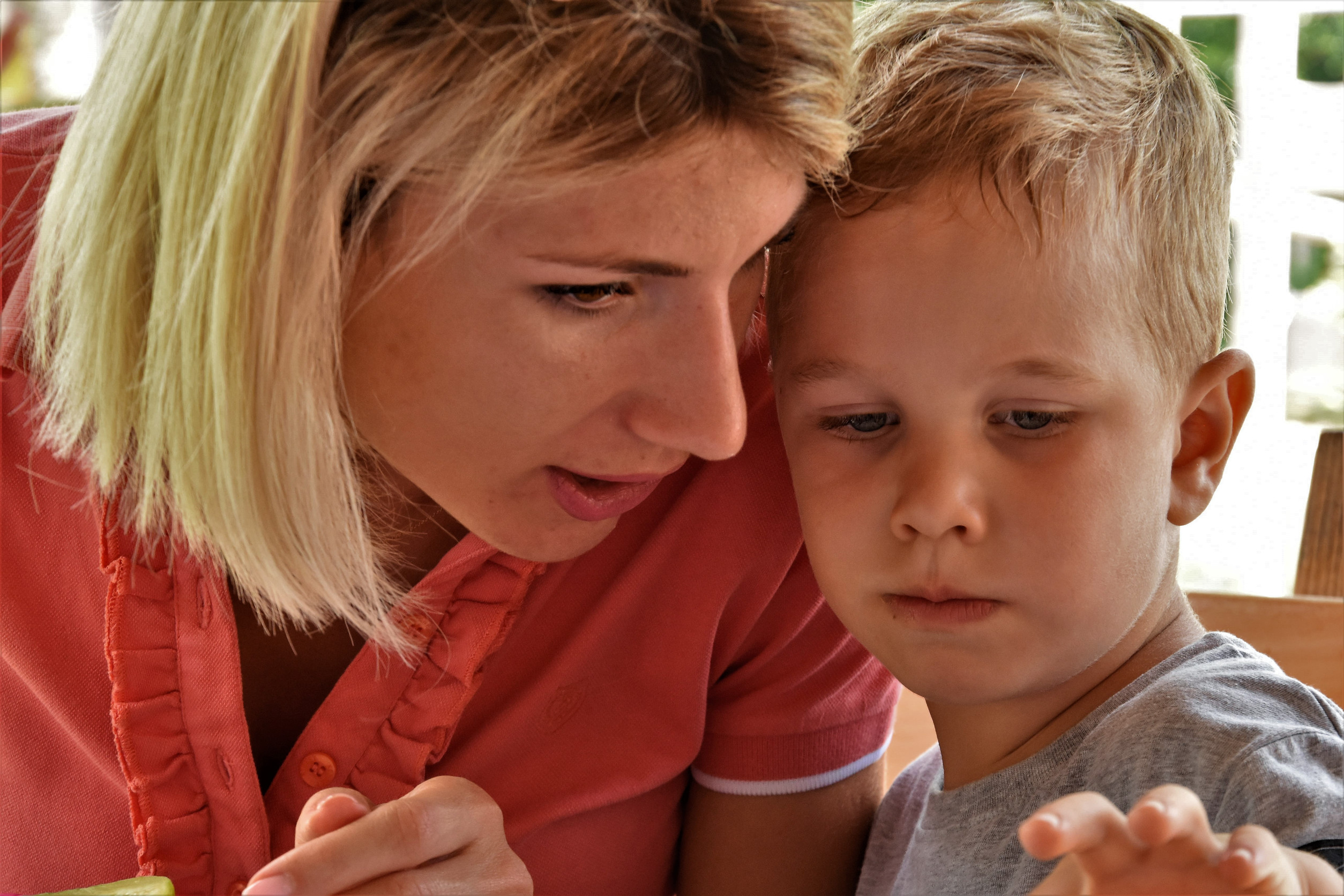
8 Uncomfortable Truths About Raising Kids in a Digital World

Screens are everywhere, and for parents today, navigating the realities of raising kids in a digital world means confronting some tough truths. From toddlers swiping before they can walk to teens glued to social media, technology has become a core part of childhood. While digital tools can offer convenience and education, they also introduce unique pressures, mental health concerns, and parenting dilemmas that no generation has faced before. Pretending the digital landscape isn’t reshaping childhood doesn’t help anyone, especially our kids. So let’s look at the hard truths that modern parents need to face head-on.

1. Screen Time Starts Way Earlier Than You Think

Even if you plan to delay devices, kids are often exposed to screens as infants. Whether it’s a video playing in the background or a quick distraction while grocery shopping, screen exposure starts earlier than many parents expect. Research shows that toddlers can become dependent on digital entertainment, which affects attention spans and self-regulation. Despite best efforts, avoiding screens entirely is nearly impossible in today’s world. What matters most is setting realistic boundaries and modeling mindful tech use from day one.

2. Social Media Is Their Social Life

For many kids, especially tweens and teens, social media isn’t just a hobby—it’s their social universe. While parents may remember phones with cords and in-person hangouts, kids today communicate through snaps, DMs, and group chats. That means friendship drama, peer validation, and even bullying can follow them home and live on their screens 24/7. It’s tempting to dismiss online life as “not real,” but for your child, it absolutely is. Helping them navigate this landscape means understanding their world, not just monitoring their screen time.

3. Parental Control Tools Aren’t Foolproof

While apps and filters can help limit what kids see, they’re not a substitute for actual conversations and oversight. Tech-savvy kids often find workarounds or stumble onto inappropriate content through ads, links, or friends’ devices. No parental control tool can replace honest, age-appropriate conversations about safety, privacy, and values. Raising kids in a digital world requires active engagement, not just automated boundaries. Don’t let a dashboard lull you into a false sense of security.

4. They’re Watching You—Always

Kids don’t just consume content—they watch how their parents use tech too. If you’re constantly checking your phone during meals, multitasking with screens, or distracted during playtime, they notice. Your habits shape their expectations for how relationships and attention should work. It’s uncomfortable but necessary to reflect on how your own digital habits might be influencing your child. Modeling a healthy relationship with technology is one of the most powerful parenting tools you have.

5. Online Safety Isn’t Just About Stranger Danger

Parents often worry about predators, but today’s digital threats are much more nuanced. From oversharing personal information to falling for scams or engaging with toxic content, kids face a variety of risks online. Even well-meaning friends can unintentionally expose them to harmful material. Teaching kids about safety today means covering privacy settings, fake news, phishing attempts, and even how to set boundaries with peers. Digital literacy is as essential as reading and math.

6. Tech Can Affect Mental Health in Sneaky Ways

Scrolling endlessly, comparing lives, chasing likes—it all takes a toll. Studies link heavy social media use with anxiety, depression, and low self-esteem, especially in teens. But the effects aren’t always obvious. You might notice irritability, sleep changes, or withdrawal instead of classic signs of distress. Raising kids in a digital world means being alert to the subtle impacts and keeping mental health a regular topic of discussion in your home.

7. Educational Tech Isn’t Always As Beneficial As It Seems

Not all screen time is created equal, but not all “educational” content is actually helpful. Many apps and games market themselves as learning tools but are designed more for engagement than real skill-building. Just because something has bright colors and numbers doesn’t mean it’s supporting your child’s development. Parents need to vet resources carefully and not assume that any tech with a label of “educational” deserves a free pass. Quality over quantity should always be the rule.

8. It’s OK to Say No—Even If You Feel Like the Only One

Peer pressure doesn’t stop with your kids. Parents often feel pressured to allow devices or apps just to avoid conflict or because “everyone else has it.” But just because something is common doesn’t mean it’s healthy or right for your family. Setting limits doesn’t make you a bad parent—it makes you a responsible one. Trusting your instincts and values can be tough in a tech-saturated culture, but your child’s long-term well-being is worth it.

A Digital Reality Check for Parents

Raising kids in a digital world isn’t about banning screens or fearing every app—it’s about staying curious, informed, and involved. The goal isn’t perfection; it’s connection. By acknowledging the uncomfortable truths and making intentional choices, parents can help their kids grow up with both tech skills and emotional resilience. Staying present and adaptable goes a lot further than following every trend. Your voice, guidance, and support are what truly shape how your child interacts with the digital world.

What’s one uncomfortable digital truth you’ve had to face as a parent? Share your thoughts or tips in the comments—we’d love to hear from you!

Read More:

10 Screen-Free Activities to Keep Kids Entertained

5 Signs Your Child Is Addicted to Their Tablet—and What to Do

Catherine Reed
Catherine Reed

Catherine is a tech-savvy writer who has focused on the personal finance space for more than eight years. She has a Bachelor’s in Information Technology and enjoys showcasing how tech can simplify everyday personal finance tasks like budgeting, spending tracking, and planning for the future. Additionally, she’s explored the ins and outs of the world of side hustles and loves to share what she’s learned along the way. When she’s not working, you can find her relaxing at home in the Pacific Northwest with her two cats or enjoying a cup of coffee at her neighborhood cafe.
Filed Under: Parenting Tagged With: digital parenting, kids and technology, Online Safety, parenting boundaries, parenting tips, Screen Time, social media and teens

Common Parenting Mistakes That Can Accidentally Scare Kids

May 30, 2025 | Leave a Comment

Common Parenting Mistakes That Can Accidentally Scare Kids

As parents, we all want what’s best for our children—but sometimes, the way we express concern or try to teach a lesson can backfire. Even well-meaning words or actions can leave kids feeling confused, anxious, or scared. Kids see the world very differently than adults do, and what seems like no big deal to you might feel overwhelming to them. Recognizing the common parenting mistakes that can accidentally scare kids is a key part of building trust, emotional security, and healthy communication. The good news? Once you know what to watch out for, small changes can make a big difference.

1. Using Scary Consequences to Gain Compliance

Threatening extreme punishments—like “I’ll leave you here!” or “The police will come get you if you don’t stop”—might seem like quick ways to stop bad behavior, but they can leave lasting fear. These types of warnings often go over a child’s head in logic but hit hard in emotion. Young children may believe your words literally, imagining worst-case scenarios that leave them anxious long after the moment has passed. This is one of the most common parenting mistakes because it often stems from panic or desperation. Instead of threats, aim for calm consequences that make sense and feel safe.

2. Yelling Without Explaining

It’s totally normal to lose your cool now and then—parenting is hard. But when yelling happens regularly or without explanation, it can leave kids feeling scared, confused, or even ashamed. Children, especially young ones, often don’t understand the “why” behind your frustration. Without a follow-up conversation to explain your emotions and what happened, they’re left to fill in the blanks—and that often leads to fear. One of the most common parenting mistakes is assuming kids understand your feelings just because they see them.

3. Talking About Adult Problems in Front of Them

Kids are excellent eavesdroppers—and not very good at context. Hearing arguments about money, work stress, or relationship issues can create anxiety they’re not equipped to process. They may take your stress personally or worry about problems they don’t understand. This is one of the common parenting mistakes that happens during car rides, phone calls, or kitchen conversations when we forget little ears are listening. Save adult conversations for when your child is truly out of earshot, and if they overhear, take time to clear up what they heard.

4. Using “Stranger Danger” Too Literally

Yes, teaching kids to be cautious is important—but going overboard with scary warnings about kidnappers or bad people can actually make them feel unsafe in everyday life. If you say things like “Never trust anyone” or “Everyone you don’t know is dangerous,” children may become overly fearful of public spaces or struggle with social situations. One of the more common parenting mistakes is confusing safety education with fear-based messaging. Instead, teach them specific skills like staying close, recognizing trusted adults, and what to do if they feel uncomfortable.

5. Overreacting to Injuries or Illness

It’s instinct to panic when your child gets hurt—but your reaction teaches them how serious the situation is. If you scream, gasp dramatically, or rush in with panic, your child is likely to feel frightened even if the injury is minor. While it’s important to take care of them, keeping your tone calm and your face reassuring can prevent extra fear. This is one of the most common parenting mistakes during everyday scrapes and sniffles. A composed response helps your child feel safe, even when they’re hurt.

6. Overloading with Information They’re Not Ready For

Whether it’s a scary news event or a heavy family topic, giving too much information at once can overwhelm young minds. Kids need age-appropriate answers to big questions, not a full rundown of every worst-case scenario. If they ask about something difficult, start small and offer gentle explanations, checking in to see what they already know or feel. Overexposure to frightening information is one of the more subtle common parenting mistakes—and it often comes from a desire to be honest. Honesty is important, but timing and tone matter just as much.

7. Dismissing Their Fears

When a child says they’re scared of the dark, thunder, or monsters under the bed, it’s tempting to laugh it off or say, “That’s silly.” But what feels silly to you is real and powerful to them. Telling them they’re wrong to be scared doesn’t make the fear go away—it just makes them feel alone in it. One of the most common parenting mistakes is trying to eliminate fear by downplaying it. Instead, validate their feelings and offer tools to help them feel safe and brave.

Small Shifts, Big Impact

Being a parent means learning as you go—and that includes learning which habits might accidentally harm more than help. The good news is, once you’re aware of the common parenting mistakes that can accidentally scare kids, you’re better equipped to avoid them. A little more empathy, a little more listening, and a little more patience go a long way. Kids don’t need perfect parents—they need present, responsive ones who make them feel safe even in hard moments.

Have you caught yourself making one of these parenting mistakes? What helped you shift your approach? Share your thoughts in the comments!

Read More:

The Discipline Mistakes That Actually Make Kids Behave Worse

5 Innocent Mistakes That Turn Into Lifelong Bad Habits

Catherine Reed
Catherine Reed

Catherine is a tech-savvy writer who has focused on the personal finance space for more than eight years. She has a Bachelor’s in Information Technology and enjoys showcasing how tech can simplify everyday personal finance tasks like budgeting, spending tracking, and planning for the future. Additionally, she’s explored the ins and outs of the world of side hustles and loves to share what she’s learned along the way. When she’s not working, you can find her relaxing at home in the Pacific Northwest with her two cats or enjoying a cup of coffee at her neighborhood cafe.

Filed Under: Parenting Tagged With: child anxiety, common parenting habits, emotional development, gentle parenting, parenting awareness, parenting communication, parenting mistakes, parenting tips, raising confident kids, talking to kids

When Your Son’s Father Has Let Him Down Say These 5 Things to Pick Him Up

May 30, 2025 | Leave a Comment

When Your Sons Father Has Let Him Down Say These 5 Things to Pick Him Up

It’s one of the toughest parenting moments you’ll face—watching your son struggle with the hurt of being let down by someone he looks up to. When your son’s father has let him down, whether by missing a visit, breaking a promise, or disappearing altogether, it leaves emotional bruises that can last a lifetime. As a parent, you can’t change what someone else does, but your words can be powerful tools in helping your child heal, cope, and rebuild their self-worth. What you say in those vulnerable moments matters. Here are five things to say when your son’s father has let him down, each designed to offer truth, comfort, and strength.

1. “Your feelings are valid.”

The first thing your son needs to know is that it’s okay to be upset. When your son’s father has let him down, he may feel angry, embarrassed, confused, or even blame himself. Let him know that whatever he’s feeling is normal and that you’re there to help him carry it. Avoid rushing to fix the problem or sugarcoat the situation. Sometimes the most powerful thing you can do is simply acknowledge the pain without minimizing it.

2. “It’s not your fault.”

One of the hardest truths about these situations is that kids often internalize them. Your son might believe that if he were “better” or “more lovable,” his dad would show up or keep his promises. When your son’s father has let him down, it’s crucial to make it clear that this is not about your child’s worth. Repeat it often, and in different ways: “You didn’t cause this. You deserve to be treated better.” Over time, that message helps protect his self-esteem from taking permanent hits.

3. “I’m proud of how you’re handling this.”

Even in heartbreak, your son is learning how to cope, adapt, and grow. Pointing out his strength, resilience, or emotional maturity can help shift the focus from what went wrong to what he’s doing right. When your son’s father has let him down, it’s important to highlight the ways your child is showing bravery—even if that bravery is just naming his feelings or asking questions. Reinforce that he’s not just surviving this—he’s learning how to rise above it. That recognition builds confidence when he needs it most.

4. “You have people who show up for you.”

Children need to know that while one person may have disappointed them, they are not alone. Help your son see the bigger picture—friends, family, teachers, coaches—who consistently show up with love, support, and stability. When your son’s father has let him down, redirecting attention to the dependable people in his life can rebuild a sense of security. Make a list with him or talk about the people who’ve never missed a game, a birthday, or a chance to make him smile. Love may not always come from where we want it—but it still comes.

5. “This doesn’t define your future.”

One of the most important messages to send is that your son’s future isn’t written by his father’s actions. When your son’s father has let him down, he may start to believe that disappointment is all he can expect in life—or that he’s destined to repeat the cycle. Reassure him that he has the power to create his own story. Remind him that he can choose what kind of man, father, and person he wants to be—and that he’s already taking the first steps. That vision gives him hope when he feels stuck in the shadow of someone else’s choices.

You Can’t Fix It All, But You Can Help Him Heal

The pain of parental disappointment runs deep—but with the right words and steady support, your son can navigate it with courage and come out stronger. When your son’s father has let him down, your voice becomes the one that carries him through the confusion and pain. These conversations don’t need to be perfect. They just need to be honest, loving, and rooted in your belief in who your child is becoming. That’s the foundation for healing—and for a better future.

Have you helped your child through a difficult moment like this? What words or actions made a difference? Share your thoughts in the comments.

Read More:

If Your Child Is an Introvert, Here’s What You Should Never Say

10 Things Every Teen Boy Should Hear from His Mom

Catherine Reed
Catherine Reed

Catherine is a tech-savvy writer who has focused on the personal finance space for more than eight years. She has a Bachelor’s in Information Technology and enjoys showcasing how tech can simplify everyday personal finance tasks like budgeting, spending tracking, and planning for the future. Additionally, she’s explored the ins and outs of the world of side hustles and loves to share what she’s learned along the way. When she’s not working, you can find her relaxing at home in the Pacific Northwest with her two cats or enjoying a cup of coffee at her neighborhood cafe.

Filed Under: Parenting Tagged With: child emotional support, family dynamics, father absence, helping kids cope, parenting through disappointment, parenting tips, raising boys, single parenting

Signs Your Kid Is Ready for Swim Lessons

May 30, 2025 | Leave a Comment

Signs Your Kid Is Ready for Swim Lessons

Water play is one of childhood’s greatest joys—but it also comes with serious safety concerns. Whether it’s pool parties, beach trips, or backyard sprinklers, knowing your child has basic water survival skills can offer tremendous peace of mind. But when should swim lessons actually begin? If you’re wondering whether your little one is ready to trade floaties for formal instruction, it might be time to look for key developmental and emotional indicators. These signs your kid is ready for swim lessons can help you make a confident, informed decision before diving in.

1. They’re Comfortable Around Water

One of the clearest signs your kid is ready for swim lessons is a natural comfort around water. If your child enjoys splashing in the tub, playing in shallow pools, or dipping their toes in lakes or oceans, they’ve already taken the first step. Comfort doesn’t mean fearlessness—but a willingness to engage with water signals readiness to build skills in a more structured environment. If they’re curious instead of panicked when near water, it’s a green light to consider swim instruction. Confidence is the foundation swim lessons build on, so comfort matters.

2. They Can Follow Simple Instructions

Swim lessons often involve listening, waiting, and repeating basic tasks—so kids who can follow simple instructions tend to benefit the most. Whether it’s “kick your legs,” “hold the wall,” or “wait your turn,” the ability to process and respond to directions is key. This is especially important in group settings, where safety depends on children respecting pool rules and instructor guidance. If your child is showing signs of cooperation and basic self-control, it’s one of the clearest signs your kid is ready for swim lessons. Even short attention spans are manageable if your child responds well to guidance.

3. They’ve Outgrown Their Floaties

Many kids start out in water with floatation aids, but eventually show signs of wanting more freedom. If your child starts ditching the arm floaties or life jacket (with supervision, of course), it could mean they’re craving more independence and confidence in the water. This is one of those signs your kid is ready for swim lessons that often goes unnoticed. Wanting to swim “like a big kid” is a great motivator for learning real skills and techniques. Swim lessons provide a safe transition from floaties to functional swimming.

4. They’re Asking to Learn

Some kids are vocal about what they want—and if your child starts asking how to swim, float, or dive, take the hint. Curiosity and enthusiasm are powerful motivators when it comes to learning new skills. Kids who express interest in swimming are usually more focused and engaged during lessons. This early buy-in helps them progress faster and build confidence in the water. So if your little one keeps saying, “I want to swim like them!” it’s one of the most obvious signs your kid is ready for swim lessons.

5. They Can Separate from You Without Anxiety

For many kids, swim lessons are one of their first experiences being taught by someone other than a parent. If your child is comfortable separating from you for short periods—whether at preschool, daycare, or playdates—they’re likely emotionally ready for swim class. This doesn’t mean they won’t cling a little at first, but they’ll bounce back quickly with encouragement. Children with separation anxiety may need a slower transition or parent-child lessons to ease into the process. Either way, emotional readiness is one of the most important signs your kid is ready for swim lessons.

6. They Have Basic Motor Skills

Swim lessons don’t require athleticism, but they do involve coordination, strength, and movement control. Kids who can walk, jump, and move their arms and legs with intention tend to adapt well to swimming movements. If your child can balance, climb, or imitate actions like reaching or kicking, they’ll have an easier time picking up swim basics. These physical milestones often align with the cognitive and emotional growth needed for lessons. Watching how your child moves on land can be a clue to how they’ll adapt in water.

7. They’re Between 3 and 6 Years Old

While some programs accept infants and toddlers, most swim instructors recommend starting formal lessons between ages 3 and 6, with age 4 being a commonly recommended target. At this stage, kids typically have the attention span, motor control, and communication skills needed to benefit from structured instruction. They’re also beginning to understand cause and effect, which helps them learn safety rules. Of course, every child is different—some may be ready sooner, while others need more time. But this age range is often when the signs your kid is ready for swim lessons become crystal clear.

When It’s Time to Take the Plunge

Choosing the right time to start swim lessons isn’t about pressure—it’s about preparation. The signs your kid is ready for swim lessons are usually small but significant: comfort in water, the ability to follow directions, emotional independence, and a spark of curiosity. Swimming is a life skill that boosts confidence, builds safety awareness, and opens the door to years of fun. When your child shows you they’re ready, lean in and take the leap.

What signs helped you decide it was time for swim lessons? Share your experience and advice in the comments—we’d love to hear from you!

Read More:

Signs Your Toddler Might Actually Be Ready to Potty Train

Preparing for Preschool: This Is How to Get Your Child Ready

Catherine Reed
Catherine Reed

Catherine is a tech-savvy writer who has focused on the personal finance space for more than eight years. She has a Bachelor’s in Information Technology and enjoys showcasing how tech can simplify everyday personal finance tasks like budgeting, spending tracking, and planning for the future. Additionally, she’s explored the ins and outs of the world of side hustles and loves to share what she’s learned along the way. When she’s not working, you can find her relaxing at home in the Pacific Northwest with her two cats or enjoying a cup of coffee at her neighborhood cafe.

Filed Under: Parenting Tagged With: child development, kids and swimming, learning to swim, parenting tips, raising kids, Summer Activities, swim lessons, toddler milestones, water safety

8 Places You Take Your Kids That Secretly Judge You as a Parent

May 30, 2025 | Leave a Comment

8 Places You Take Your Kids That Secretly Judge You as a Parent

You pack the diaper bag, wrangle shoes onto tiny feet, and finally make it out the door—only to feel like every set of adult eyes is watching your every move. Whether it’s a meltdown in the grocery store or your toddler licking a public bench (again), some places seem designed to silently (or not-so-silently) question your parenting. And while most people don’t actually say a word, you can feel the judgment. These are the places you take your kids that secretly judge you as a parent—and maybe make you question your own sanity in the process.

1. The Grocery Store

From the moment your kid insists on pushing the cart sideways, the grocery store transforms into a stage—and you’re the reluctant lead in a slapstick routine. Other shoppers may sigh loudly as your child reaches for items or throws a tantrum in the cereal aisle. Heaven help you if you pull out a snack mid-shop to keep them occupied. It’s one of the top places you take your kids that secretly judge you as a parent, especially when you’re just trying to make it to checkout without anyone crying (including you). Bonus judgment if you’re shopping in yoga pants and a messy bun.

2. Doctor’s Offices

The irony of being judged in a place meant to help your child is real. Pediatricians and nurses may be kind, but the waiting room is another story. If your child talks too loud, touches every toy, or spills a water bottle, prepare for glares from other parents who somehow brought their perfectly behaved unicorn children. You’ll also get asked if your child eats vegetables, brushes twice a day, and sleeps 12 hours a night—sure, no pressure. It’s one of those places you take your kids that secretly judge you as a parent with a side of guilt.

3. Family-Friendly Restaurants

You choose the place with crayons, a kids’ menu, and chicken nuggets, thinking it’s safe—and then your child loudly announces they “hate this food” or spills juice all over the floor. Servers might smile, but you can feel them recalculating their tip with every mess. And don’t even try to enjoy your meal—you’ll be too busy apologizing to nearby diners who thought “family-friendly” meant “silent children.” Dining out is one of the classic places you take your kids that secretly judge you as a parent, even when the high chairs are stacked proudly by the door.

4. The Playground

This should be a judgment-free zone, right? Sadly, no. There’s always that one parent giving side-eyes because your child climbs up the slide instead of down, or because you’re sitting with coffee instead of hovering like a lifeguard. Then there’s the passive-aggressive “Oh, we don’t allow screen time” parent who makes you rethink handing your toddler a tablet during a meltdown. The playground is definitely one of the places you take your kids that secretly judge you as a parent—just in a quieter, sandbox-covered way.

5. School Drop-Off and Pick-Up Lines

Whether you’re two minutes late or your kid forgot their shoes (again), the drop-off line might as well be a runway for parenting performance. There’s pressure to look put-together, have lunch packed, and somehow not block traffic while wrestling your child out of the car. If your preschooler’s hair isn’t brushed or their shirt’s inside out, expect side glances from parents who clearly woke up hours earlier than you. It’s one of those low-key places you take your kids that secretly judge you as a parent—and you can’t escape because it’s daily.

6. Library Story Time

You thought it would be relaxing. A few books, maybe a puppet show, a moment to breathe while your child listens. Instead, it turns into a judgment jungle. If your kid can’t sit still, talks over the librarian, or knocks over the book display, everyone notices. Librarians may be lovely, but the parents in the front row with the cross-legged, whispering toddlers are silently watching. Story time is surprisingly one of the most polite places you take your kids that secretly judge you as a parent—quiet, but powerful.

7. Birthday Parties

The kid who refuses to participate in games. The one who licks the frosting before the birthday child blows the candles out. Your child is that kid at the party, and you know every other parent has noticed. Whether your child is shy, wild, or just being their unique self, birthday parties are pressure cookers of social expectations. You’ll wonder if everyone’s judging your parenting—or just relieved it’s not their kid this time. It’s one of the most high-stakes places you take your kids that secretly judge you as a parent, disguised by balloons and goodie bags.

8. Airplanes

Few things unite passengers like shared dread of a child on a plane. You board with snacks, coloring books, headphones—and still feel the icy stares. If your child cries, kicks a seat, or drops a toy, you’ll feel like you’ve personally ruined 100 vacations. Even the nicest flight attendants sometimes offer sympathy wrapped in barely concealed concern. Airplanes top the list of places you take your kids that secretly judge you as a parent because you’re literally trapped in the judgment for hours.

Laughing Through the Judgment

The truth is, every parent feels judged at some point—because parenting is messy, loud, and wildly unpredictable. But behind every side-eye or raised brow is likely another parent who’s been there, done that, and just forgot how hard it can be. These places you take your kids that secretly judge you as a parent? They’re also places where memories are made, lessons are learned, and resilience is quietly built—yours and your kids’. So laugh it off, pack the snacks, and carry on.

Which place makes you feel the most judged as a parent—and how do you handle it? Share your stories in the comments!

Read More:

10 Places Your Kids Shouldn’t Be Left Alone (Even If They Beg You To)

7 Places Your Kids Will Remember Forever—That Don’t Cost a Fortune

Catherine Reed
Catherine Reed

Catherine is a tech-savvy writer who has focused on the personal finance space for more than eight years. She has a Bachelor’s in Information Technology and enjoys showcasing how tech can simplify everyday personal finance tasks like budgeting, spending tracking, and planning for the future. Additionally, she’s explored the ins and outs of the world of side hustles and loves to share what she’s learned along the way. When she’s not working, you can find her relaxing at home in the Pacific Northwest with her two cats or enjoying a cup of coffee at her neighborhood cafe.

Filed Under: Parenting Tagged With: dad life, judgmental parenting moments, kids in public, mom life, parenting confidence, parenting humor, parenting in public, parenting struggles, raising kids, real parenting

Here’s What You Should Do When Your Child Says “I Hate You”

May 29, 2025 | Leave a Comment

Heres What You Should Do When Your Child Says I Hate You

Hearing the words “I hate you” from your child can hit like a punch to the heart. It’s emotional, shocking, and sometimes downright painful—even when you know they don’t fully mean it. Kids are still learning how to handle big feelings, and sometimes those feelings come out in the most hurtful ways. But what matters most isn’t just what your child says—it’s how you respond when your child says “I hate you.” With the right tools, that painful moment can become an opportunity to teach emotional regulation, empathy, and connection.

1. Stay Calm—Even If You’re Hurting

It’s natural to feel defensive or hurt, but reacting emotionally can escalate the situation. When your child says “I hate you,” they’re often overwhelmed by frustration, not making a calculated attack. Meeting that moment with yelling or harsh punishment teaches them that big feelings should be met with bigger explosions. Instead, take a deep breath and ground yourself before responding. A calm tone sets the stage for a productive conversation once the storm passes.

2. Don’t Take the Words at Face Value

Kids don’t always have the language to express themselves properly, especially when they’re angry or disappointed. Saying “I hate you” might actually mean “I feel powerless,” “I’m disappointed,” or “I need help expressing myself.” Try to look past the words and see what’s really going on underneath. When your child says “I hate you,” it’s usually more about their own emotions than anything about you. Separating the words from the emotions can help you address the root issue more effectively.

3. Set Boundaries Around Hurtful Language

Even though it’s important to stay calm, that doesn’t mean you ignore the behavior. Let your child know that expressing anger is okay—but hurting people with words is not. Say something like, “I understand that you’re upset, but we don’t speak to each other like that in this family.” This teaches children how to communicate emotions without resorting to harmful language. Setting boundaries when your child says “I hate you” doesn’t make you cold—it shows you’re teaching respect.

4. Model Healthy Emotional Expression

Children often learn how to handle big emotions by watching how their parents manage theirs. If your child sees you responding to anger with calm words, reflection, or a cooling-off period, they’re more likely to mimic that behavior over time. Talk about your own feelings and model the words they can use: “I’m really frustrated right now, so I’m going to take a minute to breathe.” When your child says “I hate you,” they need guidance on how to say what they really mean in a healthier way.

5. Talk Later—Not in the Heat of the Moment

The middle of an outburst isn’t the time for a lecture or deep emotional processing. When things have calmed down, revisit the conversation gently. Ask what they were feeling when they said those words, and give them tools to better express those emotions next time. This shows that emotional outbursts don’t define the relationship—they’re just moments to learn from. Following up after your child says “I hate you” helps them feel safe and loved, even when they’ve made a mistake.

A Moment of Anger Doesn’t Define Your Bond

It’s easy to feel wounded when your child lashes out, but remember—kids are still figuring out how to handle life’s frustrations. When your child says “I hate you,” they’re often reaching for the most powerful words they know to express something they haven’t learned how to name. Your response helps shape how they handle conflict, communicate emotions, and repair relationships as they grow. With patience and love, those painful moments can become stepping stones to a stronger connection.

Has your child ever said something hurtful in the heat of the moment? How did you respond—and what did it teach you both? Share your thoughts in the comments.

Read More:

10 Parenting Practices That Are More Harmful Than You Think

Why “Being There” Is No Longer Enough as a Modern Parent

Catherine Reed
Catherine Reed

Catherine is a tech-savvy writer who has focused on the personal finance space for more than eight years. She has a Bachelor’s in Information Technology and enjoys showcasing how tech can simplify everyday personal finance tasks like budgeting, spending tracking, and planning for the future. Additionally, she’s explored the ins and outs of the world of side hustles and loves to share what she’s learned along the way. When she’s not working, you can find her relaxing at home in the Pacific Northwest with her two cats or enjoying a cup of coffee at her neighborhood cafe.

Filed Under: Parenting Tagged With: child behavior, communication skills, discipline, emotional intelligence, Emotional Regulation, parent-child relationship, parenting emotions, parenting struggles, parenting tips

7 Unreasonable Demands Kids Make That Parents Keep Giving In To

May 29, 2025 | Leave a Comment

7 Unreasonable Demands Kids Make That Parents Keep Giving In To

Let’s be honest—kids are master negotiators, and they know exactly which buttons to push to get what they want. Parents, on the other hand, are often tired, stretched thin, and just trying to make it through the day without a meltdown (from anyone). That’s how even the most well-meaning caregivers end up caving to some truly unreasonable demands kids make. It’s not about being a pushover—it’s about survival. But when giving in becomes the norm, it can send the wrong message and create bigger issues down the road.

1. “I Want a Snack—But Not That One!”

If you’ve ever offered five snack options and still ended up with a meltdown, you’re not alone. One of the most common unreasonable demands kids make is insisting on a snack—then rejecting every single thing you suggest. This power play often has little to do with hunger and more to do with control. While occasional pickiness is normal, constantly giving in reinforces the idea that parents are short-order chefs. Setting clear limits and sticking to set snack options helps restore balance—and sanity.

2. “Carry Me!” (Even Though They Can Walk)

It doesn’t matter if the child is perfectly capable of walking—or even running laps five minutes earlier. When a child demands to be carried everywhere, it can feel easier to just scoop them up than deal with the whining. But constantly giving in to this unreasonable demand can create unrealistic expectations for daily routines. Of course, sometimes kids need comfort, but when this becomes the norm, it can wear parents out physically and emotionally. Encouraging independence (with compassion) builds both confidence and stamina.

3. “I Want It Now!”

Whether it’s a toy at the store, a new app, or a snack five minutes before dinner, kids love instant gratification. And with so many things available at the push of a button, the world has made it easier than ever to meet their demands in real time. But when parents always say “yes” to avoid a tantrum, they miss the opportunity to teach patience and delayed gratification. Unreasonable demands kids make in the moment can have long-term effects on impulse control and entitlement. Sometimes, the best answer is “not right now.”

4. “No Bedtime Tonight!”

Bedtime battles are a universal parenting struggle. And while every family has late nights now and then, allowing kids to regularly push bedtime later and later usually ends in chaos. Kids might demand “five more minutes” that turn into thirty or insist they’re not tired even though their yawns say otherwise. Parents may cave out of guilt or exhaustion but doing so chips away at routines that promote healthy sleep and better behavior. Consistency is the antidote to these unreasonable demands, even when it’s tough.

5. “I Don’t Want to Wear That!”

Clothing battles can start as early as toddlerhood and last into the teen years. A child insisting they’ll only wear their superhero pajamas to school—or that nothing “feels right”—can turn mornings into power struggles. While giving kids some say in their wardrobe is great for independence, letting them rule the closet with wild demands can lead to unnecessary stress. Striking a balance between choice and practicality is key. Letting kids make limited choices within parent-approved options can help avoid these daily debates.

6. “I Don’t Want That Chore—Give Me a Different One!”

Asking a child to take out the trash and getting “I’ll only feed the cat” in response is another classic example of unreasonable demands kids make. Delegating chores is part of building responsibility, but some kids will negotiate endlessly to get the “easier” task. When parents constantly adjust chores to appease resistance, kids learn they can avoid effort with enough complaints. Instead, rotate chores fairly or assign tasks without offering alternatives. A little discomfort today can teach resilience for tomorrow.

7. “Buy Me That or I’ll Throw a Fit!”

Public meltdowns over toys or candy can make any parent sweat—and the temptation to give in is real. But when kids learn that tantrums equal rewards, they’ll keep using them as a strategy. This is one of the most manipulative unreasonable demands kids make, and it’s tough to undo once it becomes a habit. Calm consistency is the key. Saying “no” once and sticking to it—no matter how loud the protest—sends a powerful message that boundaries matter.

Empowering Parents to Reclaim the Lead

Parenting isn’t about being perfect. It’s about staying grounded when your child tests limits (because they will). When you learn to spot the unreasonable demands kids make and respond with firm, loving boundaries, you’re not just managing behavior—you’re teaching life skills. Kids need limits just as much as they need love, and saying “no” doesn’t make you a bad parent. It makes you a strong one.

Which unreasonable demand do your kids try to sneak past you the most? Share your funniest or most frustrating examples in the comments!

Read More:

The Discipline Mistakes That Actually Make Kids Behave Worse

6 Times Parents Should Discipline in Public—Not Behind Closed Doors

Catherine Reed
Catherine Reed

Catherine is a tech-savvy writer who has focused on the personal finance space for more than eight years. She has a Bachelor’s in Information Technology and enjoys showcasing how tech can simplify everyday personal finance tasks like budgeting, spending tracking, and planning for the future. Additionally, she’s explored the ins and outs of the world of side hustles and loves to share what she’s learned along the way. When she’s not working, you can find her relaxing at home in the Pacific Northwest with her two cats or enjoying a cup of coffee at her neighborhood cafe.

Filed Under: Parenting Tagged With: child behavior, discipline strategies, family boundaries, parenting struggles, parenting tips, raising kids, setting limits, toddler tantrums, unreasonable demands kids make

« Previous Page
Next Page »
  • Facebook
  • Pinterest
  • RSS
  • Twitter
Best Parenting Blogs

Most Popular

Baby

10 Baby Names That Were Once Considered “Grandparent Names” but Feel Cool Again

Evan Morgan
Baby

9 Baby Names Inspired by Fall Without Naming Your Child Autumn

Evan Morgan
Baby

10 Vintage Baby Names That Sound Surprisingly Modern Again

Evan Morgan
Baby names

Teachers Admit: These 6 Baby Names Create Instant Bias in the Classroom

Latrice Perez
6 Baby Names That Sound Cute Now but Cause Problems Later

6 Baby Names That Sound Cute Now but Cause Problems Later

Brandon Marcus

All content on Kids Ain’t Cheap is for entertainment purposes only. By reading this blog, you agree that Kids Ain’t Cheap is not responsible for any actions taken after reading this blog. For the full disclaimer, see our privacy policy.

Please note that Kids Ain’t Cheap has financial relationships with some of the merchants mentioned here. Kids Ain’t Cheap is funded by banner advertising, commission sales and search optimization consulting.

Copyright © 2006–2026 | District Media | All Rights Reserved | Privacy Policy

Copyright © 2026 Runway Pro Theme by Viva la Violette