
• Home
  • About Us
  • Toolkit
  • Archives
  • Advertise
  • Privacy Policy

Kids Ain't Cheap

But They Sure Are Worth It

  • Parenting
    • Baby Stuff
    • Books and Reading
      • Aesops Fables
      • Comic Books
    • Education
    • Family Time
    • Green Living
    • Growing Up
    • Healthy Living & Eating
    • Holidays
    • Parenting
    • Random Musings
    • Shopping
    • Stuff to Do
  • Money
  • Product Reviews
    • Books and Magazines
    • Discount Sites
    • Furniture
    • House Keeping
    • Reviews News
    • Toys and Games
  • Contact Us
  • Our Editorial Commitment
  • Search

9 Ways to Make Bath Time More Fun

June 24, 2025 | Leave a Comment

9 Ways to Make Bath Time More Fun
123rf.com

For some kids, bath time is a splashy, giggly paradise. For others, it’s a daily battle involving negotiation, distraction, and the occasional bribe. No matter where your child falls on the bath-time spectrum, it’s always helpful to have a few tricks up your sleeve to make bath time more fun. With the right mix of creativity and a few kid-friendly accessories, this everyday task can become something everyone looks forward to. Here are nine fun ideas that can turn bath time from a struggle into a highlight of your child’s day.

1. Turn the Tub into a Bubble Bonanza

Bubbles are an easy and instant way to make bath time more fun. Whether it’s a special bubble bath formula or a bubble-blowing toy nearby, kids love the sensory experience. You can even add a bubble machine near the tub for some extra excitement. Just make sure to use gentle, tear-free products to protect little eyes and sensitive skin. Bonus: bubbles double as entertainment and a helpful cleaning tool.

2. Add Color with Bath Crayons or Color Drops

Colorful bath tools are a game changer when it comes to getting kids excited about getting clean. Bath crayons let kids draw on tile or tub surfaces (and clean up easily afterward), adding a creative twist to the routine. Color drops turn water into a swirling rainbow that fascinates kids of all ages. Choose fragrance-free, non-staining options made specifically for little ones. When bath time feels like art class, resistance usually fades away.

3. Let Them Choose a Bath Theme

Choosing a theme for the night gives kids something new to look forward to. One evening can be “underwater explorer” with sea creature toys, while another is “spa night” with warm washcloths and calming music. Themes help make bath time more fun by giving it structure and excitement. You don’t need to buy special supplies—just get creative with what you already have. Themed nights also help establish a routine kids are more willing to stick to.

4. Bring in Waterproof Toys and Games

There are tons of waterproof toys specifically made for bath time, from foam letters and stacking cups to water-safe books and mini squirt animals. Rotate them regularly so bath time doesn’t feel the same every night. You can even introduce simple games like “sink or float” or “find the hidden toy” to keep things interesting. Always supervise, of course, and avoid small parts that can pose a choking risk. A few well-loved bath toys can go a long way.

5. Play Their Favorite Music or a Fun Bath Playlist

Music can completely shift the mood and make bath time more fun from the moment the water starts running. Play your child’s favorite upbeat songs, sing along with silly tunes, or even create a special bath-time playlist just for them. A little dance party in the tub not only entertains but can help burn off any lingering bedtime energy. Keep the speaker safely out of splash range. Music adds joy and helps the time pass faster.

6. Let Them Help with the Process

Involving your child in preparing for the bath gives them a sense of control. Let them choose their towel, the toy of the night, or even the soap they want to use. When kids feel like they’re part of the process, they’re more likely to engage willingly. It’s a small shift, but it can make bath time more fun and empowering. You’re also sneaking in some decision-making and independence practice.

7. Create a Cozy Post-Bath Routine

What happens after the bath can influence how your child feels about the whole experience. A warm towel fresh from the dryer, a cozy robe, and a snuggly bedtime story can make it feel like a reward. When kids associate bath time with comfort and bonding, they’ll start to look forward to it more. Don’t forget their favorite lotion or nighttime cream if that’s part of the routine. This wind-down period helps link bath time with positive, calming emotions.

8. Make a Game Out of Washing Up

Instead of simply scrubbing and rinsing, turn washing into a playful challenge. Can they find the hidden “soap monster” under the bubbles? Will the shampoo crown make them the king or queen of cleanliness? Silly games not only make bath time more fun but also encourage cooperation. Use puppets, toy brushes, or silly voices to keep things lighthearted. The goal is laughter, not just lather.

9. Celebrate Milestones and Progress

If your child is warming up to the idea of regular baths or overcoming bath-related fears, take time to celebrate those small victories. A simple “great job staying in the tub” or “thanks for rinsing your hair all by yourself” goes a long way. Use sticker charts or small non-bath-related rewards to reinforce progress. Making bath time more fun sometimes starts with making kids feel seen and proud. Confidence and consistency are key.

It’s Not Just About Getting Clean

Bath time is one of those daily routines that can feel either like a chore or a chance to connect. By making it more enjoyable, you’re not only helping your child get clean, you’re creating lasting memories, encouraging imagination, and ending the day on a positive note. Try a few of these tips and see what works best for your family—and remember, a little creativity goes a long way in turning tub time into fun time.

What are your favorite ways to make bath time more fun in your home? Share your best tips and stories in the comments!

Read More:

5 Ways to Add Eco-Friendly Baby Products to Your Routine

10 Screen-Free Activities to Keep Kids Entertained

Catherine Reed
Catherine Reed

Catherine is a tech-savvy writer who has focused on the personal finance space for more than eight years. She has a Bachelor’s in Information Technology and enjoys showcasing how tech can simplify everyday personal finance tasks like budgeting, spending tracking, and planning for the future. Additionally, she’s explored the ins and outs of the world of side hustles and loves to share what she’s learned along the way. When she’s not working, you can find her relaxing at home in the Pacific Northwest with her two cats or enjoying a cup of coffee at her neighborhood cafe.

Filed Under: Parenting Tagged With: bath time games, bath time tips, child development, family routines, fun bath ideas, kids and hygiene, parenting hacks, toddler routines

10 Silly Songs That Will Have Kids Laughing

June 23, 2025 | 1 Comment

10 Silly Songs That Will Have Kids Laughing
123rf.com

If there’s one thing that guarantees giggles from a group of kids, it’s a truly silly song. From wacky lyrics to animal sound effects and goofy dance moves, music is one of the fastest ways to turn an ordinary day into a belly-laughing adventure. Whether you’re planning a road trip, looking to liven up chore time, or need a break from screen time, these silly songs that will have kids laughing are perfect for lightening the mood. Even grown-ups might catch themselves humming along. Ready to press play on the laughter? Let’s dive in.

1. “Banana Phone” by Raffi

“Banana Phone” is as catchy as it is absurd. With its repetitive rhymes and the ridiculous image of a banana-shaped telephone, it’s impossible to listen without smiling. Raffi’s smooth vocals and the playful tone make it a crowd favorite for preschoolers and parents alike. It’s a great choice for car rides when you need to shake off a case of the grumps. Among silly songs that will have kids laughing, this one ranks high for both fun and fruit.

2. “The Duck Song” by Bryant Oden

With its memorable chorus and a duck that just really wants some grapes, this song is internet-famous for a reason. The repetitive storyline and escalating silliness keep kids engaged from the first “got any grapes?” to the final quack. The punchline is unexpected and often sends kids into fits of laughter. It’s a simple tune that’s perfect for playdates or snack time sing-alongs. You’ll likely hear “again!” the moment it ends.

3. “Boom Chicka Boom”

This call-and-response song is made for giggles and group fun. Each verse lets kids change up the voice and style—like doing it in a robot voice or a whisper—which adds layers of silly creativity. It’s great for classrooms, birthday parties, or just rainy afternoons when everyone’s feeling wiggly. “Boom Chicka Boom” encourages participation and movement while keeping the mood light. It’s a classic example of silly songs that will have kids laughing and shouting along.

4. “There Was a Moose” (a campfire favorite)

This camp favorite is part song, part story, and all ridiculous. The lyrics involve a moose drinking juice and the drama that follows, with each verse building in complexity and goofiness. Kids love the escalating chaos and the opportunity to shout out parts of the song. It’s also great for acting out with silly gestures. If you’ve got energetic kids, this one keeps them engaged and laughing.

5. “I Like to Eat Apples and Bananas”

This song takes a simple theme—loving fruit—and turns it into a vowel-twisting giggle-fest. Each verse changes the vowel sounds, turning “I like to eat apples and bananas” into things like “I lake to ate ay-ples and ba-nay-nays.” Kids love the silly sounds and trying to sing along with the wacky pronunciations. It also helps build phonetic awareness without them even realizing it. That combination of education and fun is what makes it one of the top silly songs that will have kids laughing.

6. “On Top of Spaghetti”

A meatball that rolls off the table and meets an unfortunate fate? Hilarious in a kid’s world. This song takes the familiar tune of “On Top of Old Smokey” and adds a delightfully goofy twist. The exaggerated drama and visual storytelling make it easy for kids to follow and chuckle at. It’s perfect for mealtime, especially if spaghetti is involved. Just beware of real meatballs rolling off plates afterward.

7. “Do Your Ears Hang Low?”

With questions about ears swinging and tying in knots, this classic silly song brings a fun mix of nonsense and physical comedy. Add hand gestures or silly dances to enhance the humor. Kids love testing out whether their ears could really do all the things the song describes. It’s one of those tunes that sticks with them for years. Whether they’re toddlers or tweens, it brings out the giggles.

8. “Purple People Eater” by Sheb Wooley

An old-school novelty hit, this song is about a one-eyed, one-horned flying creature that loves to eat people—but only purple ones. It’s weird, it’s catchy, and it’s packed with absurd images that spark laughter. The retro beat makes it stand out from more modern songs, and kids love the sound effects and silly voice. It’s great for Halloween or anytime you want a burst of unexpected silliness.

9. “Five Little Monkeys Jumping on the Bed”

This silly counting song features monkeys who just can’t seem to stop jumping—and the predictable consequences that follow. Kids love the repetitive rhythm and the chance to act it out with finger puppets or stuffed animals. It’s also a fun way to introduce basic subtraction. The humor builds as each monkey falls off the bed, and by the last one, it’s usually full-on giggle mode. Educational and funny? Yes, please.

10. “Baby Shark (But Make It Silly)”

Okay, we know—it’s been done. But when you add your own twists to “Baby Shark” (like changing the animals or using silly voices), it turns a familiar tune into a laugh-out-loud experience. Kids love the predictability mixed with unexpected variations. Add dance moves, funny faces, or costume accessories to kick it up a notch. With the right twist, this song earns its spot on any list of silly songs that will have kids laughing.

A Playlist Full of Laughter

Silly songs have the power to turn frowns upside down, energize a sluggish afternoon, and create shared joy across all ages. Whether you’re blasting these in the car, singing them at bedtime, or choreographing a kitchen dance party, they remind us that childhood is meant to be playful. These silly songs that will have kids laughing aren’t just fun—they’re little moments of magic disguised as music.

What’s your child’s all-time favorite silly song? Drop your top picks in the comments so we can keep the laughter going!

Read More:

8 Ridiculous Things Kids Say That Are Actually Surprisingly True

Secrets from the Mouths of Babes: 10 Hilarious Things My Kid Said That Accidentally Exposed Life’s Truths

Catherine Reed
Catherine Reed

Catherine is a tech-savvy writer who has focused on the personal finance space for more than eight years. She has a Bachelor’s in Information Technology and enjoys showcasing how tech can simplify everyday personal finance tasks like budgeting, spending tracking, and planning for the future. Additionally, she’s explored the ins and outs of the world of side hustles and loves to share what she’s learned along the way. When she’s not working, you can find her relaxing at home in the Pacific Northwest with her two cats or enjoying a cup of coffee at her neighborhood cafe.

Filed Under: Parenting Tagged With: Family Fun, fun songs for children, goofy songs, kid-friendly playlists, kids music, laughing with kids, musical play, parenting hacks, silly songs

6 Birthday Party Expense Hacks Exposed: Slash Costs With These Unexpected Secrets!

June 15, 2025 | Leave a Comment

6 Birthday Party Expense Hacks Exposed Slash Costs With These Unexpected Secrets
123rf.com

Throwing a birthday party for your child shouldn’t feel like you’re planning a royal wedding. But somehow, between the cake, decorations, favors, and entertainment, even a simple celebration can spiral into sticker shock. Thankfully, there are smart and creative birthday party expense hacks that can help you stay on budget without sacrificing fun. Whether you’re hosting a backyard bash or planning something small indoors, these secrets can seriously slash costs. Get ready to discover the sneaky savings tricks parents are finally talking about.

1. Use Free Venues With Built-In Entertainment

Skip pricey party venues and look for spots that offer built-in fun at zero cost. Local parks, nature centers, or even your own backyard can serve as the perfect birthday setting without the hourly rental fee. Many libraries or community centers also offer free party rooms if you book in advance. Natural features like playgrounds, trails, or splash pads double as entertainment, so there’s no need to hire performers or rent inflatables. With the right planning, you can turn a free space into a celebration zone that still wows.

2. Skip the Fancy Cake and Go Homemade

One of the most underrated birthday party expense hacks is baking your own cake. Professional cakes often come with designer-level prices, especially when themes and decorations are involved. Instead, bake a simple sheet cake or cupcakes at home and decorate them with your child’s favorite colors or candy. You can also get creative with a DIY cake bar, letting guests decorate their own cupcakes. Not only is it cheaper, but it’s a fun activity too.

3. Time It Right to Avoid Meal Costs

You don’t need to provide a full lunch or dinner to make guests happy—just plan around meal times. A mid-morning or mid-afternoon party allows you to serve snacks and treats instead of full meals. Think fruit kabobs, popcorn, or a build-your-own trail mix station for kids to enjoy. This keeps costs down without anyone feeling shortchanged. Add a few fun drinks like lemonade or juice boxes, and you’re good to go.

4. Choose One “Wow” Item Instead of Many

Rather than stretching your budget thin trying to include every Pinterest-perfect detail, pick just one high-impact element. That might be a balloon arch, a rented bounce house, or a themed piñata filled with dollar-store prizes. Focusing your money and energy on one main feature helps you save while still making the party feel special. Everything else can be simple, and kids will still remember the “wow” moment most. One strong visual can create lasting impressions on a budget.

5. Ditch the Party Store for Decorations

You don’t need a trip to the party supply store to make the space festive. Look for reusable decor like fabric banners, paper lanterns, or even your child’s own toys to match the party theme. Streamers, construction paper crafts, and dollar-store finds go a long way in adding color and character. One of the smartest birthday party expense hacks is to shop clearance after other holidays and save supplies for next year. With a little creativity, budget decorations can look boutique-worthy.

6. Give a Favor That Doubles as an Activity

Instead of buying bags of plastic trinkets that end up in the trash, give kids something they can make and take. Set up a craft table where kids decorate their own tote bags, picture frames, or cookies. This cuts your party favor budget in half and gives guests something meaningful to remember. Parents will thank you for not sending their kids home with noisy toys or sugar-packed bags. Plus, hands-on fun always keeps the kids more engaged.

The Real Gift: Celebrating Without Stress

When you focus on connection over perfection, birthday parties become joyful again, for you and your child. These birthday party expense hacks aren’t just about saving money; they’re about simplifying the celebration so the focus stays on what really matters. By letting go of the pressure to impress and using smart shortcuts, you give your child a party full of love and laughter, not receipts. And that’s the kind of memory worth making.

What’s the best birthday party expense hack you’ve discovered as a parent? Share your genius tips in the comments—we’d love to hear them!

Read More:

8 Options Every Child Should Have For Their Birthday Activities

Skip These 7 Expenses When Planning a Kid’s Birthday Party

Catherine Reed
Catherine Reed

Catherine is a tech-savvy writer who has focused on the personal finance space for more than eight years. She has a Bachelor’s in Information Technology and enjoys showcasing how tech can simplify everyday personal finance tasks like budgeting, spending tracking, and planning for the future. Additionally, she’s explored the ins and outs of the world of side hustles and loves to share what she’s learned along the way. When she’s not working, you can find her relaxing at home in the Pacific Northwest with her two cats or enjoying a cup of coffee at her neighborhood cafe.

Filed Under: Budgeting Tagged With: birthday party expense hacks, budget birthday party, frugal parenting, kids birthday ideas, parenting hacks, party planning, save money on parties

10 Surprising Ways to Tame Toddler Tantrums—Fast!

June 8, 2025 | Leave a Comment

10 Surprising Ways to Tame Toddler Tantrums Fast

Your toddler’s face turns red, the wailing begins, and suddenly you’re in the middle of a meltdown that seems to come from nowhere. Whether it’s because you cut their toast the wrong way or dared to offer the blue cup instead of the green one, tantrums can feel impossible to predict and even harder to stop. But not all tantrum-taming tactics involve timeouts and deep breaths. With the right tools, you can learn to tame toddler tantrums quickly—and sometimes even prevent them before they begin. Here are 10 surprising and effective strategies that help calm chaos fast.

1. Get Down to Their Level

When a tantrum starts, crouch down so you’re eye-to-eye with your child. This simple move instantly reduces the power imbalance and shows them you’re listening, not looming. Toddlers respond better to calm authority than raised voices. By lowering your body, you’re also lowering the emotional temperature of the moment. It’s a non-verbal way to begin to tame toddler tantrums before words even come into play.

2. Whisper Instead of Yell

Raising your voice is often instinctive, but it tends to escalate the chaos. Whispering, on the other hand, forces your toddler to pause and focus. It’s unexpected, disarming, and oddly effective. Whispering shows you’re in control—and that calms a child faster than shouting ever will. If you want to tame toddler tantrums quickly, try lowering your tone instead of raising it.

3. Use a Distraction That Requires Movement

If your toddler is losing it, redirect their energy by asking them to help you with something physical. Say, “Can you race me to the couch?” or “Let’s jump like frogs to the kitchen!” Movement helps regulate emotions and pulls them out of the tantrum spiral. Toddlers respond well to playful redirection. It’s a fast way to tame toddler tantrums without confrontation.

4. Offer Two Choices

Tantrums often come from a lack of control, so give it back, just a little. Say, “Do you want to put on your socks first or your shirt?” Even tiny choices help a toddler feel empowered and heard. This reduces frustration and invites cooperation. It’s a classic way to tame toddler tantrums by steering their focus toward problem-solving instead of screaming.

5. Name the Emotion Out Loud

Toddlers don’t always have the words to express what they’re feeling. When you say, “You’re feeling really mad right now because we had to leave the park,” you help them feel seen. Naming the emotion gives it a container and teaches them emotional vocabulary. It also builds trust by showing that you understand. This empathy-driven approach can tame toddler tantrums before they grow too big.

6. Try the “Yes” Sandwich

Start and end your response with a “yes,” even if you’re holding a boundary. For example: “Yes, I know you love cookies. And we’re not having cookies before dinner. Yes, you can have one afterward.” This technique helps your toddler feel heard while still enforcing limits. It’s a surprising yet effective way to tame toddler tantrums without giving in.

7. Mirror Their Movements (Briefly)

Sometimes, toddlers just want to be understood—even in their most dramatic moments. If they’re stomping or flailing, try mirroring a small part of their movement for a moment, then slowly settle down. This shows you’re tuned in and can help guide them back to calm. It may sound odd, but it often works like magic. When used intentionally, this technique can tame toddler tantrums in seconds.

8. Use a “Calm-Down Basket”

Have a small box or bin with soothing toys or items like a soft blanket, sensory bottles, or picture books. When emotions start rising, invite your child to sit and explore the basket with you. The goal isn’t punishment—it’s emotional regulation. Over time, they’ll learn to use the basket as a tool instead of relying on meltdowns. It’s a creative and comforting way to tame toddler tantrums and teach healthy coping skills.

9. Change the Environment

If all else fails, move to a different room or take a quick walk outside. Sometimes, a new environment is enough to snap your child out of the emotional spiral. A change of scenery can disrupt the tantrum pattern and provide a sensory reset. Fresh air, a change in lighting, or even a new toy can work wonders. When the tantrum just won’t quit, this strategy can help tame toddler tantrums fast.

10. Stay Silent and Stay Close

Not every tantrum needs words. Sometimes, being a steady, silent presence is more powerful than anything you could say. Sit nearby without scolding, shaming, or offering solutions. Your calm presence sends the message that they’re safe, even in emotional chaos. When they’re ready, they’ll come to you, and you’ll already be there to tame toddler tantrums with love.

Toddlers Don’t Want to Lose Control—They Just Don’t Know How to Stay in It

Tantrums aren’t a sign that your child is “bad” or that you’ve failed. They’re a natural part of learning to navigate big emotions in a very small body. When you respond with calm, creativity, and compassion, you teach your child that they’re not alone—and that even big feelings can be managed. The goal isn’t perfection. It’s connection.

What surprising tricks have helped you tame toddler tantrums in your home? Share your favorite calming strategies in the comments!

Read More:

From Chaos to Calm: Strategies for Difficult Toddler Behavior

Is Your Toddler Already Experiencing Burnout?

Catherine Reed
Catherine Reed

Catherine is a tech-savvy writer who has focused on the personal finance space for more than eight years. She has a Bachelor’s in Information Technology and enjoys showcasing how tech can simplify everyday personal finance tasks like budgeting, spending tracking, and planning for the future. Additionally, she’s explored the ins and outs of the world of side hustles and loves to share what she’s learned along the way. When she’s not working, you can find her relaxing at home in the Pacific Northwest with her two cats or enjoying a cup of coffee at her neighborhood cafe.

Filed Under: Child behavior Tagged With: calming strategies for kids, Emotional Regulation, parenting hacks, parenting toddlers, tame toddler tantrums, toddler behavior tips, toddler meltdowns, toddler tantrum tips

The One Parenting Hack That Changed Our Family Dynamics

June 8, 2025 | Leave a Comment

The One Parenting Hack That Changed Our Family Dynamics

Every parent has a moment where they feel like they’re doing everything right—and somehow, everything is still wrong. The house is loud, emotions are high, and even basic routines start to feel like power struggles. That was us, juggling chores, school, screen time limits, and bedtime routines with what felt like more frustration than fun. Then we stumbled on one simple shift, the one parenting hack that changed our family dynamics completely. It didn’t require a new schedule, a parenting course, or a color-coded calendar—it just required one powerful habit.

1. Family Check-Ins Became a Game-Changer

We started holding short, weekly family check-ins on Sunday evenings. Everyone—even the little ones—got a chance to share how they were feeling, what they liked, and what frustrated them that week. It turned out that giving our kids a voice in family matters created instant buy-in, less resistance, and way more cooperation. This one parenting hack that changed our family dynamics gave everyone space to feel heard. Instead of reacting to issues as they exploded, we started addressing them before they did.

2. We Switched from “Fixing” to Listening

Like many parents, we were quick to jump in with advice when our kids had a problem. But during these check-ins, we practiced listening without interrupting, offering only support unless advice was specifically requested. This changed the way our kids responded to us—suddenly, they came to us more often, not less. Just being heard made them feel capable of solving their own issues. One parenting hack that changed our family dynamics was learning that sometimes, silence is the best support.

3. Everyone Got a Turn to Lead

To keep our check-ins engaging, we rotated leadership. One week, our oldest would lead and choose a “question of the day.” The next week, the youngest might pick a silly topic or a song to end the meeting. This made our kids feel empowered and reminded us that even the smallest voices can have big value. That shift in family roles—where kids led just as much as we did—was the one parenting hack that changed our family dynamics in a powerful way.

4. We Addressed Problems Without Blame

When things came up—missed chores, short tempers, forgotten backpacks—we talked about them using “what can we do differently?” instead of “who messed up?” This created a problem-solving mindset rather than a punishment-focused one. Our kids felt less defensive, which meant more honest conversations. Mistakes became teaching moments, not battlefields. Reframing conflict like this became the one parenting hack that changed our family dynamics for the better.

5. We Started Celebrating Small Wins

Each check-in ended with everyone naming something they were proud of—about themselves or another family member. It could be as simple as “I packed my own lunch” or “You helped me with math homework.” These moments created a positive emotional tone and helped build appreciation among siblings. What started as a quick wrap-up became the highlight of the week. Recognizing effort, not just achievement, was the one parenting hack that changed our family dynamics by reinforcing connection.

6. We Learned to Plan With Our Kids, Not For Them

Instead of announcing the week’s plans and expecting cooperation, we began using our Sunday check-ins to get input. Which night should we do pizza? What’s a fun thing to do after school this week? Suddenly, our kids were more invested in following through because they’d helped make the decisions. When kids help shape the schedule, it feels like teamwork, not orders. This mindset shift became the one parenting hack that changed our family dynamics into something more collaborative.

7. Arguments Turned Into Discussions

Having a regular time to talk meant that small tensions didn’t bubble up into explosive fights. When a disagreement did arise, our kids started saying, “Can we talk about it at check-in?” We taught them how to bring up issues calmly, and they actually used the skill. Instead of power struggles, we saw negotiation and self-advocacy. Teaching conflict resolution inside a predictable space became the one parenting hack that changed our family dynamics from chaotic to calm.

8. We Built a Habit of Connection

It wasn’t always perfect. Some check-ins were goofy, others emotional, and a few got sidetracked by snack breaks. But over time, we built something more than a habit—we built trust. Our kids opened up more, argued less, and supported each other unexpectedly. And it all started with this one parenting hack that changed our family dynamics: consistently showing up and listening.

When One Small Change Makes a Big Impact

Parenting doesn’t have to mean overhauling your entire life or reading every new expert take. Sometimes, it just means carving out space to talk, listen, and connect. For us, creating a weekly family check-in was the one parenting hack that changed our family dynamics—and made everything else easier. It gave our kids a voice, gave us perspective, and brought us closer when we needed it most.

Have you discovered one parenting hack that changed your family dynamics? Share it in the comments—we’d love to learn from your experience!

Read More:

7 Parenting Hacks You’ll Wish You Learned Sooner

13 Parenting Hacks That Seem Strange but Work Wonders

Catherine Reed
Catherine Reed

Catherine is a tech-savvy writer who has focused on the personal finance space for more than eight years. She has a Bachelor’s in Information Technology and enjoys showcasing how tech can simplify everyday personal finance tasks like budgeting, spending tracking, and planning for the future. Additionally, she’s explored the ins and outs of the world of side hustles and loves to share what she’s learned along the way. When she’s not working, you can find her relaxing at home in the Pacific Northwest with her two cats or enjoying a cup of coffee at her neighborhood cafe.

Filed Under: Parenting Tagged With: family communication, family routines, one parenting hack that changed our family dynamics, parenting connection, parenting hacks, parenting tips, peaceful parenting, raising kids

Cure Cabin Fever: Ideas for When Children Are Bored Indoors

June 8, 2025 | Leave a Comment

Cure Cabin Fever Ideas for When Children Are Bored Indoors

When the weather keeps your kids inside for days on end, boredom starts to take over—and fast. Restless legs, dramatic sighs, and the inevitable “There’s nothing to do!” can wear down even the most patient parent. But before screen time stretches into hours, there are easy ways to cure cabin fever without exhausting your energy or budget. With a little creativity and a few supplies you likely already have around the house, indoor days can become an opportunity for fun, learning, and connection. Here are simple, engaging ideas to cure cabin fever and rescue your household from the clutches of boredom.

1. Create an Indoor Obstacle Course

Transform your living room or hallway into a makeshift adventure zone. Use pillows for stepping stones, couch cushions for tunnels, and chairs for hurdles to jump over or crawl under. This is a fun way to cure cabin fever by letting kids burn energy in a safe and controlled environment. Time them with a stopwatch or challenge them to invent their own course and rules. It’s the perfect way to channel that bouncing-off-the-walls energy into something active and silly.

2. Host a Living Room Talent Show

Kids love to perform, and giving them a “stage” helps boost confidence while keeping them busy. Let them sing, dance, juggle, tell jokes, or show off a magic trick. Use a flashlight as a spotlight, create tickets, and let siblings or stuffed animals be the audience. This idea to cure cabin fever encourages self-expression and gives kids something exciting to prepare for. Bonus: You get a front-row seat to some truly unforgettable performances.

3. Set Up a Kitchen Science Lab

When kids are bored indoors, science experiments are a guaranteed way to spark curiosity and cure cabin fever. Try baking soda and vinegar volcanoes, making slime, or growing salt crystals. Most experiments can be done with items already in your pantry. Set down a towel, let them wear old clothes, and embrace the mess for the sake of learning and fun. Science feels more like magic when it’s hands-on and unstructured.

4. Try an Indoor Scavenger Hunt

Scavenger hunts are simple to set up and endlessly customizable. You can make a list based on colors, shapes, or categories like “something soft,” “something that smells good,” or “something that makes a sound.” If your kids are older, turn it into a timed challenge or include riddles and clues for each item. This activity gets them moving and thinking, which is exactly what’s needed to cure cabin fever during long afternoons. It also works great with siblings or as a solo adventure.

5. Make a DIY Craft Station

Gather all the construction paper, glue, stickers, and random bits of string hiding in your drawers and put them in one spot. Let your child go wild creating cards, collages, paper puppets, or whatever their imagination dreams up. The key to this boredom buster is giving them free rein (and forgiving the aftermath). If you want to tie it to learning, suggest a theme like “design your own planet” or “make a new animal species.” Cure cabin fever with creativity and see where it leads.

6. Build a Blanket Fort and Read Inside

There’s something magical about turning everyday furniture into a cozy hideaway. Drape blankets over chairs or couches, add pillows and a flashlight, and suddenly your child has their own reading cave. Stack up some favorite books, grab a snack, and encourage quiet time in the fort. For younger kids, you can read aloud while they cuddle inside. This calming way to cure cabin fever is perfect for winding down in the afternoon.

7. Cook or Bake Something Together

Getting into the kitchen can be just the distraction your child needs when they’re restless and cranky. Pick a simple recipe like cookies, mini pizzas, or a fun snack mix and let them measure, pour, and stir. Cooking together is a great opportunity for learning math, science, and life skills. Plus, they’ll get to enjoy the final product, which is a pretty sweet payoff. This activity cures cabin fever while feeding everyone, which is a parenting win all around.

8. Turn Cleaning into a Game

When you’re desperate for an activity that serves two purposes, make tidying up fun. Set a timer and challenge your kids to see how many toys they can put away in five minutes. Create a “cleaning bingo” card or assign a point system for wiping, folding, and sorting. Not only will this help you reclaim the living room, but it also teaches kids responsibility and teamwork. Sometimes, the best way to cure cabin fever is to give the day some structure—just don’t tell them it’s actually chores.

Indoors Doesn’t Have to Mean Boring

When your kids feel stuck inside, a little planning can go a long way. You don’t need a fully stocked craft closet or an entire day of structured activities. Just a few thoughtful ideas and a willingness to join in the fun can help cure cabin fever and turn a dreary afternoon into a surprisingly good time. Mix active play with calm moments, and don’t be afraid to repeat what works. After all, cabin fever doesn’t stand a chance against an engaged and imaginative mind.

What’s your go-to activity when the kids are bouncing off the walls? Share your best cabin fever fixes in the comments!

Read More:

Handling the Whine: What to Do When Children Are Bored

When YouTube Becomes the Babysitter—And How to Take Control

Catherine Reed
Catherine Reed

Catherine is a tech-savvy writer who has focused on the personal finance space for more than eight years. She has a Bachelor’s in Information Technology and enjoys showcasing how tech can simplify everyday personal finance tasks like budgeting, spending tracking, and planning for the future. Additionally, she’s explored the ins and outs of the world of side hustles and loves to share what she’s learned along the way. When she’s not working, you can find her relaxing at home in the Pacific Northwest with her two cats or enjoying a cup of coffee at her neighborhood cafe.
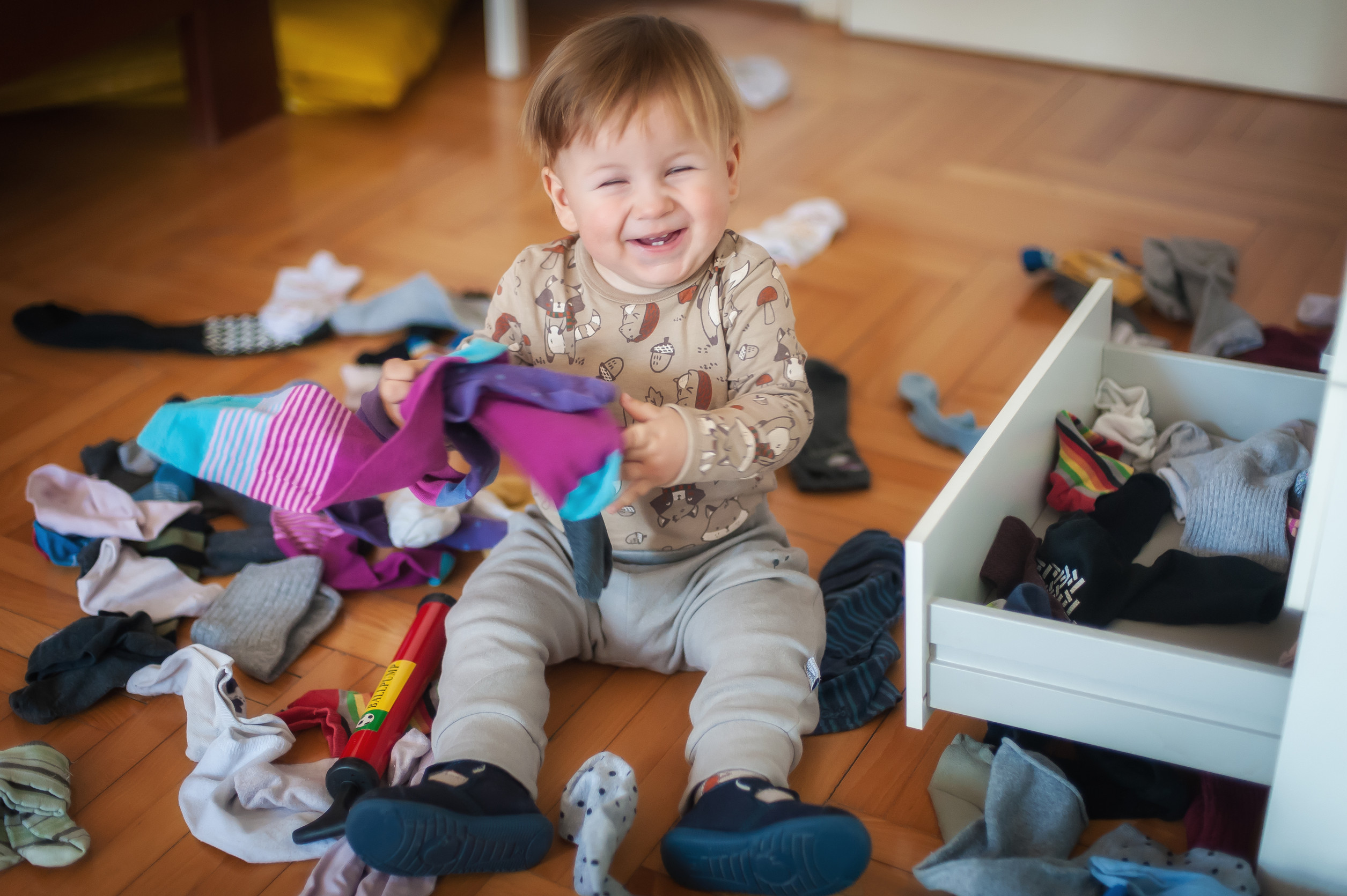
Filed Under: Parenting Tagged With: bored kids at home, cure cabin fever, family fun indoors, indoor activities for kids, Kids Crafts, parenting hacks, rainy day ideas, screen-free play

Skip These 7 Expenses and Your Kids Won’t Even Notice

May 27, 2025 | Leave a Comment

Skip These 7 Expenses and Your Kids Wont Even Notice

Parenting on a budget often feels like trying to stretch a dollar into ten—but the good news is, your kids don’t need nearly as much as advertisers would like you to believe. Many of the things we spend money on are more about keeping up appearances or chasing convenience than truly benefiting our children. In fact, you could skip these 7 expenses altogether and your kids wouldn’t blink an eye. When you’re looking for ways to cut costs without cutting joy, these are the low-hanging fruit every family should consider.

1. Trendy Themed Birthday Parties

Yes, birthdays are special—but kids remember the fun, not the dollar amount spent. When you skip these expenses, expensive themed parties with bounce houses, balloon arches, and custom cakes are an easy place to start. A backyard celebration with a homemade cake, a few friends, and simple games can be just as memorable. Young kids especially don’t need Pinterest-perfect décor to have a great time. Focus on laughter, not lavish spending.

2. Name-Brand Clothes They’ll Outgrow in a Month

Kids outgrow clothes fast—and stain faster. Shelling out for designer or name-brand clothes may feel like a treat, but your child is just as happy in a comfy, budget-friendly outfit. When you skip these expenses, overpriced clothing is a no-brainer. Hit up consignment stores, seasonal sales, or hand-me-downs from friends. Save the splurge for items they’ll wear longer, like coats or special-occasion outfits.

3. Overpriced Toys That Break or Bore Quickly

Walk through any toy store and you’ll see shelves of flashy toys that promise hours of entertainment—but often end up in the donation bin. When you skip these expenses, steering clear of the latest gadget or collectible toy fad can save you serious cash. Kids tend to return to simple, open-ended toys like building blocks, dolls, and art supplies anyway. Bonus: they’re also better for creativity and development. Less really is more when it comes to toys.

4. Elaborate School Supplies

That glitter-filled pencil pouch and $40 backpack might look adorable in August, but your child likely won’t care by October. Stick with durable basics and skip the trendy extras that get lost or broken in no time. Keeping school supply shopping simple can easily shave off unnecessary spending. Most teachers prefer functionality over flash anyway. Save the fun touches for things they’ll truly use every day.

5. Costly Kid-Specific Snacks

Individually packaged “kids’ snacks” may have cute characters on the label, but they often cost more for less food—and are rarely healthier. When you skip these expenses, switching to family-size portions and making your own snack packs at home can cut grocery bills quickly. Applesauce pouches, cheese sticks, and fruit snacks add up fast. Your child won’t notice if their crackers come from a bag you portioned yourself instead of a box with a cartoon on it.

6. Monthly Subscription Boxes

It’s easy to fall into the trap of monthly “educational” or toy subscription boxes—after all, they promise fun delivered right to your door. But after a few months, the novelty wears off and the boxes start to pile up. Letting go of auto-renewed boxes can free up your budget for more meaningful experiences. Local libraries, free printables, and DIY craft bins can offer just as much enrichment without the monthly fee. Your kids won’t miss what they didn’t ask for in the first place.

7. Kid Tablets and “Learning” Apps With Subscriptions

Digital devices for kids have become almost standard—but that doesn’t mean they’re necessary, especially when they come with a price tag and subscription costs. When you skip these expenses, unplugging can actually do your wallet and your child’s brain a favor. There are plenty of screen-free ways to learn and play that don’t drain your bank account or create battles over screen time. A few board games, books, and real-world activities go much further in fostering engagement. Your child doesn’t need the latest device to thrive.

Skip These Expenses to Costs Without Cutting Joy

Parenting isn’t about spending the most—it’s about showing up, loving big, and making choices that serve your family well. When you skip these 7 expenses, you’re not depriving your kids—you’re creating space for smarter spending, less stress, and more meaningful moments. Your child likely won’t remember which brand of snack they ate or whether their backpack had glitter on it. But they will remember the laughter, love, and time you spent together.

Have you cut a kid-related expense and found your child didn’t even notice? What would you add to the list? Let us know in the comments!

Read More:

8 Expenses for Children That No Parent Should Be Paying

6 Financial Traps Parents Fall Into Before Their Child Turns 5

Catherine Reed
Catherine Reed

Catherine is a tech-savvy writer who has focused on the personal finance space for more than eight years. She has a Bachelor’s in Information Technology and enjoys showcasing how tech can simplify everyday personal finance tasks like budgeting, spending tracking, and planning for the future. Additionally, she’s explored the ins and outs of the world of side hustles and loves to share what she’s learned along the way. When she’s not working, you can find her relaxing at home in the Pacific Northwest with her two cats or enjoying a cup of coffee at her neighborhood cafe.

Filed Under: Budgeting Tagged With: cut family costs, Family Budgeting, financial parenting advice, household tips, kid-friendly savings, parenting hacks, parenting on a budget, saving money with kids

Managing the Early Morning Toddler Tornado

May 27, 2025 | Leave a Comment

Managing the Early Morning Toddler Tornado

Some mornings feel like a full-body workout before you’ve even had your coffee. If you have a toddler, you know the early morning toddler tornado is real—complete with flying cereal, mismatched shoes, and a tiny human shouting about bananas. That blur between waking up and getting out the door can feel like chaos in motion, but it doesn’t have to stay that way. With the right routines, mindset, and a touch of humor, you can tame the storm and start your day on steadier ground. Here’s how to make mornings less overwhelming and more manageable for everyone in the house.

1. Create a Predictable Morning Routine

Toddlers thrive on routine, especially during the whirlwind of the early morning toddler tornado. A consistent sequence—like waking up, going potty, brushing teeth, getting dressed, and eating breakfast—gives your child a sense of control. Using a picture-based chart can help your toddler see what comes next without constant reminders. When expectations are clear, meltdowns tend to shrink, and cooperation increases. Sticking to the same order each morning builds confidence and reduces chaos for both child and parent.

2. Prep the Night Before for a Smoother Start

Getting ahead of the early morning toddler tornado starts the night before. Set out clothes, prep breakfast items, and pack bags before bedtime so you’re not scrambling in the morning. Lay out shoes and coats near the door to avoid last-minute searches that fuel frustration. Even your toddler can help with these tasks to foster independence and reduce morning resistance. With fewer decisions to make when you’re half-awake, you’ll feel calmer and more in control from the start.

3. Offer Choices to Reduce Power Struggles

Toddlers love to feel in charge, and giving them choices is a great way to prevent the storm from brewing. Let your child choose between two shirts or decide which fruit to eat with breakfast. These small decisions can help prevent major standoffs while still guiding them toward your preferred outcomes. When toddlers feel heard and respected, their cooperation tends to go up. Managing the early morning toddler tornado often comes down to avoiding unnecessary battles.

4. Keep Breakfast Simple but Satisfying

A hungry toddler is rarely a calm one, so breakfast plays a big role in keeping the peace. Stick with easy, familiar foods your child enjoys and can eat quickly—think yogurt, toast, or fruit. Avoid introducing new foods during the morning rush when time and patience are limited. Make breakfast part of the routine, not a power struggle, and keep a few grab-and-go options on hand for days when everything runs late. A full belly can quickly turn storm clouds into sunshine.

5. Use Music or Timers to Keep Things Moving

Toddlers aren’t naturally aware of time, so turning routines into games can help them stay on track. Play an upbeat “get ready” playlist or set a visual timer for brushing teeth and getting dressed. Music can energize sleepy little bodies while timers add a playful sense of urgency. These tools shift the focus from nagging to fun, making morning transitions smoother. When the early morning toddler tornado starts to spin, rhythm and routine can help ground it.

6. Practice Patience and Keep Expectations Realistic

There will be spills. There will be tantrums. Some days, despite your best planning, the early morning toddler tornado will still throw everything off course. The key is to keep your cool and remember that toddlers are still learning how to function in the world. Lowering your expectations just a little—and giving yourself grace—can make the difference between a rough morning and a recoverable one.

7. Build in Extra Time for the Unexpected

Toddlers move at their own speed, and it’s usually not yours. Adding just ten extra minutes to your morning routine can create enough buffer to handle delays without feeling rushed. Whether it’s a last-minute diaper change or a meltdown over the wrong color cup, having wiggle room helps everyone stay calmer. Being early is better than being frazzled. Planning for the unexpected is one of the smartest ways to weather the early morning toddler tornado.

8. Model Calm Behavior to Set the Tone

Your child picks up on your energy, and how you respond can either escalate or defuse the chaos. If you stay calm, your toddler is more likely to follow your lead. Speak in a soothing tone, move with intention, and try not to let your stress spill over. This doesn’t mean bottling up your feelings—just showing your child how to handle emotions constructively. Leading by example teaches valuable coping skills that can carry over into the rest of their day.

Even the Stormiest Mornings Can Turn Around

Managing the early morning toddler tornado isn’t about perfection—it’s about preparation, patience, and picking your battles. Toddlers will be toddlers, and that often means unpredictable behavior paired with lots of emotions before 8 a.m. But with structure, flexibility, and a little creativity, you can transform mornings from chaotic to (mostly) calm. And when all else fails, there’s always coffee.

What tricks or routines help calm the morning chaos in your house? Share your toddler-taming tips in the comments below!

Read More:

From Chaos to Calm: Strategies for Difficult Toddler Behavior

7 Secrets to Stopping Toddler Tantrums

Catherine Reed
Catherine Reed

Catherine is a tech-savvy writer who has focused on the personal finance space for more than eight years. She has a Bachelor’s in Information Technology and enjoys showcasing how tech can simplify everyday personal finance tasks like budgeting, spending tracking, and planning for the future. Additionally, she’s explored the ins and outs of the world of side hustles and loves to share what she’s learned along the way. When she’s not working, you can find her relaxing at home in the Pacific Northwest with her two cats or enjoying a cup of coffee at her neighborhood cafe.

Filed Under: Child behavior Tagged With: early childhood, family life, morning routine tips, parenting hacks, parenting stress, parenting toddlers, toddler behavior, toddler routine

8 Reasons Your Kids Prefer School Lunches to What You Pack

May 11, 2025 | Leave a Comment

8 Reasons Your Kids Prefer School Lunches to What You Pack

You lovingly pack sandwiches, snacks, and fruit, only to find them untouched, traded, or tossed. So what gives? If your child keeps choosing school lunches over the meals you send from home, you’re not alone. Despite your best efforts to offer healthy, well-balanced options, the cafeteria might still be winning their hearts (and taste buds). Kids view lunchtime as more than just food—it’s a social, sensory, and emotional experience. Here are eight surprising reasons your kids may be choosing school lunches over your carefully packed alternatives—and what you can do about it.

1. They Want to Eat What Their Friends Are Eating

Lunchtime is social; most kids don’t want to feel like the odd one out. If their friends are all eating pizza, nachos, or chicken nuggets from the cafeteria, your quinoa salad or turkey wrap might not stand a chance. Kids crave belonging, and food can quickly become a part of group identity. Even if they like what’s in their lunchbox, they may feel self-conscious eating something different. Sometimes it’s not about the food—it’s about fitting in.

2. The School Menu Feels Like a Treat

School lunches often feature foods your kids aren’t allowed to have at home regularly. Think French toast sticks, chocolate milk, or cheesy breadsticks. When kids see those items on the menu, it can feel like a treat, even if the nutritional value isn’t ideal. The cafeteria sometimes serves up comfort food that hits a nostalgic sweet spot, especially if you limit sugar or processed foods at home. That novelty alone can make school lunch more appealing than your well-balanced Bento box.

3. Variety Beats Repetition

Let’s be honest—most of us fall into lunch-packing routines that involve rotating the same few items. Peanut butter sandwiches, cheese sticks, and baby carrots can get old fast. Meanwhile, the school lunch menu offers variety, even if it’s not always healthy. Tacos on Tuesday, pasta on Wednesday, and breakfast for lunch on Friday? That’s exciting in kid terms. Mixing things up at home—even once a week—can make your packed lunches feel fresher and more fun.

4. They Don’t Like the Temperature or Texture of Packed Food

That lovingly packed grilled cheese is cold when lunch rolls around, and the apple slices might be brown. Many kids are sensitive to food texture and temperature, and what was delicious at 7:30 a.m. just doesn’t hold up by noon. School lunches are often served hot, and cafeteria staff are trained to present food in a way that’s more appealing at the moment it’s eaten. Consider using a thermos for warm options or packing frozen fruit that thaws by lunchtime. A little temperature control can make a big difference.

5. They Want to Feel Independent

When kids choose school lunch, it’s one of the few daily decisions they get to make entirely on their own. It gives them a sense of independence and control, especially in environments where rules dominate most of the day. Choosing a meal—even from a limited menu—can feel empowering. While you might feel frustrated by their choice, honoring their input can go a long way. Involve them in planning and packing lunch at home so they feel more ownership over the meal.

6. Packaging and Presentation Matter

School lunches are usually served on trays or in neatly organized compartments, and that structure makes food more visually appealing. If your packed lunch looks squished, soggy, or all shoved together, it may not get the attention it deserves. Kids often eat with their eyes first, and presentation counts—even at age eight. Investing in a quality lunchbox with separate compartments or colorful silicone cups can make a homemade meal look more fun and appetizing. The better it looks, the more likely they’ll eat it.

7. The Cafeteria Has More Options for Picky Eaters

Picky eaters love the ability to pick and choose. Cafeterias often have options for customizing meals—choosing fruit instead of veggies, skipping a side, or doubling up on their favorite part. That flexibility can feel more appealing than a pre-packed lunch that they have no say in. If your child tends to skip most of their packed lunch, it could be a sign they want more control over what goes in it. Offering them a few build-your-own lunch components can mimic the cafeteria experience positively.

8. There’s Less Pressure and More Fun

Sometimes, eating a packed lunch feels like an extension of home routines and parental expectations. School lunch, on the other hand, feels casual and carefree. No one’s watching to see if they eat their vegetables or finish their sandwich. This mental break can make the whole meal more enjoyable for your child. Reducing pressure around packed lunches and making room for flexibility may help even the playing field.

Packed Lunches Can Compete—If You Get Strategic

It’s not about beating the cafeteria—it’s about making home-packed meals feel just as fun, satisfying, and empowering. With a few tweaks—more variety, better presentation, and a little input from your child—you can turn their lunchbox into something they actually look forward to. And even if they choose the school lunch once in a while, that’s okay too. What matters most is fueling them with food they’ll eat and enjoy, wherever it comes from. Keep it creative and light, and involve them in the process.

Do your kids prefer school lunches or packed ones, and what tips have helped you make your lunches more appealing? Share your ideas in the comments!

Read More:

School Success Starts at Home—Here’s How to Prep Your Kids

5 Ways to Help Change a Child’s Bad Behavior at School

Catherine Reed
Catherine Reed

Catherine is a tech-savvy writer who has focused on the personal finance space for more than eight years. She has a Bachelor’s in Information Technology and enjoys showcasing how tech can simplify everyday personal finance tasks like budgeting, spending tracking, and planning for the future. Additionally, she’s explored the ins and outs of the world of side hustles and loves to share what she’s learned along the way. When she’s not working, you can find her relaxing at home in the Pacific Northwest with her two cats or enjoying a cup of coffee at her neighborhood cafe.

Filed Under: Healthy Living & Eating Tagged With: healthy kids meals, kids lunch tips, lunchbox ideas, packed lunches, parenting advice, parenting hacks, picky eaters, school cafeteria, school food, school lunches

Parenting Hacks That Actually Make Life Easier

May 4, 2025 | Leave a Comment

Image by Kelli McClintock 

Let’s be honest—parenting is one of the most rewarding jobs in the world, but it’s also one of the most exhausting. Between the endless laundry, forgotten lunchboxes, tantrums in Target, and the mythical idea of “me time,” it’s easy to feel like you’re just trying to survive each day. But it doesn’t have to be this way.

Some of the best parenting hacks aren’t about adding more to your plate. Tzhey’re about taking things off of it. Whether you’re raising toddlers or navigating the teenage years, a few clever strategies can make a world of difference in your daily life. The goal isn’t perfection—it’s practicality. Let’s dive into the hacks that actually help.

1. The “Set It and Forget It” Morning Routine

Mornings are often the most chaotic part of the day, especially when school and work deadlines collide. Simplify them with a visual morning checklist for your kids. Print or draw pictures of each task: get dressed, brush teeth, pack lunch, grab backpack.

Hang it in a visible spot and make it the new “parental reminder.” Instead of repeating yourself 50 times, you can just say, “Check your list.” It gives your kids more independence, and it gives you fewer headaches.

2. Embrace the “Two-Minute Toy Sweep”

Instead of letting toys pile up until the mess becomes overwhelming, set a two-minute timer after dinner each night. Everyone, including parents, spends those 120 seconds cleaning up. It’s short enough that no one complains but consistent enough to keep your home from spiraling into chaos.

Over time, this tiny habit adds up to a cleaner space and teaches your kids that cleaning doesn’t have to be a big, scary event. It’s just part of the rhythm of family life.

3. Put Snacks Where Kids Can Reach Them

Tired of being asked for a snack every 12 minutes? Create a kid-friendly snack drawer in your fridge or pantry. Fill it with healthy grab-and-go items you approve of—string cheese, sliced fruit, yogurt, granola bars, etc.

This one small setup teaches independence, reduces constant interruptions, and gives your kids a sense of control over their choices (within your boundaries). Everyone wins.

4. Use “When-Then” Statements for Better Cooperation

Battling over screen time, tooth brushing, or putting on shoes? Flip the script with “when-then” phrasing. Instead of yelling, “Brush your teeth now!” try: “When your teeth are brushed, then you can watch your show.”

It’s not bribery. It’s structure. These simple statements teach consequences in a calm, logical way and put the control back in your child’s hands. And it cuts down on power struggles big time.

5. Reuse the Calendar—Digitally and Visually

Every family needs a system that works. For digital folks, apps like Cozi or Google Calendar can keep everyone synced. For visual learners, use a whiteboard calendar in the kitchen to lay out the week.

Add chores, school events, soccer practice, and even “fun nights.” Kids love seeing what’s coming, and parents love not hearing “What are we doing today?” ten times in a row. The more predictable the rhythm, the fewer meltdowns you’ll see.

Image by Tim Mossholder

6. The Magic of a “Boredom Box”

When your kids say, “I’m bored,” you don’t need to scramble for ideas. Keep a boredom box filled with quiet, screen-free activities: coloring books, puzzles, DIY crafts, sticker sets, or prompts like “Draw your dream room.”

Having this box handy turns a frustrating moment into a fun one and gives you a breather when you need it most.

7. Rotate Toys Instead of Buying New Ones

If your kids are tired of their toys, you don’t necessarily need to buy more. Try rotating instead. Store half of the toys out of sight and swap them out every few weeks. Suddenly, “old” toys feel brand new again.

This hack minimizes clutter, saves money, and keeps playtime fresh without constantly adding to your toy budget.

8. Pre-Pack the Car Like It’s a Survival Kit

Keep a bin in your trunk with essentials: extra diapers, wipes, snacks, a change of clothes, bottled water, sunscreen, and a few emergency toys or books. Having this backup kit has saved countless parents from public meltdowns, blowouts, or unexpected errands that run longer than planned.

You’ll feel like a superhero the next time disaster strikes—and you’re ready.

9. Give Kids Jobs That Matter

Kids love feeling needed. Give them age-appropriate jobs that actually help the family—feeding pets, setting the table, sorting laundry. Instead of busy work, make it meaningful.

The result? More responsibility, less entitlement, and a stronger family team. Plus, they’re building life skills every single time.

10. Don’t Forget to Hack Your Own Time

Lastly, remember this: parenting hacks aren’t just about making life easier for your kids—they’re about making it better for you, too. Use online grocery pickup. Plan freezer meals. Decline the birthday party you feel guilty about.

Your energy matters. When you create systems that support your own well-being, everyone in the family benefits.

Parenting doesn’t need to be harder than it already is. These hacks may not solve every problem, but they’ll help you move from survival mode to something that feels a lot more like joy.

What’s the one parenting hack that’s changed your life the most? Or one you wish you’d discovered sooner?

Read More:

8 Reasons Why Parenting Today Is Way Too Soft: Here’s Why It Might Be Hurting Your Kids

10 Parenting Practices That Are More Harmful Than You Think

Filed Under: Child behavior, Parenting, Parenting Blog at KidsAintCheap Tagged With: busy parents tips, family organization, independent kids, morning routine for kids, parenting hacks, parenting made easier, parenting systems, raising confident kids, real life parenting solutions, time-saving parenting tricks

What to Do If Your Child Gets Lost in a Public Place

May 2, 2025 | Leave a Comment

Image by Luke Pennystan

Your heart drops. Your stomach twists. One minute, your child is by your side in a crowded store or park, and the next—they’re gone. It’s every parent’s worst fear: losing a child in a public space. But while those first seconds are filled with panic, knowing what to do ahead of time can make all the difference.

Children wandering off happens more often than most people think. Whether distracted by a toy display or chasing after something shiny, kids can disappear in the blink of an eye. That’s why preparation, quick action, and a calm mind are essential tools for every parent or caregiver.

Stay Calm and Scan the Area

The moment you realize your child isn’t in sight, take a deep breath. You’ll need a clear head to think critically and act quickly. Start by scanning your immediate surroundings. Children often move in a straight line, so check in the direction they were last walking.

Look under clothing racks, behind displays, or anywhere a small child might duck into. Call their name loudly but calmly. Avoid yelling in a panic, which could scare them further or make it harder for others to understand your situation.

Alert Nearby Staff Immediately

Whether you’re in a store, amusement park, museum, or airport, alert an employee right away. Staff are usually trained for these scenarios and can trigger a code alert, lock doors, or initiate a search procedure.

Give a clear and specific description of your child: their age, height, hair color, clothing, and any distinguishing features. Mention any nickname they might respond to and where you last saw them. The faster you report them missing, the faster a coordinated effort can begin.

Enlist the Help of Bystanders

Don’t be afraid to speak up and ask for help from those around you. The more eyes you have looking, the better. Describe your child to other nearby adults and ask them to help search. In crowded areas, enlist people to guard exits in case your child is wandering.

Most parents will jump at the chance to help another family in distress. Kind strangers can play a crucial role in expanding your search perimeter quickly.

Stay in One Spot (If That Was the Agreed Meeting Point)

If you’ve previously discussed a meeting point with your child, such as a front desk or entrance sign, stay close to that area. Many children remember to go back to the spot where they last saw you or where they were told to go if they got separated.

If you haven’t discussed a plan in advance, consider making that part of your family safety talks from now on. Children respond well to repetition and routine—and having a plan gives them power.

Image by Kelli McClintock

Notify Security or Law Enforcement if Needed

If your child isn’t located within a few minutes and you’re in a large venue or outdoor space, escalate the situation. Contact local security or police and provide a full description, including any digital photo you may have on your phone. Don’t wait until it “feels serious”—authorities would rather respond to a false alarm than a delayed emergency.

Most public places have security cameras, and time is your ally. The sooner they’re informed, the faster they can review footage, scan exits, and begin a coordinated effort to reunite you with your child.

Teach Your Child What to Do If They Get Lost

Prevention is key, and the best way to keep your child safe is by preparing them before a separation ever happens. Teach them these simple, memorable tips:

  • Stay in one place.
  • Look for a safe adult—like a cashier, employee in uniform, or a parent with children.
  • Never leave the building or area to look for you.
  • Know your full name, phone number, and what you’re wearing.

Practicing these steps at home and during outings can make them second nature in a real emergency.

Use Preventive Tools and Techniques

In busy environments, take small precautions to reduce the risk of losing your child. Dress them in bright colors, take a photo of them before leaving the house, and use temporary ID tattoos or bracelets with your contact info.

For toddlers, consider using child harnesses or wristbands if you’re in especially busy locations like airports or amusement parks. It may feel excessive, but if it brings peace of mind and safety, it’s worth considering.

Also, remind kids that if they ever feel lost, staying put and yelling your name is better than wandering or hiding.

After the Reunion: Decompress and Reassure

When your child is safely back in your arms, both of you may be shaken. Take a few moments to hug them, let them cry, and process the moment. Resist the urge to scold them. Instead, focus on reassuring them that they’re safe and that you’re proud of them for handling the situation.

Later, you can calmly talk about what happened and go over what to do differently next time. This helps them learn without fear or guilt.

A lost child moment is every parent’s nightmare, but being prepared turns panic into power. With quick thinking and clear action, reunions happen faster and safer.

Have you ever lost sight of your child in public? What did you do, and what helped the most?

Read More:

13 Essential Safety Tips for Parents When Kids Are Spending the Night With Friends

7 Ways to Teach Kids to Trust Their Instincts About Safety

Filed Under: Parenting Tagged With: child protection, child safety, crowd safety for kids, family emergency planning, lost child tips, missing child, parenting advice, parenting hacks, public safety, what to do if child gets lost

7 Parenting Hacks You’ll Wish You Learned Sooner

April 18, 2025 | Leave a Comment

dad with child at the fair
Image Source: Unsplash

Every parent—somewhere between finding the missing sneaker and refereeing round three of “Who Touched My Toy?”—has whispered (or shouted), “There has to be an easier way.” The happy truth is that “easier” often means “smarter,” and a handful of carefully chosen systems can transform perpetual chaos into something that resembles calm.

The best parenting hacks don’t just shave minutes off the morning rush; they nurture independence, reduce friction, and free up mental space for what matters most—connection, laughter, and maybe even a hot cup of coffee that’s actually hot.

Below are seven field‑tested strategies that work for toddlers, tweens, and stressed‑out grown‑ups alike. Pick two to try this week and watch the tension drop as quickly as snack crumbs off a high chair.

Hack 1 – The Two‑Bin Closet System

Laundry is the chore that never sleeps, but it doesn’t have to be a seven‑day mountain. Place two sturdy bins or baskets in each child’s closet—one labeled “Wear Again” and the other “Laundry.” When kids change after school or sports, lightly worn jeans and sweatshirts go into the “Wear Again” bin instead of the hamper.

Suddenly, you’re washing half‑day outfits only when they actually need it, not because they hit the floor. Most families report reducing weekly loads by 25–35 percent after just one month. The side benefit? Mornings become grab‑and‑go because cleanish favorites are right where kids can find them, not buried in a hamper of questionable socks.

Hack 2 – Snack‑Station Independence

Few sentences exhaust caregivers faster than “I’m huuungry!” Dedicating a low pantry shelf—or a single plastic drawer in the fridge—to pre‑portioned snacks gives kids safe autonomy. Fill clear bins with granola bars, pretzel bags, fruit cups, and string cheese.

Label the area “Any Time” so children know they don’t need permission to fuel up. Not only do you slash the number of mini‑meltdowns, but you also teach portion control and decision‑making. Younger kids feel empowered; older kids stop ransacking shelves like midnight raccoons.

mom with baby
Image Source: Unsplash

Hack 3 – Night‑Before Staging Zone

If mornings at your house resemble an airport with no departure board, designate a launch pad. Place a small bench, basket, or cubby system near the door. Every evening, each family member deposits backpacks, homework folders, sports gear, instruments, and shoes in “their” slot.

In the morning, the house no longer echoes with frantic cries of “Where’s my library book?” or “Who moved my cleats?” This single habit can shave 10–15 minutes off the exit scramble and lowers your stress more than the strongest latte.

Hack 4 – Timer Tooth‑Brushing Playlist

Dental hygiene shouldn’t require a wrestling match. Create a two‑minute playlist—Disney, K‑pop, or even the Paw Patrol theme—and tell kids brushing ends when the song does.

Music hijacks the brain’s internal clock, making time pass faster, while providing a built‑in timer dentists recommend. Parents transform from nagging overlords into enthusiastic DJs, and kids build lifelong healthy habits without a lecture.

Hack 5 – Kitchen Scissors at Mealtime

Forget hacking away with knives or waiting ages for food to cool. Keep a pair of food‑grade kitchen shears next to each plate. Snip spaghetti strands, cut chicken, or divide pancakes into bite‑size pieces in seconds—no extra cutting board required.

Smaller portions cool faster, reducing the “too hot” wails, and toddlers practice self‑feeding sooner. The result: shorter meals, less mess, and fewer trips to the microwave.

Hack 6 – Color‑Coded Calendar System

Between orthodontist appointments, dance rehearsals, and work deadlines, even the most organized family can suffer schedule whiplash. Assign each family member a distinct color on a wall calendar or digital app like Google Calendar. At a glance, everyone sees who must be where and when.

Color coding reduces double bookings, last‑minute scrambles, and the inevitable “You never told me!” debates. It also teaches kids time ownership—when they see a blue block marked “piano practice,” they know exactly which commitment is theirs.

Hack 7 – Quarterly “Yes Day” Coupon

Constant no’s drain everyone’s morale. Print a simple coupon good for one Yes Day every three months. Within budget, safety, and basic family rules, kids get to steer the agenda—pancakes for dinner, a living‑room campout, or extra playground time.

Because the “yes” is scheduled, daily boundary setting becomes easier: “Save that idea for our next Yes Day, okay?” Parents say whining decreases and creativity soars, while kids revel in feeling heard and empowered.

Why Simple Systems Beat Daily Stress

These seven parenting hacks succeed because they externalize executive‑function tasks—planning, organizing, time‑tracking—that otherwise drain mental energy. By outsourcing routine decisions to bins, playlists, and color‑coded cues, you reclaim bandwidth for empathy, play, and meaningful conversation.

Children benefit too: consistent systems build autonomy, predictability, and confidence. Start small—pick two hacks to implement this week—then layer on others as they stick. Soon you’ll wonder how you ever parented without them, and that elusive warm cup of coffee might finally make it to empty before turning cold.

What genius hack keeps your household humming? Share your tips in the comments—we’re always adding to the toolbox!

Read More

  • Why Some Boomers Struggle With Their Kids’ Mental Health Needs
  • 7 Things Kids Don’t Actually Need That Parents Still Feel Guilty About
Samantha Warren
Samantha

Samantha Warren is a holistic marketing strategist with 8+ years of experience partnering with startups, Fortune 500 companies, and everything in between. With an entrepreneurial mindset, she excels at shaping brand narratives through data-driven, creative content. When she’s not working, Samantha loves to travel and draws inspiration from her trips to Thailand, Spain, Costa Rica, and beyond.

Filed Under: Parenting Tagged With: child independence, family organization, household tips, parenting hacks, time management

« Previous Page
Next Page »
  • Facebook
  • Pinterest
  • RSS
  • Twitter

Basic Principles Of Good Parenting

Here some basic principles for good parenting:

  1. What You Do Matters: Your kids are watching you. So, be purposeful about what you want to accomplish.
  2. You Can’t be Too Loving: Don’t replace love with material possessions, lowered expectations or leniency.
  3. Be Involved Your Kids Life: Arrange your priorities to focus on what your kid’s needs. Be there mentally and physically.
  4. Adapt Your Parenting: Children grow quickly, so keep pace with your child’s development.
  5. Establish and Set Rules: The rules you set for children will establish the rules they set for themselves later.  Avoid harsh discipline and be consistent.
  6. Explain Your Decisions: What is obvious to you may not be evident to your child. They don’t have the experience you do.
  7. Be Respectful To Your Child: How you treat your child is how they will treat others.  Be polite, respectful and make an effort to pay attention.
Best Parenting Blogs

Most Popular

Baby

9 Unusual Baby Names That Sound Like They Belong to Future CEOs

Evan Morgan
Baby

10 Baby Names That Were Once Considered “Grandparent Names” but Feel Cool Again

Evan Morgan
Target Store

Choking Incident Prompts Recall of 49,000 Target Gigglescape “Under the Sea” Popping Toys

Evan Morgan
Frustrated Girl

Why Some Students on the Spectrum Are Labeled With ODD

Evan Morgan
Coke Bottles

12 Things Kids Took to School in the ’70s That Would Never Be Allowed Today

Evan Morgan

All content on Kids Ain’t Cheap is for entertainment purposes only. By reading this blog, you agree that Kids Ain’t Cheap is not responsible for any actions taken after reading this blog. For the full disclaimer, see our privacy policy.

Please note that Kids Ain’t Cheap has financial relationships with some of the merchants mentioned here. Kids Ain’t Cheap is funded by banner advertising, commission sales and search optimization consulting.

Copyright © 2006–2026 | District Media | All Rights Reserved | Privacy Policy

Copyright © 2026 Runway Pro Theme by Viva la Violette