
• Home
  • About Us
  • Toolkit
  • Archives
  • Advertise
  • Privacy Policy

Kids Ain't Cheap

But They Sure Are Worth It

  • Parenting
    • Baby Stuff
    • Books and Reading
      • Aesops Fables
      • Comic Books
    • Education
    • Family Time
    • Green Living
    • Growing Up
    • Healthy Living & Eating
    • Holidays
    • Parenting
    • Random Musings
    • Shopping
    • Stuff to Do
  • Money
  • Product Reviews
    • Books and Magazines
    • Discount Sites
    • Furniture
    • House Keeping
    • Reviews News
    • Toys and Games
  • Contact Us
  • Our Editorial Commitment
  • Search

Why Giving Kids Everything Is Creating a Generation That Can’t Cope

May 13, 2025 | Leave a Comment

Why Giving Kids Everything Is Creating a Generation That Cant Cope

Every parent wants to give their child the best: the best experiences, the best toys, the best education, and the best chance at happiness. But somewhere along the line, “giving them the best” became “giving them everything,” and that shift is taking a toll. More and more young people are struggling with anxiety, burnout, and low frustration tolerance – not because they’re weak, but because they’ve never had to develop the muscles of resilience. When kids don’t learn how to deal with disappointment, effort, or boredom, they enter the world emotionally unprepared. Raising resilient kids doesn’t mean giving less love – it means giving fewer crutches.
Let’s explore how overindulging, even with the best intentions, is backfiring – and what we can do to change course.

1. Instant Gratification Weakens Patience

Thanks to technology and on-demand everything, kids can get what they want with a swipe or a click. But when every desire is met instantly, the ability to wait, plan, or earn something starts to fade. Delayed gratification is a cornerstone of emotional regulation and long-term success. Without it, frustration builds quickly, and kids may struggle to focus or commit to long-term goals. Teaching kids to wait – even just a few extra minutes – helps build self-control and emotional endurance.

2. Constant Praise Undermines Real Confidence

It might seem harmless to tell your child they’re amazing at everything, but constant praise can actually backfire. When kids are praised for every little thing – no matter the effort or outcome – they begin to expect recognition without real achievement. Over time, this can lead to insecurity, perfectionism, or a fear of failure. True confidence comes from trying, failing, and trying again – not from being told you’re perfect. Raising resilient kids means letting them struggle and succeed on their own terms.

3. Shielding Them from Disappointment Robs Them of Growth

It’s heartbreaking to see your child upset, but protecting them from every form of disappointment teaches the wrong lesson. Whether it’s not making the team or not getting invited to a party, these are essential learning moments. They teach empathy, grit, and perspective. When parents try to “fix” everything, kids never get the chance to practice handling adversity. Life includes setbacks – and kids need opportunities to experience and bounce back from them.

4. Over-Scheduling Leaves No Time to Build Coping Skills

Between sports, music lessons, tutoring, and enrichment programs, today’s kids are often booked from morning to bedtime. While opportunities are great, too much structure leaves little room for self-direction or creative problem-solving. Unstructured time – yes, even boredom – is where kids learn to entertain themselves, manage emotions, and develop independence. When every minute is planned, kids don’t learn how to cope when the plan doesn’t go their way. A little “do nothing” time can go a long way in building resilience.

5. Too Many Choices Create Stress Instead of Freedom

Giving kids a say in family decisions is empowering – until it becomes overwhelming. Letting a child choose every meal, every outfit, and every weekend plan can lead to anxiety, decision fatigue, and entitlement. Not every choice needs to be theirs. Children feel safer and more confident when parents set healthy boundaries. Raising resilient kids sometimes means saying “no” and sticking to it without negotiation.

6. Lack of Responsibility Delays Maturity

When kids aren’t expected to help around the house or take responsibility for their actions, they miss crucial life lessons. Chores, routines, and follow-through build accountability and pride. If everything is done for them, they may grow into teens – and eventually adults – who don’t know how to manage basic responsibilities. Kids benefit from being needed and trusted with age-appropriate tasks. The more responsibility they practice now, the more capable they become later.

7. Fear of Failure Replaces a Love of Learning

When the focus is on constant success or perfection, kids can become terrified of failure. This fear can stop them from trying new things or taking healthy risks. But making mistakes is how people learn – especially children. If parents step in too often to prevent failure, they rob kids of the lessons that come with falling down and getting back up. Building resilience means encouraging effort over outcome and curiosity over perfection.

Strong Kids Aren’t Born – They’re Built

Every generation faces its own challenges, but today’s kids are growing up in a world filled with pressure, noise, and instant access to everything. Giving them love and support is vital – but so is giving them space to grow, fall, and rise again. Raising resilient kids doesn’t mean making life harder on purpose. It means allowing them to face small, manageable struggles now so they’re prepared for bigger ones later. The greatest gift we can give our kids isn’t everything they want – it’s the strength to handle whatever life throws their way.
What steps have you taken to raise resilient kids in a world of overindulgence? Share your thoughts in the comments!

Read More:

8 Times You Should Let Your Child Struggle (Yes, Really)

The High Price of Pretending Your Kid Can Do No Wrong

Catherine Reed
Catherine Reed

Catherine is a tech-savvy writer who has focused on the personal finance space for more than eight years. She has a Bachelor’s in Information Technology and enjoys showcasing how tech can simplify everyday personal finance tasks like budgeting, spending tracking, and planning for the future. Additionally, she’s explored the ins and outs of the world of side hustles and loves to share what she’s learned along the way. When she’s not working, you can find her relaxing at home in the Pacific Northwest with her two cats or enjoying a cup of coffee at her neighborhood cafe.


Filed Under: Parenting Tagged With: building confidence, child development, coping skills, emotional resilience, Mental Health, overindulgent parenting, parenting tips, Raising Resilient Kids

8 Reasons Your Kids Prefer Being at Daycare More Than Home

May 12, 2025 | Leave a Comment

8 Reasons Your Kids Prefer Being at Daycare More Than Home

It can sting a little to hear your child say they want to stay at daycare instead of coming home. After all, home is where the heart is, right? But if your kid lights up when they talk about daycare or seems reluctant to leave, don’t panic—it’s more common than you think. In fact, there are some great reasons behind why kids love daycare, and most of them have nothing to do with how much they love their parents. It often comes down to structure, stimulation, and social opportunities that align perfectly with how young kids learn and grow.
Let’s take a closer look at what makes daycare so appealing—and how you can bring a little of that magic into your home life.

1. There’s Always Something to Do

Daycares are designed to keep kids engaged from the moment they arrive until the moment they leave. From sensory bins and story circles to music time and crafts, there’s always something new to explore. This constant rotation of activities keeps boredom at bay and feeds their natural curiosity. At home, even the best-planned day can’t always match that level of variety. Kids thrive on stimulation, and daycare delivers it on a schedule built just for them.

2. Social Time Is Built In

One of the biggest reasons why kids love daycare is the daily access to other kids. Whether they’re learning to share toys, take turns, or play pretend, children get tons of social practice throughout the day. At home, especially in smaller families, they may not have as many opportunities to interact with peers. Social development is a huge part of early childhood—and daycare is where that growth often flourishes. It’s not that they don’t love being home, but daycare might just be more “people-packed.”

3. The Routine Feels Safe

Daycares follow a reliable schedule: snack time, circle time, nap time, outdoor play—it’s the same rhythm every day. For young children, this predictability is comforting. Knowing what comes next helps them feel secure and in control of their environment. While home life can be loving and flexible, it may not always follow such a set structure. Kids often feel calmer in places where the day is more predictable.

4. They Get More Independence

At daycare, kids are encouraged to do age-appropriate things on their own—clean up toys, wash hands, pick their own activities. That little taste of independence is empowering. At home, it’s easy to step in and do things for them, especially when you’re in a rush. But daycare lets kids practice autonomy in a safe, supervised space. That freedom feels exciting and gives them a sense of accomplishment.

5. They Love the Teachers

Daycare teachers aren’t just caretakers—they’re trained to connect with children, support emotional development, and make learning fun. Many kids form strong bonds with their caregivers and look forward to seeing them each day. It’s not about replacing parents—it’s about expanding a child’s circle of trusted adults. The warm, enthusiastic attention they receive helps them feel seen and valued. And when kids feel secure, they want to keep going back.

6. No “Adult Stuff” Distractions

At home, parents juggle laundry, work calls, errands, and everything else on the to-do list. It’s hard to give full, uninterrupted attention all the time—and that’s okay. At daycare, though, adults are 100% focused on the kids. The environment is designed around their needs and interests without the usual household distractions. Kids often feel like the center of the universe at daycare—and that attention is hard to compete with.

7. Learning Feels Like Play

One reason why kids love daycare so much is because they’re learning without even realizing it. Activities are hands-on, fun, and often disguised as games or exploration. Whether it’s building with blocks or dancing to music, their brains are growing while their bodies are moving. At home, “learning time” might feel more structured or even boring by comparison. Daycare blends education with excitement in a way that keeps them coming back for more.

8. It’s Their Own Space

Daycare feels like theirs. They have their cubby, their art on the wall, their friends, and a routine that feels familiar. Home is where family lives—but daycare is where they build their own little world. That sense of ownership and identity is important for growing confidence. When kids feel like a space belongs to them, they naturally enjoy being there.

Celebrate the Joy—Then Bring Some Home

If your child seems to prefer daycare, it doesn’t mean they love you any less—it just means daycare offers things that meet their developmental needs in a big way. Use this insight to make home life feel a little more like daycare: add more routine, offer more choices, and build in play-based learning. When kids feel supported both at daycare and at home, everyone wins.
Does your child light up when it’ time to go to daycare? What do you think makes daycare so exciting for your little one? Share your experiences and thoughts with other parents in the comments!

Read More:

Choosing Daycare: Finding the Perfect Fit

Parenting on a Budget: 8 Tips for Affordable Childcare Alternatives

Catherine Reed
Catherine Reed

Catherine is a tech-savvy writer who has focused on the personal finance space for more than eight years. She has a Bachelor’s in Information Technology and enjoys showcasing how tech can simplify everyday personal finance tasks like budgeting, spending tracking, and planning for the future. Additionally, she’s explored the ins and outs of the world of side hustles and loves to share what she’s learned along the way. When she’s not working, you can find her relaxing at home in the Pacific Northwest with her two cats or enjoying a cup of coffee at her neighborhood cafe.

Filed Under: Parenting Tagged With: child independence, child routine, daycare benefits, daycare vs home, early childhood development, parenting tips, Social Skills, why kids love daycare

5 Sad Lessons Every Parent Of A Missing Child Has to Learn

May 12, 2025 | Leave a Comment

5 Sad Lessons Every Parent Of A Missing Child Has to Learn

Every parent’s worst fear is their child disappearing. Whether it’s a momentary separation in a store or a case that stretches on for weeks or months, the panic, grief, and uncertainty are like nothing else. For families of a missing child, life instantly splits into a before and after—one filled with unimaginable fear, frustration, and helplessness. Sadly, most parents are unprepared for what actually happens when a child goes missing. The emotional, legal, and logistical challenges go far beyond what anyone expects.
These five heartbreaking lessons reflect the difficult truths families learn too late. If shared, they might help other parents prepare, prevent, or better navigate the unthinkable.

1. Time Is Everything—But It Moves Too Slowly

When a child goes missing, every second counts—but the response doesn’t always feel that urgent. Parents may expect immediate action, only to face delays due to protocol, jurisdiction questions, or mistaken assumptions about runaways. The first 48 hours are critical for gathering clues, yet the clock can feel agonizingly slow. While law enforcement does their best, parents often find themselves begging for faster responses, only to learn how long the system can take. Every minute without answers feels like a lifetime.

2. You’ll Be Treated as Both Victim and Suspect

It’s one of the cruelest realities for parents of a missing child—you aren’t just grieving, you’re under the microscope. Authorities must consider every possibility, including family involvement, which can lead to uncomfortable questions and even accusations. While most investigators are respectful, the process still feels invasive when all you want is help finding your child. You may need to provide phone records, home access, and details about your parenting, all while fighting to stay strong. The emotional toll of being doubted adds another layer to an already devastating situation.

3. Public Awareness Doesn’t Always Translate to Help

Getting media attention can feel like a victory, but it doesn’t always bring the support you expect. Stories fade quickly from the headlines, and public interest often depends on how “newsworthy” your case is perceived to be. Some parents find themselves pleading with the media to keep their child’s face in the spotlight while competing with other stories for coverage. And while social media can help spread awareness, it also invites unsolicited opinions, criticism, and misinformation. It’s a heavy burden to balance hope, grief, and the pressure to “market” your missing child to the world.

4. Life Doesn’t Pause—Even When Yours Does

The world keeps moving, even when yours has shattered. Bills still need to be paid, jobs may still demand attention, and siblings still need care and comfort. Parents of missing children often face financial strain from taking time off work, printing flyers, hiring private investigators, or even offering rewards. Friends and family may rally at first, but over time, support can fade—leaving you to navigate it all while still searching. Coping with the disappearance of your child is exhausting enough without the added pressure of keeping everything else from falling apart.

5. You’ll Never Be the Same—Even If They Come Home

Even in the best-case scenario—your child returns—things don’t just go back to normal. Trauma leaves lasting marks on everyone involved. Parents may experience long-term anxiety, PTSD, or guilt, and children who were missing may need counseling, healing, and time to feel safe again. For those who never get answers, grief becomes a quiet companion, always there, always unanswered. Hope doesn’t end, but it changes, and so does your identity as a parent and a person.

Heartbreak No One Should Face—But Some Do

No parent wants to imagine their child disappearing, yet it happens more often than we think. By listening to those who’ve been through it, we can better understand the real toll and how to support families caught in this nightmare. It’s not about fear—it’s about being informed, prepared, and compassionate. Because no one should have to learn these lessons the hard way.
What steps have you taken to keep your family safe, or what lessons would you share with others? We invite your thoughts and stories in the comments.

Read More:

The ‘Stranger Danger’ Myth: Teaching Kids About Real Safety Risks

Teaching Kids How to Recognize and Escape Dangerous Situations

Catherine Reed
Catherine Reed

Catherine is a tech-savvy writer who has focused on the personal finance space for more than eight years. She has a Bachelor’s in Information Technology and enjoys showcasing how tech can simplify everyday personal finance tasks like budgeting, spending tracking, and planning for the future. Additionally, she’s explored the ins and outs of the world of side hustles and loves to share what she’s learned along the way. When she’s not working, you can find her relaxing at home in the Pacific Northwest with her two cats or enjoying a cup of coffee at her neighborhood cafe.

Filed Under: Parenting Tagged With: child abduction awareness, child safety, child search support, family trauma, missing child, missing persons, parental grief, parenting challenges

You’re Not Disciplining—You’re Negotiating (And It’s Costing You)

May 12, 2025 | Leave a Comment

Youre Not Disciplining Youre Negotiating And Its Costing You

It starts out innocently enough. Your child doesn’t want to leave the playground, so you offer five more minutes if they promise not to whine. Then it’s an extra cookie if they finish their vegetables. Before long, you’re trapped in a pattern of constant bargaining, and your child is running the show—without even realizing it. If you find yourself explaining, pleading, or bribing more than actually setting limits, you’re not disciplining—you’re negotiating.
And the cost is higher than you think. Without clear boundaries, kids miss out on learning self-regulation, respect, and consequences. Effective discipline isn’t about control—it’s about teaching. Let’s look at the habits that quietly turn discipline into negotiation—and how to fix them before it becomes the norm.

1. You Give Warnings… Then More Warnings

One gentle reminder can be helpful. But when reminders become endless warnings with no follow-through, kids learn that you don’t mean what you say. They wait until the fifth time because that’s when they know you’re serious. This undermines your authority and sets up a power struggle where kids test limits to see just how far they can push. Clear expectations with consistent consequences build trust—and lead to fewer battles in the long run.

2. You Ask Instead of State

It’s tempting to soften directives to avoid sounding harsh. But turning commands into questions—like “Do you want to clean your room now?”—gives children the impression that they have a choice when they don’t. This opens the door to debate and resistance. Kids thrive with clarity, and firm statements show that some responsibilities aren’t negotiable. “It’s time to clean your room now” is both respectful and clear.

3. You Over-Explain to Justify Rules

Children deserve to understand the “why” behind rules—but that doesn’t mean turning every moment into a TED Talk. When you feel pressured to give long explanations in the heat of the moment, you may end up sounding unsure or defensive. Over-explaining can lead kids to believe rules are up for discussion. A short, confident reason shows that the rule stands—and helps avoid circular conversations. Save deeper discussions for calm moments when learning can actually happen.

4. You Trade Consequences for Bribes

Saying “If you stop yelling, I’ll buy you a toy” might calm the storm temporarily, but it teaches the wrong lesson. Bribing replaces consequences with rewards and reinforces the idea that bad behavior can earn perks. Effective discipline focuses on teaching accountability, not appeasing frustration. Kids need to understand that choices have consequences—good or bad. Consequences build character; bribes build entitlement.

5. You Let Emotions Drive the Rules

Every parent has been there: you’re exhausted, your child is pushing every button, and suddenly the rules bend. While it’s human to want peace, inconsistency leads to confusion. When consequences depend on your mood, kids don’t know what to expect—and that uncertainty often leads to more acting out. Discipline grounded in routine and logic, not emotion, creates a stable foundation. Calm consistency is a superpower, even when it’s hard.

6. You Offer Too Many Choices

Choice can be empowering, but too many options can overwhelm young kids and dilute your authority. When every request comes with five alternatives, it sends the message that you’re unsure or easily swayed. Instead, offer limited choices only when appropriate—like “Would you like to do your homework before or after dinner?” This maintains structure while giving kids a sense of control. Balance is key in effective discipline: some things are flexible, but others are non-negotiable.

7. You Wait for Agreement

Sometimes, it feels like discipline won’t work unless your child agrees with it. But children don’t need to like a consequence for it to be valid. Waiting for buy-in can stall necessary action and shift control away from the parent. Kids will test limits—that’s developmentally normal. Your job is to stay firm and kind, even when your child is upset about the rules.

Clear Discipline Creates Calm Families

Negotiating with children may feel like you’re keeping the peace, but it often creates more chaos in the long term. Kids crave boundaries, even if they push against them. Effective discipline gives children what they really need: clarity, structure, and trust that the adults in their life will lead with strength and compassion. You don’t need to argue, explain, or bargain—just stand steady and consistent. That’s how respect grows.
Have you caught yourself negotiating when you meant to discipline? What changes helped bring more calm and clarity to your parenting? Join the conversation below!

Read More:

10 Creative Discipline Techniques That Don’t Involve Time-Out of Punishments

The High Price of Pretending Your Kid Can Do No Wrong

Catherine Reed
Catherine Reed

Catherine is a tech-savvy writer who has focused on the personal finance space for more than eight years. She has a Bachelor’s in Information Technology and enjoys showcasing how tech can simplify everyday personal finance tasks like budgeting, spending tracking, and planning for the future. Additionally, she’s explored the ins and outs of the world of side hustles and loves to share what she’s learned along the way. When she’s not working, you can find her relaxing at home in the Pacific Northwest with her two cats or enjoying a cup of coffee at her neighborhood cafe.

Filed Under: Parenting Tagged With: child behavior, child development, effective discipline, family routines, parenting consistency, parenting mistakes, parenting tips, setting boundaries

8 Modern Parenting Trends That Are Making Kids Entitled

May 12, 2025 | Leave a Comment

8 Modern Parenting Trends That Are Making Kids Entitled

Parenting in the 21st century comes with a unique set of challenges—and even more opinions. Social media, gentle parenting trends, and high-pressure education standards have reshaped how many families approach child-rearing. But some modern parenting habits, while well-intentioned, may be creating a generation of children who struggle with gratitude, independence, and resilience. When kids grow up expecting praise for minimal effort or avoiding responsibility altogether, it raises a bigger question: are we helping them thrive or setting them up to expect the world without earning it?


Let’s take a closer look at the parenting trends that may be unintentionally feeding into entitlement. Spotting these habits now gives parents the chance to make course corrections that benefit kids in the long run—setting them up not just for success, but for strength of character.

1. Over-Praising for Basic Tasks

It’s natural to want to build a child’s confidence, but too much praise for ordinary tasks can backfire. When kids are constantly applauded for brushing their teeth or picking up one toy, they may grow to expect rewards for simply doing what’s necessary. This reduces intrinsic motivation and fosters the belief that praise is owed, not earned. Children can start to equate minor effort with major recognition, leaving them unprepared for real-world standards. Encouragement is great, but it needs to match the effort and context.

2. Avoiding the Word “No”

Saying “yes” all the time might seem like a path to keeping peace, but it can raise entitled kids who assume boundaries don’t apply to them. Children need structure to learn that the world won’t always accommodate their every want. When parents constantly bend rules to avoid tantrums or disappointments, they deny kids the chance to develop emotional resilience. Limits and boundaries teach patience, negotiation, and respect for others’ needs. Saying “no” lovingly isn’t punishment—it’s preparation.

3. Giving in to Instant Gratification

With next-day delivery, on-demand entertainment, and endless apps, instant gratification is everywhere—and many parents unintentionally reinforce it. When kids are never asked to wait or work toward something, they miss out on developing patience and perseverance. This creates a mindset where waiting feels like suffering and effort feels optional. Gratitude often comes from anticipation and hard work, not immediate access. Teaching kids to delay gratification builds stronger, more appreciative individuals.

4. Solving Every Problem for Them

It’s tempting to step in when a child struggles, whether it’s forgotten homework or a playground disagreement. But constantly fixing their problems teaches them to depend on others to clean up their messes. Over time, this can result in a lack of accountability and self-confidence. Kids learn important life skills by facing challenges, making mistakes, and figuring things out. Letting them stumble safely now helps them stand strong later.

5. Putting Kids at the Center of Everything

Modern family culture often revolves entirely around the child’s wants, preferences, and schedules. While it’s important to be attentive, kids who grow up believing they’re the center of the universe may struggle with empathy and humility. Families are teams, and every member—including parents—matters equally. Children need to see their parents’ needs being respected and understand the importance of compromise. That’s how they learn that they’re valuable, but not the only ones who are.

6. Rewarding Effort Without Results

Acknowledging effort matters, but it shouldn’t replace the importance of actual progress. When every child gets a trophy just for showing up, the line between participation and achievement gets blurry. This trend can leave kids ill-prepared for real-life competition and the concept of earning success. Celebrating progress and perseverance is key—but outcomes also matter. Balancing encouragement with honest feedback helps children build resilience and a growth mindset.

7. Never Letting Them Feel Discomfort

No parent likes to see their child upset, but protecting them from every uncomfortable emotion does more harm than good. Whether it’s boredom, frustration, or failure, these experiences help kids learn how to cope with the real world. Shielding children from discomfort robs them of crucial emotional development. Life isn’t always easy, and learning to handle tough moments with grace is a lifelong skill. Letting them feel, process, and grow builds true confidence.

8. Giving Them Adult Privileges Without Responsibility

Letting young kids have smartphones, make major choices, or skip chores gives them freedoms they haven’t earned. Without the balance of responsibility, these privileges send the message that rules are for others. Children begin to expect perks without contribution, which undermines both gratitude and work ethic. Age-appropriate freedom is healthy, but it should come with accountability. Kids need to learn that privileges are tied to trust and responsibility—not entitlement.

Raising Capable, Not Entitled, Kids

Parenting with love doesn’t mean removing every obstacle or giving constant praise. True love shows up in the form of boundaries, expectations, and trust in a child’s ability to grow through struggle. By recognizing these modern trends and adjusting our approach, we empower children to become kind, capable, and resilient individuals—not entitled ones. That’s the kind of parenting that builds strong futures and better relationships.
Have you seen any of these trends in action? What strategies have helped you raise grounded, grateful kids? Share your thoughts in the comments!

Read More:

The High Price of Pretending Your Kid Can Do No Wrong

8 Times You Should Let Your Child Struggle (Yes, Really)

Catherine Reed
Catherine Reed

Catherine is a tech-savvy writer who has focused on the personal finance space for more than eight years. She has a Bachelor’s in Information Technology and enjoys showcasing how tech can simplify everyday personal finance tasks like budgeting, spending tracking, and planning for the future. Additionally, she’s explored the ins and outs of the world of side hustles and loves to share what she’s learned along the way. When she’s not working, you can find her relaxing at home in the Pacific Northwest with her two cats or enjoying a cup of coffee at her neighborhood cafe.

Filed Under: Parenting Tagged With: child development, entitled kids, family values, gentle parenting, modern parenting, parenting mistakes, parenting tips, raising grateful children

10 School Mistakes That Follow Kids for Years

May 11, 2025 | Leave a Comment

10 School Mistakes That Follow Kids for Years

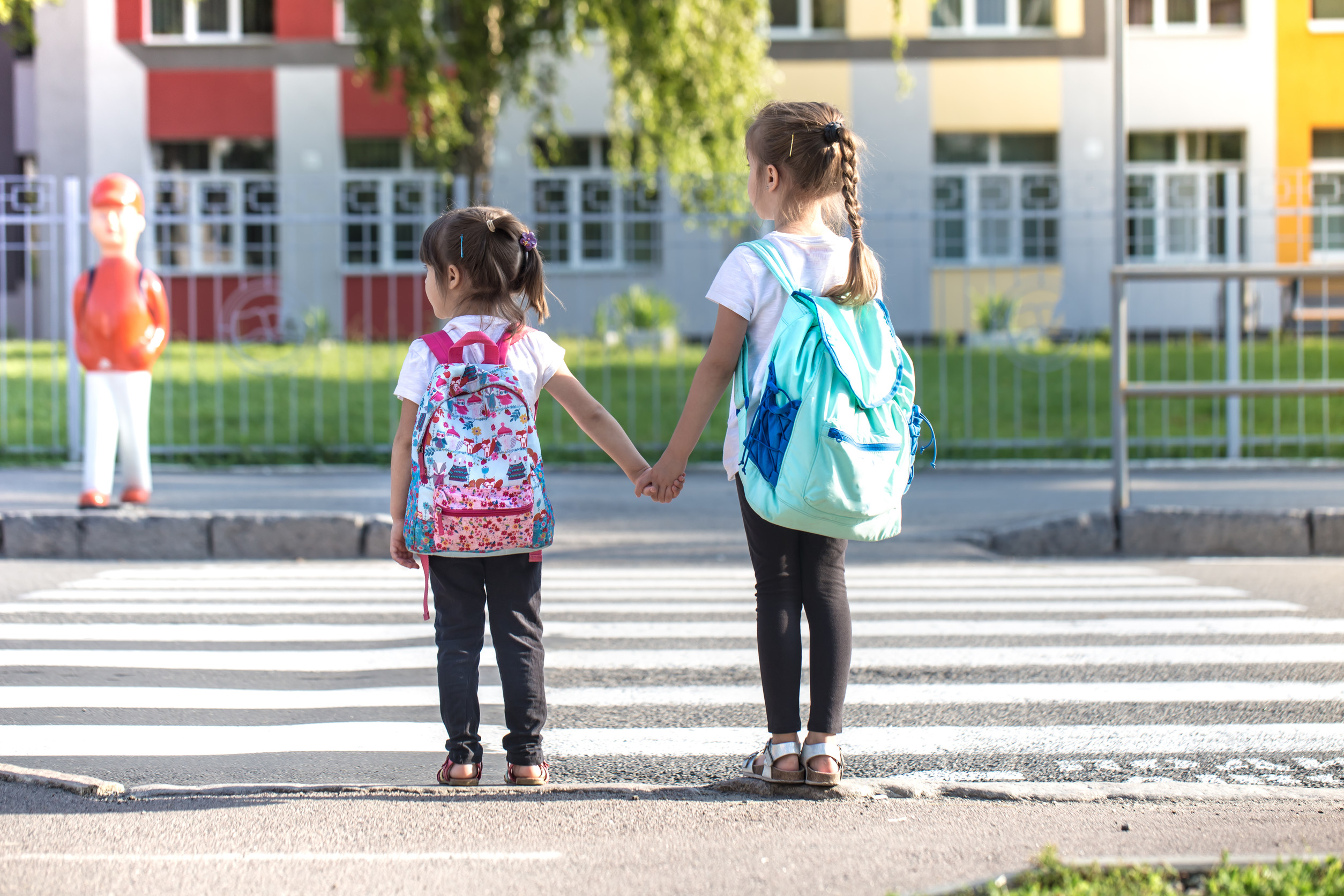
Some school mistakes don’t just affect grades—they shape habits, confidence, and even future success. Kids make plenty of slip-ups, and most are easily fixable. But some school habits, if left unchecked, can quietly follow them through middle school, high school, and beyond. These aren’t just academic issues—they can influence a child’s self-esteem, work ethic, and social development. Recognizing and correcting these common school mistakes early gives kids a better shot at thriving both in and out of the classroom.

1. Falling Behind in Reading

Reading is the foundation of nearly every subject, so falling behind early can create long-term hurdles. Kids who struggle with reading often avoid it, which only widens the gap over time. This can lead to embarrassment, poor test scores, and low confidence. Reading delays in elementary school can resurface in middle school science, social studies, and even math word problems. Regular reading at home and early support from teachers are essential for long-term progress.

2. Not Asking for Help

Many kids believe asking for help makes them look weak or “stupid,” but this mindset can hold them back for years. Staying silent when confused can lead to deeper misunderstandings and falling behind. Worse, they may develop anxiety around certain subjects or a fear of speaking up. Teaching kids that questions are part of learning—not a sign of failure—builds confidence and resourcefulness. The earlier they learn to self-advocate, the better.

3. Developing Poor Study Habits

Cramming the night before a test might work once or twice, but it doesn’t teach real comprehension or long-term retention. Kids who don’t learn how to study properly early on often struggle with time management and academic pressure later. Without these skills, homework becomes overwhelming and school feels like a constant uphill battle. Good study habits—like planning ahead, breaking tasks into chunks, and reviewing regularly—lay the groundwork for academic success. These skills are just as important as the material itself.

4. Skipping Homework

It starts with one missed assignment, then two—and suddenly, there’s a pattern. Kids who regularly skip homework often fall behind and feel more discouraged with each missed grade. They also risk losing the trust of teachers and forming a reputation for not following through. Homework isn’t just about grades—it reinforces learning and teaches responsibility. Helping kids manage homework early can prevent bigger issues later.

5. Blaming Others Instead of Taking Responsibility

It’s easy for kids to blame a teacher, a classmate, or even the clock for poor performance. But when they never take ownership of their choices, they miss out on learning from mistakes. This habit can affect their relationships, school reputation, and even future jobs. Owning up doesn’t mean being hard on themselves—it means being honest and open to improvement. Accountability is a life skill that starts with the small stuff.

6. Copying or Cheating

Whether it’s copying a friend’s homework or peeking during a quiz, cheating forms a habit that’s hard to break. Kids may do it once and get away with it, which reinforces the behavior. Over time, it leads to academic gaps, dishonesty, and a shaky sense of integrity. They’re missing out on learning key skills even if they’re not caught. Addressing cheating early teaches the value of effort, even when it’s hard.

7. Ignoring Feedback

Kids who brush off corrections or refuse to read teacher comments often struggle to improve. Feedback is meant to guide growth, but only if it’s taken seriously. Ignoring it stalls progress and can create a false sense of ability or a fear of failure. Learning to accept constructive criticism helps build resilience and emotional maturity. It also shows kids that learning is a process, not a one-and-done task.

8. Avoiding Challenging Work

Some kids stick to what they already know because it feels safe, but this limits their growth. Avoiding hard problems or advanced opportunities can keep them from reaching their potential. Over time, they may lose motivation or assume they’re not capable of more. Encouraging kids to try—even if they don’t get it right the first time—teaches persistence. Success is built on challenge, not comfort.

9. Constantly Switching Friend Groups

While it’s normal for friendships to shift, kids who change social circles every few weeks may be struggling with self-esteem or conflict resolution. It can lead to social anxiety, isolation, or unhealthy patterns of people-pleasing. Kids need stable relationships to feel supported and grounded at school. Helping them learn how to navigate disagreements and build lasting friendships sets them up for better emotional health. Friendships matter just as much as academics.

10. Letting School Define Their Self-Worth

Kids who base their value entirely on grades, awards, or teacher approval can develop unhealthy perfectionism. One bad grade or tough year can shatter their confidence if they don’t see their worth beyond school. While academic success is important, it shouldn’t be the only source of identity. Encouraging hobbies, passions, and kindness helps kids develop a balanced sense of self. School is a part of their life, not the whole picture.

School Mistakes Are Inevitable—But Not Irreversible

Every child will make school mistakes—it’s part of growing up. But when those mistakes turn into habits, they can quietly shape academic paths, relationships, and self-esteem. The good news? With the right support and attention, most of these habits can be changed long before they do lasting damage. As a parent, your encouragement and involvement can help your child recover and grow stronger.

What school mistake have you helped your child overcome? Share your tips or stories in the comments—we’d love to hear from you!

Read More:

12 Reasons Why Your Kids are Behind Academically

School Success Starts at Home—Here’s How to Prep Your Kids

Catherine Reed
Catherine Reed

Catherine is a tech-savvy writer who has focused on the personal finance space for more than eight years. She has a Bachelor’s in Information Technology and enjoys showcasing how tech can simplify everyday personal finance tasks like budgeting, spending tracking, and planning for the future. Additionally, she’s explored the ins and outs of the world of side hustles and loves to share what she’s learned along the way. When she’s not working, you can find her relaxing at home in the Pacific Northwest with her two cats or enjoying a cup of coffee at her neighborhood cafe.
Filed Under: Parenting Tagged With: academic habits, child development, classroom struggles, kids and learning, parenting advice, parenting tips, school mistakes, school success, student behavior

6 Times Parents Should Discipline in Public—Not Behind Closed Doors

May 11, 2025 | Leave a Comment

6 Times Parents Should Discipline in Public

Most parents are told to discipline privately, but sometimes, public correction is exactly what’s needed. We’re often taught to shield kids from embarrassment and handle misbehavior in private. While that’s a respectful approach in many cases, there are times when addressing behavior in the moment—right where it happens—is more impactful. Public discipline doesn’t have to mean public shaming. When done calmly and with intention, it sets boundaries, reinforces respect, and teaches kids that expectations don’t disappear just because they’re out in the world. Here are six situations where disciplining in public is not only appropriate—it’s necessary.

1. When They’re Being Disrespectful to Others

If your child is rude to a waiter, a cashier, or another adult in a public space, it’s important to step in immediately. Ignoring it or waiting until later sends the message that poor behavior is acceptable if no one reacts. A firm but straightforward correction like, “We speak kindly to people who are helping us,” sets the tone and keeps the situation from escalating. It also shows others that you’re engaged and teaching your child respectful behavior. Public moments call for public accountability, especially when another person is affected.

2. When Safety Is at Risk

If your child runs away from you in a parking lot, climbs on store displays, or ignores clear safety rules, waiting to discipline later can be dangerous. These moments require instant correction so your child understands the seriousness of their actions. A sharp “Stop!” or direct consequence—like leaving the store—reinforces boundaries without delay. Public or not, safety trumps discomfort. Discipline in these situations isn’t about control—it’s about protection.

3. When It’s a Repeated Behavior

If your child is doing something you’ve already addressed privately—like whining loudly in a store or roughhousing at the park—it’s okay to correct them in the moment. They’ve already been told the rule. At that point, a gentle but public reminder shows that consistency matters, no matter the setting. Kids must know that boundaries don’t change just because you’re not at home. When discipline is respectful and measured, it’s more about reinforcing values than punishing behavior.

4. When It’s a Learning Moment for Everyone

Some public missteps can be turned into teachable moments—not just for your child, but for siblings or peers watching. For example, if your child pushes another kid in line or snatches a toy, correcting the behavior with a calm explanation models emotional regulation and accountability. “We don’t push people to get what we want. Let’s try asking politely instead.” These real-world moments can leave lasting impressions when handled constructively. Other kids learn from what they see—and so does your child.

5. When They’re Testing Boundaries in Front of Others

Sometimes, kids misbehave publicly just to see if you’ll follow through on what you’ve said before. If you’ve warned them about a consequence—like losing screen time or sitting out of an activity—it’s important to follow through, even if it’s inconvenient. Consistency builds trust and teaches that your words matter, regardless of the audience. Public discipline in this case helps prevent future power struggles. Children who see that rules apply everywhere are more likely to respect them.

6. When Ignoring the Behavior Enables It

There are moments when ignoring behavior feels easier than causing a scene, but that silence can actually make things worse. If your child is making fun of someone, using inappropriate language, or acting out for attention, stepping in quickly is essential. Letting it slide because it’s uncomfortable in public tells your child the behavior is okay as long as no one speaks up. Calmly addressing it with a simple, clear consequence shows strength, not shame. Silence may avoid a scene, but it won’t teach a lesson.

Public Discipline Doesn’t Have to Mean Public Shame

The goal isn’t to humiliate your child—it’s to teach them that respect, responsibility, and safety matter in every setting. Disciplining in public can feel awkward initially, but when done with calm and care, it shows your child (and the world) that you’re parenting purposefully. The key is to stay composed, focus on the behavior—not the audience—and avoid overreacting. When your child knows that expectations follow them wherever they go, they learn how to carry those lessons into every corner of life. After all, real-world behavior calls for real-time guidance.

Have you ever had to discipline your child in public? What worked—and what didn’t? Share your experiences in the comments!

Read More:

8 Things Kids Do to Hide Their Bad Behavior from You

From Chaos to Calm: Strategies for Difficult Toddler Behavior

Catherine Reed
Catherine Reed

Catherine is a tech-savvy writer who has focused on the personal finance space for more than eight years. She has a Bachelor’s in Information Technology and enjoys showcasing how tech can simplify everyday personal finance tasks like budgeting, spending tracking, and planning for the future. Additionally, she’s explored the ins and outs of the world of side hustles and loves to share what she’s learned along the way. When she’s not working, you can find her relaxing at home in the Pacific Northwest with her two cats or enjoying a cup of coffee at her neighborhood cafe.

Filed Under: Parenting Tagged With: child behavior, child safety, kids and consequences, parenting advice, parenting in public, parenting moments, public discipline, real-time discipline, respectful parenting, setting boundaries

7 Childhood Milestones That Come With Surprise Costs

May 11, 2025 | Leave a Comment

7 Childhood Milestones That Come With Surprise Costs

Every childhood milestone is worth celebrating—but many come with hidden price tags parents don’t see coming. From first steps to first dances, these moments are precious, exciting, and sometimes unexpectedly expensive. While it’s easy to prepare for diapers or daycare, the financial side of growth spurts, school changes, and developmental achievements often catches parents off guard. A “simple” milestone can trigger a cascade of purchases, fees, or upgrades you didn’t factor into the family budget. Let’s look at seven major moments in your child’s life that can also lead to surprise spending, and how to plan ahead.

1. Moving from Crib to “Big Kid” Bed

Transitioning out of the crib feels like a proud moment—until you realize it’s more than just swapping furniture. Parents often end up buying a new mattress, frame, bedding, pillows, and even room décor to match the upgrade. Safety rails, nightlights, and storytime books about the change can also add up quickly. The shift also tends to spark requests for character-themed sheets or room themes that weren’t part of the original plan. What starts as a $200 bed can quickly become a $600 bedroom makeover.

2. Potty Training

Saying goodbye to diapers sounds like a money-saving win, and eventually it is—but getting there can be pricey. From training toilets and padded undies to rewards charts, pull-ups, and extra laundry, potty training costs sneak in fast. Accidents often mean replacing rugs, clothes, or car seat covers, and some families opt for books, toys, or even apps to help the process along. Add in waterproof mattress protectors and new bedding, and suddenly the cost climbs. Potty training is a milestone with messy—and costly—side effects.

3. Starting Kindergarten

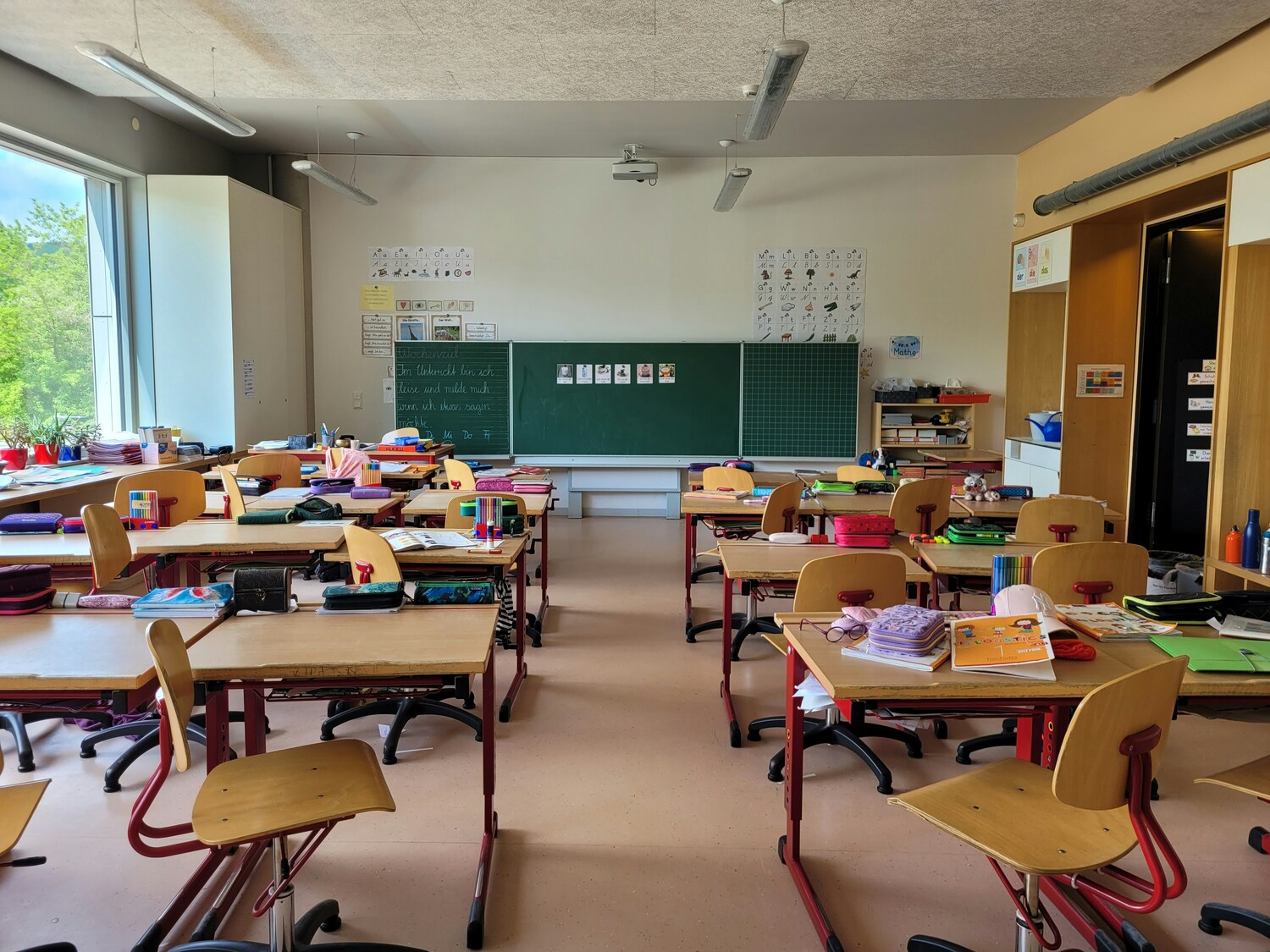
You may think public school will ease your wallet, but starting kindergarten often feels like a shopping spree. Required supply lists include everything from markers and folders to disinfecting wipes and Ziploc bags. Add a backpack, lunchbox, school clothes, and optional classroom donations, and you’re looking at a few hundred dollars right out of the gate. Transportation and after-school care may also become new budget items. Even if tuition isn’t involved, the cost of raising a child definitely spikes during this back-to-school phase.

4. Losing the First Tooth

That first wiggly tooth is a rite of passage, but it can also spark surprise spending. Some parents feel pressure to make the Tooth Fairy’s visit magical, with glittery money, notes, or small gifts. A tooth fairy pillow or special box often joins the celebration. If a dentist recommends early orthodontic care or a mouthguard, the cost of that tiny tooth grows quickly. What starts as a cute dollar-under-the-pillow tradition can sometimes turn into an ongoing budget item.

5. Joining a Sports Team or Activity

Extracurriculars are fantastic for skill-building and socializing, but they’re rarely cheap. Sports can cost hundreds or even thousands of dollars a year, from registration fees and uniforms to equipment, shoes, and travel costs. Some parents also pay for extras like private coaching, team snacks, or end-of-season banquets. The same goes for dance, music, martial arts, or theater. Even “low-cost” activities come with sneaky fees that don’t appear until you’ve committed.

6. Getting Their First Phone

Many parents put off this milestone until middle school or later, but eventually, the phone conversation comes up, and so do the bills. Buying a phone is just the beginning. Monthly service plans, protective cases, insurance, screen repairs, and app purchases add up fast. Parents may also invest in parental control software or monitoring services for peace of mind. What starts as a tool for safety and communication often becomes a long-term expense you’ll need to budget for well in advance.

7. The First School Dance or Social Event

You might think dances and school socials are a high school thing, but they often start earlier, and they bring plenty of surprise costs. Tickets, outfits, shoes, haircuts, photos, and even transportation can all be part of the event. Kids may want to match a theme, join a group dinner, or get accessories last minute. Even if you keep it low-key, there’s pressure to help your child feel confident and included. It’s one moment that seems small but touches the wallet unexpectedly.

Being Ready for More Than Just the Moment

Childhood milestones are more than photo ops—they often involve emotional and financial investment. While it’s easy to focus on the big picture, the smaller, everyday moments quietly stretch your budget the most. By expecting these hidden costs and planning ahead, you can celebrate without stress and keep your finances in check. Whether it’s a $10 lost tooth or a $500 team sport, these transitions deserve attention and preparation. Because the milestones are fleeting, but the bills can stick around longer than you think.

Which milestone surprised you emotionally and financially? Share your story with us in the comments!

Read More:

6 Affordable Sports Activities for Children

How Much You’re Really Spending on Kids’ Clothes Each Year

Catherine Reed
Catherine Reed

Catherine is a tech-savvy writer who has focused on the personal finance space for more than eight years. She has a Bachelor’s in Information Technology and enjoys showcasing how tech can simplify everyday personal finance tasks like budgeting, spending tracking, and planning for the future. Additionally, she’s explored the ins and outs of the world of side hustles and loves to share what she’s learned along the way. When she’s not working, you can find her relaxing at home in the Pacific Northwest with her two cats or enjoying a cup of coffee at her neighborhood cafe.
Filed Under: Parenting Tagged With: back-to-school costs, childhood milestones, cost of raising a child, Family Budgeting, kids activities, modern parenting, parenting expenses, parenting tips, surprise parenting costs, toddler transitions

When Parents Give Up: 9 Warning Signs You’ve Checked Out Too Soon

May 11, 2025 | Leave a Comment

9 Warning Signs Youve Checked Out Too Soon

Parenting is exhausting—but sometimes what feels like “survival mode” is actually emotional check-out. When the daily battles pile up and the progress feels invisible, it’s easy for even the most dedicated parents to slowly disengage. The problem? Kids still need your presence—even when they act like they don’t. Checking out doesn’t always look like giving up completely. Often, it shows up in quiet ways that chip away at connection, trust, and guidance until the relationship feels distant and hollow.

1. You Stop Following Through on Consequences

Consistency is key in parenting, but once follow-through disappears, so does your authority. If you’re constantly saying, “That’s your last warning” without backing it up, kids learn that boundaries are flexible. This makes behavior worse, not better. It’s a sign that you’re too tired or frustrated to enforce rules, and your kids know it. Long-term, this creates more conflict, not less.

2. You Feel More Like a Roommate Than a Parent

Something deeper may be missing if your household runs on parallel routines, with minimal interaction beyond logistics. Parenting isn’t just about making sure kids are fed and clothed—it’s also about emotional connection. When conversations revolve only around homework, rides, and dinner, your role shifts from caregiver to task manager. A distant parent can unintentionally raise emotionally distant kids. It might feel easier in the moment, but it comes at a long-term cost.

3. You’ve Given Up on Asking Questions

Asking about your child’s day or feelings helps you stay connected—but if you’ve stopped because “they never talk anyway,” it’s a red flag. Kids often resist small talk before opening up, and giving up too soon closes the door. Even if they brush you off, your effort shows you care. When you stop trying, they stop expecting support. Silence from both sides builds walls instead of bridges.

4. You Rely on Screens to Parent

Every parent needs a break, but it’s time to reassess if your child spends more time with a device than with you. Screens are convenient but not a substitute for guidance, play, or discipline. Handing over a tablet to avoid tantrums or passing hours with phones at the dinner table sends a message: you’re emotionally unavailable. Kids don’t need perfect parents, but they do need present ones. Real connection beats screen time every time.

5. You’ve Started Saying “Whatever” to Everything

If your go-to response is “whatever” just to keep the peace, you may have checked out emotionally. It can feel like a relief to stop fighting over bedtime, grades, or attitude—but that relief is temporary. “Whatever” might avoid conflict now, but it signals indifference and surrender. Kids often test limits to see if you care enough to enforce them. Letting everything slide isn’t kindness—it’s withdrawal.

6. You Avoid Family Activities

When family outings or game nights feel more like a chore than a chance to connect, burnout might be at play. Withdrawing from shared experiences often comes from feeling emotionally drained, but it also sends the message that time together doesn’t matter. These are the moments that build memories and trust. Skipping them too often leaves your child feeling invisible. It’s not about forcing fun—it’s about showing up even when you’re tired.

7. You’ve Stopped Celebrating Their Wins

Your child notices if you no longer clap at their performances, hang up their art, or cheer their small victories. Recognizing their accomplishments builds self-worth and strengthens your bond. When you’ve emotionally checked out, even milestones can feel like “just another thing.” But to them, those wins are everything. Skipping praise says, “I’m not paying attention”—and that hurts more than you think.

8. You Feel Numb Instead of Frustrated

Frustration is a normal part of parenting, but numbness is different. It’s when you stop caring enough to argue, correct, or even engage. This emotional shutdown often follows chronic stress, anxiety, or unresolved issues. While it may feel like self-preservation, it also signals that you need support, not surrender. Parenting is hard, but going numb isn’t the answer.

9. You Assume It’s Too Late to Reconnect

One of the most damaging beliefs a parent can hold is thinking it’s “too late” to rebuild a relationship. Even if years have passed, even if things feel awkward, your child still needs you. Kids may act indifferent, but they’re wired to want a connection with their parents. The moment you try again, you’ve already begun to heal the gap. Giving up might feel final, but reconnection is always possible.

You Haven’t Failed—You’re Just Tired

If any of these signs hit a little too close to home, take a deep breath—you’re not alone, and you’re not a failure. Many parents silently check out because they’re overwhelmed, exhausted, or unsure of what to do next. But recognizing the signs means you’re already one step closer to re-engaging. You don’t have to fix everything overnight—just start by showing up. Your presence still matters more than your perfection ever could.

Have you ever caught yourself emotionally checking out as a parent? What helped you turn things around? Share your story in the comments below!

Read More:

6 Silent Signs of Parental Burnout You Might Be Missing

10 Parenting Duties Most Moms and Dads Completely Underestimate

Catherine Reed
Catherine Reed

Catherine is a tech-savvy writer who has focused on the personal finance space for more than eight years. She has a Bachelor’s in Information Technology and enjoys showcasing how tech can simplify everyday personal finance tasks like budgeting, spending tracking, and planning for the future. Additionally, she’s explored the ins and outs of the world of side hustles and loves to share what she’s learned along the way. When she’s not working, you can find her relaxing at home in the Pacific Northwest with her two cats or enjoying a cup of coffee at her neighborhood cafe.
Filed Under: Parenting Tagged With: checked out parenting, emotional connection with kids, family connection, mental health for parents, parenting burnout, parenting support, parenting tips, parenting warning signs, raising emotionally secure kids, reengaging as a parent

Why “Back to School” Shopping Feels Like a Mortgage Payment Now

May 11, 2025 | Leave a Comment

Image source: Unsplash

Remember when back-to-school shopping meant a new backpack, a couple of spiral notebooks, and maybe a cool lunchbox if you were lucky? Fast forward to 2025, and the price tag on school prep looks more like a down payment than a seasonal errand. For millions of families, August isn’t just the end of summer. It’s the beginning of budget stress.

So why does gearing up for school now rival a monthly mortgage? The answer isn’t just inflation (though that’s part of it). It’s a perfect storm of rising costs, shifting expectations, and a school system that’s quietly passing more of the financial burden to parents.

Let’s break down what’s changed and how families can push back without shortchanging their kids.

The Inflation Factor: Prices Just Aren’t What They Used to Be

It’s no surprise that inflation has made everything more expensive—from gas to groceries, and yes, to glue sticks and sneakers. But back-to-school shopping is getting hit on all sides. According to the National Retail Federation, families now spend over $890 per child for the new school year, up more than 30% in the past five years.

That includes clothes, tech, supplies, extracurricular fees, and those “voluntary” classroom contributions that somehow feel anything but optional.

Even basics like paper, pencils, and folders have seen price hikes. A $0.99 pack of crayons? Try $3.99. Multiply that across a growing list, and suddenly, you’re dipping into savings to send your child to second grade.

Tech Expectations Keep Climbing, And It’s Expensive

Gone are the days when a calculator was the most high-tech item in a kid’s backpack. Now, students are expected to have tablets, laptops, headphones, chargers, and reliable Wi-Fi at home.

Many districts provide devices, but not all. And if your school doesn’t (or yours breaks mid-year), it’s on you. Even “bring your own device” programs come with fine print: it must meet district specs, be compatible with specific learning platforms, and ideally be new enough to last the school year without crashing mid-assignment.

Parents of multiple kids? That’s double or triple the tech investment.

School Supply Lists Are Longer and More Outrageous

It used to be a short list: folders, glue, scissors, pencils, backpack. Now, it’s multi-page PDFs with brand-name requests (because they last longer), tissues, hand sanitizer, cleaning wipes, printer paper, headphones, and Ziploc bags in four sizes.

In many cases, these lists don’t just supply your child. They help stock the classroom for months. Teachers, underfunded and under-supported, rely on families to fill the gap. And while that’s a systemic problem worth solving, the short-term impact lands squarely on parents’ wallets.

Image source: Unsplash

Clothing Costs Add Up, Even Before You Get to the Shoes

Kids grow fast. Like, really fast. So back-to-school shopping almost always includes replacing outgrown or worn-down clothes from the year before. But with fast fashion being both ethically murky and increasingly pricey, many parents are stuck trying to find affordable, durable options without spending hundreds per child.

Add in school dress codes, special uniform policies, or “theme weeks” that require yet another round of costume-y outfits, and that budget just keeps ballooning.

And we haven’t even mentioned the shoes. Good luck getting out of a single pair under $60.

“Extras” Are Now Just… Expected

Classroom supplies and clothes aside, there’s the rise of extracurricular costs that seem to creep in earlier and earlier. Club fees. Sports uniforms. Instrument rentals. Field trip deposits. Fundraisers. Teacher gifts. Picture day. PTA donations. School spirit week. Birthday celebrations.

None of these things are mandatory, but parents know their child may feel left out if they don’t participate. So they stretch. They swipe the credit card. They dip into emergency funds just to keep up.

So What Can Parents Do?

No one wants their kid to start the school year feeling behind. But families are getting smarter about how they prep without going broke. Here’s what’s working:

  • Buy secondhand: Facebook Marketplace, local consignment shops, and even thrift stores often carry gently used backpacks, lunchboxes, and clothes for a fraction of the price.
  • Host supply swaps: Team up with other parents to trade extra items or hand-me-downs. You’ll be shocked at what’s sitting unused in someone’s closet.
  • Stick to the list (and ask questions): Don’t be afraid to ask your child’s teacher what’s truly necessary on that mile-long supply list. Often, the full quantity isn’t needed right away.
  • Stagger purchases: You don’t need everything on Day One. Prioritize the essentials and spread out purchases over the first few weeks to avoid one massive hit.
  • Set a back-to-school budget: And talk to your kids about it. It’s okay to say, “We’re spending X this year, so let’s choose the backpack or the shoes, not both.”

You’re Not Alone. This Isn’t Just You

If you’ve ever looked at your cart (physical or digital) and felt your stomach sink during back-to-school shopping, you’re far from alone. Parents across the country are asking the same thing: Why does it feel like we need a second job just to send our kids back to school?

It’s not your imagination. It’s a very real shift in how school support is structured and who’s paying for it. Until policy catches up, families are being left to find creative, compassionate ways to navigate it.

You don’t have to buy everything. You don’t have to keep up with everyone else. You just have to do your best to give your child what they need, not what social media says they should have.

How has back-to-school shopping changed for your family, and what budget hacks have helped you survive the sticker shock?

Read More:

School Success Starts at Home—Here’s How to Prep Your Kids

Are School Lunches Healthier Than What You Pack? The Answer May Surprise You

Filed Under: Parenting Tagged With: back-to-school shopping, Family Budgeting, inflation and families, parent survival guide, parenting budget, school supply costs

The Hidden Risks of Youth Tackle Sports Parents Need to Know

May 10, 2025 | Leave a Comment

The Hidden Risks of Youth Tackle Sports Parents Need to Know

From football and rugby to hockey and lacrosse, full-contact youth sports have become a rite of passage for many kids. But while the uniforms and trophies may shine, the long-term risks often stay hidden behind the excitement. Parents are told that protective gear and rules make the game safer, but science is still catching up with what these hits can really mean for growing bodies and developing brains. Before you sign the permission slip, here are seven serious risks of youth tackle sports every parent should know.

1. Increased Risk of Concussions

One of the biggest concerns surrounding youth tackle sports is the frequency of head injuries. Kids are still growing, and their necks and skulls aren’t yet strong enough to absorb major impacts safely. A single concussion can cause headaches, memory issues, and emotional changes, but repeated concussions may lead to long-term brain injury. Worse yet, many go undiagnosed because symptoms can be subtle or delayed. Even with helmets, no gear can fully prevent the jarring brain movement that causes concussions.

2. Long-Term Brain Health Concerns

Chronic Traumatic Encephalopathy (CTE) has become a buzzword in professional sports, but signs of brain damage are also appearing in young athletes. Studies suggest that kids who play tackle sports before age 12 may have a higher risk of cognitive and behavioral issues later in life. The brain is still wiring itself through childhood, and repeated head trauma, however mild it seems at the time, can disrupt that development. Many parents don’t connect adult struggles with childhood sports participation until much later. These are the risks that won’t show up on the scoreboard, but may show up years down the road.

3. Undetected Spinal Injuries

Tackle sports involve hard collisions, awkward landings, and fast-paced motion—all of which stress the neck and spine. Even if your child walks off the field without obvious pain, spinal damage can develop silently over time. Micro-injuries and misalignments may not surface until adolescence or adulthood, often showing up as chronic back or neck pain. Young athletes may not fully communicate or recognize warning signs, especially when eager to keep playing. Ongoing physical strain can compound into lifelong problems.

4. Pressure to “Tough It Out”

Youth athletes are often encouraged to push through pain, ignore discomfort, or “shake it off”—especially in highly competitive environments. While resilience is important, this culture can lead to ignored injuries, delayed treatment, or worsened conditions. Kids may feel embarrassed or afraid to speak up, worrying they’ll let their team or parents down. This pressure doesn’t just risk physical harm—it also teaches kids to suppress emotions and ignore body awareness. That mindset can carry into adulthood, affecting both physical and mental well-being.

5. Early Specialization and Overuse Injuries

Many youth programs now encourage year-round training in a single sport, which increases the risk of overuse injuries like stress fractures and joint damage. Tackle sports involve repetitive impact on key joints—hips, knees, shoulders—which can wear down faster than most parents expect. Children need a variety of movement experiences to build balanced, healthy bodies. Without rest periods or cross-training, young athletes are more likely to develop chronic pain and mobility issues. Rest isn’t weakness—it’s a critical part of injury prevention.

6. Risk of Mental Health Strain

While sports can boost self-esteem, the intensity of youth tackle leagues can create mental health challenges. Pressure to win, fear of failure, or fear of injury can cause anxiety, depression, or emotional shutdown in some children. Coaches and parents may not recognize the signs if they’re focused solely on performance. For some kids, the pressure outweighs the fun, and that can take a long-term emotional toll. Sports should build mental strength, not erode it.

7. False Sense of Security from Equipment

Helmets, pads, and mouthguards are marketed as essential safety tools—but they can also create a dangerous illusion. Kids in full gear may feel invincible, leading to more reckless hits and riskier behavior. Even the best equipment has limits and can’t prevent all types of injury, especially brain trauma. Relying too heavily on gear can shift focus away from proper technique and risk awareness. Teaching kids that safety starts with smart play, not just equipment, is critical.

Know the Risks—Then Make the Right Call for Your Family

Tackle sports can offer growth and discipline, but they’re not without cost. As a parent, your job isn’t just to cheer from the sidelines—it’s to weigh the benefits against the hidden dangers and decide what’s truly worth it for your child. Not every child will suffer an injury, but every child deserves informed, intentional choices made in their best interest. Whether you choose to delay tackle play, explore non-contact alternatives, or add more safety education, the goal is the same: protect your child’s body and brain for the long haul. Sports can shape a kid’s future—but so can injuries.
What are your thoughts on tackle sports for kids? Have you faced any tough calls when it comes to youth athletics? Share your story in the comments!

Read More:

Outdoor Activities: 10 Must Have Items to Avoid Costly Injuries

6 Affordable Sports Activities for Children

Catherine Reed
Catherine Reed

Catherine is a tech-savvy writer who has focused on the personal finance space for more than eight years. She has a Bachelor’s in Information Technology and enjoys showcasing how tech can simplify everyday personal finance tasks like budgeting, spending tracking, and planning for the future. Additionally, she’s explored the ins and outs of the world of side hustles and loves to share what she’s learned along the way. When she’s not working, you can find her relaxing at home in the Pacific Northwest with her two cats or enjoying a cup of coffee at her neighborhood cafe.

Filed Under: Parenting Tagged With: brain health, child concussions, mental health in sports, parenting tips, spinal injuries in children, sports injuries in kids, sports parenting, youth football safety, youth sports risks, youth tackle sports

7 Times Your Child’s Lies Will Cost You More Than You Expect

May 10, 2025 | Leave a Comment

Childs Lies Cost You More Than You Expect

Lying is part of normal childhood development, but when it becomes a pattern, it can spiral into bigger problems, especially for parents. Whether it’s lying to avoid chores, covering up a mistake, or impressing their peers, the consequences of these little fabrications often land squarely on your shoulders. The cost of dishonesty goes well beyond a simple time-out, from financial setbacks to damaged relationships. Knowing when a lie might hurt more than it helps can save your family unnecessary stress—and keep you one step ahead.

1. When They Blame Others to Avoid Consequences

Kids sometimes lie to dodge punishment by shifting blame onto siblings, classmates, or even teachers. But when adults believe the lie, the wrong person may be punished, or relationships may be strained unnecessarily. This can spark family tension, create school issues, and leave lasting emotional damage. Meanwhile, your child learns that dishonesty can get them what they want—until it eventually doesn’t. Teaching accountability early helps your child understand that honesty builds trust while lies tear it down.

2. When They Say They Finished Homework—But Didn’t

It might seem harmless if your child insists they’ve completed their homework when they haven’t, but the ripple effect can be major. Missed assignments add up quickly, leading to lower grades, missed learning, and even summer school or tutoring fees. You may find yourself scrambling to meet with teachers, paying for catch-up programs, or spending late nights trying to fix what could’ve been done right the first time. It also prescribes that school isn’t a priority unless a parent forces it. Clear expectations and regular check-ins help prevent these costly academic cover-ups.

3. When They Lie About a Lost or Broken Item

Kids often lie to avoid getting in trouble, whether it’s a missing library book, a broken tablet, or a mysteriously shattered window. But dishonesty makes the situation worse, especially when it delays the solution or leads to replacing something expensive. Some parents spend hundreds replacing items, only to later discover their child knew exactly what happened all along. What could’ve been a simple mistake lesson becomes a deception lesson instead. When kids learn that telling the truth leads to repair—not rage—they’re more likely to come clean next time.

4. When They Fake Being Sick to Skip School

Calling in sick when your child is faking it may feel minor in the moment, but the long-term cost can add up. Not only can it disrupt your work schedule and childcare plans, but frequent absences can result in truancy concerns or falling behind in class. If the lie becomes a habit, it teaches your child to opt out of responsibility whenever they feel like it. You may also end up paying for unnecessary doctor visits or missed workdays. If your child frequently fakes illness, it’s worth digging into what they’re trying to avoid.

5. When They Exaggerate to Friends (and Parents Get Involved)

Some kids tell tall tales to impress their friends, boasting about vacations, money, or things their parents supposedly said or did. While it might seem like harmless bragging, it can spiral if other parents get involved or if the story leads to embarrassment. Parents may end up fielding awkward conversations, dealing with reputational fallout, or clarifying things that never happened. Lies like these also damage your child’s credibility in their peer group. Teaching kids the value of honesty in friendships helps prevent these messy social slip-ups.

6. When They Claim to “Not Know” About Bad Behavior

When a child pretends not to know who made the mess, started the fight, or violated the rule, it delays accountability and resolution. Parents end up wasting time investigating, mediating, or punishing the wrong person. This often breeds resentment among siblings or classmates and leaves you frustrated and exhausted. Children who lie to protect themselves may miss out on valuable lessons about honesty and integrity. Calm, consistent consequences and safe spaces for truth-telling help make honesty the easier choice.

7. When They Hide Online Behavior

Kids today live much of their lives online—lying about what they’re doing, who they’re talking to, or what they’ve clicked can carry serious risks. The financial and emotional fallout can be enormous, from unauthorized purchases and app downloads to exposure to inappropriate content. You may find surprise charges, security concerns, or even contact from school officials about inappropriate behavior. Online lies become harder to spot and more dangerous over time when they go unchecked. Open dialogue and parental controls are crucial to keeping both your child—and your budget—safe.

Honesty Might Be Hard, But Lies Are More Expensive

Lying is part of growing up, but when it’s left unchecked, it becomes more than just a phase—it becomes a pattern that costs everyone. From replacing lost items to repairing broken trust, dishonesty is rarely free. That’s why teaching honesty isn’t just about morals—it’s about real-life consequences, both emotional and financial. The good news? You can guide your child toward more truthful habits through calm correction, clear boundaries, and modeling honesty in your own actions. In the end, building a foundation of trust always pays off.
Have you dealt with one of these expensive fibs before? What helped you turn it into a teachable moment? Share your story in the comments!

Read More:

Dad’s Are Tired of Being the “Backup Parent” – And They’re Speaking Out

10 Parenting Duties Most Moms and Dads Completely Underestimate

Catherine Reed
Catherine Reed

Catherine is a tech-savvy writer who has focused on the personal finance space for more than eight years. She has a Bachelor’s in Information Technology and enjoys showcasing how tech can simplify everyday personal finance tasks like budgeting, spending tracking, and planning for the future. Additionally, she’s explored the ins and outs of the world of side hustles and loves to share what she’s learned along the way. When she’s not working, you can find her relaxing at home in the Pacific Northwest with her two cats or enjoying a cup of coffee at her neighborhood cafe.

Filed Under: Parenting Tagged With: child behavior, child lies, emotional development, lying consequences, Online Safety, parenting advice, parenting tips, raising honest kids, school accountability, trust and parenting

« Previous Page
Next Page »
  • Facebook
  • Pinterest
  • RSS
  • Twitter
Best Parenting Blogs

Most Popular

Baby

10 Baby Names That Were Once Considered “Grandparent Names” but Feel Cool Again

Evan Morgan
Baby

9 Baby Names Inspired by Fall Without Naming Your Child Autumn

Evan Morgan
Baby

10 Vintage Baby Names That Sound Surprisingly Modern Again

Evan Morgan
Baby names

Teachers Admit: These 6 Baby Names Create Instant Bias in the Classroom

Latrice Perez
6 Baby Names That Sound Cute Now but Cause Problems Later

6 Baby Names That Sound Cute Now but Cause Problems Later

Brandon Marcus

All content on Kids Ain’t Cheap is for entertainment purposes only. By reading this blog, you agree that Kids Ain’t Cheap is not responsible for any actions taken after reading this blog. For the full disclaimer, see our privacy policy.

Please note that Kids Ain’t Cheap has financial relationships with some of the merchants mentioned here. Kids Ain’t Cheap is funded by banner advertising, commission sales and search optimization consulting.

Copyright © 2006–2026 | District Media | All Rights Reserved | Privacy Policy

Copyright © 2026 Runway Pro Theme by Viva la Violette