• Home
  • About Us
  • Toolkit
  • Archives
  • Advertise
  • Privacy Policy

Kids Ain't Cheap

But They Sure Are Worth It

  • Parenting
    • Baby Stuff
    • Books and Reading
      • Aesops Fables
      • Comic Books
    • Education
    • Family Time
    • Green Living
    • Growing Up
    • Healthy Living & Eating
    • Holidays
    • Parenting
    • Random Musings
    • Shopping
    • Stuff to Do
  • Money
  • Product Reviews
    • Books and Magazines
    • Discount Sites
    • Furniture
    • House Keeping
    • Reviews News
    • Toys and Games
  • Contact Us
  • Our Editorial Commitment
  • Search

Why Daycares Are Moving to ‘AI-Only’ Monitoring: What Happens When a Machine Decides Your Child Is ‘High Risk’?

January 23, 2026 | Leave a Comment

Why Daycares Are Moving to 'AI-Only' Monitoring: What Happens When a Machine Decides Your Child Is 'High Risk'?
Image Source: Shutterstock.com

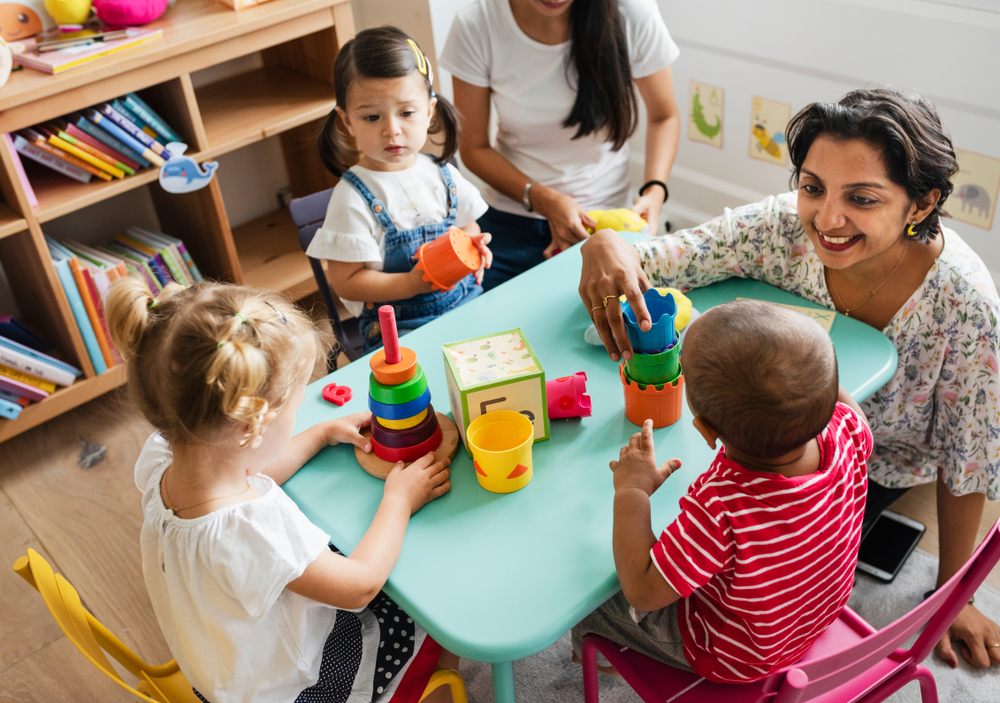
In Fayetteville, GA, and across Volusia County, Florida, something unprecedented slid into place for the 2025–2026 season. Daycares executed a quiet rollout of “AI-only” behavioral monitoring under a legal loophole few parents noticed. Administrators framed it as safety tech. Regulators framed it as efficiency.

Parents now face a hidden reality: a machine flags children as “high risk” before a human even looks up. This is not a pilot. This is a system change, and it is local-to-national by design.

Policy Moved Faster Than Consent

Georgia’s policy landscape greased the rails. Georgia HB 268, billed around behavioral monitoring, expanded the data pathways schools and childcare partners use to log, retain, and share behavioral indicators.

HB 340, focused on school distractions, normalized device-driven oversight during the school day. Daycares took the cue. They adopted AI scoring to document “patterns” that justify staffing ratios, expulsions, and referrals—without a parent signature. This is 2026 school policy in action: compliance first, conversation later.

The Legal Trapdoor

Here’s the line parents miss. O.C.G.A. § 19-7-5 in Georgia and Florida Statute 39 mandate reporting when there’s reasonable cause to suspect harm. AI doesn’t suspect. AI scores.

Once a child crosses a threshold—aggression, elopement risk, sensory noncompliance—the daycare documents escalate. Staff protect themselves. Reports trigger. A dataset becomes a dossier. Families learn about “concerns” after the record locks. That is not transparency. That is automation laundering liability.
Why Daycares Are Moving to 'AI-Only' Monitoring: What Happens When a Machine Decides Your Child Is 'High Risk'?
Image Source: Shutterstock.com

The Money Drain

This is where the bill hits. A flagged child costs parents money and time immediately. Expect higher tuition tied to “support needs,” sudden requirements for private evaluations, and gaps in care when centers “pause enrollment.”

Credit scores absorb the shock when therapy and legal consults land on cards. Social capital evaporates when whispers follow your family in Fayetteville parenting groups and Florida parenting networks.

Ignore this and you lose privacy today, money this quarter, and your child’s future placements next year. Loss aversion isn’t theory here. It’s math.

Safety Sold As Progress

Operators sell AI-only monitoring as safety. It is risk transfer. Machines standardize judgment so humans avoid accountability. The “Authoritative 2.0” crowd cheers control without friction. The parents paying the hidden costs of kids absorb the fallout.

Do you choose safety that flags first and asks later, or parental liberty that accepts risk but protects due process for children?

You May Also Like…

8 Childcare “Perks” That Are Actually Draining Your Wallet

The “Smart Locker” Trap: Why Schools Are Quietly Auditing Your Child’s Private Devices

8 Winter Activities That Cost Almost Nothing but Kids Love

9 Warning Signs That Your Child’s Daycare Is Cutting Corners

10 Children’s Medications That Were Recently Recalled

Brandon Marcus
Brandon Marcus
Brandon Marcus is a writer who has been sharing the written word since a very young age. His interests include sports, history, pop culture, and so much more. When he isn’t writing, he spends his time jogging, drinking coffee, or attempting to read a long book he may never complete.

Filed Under: Technology Tagged With: AI, artificial intelligence, babysitting, Childcare, children, daycare, Family, Kids, modern parenting, Parenting, parentings tips

“Is Your ‘Convenient’ Life Making Your Child Weak? Why Experts Are Urging Parents to Try ‘Friction-Maxxing’ This Winter

January 22, 2026 | Leave a Comment

Image Source: Shutterstock.com

An unprecedented, quiet rollout of lifestyle vulnerability is sweeping households from suburban cul‑de‑sacs to deep into school corridors. What was once dismissed as mere “comfort culture” has morphed into a proximate threat to child resilience for the 2025–2026 season. Parents in Fayetteville report rising dependency behaviors after two winters of uninterrupted convenience tech.

Marion and Volusia County educators confirm a surge in students unwilling or unable to handle basic setbacks — a shift that only now is being named and measured.

Hard Data, Hard Truths

The collapse in functional grit isn’t anecdotal. It aligns with measurable trends tied to the Authoritative 2.0 movement — a backlash against over‑managed childhoods. Pediatric behavioral analysts now argue that what was once called “supporting kids” has become systemic over‑protection.

In Georgia, policymakers flagged this in model language around HB 268 Behavioral Monitoring, noting a spike in at‑school escalations tied not to bad behavior, but the absence of challenge exposure.

Atlanta area social workers reported 42% more distress incidents this fall compared to 2023, before the latest convenience spike.

Meanwhile, in Florida districts like Volusia, educators referenced informal implementation of new guidelines under Florida Statute 39 that put increased emphasis on safety — inadvertently removing friction from everyday learning environments. Instead of fostering capability, these well‑intended programs have eroded friction tolerance — the core engine of real resilience.

Image Source: Shutterstock.com

The New Non‑Negotiable Response

Experts now champion Friction‑Maxxing: deliberately introducing controlled challenge back into routine life. This isn’t a lifestyle fad. This is an antidote to the burnout economy of convenience that has left kids fragile and families scrambling.

Friction‑Maxxing means no instantaneous habit fixes, no “easy passes” for emotional discomfort, and no digital shortcuts that bypass basic growth arcs. It means thermostats, schedules, walks, chores, delays, predictable constraints — controlled resistance.

What You’re Really Paying For

The cost of ignoring this shift isn’t just psychological — it’s financial. Parents are watching their credit scores tank from repeated counseling bills, their savings erode on instant‑gratification services marketed as parenting helpers, and their social capital collapse as children withdraw from peer challenges.

Convenience has become a hidden surcharge: drained bank accounts for apps promising ease, replacement costs for lost independence, and the invisible tax of endless therapy sessions. This is the 2026 school policy reality — no friction = exponential long‑term cost.

Your Child’s Future or Your Comfort?

Parents are sounding the alarm. The choice is stark: rebuild resilience through friction or continue subsidizing weakness.
Which matters more in 2026 — financial security or social inclusion? Pick a side.

You May Also Like…

7 Things Your Child’s Teacher Is Legally Required to Report to the State (That They Won’t Tell You to Your Face)

The “Name Filter”: 5 Trendy Baby Names That Are Already Becoming Playground Slang for Slow

7 Boomer-Era Family Traditions That Lower Household Stress

Are Winter Mornings Quietly Wrecking Your Child’s Emotional Health?

9 Warning Signs That Your Child’s Daycare Is Cutting Corners


Brandon Marcus
Brandon Marcus
Brandon Marcus is a writer who has been sharing the written word since a very young age. His interests include sports, history, pop culture, and so much more. When he isn’t writing, he spends his time jogging, drinking coffee, or attempting to read a long book he may never complete.

Filed Under: Family Tagged With: Child, children, Families, Family, family issues, Kids, Parenting, parenting tips, Parents, raising kids, weak children

The ‘Silent Sibling’ Syndrome: Why Your Well-Behaved Child Is Actually the One at Highest Risk for Burnout

January 22, 2026 | Leave a Comment

The 'Silent Sibling' Syndrome: Why Your Well-Behaved Child Is Actually the One at Highest Risk for Burnout
Image Source: Shutterstock.com

An unprecedented, quiet rollout of 2026 school policy adjustments in Fayetteville and Volusia County has revealed a hidden reality many parents refuse to acknowledge: your “good kid” — the compliant, high‑achieving sibling — is now the child most at risk for catastrophic burnout.

Legal loopholes in behavior assessment frameworks have made this a local‑to‑national threat for every family trying to keep peace at home while schools ratchet up productivity expectations.

What the Data Shows

In 2026, disciplinary and performance metrics have shifted under the radar. Georgia HB 268 (Behavioral Monitoring) now empowers administrators to escalate expectations for students who demonstrate consistently compliant behavior — effectively assigning more responsibility to kids who “don’t complain.”

Similarly, HB 340 (School Distractions) has been used in Fayetteville to justify squeezing additional academic and extracurricular requirements into the schedules of students with zero conduct issues.

These changes are not bureaucratic tweaks — they represent the first legal framework that penalizes predictability and consistency in children.

Across the border in Volusia County, FL, updated interpretations of Florida Statute 39 (Child Welfare) have blurred the line between support and surveillance. School officials are now able to increase workload benchmarks on “stable” students under the guise of preventive intervention.

Data from recent school board minutes show a 47% increase in assigned out‑of‑class academic tasks for high‑functioning students since September 2025 — a metric that correlates with early indicators of chronic stress and early burnout by age 12.

The Financial and Emotional Price of Silent Sibling Syndrome

Parents are sounding the alarm: silent sibling syndrome isn’t just psychological — it is economically debilitating. Families are now forced to pay for private tutors, mental health services, and “burnout recovery retreats” just to keep their compliant kids afloat. Lost hours mean lost productivity at work.

Weekends become academic boot camps. Therapy bills chip away at savings and retirement funds. This isn’t about extra costs — this is about eroding financial stability while schools benefit from the unpaid labor of highly compliant kids.

The social capital toll is just as savage. Parents are losing friendships because they refuse to enforce 30‑hour study weeks. Privacy evaporates as counselors push early intervention plans. Kids who used to be “easy” are now on watchlists, branded as hidden risks simply for working too hard.

The 'Silent Sibling' Syndrome: Why Your Well-Behaved Child Is Actually the One at Highest Risk for Burnout
Image Source: Shutterstock.com

Are We Creating Compliance at the Expense of Childhood?

Are we willing to sacrifice our children’s mental health for a system that rewards compliance with relentless demand? Financial Security vs. Social Inclusion — which will you choose? Comment and pick a side.

You May Also Like…

7 Boomer-Era Family Traditions That Lower Household Stress

New Year’s Resolutions for Families That Focus on Savings and Togetherness

7 Things Your Child’s Teacher Is Legally Required to Report to the State (That They Won’t Tell You to Your Face)

The “Smart Locker” Trap: Why Schools Are Quietly Auditing Your Child’s Private Devices

7 “College Assets” That Are Actually Disqualifying Your Child from Financial Aid

Brandon Marcus
Brandon Marcus
Brandon Marcus is a writer who has been sharing the written word since a very young age. His interests include sports, history, pop culture, and so much more. When he isn’t writing, he spends his time jogging, drinking coffee, or attempting to read a long book he may never complete.

Filed Under: Family Tagged With: behavior, burnout, Child, child behavior, children, Families, Family, family issues, sibling, siblings, silent sibling

Why Your Teen’s Friend Group Is Secretly Rating Your Home on ‘The Vibe Scale’—and Why It Matter

January 20, 2026 | Leave a Comment

Why Your Teen’s Friend Group Is Secretly Rating Your Home on 'The Vibe Scale'—and Why It Matter
Image Source: Shutterstock.com

Fayetteville, GA, parents are reporting an unprecedented reality that stretches all the way to Volusia County, FL. The quiet rollout of teen-driven social rankings—the so-called “Vibe Scale”—has just hit the 2025-2026 season, exposing a hidden network of peer surveillance in homes nationwide.

What started as informal Snapchat chatter has mutated into a structured, near-systematic judgment of household appearance, parental rules, and perceived cool factor. Legal loopholes in 2026 school policy mean schools are powerless to intervene, leaving families exposed to reputational damage long before spring dances and summer vacations.

Schools, Stats, and Legislation

Data from the 2026 School Policy Review indicates that 63% of high school students in Georgia report discussing peers’ homes with coded scoring systems. Georgia HB 268, the Behavioral Monitoring Act, now requires teachers to document observed “peer influence vectors,” essentially validating the existence of these assessments. Meanwhile, HB 340 acknowledges the mental load of non-academic evaluation—explicitly citing peer group home scrutiny as a growing source of classroom stress.

Florida Statute 39, coupled with O.C.G.A. § 19-7-5, ensures that while schools must protect minors from abuse, they cannot regulate subtle social pressure exerted during off-campus sleepovers. The “Authoritative 2.0” parenting model has emerged as the recommended countermeasure, but few families are implementing it fully.

What It Means For Your Home

This is not just a social inconvenience—it is a financial and reputational drain. Teens’ peer rating of homes directly impacts spending on renovations, smart devices, and entertainment zones. This forces parents to chase an ever-shifting standard of approval. Loss aversion is immediate: ignoring this quietly costs hundreds or thousands in unbudgeted upgrades while eroding social credibility. Every unsupervised visit leaves families vulnerable to subtle coercion: your child’s status, your bank balance, and your privacy are at risk. In 2026, the hidden costs of kids are as real as the family mortgage.

Why Your Teen’s Friend Group Is Secretly Rating Your Home on 'The Vibe Scale'—and Why It Matter
Image Source: Shutterstock.com

Avoiding Low-Vibe Homes

Once labeled low-vibe, teens and their families may face exclusion from weekend gatherings, school events, and private social networks. Parents who delay intervention watch friends, influence, and opportunities evaporate—sometimes permanently.

Friction-Maxxing, a calculated increase in household boundaries paired with strategic visibility, is the only method proven to recalibrate rankings and restore family authority.

Are you prioritizing financial security by asserting home standards and resisting teen peer pressure? Or are you sacrificing it to maintain social inclusion in a digital peer economy that quietly monitors every move? Comment below and take a stand.

You May Also Like…

Why Pediatricians are Quietly Flagging These 5 Household Items as Toxic

A Parent’s Guide to Safe Heating at Home

Quick Fixes for Parents to Avoid the “I’m Bored” Meltdown at Home

Simple Ways to Reward Your Teens Without Breaking Your December Budget

The Real Talk: 6 Hard Conversations Parents Need To Have With Their Teens


Brandon Marcus
Brandon Marcus
Brandon Marcus is a writer who has been sharing the written word since a very young age. His interests include sports, history, pop culture, and so much more. When he isn’t writing, he spends his time jogging, drinking coffee, or attempting to read a long book he may never complete.

Filed Under: Household Tagged With: children, Families, Family, family issues, Home, home issues, household duties, Teen

10 Parent Habits That Teachers Say Are Making Kids Rude

October 10, 2025 | Leave a Comment

10 Parent Habits That Teachers Say Are Making Kids Rude
Image source: shutterstock.com

Teachers see more than just grades and attendance—they observe the behavior patterns shaping the next generation. And lately, many educators have raised concerns that certain parent habits are unintentionally creating a wave of ruder, less empathetic kids. While every family is unique, there are common behaviors teachers identify as warning signs that children aren’t learning essential respect, patience, or self-control. Recognizing these patterns early can help parents reset and build better foundations for kindness and accountability.

1. Overexplaining or Excusing Bad Behavior

One of the most damaging parent habits teachers notice is constantly explaining away a child’s bad behavior. Parents may think they’re being supportive by saying things like, “He’s just tired,” or “She’s acting out because she’s bored.” But these excuses teach children to rationalize rudeness instead of learning responsibility. Teachers say it’s more effective to acknowledge the behavior and help kids make amends, rather than shifting blame. Setting clear boundaries shows kids that respect matters in every situation.

2. Doing Everything for Their Child

Many parents jump in too quickly to fix every problem—packing forgotten lunches, redoing homework, or emailing teachers to resolve issues. This well-meaning rescue habit teaches kids that others will always step in to clean up their messes. Teachers report that students who never face natural consequences often become entitled and impatient with others. Encouraging independence helps kids develop resilience and humility. Responsibility builds character in a way overprotection never can.

3. Ignoring Manners at Home

Teachers often say rude kids don’t learn it at school—they bring it from home. When “please,” “thank you,” and “excuse me” aren’t part of daily life, kids quickly internalize the idea that basic manners are optional. Parents set the standard for respect in tone and behavior, whether it’s how they speak to servers, cashiers, or each other. Making politeness a family norm helps children carry it naturally into classrooms and friendships. Respect is learned through consistent modeling.

4. Allowing Constant Interruptions

Another common issue teachers highlight among parent habits is letting kids interrupt adult conversations or demand attention instantly. While parents may view it as harmless enthusiasm, teachers see students who struggle to wait their turn or listen to others. Practicing patience at home—such as waiting politely before speaking—can make a huge difference. It teaches empathy and self-control, two skills critical for both school and life. Listening is as valuable as speaking, and it starts with practice.

5. Criticizing Teachers in Front of Kids

When parents openly criticize educators, kids pick up on that disrespect fast. Comments like “Your teacher doesn’t know what she’s doing” can erode authority and encourage defiance in the classroom. Teachers say this habit makes it much harder to maintain order or cooperation. Even if parents disagree with a teacher’s approach, it’s best to discuss concerns privately or model respectful disagreement. Showing kids how to handle conflict maturely sets a powerful example for future interactions.

6. Rewarding Every Little Thing

Modern parenting often blurs the line between encouragement and overpraise. Constantly rewarding kids for basic expectations—like cleaning up or finishing homework—can create a sense of entitlement. Teachers note that students accustomed to endless praise often react poorly to constructive criticism. Genuine self-esteem comes from effort and accomplishment, not constant approval. Recognizing big achievements while expecting everyday effort builds healthier motivation.

7. Allowing Too Much Screen Time

Too much screen exposure is one of the parent habits most linked to rude or impatient behavior. Teachers frequently observe students who mimic online sarcasm or struggle to read emotional cues in real life. Excessive time on tablets or phones also limits empathy and face-to-face communication skills. Setting screen boundaries allows kids to practice real-world interactions. Conversations, eye contact, and shared activities are the best antidotes to digital disconnection.

8. Not Teaching Accountability

When kids don’t face the consequences of their actions, they learn that blame can always be shifted elsewhere. Teachers say many parents rush to defend their child, even when evidence clearly points otherwise. This undermines the lessons of honesty and responsibility. Supporting children means holding them accountable, not shielding them from mistakes. Owning up to misbehavior is a vital life skill—and one that starts at home.

9. Neglecting Empathy and Gratitude

Teachers consistently find that kids who lack empathy often come from homes where appreciation isn’t emphasized. When gratitude and compassion aren’t discussed, children struggle to understand others’ perspectives. Parents can model empathy by discussing feelings, helping others, and showing appreciation daily. Simple acts—like writing thank-you notes or acknowledging kindness—make a lasting impact. Raising emotionally intelligent children starts with intentional modeling and conversation.

10. Letting Disrespect Slide

The final of these parent habits teachers warn about is ignoring small signs of disrespect. When eye-rolling, backtalk, or dismissive tones go unchecked, kids learn that boundaries are flexible. Teachers say even minor rudeness can grow into major attitude problems over time. Correcting behavior early—calmly but firmly—prevents entitlement from taking root. Respect should never be optional; it’s a daily expectation reinforced by consistent action.

Building Respect Starts at Home

Children don’t become rude overnight—it’s a reflection of what they see and what’s tolerated. Parents play the most powerful role in shaping how kids treat others. By being mindful of these parent habits, families can foster empathy, gratitude, and respect that last a lifetime. Kids who learn manners and accountability at home carry those values everywhere they go, from classrooms to future workplaces. Respect begins with the example parents set today.

Which of these parent habits do you think has the biggest impact on kids’ behavior? Share your thoughts or experiences in the comments below!

What to Read Next…

6 Innocent Parenting Habits That Lead to Big Therapy Bills Later

Parenting Pitfalls: 8 Mistakes That Could Cause Trouble With Your Kids Later

The “Harmless” Habit: 7 Health Habits Shortening Childhood For Many

Think Your Baby’s Safe? 5 Toddler Habits Stalling Brain Development

7 Daily Habits That Make You a Calmer Parent

Catherine Reed
Catherine Reed

Catherine is a tech-savvy writer who has focused on the personal finance space for more than eight years. She has a Bachelor’s in Information Technology and enjoys showcasing how tech can simplify everyday personal finance tasks like budgeting, spending tracking, and planning for the future. Additionally, she’s explored the ins and outs of the world of side hustles and loves to share what she’s learned along the way. When she’s not working, you can find her relaxing at home in the Pacific Northwest with her two cats or enjoying a cup of coffee at her neighborhood cafe.

Filed Under: Parenting Tagged With: child behavior, education, Family, parent habits, Parenting, parenting tips, respect, teacher advice

When Is the Right Time to Tell Your Child They Are Adopted?

March 31, 2025 | Leave a Comment

Happy young couple spending time with their daughter in nature
Image Source: 123rf.com

Adoption is a beautiful journey that shapes a family’s story, yet one of the most sensitive topics is determining the right time to tell a child about their adoption. Parents often worry about causing confusion or hurt feelings, but research shows that early, honest conversations can lead to a stronger, more secure identity for the child.

Being open about adoption from a young age helps normalize it as a natural part of who they are. The challenge lies in delivering this information in a way that is age-appropriate and loving. Experts suggest that integrating the story of adoption into everyday conversations can lay a solid foundation for trust.

1. Start the Conversation Early

Many adoption specialists recommend beginning the conversation in early childhood. Introducing simple concepts about family and belonging can help children understand that being adopted is just one part of their unique story. Early disclosure avoids the shock factor that may occur if the child learns later in life. It sets the stage for a positive, ongoing dialogue about identity. This gradual approach builds a secure sense of self.

2. Use Age-Appropriate Language

Tailoring the conversation to the child’s developmental stage is crucial. For younger children, simple and clear language works best. As they grow older, more details can be shared to satisfy their curiosity. This method ensures the information is comprehensible and not overwhelming. It also encourages them to ask questions and engage in meaningful discussion about their background.

3. Normalize Adoption as Part of Family Life

Frame adoption as one of many ways families are formed. Emphasize that all families are unique, regardless of how they came together. Sharing positive stories about adoption can help dispel any stigma and build pride in their identity. This normalization helps children feel secure and valued. It reinforces the idea that adoption is a loving, intentional choice.

4. Maintain Ongoing Communication

Portrait of modern happy family chatting while sitting at table in luxury cafe and waiting for food, copy space
Image Source: 123rf.com

Adoption disclosure should not be a one-time event but an ongoing conversation. As your child matures, revisit the topic and provide more context as needed. This continuous dialogue ensures they feel comfortable and supported in exploring their identity. It also offers a safe space to ask questions and express emotions. Consistency in communication strengthens trust and understanding.

5. Seek Professional Guidance

If you’re uncertain about how to approach the subject, consider seeking advice from a counselor or adoption specialist. Professional guidance can provide tailored strategies that suit your child’s needs. It can also prepare you for any emotional responses and help you navigate challenging questions. Leveraging expert advice ensures that the conversation is handled with care and sensitivity. This support is invaluable in fostering a positive outcome.

Telling Your Child They Are Adopted Is A Complex Decision

Deciding when to tell your child they are adopted is a personal and complex decision. Early and honest communication, tailored to your child’s developmental stage, fosters trust and a healthy sense of self. By integrating the story of adoption into everyday life and seeking professional guidance when needed, you can help your child embrace their unique identity with pride. Open, ongoing dialogue is the key to a secure and loving relationship.

What are your thoughts on the best time to discuss adoption with children? Share your insights and experiences in the comments below!

Read More:

8 Reasons Why Time-Outs Might Not Be the Best Discipline Strategy

Dating With Children: 8 Ways To Still Be Sensitive To Your Children’s Needs

Tamila McDonald
Tamila McDonald

Tamila McDonald is a U.S. Army veteran with 20 years of service, including five years as a military financial advisor. After retiring from the Army, she spent eight years as an AFCPE-certified personal financial advisor for wounded warriors and their families. Now she writes about personal finance and benefits programs for numerous financial websites.

Filed Under: Family Tagged With: adoption, adoption disclosure, child development, communication, Family, identity, Parenting

5 Baby Names That Have Been Banned Worldwide

March 24, 2025 | Leave a Comment

Portrait of a cute newborn baby who lies on his back in a crib
Image Source: 123rf.com

Some baby names raise eyebrows—others raise legal concerns. Around the world, certain governments have stepped in to restrict names they believe are inappropriate, offensive, or just plain confusing. Whether it’s for cultural sensitivity, religious respect, or protecting the child from lifelong ridicule, these bans reveal just how seriously some countries take naming laws. While most parents want a name that’s unique or meaningful, it’s worth knowing there are limits in some places. These real-life examples might make you think twice before getting too creative with the birth certificate.

1. Nutella – France

In 2015, a French court ruled against naming a baby “Nutella.” The judge argued that naming a child after a chocolate spread would subject her to mockery and unnecessary ridicule. France has a long-standing history of regulating baby names to protect children’s well-being. The judge renamed the child “Ella” instead, stating it was more in the child’s best interest. While quirky names might feel fun, this case shows how far the law will go to protect a child from future embarrassment.

2. Brfxxccxxmnpcccclllmmnprxvclmnckssqlbb11116 – Sweden

Yes, that’s a real name attempt—though not one that lasted long. A Swedish couple submitted this unpronounceable jumble in protest of the country’s strict naming laws. Sweden requires names to not cause offense or discomfort, and this one clearly didn’t pass the test. The parents said it was to challenge the system, but the government wasn’t amused and rejected the name outright. It’s a reminder that even naming protests have limits in the eyes of the law.

3. Talula Does the Hula from Hawaii – New Zealand

This name sounds like a punchline, but it was no joke for the child who bore it. A New Zealand court intervened and gave the girl a new name, saying the original name caused her social struggles and embarrassment. New Zealand is known for banning names that resemble titles, numbers, or overly long phrases. This name made headlines and sparked debates about parental rights versus child welfare. The judge made it clear: creativity shouldn’t come at the expense of a child’s dignity.

4. Akuma – Japan

In Japan, one couple attempted to name their son “Akuma,” which translates to “Devil.” Government officials quickly stepped in and deemed the name inappropriate for a child. The name sparked outrage among citizens and was eventually banned to prevent psychological and social harm. In Japanese culture, names carry deep spiritual and societal weight, making “Akuma” especially problematic. This example shows how language, culture, and social norms shape what’s considered acceptable.

5. @ – China

One Chinese couple tried to name their child “@” (yes, the symbol). They claimed it was meaningful and pronounced similarly to “love him” in Chinese. But the government rejected it, stating that names must consist of characters from the Chinese language. The move sparked global curiosity, but ultimately, China emphasized the importance of language integrity. This shows that even symbols we use daily aren’t fair game when it comes to baby names.

Where Do We Draw the Line?

Cute baby girl on a white bed at home
Image Source: 123rf.com

Naming your child can be one of the most meaningful decisions a parent makes. But these banned names show how some choices can cross cultural or legal boundaries. While creativity is encouraged, it’s important to balance that with your child’s future experience. Governments often step in not to limit expression but to protect children from lasting harm or ridicule. So, before you go too far off the grid with a name, consider how it might sound not just at birth—but in adulthood too.

Would you ever support legal limits on baby names? Why or why not? Share your thoughts in the comments—let’s hear what you think!

Read More:

5 Baby Names That Are Associated with Luxury Brands

15 Baby Names Handed Down From The Rich to The Poor

Latrice Perez

Latrice is a dedicated professional with a rich background in social work, complemented by an Associate Degree in the field. Her journey has been uniquely shaped by the rewarding experience of being a stay-at-home mom to her two children, aged 13 and 5. This role has not only been a testament to her commitment to family but has also provided her with invaluable life lessons and insights.  As a mother, Latrice has embraced the opportunity to educate her children on essential life skills, with a special focus on financial literacy.

Filed Under: Parenting Tagged With: baby names, banned names, child welfare, controversial baby names, Family, legal naming rules, parenting culture, parenting laws

Is a Pet a Good Idea For Your Family?

October 21, 2015 | Leave a Comment

Is a pet a good idea for your family? Here are some questions to ask before venturing into pet ownership.Anytime my three year old sees a dog she either asks if she can have that one, or if we can get another dog to live with us. As a fellow animal lover, she comes by wanting it honestly but we simply cannot have a dog for a number of different reasons but this doesn’t stop her from asking.

A pet is a huge responsibility, especially a dog. One of the big reasons I wouldn’t bring a dog into our lives right now is because we have an incredibly stressed out cat who suffers from IBS and I’m sure the stress of any other animal in the house would be enough to set off her IBS bad enough that it kills her. It would be totally unfair for us to do that to her.

I’ve always had pets growing up, cats, fish, hamsters, birds and dogs. We were big into animals but now that I’m a homeowner, mother and pet caretaker I have a totally different perspective on animals and the responsibility that comes with it. We can’t even go away overnight without having our cat looked after since she’s on such a strict feeding schedule.

So many families take on the responsibility of a pet without thinking it through and it doesn’t always end well. There are a few things that need to be considered before you bring any pet into the picture, regardless of your family situation.

Can you afford it?

Pets are expensive. To properly care for an animal they, at the very least, need regular food and exams. Expect extras too, in our case it’s expensive prescription cat food and multiple vet visits per year. All of these expenses need to fit into our budget. The cost of owning a pet goes beyond simply paying the pet store or adoption agency the initial fee.

Does it work for your family lifestyle?

Even before we had kids a pet like a dog wouldn’t work for us. We’re not home enough and for an animal like a dog, which needs to be let out regularly and walked, we simply can’t do it. We also like to travel, even just to see family for a weekend, and a dog wouldn’t work. Consider your day-to-day schedule and see how owning a pet wold impact it. If you can’t make it work fairly for both you and animal it’s not a good time.

Who will care for the animal?

Another huge reason we won’t have a dog anytime soon is because my husband doesn’t have much interest in caring for one. He’s being fair and honest. I would hate for him to push me to have one leading me on to believe he’d help when I know it’s not something he’s interested in right now. With busy careers and a toddler running around I don’t want to be stuck doing everything myself which is precisely how it will be. For years my mom wouldn’t allow my sister to get a hamster because she knew very well she wouldn’t do stuff like clean it’s cage so until she proved herself she didn’t get one.

Pets take up more time and energy than I think most families realize. While I totally sympathize with wanting all things cute and fuzzy, unless you’re prepared to care for the pet on all fronts it may not be the best plan for your family. It can just lead to unnecessary stress.

Catherine
Catherine

Catherine is a first time momma to a rambunctious toddler. When she isn’t soaking up all that motherhood has to offer, you can find her blogging over at Plunged in Debt where she chronicles her and her husbands journey out of debt. You can also follow her on Twitter.

plungedindebt.com

Filed Under: Home and Living, Money and Finances Tagged With: Family, money, pets

Baby or Career: Which Should You Choose?

November 3, 2014 | 1 Comment

Obviously, this is a highly subjective question. However, we need to realize the fact that there are many factors of importance that we simply have to take into account. There are various interesting options that are available and that we tend to dismiss in life when it comes to the career because of the fact we want a baby. The exact opposite also applies.

Take a look at the stats that are included in the infographic presented. You will quickly see that there are some things that you did not know anything about. The infographic may help you to make that final decision you have been postponing for a long time as you were confused: baby or career?

Gumtree infographic baby versus career
Gumtree infographic baby versus career is an infographic that was produced by Gumtree

Brian
Brian

Brian is the founder of Kids Ain’t Cheap and is now sharing his journey through parenthood.

 
Email • Google + • Facebook • Twitter

Filed Under: Parenting Tagged With: career, Family

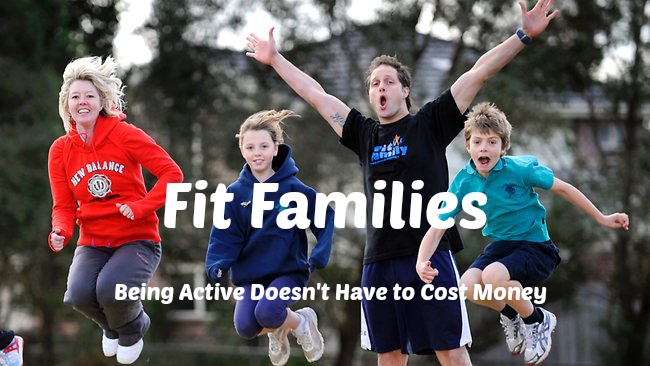
Fit Families: Being Active Doesn’t Have to Cost Money

September 11, 2013 | 4 Comments

fit familiesGrowing up, activity was second nature to me. I’d wake up, go outside and play until the sun went down and repeat the next day. I was involved in some organized sports, but for the most part, unless it was pouring rain there was an expectation on me to be active.

The level of inactivity in today’s general population, especially children is alarming. I live on a street full of children and I can count on one hand the amount of times I have seen them actually playing outside. While this doesn’t necessarily mean they’re not involved in organized activity outside of the home, it still concerns me. Unless it is pouring rain, I make sure my daughter gets outside and explores everyday. I want activity to be ingrained in her little brain.

A friend of mine recently started complaining about how her overweight son (who is 11) was never going to lose weight because she couldn’t afford to enroll him in an organized sport. Overweight herself, she claims to be determined to not have him lead the life she has as an overweight adult. When I told her I thought ”not being able to afford organized sport” was a poor excuse, she was taken aback.  And don’t even get me started on a junk food tax.

Though organized sports and activity hold many benefits in many aspects, they are not the only ways to get active and fit.


Free or Inexpensive Activities for Families

Families who are active together are generally much happier as a whole and individual parts. I can tell you I always feel much better mentally and physically when my whole family gets out together rather than being alone or even me and the little one. Having my husband present is encouraging and fun. Activity is an amazing bonding time for everyone.

Some free or inexpensive activity ideas for the whole family include:

  • Walking or hiking, exploring your neighborhood or local parks,
  • Biking
  • Playing in the snow, snowshoes, skiing, building snowmen are always fun.
  • Family sport game (baseball, tennis, soccer)
  • Play on the beach, running in the sand, building sand castles.
  • Swimming
  • Walk the family dog together
  • Rake leaves, clean the yard, garden together (for more fun jump in the leave piles!)
  • Play electronic games. Electronic games (Wii, xBox, Playstation) can be fun when played as a family, there are many games that encourage activity.
  • Run, there are many family friendly races that you could train and run together.

When activity is a component of your life, you feel better in all aspects of your life. You have more focus and are generally more organized and in a better mood. Nothing bad ever comes from being active together. Being active as a family means you are setting your children up for a healthier life than leading an inactive childhood. When children see their parents active they are also more apt to partake in activity.

Being fit a fit family doesn’t have to include fancy gym memberships or organized sports. There’s nothing stopping you from exploring the world around you and having fun while doing it!

Do you consider yourself to be active? How about your family?

Catherine
Catherine

Catherine is a first time momma to a rambunctious toddler. When she isn’t soaking up all that motherhood has to offer, you can find her blogging over at Plunged in Debt where she chronicles her and her husbands journey out of debt. You can also follow her on Twitter.

plungedindebt.com

Filed Under: Healthy Living & Eating Tagged With: Activities For Family, Family, Family Sports, Fit Families

Funeral Insurance is More Important than You May Think

April 3, 2013 | 1 Comment

Funeral InsuranceThroughout all of life’s ups and downs, there are a few things you can be certain of:

  • You will have to pay taxes
  • You will endure many changes and seasons of change as you grow older
  • You will eventually pass away

While death is certainly a sensitive topic to most, careful consideration should be taken to ensure your final days are spent filled with love, family and friends instead of accountants, bills and funeral directors.

With a bit of pre-planning, you can make sure all of your final arrangements are taken care of long before those emotional last hours. You can also rest peacefully knowing that your loved ones won’t be left with any financial burden by purchasing funeral insurance.


What is Funeral Insurance?

Also known as burial or final expense insurance, funeral insurance is a type of life insurance policy that covers the costs associated with your end of life arrangements. These can include everything from caskets and funeral home costs to flowers and burial plots in the cemetery.

Policies typically range in value from $5,000 to $50,000 and are left in the control of a designated beneficiary who will organize, and pay for, your final arrangements as you specify.


Tips for Buying Funeral Insurance

First and foremost, don’t purchase a policy that’s unnecessary. This may be the case if your current life insurance policy covers funeral expenses (or perhaps you already have money saved for these costs). Once you’ve identified that funeral insurance is a purchase you’d like to make, check the laws in your state and city, discuss your plans with your family, and research a few different brokerages and coverage options before committing to one.

You should also set up a meeting with a funeral director at the home you plan to have your final arrangements carried out. Also, make sure to take advantage of the “free look” period (the first 30-60 days of your policy) so you’re 100% confident this is the policy you need and like. If there’s something wrong or you’ve changed your mind, you can legally cancel the policy and get your money back!


When it’s Time to Buy

The first step of the buying process should be to have everything put into writing. Ensure that your wishes are clearly stated and the various components of your arrangements are clearly listed in the contracts. Finally, make sure all documents are signed in your presence!

Do you have funeral insurance?

Brian
Brian

Brian is the founder of Kids Ain’t Cheap and is now sharing his journey through parenthood.

 
Email • Google + • Facebook • Twitter

Filed Under: Money and Finances Tagged With: Family, Funeral, Funeral Insurance, Insurance

Family Business Where Kids Can Help

March 15, 2012 | Leave a Comment

family businessFinding affordable childcare can be a challenge. Because of this, many people are looking for a job that they can do with their kids. While many of these jobs are done from home, there are a few jobs that allow you to bring the kids with you.

The following employment ideas include jobs where you work for another person and business opportunities that the whole family can work on together. In the case of the businesses, it’s recommended that a family try out the idea before the parent or parents make the decision to quit their job.mmFor people who have little money for start-up costs, there are a lot of financing options. Business loans are the most common financing route, but they typically require a person to have a good credit history. A bad credit business loan can be taken out by people who are in this situation.


Education

The majority of day care centers, as well as many private schools allow their workers to bring their kids to work with them. In the case of many day care centers, the employees are offered free care for their children as part of the benefits package. Depending on the center’s rules, the children are allowed to stay in the same room where their parent works.

Many schools allow the children of their teachers and other staff (such as cafeteria workers) to attend classes there. In the case of private schools, this is considered to be one of the main benefits of the job by many of the people who work there. While children are often not allowed to be in the same classroom in which their parent teaches, they are often just a few feet away.


Home Based Businesses

Parents who choose to work from home and/or who own their own business have a lot of flexibility with their schedules and they can often plan to bring their kids to work with them.

For example, there are a lot of home-based craft and baking businesses that are operated out of homes. Start-up costs for most craft businesses typically just consist of the craft materials or ingredients themselves as well as some basic advertising. Depending on their age and ability, young kids can sort materials, attach price tags, and even assemble simple parts.

Older children can help out by photographing the items made and creating listings for them on internet sites such as etsy and craigslist. Kids of all ages can accompany their parent to the flea markets, swap meets, and farmer’s markets where the parents sell their goods. In fact, many parents site these places as a good way to teach their kids about the basics of a retail business. Kids learn good math skills, as well as how to interact with other people and a variety of sales skills.

Brian
Brian

Brian is the founder of Kids Ain’t Cheap and is now sharing his journey through parenthood.

 
Email • Google + • Facebook • Twitter

Filed Under: Family Time, Money and Finances Tagged With: Business, Family

« Previous Page
Next Page »
  • Facebook
  • Pinterest
  • RSS
  • Twitter

Basic Principles Of Good Parenting

Here some basic principles for good parenting:

  1. What You Do Matters: Your kids are watching you. So, be purposeful about what you want to accomplish.
  2. You Can’t be Too Loving: Don’t replace love with material possessions, lowered expectations or leniency.
  3. Be Involved Your Kids Life: Arrange your priorities to focus on what your kid’s needs. Be there mentally and physically.
  4. Adapt Your Parenting: Children grow quickly, so keep pace with your child’s development.
  5. Establish and Set Rules: The rules you set for children will establish the rules they set for themselves later.  Avoid harsh discipline and be consistent.
  6. Explain Your Decisions: What is obvious to you may not be evident to your child. They don’t have the experience you do.
  7. Be Respectful To Your Child: How you treat your child is how they will treat others.  Be polite, respectful and make an effort to pay attention.
Best Parenting Blogs

Most Popular

Baby

9 Baby Names That Sound Expensive Even Though Naming Your Baby Is Still Free

Evan Morgan
Baby

The Rise of “Aggressive” Baby Names Is Raising Eyebrows — Here’s What Parents Are Choosing

Evan Morgan
Baby names

Teachers Admit: These 6 Baby Names Create Instant Bias in the Classroom

Latrice Perez
6 Baby Names That Sound Cute Now but Cause Problems Later

6 Baby Names That Sound Cute Now but Cause Problems Later

Brandon Marcus
11 Ways Kids Are Outsmarting Parental Controls 1. Using Alternate Devices One common trick is simply turning to another device. If a child’s main phone or tablet is restricted, they may borrow a sibling’s, friend’s, or even a school laptop. This instantly gives them access to content outside of parental oversight. Parents often focus on one device, forgetting that others in the household can serve as loopholes. Knowing this tactic helps families tighten controls across all electronics. 2. Clearing Browsing Histories Many kids quickly learn that clearing browsing history hides evidence of restricted activity. With just a few clicks, they can erase any trace of websites visited. This makes it harder for parents to notice when rules are being broken. Parents may assume no history means no browsing, but the reality is often the opposite. Kids are outsmarting parental controls by making it seem like nothing happened at all. 3. Using Private Browsing Modes Most browsers offer “incognito” or private browsing features. Kids use this mode to access websites without leaving a record in the history. To parents checking later, everything looks clean and safe. This simple trick is often one of the first ways kids discover how to bypass restrictions. Conversations about private browsing can help close this gap. 4. Guessing or Resetting Passwords Children who are persistent may try to guess passwords to parental control apps or accounts. Others may find ways to reset them through email prompts or security questions. Once inside, they can disable restrictions entirely. Parents may not even realize controls have been altered until much later. Stronger, less predictable passwords can make this more difficult. 5. Using VPNs to Hide Activity Virtual private networks, or VPNs, let kids disguise their online locations. With one downloaded app, they can bypass geographic or parental restrictions. Some children learn about VPNs through friends or even social media. This makes it easy for them to reach content that should be blocked. Parents often underestimate just how simple it is for kids to use these tools. 6. Creating Fake Accounts When parents monitor social media, kids may create hidden accounts. These “finstas” or fake profiles allow them to interact freely without parental oversight. While their main account appears harmless, the secondary one tells a different story. Kids are outsmarting parental controls by playing both sides at once. Checking for duplicate accounts can help parents stay more aware. 7. Exploiting Time Zone Settings Some kids change the time zone on their devices to bypass screen time limits. This trick allows them to gain extra hours of usage undetected. Parents may assume controls are working, but in reality, the child is bending the clock. It’s a clever loophole that highlights just how resourceful kids can be. Monitoring device settings regularly can catch this tactic. 8. Disabling or Uninstalling Apps Parental control apps can be deleted or disabled with surprising ease. Some kids even reinstall them before a parent checks, making it seem like nothing changed. Others may simply restrict permissions to prevent apps from functioning properly. When apps aren’t monitored closely, parents may not notice they’ve been tampered with. This shows the importance of consistent follow-up. 9. Turning to Friends for Access If a child can’t get past restrictions on their own, they may rely on friends. Visiting a friend’s house or borrowing their phone can give them a free pass. Parents often forget that peer environments can override restrictions set at home. This kind of social workaround is especially common with gaming or social media. Open conversations about trust and responsibility are essential. 10. Hiding Apps in Plain Sight Kids sometimes download apps that look innocent but serve as gateways to hidden activity. These apps may disguise themselves as calculators or utilities. In reality, they allow file storage, private messaging, or browser access. Parents glancing at a home screen may overlook them entirely. Learning to recognize these disguised apps can help parents stay informed. 11. Outpacing Parents’ Tech Knowledge Finally, kids often know more about devices than their parents do. Whether through YouTube tutorials, TikTok hacks, or peer groups, they quickly learn advanced workarounds. This knowledge gap means controls can be bypassed before parents even realize the loophole exists. Staying informed and continually learning about new technology is the best defense. Kids are outsmarting parental controls because they adapt faster than most adults. The Real Solution Lies Beyond Restrictions While controls and filters are important, no system is perfect. Kids will always find creative ways around barriers, making communication the strongest safeguard. Setting clear expectations, building trust, and having ongoing conversations about online behavior matter more than apps alone. Parents who combine technology with open dialogue create a safer digital environment. The goal isn’t to win a battle of wits but to build a relationship that keeps kids both safe and honest. Do you think kids are outsmarting parental controls faster than parents can keep up? Share your experiences in the comments below. What to Read Next... 6 Parenting Tech Shortcuts That Can Expose Your Child to Strangers How Much Screen Time Is Too Much—Legally Speaking? Is Your Child’s School Quietly Tracking Their Location Without Your Consent? How Much Screen Time Is Quietly Reshaping Childhood Behavior? Why Some Parents Are Being Investigated Over Homeschooling Records

11 Ways Kids Are Outsmarting Parental Controls

Catherine Reed

All content on Kids Ain’t Cheap is for entertainment purposes only. By reading this blog, you agree that Kids Ain’t Cheap is not responsible for any actions taken after reading this blog. For the full disclaimer, see our privacy policy.

Please note that Kids Ain’t Cheap has financial relationships with some of the merchants mentioned here. Kids Ain’t Cheap is funded by banner advertising, commission sales and search optimization consulting.

Copyright © 2006–2026 | District Media | All Rights Reserved | Privacy Policy

Copyright © 2026 Runway Pro Theme by Viva la Violette