
• Home
  • About Us
  • Toolkit
  • Archives
  • Advertise
  • Privacy Policy

Kids Ain't Cheap

But They Sure Are Worth It

  • Parenting
    • Baby Stuff
    • Books and Reading
      • Aesops Fables
      • Comic Books
    • Education
    • Family Time
    • Green Living
    • Growing Up
    • Healthy Living & Eating
    • Holidays
    • Parenting
    • Random Musings
    • Shopping
    • Stuff to Do
  • Money
  • Product Reviews
    • Books and Magazines
    • Discount Sites
    • Furniture
    • House Keeping
    • Reviews News
    • Toys and Games
  • Contact Us
  • Our Editorial Commitment
  • Search

These 5 Dog Breeds Are Famous for Their Patience With Toddlers

June 8, 2025 | Leave a Comment

These 5 Dog Breeds Are Famous for Their Patience With Toddlers

Bringing a dog into a home with toddlers can be a heartwarming decision—or a chaotic one if the wrong breed is chosen. Toddlers are unpredictable, noisy, and not exactly gentle, which means a good family dog needs to be calm, tolerant, and steady. Fortunately, there are certain dog breeds famous for their patience with toddlers. These breeds tend to be gentle giants (or sweet-natured companions) that are hard to rattle, even when a toddler is trying to ride them like a pony or offer them half a soggy cracker. If you’re searching for a loyal family companion who won’t flinch at flying sippy cups, this list is a great place to start.

1. Golden Retriever: The Classic Kid-Friendly Companion

Golden Retrievers are consistently ranked among the top dog breeds, famous for their patience with toddlers—and for good reason. They’re friendly, adaptable, and rarely show signs of aggression, even when a child is tugging at their ears. Goldens love to be part of a family and will often form close bonds with little ones, becoming both playmate and protector. Their intelligence also means they can be trained quickly to follow household rules and understand boundaries. If your toddler is learning to be gentle, the Golden is a great breed to gently guide that journey.

2. Labrador Retriever: Playful, Loyal, and Tolerant

Labrador Retrievers are another staple when it comes to dog breeds famous for their patience with toddlers. Labs are full of energy and affection, making them a great match for curious, active kids. They’re known to be gentle giants who don’t mind a bit of roughhousing, as long as it comes with snuggles and treats afterward. Labs are also highly trainable, which means they can learn how to behave around toddlers quickly. Their friendly disposition and eager-to-please attitude make them ideal for busy households with growing children.

3. Cavalier King Charles Spaniel: A Gentle Lap Dog with a Big Heart

For families looking for a smaller dog, the Cavalier King Charles Spaniel is one of the top small dog breeds, famous for their patience with toddlers. These affectionate pups are people-focused and love being near their humans, whether that means cuddling on the couch or following a toddler from room to room. They’re gentle and rarely show signs of aggression, even when a toddler’s attention gets a little overwhelming. Their manageable size also makes them less intimidating for young children. If your child wants a four-legged best friend who’s always nearby, this sweet-natured spaniel is a great match.

4. Bernese Mountain Dog: Big, Fluffy, and Incredibly Patient

Despite their massive size, Bernese Mountain Dogs are known for being surprisingly gentle, especially with children. These gentle giants are one of the most underrated dog breeds, famous for their patience with toddlers. They move slowly, tolerate clumsy toddler hugs, and enjoy being part of a pack, especially one with kids. Their calm nature makes them perfect for families that don’t want a hyperactive dog but still want one that enjoys company. Berners are also fiercely loyal and often develop protective instincts around the youngest members of the household.

5. Basset Hound: Low to the Ground, High on Patience

The Basset Hound may not be the first breed that comes to mind, but it’s surprisingly one of the dog breeds famous for their patience with toddlers. Their laid-back personality, low energy, and non-confrontational nature make them excellent companions for little kids who want a snuggly, mellow pet. While they aren’t as eager to play fetch as a Labrador or Golden, their tolerance and sweet demeanor shine in a household with small children. Bassets also tend to “go with the flow,” making them great dogs for chaotic toddler households.

What Matters Most: Temperament Over Trend

Choosing the right dog for a toddler-filled home isn’t just about cuteness or popularity. It’s about temperament, patience, and adaptability. These dog breeds are famous for their patience with toddlers and offer not just companionship but a lesson in calm, unconditional love. Whether your home is loud and lively or slow and steady, the right dog can bring a sense of joy, stability, and warmth that kids will remember for life.

Do you have a dog that’s been a perfect match for your toddler? Which breeds would you recommend to other parents? Share your stories in the comments!

Read More:

7 Breeds That Will Protect Your Family Without Being Asked

7 Dog Breeds That No One Should Own If They Have Infants at Home

Catherine Reed
Catherine Reed

Catherine is a tech-savvy writer who has focused on the personal finance space for more than eight years. She has a Bachelor’s in Information Technology and enjoys showcasing how tech can simplify everyday personal finance tasks like budgeting, spending tracking, and planning for the future. Additionally, she’s explored the ins and outs of the world of side hustles and loves to share what she’s learned along the way. When she’s not working, you can find her relaxing at home in the Pacific Northwest with her two cats or enjoying a cup of coffee at her neighborhood cafe.


Filed Under: Pets Tagged With: dog breeds famous for their patience with toddlers, family dogs, gentle dogs for children, kid-friendly dogs, parenting tips, raising kids with pets, toddler-safe pets

10 Parenting Phrases That Do More Harm Than Good

June 8, 2025 | Leave a Comment

10 Parenting Phrases That Do More Harm Than Good

Words matter—especially when they come from a parent. The things we say in the heat of the moment, during tough conversations, or while trying to teach a lesson often stick longer than we expect. And sometimes, the parenting phrases that feel normal or even loving can quietly undermine a child’s confidence, emotional growth, or trust in us. That’s why it’s so important to recognize which phrases sound harmless but are actually doing more harm than good. Here are ten parenting phrases that do more harm than good, along with healthier ways to communicate what you really mean.

1. “Because I said so.”

This phrase shuts down curiosity and sends the message that authority matters more than understanding. While it might feel like a quick fix when you’re exhausted, it doesn’t teach kids why a rule exists or how to make better choices. Over time, it can lead to resentment or fear of asking questions. Kids benefit more from explanations, even simple ones. Instead, try: “I want you to understand the reason behind this rule, so let’s talk about it.”

2. “Stop crying. You’re fine.”

This is one of the most common parenting phrases that do more harm than good. Dismissing emotions—even when you mean to comfort—teaches children to ignore or suppress their feelings. It also invalidates their experience, even if it seems minor to you. A better approach is to say, “I see you’re upset. Let’s figure out what’s going on together.” Validating their emotions helps them learn how to manage them in a healthy way.

3. “You’re being so dramatic.”

Telling a child they’re dramatic can make them feel ashamed for expressing themselves. Kids feel emotions in big ways, and minimizing their reactions often leads to confusion or self-doubt. Even if it seems exaggerated, what they’re feeling is real to them. Swap this phrase for something like, “I can tell this feels like a lot right now. Want to talk about it?” That opens the door for connection instead of conflict.

4. “Why can’t you be more like your sibling?”

Comparison is a fast track to insecurity. This phrase doesn’t motivate—it divides and discourages. Kids may internalize the message that they’re not good enough or feel pitted against their siblings. Every child has different strengths, and those differences deserve to be celebrated. Try focusing on specific behaviors instead, like “Let’s work on picking up your toys just like you promised.”

5. “You’re making me crazy.”

This phrase blames the child for the parent’s emotional state, which is unfair and confusing. It suggests that their behavior is responsible for your stress or anger. Instead, model emotional regulation by saying, “I’m feeling overwhelmed right now, so I need a moment to cool down.” That shows kids how to take ownership of their feelings—and gives them permission to do the same.

6. “Good job!”

Wait, isn’t this a positive phrase? While praise is important, overusing generic praise like “good job” can lose its impact and make kids dependent on external approval. One of the parenting phrases that does more harm than good when overused is that it’s better to be specific. Try: “I noticed how focused you were while building that—it took a lot of patience!” This helps children recognize their effort and progress.

7. “Big boys/girls don’t get scared.”

This statement can create shame around normal human emotions. Fear is not a weakness—it’s a biological response. When we tell kids that being scared is something to outgrow, they may learn to hide fear instead of working through it. Instead, try saying, “It’s okay to be scared. Let’s figure out how to feel safe together.” This builds emotional intelligence and trust.

8. “You always…” or “You never…”

Using absolute language rarely leads to productive conversations. These phrases often exaggerate the issue and put kids on the defensive. It also labels them in a way that may feel permanent, like they’re incapable of change. Try focusing on the present behavior instead: “Lately, I’ve noticed you’ve been forgetting to put your homework in your backpack. Let’s come up with a system to help.” That keeps the conversation solution-focused.

9. “If you don’t stop, I’m leaving.”

Empty threats can backfire quickly. They teach kids not to take your words seriously—or worse, to fear abandonment. It’s okay to set boundaries, but make sure you follow through in a realistic and supportive way. Instead, say something like, “If you keep hitting your brother, we’ll need to leave the playground early so everyone feels safe.” This sets a clear, respectful consequence.

10. “I’m disappointed in you.”

This one stings more than parents often realize. While it may be intended as a gentle nudge toward better choices, it can sound like a judgment of their character rather than their behavior. Instead, focus on the action: “I know you’re capable of better choices than what happened today. Let’s talk about how to make it right.” That encourages accountability without shame.

Mindful Words Make Confident Kids

Every parent slips up—we’re human. But becoming aware of the parenting phrases that do more harm than good helps us communicate with more intention, empathy, and connection. Children learn not just from what we say, but how we say it. By choosing words that build rather than break down, we raise kids who feel heard, respected, and ready to face the world with confidence.

Have you ever caught yourself using one of these phrases? What mindful swaps have helped you communicate better with your child? Share your experiences in the comments!

Read More:

5 Common Parenting Tips That Did More Harm Than Good

10 Parenting Practices That Are More Harmful Than You Think

Catherine Reed
Catherine Reed

Catherine is a tech-savvy writer who has focused on the personal finance space for more than eight years. She has a Bachelor’s in Information Technology and enjoys showcasing how tech can simplify everyday personal finance tasks like budgeting, spending tracking, and planning for the future. Additionally, she’s explored the ins and outs of the world of side hustles and loves to share what she’s learned along the way. When she’s not working, you can find her relaxing at home in the Pacific Northwest with her two cats or enjoying a cup of coffee at her neighborhood cafe.

Filed Under: Parenting Tagged With: child communication, emotional development, mindful parenting, parenting habits, parenting phrases that do more harm than good, parenting tips, positive discipline, raising kids

The One Parenting Hack That Changed Our Family Dynamics

June 8, 2025 | Leave a Comment

The One Parenting Hack That Changed Our Family Dynamics

Every parent has a moment where they feel like they’re doing everything right—and somehow, everything is still wrong. The house is loud, emotions are high, and even basic routines start to feel like power struggles. That was us, juggling chores, school, screen time limits, and bedtime routines with what felt like more frustration than fun. Then we stumbled on one simple shift, the one parenting hack that changed our family dynamics completely. It didn’t require a new schedule, a parenting course, or a color-coded calendar—it just required one powerful habit.

1. Family Check-Ins Became a Game-Changer

We started holding short, weekly family check-ins on Sunday evenings. Everyone—even the little ones—got a chance to share how they were feeling, what they liked, and what frustrated them that week. It turned out that giving our kids a voice in family matters created instant buy-in, less resistance, and way more cooperation. This one parenting hack that changed our family dynamics gave everyone space to feel heard. Instead of reacting to issues as they exploded, we started addressing them before they did.

2. We Switched from “Fixing” to Listening

Like many parents, we were quick to jump in with advice when our kids had a problem. But during these check-ins, we practiced listening without interrupting, offering only support unless advice was specifically requested. This changed the way our kids responded to us—suddenly, they came to us more often, not less. Just being heard made them feel capable of solving their own issues. One parenting hack that changed our family dynamics was learning that sometimes, silence is the best support.

3. Everyone Got a Turn to Lead

To keep our check-ins engaging, we rotated leadership. One week, our oldest would lead and choose a “question of the day.” The next week, the youngest might pick a silly topic or a song to end the meeting. This made our kids feel empowered and reminded us that even the smallest voices can have big value. That shift in family roles—where kids led just as much as we did—was the one parenting hack that changed our family dynamics in a powerful way.

4. We Addressed Problems Without Blame

When things came up—missed chores, short tempers, forgotten backpacks—we talked about them using “what can we do differently?” instead of “who messed up?” This created a problem-solving mindset rather than a punishment-focused one. Our kids felt less defensive, which meant more honest conversations. Mistakes became teaching moments, not battlefields. Reframing conflict like this became the one parenting hack that changed our family dynamics for the better.

5. We Started Celebrating Small Wins

Each check-in ended with everyone naming something they were proud of—about themselves or another family member. It could be as simple as “I packed my own lunch” or “You helped me with math homework.” These moments created a positive emotional tone and helped build appreciation among siblings. What started as a quick wrap-up became the highlight of the week. Recognizing effort, not just achievement, was the one parenting hack that changed our family dynamics by reinforcing connection.

6. We Learned to Plan With Our Kids, Not For Them

Instead of announcing the week’s plans and expecting cooperation, we began using our Sunday check-ins to get input. Which night should we do pizza? What’s a fun thing to do after school this week? Suddenly, our kids were more invested in following through because they’d helped make the decisions. When kids help shape the schedule, it feels like teamwork, not orders. This mindset shift became the one parenting hack that changed our family dynamics into something more collaborative.

7. Arguments Turned Into Discussions

Having a regular time to talk meant that small tensions didn’t bubble up into explosive fights. When a disagreement did arise, our kids started saying, “Can we talk about it at check-in?” We taught them how to bring up issues calmly, and they actually used the skill. Instead of power struggles, we saw negotiation and self-advocacy. Teaching conflict resolution inside a predictable space became the one parenting hack that changed our family dynamics from chaotic to calm.

8. We Built a Habit of Connection

It wasn’t always perfect. Some check-ins were goofy, others emotional, and a few got sidetracked by snack breaks. But over time, we built something more than a habit—we built trust. Our kids opened up more, argued less, and supported each other unexpectedly. And it all started with this one parenting hack that changed our family dynamics: consistently showing up and listening.

When One Small Change Makes a Big Impact

Parenting doesn’t have to mean overhauling your entire life or reading every new expert take. Sometimes, it just means carving out space to talk, listen, and connect. For us, creating a weekly family check-in was the one parenting hack that changed our family dynamics—and made everything else easier. It gave our kids a voice, gave us perspective, and brought us closer when we needed it most.

Have you discovered one parenting hack that changed your family dynamics? Share it in the comments—we’d love to learn from your experience!

Read More:

7 Parenting Hacks You’ll Wish You Learned Sooner

13 Parenting Hacks That Seem Strange but Work Wonders

Catherine Reed
Catherine Reed

Catherine is a tech-savvy writer who has focused on the personal finance space for more than eight years. She has a Bachelor’s in Information Technology and enjoys showcasing how tech can simplify everyday personal finance tasks like budgeting, spending tracking, and planning for the future. Additionally, she’s explored the ins and outs of the world of side hustles and loves to share what she’s learned along the way. When she’s not working, you can find her relaxing at home in the Pacific Northwest with her two cats or enjoying a cup of coffee at her neighborhood cafe.
Filed Under: Parenting Tagged With: family communication, family routines, one parenting hack that changed our family dynamics, parenting connection, parenting hacks, parenting tips, peaceful parenting, raising kids

9 Ways to Emotionally Support Your Child After a Meltdown

June 8, 2025 | Leave a Comment

9 Ways to Emotionally Support Your Child After a Meltdown

The screaming, the tears, the flailing limbs—meltdowns can shake the entire household. But what happens after the storm passes is just as important as what you do in the moment. Once your child begins to calm down, they’re often left feeling confused, ashamed, or overwhelmed by emotions they couldn’t control. This is when connection matters most. Learning how to emotionally support your child after a meltdown builds resilience, strengthens trust, and teaches them they’re not alone in navigating big feelings.

1. Stay Calm and Reassuring

After a meltdown, your child may still be feeling fragile and uncertain. One of the best ways to emotionally support your child after a meltdown is to remain calm and composed yourself. Even if you’re still shaken, showing a steady presence can help reestablish their sense of safety. A soft voice, relaxed posture, and gentle touch go a long way. Your calm is their anchor after emotional chaos.

2. Offer Physical Comfort (If They Want It)

Some kids crave a hug after a meltdown, while others need a little space. Respect their needs but offer the option: “Would you like a hug or to sit next to me for a bit?” Physical comfort can release tension and reinforce your love without words. If they’re not ready for closeness, stay nearby so they know you’re available. Simply sitting together in silence can emotionally support your child after a meltdown more than you might think.

3. Validate Their Feelings Without Judgment

Even if their reaction seemed over-the-top, the emotions behind it were very real to them. Say things like, “That felt really big, didn’t it?” or “I could see you were really frustrated.” Validating doesn’t mean agreeing with the behavior—it means acknowledging the emotional experience. This helps your child feel seen instead of shamed. It’s one of the most important ways to emotionally support your child after a meltdown and build emotional intelligence.

4. Help Them Name What They Felt

Young children often don’t have the vocabulary to describe what’s going on inside. After they’ve calmed down, gently guide them in labeling their emotions: “It looked like you were feeling angry and then maybe a little scared?” Naming emotions gives them power over those feelings the next time they show up. It also encourages self-awareness, which is a lifelong skill. Use simple language and be patient if they struggle to identify their feelings at first.

5. Reassure Them They’re Still Loved

Meltdowns can leave kids feeling ashamed or like they’ve let you down. A simple reminder—“I love you no matter what”—can be a powerful way to emotionally support your child after a meltdown. Reinforce that everyone has hard moments and that their feelings don’t make them bad. Knowing your love is constant gives them the confidence to keep learning and growing. The more secure they feel, the better they’ll handle future challenges.

6. Revisit the Trigger Later (Not Right Away)

It’s tempting to jump into a teachable moment, but right after a meltdown isn’t the time for correction. Once your child is fully calm, you can gently revisit what led up to the meltdown. Keep it curious, not critical: “Do you remember what made you so upset earlier?” This keeps the focus on learning, not blame. Working together to find solutions shows you’re on the same team.

7. Reinforce Positive Coping Tools

Use the calm period to talk about what they can do next time they feel overwhelmed. Remind them of strategies that work—like deep breaths, squeezing a stress ball, or taking a quiet break. Practice those tools together so they feel familiar. This helps emotionally support your child after a meltdown by giving them a sense of control. The goal isn’t to stop all meltdowns, but to build their ability to handle big feelings safely.

8. Reflect on What You Can Do Differently, Too

Parenting through meltdowns is tough. Take a moment to reflect on your own response and think about how you can improve next time. Were you too rushed? Did you miss the early signs of frustration? Modeling self-reflection shows your child that growth is something everyone works on. It also makes the home feel like a place where emotions can be handled, not hidden.

9. End with a Positive Connection

Once the dust settles, do something simple and comforting together—read a book, play a game, or share a snack. Ending on a positive note reinforces the bond between you and reminds your child that tough moments don’t define the relationship. This step helps rebuild their emotional balance and strengthens the trust that you’ll be there, no matter how big the meltdown. Little acts of love bring big healing.

Meltdowns Aren’t Failures—They’re Opportunities

Meltdowns are part of growing up, and your child isn’t trying to make your life harder. They’re overwhelmed and learning to handle emotions that feel too big for their body. When you emotionally support your child after a meltdown, you’re doing more than calming them down—you’re teaching them that emotions are manageable, mistakes are okay, and love doesn’t disappear when things get hard. That’s a lesson they’ll carry long after the meltdown is forgotten.

What strategies have helped you emotionally support your child after a meltdown? Share your go-to approaches in the comments!

Read More:

If Your Child Is an Introvert, Here’s What You Should Never Say

10 Things Every Teen Boy Should Hear from His Mom

Catherine Reed
Catherine Reed

Catherine is a tech-savvy writer who has focused on the personal finance space for more than eight years. She has a Bachelor’s in Information Technology and enjoys showcasing how tech can simplify everyday personal finance tasks like budgeting, spending tracking, and planning for the future. Additionally, she’s explored the ins and outs of the world of side hustles and loves to share what she’s learned along the way. When she’s not working, you can find her relaxing at home in the Pacific Northwest with her two cats or enjoying a cup of coffee at her neighborhood cafe.

Filed Under: Parenting Tagged With: child behavior, child emotions, emotional intelligence, emotionally support your child after a meltdown, parenting through meltdowns, parenting tips, parenting toddlers, tantrum recovery

9 Toys That Passed the Drop Test—and 4 That Didn’t Survive a Week

June 7, 2025 | Leave a Comment

9 Toys That Passed the Drop Test and 4 That Didnt Survive a Week

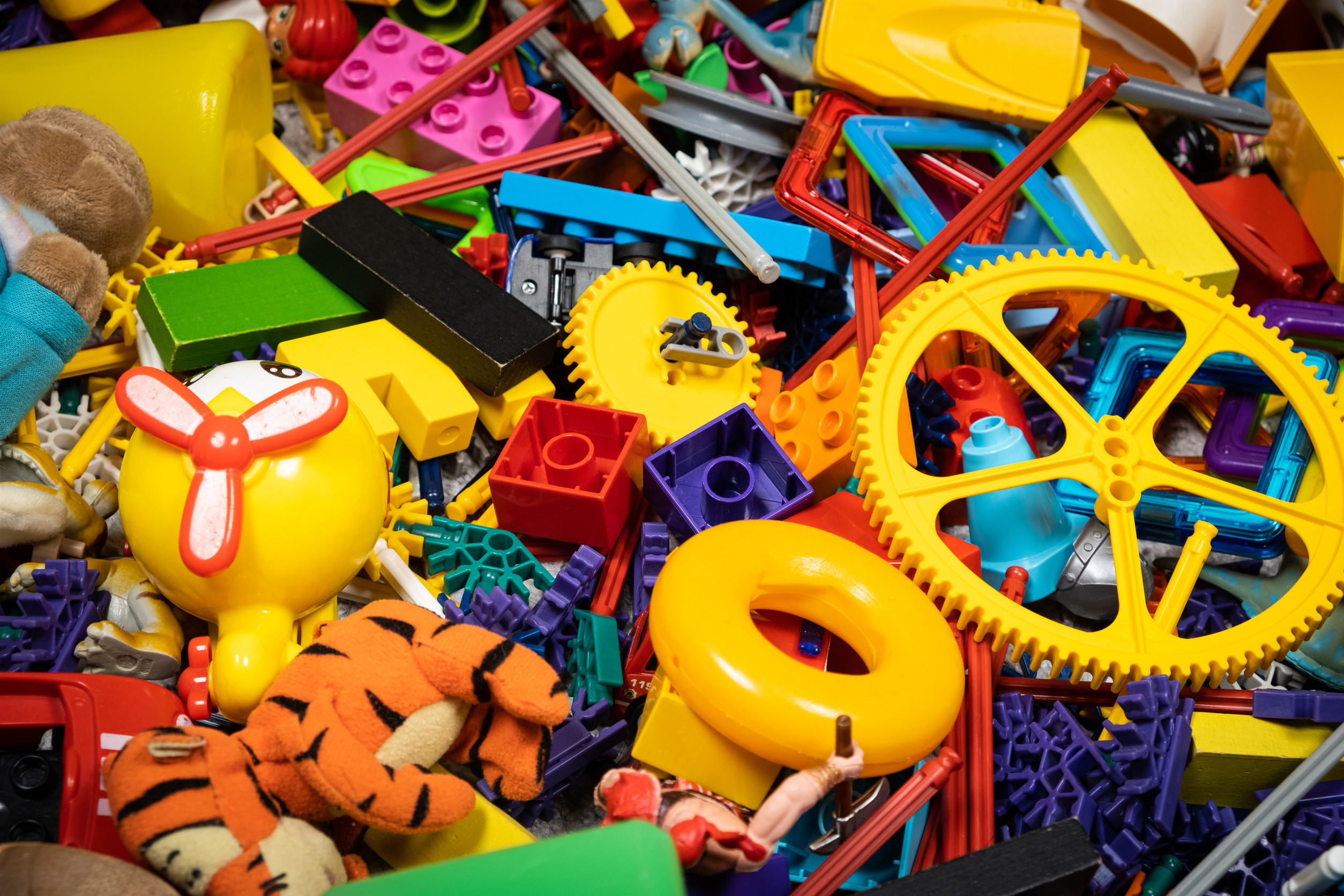
If your kid can break it, they will—and they’ll do it faster than the warranty can be activated. Every parent knows the pain of spending good money on a toy, only to have it snap, crack, or crumble after a single enthusiastic toss onto the floor. That’s why real-world testing—like the classic drop test—matters more than slick packaging. Durability counts, especially when you’ve got toddlers who think “gentle play” is for suckers. We put some of the most popular toys through serious handling to see which toys passed the drop test—and which ones didn’t even make it through the week.

9 Toys That Passed the Drop Test

1. LEGO Classic Brick Set

It’s no surprise that LEGO made the list of toys that passed the drop test. These colorful bricks are virtually indestructible, whether stepped on, thrown, or dropped from a table. Pieces might fly, but they don’t crack. The clutch power remains strong even after years of use. Bonus: the more they’re dropped, the more creative the clean-up becomes.

2. Green Toys Dump Truck

Made from recycled plastic and built to last, this truck handled drops, crashes, and outdoor play like a champ. The simple design has no flimsy parts, making it ideal for toddlers who like to crash-test their vehicles. It’s dishwasher safe, too, which is a perk after muddy adventures. This one survived indoor and outdoor testing with zero cracks. It’s a classic example of quality over flash.

3. Melissa & Doug Wooden Puzzles

These chunky wooden puzzles didn’t even flinch during multiple drop tests. The pieces may scatter on impact, but the boards and parts didn’t chip or splinter. They’re heavy-duty, tactile, and perfect for rough handling. This durability makes them a go-to option for toddlers and preschoolers alike. Just keep your toes clear if they drop on your foot.

4. Tonka Steel Classics Mighty Dump Truck

Few toys live up to their branding quite like this one. Made of real steel, the Tonka truck has legendary durability, and it showed. It withstood repeated drops down stairs and off counters without so much as a dent. The wheels stayed intact, and the dumping mechanism still worked perfectly. It’s one of the most indestructible toys on the market.

5. VTech Sit-to-Stand Learning Walker

Even with flashing lights and musical buttons, this toy held up surprisingly well to everyday wear and tear. The plastic is thick and stable, and even when toppled repeatedly, the electronics kept working. The wheels didn’t crack, and none of the interactive elements broke. It handled everything from crawling babies to overenthusiastic siblings. A solid pick for active little learners.

6. B. Toys One Two Squeeze Blocks

These soft, squishy building blocks are made from non-toxic rubber and are virtually impossible to damage. They were thrown, stepped on, and gnawed—and still looked brand new. Perfect for teething babies and busy toddlers. They also float in the bath, adding to their versatility. One of the more parent-friendly options that passed the drop test with ease.

7. Play-Doh Play Sets

Sure, the dough itself gets everywhere, but the tools are built to last. Rolling pins, stampers, and molds were dropped and stomped on, yet nothing snapped or bent. They’re lightweight but surprisingly strong. And even if they do wear out, replacements are easy to come by. When it comes to value and durability, Play-Doh earns high marks.

8. Fisher-Price Little People Sets

These tiny figures and buildings took a lot of abuse without showing signs of damage. The people themselves are compact, with no small parts that break off. Houses and vehicles held up to falls off couches, tables, and stairs. These toys are clearly built with toddlers in mind. They’re fun, safe, and shockingly durable.

9. Hot Wheels Cars

These small die-cast vehicles are surprisingly tough. Even after crashes, tosses, and multi-level track failures, the wheels kept spinning. Some paint may chip, but the cars themselves don’t fall apart. They’re one of the cheapest yet most reliable toys when it comes to durability. Definitely a win for both parents and kids.

4 Toys That Didn’t Survive a Week

1. Slime-Filled Surprise Toys

These might be fun at first, but once dropped, the plastic capsules often cracked or exploded. And once the slime is out, the toy becomes trash—or worse, a cleaning nightmare. They offer short-term excitement but very little actual play value. Most didn’t make it past day three. These fail both the drop test and the sanity test.

2. Knockoff Remote Control Cars

Budget versions of RC cars often look just like the real thing, but that illusion disappears after one solid crash. Cheap plastic snapped off, and one car even lost a wheel during a low drop. Batteries fell out, buttons broke, and functionality was lost. In short, they were more headaches than fun. A little extra investment goes a long way in this category.

3. Fashion Dolls with Snap-on Limbs

Many fashion dolls didn’t make it past one week of normal play. Arms popped off, legs bent backward, and accessories cracked with minimal pressure. Kids became frustrated trying to put them back together. While they may look cute, they simply weren’t made for rough-and-tumble play. They might survive on a shelf, but not on the floor.

4. Battery-Operated Bubble Machines

We had high hopes, but most of these broke after being tipped or dropped once. The motors jammed or the bubble wands snapped, and even replacing batteries didn’t help. These toys often look durable but fall apart quickly. Save your money and go for a good old-fashioned bubble wand.

Durability Saves Dollars in the Long Run

When it comes to buying toys for your child, choosing options that pass the drop test doesn’t just prevent tantrums—it protects your wallet. Cheap toys that break within days end up costing more in the long run. Look for simple designs, solid materials, and products made with real-life play in mind. Because at the end of the day, it’s not about how shiny a toy looks—it’s about how well it survives playtime in the hands of a curious, chaotic child.

Have you found a toy that truly stands up to your kid’s “quality testing”? Or one that totally flopped in a day? Share your best and worst in the comments!

Read More:

5 Toys Kids Are No Longer Playing With In Daycare

5 Toys That Were Never Designed to Be Used by Children

Catherine Reed
Catherine Reed

Catherine is a tech-savvy writer who has focused on the personal finance space for more than eight years. She has a Bachelor’s in Information Technology and enjoys showcasing how tech can simplify everyday personal finance tasks like budgeting, spending tracking, and planning for the future. Additionally, she’s explored the ins and outs of the world of side hustles and loves to share what she’s learned along the way. When she’s not working, you can find her relaxing at home in the Pacific Northwest with her two cats or enjoying a cup of coffee at her neighborhood cafe.

Filed Under: Toys and Games Tagged With: best toys for toddlers, child-tested toys, kids toys that break, parenting tips, toy buying advice, toy durability, toy recommendations, toys that passed the drop test

When a Fever Isn’t Just a Fever: 7 Red Flags Every Parent Should Know

June 7, 2025 | Leave a Comment

When a Fever Isnt Just a Fever 7 Red Flags Every Parent Should Know

Fevers are a common part of childhood. Sometimes they’re harmless, just the body’s way of fighting off a mild infection. But every parent knows that not all fevers are created equal. The tricky part is figuring out when a fever is something to monitor—and when it signals something more serious. Knowing when a fever isn’t just a fever could make all the difference in keeping your child safe and healthy.

1. Fever Lasts More Than Three Days

It’s normal for a fever to hang around for a day or two during a viral illness. But if it lingers beyond the three-day mark, that’s one of the clearest signs that a fever isn’t just a fever. It may point to something that needs medical attention, like a bacterial infection or complications from an untreated illness. A doctor may want to run tests to rule out infections like pneumonia, urinary tract infections, or even something more complex. The longer the fever sticks around, the more important it is to get answers.

2. Trouble Breathing or Rapid Breathing

If your child’s breathing seems labored or unusually fast during a fever, it’s time to act quickly. This is one of the red flags that parents should never ignore. Difficulty breathing could indicate a respiratory infection like RSV, bronchitis, or pneumonia, all of which may need immediate treatment. Count your child’s breaths per minute and observe whether their chest is retracting or if they’re using extra muscles to breathe. When breathing becomes hard work, the fever isn’t just a fever—it’s a warning sign.

3. Unusual Rash Appears

Some rashes are harmless, but others can point to serious infections, especially when they accompany a fever. If the rash doesn’t fade under pressure (try the glass test), looks purple or bruise-like, or spreads quickly, call your child’s doctor right away. A fever with a concerning rash could signal conditions like meningococcemia, which require urgent care. It’s essential to remember that some illnesses cause visible clues on the skin, and a rash can be a major red flag. In these cases, the fever isn’t just a fever—it’s a symptom of something potentially dangerous.

4. Child Is Lethargic or Unresponsive

All kids get tired when they’re sick, but there’s a difference between being sleepy and being difficult to wake up. If your child is unusually drowsy, won’t respond to you, or can’t stay awake for more than a few seconds, don’t wait it out. Lethargy and unresponsiveness paired with a fever can signal serious neurological concerns or dehydration. Trust your instincts—if your child seems “off,” it’s worth getting them checked out. Lethargy is one of the strongest signs that a fever isn’t just a fever.

5. Severe Headache or Stiff Neck

Older children may complain of a splitting headache, while younger ones might show discomfort by crying when you touch their head or neck. When paired with fever, these symptoms could suggest meningitis, an inflammation of the brain and spinal cord lining. Stiffness, especially if your child won’t look down or turn their head, needs medical evaluation immediately. These symptoms should not be brushed off as part of a regular illness. A severe headache means the fever isn’t just a fever—it may be part of a much more serious condition.

6. Vomiting or Refusing to Drink Fluids

It’s common for kids to lose their appetite when they’re sick, but total refusal to drink fluids or persistent vomiting can lead to rapid dehydration. Dehydration makes fevers more dangerous and harder for the body to manage. Watch for signs like dry lips, sunken eyes, and fewer wet diapers or bathroom trips. If you can’t keep your child hydrated, it’s time to call the doctor. A fever that keeps your child from drinking is not just a fever—it’s a potential health spiral.

7. Seizures During the Fever

Febrile seizures can happen in young children, often during a rapid rise in temperature. While they’re typically not dangerous on their own, the first time it happens is terrifying. If your child has a seizure, lay them on their side, don’t put anything in their mouth, and time the episode. Seek emergency care if the seizure lasts more than five minutes or your child doesn’t recover quickly. A seizure, even if it’s caused by a fever, means the fever isn’t just a fever—it’s affecting the brain and demands attention.

Knowing When to Worry Can Keep Kids Safe

Every child gets sick, and every fever isn’t a disaster. But being able to recognize when a fever isn’t just a fever can help you respond quickly and appropriately. These red flags are your cue to take the next step—whether it’s calling the pediatrician or heading to urgent care. Your intuition and awareness are powerful tools when it comes to your child’s health. Don’t hesitate to ask questions or push for answers when something doesn’t feel right.

Have you ever had to act fast when a fever turned out to be something more serious? Share your experience in the comments—your story might help another parent stay alert.

Read More:

5 Rare Childhood Diseases That Are More Common Than You Think

The Most Overlooked Illness in Children—And It’s Getting Worse

Catherine Reed
Catherine Reed

Catherine is a tech-savvy writer who has focused on the personal finance space for more than eight years. She has a Bachelor’s in Information Technology and enjoys showcasing how tech can simplify everyday personal finance tasks like budgeting, spending tracking, and planning for the future. Additionally, she’s explored the ins and outs of the world of side hustles and loves to share what she’s learned along the way. When she’s not working, you can find her relaxing at home in the Pacific Northwest with her two cats or enjoying a cup of coffee at her neighborhood cafe.

Filed Under: healthcare Tagged With: child health, childhood fever, fever symptoms, health red flags, parenting advice, parenting tips, pediatric emergencies, sick kids, when to call the doctor

Raising Future Millionaires: 5 Easy Ways to Teach Kids About Wealth Early

June 6, 2025 | Leave a Comment

Raising Future Millionaires 5 Easy Ways to Teach Kids About Wealth Early

Money habits don’t magically appear in adulthood—they start forming in childhood, often long before kids know how to spell “investment.” If you want to raise a financially responsible child, it’s crucial to teach kids about wealth while their minds are still open, curious, and ready to learn. The good news? You don’t need to be a millionaire yourself to make it happen. By building simple lessons into your daily routines, you’re not just teaching money—you’re empowering future decision-makers who understand the value of time, effort, and smart planning.

1. Start With the Value of Earning

If you want to teach kids about wealth, you have to begin with where money comes from—work. Giving your child a weekly allowance tied to age-appropriate chores helps them connect effort with income. It doesn’t need to be huge; even a few dollars make a strong impression when kids earn it themselves. This setup introduces budgeting opportunities and encourages questions about spending, saving, and working for more. Earning their own money builds confidence and instills respect for the labor behind each dollar.

2. Make Saving a Fun Habit

Piggy banks are fine for toddlers, but as your child gets older, it’s time to upgrade their saving strategy. A clear jar, labeled envelopes, or even a basic savings account can make the saving process more visual and engaging. To effectively teach kids about wealth, show them how small amounts grow over time. Match their savings to create a “parent interest rate,” or help them set a goal for a big item they want to buy. When kids see saving as empowering instead of restrictive, they’re more likely to keep doing it.

3. Introduce the Concept of Investing

You don’t have to dive into the stock market to get the point across. Teaching compound interest using easy-to-follow examples (like doubling pennies or planting seeds) is a great way to teach kids about wealth and long-term growth. Older kids might enjoy apps that simulate investing or allow real micro-investing with parental supervision. You can even explain how you invest for their college fund or retirement to make the concept real. When children grasp the idea of making money work for them, they stop seeing wealth as something that only happens with luck.

4. Let Them Make (Safe) Financial Mistakes

No one becomes financially savvy without learning from a few hiccups. If your child blows their allowance on candy and then regrets it, that’s a win—because the cost of that lesson is far cheaper now than later in life. Part of how you teach kids about wealth is by stepping back and allowing natural consequences. Instead of rescuing them, ask thoughtful questions like, “What might you do differently next time?” These small stumbles help develop resilience, decision-making skills, and a better understanding of opportunity cost.

5. Normalize Talking About Money

In many households, money is a taboo topic—but when you’re working to teach kids about wealth, openness is key. Talk about budgeting while shopping, discuss why you’re choosing one brand over another, or explain how you’re saving for a family trip. You don’t need to get into every financial detail; just involve your child in conversations where money plays a role. The more they hear healthy, confident dialogue around finances, the more likely they are to adopt that mindset as they grow.

Building a Financial Legacy That Lasts

You don’t have to wait until high school economics to teach kids about wealth—you can start now, in everyday moments, with lessons that are simple but powerful. By combining hands-on experiences with open conversations, you’re giving your child one of the most valuable gifts: financial literacy. And when that knowledge becomes part of who they are, the path to becoming a future millionaire doesn’t seem so out of reach after all.

What’s one money lesson you wish you’d learned earlier in life—and how are you passing it on to your kids? Share your stories in the comments below!

Read More:

15 Surprising Ways Your Daily Habits Impact Your Finances

Top 5 Personal Finance Apps for Kids

Catherine Reed
Catherine Reed

Catherine is a tech-savvy writer who has focused on the personal finance space for more than eight years. She has a Bachelor’s in Information Technology and enjoys showcasing how tech can simplify everyday personal finance tasks like budgeting, spending tracking, and planning for the future. Additionally, she’s explored the ins and outs of the world of side hustles and loves to share what she’s learned along the way. When she’s not working, you can find her relaxing at home in the Pacific Northwest with her two cats or enjoying a cup of coffee at her neighborhood cafe.

Filed Under: Finances Tagged With: Family Budgeting, financial literacy for kids, kids and allowance, money habits, parenting tips, raising financially smart kids, Saving Money, teach kids about wealth

Kids Lie More Than You Think—And What They’re Really Trying to Tell You

June 6, 2025 | Leave a Comment

Kids Lie More Than You Think And What Theyre Really Trying to Tell You

Your child may look you in the eye and insist they brushed their teeth, even though the toothbrush is bone dry. Before you assume it’s just mischievous behavior, it’s worth digging deeper. The truth is, kids lie more than you think, and the reason why often has less to do with being “bad” and more to do with trying to manage emotions, fear, or expectations. Understanding why children stretch the truth—and how to respond without overreacting—can help build trust, encourage honesty, and reveal what they truly need.

They’re Avoiding Punishment, Not Morality

One of the most common reasons kids lie more than you think is fear of punishment. Whether it’s a broken vase or a failed test, children often lie to avoid the consequences they believe will follow. This kind of lying usually stems from anxiety or past experiences with harsh reactions. When children think the truth equals trouble, they’re more likely to cover it up. Responding with calm curiosity instead of immediate anger can help them feel safe enough to be honest.

They Want to Protect Your Feelings

Children pick up on emotional cues more than adults realize. If your child senses that a truth might make you upset, sad, or disappointed, they may fib to spare your feelings. For example, a child might say they had fun at Grandma’s even if they were bored or uncomfortable, simply because they know you wanted them to enjoy it. Kids lie more than you think to avoid hurting the people they care about, which ironically shows their empathy—even if their delivery is flawed.

They’re Trying to Fit In

Social pressure starts young. Children may lie about what toys they have, what shows they’re allowed to watch, or how good they are at a game to impress their friends. These lies aren’t about defiance; they’re about belonging. When children feel insecure or left out, they may bend the truth to match what they think others expect. It’s important to recognize this as a signal that your child may be craving acceptance or struggling with self-esteem.

They’re Not Sure Where Imagination Ends

Young children often live in a world where pretend and reality blend together. That’s why kids lie more than you think, especially in the preschool and early elementary years. If your child insists a dragon ate their homework, they may not be trying to deceive—they may be expressing something emotionally significant in a way that feels safer or more fun. Rather than accusing them of lying, gently guide them to separate fantasy from facts.

They’re Practicing Independence

As children grow, they test boundaries. Lying can become part of that experimentation, especially when they’re figuring out how much control they have over their own lives. Telling you they don’t have homework (when they do) or sneaking extra screen time may be about asserting autonomy more than anything else. Recognizing that kids lie more than you think as a way of claiming independence helps parents set firmer, more respectful boundaries without shaming.

They’re Seeking Attention

Sometimes kids lie simply to get a reaction. If they feel overlooked or ignored, an outrageous or dramatic story might be their way of grabbing your attention. These lies are often easy to spot—they might involve celebrity sightings, wild achievements, or impossible events. Responding with interest in what they’re trying to express, rather than just correcting the facts, helps meet the underlying emotional need.

They Don’t Fully Understand Truth Yet

Especially for younger kids, the concept of lying is still forming. They may tell falsehoods without realizing it, particularly when recalling events or explaining something they don’t fully grasp. When kids lie more than you think, it’s not always about manipulation—it can be about development. Encouraging truth-telling through modeling and gentle correction is more effective than labeling them as liars.

They’re Trying to Avoid Embarrassment

Nobody likes to feel foolish, and kids are no exception. If they don’t know the answer to a question, forgot an assignment, or had an accident at school, they may lie out of sheer embarrassment. These lies aren’t meant to deceive but to protect their pride. When we approach these situations with empathy instead of criticism, we create space for honesty to flourish.

They’re Copying What They See

Kids watch everything. If they see adults tell white lies (“Tell them I’m not home” or “That outfit looks great” when it doesn’t), they learn that lying is an acceptable social tool. Even media can influence how often and in what contexts children bend the truth. If you’ve noticed that kids lie more than you think, look at the behavior being modeled around them—it’s often where the habit starts.

Honesty Is Built, Not Demanded

Lying is a normal part of childhood, but it’s also a developmental signal. When kids lie more than you think, it’s an invitation to look at what’s really going on underneath. Are they anxious? Seeking love or autonomy? Feeling afraid or ashamed? Every fib is a clue. With empathy, open dialogue, and consistent modeling, you can help your child grow into an honest and emotionally secure individual.

What’s the most unexpected lie your child has told—and what did it reveal? Share your stories (and parenting wisdom) in the comments below!

Read More:

10 Things Parents Should NEVER Ignore About Their Child’s Behavior

8 Things Kids Do to Hide Their Bad Behavior from You

Catherine Reed
Catherine Reed

Catherine is a tech-savvy writer who has focused on the personal finance space for more than eight years. She has a Bachelor’s in Information Technology and enjoys showcasing how tech can simplify everyday personal finance tasks like budgeting, spending tracking, and planning for the future. Additionally, she’s explored the ins and outs of the world of side hustles and loves to share what she’s learned along the way. When she’s not working, you can find her relaxing at home in the Pacific Northwest with her two cats or enjoying a cup of coffee at her neighborhood cafe.

Filed Under: Child behavior Tagged With: child behavior, child development, emotional intelligence, kids and honesty, parenting communication, parenting tips, trust and parenting, why kids lie

8 Options Every Child Should Have For Their Birthday Activities

June 6, 2025 | Leave a Comment

8 Options Every Child Should Have For Their Birthday Activities

Birthday parties are a big deal to kids—not just for cake and gifts, but for making memories that stick with them for years. Whether you’re planning something big or keeping it low-key, giving your child choices can make the day feel even more special. The right birthday plans don’t have to cost a fortune or follow a specific trend. What matters is that your child feels included, celebrated, and in control of the fun. These eight ideas are options every child should have for their birthday activities, and they work for different personalities, energy levels, and budgets.

1. A Stay-At-Home Celebration with Their Favorite Things

Not every birthday needs a rented space or crowd of guests. Some kids would love nothing more than a cozy party at home, surrounded by family, favorite foods, and a stack of games or movies. This is one of the most flexible options every child should have for their birthday activities, and it allows full customization. Think build-your-own taco night, homemade decorations, or a pajama party complete with popcorn and a movie marathon. It’s personal, easy to organize, and can be just as fun as anything flashy.

2. A Day Out Doing Something They Love

Instead of a traditional party, some kids prefer quality time doing something they already enjoy. This might be a trip to the zoo, mini-golf, a trampoline park, or their favorite arcade. Letting your child choose the activity gives them a sense of ownership and excitement. These outings are great options for introverted kids or those who aren’t into big group parties. It’s one of those options every child should have for their birthday activities because it makes the day feel truly centered around them.

3. A Themed Party Where They Pick the Theme

Unicorns, superheroes, dinosaurs, space—whatever their obsession, themed parties are always a hit. Even if it’s a simple backyard party, giving your child the chance to choose the theme makes them feel heard and involved. Let them help pick decorations, snacks, and even the playlist to bring their vision to life. This is one of the most creative options every child should have for their birthday activities and can spark a lot of joy without going overboard. Homemade decorations and DIY games make it even more memorable.

4. A Party with Just a Few Close Friends

Not every kid wants a crowd. For many children, the idea of a small gathering with their closest pals feels more fun—and less overwhelming—than a full guest list. This could be a backyard campout, pizza and crafts night, or a sleepover with games and cake. One of the best options every child should have for their birthday activities is the choice to keep it small and meaningful. Sometimes, a few best friends and lots of laughs make for the best birthday memories.

5. A Birthday Focused on Giving Back

Some kids naturally lean toward empathy and generosity, even on their birthday. For those children, giving back can be more fulfilling than getting presents. This might mean collecting donations instead of gifts, spending time volunteering, or hosting a charity-themed celebration. It’s one of the more unique options every child should have for their birthday activities, and it teaches values that last beyond one special day. Plus, it feels good to know you’ve helped others while still celebrating.

6. A DIY or Craft-Based Party

For kids who love to create, crafting is a birthday dream come true. From slime stations to painting parties or jewelry making, hands-on activities are both fun and budget-friendly. Guests get to take something home, and your child gets to lead a project they love. It’s one of the more engaging options every child should have for their birthday activities, especially for kids who enjoy showing off their artistic side. Plus, it keeps everyone busy and entertained without needing constant supervision.

7. A Family Adventure or Mini-Trip

Instead of a party, some families opt for a special outing or overnight adventure. Whether it’s camping, a hotel stay, or visiting a nearby attraction, this kind of celebration turns the day into an experience. This is a great option for children who enjoy exploring new places or value quality time with family. It’s also ideal when you want to combine a birthday with a bit of travel or memory-making. Among the options every child should have for their birthday activities, this one creates lasting moments without needing balloons or streamers.

8. A “Yes Day” Where They Pick the Agenda

Give your child the reins and let them design their perfect day (within reason, of course). A “Yes Day” could include their choice of breakfast, favorite park, a special treat, and picking the family movie that night. It doesn’t take a big budget to let them feel like royalty for a day. This is one of the most empowering options every child should have for their birthday activities because it shows trust and makes the day all about them. Just be prepared to say “yes” to things you normally wouldn’t.

Birthdays Should Reflect Who They Are

There’s no right way to celebrate a birthday—only the right way for your child. When you give them choices and make their interests the priority, you’re sending a powerful message: who they are matters. These options every child should have for their birthday activities are just the beginning of turning a simple birthday into a meaningful tradition.

What birthday option does your child love the most—or what new one are you excited to try? Share your celebration wins and ideas in the comments!

Read More:

Skip These 7 Expenses When Planning a Kid’s Birthday Party

8 Snooze-Proof Birthday Ideas That’ll Blow Your Kid’s Mind

Catherine Reed
Catherine Reed

Catherine is a tech-savvy writer who has focused on the personal finance space for more than eight years. She has a Bachelor’s in Information Technology and enjoys showcasing how tech can simplify everyday personal finance tasks like budgeting, spending tracking, and planning for the future. Additionally, she’s explored the ins and outs of the world of side hustles and loves to share what she’s learned along the way. When she’s not working, you can find her relaxing at home in the Pacific Northwest with her two cats or enjoying a cup of coffee at her neighborhood cafe.

Filed Under: Parenting Tagged With: birthday ideas, birthday traditions, child development, family celebrations, kids and choices, kids birthday activities, kids party planning, parenting tips

Your Kid’s First Allowance: A Powerful Moment You Shouldn’t Waste

June 6, 2025 | Leave a Comment

Your Kids First Allowance A Powerful Moment You Shouldnt Waste

That first handful of dollars your child receives may not seem like a big deal—but it absolutely is. Your kid’s first allowance is more than just pocket money. It’s a golden opportunity to start shaping lifelong habits around saving, spending, and financial responsibility. What might feel like a simple transaction can quickly turn into one of the most impactful teaching moments in your child’s early years. With the right approach, you can turn allowance into an experience that builds confidence, teaches values, and encourages smarter choices for years to come.

1. Talk About the “Why” Behind the Allowance

Before handing over money, have a clear conversation about its purpose. Explain what the allowance is for—whether it’s for fun, savings, charity, or learning how to make decisions. Your kid’s first allowance shouldn’t be a surprise with no context. This is the perfect moment to introduce basic money principles in a way that feels exciting and empowering. By setting expectations from the start, you help your child see allowance as a responsibility, not a freebie.

2. Let Them Make (Small) Mistakes

It’s tempting to stop your child from blowing all their money on candy or the latest junky toy, but resist the urge. Part of the lesson of your kid’s first allowance is letting them learn through experience. If they spend it all at once and regret it later, that’s a powerful learning moment that sticks. These safe little mistakes are worth more than lectures. As long as the consequences are small, those early missteps help build smarter decision-makers.

3. Create a Simple Budgeting System

Even young kids can understand the idea of dividing their money into categories. Try the classic “Spend, Save, Give” method and provide three jars or envelopes to make it visual. Your kid’s first allowance is the ideal time to begin showing how different goals require different strategies. Saving for a toy takes patience, while giving to a cause builds empathy. A simple system encourages intentional spending rather than impulsive choices.

4. Tie It to Effort, Not Entitlement

There’s an ongoing debate about whether allowance should be tied to chores. Whether you decide to link it to specific tasks or not, make sure it’s associated with effort or contribution. Your kid’s first allowance sends a message: “Money doesn’t appear out of nowhere.” Whether it’s for making the bed daily or being responsible in general, connect allowance to effort so your child begins to value the work behind the reward. This lays the groundwork for a healthy work ethic.

5. Use It to Practice Saving for Goals

Helping your child save up for something they really want is one of the best uses of allowance. Whether it’s a new LEGO set or a trip to the arcade, setting a goal makes saving feel like a game instead of a chore. This moment in your kid’s first allowance journey teaches patience, planning, and the excitement of achieving something through discipline. Use visuals like charts or countdowns to keep them engaged. Reaching a savings goal is an unforgettable confidence boost.

6. Teach the Value of Giving

Generosity is a habit best formed early. Set aside a small portion of allowance for charitable giving—whether that’s donating to an animal shelter, church, or a class fundraiser. When your kid’s first allowance includes giving, they learn that money isn’t just for personal gain. It’s a tool to help others and create positive change. Discuss options together and let them decide where it goes to help build emotional investment in the act of giving.

7. Keep the Conversations Going

One talk isn’t enough. Make money a regular topic at dinner or during errands. Ask your child how they plan to spend, save, or share their next allowance, and offer praise for thoughtful decisions. Your kid’s first allowance should be the start of many little conversations about value, choices, and priorities. The more open and consistent you are, the more comfortable your child will be asking questions and making wise decisions over time.

A Little Money, A Lot of Impact

Don’t underestimate what a few dollars a week can do. Your kid’s first allowance is about more than budgeting—it’s about building character, habits, and confidence with money. When you take the time to approach it intentionally, you’re giving your child far more than spending power. You’re giving them a head start on financial literacy and a foundation they’ll use for the rest of their life.

What did your child do with their first allowance? Are you tying it to chores, savings, or both? Share your allowance stories and tips in the comments!

Read More:

Teaching Kids Financial Responsibility: Start With These Simple Steps

5 Free Budgeting Apps For Kids to Learn About Money

Catherine Reed
Catherine Reed

Catherine is a tech-savvy writer who has focused on the personal finance space for more than eight years. She has a Bachelor’s in Information Technology and enjoys showcasing how tech can simplify everyday personal finance tasks like budgeting, spending tracking, and planning for the future. Additionally, she’s explored the ins and outs of the world of side hustles and loves to share what she’s learned along the way. When she’s not working, you can find her relaxing at home in the Pacific Northwest with her two cats or enjoying a cup of coffee at her neighborhood cafe.

Filed Under: Personal Finance Tagged With: allowance advice, child allowance, financial literacy, kids and money, money habits, parenting tips, saving and spending, teaching kids about money

8 Challenges Every Kid Faces During Summer Break

June 6, 2025 | Leave a Comment

8 Challenges Every Kid Faces During Summer Break

Summer break is every kid’s dream—until it isn’t. Sure, school’s out, the sun is shining, and there’s no homework in sight, but beneath the popsicles and pool days, kids often face some surprising hurdles. From boredom to social shifts, this long stretch of unstructured time can bring its own unique stressors. Understanding the challenges every kid faces during summer break helps parents prepare, support, and create a more balanced and meaningful season. Because summer should be fun—but it doesn’t have to be flawless.

1. Feeling Bored (Even with a House Full of Toys)

One of the most common challenges every kid faces during summer break is boredom. With no school structure and hours to fill, even kids surrounded by entertainment options will inevitably complain, “There’s nothing to do!” This boredom can lead to irritability, lack of motivation, or overuse of screens. It’s not a sign your child is lazy—it’s a sign they need a little guidance or variety. Creating a flexible routine with a mix of free play, creative activities, and outdoor time can help keep things fresh.

2. Missing School Friends

While summer is packed with freedom, it can also come with unexpected loneliness. During the school year, kids are surrounded by peers, but once break hits, those daily interactions disappear. Not every child has access to playdates, camps, or neighborhood buddies. For social kids, this is one of the tougher challenges every kid faces during summer break, and it can lead to feelings of isolation or sadness. Making an effort to schedule time with friends or involve kids in group activities can go a long way.

3. Losing Learning Momentum

The dreaded “summer slide” is real. Without regular reading, math practice, or intellectual engagement, kids often forget what they learned during the school year. This academic regression is one of the sneakier challenges every kid faces during summer break, and it becomes more noticeable when school starts back up. Luckily, it doesn’t take much to keep skills sharp—just a few minutes of reading, puzzles, or brain games each day can make a difference. You don’t need a full curriculum, just a consistent spark of learning.

4. Unstable Sleep Routines

Later bedtimes, unscheduled mornings, and screen time before bed can wreak havoc on a child’s sleep. During summer, routines often get tossed out the window, and while flexibility is fun, it can also lead to fatigue and crankiness. Sleep problems are a hidden but powerful challenge every kid faces during summer break and can affect mood, behavior, and even health. Try to maintain some consistency in wake-up and bedtimes, especially during the week, to keep kids rested and regulated.

5. Constant Screen Time Temptation

When boredom strikes, the easiest fix is a screen. And with no school to interrupt the fun, kids often default to video games, YouTube, or social media for hours at a time. Too much screen time is a major challenge every kid faces during summer break, and it can lead to sleep disruption, irritability, and a decline in physical activity. Setting daily limits, encouraging tech-free hours, and offering engaging offline options can help strike a healthier balance.

6. Dealing with Heat and Overexposure

While summer means more time outdoors, it also brings heat exhaustion, sunburns, and general discomfort from high temperatures. Not all kids are great at recognizing when it’s time to hydrate or take a break from the sun. This physical strain is another under-the-radar challenge every kid faces during summer break—and one that can be easily prevented. Remind them to drink water often, wear sunscreen, and take cooling breaks indoors when needed.

7. Sibling Tension from Too Much Togetherness

Without school to separate them, siblings may spend long days together—and not always harmoniously. Arguments over space, toys, and attention can increase, especially when there’s no structured distraction. Managing sibling relationships becomes one of the more exhausting challenges every kid faces during summer break—for kids and parents alike. Rotating individual time, setting clear boundaries, and offering chances to cool off separately can help maintain peace at home.

8. Pressure to Always Be Having Fun

Summer is marketed as the best time of the year, which can create unrealistic expectations. If every moment isn’t filled with adventure, travel, or constant excitement, kids may feel like they’re missing out or not doing “summer” right. This emotional pressure is a surprising challenge every kid faces during summer break, especially when they compare their experience to others’. Reassure your child that quiet days, slow mornings, and downtime are just as valuable as big trips and camps.

Helping Kids Enjoy the Ups and Downs of Summer

Summer break isn’t always carefree—and that’s okay. By recognizing the challenges every kid faces during summer break, parents can offer the support kids need to enjoy their time off without added stress. A little structure, open communication, and thoughtful planning can turn this season into a truly rewarding experience for everyone.

What summer challenges have popped up in your home—and how are you handling them? Share your summer survival tips in the comments!

Read More:

When Summer Freedom Turns Risky: What Time Should Kids Be Home?

15 Outdoor Adventures to Transform Your Kids’ Summer

Catherine Reed
Catherine Reed

Catherine is a tech-savvy writer who has focused on the personal finance space for more than eight years. She has a Bachelor’s in Information Technology and enjoys showcasing how tech can simplify everyday personal finance tasks like budgeting, spending tracking, and planning for the future. Additionally, she’s explored the ins and outs of the world of side hustles and loves to share what she’s learned along the way. When she’s not working, you can find her relaxing at home in the Pacific Northwest with her two cats or enjoying a cup of coffee at her neighborhood cafe.

Filed Under: Parenting Tagged With: child development, family routines, kids and screen time, kids and sleep, parenting tips, summer boredom, summer break, summer parenting struggles

7 Lies Kids Tell To Get Your Money (No, They Didn’t Clean Their Room)

June 6, 2025 | Leave a Comment

7 Lies Kids Tell To Get Your Money No They Didnt Clean Their Room

Kids are clever—sometimes a little too clever when they want something. Whether it’s an emergency need for snacks, a school fundraiser that mysteriously popped up, or a sudden urge to “invest” in slime supplies, children can get creative when it comes to accessing your wallet. While honesty is a value most parents try hard to instill, there are some common fibs that pop up again and again. And let’s be honest: you’ve probably heard a few of these already. These are seven of the most common lies kids tell to get your money, and what you can do to stop the habit before it becomes a routine.

1. “Everyone Else Got One”

This classic peer-pressure line is designed to make you feel like the only unreasonable parent on the planet. Whether they’re talking about new shoes, a gaming headset, or lunch money for a food truck day, the idea is that saying “no” will leave them tragically left out. But unless you’re in a group chat with every other parent, it’s hard to verify. This is one of the most manipulative lies kids tell to get your money because it plays on guilt and your desire for them to fit in. A good response? “Let me check with another parent first.”

2. “It’s for School”

Suddenly they need $20—for school. No details, no teacher note, just vague urgency and a backpack that definitely doesn’t have any paperwork in it. While some school-related expenses are legitimate, this fib is frequently used to mask snack runs or extra money for vending machines. It’s one of the more believable lies kids tell to get your money, which makes it harder to call out. Request proof or ask follow-up questions like what class it’s for, when it’s due, and if it’s listed on the school calendar.

3. “I Lost My Lunch Money”

Sometimes this one’s true, but when it happens every other week, your wallet starts to wonder. Claiming to have lost lunch money is an easy cover for spending it elsewhere—on candy, apps, or lending it to friends. It’s one of those lies kids tell to get your money that parents often give in to out of concern. Instead of handing over more cash, offer to pack lunch for the next day or set up a prepaid cafeteria account with limits.

4. “I’ll Pay You Back”

This little promise sounds so responsible and grown-up. But unless your child has a steady income (or an unusually reliable allowance history), “I’ll pay you back” often translates to “you’ll forget I owe you.” While it might start small, this habit can lead to poor money management skills later in life. If you’re hearing this lie kids tell to get your money too often, consider setting clear borrowing rules or using an app to track IOUs. It’s also a great moment to teach about earning money before spending it.

5. “I Need It for a Gift”

Wanting to buy a friend a birthday gift is a thoughtful gesture—but sometimes, it’s just an excuse to get spending money. Kids may ask for funds to buy something “for a friend,” only to turn up with snacks or toys for themselves. It’s one of the sneakier lies kids tell to get your money because it sounds generous and kind. Ask where they plan to shop, how much the item costs, and offer to help them pick something out—this usually separates truth from fiction quickly.

6. “You Said I Could”

Unless you write every financial agreement down in blood (or at least in your Notes app), this one is hard to argue. Kids are known for selective memory, and “you said I could” is often code for “I hoped you would.” This lie kids tell to get your money usually pops up when they’re trying to make a quick purchase without checking back in. A good counter? “Then I’m sure you won’t mind waiting until I remember saying that.”

7. “It’s Only a Few Dollars”

This one is dangerous because it sounds harmless. But those “few dollars” quickly add up when you hear it every week. Whether it’s for an extra snack, a tip for a delivery, or something small from the school store, this lie kids tell to get your money minimizes the ask to avoid a “no.” Teach them to treat every dollar as valuable. If you want to curb the behavior, give a set weekly amount and let them manage it—no top-ups, no exceptions.

Raising Smart Spenders Starts with Honest Conversations

Kids learn from trial and error—and sometimes from pushing their luck. Spotting the lies kids tell to get your money isn’t about catching them in a trap, it’s about using those moments to teach integrity, budgeting, and healthy communication. If you give them the tools to manage money wisely and reinforce the value of trust, they’ll eventually stop trying to hustle you for snacks and start asking you for tips on saving.

Which fib have you heard the most from your child when they want money? How did you handle it? Share your stories in the comments—we’d love to hear them!

Read More:

The First Time They Lied to You: How Innocence Really Ends

8 Things Kids Do to Hide Their Bad Behavior from You

Catherine Reed
Catherine Reed

Catherine is a tech-savvy writer who has focused on the personal finance space for more than eight years. She has a Bachelor’s in Information Technology and enjoys showcasing how tech can simplify everyday personal finance tasks like budgeting, spending tracking, and planning for the future. Additionally, she’s explored the ins and outs of the world of side hustles and loves to share what she’s learned along the way. When she’s not working, you can find her relaxing at home in the Pacific Northwest with her two cats or enjoying a cup of coffee at her neighborhood cafe.

Filed Under: Child behavior Tagged With: Allowance, child behavior, family finances, kids and money, kids and spending, money habits, parenting advice, parenting tips, teaching honesty

« Previous Page
Next Page »
  • Facebook
  • Pinterest
  • RSS
  • Twitter

Basic Principles Of Good Parenting

Here some basic principles for good parenting:

  1. What You Do Matters: Your kids are watching you. So, be purposeful about what you want to accomplish.
  2. You Can’t be Too Loving: Don’t replace love with material possessions, lowered expectations or leniency.
  3. Be Involved Your Kids Life: Arrange your priorities to focus on what your kid’s needs. Be there mentally and physically.
  4. Adapt Your Parenting: Children grow quickly, so keep pace with your child’s development.
  5. Establish and Set Rules: The rules you set for children will establish the rules they set for themselves later.  Avoid harsh discipline and be consistent.
  6. Explain Your Decisions: What is obvious to you may not be evident to your child. They don’t have the experience you do.
  7. Be Respectful To Your Child: How you treat your child is how they will treat others.  Be polite, respectful and make an effort to pay attention.
Best Parenting Blogs

Most Popular

Baby

9 Baby Names That Sound Rare Without Being Hard to Spell

Evan Morgan
Baby

9 Unusual Baby Names That Sound Like They Belong to Future CEOs

Evan Morgan
Target Store

Choking Incident Prompts Recall of 49,000 Target Gigglescape “Under the Sea” Popping Toys

Evan Morgan
Frustrated Girl

Why Some Students on the Spectrum Are Labeled With ODD

Evan Morgan
Coke Bottles

12 Things Kids Took to School in the ’70s That Would Never Be Allowed Today

Evan Morgan

All content on Kids Ain’t Cheap is for entertainment purposes only. By reading this blog, you agree that Kids Ain’t Cheap is not responsible for any actions taken after reading this blog. For the full disclaimer, see our privacy policy.

Please note that Kids Ain’t Cheap has financial relationships with some of the merchants mentioned here. Kids Ain’t Cheap is funded by banner advertising, commission sales and search optimization consulting.

Copyright © 2006–2026 | District Media | All Rights Reserved | Privacy Policy

Copyright © 2026 Runway Pro Theme by Viva la Violette