
• Home
  • About Us
  • Toolkit
  • Archives
  • Advertise
  • Privacy Policy

Kids Ain't Cheap

But They Sure Are Worth It

  • Parenting
    • Baby Stuff
    • Books and Reading
      • Aesops Fables
      • Comic Books
    • Education
    • Family Time
    • Green Living
    • Growing Up
    • Healthy Living & Eating
    • Holidays
    • Parenting
    • Random Musings
    • Shopping
    • Stuff to Do
  • Money
  • Product Reviews
    • Books and Magazines
    • Discount Sites
    • Furniture
    • House Keeping
    • Reviews News
    • Toys and Games
  • Contact Us
  • Our Editorial Commitment
  • Search

Why Giving Your Kids a Debit Card Might Be the Smartest Move You Make

June 6, 2025 | Leave a Comment

Why Giving Your Kids a Debit Card Might Be the Smartest Move You Make

Teaching kids about money used to mean handing over a few dollars for allowance or sending them to the store with your spare change. But in today’s digital world, those moments just don’t cut it anymore. That’s why giving your kids a debit card may be one of the smartest financial decisions a parent can make. Not only does it prepare them for real-world spending, but it also offers countless teachable moments around budgeting, responsibility, and financial independence. If you want your child to grow up confident with money, this small step could make a big impact.

1. It Teaches Real-World Financial Skills Early

Giving your kids a debit card gives them hands-on experience managing money in a way that feels real. They learn how much things cost, how quickly money can disappear, and the importance of making smart choices. Unlike cash that gets lost or forgotten, a debit card requires logging in, checking balances, and understanding limits. These are habits they’ll need in adulthood, so why not start early? When kids learn to manage money digitally, they’re less likely to make costly mistakes later.

2. You Can Monitor Spending in Real Time

Most child-friendly debit cards come with apps that let parents keep an eye on where the money goes. This means giving your kids a debit card doesn’t mean giving up control. You’ll see every purchase, every transfer, and every time they splurge on snacks. It’s also a great way to have open conversations about wants versus needs without sounding like a lecture. Plus, if something looks off, you can step in quickly and talk it through.

3. It Encourages Budgeting and Saving

Many kids’ debit card apps come with built-in tools for setting savings goals and budgeting weekly or monthly allowances. When they see their money organized into “spend,” “save,” and “give” categories, it reinforces the value of each dollar. You can even set automatic transfers to their savings section as a way to reward good habits. Over time, giving your kids a debit card helps them understand that budgeting isn’t a punishment—it’s a path to reaching goals. This mindset can follow them well into adulthood.

4. It Helps Reduce Impulse Buying

Kids with a wallet full of cash are often tempted to spend it the first chance they get. But when they have to track their purchases digitally, they’re more likely to think twice. Seeing a dwindling balance on a screen makes the consequences of impulse buying feel more real. Plus, some cards let parents set spending limits by category, helping kids stay on track. With the right guidance, this tool teaches the kind of self-control that can be tough to develop later.

5. It Prepares Them for a Cashless World

Let’s face it—physical cash is becoming more outdated by the day. Between online shopping, mobile apps, and tap-to-pay options, today’s economy is largely cashless. By giving your kids a debit card, you’re helping them build the skills they’ll need in this environment. They’ll get comfortable using a card, remembering PINs, and navigating digital banking tools. These are all essential for managing money in high school, college, and beyond.

6. It Builds Confidence and Independence

When kids have their own debit card, it signals trust—and kids often rise to the occasion. They begin to make decisions, solve problems, and take pride in making wise purchases. That independence builds confidence, which spills over into other areas of their lives. Whether it’s buying lunch, picking out a gift, or saving for something big, giving your kids a debit card helps them learn what it means to earn, manage, and value money on their own.

7. You Can Customize It to Fit Your Family Values

Not all families manage money the same way, and debit card apps let you tailor the experience. You can tie money to chores, add interest to savings, or give bonuses for smart spending. Some cards also let kids donate a portion of their funds to charity, helping you reinforce generosity. When you’re giving your kids a debit card, you’re also teaching your unique values around money. That personalization makes the experience even more meaningful.

When a Small Card Delivers a Big Life Lesson

Money isn’t just about math—it’s about choices, values, and preparation for adulthood. Giving your kids a debit card is more than handing them a piece of plastic. It’s opening the door to smart conversations, stronger habits, and greater responsibility. And for many families, it’s a tool that creates a lifelong impact.

Have you considered giving your child a debit card? What would you want them to learn from it? Share your thoughts and stories in the comments below!

Read More:

Money Questions Your Kids Want to Ask (and How to Answer)

5 Free Budgeting Apps For Kids to Learn About Money

Catherine Reed
Catherine Reed

Catherine is a tech-savvy writer who has focused on the personal finance space for more than eight years. She has a Bachelor’s in Information Technology and enjoys showcasing how tech can simplify everyday personal finance tasks like budgeting, spending tracking, and planning for the future. Additionally, she’s explored the ins and outs of the world of side hustles and loves to share what she’s learned along the way. When she’s not working, you can find her relaxing at home in the Pacific Northwest with her two cats or enjoying a cup of coffee at her neighborhood cafe.
Filed Under: Personal Finance Tagged With: allowance ideas, debit cards for kids, Financial Education, kids and money, money management, parenting tips, smart kids habits, teaching financial literacy

7 Extracurricular Activities That Could Give Your Child Lifelong Medical Problems

June 5, 2025 | Leave a Comment

7 Extracurricular Activities That Could Give Your Child Lifelong Medical Problems

Extracurricular activities can be an amazing part of childhood—building confidence, teaching discipline, and keeping kids engaged. But not every after-school hobby is harmless. Some extracurricular activities that could give your child lifelong medical problems come with hidden physical tolls that may not show up until years later. From overuse injuries to chronic pain, the risks are real when intense training or repetitive motions go unchecked. Before you sign another permission slip, take a closer look at these seven activities that could leave a lasting mark on your child’s health.

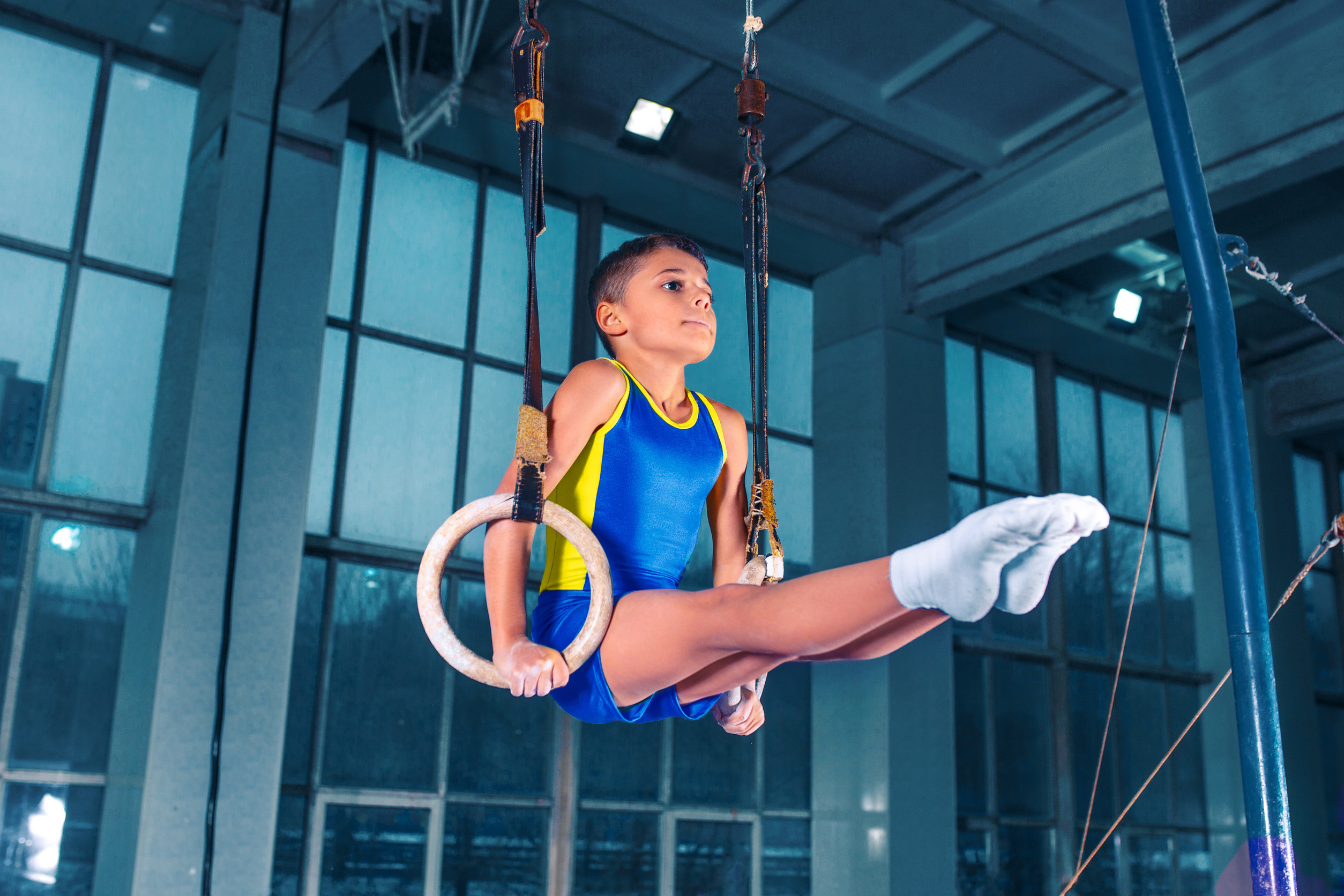
1. Gymnastics

Gymnastics often looks graceful and effortless, but it places extreme stress on growing bones and joints. Children in competitive programs may train for hours daily, performing flips, landings, and stretches that push the limits of flexibility and strength. Common injuries include wrist fractures, spinal issues, and long-term joint instability. The repetitive impact and pressure can contribute to lifelong back pain and early arthritis. If your child loves gymnastics, be sure to work with coaches who emphasize safety, rest, and proper form.

2. Football

It’s no secret that football is one of the riskiest extracurricular activities that could give your child lifelong medical problems. The physical contact, especially repeated head impacts, raises serious concerns about concussions and chronic traumatic encephalopathy (CTE). Even kids in peewee leagues can experience long-term brain or joint damage if injuries are downplayed or poorly managed. Knees and shoulders also take a beating in this sport, sometimes requiring surgery before high school is even over. Proper protective gear, medical supervision, and honest conversations about injury history are essential.

3. Cheerleading

What many people still consider a “sideline sport” is actually one of the most dangerous youth activities in terms of injury rate. From stunts and tumbling to pyramids and jumps, cheerleading often demands high-risk movements with little margin for error. Falls from lifts or failed landings can result in fractures, concussions, and spinal trauma. Over time, repetitive joint strain can cause chronic pain or instability, particularly in wrists and knees. If your child is in cheer, advocate for certified coaches and well-padded practice spaces.

4. Dance

Ballet and other dance disciplines may not involve helmets or tackling, but they come with their own serious risks. Constant strain on the feet, hips, and lower back can lead to tendonitis, stress fractures, and joint issues that linger well into adulthood. Young dancers are especially vulnerable to developing chronic injuries when they’re pushed to “work through the pain.” It’s one of the more silent extracurricular activities that could give your child lifelong medical problems. Supporting your child’s passion means also encouraging breaks, cross-training, and healthy boundaries with competition.

5. Baseball and Softball

Pitching and batting require complex, repetitive motions that put specific parts of the body under immense strain. Shoulder and elbow injuries—especially in pitchers—can develop in children as young as 8 or 9 and become lifelong limitations. Little League elbow, rotator cuff tears, and ulnar collateral ligament (UCL) damage are all linked to excessive pitching without proper rest. Even fielders and batters can suffer from knee and hip problems due to repetitive movement. Avoiding year-round play and following pitch count guidelines can help protect growing bodies.

6. Wrestling

While wrestling promotes strength and endurance, it also puts kids in vulnerable positions where injury is common. Intense grappling and takedowns can lead to dislocations, neck strains, and long-term joint issues—especially in the shoulders, spine, and knees. One wrong move or awkward fall can have serious consequences, from nerve damage to broken bones. Wrestlers also face pressure to cut weight rapidly, which can lead to dehydration, organ strain, and disordered eating patterns. Education, conditioning, and weight monitoring must be prioritized to protect young athletes.

7. Tennis

It may seem like a low-contact sport, but tennis has a high rate of overuse injuries, especially in youth players who start early and train heavily. Repetitive swinging motions put constant stress on the elbows, shoulders, and wrists, often resulting in conditions like tennis elbow and rotator cuff tears. The stop-and-go motion also strains the knees and ankles. Many kids push through pain until it becomes chronic. Alternating training with rest days and building overall strength can help prevent long-term damage.

Protecting Their Passion Without Sacrificing Their Health

It’s not about scaring parents away from sports or dance—many of these activities offer huge physical and emotional benefits. But knowing which extracurricular activities could give your child lifelong medical problems helps you ask better questions, choose safer programs, and advocate for your child’s long-term health. Encourage rest, listen to pain complaints, and focus on technique and safety over medals and trophies. Their future body will thank you.

Have you ever been surprised by an injury linked to your child’s favorite activity? How are you balancing passion and protection? Share your story in the comments below.

Read More:

Why Your Kid’s Extracurriculars Are Wrecking Your Finances

Teaching Your Son to Play Safely—Or Say No to Tackle Sports

Catherine Reed
Catherine Reed

Catherine is a tech-savvy writer who has focused on the personal finance space for more than eight years. She has a Bachelor’s in Information Technology and enjoys showcasing how tech can simplify everyday personal finance tasks like budgeting, spending tracking, and planning for the future. Additionally, she’s explored the ins and outs of the world of side hustles and loves to share what she’s learned along the way. When she’s not working, you can find her relaxing at home in the Pacific Northwest with her two cats or enjoying a cup of coffee at her neighborhood cafe.

Filed Under: Safety Tagged With: child health awareness, child safety, extracurricular activities, gymnastics injury, medical risks in kids, parenting tips, sports injuries, youth athletics

5 Popular Car Seat Features Could Actually Be Putting Your Child in Danger

June 5, 2025 | Leave a Comment

5 Popular Car Seat Features Could Actually Be Putting Your Child in Danger

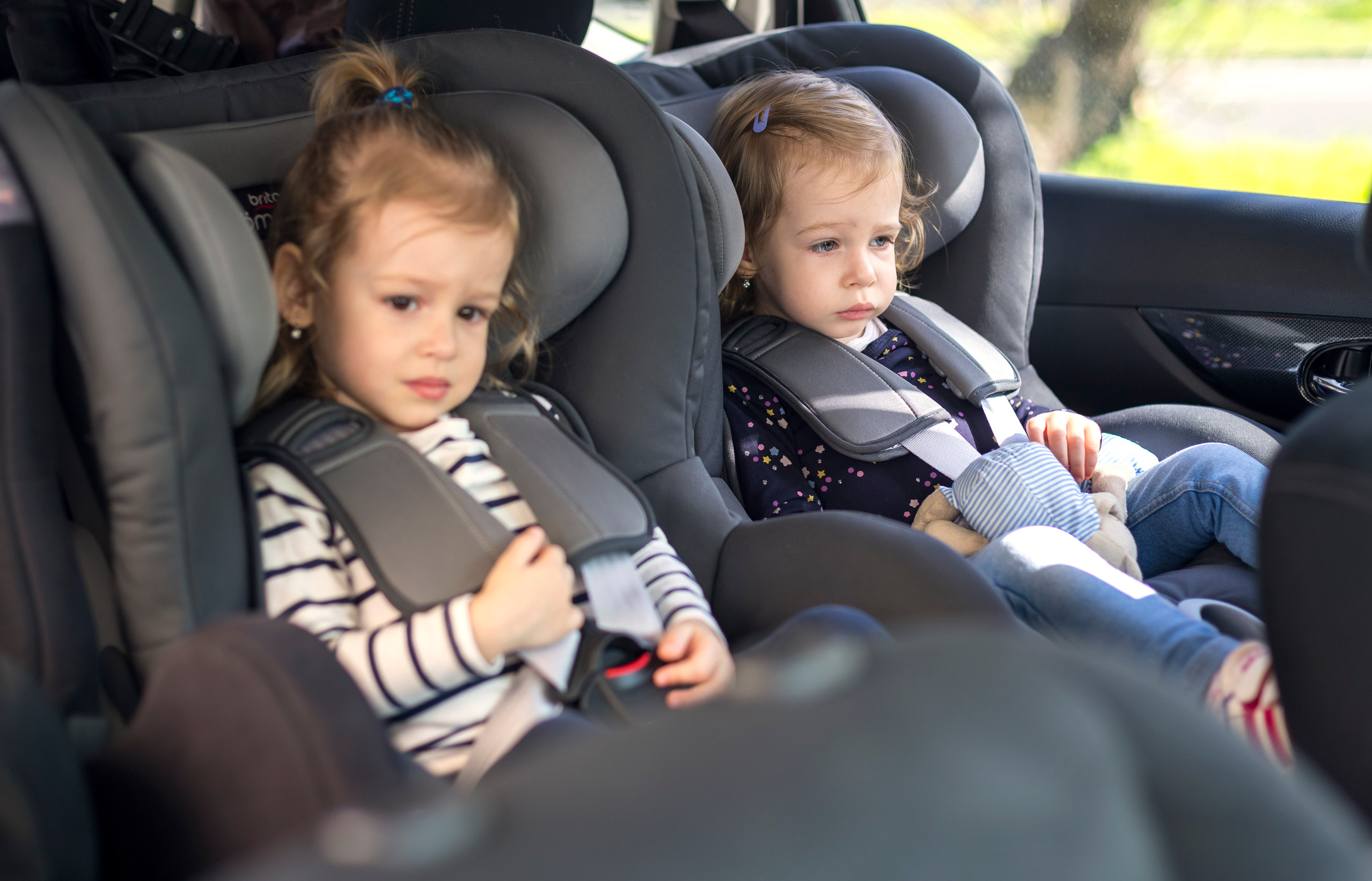
When choosing a car seat, most parents focus on features that promise added comfort, convenience, or advanced technology. It’s easy to assume that the more a seat offers, the safer it must be. But not all features are as beneficial as they seem—in fact, some of the most popular car seat features could actually increase the risk to your child in a crash or lead to dangerous misuse. As safety standards evolve, it’s more important than ever to look past the marketing and focus on what really protects your child. Here are five widely used features that may do more harm than good if you’re not careful.

1. Extra Padding and Plush Inserts

Many car seats are sold with thick, cushioned inserts that look luxurious and promise comfort. While a soft ride may feel like a plus, excessive padding (including plush inserts or even winter jackets) can alter how snugly a harness fits, making it less effective in a crash. These plush accessories often aren’t crash-tested with the seat and may not meet safety standards. Parents might also over-rely on them, assuming their child is better protected just because the seat looks more padded. If you’re using anything not included and approved by the manufacturer, it’s best to remove it.

2. Built-in Cup Holders and Armrests

Convenient for snacks and drinks, built-in cup holders are a wildly popular car seat feature—but they can pose unexpected risks. In a collision, hard plastic components like cup holders or armrests may become impact points or even break loose. If a child leans against them during a crash, it could increase the chance of injury to their arms or torso. Even worse, these features can make car seats bulkier, leading to poor installation or tight fits next to other seats. Safety experts recommend avoiding distractions and accessories that don’t contribute to restraint function.

3. Recline Options That Aren’t Properly Used

Some car seats offer adjustable recline positions to make long rides more comfortable for sleeping children. While that sounds great, incorrect recline angles can compromise safety—especially for infants. A seat that’s reclined too far back or too far forward can lead to positional asphyxia or reduce the effectiveness of the harness in a crash. Parents often trust the “clicks” without checking the angle indicators or referring to the manual. Always double-check the recline angle based on your child’s age and weight, and never guess based on what “looks” comfortable.

4. No-Rethread Harnesses Misused

No-rethread harnesses make adjusting shoulder straps easier by allowing you to slide them up or down without removing the seat or straps. But this popular car seat feature can lead to serious misuse if not done correctly. If the harness height doesn’t match the child’s shoulder level—at or below for rear-facing, at or above for forward-facing—the protection it offers drops significantly. Because it’s so easy to adjust, many parents skip re-checking regularly, especially during growth spurts. Simplicity doesn’t replace the need for precision when it comes to fit.

5. Touchscreen or App-Based Install Features

Modern car seats are starting to include app integration, Bluetooth sensors, or touchscreens for installation support and reminders. While tech can be helpful, overreliance on it can backfire. If parents skip manual checks or assume an app will alert them to every issue, they may miss common problems like loose installations, twisted straps, or incorrect anchor use. These digital additions are tools—not replacements—for learning how to install a seat correctly. Always refer to the printed manual and verify everything with a hands-on inspection.

Safety First Means Scrutinizing the Extras

When shopping for a car seat, it’s tempting to reach for the one with the most bells and whistles. But just because a popular car seat feature is trending doesn’t mean it’s the safest choice for your child. Stick with seats that prioritize crash-tested safety, clear instructions, and proper fit. And don’t hesitate to reach out to a certified Child Passenger Safety Technician (CPST) if you ever feel unsure—your child’s safety is worth it.

Have you ever second-guessed a car seat feature after using it? What made you reconsider? Share your experience in the comments to help other parents make informed choices.

Read More:

6 Seemingly Safe Places That Could Actually Be Dangerous for Kids

Food Choking Hazards: What Parents Should Watch Out For

Catherine Reed
Catherine Reed

Catherine is a tech-savvy writer who has focused on the personal finance space for more than eight years. She has a Bachelor’s in Information Technology and enjoys showcasing how tech can simplify everyday personal finance tasks like budgeting, spending tracking, and planning for the future. Additionally, she’s explored the ins and outs of the world of side hustles and loves to share what she’s learned along the way. When she’s not working, you can find her relaxing at home in the Pacific Northwest with her two cats or enjoying a cup of coffee at her neighborhood cafe.
Filed Under: Safety Tagged With: Baby Gear, car seat installation, car seat safety, child car seats, child passenger safety, infant safety, parenting tips, travel safety

10 Ways Parents Accidentally Teach Kids to Be Cruel

June 5, 2025 | Leave a Comment

10 Ways Parents Accidentally Teach Kids to Be Cruel

Most parents want to raise kind, compassionate children—but sometimes, without realizing it, they model behaviors that do just the opposite. Cruelty in kids doesn’t always come from playground bullies or bad influences; it can start at home, subtly and unintentionally. From the way adults react to stress, to the words they use when frustrated, kids are constantly learning what’s acceptable. If we’re not careful, we may teach kids to be cruel by normalizing sarcasm, disrespect, or exclusion in everyday life. Here are ten surprising ways parents may be sending the wrong message, along with tips for course-correcting with intention.

1. Laughing at Someone Else’s Misfortune

It might seem harmless to chuckle at a silly fail video or joke about a neighbor’s bad luck, but kids are watching—and absorbing the message. When parents treat someone’s pain as entertainment, they teach kids to be cruel by normalizing a lack of empathy. These small moments shape how children react when others are hurt or struggling. Instead of laughing, parents can take the opportunity to ask, “How do you think that person felt?” A little reflection goes a long way toward building kindness.

2. Using Name-Calling as Discipline

Frustrated parents sometimes resort to calling their child “lazy,” “bad,” or “a brat” in the heat of the moment. Not only does this type of verbal abuse harm a child’s self-worth, it also models a behavior they may copy with others. When children hear adults assign negative labels, they learn that using hurtful words is a way to control or shame someone. This is one of the most direct ways adults unintentionally teach kids to be cruel. Replacing criticism with calm, specific feedback helps children understand behavior without attacking identity.

3. Gossiping in Front of Children

Even casual gossip—about coworkers, family, or other parents—teaches kids that it’s okay to judge and talk behind people’s backs. When adults share unkind observations at the dinner table or while driving, kids pick up on the tone and content. They may even repeat what they hear at school or use similar tactics in their own social groups. If something negative needs to be discussed, it’s better to save it for private adult time. Showing discretion teaches kids when, how, and if certain conversations are appropriate.

4. Ignoring or Excusing Mean Behavior

When a child is unkind and the behavior is brushed off as “kids being kids,” it sends the message that cruelty isn’t a big deal. Some parents even excuse teasing as harmless or “just joking,” when it’s clearly making someone uncomfortable. This downplays the impact of bullying and discourages kids from taking responsibility. Instead, it’s important to calmly address even minor unkindness and help children reflect on how their actions affect others. Consistency builds better habits.

5. Setting Double Standards

If adults demand kindness from kids but treat waitstaff, teachers, or other parents with rudeness, the double standard won’t go unnoticed. Children mirror what they see, not just what they’re told. Parents who lose their temper, belittle others, or act disrespectfully during conflict unintentionally teach kids to be cruel when angry. Practicing respectful communication—even during stressful moments—shows children how to hold boundaries without resorting to meanness.

6. Dismissing Emotional Reactions

When a child is upset and hears “toughen up,” “don’t be so sensitive,” or “that’s nothing to cry about,” it teaches them to hide emotion and shame others for expressing it. Over time, they may begin mocking others who show vulnerability, because they’ve learned that feelings are a weakness. Teaching emotional intelligence means acknowledging and validating emotions—even ones that seem small or inconvenient. This helps kids build compassion rather than callousness.

7. Using Fear as a Teaching Tool

Threatening punishment or using fear to control behavior may stop kids in the moment, but it often creates resentment and aggression. Children who are constantly managed with fear may replicate that power dynamic with others—especially peers or siblings. They may also see cruelty as a path to control. Parents can use firm, respectful discipline that encourages cooperation and understanding instead of fear and compliance.

8. Promoting “Win at All Costs” Thinking

When parents place a high value on achievement without emphasizing teamwork, fairness, or sportsmanship, kids may begin to view others as obstacles. This can lead to behaviors like cheating, taunting, or exclusion in competitive settings. It’s important to praise effort, encourage empathy in competition, and remind children that success is more meaningful when it’s shared with others. Values like humility and cooperation help balance ambition with kindness.

9. Teasing Children as a Form of Bonding

Many parents tease their kids with affection, but it’s easy to cross the line into sarcasm or mockery. When teasing becomes relentless or targets a child’s insecurities, it doesn’t feel playful—it feels mean. Children might adopt the same style of humor with others and struggle to understand boundaries. Light teasing should always be mutual and respectful, and parents should be quick to apologize if they take it too far.

10. Failing to Address Differences Respectfully

Comments about weight, appearance, culture, or abilities—whether said jokingly or seriously—can reinforce judgmental thinking. Even offhand remarks can shape a child’s view of what is “normal” or “acceptable.” Kids often internalize their parents’ values around inclusion and difference. Speaking positively about diversity, correcting stereotypes, and avoiding derogatory language teaches children to respect everyone, regardless of their background or circumstances.

Raising Kinder Kids Starts with Awareness

We all make mistakes as parents, especially in stressful moments—but recognizing how we may unintentionally teach kids to be cruel is the first step in shifting our approach. By modeling empathy, respect, and emotional awareness, we teach children how to treat others with dignity. Small, everyday changes in how we speak and act can plant the seeds for lifelong kindness.

Have you caught yourself doing any of these without realizing it? What changes have helped you model kindness at home? Share your thoughts in the comments below.

Read More:

How Do You Teach Kids About Consent and Boundaries?

Raising Resilient Kids: 8 Lessons Every Parent Should Teach

Catherine Reed
Catherine Reed

Catherine is a tech-savvy writer who has focused on the personal finance space for more than eight years. She has a Bachelor’s in Information Technology and enjoys showcasing how tech can simplify everyday personal finance tasks like budgeting, spending tracking, and planning for the future. Additionally, she’s explored the ins and outs of the world of side hustles and loves to share what she’s learned along the way. When she’s not working, you can find her relaxing at home in the Pacific Northwest with her two cats or enjoying a cup of coffee at her neighborhood cafe.

Filed Under: Parenting Tagged With: child behavior, child discipline, Child Psychology, emotional development, empathy in children, family habits, parenting tips, raising kind kids

8 Chores Your Child Should Master By The Age of 12

June 4, 2025 | Leave a Comment

8 Chores Your Child Should Master By The Age of 12

Raising responsible kids doesn’t just happen—it takes intention, patience, and a willingness to hand over the broom. Giving children age-appropriate tasks helps build confidence, independence, and a strong work ethic that will serve them well in every stage of life. But knowing which chores your child should master by the age of 12 can make all the difference between creating helpful habits and causing daily frustration. These aren’t about perfection—they’re about participation and life skills. So if you want to raise a capable preteen, here are the essential household tasks they should have down by the time they hit a dozen candles on their birthday cake.

1. Doing Their Own Laundry

Doing laundry is one of the most practical chores your child should master by the age of 12. Kids this age can learn how to separate lights from darks, measure detergent, and operate the washing machine and dryer safely. It also helps them take responsibility for their clothes, especially when they realize what happens to a red sock in a load of whites. Folding and putting away their clean laundry completes the process and teaches ownership of their belongings. This chore builds independence and reduces your load—literally and figuratively.

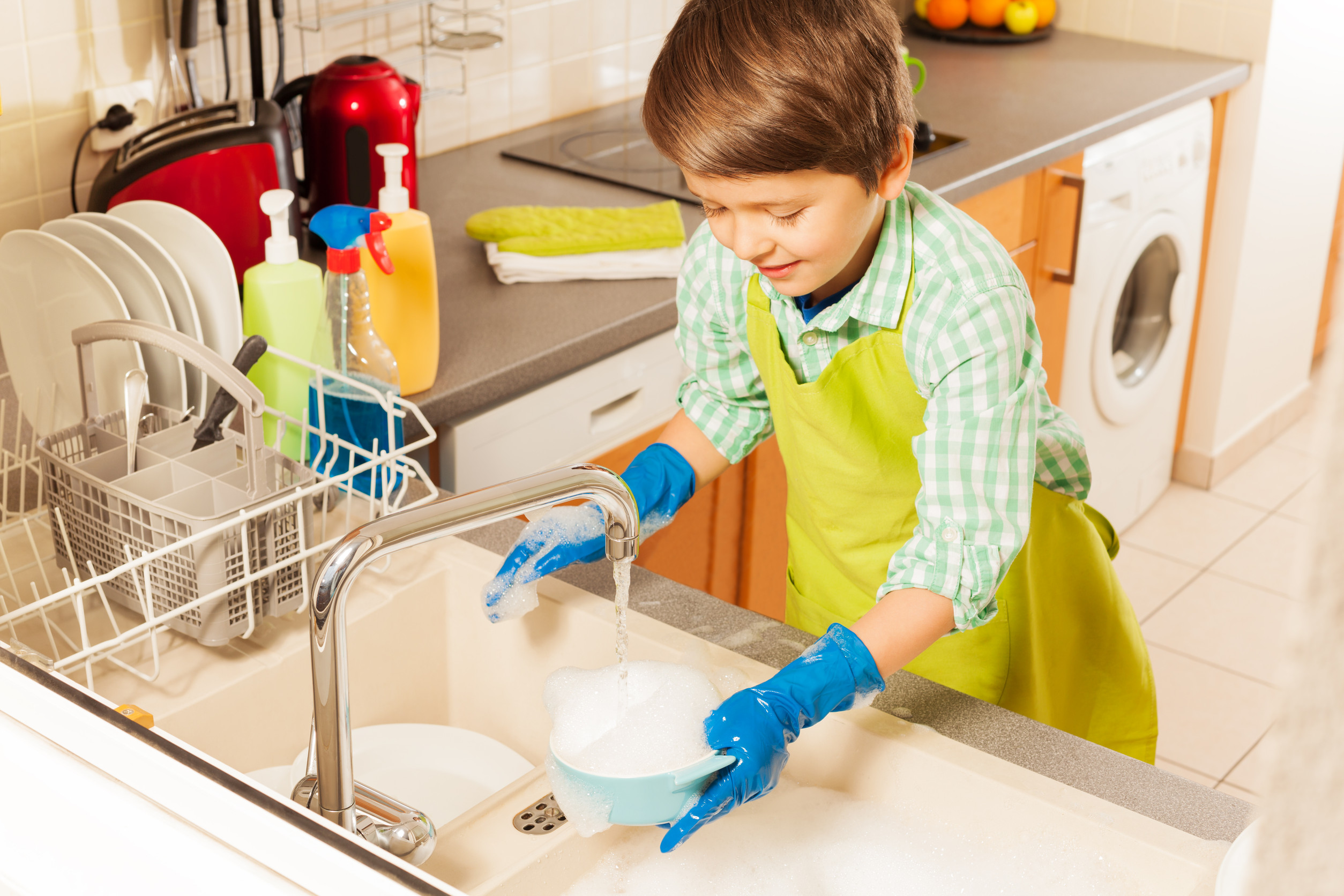
2. Washing Dishes or Loading the Dishwasher

By 12, kids should be fully capable of clearing the table, rinsing dishes, and either washing by hand or loading a dishwasher correctly. It’s one of those chores your child should master by the age of 12 because it’s simple, repetitive, and reinforces the idea of teamwork after meals. Teach them how to handle fragile items carefully and the importance of rinsing food off to avoid caked-on messes. If your child complains, remind them that their contribution is essential to keeping the household running smoothly. It’s also a great chance to teach time-saving hacks and basic kitchen hygiene.

3. Vacuuming and Sweeping

These chores may seem basic, but they require focus and follow-through—qualities every 12-year-old should develop. Sweeping and vacuuming help kids recognize messes and understand the importance of cleanliness. Whether it’s cleaning crumbs from the kitchen or pet hair from the living room, this task teaches attention to detail. Plus, using household tools safely and effectively is a skill they’ll carry into adulthood. Make it more manageable by assigning specific zones or days to maintain consistency.

4. Preparing a Simple Meal

Cooking is not just a survival skill—it’s an empowering one, which makes it one of the top chores your child should master by the age of 12. Start with simple dishes like grilled cheese, scrambled eggs, pasta, or smoothies, and build from there. Learning how to prep ingredients, follow instructions, and safely use kitchen appliances gives kids a real sense of accomplishment. It also encourages healthier eating habits and appreciation for the time that goes into meals. With supervision, they can even prepare lunch for the family once a week.

5. Cleaning the Bathroom

No one loves scrubbing a toilet, but that’s exactly why it’s one of the chores your child should master by the age of 12. From wiping down sinks to cleaning mirrors and taking out trash, bathroom upkeep teaches responsibility and respect for shared spaces. Show them how to use safe cleaning products and protect themselves with gloves if needed. While it may not be fun, it’s part of learning that life includes tasks we don’t always enjoy but still need to do. The earlier kids learn this, the easier adulthood becomes.

6. Taking Out the Trash and Recycling

By 12, kids should know how to gather household trash, separate recycling, and wheel the bins to the curb if needed. It’s a straightforward task, but it’s one of those chores your child should master by the age of 12 because it connects them to the rhythms of the household. It also introduces them to environmental awareness—understanding what can be reused or recycled instead of tossed away. Make sure they know the schedule, the proper bins, and how to replace liners. It’s a task with built-in routine and responsibility.

7. Making Their Bed and Tidying Their Room

Personal responsibility starts in their own space, and that’s why making the bed and keeping a tidy room are foundational chores your child should master by the age of 12. A clean room helps kids stay organized and reduces stress. Daily habits like putting away clothes, organizing toys or books, and dusting shelves instill discipline. You’re not asking for showroom quality—just consistent effort and pride in their personal space. Once they master this, it’s easier to extend that effort to shared spaces in the home.

8. Caring for Pets

If your family has pets, daily feeding, fresh water, cleaning cages, or walking the dog should become part of your child’s routine. Caring for animals is one of the most meaningful chores your child should master by the age of 12 because it builds empathy, consistency, and patience. Explain how pets rely on humans and why their well-being matters. When kids take on this task, they learn that being responsible means showing up every day—no matter what. It’s also a great way to connect emotionally and physically with another living being.

Raising Helpers, Not Houseguests

These chores your child should master by the age of 12 aren’t about making kids “pull their weight” like mini adults—they’re about teaching responsibility, respect, and resilience. By gradually introducing these tasks and praising effort over perfection, you’ll raise someone who feels confident and capable. The bonus? You’ll also reduce your own stress while creating a stronger, more cooperative family dynamic.

What chores have been the most helpful for your kids to learn? Share your experiences and advice in the comments—we’d love to hear from you!

Read More:

7 Reasons Parents Must Enforce Chores

If You’re Not Teaching Them This by Age 10, You’re Already Behind

Catherine Reed
Catherine Reed

Catherine is a tech-savvy writer who has focused on the personal finance space for more than eight years. She has a Bachelor’s in Information Technology and enjoys showcasing how tech can simplify everyday personal finance tasks like budgeting, spending tracking, and planning for the future. Additionally, she’s explored the ins and outs of the world of side hustles and loves to share what she’s learned along the way. When she’s not working, you can find her relaxing at home in the Pacific Northwest with her two cats or enjoying a cup of coffee at her neighborhood cafe.

Filed Under: Parenting Tagged With: age-appropriate chores, child development, child responsibility, family routine, household chores, life skills, parenting tips, raising independent kids

Here’s What Your Education Says About Your Parenting Style

June 4, 2025 | Leave a Comment

Heres What Your Education Says About Your Parenting Style

Believe it or not, your approach to discipline, communication, and even how you handle screen time might be traced back to your educational background. It’s not about how many degrees you have—it’s about how your education has shaped the way you solve problems, gather information, and make decisions. Whether you’ve earned a PhD or learned everything you know from the school of hard knocks, your educational experience plays a subtle but powerful role in how you parent. Understanding what your education says about your parenting style can help you reflect, grow, and even improve your relationship with your child. Ready to see how the classroom has followed you into the playroom? Let’s dig in.

1. High School Education: Practical and Protective

Parents whose formal education stopped at high school often bring a strong sense of practicality and real-world readiness to their parenting style. They may emphasize common sense, work ethic, and street smarts over academic achievements. This can lead to a protective style, where the focus is on providing, preventing mistakes, and ensuring safety. These parents often prioritize teaching life skills early—things like cooking, budgeting, and responsibility. When exploring what your education says about your parenting style, this group tends to value action over theory.

2. Trade or Vocational Education: Hands-On and Structured

If you attended trade school or pursued vocational training, chances are you favor structure and routine in your home. You likely believe in teaching kids the value of hard work, deadlines, and learning by doing. These parents tend to use schedules, reward systems, and concrete goals to help kids thrive. Because their own education emphasized skill-building and real-world application, they often expect the same results-driven focus from their kids. What your education says about your parenting style here is clear: practical skills and clear expectations matter.

3. Associate Degree: Balanced and Encouraging

Parents with associate degrees often bring a balanced mix of structure and emotional support into their parenting. They’ve experienced both the working world and higher education, giving them a broad perspective on what matters most. These parents may encourage academic success, but not at the expense of mental health or family time. They often promote independence while remaining highly involved, striving for a middle ground between hands-on parenting and fostering autonomy. If you’re wondering what your education says about your parenting style with an associate degree, it likely reveals a nurturing yet no-nonsense approach.

4. Bachelor’s Degree: Achievement-Oriented and Informed

Bachelor’s degree holders often take an achievement-focused approach to parenting. They may place a high value on academics, extracurricular involvement, and preparing kids for college or competitive careers. These parents are likely to research parenting strategies, follow developmental guidelines, and seek expert opinions. Structure, planning, and measurable success may play big roles in how they raise their children. What your education says about your parenting style with a bachelor’s degree often points to a research-driven, goal-oriented mindset.

5. Graduate Degree: Analytical and Intentional

Parents with master’s or doctoral degrees tend to be highly intentional and analytical when it comes to raising children. They often read extensively about parenting, child psychology, and educational theory—sometimes to the point of overthinking. These parents may lean toward democratic or gentle parenting approaches, choosing strategies that are backed by studies or endorsed by experts. At the same time, they may struggle with perfectionism or pressure to raise “exceptional” children. In terms of what your education says about your parenting style, a graduate degree suggests a thoughtful but sometimes overly complex approach to decision-making.

6. Self-Taught or Lifelong Learners: Adaptive and Resourceful

Not all education comes with a diploma, and many parents fall into the self-taught or lifelong learner category. These parents tend to be curious, adaptable, and deeply engaged in their children’s interests and emotions. They may pull wisdom from books, podcasts, blogs, and their own life experience. This style often emphasizes learning as a journey and encourages kids to question, explore, and find what works for them. When it comes to what your education says about your parenting style, this route speaks volumes about flexibility and resilience.

Education Isn’t Everything, But It Shapes a Lot

No parenting style is “right” or “wrong,” and education is only one piece of the larger puzzle that shapes how we raise our kids. Still, reflecting on what your education says about your parenting style can help you identify patterns, strengths, and even blind spots. Whether you’re encouraging your child to pursue academics or hands-on skills, the goal is the same: raising capable, confident humans. Awareness of your own influences just helps you do it more intentionally.

Have you noticed how your education has influenced the way you parent? Share your insights in the comments—we’d love to hear your perspective.

Read More:

8 Parenting Styles That Are Sparking Heated Debates

Is Your Parenting Style Shaped by Your Own Childhood?

Catherine Reed
Catherine Reed

Catherine is a tech-savvy writer who has focused on the personal finance space for more than eight years. She has a Bachelor’s in Information Technology and enjoys showcasing how tech can simplify everyday personal finance tasks like budgeting, spending tracking, and planning for the future. Additionally, she’s explored the ins and outs of the world of side hustles and loves to share what she’s learned along the way. When she’s not working, you can find her relaxing at home in the Pacific Northwest with her two cats or enjoying a cup of coffee at her neighborhood cafe.
Filed Under: Parenting Tagged With: child development, education and parenting, family dynamics, parental influence, parenting psychology, Parenting Style, parenting tips, raising kids

When a Child’s Apology Is Just Another Power Play

June 4, 2025 | Leave a Comment

When a Childs Apology Is Just Another Power Play

Most parents are relieved when a child finally mutters “I’m sorry” after a conflict—but what if that apology feels hollow, sarcastic, or strategic? There are times when a child’s apology isn’t about remorse at all—it’s about control. Knowing when a child’s apology is just another power play can help you navigate tricky behavior patterns that aren’t really about making amends. Kids are smart, and they often test boundaries by using language not to repair relationships, but to manipulate outcomes. Recognizing these moments is the first step to teaching genuine accountability and emotional awareness.

1. The Sarcastic or Forced Apology

One of the clearest signs that a child’s apology is just another power play is when it’s said with a smirk, an eye roll, or exaggerated tone. These performative “sorries” aren’t rooted in empathy—they’re about meeting a requirement with the least amount of sincerity possible. Children quickly learn that saying the right words can end a conversation, avoid a consequence, or get an adult off their back. But when parents accept these insincere apologies without addressing the underlying attitude, the real lesson gets lost. Instead, take a moment to pause, acknowledge the tone, and talk about what apologies are meant to do.

2. Apologies That Come with a “But”

“I’m sorry, but she started it.” “I said I was sorry, but I didn’t mean to.” These are common examples of when a child’s apology is just another power play disguised as accountability. The “but” often shifts the blame, deflects responsibility, or minimizes the impact of their actions. While it’s normal for children to struggle with owning up to mistakes, consistent use of this pattern can signal manipulation. Helping kids recognize the difference between explaining and excusing is key to breaking this habit.

3. The Rapid-Fire “Sorry” to Avoid Consequences

Sometimes a child will blurt out “sorry” the instant they sense they’re in trouble—not because they feel regret, but because they hope to escape a consequence. This is another version of when a child’s apology is just another power play, especially if it happens frequently and is followed by the same behavior later. While it’s tempting to accept the apology and move on, it’s important to show that words alone don’t erase actions. Reinforce that sincere apologies must come with effort to do better, not just a get-out-of-jail-free card.

4. Using Apologies to Shift the Focus

A more subtle form of manipulation happens when a child uses an apology to redirect the conversation or guilt the adult into dropping the issue. For instance, they might apologize dramatically to appear extra hurt or emotionally fragile in hopes of avoiding further discussion. This type of behavior falls squarely into the category of when a child’s apology is just another power play, because it’s being used to control the emotional temperature of the room. Parents should respond calmly and remind their child that emotional honesty and growth come from working through discomfort—not just ending it.

5. Repeated Apologies Without Changed Behavior

“I’m sorry” loses meaning if it’s said again and again without any sign of changed behavior. When a child keeps apologizing for the same action but makes no effort to stop doing it, that’s a classic case of when a child’s apology is just another power play. They may believe the words are enough to smooth things over, even when their actions show otherwise. Addressing this pattern means talking not just about what was done, but what can be done differently next time. True apologies are tied to growth—not just getting out of trouble.

Teaching Real Apology Skills

If you recognize any of these patterns, it doesn’t mean your child is manipulative in a malicious way. It means they’re still learning emotional regulation and the true purpose of an apology. Instead of demanding “Say you’re sorry,” try asking, “What do you think you could say or do to make things right?” This shifts the focus from automatic words to meaningful repair. Encourage reflection, not just a recitation. Over time, children can learn that a real apology includes acknowledgment, empathy, and change—not just a shortcut through accountability.

Have you ever felt like your child’s apology was more about escaping trouble than making things right? Share your experience in the comments—we’d love to hear how you handled it.

Read More:

Should Parents Force Kids to Apologize?

Building Strong Character in Your Children: Simple Steps

Catherine Reed
Catherine Reed

Catherine is a tech-savvy writer who has focused on the personal finance space for more than eight years. She has a Bachelor’s in Information Technology and enjoys showcasing how tech can simplify everyday personal finance tasks like budgeting, spending tracking, and planning for the future. Additionally, she’s explored the ins and outs of the world of side hustles and loves to share what she’s learned along the way. When she’s not working, you can find her relaxing at home in the Pacific Northwest with her two cats or enjoying a cup of coffee at her neighborhood cafe.

Filed Under: Child behavior Tagged With: apologies, child behavior, child communication, child discipline, emotional development, family dynamics, parenting strategies, parenting tips

5 Girls Names That Are Regaining Popularity After 20 Years

June 4, 2025 | 1 Comment

5 Girls Names That Are Regaining Popularity After 20 Years

Naming trends are just like fashion—what falls out of favor today may be all the rage tomorrow. Many parents are now embracing vintage vibes and nostalgic charm when naming their daughters, breathing new life into names that were considered outdated not too long ago. These girls names that are regaining popularity carry with them a sweet mix of familiarity and uniqueness, making them ideal for families who want something classic but not overused. Whether inspired by beloved relatives, old TV shows, or simply a love for retro style, more parents are revisiting the names that were popular 20 years ago and giving them a fresh twist. If you’re looking for a baby name that’s both timeless and trendy again, these five are definitely worth your consideration.

1. Brittany

Once a chart-topper in the late ‘90s and early 2000s, Brittany is among the girls names that are regaining popularity with a modern generation of parents. Known for its peppy energy and cultural icon ties—thanks to pop stars like Britney Spears—this name is seeing a quiet but steady comeback. Parents are once again drawn to its familiar rhythm, feminine sound, and the sense of confidence it exudes. While the spelling “Brittany” is still the most common, variations like “Britney” and “Brittani” are also making reappearances. For a name that balances nostalgia and bold personality, Brittany is back on the radar.

2. Amanda

Amanda reigned supreme in the ‘80s and ‘90s, and after a long nap from the spotlight, it’s one of the girls names that are regaining popularity. With Latin roots meaning “worthy of love,” Amanda offers both a beautiful meaning and an easy flow that never really goes out of style. What’s helping bring it back? Millennials and older Gen Z parents who grew up with Amandas in their classrooms are now seeing the charm in giving their daughters a familiar but underused name. It’s elegant, it’s approachable, and it’s ready for a new generation of strong girls. Expect to hear it more often in preschools in the coming years.

3. Kimberly

For years, Kimberly was pushed aside in favor of newer, shorter names, but now it’s rising once more as one of the girls names that are regaining popularity. This classic has roots in Old English and carries a regal sound without being too formal. What makes Kimberly appealing today is its blend of vintage warmth and modern versatility—it shortens beautifully to Kim, Kimmie, or even just B. Plus, parents who want a name that works equally well for babies and professionals are rediscovering its all-ages appeal. It’s the kind of comeback that feels comforting in the best way.

4. Jessica

If you went to school in the early 2000s, chances are your class had more than one Jessica—but that’s exactly why it’s one of the girls names that are regaining popularity. After falling out of fashion due to overuse, Jessica is now finding fresh ground among parents looking for names with history and strength. It’s Shakespearean (from The Merchant of Venice), easy to spell and pronounce, and still feels gentle and timeless. Many new parents are embracing it again thanks to its nostalgic familiarity and the option to use nicknames like Jess or Jessie. Jessica is making her return, one birth certificate at a time.

5. Rachel

Rachel’s gentle but solid presence has made it a beloved name across decades, and now it’s officially one of the girls names that are regaining popularity. Thanks to its biblical roots and widespread pop culture appearances—yes, Friends is still a thing—it’s a name that offers both strength and grace. Rachel is especially appealing to parents who want a name that feels grounded and intelligent without being trendy. It also transitions well from childhood to adulthood, offering long-term charm. As more people lean toward names with a sense of tradition, Rachel is quickly becoming a top pick once again.

Why the Comeback Is a Good Thing

There’s something special about choosing a name that bridges generations. These girls names that are regaining popularity aren’t just familiar—they carry emotional weight, cultural memories, and a sense of identity that feels both rooted and refreshed. In a world where unique often means hard to spell or pronounce, these names offer a return to simplicity and grace. They’re recognizable, meaningful, and most importantly, they’re back for a reason. If you’re looking to name a baby girl with style and substance, don’t be afraid to dig into the past—because it just might hold the perfect name for the future.

Do you have a favorite name from the past that you’d love to see make a comeback? Drop it in the comments—we’d love to hear your top picks!

Read More:

Whimsical Baby Girl Names You Haven’t Heard Before

7 Baby Girl Names That Mean Beautiful (and What Makes Them Special)

Catherine Reed
Catherine Reed

Catherine is a tech-savvy writer who has focused on the personal finance space for more than eight years. She has a Bachelor’s in Information Technology and enjoys showcasing how tech can simplify everyday personal finance tasks like budgeting, spending tracking, and planning for the future. Additionally, she’s explored the ins and outs of the world of side hustles and loves to share what she’s learned along the way. When she’s not working, you can find her relaxing at home in the Pacific Northwest with her two cats or enjoying a cup of coffee at her neighborhood cafe.

Filed Under: Baby Names Tagged With: baby name ideas, baby names, classic names, girls names, Motherhood, naming trends, parenting tips, vintage baby names

5 Expenses That Parents Need to Abandon For The Sake of Their Kids

June 4, 2025 | Leave a Comment

5 Expenses That Parents Need to Abandon For The Sake of Their Kids

Every parent wants the best for their children, but sometimes, giving them the best means letting go of things that aren’t truly adding value to the family’s life. It’s easy to fall into the trap of spending money on status symbols, convenience, or trends that don’t actually serve your child’s well-being. In fact, some common financial habits can do more harm than good when they eat into funds that could be used for quality time, education, or long-term security. If your goal is to raise healthy, emotionally supported, and financially literate kids, then cutting certain spending is an act of love. Let’s explore the top five expenses that parents need to abandon for the sake of their kids—and how doing so can help your whole family thrive.

1. Designer Clothes for Children

Children outgrow clothes faster than you can say “laundry day,” yet some parents still spend a small fortune on name-brand outfits that will barely last a season. Among the most unnecessary expenses that parents need to abandon, designer kids’ clothing takes the cake for style over substance. While it might be fun for a photo op or special occasion, it’s not practical for daily wear, especially when there are plenty of affordable, durable options. Kids don’t care about brand labels, and they’re far more interested in being comfortable and free to move. Instead of stressing over stylish wardrobes, focus on clothes that can handle playtime, spills, and growth spurts.

2. Expensive Birthday Parties

It’s tempting to go all out for your child’s birthday—but the Pinterest-perfect parties with bounce houses, live entertainers, and catered food add up quickly. While you want to make birthdays special, costly celebrations are one of the major expenses that parents need to abandon in favor of simpler, more meaningful traditions. Kids often remember who came to their party, not how much it cost. Hosting a backyard gathering, planning a DIY craft station, or even organizing a picnic in the park can still be fun and memorable without maxing out a credit card. Focus on connection, not extravagance.

3. Unnecessary Tech for Young Kids

Do toddlers really need tablets, kid-specific smartwatches, or Bluetooth-enabled toys that cost triple the price of basic ones? For many families, these gadgets fall squarely into the category of expenses that parents need to abandon. While some tech can serve educational purposes, most of it is simply marketed as must-haves when they’re really distractions. Screen-free play and real-world interaction are what support brain development and social growth in early childhood. Hold off on investing in tech your child doesn’t need—and save your budget for books, puzzles, or outdoor gear that encourage creativity and exploration.

4. Daily Drive-Thru Treats

Picking up fast food or coffee after school may seem harmless, but the habit quickly snowballs into a costly routine. These daily indulgences are one of the most overlooked expenses that parents need to abandon, especially when they’re more about adult convenience than a child’s actual need. Over time, these purchases not only strain your wallet but also establish habits that normalize impulsive spending and poor nutrition. Switching to meal planning or packing snacks and drinks can save hundreds each month. You’re not depriving your child—you’re modeling how to spend with intention.

5. Keeping Up With Other Parents

Whether it’s buying the latest gaming console because “everyone else has one” or enrolling in pricey extracurriculars just to keep pace, comparison is a dangerous (and expensive) trap. One of the most emotionally and financially draining expenses that parents need to abandon is the constant need to match other families’ lifestyles. Children don’t need to be part of everything to feel valued or successful. What matters more is having the support to explore their own interests at their own pace. Letting go of the comparison game frees up time, money, and emotional energy for what really counts—your family’s unique values and goals.

Parenting Smarter Starts With Spending Smarter

The truth is, the best gift you can give your children isn’t a closet full of new clothes or a toy-stuffed playroom—it’s the foundation of financial stability, emotional presence, and shared experiences. Releasing the grip on certain purchases doesn’t mean you’re cutting corners; it means you’re focusing on what truly supports your child’s growth and happiness. When you cut the expenses that parents need to abandon, you make room for wiser investments—like a family savings plan, time together, or even just peace of mind.

What’s one expense you’ve cut that made a positive difference for your family? Share your story in the comments—we’d love to hear how you’re making intentional choices!

Read More:

7 Expenses That Are Quietly Wrecking Your Family Budget

Skip These 7 Expenses If You’re Raising Kids on a Tight Budget

Catherine Reed
Catherine Reed

Catherine is a tech-savvy writer who has focused on the personal finance space for more than eight years. She has a Bachelor’s in Information Technology and enjoys showcasing how tech can simplify everyday personal finance tasks like budgeting, spending tracking, and planning for the future. Additionally, she’s explored the ins and outs of the world of side hustles and loves to share what she’s learned along the way. When she’s not working, you can find her relaxing at home in the Pacific Northwest with her two cats or enjoying a cup of coffee at her neighborhood cafe.

Filed Under: Parenting Tagged With: childhood development, Family Budgeting, financial wellness, frugal parenting, parenting tips, raising kids smart, spending habits

Is Your Toddler Already Experiencing Burnout?

June 3, 2025 | Leave a Comment

Is Your Toddler Already Experiencing Burnout

The phrase sounds dramatic—burnout and toddler in the same sentence? But more and more parents are noticing signs that their little ones are overstimulated, overtired, and overbooked. Just like adults, toddlers can hit a wall when their daily lives are filled with nonstop activities, transitions, and pressure to keep up. And while they may not be verbalizing stress the way older kids do, the signs are there if you know how to look. If you’ve been wondering why your toddler seems out of sorts lately, it’s time to consider the possibility that your toddler is experiencing burnout.

1. Their Mood Swings Are Getting Intense

Toddlers are known for tantrums, but if your child is melting down over every tiny thing, it could be more than just the “terrible twos.” When your toddler is experiencing burnout, their emotional regulation goes out the window. They might cry over the wrong cup, scream when asked to get dressed, or become inconsolable for no clear reason. These intense reactions are often a signal that their little system is overloaded. Burnout shows up as irritability and emotional exhaustion—even in toddlers.

2. They’re Constantly Tired, Even After Sleeping

A well-rested toddler is usually full of energy, but if yours is waking up groggy, needing multiple naps, or falling asleep at random times, it may be a red flag. When your toddler is experiencing burnout, rest doesn’t always feel restorative. Their brain and body might be working overtime just to keep up with their day. Quality sleep can suffer when routines are chaotic or when too much is packed into their schedule. It’s a sign that something needs to slow down.

3. They’ve Lost Interest in Play

Toddlers live to play—so if your child suddenly seems disinterested in toys, stories, or favorite games, pay attention. One big sign that your toddler is experiencing burnout is a noticeable loss of joy in activities they usually love. They may seem bored, aimless, or even frustrated during playtime. Overstimulation or being pushed too hard into structured activities can make fun feel like a chore. Giving them more time for unstructured, imaginative play can help bring the joy back.

4. They’re Clingier Than Usual

A toddler who suddenly refuses to leave your side or gets anxious when you leave the room might be trying to tell you something. When your toddler is experiencing burnout, their sense of security can feel shaken. Overloaded schedules, new caregivers, or busy environments can make them crave more closeness and reassurance. While some clinginess is normal at this age, a sudden increase can be tied to emotional exhaustion. They’re not being needy—they’re trying to recharge through connection.

5. Transitions Are a Daily Battle

If your toddler is having meltdowns every time you ask them to leave the house, get in the car, or switch activities, take a step back. These moments aren’t always about defiance—sometimes they’re about capacity. When your toddler is experiencing burnout, the energy it takes to pivot from one thing to another just isn’t there. Toddlers need structure, but too many transitions in one day can overwhelm them. Simplifying their daily routine can ease the stress and reduce the power struggles.

6. Mealtime Has Become a Fight

A change in eating habits—whether it’s total refusal to eat, picky behavior, or emotional outbursts around food—can be a subtle sign of burnout. When your toddler is experiencing burnout, their nervous system is on edge, which can impact appetite and digestion. Stress may cause them to crave routine comfort foods or resist meals altogether. Mealtime should feel calm and predictable, not like one more battleground in their overstimulated day. Keep it simple, relaxed, and pressure-free.

7. They’re Suddenly More Aggressive

Hitting, biting, or throwing toys more often than usual? It might not just be a “phase.” One of the most frustrating signs your toddler is experiencing burnout is an increase in aggressive behavior. This usually stems from frustration, lack of control, or emotional overload. Toddlers lash out when they don’t have the tools to express how overwhelmed they feel. Giving them outlets to release tension—like outdoor play or sensory activities—can help.

8. They Struggle With Independence They Once Had

Was your toddler happily getting dressed, cleaning up toys, or feeding themselves a few weeks ago—and now they suddenly want help with everything? Burnout can cause kids to regress temporarily. When your toddler is experiencing burnout, even basic tasks can feel too big to manage. Rather than pushing them to snap out of it, offer gentle encouragement and support. Once they feel more rested and balanced, their independence usually returns on its own.

9. They’re Saying “No” to Everything

While defiance is normal at this age, a toddler who resists everything—from brushing teeth to going outside—may be signaling they’ve had enough. Saying “no” becomes their last line of defense when they’re too drained to do anything else. When your toddler is experiencing burnout, it’s not about being oppositional—it’s about protecting what little energy they have left. Creating a more flexible, low-pressure environment can help them feel safe and in control again.

When Slowing Down Is the Best Thing You Can Do

Parents often feel pressure to enrich their toddler’s life with constant activity—but sometimes, the best thing you can give them is a break. When your toddler is experiencing burnout, it’s your cue to simplify, slow down, and reconnect. Less structure, more rest, and meaningful time together can help reset their system. Childhood isn’t a race, and toddlers don’t need to be busy to be thriving—they just need to feel safe, seen, and supported.

Have you ever noticed signs of burnout in your toddler? What helped bring back their spark? Share your experience in the comments below!

Read More:

8 Hard Truths About Toddlers Every Parent Learns Too Late

From Chaos to Calm: Strategies for Difficult Toddler Behavior

Catherine Reed
Catherine Reed

Catherine is a tech-savvy writer who has focused on the personal finance space for more than eight years. She has a Bachelor’s in Information Technology and enjoys showcasing how tech can simplify everyday personal finance tasks like budgeting, spending tracking, and planning for the future. Additionally, she’s explored the ins and outs of the world of side hustles and loves to share what she’s learned along the way. When she’s not working, you can find her relaxing at home in the Pacific Northwest with her two cats or enjoying a cup of coffee at her neighborhood cafe.

Filed Under: Mental Health Tagged With: burnout in children, child development, overstimulated toddler, parenting tips, parenting toddlers, toddler behavior, toddler routines, your toddler is experiencing burnout

9 Reasons The Principal Keeps Calling You To The School (And It Might Be Your Fault)

June 2, 2025 | Leave a Comment

9 Reasons The Principal Keeps Calling You To The School And It Might Be Your Fault

Few things spike a parent’s anxiety quite like seeing the school’s number pop up on your phone again. And when the principal keeps calling you, it’s tempting to assume your child is just having a tough time or the school is being overly dramatic. But sometimes, it’s worth pausing to ask: is there anything I might be doing—or not doing—that’s adding fuel to the fire? From overlooked routines at home to parenting habits that show up in the classroom, your influence may go further than you realize. Here are nine reasons the principal keeps calling you, and how you might be playing a bigger role than you think.

1. Your Child Is Constantly Unprepared

If your kid repeatedly shows up without homework, lunch, or basic school supplies, the principal may eventually step in. When this happens regularly, staff begin to see a pattern—one that may start at home. Whether it’s disorganized mornings, no set routines, or assuming kids will manage it all themselves, lack of prep can spiral quickly. Teachers often do their best to help, but chronic forgetfulness disrupts the classroom. When the principal keeps calling you about it, they’re likely hoping for changes beyond the school walls.

2. They’re Tired—And Everyone Can Tell

Sleep-deprived kids often act out, lose focus, or seem emotionally on edge. If your child isn’t getting enough rest at home, they’ll bring that exhaustion to school, and the results aren’t subtle. Overtired children may melt down more easily, struggle to concentrate, or even get physically aggressive. If the principal keeps calling you due to behavior issues, an honest look at bedtime routines might reveal the real problem. It’s not about being a bad parent—it’s about adjusting habits that help your child succeed.

3. You Downplay Their Behavior

If your first reaction is, “They’d never do that,” when you hear about a school incident, you might unintentionally be shutting down important conversations. Defensiveness can send the message that you’re not open to working with the school. The principal keeps calling you because they need collaboration, not denial. Taking your child’s side without hearing the full story may reinforce the wrong behavior at school. Keeping an open mind encourages trust and solutions.

4. You Talk Negatively About School in Front of Your Child

Kids absorb more than we think, and when they hear you criticize teachers or complain about school policies, it changes how they engage in the classroom. If they sense you don’t respect authority, they may mirror that behavior. The principal keeps calling you because your child might be testing boundaries, refusing to follow instructions, or acting like the rules don’t apply to them. A shift in tone at home can help reinforce the importance of mutual respect.

5. They Don’t Know How to Handle Conflict

Children aren’t born with conflict resolution skills—they learn them. If your child is constantly arguing, hitting, or tattling, it may be a sign they haven’t been taught how to manage their feelings. The principal keeps calling you because these issues are interfering with learning time. Modeling healthy communication, emotional regulation, and problem-solving at home is key. School can support it, but the foundation begins with you.

6. They Struggle With Authority

If your child regularly pushes back against teachers or refuses to follow instructions, it may stem from a lack of consistent boundaries at home. Kids who don’t have structure outside of school often struggle with expectations inside it. The principal keeps calling you when your child won’t listen, not to shame you—but to get help reinforcing consistent discipline. Practicing firm but loving limits at home helps them understand that rules exist for a reason.

7. You’re Not Responding to the First Calls

Sometimes the reason the principal keeps calling you is because you didn’t return the last one. Ignoring early outreach can make school staff feel like you’re not engaged, and that frustration may escalate the situation. Even if you’re busy or don’t know what to say, acknowledging the call shows that you’re willing to be involved. Proactive communication builds trust and can keep small issues from turning into big problems.

8. They’re Repeating What They Hear at Home

When kids show up repeating language, jokes, or opinions from adults, it can sometimes create unexpected issues in the classroom. This is especially true if those remarks are inappropriate, offensive, or just plain confusing in a school context. The principal keeps calling you when those comments disrupt the learning environment or make other students uncomfortable. Kids don’t always understand context, which is why it’s important to be mindful of what they overhear.

9. Your Child Is Struggling—and They Need Your Help

Not every phone call is about punishment. Sometimes, the principal keeps calling you because your child is having a hard time socially, emotionally, or academically—and they’re looking for solutions. If your child seems more anxious, withdrawn, or frustrated at school, it might be time for extra support. By working together, you can figure out what’s really going on and make a plan to help your child thrive.

When the Phone Rings, Take a Breath

No parent wants to feel blamed, especially when it comes to their child’s behavior or struggles at school. But if the principal keeps calling you, it’s a sign that something isn’t working—and you’re a crucial part of making it better. The goal isn’t to point fingers. It’s to build a bridge between home and school so your child can cross into success with confidence.

Have you ever gotten a call from the principal that caught you off guard? How did you respond, and what did it teach you? Share your story in the comments!

Read More:

10 School Mistakes That Follow Kids for Years

6 Reasons Why Sending Your Child to Private School Won’t Change Their Outcome

Catherine Reed
Catherine Reed

Catherine is a tech-savvy writer who has focused on the personal finance space for more than eight years. She has a Bachelor’s in Information Technology and enjoys showcasing how tech can simplify everyday personal finance tasks like budgeting, spending tracking, and planning for the future. Additionally, she’s explored the ins and outs of the world of side hustles and loves to share what she’s learned along the way. When she’s not working, you can find her relaxing at home in the Pacific Northwest with her two cats or enjoying a cup of coffee at her neighborhood cafe.

Filed Under: Parenting Tagged With: Back to School, child discipline, parent involvement, parenting tips, school behavior, school communication, student behavior issues, the principal keeps calling you

These Are The Top 10 Things Kids Want to Do This Summer But Are Afraid to Ask

June 2, 2025 | Leave a Comment

These Are The Top 10 Things Kids Want to Do This Summer But Are Afraid to Ask

Summer is every kid’s dream season—no school, long days, and endless possibilities. But while parents are busy planning camps, schedules, and chores, children often keep their real wishes quietly tucked away. There are plenty of things kids want to do this summer but are afraid to ask for, either because they think it’ll be too expensive, too messy, or just not what grownups expect. Listening closely to these unspoken dreams can open the door to some truly memorable experiences. Here’s a peek into what kids may be secretly hoping for this summer, even if they haven’t said it out loud.

1. Spend a Whole Day Doing Nothing

It might sound counterproductive, but one of the top things kids want to do this summer is absolutely nothing. No chores, no activities, no rushing around—just a lazy day to recharge. Kids don’t always know how to ask for downtime, but they often crave a break from structure. Whether it’s lounging with a book, building forts, or just cloud-watching, these slow days can spark imagination and emotional reset. Giving them permission to just be can be more powerful than any structured camp.

2. Stay Up Way Too Late

Most kids fantasize about staying up way past bedtime, especially during summer. Watching stars, playing night games, or having a backyard campout feels adventurous. But they may hesitate to ask, knowing the usual rules still apply. Letting them bend bedtime once in a while gives them a sense of freedom and excitement. These small acts of rebellion, when safe and supervised, can make summer feel extra magical.

3. Make a Huge Mess

From slime-making to mud pies, things kids want to do this summer often involve getting messy. But many kids won’t ask, assuming the answer will be a flat-out no. Giving them space to explore without fear of getting dirty allows for uninhibited creativity. Whether it’s painting in the driveway or baking their own chaotic recipe, the mess is part of the memory. A little chaos now and then is worth the cleanup.

4. Try Something That Feels “Too Grown-Up”

Many kids secretly wish to try things they see older kids or adults doing—like cooking dinner, walking to the store alone, or using a camera. These experiences give them a sense of responsibility and trust. They may not ask because they assume the answer will be “when you’re older.” Finding age-appropriate ways to say yes can build confidence. Letting them try adult-like things in safe settings gives them a big summer confidence boost.

5. Skip a Camp or Activity They Don’t Actually Like

Not every kid wants a jam-packed summer, and some dread certain camps or sports but don’t know how to say so. They fear disappointing their parents or missing out socially. If you sense hesitation, it’s worth asking what they really want to do with their time. Giving kids a say in how they spend their summer shows you respect their preferences. Sometimes what they need most is a break from over-scheduling.

6. Spend a Whole Day With You

Time with parents is one of the most overlooked things kids want to do this summer. Between work and errands, quality one-on-one time can get lost. Kids may not ask because they know you’re busy or don’t want to bother you. But a day together—just the two of you—can mean the world. Whether it’s a picnic, a movie, or just running errands with no rush, the real gift is your undivided attention.

7. Go Somewhere Unexpected

Kids love the thrill of the unknown, and many dream of spontaneous adventures. They may want to explore a new park, take a road trip, or visit a quirky roadside attraction. But they hesitate to ask, thinking it’s unrealistic or too much work. Planning a surprise day trip to a weird museum or mystery destination can fuel their sense of wonder. The unknown can turn into their favorite summer story.

8. Invite Friends Over for No Reason

While playdates are often scheduled and organized, kids sometimes just want spontaneous hangouts. They might be nervous to ask or unsure if it’s allowed, especially without a clear “occasion.” Letting them invite a friend over just because can make a regular day feel special. It doesn’t have to be a party—just some free time with friends can mean everything. A little social freedom goes a long way in summer.

9. Be Loud, Wild, and Unfiltered

During the school year, kids are constantly told to sit still, use their inside voices, and stay focused. In summer, they may dream of running, yelling, and letting loose—but feel unsure if it’s allowed. Things kids want to do this summer often involve just being themselves without limits. Letting them have a wild afternoon outside (within reason) helps them shake off stress and feel free. Summer should come with some wiggle room for noise and chaos.

10. Create Their Own Summer Bucket List

Some kids have big plans brewing in their heads but don’t know they’re allowed to voice them. Whether it’s building a treehouse, learning a skateboard trick, or hosting a lemonade stand, they want to lead the adventure. Encouraging them to write their own summer goals empowers them to take ownership of their fun. It’s one of the simplest ways to uncover what they truly want—and help make it happen.

Give Them the Summer They Secretly Want

Not every summer moment needs to be big or expensive to matter. The things kids want to do this summer often come down to freedom, creativity, and time with the people they love. By tuning in to what they don’t always say out loud, parents can create a season filled with connection, joy, and unforgettable memories. Sometimes the most meaningful experiences are the ones that start with a simple, brave question.

What do you think your kids secretly want to do this summer? Share your guesses—or their surprises—in the comments below!

Read More:

Summer Fun on a Budget: 10 Ways to Beat the Heat for Cheap

15 Outdoor Adventures to Transform Your Kids’ Summer

Catherine Reed
Catherine Reed

Catherine is a tech-savvy writer who has focused on the personal finance space for more than eight years. She has a Bachelor’s in Information Technology and enjoys showcasing how tech can simplify everyday personal finance tasks like budgeting, spending tracking, and planning for the future. Additionally, she’s explored the ins and outs of the world of side hustles and loves to share what she’s learned along the way. When she’s not working, you can find her relaxing at home in the Pacific Northwest with her two cats or enjoying a cup of coffee at her neighborhood cafe.

Filed Under: Family Tagged With: childhood memories, Family Fun, parent-child bonding, parenting tips, summer ideas, summer with kids, things kids want to do this summer, unscheduled play

« Previous Page
Next Page »
  • Facebook
  • Pinterest
  • RSS
  • Twitter

Basic Principles Of Good Parenting

Here some basic principles for good parenting:

  1. What You Do Matters: Your kids are watching you. So, be purposeful about what you want to accomplish.
  2. You Can’t be Too Loving: Don’t replace love with material possessions, lowered expectations or leniency.
  3. Be Involved Your Kids Life: Arrange your priorities to focus on what your kid’s needs. Be there mentally and physically.
  4. Adapt Your Parenting: Children grow quickly, so keep pace with your child’s development.
  5. Establish and Set Rules: The rules you set for children will establish the rules they set for themselves later.  Avoid harsh discipline and be consistent.
  6. Explain Your Decisions: What is obvious to you may not be evident to your child. They don’t have the experience you do.
  7. Be Respectful To Your Child: How you treat your child is how they will treat others.  Be polite, respectful and make an effort to pay attention.
Best Parenting Blogs

Most Popular

Baby

9 Baby Names That Sound Rare Without Being Hard to Spell

Evan Morgan
Baby

9 Unusual Baby Names That Sound Like They Belong to Future CEOs

Evan Morgan
Target Store

Choking Incident Prompts Recall of 49,000 Target Gigglescape “Under the Sea” Popping Toys

Evan Morgan
Frustrated Girl

Why Some Students on the Spectrum Are Labeled With ODD

Evan Morgan
Coke Bottles

12 Things Kids Took to School in the ’70s That Would Never Be Allowed Today

Evan Morgan

All content on Kids Ain’t Cheap is for entertainment purposes only. By reading this blog, you agree that Kids Ain’t Cheap is not responsible for any actions taken after reading this blog. For the full disclaimer, see our privacy policy.

Please note that Kids Ain’t Cheap has financial relationships with some of the merchants mentioned here. Kids Ain’t Cheap is funded by banner advertising, commission sales and search optimization consulting.

Copyright © 2006–2026 | District Media | All Rights Reserved | Privacy Policy

Copyright © 2026 Runway Pro Theme by Viva la Violette