• Home
  • About Us
  • Toolkit
  • Archives
  • Advertise
  • Privacy Policy

Kids Ain't Cheap

But They Sure Are Worth It

  • Parenting
    • Baby Stuff
    • Books and Reading
      • Aesops Fables
      • Comic Books
    • Education
    • Family Time
    • Green Living
    • Growing Up
    • Healthy Living & Eating
    • Holidays
    • Parenting
    • Random Musings
    • Shopping
    • Stuff to Do
  • Money
  • Product Reviews
    • Books and Magazines
    • Discount Sites
    • Furniture
    • House Keeping
    • Reviews News
    • Toys and Games
  • Contact Us
  • Our Editorial Commitment
  • Search

5 Reasons You Should Let Your Child Catch The Bus To School

May 26, 2025 | Leave a Comment

5 Reasons You Should Let Your Child Catch The Bus To School

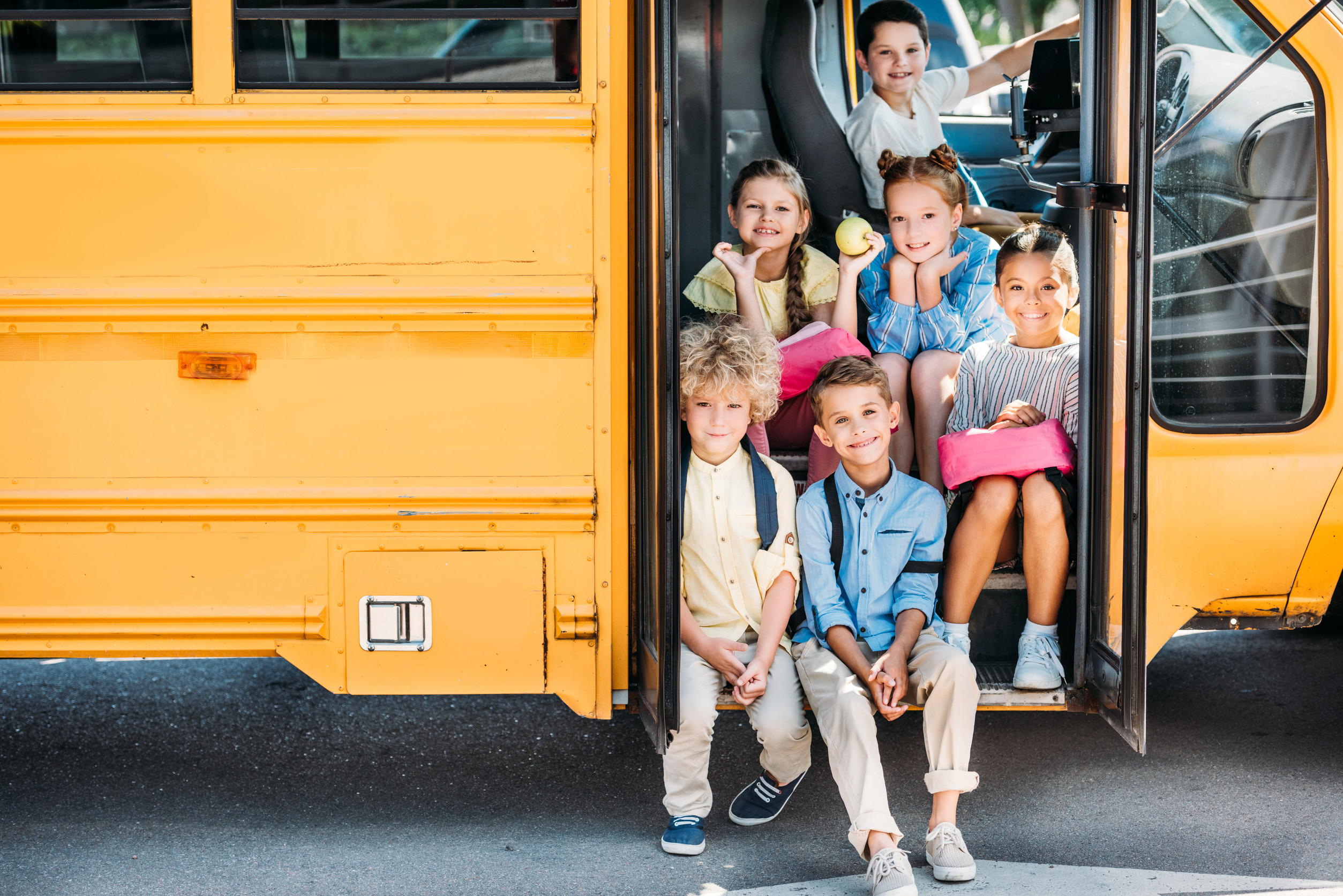
It’s easy to default to driving your child to school every morning, especially when you want to squeeze in those last few minutes together. But if you’re feeling overwhelmed by the morning rush or questioning whether the drive is always necessary, it might be time to rethink your routine. When you let your child catch the bus to school, you’re giving them more than just a ride—you’re offering a chance to build independence, save time, and create structure. School buses are safer and more efficient than most parents realize, and they come with benefits that ripple through the entire day. Here’s why putting your child on the bus could be one of the best parenting decisions you make this year.

1. It Builds Confidence and Independence

Children grow when they’re given opportunities to navigate their world without constant supervision. When you let your child catch the bus to school, you’re teaching them how to manage time, follow routines, and feel capable outside your immediate presence. Getting to the bus stop, remembering their belongings, and sitting with peers can all help boost self-esteem. Small moments of independence like this prepare them for bigger responsibilities down the road. It’s a gentle, age-appropriate way to build resilience and confidence.

2. The Routine Sets a Strong Foundation

Buses run on strict schedules, and kids quickly learn to manage their mornings around it. Unlike the unpredictable chaos of car rides or last-minute drop-offs, school bus routines create dependable structure. When you let your child catch the bus to school, you’re instilling the value of being on time and the importance of daily habits. These routines reduce stress and give children a clearer mental map of their day. The rhythm of a consistent morning routine can positively influence their mood, focus, and school performance.

3. It Teaches Social Skills Outside the Classroom

The school bus may be loud and chaotic at times, but it’s also an important space for learning how to interact with others. Kids learn to navigate group dynamics, resolve minor conflicts, and form friendships—all in an environment that isn’t teacher-led. When you let your child catch the bus to school, you’re giving them a space to build social confidence away from adult guidance. These peer-to-peer interactions help develop empathy, communication, and boundary-setting skills. As long as you check in regularly about their experience, the bus can be a safe place for valuable social growth.

4. It’s Often Safer Than Driving Yourself

Parents are sometimes surprised to learn that school buses are one of the safest modes of transportation for children. School buses are specifically designed with safety in mind, including high visibility, specialized safety equipment, and professionally trained drivers. When you let your child catch the bus to school, you reduce the risk associated with hectic school drop-off lines and distracted drivers. Studies show that kids are far less likely to be involved in accidents on a school bus compared to being driven in a private vehicle. The peace of mind that comes with that fact can’t be overstated.

5. It Frees Up Time (and Gas Money) for the Whole Family

Between traffic, school drop-off chaos, and the long car lines, driving your child to school can eat up a surprising amount of time each week. Letting them ride the bus means fewer rushed mornings, fewer missed work meetings, and more time for everyone to start their day smoothly. When you let your child catch the bus to school, you’re also saving on gas, wear and tear on your vehicle, and the stress of juggling multiple morning responsibilities. It’s one less thing for parents to worry about—and that’s worth a lot.

Empowering Your Child, One Bus Ride at a Time

Riding the school bus may seem like a small act, but it opens the door to big developmental gains. When you let your child catch the bus to school, you’re saying, “I trust you. You’ve got this.” That quiet confidence can carry over into every corner of their life—from the classroom to their relationships. Plus, you’re modeling the value of trusting systems, embracing routines, and sharing responsibility. It’s a win-win for you and your child.

Do you let your child catch the bus to school? What benefits—or challenges—have you seen? Share your thoughts in the comments!

Read More:

7 Reasons You Shouldn’t Waste Money on Private Schools

8 Reasons Your Kids Prefer School Lunches to What You Pack

Catherine Reed
Catherine Reed

Catherine is a tech-savvy writer who has focused on the personal finance space for more than eight years. She has a Bachelor’s in Information Technology and enjoys showcasing how tech can simplify everyday personal finance tasks like budgeting, spending tracking, and planning for the future. Additionally, she’s explored the ins and outs of the world of side hustles and loves to share what she’s learned along the way. When she’s not working, you can find her relaxing at home in the Pacific Northwest with her two cats or enjoying a cup of coffee at her neighborhood cafe.


Filed Under: Education Tagged With: child independence, morning routine, parenting and time management, parenting tips, school bus safety, school routine, school transportation

If Your Child Is an Extrovert These Are the 5 Places They Might Quickly Get Into Trouble

May 26, 2025 | Leave a Comment

If Your Child Is an Extrovert These Are the 5 Places They Might Quickly Get Into Trouble

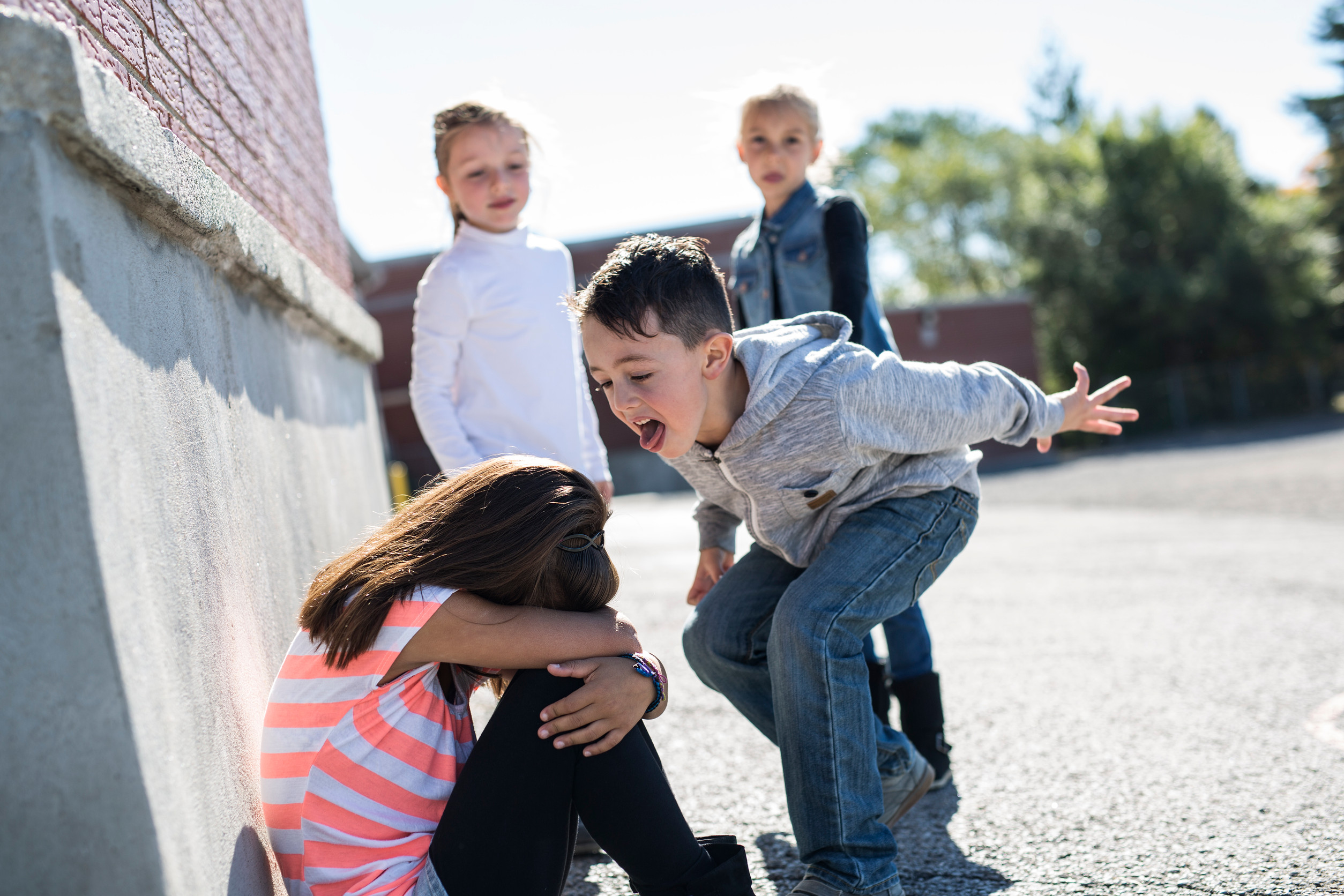
Outgoing, high-energy, and always ready to talk—extroverted kids bring a lot of life to any room. But that same spirited personality can also get them into sticky situations if they aren’t given the right tools and guidance. If your child is an extrovert, you may already know that their natural love of people and excitement can sometimes lead to impulsive behavior or boundary-pushing. While these traits aren’t bad, they can cause problems in certain settings where self-regulation and awareness are key. Here are five common places where extroverted kids may quickly get into trouble and how parents can help them thrive.

1. The Classroom

While schools encourage participation, not every classroom is built for the extrovert’s constant chatter and enthusiasm. If your child is an extrovert, they may find it hard to sit still, wait their turn, or avoid blurting out answers during lessons. Their social energy might be mistaken for lack of discipline or respect, even though their intentions are positive. Teachers may struggle with managing their behavior if it disrupts the flow of the class. Helping your child understand when it’s time to speak and when it’s time to listen can make a big difference in their school success.

2. After-School Programs and Clubs

Extracurricular settings are designed for fun and connection, but they still have structure and expectations. If your child is an extrovert, they might dominate group activities or ignore instructions in their eagerness to lead. This can lead to conflict with peers, especially those who are more reserved or rule-oriented. Coaches and club leaders may interpret their enthusiasm as disruptive rather than engaged. Encourage your child to recognize group dynamics and develop self-awareness about how their energy affects others.

3. Playdates and Sleepovers

Unstructured social time seems like the perfect fit for extroverted kids, but it can sometimes go off the rails. If your child is an extrovert, they might overwhelm their peers with constant talking, high-energy games, or boundary-testing behavior. This can result in hurt feelings, arguments, or being left out of future invitations. Teaching them to check in with friends, share leadership roles during play, and respect others’ comfort levels will lead to more positive social interactions. A quick talk before a playdate can help set the tone for respectful, balanced fun.

4. Public Places Like Stores and Restaurants

Busy, stimulating environments can amp up an extroverted child’s desire to explore, interact, and express themselves. If your child is an extrovert, they may be more likely to approach strangers, wander off, or get loud without realizing how disruptive they’re being. While their curiosity is natural, it can cause safety concerns and public frustration. Set clear expectations ahead of time about behavior in public spaces and involve them in small responsibilities, like helping you shop or ordering their food politely. Keeping them engaged can reduce impulsive behavior and help them practice social awareness.

5. Online and Social Media Spaces

As kids get older, their extroverted nature often transfers into digital spaces. If your child is an extrovert, they may be drawn to constant chatting, posting, or joining online communities—but without proper boundaries, this can lead to oversharing or risky interactions. Extroverted kids may be more likely to trust strangers online, fall for scams, or seek validation from unhealthy sources. Ongoing conversations about digital safety, privacy, and respectful communication are essential. Teaching them to think before they post and reminding them that not all attention is good attention can protect their well-being in the long run.

Channeling Energy Without Crushing Spirit

It’s a gift when a child is naturally social, expressive, and full of life. But if your child is an extrovert, they’ll need guidance to navigate settings where impulse control and empathy matter. The goal isn’t to quiet them down—it’s to equip them with emotional tools that help them shine without causing disruption or conflict. With a little coaching, your extroverted child can learn to balance their energy with awareness and become the kind of person others genuinely want to be around.

Do you have an extroverted child at home? What strategies have helped you guide their energy in the right direction? Share your stories in the comments!

Read More:

7 Tips for Patience With an Extremely Active Child

The Difference Between High-Energy and Overwhelmed Kids

Catherine Reed
Catherine Reed

Catherine is a tech-savvy writer who has focused on the personal finance space for more than eight years. She has a Bachelor’s in Information Technology and enjoys showcasing how tech can simplify everyday personal finance tasks like budgeting, spending tracking, and planning for the future. Additionally, she’s explored the ins and outs of the world of side hustles and loves to share what she’s learned along the way. When she’s not working, you can find her relaxing at home in the Pacific Northwest with her two cats or enjoying a cup of coffee at her neighborhood cafe.
Filed Under: Child behavior Tagged With: child behavior, child development, classroom challenges, extroverted kids, parenting extroverts, parenting tips, Social Skills

8 Things Your Child Can Learn From Visiting Art Galleries and Museums

May 25, 2025 | Leave a Comment

8 Things Your Child Can Learn From Visiting Art Galleries and Museums

Parents looking for engaging, low-tech ways to support their child’s development don’t have to look far—museums and galleries offer more than just a quiet afternoon. Visiting art galleries and museums can open a child’s mind to new ways of thinking, seeing, and feeling. Whether it’s a historical exhibit or a collection of abstract paintings, these spaces provide rich opportunities for learning far beyond the classroom. They encourage curiosity, spark creativity, and introduce kids to new cultures, ideas, and emotions. Best of all, they create moments that stick with your child long after the trip is over.

1. Creative Thinking Takes Many Forms

Art galleries, in particular, encourage kids to think outside the box. Whether they’re looking at a sculpture made from recycled materials or a surrealist painting, they learn that creativity has no single formula. Visiting art galleries and museums helps them realize that thinking differently isn’t wrong—it’s powerful. When they see how artists use color, shape, and story to express big ideas, it teaches them that their own ideas are valuable too. Creative thinking spills over into schoolwork, problem-solving, and even playtime.

2. History Feels Real, Not Just Textbook

Museums have a special way of bringing history to life. Instead of reading about the past, kids can walk through replicas of ancient homes, see artifacts from long ago, and visualize historical events in a tangible way. Visiting art galleries and museums gives context to timelines and historical figures, helping kids understand how the world has changed over time. Seeing these items in person adds emotion and detail that textbooks often can’t. History becomes more than facts—it becomes a story they can connect with.

3. Emotional Intelligence Gets a Boost

Looking at art and cultural exhibits allows kids to explore feelings in a safe space. They may feel joy, confusion, sadness, or inspiration—all from one afternoon in a gallery. Helping them reflect on these emotions builds empathy and emotional intelligence. Ask your child how a painting makes them feel or what they think the artist was trying to say. These simple questions can lead to meaningful conversations about emotions and perspectives.

4. Attention to Detail Is Rewarded

Some museum exhibits require close observation, whether it’s reading an artifact’s backstory or spotting tiny brushstrokes in a painting. These quiet moments of focused attention sharpen your child’s ability to notice the small things. Visiting art galleries and museums encourages them to slow down, look closer, and appreciate subtle details. That kind of patience and focus benefits them in schoolwork and everyday life. It also teaches the value of looking deeper before jumping to conclusions.

5. Cultural Awareness Expands Their Worldview

Museums often feature exhibits from around the world, giving kids the chance to learn about cultures far different from their own. From Indigenous art to ancient African pottery to traditional Japanese prints, the range is eye-opening. This kind of exposure helps kids grow into more open-minded, respectful individuals. Visiting art galleries and museums shows them that the world is wide, and that every culture has stories worth telling. These experiences plant the seeds of global citizenship.

6. Inspiration Strikes in Unexpected Ways

Sometimes a single visit can change a child’s entire view of what’s possible. A natural history exhibit might inspire a future scientist, while a budding artist might be captivated by bold contemporary paintings. Visiting art galleries and museums can ignite passions your child didn’t even know they had. Encourage them to sketch something they saw or write about their favorite exhibit. You never know what spark might turn into a lifelong interest.

7. Visual Learning Gets a Major Boost

Not every child learns best through reading or lectures. For visual learners, especially, museums and galleries are goldmines of information. Diagrams, photographs, timelines, and displays all make complex ideas easier to understand. Visiting art galleries and museums helps kids absorb information in a way that sticks. They get to see, touch (in some cases), and experience learning with their whole bodies, not just their brains.

8. Curiosity Becomes a Habit

Museums naturally invite questions: “What is that?” “Why did they do it that way?” “How old is this?” Encouraging kids to ask these questions helps develop critical thinking and a love of learning. If your child walks out of the museum with more questions than they had going in, that’s a success. Visiting art galleries and museums reminds them that knowledge isn’t something to memorize—it’s something to explore. Curiosity leads to deeper learning and a hunger to know more about the world.

When Learning Feels Like an Adventure

Taking your child to museums and galleries isn’t just an educational outing—it’s an invitation to explore the world with wonder. From creativity to culture, from history to emotional insight, there’s so much more happening in these spaces than meets the eye. Visiting art galleries and museums gives kids a chance to grow in quiet but powerful ways. You’re not just filling their weekend—you’re shaping the way they think, feel, and see the world.

Have you taken your child to a museum or gallery that made a lasting impression? Tell us about it in the comments!

Read More:

The Best Money Lessons Kids Learn From Chores

7 Critical Life Skills Most Parents Never Teach Their Children

Catherine Reed
Catherine Reed

Catherine is a tech-savvy writer who has focused on the personal finance space for more than eight years. She has a Bachelor’s in Information Technology and enjoys showcasing how tech can simplify everyday personal finance tasks like budgeting, spending tracking, and planning for the future. Additionally, she’s explored the ins and outs of the world of side hustles and loves to share what she’s learned along the way. When she’s not working, you can find her relaxing at home in the Pacific Northwest with her two cats or enjoying a cup of coffee at her neighborhood cafe.

Filed Under: Education Tagged With: art galleries for kids, child learning, creative learning, cultural awareness, educational outings, family activities, museum visits, parenting tips

9 Warning Signs Parents Often Miss Until It’s Too Late

May 25, 2025 | Leave a Comment

9 Warning Signs Parents Often Miss Until Its Too Late

Kids are resilient, but they’re also masters at hiding what they don’t want adults to see. Whether it’s emotional distress, social struggles, or early signs of burnout, some red flags are easy to dismiss until they’ve snowballed into bigger issues. As parents, we’re juggling a lot—meals, school schedules, work, and everything in between—so it’s no surprise that subtle shifts in our children’s behavior can slip through the cracks. But noticing those early clues can make all the difference when it comes to emotional well-being and development. Recognizing warning signs before the issue becomes a crisis is one of the most important things a parent can do.

1. Sudden Changes in Sleep Patterns

Sleep is a window into your child’s overall well-being. If they’re suddenly having trouble falling asleep, waking up frequently, or sleeping far more than usual, it could be more than a phase. Stress, anxiety, and even depression can first show up in disrupted sleep patterns. Unfortunately, many parents write it off as “just being a kid.” Paying attention to sleep changes early on can help you catch emotional issues before they become deeply rooted.

2. Increased Irritability or Explosive Reactions

Every child has meltdowns now and then, but a consistent increase in irritability or over-the-top emotional responses can signal deeper struggles. If small things lead to big outbursts on a regular basis, your child may be overwhelmed and not know how to cope. Often, kids express anxiety or sadness through anger because they lack the words to explain their feelings. These reactions might be dismissed as “bad behavior” when they’re actually cries for help. Looking past the behavior to the cause is key to addressing the real issue.

3. Avoiding Friends or Social Activities

Kids are naturally social, even if they’re shy or introverted. If your child starts declining playdates, skipping after-school clubs, or avoiding the friends they once enjoyed, it’s time to take notice. Social withdrawal is a common early sign of anxiety, bullying, or depression. Sometimes it’s gradual, which makes it harder to spot until the isolation becomes extreme. Don’t assume it’s just a phase—ask gentle questions and stay connected.

4. Changes in Eating Habits

Sudden changes in appetite—eating much more or far less than usual—can be an important signal that something’s off. Emotional distress, stress, and anxiety often affect appetite before children can even articulate what’s bothering them. You might notice your child skipping meals, hiding food, or asking for snacks constantly. Because eating habits naturally change as kids grow, this warning sign is easy to brush aside. But consistent shifts in eating are worth exploring with curiosity and care.

5. Declining School Performance

It’s not unusual for kids to hit academic rough patches, but if grades start slipping and they stop caring about school, it may be time to look deeper. Avoiding homework, lying about assignments, or acting out in class can be signs of emotional overload or low self-esteem. These red flags often get chalked up to laziness or defiance, but they’re usually symptoms of something more. Reaching out to teachers and checking in regularly can give you important insight. The earlier school-related issues are addressed, the better the long-term outcome.

6. Loss of Interest in Hobbies

Children usually have strong interests, whether it’s Legos, dance, drawing, or sports. If those passions suddenly fade or your child stops engaging with the things they once loved, it’s time to pause. A loss of interest in favorite activities is a common sign of emotional fatigue or depression. It’s easy to overlook this change if your schedule is already packed, but it’s worth slowing down to notice. Reigniting joy can be as important as addressing what’s causing it to disappear.

7. Frequent Physical Complaints Without a Clear Cause

When children repeatedly complain of headaches, stomachaches, or other physical symptoms without an obvious reason, it’s often a sign of emotional distress. These physical complaints are sometimes the only way kids can express anxiety or sadness, especially if they don’t have the vocabulary to talk about feelings. It’s natural to think they’re trying to avoid school or responsibilities, but the pain may be very real. Tracking these complaints and connecting them to daily events can uncover patterns worth addressing.

8. Increased Need for Reassurance

Asking for constant hugs, seeking approval, or expressing fears over seemingly small things can point to underlying insecurity or anxiety. While affection is healthy, a dramatic increase in clinginess or worry may signal that your child is feeling unsafe or overwhelmed. Parents often interpret this behavior as simply being “needy,” but it’s often more than that. Offering reassurance is good, but identifying the root of the fear helps break the cycle. Emotional support should come with boundaries and conversations.

9. Hiding or Withholding Information

If your child suddenly becomes secretive or avoids talking about their day, especially if they were previously open, it could be a red flag. This shift can point to shame, fear, or experiences they don’t know how to handle—like bullying or online issues. It’s easy to dismiss it as growing independence, but too much secrecy may mean they’re struggling. Keeping open lines of communication, free from judgment, helps kids feel safe coming to you when they need help most.

What You Notice Now Matters Later

Catching early warning signs doesn’t require perfection—it just requires paying attention and trusting your gut. Kids may not always have the words to explain what’s going on, but their behavior often tells the story. When something feels off, it’s okay to lean in and ask questions, even if the answers aren’t immediate. Spotting the signs now can spare your child deeper struggles later, and let them know they don’t have to face hard things alone.

Have you ever caught a warning sign just in time? What helped you recognize it? Share your experience in the comments below.

Read More:

Warning: Don’t Let Your Teen Move Out Before Reading This

8 Dangers of Running Away You Need to Teach Your Child

Catherine Reed
Catherine Reed

Catherine is a tech-savvy writer who has focused on the personal finance space for more than eight years. She has a Bachelor’s in Information Technology and enjoys showcasing how tech can simplify everyday personal finance tasks like budgeting, spending tracking, and planning for the future. Additionally, she’s explored the ins and outs of the world of side hustles and loves to share what she’s learned along the way. When she’s not working, you can find her relaxing at home in the Pacific Northwest with her two cats or enjoying a cup of coffee at her neighborhood cafe.

Filed Under: Child behavior Tagged With: child behavior, child mental health, early warning signs, emotional well-being, parenting awareness, parenting tips, raising emotionally healthy kids

7 Reasons Your Kid Is Acting Out—and None of Them Are Obvious

May 25, 2025 | Leave a Comment

7 Reasons Your Kid Is Acting Out and None of Them Are Obvious

When kids act out, our first instinct is often to reach for the usual explanations: they’re tired, hungry, bored, or testing boundaries. But what if the root cause has nothing to do with those go-to reasons? Children’s behavior is complex, and sometimes their outbursts are signals of deeper, less obvious issues that even attentive parents might miss. Instead of asking “What’s wrong with my kid?” it’s more helpful to ask, “What are they trying to tell me?” Understanding the real reasons behind acting out behavior can help parents respond with empathy, patience, and effective support—not just temporary fixes.

1. They’re Overstimulated but Don’t Know It

We tend to think of overstimulation as something that happens during special events or loud environments, but it can build up quietly throughout the day. Bright lights, screens, constant talking, noise, and transitions can all take a toll on your child’s nervous system. If they start yelling, hitting, or throwing things, it might not be about defiance—it could be their brain’s way of hitting the emergency brakes. Because kids don’t have the language to say “I need a break,” they act it out instead. Creating calm moments and sensory breaks can help them reset before it all bubbles over.

2. They’re Picking Up on Your Stress

Kids are emotional sponges, and even when we think we’re hiding it well, they pick up on adult tension. Whether it’s financial worry, work frustration, or a strained relationship, children often sense something is off and respond in unpredictable ways. They may not understand the cause, but they feel the unease in the air. Acting out becomes their way of asking for reassurance or attention when things feel uncertain. Sometimes helping a child regulate means first checking in with your own emotional state.

3. They’re Struggling with Something at School

Academic pressure, bullying, or difficulty with friends can cause stress that follows your child home—even if they don’t talk about it. Kids often lack the words to explain school-related frustration or fear, so it shows up in behavior. They might become more defiant, withdrawn, or irritable seemingly out of nowhere. Asking open-ended questions about school can open the door to conversations that reveal what’s really going on. Regular check-ins help catch these challenges before they turn into major behavioral issues.

4. They Feel Like They’re Not Being Heard

When children feel like they’re constantly being talked over, rushed, or dismissed, they may start acting out to demand attention. Even well-meaning parents can unknowingly brush off their child’s emotions with quick solutions or redirection. If your child keeps escalating behavior during conversations, it might be because they don’t feel genuinely heard. Taking a few moments to get down on their level and really listen can defuse tension faster than a timeout ever could. Feeling understood is powerful, especially for a child.

5. They’re Hungry for One-on-One Time

Between work, chores, and other siblings, it’s easy for kids to feel like they’re competing for your attention. Some children would rather get negative attention than feel invisible, so they act out just to get a reaction. A few minutes of focused, uninterrupted one-on-one time can go a long way toward filling their emotional cup. It doesn’t have to be elaborate—a quick walk, playing a board game, or reading together is enough. Acting out may stop once they feel more secure in their connection with you.

6. They’re Dealing with Physical Discomfort

Kids often act out when they’re in physical discomfort, even if they don’t realize it. Headaches, allergies, poor sleep, growing pains, or even digestive issues can all make a child irritable and reactive. If your child seems to be struggling and you can’t pinpoint a reason, consider whether a hidden physical issue could be to blame. Subtle discomfort can wear down their tolerance and increase meltdowns. When behavior seems to shift for no clear reason, a health check may be in order.

7. They’re Feeling Powerless

Children crave some control over their world, and when they feel powerless, they often push back through defiance or rebellion. If everything in their day is dictated for them—from what they wear to how they eat to when they play—they may start pushing boundaries just to reclaim a sense of autonomy. Offering small choices throughout the day, like which snack to eat or which shirt to wear, can ease that tension. Giving kids appropriate control over parts of their life helps reduce the need to fight for it.

Understanding the “Why” Behind the Behavior

Not all acting out is about misbehavior—sometimes it’s a cry for help in disguise. The more we dig into the root causes, the better we can respond in a way that builds connection instead of conflict. Every meltdown or tantrum has a story behind it, even if it’s not immediately obvious. By learning to spot the subtle signs and digging deeper than the surface, we can help our kids feel seen, heard, and supported—right when they need us most.

Have you ever discovered an unexpected reason behind your child’s behavior? What helped you get to the root of it? Share your story in the comments.

Read More:

8 Things Kids Do to Hide Their Bad Behavior from You

6 Clues Your Kids Are Picking Up Toxic Behavior From TikTok

Catherine Reed
Catherine Reed

Catherine is a tech-savvy writer who has focused on the personal finance space for more than eight years. She has a Bachelor’s in Information Technology and enjoys showcasing how tech can simplify everyday personal finance tasks like budgeting, spending tracking, and planning for the future. Additionally, she’s explored the ins and outs of the world of side hustles and loves to share what she’s learned along the way. When she’s not working, you can find her relaxing at home in the Pacific Northwest with her two cats or enjoying a cup of coffee at her neighborhood cafe.

Filed Under: Child behavior Tagged With: behavioral challenges, child behavior, Emotional Regulation, kids acting out, parenting struggles, parenting tips, understanding kids

Helping Your Child Handle Fear Without Making It Worse

May 24, 2025 | Leave a Comment

Helping Your Child Handle Fear Without Making It Worse

Fear can creep into childhood in surprising ways—whether it’s a shadow in the corner, a loud storm, or worries about school. While it’s tempting to swoop in and immediately try to erase a child’s fears, doing so can sometimes make the feelings grow stronger instead of smaller. Children need help learning to process fear in a way that builds confidence, not avoidance. The way adults respond in those delicate moments can either empower or unintentionally magnify what’s scary. Helping your child handle fear gently and constructively leads to better long-term emotional resilience.

1. Listen First, React Later

When a child opens up about something that scares them, the first step is to simply listen without judgment or overreaction. Jumping in with reassurances or rational explanations right away might shut down the conversation before the child feels truly heard. It’s important to acknowledge the fear, even if it seems trivial or irrational. Phrases like “That sounds scary” or “I can see why you’d feel that way” go a long way in validating emotions. Once a child feels understood, they’ll be more open to exploring ways to cope.

2. Don’t Rush to “Fix” the Fear

It’s natural to want to shield a child from anything distressing, but trying to fix or remove every scary thing from their world isn’t helping your child handle fear effectively. Doing so can reinforce the idea that fear means danger or that the child can’t handle discomfort. Instead, focus on supporting your child through the fear rather than around it. That might mean sitting with them during a thunderstorm rather than turning up the TV to drown it out. The goal is to teach that fear can be faced, not always avoided.

3. Give the Fear a Name

Sometimes, simply naming a fear can take away some of its power. Encouraging a child to describe what’s scary can make it feel less mysterious and overwhelming. It helps to get specific: instead of “monsters,” maybe it’s “a growling noise under the bed after the lights go out.” This process also gives adults more insight into how the fear started and how best to respond. Naming the fear also helps children gain a bit of control, which is essential when they feel overwhelmed. It shifts the conversation from abstract feelings to something more manageable.

4. Teach Simple Calming Techniques

Giving children tools to manage their own fear is one of the most empowering things a parent or caregiver can do. Breathing techniques, visualization, or even repeating a calming phrase can offer a sense of control in scary moments. Practice these tools during calm times so they’re easier to access when fear strikes. Even something as basic as counting to ten or squeezing a stuffed animal can help regulate emotions. When kids know they have strategies they can rely on, fear loses some of its grip.

5. Model How to Handle Fear Yourself

Children learn a lot about emotions by watching how adults handle theirs. If fear is met with panic or denial, kids are likely to internalize the same reactions. On the other hand, seeing a parent talk about being nervous and working through it calmly sends a strong message. You don’t have to be fearless—just honest and composed. Modeling resilience in the face of your own fears is one of the most powerful lessons a child can absorb.

6. Use Stories and Play to Explore Scary Feelings

Books, pretend play, and storytelling are wonderful ways for children to process fear without direct confrontation. Stories about characters overcoming challenges or dealing with big emotions can help normalize fear. Pretend play offers a safe space to “be the boss” of scary scenarios, whether it’s taming a dragon or rescuing a toy from the dark. These methods allow kids to explore their emotions in a way that feels safe and creative. When children role-play bravery, they’re more likely to feel brave in real life.

7. Set Age-Appropriate Expectations

Some fears are common at certain developmental stages, and it’s helpful for adults to recognize what’s normal. Fear of strangers, the dark, or loud noises are often part of early childhood development. Pushing a child to “grow out of it” too quickly can make them feel ashamed or defective. Instead, acknowledge that these fears are part of growing up and that they’ll get easier with time and support. Letting a child go at their own pace reinforces the message that they are safe and capable.

8. Praise Bravery, Not Just Absence of Fear

It’s easy to say “Good job!” when a child stops being afraid—but it’s even more important to praise the effort they make to confront fear. Recognizing courage, even in small moments, builds a positive association with managing tough emotions. Try comments like “You were nervous, but you still tried it. That’s brave.” This encourages a child to see bravery as a process, not a destination. By praising progress, you help build long-term confidence in handling future challenges.

Fear Doesn’t Have to Define the Moment

Helping a child navigate fear isn’t about eliminating scary feelings—it’s about creating an environment where fear doesn’t control the outcome. When adults approach fear with calm, curiosity, and patience, children learn to do the same. These parenting moments are powerful opportunities to build resilience and trust. Every time a child faces a fear and comes out stronger, it becomes a stepping stone to greater emotional strength. The goal isn’t to raise fearless kids, but capable ones.

What parenting moments have helped your child manage fear in a healthy way? Share your stories in the comments—we’d love to hear what’s worked for your family.

Read More:

Fear Isn’t Always Bad: Teaching Kids to Manage Anxiety

6 Signs Your Child Is Struggling with Social Anxiety

Catherine Reed
Catherine Reed

Catherine is a tech-savvy writer who has focused on the personal finance space for more than eight years. She has a Bachelor’s in Information Technology and enjoys showcasing how tech can simplify everyday personal finance tasks like budgeting, spending tracking, and planning for the future. Additionally, she’s explored the ins and outs of the world of side hustles and loves to share what she’s learned along the way. When she’s not working, you can find her relaxing at home in the Pacific Northwest with her two cats or enjoying a cup of coffee at her neighborhood cafe.
Filed Under: Parenting Tagged With: building confidence, childhood fears, emotional development, parenting moments, parenting tips

8 Regrets Parents Admit Only After Their Kids Grow Up

May 24, 2025 | Leave a Comment

8 Regrets Parents Admit Only After Their Kids Grow Up

Parenting is full of joy, but it’s also packed with moments that slip through your fingers before you even realize they’re gone. In the thick of raising kids—amid sleepless nights, messy living rooms, and rushed school mornings—it’s easy to believe you’ll always have time for the little things. But once your kids are grown, certain regrets have a way of catching up. You remember what you missed, what you rushed through, and what you never made space for. Here are eight parenting regrets many only admit after the kids are out of the house, and why they matter more than we realize.

1. Not Being Fully Present

Many parents admit they were physically there but mentally elsewhere during their kids’ younger years. Between work deadlines, phone distractions, and daily stress, quality time often gets replaced with multitasking. Looking back, it’s the small interactions—listening to silly stories, lingering at bedtime, or watching them just be—that parents wish they’d made more time for. Kids grow fast, and those moments don’t come back. Being present doesn’t require perfection, just intention.

2. Yelling Too Much

Yelling may seem like a normal part of parenting, especially on the hard days, but it often leaves a lasting sting. Parents frequently look back and wish they’d paused before reacting, especially when yelling didn’t solve anything and only widened the emotional distance. What seemed like discipline often feels like regret in hindsight. Many admit they wish they’d used more patience and fewer raised voices. The goal isn’t to be silent—but to be calm and constructive.

3. Putting Too Much Pressure on Academics

While school and achievement are important, many parents realize too late that stressing over grades didn’t build the connection they hoped for. Some now regret turning homework into nightly battles or pushing their kids into perfection over progress. Emotional health, creativity, and curiosity often get overlooked in the pursuit of gold stars. A child’s worth isn’t measured by report cards, and neither is the parent-child relationship. Looking back, most wish they’d focused more on encouragement than expectations.

4. Comparing Them to Others

Whether it was a sibling, a classmate, or a family friend, comparisons often left children feeling not good enough. Parents may have thought they were motivating, but in hindsight, they recognize it built insecurity instead. Every child develops on their own timeline with their own strengths, and constant comparison robs them of confidence. It’s a regret many carry, especially when those words echo back years later. Celebrating individuality is what helps kids thrive.

5. Missing the Little Moments

So much of parenting feels like managing chaos, and it’s easy to underestimate how meaningful the small stuff is. Packing lunches, listening to them ramble about video games, or watching a dance they made up in the living room—those are the moments that become precious memories. Many parents regret rushing through them or brushing them off. Big events are great, but it’s the ordinary days that stick in your heart. Slow down when you can, even if just for a minute.

6. Focusing Too Much on Discipline

Structure and boundaries are necessary, but some parents realize they were so focused on correcting behavior that they missed chances to build connection. Constant discipline without enough play, laughter, or listening creates distance. Looking back, many wish they’d paused to understand instead of just reacting to misbehavior. Rules matter, but relationships matter more. Kids remember how you made them feel far longer than the rules you enforced.

7. Not Apologizing When It Mattered

Many parents admit they had a hard time saying “I’m sorry” when they were wrong. Whether it was an unfair punishment, a harsh word, or a misunderstanding, those moments left scars that could’ve been softened with accountability. Kids don’t need perfect parents—they need honest ones. Apologizing teaches empathy and trust, and it models how to handle mistakes with grace. Looking back, many wish they’d prioritized humility over control.

8. Worrying About What Others Thought

From how their kids dressed to how their parenting was perceived, many parents admit they spent too much time worried about appearances. Social pressure to “get it right” often led to choices that didn’t feel authentic—or that prioritized judgment over joy. In hindsight, parents wish they’d focused less on outside opinions and more on what truly mattered for their own family. No one else lives in your home, and their opinions shouldn’t steer your parenting.

Regret Can Shape Better Moments Moving Forward

It’s easy to dwell on the mistakes, but regret doesn’t have to end in guilt—it can lead to growth. Even if your kids are older, there’s still time to show up differently, to reconnect, to listen more, and to heal what feels unresolved. Parenting doesn’t stop at 18, and reflection can build better bonds for the future. It’s never too late to offer more presence, more grace, and more love. The most meaningful changes often start with an honest look back.

Which parenting regret hit closest to home for you? What would you tell your younger parenting self if you could? Share your thoughts in the comments.

Read More:

Why Some Parents Regret Saying Yes to a Second Child

Why Some Regret Moving to the Suburbs

Catherine Reed
Catherine Reed

Catherine is a tech-savvy writer who has focused on the personal finance space for more than eight years. She has a Bachelor’s in Information Technology and enjoys showcasing how tech can simplify everyday personal finance tasks like budgeting, spending tracking, and planning for the future. Additionally, she’s explored the ins and outs of the world of side hustles and loves to share what she’s learned along the way. When she’s not working, you can find her relaxing at home in the Pacific Northwest with her two cats or enjoying a cup of coffee at her neighborhood cafe.

Filed Under: Parenting Tagged With: emotional parenting, honest parenting, parenting lessons, parenting reflection, parenting regrets, parenting tips, raising kids

If You’re Not Teaching Them This by Age 10, You’re Already Behind

May 23, 2025 | Leave a Comment

If Youre Not Teaching Them This by Age 10 Youre Already Behind

Raising kind, capable, and independent kids takes more than just keeping them safe and fed. By age 10, children are developmentally ready to absorb lessons that go far beyond math facts and reading levels. This is the time when lifelong habits, values, and skills begin to stick—and missing that window can make everything harder later. From social awareness to basic financial smarts, there are some things every child should be learning well before the teen years hit. If you’re not teaching them this by age 10, now’s the time to start catching up.

1. How to Handle Disappointment Without Melting Down

Life won’t always go their way, and kids need the tools to deal with that. Whether it’s losing a game, not getting invited to a party, or facing a “no,” emotional regulation is critical. Kids who don’t learn how to cope with disappointment early often struggle with frustration, peer conflict, and self-esteem issues later on. Teach them that it’s okay to be upset but not okay to lash out or shut down completely. By age 10, they should be practicing how to bounce back with words, not tantrums.

2. Basic Money Concepts

No, they don’t need to understand compound interest by fourth grade, but they do need to know that money doesn’t magically appear. Kids should learn the difference between wants and needs, how to count and save money, and that working earns rewards. If you’re giving allowance or paying for chores, now is the time to talk about budgeting and saving for things they want. Understanding the value of a dollar helps them make better choices later. Teaching kids financial responsibility starts with real-world conversations early on.

3. How to Respect Personal Boundaries

Consent isn’t just a topic for teenagers. By age 10, kids should know that they have the right to say no—and that others do too. Whether it’s not wanting to be hugged, sharing a toy, or being interrupted, respecting boundaries teaches empathy and builds strong social skills. Parents can model this by honoring their child’s own boundaries and setting clear ones themselves. Teaching kids to speak up when something feels wrong is one of the most important lessons you’ll ever give.

4. How to Pitch In Without Being Asked

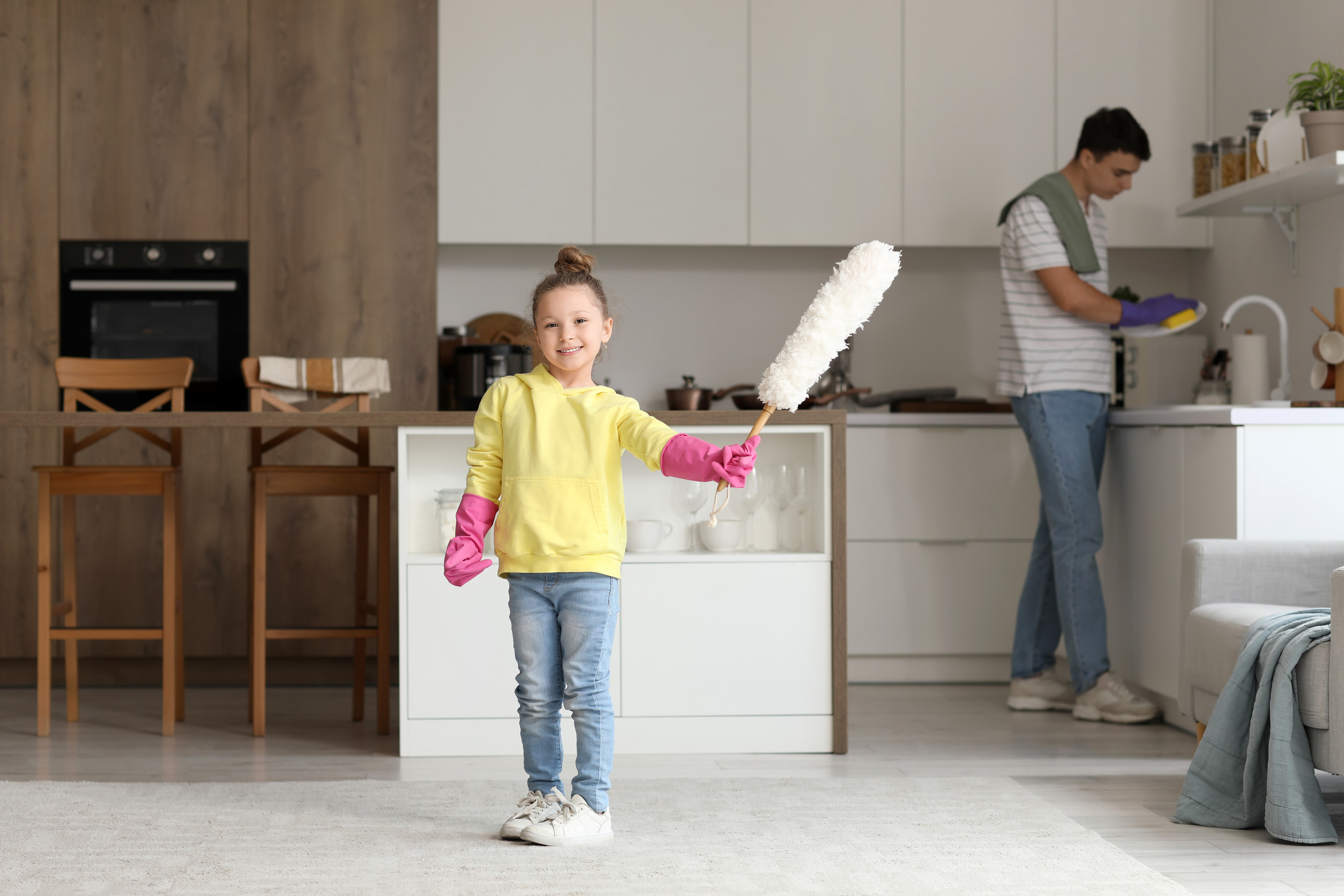
If your child breezes past their dirty plate or ignores laundry piled on the floor, it might be time for a family reset. By 10, kids should be helping around the house—not as a punishment, but as a normal part of contributing to the household. Start with age-appropriate chores like folding laundry, unloading the dishwasher, or helping pack lunches. When kids learn to take responsibility for their environment, they also learn respect for others’ time and effort. Teaching this now helps them grow into adults who aren’t afraid of doing their share.

5. What to Do in an Emergency

Every child should know the basics of what to do if something unexpected happens. This includes how to call 911, knowing their full name, address, and phone number, and what to do if they’re lost in public. Practicing emergency plans for things like fires or staying home alone builds confidence and preparedness. Kids who freeze or panic in tough moments may miss the chance to get help or stay safe. Knowing how to react in an emergency is more empowering than scary when it’s taught calmly and clearly.

6. That Failure Isn’t the End of the World

Too many kids grow up thinking that mistakes define them, rather than teach them. By age 10, they should know that setbacks are part of learning—and nothing to be ashamed of. Help your child reframe failure as feedback by talking openly about your own missteps and how you handled them. Encouraging a “try again” mindset sets them up for resilience, not perfectionism. Kids who aren’t afraid to fail will take more risks, explore more deeply, and learn more freely.

7. How to Be Kind—Even When It’s Not Easy

Kindness is more than saying “please” and “thank you.” It’s standing up for someone being teased, including someone who feels left out, or offering help without being asked. By 10, kids are aware of social hierarchies, cliques, and peer pressure, and they need guidance on how to be kind when kindness isn’t convenient. Talk about real-life scenarios and how to respond when they see unfairness or cruelty. Teaching kids empathy now builds a moral compass they’ll carry for life.

Preparing Kids for Life Starts Before Middle School

You don’t need to be a perfect parent, but you do need to be intentional. These lessons aren’t one-and-done—they’re ongoing conversations, teachable moments, and everyday examples. If your child hasn’t mastered every item on this list yet, don’t panic. The important thing is to start now and keep showing up with guidance and encouragement. Raising confident, respectful, and capable kids begins with what we teach them today.

What life skills do you think are most important for kids to learn by age 10? Share your thoughts in the comments!

Read More:

7 Critical Life Skills Most Parents Never Teach Their Children

How to Teach Kids to Say No—Even to Grownups

Catherine Reed
Catherine Reed

Catherine is a tech-savvy writer who has focused on the personal finance space for more than eight years. She has a Bachelor’s in Information Technology and enjoys showcasing how tech can simplify everyday personal finance tasks like budgeting, spending tracking, and planning for the future. Additionally, she’s explored the ins and outs of the world of side hustles and loves to share what she’s learned along the way. When she’s not working, you can find her relaxing at home in the Pacific Northwest with her two cats or enjoying a cup of coffee at her neighborhood cafe.

Filed Under: Parenting Tagged With: age 10 milestones, child development, life skills for kids, parenting advice, parenting tips, raising confident kids, teaching responsibility

10 Things Parents Should NEVER Apologize For (Even If It Feels Wrong)

May 22, 2025 | Leave a Comment

10 Things Parents Should NEVER Apologize For Even If It Feels Wrong

Parenting comes with a never-ending stream of choices, and unfortunately, so does the judgment that follows those choices. Whether it’s from strangers, relatives, or even that nagging voice in your own head, the pressure to parent perfectly is real. But here’s the truth: doing what’s right for your child and your family doesn’t require anyone’s approval. There are many decisions parents make every single day that deserve confidence, not apologies. If you’ve ever felt guilty for setting a boundary, saying no, or prioritizing your own well-being, it’s time to let that guilt go. Here are 10 things parents should never apologize for, even if it feels wrong.

1. Saying No (and Sticking to It)

You don’t owe anyone an apology for telling your child no. Boundaries are essential to raising responsible, respectful, and emotionally balanced kids. Children thrive when they know where the limits are, even if they don’t always like them. Saying no teaches patience, self-regulation, and delayed gratification. You’re the parent—it’s your job to guide, not just to please.

2. Choosing Screen Time When You Need a Break

Let’s be honest: sometimes, screen time saves the day. Whether you need to shower, make dinner, or just sit in silence for ten minutes, giving your child a tablet or turning on a show is not a failure. Moderation and content matter, but the occasional screen doesn’t ruin your parenting. In fact, allowing yourself to recharge can make you more present afterward. Never apologize for doing what you need to survive the moment.

3. Asking for Help

Raising kids is hard work, and no one should be expected to do it alone. Whether you ask your partner, a grandparent, or a babysitter for support, seeking help is a sign of strength, not weakness. It shows your child that it’s okay to lean on others and that community matters. Parents who ask for help are practicing self-awareness and resilience. If anything, we should normalize asking for help—not apologize for it.

4. Feeding Your Family in a Way That Works for You

Not every meal needs to be organic, homemade, or Pinterest-worthy. Feeding your family can mean frozen pizza one night and fresh veggies the next. What matters is that your child is nourished, not that every dinner meets someone else’s standards. Whether it’s breastfeeding, formula, snacks in the car, or fast food after soccer practice, your choices are valid. Never apologize for feeding your child in the way that works best for your life.

5. Enforcing Bedtime (Even at the Party)

A well-rested child is a happier child—and so is a well-rested parent. If you leave early from events or skip late-night activities to honor your child’s sleep schedule, you are making a smart decision. Sticking to a routine helps children feel secure and avoids unnecessary meltdowns. It’s okay if others don’t understand why you can’t stay for “just one more hour.” You know your child’s limits, and it’s perfectly fine to protect them.

6. Not Signing Up for Every Activity

Your child doesn’t need to do every sport, take every class, or join every club. Sometimes, saying no to more commitments is how you preserve family time, mental health, and your sanity. Overscheduling can lead to burnout for both kids and parents. Prioritizing rest and unstructured time is a healthy choice, not something to feel guilty about. Remember, “doing enough” looks different for every family.

7. Parenting Differently Than Your Friends or Family

You’re not required to follow the same path as the people around you. Whether you sleep train, co-sleep, homeschool, or send your child to daycare, what works for your family is what matters. People will always have opinions, but you don’t need to justify your choices to them. Trusting your instincts and tuning out judgment is a critical parenting skill. You should never apologize for doing what aligns with your values and your child’s needs.

8. Taking Time Away From Your Kids

Yes, you are allowed to have time to yourself. Whether it’s a coffee run alone, a night out with friends, or a full weekend away, prioritizing yourself is healthy. Stepping back from parenting now and then isn’t selfish—it’s essential for emotional well-being. You come back more refreshed, more patient, and more present. Your kids benefit from seeing that caring for yourself is part of being a strong parent.

9. Letting Your Child Be Bored

Constant entertainment isn’t necessary—or realistic. Boredom encourages creativity, problem-solving, and independence. If your child whines about being bored, it doesn’t mean you’ve failed as a parent. It means you’ve given them space to explore and engage with their environment. Don’t feel guilty for not playing cruise director every hour of the day.

10. Saying No to Visitors or Plans

Sometimes, you just need to stay home. Maybe your toddler’s on their third meltdown of the day or your newborn hasn’t let you sleep. Canceling plans, turning down visits, or choosing quiet over chaos is more than acceptable. Your well-being and your family’s comfort come first. You don’t owe anyone an apology for protecting your peace.

Own Your Parenting Without Apology

Guilt often sneaks in through the cracks of comparison, pressure, and unrealistic expectations. But parenting isn’t about perfection—it’s about presence, intention, and learning as you go. The truth is, most of the things we feel bad about are signs we’re doing our best. By owning our choices with confidence and compassion, we model that same strength for our kids. So let’s start letting go of the guilt and stop apologizing for being human.

Which of these resonated with you most? What’s something you’ve stopped apologizing for as a parent? Share your thoughts in the comments!

Read More:

10 Things Parents Should NEVER Pay For After Age 18

5 Toys That Were Never Designed to Be Used by Children

Catherine Reed
Catherine Reed

Catherine is a tech-savvy writer who has focused on the personal finance space for more than eight years. She has a Bachelor’s in Information Technology and enjoys showcasing how tech can simplify everyday personal finance tasks like budgeting, spending tracking, and planning for the future. Additionally, she’s explored the ins and outs of the world of side hustles and loves to share what she’s learned along the way. When she’s not working, you can find her relaxing at home in the Pacific Northwest with her two cats or enjoying a cup of coffee at her neighborhood cafe.

Filed Under: Parenting Tagged With: confidence in parenting, mom guilt, parenting boundaries, parenting choices, parenting guilt, parenting tips, self-care for parents

8 Signs Your Child Is in Charge of the Household (Not You)

May 22, 2025 | Leave a Comment

8 Signs Your Child Is in Charge of the Household Not You

Parenting isn’t always a power struggle—but sometimes it really feels like one. One minute you’re setting the rules, and the next, your kid is negotiating like a tiny lawyer or issuing ultimatums about what’s for dinner. If it often feels like your household revolves around your child’s moods, preferences, and demands, you’re not alone. Many well-meaning parents accidentally hand over the reins without realizing it until routines start unraveling. Recognizing the signs that your child is running the show can help you take back your role as the parent and restore a healthy family balance.

1. Your Child Dictates Every Meal

If your weekly meal plan reads more like a short-order menu, there’s a good chance your child is calling the shots. Constantly cooking separate meals or scrapping your dinner plans to avoid a meltdown gives them the power to override your decisions. While it’s fine to honor preferences, giving in every time teaches kids that whining or refusing food gets results. This habit can create stress around mealtimes and limit your child’s willingness to try new foods. It’s okay to have pizza night—just make sure you’re the one choosing when.

2. Bedtime Is a Negotiation (Every Night)

Bedtime routines should help children wind down and feel secure, but if each night turns into a back-and-forth debate, it’s a red flag. Kids in charge often stretch their bedtime by asking for more stories, snacks, or last-minute confessions of hunger or fear. Giving in repeatedly to these stalling tactics can slowly erode boundaries and leave parents exhausted. It’s important to hold firm while still being kind, reinforcing that sleep isn’t up for discussion. A consistent bedtime routine signals that parents—not children—are managing the schedule.

3. Tantrums Always Lead to Rule Changes

Every child throws a tantrum now and then, especially when they’re tired or overstimulated. But if rule changes often follow emotional outbursts, your child may have learned that big reactions equal big rewards. Allowing tantrums to reshape house rules teaches kids to push limits when they want control. Boundaries need to be predictable and calmly enforced, even when emotions run high. Giving in for peace in the moment can cause bigger battles in the future.

4. You Avoid Saying No to Prevent Conflict

No one enjoys being the “bad guy,” but saying yes just to avoid a tantrum can put kids in the driver’s seat. If your child is rarely told “no” or consistently finds ways around limits, they may start believing the rules don’t apply to them. Avoiding conflict may keep the peace temporarily, but it weakens your authority over time. Children feel more secure when parents set clear expectations—even if they protest at first. Learning to handle disappointment is a critical life skill that starts at home.

5. Your Child Makes All the Social Decisions

Do you find yourself skipping events, leaving early, or rearranging plans to suit your child’s every whim? While it’s important to consider your child’s comfort, letting them control the family calendar can backfire. Children who always get their way in social situations may struggle with flexibility and empathy as they grow. Parents should model how to balance everyone’s needs rather than catering to one person’s preferences. It’s healthy for kids to sometimes adapt to plans they didn’t choose.

6. You Feel Like You’re Walking on Eggshells

When parents begin adjusting their behavior to prevent a child’s emotional explosions, the family dynamic shifts in the wrong direction. Whether it’s avoiding certain topics, hesitating to set limits, or constantly tiptoeing around moods, this behavior signals a loss of parental leadership. Kids need to see that emotions are welcome, but they don’t dictate behavior or household rules. When children sense that their feelings control the environment, they lose the opportunity to build resilience. It’s not about ignoring emotions—it’s about guiding your child through them, not letting them lead the way.

7. Your Child Talks to You Like a Peer

It’s natural for kids to test boundaries as they grow, but if your child regularly speaks to you with disrespect or sarcasm, it’s time to reestablish roles. Children who feel too equal in authority may treat parents more like roommates than caregivers. Respectful communication is a two-way street, and parents should model and expect it in return. While open dialogue is great, children still need to understand that parents set the tone. Reinforcing your role with kindness and clarity helps reset that balance.

8. You’re Constantly Second-Guessing Yourself

If every parenting decision turns into a debate—whether internal or with your child—you may have lost confidence in your authority. Children who are used to being in control often question or challenge every rule or request. When parents feel unsure, it opens the door for power struggles. Trusting your instincts and sticking to clear, consistent rules reinforces your leadership. Children thrive when they know someone else is confidently steering the ship.

Regaining Balance Without Power Struggles

Noticing that your child is running the household doesn’t mean you’ve failed—it means you care enough to course-correct. The goal isn’t to squash your child’s spirit, but to reestablish a healthy dynamic where love and limits work together. Kids feel safest when they know their parents are confidently in charge. It might take time and consistency, but with clear expectations and calm reinforcement, you can reset the balance in your home. Parenting isn’t about control—it’s about leadership rooted in love.

Have you experienced any of these signs of a child in charge in your home? What strategies have helped you regain balance? Share your experiences in the comments!

Read More:

7 Secrets to Stopping Toddler Tantrums

5 Harsh Truths About Being the Only Parent Who Sets Rules

Catherine Reed
Catherine Reed

Catherine is a tech-savvy writer who has focused on the personal finance space for more than eight years. She has a Bachelor’s in Information Technology and enjoys showcasing how tech can simplify everyday personal finance tasks like budgeting, spending tracking, and planning for the future. Additionally, she’s explored the ins and outs of the world of side hustles and loves to share what she’s learned along the way. When she’s not working, you can find her relaxing at home in the Pacific Northwest with her two cats or enjoying a cup of coffee at her neighborhood cafe.

Filed Under: Parenting Tagged With: child behavior, family dynamics, household discipline, parenting struggles, parenting tips, setting boundaries

10 Things a Parent Should Never Say to Their Child About Their Looks

May 21, 2025 | Leave a Comment

10 Things a Parent Should Never Say to Their Child About Their Looks

Kids start forming their sense of self earlier than most parents realize—and what they hear about their appearance can stick for years, even decades. Whether it’s a casual comment or a well-meaning “joke,” the way adults talk about children’s bodies, faces, and features can shape how they see themselves long after childhood. Sadly, even seemingly harmless remarks can fuel self-doubt, insecurity, or disordered thinking. In a world already obsessed with appearance, children need home to be a safe place for self-acceptance. These are 10 things a parent should never say to their child about their looks—and what to say instead.

1. “You’d Be So Much Cuter If You Lost a Little Weight”

This sentence might come out with the intention of helping, but it plants a painful seed of shame. Weight-related comments can lead children to believe their value is based on body size. These words don’t motivate—they damage. Kids should hear that they’re loved and worthy regardless of their weight. If health is a concern, focus on strength, energy, and habits, not appearance.

2. “You Have My Nose—Sorry About That”

Joking about “bad genes” might seem lighthearted, but kids hear it as a flaw they didn’t ask for. When a parent mocks their own features, it teaches children to view theirs the same way. Body image can be passed down, both genetically and emotionally. Instead, celebrate unique traits as something special, not something to apologize for. A parent should never say anything that teaches a child to dislike what makes them unique.

3. “Why Can’t You Dress More Girly/Manly?”

Pushing gender norms when it comes to appearance can make a child feel like they don’t belong or aren’t accepted for who they are. Whether it’s hairstyles, clothing choices, or how they carry themselves, kids need room to explore identity without judgment. Shaming them for not fitting into a box chips away at their confidence. Let your child express themselves safely, and show curiosity instead of criticism. A parent should never say things that force kids to hide who they are.

4. “You Look Better When You Smile”

While this phrase may sound like a compliment, it subtly suggests a child’s natural expression isn’t good enough. It teaches them that their job is to look happy for others, even when they don’t feel it. This can be especially damaging for kids who are shy, sensitive, or dealing with emotional stress. Instead of commenting on their expressions, ask how they’re feeling and listen with empathy. Parents should never say something that encourages emotional masking.

5. “You’ll Never Get a Date Looking Like That”

Teasing kids about dating, attractiveness, or how others will perceive them can spark deep insecurity. It links their value to how desirable they are to someone else and implies they have to meet certain standards to be lovable. This type of comment can have lasting effects on self-worth and body image. A better message is that relationships should be built on mutual respect and kindness, not looks. A parent should never say anything that ties love to appearance.

6. “You’re Too Pretty/Handsome to Be Acting Like That”

This may sound like praise, but it connects physical appearance with behavior, suggesting that beauty and character are somehow linked. It can teach kids to rely on their looks to gain approval or avoid consequences. Over time, this mindset can lead to insecurity when they feel they’re not “looking their best.” Instead, compliment kindness, effort, or creativity—things they control and can grow. Parents should never say things that confuse self-worth with image.

7. “Are You Really Going Out Looking Like That?”

This question might come from concern, but it sounds like judgment. It can make kids second-guess their choices and feel like their sense of style isn’t valid. Even if their outfit seems mismatched or outlandish, it’s part of how they’re learning to express themselves. Ask what they love about what they’re wearing instead of criticizing it. A parent should never say something that discourages self-expression.

8. “You’re Getting So Big—You’d Better Watch It”

Growth is a natural and healthy part of childhood, and commenting on it with fear or concern sends the wrong message. Phrases like this link development with shame, especially when bodies start to change in puberty. Kids don’t need to “watch it”—they need support, information, and reassurance. Focus on what their body can do, not how it looks. A parent should never say things that create shame around growing up.

9. “You’re the Pretty One/Smart One/Sporty One”

Labeling one child based on looks and the other based on personality sets up unnecessary comparison and competition. It can lock kids into boxes that feel limiting or unfair. Even compliments can sting when they’re used to divide. Make sure each child knows they’re valued for multiple qualities, not just one identity. A parent should never say something that pits siblings against each other.

10. “You Look Just Like [Insert Negative Comparison]”

Whether it’s a relative, an ex, or someone they’ve never met, comparing a child’s appearance to someone unfavorably is a surefire confidence crusher. Kids internalize those associations quickly and may begin to dislike parts of themselves by association. Keep comparisons positive or skip them altogether. Each child is their own person, and that should be celebrated. A parent should never say things that make a child question their identity.

Your Words Shape Their Reflection

What is said about a child’s looks becomes part of the mirror they see themselves through. Comments that seem small or playful can shape lifelong insecurities, while intentional words can build resilience and self-acceptance. Instead of focusing on appearance, speak to who they are, how they feel, and what makes them unique. Children don’t need to hear they’re flawless—they need to hear they’re enough.

Have you ever caught yourself saying one of these without realizing the impact? What helped you shift the conversation? Share your thoughts in the comments!

Read More:

10 Things Parents Should NEVER Pay For After Age 18

5 Toys That Were Never Designed to Be Used by Children

Catherine Reed
Catherine Reed

Catherine is a tech-savvy writer who has focused on the personal finance space for more than eight years. She has a Bachelor’s in Information Technology and enjoys showcasing how tech can simplify everyday personal finance tasks like budgeting, spending tracking, and planning for the future. Additionally, she’s explored the ins and outs of the world of side hustles and loves to share what she’s learned along the way. When she’s not working, you can find her relaxing at home in the Pacific Northwest with her two cats or enjoying a cup of coffee at her neighborhood cafe.

Filed Under: Parenting Tagged With: body image, child development, parenting language, parenting tips, Positive Parenting, raising confident kids, self-esteem

How Sibling Rivalry Turns Into Financial Battles for Parents

May 21, 2025 | Leave a Comment

How Sibling Rivalry Turns Into Financial Battles for Parents

Sibling rivalry has been around as long as siblings have existed—but in today’s world, it’s not just about who sat in the front seat or who got the bigger slice of cake. Modern rivalry often spills into spending, and parents are left caught in the middle of emotional and financial negotiations. Whether it’s fights over birthday budgets, extracurricular costs, or who got the “nicer” gift, resentment can build quickly. Trying to keep things “fair” can drain not just your patience, but your bank account. Here’s how sibling rivalries often evolve into financial stress for parents—and what to do about it.

1. Comparing Gifts and Celebrations

What starts as innocent comparison can quickly turn into a full-blown argument over who got more for their birthday or holiday. Kids notice the price tags, effort, and even the number of presents—whether you intended to be “even” or not. One child getting a sleepover party while the other just gets cake can trigger feelings of unfairness. Parents often feel pressured to match the experience dollar for dollar, leading to overcompensating. Trying to equalize everything financially rarely works and often just escalates sibling rivalry.

2. Activities That Add Up Unevenly

One child may love dance while the other thrives in soccer, but those activities can come with wildly different price tags. From uniforms and equipment to travel expenses and competitions, parents may end up spending far more on one child than another. Kids notice when their sibling’s activities seem to get more investment, and they may resent the perceived imbalance. Even if the spending makes sense based on interest or talent, the numbers can still spark arguments. Finding non-monetary ways to show equal support helps keep the peace.

3. College Costs and Academic Pressure

Higher education is one of the biggest financial challenges parents face, and it becomes even trickier with multiple kids. If one child gets scholarships or goes to community college while another chooses a private university, the cost differences can become a point of contention. Parents often feel caught between wanting to support each child’s unique path and trying to be financially “fair.” Siblings may compare tuition support, housing help, or even textbook money. Planning early and discussing expectations openly can help prevent this type of rivalry from boiling over.

4. Inheritance and Future Planning

It might feel like a long way off, but siblings often begin competing for parental resources far earlier than you’d expect. This can include subtle assumptions about who will get the car when they turn 16 or who will be “trusted” with certain heirlooms. When wills and inheritance come into the conversation—whether spoken or not—rivalry can take on a long-term financial tone. Parents may feel forced to make promises or assurances just to maintain peace. Clear communication and documented plans can keep future fights from brewing.

5. Technology and Trend Demands

Keeping up with tech trends is a huge source of stress for parents and a battleground for kids. If the oldest got a smartphone at 12, the younger sibling expects the same—even if the timing doesn’t feel right anymore. Brand comparisons, upgrade schedules, and even who got the “cooler” headphones can spark jealousy. This kind of rivalry can make parents feel pressured into unnecessary spending just to avoid conflict. Setting boundaries based on readiness, not sibling precedent, helps avoid this money trap.

6. Clothing, Style, and Image

Fashion and appearance are another area where sibling rivalry can easily bleed into spending battles. One child may demand designer clothes to keep up with peers, while the other prefers thrift store finds—or vice versa. Parents trying to accommodate both may feel guilted into spending more just to “even things out.” But financial fairness isn’t always about matching dollar amounts. Teaching value and letting kids make choices within a shared budget fosters independence and keeps rivalry in check.

7. Chore-Based Allowances

When allowances or financial rewards are tied to chores, fairness gets tricky fast. Siblings may argue over who does more, who gets paid more, or who gets away with doing less. If parents aren’t consistent, it can lead to claims of favoritism and fuel resentment. What starts as a simple way to teach responsibility can morph into a competitive battle over earnings. Keeping chore systems transparent and age-appropriate helps reduce conflict and teach valuable money lessons.

8. Emergency or “Just Because” Spending

Sometimes one child needs new shoes unexpectedly or gets a surprise reward for a tough week at school. But what seems like a one-off purchase to you can look like favoritism to a sibling. Kids often remember every moment someone else got something when they didn’t. These moments build up and can lead to long-term resentment if not handled carefully. Keeping communication open about needs versus wants helps kids understand these decisions better.

9. Holiday Traditions and Family Travel

Family vacations, holidays, and special outings often come with costs that can look different from year to year—or child to child. Maybe the older sibling got a Disney trip at five, and the younger sibling only got a backyard party due to budget or timing. Kids rarely take context into account, and they tend to remember what they missed, not why it happened. When kids start tallying memories like receipts, financial tension isn’t far behind. Consistency matters, but so does transparency when plans or budgets shift.

Fair Doesn’t Mean Equal—and That’s Okay

As much as we want to treat our children equally, life doesn’t always make that possible—or even ideal. What one child needs may not be what another wants, and trying to match every dollar can create more conflict than clarity. Parents aren’t ATMs, and parenting isn’t a contest. The best way to handle financial battles rooted in sibling rivalry is to stay consistent, be honest about limits, and focus on what truly matters: love, not ledger lines.

Have you ever dealt with financial tension between your kids? What strategies helped you keep things fair without going broke? Share your thoughts in the comments!

Read More:

8 Strategies for Managing Sibling Rivalry (Without Losing Your Mind)

Blended Families: 10 Ways to Blend Your Family Without Chaos

Catherine Reed
Catherine Reed

Catherine is a tech-savvy writer who has focused on the personal finance space for more than eight years. She has a Bachelor’s in Information Technology and enjoys showcasing how tech can simplify everyday personal finance tasks like budgeting, spending tracking, and planning for the future. Additionally, she’s explored the ins and outs of the world of side hustles and loves to share what she’s learned along the way. When she’s not working, you can find her relaxing at home in the Pacific Northwest with her two cats or enjoying a cup of coffee at her neighborhood cafe.

Filed Under: Child behavior Tagged With: Family Budgeting, financial fairness, kids and money, parenting finances, parenting tips, raising siblings, sibling rivalry

« Previous Page
Next Page »
  • Facebook
  • Pinterest
  • RSS
  • Twitter

Basic Principles Of Good Parenting

Here some basic principles for good parenting:

  1. What You Do Matters: Your kids are watching you. So, be purposeful about what you want to accomplish.
  2. You Can’t be Too Loving: Don’t replace love with material possessions, lowered expectations or leniency.
  3. Be Involved Your Kids Life: Arrange your priorities to focus on what your kid’s needs. Be there mentally and physically.
  4. Adapt Your Parenting: Children grow quickly, so keep pace with your child’s development.
  5. Establish and Set Rules: The rules you set for children will establish the rules they set for themselves later.  Avoid harsh discipline and be consistent.
  6. Explain Your Decisions: What is obvious to you may not be evident to your child. They don’t have the experience you do.
  7. Be Respectful To Your Child: How you treat your child is how they will treat others.  Be polite, respectful and make an effort to pay attention.
Best Parenting Blogs

Most Popular

Baby

9 Baby Names That Sound Rare Without Being Hard to Spell

Evan Morgan
Baby

9 Unusual Baby Names That Sound Like They Belong to Future CEOs

Evan Morgan
Target Store

Choking Incident Prompts Recall of 49,000 Target Gigglescape “Under the Sea” Popping Toys

Evan Morgan
Frustrated Girl

Why Some Students on the Spectrum Are Labeled With ODD

Evan Morgan
Coke Bottles

12 Things Kids Took to School in the ’70s That Would Never Be Allowed Today

Evan Morgan

All content on Kids Ain’t Cheap is for entertainment purposes only. By reading this blog, you agree that Kids Ain’t Cheap is not responsible for any actions taken after reading this blog. For the full disclaimer, see our privacy policy.

Please note that Kids Ain’t Cheap has financial relationships with some of the merchants mentioned here. Kids Ain’t Cheap is funded by banner advertising, commission sales and search optimization consulting.

Copyright © 2006–2026 | District Media | All Rights Reserved | Privacy Policy

Copyright © 2026 Runway Pro Theme by Viva la Violette