
• Home
  • About Us
  • Toolkit
  • Archives
  • Advertise
  • Privacy Policy

Kids Ain't Cheap

But They Sure Are Worth It

  • Parenting
    • Baby Stuff
    • Books and Reading
      • Aesops Fables
      • Comic Books
    • Education
    • Family Time
    • Green Living
    • Growing Up
    • Healthy Living & Eating
    • Holidays
    • Parenting
    • Random Musings
    • Shopping
    • Stuff to Do
  • Money
  • Product Reviews
    • Books and Magazines
    • Discount Sites
    • Furniture
    • House Keeping
    • Reviews News
    • Toys and Games
  • Contact Us
  • Our Editorial Commitment
  • Search

8 Things Kids Say That Seem Harmless—But Are Actually Warning Signs

May 30, 2025 | Leave a Comment

8 Things Kids Say That Seem Harmless But Are Actually Warning Signs

Most parents hear their kids say things that seem quirky, silly, or dramatic—and often brush them off without a second thought. But every now and then, there’s a deeper message hiding in those offhand comments. Some of the things kids say that seem harmless can actually be quiet cries for help, frustration, or confusion. The key is learning how to listen between the lines, because kids don’t always know how to articulate big emotions directly. If you’ve ever second-guessed whether a passing comment meant something more, you’re not alone—these eight phrases deserve a second listen.

1. “I’m just tired all the time.”

Fatigue might seem like a basic complaint, but when it becomes chronic, it could signal more than just a poor night’s sleep. Kids who are emotionally overwhelmed, anxious, or even depressed often express their feelings physically. Saying they’re “just tired” could be their way of avoiding deeper conversations they aren’t sure how to start. It’s one of those things kids say that seem harmless, but it can be an early indicator of mental health struggles. Pay attention to patterns, energy changes, and mood alongside this phrase.

2. “Nobody likes me.”

This one might sound like typical school drama, but it can reveal painful feelings of isolation or rejection. If a child repeatedly says “nobody likes me,” it’s worth exploring whether they’re struggling with friendships, bullying, or low self-esteem. Kids often lack the vocabulary to say, “I feel left out,” so they default to extreme statements. When this comment surfaces, don’t dismiss it—instead, dig deeper to find out what’s really going on in their social world. Validating their feelings while offering guidance can make a huge difference.

3. “I don’t care.”

“I don’t care” can sound like a throwaway comment or even disrespectful defiance. But in many cases, it’s a mask for discouragement or fear of failure. If a child starts saying this about things they used to enjoy—school, sports, friendships—it might mean they’re feeling powerless or emotionally shut down. When “I don’t care” becomes a regular phrase, it’s time to ask gentle questions and offer support without pushing too hard. This is one of the most overlooked things kids say that seem harmless but may reveal burnout or emotional overload.

4. “I’m just joking.”

Sometimes, jokes aren’t really jokes—they’re disguised messages. Kids may use humor or sarcasm to express real concerns while protecting themselves from criticism or rejection. A child who makes “jokes” about hating school, being ugly, or being unwanted might be revealing painful beliefs underneath the punchline. Watch for repeated patterns and topics in their humor. When “I’m just joking” is attached to something potentially serious, it deserves attention and a follow-up conversation.

5. “I wish I wasn’t here.”

This statement should never be ignored, even if it sounds vague or fleeting. It can be a red flag for depression or feelings of worthlessness, and it requires immediate care and conversation. Sometimes kids don’t know how to say, “I’m overwhelmed,” so they express it in the only way they can. Saying they “wish they weren’t here” is one of the most serious things kids say that seem harmless—but is anything but. Don’t wait—reach out to a mental health professional if your child ever expresses this.

6. “You never listen to me.”

This phrase may feel like an exaggeration in the heat of an argument, but it often reflects a deeper issue. When kids say this, they may feel unheard, invalidated, or dismissed—even if it wasn’t your intention. Feeling chronically ignored can impact their self-esteem and trust in family communication. Instead of snapping back, ask them to help you understand what they were trying to say. Showing genuine interest can repair the disconnect and prevent bigger issues from building up.

7. “I’m fine.”

This one might be the most common—and most misleading—statement kids make. If a child seems upset but insists they’re “fine,” it’s often because they don’t feel safe enough or ready to open up. Kids might use this phrase to avoid conflict, minimize their emotions, or brush past something uncomfortable. If “I’m fine” is accompanied by a change in behavior, withdrawal, or silence, take it as your cue to gently circle back later. This is one of the most deceptively simple things kids say that seem harmless but could signal something important.

8. “Don’t worry about it.”

On the surface, this phrase sounds mature—almost reassuring. But many kids say this when they’re struggling alone and don’t want to burden anyone. It can point to anxiety, shame, or a desire to hide their problems to protect others. Teaching your child that they can share anything with you, no matter how small, helps reduce the instinct to self-censor. A child saying “don’t worry about it” might be inviting you to worry just enough to ask again later.

Listen With Your Heart, Not Just Your Ears

The words kids choose don’t always match the emotions they’re feeling. That’s why some things kids say that seem harmless are actually quiet distress signals. Learning to spot the difference takes practice, patience, and a willingness to sit with discomfort. But when you lean in and really listen, you show your child that their voice matters—and that you’re there no matter what. Behind every passing comment is a chance to connect more deeply.

Have you ever uncovered something serious behind a simple phrase your child said? Share your experience or insight in the comments to help other parents tune in, too.

Read More:

10 Things Parents Should NEVER Ignore About Their Child’s Behavior

8 Things Kids Do to Hide Their Bad Behavior from You

Catherine Reed
Catherine Reed

Catherine is a tech-savvy writer who has focused on the personal finance space for more than eight years. She has a Bachelor’s in Information Technology and enjoys showcasing how tech can simplify everyday personal finance tasks like budgeting, spending tracking, and planning for the future. Additionally, she’s explored the ins and outs of the world of side hustles and loves to share what she’s learned along the way. When she’s not working, you can find her relaxing at home in the Pacific Northwest with her two cats or enjoying a cup of coffee at her neighborhood cafe.
Filed Under: Child behavior Tagged With: child behavior, child development, emotional health, kids and communication, mental health in children, parenting awareness, parenting tips, things kids say, warning signs

7 Summer Activities That Are Surprisingly Dangerous for Kids

May 29, 2025 | Leave a Comment

7 Summer Activities That Are Surprisingly Dangerous for Kids

Summer is a time for outdoor adventures, beach days, and endless play—but not every activity is as harmless as it seems. While kids are soaking up the sun and making memories, some common summer pastimes come with risks that can catch parents off guard. Whether it’s a favorite playground fixture or a staple of backyard fun, certain warm-weather traditions have hidden hazards. Knowing what to watch for helps families enjoy the season without trips to the ER. Here are seven summer activities that are surprisingly dangerous for kids—and what you can do to keep them safe.

1. Trampoline Fun That Ends in Tears

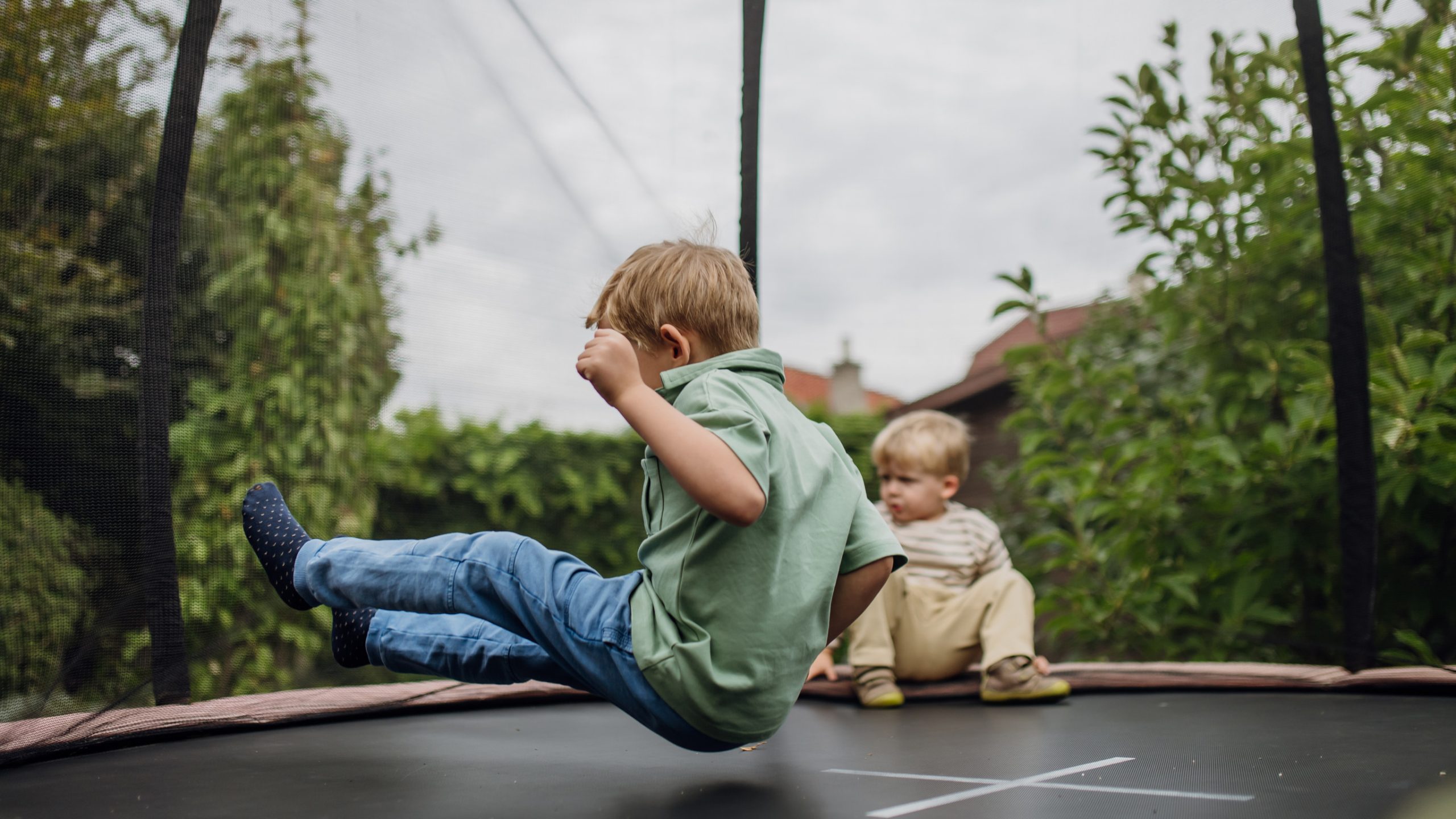
Trampolines might seem like the ultimate backyard thrill, but they’re one of the top culprits for summertime injuries. Broken bones, sprains, and concussions are common, especially when multiple kids jump at once. Even with nets and pads, the risk of falling off or landing awkwardly is high. Many accidents happen when kids perform flips or try to bounce too high without supervision. While they’re fun in theory, trampolines are consistently listed as dangerous for kids by pediatric associations.

2. Slip-and-Slides That Seem Harmless

That long, soapy stretch of plastic looks like good old-fashioned fun—until someone gets whiplash. Slip-and-slides may feel nostalgic, but they can be extremely dangerous for kids, especially older ones or teens. Sudden stops, collisions, or hitting the hard ground underneath can lead to neck and spine injuries. What’s more, most are designed for smaller children, but older siblings often want to join in, increasing the risk. Even on soft lawns, a slip-and-slide can turn into a trip to urgent care if not used with caution.

3. Inflatable Bounce Houses That Don’t Stay Put

Bounce houses are staples at birthday parties and summer festivals, but when not properly secured, they can become airborne in windy conditions. In addition to the risk of flying away, bounce houses can overcrowd easily, causing collisions or crushing injuries. Many parents assume that having a few kids inside is safe, but one wrong landing can result in a twisted ankle or worse. Setup matters, too—improperly anchored bounce houses are dangerous for kids and everyone nearby. Supervision and safety checks should always be non-negotiable.

4. Playground Slides on Hot Days

Metal and plastic playground equipment can become scorching hot under the summer sun, sometimes reaching temperatures capable of causing second-degree burns. Slides, monkey bars, and climbing structures that seem inviting can quickly become hazardous without shade or routine touch-tests. Kids often run up barefoot or in shorts, increasing their risk of injury. Parents should check surfaces before letting kids play and avoid playgrounds during peak heat hours. Just because it’s built for kids doesn’t mean it’s always safe.

5. Backyard Fireworks and Sparklers

They look innocent—tiny sparklers, small fountains, and backyard poppers—but fireworks of any kind are dangerous for kids. Sparklers burn at over 1,000 degrees Fahrenheit and cause thousands of injuries every year, often to young children. Even under supervision, it’s easy for kids to trip, drop them, or get startled by sudden bursts. Many parents let their guard down with these smaller fireworks, but serious burns and eye injuries are all too common. The safest choice is to leave fireworks to the pros and enjoy from a distance.

6. Open Water Swimming Without Life Jackets

Lakes, rivers, and oceans are summer favorites, but they come with unpredictable currents, drop-offs, and murky visibility. Unlike swimming pools, natural bodies of water are harder to gauge for depth and safety, even if your child is a strong swimmer. Without life jackets, kids are at risk of drowning, especially if they tire quickly or panic. Many tragic accidents happen just a few feet from shore. Proper flotation devices and adult supervision are absolutely essential near open water, even for older kids.

7. Unattended Time in the Car

It may sound like common sense, but many parents still underestimate how fast a car can heat up in the sun. Running into the store “just for a minute” or thinking cracked windows will help can turn deadly in a shockingly short time. Children’s bodies heat up faster than adults’, and heatstroke can begin within minutes—even on milder days. Every summer, preventable tragedies remind us how dangerous this scenario is for kids. Never leave a child unattended in a vehicle, no matter how brief the errand may seem.

Awareness Turns Risk into Prevention

The good news is that most of these hazards are preventable with the right information and precautions. Summer doesn’t have to be scary—but it does require vigilance. By understanding what’s truly dangerous for kids, you can enjoy the season with fewer risks and more peace of mind. Safety doesn’t mean saying “no” to fun. It means choosing fun that doesn’t end with stitches, burns, or broken bones.

Have you ever been surprised by how risky a “normal” summer activity turned out to be? Share your story or tips in the comments!

Read More:

The Silent Danger Lurking in Your Child’s Daily Routine

“Stranger Danger” Isn’t Enough Anymore: What Kids Really Need to Know

Catherine Reed
Catherine Reed

Catherine is a tech-savvy writer who has focused on the personal finance space for more than eight years. She has a Bachelor’s in Information Technology and enjoys showcasing how tech can simplify everyday personal finance tasks like budgeting, spending tracking, and planning for the future. Additionally, she’s explored the ins and outs of the world of side hustles and loves to share what she’s learned along the way. When she’s not working, you can find her relaxing at home in the Pacific Northwest with her two cats or enjoying a cup of coffee at her neighborhood cafe.

Filed Under: Safety Tagged With: child injuries, child supervision, dangerous for kids, kids and heat, Outdoor Play, parenting tips, Summer Activities, summer hazards, summer safety

Here’s What You Should Do When Your Child Says “I Hate You”

May 29, 2025 | Leave a Comment

Heres What You Should Do When Your Child Says I Hate You

Hearing the words “I hate you” from your child can hit like a punch to the heart. It’s emotional, shocking, and sometimes downright painful—even when you know they don’t fully mean it. Kids are still learning how to handle big feelings, and sometimes those feelings come out in the most hurtful ways. But what matters most isn’t just what your child says—it’s how you respond when your child says “I hate you.” With the right tools, that painful moment can become an opportunity to teach emotional regulation, empathy, and connection.

1. Stay Calm—Even If You’re Hurting

It’s natural to feel defensive or hurt, but reacting emotionally can escalate the situation. When your child says “I hate you,” they’re often overwhelmed by frustration, not making a calculated attack. Meeting that moment with yelling or harsh punishment teaches them that big feelings should be met with bigger explosions. Instead, take a deep breath and ground yourself before responding. A calm tone sets the stage for a productive conversation once the storm passes.

2. Don’t Take the Words at Face Value

Kids don’t always have the language to express themselves properly, especially when they’re angry or disappointed. Saying “I hate you” might actually mean “I feel powerless,” “I’m disappointed,” or “I need help expressing myself.” Try to look past the words and see what’s really going on underneath. When your child says “I hate you,” it’s usually more about their own emotions than anything about you. Separating the words from the emotions can help you address the root issue more effectively.

3. Set Boundaries Around Hurtful Language

Even though it’s important to stay calm, that doesn’t mean you ignore the behavior. Let your child know that expressing anger is okay—but hurting people with words is not. Say something like, “I understand that you’re upset, but we don’t speak to each other like that in this family.” This teaches children how to communicate emotions without resorting to harmful language. Setting boundaries when your child says “I hate you” doesn’t make you cold—it shows you’re teaching respect.

4. Model Healthy Emotional Expression

Children often learn how to handle big emotions by watching how their parents manage theirs. If your child sees you responding to anger with calm words, reflection, or a cooling-off period, they’re more likely to mimic that behavior over time. Talk about your own feelings and model the words they can use: “I’m really frustrated right now, so I’m going to take a minute to breathe.” When your child says “I hate you,” they need guidance on how to say what they really mean in a healthier way.

5. Talk Later—Not in the Heat of the Moment

The middle of an outburst isn’t the time for a lecture or deep emotional processing. When things have calmed down, revisit the conversation gently. Ask what they were feeling when they said those words, and give them tools to better express those emotions next time. This shows that emotional outbursts don’t define the relationship—they’re just moments to learn from. Following up after your child says “I hate you” helps them feel safe and loved, even when they’ve made a mistake.

A Moment of Anger Doesn’t Define Your Bond

It’s easy to feel wounded when your child lashes out, but remember—kids are still figuring out how to handle life’s frustrations. When your child says “I hate you,” they’re often reaching for the most powerful words they know to express something they haven’t learned how to name. Your response helps shape how they handle conflict, communicate emotions, and repair relationships as they grow. With patience and love, those painful moments can become stepping stones to a stronger connection.

Has your child ever said something hurtful in the heat of the moment? How did you respond—and what did it teach you both? Share your thoughts in the comments.

Read More:

10 Parenting Practices That Are More Harmful Than You Think

Why “Being There” Is No Longer Enough as a Modern Parent

Catherine Reed
Catherine Reed

Catherine is a tech-savvy writer who has focused on the personal finance space for more than eight years. She has a Bachelor’s in Information Technology and enjoys showcasing how tech can simplify everyday personal finance tasks like budgeting, spending tracking, and planning for the future. Additionally, she’s explored the ins and outs of the world of side hustles and loves to share what she’s learned along the way. When she’s not working, you can find her relaxing at home in the Pacific Northwest with her two cats or enjoying a cup of coffee at her neighborhood cafe.

Filed Under: Parenting Tagged With: child behavior, communication skills, discipline, emotional intelligence, Emotional Regulation, parent-child relationship, parenting emotions, parenting struggles, parenting tips

7 Unreasonable Demands Kids Make That Parents Keep Giving In To

May 29, 2025 | Leave a Comment

7 Unreasonable Demands Kids Make That Parents Keep Giving In To

Let’s be honest—kids are master negotiators, and they know exactly which buttons to push to get what they want. Parents, on the other hand, are often tired, stretched thin, and just trying to make it through the day without a meltdown (from anyone). That’s how even the most well-meaning caregivers end up caving to some truly unreasonable demands kids make. It’s not about being a pushover—it’s about survival. But when giving in becomes the norm, it can send the wrong message and create bigger issues down the road.

1. “I Want a Snack—But Not That One!”

If you’ve ever offered five snack options and still ended up with a meltdown, you’re not alone. One of the most common unreasonable demands kids make is insisting on a snack—then rejecting every single thing you suggest. This power play often has little to do with hunger and more to do with control. While occasional pickiness is normal, constantly giving in reinforces the idea that parents are short-order chefs. Setting clear limits and sticking to set snack options helps restore balance—and sanity.

2. “Carry Me!” (Even Though They Can Walk)

It doesn’t matter if the child is perfectly capable of walking—or even running laps five minutes earlier. When a child demands to be carried everywhere, it can feel easier to just scoop them up than deal with the whining. But constantly giving in to this unreasonable demand can create unrealistic expectations for daily routines. Of course, sometimes kids need comfort, but when this becomes the norm, it can wear parents out physically and emotionally. Encouraging independence (with compassion) builds both confidence and stamina.

3. “I Want It Now!”

Whether it’s a toy at the store, a new app, or a snack five minutes before dinner, kids love instant gratification. And with so many things available at the push of a button, the world has made it easier than ever to meet their demands in real time. But when parents always say “yes” to avoid a tantrum, they miss the opportunity to teach patience and delayed gratification. Unreasonable demands kids make in the moment can have long-term effects on impulse control and entitlement. Sometimes, the best answer is “not right now.”

4. “No Bedtime Tonight!”

Bedtime battles are a universal parenting struggle. And while every family has late nights now and then, allowing kids to regularly push bedtime later and later usually ends in chaos. Kids might demand “five more minutes” that turn into thirty or insist they’re not tired even though their yawns say otherwise. Parents may cave out of guilt or exhaustion but doing so chips away at routines that promote healthy sleep and better behavior. Consistency is the antidote to these unreasonable demands, even when it’s tough.

5. “I Don’t Want to Wear That!”

Clothing battles can start as early as toddlerhood and last into the teen years. A child insisting they’ll only wear their superhero pajamas to school—or that nothing “feels right”—can turn mornings into power struggles. While giving kids some say in their wardrobe is great for independence, letting them rule the closet with wild demands can lead to unnecessary stress. Striking a balance between choice and practicality is key. Letting kids make limited choices within parent-approved options can help avoid these daily debates.

6. “I Don’t Want That Chore—Give Me a Different One!”

Asking a child to take out the trash and getting “I’ll only feed the cat” in response is another classic example of unreasonable demands kids make. Delegating chores is part of building responsibility, but some kids will negotiate endlessly to get the “easier” task. When parents constantly adjust chores to appease resistance, kids learn they can avoid effort with enough complaints. Instead, rotate chores fairly or assign tasks without offering alternatives. A little discomfort today can teach resilience for tomorrow.

7. “Buy Me That or I’ll Throw a Fit!”

Public meltdowns over toys or candy can make any parent sweat—and the temptation to give in is real. But when kids learn that tantrums equal rewards, they’ll keep using them as a strategy. This is one of the most manipulative unreasonable demands kids make, and it’s tough to undo once it becomes a habit. Calm consistency is the key. Saying “no” once and sticking to it—no matter how loud the protest—sends a powerful message that boundaries matter.

Empowering Parents to Reclaim the Lead

Parenting isn’t about being perfect. It’s about staying grounded when your child tests limits (because they will). When you learn to spot the unreasonable demands kids make and respond with firm, loving boundaries, you’re not just managing behavior—you’re teaching life skills. Kids need limits just as much as they need love, and saying “no” doesn’t make you a bad parent. It makes you a strong one.

Which unreasonable demand do your kids try to sneak past you the most? Share your funniest or most frustrating examples in the comments!

Read More:

The Discipline Mistakes That Actually Make Kids Behave Worse

6 Times Parents Should Discipline in Public—Not Behind Closed Doors

Catherine Reed
Catherine Reed

Catherine is a tech-savvy writer who has focused on the personal finance space for more than eight years. She has a Bachelor’s in Information Technology and enjoys showcasing how tech can simplify everyday personal finance tasks like budgeting, spending tracking, and planning for the future. Additionally, she’s explored the ins and outs of the world of side hustles and loves to share what she’s learned along the way. When she’s not working, you can find her relaxing at home in the Pacific Northwest with her two cats or enjoying a cup of coffee at her neighborhood cafe.

Filed Under: Parenting Tagged With: child behavior, discipline strategies, family boundaries, parenting struggles, parenting tips, raising kids, setting limits, toddler tantrums, unreasonable demands kids make

5 Signs a Child Is Hiding Stress From Parents

May 29, 2025 | Leave a Comment

5 Signs a Child Is Hiding Stress From Parents

Children are often more perceptive than we give them credit for—and sometimes, they choose to keep their worries to themselves. Whether they’re trying not to worry mom and dad, feeling embarrassed, or simply unsure of how to talk about big emotions, it’s not uncommon for kids to mask what they’re going through. When a child is hiding stress from parents, it can show up in subtle ways that are easy to miss in the hustle of daily life. Knowing the signs can help parents step in before things snowball into deeper struggles. Let’s take a closer look at five quiet indicators that something might be weighing on your child’s mind.

1. Sudden Changes in Sleep Patterns

One of the first signs that a child is hiding stress from parents is a noticeable change in how they sleep. If a child who once slept soundly through the night begins having trouble falling or staying asleep, it could point to underlying anxiety or worry. On the flip side, some children may start sleeping more than usual as a way to escape stress. Nightmares, bedtime resistance, or frequent night waking are all red flags that should prompt a gentle check-in. Stress doesn’t clock out at bedtime, and sleep disturbances are often the body’s way of sounding an alarm.

2. Avoidance of Favorite Activities

If your usually energetic child suddenly loses interest in sports, playdates, or hobbies they once loved, take notice. This kind of withdrawal can be one of the clearest clues that a child is hiding stress from parents. They may feel overwhelmed and disconnected or simply lack the emotional energy to engage. Stress has a way of stealing joy from everyday experiences, especially for children who don’t have the words to explain why. When a child pulls away from what usually lights them up, it’s worth leaning in and asking why.

3. Changes in Appetite or Eating Habits

Another sneaky way stress can surface is through food. A child may begin eating significantly more or less than usual, skip meals, or become unusually picky about food textures or types. Emotional distress can cause both a loss of appetite and emotional eating—especially if the child doesn’t know how to express what they’re feeling. When these patterns show up without a clear physical cause, it might mean your child is managing internal stress in the only way they know how. Pay attention to shifts around mealtime, especially when paired with other behavioral changes.

4. Overreacting to Small Problems

Every child has meltdowns from time to time, but a pattern of emotional overreactions to minor issues may be a signal that something bigger is going on. If your child erupts in frustration over things like a broken crayon or a missed snack, stress may be boiling beneath the surface. When a child is hiding stress from parents, they may not explode about the actual issue—they may unravel when a seemingly small problem becomes the last straw. These outbursts aren’t just about tantrums; they’re often cries for help disguised as defiance or over-sensitivity.

5. Physical Complaints Without a Medical Cause

Stress doesn’t just live in the brain—it shows up in the body too. Children might complain of headaches, stomachaches, or muscle tension, especially before school or specific events that make them anxious. If your child frequently visits the nurse’s office or wakes up with vague aches that can’t be explained by illness or injury, stress may be the culprit. These symptoms are real to your child and should never be brushed off. Listening with empathy and keeping an open line of communication can help uncover the emotional source of physical pain.

Learning to Read Between the Lines

Kids don’t always come out and say, “I’m stressed.” Sometimes, the clues are whispered through behavior, habits, and offhand comments. When a child is hiding stress from parents, they need a safe, nonjudgmental space to open up at their own pace. That starts with parents who observe, listen, and ask questions with patience rather than pressure. The sooner stress is recognized, the sooner support can be offered—and the more resilient your child becomes in navigating life’s inevitable challenges.

Have you ever realized too late that your child was under stress? What helped you reconnect and support them? Share your story in the comments.

Read More:

10 Signs Your Child Is Struggling More Than They Admit

Fear Isn’t Always Bad: Teaching Kids to Manage Anxiety

Catherine Reed
Catherine Reed

Catherine is a tech-savvy writer who has focused on the personal finance space for more than eight years. She has a Bachelor’s in Information Technology and enjoys showcasing how tech can simplify everyday personal finance tasks like budgeting, spending tracking, and planning for the future. Additionally, she’s explored the ins and outs of the world of side hustles and loves to share what she’s learned along the way. When she’s not working, you can find her relaxing at home in the Pacific Northwest with her two cats or enjoying a cup of coffee at her neighborhood cafe.

Filed Under: Mental Health Tagged With: child behavior, child stress, emotional wellness, family communication, Mental Health, parenting support, parenting tips, recognizing stress, stress in kids

The Real Cost of Raising a Child—It’s Not $250,000 Anymore

May 29, 2025 | Leave a Comment

The Real Cost of Raising a Child Its Not 250000 Anymore

If you’ve been clinging to that long-quoted statistic that the cost of raising a child is around $250,000, brace yourself—it’s wildly outdated. Between inflation, housing spikes, and the rising cost of childcare and education, today’s families are facing a much steeper bill. Whether you’re a new parent or planning your family’s future, understanding the real cost of raising a child is crucial to budgeting, saving, and staying financially stable. And while the price tag may be higher than expected, knowing where the money goes can help you take smarter steps forward. Let’s break down what’s changed, what’s growing fastest, and how to plan for it all.

1. Housing Is Now the Largest Expense

The cost of raising a child has shifted in recent years, with housing taking the lead as the biggest financial strain. Larger homes, safe neighborhoods, and proximity to good schools often come with hefty price tags. Many families find themselves moving or upgrading simply to make space for a growing child, increasing mortgage or rent by hundreds of dollars a month. Add in higher utility bills, more furniture, and constant repairs, and housing costs account for nearly one-third of total child-rearing expenses. It’s not just about space—it’s about the lifestyle that space demands.

2. Childcare Is Breaking Budgets Nationwide

Full-time childcare is now rivaling college tuition in many parts of the country. Depending on where you live, daycare alone can run between $6,000 and $22,000 per year per child. For families with two working parents, childcare becomes a non-negotiable—but an incredibly costly—part of life. Even part-time care, after-school programs, and summer camps can pile up quickly. The cost of raising a child no longer allows much wiggle room when childcare becomes a second rent payment.

3. Food Prices Aren’t Just an Adult Problem

Once your baby graduates from formula and purées, the grocery bill can grow just as fast as they do. Kids eat more than you’d expect—especially during growth spurts—and picky eaters can drive up the cost with special requests and food waste. Add in school lunches, snacks, and occasional dining out, and your monthly food budget might start to rival your car payment. Families are feeling the impact of rising grocery prices in ways that make budgeting harder than ever. Feeding a child today is a far cry from tossing a few extra items in the cart.

4. Healthcare Costs Are Rising—Even With Insurance

Doctor visits, dental cleanings, braces, prescriptions, and emergency room trips all add up over the years. Even families with good insurance face steep deductibles, copays, and uncovered expenses like vision care or mental health therapy. Health-related costs remain one of the most unpredictable parts of the cost of raising a child. And with more families needing specialized care for developmental or behavioral issues, many are budgeting for therapy as early as preschool. One accident or diagnosis can double your health-related spending overnight.

5. Education Comes With Hidden Fees

Public school may be free, but that doesn’t mean it’s cheap. School supplies, field trips, sports fees, uniforms, fundraising, and extracurriculars can eat up thousands over the course of a child’s K–12 experience. And if you’re planning for college? Tack on an additional $38,270 per year in college, depending on the school and financial aid options. Even before your child picks a major, the education portion of the cost of raising a child is a financial force to be reckoned with. And yes, private school or tutoring? That’s a whole other level of expense.

6. Technology Is Now a Basic Need

Gone are the days when a child needed only pencils and notebooks to succeed in school. Now, tablets, laptops, smartphones, and reliable internet are essential tools for learning, communication, and social development. Parents are also covering monthly service plans, data charges, software subscriptions, and constant device upgrades. Technology isn’t a luxury—it’s part of the modern parenting toolkit. It’s a new line item in the cost of raising a child, and one that keeps evolving with every app update and school requirement.

The Number May Be Higher, But So Is Your Awareness

Yes, the cost of raising a child today can easily exceed $300,000 by the time they turn 18—and that’s before college. But knowing what to expect helps you plan smarter, spend wiser, and advocate for policies that support families better. Budgeting intentionally, rethinking what’s truly necessary, and focusing on long-term priorities can go a long way. Kids are expensive, but they’re also worth every penny—and with a little strategy, you can make it all work. Awareness is the first step to peace of mind.

What unexpected costs caught you off guard when raising your child? Share your experience and tips for managing the cost of raising a child in the comments!

Read More:

6 Reasons Stay-at-Home Parenting Isn’t the Budget Saver It’s Made Out to Be

Unplanned Children: Here’s What That Unexpected Child Is Going to Cost You

Catherine Reed
Catherine Reed

Catherine is a tech-savvy writer who has focused on the personal finance space for more than eight years. She has a Bachelor’s in Information Technology and enjoys showcasing how tech can simplify everyday personal finance tasks like budgeting, spending tracking, and planning for the future. Additionally, she’s explored the ins and outs of the world of side hustles and loves to share what she’s learned along the way. When she’s not working, you can find her relaxing at home in the Pacific Northwest with her two cats or enjoying a cup of coffee at her neighborhood cafe.

Filed Under: Finances Tagged With: childcare costs, cost of raising a child, family expenses, Family Finance, food costs, healthcare for kids, parenting budget, parenting tips, school expenses

8 Sneaky Ways Predators Trick Kids (and Parents Miss It)

May 28, 2025 | Leave a Comment

8 Sneaky Ways Predators Trick Kids and Parents Miss It

No parent wants to imagine their child being targeted by someone with bad intentions, but the reality is that predators are often far more manipulative—and subtle—than we expect. Many don’t fit the stereotypes we picture. They build trust slowly, use emotional tactics, and sometimes even groom parents first. The most disturbing part? These tactics are often so sneaky that we miss them entirely. To better protect your family, it’s critical to understand how predators trick kids and slip past the radar of even the most watchful caregivers.

1. Building Trust Slowly Over Time

One of the most common ways predators trick kids is by earning their trust gradually. They often start out friendly, helpful, or funny—nothing alarming on the surface. This “grooming” process helps the child feel safe, even when something later feels off. Parents may see the person as a kind coach, neighbor, or friend, not recognizing how calculated the relationship truly is. The danger builds when no one is watching closely enough to see the small red flags.

2. Offering Special Gifts or Attention

When someone suddenly starts giving your child exclusive gifts, money, or treats, it may feel generous—but it can also be a warning sign. Predators trick kids by making them feel important, chosen, or “loved” in a way that isolates them from others. These favors often come with an unspoken expectation of secrecy or loyalty. Parents may not realize it’s happening, especially if the gifts are subtle or given during normal interactions like playdates or lessons. This tactic can make a child feel indebted or emotionally dependent.

3. Using Secrets as a Manipulation Tool

Predators often build control through secrets. They might say things like “Don’t tell your mom, this is just between us,” to establish silence. This tactic is especially dangerous because kids are naturally trusting and may not understand what’s inappropriate. When predators trick kids using secrets, they create a wall between the child and their parent—making it harder for the child to reach out for help. Always remind your child that no adult should ever ask them to keep secrets from you.

4. Befriending the Parents First

It may be surprising, but many predators spend time gaining a parent’s trust before targeting a child. They might offer to babysit, volunteer at school, or help with transportation. When predators trick kids, they often start by making parents feel safe, so they let their guard down. This makes it easier to gain unsupervised access to the child. Be cautious of adults who seem overly eager to be involved in your child’s life without clear reasons or boundaries.

5. Exploiting Online Spaces Disguised as “Friends”

Social media, gaming apps, and chat platforms are filled with strangers posing as peers. Predators trick kids online by pretending to be the same age, using shared interests like games, music, or hobbies to spark conversation. Over time, these fake friendships can lead to requests for personal information, photos, or meetups. Parents often miss it because the screen seems harmless—or the child is too embarrassed to speak up. Regularly checking in on your child’s digital life is key to staying aware.

6. Taking Advantage of Emotional Vulnerability

Predators often target kids who feel lonely, insecure, or emotionally isolated. They provide the attention or affection a child may be missing elsewhere. When predators trick kids this way, they make themselves seem like a safe outlet, someone who “gets it” when no one else does. This tactic is hard for parents to catch, especially if the child is struggling with self-esteem or going through a tough time. Emotional connection can be just as powerful—and dangerous—as physical access.

7. Testing Boundaries in “Innocent” Ways

A predator might begin by pushing small boundaries—hugging too long, making slightly inappropriate jokes, or showing a child something that feels “off.” These early tests are designed to see how the child reacts and whether they’ll keep quiet. When predators trick kids, they often start with behavior that seems barely questionable to outsiders. Parents might brush it off as odd but not dangerous, which gives the predator more room to escalate. Trust your gut if something feels strange, even if you can’t quite explain why.

8. Using Fear or Guilt to Stay in Control

Once a predator has a child’s trust or secrecy, they may begin using threats or guilt to maintain power. They might say the child will get in trouble, hurt their family, or lose someone’s love if they tell. Predators trick kids by making them feel responsible for the abuse or worried about the consequences of speaking up. These emotional traps are highly effective and often invisible to parents. Empowering your child with the message “You can always tell me anything” is one of the best defenses.

Protecting Kids Starts With Awareness

The hard truth is that predators trick kids with alarming skill, and many parents don’t see the signs until it’s too late. But knowledge is power. The more you talk with your child, stay involved, and keep an open line of communication, the harder it is for anyone to wedge themselves in. Trust your instincts, ask questions, and create a home where secrets don’t thrive. The goal isn’t fear—it’s prevention, and that starts with paying attention to the subtle things most people overlook.

What safety habits have you taught your kids to help protect them from manipulation? Share your ideas and experiences in the comments.

Read More:

6 Seemingly Safe Places That Could Actually Be Dangerous for Kids

5 Unintended Consequences Of Keeping A Child Sheltered

Catherine Reed
Catherine Reed

Catherine is a tech-savvy writer who has focused on the personal finance space for more than eight years. She has a Bachelor’s in Information Technology and enjoys showcasing how tech can simplify everyday personal finance tasks like budgeting, spending tracking, and planning for the future. Additionally, she’s explored the ins and outs of the world of side hustles and loves to share what she’s learned along the way. When she’s not working, you can find her relaxing at home in the Pacific Northwest with her two cats or enjoying a cup of coffee at her neighborhood cafe.

Filed Under: Safety Tagged With: child protection, child safety, grooming behavior, Internet Safety, online predators, parenting tips, red flags adults miss, stranger danger

Here’s What to Do When The Teacher Calls About Your Child’s Behavior

May 28, 2025 | Leave a Comment

Heres What to Do When The Teacher Calls About Your Childs Behavior

It’s the phone call no parent wants but most will get at some point—the teacher is calling, and it’s not about how great your child did on their spelling test. Whether it’s classroom disruptions, defiance, or social struggles, hearing that something’s off at school can be tough to process. But instead of going into panic mode or immediately jumping to your child’s defense, it helps to take a calm, proactive approach. Knowing what to do when the teacher calls about your child’s behavior can turn a frustrating moment into a powerful opportunity for growth—for both you and your child.

1. Take a Breath Before Responding

When the teacher calls about your child’s behavior, your first instinct might be to feel embarrassed, defensive, or even angry. That’s completely normal, but try not to react emotionally right away. Take a deep breath, thank the teacher for the call, and let them explain the situation. You don’t have to respond with a solution immediately—sometimes, just listening is the most important first step. Give yourself space to absorb the information before jumping into action.

2. Ask Questions to Understand the Full Story

Don’t assume the worst—but don’t assume your child is innocent either. Ask clarifying questions so you can get a full understanding of what happened. When the teacher calls about your child’s behavior, it’s okay to request examples, context, and how often the issue has occurred. Try to get a sense of how your child’s behavior is impacting others and what steps have already been taken in the classroom. The more information you gather, the better equipped you’ll be to address the issue effectively.

3. Avoid Shaming or Overreacting at Home

It’s tempting to storm into your child’s room with a lecture or punishment ready, but this often backfires. When the teacher calls about your child’s behavior, your goal should be to guide—not scare—your child into better choices. Ask for their side of the story calmly, and make it clear you want to help them succeed, not just punish them. Kids are more likely to open up when they don’t feel cornered. Discipline should be consistent, but also fair and rooted in understanding.

4. Partner With the Teacher, Not Against Them

Your child’s teacher is not your enemy. In fact, they want the same thing you do—for your child to thrive. When the teacher calls about your child’s behavior, try to view them as a partner. Ask what strategies have worked in the classroom and what you can reinforce at home. Building a cooperative relationship with the teacher often leads to faster, more positive outcomes for your child.

5. Look for Patterns, Not Isolated Incidents

One bad day doesn’t define your child—but repeated behavior can signal a bigger issue. Keep track of how often these calls happen and what the concerns are. When the teacher calls about your child’s behavior more than once, it’s important to look for patterns. Is it always after lunch? During group activities? With certain classmates? These details can help identify triggers and shape more targeted solutions.

6. Support Positive Behavior at Home

If your child is struggling with respect, focus, or impulse control at school, you can build those same skills at home. Create routines, practice problem-solving, and praise your child when they handle frustration well. When the teacher calls about your child’s behavior, it’s not just about fixing what went wrong—it’s about reinforcing what can go right. Small, consistent efforts at home can make a big difference in how your child shows up in the classroom.

7. Know When to Seek Additional Help

Sometimes, the issue goes beyond a simple fix. If your child is repeatedly in trouble, not responding to school or home-based strategies, or showing signs of deeper emotional struggles, it may be time to consult a school counselor or pediatrician. When the teacher calls about your child’s behavior regularly, there could be underlying issues such as anxiety, ADHD, or learning differences that need professional support. Asking for help isn’t a sign of failure—it’s a step toward lasting change.

Every Call Is a Chance to Connect and Support

No parent loves getting a behavior call from school, but it doesn’t have to be a crisis. When the teacher calls about your child’s behavior, use it as an opportunity to understand your child more deeply, strengthen communication with their teacher, and set them up for better choices. You’re not just reacting—you’re teaching, guiding, and showing up. And that’s what good parenting looks like, even on the hard days.

How do you handle tough conversations about your child’s school behavior? Share your experiences and advice with other parents in the comments!

Read More:

10 Things Parents Should NEVER Ignore About Their Child’s Behavior

10 Parenting Practices That Are More Harmful Than You Think

Catherine Reed
Catherine Reed

Catherine is a tech-savvy writer who has focused on the personal finance space for more than eight years. She has a Bachelor’s in Information Technology and enjoys showcasing how tech can simplify everyday personal finance tasks like budgeting, spending tracking, and planning for the future. Additionally, she’s explored the ins and outs of the world of side hustles and loves to share what she’s learned along the way. When she’s not working, you can find her relaxing at home in the Pacific Northwest with her two cats or enjoying a cup of coffee at her neighborhood cafe.
Filed Under: Parenting Tagged With: behavioral challenges, child discipline, emotional development, parent-teacher relationships, parenting school-age kids, parenting tips, school behavior, teacher communication

4 Diaper Brands That Are Nothing More Than Elevated Paper Towels

May 27, 2025 | Leave a Comment

4 Diaper Brands That Are Nothing More Than Elevated Paper Towels

Diapers are one of the most essential baby products you’ll ever buy—but not all diaper brands are created equal. While some perform like little miracles in absorbency and comfort, others fall apart, leak instantly, or cause awful rashes. It’s frustrating (and expensive) to buy into the hype, only to find that the premium price tag hides a product that doesn’t hold up to real-life parenting. To save you the trouble, we’ve dug through reviews, parent complaints, and firsthand feedback to expose four diaper brands that consistently disappoint. If you’re tired of wasting money on what feels like elevated paper towels, keep reading.

1. Honest Company: Looks Nice, Leaks Fast

The Honest Company may win points for style and eco-friendly marketing, but many parents say its performance doesn’t match the packaging. Multiple reviews complain that these diapers leak quickly, even with moderate use, and aren’t great for overnight protection. Despite being one of the pricier diaper brands, Honest diapers often come apart or sag once wet. Some parents also report that the sizing feels inconsistent, which leads to unnecessary messes. For families seeking reliability over trendiness, this brand just doesn’t deliver.

2. Up & Up (Target): Budget-Friendly, But You Get What You Pay For

Target’s store-brand diapers, Up & Up, are popular for their affordability—but low cost often comes with a trade-off in quality. Countless parents have noted that these diapers feel rough to the touch and struggle to keep moisture in. While some say they’re fine for daytime use, many agree they are not suited for overnight wear. Blowouts and leaks are among the most common complaints, with some reviewers saying they went through double the usual amount just to stay on top of the mess. Among diaper brands trying to cut corners on price, this one cuts too many.

3. Luvs: Old Favorite, New Frustrations

Luvs used to be considered a solid budget-friendly choice, but recent reviews suggest a decline in quality. Parents have reported that the newer version of these diapers feels thinner and less absorbent, leading to frequent leaks. A common complaint is that Luvs diapers have a strong chemical odor, which can be off-putting, especially for sensitive babies. Some parents also shared concerns about skin irritation after switching to Luvs. While it may still be one of the cheapest diaper brands available, many families say it just doesn’t work like it used to.

4. 4. Mama Bear: Convenient but Unreliable

Amazon’s in-house diaper brand, Mama Bear, gets attention for its low prices and Prime shipping—but performance reviews are mixed at best. Many parents mention that the diapers feel flimsy and don’t hold up well under pressure, especially during naps or overnight. Leakage is a recurring issue, with several reviews warning that even moderate wetness can cause blowouts. Some users also noted a plasticky feel and poor fit, which can lead to chafing and discomfort for active babies. Among newer diaper brands trying to compete in a crowded market, Mama Bear just doesn’t offer the absorbency or durability that families expect.

The Real Cost of Choosing the Wrong Diaper

When you’re knee-deep in parenting duties, the last thing you need is a diaper that acts more like tissue paper than baby gear. Choosing the wrong diaper isn’t just an inconvenience—it can lead to ruined outfits, more laundry, nighttime wakeups, and even skin irritation for your little one. While some diaper brands focus on looks or low prices, real parents need performance, comfort, and consistency. Don’t let clever marketing or cute packaging fool you into buying elevated paper towels disguised as diapers. Your time, money, and baby’s comfort are worth more than that.

Have you tried any of these diaper brands? What’s been your experience—love them, leave them, or never again? Share your thoughts in the comments!

Read More:

7 Reasons Why Thrift Shopping May Be Bad For Your Budget

5 Surprising Ways Kids Are Secretly Spending Your Money (Without You Knowing)

Catherine Reed
Catherine Reed

Catherine is a tech-savvy writer who has focused on the personal finance space for more than eight years. She has a Bachelor’s in Information Technology and enjoys showcasing how tech can simplify everyday personal finance tasks like budgeting, spending tracking, and planning for the future. Additionally, she’s explored the ins and outs of the world of side hustles and loves to share what she’s learned along the way. When she’s not working, you can find her relaxing at home in the Pacific Northwest with her two cats or enjoying a cup of coffee at her neighborhood cafe.

Filed Under: Shopping Tagged With: baby care, Baby Gear, baby products, diaper brands, diaper fails, diapers that leak, honest diaper reviews, parenting tips, worst diaper reviews

Skip These 7 Expenses If You Want to Actually Afford Summer Camp

May 26, 2025 | Leave a Comment

Skip These 7 Expenses If You Want to Actually Afford Summer Camp

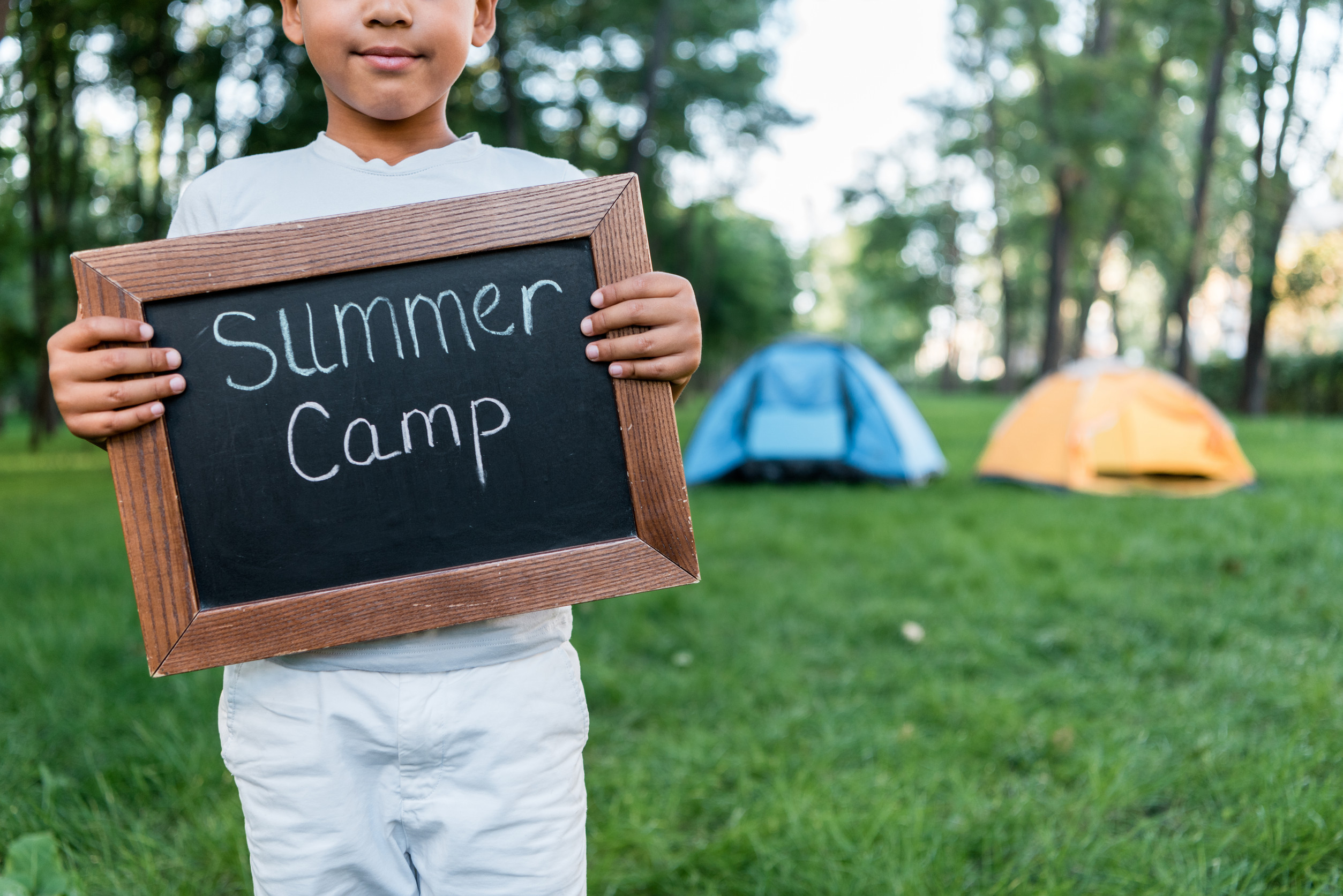
Summer camp can be one of the most enriching experiences for kids—but the cost often leaves parents wondering if it’s even possible. Between registration fees, gear, and daily living expenses, many families find themselves scrambling to cover the full cost. If you want to afford summer camp without diving into debt or draining your emergency fund, the solution might be simpler than you think. Cutting back on a few common—but unnecessary—expenses can free up the funds you need to send your child off to a summer they’ll never forget. Here are seven things to stop spending on now if you’re serious about making summer camp happen.

1. Daily Coffee Runs

That morning latte might not seem like much, but it adds up fast. Spending $5 a day on coffee means over $100 a month—money that could go directly into your camp fund. If you’re trying to afford summer camp, swapping your daily café habit for homemade brews is one of the easiest wins. You don’t have to give up coffee altogether—just rethink how you get your caffeine fix. Even reducing your coffee shop visits to once a week can create meaningful savings over a few months.

2. Takeout and Food Delivery

Ordering dinner when you’re exhausted is tempting, but those restaurant bills can quickly wipe out your budget. Cutting back on takeout and delivery—even just two nights a week—can save hundreds by the time summer rolls around. If you want to afford summer camp, try planning simple meals or prepping food in batches to reduce reliance on pricey convenience options. Get the kids involved in cooking to turn it into family time instead of a chore. With some planning, you can save money and eat better at the same time.

3. Subscriptions You Forgot You Had

Streaming services, unused apps, subscription boxes—it’s easy to sign up and forget you’re being charged every month. Take a close look at your credit card statement and cancel anything you don’t use regularly. If you’re trying to afford summer camp, even $10 or $20 per month in forgotten fees can make a difference over time. Consider rotating subscriptions instead of keeping multiple at once. Clearing out the digital clutter frees up your finances for something your child will truly benefit from.

4. Name-Brand Groceries

Kids don’t care whether their cereal came from a top-tier brand or a store label—they just want it to taste good. Sticking to name brands can quietly drain your grocery budget without offering much added value. Choosing store-brand items, especially for staples like snacks, cleaning supplies, and pantry goods, can significantly reduce your weekly bill. If your goal is to afford summer camp, trimming your grocery budget is one of the most effective strategies. Keep your eye on the long-term reward—memorable experiences beat fancy packaging every time.

5. Trendy Seasonal Clothes

It’s easy to get swept up in spring shopping—especially with all the adorable kids’ fashion lines out there. But the reality is that kids grow fast, and many of those cute outfits only get worn once or twice. If you want to afford summer camp, skip the new wardrobe and stick with last year’s clothes whenever possible. Thrift stores, hand-me-downs, and clothing swaps with other families can fill the gaps without emptying your wallet. Save the splurging for back-to-school shopping instead.

6. Weekend Entertainment and Impulse Buys

Trips to the movies, spontaneous toy purchases, amusement parks—these fun extras can silently wreck your budget. While it’s important to make memories, it’s also worth asking whether every weekend needs to come with a price tag. If your goal is to afford summer camp, consider planning low-cost alternatives like picnics, hiking, or game nights. Reducing impulse spending teaches kids the value of saving for bigger goals. Let them help decide which outings to cut, and you’ll turn budgeting into a team effort.

7. High-Cost Phone or Cable Plans

Many families are paying more than they need to for phone service, internet, and cable. Bundled plans, outdated contracts, or unneeded features can drive up your bill without delivering much benefit. Shop around, switch to a budget carrier, or negotiate a better deal—especially if you’re out of contract. If you’re serious about wanting to afford summer camp, these recurring monthly savings can go straight into your camp fund. A few phone calls and some minor inconvenience now could mean big adventure for your child this summer.

Smart Spending Today Means Summer Fun Tomorrow

Every dollar you save now is a step closer to making summer camp a reality. While these cuts might feel small on their own, they add up fast—and can be the difference between “maybe next year” and “we’re already signed up.” If you want to afford summer camp without stress, shift your mindset from “what do we need to give up?” to “what are we choosing to invest in?” Your child’s growth, confidence, and independence are worth every penny you thoughtfully save.

What have you cut from your budget to make summer camp possible? Share your tips—or your goals—in the comments below!

Read More:

15 Surprising Ways Your Daily Habits Impact Your Finances

6 Times Parents Should Say “I Can’t Afford That” Out Loud

Catherine Reed
Catherine Reed

Catherine is a tech-savvy writer who has focused on the personal finance space for more than eight years. She has a Bachelor’s in Information Technology and enjoys showcasing how tech can simplify everyday personal finance tasks like budgeting, spending tracking, and planning for the future. Additionally, she’s explored the ins and outs of the world of side hustles and loves to share what she’s learned along the way. When she’s not working, you can find her relaxing at home in the Pacific Northwest with her two cats or enjoying a cup of coffee at her neighborhood cafe.

Filed Under: Budgeting Tagged With: afford summer camp, camp costs, Family Budgeting, kids activities, money-saving strategies, parenting tips, summer camp savings

No Home Training: 7 Behaviors That Show Your Child Has No Manners

May 26, 2025 | Leave a Comment

No Home Training 7 Behaviors That Show Your Child Has No Manners

We’ve all witnessed those uncomfortable moments—kids interrupting adult conversations, ignoring basic politeness, or acting like the rules simply don’t apply to them. While every child has off days, consistent displays of rude or disrespectful behavior can signal a bigger problem. The phrase no home training often comes up when kids seem completely unaware of social expectations. And while that term may sound harsh, it reflects a very real concern: manners aren’t automatic—they’re taught at home. Here are seven behaviors that may indicate your child is missing essential guidance and what you can do to turn it around.

1. Interrupting Adults Without Hesitation

One of the clearest signs of no home training is when a child constantly interrupts conversations. Kids may be eager to speak, but if they haven’t been taught to wait their turn or say “excuse me,” they’ll talk over others without thinking twice. This habit can become especially frustrating in group settings where adults or teachers are trying to focus. It shows a lack of respect for others’ time and space and can quickly become disruptive. Teaching simple cues like placing a hand on your arm to signal they need you can help them learn to wait respectfully.

2. No “Please” or “Thank You”

Basic courtesies like “please” and “thank you” are foundational to polite interactions. When kids don’t use these phrases, it gives off the impression of entitlement or lack of appreciation. If your child routinely forgets or refuses to say them, it may reflect no home training in social etiquette. These phrases should be reinforced at home during everyday interactions—whether asking for snacks or receiving help with homework. The goal isn’t robotic repetition, but genuine awareness of how to treat others kindly and respectfully.

3. Talking Back to Adults

A child who constantly argues, mocks, or dismisses adult instruction is showing more than just strong opinions. Frequent backtalk is one of the more glaring signs of no home training and often indicates a lack of clear boundaries at home. While it’s natural for kids to push limits, they still need to understand the difference between self-expression and disrespect. Teaching respectful disagreement—phrases like “Can I share my opinion?” or “I feel differently”—can go a long way. Consistent correction and modeling respectful dialogue are key to curbing this behavior.

4. Ignoring Personal Space

Children who stand too close, touch others’ belongings without permission, or invade people’s space without noticing may not understand personal boundaries. This isn’t always malicious—it could simply be a lack of guidance on physical etiquette. However, when left unchecked, it can lead to uncomfortable situations with peers, teachers, and even strangers. No home training often shows up when kids haven’t learned how to “read the room” or practice self-awareness. Role-playing common scenarios can help them understand appropriate physical boundaries.

5. Refusing to Greet or Acknowledge Others

A child who avoids saying hello, makes no eye contact, or flat-out ignores someone addressing them may come across as rude, even if they’re shy. While introversion and social anxiety should always be considered, kids still need to learn the basics of polite greetings. If a child consistently avoids these interactions, it may reflect no home training in basic social behavior. A simple “Hi,” nod, or wave is usually enough and can be taught in a way that feels comfortable for their personality. Practicing greetings at home can build their confidence and reduce awkwardness.

6. Bad Table Manners

Whether it’s chewing with their mouth open, interrupting during meals, or refusing to help clear the table, poor table manners are often learned—or unlearned—at home. While occasional slips are normal, consistent disregard for mealtime etiquette is a common sign of no home training. Mealtimes are a natural opportunity to practice conversation, patience, and cleanliness. Kids should be taught how to hold utensils, wait their turn to speak, and show gratitude when being served. Reinforcing these habits daily turns them into second nature.

7. Disrespecting Rules or Adults in Public Spaces

When a child runs wild in a store, talks back to teachers, or completely ignores rules at events, it reflects a lack of structure that often begins at home. No home training shows itself in how children behave when no one’s watching—or when they think rules don’t apply. Respect for public spaces, authority figures, and shared environments has to be modeled and taught early. Consistent consequences and follow-through help children understand the importance of accountability. Teaching them to be mindful of their surroundings shows respect for others and builds maturity.

Manners Are a Daily Practice, Not a One-Time Lesson

No home training doesn’t mean your child is bad—it means they need more guidance, structure, and modeling from the adults in their life. Kids aren’t born knowing how to behave in every situation; they learn through repetition, correction, and praise. It’s never too late to reinforce good habits and raise a child who’s thoughtful, respectful, and well-mannered. Manners don’t just reflect parenting—they shape your child’s future relationships, confidence, and success.

Have you noticed certain manners missing in your child—or in others? What do you think helps kids learn social respect best? Share your thoughts in the comments!

Read More:

10 Places Your Kids Are Picking Up Bad Habits—And You Didn’t Even Notice

7 Critical Life Skills Most Parents Never Teach Their Children

Catherine Reed
Catherine Reed

Catherine is a tech-savvy writer who has focused on the personal finance space for more than eight years. She has a Bachelor’s in Information Technology and enjoys showcasing how tech can simplify everyday personal finance tasks like budgeting, spending tracking, and planning for the future. Additionally, she’s explored the ins and outs of the world of side hustles and loves to share what she’s learned along the way. When she’s not working, you can find her relaxing at home in the Pacific Northwest with her two cats or enjoying a cup of coffee at her neighborhood cafe.

Filed Under: Child behavior Tagged With: child manners, family discipline, no home training, parenting tips, raising respectful kids, Social Skills, teaching etiquette

Why Forcing Veggies Might Backfire—and What to Try Instead

May 26, 2025 | Leave a Comment

Why Forcing Veggies Might Backfire and What to Try Instead

If your child grimaces at broccoli or negotiates their way out of every bite of spinach, you’re not alone. Forcing veggies may seem like a necessary step in raising healthy eaters, but it often leads to resistance, power struggles, and long-term food aversions. Many parents think persistence equals progress—but when it comes to vegetables, pressure can do more harm than good. Fortunately, there are smarter, more peaceful ways to encourage veggie-loving habits that stick. Here’s why forcing veggies often fails and what you can do instead to turn picky eaters into enthusiastic participants at the dinner table.

1. Forcing Veggies Creates Negative Associations

When vegetables become a battleground, kids start to associate them with tension, stress, and discomfort. Being forced to eat something while feeling pressured can trigger anxiety and make mealtime miserable for everyone. The more you push, the more a child may dig in their heels out of sheer defiance or discomfort. This creates a cycle where forcing veggies doesn’t improve eating habits—it just reinforces the belief that vegetables are gross and must be avoided. A relaxed and positive environment makes kids more open to trying new foods without fear or resistance.

2. Power Struggles Distract From Healthy Eating

Children, like adults, want to feel in control of their choices. When you turn veggies into a non-negotiable command, it invites them to push back simply to reclaim that control. If every meal turns into a tug-of-war over green beans, your child might focus more on “winning” than on eating. Forcing veggies turns mealtime into a power struggle rather than a learning experience. Offering choices and involving kids in food prep helps them feel empowered and more willing to give vegetables a try.

3. Taste Preferences Are Still Developing

Kids are born with more taste buds than adults, and they’re especially sensitive to bitter flavors—many of which are found in vegetables. Forcing veggies doesn’t change their biological sensitivity; it just increases the chance they’ll shut down and refuse them altogether. Repeated, low-pressure exposure over time is far more effective at helping kids adjust to new tastes. Some children need 10 or more tries before they accept a new food. Be patient and remember that rejecting a vegetable today doesn’t mean it’s a lost cause forever.

4. Sneaky Tactics Can Erode Trust

It’s tempting to hide vegetables in smoothies, muffins, or sauces to “trick” kids into eating them—but this strategy can backfire if they find out. While hiding spinach in pasta sauce might get nutrients in, it doesn’t help kids learn to like veggies or trust what’s on their plate. If your child feels deceived, it may make them more suspicious of food overall. Instead of only sneaking in veggies, also serve them openly alongside other familiar foods. Combining transparency with creativity gives kids a sense of choice and curiosity.

5. Bribing Can Undermine Healthy Habits

Saying “You can have dessert if you eat your broccoli” might get short-term results, but it sends the message that veggies are something to suffer through for a reward. This approach teaches kids to associate vegetables with obligation and sweets with joy—exactly the opposite of what you want. Forcing veggies through bribery can also create disordered eating patterns as children learn to eat for incentives rather than hunger. Let veggies stand on their own without turning every meal into a negotiation. Normalizing them as part of the plate helps build positive eating habits naturally.

6. Modeling Works Better Than Mandating

Your kids are watching what you do even more than what you say. If you’re excited about a colorful salad or roasted veggies, they’ll be more curious to try them too. Forcing veggies doesn’t carry the same impact as watching someone they trust genuinely enjoy them. Invite your kids to help you pick out vegetables at the store, rinse them at the sink, or stir them into a dish. When kids feel involved and see veggies as a family norm, they’re more likely to follow suit.

7. Flavor and Texture Matter

Sometimes kids refuse veggies not because of the vegetable itself, but because of how it’s prepared. Mushy carrots or plain steamed cauliflower may not appeal to developing palates. Forcing veggies that are bland or unappealing in texture won’t change a child’s mind. Try roasting vegetables with olive oil and seasoning, blending them into dips, or serving them raw with a favorite sauce. Offering vegetables in different formats helps kids discover what they enjoy—and makes trying them a lot more fun.

Invite Curiosity Instead of Conflict

The key to raising veggie-loving kids isn’t pressure—it’s patience, exposure, and a bit of creativity. When you stop forcing veggies and start creating positive, low-stakes opportunities to explore them, your child is more likely to come around. Keep meals joyful, involve your kids in the process, and celebrate small wins along the way. It’s not about perfect plates—it’s about building trust and nurturing a healthy relationship with food that will last far beyond the dinner table.

Have you struggled with getting your child to eat vegetables? What strategies have helped in your home? Share your wins (or woes) in the comments!

Read More:

6 Food Items That We Think Are Healthy but Are Bad for Our Children

Eat More, Weigh Less: 15 Foods That Are Perfect for Snacking

Catherine Reed
Catherine Reed

Catherine is a tech-savvy writer who has focused on the personal finance space for more than eight years. She has a Bachelor’s in Information Technology and enjoys showcasing how tech can simplify everyday personal finance tasks like budgeting, spending tracking, and planning for the future. Additionally, she’s explored the ins and outs of the world of side hustles and loves to share what she’s learned along the way. When she’s not working, you can find her relaxing at home in the Pacific Northwest with her two cats or enjoying a cup of coffee at her neighborhood cafe.

Filed Under: Healthy Living & Eating Tagged With: child nutrition, Family Meals, food battles, forcing veggies, healthy eating for kids, parenting tips, picky eaters

« Previous Page
Next Page »
  • Facebook
  • Pinterest
  • RSS
  • Twitter

Basic Principles Of Good Parenting

Here some basic principles for good parenting:

  1. What You Do Matters: Your kids are watching you. So, be purposeful about what you want to accomplish.
  2. You Can’t be Too Loving: Don’t replace love with material possessions, lowered expectations or leniency.
  3. Be Involved Your Kids Life: Arrange your priorities to focus on what your kid’s needs. Be there mentally and physically.
  4. Adapt Your Parenting: Children grow quickly, so keep pace with your child’s development.
  5. Establish and Set Rules: The rules you set for children will establish the rules they set for themselves later.  Avoid harsh discipline and be consistent.
  6. Explain Your Decisions: What is obvious to you may not be evident to your child. They don’t have the experience you do.
  7. Be Respectful To Your Child: How you treat your child is how they will treat others.  Be polite, respectful and make an effort to pay attention.
Best Parenting Blogs

Most Popular

Baby

9 Baby Names That Sound Rare Without Being Hard to Spell

Evan Morgan
Baby

9 Unusual Baby Names That Sound Like They Belong to Future CEOs

Evan Morgan
Target Store

Choking Incident Prompts Recall of 49,000 Target Gigglescape “Under the Sea” Popping Toys

Evan Morgan
Frustrated Girl

Why Some Students on the Spectrum Are Labeled With ODD

Evan Morgan
Coke Bottles

12 Things Kids Took to School in the ’70s That Would Never Be Allowed Today

Evan Morgan

All content on Kids Ain’t Cheap is for entertainment purposes only. By reading this blog, you agree that Kids Ain’t Cheap is not responsible for any actions taken after reading this blog. For the full disclaimer, see our privacy policy.

Please note that Kids Ain’t Cheap has financial relationships with some of the merchants mentioned here. Kids Ain’t Cheap is funded by banner advertising, commission sales and search optimization consulting.

Copyright © 2006–2026 | District Media | All Rights Reserved | Privacy Policy

Copyright © 2026 Runway Pro Theme by Viva la Violette