• Home
  • About Us
  • Toolkit
  • Archives
  • Advertise
  • Privacy Policy

Kids Ain't Cheap

But They Sure Are Worth It

  • Parenting
    • Baby Stuff
    • Books and Reading
      • Aesops Fables
      • Comic Books
    • Education
    • Family Time
    • Green Living
    • Growing Up
    • Healthy Living & Eating
    • Holidays
    • Parenting
    • Random Musings
    • Shopping
    • Stuff to Do
  • Money
  • Product Reviews
    • Books and Magazines
    • Discount Sites
    • Furniture
    • House Keeping
    • Reviews News
    • Toys and Games
  • Contact Us
  • Our Editorial Commitment
  • Search

Why Time-Outs Might Be Emotionally Harmful—And What to Do Instead

April 16, 2025 | Leave a Comment

Image Source: Unsplash

We’ve all been there. Your child is mid-meltdown, emotions are high, and you’re searching for a way to regain calm and control. For many of us, time-outs feel like a go-to solution—removing a child from the chaos in hopes they’ll “cool down” and reflect.

But as more parents turn toward emotionally supportive and connection-based discipline, many are rethinking the classic time-out. So, is time-out really the best strategy—or could it be doing more harm than good?

Let’s explore why time-outs might be emotionally damaging, and more importantly, what you can do instead.

Why Time-Outs Can Miss the Bigger Emotional Picture

At first glance, time-outs seem harmless enough. They promise structure, calm, and a teaching moment—but that’s not always what children experience. In fact, time-outs can unintentionally tell kids that emotions like anger, sadness, or frustration should be hidden away.

Instead of learning how to sit with hard feelings and move through them, children may internalize the belief that difficult emotions mean disconnection. As Zero to Three notes, it’s crucial that discipline methods help children understand and manage their emotions rather than ignore them.

Emotional Skills Need Practice, Not Punishment

Children aren’t born knowing how to manage big feelings—they need gentle, consistent practice. During time-outs, a child is often left alone to “figure it out,” missing a critical opportunity to learn emotional regulation with a caregiver’s help.

Imagine being upset and told to sit by yourself without comfort. That isolation can feel confusing or even frightening for young children. Instead of offering clarity or support, the time-out can become its own reason for distress—derailing the actual lesson parents hope to teach.

The Power of Time-Ins to Build Connection

What if, instead of sending kids away, we brought them closer in times of struggle? That’s the heart of a “time-in.” A time-in means sitting with your child, acknowledging what they’re feeling, and helping them find calm—together. It encourages emotional validation and guides children to understand their reactions in a nurturing space. According to the Child Mind Institute, time-ins can be a more nurturing alternative by fostering connection and empathy when your child needs it most.

Create a Positive Calm-Down Space to Replace “The Naughty Chair”

Not every calming moment needs to happen in your arms. Some kids benefit from a dedicated “calm corner”—a comfy, quiet space with soft blankets, sensory toys, or drawing supplies. The key is allowing the child to choose this space rather than forcing it as a consequence. When children take that initiative, they learn to recognize when they need a break and how to soothe themselves. These types of positive time-outs teach kids that regulating their emotions isn’t about punishment—it’s about care and self-awareness.

Gentle Alternatives That Actually Work

Looking for simple tools that prevent or ease emotional outbursts without isolating your child? There are several gentle, effective alternatives to time-outs worth trying. Encourage drawing or coloring to help express feelings that words can’t capture just yet. Offer a “redo” or second chance, which not only models forgiveness but also reinforces better behavior through practice—not shame.

As suggested by parenting experts, these time-out alternatives promote emotional intelligence and help kids feel safe enough to grow from mistakes.

Image Source: Unsplash

Moving from Control to Connection

Discipline doesn’t need to feel like a power struggle. When we shift our mindset from controlling behavior to building understanding, discipline becomes an opportunity for growth—not just correction. It helps to remember that kids often act out because they lack the skills to express or manage their feelings.

By choosing alternatives to time-outs that are rooted in connection, you’re helping your child develop lifelong emotional resilience. You’re not just reacting to a problem—you’re guiding them through it.

Switching Strategies Starts With Compassion—For Them and For You

Letting go of time-outs may feel daunting, especially if it’s something you were raised with or have used for years. Change doesn’t have to happen overnight. Try one new alternative this week and notice how your child responds. Most importantly, remember that you’re learning too—and that’s okay. Parenting isn’t about perfection; it’s about progress, patience, and the relationships we nurture along the way.

Your Calm Is Contagious—and So Is Connection

If there’s one takeaway, it’s this: kids flourish when discipline is built from connection, not rejection. Time-outs often isolate a child just when they most need support, while time-out alternatives encourage growth, safety, and emotional intelligence. You don’t need to fear emotions—yours or theirs. By showing your child how to face tough feelings with compassion, you’re setting the stage for deeper bonds and stronger coping skills. And that’s a gift they’ll carry into every area of life.

What strategies have helped you connect with your child during tough moments? Share your tips and experiences in the comments below.

Read More:

  • From Mean to Queen: 11 Secrets to Being a Happier Calmer Mom
  • 6 of the Best Ways to Relax your Body and Mind

Samantha Warren
Samantha

Samantha Warren is a holistic marketing strategist with 8+ years of experience partnering with startups, Fortune 500 companies, and everything in between. With an entrepreneurial mindset, she excels at shaping brand narratives through data-driven, creative content. When she’s not working, Samantha loves to travel and draws inspiration from her trips to Thailand, Spain, Costa Rica, and beyond.

Filed Under: Parenting Tagged With: child emotions, emotional intelligence, gentle discipline, parenting tips, Positive Parenting, time-out alternatives

Is Giving a Toddler an iPad the Same as Giving Them Junk Food?

April 16, 2025 | Leave a Comment

Toddler holding an iPad
Image Source: Unsplash

When your toddler’s mid-meltdown at a restaurant or fussy during a grocery run, handing over the iPad may feel like a parenting life-saver. It’s fast, it’s quiet, and it gives you five merciful minutes to breathe. But have you ever wondered if it’s really that different from soothing them with a cookie or a bag of chips?

More experts are drawing a connection between screen time and junk food, especially when it comes to toddler development. Let’s unpack why these comparisons are cropping up—and what mindful choices might look like in your everyday routine.

Both Can Cause Long-Term Harm

Just as too much junk food can lead to obesity, early screen dependence may affect a child’s mental and social development. Studies show that excessive screen time can contribute to anxiety, depression, and lowered emotional regulation in kids, concerns that map closely to physical harm caused by frequent unhealthy snacking.

According to OSF HealthCare, too much screen exposure can hinder a toddler’s ability to engage naturally with peers, making it harder for them to develop empathy and self-control. Similarly, a diet rooted in sugary snacks instead of protein and fiber can impact concentration, sleep, and overall mood. While neither iPads nor cookies are inherently “bad,” overuse of either chips away at a child’s long-term well-being.

It Can Delay Physical and Social Development

Your toddler’s brain and body are in a critical growth window, and both screens and junk food can interfere with that momentum. Research shows a concerning link between increased screen time and developmental delays in fine motor, personal, and social skills. That’s not unlike how poor nutrition can rob children of the fuel they need for physical growth and cognitive advancement. Hands-on play and active family interaction are essential building blocks at this stage. Simply put, passive screen watching can’t replace the deep learning that comes with real-world exploration and connection.

Habit Formation Starts Early

Whether it’s watching cartoons during breakfast or munching on sugary snacks after nap time, routines form much faster than we think. Unfortunately, repetitive exposure to either screens or unhealthy food can establish habits that are hard to undo later. According to Lucie’s List, building that dependency on screens during toddler years may set the tone for more sedentary, less interactive behavior as your child grows. The same goes for junk food—once it becomes a crutch for regulating emotions or providing comfort, we risk creating long-term challenges with self-control and balanced nutrition. This doesn’t mean total elimination, but awareness is key in preventing over-reliance.

They Can Fuel Behavioral Challenges

We’ve all witnessed the sugar crash: a burst of hyperactivity followed by a full-on meltdown. Believe it or not, screens have a similar impact. Research from Mayo Clinic links screen overuse to tantrums, irritability, sleep disruption, and escalating struggles with self-regulation.

The reason? Screens (like sweets) overstimulate the brain’s reward systems, making it harder for young children to manage disappointment or boredom. That’s why emotional outbursts after screen time aren’t just coincidental—they’re often a signal that the sensory input was too much, too fast.

Toddler playing and exploring for cognitive growth
Image Source: Unsplash

Cognitive Development Can Suffer

A toddler’s early years are rich with potential for language acquisition, critical thinking, and creativity—but only if those skills are actively nurtured. According to Boston Children’s Hospital, excess screen exposure can reduce quality caregiver interaction, stunting executive function and problem-solving skills. Junk food has a similar effect when relied upon in place of brain-nourishing meals; it simply doesn’t offer the nutrients needed for optimal mental performance and mood stability. In other words, neither screens nor empty-calorie snacks feed those foundational abilities that shape a child’s future. Hands-on play, responsive conversation, and movement remain the gold standards for strengthening young minds.

Thoughtful Choices, Not Perfection

Let’s be honest—sometimes, the iPad really is the only way you’re getting through that 45-minute appointment or keeping dinner from burning. And yes, a bowl of ice cream now and then is part of a joyful, balanced life. What matters most is how consistent these choices become.

Being mindful about limiting screen time for toddlers (just like we monitor sugar intake) gives them space to thrive in healthier ways. It’s not about guilt—it’s about guidance, balance, and choosing what supports your child’s long-term growth rather than just the short-term ease.

What Do You Think?

Have you noticed similar effects between screens and snacks with your little one? We’d love to hear how your family balances tech, treats, and toddler tantrums—drop a note in the comments and connect with others navigating this too.

Read More:

  • 10 Screen-Free Activities to Keep Kids Entertained
  • A Toddlers Rules of Possession
Samantha Warren
Samantha

Samantha Warren is a holistic marketing strategist with 8+ years of experience partnering with startups, Fortune 500 companies, and everything in between. With an entrepreneurial mindset, she excels at shaping brand narratives through data-driven, creative content. When she’s not working, Samantha loves to travel and draws inspiration from her trips to Thailand, Spain, Costa Rica, and beyond.

Filed Under: Parenting Tagged With: behavior, child development, child health, emotional well-being, iPads and kids, parenting tips, Screen Time, toddlers

Is Gentle Parenting Creating Entitled Kids—or Building Strong Character?

April 15, 2025 | Leave a Comment

Parent calmly guiding young child
Image Source: Unsplash

The idea of gentle parenting has surged in popularity across social media, parenting blogs, and everyday conversation. For many caregivers, it feels like a vital shift toward compassion and connection. But there’s also a wave of skepticism—some wonder if kindness and empathy in discipline are breeding kids who think the world revolves around them.

Let’s get real: parenting is tough. Balancing warmth and firmness can be like navigating a tightrope while juggling homework, sibling spats, and your own tired nerves. If you’ve questioned whether gentle parenting fosters respectful adults or just overly coddled ones, you’re not alone. Below, we’ll dive into what the research actually says, the pitfalls to avoid, and how you can raise confident kids without fueling entitlement.

What Gentle Parenting Really Means

First off, gentle parenting isn’t just saying yes to everything or letting kids run wild. At its heart, it stresses empathy, emotional awareness, and steady boundaries, all done without harsh punishments. Instead of imposing time-outs for every infraction, gentle parents acknowledge emotions, guide choices, and build understanding.

According to Psychology Today’s overview of the pros and cons of gentle parenting, the approach isn’t about letting kids “get away” with things—it’s about teaching them to self-regulate rather than behave out of fear. Still, it’s a philosophy, not a rigid set of rules. When misunderstood or inconsistently applied, it risks sliding into permissiveness, where real boundaries might go missing.

Where the Entitlement Fear Comes From

Critics argue that a kid who’s rarely reprimanded might develop unrealistic expectations, like believing the world should adapt to them. But as the Bay Area CBT Center explains, the real difference lies in how parents handle boundaries.

If “gentle” starts to mean “anything goes,” children may not learn that actions have consequences. Yet this drift isn’t inherent to gentle parenting—rather, it’s a result of inconsistent or incomplete follow-through. Effective gentle parenting couples empathy with consistent rules, so kids still grasp limits.

A Foundation in Emotional Intelligence, Not Entitlement

One core belief of gentle parenting is equipping children to name and handle their emotions. That might involve calmly stating, “You’re upset because you wanted another cookie,” while still holding firm to “No more cookies tonight.” Rather than encouraging entitlement, it teaches kids to process frustration or disappointment constructively.

Research published in peer-reviewed journals shows that kids who can recognize and talk about feelings tend to be better at managing stress and forming positive relationships. Far from creating narcissism, this heightened emotional literacy often fosters empathy. If anything, they’re learning that other people’s feelings matter, too.

Where Burnout Can Undermine Success

Being warm and empathetic requires patience and self-control—two things that can run thin in the chaos of daily life. Parents practicing gentle methods frequently cite stress and guilt about “not doing enough,” which can lead to burnout. In that exhaustion, some might let boundaries slip, inadvertently reinforcing the very permissiveness they aimed to avoid.

Staying balanced may mean you need outside help—like a supportive partner, friend, or community who can step in when you’re drained. Gentle parenting doesn’t mean bearing every challenge alone. Asking for help is a testament to self-care, not a failure.

Parent hand-in-hand with child
Image Source: Unsplash

Over the Long Haul, Does Gentle Parenting Work?

Studies consistently tie nurturing, compassionate discipline with better parent-child relationships, improved self-esteem, and fewer behavioral issues down the road. When children trust caregivers to be caring but consistent, they’re more likely to explore the world with confidence, not entitlement. Teens raised this way often turn out to be better communicators and more emotionally secure adults.

Ultimately, gentle parenting isn’t about coddling—it’s about helping kids develop internal motivation and respect. A home built on dialogue and understanding doesn’t typically breed entitlement—it cultivates emotional resilience and empathy.

Bringing Empathy and Boundaries Together

So if you’re on the fence—hoping to cultivate kind, confident children without raising entitled adults—remember it’s all in the blend:

  1. Set Clear Limits: Gentle doesn’t mean weak. State rules calmly, but firmly. Consistency is key.
  2. Validate Feelings: Let kids know it’s okay to feel upset or disappointed, even if the answer is “no.”
  3. Use Real Consequences: If they break a rule, calmly follow through with logical outcomes. Consequences, not punishments, guide kids toward better choices.
  4. Stay Open: Talk about emotions—yours and theirs. This fosters emotional intelligence, so kids learn from mistakes, not just fear them.

When you pair warmth with unwavering limits, you sidestep the extremes—either harsh discipline or over-permissiveness.

Where to Go from Here

If you worry your household is drifting toward entitlement, look at how consistently you’re maintaining boundaries.

Is everyone on the same page (including grandparents and babysitters)?

Are kids facing predictable, meaningful consequences for poor choices?

Ensuring structure keeps empathy from turning into permissiveness. If you’re already doing this, you’re likely on track to raise compassionate, self-aware children, without the fear that you’re inflating their egos.

Have you tried gentle parenting? Share your thoughts, successes, or challenges in the comments. You might help another parent realize gentleness can be effective, not enabling.

Read More:

  • What’s Your Parenting Style?
  • “I’m Bored” Activity Ideas
Samantha Warren
Samantha

Samantha Warren is a holistic marketing strategist with 8+ years of experience partnering with startups, Fortune 500 companies, and everything in between. With an entrepreneurial mindset, she excels at shaping brand narratives through data-driven, creative content. When she’s not working, Samantha loves to travel and draws inspiration from her trips to Thailand, Spain, Costa Rica, and beyond.

Filed Under: Parenting Tagged With: child behavior, emotional development, entitled kids, gentle parenting, parenting discipline, parenting tips, raising kids

Are Schools Still Preparing Kids for a World That No Longer Exists?

April 15, 2025 | Leave a Comment

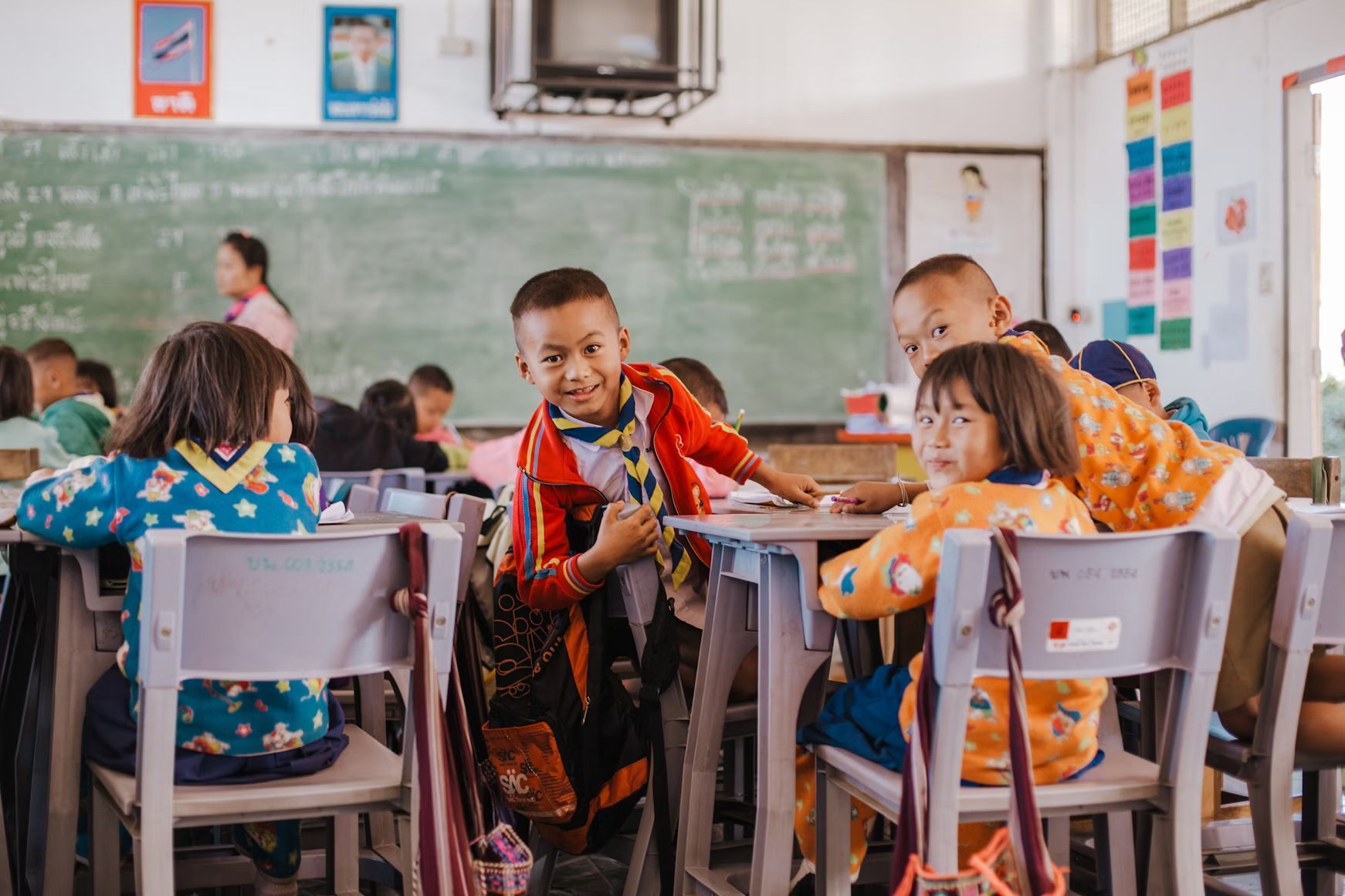
Student in classroom looking disengaged
Image Source: Unsplash

What if the world changed—but schools didn’t? Parenting today can feel like equipping children for a future we can’t fully envision. Technology transforms daily, job markets shift, and life looks drastically different than it did a generation ago. Yet walk into many classrooms, and it’s like stepping into a time warp: textbooks, lectures, bubble tests—remnants of an older era. With these old methods still dominating, parents are asking: does the outdated education system truly align with our modern needs—or is it trying to catch up with a world that has already passed it by?

Today’s Classrooms Echo Yesterday’s Priorities

Much of the modern school model was developed during the Industrial Revolution. That environment stressed punctuality, obedience, and rote memorization—factors crucial for factory workers. But in today’s digital, innovation-driven society, the emphasis has shifted toward problem-solving, adaptability, and creative thinking. According to an Edutopia analysis of school practices, clinging to outdated approaches often leaves students disengaged and ill-prepared for real-world challenges. Employers and universities are increasingly looking for collaboration, empathy, and resilience—traits you can’t just cram from a textbook.

Key Skills Are MIA in Traditional Education

Knowing facts alone doesn’t cut it anymore; the ability to find, interpret, and apply knowledge is king. Yet standard curricula typically prioritize passing tests over teaching critical life skills—like financial literacy, effective communication, and digital fluency.

For example, though coding and STEM are gaining traction in certain schools, many still allocate minimal time to them. While students might memorize historical dates or math formulas, they often struggle with day-to-day tasks such as creating a budget or writing a professional email. The gap between school lessons and future workplace realities can make young adults feel unprepared right when they need confidence the most.

Students Are Graduating—But Not Truly Ready

Plenty of teens walk the graduation stage only to realize they’re not equipped for life beyond the classroom. This mismatch might surface as anxiety over a job interview, bewilderment over how to do taxes, or a general sense that the “real world” is far more complex than their school days suggested.

Without hands-on experiences like internships, community projects, or actual mentorship in practical tasks, students often exit school with high GPAs but weak real-world navigation skills. It’s like learning to drive without ever getting behind the wheel—fine in theory, problematic in practice.

Outdated Theories Still Linger

Even how core subjects are taught sometimes relies on debunked or dubious educational theories. For instance, reading instruction in many classrooms has historically leaned on so-called “three cueing” strategies, which have shown significant shortcomings in helping children become fluent readers.

These older methods persist in teacher training and curricula in some districts, hindering progress. This mismatch underlines a bigger issue: when policy lags behind academic findings, students bear the consequences.

Student studying hard for a multiple-choice exam
Image Source: Unsplash

Parents Are Sounding the Alarm

Increasingly, parents are pushing back, citing concerns that the standard academic path isn’t aligned with future realities. Whether it’s dissatisfaction with rigid standardized tests, the desire for more flexible scheduling, or the wish for real-life skill-building, families are questioning the status quo. They observe that while kids spend hours prepping for multiple-choice exams, they rarely learn about self-care, budgeting, or conflict resolution—skills vital for adult life. That’s not simple frustration; it’s a call for broad reforms and a system that genuinely fosters the diverse talents of each child.

What You Can Do at Home

Even if your local school system isn’t overhauling its approach, you can fill in the gaps:

  1. Encourage Real-World Exploration: Whether through weekend volunteer work, part-time jobs, or online classes in coding or finances, show your child that learning goes beyond the desk.
  2. Model Problem-Solving: Invite your child to help plan a family budget or cook a meal, teaching decision-making and accountability.
  3. Advocate for Change: Attend school board meetings, join parent committees, or collaborate with teachers open to trying new projects. A single voice can spark surprising shifts.

Rethinking “Prepared” in a Changing World

We can’t go back, but we can move forward thoughtfully. While the outdated education system still dominates many spaces, parents aren’t powerless. Through consistent advocacy and complementary home learning, you can bridge the gap between what’s taught and what’s essential.

At its heart, success in the 21st century isn’t about memorizing facts—it’s about creativity, resilience, empathy, and the ability to adapt. When we update our definition of “prepared,” we give our children the best shot at navigating a future where change is the only constant.

Are you noticing gaps between your child’s school experience and the real world? Share your thoughts in the comments—your observations might help another parent find new ways to supplement their child’s education.

Read More:

  • 14 Profitable Stay-at-Home Mom Jobs Online (That Are Worth Your Time)
  • The Cheapest Way to Qualify as a Teacher While You’re a Stay At Home Mom
Samantha Warren
Samantha

Samantha Warren is a holistic marketing strategist with 8+ years of experience partnering with startups, Fortune 500 companies, and everything in between. With an entrepreneurial mindset, she excels at shaping brand narratives through data-driven, creative content. When she’s not working, Samantha loves to travel and draws inspiration from her trips to Thailand, Spain, Costa Rica, and beyond.
Filed Under: Parenting Tagged With: child development, life skills for kids, modern education, outdated curriculum, parenting tips, school system, student preparation

Can Yelling Ever Be “Justified” Parenting—or Is It Always Damage?

April 14, 2025 | Leave a Comment

Parent yelling while child looks upset
Image Source: Unsplash

We’ve all had those moments: the sippy cup spills (again), the laundry piles never seem to end, and someone’s late for school—before you know it, you’re yelling. In the whirlwind of parenthood, yelling can feel like an instant release or a moment of control.

But it begs a critical question: Can yelling at your child ever be justified, or does it always leave a mark?

According to most research, the consequences of yelling in parenting may be more serious than many realize.

Let’s dive into what yelling really does when it happens, whether it’s ever “okay,” and how you can make positive changes—even on your most stressful days.

1. Yelling Feels Natural—But That Doesn’t Make It Harmless

All parents lose their cool occasionally. Parenting is emotional, demanding, and chaotic. In moments of high stress, shouting might seem like a normal reaction. But studies indicate that yelling isn’t harmless, even if it’s rare or emotionally fueled.

In fact, the impact can be similar to physical discipline, causing fear, anxiety, depression, and behavioral problems in children. According to this resource from Humanium, yelling can lead to long-term emotional harm, regardless of how justified it felt in the moment.

2. Even “Protective Yelling” Can Have Consequences

You might think certain situations justify yelling—your child darts across a busy road, or nearly touches a hot stove. While raising your voice instinctively in emergencies can help keep them safe, it doesn’t negate the negative impact yelling can have. Even this so-called “protective yelling” can instill fear or stress if it becomes a regular parenting tactic. It’s a short-term solution that might reinforce immediate compliance but can also erode trust and emotional security in the long run.

3. Yelling Models Poor Emotional Regulation

Children learn to handle conflict and frustration largely from observing how we, as parents, respond. When we yell, we’re effectively showing them that yelling is an acceptable outlet for anger. This modeling can lead them to mimic the same aggression with siblings, peers, or even authority figures. As research in the Journal of Marriage and Family notes, consistent yelling teaches kids fear rather than reflection or problem-solving—an approach that harms their ability to self-regulate when they’re upset.

4. The Long-Term Effects Extend Beyond the Moment

Even if yelling yields compliance now, it often fosters resistance in the long run. Children who are regularly yelled at might become withdrawn, oppositional, or more aggressive themselves. Studies also show that repeated exposure to shouting can heighten a child’s risk of anxiety, depression, and other mental health struggles into adolescence and adulthood. According to research highlighted by the American Psychological Association, verbal aggression can fundamentally shift how a child’s brain processes stress.

Parent hugging child after a tough moment
Image Source: Unsplash

5. Love Doesn’t Cancel Out the Harm

Many parents will yell at times but also shower their kids with hugs and reassurance. While affection is invaluable, it doesn’t undo the emotional hurt caused by yelling. Children may start questioning their safety in the parent-child bond, fearing unexpected eruptions of anger. Emotional unpredictability can cultivate an environment of hypervigilance, leading kids to feel they must walk on eggshells. Consistency—both emotional and behavioral—is key to a secure attachment.

So, What Can You Do Instead?

If yelling has become a habit, it’s not too late to shift gears. Start by identifying triggers, such as tiredness, stress, or a specific time of day when everything feels overwhelming. Develop alternative strategies—maybe you take a quick breath or step out of the room before reacting. You could also try a calm but firm tone to get your child’s attention; remind them you’re upset without escalating volume. Positive discipline approaches encourage building routines, using natural consequences, and guiding emotional awareness, all of which help kids learn without fear.

Repair Is More Important Than Perfection

No one parents flawlessly, and slip-ups happen. If you do yell, a sincere apology—explaining you felt overwhelmed—can go a long way. It shows your child that grown-ups also have lessons to learn about self-control. It emphasizes accountability and reassures them that your relationship is grounded in respect and emotional safety, even when mistakes occur.

Balancing Love, Boundaries, and Composure

Ultimately, discipline should teach, not terrify. When big emotions come crashing, taking a moment to ground yourself can make all the difference. Teaching kids healthy emotional regulation means modeling it ourselves—showing that, yes, we get mad, but we can handle those feelings constructively. If you’ve been relying on yelling as a go-to, consider gradually incorporating calmer tactics. Over time, you’ll likely notice a more peaceful home environment and a stronger bond with your child.

Have you successfully moved away from yelling? Let us know which strategies helped you stay calm in the comments below. Sharing your experiences might guide another parent toward a more peaceful household.

Read More:

  • “Spanking A Child Has Its Place” (Here’s When It’s Okay)
  • When You Regret Yelling at Your Kids: What No One Talks About
Samantha Warren
Samantha

Samantha Warren is a holistic marketing strategist with 8+ years of experience partnering with startups, Fortune 500 companies, and everything in between. With an entrepreneurial mindset, she excels at shaping brand narratives through data-driven, creative content. When she’s not working, Samantha loves to travel and draws inspiration from her trips to Thailand, Spain, Costa Rica, and beyond.

Filed Under: Parenting Tagged With: child development, child safety, Parenting, parenting advice, parenting tips

Are We Raising a Generation of Emotionally Fragile Kids?

April 14, 2025 | Leave a Comment

Child sitting alone, looking emotionally overwhelmed
Image Source: Unsplash

The question can feel unsettling: “Have we become so protective that our children are more emotionally fragile than ever?” You’re not alone in noticing changes. Rising mental health concerns, different parenting norms, and a world filled with caution signs point to a shift.

But it’s not about blame—it’s about identifying how we can help kids develop the emotional strength to cope with life’s ups and downs. Below, we’ll look at why children might be more anxious or sensitive today and practical ways to foster healthier resilience.

1. Overprotection Can Undermine Resilience

We all want to keep our children safe. But in the quest to shield them from every possible setback, we can inadvertently limit their opportunities to face challenges head-on.

According to this in-depth analysis from The Happy Talent, many younger people show heightened sensitivity partly because they haven’t been given enough chances to handle adversity independently.

Struggles, big or small, help kids learn adaptability and problem-solving. Without these experiences, normal stressors may feel overwhelmingly large.

2. Risk Aversion Starts at Home

Remember those neighborhood adventures that shaped your own independence? Today, free play is increasingly replaced by structured, supervised activities.

As explained in this piece from Reason, parents often default to “safer” and more controlled settings, limiting kids’ exploration and risk assessment. While caution can prevent accidents, it can also limit children’s natural development of self-reliance.

Over time, they may be less prepared to handle disappointment, conflict, or challenges on their own—key ingredients for building emotional resilience.

3. Home Isn’t Just a Place—It’s an Emotional Training Ground

Children learn to handle feelings by observing how caregivers respond to them. When parents dismiss or shame big emotions, kids can internalize the idea that strong feelings are unwelcome. On the other hand, validating a child’s experience—while still setting limits—helps them learn to manage challenges without crumbling.

The family’s emotional climate is a major factor in whether kids develop healthy coping mechanisms. The more consistently parents model calm, empathetic responses, the more children internalize those patterns.

4. Anxiety Is More Than a Passing Phase

It’s no secret that mental health professionals see increased anxiety among today’s kids, often tied to external pressures like academic demands or social media comparisons. Part of this anxiety arises when kids aren’t allowed to practice independence or risk-taking in smaller, manageable ways.

With little experience facing normal stresses or minor failures, the big world can feel petrifying. Encouraging manageable challenges—like solo problem-solving or minor independence—can mitigate these fears before they escalate into full-blown anxiety.

5. Unscheduled Time Builds Stronger Kids

Constantly managed schedules mean children rarely steer their own play or negotiate their own friendships. This robs them of leadership, collaboration, and conflict-resolution practice. Even letting them be “bored” for a moment can spark creativity and confidence.

While structured activities are beneficial, a balance with unstructured time ensures kids learn to rely on themselves and their peer networks, rather than always waiting for adult direction. They discover the internal tools needed to handle real-life complexities.

Parent supporting child to build emotional resilience
Image Source: Unsplash

Growing Resilience in Your Home

Emotional fragility isn’t a life sentence; it’s a snapshot of where some kids are—often as a result of well-intentioned but overly protective environments. Thankfully, the solution isn’t dramatic. Start small by allowing your child to tackle everyday stressors instead of immediately intervening.

Give them ownership over projects, let them make mistakes, and then guide them through reflecting on what worked or didn’t. Offer reassurance without rescuing them from every hurdle. This measured approach helps kids see challenges not as threats but as learning moments that build self-confidence.

Being Present Without Overstepping

Ultimately, the goal is to support kids while still giving them room to grow. It’s a challenging dance: protect, but not stifle; encourage, but don’t micromanage. You won’t get it right every time, and that’s okay.

Parenting is about learning, too. Just remember that the best gift we can give is the courage to stand on their own, face discomfort, and emerge stronger. Because grit, perseverance, and empathy—those come from practicing life in all its imperfections, not from avoiding them.

Have you noticed signs of emotional fragility in your own kids, or found strategies to build resilience? Share your insights in the comments. Other parents may be searching for just the advice you have.

Read More

  • Bored No More: The 7 Best Travel Games for Endless Fun on the Go
  • 4 Easy and Affordable Ways to Boost Your Child’s Health
Samantha Warren
Samantha

Samantha Warren is a holistic marketing strategist with 8+ years of experience partnering with startups, Fortune 500 companies, and everything in between. With an entrepreneurial mindset, she excels at shaping brand narratives through data-driven, creative content. When she’s not working, Samantha loves to travel and draws inspiration from her trips to Thailand, Spain, Costa Rica, and beyond.

Filed Under: Parenting Tagged With: child development, emotional intelligence, emotionally fragile kids, Gen Z anxiety, overprotective parenting, parenting tips, resilience in children

Secondhand Smoke and Children: Hidden Risks Every Parent Should Know

April 14, 2025 | Leave a Comment

Child exposed to secondhand smoke
Image Source: Unsplash

We all want to protect our children—from small bumps and bruises to more invisible threats that don’t show up until much later. One of those largely unseen dangers is secondhand smoke.

Even if you’re not the one smoking, your child may still be exposed—and the effects are more serious than many realize. From heightened risks of asthma attacks to diseases that damage young lungs, the impact is real, widespread, and entirely preventable. Thankfully, you have the power to make changes that safeguard your child’s health for years to come.

The Health Risks Are Especially High for Kids

Children’s lungs are still developing, making them particularly vulnerable to the harmful chemicals in secondhand smoke. According to both the Centers for Disease Control and Prevention (CDC), exposure can increase the likelihood of sudden infant death syndrome (SIDS), severe respiratory infections, and more intense or frequent asthma flare-ups. Babies in smoking households often face higher hospitalization rates in their first year. Because kids can’t simply “move away” from a smoky area, even brief exposure can lead to long-term issues.

Asthma and Breathing Issues: Common, Preventable Outcomes

If your child frequently coughs or wakes up wheezing at night, secondhand smoke might be part of the problem. Research from the American Lung Association highlights that inhaling secondhand smoke both triggers asthma attacks and amplifies their severity. Even for children who haven’t been diagnosed with asthma, living around smoke can bring about wheezing, breathlessness, or chronic coughing. Reducing these triggers at home not only helps them breathe better now, but also cuts down on ER visits and missed school days down the road.

There Is No Safe Level of Exposure

Cracking a window or running a fan does not magically eliminate secondhand smoke. There is no safe level of exposure—tiny toxins cling to clothes, furniture, and even hair, remaining long after a cigarette is stubbed out. This “thirdhand smoke” still carries many of the same contaminants, so you can’t rely on smell alone to gauge safety. The only surefire way to shield your child is to keep any smoking entirely away from indoor areas and shared spaces.

Parent holding child in a smoke-free home
Image Source: Unsplash

Smoke-Free Homes Are Essential

Compromises like smoking in a single room or just outside the door can still let harmful particles drift back inside. Kids roam the house, so restricting smoking to “one area” often isn’t enough. The HealthyChildren.org resource emphasizes that only a fully smoke-free zone, particularly in your home and car, can effectively guard against lingering chemicals. If someone in the family or a regular visitor smokes, consider setting firm rules or designating a smoking spot far from living spaces. These steps can play a big role in preserving a clean-air environment for your child.

It Can Be Hard to Quit—But Reducing Exposure Is a Start

Kicking a tobacco habit isn’t simple—it often demands time, support, and multiple attempts. Yet each bit of progress matters, whether you’re the smoker or you’re encouraging a smoking friend or relative. Think about setting up wholly smoke-free “child zones” within your home, or encourage loved ones to smoke away from the house entirely.

While the best scenario is a total smoke-free lifestyle, any reduction in exposure means fewer toxins building up in the environment. Compassionate support—rather than shaming—often motivates real change in those trying to quit.

Building a Healthier Future, One Choice at a Time

Parenting is a balancing act of countless decisions, from bedtime routines to meal planning. Being mindful of secondhand smoke is yet another way to safeguard your child’s long-term health. Every step—asking guests not to smoke, thoroughly airing out clothes, or gently nudging a spouse to smoke outside—adds up.

These efforts establish a safe space where your child can breathe, sleep, and grow without invisible contaminants threatening their lungs. If you feel discouraged, remember you’re advocating for your family’s well-being—and that’s worth every ounce of effort.

Have you dealt with secondhand smoke issues in your household? Share how you tackled the challenge or found solutions in the comments—your story may help another parent on the same path.

Read More

  • 5 Natural Ways to Boost Your Immune System
  • 7 Positive Parenting Tips for Building Strong Bonds With Your Kids
Samantha Warren
Samantha

Samantha Warren is a holistic marketing strategist with 8+ years of experience partnering with startups, Fortune 500 companies, and everything in between. With an entrepreneurial mindset, she excels at shaping brand narratives through data-driven, creative content. When she’s not working, Samantha loves to travel and draws inspiration from her trips to Thailand, Spain, Costa Rica, and beyond.

Filed Under: Parenting Tagged With: asthma in children, child safety, family health, parenting tips, quit smoking, secondhand smoke, smoke-free home

7 Red Flags Your Child May Be Struggling (Even If They Say They’re Fine)

April 14, 2025 | Leave a Comment

Child looking down, showing signs of emotional struggle
Image Source: Unsplash

When your child says “I’m fine,” it can be tempting—and sometimes a relief—to accept it at face value. But as any parent or caregiver knows, kids don’t always have the language or the desire to reveal what’s really going on. Sometimes their inner struggles surface in more subtle ways long before they’re ready to discuss them.

Recognizing these early red flags can empower you to offer support before things escalate. From school avoidance to frequent physical complaints, here are seven signals your child may be quietly battling more than they let on—and steps you can take to help.

1. Persistent Irritability or Moodiness

Occasional bad days are normal for kids and teens. But a constant state of crankiness or emotional outbursts could indicate a deeper issue. Anxiety, depression, or chronic stress often hide behind irritability, especially in older children. According to Embark Behavioral Health, many adolescents dealing with hidden anxiety might act out more at home because they feel safest there. If your child was once easygoing but now seems angry or withdrawn, take it as a potential red flag rather than just “moodiness.”

2. Avoiding School or Falling Behind Academically

One of the most common early signs of emotional distress is trouble at school, whether that looks like skipping classes, refusing to get ready in the morning, or showing a noticeable dip in grades. While it’s natural for kids to complain about homework sometimes, persistent school avoidance or academic decline warrants a closer look. Issues like depression, anxiety, bullying, or unaddressed learning challenges may lurk beneath the surface. It’s a good time to talk to teachers, counselors, or coaches to see if they’ve noticed changes, too.

3. Shifts in Sleep Patterns

Sleep is crucial for a child’s mental and physical health. When that changes suddenly—whether it’s insomnia, excessive napping, or nighttime restlessness—it might be more than a phase. Sleep disturbances often go hand-in-hand with anxiety or depression. Try gently asking about how rested they feel in the mornings or if anything is keeping them awake. Limit screens before bed and introduce consistent routines to encourage a smoother wind-down. Parents point out that improving sleep hygiene can have a surprisingly positive effect on a child’s overall mood.

4. Complaints About Physical Aches with No Clear Cause

Kids naturally complain about tummy aches or headaches to dodge chores or school. But repeated, unexplained physical complaints can reflect emotional tension. Stress and worry often manifest in the body, especially when children can’t articulate what’s bothering them. If your child frequently mentions aches without a medical explanation, it may be time to check in about stress at school, friendships, or self-esteem. A gentle conversation or even a simple doctor’s visit to rule out anything physical can help you figure out if emotional distress is the real culprit.

Child picking at food, showing loss of appetite
Image Source: Unsplash

5. Significant Changes in Appetite

Has your child been eating noticeably more or less than usual? Such shifts in appetite, especially alongside mood changes, can point to emotional turmoil like depression or anxiety. Emotional eating or consistently skipping meals are signsthat something deeper might be going on. Keep an eye on their meal patterns, encourage regular family dinners, and be open to hearing what they have to say if they’re not hungry or are suddenly ravenous. Consistency in nutrition also gives you a daily chance to observe and connect.

6. Pulling Away from Friends and Family

Social withdrawal is one of the clearest indicators that a child may be struggling, even if they claim they’re fine. Maybe they no longer hang out with friends, or they’ve dropped interests they once loved. It doesn’t have to be drastic; a slow retreat from activities and relationships can still signal underlying issues like anxiety, low self-esteem, or depression. If you see these changes, gently encourage them to reach out to friends or join group activities. Meanwhile, maintain lines of communication at home without pressuring them too hard.

7. Destructive or Risky Behavior

When kids feel emotionally overwhelmed, they sometimes express it through boundary-pushing actions like aggression, vandalism, or sudden risk-taking (think dangerous stunts or experimenting with substances). These behaviors usually aren’t about “being bad.” Instead, they can be ways to cope with stress, sadness, or anger they can’t voice. Let them know they’re loved and safe, and consider talking to a mental health professional if the behaviors escalate. Quick intervention can help them find healthier ways to handle strong emotions.

What You Can Do When “I’m Fine” Isn’t the Full Story

Spotting signs your child is struggling doesn’t mean you’re failing—it means you’re paying close attention. Even if your child brushes you off, trust your instincts if you sense something is off. The sooner you acknowledge these red flags, the earlier you can help them navigate big feelings and stressful circumstances.

Don’t hesitate to reach out to school counselors, pediatricians, or mental health professionals for advice. Above all, remain a calm, consistent presence; let your child know they’re never alone, and it’s okay to talk about whatever they’re facing.

What subtle changes have you noticed in your child that made you think something deeper might be going on? Share your observations and experiences in the comments—other parents can learn from your story.

Read More

  • How Do You Teach Kids About Consent and Boundaries?
  • 6 Signs Your Child Is Struggling with Social Anxiety
Samantha Warren
Samantha

Samantha Warren is a holistic marketing strategist with 8+ years of experience partnering with startups, Fortune 500 companies, and everything in between. With an entrepreneurial mindset, she excels at shaping brand narratives through data-driven, creative content. When she’s not working, Samantha loves to travel and draws inspiration from her trips to Thailand, Spain, Costa Rica, and beyond.

Filed Under: Parenting Tagged With: behavioral changes, child mental health, emotional wellness, parenting advice, parenting tips, red flags in behavior, teen anxiety

Choose God Parents Carefully: Your Child’s Well-Being May Be On The Line

April 13, 2025 | Leave a Comment

happy dad with happy child
Image Source: Unsplash

It might seem like a sweet tradition—asking a close friend or family member to be your child’s godparent. But behind the heartfelt gesture is a decision that can influence your child’s life for years to come. The role of godparent goes far beyond birthday cards and holiday visits; it carries emotional, spiritual, and even moral responsibility.

Choosing the right person means finding someone who can help nurture your child’s values, offer guidance, and be a reliable presence outside of the immediate household. This isn’t just about ceremony—it’s about a commitment that lasts a lifetime.

Understand the Deeper Purpose of a Godparent

Traditionally, godparents play a key spiritual role. In certain Christian traditions, especially within Catholicism, a godparent pledges to help the child understand and practice the faith, whether that’s learning about church teachings or living out biblical principles. They aren’t merely witnesses at a baptism but promise to walk alongside your child through life’s challenges. Chosen with care, they remind your child they’re part of something bigger—be it faith, community, or shared values. Even if your family isn’t deeply religious, the symbolic commitment remains meaningful.

Today’s Godparents Often Wear Many Hats

In modern life, the godparent role can expand well beyond religious boundaries. Today’s godparents frequently become crucial adult mentors, providing emotional support, demonstrating empathy, and exposing kids to new interests—from science projects to volunteer work. For some children, a godparent acts as that extra grown-up who listens without judgment, who celebrates small victories, and who fosters independence and curiosity. Think of them as extended family you personally choose—someone who complements your parenting style and respects your child’s individuality.

smiling mom with child
Image Source: Unsplash

Get Honest About Your Expectations

It’s tempting to assume a loved one will just intuit what it means to be a godparent, but direct communication helps align visions. Sit down with potential godparents to clarify how involved you’d like them to be. Will they attend key celebrations, like birthdays or church milestones? Perhaps you’re hoping for regular phone calls or help with moral guidance during adolescence. Being transparent about needs and expectations fosters a smoother, more rewarding experience on both sides.

Respect Cultural and Religious Guidelines

If you’re part of a faith community, there may be rules about who can serve as a godparent. In Catholic practice, for example, godparents usually must be at least 16, confirmed in the faith, and active in church activities. These requirements aim to ensure godparents can truly aid a child’s spiritual growth. If a friend or cousin doesn’t fit the criteria, there’s no need to abandon their supportive role altogether—maybe they can be a mentor or life guide instead. The priority is surrounding your child with consistent, intentional influences that reflect your values.

Lifelong Commitment Goes Beyond the Baptism Day

Being a godparent isn’t a label to dust off after a cute photo session—it’s an enduring relationship. The Church of England states godparents should “continue to pray for their godchild, support them in their faith journey, and be present when life gets tough.” This might include milestone events like graduations or school challenges, but also day-to-day check-ins. The most impactful godparents stay visible and engaged, showing steady love and advice across the years. Your child deserves someone who remains constant even when life becomes hectic.

Think Long-Term, Not Just Tradition

Choosing godparents isn’t about fulfilling a quick religious or cultural formality; it’s about opening another circle of care around your child. A strong support figure can shape how your child sees the world, handles emotional hurdles, and grows spiritually. Be intentional. Look for people who already show consistent presence and share values you want reinforced. If you’re taking this decision seriously, chances are you’ll make the right choice. After all, by thinking deeply, you’re giving your child a lasting gift—a mentor for life’s many journeys.

Have you picked godparents for your child? What qualities did you consider? Share your thoughts in the comments—other parents might find guidance from your process.

Read More

  • 7 Important Considerations for Your Family’s Move This Fall
  • Escape the Crowds: 12 Secret Summer Getaways Revealed

Samantha Warren
Samantha

Samantha Warren is a holistic marketing strategist with 8+ years of experience partnering with startups, Fortune 500 companies, and everything in between. With an entrepreneurial mindset, she excels at shaping brand narratives through data-driven, creative content. When she’s not working, Samantha loves to travel and draws inspiration from her trips to Thailand, Spain, Costa Rica, and beyond.

Filed Under: Parenting Tagged With: child development, choosing godparents, Christian Parenting, emotional support, family structure, godparent responsibilities, godparent role, parenting tips

Here Are 10 Of The Biggest Milestones A Parent Will Experience With Their Child

April 13, 2025 | Leave a Comment

happy dad with family
Image Source: Unsplash

Whether it’s your child’s first shaky step or the moment they stride into school with a backpack practically bigger than they are, witnessing each developmental milestone can be profoundly emotional. These events don’t just create cute social media memories; they also mark key points in physical, emotional, and cognitive growth.

According to the CDC, developmental milestones include recognizable skills such as smiling, walking, and waving, and they often follow a predictable pattern. Below are ten pivotal moments you may encounter as a parent—reminders of how far your little one has come.

1) The First Smile

Few things can halt a parent in their tracks like seeing their baby’s first genuine smile. Usually appearing between six and eight weeks, this tiny grin is a major indicator of social development. It’s your baby’s way of connecting with the world, responding to faces and interaction. For exhausted caregivers, that small sign of recognition can feel like a much-needed emotional payoff. In that fleeting moment, all the sleepless nights suddenly feel worth it.

2) Crawling Across the Room

Once your baby discovers how to crawl, no item in the home is safe—the remote control, shoes, even the family cat. Crawling typically begins somewhere around six to ten months and shows your child’s increasing physical coordination. It also hints at growing curiosity as they start exploring the environment on their own. Get ready to baby-proof everything in sight and embrace this sign of budding independence.

3) First Steps

A baby taking their first steps, commonly around 12 months, can stir equal parts joy and apprehension. According to MedlinePlus, this milestone reflects major leaps in balance, muscle strength, and self-confidence. But as soon as kids can walk, they begin exploring at a whole new level—so you’ll be following them into fresh adventures (and hazards). Despite differences in timing, few milestones spark such universal celebration.

4) First Words

When your child says “mama” or “dada” for the first time, it’s unforgettable. These words typically emerge between 10 and 14 months, signaling a new stage of language and cognitive development. They represent more than just sounds; they’re a bridge between thought and communication. The skill often snowballs, too—once kids realize they can express themselves with words, a vocabulary boom usually follows.

5) Potty Training Success

For many families, successful potty training feels like a major life upgrade—freedom from diapers is no small feat. Often happening between 2 and 3 years of age, this milestone involves your child’s growing physical awareness, emotional readiness, and desire for independence. While it may test your patience, consistency and gentle encouragement can smooth the journey. Each child’s timeline will differ, so focus on persistence, not pressure.

6) The First Day of School

Watching your child head into the classroom for the first time can be both exciting and a bit heartbreaking. Typically around age five, starting school marks a shift from the safety of home to a structured, social environment. It’s more than letters and numbers—children learn to adapt to new rules, interact with peers, and navigate routines beyond home. Expect some jitters (maybe from you too), but a consistent, reassuring approach can help them settle in smoothly.

7) Learning to Read Independently

Hearing your child read a story out loud for the first time can make your heart swell. Often around age 6 or 7, becoming a fluent reader symbolizes more than just academic progress—it signifies evolving cognitive abilities and a gateway to lifelong learning. Support reading readiness with bedtime stories and engaging library visits. Reading doesn’t just bolster language skills; it widens their window to the world.

8) Losing Their First Tooth

The arrival of the Tooth Fairy can be more than just a magical moment; it’s a tangible sign your child is moving past toddlerhood. Children typically lose their first tooth around age 5 to 7, and each lost tooth can bring excitement, mild worry, or both. Keep the atmosphere upbeat—this is a chance to reinforce healthy brushing habits and reassure your child about the natural changes their body goes through.

9) Mastering Problem-Solving Skills

Whether they figure out how to work a tricky puzzle or creatively solve a disagreement with a friend, around ages 7 to 8 kids start showing advanced problem-solving abilities. This growth in cognitive and social skills reflects emerging empathy, emotional control, and self-assuredness. Applaud the process over the outcome, emphasizing that trying different approaches is a key part of learning.

10) Graduating From One Stage to the Next

Though not tied to a specific age, transitions—like moving up a grade or leaving preschool—often bundle multiple milestones together. Parents might notice these steps during the end-of-year ceremonies, new reading levels, or mastering a life skill. They’re a beautiful reminder of how quickly time passes and how far your child has come. Celebrate these in a way that fits your family values, whether it’s a small gathering or simply a heartfelt conversation.

happy family on the beach
Image Source: Unsplash

Remember: Every Child’s Pace is Unique

Milestones aren’t a competition; they’re markers of progression and growth. While certain guidelines help track developmental milestones, kids may reach them at their own pace, shaped by genetics, environment, and personality. Keep an eye on consistent forward movement, consult your pediatrician if you’re concerned, and take time to enjoy each milestone as it happens. Parenting is a marathon of moments—so give yourself permission to savor the journey.

What milestone has surprised or touched you the most? Share your story in the comments—other parents can benefit from your insights.

Read More

  • Your Dog Died: 8 Ways To Break The News To Your Child
  • 6 Conversations to Have With Kids Before They Turn 18
Samantha Warren
Samantha

Samantha Warren is a holistic marketing strategist with 8+ years of experience partnering with startups, Fortune 500 companies, and everything in between. With an entrepreneurial mindset, she excels at shaping brand narratives through data-driven, creative content. When she’s not working, Samantha loves to travel and draws inspiration from her trips to Thailand, Spain, Costa Rica, and beyond.

Filed Under: Parenting Tagged With: child development, child growth, developmental milestones, Parenting, parenting tips

7 Tips for Patience With an Extremely Active Child

April 13, 2025 | Leave a Comment

happy little girl at the beach
Image Source: Unsplash

If your child seems to have the energy of a hummingbird on espresso, you’re not alone. Many parents find themselves exhausted, overwhelmed, and occasionally short-tempered when raising a high-energy kid.

While it’s completely normal to feel frustrated, there are gentle, practical ways to cultivate patience without resorting to yelling or guilt. Instead of trying to “fix” your child’s energy, think of it as something to guide, using strategies that calm you down while nurturing their strengths.

Here are seven tips to help you stay centered and connected with even the most energetic child.

1. Avoid Yelling—Breathe Instead

We’ve all been there: your child is bouncing off the walls, and you can feel your patience slipping. Raising your voice often just magnifies the chaos. Research shows that yelling at an extremely active child can increase hyperactivity and anxiety, rather than curbing it. Taking a few slow breaths, lowering your voice, and approaching the situation calmly can have a soothing ripple effect. If you see yourself as their emotional anchor, it becomes easier to stay collected when they’re full of energy.

2. Create Daily Rhythms That Match Their Energy

Active children often do better with predictability, even if it appears otherwise at first. Structured, rhythmic activities—like dance, martial arts, or singing—can help channel their boundless energy into positive outlets. Experts highlight that organized routines provide both physical movement and mental balance. By giving your child something to look forward to each day, you can ease transitions (like from playtime to bedtime) and maintain a sense of control as a parent.

3. Practice Active Listening (Even When You’re Tired)

A child who’s always on the go may be communicating more than simple restlessness. Sometimes it’s about attention, sometimes it’s about stress they can’t put into words. Practicing active listening—making eye contact and acknowledging their feelings—can lower the chance of acting out. Just a few minutes of genuine focus can build your child’s self-esteem and reduce disruptive behavior. This helps you decode what’s behind the hyperactivity, easing your own frustration in the process.

4. Build Consistent Routines That Provide Comfort

While spontaneity adds fun to life, too much of it can overwhelm a high-energy child. Without clear expectations, they may act out or become defiant. Consistent routines offer your child a map of their day, helping them remain emotionally balanced and cutting down on arguments. Think of routines like a supportive framework—your child may outgrow them eventually, but for now, they serve as training wheels for emotional well-being. Aim for consistency in essential moments like mealtimes, bedtimes, and morning prep.

5. Implement Timers and Gentle Rewards

When your child struggles to sit still or finish tasks, using a timer can transform a big job into smaller, doable segments. Short, clear goals paired with a visual countdown often appeal to a child’s sense of movement and excitement. A simple reward—like stickers, a brief family game, or extra storytime—can reinforce good choices. This approach isn’t bribery; it’s helping your child see the connection between efforts and positive outcomes, while you stay patient instead of exasperated.

two children playing together
Image Source: Unsplash

6. Know When to Tag Out and Reset

Sometimes, even the most patient parent hits a wall. Understanding your own limits doesn’t make you weak—it makes you strategic. If you find yourself on edge, step away for a moment. Whether it’s taking a breather in another room, walking outside, or texting a friend, a brief reset can prevent bigger clashes. By modeling self-awareness and calm escapes, you show your child how to handle overwhelm in a healthy way, a skill they’ll carry into adulthood.

7. Focus on Strengths, Not Shortcomings

Your energetic child may not be the type to sit quietly with a puzzle—but that doesn’t mean their energy is a flaw. They may excel at creativity, quick thinking, or leadership if given the right tools and guidance. Instead of dwelling on the struggles, try celebrating the ways their vigor can be harnessed. Reframing their energy in a positive light helps you react with more understanding, lowering tension for both of you. Kids often rise to the vision we hold of them, so paint a picture that values their unique attributes.

Remember: Progress, Not Perfection

It’s unrealistic to think you’ll stay calm 100% of the time, especially with a child who never seems to run out of fuel. The goal isn’t unbroken tranquility, but a consistent effort to nurture both yourself and your child. By combining structure with compassion and adjusting your perspective to see their energy as a strength, you’re fostering a home where everyone feels seen and supported. Slip-ups happen—just refocus on patience and understanding when they do.

What helps you keep patience with a highly active child? We’d love to hear your strategies in the comments. Even the smallest tips might be a game-changer for another parent on the same journey.

Read More

  • “Spanking A Child Has Its Place” (Here’s When It’s Okay)
  • 8 Exercises You Can Do With Your Child for Fun and Fitness
Samantha Warren
Samantha

Samantha Warren is a holistic marketing strategist with 8+ years of experience partnering with startups, Fortune 500 companies, and everything in between. With an entrepreneurial mindset, she excels at shaping brand narratives through data-driven, creative content. When she’s not working, Samantha loves to travel and draws inspiration from her trips to Thailand, Spain, Costa Rica, and beyond.

Filed Under: Parenting Tagged With: active child, child behavior, energetic children, hyperactivity, parenting challenges, parenting tips, patience, patience with an active child, Positive Parenting

Clothes From Shein and Temu Could Be Hazardous To Your Child’s Health

April 13, 2025 | Leave a Comment

phone loading the SheIn app
Image Source: Unsplash

Most of us love a budget-friendly fashion fix—especially when children outgrow their outfits seemingly overnight. But when that five-dollar jacket risks your child’s health, the real cost becomes immeasurable.

Alarming new research indicates that major fast-fashion retailers Shein and Temu may be selling children’s clothing containing toxic substances. These aren’t minor slip-ups in manufacturing; they involve potentially harmful levels of chemicals linked to cancer, reproductive issues, and developmental concerns.

Let’s break down what could be lurking in these low-cost garments—and what steps you can take to protect your kids.

Excessive Toxins Found in Popular Fast-Fashion Children’s Clothes

Recent investigations have uncovered troubling amounts of hazardous chemicals in Shein and Temu kid’s wear. For instance, a jacket from Temu surpassed legal limits for phthalates by more than six hundred times. These plasticizers disrupt hormones, often leading to long-term health complications. South Korean officials tested children’s winter items and found toxins such as lead and cadmium in pieces from both Shein and Temu. These are serious safety infractions, especially given kids’ heightened vulnerability. Exposure—by ingestion or prolonged skin contact—can pose a real danger over time.

The Hidden Health Hazards Lurking in Your Child’s Wardrobe

It’s easy to focus on warmth or style when choosing clothes—but what about the materials themselves? Certain chemicals in cheap apparel can lead to reproductive harm or even cancer. Phthalates, for instance, interfere with hormones like estrogen and testosterone. In kids, this interference may disrupt developmental milestones, cause behavioral shifts, and risk fertility issues later.

Formaldehyde is another concern, known to irritate skin and eyes, and considered a probable carcinogen at higher exposures. These risks underscore the importance of verifying garment safety before letting children wear them.

Worldwide Scrutiny Brings Fast-Fashion Dangers Into Focus

Thankfully, concerns over Shein and Temu’s safety haven’t slipped by unnoticed. South Korea has stepped up inspections, discovering lead levels in certain clothing that exceed legal thresholds more than tenfold. Regulatory bodies in other countries are now paying attention, revealing how underregulated the ultra-fast fashion market truly is.

Many items are manufactured rapidly, priced cheaply, and imported with minimal checks for chemical content. As more regions demand accountability, the industry’s lack of transparency and oversight regarding children’s products is under scrutiny.

children's clothes hanging to dry
Image Source: Unsplash

U.S. Investigations Are Already Underway for Child Product Safety

This issue has landed on American soil too. The U.S. Consumer Product Safety Commission has started investigating Shein and Temu amid worries about baby and toddler items potentially failing safety requirements. Some goods sold in the U.S. reportedly have alarmingly high levels of lead and phthalates—chemicals to which children are particularly vulnerable. Babies and toddlers frequently mouth their surroundings, escalating the threat of ingesting toxins. And because younger bodies are more sensitive, even smaller amounts over time could prove harmful.

Proposition 65 Violations Offer a Wake-Up Call for Parents

In California, consumer protection legislation is grappling with this fast-fashion problem. Under Proposition 65, businesses must warn buyers if their products have chemicals recognized as cancer-causing or harmful to reproduction. Shein has come under fire for possible violations of these standards. That these clothes still find their way into households spotlights two issues: some items bypass regulatory screenings, and parents often aren’t aware of the risks. It becomes a reminder that parents play a key role in staying informed and making safer shopping decisions.

How You Can Protect Your Child Today

While you can’t control every decision by clothing makers, you can lessen your family’s exposure to dangerous chemicals through several steps.

First, wash new garments—especially those emitting strong plastic or chemical odors—before children wear them. When possible, choose reputable brands that carry out testing or follow certifications like OEKO-TEX. Opt for natural fabrics like organic cotton or bamboo that undergo fewer chemical treatments. And if a deal looks too good to be true, remember that hidden costs can surface in the form of health risks.

A Call for Smarter Choices, Not Shame

Parenting already involves so many choices, including discipline styles and shopping decisions. If you’ve purchased from Shein or Temu previously, this information isn’t about guilt—it’s about awareness. We’re all making the best decisions we can with limited time and budgets.

The key is staying informed, asking questions, and when practical, choosing safer alternatives. Because regarding your children’s well-being, knowledge is one of the best tools you have.

Do you have worries about the safety of your kids’ clothing, or have you found brands you trust? Feel free to share your experiences in the comments. There’s power in collective knowledge, and your insights might help another parent keep their little ones safer.

Read More

  • How To Get Free Clothes For Your Child When Money Is Tight
  • 5 Negative Techniques That Deter Communication with Your Teenager
Samantha Warren
Samantha

Samantha Warren is a holistic marketing strategist with 8+ years of experience partnering with startups, Fortune 500 companies, and everything in between. With an entrepreneurial mindset, she excels at shaping brand narratives through data-driven, creative content. When she’s not working, Samantha loves to travel and draws inspiration from her trips to Thailand, Spain, Costa Rica, and beyond.

Filed Under: Parenting Tagged With: child safety, clothing safety, fast fashion, health risks, kids clothing, parenting tips, Recalls, Shein, Temu, toxic chemicals

« Previous Page
Next Page »
  • Facebook
  • Pinterest
  • RSS
  • Twitter

Basic Principles Of Good Parenting

Here some basic principles for good parenting:

  1. What You Do Matters: Your kids are watching you. So, be purposeful about what you want to accomplish.
  2. You Can’t be Too Loving: Don’t replace love with material possessions, lowered expectations or leniency.
  3. Be Involved Your Kids Life: Arrange your priorities to focus on what your kid’s needs. Be there mentally and physically.
  4. Adapt Your Parenting: Children grow quickly, so keep pace with your child’s development.
  5. Establish and Set Rules: The rules you set for children will establish the rules they set for themselves later.  Avoid harsh discipline and be consistent.
  6. Explain Your Decisions: What is obvious to you may not be evident to your child. They don’t have the experience you do.
  7. Be Respectful To Your Child: How you treat your child is how they will treat others.  Be polite, respectful and make an effort to pay attention.
Best Parenting Blogs

Most Popular

Baby

9 Baby Names That Sound Rare Without Being Hard to Spell

Evan Morgan
Baby

9 Unusual Baby Names That Sound Like They Belong to Future CEOs

Evan Morgan
Target Store

Choking Incident Prompts Recall of 49,000 Target Gigglescape “Under the Sea” Popping Toys

Evan Morgan
Frustrated Girl

Why Some Students on the Spectrum Are Labeled With ODD

Evan Morgan
Coke Bottles

12 Things Kids Took to School in the ’70s That Would Never Be Allowed Today

Evan Morgan

All content on Kids Ain’t Cheap is for entertainment purposes only. By reading this blog, you agree that Kids Ain’t Cheap is not responsible for any actions taken after reading this blog. For the full disclaimer, see our privacy policy.

Please note that Kids Ain’t Cheap has financial relationships with some of the merchants mentioned here. Kids Ain’t Cheap is funded by banner advertising, commission sales and search optimization consulting.

Copyright © 2006–2026 | District Media | All Rights Reserved | Privacy Policy

Copyright © 2026 Runway Pro Theme by Viva la Violette