
• Home
  • About Us
  • Toolkit
  • Archives
  • Advertise
  • Privacy Policy

Kids Ain't Cheap

But They Sure Are Worth It

  • Parenting
    • Baby Stuff
    • Books and Reading
      • Aesops Fables
      • Comic Books
    • Education
    • Family Time
    • Green Living
    • Growing Up
    • Healthy Living & Eating
    • Holidays
    • Parenting
    • Random Musings
    • Shopping
    • Stuff to Do
  • Money
  • Product Reviews
    • Books and Magazines
    • Discount Sites
    • Furniture
    • House Keeping
    • Reviews News
    • Toys and Games
  • Contact Us
  • Our Editorial Commitment
  • Search

The School Is Calling Again: 5 Ways to Help Change a Child’s Bad Behavior at School

April 23, 2025 | Leave a Comment

Child getting face paint, symbolizing efforts to address misbehavior in school.
Image Source: Unsplash

That mid‑morning buzz from the school office can fill any parent with dread. Another report of disruptive behavior? It’s frustrating and often isolating—but you’re not alone. Many families navigate the same terrain, and there are concrete, research‑informed steps that can encourage lasting change.

1. Establish Clear Expectations and Open Communication

When children know exactly what’s expected, they’re better positioned to succeed. Regular, friendly check‑ins with teachers—via brief emails or five‑minute conferences—build trust and keep everyone on the same page.

Here are some more tips:

  • Spell out the “how” as well as the “what.” Instead of “Behave in class,” try “Raise your hand before speaking” or “Keep hands to yourself during circle time.”
  • Create a quick‑reference card. Write three key rules on an index card and tape it inside the homework folder. Kids (and teachers) can point to it when reminders are needed.
  • Use two‑way check‑ins. Send or request a brief email every Friday summarizing wins and challenges. Respond with appreciation, not just concerns, so teachers feel valued partners.
  • Loop in your child. Review classroom rules together and ask, “Which one feels hardest? Which one do you feel confident about?” Their answers guide where to focus coaching at home.

Open, friendly communication keeps everyone aligned and reduces the chance of surprises—good or bad—mid‑semester.

2. Create a Structured Environment with Predictable Routines

Structure gives kids a sense of safety and control, which lowers anxiety and impulsive behavior.

  • Morning anchor: Same wake‑up window each day, followed by a visual checklist (teeth, uniform, breakfast, backpack).
  • Homework zone: A consistent, distraction‑free spot stocked with sharpened pencils, paper, and a timer. Starting homework within 30 minutes of arriving home helps maintain the school mindset.
  • Evening wind‑down: Dim lights an hour before bed, swap screens for quiet play or reading, and use a short “tomorrow preview” so kids know what’s coming.

Classrooms thrive on predictable procedures; mirroring that rhythm at home strengthens children’s ability to transition calmly from environment to environment.

3. Encourage Positive Behavior Through Reinforcement

Children thrive on attention; when it’s mostly negative, they often double down on unwanted actions. Instead, spotlight the good: “I noticed you finished your worksheet before recess. Nice focus!”

The Child Mind Institute confirms that specific, sincere praise paired with small privileges builds self‑esteem and sustains better choices. 

Child and adult working on an art project, illustrating adapted learning strategies.
Image Source: Unsplash

4. Adapt Learning Strategies to Your Child’s Needs

Acting out can be a signal that something in the learning process isn’t clicking.

  • Check task difficulty. Ask the teacher, “Is the work too challenging, or does my child finish early and get bored?” Adjust accordingly by simplifying or enriching assignments.
  • Break learning into chunks. Ten quick math problems can feel more achievable than a sheet of forty. Short, timed bursts followed by movement breaks often keep focus sharp.
  • Offer sensory outlets. Fidgets, wiggle cushions, or quiet stretch corners help kids who need physical input to stay regulated.
  • Leverage strengths. If your child is a visual learner, request graphic organizers or color‑coded steps. Kinesthetic? Ask for hands‑on materials or role‑play options.

When academic demands align with a child’s readiness and learning style, frustration—and misbehavior—usually fade on their own.

5. Collaborate on a Clear Behavior Management Plan

If patterns persist, a formal plan can help everyone move from reacting to proactively teaching new skills.

  • Functional Behavior Assessment (FBA): Pinpoints the triggers (time of day, task type, peer interactions) and the payoff your child gets from acting out (attention, escape, sensory input).
  • Behavior Intervention Plan (BIP): Lists replacement behaviors (“ask for a break” instead of “leave seat”), prompts adults will use, and specific rewards for success.
  • Daily or weekly data tracking: Simple smiley‑face charts or color zones let your child see progress—and help adults adjust strategies quickly.
  • Celebrate publicly, correct privately. Praise successes where peers can overhear; discuss missteps quietly to preserve dignity and motivation.
  • Schedule regular reviews. A 10‑minute check‑in every two weeks keeps goals fresh and collaboration strong.

When children feel they’re part of the team crafting solutions, they’re more likely to buy in—and to practice the new skills that replace disruptive habits.

Progress, Not Perfection

Transforming a child’s bad behavior at school is a process. Empathy, consistency, and teamwork—both at home and in the classroom—lay the groundwork for resilience and growth. Every tricky day is an opportunity to practice new skills, and every small win is worth celebrating.

Have you ever tried any of these strategies? Let us know in the comments!

Read More

  • Your Child Should Be Homeschooled If You Notice These Behaviors
  • 7 Common Types of Behavioral Disorders in Children Every Parent Should Know
Samantha Warren
Samantha

Samantha Warren is a holistic marketing strategist with 8+ years of experience partnering with startups, Fortune 500 companies, and everything in between. With an entrepreneurial mindset, she excels at shaping brand narratives through data-driven, creative content. When she’s not working, Samantha loves to travel and draws inspiration from her trips to Thailand, Spain, Costa Rica, and beyond.


Filed Under: Parenting Tagged With: behavior management, child behavior, emotional development | Parenting, parenting tips, Positive Reinforcement, school discipline, teacher communication

Should Fathers Get Equal Paternity Leave? Here’s What Men Are Saying

April 22, 2025 | Leave a Comment

Shirtless father holding and smiling at his baby.
Image Source: Unsplash

Maternity leave has long been the default conversation around newborn care—but modern dads are raising a new question: Why not equal paternity leave?

More fathers are speaking out about the benefits, the stigma, and the urgent need for change.

Paternity Leave Builds Strong Bonds From Day One

Studies show babies whose fathers take leave enjoy stronger emotional security and healthier cognitive development. Neuroscientists even note measurable changes in dads’ brain activity—greater empathy and faster responsiveness—after dedicated time at home.

Time away from work gives fathers the chance to master diaper duty, soothe midnight cries, and learn their baby’s unique rhythms—skills that translate into lifelong confidence.

The research above links dedicated dad‑time with:

  • Secure attachment: Babies respond to multiple caregivers, easing separation anxiety later.
  • Faster language development: Two distinct caregiving styles double the infant’s exposure to vocabulary and intonation.
  • Healthier stress responses: Regular skin‑to‑skin contact with both parents steadies a newborn’s heart rate and cortisol levels.

Neuroscientists even observe structural changes in dads’ brains—areas tied to empathy light up after extended time at home, sharpening responsiveness and emotional attunement.

Cultural Stigma Still Holds Many Fathers Back

Paternity leave policies exist in many countries around the world (including Japan), but outdated expectations of the “primary breadwinner” keep men at their desks.

Common blockers include:

  • Workplace optics: Fear of seeming less ambitious or indispensable.
  • Financial worries: Bonuses, overtime, and promotions may feel at risk.
  • Peer pressure: Colleagues silently equate long hours with loyalty.

Changing these norms requires vocal leadership—when senior managers take leave, they send a clear signal that caregiving is career‑compatible.

Man in a suit standing alone, looking at a wall display in a hallway.
Image Source: Unsplash

Men Want Leave—But Fear Career Penalties

Many fathers hesitate to take leave, worrying about lost income or being viewed as less committed at work. Until companies normalize paternity leave, dads remain caught between family and career.

Employers that normalize paternity leave reap measurable gains in retention and morale.

Equal Leave Challenges Gender Norms at Home

When dads take meaningful time off, household dynamics rebalance:

  • Future family planning feels less daunting when both caregivers can step back with confidence.
  • Mothers return to work sooner and with less stress.
  • Children witness shared responsibility, shaping attitudes about gender equality.

U.S. Policy Lags Behind Public Opinion

Only a handful of U.S. states mandate paid paternity leave, and most private plans offer mere days. Yet national polls now favor about 10 weeks of paid leave for both parents. Momentum for federal reform is building fast.

How Companies Can Lead the Way

  1. Make policies explicit and easy to find. Hidden handbooks discourage uptake.
  2. Offer coaching for managers on handling coverage plans and welcoming returning parents.
  3. Highlight success stories of dads who advanced after taking leave.
  4. Provide financial top‑ups that close the gap between statutory pay and full salary.
  5. Normalize flexible transitions—gradual return schedules, remote days, and phased workloads.

When leadership treats paternity leave as a strategic investment, participation rises quickly.

Tips for Expectant Dads Planning Their Leave

  • Start early. Notify HR in writing as soon as possible to lock in dates.
  • Draft a coverage plan. Document projects, deadlines, and temporary owners.
  • Set boundaries. Decide whether you’ll be fully offline or check email weekly; communicate clearly.
  • Prep finances. Map out salary replacement, benefits, and any childcare overlap.
  • Practice baby logistics. Take infant‑care classes, set up the nursery, and learn bottle prep before day one.

Being proactive eases both workplace transitions and the whirlwind of newborn life.

Giving Families a Fair Start Requires Fair Time

No parent should choose between bonding with a newborn and job security. Paternity leave isn’t a luxury—it’s an investment in healthier children, more equitable partnerships, and stronger workplaces. Policies succeed when culture supports them; it’s time both caught up with family realities.

What are your thoughts on paid paternity leave? Tell us in the comments!

Read More

  • Toddlers and Television: Keeping TV Time Minimized with a Schedule
  • Planning a Road Trip with a Toddler

Samantha Warren
Samantha

Samantha Warren is a holistic marketing strategist with 8+ years of experience partnering with startups, Fortune 500 companies, and everything in between. With an entrepreneurial mindset, she excels at shaping brand narratives through data-driven, creative content. When she’s not working, Samantha loves to travel and draws inspiration from her trips to Thailand, Spain, Costa Rica, and beyond.

Filed Under: Parenting Tagged With: father‑child bonding, fatherhood, gender equality, paid family leave, parental leave reform | Parenting, parenting policies, parenting tips, paternity leave, Work‑Life Balance

5 Signs Your Child Is Addicted to Their Tablet—and What to Do

April 20, 2025 | Leave a Comment

child looking at ipad
Image Source: Unsplash

Tablets can be fantastic tools for learning, creativity, and the occasional sanity‑saving cartoon. Yet it’s easy for helpful screen time to slide into a habit that rules the household.

If you’ve noticed your child turning to their device at every spare moment—or melting down when it’s removed—you might be facing more than casual usage.

Below are five telltale signs your child is edging into tablet addiction, along with practical steps you can take to restore balance and protect their well‑being.

1. Tablet Time Crowds Out Everything Else

Does your child skip favorite toys, sports, or even dessert if a tablet is available? When screen time consistently replaces playdates, outdoor adventures, and family conversations, it’s a red flag.

Kids thrive on varied experiences that stimulate different parts of the brain and body. Watching videos or playing games in moderation is fine, but if the device becomes the only activity your child chooses, it’s time to intervene.

What to do: Create a screen‑time budget.

Decide on a daily or weekly limit and stick to it. Post a simple chart on the fridge so everyone sees how much time is left. Fill newly freed hours with engaging alternatives—board games, cooking projects, bike rides, or craft kits. Rotating options keeps curiosity high and screens easier to set aside.

2. Frequent Mood Swings Without the Screen

Irritability, tears, or explosive anger the moment a tablet is taken away are common signs of dependence. Children may claim they’re “bored” or insist they can’t relax without YouTube. These emotional spikes suggest their brains have begun associating the device with comfort, excitement, or escape, making separation feel like a genuine loss.

What to do: Build predictable transitions.

Give advance warnings: “Ten more minutes, then we’re shutting down.” Pair turn‑off time with a soothing ritual—maybe a snack, a puzzle, or reading together. Staying calm yet firm models healthy emotion regulation. Over time, the link between screen removal and distress weakens.

3. Sneaking or Lying About Tablet Use

If you find your child hiding under the covers with a glowing screen or fibbing about how long they’ve been online, you’re seeing more than casual interest. Secretive behavior often means they know the rules and still feel compelled to break them—an indicator of strong internal pressure to keep playing or watching.

What to do: Bring screens into shared spaces.

Keep tablets in common rooms and charge them overnight in the kitchen. Use device settings to disable the internet or lock certain apps after hours. Explain that transparency isn’t punishment—it’s how families build trust. Reinforce honesty with praise when they follow guidelines or admit slip‑ups.

4. Declining School Performance or Sleep Quality

Extended screen time, especially before bed, can interfere with attention spans and restful sleep. If homework takes twice as long because your child is reaching for a quick gaming break, or if mornings start with yawns and crankiness, the tablet may be disrupting natural rhythms.

What to do: Set no‑screen zones and times.

Establish tech‑free hours around homework and at least one hour before bedtime. Create a relaxing pre‑sleep routine: dim lights, read aloud, play soft music, or practice gentle stretches together. Consistency helps the body relearn when it’s time to focus and when it’s time to wind down.

5. Constant Requests for “Just One More Level”

Tablet apps are designed to keep users engaged with endless levels, autoplay videos, and bright reward notifications. Children often struggle to notice when they’re genuinely done. If your child pleads or bargains for extra minutes every session, their internal stop signal is being overridden by external prompts.

What to do: Use timers and natural endings.

Instead of saying “five more minutes,” pair usage with concrete stopping points: finish one video, reach the next save spot, or watch until the credits roll. Kitchen timers or built‑in parental‑control clocks take the debate out of your hands. Celebrate success when your child shuts down on cue—it reinforces self‑control.

Building a Healthier Relationship with Screens

Recognizing addiction‑like patterns is the first step; reshaping habits is the next.

Begin with a family meeting so everyone—parents included—agrees on realistic, meaningful rules. Consider these additional strategies:

  • Model balanced behavior. Kids notice when adults scroll through social media during dinner. Put your own devices away to show screens aren’t the center of life.
  • Create screen‑free rituals. Sunday afternoon hikes or evening card games become traditions that draw attention away from tablets. Routine builds anticipation and reduces resistance.
  • Tie screens to responsibilities. After chores or homework are complete, tablet time can be an earned privilege rather than an automatic entitlement.
  • Offer content variety. Encourage creative or educational apps over purely passive entertainment. Drawing programs, coding games, or language challenges engage the brain differently.
  • Stay flexible but firm. Expect pushback at first; habits take time to shift. Stand your ground kindly, revisit guidelines together, and adjust as your child grows.
two children playing with an ipad
Image Source: Unsplash

When to Seek Extra Help

If significant distress continues despite consistent boundaries—persistent sleep problems, declining grades, or extreme behavioral changes—consider consulting a pediatrician or child therapist.

Guidance from a professional can help identify deeper issues and tailor interventions to your child’s needs.

The Big Picture

Tablets are valuable tools when used wisely, offering a world of stories, knowledge, and creative outlets. But when screen time starts to overshadow real‑world experiences and strain family harmony, it’s important to step in.

By noticing warning signs early and applying practical, steady limits, you’ll teach your child lifelong digital balance.

The goal isn’t to eliminate screens but to ensure they remain just one colorful piece of a rich, varied childhood tapestry—full of play, curiosity, and genuine connection.

How do you manage your child’s screen time? Let us know in the comments!

Read More

  • 7 Girls Names That Mean Queen and How Your Daughter Can Flourish With These Names
  • Should Parents Allow Their Children to Choose Their Own Diets?

Samantha Warren
Samantha

Samantha Warren is a holistic marketing strategist with 8+ years of experience partnering with startups, Fortune 500 companies, and everything in between. With an entrepreneurial mindset, she excels at shaping brand narratives through data-driven, creative content. When she’s not working, Samantha loves to travel and draws inspiration from her trips to Thailand, Spain, Costa Rica, and beyond.

Filed Under: Parenting Tagged With: child addicted to tablet, child development, digital wellness, family tech rules, parenting tips, screen‑time limits, technology addiction

Should Parents Allow Their Children to Choose Their Own Diets?

April 19, 2025 | Leave a Comment

Kids enjoying fruit and cupcakes, exploring their own diet choices
Image Source: Unsplash

Food is more than fuel—it’s comfort, celebration, and, yes, sometimes conflict. If you’ve ever watched your child push peas around a plate or beg for snacks minutes after dinner, you’ve probably wondered: should parents allow their children to choose their own diets?

As with most parenting dilemmas, the answer isn’t a flat yes or no. The goal is balanced power: empower kids while guiding them toward habits that last a lifetime.

Parental Influence Begins With What You Model

Children learn first by watching. Sit‑down meals, visible produce on the counter, and your own enjoyment of vegetables all imprint on young minds. Research on family eating patterns shows that kids copy the foods their parents serve themselves—fruits over fries, water over soda—more than any verbal instructions ever could.

Choice Reduces Food Fights—but Within Limits

Giving a child a bit of control curbs resistance. Offer two or three nutritious options rather than total freedom, and suddenly peas versus carrots feels like a win–win.

Studies on picky eating highlight that guided autonomy increases a child’s willingness to try new foods; it’s freedom with a safety net.

Repetition Builds Familiarity—and Healthier Preferences

One taste rarely seals the deal. Nutrition experts note that children often need 8 to 15 neutral exposures before accepting a new food.

Rotate textures—raw sticks, steamed florets, blended soups—to give broccoli or peppers multiple chances to shine. Patience and persistence pay off; what was once refused can become a favorite.

Child helping with meal prep in the kitchen
Image Source: Unsplash

Get Them Involved in the Kitchen

Hand a child a vegetable peeler or let them top a mini pizza, and something shifts: ownership breeds curiosity. Kids who help plan and cook meals are more likely to taste—and eventually like—those dishes. Simple tasks such as rinsing berries or stirring pancake batter transform mealtime from chore to collaboration.

Be Aware of Your Own Food Preferences

Stock the pantry with cookies and chips, and guess what children will crave? Parents’ purchasing habits shape a household’s default “go‑to” snacks. Swapping high‑sugar choices for fruit cups or nuts lowers temptation and models mindful shopping. A parent’s cart is often the first nutrition lesson a child sees.

What This Means for Your Family Table

Allowing kids to choose their food doesn’t equal a junk‑food free‑for‑all. It means offering structured choice: several nourishing options, clear kitchen routines, and consistent exposure to new flavors. A balanced approach teaches kids to tune into their own hunger cues while respecting the value of wholesome food.

Think of yourself as the curator, not a short‑order cook. You decide what makes it to the table and when meals happen; your child decides which items to eat and how much. Serve meals family‑style so little hands can practice portioning carrots, quinoa, or roasted chicken on their own plate.

Offer two veggie colors, a protein, and a familiar carb—then step back. When dessert is on deck, present it alongside the meal rather than dangling it as a reward; this normalizes treat foods and strips them of forbidden‑fruit allure.

Build predictable rhythms: breakfast at 7, snack at 10, lunch at 12:30, and so on. Regular timing reassures children that more food is always coming, reducing the urge to overeat.

Between meals, keep a “snack station” stocked with ready‑to‑grab fruit, cheese sticks, and whole‑grain crackers. The choices feel expansive, yet every option still fuels growing bodies.

Raising a Curious—and Capable—Eater

Food doesn’t have to be a daily power struggle. Trust your child with small decisions, stay involved, and watch confidence—and curiosity—grow.

Progress, not perfection, is the standard. When family meals spark connection instead of conflict, everyone leaves the table nourished in more ways than one.

How do you manage picky eating tendencies in your kids? Share your thoughts in the comments below!

Read More

  • Encouraging Good Language Development for Toddlers
  • Meals So Great Baby Doesn’t Throw it Back: 5 DIY Baby Foods You Can Make at Home
Samantha Warren
Samantha

Samantha Warren is a holistic marketing strategist with 8+ years of experience partnering with startups, Fortune 500 companies, and everything in between. With an entrepreneurial mindset, she excels at shaping brand narratives through data-driven, creative content. When she’s not working, Samantha loves to travel and draws inspiration from her trips to Thailand, Spain, Costa Rica, and beyond.

Filed Under: Parenting Tagged With: child development, child nutrition, family meals | Parenting, healthy eating habits, parenting tips, picky eating

12 Ways to Make Your Kids Feel Grateful (You Set the Example)

April 19, 2025 | Leave a Comment

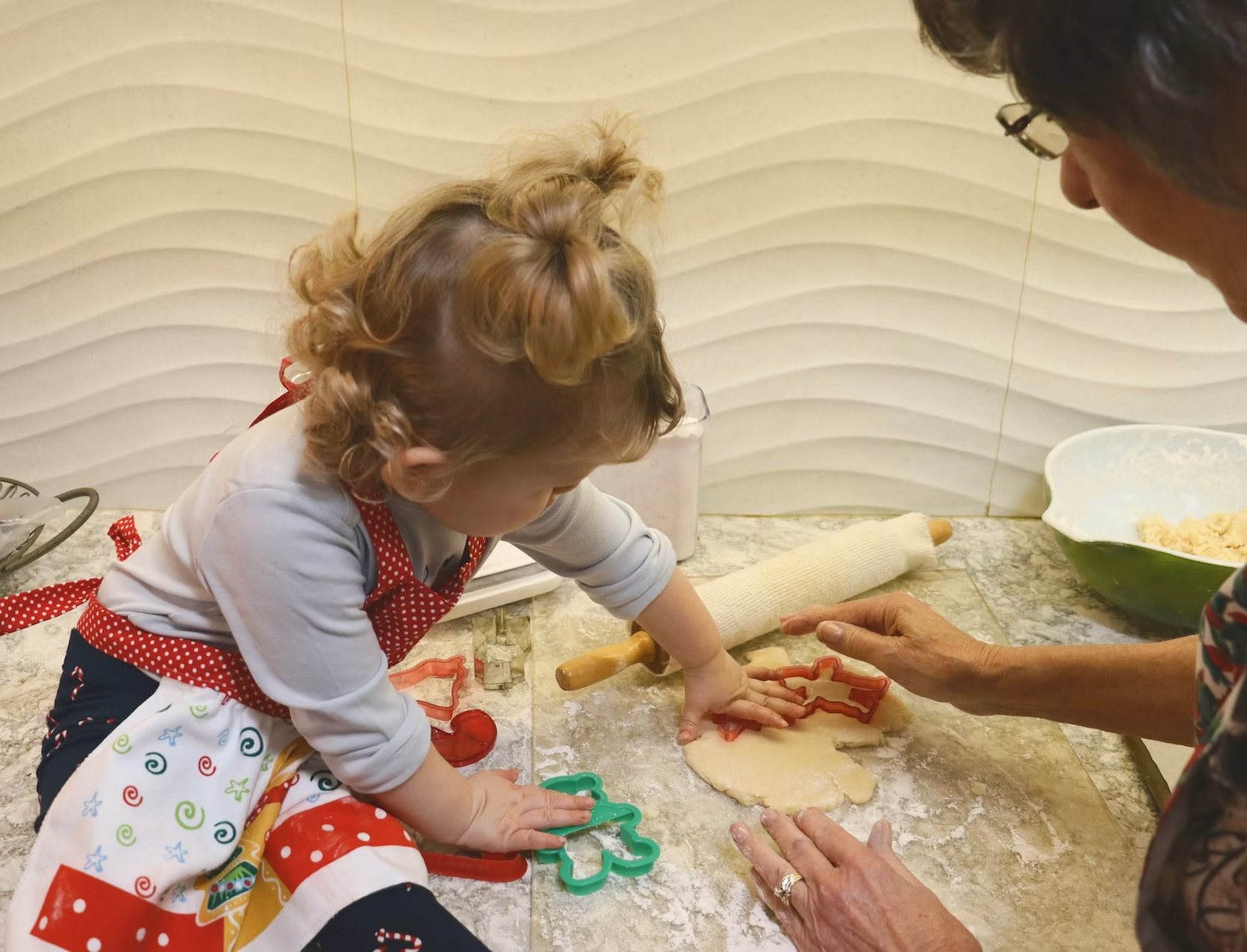
Mom and daughter walking at sunset, modeling gratitude
Image Source: Unsplash

Have you ever held the door for someone and heard your child echo your polite “thank you” without being prompted? That’s the power of teaching gratitude through everyday modeling. When it comes to raising thankful kids, our actions speak louder than any lecture.

Below are 12 practical strategies that weave appreciation into daily life—so your children can see, feel, and eventually mirror genuine thankfulness.

1. Say “Please” and “Thank You” Often

Kids listen even when you think they’re tuned out. Using polite words with your child and with others shows that kindness is a habit, not a special occasion. The more they hear gratitude, the more naturally they’ll express it themselves.

2. Talk About Gratitude at the Dinner Table

Dinnertime is the perfect moment to slow down. Each night, ask everyone to share one thing they’re grateful for—big or small. When parents join in, children realize that grown‑ups find joy in little things, too. Making gratitude a table‑talk ritual turns it into a lifelong practice.

3. Celebrate Acts of Kindness

Notice when your child offers a sibling help or shares a snack. Naming these gestures and saying “that was very thoughtful” reinforces generosity. Kids learn to value kind acts because they see them appreciated in real time.

4. Share Your Own “Thank You” Moments

Let kids hear you express thanks—a quick note to a teacher, a compliment to a store clerk, or a warm message to a friend. Talking through why you’re thankful connects the dots: appreciation isn’t just good manners; it’s a daily mindset.

5. Tell Stories That Highlight Gratitude

Choose books or bedtime stories where characters overcome obstacles through community, kindness, or generosity. After reading, discuss what the characters might feel grateful for. Storytime becomes a rich teaching opportunity rather than a simple routine.

6. Create a “Thankful Tree” or Journal

Turning ideas into visuals helps them stick. Craft a “Thankful Tree” with paper leaves listing what your child appreciates, or keep a family gratitude journal. Writing or drawing gratitude makes appreciation tangible and provides a keepsake to revisit on tougher days.

Kids gathered around a table, demonstrating acts of kindness
Image Source: Unsplash

7. Volunteer or Help Others Together

Donating toys, prepping care packages, or delivering cookies to a neighbor shows that kindness comes in many forms. When children see you give without expecting anything back, they develop empathy and learn that gratitude also involves reaching out.

8. Talk About Hardship (In Age‑Appropriate Ways)

Gratitude often grows alongside adversity. Sharing simple stories about challenges you’ve faced—and the silver linings you found—teaches resilience. Your openness helps kids understand that gratitude and hardship can coexist.

9. Help Them Earn and Appreciate Rewards

Let kids work toward a wanted item through chores or small tasks. Earning builds responsibility and deepens appreciation far more than instant gratification. Plus, it fosters pride in their own achievements.

10. Be Honest When You Forget Gratitude

Nobody’s perfect. If you miss an opportunity to say “thank you,” admit it. Modeling humility shows children that gratitude is a mindful practice, not a flawless performance.

11. Pause and Reflect on Everyday Moments

Appreciation often hides in the ordinary—a warm meal, a walk in sunshine, an unexpected hug. Saying these moments out loud trains young minds to scan life for abundance rather than lack.

12. Encourage Thank‑You Notes After Gifts or Events

A handwritten note—or even a quick drawing—helps children process that someone took time to do something kind for them. Expressing thanks makes appreciation concrete and builds social connection.

Setting the Tone Starts With You

Gratitude isn’t just something we teach—it’s something we practice. Every smile, sincere “thank you,” and moment of reflection becomes a quiet lesson for the little eyes watching us.

Teaching gratitude doesn’t happen overnight; it blossoms through daily, consistent example. The bonus? When we guide our kids toward gratitude, we often become more grateful ourselves.

Read More

  • 6 Surprising Ways Kids Benefit From Boredom
  • 7 Parenting Hacks You’ll Wish You Learned Sooner

Samantha Warren
Samantha

Samantha Warren is a holistic marketing strategist with 8+ years of experience partnering with startups, Fortune 500 companies, and everything in between. With an entrepreneurial mindset, she excels at shaping brand narratives through data-driven, creative content. When she’s not working, Samantha loves to travel and draws inspiration from her trips to Thailand, Spain, Costa Rica, and beyond.
Filed Under: Parenting Tagged With: caregiver advice | Parenting, child development, Family bonding, modeling gratitude, parenting tips, teaching gratitude, thankful kids

10 Parenting Practices That Are More Harmful Than You Think

April 19, 2025 | Leave a Comment

Mother holding baby, referencing harmful parenting practices
Image Source: Unsplash

Most parents want the very best for their children—but even with good intentions, some habits can unknowingly stunt confidence, strain relationships, or trigger anxiety. The goal of this list isn’t to spark guilt; it’s to spark growth. When we know better, we can do better—and model that same openness for our kids.

1. Ignoring Emotional Needs (Uninvolved Parenting)

When children repeatedly feel brushed off—“Stop crying, it’s no big deal”—they may internalize the belief that their feelings are unimportant.

Your takeaway: schedule daily check‑ins, validate feelings before offering solutions, and show you’re listening with eye contact and reflective language (“It sounds like recess felt tough today.”)

2. Using Strict Control Without Warmth (Authoritarian Parenting)

Rules without relationship equal rebellion—or, at the other extreme, people‑pleasing anxiety. Research shows that authoritarian homes correlate with higher levels of childhood stress and lower academic curiosity. Swap “Because I said so” for explanations that teach why a rule exists; pair consequences with reassurance of love.

3. Too Much Freedom, Not Enough Structure (Permissive Parenting)

Kids crave boundaries; they signal safety. When limits are vague (“Do whatever, just be good”), children struggle with impulse control and often test bigger risks. A balanced approach—clear rules delivered with warmth—helps kids predict outcomes and trust your guidance.

4. Spanking and Physical Discipline (Corporal Punishment)

Decades of data reveal that spanking increases aggression and lowers moral internalization. Swap physical punishment for time‑ins, natural consequences, and collaborative problem‑solving.

5. Letting the Internet Guide You

A single viral post can spread medical myths faster than fact‑checked articles. Pediatricians warn that trending “remedies” (think raw‑milk baby formula or bleach baths) can be downright dangerous. The American Academy of Pediatrics urges parents to verify any health hack with a licensed provider before trying it.

Two children holding hands, cautioning against comparisons
Image Source: Unsplash

6. Comparing Your Child to Others

“Why can’t you behave like your sister?” may motivate in the moment, but research shows frequent comparison fuels sibling rivalry and erodes self‑worth. Highlight individual strengths instead: “I love how curious you are about science” or “Your drawings show such creativity.”

7. Rewarding Only Results, Not Effort

Praising A‑grades without acknowledging the hours of studying teaches kids that worth equals performance. Carol Dweck’s growth‑mindset research suggests recognizing effort (“You worked hard on those math problems”) cultivates resilience and a love of learning—even when outcomes disappoint.

8. Over‑Scheduling Without Downtime

Back‑to‑back activities can crowd out essential play, sleep, and daydreaming—all critical for mental health and creativity. We recommend at least an hour of unstructured time daily. Protect “white‑space” in the family calendar where boredom—and imagination—can bloom.

9. Threatening Consequences You Don’t Enforce

Empty threats teach kids that boundaries bend. If you declare “No video games for a week,” stick to it—or choose a realistic, shorter ban you will uphold. Consistency builds trust in your word and clarity around expectations.

10. Expecting Adult‑Level Emotional Control

Brains aren’t fully wired for self‑regulation until the mid‑20s. Demanding immediate calm (“Stop crying NOW”) can shame kids for normal feelings. Instead, coach them through breathing exercises, label emotions out loud (“Looks like you’re frustrated”), and practice coping skills when everyone’s calm.

Moving Forward With Awareness and Compassion

Recognizing harmful parenting practices isn’t an indictment—it’s an invitation to evolve. Children don’t need perfect parents; they need parents willing to learn, apologize, and try again.

Choose one habit above to tweak this week—maybe validating feelings instead of dismissing them, or setting firmer digital‑advice filters—and note the shift in your child’s confidence. Small, consistent changes compound into a healthier family culture where everyone can thrive.

Which point resonated most with you—or what would you add? Drop a comment below and keep the conversation growing.

Read More

  • 5 Tips to Ease the Anxiety of Moving for Your Kids
  • Parental Trauma: Healthy Children Have Never Had to Endure These 12 Things

Samantha Warren
Samantha

Samantha Warren is a holistic marketing strategist with 8+ years of experience partnering with startups, Fortune 500 companies, and everything in between. With an entrepreneurial mindset, she excels at shaping brand narratives through data-driven, creative content. When she’s not working, Samantha loves to travel and draws inspiration from her trips to Thailand, Spain, Costa Rica, and beyond.

Filed Under: Parenting Tagged With: child development, discipline, harmful parenting practices, parenting advice, parenting health, parenting pitfalls, parenting tips

Why Some Parents Regret Choosing a Unique Name

April 19, 2025 | Leave a Comment

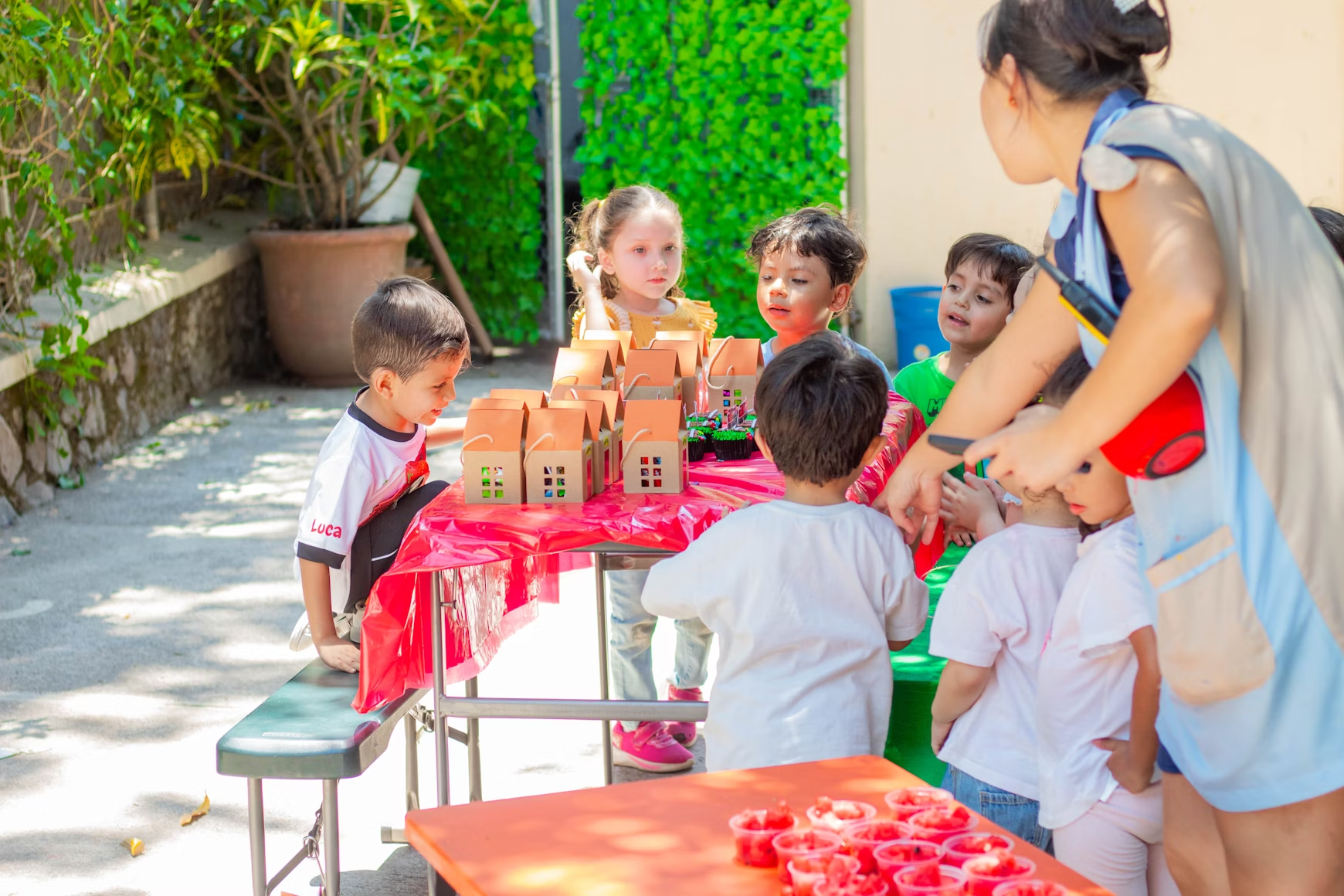
Baby in a red bow, exploring unique name regrets
Image Source: Unsplash

Naming a baby should feel magical, but many moms and dads find themselves second‑guessing the rare moniker they once adored.

In one survey of 500 parents, 9% of moms admitted they regretted the name they chose—often because it felt too unusual once real life (and real opinions) set in.​ Below, we unpack the most common reasons unique baby names trigger remorse and share safeguards you can use before signing that birth certificate.

External Opinions Can Sour an Unconventional Name

Family, teachers, even grocery‑store strangers will weigh in on a baby’s name. Parents who picked something unconventional frequently report feeling judged—or worse, watching their child become the target of playground teasing.​ If you’re constantly explaining pronunciation or fielding criticism, the name can shift from “special” to stressful.

Nicknames Sometimes Outshine the Original

Long, quirky, or hard‑to‑spell names often morph into shorter pet names at school or daycare. Many parents end up preferring the nickname everyone used over the creative full name they’d chosen. When “Seraphina‑Lark” inevitably turns into “Sera,” some moms and dads feel they might as well have gone with a simpler choice from the start.

Regret Creeps In Early

Second thoughts rarely wait until kindergarten roll‑call. The leap from a cute bump nickname to a lifelong identity can feel massive—especially when you’re running on three‑hour sleep cycles and a cocktail of postpartum hormones.

Suddenly the name that felt perfect at 38 weeks might sound too trendy, too unusual, or just not quite right when you see it on the birth certificate.

If name regret is tapping you on the shoulder right now, know you’re far from alone. Many new parents wobble between pride and panic in those first few weeks.

The Regret Is Real—But Usually Temporary

Most parents who waver stick with the name and grow to love it as their child’s personality blossoms. Pediatric psychologist Dr. Laura Markham says bonding, routine use, and positive associations typically help the name “fit” over time. Before you rush to city hall, give the moniker a few months to settle in—chances are it will start to feel like them.

a metaphor for trying out names
Image Source: Unsplash

Try a “Name Test‑Drive” First

  1. Say It in Real‑Life Scenarios: Practice calling the name down the hallway, writing it on lunch boxes, and pairing it with common nicknames.
  2. Check the Initials & Rhymes: Make sure monograms or playground chants don’t create unintended jokes.
  3. Picture Your Child at 5, 25, and 55: Some names feel adorable on a toddler but awkward in a boardroom.
  4. Solicit Honest Feedback: Ask a few trusted friends to share pros and cons rather than automatic praise.
  5. Sleep on It—Literally: Use the name aloud for a week before the birth; if it still sparks joy after diaper‑bag labeling, you’re likely safe.

Balance Creativity with Practicality

There’s nothing wrong with craving a distinctive name—unique baby names can honor heritage, showcase imagination, or offer a beautiful story.

Just layer in a dash of logic: Will teachers pronounce it? Does it invite unwanted teasing? Could a simpler middle name serve as a backup? Striking that balance means your child enjoys individuality without unnecessary hurdles.

Remember: Love Outshines Labels

Names matter, but they pale next to consistent love, safety, and support. If you’re already feeling regret, give yourself grace. You can keep the name, tweak the spelling, embrace a nickname, or change it entirely. Your willingness to course‑correct if needed is itself an act of care.

Have you wrestled with baby‑name second thoughts? Share your experience below—we’d love to learn from your naming journey.

Read More

  • 15 Baby Names Handed Down From The Rich to The Poor
  • How To Pick the Best School District for Your Child: 5 Tips for Parents

Samantha Warren
Samantha

Samantha Warren is a holistic marketing strategist with 8+ years of experience partnering with startups, Fortune 500 companies, and everything in between. With an entrepreneurial mindset, she excels at shaping brand narratives through data-driven, creative content. When she’s not working, Samantha loves to travel and draws inspiration from her trips to Thailand, Spain, Costa Rica, and beyond.
Filed Under: Parenting Tagged With: baby name regret, baby naming, name regret, parenting tips, unique baby names

6 Questions Every Parent Should Ask Their Child Weekly (And Why They Matter)

April 19, 2025 | Leave a Comment

Mom hugging child with balloons
Image Source: Unsplash

Between school runs, snack battles, and bedtime routines, family life can feel like a sprint. Yet one of the most powerful ways to stay connected to your child takes only a few unhurried minutes: asking thoughtful, open‑ended questions.

These weekly check‑ins strengthen emotional resilience, teach core values, and prevent little worries from snowballing into big ones. Below are six research‑backed questions to ask kids each week—plus the developmental “why” behind each one.

1. “What Was the Happiest or Most Exciting Moment of Your Day?”

Gratitude grows where we give it light. Inviting your child to share a joyful highlight reinforces the ability to notice and savor positives, a habit linked to higher life satisfaction and lower stress. A large‑scale Parents magazine feature notes that prompts focused on daily “highs” improve a child’s mood regulation and optimism.

Listening closely also clues you in to what truly sparks your child’s joy—whether that’s acing a spelling quiz or finally mastering the monkey bars.

2. “What Kind Thing Did You Do for Someone Else?”

Kindness isn’t random when parents make it a weekly talking point. Asking this question helps children link their choices to empathy-driven outcomes. Over time, they start planning acts of kindness, knowing you’ll ask about them.

Psychologists call this “prosocial priming”—nudging kids to anticipate opportunities to help. Comment on specifics (“I loved how you shared crayons with Maya”) to reinforce that generosity can be small and still meaningful.

3. “Did Anything Make You Feel Sad, Worried, or Upset This Week?”

Kids need permission to talk about the hard stuff. Regularly opening a safe space for uncomfortable emotions shows that all feelings—not just happy ones—are welcome.

Mental‑health clinicians say children whose parents practice “emotion coaching” have stronger self‑soothing skills and fewer behavioral issues later on. Crucially, resist the urge to lecture or fix; validate first (“That does sound upsetting”) so your child learns that vulnerability is met with empathy, not judgment.

4. “If You Could Go Anywhere in the World, Where Would You Go and Why?”

Imagination flexes critical‑thinking muscles. This playful, future‑oriented question fires up creativity and can reveal emerging interests—from marine biology to manga.

Conversation‑starter lists in Parents magazine emphasize that whimsical prompts help reluctant talkers open up while honing language skills.

You’re also modeling curiosity by exploring the “why,” encouraging your child to connect dreams with underlying values (perhaps they’d visit a rainforest “to protect animals”).

5. “What’s One Thing You Wish We Did More of as a Family?”

Every household has blind spots. Inviting constructive feedback teaches that family life is a team project where every voice matters. Children who feel heard are more likely to share concerns early—before they morph into resentment or secrecy.

If your child suggests more bike rides or tech‑free dinners, treat it as valuable data rather than criticism. Small tweaks can transform the home atmosphere and boost everyone’s sense of belonging.

6. “Do You Know How Much You’re Loved—and Why?”

Kids rarely tire of hearing they’re loved, but pairing affection with specifics (“I love how you helped your brother zip his coat”) builds secure self‑esteem.

Parental affirmation becomes a child’s inner monologue; clear praise for effort and character, not just outcomes, predicts higher resilience and healthier risk‑taking. Ending your weekly chat with this question wraps the conversation in warmth and assurance.

Mom and daughter in trunk
Image Source: Unsplash

Making It Work in Real Life

  1. Pick a predictable moment. Car rides, bedtime, or Sunday breakfast work well—choose a slot when devices are away and attention is undivided.
  2. Rotate, don’t interrogate. Two or three questions per session keep talks organic. Jot answers in a notebook; patterns over months reveal changing needs.
  3. Listen more than you speak. Affirm, mirror feelings, and ask gentle follow‑ups (“Tell me more about…”) to deepen the dialogue.
  4. Model reciprocity. Share your high of the day or a kindness you offered. Mutual exchange normalizes openness and accountability.

Consistent connection is less about monumental talks and more about micro‑moments of attentiveness. Six well‑chosen questions give your child language for feelings, visions for kindness, and proof that home is a safe place to be fully seen.

What Question Sparked Your Best Conversation?

Drop it in the comments—we’d love to learn fresh prompts that keep family dialogue thriving.

Read More

  • 10 Rules That Should Apply to Parents and Children in a Healthy Household
  • 5 Tips to Ease the Anxiety of Moving for Your Kids

Samantha Warren
Samantha

Samantha Warren is a holistic marketing strategist with 8+ years of experience partnering with startups, Fortune 500 companies, and everything in between. With an entrepreneurial mindset, she excels at shaping brand narratives through data-driven, creative content. When she’s not working, Samantha loves to travel and draws inspiration from her trips to Thailand, Spain, Costa Rica, and beyond.

Filed Under: Parenting Tagged With: child development, emotional intelligence, Family bonding, parenting communication, parenting tips, questions to ask kids

6 Surprising Ways Kids Benefit From Boredom

April 19, 2025 | Leave a Comment

Girl with headphones, showing kids benefit from boredom
Image Source: Unsplash

You may cringe when your child moans, “I’m boooored!”—but research keeps showing that boredom isn’t the enemy; it’s an unexpected ally.

When kids experience unstructured downtime, their brains shift from passive consumption to active exploration, strengthening creativity, self‑reliance, and emotional balance. Below are six proven benefits of boredom for kids, plus simple tips to let those benefits bloom.

1. Boredom Builds Problem‑Solving and Planning Skills

Left to their own devices (without actual devices), children naturally start inventing games, building blanket forts, or reorganizing LEGO bricks into elaborate cities.

Each step—collecting materials, testing ideas, tweaking rules—flexes executive‑function muscles such as sequencing and adaptability.

Boredom forces the brain to “seek novelty,” nudging kids to practice goal‑setting and troubleshooting on their own.

2. Boredom Sparks Creativity and Original Thinking

A classic study from the University of Central Lancashire found that adults asked to copy phone numbers (a dull task) later produced more imaginative solutions than their non‑bored peers. The same “default‑mode network” that drives daydreaming lights up in kids during idle moments, inspiring puppet shows, comic books, or backyard quests instead of passive scrolling.

3. Boredom Teaches Emotional Regulation and Frustration Tolerance

Nothing builds patience like waiting for inspiration to strike. Letting children sit with mild boredom helps them practice self‑soothing and delayed gratification—skills linked to fewer meltdowns and better classroom focus later on.

4. Boredom Encourages Self‑Directed Learning

When no adult schedules the afternoon, kids gravitate toward personal curiosities—mixing kitchen “potions,” sketching animals, or reading comics. Montessori educators call this follow‑the‑child learning: intrinsic interest drives deeper focus and longer engagement. Over time, youngsters who regularly choose their own projects show greater academic persistence and self‑confidence.

5. Boredom Offers Mental Downtime and Relaxation

Today’s children toggle between school, sports, and digital stimulation at warp speed. Nonstop input leaves little room for memory consolidation and emotional reset. Idle stretches act like a neurological exhale, lowering cortisol (the stress hormone) and allowing the brain to file new information.

Think of boredom as white space on a cluttered page—without it, the important text becomes unreadable.

6. Boredom Strengthens Internal Motivation

Kids who rely on external entertainment often wait for fun to happen to them. Those accustomed to occasional boredom learn to create enjoyment, discover passions, and set personal goals—key ingredients for lifelong motivation.

Child gazing out a window, letting boredom work
Image Source: Unsplash

How to Let Boredom Work Its Magic

  1. Schedule White Space: Protect portions of each weekend with no planned activities or screens. Label it “creative hour” so boredom feels like an invitation, not a punishment.
  2. Curate, Don’t Entertain: Stock a low shelf with open‑ended materials—cardboard boxes, art scraps, dress‑up clothes—then step back. Resist the urge to rescue silence with suggestions.
  3. Model Idle Moments: Let your child catch you doodling, cloud‑watching, or simply sipping coffee without scrolling. Kids absorb that downtime is normal for everyone.
  4. Validate Feelings, Hold Boundaries: If complaints escalate, empathize (“It’s hard to feel bored”) but stay firm: “I trust you’ll find something interesting.” Problem‑solving is the child’s job.

The Quiet Superpower in Your Parenting Toolkit

When you stop rushing to fill every lull, you hand your child a powerful message: “I believe in your ability to create, cope, and explore.”

Boredom isn’t wasted time—it’s the fertile soil where resilience and imagination grow. So the next time that dramatic sigh echoes through your living room, smile. You’re witnessing the first spark of your kid’s next great idea.

Have a “boredom breakthrough” story? Share it below—we’d love fresh inspiration for letting stillness bloom into genius.

Read More

  • 10 Effective Tips to Build a Budget for You and Your Family
  • 7 Positive Parenting Tips for Building Strong Bonds With Your Kids

Samantha Warren
Samantha

Samantha Warren is a holistic marketing strategist with 8+ years of experience partnering with startups, Fortune 500 companies, and everything in between. With an entrepreneurial mindset, she excels at shaping brand narratives through data-driven, creative content. When she’s not working, Samantha loves to travel and draws inspiration from her trips to Thailand, Spain, Costa Rica, and beyond.

Filed Under: Parenting Tagged With: benefits of boredom for kids, child development, Creativity, Emotional Regulation, parenting tips, screen‑free play

7 Signs Your Child Is Emotionally Overstimulated, Not Misbehaving

April 18, 2025 | Leave a Comment

Child covering ears, showing signs of emotional overload.
Image Source: Unsplash

If your child suddenly bursts into tears at the grocery store or melts down halfway through a birthday party, it might be more than “bad behavior.” Emotional overstimulation in children can look a lot like disobedience—but what’s really going on inside is very different.

When kids are surrounded by noise, lights, smells, busy people, and unpredictability, their nervous systems can go into overdrive. They’re not being defiant; they’re overwhelmed. Learning to recognize these signs is the first step toward supporting your child with empathy and calm.

Below are seven common indicators that your child may be emotionally overstimulated—along with gentle ways to help.

1. They Cover Their Ears or Eyes

If your child suddenly shields their ears during a noisy dinner or hides their face in bright sunlight, they aren’t trying to be difficult. They’re attempting to block out overwhelming sensory input.

Pediatric occupational therapists confirm that covering ears or eyes is a classic self‑protection move when sound or light intensity exceeds a child’s comfort threshold. Rather than urging them to “tough it out,” lower the volume, dim the lights, or step outside for a quiet reset.

2. Unexplained Irritability or Tantrums

That sudden, explosive meltdown in the middle of a fun activity often signals overload, not manipulation. Overstimulation floods a child’s brain with stress hormones, making self‑regulation nearly impossible.

Early‑childhood researchers at Australia’s Explorers Centre note that irritability, crying, and tantrums typically peak when kids are juggling too many sensory or social inputs. A calm voice, a cuddle, or simply moving to a quieter space can help the storm pass.

3. They Can’t Sit Still or Focus

Restlessness is often mistaken for poor attention, but constant wiggling can be the body’s way of discharging excess sensory energy. When the brain works overtime to process sights, sounds, and social cues, it’s harder to hold still or concentrate.

Instead of labeling the behavior “distracted,” ask what environmental factors—bright lights, crowded rooms, background music—might be pushing your child past capacity.

4. Resistance to Touch or Routine Tasks

Flinching during hair brushing, refusing once‑loved foods, or battling over socks often points to tactile or sensory overload. Kids process the world through every sense, and when overwhelmed, even normal sensations feel “too much.”

We recommend offering choices (softer clothing, different textures) and breaking tasks into smaller steps, rather than forcing compliance in the heat of distress.

5. Mood Shifts That Don’t Match the Moment

One minute your child is giggling, the next they’re near tears. This emotional whiplash happens because their nervous system is toggling between excitement and overload.

Instead of viewing mood swings as dramatic, treat them as an internal overload alert—time to pause, hydrate, or step outside. A predictable transition routine (deep breaths, a favorite song) can smooth these shifts.

bright lights
Image Source: Unsplash

6. Sensitivity to Sounds, Lights, or Textures

A blender whirring or a flashing TV might be minor background stimuli to you—but feel like a rock concert to a sensory‑sensitive child.

Hypersensitivity is strongly linked to quicker emotional overload, especially when multiple triggers pile on. Simple accommodations—noise‑canceling headphones, soft tags‑free clothing—can make environments feel safer.

7. They Calm Down in Quiet, Predictable Spaces

Perhaps the clearest sign that “misbehavior” was actually overload: your child settles quickly once stimuli decrease. If the meltdown fades after leaving the mall or turning off background TV, sensory load—not willfulness—was the culprit.

Build daily routines that include “sensory breaks”—dim reading corners, nature walks, or quiet Lego time—to keep the nervous system from hitting red‑alert.

How You Respond Makes All the Difference

Emotional overstimulation is real—and often misread as naughtiness or lack of discipline. By spotting the signs early, you can pivot from correction to connection. Whisper instead of shout, offer a hug instead of a lecture, or find a calmer corner instead of powering through the chaos.

Small adjustments teach kids that their feelings are safe to share—and that you’re in their corner, even when the world feels too loud.

Have you seen these signs in your child? Share your experience (and calming hacks) in the comments below—we’d love to learn from you!

Read More

  • How to Choose the Perfect Pet for Your Family
  • Year-round Money Saving and Fun Activites for Parents and Kids
Samantha Warren
Samantha

Samantha Warren is a holistic marketing strategist with 8+ years of experience partnering with startups, Fortune 500 companies, and everything in between. With an entrepreneurial mindset, she excels at shaping brand narratives through data-driven, creative content. When she’s not working, Samantha loves to travel and draws inspiration from her trips to Thailand, Spain, Costa Rica, and beyond.

Filed Under: Parenting Tagged With: child behavior, child development, emotional overstimulation, misbehavior vs overstimulation, parenting tips, sensory sensitivity, supporting kids emotionally

6 Modern Parenting Trends That Might Be Doing More Harm Than Good

April 17, 2025 | Leave a Comment

Image Source: Unsplash

As parents and caregivers, we want the best for our kids. We read the books, join the Facebook groups, and try to keep up with what’s “in” when it comes to raising emotionally intelligent, well‑rounded little humans. But in trying so hard, we sometimes adopt approaches that seem helpful on the surface, yet carry hidden downsides. If you’ve felt overwhelmed or wondered whether you’re “doing it right,” you’re not alone.

Below are six popular trends that may need a rethink, plus gentle adjustments that put connection and well‑being first.

1. Over‑Scheduling Kids

From toddler music classes to weekend STEM camps, constant busyness can lead to burnout and reduced creativity. Children thrive on downtime and unscripted play, where imaginations take flight.

Kids need margin as much as they need math or music. Start by blocking two “nothing” afternoons each week—no lessons, no play‑dates, just free play at home. Protect them the way you would a dentist appointment.

During that unstructured time, put away the planner and let boredom spark imagination. If your child complains, resist filling the gap; boredom is the doorway to creativity. As seasons change, re‑evaluate activities together and ask, “Which ones still feel fun?” Dropping even one commitment can restore energy for everyone.

2. Helicopter Parenting

Hovering too closely—fixing every problem before it lands—can stunt resilience. Giving age‑appropriate freedom helps kids build confidence and decision‑making skills. For a deeper dive into nurturing independence, see this pediatric‑backed overview of risk‑friendly play.

Picture yourself as a rock‑climbing belayer, not a bubble‑wrap shield. Give your child a chance to solve minor problems—tying a knot, negotiating a turn on the swing—while you stand nearby as a safety net. When setbacks happen, avoid the urge to rescue immediately.

Ask guiding questions instead: “What could you try next?” or “How might you fix that?” These micro‑moments of struggle build grit. Celebrate effort more than outcomes so kids learn that perseverance, not perfection, is the win.

3. Excessive Technology Use

Screens are handy, but heavy reliance can delay language development and social skills. The American Academy of Pediatrics recommends interactive, shared screen time and plenty of real‑world exploration.

Create a simple family media plan posted on the fridge: device‑free meals, no tablets in bedrooms, and a nightly “power‑down” basket after 8 p.m.

Pair every hour of solo screen time with an hour of active play, outdoor exploration, or face‑to‑face conversation. When screens are on, co‑view and talk about what you see, turning passive watching into shared learning. Model digital balance yourself; when parents scroll less, kids follow suit.

4. Over‑Curating Childhood for Social Media

Perfectly staged memories can teach kids that likes are equal in worth. Experts warn that such perfectionism also stresses parents, fueling comparison culture. Try focusing on experiences with genuine emotional value—homemade cards or screen‑free picnics—that foster real connection.

Instead of filming every milestone, designate occasional “memory days” where phones stay in pockets and the goal is simply to be fully present. Invite children to capture the day in their own way—maybe a crayon sketch or a written journal entry.

Post only after asking, “Does sharing this respect my child’s privacy and feelings?” Focusing on lived joy, not online applause, teaches kids that worth isn’t measured in likes.

Child misbehaving
Image Source: Unsplash

5. Lack of Discipline or Clear Guidance

Gentle parenting doesn’t mean never saying “no.” Consistent limits help children feel secure and learn self‑regulation. When boundaries are warm yet firm, kids thrive.

Think of boundaries as guardrails on a bridge: they keep everyone safe while allowing forward motion. Pick three non‑negotiables (for example, no hitting, kind words, bedtime by eight) and enforce them consistently with calm, brief explanations.

Use natural consequences whenever possible—if toys aren’t put away, they’re unavailable tomorrow. When rules are broken, offer a reset: “Let’s try that again.” Predictable structure plus empathy equals security and self‑control.

6. Performing “Perfect Parenting”

Social feeds can imply flawless households, but perfection is impossible—and unnecessary. Embracing a “good‑enough” mindset models resilience and self‑compassion for your child. Psychologists emphasize that sincere repair after mistakes is more powerful than never erring.

Perfection is a mirage that drains joy. Replace impossible standards with the “2‑out‑of‑3 rule”: aim to provide warmth, safety, and structure most days—two out of three is still success. When you slip up (everyone does), pause, apologize, and repair: “I yelled earlier. I’m sorry. How can we make this better?” That brief repair models accountability—and shows kids mistakes are stepping stones, not verdicts.

Finding Your Family’s Balance

Trends come and go; your consistent love endures. If an approach isn’t working, pivot toward what brings joy and authenticity to your family life—and remember that flexibility is a strength, not a failure.

What adjustment will you try this week? Share your thoughts in the comments below!

Read More

  • How to Talk to Your Kids When You’re Struggling Mentally Yourself
  • Stop Ignoring These 7 Health Symptoms Before It’s Too Late

Samantha Warren
Samantha

Samantha Warren is a holistic marketing strategist with 8+ years of experience partnering with startups, Fortune 500 companies, and everything in between. With an entrepreneurial mindset, she excels at shaping brand narratives through data-driven, creative content. When she’s not working, Samantha loves to travel and draws inspiration from her trips to Thailand, Spain, Costa Rica, and beyond.

Filed Under: Parenting Tagged With: child development, harmful parenting trends, modern parenting, parental guidance, parenting advice, parenting tips

Why Women Don’t Want to ‘Have It All’ Anymore

April 16, 2025 | Leave a Comment

Woman pausing in a busy day
Image Source: Unsplash

In the late 20th century, the phrase “have it all” was championed as the ultimate life goal for women, particularly working mothers. Balance a soaring career, raise accomplished kids, maintain a spotless home, and keep a vibrant social life on the side. Yet today, many women are quietly, and sometimes openly, rejecting that notion.

They’re asking: “At what cost?” Overcoming mom burnout and unrealistic standards, they’re focusing on sanity, sustainability, and self-worth over an outdated ideal of ultimate multitasking.

The Burnout Behind the “Have It All” Myth

Let’s begin with the obvious culprit: burnout. The idea that women can flawlessly excel at both work and parenting doesn’t just raise expectations—it fuels a cycle of stress. According to a recent analysis by the Chartway Promise Foundation, this concept of “doing it all” has led many women to juggle disproportionate amounts of household and professional work.

The result? Emotional fatigue and the sense that life is just one endless task list, rather than a journey of growth.

It’s not that women lack ambition—far from it. But pushing through chaos in the name of “having it all” often leads to chronic overwhelm. Rather than thriving, many find themselves simply enduring. By stepping back, they’re reclaiming balance and mental well-being.

The Trap of Perfectionism

Perfectionism is the quiet companion to “having it all.” We see it in Instagram-worthy birthday parties and endless attempts to keep up with work emails in the middle of a child’s soccer game.

Expecting to be a perfect mom and a perfect employee simultaneously can turn daily life into a hamster wheel you can’t exit. That’s when self-care and joy slip away. Recognizing that you don’t need to excel 24/7 is often the first step toward real confidence and emotional health.

Career Choices Shaped by the Struggle

Some women respond to these pressures by changing their work-life trajectory—downsizing responsibilities, choosing flexible roles, or transitioning to part-time schedules. Others opt out of motherhood entirely, citing the difficulty of balancing it all.

A Harvard Business Review article underscores how some high-achieving professionals realize the conventional path simply isn’t worth the trade-offs. These choices aren’t failures; they’re smart, intentional strategies for protecting well-being and redefining success.

Woman juggling remote work at home
Image Source: Unsplash

When Work and Home Collide

The concept of work-life “balance” can feel like a tug-of-war, especially for those in high-stakes careers. Frustration emerges when the load of parenting and job responsibilities intersects with deep social expectations.

The unrelenting stress of school drop-offs, evening conference calls, and household chores fosters a desire to exit the “have it all” mindset. It’s not that these women are less capable—it’s that the system rarely provides the support structures needed for them to succeed in both domains without hitting burnout.

Redefining Success on Their Own Terms

Moving away from “have it all” doesn’t indicate a lack of ambition. Rather, it’s a clearer, more personal definition of success. With flexible work, remote opportunities, and shifting cultural perceptions, women can tailor their professional and personal lives far beyond the old 9-to-5 plus motherhood routine.

A McKinsey & Company study on Women in the Workplace shows that women increasingly choose roles aligning with genuine personal growth and autonomy, not just a job title. The difference? They’re no longer letting the “have it all” narrative define or limit their sense of achievement.

Invitation to a More Honest Dialogue

Rejecting the myth of “have it all” encourages a more genuine conversation among mothers—and parents in general. Being open about feeling stretched or exhausted doesn’t mean you love your children any less. It means you’re brave enough to acknowledge your own emotional and physical limits.

By discussing these pressures candidly, moms can find solidarity, share coping strategies, and push for societal changes—like better parental leave or more flexible work policies.

What Are You Choosing Instead?

More women today are choosing to trade burnout for balance and guilt for grace. It’s not about giving up or scaling down goals—it’s about selecting which goals genuinely serve their family’s happiness. Whether focusing on building a supportive home life, prioritizing mental health, or selectively pursuing work that nourishes them, these decisions shape a new standard of living well.

Have you felt the pressure to “have it all”? Share your perspective in the comments. Telling your story might help another mom realize she’s not alone—or find the courage to let go of what no longer serves her family or well-being.

Read More:

  • Planning for a Baby
  • Thinking About Home Again

Samantha Warren
Samantha

Samantha Warren is a holistic marketing strategist with 8+ years of experience partnering with startups, Fortune 500 companies, and everything in between. With an entrepreneurial mindset, she excels at shaping brand narratives through data-driven, creative content. When she’s not working, Samantha loves to travel and draws inspiration from her trips to Thailand, Spain, Costa Rica, and beyond.

Filed Under: Parenting Tagged With: child development, Kids, Mental Health, Parenting, parenting advice, parenting tips

« Previous Page
Next Page »
  • Facebook
  • Pinterest
  • RSS
  • Twitter

Basic Principles Of Good Parenting

Here some basic principles for good parenting:

  1. What You Do Matters: Your kids are watching you. So, be purposeful about what you want to accomplish.
  2. You Can’t be Too Loving: Don’t replace love with material possessions, lowered expectations or leniency.
  3. Be Involved Your Kids Life: Arrange your priorities to focus on what your kid’s needs. Be there mentally and physically.
  4. Adapt Your Parenting: Children grow quickly, so keep pace with your child’s development.
  5. Establish and Set Rules: The rules you set for children will establish the rules they set for themselves later.  Avoid harsh discipline and be consistent.
  6. Explain Your Decisions: What is obvious to you may not be evident to your child. They don’t have the experience you do.
  7. Be Respectful To Your Child: How you treat your child is how they will treat others.  Be polite, respectful and make an effort to pay attention.
Best Parenting Blogs

Most Popular

Baby

9 Baby Names That Sound Rare Without Being Hard to Spell

Evan Morgan
Baby

9 Unusual Baby Names That Sound Like They Belong to Future CEOs

Evan Morgan
Target Store

Choking Incident Prompts Recall of 49,000 Target Gigglescape “Under the Sea” Popping Toys

Evan Morgan
Frustrated Girl

Why Some Students on the Spectrum Are Labeled With ODD

Evan Morgan
Coke Bottles

12 Things Kids Took to School in the ’70s That Would Never Be Allowed Today

Evan Morgan

All content on Kids Ain’t Cheap is for entertainment purposes only. By reading this blog, you agree that Kids Ain’t Cheap is not responsible for any actions taken after reading this blog. For the full disclaimer, see our privacy policy.

Please note that Kids Ain’t Cheap has financial relationships with some of the merchants mentioned here. Kids Ain’t Cheap is funded by banner advertising, commission sales and search optimization consulting.

Copyright © 2006–2026 | District Media | All Rights Reserved | Privacy Policy

Copyright © 2026 Runway Pro Theme by Viva la Violette