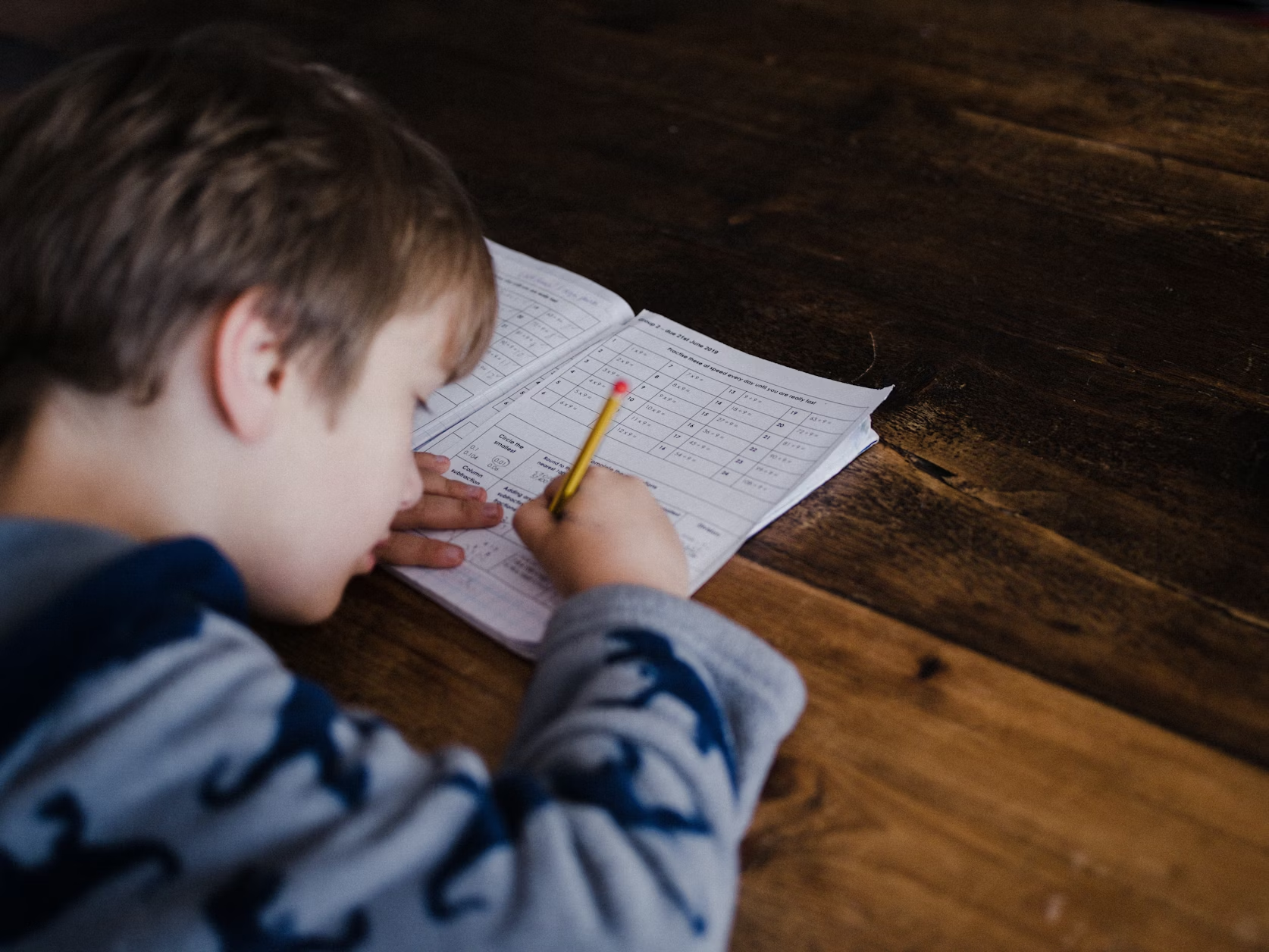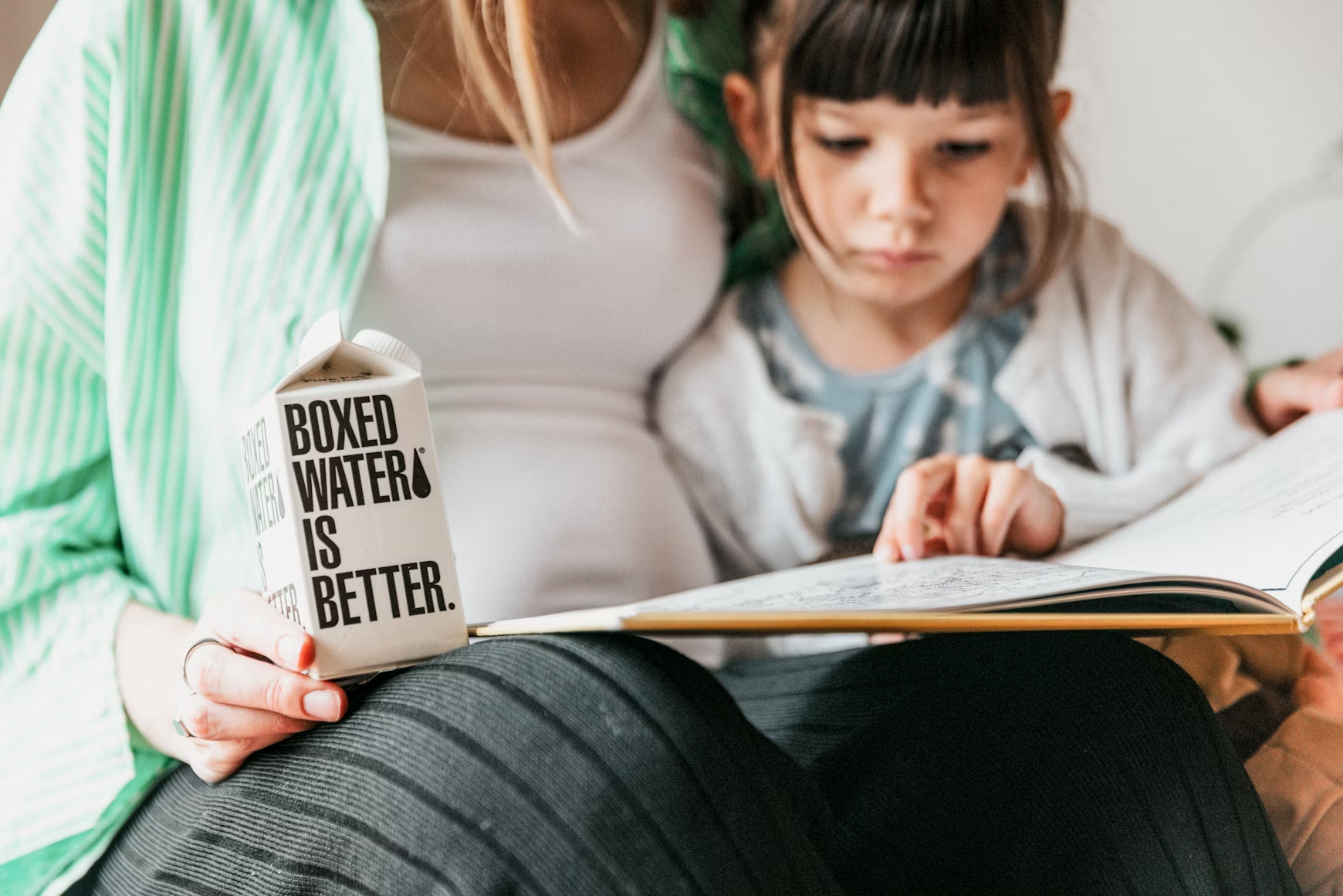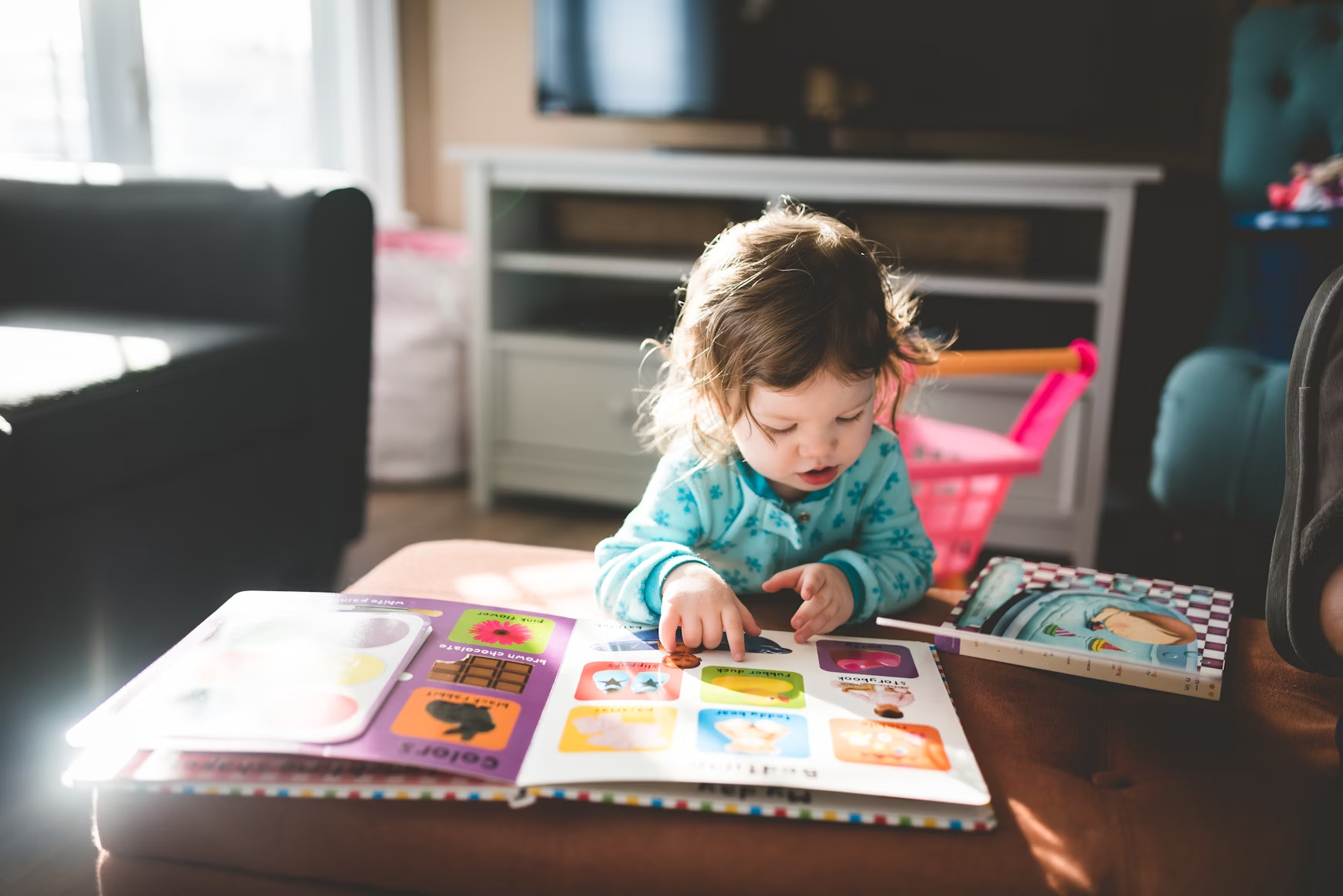
• Home
  • About Us
  • Toolkit
  • Archives
  • Advertise
  • Privacy Policy

Kids Ain't Cheap

But They Sure Are Worth It

  • Parenting
    • Baby Stuff
    • Books and Reading
      • Aesops Fables
      • Comic Books
    • Education
    • Family Time
    • Green Living
    • Growing Up
    • Healthy Living & Eating
    • Holidays
    • Parenting
    • Random Musings
    • Shopping
    • Stuff to Do
  • Money
  • Product Reviews
    • Books and Magazines
    • Discount Sites
    • Furniture
    • House Keeping
    • Reviews News
    • Toys and Games
  • Contact Us
  • Our Editorial Commitment
  • Search

Could Every Child Be A Genius? Here’s How Our Criticism Can Ruin It

April 13, 2025 | Leave a Comment

child with glasses
Image Source: Unsplash

We’ve all had that moment: watching your child construct something amazing out of blocks, tell a startlingly imaginative story, or ask a question that feels unusually deep. You might have wondered, could every child be a genius?

The potential often shines bright, but here’s an overlooked truth: well-intentioned criticism—whether from parents, teachers, or peers—can extinguish that spark faster than we realize. Maybe genius isn’t as scarce as we think. Instead, it might be something that we, sometimes unintentionally, discourage out of fear, convention, or habit.

By understanding where potential meets parenting, we make better choices—and maybe we end up raising a little genius.

Creative Decline Starts Early—and It’s Preventable

Research suggests that almost all five-year-olds—about 98 percent—demonstrate “genius-level” creativity. Yet by age 10, only 30 percent retain that level of thinking, and by adulthood, it’s around 2 percent.

So what happens in those few years? Much of it lies in the way children’s learning experiences are framed. Rigid educational systems and constant adult-led correction can erode the confidence and willingness to experiment. Conversely, if we shield creativity and embrace curiosity, we can help keep that imaginative window open longer.

Why Criticism Cuts Deeper Than You Think

Parents often correct their kids with the best of intentions—especially if it looks like they’re not focusing or “getting things right.” But for gifted or highly creative children, even small critiques can land as significant blows.

Many of these kids deal with heightened self-doubt, anxiety, and a disparity between their intellectual capabilities and emotional maturity, causing gentle critiques to weigh heavily. Instead of prompting growth, relentless correction can stifle enthusiasm and anchor a fear of failing. That can create a cycle: fear obstructs risk-taking, making it harder for genius to emerge.

happy boy with glasses
Image Source: Unsplash

Genius Needs Both Structure and Freedom

If every child could be a genius, they need space to explore without feeling compelled to be perfect. That’s why models like the Genius Hour thrive: they allow kids to focus on personal pursuits—like writing short stories, building a robot, or crafting a new game. As they engage deeply in something they love, they’re developing advanced skill sets. This approach doesn’t toss out structure altogether; it simply weaves in opportunities for self-driven learning. When children are offered this balance of supportive routine and self-directed exploration, unseen talents often rise to the surface.

Rethinking What “Smart” Looks Like

A frequent hazard of constant evaluation is teaching kids that intelligence equals compliance or fast results. Yet intelligence comes in many forms—emotional, artistic, mechanical, interpersonal. Sir Ken Robinson famously reminds us that creativity itself is a type of intelligence, one not always valued in traditional classrooms. When we recognize strengths beyond the usual academic measures, we open more avenues for kids to succeed. And interestingly, when kids see that creativity or empathy is just as valid, it can also boost overall academic engagement.

Encouragement Over Evaluation

Rather than pointing out flaws, ask open-ended questions such as “How did you think of that idea?” or “What part did you enjoy most?” Let conversations highlight the process instead of dwelling on perfection. Praise persistence, creativity, and determination, even if the end result is imperfect. When feedback is needed, frame it with solutions: “This piece didn’t work yet—what if we try it this way next time?” By emphasizing curiosity over correctness, you foster a learning environment that’s more about growth than fear.

What Your Child Needs More Than Praise

Labeling your child as a “genius” isn’t the goal; showing faith in their evolving self is. Children who feel supported in both their triumphs and stumbles gain the confidence to keep taking intellectual risks. Spend time witnessing their experiments, cheer them on in moments of self-doubt, and share your own wonder.

Those small acts speak volumes, imparting a durable sense of self-worth that shapes their willingness to innovate. You don’t have to parent flawlessly to raise an extraordinary child—just nurture that glimmer of brilliance and stay open to their exploration.

Nurturing Genius Is About Planting Seeds, Not Picking Flowers

Believing that every child could be a genius means changing how we see, define, and encourage potential. It’s not about imposing lofty standards but about guiding natural gifts in a supportive environment. That swap—criticizing less and asking more—keeps curiosity alive and well. It won’t all be immediate or neat, but growth rarely is. And that kind of genius, allowed to unfold organically, leaves a lifelong imprint.

How do you nurture creativity and open-ended thinking in your child? Share your perspective below; your experience could help another parent see past constraints and embrace their child’s budding genius.

Read More

  • 8 Exercises You Can Do With Your Child for Fun and Fitness
  • 7 Pranks No Kid Should Play On Their Friends
Samantha Warren
Samantha

Samantha Warren is a holistic marketing strategist with 8+ years of experience partnering with startups, Fortune 500 companies, and everything in between. With an entrepreneurial mindset, she excels at shaping brand narratives through data-driven, creative content. When she’s not working, Samantha loves to travel and draws inspiration from her trips to Thailand, Spain, Costa Rica, and beyond.

Filed Under: Parenting Tagged With: child development, education and learning, gifted children, nurturing creativity, parenting tips

“Spanking A Child Has Its Place” (Here’s When It’s Okay)

April 12, 2025 | Leave a Comment

Parent and child in a moment of discipline
Image Source: Unsplash

There’s a belief out there that “spanking a child has its place.” Maybe you’ve heard it from a neighbor, your own parents, or even thought it yourself in a heated moment. After all, many of us were raised with spankings—didn’t we turn out okay? But just because a disciplinary tactic is traditional doesn’t mean it’s effective—or safe.

It’s time to look at what research actually tells us: the evidence is pretty clear that spanking does more harm than good, and there are healthier, more effective ways to teach and guide our kids.

Spanking Increases Aggression, Not Respect

Parents often turn to spanking in hopes of quickly stopping defiance. Yet science consistently shows a link between spanking and rising levels of aggression in children. In a large-scale meta-analysis of over 75 studies, researchers found that physical punishment was associated with more, not less, aggressive behavior. Children learn by example; if they see conflict solved with force, they’re more likely to imitate it. Discipline should be a moment to guide and teach, not instill fear or a sense of retaliation.

Spanking Fails to Foster Long-Term Behavior Change

Yes, spanking might stop misbehavior in the moment. But that quick fix often backfires long-term. Without a deeper understanding, children just learn to avoid punishment, rather than truly internalizing better choices. According to WebMD’s analysis on spanking’s ineffectiveness, the focus becomes fear and compliance instead of growth and self-regulation. Real discipline helps a child connect actions to consequences in a positive way, fostering maturity rather than resentment.

Spanking Harms Mental Health—Sometimes for Life

We talk about physical safety, but emotional safety matters just as much. Studies have shown that spanking is linked to higher rates of anxiety, depression, and emotional distress in children. These issues often linger into adulthood, affecting self-esteem, trust, and relationship patterns. In these moments of hitting, children can feel that love is conditional, dependent on “good” behavior rather than unconditional acceptance. That can hurt them well beyond the tantrum at hand.

Child looking down, highlighting effects of physical punishment
Image Source: Unsplash

Physical Punishment Impacts Brain Development

It’s unsettling, but true: using physical discipline can alter how a child’s brain processes stress and emotion. Research has found that certain areas of the brain involved in emotional regulation and decision-making can be negatively impacted by physical punishment. Even though spanking might not rise to the level of abuse, the child’s brain can respond similarly, triggering greater fight-or-flight reactions. When we know better, we can choose discipline methods that guide rather than harm.

There’s No “Right Age” to Spank

Some parents believe hitting is more acceptable with toddlers or younger kids, to “nip bad behavior in the bud.” But spanking is never beneficial. A one-year-old or two-year-old simply doesn’t understand the logic behind physical punishment; they only learn fear and confusion.

Discipline must match developmental stages, and toddlers thrive on calm modeling, not pain. If our goal is to teach them to handle big feelings responsibly, spanking does the opposite—amplifying fear instead of emotional skill-building.

What You Can Do Instead

Thankfully, discipline without spanking isn’t just possible—it’s proven effective. Rather than relying on physical force, try these strategies:

  1. Positive Reinforcement: Praise the behaviors you want to see.
  2. Natural Consequences: Let a child feel the direct outcome of their actions (safely).
  3. Time-Ins: Instead of isolating them in a separate room, stay close and help them calm down.
  4. Clear, Consistent Boundaries: Routine and predictability help reduce chaos.
  5. Emotion Coaching: Help them name and navigate big feelings—anger, sadness, frustration.

When you prioritize these approaches, kids learn self-control from within, not from a fear of being hit.

Parenting with Compassion, Not Control

Spanking a child might sometimes seem like a quick shortcut—but quick doesn’t mean right. As caregivers, our job isn’t just to correct misbehavior, but to instill empathy, problem-solving, and trust.

And that rarely comes from force. Implementing mindful discipline methods—where calm, connection, and teaching are the focus—lays a stronger foundation for a child’s emotional development. Yes, it takes patience, but the long-term rewards (happier kids, deeper trust, less conflict) make it well worth the effort.

Ever switched from spanking to another discipline style? Share what worked in the comments below—parenthood is a learning journey, and we learn best together.

Read More

  • 8 Reasons Why Time-Outs Might Not Be the Best Discipline Strategy
  • Is Your Parenting Style Shaped by Your Own Childhood Experiences?
Samantha Warren
Samantha

Samantha Warren is a holistic marketing strategist with 8+ years of experience partnering with startups, Fortune 500 companies, and everything in between. With an entrepreneurial mindset, she excels at shaping brand narratives through data-driven, creative content. When she’s not working, Samantha loves to travel and draws inspiration from her trips to Thailand, Spain, Costa Rica, and beyond.
Filed Under: Parenting Tagged With: child behavior, child development, discipline, parenting strategies, parenting tips, Positive Parenting

8 Exercises You Can Do With Your Child for Fun and Fitness

April 12, 2025 | Leave a Comment

Parent and child exercising together
Image Source: Unsplash

Let’s face it—convincing kids to exercise isn’t always a breeze, especially when screens and snacks seem more inviting than sneakers. But staying active can be simple and playful. With the right spin, movement becomes something your child (and you) look forward to. Below are eight activities that blend fun and fitness into quality family time. Whether you have a busy toddler, a grade-schooler with endless energy, or a tween who’s “too cool,” there’s an idea here for every age and attitude.

1. Outdoor Adventures

Venture outside to make fitness feel less like a chore and more like exploration. Take a nature walk, hike a kid-friendly trail, or hop on bikes around the neighborhood. These outings aren’t just good for cardio; research shows that time in nature can lower stress and boost mood for both kids and adults. If you need more ways to spark interest, try a simple scavenger hunt—like looking for different bird species or special leaves along the trail.

Tip: The National Wildlife Federation’s Outdoors Resources offers fun ideas for making outdoor adventures engaging and educational for kids.

2. Backyard Obstacle Courses

Transform a yard into a mini obstacle course using cones, hula hoops, pool noodles, or chalk-drawn markers. Crawling under chairs, hopping through hoops, or balancing on a plank encourages agility and coordination. Better yet, let your child help design the course—creativity meets motor skill practice. You can even time each run, adding a friendly competition (with high-fives, not pressure). Obstacle courses offer a blend of speed, problem-solving, and laughter, which beats a treadmill any day.

3. Family Dance Parties

When the weather isn’t cooperating or you’re short on time, turn on some music and just dance. A living-room dance party can become a calorie-burning, mood-lifting burst of excitement. Dancing also enhances coordination and rhythm. Make it even sillier by letting each family member pick a favorite song—there’s nothing like parent-and-child choreography to bond you. According to Focus on the Family’s article on fun indoor activities, dancing together boosts connection and relieves stress at any age.

4. Sports Competitions Made Friendly

Soccer in the backyard, a game of basketball in the driveway, or even a simple round of tag can be a major energy burn. These mini sports sessions aren’t about perfect form; they’re about igniting a love for movement. The casual nature keeps it friendly, while kids learn teamwork and resilience. You can assign playful team names, rotate “captains,” or hand out funny awards at the end. It’s a straightforward way to promote fun and fitness in a low-pressure environment.

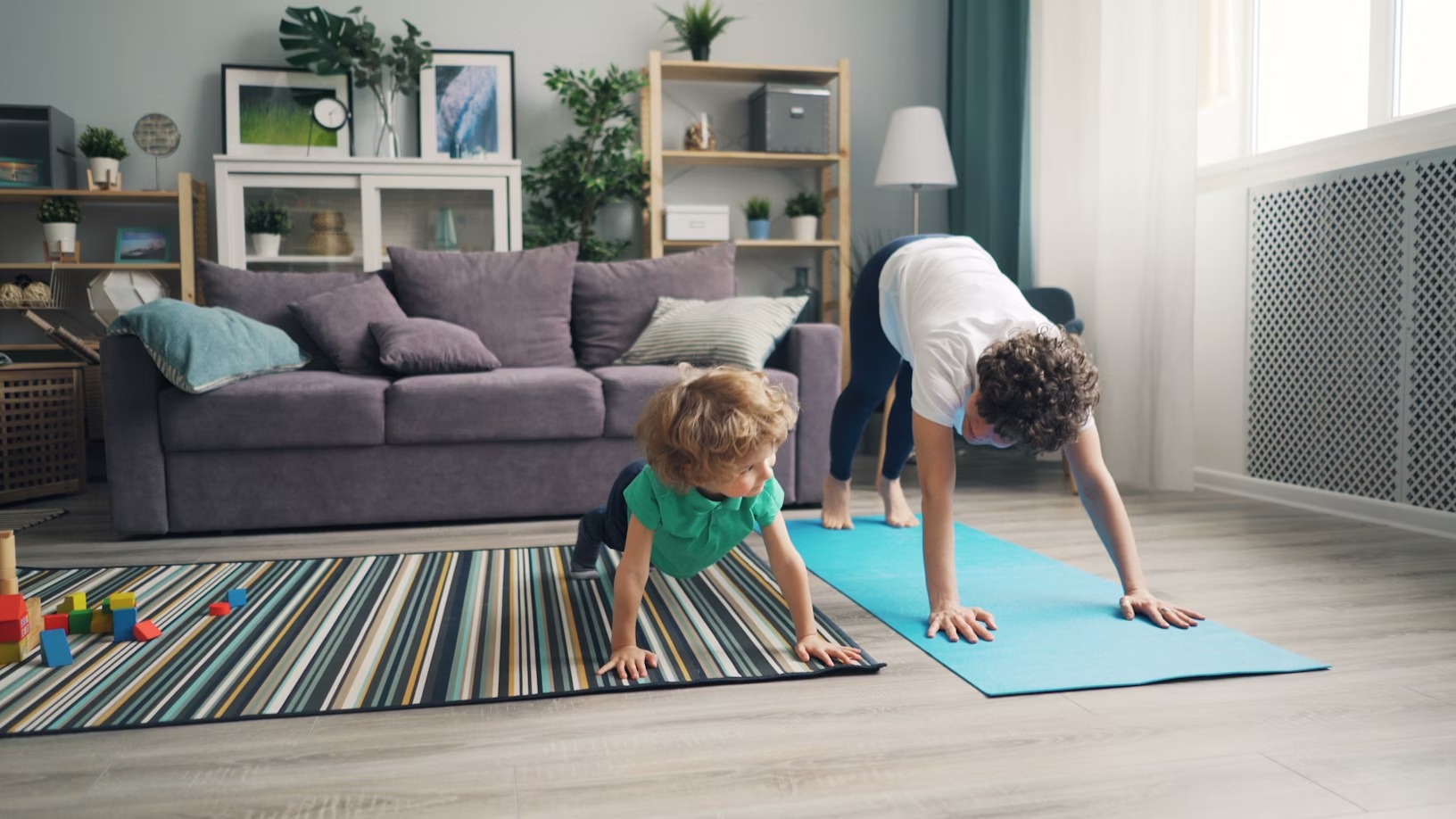
Family doing yoga and stretching together
Image Source: Unsplash

5. Family Yoga and Stretching

If you crave calm as well as exercise, try family yoga or stretching. Start with easy poses like Tree Pose or Downward Dog. Kids learn balance, breath control, and mindfulness—skills that help them manage big feelings. Yoga also makes a great bedtime routine, soothing minds and bodies before lights out. You don’t need formal training; short tutorial videos or basic yoga cards work fine, and your child will love trying to mimic the poses.

6. Scavenger Hunts on the Move

Take a walk around the block and turn it into an adventurous scavenger hunt. Create a list of everyday items like a red car, a bird’s nest, or a flower in bloom. Each time you spot one, you could do a mini exercise challenge—like 5 jumping jacks or a silly dance. This playful approach merges mental alertness with mild cardio. Plus, focusing on finding objects makes the walk feel like a treasure hunt, which is way more inviting than “exercise.”

7. Freeze Tag with a Twist

Revisit a classic: freeze tag. But throw in a twist—when someone’s “frozen,” they perform a short exercise (like two squats or a spin) before getting “unfrozen” by a teammate. It keeps everyone engaged and ups the energy bursts. Expect giggles, mild chaos, and a good sweat. Games like this promote interval-style fitness—quick surges of running followed by stops—while also letting kids practice turn-taking and quick decisions.

8. Stomp Challenges and Follow-the-Leader Moves

Sometimes the simplest ideas are the most memorable. Take turns being the leader and come up with silly movements: stomp like a dinosaur, tiptoe like a ninja, or wiggle like a caterpillar across the living room. Younger kids sharpen gross motor skills; older kids flex their creativity. Best of all, it’s zero cost, zero prep, and maximum bonding. As KidsHealth’s guide on family fitness suggests, the goal is to keep it light and imaginative so children see movement as fun, not a chore.

Keep Moving, Keep Connecting

Physical health and emotional connection can go hand in hand. By blending fun and fitness, you’re not just tackling health goals—you’re also nurturing your relationship. The laughter, curiosity, and teamwork that arise during these activities strengthen your family bond. Ultimately, your child learns that movement is not a “have to” but a “get to”—an opportunity to explore and enjoy. Even short bursts of play can lay the foundation for a lifelong active habit.

What’s your family’s favorite way to stay active together? Tell us in the comments. Sometimes, the easiest ideas from other parents spark the greatest joy!

Read More

  • How to Develop a Healthy Lifestyle without Depriving Yourself
  • 5 Ways to Keep Young Kids Healthy
Samantha Warren
Samantha

Samantha Warren is a holistic marketing strategist with 8+ years of experience partnering with startups, Fortune 500 companies, and everything in between. With an entrepreneurial mindset, she excels at shaping brand narratives through data-driven, creative content. When she’s not working, Samantha loves to travel and draws inspiration from her trips to Thailand, Spain, Costa Rica, and beyond.

Filed Under: Parenting Tagged With: child development, family fitness, fun exercises for kids, parenting tips, Physical Activity, playtime ideas

The Most Exhausting Part of Parenting Isn’t the Kids—It’s the Constant Decision-Making

April 11, 2025 | Leave a Comment

practical steps toward organizing responsibilities and easing daily mental load
Image Source: Unsplash

Some days, it’s not the diaper changes or snack-time negotiations that leave you feeling drained—it’s simply deciding what’s for dinner, again. Over and over. If you’re nodding right now, you’re not alone. For many parents, the real burnout doesn’t come from tantrums or midnight feedings; it’s the relentless need to make decisions, big and small, from dawn until your head hits the pillow.

From choosing your toddler’s shoes to deciding if your tween’s ready for a smartphone, the daily onslaught of choices can quietly steal your mental energy. What you’re dealing with has a name: decision fatigue. Recognizing it is the first step toward reclaiming your time, your focus—and yes, your sanity.

What Is Decision Fatigue, and Why It Sneaks Up on Parents

Decision fatigue is a well-documented psychological phenomenon in which our ability to make good decisions deteriorates after a long session of decision-making. For parents, the number of daily calls—ranging from snack choices to discipline strategies—can be staggering. By the time you’re asked, “What’s for dinner?” you might feel too drained to even think.

High levels of decision fatigue can lead to stress, impulsivity, or even a complete shutdown from making any decisions at all. In other words, it’s not that you’re bad at parenting; it’s that your brain is maxed out.

The (Surprising) Number of Decisions You Make Every Day

Studies suggest adults make up to 35,000 decisions daily—many of them unconscious. But in parenting, each of these micro-decisions often carries emotional weight. Should we do bathtime before or after cleaning up toys? Is it time for potty training? Are they ready to stop using a high chair? Each one might appear trivial, but the accumulation can leave you feeling overwhelmed.

If you’d like a framework for evaluating everyday choices, Zero to Three’s routine resource offers tips on creating predictable structures that ease the need for constant decision-making.

How Stress Amplifies the Mental Load

Stress and decision fatigue can form a vicious cycle. The more you have on your plate—like finances, health concerns, or a new baby—the easier it is to become mentally overtaxed. During high-pressure situations (think: a family illness or remote schooling during COVID-19), even small, routine choices can feel monumental. Your mind is juggling so many tasks that choosing a new cereal brand at the store can inexplicably become the final straw.

Signs You’re Experiencing Decision Fatigue in Parenting

Here are a few clues you might be struggling with decision fatigue:

  • Defaulting to “whatever” more often than you’d like
  • Irritability over small things (like your child asking multiple “Can I…?” questions)
  • Avoidance of certain decisions altogether, hoping they sort themselves out
  • Impulsive calls (suddenly saying yes to an expensive toy just to avoid conflict)
  • Mental exhaustion that doesn’t lift, even after a decent night’s sleep

If these sound familiar, you’re far from alone. Recognizing the pattern is the first step in managing it.

cooking
Image Source: Unsplash

Practical Ways to Lessen the Load

The good news? You can actively reduce decision fatigue. Here are a few strategies:

  1. Automate Where Possible: Meal plans, weekly schedules, or a consistent bedtime routine can cut down on repeated choices.
  2. Delegate or Involve Kids: Allow your child to pick between two snack options, or have your partner take on certain daily decisions.
  3. Limit Choices: Instead of a toy bin overflowing with options, rotate them so fewer are available at once.

Set Non-Negotiable Guidelines: Decide in advance how you’ll handle screen time or chores—so you’re not debating daily.

When Less Is More—Reframing “Good Parenting”

Many of us feel guilty taking shortcuts or streamlining routines, worried we’re not doing “enough.” But simplifying decisions can improve your parenting because it frees up emotional bandwidth for actual engagement with your kids. It’s less about being a “cool, laid-back parent” and more about preserving your mental stamina so you can respond with empathy and patience when it really counts. Remember, it’s tough to be present for heart-to-heart conversations if you’re mentally exhausted by a million minor calls.

You Don’t Have to Do It All

Parenting doesn’t have to be an endless cycle of exhausting micro-decisions. When you understand decision fatigue, you can take meaningful steps to lighten your mental load. Creating structure, setting boundaries, delegating tasks—these aren’t signs of laziness, but of wisdom. Parenting is challenging enough without being emotionally drained by trivial choices.

How do you avoid or manage decision fatigue in your home? Share your tips in the comments below—your idea might just be the lifeline another parent needs.

Read More

  • Celebrate Their Special Day: 5 Practical Birthday Gifts for Adult Children
  • How to Save Money with These 12 Savvy Tips
Samantha Warren
Samantha

Samantha Warren is a holistic marketing strategist with 8+ years of experience partnering with startups, Fortune 500 companies, and everything in between. With an entrepreneurial mindset, she excels at shaping brand narratives through data-driven, creative content. When she’s not working, Samantha loves to travel and draws inspiration from her trips to Thailand, Spain, Costa Rica, and beyond.

Filed Under: Parenting Tagged With: decision fatigue, mental load, parenting exhaustion, parenting stress, parenting tips

Why More Parents Are Choosing “Quiet Time” Over Time-Outs

April 11, 2025 | Leave a Comment

Image Source: Unsplash

If you’ve ever stood outside your toddler’s closed door, heart aching as they sob through a time-out, you’re not alone. Parenting is deeply emotional work—especially when discipline clashes with connection. That’s why more parents are looking beyond traditional time-outs and trying a calmer, more collaborative approach: quiet time. Rather than focusing on isolation, quiet time encourages emotional regulation, empathy, and reconnection.

In a world that values emotional intelligence more than ever, this small shift in discipline can make a profound impact.

What Makes Quiet Time Different?

Time-outs have been a go-to for managing misbehavior, but their success hinges on how they’re used. When misapplied—shutting a child away with anger—time-outs can leave a child feeling fearful or shamed. Quiet time, however, involves pausing the conflict with your child, inviting them to calm down in a space you both occupy. This emphasis transforms discipline from something punitive to something partnered. By staying present, you model the kind of calm and care you want your child to develop.

A More Connected Way to Cool Down

Perhaps the biggest edge quiet time offers is how it fosters connection, rather than pushing a child away at their most dysregulated. While time-outs remove stimulation and attention, quiet time maintains closeness—even if you’re just sitting beside them silently.

According to Child Mind Institute, a child under stress benefits most from feeling safe and seen. During quiet time, once your child has settled, you can gently discuss what happened—treating the event as a teachable moment, not just a power struggle.

Criticism Around Traditional Time-Outs

Time-outs aren’t inherently harmful, but research suggests the overall outcome depends greatly on execution. Some parents—out of frustration—simply bark “Go to your room!” and close the door, missing the chance to help the child reflect. Critics argue that this approach can inadvertently lead kids to feel isolated instead of guided. Quiet time flips the script: rather than removing your child from you, you join them in finding calm. It’s still a consequence—just one framed through connection and empathy.

The Role of Evidence-Based Parenting Apps

Today’s digital resources are helping parents integrate thoughtful discipline techniques like quiet time into daily life. Apps based on child development research can guide users through structured versions of both time-outs and quiet times, often incorporating techniques like praise or mindfulness. It’s not about perfection—it’s about receiving consistent support when emotions run high. Gentle discipline fosters internal self-regulation, a skill children carry throughout life, and quiet time is a perfect candidate for practice in real-world settings.

What Supporters Say About Time-Outs—And How It Overlaps

Even experts who support time-outs say it’s all about the “how.” Time-outs must be brief, calm, and consistently followed by reconnection if they’re to work effectively. Quiet time isn’t all that different in principle—just gentler. Instead of sending your child away, you accompany them into a calmer headspace. It’s still a structured approach to discipline, but one that emphasizes that you and your child are on the same team—something that builds trust and fosters deeper understanding.

Why This Shift Matters Now

Parenting today is about more than controlling behavior; it’s about nurturing the whole child. Choosing quiet time over time-outs reflects a larger cultural shift toward positive discipline—teaching rather than punishing. In a fast-paced world, children can feel overwhelmed, and having you close by during stressful moments offers genuine security. Yes, it requires more patience, but the long-term benefits—like emotional competence and closer parent-child bonds—speak for themselves.

a calm and inviting space ideal for beginning a daily quiet time routine
Image Source: Unsplash

How to Start Using Quiet Time at Home

If you’re curious about trying quiet time, here’s a quick guide:

  1. Pick a calm spot: A comfy corner or a sofa away from distractions.
  2. Stay close: Your presence is soothing, but allow your child space to breathe.
  3. Watch for calm, not the clock: A few minutes often suffice. Observe when your child’s mood visibly shifts.
  4. Debrief gently afterward: Ask what happened, how they felt, and how they might do things differently next time.

Practice, don’t punish: Quiet time isn’t about control; it’s about learning emotional resilience, together.

Rethinking Discipline as an Opportunity

Choosing quiet time over time-outs doesn’t mean you’re soft on boundaries. It means you’re reframing how you approach them—through empathy, connection, and a lot of patience. Discipline can be a chance for kids to learn, not just about rules, but about their own feelings. When we guide them through their hardest moments with calm and compassion, we equip them for life’s bigger challenges. And that may be the most valuable lesson of all.

Have you tried quiet time with your kids? Let us know what worked (or didn’t) in the comments below. We’re all learning and growing in this journey together.

Read More

  • 12 Parenting Mistakes You’re Making Right Now: Learn How to Save Your Child’s Happiness Before It’s Too Late
  • 10 Times Kids’ Stupid Mistakes Wrecked Their Parents’ Finances
Samantha Warren
Samantha

Samantha Warren is a holistic marketing strategist with 8+ years of experience partnering with startups, Fortune 500 companies, and everything in between. With an entrepreneurial mindset, she excels at shaping brand narratives through data-driven, creative content. When she’s not working, Samantha loves to travel and draws inspiration from her trips to Thailand, Spain, Costa Rica, and beyond.

Filed Under: Parenting Tagged With: child behavior, Emotional Regulation, gentle discipline, parenting strategies, parenting tips, quiet time, time-outs

Parenting on Steroids: When Parental Overkill Is Right for Your Kids

April 10, 2025 | Leave a Comment

A highly involved parent enthusiastically guiding a child through homework, extracurricular gear nearby and a packed daily schedule in view
Image Source: Unsplash

We’ve all heard it—“Don’t be a helicopter parent.” Sure, hovering over every detail of your child’s life isn’t healthy. But sometimes, taking your parenting up a notch (or three) can be exactly what your child needs. Think of it as “parenting on steroids”—in the sense that you’re going all-in when the situation calls for extra support, clearer boundaries, or a deeper involvement in your child’s world.

The truth is, parental overkill can actually be life-changing when it’s intentional and thoughtful. So how can you tell when “just enough” parenting should become “a bit more”? Let’s break it down.

1. Swooping In—When It’s for Their Safety

Sometimes you absolutely should overreact—especially where safety is concerned. From double-checking playground equipment to setting strict social media rules, a bit of extra caution can pay off. The digital world in particular poses hidden threats, which is why monitoring online behavior and guiding kids through their cyber footprints is crucial.

According to the APA’s social media tips for parents, open communication about apps, screen time limits, and online interactions can build trust and prevent harm. So if you’re worried about being “over the top”? You might actually be doing exactly what your child needs

2. Over-Communicating Builds Emotional Strength

Yes, it can feel repetitive to keep asking how your child is doing, but those persistent check-ins act as emotional lifelines. Over-communication—in a gentle, open way—teaches kids to articulate their feelings with confidence. It sets a foundation for resilience when they encounter hurdles like friend drama, anxiety, or typical school stress. Encouraging them to name their emotions and talk about fears or successes prevents bottling up. Sometimes, being “extra” with our communication is precisely what cultivates emotionally healthy, secure children.

3. Heavy-Handed with Healthy Habits? Go for It

Some parents worry they’re being pushy when they emphasize healthy eating, regular sleep, or hydration. But done with love (not judgment), this kind of “intentional overkill” becomes a long-term gift. This is especially relevant for kids in sports or those concerned about body image. Instead of letting them be swayed by quick fixes or rumors about “getting strong fast,” you can be the louder voice praising proper nutrition and discipline over shortcuts like performance-enhancing drugs. A clear, persistent message—from you—will resonate more powerfully than fleeting peer pressure.

capturing the intensity and dedication of highly involved, overachieving parenting
Image Source: Unsplash

4. Educate and Advocate, Even If You’re “Annoying”

If your child deals with a medical condition, learning challenge, or special needs at school, showing up fully ready to advocate (over and over) is far from overkill. Being proactive with teachers, clarifying IEP details, or pushing for second medical opinions might feel “excessive,” but your child benefits immensely. This is especially true if treatments like corticosteroids enter the picture—parents must keep an eye out for side effects and changes in mood or weight.

For a detailed look at how these treatments can affect family life, see Steroids and Their Impact on Parenting Issues. A vigilant parent isn’t a meddling one; they’re a child’s strongest ally.

5. Teach Them It’s Okay to Say “No” to Peer Pressure

A strong moral compass doesn’t develop overnight. Sometimes you do need to be the “broken record,” reminding kids about right and wrong, about how short-term fixes (like steroids or cheating) lead to long-term regrets. Anabolic steroids, for instance, carry serious health risks—heart problems and mental health issues among them. Talking openly and frequently about these dangers can help kids feel prepared to resist.

Repetitive? Sure. But each conversation cements an important boundary, giving your child a well-earned sense of autonomy and respect for their own body.

“Overkill” with Love? That’s Just Good Parenting

There’s a world of difference between smothering and being present. Sharp intuition tells you when your child needs a little (or a lot) more from you—more structure, more conversation, more encouragement. Sometimes, “overdoing it” has less to do with control and more to do with genuine care. So if you feel the urge to triple-check their schedule or hover a bit during practice, pause and reflect: Are you trying to micromanage, or to ensure their well-being? Often, it’s the latter, and you’ll both be better for it.

Have you ever leaned into “parental overkill” and seen positive results? Share your story in the comments. You never know who might be inspired by your experience.

Read More

  • Unlock the Heart of Your Child: 10 Life-Changing Ways to Build an Emotional Bond
  • Seeing The Emotional Side of Our Children
Samantha Warren
Samantha

Samantha Warren is a holistic marketing strategist with 8+ years of experience partnering with startups, Fortune 500 companies, and everything in between. With an entrepreneurial mindset, she excels at shaping brand narratives through data-driven, creative content. When she’s not working, Samantha loves to travel and draws inspiration from her trips to Thailand, Spain, Costa Rica, and beyond.

Filed Under: Parenting Tagged With: child safety, digital parenting, family wellness, healthy habits, parental overkill, parenting tips

5 Responses You Can Use When Your Child Says “They Hate You”

April 10, 2025 | Leave a Comment

apturing a moment of emotional tension and the importance of staying composed and supportive during difficult conversations
Image Source: Unsplash

Hearing “I hate you” from your child might be one of the most jarring moments in your parenting journey. Whether it’s shouted during a tantrum or muttered under their breath after a screen time rule, those words can feel like a punch to the heart. But here’s the truth: even loving, well-behaved children say things they don’t fully mean—especially when they’re overwhelmed. It’s not a reflection of your parenting or your worth as a caregiver. Instead, it’s often a sign that they’re struggling with big emotions they don’t yet know how to express.

If your child says they hate you—even if it’s the fifth time this week—breathe. Below are five compassionate and constructive ways to respond that help de-escalate the moment, protect your connection, and teach healthier ways to handle frustration.

1. Stay Calm—Even When It Hurts

When your child lashes out and says something hurtful, your first instinct might be to snap back. But doing so rarely calms the situation. Reacting with shouting, punishment, or guilt trips can actually damage your child’s trust and self-regulation abilities. According to experts at sites like HealthyChildren.org and Psych Central, staying calm gives your child the safety they need to navigate their emotions. Take a breath, lower your voice, and remind yourself: this is an emotional moment—not a personal attack.

2. Validate the Feeling, Not the Words

Kids don’t always have the vocabulary to say “I’m angry/disappointed/overwhelmed,” so “I hate you” can become a convenient (albeit hurtful) shortcut. That’s where emotional validation comes in. Try something like, “It seems like you’re really upset with me right now. It’s okay to feel that way.” This kind of empathy shows your child that you’re not dismissing their emotions—even if you disagree with how they’re expressing them. According to the Child Mind Institute’s guide to problem behavior, regularly naming and validating emotions helps children develop emotional regulation and trust.

3. Reinforce the Positive with Gentle Boundaries

The hardest time to enforce boundaries is during an emotional meltdown—but it’s also the moment kids need them most. Let your child know the emotion is acceptable, but the expression needs adjusting. For instance: “It’s okay to feel mad, but it’s not okay to speak hurtfully to people we care about.” Follow this with reminders of times your child handled frustration well and praise them afterwards if they attempt a better response next time. Positive reinforcement techniques can increase the likelihood of respectful communication in the future.

4. Restate the Rule—With Warmth and Clarity

It’s tempting to bend a rule when your child reacts intensely, but healthy boundaries matter most when they’re applied with love. Whether it’s enforcing bedtime, limiting sweets, or saying no to extra TV time, calmly explain your reason with compassion.

For example: “I understand you’re upset, but my job is to keep you healthy and safe, and that means sticking to screen time limits.” Consistent boundaries create a sense of security, even when kids push against them. Predictable rules can reduce outbursts and ease power struggles over time.

the emotional intensity of conflict and the importance of a loving response.
Image Source: Unsplash

5. Don’t Be Afraid to Ask for Help

If your child frequently says “I hate you,” or the emotional tone at home feels more intense than usual, it might be time to reach out. There’s no shame in seeking additional support. Resources like InfoAboutKids.org and the Child Mind Institute offer insights into recurring behavioral challenges and deeper concerns such as anxiety, stress, or trauma. Pediatric counselors or therapists can provide tools to help you navigate this phase with confidence, restoring a healthier family dynamic. Parents aren’t meant to do it all alone—recognizing that is a strength, not a weakness.

Raising Emotionally Aware Kids Starts with Us

When your child says they hate you, it can feel like the air’s been knocked out of you. But remember, these words are often bursts of frustration, not a verdict on your relationship. By staying calm, validating feelings, enforcing boundaries, and focusing on love, you’re teaching your child the best lesson there is: that big emotions can be handled without destroying the bond you share. These challenging moments can actually become powerful opportunities to build empathy, communication skills, and emotional resilience.

Has your child ever said “I hate you”? How did you respond? Share your story in the comments—we’d love to know what worked (or even what didn’t) for your family.

Read More

  • No Respect? 13 Ways to Recognize Disrespectful Behavior in Kids
  • How to Handle Your Child’s Big Emotions Without Yelling


Samantha Warren
Samantha

Samantha Warren is a holistic marketing strategist with 8+ years of experience partnering with startups, Fortune 500 companies, and everything in between. With an entrepreneurial mindset, she excels at shaping brand narratives through data-driven, creative content. When she’s not working, Samantha loves to travel and draws inspiration from her trips to Thailand, Spain, Costa Rica, and beyond.

Filed Under: Parenting Tagged With: child behavior, Emotional Regulation, family guidance, kids and emotions, parenting strategies, parenting tips, respectful parenting

12 Times When an Immediate Hug Is the Remedy for Your Child’s Problems

April 10, 2025 | Leave a Comment

emotional reassurance
Image Source: Unsplash

Sometimes your child doesn’t need words—they need your arms. In parenting, few things offer such instant comfort and lasting impact as a genuine hug. While it might seem simple, hugging your child at the right moments can be one of the most powerful tools you have. Whether it’s a scraped knee, an emotional outburst, or a moment of sadness, hugging taps into your child’s need for connection, safety, and love.

Here are 12 situations when pausing for a hug can make a world of difference—and why it matters.

1. After a Meltdown or Tantrum

When your child is mid-meltdown, emotions have overridden logic. They might be crying, yelling, or behaving in ways that feel irrational to you. That’s because, in the moment, their bodies are flooded with cortisol—the stress hormone. A hug triggers the release of oxytocin, which reduces cortisol and helps them settle down more quickly.
In fact, Child Mind Institute’s insights highlight how a well-timed hug or gentle touch can help a child regulate after a tantrum – without rewarding the behavior.

2. When They’ve Made a Mistake and Feel Guilty

Kids will mess up; it’s part of growing up. Whether they broke something or hurt a friend’s feelings, guilt can weigh heavily on them. Before jumping into a lesson or consequence, start with compassion. A hug in that moment shows them they’re loved even when they err, creating a safe space for accountability and growth.

3. Before a Big, Nerve-Wracking Event

From the first day of school to a doctor’s visit, anxiety often manifests as restlessness, tears, or an uneasy tummy. A hug before these events can reset their nervous system, sending the message: “You’ve got this, and I’ve got you.” That touch fosters emotional resilience, reminding them they’re not alone in their fears.

4. After a Nightmare

Monsters feel real when you’re little. When your child wakes up terrified, they don’t need long explanations—they need immediate comfort. A hug re-establishes safety, physically calming the fear response. According to Zero to Three’s guidance on nightmares, a reassuring presence helps children differentiate between dream and reality more effectively.

5. When They’re Feeling Left Out

Not getting picked for a team or feeling excluded by friends stings. A hug in this case doesn’t solve social woes—it validates the hurt. It says, “I see you. You belong here with me.” This form of empathetic touch, as many child development experts note, can bridge the gap between emotional pain and eventual resilience.

6. After They’ve Gotten Hurt

Skinned knees, bumped heads—minor mishaps are part of childhood. A warm embrace can calm them down, almost acting like the first step toward healing. That brief moment of connection assures them that pain is temporary and they are cared for. It’s often more reassuring than any bandage you could apply.

academic struggles
Image Source: Unsplash

7. When They’re Struggling at School

School stresses—bad grades, peer drama, or just feeling overwhelmed—can weigh on your child. Offering a hug before diving into problem-solving reminds them they’re not alone and that you respect their emotions. By first addressing their emotional distress, you help them open up for more constructive conversations about what’s next.

8. When Sibling Fights Leave Tensions High

Siblings can clash, leaving everyone drained. After the yelling subsides, a hug can help reset the tone and show both children they remain valued and loved. It teaches them that even after conflict, a caring touch can restore the sense of family unity. Over time, this approach subtly nudges them toward empathy for each other.

9. During Emotional Overwhelm

Sometimes, your child just feels “off.” They might be anxious, cranky, or sad without knowing why. In these moments, words can fail to reach them, but hugs can act as a direct line to emotional support. Harvard Health Publishing notes that physical touch releases serotonin and dopamine, improving mood naturally.

10. Before Bedtime

Beyond pajamas and storytime, a hug can be the perfect goodnight ritual. It helps them wind down from the day’s excitement and transitions them into a calmer state. This little pause for warmth ensures they head to sleep feeling safe, loved, and emotionally settled. These bedtime hugs often become cherished routines well into adolescence.

11. After a Disappointment

Missed a soccer goal? Didn’t get picked for the school play? While failures and setbacks are normal, they can feel crushing for a child. A hug says, “I know this matters to you, and I’m here.” It’s a gentle reminder that one disappointment doesn’t define them—and that it’s okay to grieve small losses before bouncing back.

12. When They Seek It Without Words

Kids won’t always say they need a hug, but you’ll spot the clues—lingering near you, climbing onto your lap, or simply looking at you with soft eyes. Recognize these silent signals as emotional checkpoints. By opening your arms, you validate an unspoken need for reassurance, fostering a stronger sense of self-worth in your child.

One Hug, Many Lifelines

The benefits of hugging children go beyond quick comfort: it’s a powerful tool for resilience and emotional well-being. From regulating stress to boosting confidence, a parent’s touch reminds them they are not alone, no matter the challenge they face. With all the demands of modern life, hugging is one of the simplest, most direct ways to show empathy, build trust, and help your child navigate their world. So next time they’re hurting or you sense they need a pick-me-up, don’t hesitate—offer the kindness only your embrace can give.

What moments remind you that a hug is exactly what your child needs? Let us know in the comments—every parent’s journey can inspire another.

Read More

  • Tips for Ensuring a Cost-Effective Home Build for Your Family
  • Unlock the Heart of Your Child: 10 Life-Changing Ways to Build an Emotional Bond
Samantha Warren
Samantha

Samantha Warren is a holistic marketing strategist with 8+ years of experience partnering with startups, Fortune 500 companies, and everything in between. With an entrepreneurial mindset, she excels at shaping brand narratives through data-driven, creative content. When she’s not working, Samantha loves to travel and draws inspiration from her trips to Thailand, Spain, Costa Rica, and beyond.

Filed Under: Parenting Tagged With: benefits of hugging children, child development, child stress management, Emotional Regulation, empathy in children, parenting strategies, parenting tips

Should Parents Pay Their Children for Good Grades? A Closer Look at the Pros and Cons

April 10, 2025 | Leave a Comment

A smiling child proudly holding up a report card with high grades while a parent hands over money, symbolizing the reward system and raising questions about the impact of paying kids for academic performance.
Image Source: Unsplash

Is it a reward or a bribe? A smart strategy or a slippery slope? For many parents, deciding whether to pay children for good grades is both an emotional and practical dilemma. With nearly half of U.S. parents offering financial rewards—around $16.60 per A on average—it’s a widespread practice. Yet, what works for one family may not feel right for another.

If you’re on the fence, let’s explore what the research, experts, and real families say—and how to choose the best path for your household.

1. Rewarding Grades Can Motivate Kids—At Least in the Short Term

Some parents find that money talks: a promise of $10 or $20 per A can be enough to get their kids to study harder. In fact, a GreatSchools.org article suggests that paying kids for high marks often produces short-term improvement in study habits. One family, for instance, pays $20 per A plus a bonus for a high GPA to maintain consistent academic effort. For students who have the skills but lack motivation, financial incentives might jump-start their work ethic. If your child’s just hit a rough patch and needs an immediate push, this system can help get them back on track.

2. But It Can Undermine a Child’s Internal Drive

Critics caution that paying children for good grades may undermine intrinsic motivation. If kids learn to associate studying with “What’s my reward?” rather than curiosity or pride, they could lose genuine interest in learning. Once the money disappears, so might their effort. Researchers and educators note that the most enduring academic success often springs from curiosity, passion, and personal goals. A Scholastic Parents piece points out that parental involvement and encouragement often matter more in the long run than any monetary incentive. If you hear “What do I get if I…” more than “I want to learn this because…,” it may be time to rethink your approach.

3. It’s a Form of Positive Reinforcement—When Used with Care

Some parenting experts consider paying for grades as part of a bigger toolbox of positive reinforcement. When paired with conversations about effort, goals, and responsibility, the cash reward can acknowledge your child’s hard work. Tying the reward to specific milestones or improvements—rather than just a final report card—can reinforce the idea that consistent effort matters. Plus, if you’re also giving non-monetary praise and support, it balances out the potential downsides. This approach says, “We appreciate your dedication,” not “We’ll pay you to study.”

illustrating the idea that investing in school success early may reduce educational costs later on.
Image Source: Unsplash

4. Paying for Grades Could Save Families Money Later

Here’s a twist: small payments now could translate into big savings later. Some parents argue that if paying kids for top grades leads to scholarships, grants, or honors programs, those early investments pay off. While it’s not guaranteed, a bit of extra motivation might put your child in a better position for merit-based aid down the road. If they’re hovering near a crucial GPA cutoff, a financial nudge could make a real difference in unlocking future academic opportunities—and help you avoid hefty tuition bills.

5. Every Child (and Family) Responds Differently

No single rule applies to everyone. Some kids become hyper-focused on “gaming the system,” others thrive with a clear, immediate payoff, while some remain indifferent to money altogether. The key is understanding your child’s personality and tailoring your strategy to their needs. Open communication is crucial: explain why you’re adopting (or rejecting) a reward system and how it aligns with your family’s values. Whether it’s $10 for an A or simply verbal praise, the real motivator should be your child’s sense of being seen, supported, and believed in.

Finding a Balance That Works for Your Family

There’s no universally “right” answer to whether you should pay children for good grades—but there is a mindful way to approach it. Some families find strict monetary incentives helpful, others prefer to foster intrinsic motivation, and many combine both. Consistency, openness, and attentiveness to your child’s reactions are vital. Instead of relying solely on money, consider blending it with privileges, one-on-one outings, or experiences that reflect your child’s interests. By pairing encouragement with clear expectations, you help your child develop not only good grades but also resilience, pride in their achievements, and long-term self-motivation.

Have you tried paying your child for report card results? Tell us in the comments what worked or what lessons you learned—we’d love to hear about your experiences!

Read More

  • Rewarding Students for Good Grades?
  • Should You Reward Kids for Good Grades?
Samantha Warren
Samantha

Samantha Warren is a holistic marketing strategist with 8+ years of experience partnering with startups, Fortune 500 companies, and everything in between. With an entrepreneurial mindset, she excels at shaping brand narratives through data-driven, creative content. When she’s not working, Samantha loves to travel and draws inspiration from her trips to Thailand, Spain, Costa Rica, and beyond.

Filed Under: Parenting Tagged With: academic rewards, motivation for kids, parenting strategies, parenting tips, paying kids for grades, Positive Reinforcement, school success

6 Methods to Instill a Love of Reading in Your Child

April 9, 2025 | Leave a Comment

A smiling young child sitting comfortably with a book, deeply engaged in reading, surrounded by colorful books and a cozy reading space that encourages a love for stories and learning.
Image Source: Unsplash

There’s nothing quite like watching your child get lost in a good book—their face lighting up as a story unfolds, their imagination taking flight. Yet for many families, helping a child develop a natural relationship with books isn’t always straightforward. Between screen time, jam-packed schedules, and reluctant readers, you might wonder how to truly inspire a love of reading in your child.

The good news? With just a few tweaks to your everyday routine, you can nurture a lifelong connection between your child and the written word—one story at a time. Below are six strategies to encourage joyful, consistent reading habits.

1. Model Reading Daily

Kids are observant—sometimes more than we realize. That’s why one of the most powerful ways to spark a love of reading is by letting them see you read for pleasure, not just obligation. Whether it’s a novel, a magazine, or even your favorite cookbook, read it where your child can notice. This shows them reading isn’t solely for homework; it’s something grown-ups do for enjoyment and knowledge.

2. Create a Family Reading Routine

Routines are the backbone of childhood, and reading is no exception. Pick a consistent story time—before bed, after dinner, or first thing on a lazy Saturday morning—so books become a natural part of your daily rhythm. These shared moments can be cozy and fun, helping your child associate reading with connection and comfort. Plus, a routine signals that reading is just as valued in your household as mealtimes or playdates.

According to experts, establishing a predictable reading slot boosts engagement and reinforces the idea that books deserve dedicated, distraction-free attention.

3. Match Books to Your Child’s Interests

Does your child love dinosaurs? Trucks? Baking? When you align reading materials with their personal passions, you greatly increase their motivation to dive in. And it’s not just about storybooks—nonfiction topics like sports, animals, or science can hook them, too. If your child is thrilled about space, a kid-friendly astronomy guide might be more captivating than a traditional fairy tale. Follow their curiosity; it’s a key step in developing a love of reading that feels relevant and fun.

4. Make Reading Interactive

Reading shouldn’t be a one-way street. Turn the experience into a conversation by asking questions: “What do you think the hero will do next?” “How do you imagine this place looks?” Encourage acting out scenes, drawing pictures, or even brainstorming alternative endings. This interactive approach transforms reading from a passive activity into an engaging, imaginative adventure—one that leaves a lasting impression.

A young girl lying comfortably on a bed while reading a book, with soft natural light coming through the window, conveying a peaceful and engaging reading moment that inspires a lifelong love for books.
Image Source: Unsplash

5. Surround Your Child with Books

It’s much easier for kids to pick up a book when it’s within arm’s reach. Stash picture books in the living room, short stories in the car, or a favorite chapter book by the bedside. The more accessible books are, the more likely they’ll become part of everyday life. Even a small basket of rotating reads in the corner of your kitchen can intrigue a curious child. By filling your home with books, you subtly normalize reading as a go-to, low-pressure activity.

6. Let Them Choose—Even If It’s Silly

Sure, you might prefer they read classics or educational titles. But if your child wants a goofy book about monsters or a comic they’ve read 20 times, let them at it. Kids thrive on the autonomy to pick what they read—it reminds them that this reading journey truly belongs to them. Even if the book seems “too easy” or full of fart jokes, giving them the freedom to explore fosters enthusiasm and independence. Over time, as their confidence grows, they’ll be more open to trying new and more challenging reads.

Building a Reading Culture, One Page at a Time

You don’t need expensive programs or perfect parenting techniques to instill a love of reading in your child. It’s about weaving books into the fabric of everyday life: setting a reading routine, offering a variety of titles that match their interests, modeling your own enjoyment, and making story time interactive and exciting. Over time, these habits create an atmosphere where reading is seen not as homework, but as a rewarding, comforting, and even magical experience.

What’s worked in your home to encourage reading? Share your favorite tips, book recommendations, or success stories in the comments below. We’d love to hear how you’ve sparked that reading spark in your family!

Read More

  • 5 Ways We Inspire a Love of Reading in Our Kids
  • 8 False Myths About Reading That Could Keep Kids from Books
Samantha Warren
Samantha

Samantha Warren is a holistic marketing strategist with 8+ years of experience partnering with startups, Fortune 500 companies, and everything in between. With an entrepreneurial mindset, she excels at shaping brand narratives through data-driven, creative content. When she’s not working, Samantha loves to travel and draws inspiration from her trips to Thailand, Spain, Costa Rica, and beyond.

Filed Under: Parenting Tagged With: child development, Family bonding, kids literacy, parenting tips, reading habits

8 Strategies for Managing Sibling Rivalry (Without Losing Your Mind)

April 9, 2025 | Leave a Comment

Image Source: Unsplash

Sibling rivalry is one of those parenting challenges that sneaks up on you. One minute, your kids are giggling over a game of Uno, and the next, they’re screaming about who got more cereal. Sound familiar? You’re not alone. Nearly all siblings struggle at times to get along—and that’s totally normal. But with a few proactive strategies, you can turn those squabbles into opportunities for growth, connection, and even love.

Below are eight practical, parent-tested approaches to guide your kids toward a more peaceful sibling dynamic.

1. Avoid Comparisons and Celebrate Their Unique Gifts

It’s easy to blurt out “Why can’t you behave more like your brother?”—especially in the heat of the moment. But comparing siblings (even with good intentions) often fuels resentment and competition. Instead, highlight what makes each child special. Maybe one has a flair for drawing while the other excels at telling stories. Encouraging individuality helps create a family culture where everyone feels valued.

2. Establish Clear Family Rules and Core Values

Just like kids thrive on consistent rules in school, they benefit from consistency at home, too. Define simple boundaries—no hitting, no name-calling, and practice kindness. Equally important are the core values you reinforce, such as respect and empathy. Tie these values back to your rules during tough moments. When children learn to align their behavior with kindness, they’re setting themselves up with relationship skills that last a lifetime.

3. Schedule One-on-One Time With Each Child

Even valid reasons for giving extra attention to one child can spark jealousy in siblings. That’s why brief, intentional moments of one-on-one time matter. Whether it’s a 15-minute walk or helping with dinner, these small gestures reassure each child that they’re cherished. If one child stays up later due to age or special needs, explain why it’s necessary. While “fair” might not always mean “equal,” transparency can ease tension significantly.

4. Teach Healthy Conflict Resolution Skills

No matter how harmonious the home, disagreements are inevitable. Rather than try to stop every argument, equip your kids with the tools to resolve them better. Guide them to use “I” statements, take turns speaking, and practice active listening. Over time, they’ll solve many of their own disputes without adult intervention, building emotional intelligence they’ll use for the rest of their lives.

5. Create Opportunities for Teamwork and Collaboration

Sometimes the best way to bring squabbling siblings together is to have them join forces. Plan activities—like a family game night focused on cooperation or a backyard project—that require collaboration. Shared tasks can reframe them as teammates rather than rivals. Family bonding becomes a habit, shifting the dynamic from competition to camaraderie.

Siblings look happy
Image Source: Unsplash

6. Avoid Labels That Stick (Even the “Positive” Ones)

“She’s the smart one,” “He’s the wild one”—innocent as they may seem, labels can box kids into roles and spark jealousy. A statement like “You worked hard on that puzzle” is more empowering than “You’re so smart.” Describing actions and effort builds confidence without limiting how children perceive themselves or each other.

7. Be a Model for Managing Conflict Calmly

Kids are astoundingly quick at picking up on your moods—especially the frustrated ones. When you handle disagreements patiently and own up to mistakes, they’re more likely to do the same. Admit when you’re wrong, show how you apologize, and verbalize your thought process. Research on sibling rivalry suggests children learn lifelong skills by observing the adults closest to them.

8. Let Kids Solve (Some) Problems on Their Own

Your instinct might be to jump in at the first shout, but rushing to “fix” everything can deprive kids of practicing conflict resolution. Pause before intervening, and see if they can work it out. If they need your guidance, offer suggestions rather than issuing commands. With practice, they’ll learn when to stand firm, compromise, or ask for help—and that’s growth you can’t orchestrate by always taking charge.

Building a Foundation of Respect and Connection

Sibling rivalry won’t vanish overnight; it evolves as your children grow. But with consistency, empathy, and these targeted strategies, you can transform typical sibling spats into teachable moments. Your job isn’t to eliminate all conflict, but to show kids how to respect each other’s differences, manage big feelings, and find solutions. That investment in positive relationships pays off in a home where cooperation and understanding flourish—and where every squabble holds the potential for deeper family bonds.

How do you handle sibling rivalry in your home? Share your insights and challenges in the comments—we’d love to learn from your experience!

Read More

  • The Importance of Living a Healthy Lifestyle as a Family
  • Making Healthy Living a Priority for Your Family
Samantha Warren
Samantha

Samantha Warren is a holistic marketing strategist with 8+ years of experience partnering with startups, Fortune 500 companies, and everything in between. With an entrepreneurial mindset, she excels at shaping brand narratives through data-driven, creative content. When she’s not working, Samantha loves to travel and draws inspiration from her trips to Thailand, Spain, Costa Rica, and beyond.

Filed Under: Parenting Tagged With: child behavior, conflict resolution, Family bonding, parenting tips, Positive Parenting, raising siblings, sibling rivalry

8 Things You Should NEVER Let Your Children Do While You’re Driving

April 9, 2025 | Leave a Comment

Parent driving a car while a child in the backseat unbuckles their seatbelt
Image Source: Unsplash

Let’s be honest—driving with kids in the backseat can sometimes feel like juggling fire while solving a math problem. You’re keeping one eye on the road, fiddling with the radio, and trying to ignore the snack debate happening behind you. Yet those everyday moments are precisely when your attention is most vulnerable. Certain behaviors in the car can turn an ordinary trip into a dangerous scenario within seconds. If you want car safety for kids to remain a top priority, here are eight things your children should never be allowed to do while you’re behind the wheel.

1. Demand Your Attention

It might feel harsh to momentarily ignore your child when they’re asking for something, but giving in to emotional demands mid-drive can drastically raise your accident risk. Splitting your attention, especially with tense or emotional requests, is a serious distraction. Experts in traffic safety emphasize how these interruptions slow reaction times, making accidents more likely. The fix? Establish expectations before starting the engine: let your child know you can’t give them your full focus until you’re safely parked.

Tip: If your kids are old enough, encourage them to write or draw what they need on a small pad. Once you’ve stopped, you can review and respond to their requests together.

2. Make Excessive Noise or Start Arguments

A sudden yelling match about who has the “wrong” water bottle can catch any parent off-guard. But loud noises and shouting matches aren’t just grating—they’re dangerous. They divert your focus from the road, which slows reaction times. Keep the atmosphere calmer by providing soft music, audiobooks, or quiet-time activities for your kids. A quieter car means you’re more likely to notice crucial external sounds—like sirens or honking—that help you stay alert.

3. Unbuckle or Escape Their Car Seat

Whether it’s a five-point harness or a simple booster seat, keeping safety restraints locked is a non-negotiable. Some children might learn to slip free or unlock their harness if they feel uncomfortable or think they’ve “outgrown” it. But if the straps seem too tight or the seat doesn’t fit well anymore, adjust or upgrade—don’t drop the rule. Reinforce that staying buckled is mandatory. It’s how your family stays safe, every single time you’re on the road.

For additional guidance on proper car seat use, check out the NHTSA’s child passenger safety recommendations. They detail everything from harness adjustments to booster seat requirements based on age, height, and weight.

4. Reach for Items on the Floor or Backseat

Dropping a snack or toy mid-ride can be frustrating. But leaning over, twisting around, or climbing into precarious positions to retrieve it is a recipe for danger. When your child leaves the safety of their seat (even partially), they’re more vulnerable in a sudden stop or crash. Teach a “wait-and-ask” rule: if they drop something, have them wait until you’re parked or at a red light and then ask for help. For longer drives, consider a small bin or pouch within easy reach to keep essential items handy.

5. Play With Vehicle Controls

Kids see dashboard buttons, window switches, or gear levers as fascinating gadgets—but letting them fiddle with these while you’re driving can cause sudden and dangerous distractions. They might even accidentally shift gears or roll down a window unexpectedly. Make it crystal clear that the driver’s area is off-limits. If your car has child-lock settings for windows or doors, use them every ride. Briefly explaining why the knobs and buttons aren’t for play typically reduces pushback down the line.

6. Eat Small or Hard-to-Chew Snacks

Yes, snacking keeps kids occupied, but certain foods pose a choking hazard when eaten on the go—grapes, nuts, candies, or other bite-sized items. If your child suddenly chokes while you’re driving, pulling over safely can become a race against time. Whenever possible, limit food to times when the vehicle is stopped or at least moving at low speed. If the drive is short, opt for drinks or easy-melt snacks to minimize choking risks.

Child leaning out of a car window while the vehicle is in motion
Image Source: Unsplash

7. Lean or Hang Out of the Window

A child leaning out to catch the breeze can be far more dangerous than they realize. Debris from the road, sudden turns, or unexpected stops can turn a moment of excitement into a serious hazard. Plus, other drivers might not notice a small head or arm protruding, increasing the risk of an accident. Make it a steadfast rule: no part of anyone’s body—hands, arms, or face—goes outside the car window. Instead, consider vents, sunshades, or air conditioning to keep the car’s interior comfortable.

8. Use Electronics Without Headphones or Volume Control

Tablets and gaming devices can keep kids happily occupied, but blasting the sound through your car’s speakers might drown out essential road noises—like sirens or another vehicle’s horn. Encourage your child to wear volume-limiting headphones if they’re old enough to manage them responsibly. If that’s not feasible, keep the volume low and choose quiet, engaging games or apps. You’ll stay more focused—and keep your sanity intact.

Let Your Focus Drive the Ride

When it comes to car safety for kids, remember that you’re juggling two main roles—driver and parent. Each of these “don’ts” might seem minor, but together, they can massively affect your concentration and your children’s protection. The best approach is proactive: discuss car rules before setting out, establish routines that work for both you and your children, and use safety features like child locks and appropriate car seats.

If you want more actionable tips on how to keep kids of all ages secure in transit, visit HealthyChildren.org’s on-the-go safety page. It offers guidelines for managing everything from car seat transitions to preventing distractions.

Parenting on the road can be challenging, but with clear boundaries and consistent follow-through, you’ll not only keep your kids safe—you’ll also safeguard your own peace of mind.

How do you keep your kids settled on daily commutes or road trips? Share your tried-and-true tips in the comments below.

Read More

  • How to Prepare for a Long Drive With Children
  • 3 Big Costs of Teaching Your Child to Drive
Samantha Warren
Samantha

Samantha Warren is a holistic marketing strategist with 8+ years of experience partnering with startups, Fortune 500 companies, and everything in between. With an entrepreneurial mindset, she excels at shaping brand narratives through data-driven, creative content. When she’s not working, Samantha loves to travel and draws inspiration from her trips to Thailand, Spain, Costa Rica, and beyond.

Filed Under: Parenting Tagged With: car safety for kids, child safety rules, distracted driving, driving with children, family travel, parenting tips, vehicle safety

« Previous Page
Next Page »
  • Facebook
  • Pinterest
  • RSS
  • Twitter

Basic Principles Of Good Parenting

Here some basic principles for good parenting:

  1. What You Do Matters: Your kids are watching you. So, be purposeful about what you want to accomplish.
  2. You Can’t be Too Loving: Don’t replace love with material possessions, lowered expectations or leniency.
  3. Be Involved Your Kids Life: Arrange your priorities to focus on what your kid’s needs. Be there mentally and physically.
  4. Adapt Your Parenting: Children grow quickly, so keep pace with your child’s development.
  5. Establish and Set Rules: The rules you set for children will establish the rules they set for themselves later.  Avoid harsh discipline and be consistent.
  6. Explain Your Decisions: What is obvious to you may not be evident to your child. They don’t have the experience you do.
  7. Be Respectful To Your Child: How you treat your child is how they will treat others.  Be polite, respectful and make an effort to pay attention.
Best Parenting Blogs

Most Popular

Baby

9 Baby Names That Sound Rare Without Being Hard to Spell

Evan Morgan
Baby

9 Unusual Baby Names That Sound Like They Belong to Future CEOs

Evan Morgan
Target Store

Choking Incident Prompts Recall of 49,000 Target Gigglescape “Under the Sea” Popping Toys

Evan Morgan
Frustrated Girl

Why Some Students on the Spectrum Are Labeled With ODD

Evan Morgan
Coke Bottles

12 Things Kids Took to School in the ’70s That Would Never Be Allowed Today

Evan Morgan

All content on Kids Ain’t Cheap is for entertainment purposes only. By reading this blog, you agree that Kids Ain’t Cheap is not responsible for any actions taken after reading this blog. For the full disclaimer, see our privacy policy.

Please note that Kids Ain’t Cheap has financial relationships with some of the merchants mentioned here. Kids Ain’t Cheap is funded by banner advertising, commission sales and search optimization consulting.

Copyright © 2006–2026 | District Media | All Rights Reserved | Privacy Policy

Copyright © 2026 Runway Pro Theme by Viva la Violette