• Home
  • About Us
  • Toolkit
  • Archives
  • Advertise
  • Privacy Policy

Kids Ain't Cheap

But They Sure Are Worth It

  • Parenting
    • Baby Stuff
    • Books and Reading
      • Aesops Fables
      • Comic Books
    • Education
    • Family Time
    • Green Living
    • Growing Up
    • Healthy Living & Eating
    • Holidays
    • Parenting
    • Random Musings
    • Shopping
    • Stuff to Do
  • Money
  • Product Reviews
    • Books and Magazines
    • Discount Sites
    • Furniture
    • House Keeping
    • Reviews News
    • Toys and Games
  • Contact Us
  • Our Editorial Commitment
  • Search

13 Essential Safety Tips for Parents When Kids Are Spending the Night With Friends

April 9, 2025 | Leave a Comment

capturing the experience of spending the night away from home and the need for thoughtful parental preparation and safety awareness
Image Source: Unsplash

There comes a time in many children’s lives when you hear those nerve-inducing words: “Can I sleep over at my friend’s house?” It’s a milestone that reflects growing independence—but for many parents, it also triggers a flurry of concerns. Who’s watching the kids? Are older siblings around? Will your child feel safe if something goes wrong?

It’s completely normal to feel hesitant about sleepovers. The good news is that with some preparation and open communication, you can give your child the freedom to enjoy a night away while still safeguarding their well-being. Here are 13 essential tips to keep in mind before you give the green light.

1. Know the Host Family Well

Before approving any sleepover, make sure you’ve met the friend’s parents or caregivers—ideally in person. A quick conversation can reveal a lot about their parenting style, household rules, and general communication approach. Don’t be afraid to ask respectful but direct questions about supervision, curfews, and who else might be home. If something doesn’t feel right, trust your instincts and say no. Sleepover safety starts with knowing the people who will be in charge.

2. Talk Openly With Your Child

While sleepovers give kids a taste of independence, they shouldn’t have to navigate it alone. Let your child know you’re always available—no judgment, no guilt. Discuss how they can reach you if they feel uncomfortable (some families use a code text like “Can you bring me my book?” to subtly signal for help). Remind them they can leave early or change their mind at any time. Feeling empowered, rather than trapped, is key.

3. Educate and Empower Beforehand

Review basic safety info with your child before they head out. Make sure they know your full name, phone number, and any allergies or medical needs they might have. Understanding personal boundaries also goes a long way in keeping them safe. These early lessons in self-awareness build confidence—an essential layer of sleepover safety.

4. Clarify Supervision Details

Who will actually be watching the kids all evening? It’s fair to ask if the parents will be home the entire time or if older siblings or babysitters are stepping in. Confirm how many kids are attending and what the planned activities are. You’re not being overprotective; you’re being a responsible parent. A household with attentive adults is far less likely to run into major issues.

5. Discuss Electronics and Screen Time

Will your child have access to phones, tablets, or gaming consoles? What about internet access and the types of movies they might watch? Agree on limits before they leave, and emphasize safe online behavior. Kids often experiment more when parents aren’t around, so set clear boundaries. Let them know they can contact you if they see or experience anything uncomfortable.

6. Ask About Firearms and Medication Storage

This can be an awkward conversation, but it’s too important to skip. Politely ask if firearms are in the home and how they’re stored. Also ask about access to prescription meds. You can frame this as a general safety practice all parents should do. While it might feel intrusive, it’s better to be momentarily uncomfortable than to leave anything to chance.

emphasizing the importance of discussing allergies before a sleepover.
Image Source: Unsplash

7. Double-Check for Allergies

Food allergies can be overlooked in a busy environment. Communicate any dietary restrictions to the host family ahead of time. Pack necessary medications (like an EpiPen) if needed, along with instructions. Managing “small” details like allergies helps ensure a relaxed night for everyone.

8. Set a Realistic Curfew or Pickup Option

Reassure your child they can come home if they want—no explanations needed. Offer to pick them up, even if it’s late at night. Knowing there’s an exit strategy can help them feel safer and enjoy the event more freely. This flexibility goes a long way toward easing any overnight jitters.

9. Make a Social Plan—Not Just a Safety One

Ask the host about the evening’s activities, whether they’re planning a movie marathon, board games, or baking cookies. This helps you gauge any potential red flags, like mixed-gender sleepovers or unsupervised outdoor trips. Social planning is part of safety planning, and setting clear expectations makes the night smoother for everyone.

10. Trust Your Gut (and Teach Your Child To Trust Theirs)

Both you and your child have the right to say “no” if something feels off. Reinforce that they should pay attention to their inner voice, whether it’s about a scary film or a situation that feels intimidating. One of the most powerful tools in sleepover safety is self-trust—both yours and your child’s.

11. Pack Comfort and Communication Tools

Include a favorite blanket or stuffed animal, even if it’s “uncool” at their age. Tuck in a phone charger and a note reminding them they can text or call you at any time, for any reason. Small touches like these can calm nerves and reduce homesickness or anxiety if they arise.

12. Review “What-If” Scenarios Together

Before drop-off, spend five minutes talking through possible scenarios. “What if kids start watching a movie that makes you uncomfortable?” “What if you feel scared or get a stomachache?” These quick role-plays give your child a mental script to follow. You’re not instilling fear—you’re building readiness and confidence.

13. Keep the Conversation Going When They Get Home

The sleepover doesn’t officially end until you’ve had a chance to debrief. Ask open-ended questions like, “What was your favorite part?” or “Was there anything that felt weird?” You’re not interrogating—you’re staying connected. This reflection cements the idea that you’re always interested in their experiences and feelings, building trust for future outings.

Staying Safe Means Staying Prepared

Sleepovers can be a highlight of childhood—a chance for giggles, bonding, and midnight snacks. With the right preparation, they can also be safe, positive experiences that teach your child independence and self-awareness. By taking these proactive steps, you’re showing your child that safety and fun can go hand in hand—and you’re strengthening the trust between you both.

Do you have any tried-and-true sleepover rules that help keep your kids safe and happy? Share your tips in the comments—we’d love to learn from your experiences!

Read More

  • When Is It Not Okay for Your Kids to Spend the Night at a Friend’s House?
  • 10 Eco-Friendly Actions Your Kids Can Take


Samantha Warren
Samantha

Samantha Warren is a holistic marketing strategist with 8+ years of experience partnering with startups, Fortune 500 companies, and everything in between. With an entrepreneurial mindset, she excels at shaping brand narratives through data-driven, creative content. When she’s not working, Samantha loves to travel and draws inspiration from her trips to Thailand, Spain, Costa Rica, and beyond.


Filed Under: Parenting Tagged With: child safety, family communication, how to prepare for sleepovers, kid safety checklist, kids sleepover advice, parenting tips, sleepover safety

Your Child’s Manners Are Why No One Is Inviting You Over (You Can Change This)

April 9, 2025 | Leave a Comment

A frustrated family gathering at a dining table, where a child is misbehaving
Image Source: Unsplash

We know it can sting when the invites dry up. Birthday parties, weekend playdates, family cookouts—there was a time your child was on everyone’s list. Now? Not so much. That doesn’t make you a bad parent. But it does invite you to take a closer look at one overlooked culprit: your child’s manners.

Here’s the good news—this isn’t about shame or blame. It’s about empowering you with tools and insights to help your child thrive socially, re-open those doors, and ensure your whole family feels welcome again.

When Manners Matter More Than You Think

Children’s behavior quickly sets the tone when guests mingle or families come together. If your child struggles with boundaries, interrupts often, or has explosive reactions, other parents may feel uneasy. It’s not always about liking or disliking your child; it’s often about emotional safety—for their children and themselves. Behavioral challenges can lead to social exclusion and fewer invitations to activities. Even minor missteps can grow into a bigger wave that unintentionally keeps others at bay.

How Behavior Affects Social Opportunities

Think of social invites as a kind of currency in the world of childhood—tokens of belonging, trust, and shared experience. Kids who are more relaxed, helpful, and kind often find themselves in more social circles. Children with stronger social-bonding tendencies tend to be more sociable—qualities hosts appreciate. If your child’s behavior is often disruptive or unpredictable, it can directly affect how frequently others reach out. The good news? This isn’t a life sentence—it’s a skill gap that can be addressed.

5 Signals Your Child’s Manners Might Be the Barrier

  1. They interrupt conversations regularly, even among adults.
  2. They refuse to share toys or take turns during group play.
  3. Meltdowns or shouting matches happen in unfamiliar settings.
  4. Eye contact, greetings, and “please” or “thank you” are rarely used.
  5. Complaints from other parents about rough play or rude comments.

These behaviors may slip under the radar at home, but they’re glaring in social situations. Unfortunately, some parents won’t bring it up directly—they just stop inviting. Small steps in teaching respect and empathy can turn things around, though, without crushing your child’s spirit or joy.

actively listening and smiling during a meaningful conversation.
Image Source: Unsplash

What You Can Do—Without Overreacting

First, stay calm and curious, not critical. Talk with your child about recent visits: what they enjoyed, what felt hard, and what they might do differently next time. Then, model the behavior you hope to see: greet the host warmly, say thanks, and gently correct your child on the spot if needed. Even little role-plays at home can teach sharing, turn-taking, and polite phrases in a stress-free way. Remember, parenting isn’t about performing—it’s about preparing.

Support Systems Make a Big Difference

You’re not alone in this. Early intervention programs that focus on social-emotional learning can help kids improve their behavior and build positive peer connections. Teaming up with teachers or caregivers to set consistent expectations for behavior at school and home can create a united front, smoothing out conduct issues and helping kids feel more secure. When the adults align, children’s behavior often follows.

What Hosts Might Be Thinking (But Not Saying)

Sometimes it’s not the loud confrontation that hurts—it’s the silence. A parent might see rude or rough play and think, “I don’t want to deal with that at my house.” Or they might worry their own child will pick up bad habits. People often shy away from social events to avoid negative experiences—and your child’s behavior might be a factor. The moment they see improvement, however, most parents are open to giving second chances.

Long-Term Benefits of Minding the Manners

Teaching manners isn’t about impressing others—it’s about raising considerate, empathetic humans. As your child learns to handle social cues with respect and awareness, they’ll find more acceptance and deeper relationships. Clear expectations, consistent practice, and positive feedback go a long way. Over time, your child can shift from being the “challenging guest” to the one everyone looks forward to seeing. That confidence and social inclusion further fuel healthy development.

Simple Tools to Start Today

  • Kindness Checklists: Post a small list by the door—“Say thank you,” “Offer to share,” “Use polite words.”
  • Practice at Dinner: Engage in active listening, so your child knows how conversations flow.
  • Role-Play Common Scenarios: “What if your friend wants to play a different game?” or “How do we say goodbye politely?”
  • Storybooks & Media: Point out good manners or poor ones in the shows you watch or books you read. Ask, “What could that character have done instead?”
  • Praise Thoughtful Choices: A simple “I noticed how you waited your turn—great job!” can reinforce good behavior.

Rewriting the Script, One Interaction at a Time

It hurts when people stop inviting your child—but rather than dwelling on the shame, see it as an opportunity for growth. By helping your little one build emotional skills, manners, and respect for others, you’re giving them the key to stronger friendships and richer social experiences. And as you see those invites slowly come back, you’ll know you’ve done more than fix a social hiccup—you’ve empowered your child to thrive among peers, no guilt required.

Has your family faced a social drought due to children’s behavior? Let us know in the comments what worked to turn things around!

Read More

  • No Respect? 13 Ways to Recognize Disrespectful Behavior in Kids
  • 7 Common Types of Behavioral Disorders in Children Every Parent Should Know
Samantha Warren
Samantha

Samantha Warren is a holistic marketing strategist with 8+ years of experience partnering with startups, Fortune 500 companies, and everything in between. With an entrepreneurial mindset, she excels at shaping brand narratives through data-driven, creative content. When she’s not working, Samantha loves to travel and draws inspiration from her trips to Thailand, Spain, Costa Rica, and beyond.
Filed Under: Parenting Tagged With: child discipline, children’s behavior, emotional intelligence, family gatherings, Manners, parent involvement, parenting tips, social playdates, Social Skills

The Silent Danger Lurking in Your Child’s Daily Routine

April 9, 2025 | Leave a Comment

Parent rushing a child through a morning routine, emphasizing the silent emotional strain of a fast-paced daily schedule.
Image Source: Unsplash

Is your daily routine hurting more than it’s helping? It might sound surprising, especially since routines often serve as a lifeline for families. Bedtime battles become smoother, school mornings happen on schedule, and everyone knows what to expect. Yet, something that feels beneficial on the surface can quietly cause harm underneath. The silent danger in your child’s daily routine isn’t a lack of structure—it’s when that structure becomes too rigid, stale, or emotionally disconnected. As caregivers, recognizing when a routine is no longer serving your child is essential to prevent smaller issues from escalating into bigger problems.

The Good Stuff: Why We Love Routines

Daily routines are undeniably helpful. They offer children a sense of safety by creating predictability—an especially important factor in lowering anxiety and building emotional security. When kids know what’s coming next, they gain a feeling of control in a world that’s still very new and sometimes overwhelming. A kids’ routines guide highlights how established daily patterns also foster independence; children become more confident when they practice the same tasks each day.

Additionally, a how-to resource on creating a daily routine for kids notes that repeating tasks encourages them to handle some responsibilities on their own—lessening the likelihood of power struggles over chores or bedtime. In this way, routines support both child development and family harmony.

If routines offer so many perks, where’s the danger lurking?

The image emphasizes the emotional disconnection that can arise when routines become too structured and lose their warmth.
Image Source: Unsplash

The Hidden Risk: Emotional Disconnection

Even the most well-designed routine can slip into autopilot mode, where efficiency takes precedence over emotional connection. Perhaps you’re so focused on quickly getting through the bedtime checklist that you barely notice your child’s mood or their need for a few comforting words. When tasks become rigid items to check off, children might feel unseen or rushed. Over time, this can pave the way for emotional distance or behavior problems.

A daily routine study suggests that overly strict schedules can contribute to impulsivity and emotional dysregulation if kids don’t have enough flexibility. The structure meant to support them can start to feel confining if there’s no room for spontaneity or recognition of emotional cues.

Routine Overload: When ‘Structure’ Turns into Stress

Children may appear endlessly energetic, but they’re also sensitive to feeling overwhelmed. A schedule that looks ideal on paper can become exhausting in practice. Maybe it’s crammed with extracurricular activities, or maybe it demands adherence to every single rule down to the minute. While the initial intent is to promote focus and consistency, kids sometimes interpret the pressure as stress.

Too many to-dos with little downtime can trigger anxiety. You might see children shut down, act out, or develop resistance to the very structure that’s supposed to help them. Another routine-focused resource notes that when kids lose the freedom to explore, rest, or simply daydream, they often start pushing back. Striking the right balance between providing structure and allowing breathing room can be key to preventing frustration—for both your child and yourself.

Adapting Through Change: Flexible Routines in Crisis

Routines become particularly powerful during stressful times—if you’re open to modifying them. Emergencies, family illnesses, or even big life changes like moving can unsettle everyone, especially children. During these moments, small elements of your usual routine (like a favorite bedtime story or a familiar mealtime ritual) can offer comfort and normalcy.

However, maintaining the entire schedule to perfection isn’t necessary—or even possible—when life’s unpredictable. A children’s preparedness guide points out that in crises, a flexible structure offers reassurance without adding extra pressure. If you find yourself stressed about not “doing it all,” take a deep breath and focus on the routines that center connection rather than perfection.

Finding the Balance: Structure with Heart

The goal isn’t to abandon structure altogether; it’s to shape a daily routine that genuinely meets your child’s emotional and developmental needs. Periodically check in with your child to see which parts of the day they look forward to—and which parts they might dread. Are mornings too hurried? Are after-school hours too packed?

Small, simple rituals can keep routines from feeling robotic. You might spend a few minutes chatting about the day during snack time or create a silly song for cleaning up toys. As children grow, their needs change, and their routines should adapt accordingly. A schedule that works for a preschooler might feel restrictive to a tween.

By inserting mini-moments of connection—like sharing a cozy hug before bedtime or asking open-ended questions about their day—you ensure that routine doesn’t equal monotony. The best routines are living, breathing plans that evolve with your family’s needs.

Keeping What Works—and Letting Go of What Doesn’t‘

Routines are a powerful parenting tool, yet they’re not magic. The real magic lies in noticing your child’s cues and blending structure with emotional warmth. If your schedule is starting to feel stressful or if you sense your child disengaging, remember it’s okay to tweak—or even momentarily ditch—parts of the routine. Your child’s sense of well-being should always come first.

Over time, flexible consistency fosters independence, reduces stress, and supports a healthy mental outlook. By prioritizing meaningful moments—whether it’s a quick high-five before school or a few extra minutes to talk about feelings—you reinforce the emotional bonds that truly matter. After all, a “perfect” routine won’t mean much if it leaves your child feeling unseen.

What portion of your family’s daily routine feels like it needs a little more heart and a little less hustle? We’d love to hear your stories or challenges—share your thoughts in the comments.

Read More

  • Playground Dangers: 8 Pieces of Playground Equipment That Could Seriously Injure Your Child
  • Creating Child-Friendly Space: Key Tips On Designing Creative And Safe Kids Playroom
Samantha Warren
Samantha

Samantha Warren is a holistic marketing strategist with 8+ years of experience partnering with startups, Fortune 500 companies, and everything in between. With an entrepreneurial mindset, she excels at shaping brand narratives through data-driven, creative content. When she’s not working, Samantha loves to travel and draws inspiration from her trips to Thailand, Spain, Costa Rica, and beyond.

Filed Under: Parenting Tagged With: child safety, daily routine, family wellness, mental health for kids, parenting advice, parenting tips, routines for children

How to Handle Your Child’s Big Emotions Without Yelling

April 8, 2025 | Leave a Comment

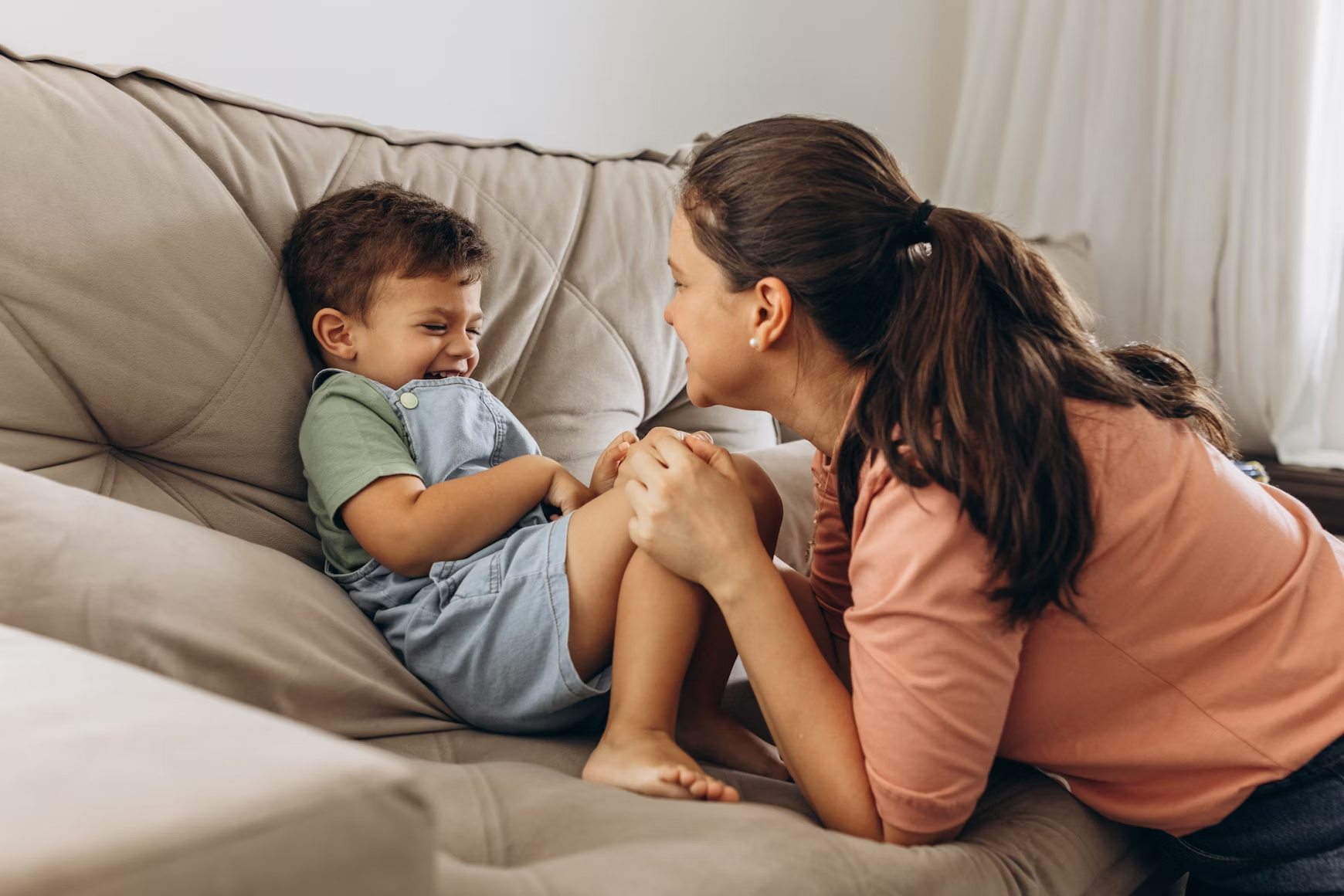
A parent calmly comforting a crying child at home. The image illustrates gentle parenting and emotional support during moments of big feelings without resorting to yelling.
Image Source: Unsplash

If you’ve ever faced your child’s meltdown in the cereal aisle or watched them crumble over a broken crayon, you know this truth: big emotions come in small packages. And as parents or caregivers, how we respond in those heated moments can shape the way our children cope with feelings for life. Staying calm isn’t always easy, especially when you’re running on fumes and short on time. The good news? There are practical, gentle ways to teach emotional awareness and foster connection—no yelling required. Here’s how to handle your child’s big emotions with calm, clarity, and confidence.

1. Name the Feeling—Out Loud

Helping your child label their emotions is the first step in emotional regulation. When they hear you say, “You seem really frustrated right now,” it teaches them the words they’ll eventually use on their own. According to the American Academy of Pediatrics, modeling this kind of emotional literacy helps kids learn to express themselves more calmly and clearly. The more specific you can be, the better—try naming not just “mad” or “sad,” but “disappointed,” “jealous,” or “nervous.” Remember, you’re not just stopping a tantrum; you’re building lifelong skills.

2. Offer Choices to Reinforce Control

When emotions run high, kids often feel like their world is spiraling. One simple way to ground them is by offering limited, clear choices. Instead of saying, “Stop whining!” you might say, “Would you rather sit on the couch or your bed to calm down?” This approach not only redirects their energy but also gives them a sense of control. The American Academy of Pediatrics emphasizes how giving choices during emotional episodes can help children feel safer. Keep the options simple and positive—especially in chaotic moments.

3. Praise the Process, Not Just the Peace

When your child manages to express themselves without screaming or hitting, pause and recognize it. A quick, “I noticed you told me you were upset instead of yelling—that took a lot of control,” can reinforce the behavior you want to see more often. Child development experts note that positive reinforcement goes a long way in encouraging kids to try healthier ways to handle feelings. Think of it like watering seeds: consistent, genuine praise helps grow their confidence and emotional vocabulary.

A frustrated child
Image Source: Unsplash

4. Validate First, Solve Later

It’s tempting to jump straight into fixing mode: “It’s just a toy,” or “You’ll feel better later.” But to your child, the distress is real right now. The Child Mind Institute suggests that validating emotions first helps calm a child’s nervous system and builds trust. Simple statements like “It’s okay to feel sad,” or “That must have been really disappointing for you” show empathy. Once your child feels seen and understood, they’re more receptive to gentle guidance or problem-solving.

5. Stay Calm and Connect Instead of Reacting

Your calm is contagious. Children mirror the emotional tone around them, so if you escalate, they often will too. Peaceful Parent emphasizes that the best way to regulate a child’s emotions is to regulate your own first. Try getting down at their eye level, speaking in a soft voice, and offering a brief moment of connection, like “I’m here. Let’s take a breath together.” In those high-emotion moments, bonding matters more than correcting, and that safe, empathetic space helps your child learn to unwind their feelings.

Empowered Parenting Starts with Empathy

Parenting isn’t about perfection—it’s about presence. Each time you choose to listen instead of lecture or connect instead of correct, you’re laying the foundation for lifelong emotional health. These strategies aren’t magic bullets; sometimes yelling still happens, because we’re all human. But the more you practice these calm responses, the more natural they become—just like any other habit. So next time your child’s emotions go into overdrive, take a deep breath, recall these steps, and know you’re guiding them through with love.

How do you help your child work through intense emotions without raising your voice? Share your favorite tips or stories in the comments—we’re all learning together.

Read More

  • 8 Happy Moments That Every Child Should Experience
  • 8 Boomer Parenting Ideas That Made Their Children Strong (Follow Their Lead)
Samantha Warren
Samantha

Samantha Warren is a holistic marketing strategist with 8+ years of experience partnering with startups, Fortune 500 companies, and everything in between. With an entrepreneurial mindset, she excels at shaping brand narratives through data-driven, creative content. When she’s not working, Samantha loves to travel and draws inspiration from her trips to Thailand, Spain, Costa Rica, and beyond.
Filed Under: Parenting Tagged With: child emotions, Emotional Regulation, empathy, Parenting, parenting tips, positive discipline, Tantrums

Raising Emotionally Intelligent Kids: Why It Matters

April 8, 2025 | Leave a Comment

A smiling parent and child sitting together and talking openly, conveying warmth and trust. The image represents emotional intelligence in parenting through connection and communication.
Image Source: Unsplash

Picture this: your child just had a meltdown over a broken crayon. Again. You’re exhausted, frustrated, and wondering if it’s “just a phase” or something deeper. These messy, confusing moments are actually where emotional intelligence begins. While it’s easy to dismiss them as minor hurdles, nurturing emotional intelligence early on creates lifelong advantages for your child’s happiness, well-being, and overall development.

At its core, emotional intelligence isn’t just “being in touch with feelings.” It’s about recognizing, understanding, and managing emotions—then applying that understanding to navigate relationships, choices, and challenges. Kids who develop these skills learn to stay calm under pressure, connect better with others, and adapt more easily as they grow. Here’s why it’s worth focusing on at home.

1. Emotional Intelligence Builds Better Relationships

Children who understand their own emotions—and can tune into the feelings of others—tend to be kinder, more adaptable, and better team players. When they recognize signals of anger, happiness, or sadness, they can respond empathetically instead of shutting down or lashing out.
According to insights from the All for Kids Blog and the BBM Academy Blog, emotionally intelligent kids are less likely to engage in conflicts and more likely to form stronger bonds—both in friendship circles and later in life. These empathy-driven connections become a bedrock for healthier interactions at school, at home, and eventually in the workplace.

2. Emotionally Intelligent Kids Perform Better Academically

Classrooms aren’t just for mastering math facts and spelling lists. They’re also environments where social dynamics, stress, and resilience come into play every day.

As noted by Youth Education Development, children with high emotional intelligence typically cope better with academic pressures. They’re also more collaborative in group activities and stay motivated through setbacks. By learning to handle frustration or disappointment, kids keep their focus on learning rather than getting sidetracked by emotional turmoil. In many cases, building emotional skills can be just as beneficial as any extra tutoring session.

3. You’re Their First Emotion Coach

Before kids learn about feelings in storybooks or from a school counselor, they observe you. That meltdown over a broken crayon isn’t just an annoyance—it’s a teaching moment.
The Peaceful Parent points out that parents who serve as “emotion coaches” help children name and validate what they feel, offering calming strategies instead of punishment or dismissal. By recognizing your child’s feelings—“I see you’re sad right now. It’s okay to feel that way”—you reinforce that emotions aren’t scary or bad, they’re signals that help us understand ourselves. In these moments, you’re laying the groundwork for how your child will handle feelings throughout life.

4. Strong Emotional Skills Protect Mental Health

Children with the tools to process difficult emotions like sadness, anger, or anxiety are more likely to maintain better mental well-being as they grow. Emotional intelligence doesn’t magically eliminate challenges, but it does give kids healthy ways to cope.
Both Youth Education Development and All for Kids highlight how emotionally literate children show fewer signs of depression, anxiety, or behavioral issues. By identifying what they’re feeling, children can better articulate their needs, seek help when necessary, and bounce back from setbacks. That emotional resilience becomes a safeguard for their future well-being.

5. Early Childhood = Prime Time for Emotional Development

A child’s early years lay the groundwork for how they’ll respond to stress, manage relationships, and adapt to change later in life.

As emphasized by the BBM Academy Blog and a recent IJTRD research paper, guiding kids through emotional milestones from a young age helps them build strong emotional habits that last into adolescence and adulthood. When toddlers learn to name their feelings—“I’m frustrated,” “I’m excited,” “I’m scared”—they’re practicing crucial self-awareness. Don’t underestimate how much children absorb from simply observing how you handle your own feelings and conflicts.

reflects the nurturing of emotional intelligence in children through empathy, active listening, and connection.
Image Source: Unsplash

Strengthening Emotional Skills in Everyday Moments

Raising an emotionally intelligent child doesn’t require fancy apps or expensive materials. Some of the best learning happens in routine activities—like a conversation during snack time or a reflective question after a sibling argument.

  • Talk about your own emotions: “I’m feeling a bit stressed today, so I’m going to take a quick walk outside.”
  • Read stories featuring different feelings, and ask how the characters might feel or respond.

Validate any emotion (anger, sadness, excitement) as normal and worth discussing.
Small, consistent efforts help kids build a confident “emotional toolbox” they can tap into throughout life.

Emotional Intelligence Isn’t a Luxury—It’s a Lifeline

Ultimately, emotional intelligence is less about raising “nice kids” and more about equipping them with practical, lifelong skills. Children who can understand and manage their feelings often experience stronger relationships, academic success, and better mental health. In an increasingly complex world, teaching them to pause, reflect, and respond thoughtfully can be one of the greatest gifts a parent can give.

So the next time your child’s reaction seems over-the-top, consider it a chance to build emotional muscles. Those moments of upset might feel big now, but they can translate into calm confidence down the road.

How do you help your child recognize and express their emotions? Share your go-to tips or challenges in the comments below—we’d love to learn from your experiences.

Read More

  • Is It Appropriate to Bribe Children for Good Behavior?
  • Tips for Teaching Your Kids Good Oral Hygiene
Samantha Warren
Samantha

Samantha Warren is a holistic marketing strategist with 8+ years of experience partnering with startups, Fortune 500 companies, and everything in between. With an entrepreneurial mindset, she excels at shaping brand narratives through data-driven, creative content. When she’s not working, Samantha loves to travel and draws inspiration from her trips to Thailand, Spain, Costa Rica, and beyond.

Filed Under: Parenting Tagged With: child development, early childhood, education, emotional intelligence, Emotional Regulation, empathy, family connection, Mental Health, parenting tips, Raising Children

10 Signs Your Child Is Struggling More Than They Admit

April 8, 2025 | Leave a Comment

conveys emotional withdrawal and subtle signs of inner struggle in children.
Image Source: Unsplash

As parents, we’re often tuned in to the big moments—report cards, birthdays, or a sudden tantrum in the cereal aisle. But what about the quieter, less obvious shifts in your child’s behavior or mood? Kids don’t always say, “I’m having a tough time.” Instead, they show us. Recognizing the signs your child is struggling—sometimes before they even realize it themselves—can help you step in early, before minor stresses snowball into bigger issues.

Below are 10 subtle indicators that your child might be facing emotional or mental challenges, along with supportive ways to respond.

1. Unexplained Changes in Daily Routines

Has your child suddenly stopped eating breakfast or started sleeping at odd hours? Shifts in basic routines—like sleeping, eating, or hygiene—can signal emotional or mental distress. According to guidance from pediatric organizations, notable changes in daily habits may point to underlying mental health concerns. Because these red flags can blend into normal family chaos, they’re easy to overlook. Pay attention if something feels consistently “off.”

2. School Avoidance or Drop in Enthusiasm

It’s normal for kids to complain about homework. But daily morning meltdowns, frequent “sick days,” or intense anxiety before school may be a sign of deeper issues. This kind of school refusal can result from academic stress, peer conflicts, or separation anxiety, as highlighted by resources on school avoidance. If your child is unwilling to discuss the cause, consider reaching out to their teacher or a counselor to identify what’s really going on.

3. Increased Sensitivity or Irritability

Is your usually calm child suddenly on edge? Minor frustrations may trigger major outbursts, or they may get tearful over situations that never bothered them before. These emotional explosions often signal that something more significant lies beneath the surface. Observing these changes in mood and asking gentle, open-ended questions can open the door to what’s really troubling them.

emotional cues that may indicate a child is struggling internally.
Image Source: Unsplash

4. Attention-Seeking Behavior

Sometimes a child repeatedly acts out—whining, defying, or being unusually loud—because they feel disconnected. They might also withdraw or become extra quiet in a bid for attention. Experts note that such actions can be a child’s way of saying, “I need you to notice me.” Rather than labeling this as “bad behavior,” try seeing it as a signal. Ask yourself: What are they truly trying to tell me?

5. Physical Complaints Without Clear Medical Cause

Recurrent headaches, stomachaches, or general aches—especially around specific times, like before school—can sometimes indicate emotional distress. Of course, every child fakes an illness once in a while, but ongoing or patterned physical complaints may be tied to anxiety or other mental health challenges. Paying attention to timing and consistency can help you detect whether stress is the hidden culprit.

6. Sudden Withdrawal from Family or Friends

A child who once shared every detail of their day might start isolating behind a locked bedroom door. This type of social withdrawal can be a coping mechanism for emotions they don’t fully understand. If you notice changes—like skipping out on favorite family activities or avoiding friends—it’s worth checking in. Sometimes just knowing you’re available and willing to listen is enough to encourage them to open up.

7. Drop in Academic Performance

Are missing assignments piling up? Has your child’s teacher noted a lack of focus? Stress, anxiety, and other emotional issues directly impact the ability to concentrate. The shift might show up as poor grades or forgotten homework. Instead of assuming they’re just lazy or unmotivated, consider that emotional challenges could be interfering. A compassionate conversation is a better first step than punishment.

8. Intense Perfectionism or Fear of Mistakes

On the flip side, watch for kids who crumble emotionally over minor errors. Perfectionism can be another sign of inner distress, reflecting a deep fear of failure or disappointment. It’s crucial to reassure your child that mistakes are part of learning. Encourage them to see errors as opportunities for growth instead of catastrophes.

9. Loss of Interest in Hobbies They Once Loved

Did your sports-loving child suddenly quit the team, or your budding artist abandon their paintbrushes? A noticeable decline in previously enjoyed activities could point to sadness, anxiety, or overwhelm. Before jumping to conclusions, try gently inviting them to revisit that activity together. It might rekindle some enthusiasm—or reveal that something else is getting in the way of their passion.

10. Gut Feeling That Something Is “Off”

You know your child best. Sometimes, there’s no blatant behavior—just a strong parental intuition that something isn’t right. Trust that inner voice. Even a simple check-in, like “I’ve noticed you seem different lately. Want to chat?” can open the door. Making space for casual but caring conversations can make a world of difference.

What Matters Most: Connection Over Correction

Spotting the signs your child is struggling is about understanding, not diagnosing. Kids often lack the words to explain what’s wrong, so their emotions manifest in other ways. By staying curious, asking questions, and keeping communication lines open, you show them they’re not alone—and that you’re ready to help.

If you notice any combination of these signs persisting, consider seeking guidance from a pediatrician, school counselor, or mental health professional. Early support can prevent bigger hurdles down the line. Ultimately, your presence and willingness to listen may be exactly what your child needs to feel safe, heard, and loved.

Have you noticed any of these subtle changes in your own child? Feel free to share your experiences or tips in the comments below. Sometimes, just knowing we’re not alone can ease the burden for both parents and kids.

Read More

  • 7 Common Types of Behavioral Disorders in Children Every Parent Should Know
  • Unlock the Heart of Your Child: 10 Life-Changing Ways to Build an Emotional Bond
Samantha Warren
Samantha

Samantha Warren is a holistic marketing strategist with 8+ years of experience partnering with startups, Fortune 500 companies, and everything in between. With an entrepreneurial mindset, she excels at shaping brand narratives through data-driven, creative content. When she’s not working, Samantha loves to travel and draws inspiration from her trips to Thailand, Spain, Costa Rica, and beyond.

Filed Under: Parenting Tagged With: child mental health, emotional wellbeing, kids anxiety, parenting advice, parenting tips, signs of emotional distress

The Best Ways to Encourage a Growth Mindset in Children

April 8, 2025 | Leave a Comment

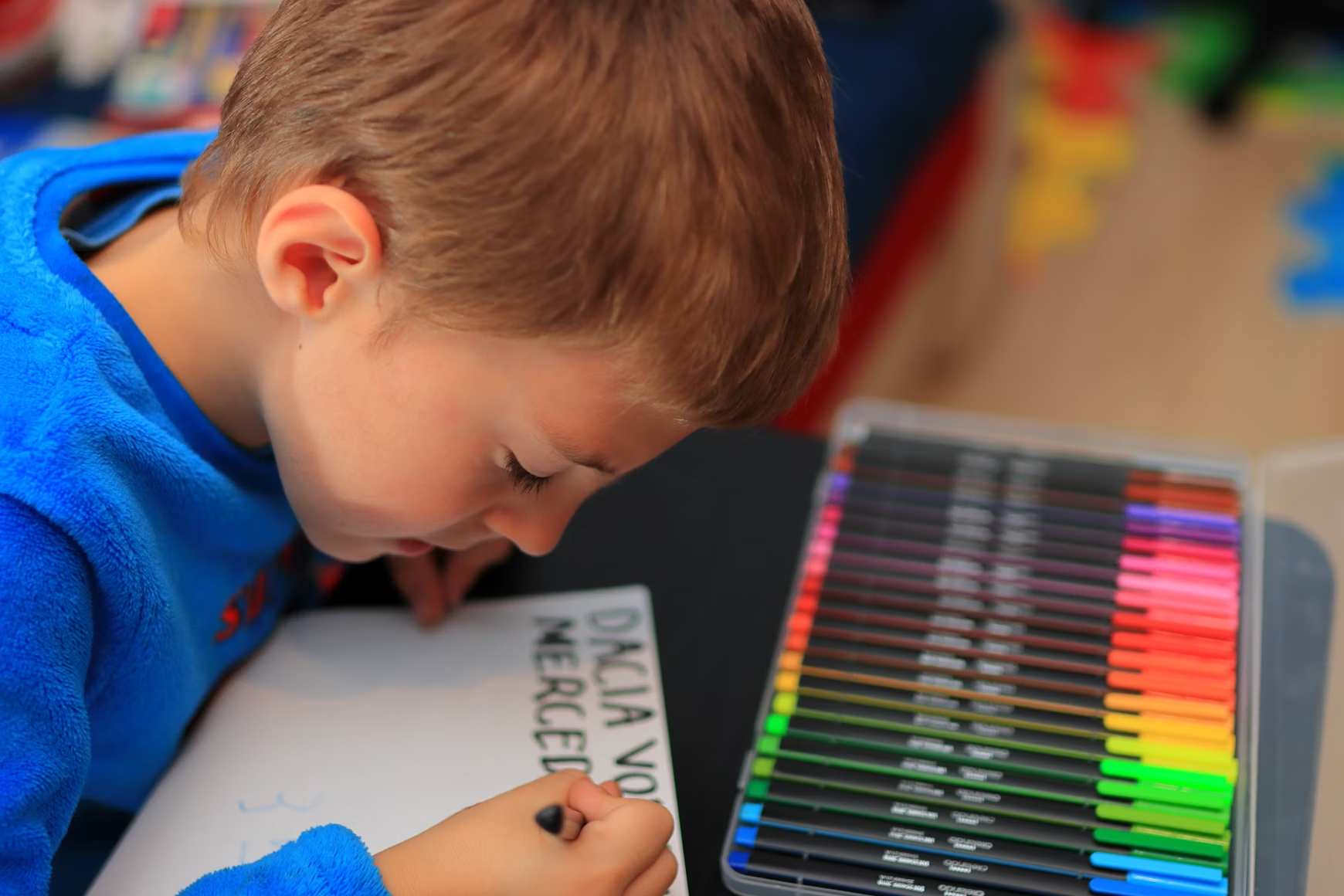
curious child with ball
Image Source: Unsplash

Has your child ever said, “I’m just not good at math” or “I’ll never draw like the other kids”? These types of beliefs don’t mean they lack talent; they may simply lack something even more vital: a growth mindset. A growth mindset empowers kids to see that success doesn’t come from being the best right away—it comes from effort, learning, and resilience when things get tough. The best part? Mindsets can be nurtured. With a few proactive steps, you can guide your child toward bouncing back from challenges and feeling proud of every bit of progress.

1. Teach Your Child That Their Brain Is Like a Muscle

When kids understand that their brains get stronger with practice, they’re far more open to tackling challenges head-on instead of avoiding them. A simple analogy compares the brain to a muscle: It needs “exercise” to grow, much like legs get stronger from running. Remind your child, “You’re just building your brain muscles,” whenever they’re feeling discouraged. This perspective shift shows them intelligence isn’t a fixed trait—it’s something that evolves over time. As Dr. Sarah McKay explains, introducing this concept early sets a solid foundation for a growth-focused mindset.

2. Praise the Process, Not Just the Outcome

It’s natural to say “You’re so smart!” after a good grade, but that kind of praise can unintentionally support a fixed mindset. Instead, focus on the effort, strategy, and resilience your child demonstrates. Try comments like, “I love how hard you worked on that project” or “You kept trying even when it got tough.” A Healthy Slice of Life suggests that recognizing effort rather than results fosters a willingness to take on new challenges. When setbacks come, kids understand it’s the journey that builds real skills—and that fosters genuine confidence.

3. Normalize Mistakes and Celebrate Learning Opportunities

Mistakes shouldn’t be feared; they’re stepping stones toward growth. While it can be tempting to protect your child from disappointment, doing so might send the message that errors are unacceptable. Instead, encourage them to find the lessons in every slip-up—ask questions like, “What did that teach you?” or say “I can see you learned something important there.” American University’s SOE Online underscores that when kids view mistakes as valuable moments for growth, resilience becomes second nature.

4. Encourage Trying New Things (Even If Success Isn’t Guaranteed)

It’s comforting for anyone—kids and adults alike—to stick to what they’re already good at. Yet exploring uncharted territory, whether it’s a new instrument or a different sport, often proves how capable we are of growing. As TherapyWorks points out, embracing new activities forces us to adapt and persist, core elements of a growth mindset. Even small steps outside a child’s comfort zone can yield big confidence gains when they see their own improvement over time.

5. Create a Safe Space Where Questions and Curiosity Flourish

For kids to take risks and expand their abilities, they need to know it’s okay to fail—and to ask questions along the way. A nurturing environment means listening attentively without judgment and celebrating curiosity. That might look like holding back from providing all the answers right away, so your child learns to reason and problem-solve independently. Boys & Girls Clubs of America highlights that a supportive space helps kids trust in their capacity to learn, reinforcing long-term growth and mental resilience.

What Matters Most: Keep the Focus on the Journey

Developing a growth mindset isn’t about being perfect. It’s about daring to try, stumbling, and gathering strength from each experience. Whether your child is wrestling with academics, forging new friendships, or attempting an unfamiliar hobby, your encouragement sets the tone for how they view setbacks and success. Every time you highlight effort over outcome, you’re helping them grow far beyond a single activity—they’re building skills and confidence for life.

Which strategies have helped your child build resilience and confidence? Share your experiences in the comments—your story might be just the inspiration another parent needs.

Read More

  • 12 Of The Cutest Baby Names For Your Little Princess
  • Too Safe? 8 Modern Safety Gear Items Parents Didn’t Grow Up With
Samantha Warren
Samantha

Samantha Warren is a holistic marketing strategist with 8+ years of experience partnering with startups, Fortune 500 companies, and everything in between. With an entrepreneurial mindset, she excels at shaping brand narratives through data-driven, creative content. When she’s not working, Samantha loves to travel and draws inspiration from her trips to Thailand, Spain, Costa Rica, and beyond.
Filed Under: Parenting Tagged With: child development, emotional resilience, Growth Mindset, parenting tips, Positive Parenting

How to Build a Strong Bond With Your Child Through Communication

April 8, 2025 | Leave a Comment

actively listening and smiling during a meaningful conversation.
Image Source: Unsplash

Let’s face it—parenting doesn’t come with an instruction manual. One day you’re wiping sticky fingers, the next you’re fielding big questions at bedtime. Throughout these moments, one factor quietly holds it all together: communication. It’s much more than just talking. It’s listening, noticing, and genuinely showing up. When we prioritize how we connect with our children, we lay the groundwork for a strong bond that can last a lifetime.

Whether you’re guiding a curious toddler or supporting a preteen through emotional ups and downs, putting solid communication practices in place today can strengthen trust, empathy, and connection for years to come.

1. Listen Like It Matters—Because It Does

Listening is one of the most powerful ways to bond with your child—and not just any listening. It’s the kind where you set down your phone, make eye contact, and tune in to their words and emotions. An article on building bridges in parent-child communication highlights that active listening creates trust and emotional safety. When kids know you’re really hearing them, they’re far more likely to open up, whether they want to talk about their day at school or a deeper concern.

2. Create a Judgment-Free Comfort Zone

Children need to feel safe in your presence, especially during vulnerable moments. How you respond when they share their feelings teaches them whether it’s okay to keep sharing. Criticism, harsh reactions, or dismissing what they say—even unintentionally—can shut down communication. Advice on building strong bonds suggests using validating phrases like, “I’m glad you told me,” or “It’s okay to feel upset.” These gentle reminders assure kids that their emotions are valid and encourage them to be open, even about the hard stuff.

3. Make Time to Talk—Really Talk

Between endless notifications and busy schedules, carving out regular conversation time can feel like a luxury. But small, intentional chats—during dinner, car rides, or before bedtime—can have a huge impact. Research on effective communication with children and tips on building strong relationships both emphasize the value of daily dialogue. These consistent check-ins show your child that you value their thoughts and experiences. Even five fully present minutes can do more for your relationship than an hour of distracted multitasking.

4. Model the Words You Want Them to Use

Kids learn to communicate by watching how you talk—and how you handle conflict. When you speak truthfully, apologize when necessary, and express feelings calmly, you teach them crucial life skills. Resources on communication strategies for children and guidance on productive parent-child dialogue highlight the impact of consistent modeling. By showing them what respectful honesty looks like, you create a family culture where openness is not just allowed—it’s encouraged.

Image Source: Unsplash

5. Celebrate Their Voice and Validate Their Feelings

One of the simplest ways to deepen the parent-child connection is by demonstrating that your child’s opinions and emotions count. Information on young children and communication indicates that naming and validating a child’s feelings fosters self-esteem and enhances your relationship. This might look like saying, “It sounds like you felt really left out today,” or “That must have been exciting!” Encouraging them to share—and meeting their words with acceptance—builds confidence and teaches them the value of self-expression.

Strengthening Trust One Word at a Time

Parent-child communication isn’t about finding magic phrases. It’s about nurturing an environment where each person’s feelings and experiences can be shared openly. When you listen with empathy, model honest dialogue, set aside distraction-free time, and consistently validate your child’s emotions, you’re creating a space where trust can thrive. These steady, compassionate conversations form the bedrock of a lifelong bond—one where your child knows, “My voice matters, and I am deeply loved.”

How do you encourage open communication with your child? We’d love to hear your experiences in the comments.

Read More

  • 7 Reasons Parents Must Enforce Chores
  • 5 Chores That Teach Work Ethic Principles to Toddlers


Samantha Warren
Samantha

Samantha Warren is a holistic marketing strategist with 8+ years of experience partnering with startups, Fortune 500 companies, and everything in between. With an entrepreneurial mindset, she excels at shaping brand narratives through data-driven, creative content. When she’s not working, Samantha loves to travel and draws inspiration from her trips to Thailand, Spain, Costa Rica, and beyond.

Filed Under: Parenting Tagged With: building trust with your child, child development, emotional bonding, listening skills, parent-child communication, parenting advice, parenting tips

Food Choking Hazards: What Parents Should Watch Out For

April 8, 2025 | Leave a Comment

common food choking hazards for toddlers, including grapes, hot dogs, and popcorn, with safety preparation tips like slicing and cutting into small pieces.
Image Source: Unsplash

It’s every parent’s nightmare: one second your child is giggling over snack time, and the next, they’re suddenly choking. Choking remains a leading cause of injury—and even death—in children under the age of five, yet it often happens silently and in seconds. As scary as that sounds, there’s good news, too: many choking incidents can be prevented with a bit of awareness, supervision, and some simple kitchen scissors. Armed with a little knowledge and a lot of love, you can make mealtime safer for your child without turning it into something stressful. Let’s explore which foods pose the biggest risks and how you can create a safer eating environment at home and on the go.

1. Whole Grapes, Hot Dogs, and Other Round Foods Are a Serious Risk

Children under four are especially vulnerable to choking on round, firm foods. This includes whole grapes, cherry tomatoes, and hot dogs—their shape makes them prime candidates for blocking the airway. While these items are common lunchbox staples, they shouldn’t be served whole to toddlers. Instead, quarter grapes and similar fruits, and slice hot dogs lengthwise before chopping them into small bits.

According to UnityPoint Health’s resource on top choking hazards, pediatric guidelines, and child safety tips from Seattle Children’s, this simple prep step can make a life-saving difference.

2. Popcorn and Peanut Butter? Proceed with Caution

You might be surprised to find out how many everyday snacks can pose a danger. Foods like popcorn, nuts, seeds, chewing gum, hard candies, and thick globs of peanut butter can easily block a young child’s windpipe. Raw vegetables, such as baby carrots, can also lead to accidents if not cut or cooked until they’re soft enough. It’s often recommended to hold off on these items until your child has stronger chewing skills—generally around four years of age or later.

Sticky, hard, or dry textures increase the likelihood of choking, so when in doubt, opt for easy-to-mash options. Even items that seem harmless, like certain fruit snacks, can become a problem if a piece lodges in the throat. Being aware of how textures affect swallowing can help you decide which foods to introduce and which to leave for later.

high-risk foods for young children with icons of round, hard, and sticky foods, and reminders for safe mealtime habits and supervision.
Image Source: Unsplash

3. Prep Makes Perfect: Cutting and Cooking for Safety

How you prepare food matters just as much as what’s on the plate. For toddlers and young children, aim to cut foods into small, manageable pieces—around half an inch or less in size. Cooking firmer vegetables (carrots, green beans) until soft or mashing them can also reduce the risk of choking.

Guidance from the Utah State University Extension on preventing choking underscores that combining smart prep with age-appropriate food choices can dramatically lower the chance of a scary incident. Even fruits that seem soft, like bananas or melon, should be broken into tiny pieces to help your child chew thoroughly and swallow safely.

4. Mealtime Habits: Where and How Your Child Eats Matters

Choking doesn’t just depend on what your child eats—where and how they’re eating also plays a major role. Children should be seated upright, not running around, lying down, or strapped into a car seat while eating. Distractions like screens or toys can cause kids to laugh or take big gulps of food without chewing properly, increasing the risk of choking.

Creating a calm mealtime routine encourages better chewing habits and allows kids to focus on one thing at a time: eating. Pediatric sources emphasize that a quiet, supervised environment helps children recognize their hunger cues and develop healthier long-term eating behaviors.

5. Stay Close, Watch Closely

Supervision is one of the most effective ways to prevent choking. Sitting nearby and keeping your eyes on your child, especially when they’re eating challenging foods, gives you a chance to prompt them to slow down. Avoid giving snacks when your child is crying, laughing, or otherwise distracted, as emotions can override safe swallowing.

Modeling good habits, like chewing slowly and thoroughly, also reinforces what you want your child to do. Active supervision and simple reminders to “take small bites” or “chew well” can go a long way. Consistency is key, and with time, your child will learn to be more cautious, making mealtime both safer and more enjoyable.

A Safer Plate = A Safer Child

Choking is fast and frightening, but many incidents are avoidable with a few mindful tweaks. Cutting food into small, age-appropriate pieces, softening or cooking firmer items, and steering clear of certain snacks until your child is developmentally ready can significantly reduce risks. It’s also crucial to establish a calm, distraction-free environment and stay close while your child eats. These basic guidelines not only help prevent accidents but also create a positive, relaxed atmosphere for the entire family.

Remember, you don’t need to fear every bite—just keep an eye on your child’s chewing abilities and err on the side of caution if something feels off.

What foods has your child struggled with at mealtime? Have you discovered any tips to keep meals both safe and fun? Share your experiences in the comments—other parents might benefit from your story!

Read More

  • Meals So Great Baby Doesn’t Throw it Back: 5 DIY Baby Foods You Can Make at Home
  • Basic But Incredibly Important Tips for Keeping Your Kids Safe
Samantha Warren
Samantha

Samantha Warren is a holistic marketing strategist with 8+ years of experience partnering with startups, Fortune 500 companies, and everything in between. With an entrepreneurial mindset, she excels at shaping brand narratives through data-driven, creative content. When she’s not working, Samantha loves to travel and draws inspiration from her trips to Thailand, Spain, Costa Rica, and beyond.

Filed Under: Parenting Tagged With: child choking prevention, child nutrition, food choking hazards, food safety for toddlers, parenting tips, safe eating for kids, toddler mealtime, toddler safety

10 Of The Hardest Foods To Get Young Children To Eat

April 7, 2025 | Leave a Comment

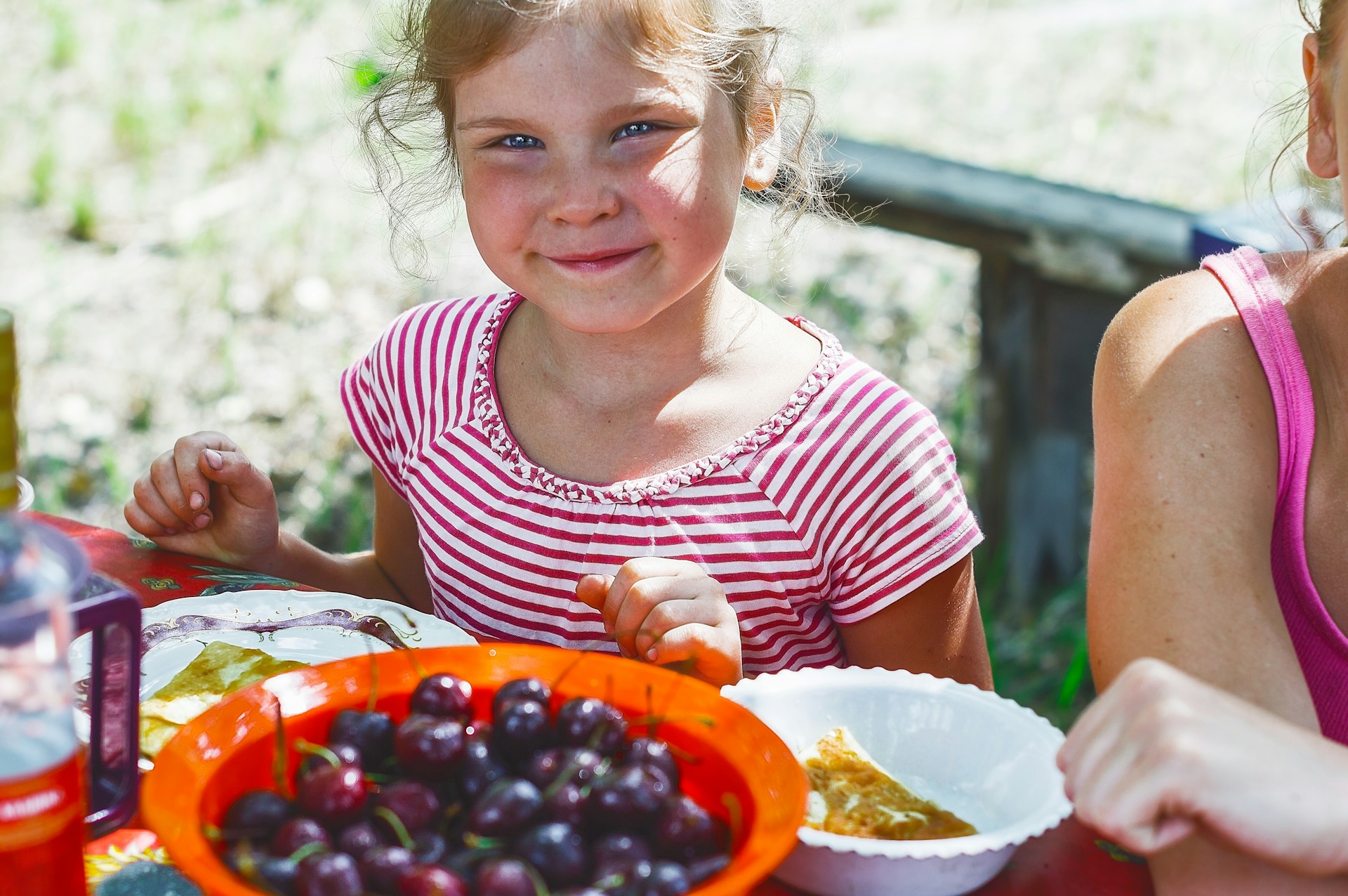
Child sitting at the lunch table
Image Source: Unsplash

Kids are naturally curious eaters—until they aren’t. Sometimes, their aversion to a certain texture, smell, or color is enough to spark a full-on mealtime standoff.

If you’re facing daily battles with picky eaters, rest assured, you’re not alone. It helps to make a habit out of trying new foods weekly, but sometimes you may still face resistance.

Let’s take a look at ten of the most challenging foods for young children and share practical tips to help them feel more comfortable sampling what’s on their plate.

1. Leafy Greens

Spinach, kale, and arugula top the list of most-rejected foods. Their slightly bitter flavor and sometimes “slimy” texture can be too intense for toddlers and preschoolers.

Try This: Blend small amounts of spinach into fruit smoothies, or bake kale chips for a crunchy treat. Keep it low-pressure and celebrate any small steps toward acceptance.

2. Fish

A strong smell, flaky texture, and unfamiliar taste often make fish a tough sell for kids.

Try This: Begin with milder fish like cod or tilapia. Serve it alongside favorite sides, and introduce dipping sauces they already enjoy to make it feel less intimidating.

3. Beans

Beans are nutritional powerhouses, but can feel “mushy” or have a chewy skin that turns kids off.

Try This: Mash beans into quesadillas or blend them into a dip with familiar flavors (like cheese or mild salsa). Offering foods kids can scoop or dip can spark curiosity.

4. Tomatoes

Tomato sauce? No problem. Fresh tomatoes? Totally different story. Seeds and burst-in-your-mouth juices can be overwhelming.

Try This: Roast cherry tomatoes to soften their flavor or cut them into smaller pieces so they’re not such a big surprise. Gradually work up to raw tomatoes in salads.

5. Onions

The sharp flavor and scent of onions—especially raw—can be off-putting for little taste buds.

Try This: Let them watch (or help!) you cook. Sauté onions so the smell dissipates, and explain how cooking changes the flavor. Building familiarity often reduces resistance.

6. Mushrooms

Spongy texture and an earthy smell can make mushrooms an immediate “no.”

Try This: Finely chop or blend them into meatballs, sauces, or pasta dishes where they’re less visible. Over time, kids may realize they enjoy the taste once the “weird look” barrier is lowered.

7. Peas

Despite being small and somewhat sweet, peas are commonly left untouched. The pop they make can be a sensory challenge.

Try This: Mix peas into macaroni and cheese, or mash them with potatoes. Frozen peas can also be a fun, crunchy snack that kids might find more appealing.

8. Eggs

Eggs vary drastically in taste and texture depending on how they’re cooked, leading many kids to say “no thanks.”

Try This: Try muffin-shaped egg cups or mini quiches with cheese. Pairing eggs with a favorite sauce (ketchup, mild salsa) can transform the experience into something fun and familiar.

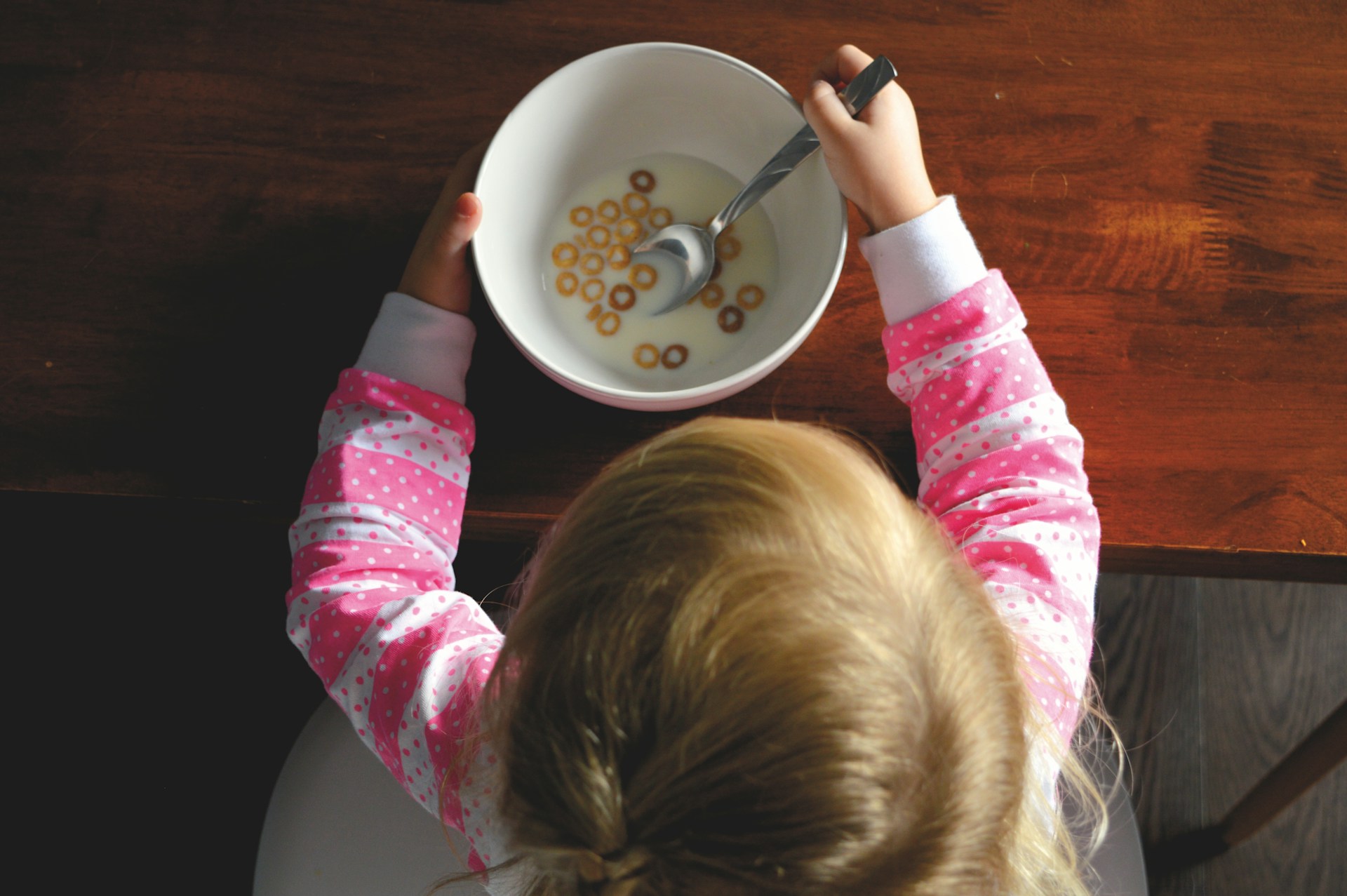
child eating cereal
Image Source: Unsplash

9. Whole Grains

Shifting from white bread or pasta to whole-grain versions is a big change in taste and appearance.

Try This: Start with half-and-half versions, mixing whole-grain pasta or rice with the refined type. Gradual exposure helps them adapt without rejecting it outright.

10. Mixed Dishes (Casseroles, Stir-Fries)

Soups, casseroles, or stir-fries where ingredients “touch” can trigger resistance due to combined textures and flavors.

Try This: Serve components separately at first. For instance, offer plain chicken alongside lightly cooked veggies and rice. Over time, mix small portions to help them adjust.

Nourishing Patience: You’ve Got This

When it comes to picky eaters, remember that persistence and low-pressure exposure are key. Children often need repeated interactions before they feel comfortable tasting something new. 

Keep the atmosphere calm, celebrate small victories, and trust that mealtime harmony is a work in progress—not an overnight transformation.

Do you have a go-to trick for getting kids to try new foods? Share your favorite hack in the comments!

Read More

  • Your Dog Died: 8 Ways To Break The News To Your Child
  • 10 Creative Discipline Techniques That Don’t Involve Time-Outs or Punishments
Samantha Warren
Samantha

Samantha Warren is a holistic marketing strategist with 8+ years of experience partnering with startups, Fortune 500 companies, and everything in between. With an entrepreneurial mindset, she excels at shaping brand narratives through data-driven, creative content. When she’s not working, Samantha loves to travel and draws inspiration from her trips to Thailand, Spain, Costa Rica, and beyond.

Filed Under: Parenting Tagged With: balanced diet, healthy food for kids, kids nutrition, mealtime struggles, parenting tips, picky eaters, toddler meals

Come Back Here: 8 Dangers of Running Away You Need to Teach Your Child

April 7, 2025 | Leave a Comment

sad looking girl in parking lot
Image Source: Unsplash

Kids love to explore—that’s part of being a child. Yet, those spontaneous moments of curiosity can quickly turn risky when they dash off without warning. Teaching them about the dangers of running away isn’t about scaring them; it’s about empowering them to make safer choices.

Here are eight important risks every parent should discuss with their children, along with practical tips to help them stay close and aware.

1. They Might Get Lost in an Unfamiliar Place

Children can become overwhelmed if they wander away in large stores, busy streets, or noisy environments. Once they realize they’re alone, fear sets in quickly, and they may not know how to find their way back. Emphasize that staying near a trusted adult keeps everyone safe and calm, because reuniting can feel like an eternity when you’re lost.

2. They Can Be Hit by a Car or Bicycle

Running into the street on impulse is a leading cause of childhood injuries. Little ones often don’t grasp how fast traffic moves or how limited a driver’s vision can be. Teach them to always stop at the curb and look both ways, reminding them that “excitement” is never a good reason to dash into the road.

3. They Can Be Approached by a Stranger

While we don’t want to make children fearful of everyone, being approached by a stranger when they’re alone poses serious risks. Go over what to do if they become separated—like finding a store employee or police officer. Reassure them it’s okay to seek help, but never to leave with someone they don’t know.

4. They May Panic and Make Riskier Choices

Fear clouds judgment. If a child realizes they’re lost, they might keep running, hide in an unsafe spot, or forget to call out for help. Practice “stay put” drills: explain that if they ever can’t see you, they should stop and wait in one place so you can find them.

5. They Can End Up Near Water Without Supervision

A curious kid might wander to a nearby pond or fountain, not understanding how slippery edges or shallow depths can be dangerous. Stress the importance of never going near water without an adult. Even small amounts of water can pose big risks.

6. They Might Get Locked In or Left Behind

Climbing into a parked car, running into an elevator alone, or exploring a locked storage room can quickly turn into a scary situation. Explain that looking around isn’t forbidden—it’s just important to have a grown-up nearby so they don’t accidentally end up trapped or stranded.

7. They May Enter Dangerous Terrain

Parking garages, alleyways, loading docks, or construction sites can tempt kids chasing a ball or a stray cat. Emphasize which areas are off-limits and why. Point out hazards in your own neighborhood, so your child can visualize the potential dangers rather than hearing abstract warnings.

8. You Could Lose Sight of Each Other for Hours

A few seconds of separation can feel like a lifetime to both child and parent. In crowded places like amusement parks or airports, children don’t always stay put if they’re overwhelmed or afraid. Encourage meet-up spots and teach them to memorize your phone number. Let them know how scary and complicated it can be to search for each other when they keep moving around.

young child looking out at the ocean
Image Source: Unsplash

Build Awareness Without Fear

Discussing the dangers of running away can be done gently. Kids don’t intend to end up in trouble; they’re just exploring with limited experience. By giving them practical safety habits—like looking both ways before crossing the street or staying calm when lost—you’re equipping them to explore more responsibly.

What strategies have helped your family keep kids from running off in public? Feel free to share your tips and experiences in the comments. Other parents could benefit from your wisdom!

Read More

  • 9 Things You Should Never Buy Cheap for Your Kids
  • Playground Dangers: 8 Pieces of Playground Equipment That Could Seriously Injure Your Child
Samantha Warren
Samantha

Samantha Warren is a holistic marketing strategist with 8+ years of experience partnering with startups, Fortune 500 companies, and everything in between. With an entrepreneurial mindset, she excels at shaping brand narratives through data-driven, creative content. When she’s not working, Samantha loves to travel and draws inspiration from her trips to Thailand, Spain, Costa Rica, and beyond.

Filed Under: Parenting Tagged With: child awareness, child safety, dangers of running away, family advice, parenting tips

12 Of The Cutest Baby Names For Your Little Princess

April 7, 2025 | Leave a Comment

smiling baby girl
Image Source: Unsplash

Choosing a name for your daughter is one of those magical moments that you’ll treasure for a lifetime.

It’s not just about picking something that sounds pretty—it’s about finding a name that reflects your hopes, your family’s heritage, and the unique little person she’s destined to become.

With so many options out there, the process can feel exciting and overwhelming all at once. Let’s take the stress out of searching by sharing 12 of the cutest baby girl names brimming with charm, history, and heart.

Which baby girl names have been on your list? Feel free to share them in the comments below!

1. Isla

Meaning & Origin: A Scottish name meaning “island.”
Why It’s Adorable: Isla (EYE-lah) has a soft, melodic quality that sounds gentle yet modern. It’s a favorite among nature-inspired names without being too obvious.

2. Aria

Meaning & Origin: Italian for “song” or “melody.”
Why It’s Adorable: Aria hits the sweet spot between whimsical and grounded—perfect for parents who appreciate creativity, expression, and a musical twist.

3. Lila

Meaning & Origin: Has roots in Arabic, Hindi, and Hebrew, often meaning “night” or “dark beauty.”
Why It’s Adorable: Lila (LEE-lah or LIE-lah) is vintage, poetic, and effortlessly stylish—ideal if you want a classic sound with multicultural flair.

4. Elodie

Meaning & Origin: Of French origin, meaning “foreign riches.”
Why It’s Adorable: Delicate and feminine without being frilly, Elodie also lends itself to sweet nicknames like “Ellie” or “Lo.”

smiling baby in field
Image Source: Unsplash

5. Ava

Meaning & Origin: From Latin, meaning “life” or “bird.”
Why It’s Adorable: A timeless favorite, Ava is short, elegant, and wonderfully versatile—just as fitting for a toddler as it is for an adult.

6. Aurora

Meaning & Origin: Latin for “dawn.”
Why It’s Adorable: Tied to natural phenomena (Aurora Borealis) and fairytale lore (Sleeping Beauty), Aurora is both whimsical and strong. Nicknames like “Rory” add a playful touch.

7. Hazel

Meaning & Origin: A nature name referring to the hazel tree.
Why It’s Adorable: Vintage, earthy, and quietly strong, Hazel has a sweet warmth that suits both a curious child and a confident adult.

8. Nora

Meaning & Origin: An Irish name meaning “honor” or “light.”
Why It’s Adorable: Nora seamlessly blends tradition with modernity, offering an old-fashioned charm that never goes out of style.

9. Mae

Meaning & Origin: Often linked to the month of May, symbolizing warmth and new life.
Why It’s Adorable: Tiny in length but big on charm, Mae brings a sweet simplicity that can stand alone or complement a longer middle or last name.

10. Savannah

Meaning & Origin: Derived from the Spanish word for tropical grasslands.
Why It’s Adorable: Romantic yet familiar, Savannah offers a sense of wide-open spaces and free-spirited adventure—perfect for a little girl with a big imagination.

11. Cora

Meaning & Origin: From Greek mythology, meaning “maiden.”
Why It’s Adorable: Simple yet impactful, Cora has a quiet nobility. It’s easy to pronounce and spell, making it a timeless choice for any personality type.

12. Wren

Meaning & Origin: Named after the small songbird known for its cheerful tune.
Why It’s Adorable: Modern, minimalist, and nature-inspired, Wren feels fresh and distinct while remaining utterly charming.

A Name That Echoes Her Story

Ultimately, the best name is the one that resonates with your heart and your family’s values. Whether you’re drawn to vintage classics, nature-inspired picks, or melodic options, let meaning and intuition guide you. Your daughter’s name is more than just a word—it’s a piece of her story that begins with you.

What’s your favorite baby girl name on this list—or beyond it? Let us know in the comments below!

Read More

  • 10 Toxic Things to Never Tell a Child When You’re Mad
  • 9 Baby Names You’ve Never Heard Before, But Should Consider

Samantha Warren
Samantha

Samantha Warren is a holistic marketing strategist with 8+ years of experience partnering with startups, Fortune 500 companies, and everything in between. With an entrepreneurial mindset, she excels at shaping brand narratives through data-driven, creative content. When she’s not working, Samantha loves to travel and draws inspiration from her trips to Thailand, Spain, Costa Rica, and beyond.

Filed Under: Baby Names Tagged With: baby girl names, baby names, choosing baby names, family planning, name ideas, newborn, parenting tips, Pregnancy

« Previous Page
Next Page »
  • Facebook
  • Pinterest
  • RSS
  • Twitter

Basic Principles Of Good Parenting

Here some basic principles for good parenting:

  1. What You Do Matters: Your kids are watching you. So, be purposeful about what you want to accomplish.
  2. You Can’t be Too Loving: Don’t replace love with material possessions, lowered expectations or leniency.
  3. Be Involved Your Kids Life: Arrange your priorities to focus on what your kid’s needs. Be there mentally and physically.
  4. Adapt Your Parenting: Children grow quickly, so keep pace with your child’s development.
  5. Establish and Set Rules: The rules you set for children will establish the rules they set for themselves later.  Avoid harsh discipline and be consistent.
  6. Explain Your Decisions: What is obvious to you may not be evident to your child. They don’t have the experience you do.
  7. Be Respectful To Your Child: How you treat your child is how they will treat others.  Be polite, respectful and make an effort to pay attention.
Best Parenting Blogs

Most Popular

Baby

9 Baby Names That Sound Rare Without Being Hard to Spell

Evan Morgan
Baby

9 Unusual Baby Names That Sound Like They Belong to Future CEOs

Evan Morgan
Target Store

Choking Incident Prompts Recall of 49,000 Target Gigglescape “Under the Sea” Popping Toys

Evan Morgan
Frustrated Girl

Why Some Students on the Spectrum Are Labeled With ODD

Evan Morgan
Coke Bottles

12 Things Kids Took to School in the ’70s That Would Never Be Allowed Today

Evan Morgan

All content on Kids Ain’t Cheap is for entertainment purposes only. By reading this blog, you agree that Kids Ain’t Cheap is not responsible for any actions taken after reading this blog. For the full disclaimer, see our privacy policy.

Please note that Kids Ain’t Cheap has financial relationships with some of the merchants mentioned here. Kids Ain’t Cheap is funded by banner advertising, commission sales and search optimization consulting.

Copyright © 2006–2026 | District Media | All Rights Reserved | Privacy Policy

Copyright © 2026 Runway Pro Theme by Viva la Violette