Blue Apron’s meal delivery service was just the reboot my family needed to try fresh meals and food combinations we’d never experienced. As a mom, meal planning is a huge part of my week. Sometimes, I get stuck on autopilot with family favorites like pizza, tacos, or breakfast for dinner. Or peanut butter and jelly. We all know how much time and effort it takes to cook a new meal from scratch. So, here is a Blue Apron review.
And, we all know how much free time parents have…
What if someone just handed you a box of ingredients and a recipe so you could finally try out some new, healthy meals?
(That’s your cue, Blue Apron.)
Want to know what goes into cooking a Blue Apron meal? Check out these real families trying it out for the first time in this video.
My Blue Apron Review: Is It Right for Your Family?
Trying Out Blue Apron
Blue Apron’s user-friendly website made it very easy to get started. I noticed there were options for specifying dietary preferences or restrictions. They assigned three meals to me:
Cheddar Cheeseburgers
Spicy Chicken Chili
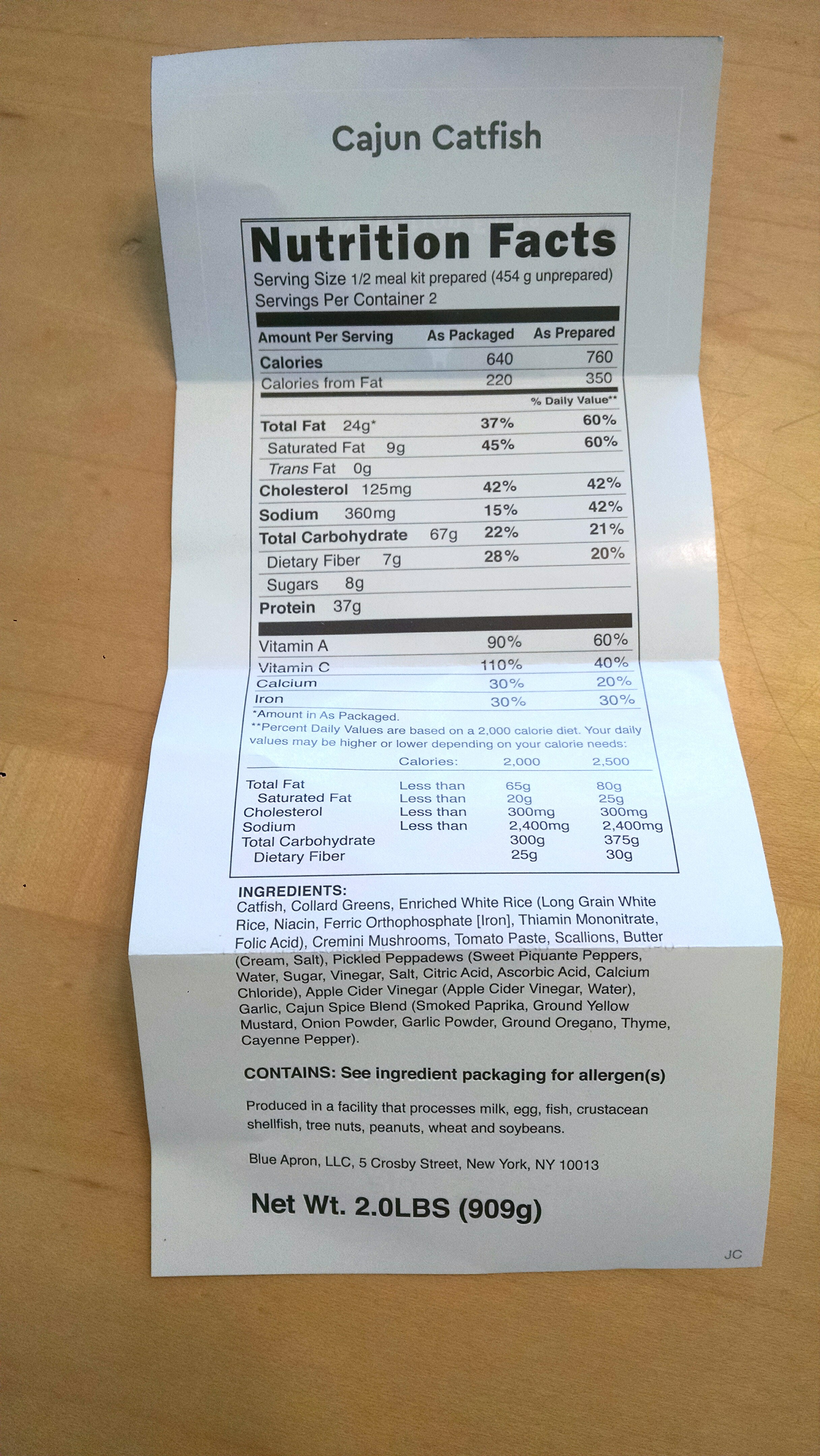
Cajun Catfish
I’ll be honest. My first reaction was a furrowed brow. I’m not a huge spice fan, nor do I care much for cheeseburgers. (I’m so glad I didn’t have a choice with the meal selections, though. Keep reading to find out why!)
A box showed up on my doorstep a week later. My kids could barely contain their excitement. I was psyched, too.
Upon opening the box, we discovered colors and shapes and textures all waiting to be diced, sauteed, and garnished. It was delightful.
I loved the freshness of it all. It truly was a chance to cook gourmet meals from scratch as a family.
Each meal comes with clear instructions. The kids loved looking at the step-by-step pictures and matching the foods with them.
Benefits and Drawbacks of Blue Apron
With any review comes the honest observations of pros and cons. I feel it’s only right to share both sides of my experience with you.
BENEFITS
Blue Apron completely transformed my kitchen. The aroma of Cajun rice with red peppers cooking next to two catfish fillets with sauteed collard greens was a thrill for my senses. Also, the food was delicious. I’m so glad I didn’t get to decide what meals arrived because I would never have braved these new flavors. They weren’t kidding when they said food from scratch is best!
Blue Apron also gave me the gift of education. I was able to teach my children about the meals, the seasonings, the nutrition in each food, and so on. My daughter bragged to her friends, dolls, and everyone in earshot that she tried a radish for the first time (Blue Apron sent a recipe for a kale and radish salad). I love that my kid took pride in eating healthy food.
Note: My kids are too young for using a knife, but if you have older kids, this is a great opportunity to teach them some important food prep/kitchen safety skills they can carry into their own lives down the road.
DRAWBACKS
Every recipe had something spicy which didn’t work so well for my 2-year-old. If you have younger kids, you may need to keep leftovers handy or whip up something on the side. That did take more time and effort.
Also, the prep time before meals is fairly time-consuming. That makes sense with meals from scratch, but the estimated prep time on each recipe card was much shorter than what it took me to wash, dry, mince, and chop everything. With both kids hovering nearby and no sous-chef, it simply took extra time. Make sure you factor that in when you plan your evening so that you’re not serving dinner at 8:30 PM (that may or may not have happened on Day 1…).
The most obvious potential drawback is the expense. Family meals per week are between $70 and $140. That’s a significant investment many can’t afford to make. The health benefits could, however, be worth it in the long-term.
Blue Apron Review: My Conclusion
Blue Apron has become my unofficial culinary school. Since trying it, I’ve branched out and purchased new ingredients at the store like fresh salmon and, yes, catfish fillets.
Although my husband and I agree that Blue Apron isn’t something we can afford continually, I’d love to try it out with the kids when they’re a little older. What a great way to make some memories, learn an awesome skill, and eat healthier.
If you don’t think this is a good fit for your family, consider it for when the kids get older or give it as a housewarming or wedding gift.
Full disclosure: I obtained three free meals for the purpose of reviewing Blue Apron. However, the opinions and thoughts shared below are entirely my own.
If you enjoyed this article please leave us a comment below or share it on social media.
Here are Blue Apron reviews from our friends, Budget and invest, Thousandaire and Cleverdude. And for a more holistic view on all the current meal kit vendors, be sure sure to check out top10.com!”
P.S. Are you a stay-at-home mom? Make sure you bookmark or pin some of these resources for later!
According to a Pew Research Center survey, 79 percent of Americans made online purchases in 2016. Fifty-one percent purchased something on their cell phones. Parents make up a massive percentage of those shoppers, so that’s why I’ve put together this Paribus review. It’s here to help you find ways to earn cash back on those online purchases this year.
My Paribus Review: Is Paribus Right for Your Family?
If you’re handy with your smartphone, you probably already use money-saving apps like RetailMeNot, Swagbucks, or Walmart’s Savings Catcher, but there’s a new kid in town called Paribus, and it’s different than any other app you’ve tried.
What Is Paribus?
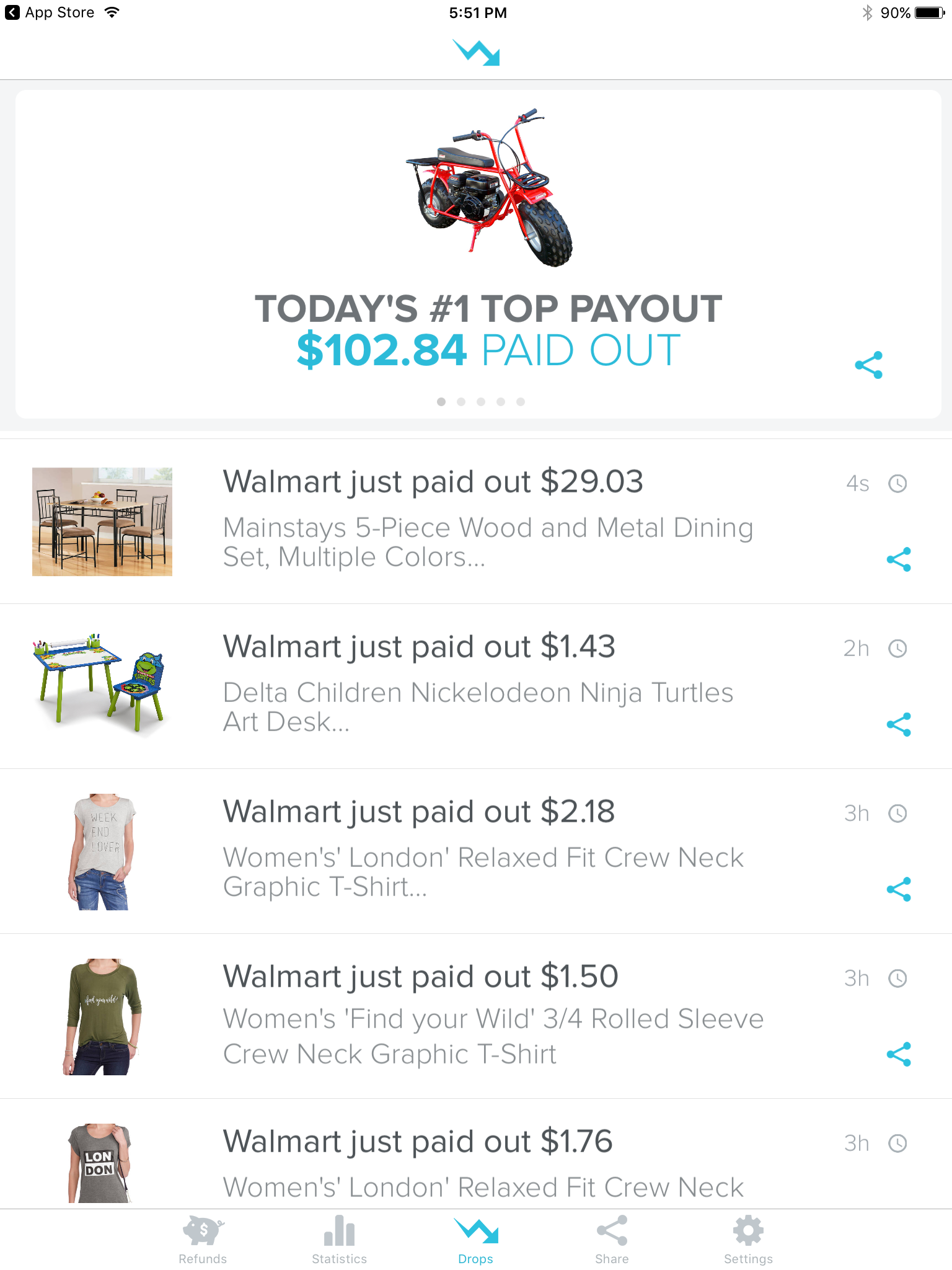
Paribus is an app available to all Apple devices and is free to download. Every time you shop online, Paribus automatically scans your digital receipt to see if there are purchases eligible for cash back over the subsequent weeks.
For example, let’s say you bought your son a $60 LEGO kit at Walmart.com for his birthday last week, but you’ve just noticed the price dropped to $40! Paribus automatically contacts Walmart to find out if you can get that $20 refunded. If they agree, then you get 100% of that refund!
Not bad for doing basically nothing, right?
What Are the Benefits and Drawbacks to Using Paribus?
It goes with the territory that every new product has its pros and cons. Your days are filled with tending to kids, running your household, and keeping your head on straight. My job is to help you make an informed decision about products that may or may not benefit your family as honestly as I can.
Therefore, here are the benefits and drawbacks I observed when using Paribus.
BENEFITS
It’s free. From the moment you download the app to your first cash back alert, there are no charges or hidden fees. Although, you do have to spend money shopping online, obviously!
It could be great for the holidays. Last Christmas, I asked a group of moms to share their favorite way to go Christmas shopping and the majority answered, “Online.” If you rack up most of your holiday spending money with online retailers then you could be in for some cash back on some of those purchases.
DRAWBACKS
You have to share quite a bit of private information with Paribus. Like I said earlier, I want to be totally honest in this review, so I need to share one drawback that gave me considerate pause at first. Paribus will have authority to read, send, delete, and manage your email. They also request your Amazon login and password, as well as your credit card information.
I worked for years in fraud prevention at a financial institution, so those were automatic red flags to me. I dug in and researched user experiences since the app’s inception in 2014. Despite the scary amount of personal information, I did not read one report of fraudulent activity or compromised information from users.
I’m just reviewing this product as a consumer and don’t have authority to ensure this software is secure, but you can hear directly from Paribus and learn more details about how they handle our information via this CNBC report.
Watch out for hiccups. I experienced a technical bug when I tried to sync my Amazon account with Paribus. Upon further research, I discovered several other complaints about technical hiccups like that. I’m sure they’re updating and ironing out bumps all the time, but just be aware that those may cause some delays.
Not every purchase or store is eligible. A number of users complained that Paribus only pays back on eligible stores and purchases, so their cash back wasn’t as much as they hoped. Considering your family’s needs over the course of this year, you may want to evaluate where you’ll be shopping for them and how often. Paribus updates the list of eligible retailers regularly.
Paribus Review – Final Thoughts
The million dollar question is this: Did I actually get cash back using Paribus?
Not yet. I believe the reason is because I shop infrequently online and have only just started using Paribus.
Paribus is a free app that requires minimal upkeep, so if your alright with the parameters discussed throughout this article and you already shop online regularly, then it’s likely this app will make you some money. If you don’t shop a lot until Christmas, then it may still be helpful. If you just don’t shop a lot, ever, then you may not hear much chatter from Paribus.
Are money-saving apps like Paribus a wise replacement for good financial habits? Not at all. We use terms like “personal finance” and “financial living” because you must live out certain principles in order to succeed. Laying a foundation with things like budgeting, saving, and spending less than you make are far and away more important than using the right gadget or app. Are apps still helpful? Yes. But don’t let them tempt you to spend more than you intended to and wreck your foundation.
The Sign-Up Process
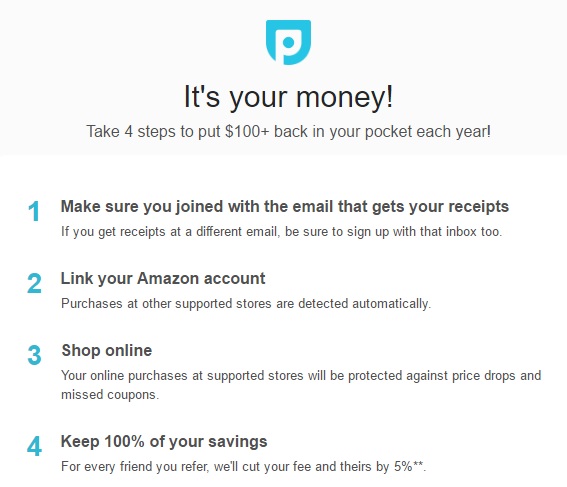
The following four steps taken directly from Paribus’ sign-up page will help you get started:
I think we can all agree that shopping online is the bees’ knees, right? Not only are online prices super competitive, the “work” of shopping can often be done faster from home. And bonus; the items you buy are delivered right to your front door. As an added benefit, companies like Giving Assistant are actually paying customers to shop online.
That’s right. They give you cash back on the things you buy.
How Giving Assistant Works
The first step is to create a free account with Giving Assistant.
After you log in to your account, you can start shopping either by store or by category. Each store offers a certain percentage of cash back on purchases. Five percent is the average discount percentage. However, many stores offer discounts of up to 7% and even more, depending on the day.
When you make a purchase, the store pays that cash back to Giving Assistant. If you’re a member, the cash back goes right into your account.
If you’re a non-member, Giving Assistant keeps the cash back and donates a meal to Feeding America. In fact, Giving Assistant donates a meal to Feeding America for every single qualified purchase.
As a bonus, Giving Assistant informs buyers of any online coupons that can help bring their purchase price even lower. When you combine coupons with cash back bonuses you save even more money on the things you buy.
How to Receive Your Cash Back Bonuses
As you accumulate cash back rewards, the site allows you to transfer those rewards to a debit card through Paypal. You’ll have the option to transfer your money once you’ve earned at least $5.01 in bonus cash. No waiting for checks to come in the mail or trying to reach high minimum payout balances.
Giving Assistant pays out pretty quickly as well – often within one business day when using Paypal’s secure site.
Giving to Charity through Giving Assistant
When members earn cash back, they also have the option of donating some or all of their earnings to charity. Members can choose from hundreds of non-profit organizations to donate to, such as Feed the Children or the Red Cross.
Which Stores Participate?
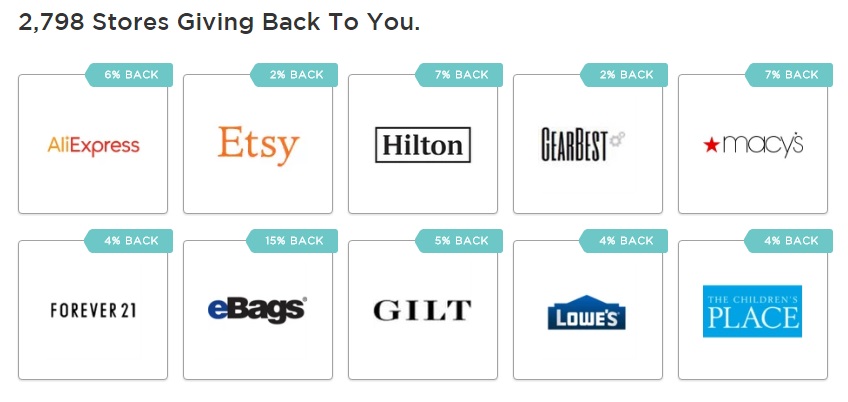
According to their website, Giving Assistant has over 2700 stores participating in its cash back program. Some examples are:
Big box stores such as Walmart, Target, Kmart and Kohls
Online retailers such as Amazon and Coburn’s
Specialty sites such as Etsy, Redbubble, Café Press and Ebay
Specialty stores such as Macy’s, Nordstrom, Coach and Ann Taylor
With nearly 3,000 stores to choose from, everyone is bound to find a shopping venue that fits their needs.
In this day and age, people are becoming more mindful of how their purchases affect the world as a whole. With Giving Assistant, shoppers can become a part of a growing conscious capitalism movement.
By combining shopping with charity, you meet your needs and help the less fortunate get their needs met, too. Shopping responsibly has arrived.
Are you a fan of shopping online? Would you ever try Giving Assistant? Share why or why not below!
ATTN Stay-At-Home Moms: Make sure you bookmark or pin some of these resources for later!
As a trained financial coach and someone who has experienced life below the poverty line, I’m passionate about helping people who find themselves living on very little income. I want them to know there’s more hope than they realize. It’s not easy, but there are steps people can take today to improve their financial situation at home. Let’s go over a few of those basic considerations now.
Living on very little income? Here are some basic considerations.
What you earn annually does not directly affect your living situation. For example, things like cost of living, recurring bills, spending habits, and hobbies make a huge difference. Some families can make do on $25,000, others struggle with $125,000.
The key component that made the biggest difference in my own life wasn’t my bank account balance, it was my behavior. When my mindset shifted toward healthier habits, the numbers inevitably followed. Here are a few key behavioral shifts I made that improved our finances when money was especially tight.
3 Ways to Successfully Live On Less
Protect the “four walls.”
According to the U.S. Census Bureau, the poverty line for a family of four is $24,339. View your family’s size and threshold here.
You may experience creditors calling you about a bill that’s overdue, what’s that when your family is still able to eat and there’s no eviction notice on your door? Protecting the four walls, no matter your income, puts you in a completely different place emotionally.
Start a “Rainy Day” fund
If you feel like you’re one broken appliance away from a crisis due to your limited income, it’s time to save up for emergencies. It’s so easy to say you can’t spare an extra $500 right now to just sit in the bank, you wouldn’t be alone in that thinking. Over 62% of people responded in a recent Bankrate poll that they wouldn’t be able to cover an unexpected expense like a $500 car repair or a $1,000 trip to the ER.
But remember, we’re looking at modifying behavior. You can walk a different path than the majority.
For example, how would it feel if your radiator cracked and white smoke started billowing out of your hood tomorrow? Now how would it feel if you knew there was money in the bank to fix it immediately? You’ve just reduced a crisis to a problem with a solution.
Set up an automated savings transfer every month to make sure the habit sticks.
Sell items around your house on Facebook or in a garage sale. Got a stack of books lying around? Try selling them on Amazon or Bookscouter.com.
Eliminate as much debt as possible. This will free up more and more money each month to put toward savings and living expenses.
Increase your income.
If you’ve protected your four walls, started planning ahead for emergencies, and created a budget to track your spending, then congratulations. You’re light-years ahead of so many Americans who carry the stress and worry of finances on their shoulders day in and day out.
Many people skip those first integral steps and jump straight to this last one: Increase your income. Hopefully, now you can see why a shift in your own habits needs to take place first. Then, you’ll feel more empowered to do something to increase your income. The foundation has been laid. Now here are a few ways to increase your income:
Pick up a second job.
Increase your hours or work overtime.
Seek a promotion or raise.
Start a side hustle from home.
Seek out a higher-paying job.
You have the same 24 hours as everyone else, so getting a second job or working longer hours comes with the sacrifice of time away from home. If that’s what it takes to protect your four walls and set up a buffer against emergencies, then that might be the right answer for the time being.
If you’re living on very little income, this is probably a difficult season for you. Change won’t happen overnight, but if you build a financial foundation based on your values (i.e. protecting your family), then each decision will flow out of that and sacrifices like cutting up a credit card or eating out less will sting less. The trade off will eventually be a more peaceful home and greater financial freedom.
Have you ever experienced living on very little income? What steps did you take to improve your finances?
This post may contain affiliate links.
Do you dream of becoming a stay-at-home mom? We’ve assembled a collection of resources just for you!
The tricky thing about life is that it doesn’t always line up with our schedule. Perhaps you find yourself in a situation where you have to move before your lease is up. Breaking a lease is complicated, potentially expensive, and best avoided at all cost. However, when you have no choice, and your to-do list suddenly includes “someone must take over apartment lease,” here are your next three steps.
Take Over Apartment Lease – How to Quickly Find Your Replacement Renter
Perhaps “Plan A” was to coordinate your moving date with the end of your lease. Perhaps an unexpected life event occurred like an out-of-state job offer or the end of a relationship. Now your facing “Plan B.” You might be wondering where to even begin.
Step 1 – Understand your options.
Spend some time reading over your lease agreement. It will include vital information about what’s expected of you and your landlord if a lease break occurs. In many states, you may be required to help find a replacement renter, but that’s not always the case.
Meanwhile, start putting away money in savings. If you break your leasing agreement, you’ll likely pay the amount of your rent for every month until another renter can be found. Keep in mind, this can add up quick if you live in an expensive city like Minneapolis.
One caveat to this is if you had to move out due to your landlord not following through with his commitment in the contract.
For example, maybe you’ve discovered mold. It’s a direct result of a leaky appliance your landlord promised to replace. If the agreement to fix this appliance was in writing, you could have just cause for breaking your lease early.
Step 2 – Inform your landlord as soon as possible.
The benefits of informing your landlord of your plans sooner rather than later outweigh the drawbacks. They are as follows:
Being proactive, polite, and honest about your plans to leave will help greatly, especially if you discover there is room for negotiation on your break lease.
As I mentioned early, you may legally be required to help your landlord find a replacement renter. Therefore, the sooner you bring it to his or her attention, the sooner you can both begin your search. The sooner you begin searching, the less you’ll have to pay in rent down the road.
Depending on the terms in your lease agreement, you may have the option of a termination agreement with your landlord. That would basically allow you to pay a one-time fee for breaking your lease early without the extra work of finding a subletter or new tenant.
Step 3 – Find someone to take over your apartment lease.
If no termination agreement can be reached and you have no other choice but to find your replacement, try these options:
Notice boards – One common place for soliciting new apartment tenants is on notice boards located at grocery stores, laundromats, or within the apartment complex, itself.
Craigslist – Another option is to list the information on Craigslist. Be careful about how much personal information you share online and about meeting any potential renters alone.
Local newspaper – Before there was Craigslist, there was the newspaper. The exposure your request receives, the quicker you’ll find someone.
Social media – Again, be cautious about your personal information, but word of mouth can be a great asset when you’re searching for someone to take over your apartment lease in a hurry.
Hire a 3rd party to transfer the lease for you – There are companies who will market your apartment’s vacancy and transfer your lease for you. Always read the fine print, weigh the cost, and understand what you’ll still be responsible for when they’re finished.
When in doubt, try to protect your contract from a lease break. But if you absolutely cannot, use these steps as a guide through this time of transition.
What are some ways you’d recommend someone finding a replacement renter quickly?
BTW – Are you a stay-at-home mom? Make sure you bookmark or pin some of these resources for later!
Due to the busyness of life, it’s not always feasible for moms and/or dads to be at home when the kids need to eat. Helping them learn to cook for themselves will help them understand responsibility, self-care, and a new way to have fun. Therefore, here are some fantastic and easy recipes kids can make themselves.
7 Recipes Kids Can Make Themselves
1. Salad Bar
Not only are salads healthy, they’re easy to make for kids of nearly any age. The ingredient possibilities are endless. If parents keep a variety of fresh ingredients on hand, kids can put together a salad that fits their differing taste preferences. Some ideas for ingredients to have on hand include:
Bagged, pre-washed salad
Cherry or grape tomatoes
Green pepper
Green onion
Cucumber
Deli meat
Hard-boiled eggs
Avocado
Chopped walnuts, sliced almonds or sunflower seeds
A variety of dressings
As long as your child has been taught how to safely use a serrated-edge knife, there’s no limit to the ingredients they can include in their salad bar.
2. Sandwiches
As with a salad bar, sandwiches have endless possibilities and don’t have to be limited to the traditional PB&J. A variety of deli meats, veggies, cheeses and spreads such as mayonnaise, mustard and guacamole will add an extra boost to the plain sandwiches of yesteryear.
For example, tuna and chicken salad are quick and easy sandwiches that can be spiced up with simple ingredients. Here’s an easy recipe kids can make themselves.
1 5-ounce can of tuna or chicken breast, drained
1 tablespoon of mayonnaise or salad dressing
1 green onion, sliced thin
1/2 stick of celery, sliced thin
Mix all ingredients in a small bowl and spread on your choice of bread. Add a slice of cheese and/or pre-cooked bacon if desired.
3. Taco Bar
With only seven easy-to-prepare ingredients, your kids can whip up a taco bar that will please the masses.
Browned hamburger (seasoned with premade taco seasoning)
Bagged, shredded lettuce
Shredded cheddar cheese
A jar of salsa
Diced tomatoes
Sliced green onion
Hard and/or soft taco shells
Want to do your taco bar a bit differently? Substitute the taco shells with tortilla chips and have your child put their nacho creation in the microwave for one minute.
4. English Muffin Pizzas
This recipe can be made in the microwave or in a toaster oven. For each child, have:
1 English muffin, sliced in half (toast in the toaster first if you’re using the microwave)
2 tablespoons of pizza sauce from a jar
¼ c. of shredded mozzarella
Additional toppings such as pepperoni, sliced olives or other sliced veggies as desired
Place the two halves face up on a plate or toaster-oven-safe baking sheet. Spread one tablespoon of pizza sauce (I like Chef Boyardee) on each muffin half. Add desired toppings. Cover each half with some of the mozzarella cheese. Cook the pizzas in the microwave or toaster oven until cheese is melted and bubbly.
5. Homemade Mac & Cheese
This is one of the most popular easy recipes kids can make themselves due to its tastiness and simplicity. Not to mention the health benefits for making it from scratch rather than from a box.
Ingredients:
1 c. of dry macaroni
1/3 c. shredded cheddar cheese
2 slices American cheese
1 tablespoon butter
1/3 c. milk
Salt and pepper to taste
Prepare pasta as directed. When finished, drain and return pasta back into pot. Mix in all ingredients. When all of the cheese is melted and the ingredients are thoroughly mixed it’s ready to eat!
6. Creamy Fruit Dip with Fresh Fruit
This healthy and easy-to-make snack is great for after school or after dinner. It makes a terrific breakfast meal as well.
Fruit Dip:
1 c. vanilla yogurt
4 oz. cream cheese, softened
1 tablespoon honey
1 tablespoon brown sugar
1/4 teaspoon ground cinnamon
In a medium-sized glass bowl, beat cream cheese with electric mixer until smooth. Add remaining ingredients and beat until combined thoroughly. Serve immediately or chill until ready to eat. Serve with your choice of fresh fruit, such as strawberries, bananas or apple slices.
7. Banana Parfait Dessert
This simple dessert can be modified to satisfy a variety of different taste preferences.
Ingredients:
1 -3.4 ounce package of Jello instant banana pudding
1 8-oz. container frozen whipped topping, thawed but still cold.
1 medium banana, sliced
4 vanilla wafer cookies
Prepare banana pudding as directed. Add sliced bananas. Place one cup of mixture in a medium-sized bowl or sundae dish. Garnish with vanilla wafers and a dollop of whipped topping.
Substitutions:
Vanilla pudding with strawberry slices
Chocolate pudding with bananas or chocolate chips
Even though these are easy recipes kids can make themselves, they’re also great for making with your child. Snag a few of these ideas as you plan your next grocery trip and get ready to make some memories (and a few messes) together with your children in the kitchen.
Finally, if you are a parent you know that children can be really expensive to feed. If you are interested in possibly cutting down on your expenses, consider something like Amazon’s subscribe and save. Subscribe and save is good for things like Z-bars, coffee and laundry detergent. If you use a lot of dry staples like these, it might be worth your time to sign up for it.
If you want to read more about kids in kitchen check out our articles on:
Along with the costs of college, graduation parties, and other high school senior expenses, parents everywhere are asking another question: How much are senior pictures?
That depends on several variables, such as where you live, what type of portrait package you choose and on the type of pricing system the photographer uses. Here are some helpful tips to get the best deal on senior pictures for your high school graduate.
How Much Are Senior Pictures?
The Photographer Element
Professional photographers generally work in one of two ways:
They make their money off of the time spent at the photography session.
They make their money off of the photographs a client purchases.
The first type will charge a higher fee (usually between $500-$1500 depending on where you live) for the portrait session itself; however, the session generally includes all rights to the photos. The client is given a photo book contain proofs of the photos along with a CD or MP3 format of the photos (or online access). They can have pictures printed anywhere they choose.
The second type of photographer will have a lower fee for the portrait session (often varying between $50-$200). One key difference is the photographer retains all rights to the photos until you’ve purchased a portrait package directly from them. In that case, the printing of the portraits is usually a lot more expensive. The quality of the printed photos will likely be better as well.
Determining Which Photographer is Right for You
There are several steps you can take to determine which photographer is best for your child’s senior portrait needs.
Shop Around
It’s smart to call several different photographers and get the details on their pricing before making a decision. When shopping around, be sure to ask to see samples of their work and ask if there are references you can call as well. Getting suggestions from the parents of your child’s fellow classmates can be helpful too.
Decide How Many Printed Pictures You’ll Need
Knowing how many printed pictures you’ll need can help you decide which type of photographer to use. If you’ll be printing quite a few copies you may want to go with someone who includes rights to pictures as a part of the portrait sitting session.
If you aren’t expecting to print many copies of pictures it may be more cost-effective to go with a photographer who prints the pictures themselves and charges a smaller sitting fee. Add up the cost based on the photographer’s printing charges before making any decisions.
Discuss Portrait Venues
It’s important to discuss with your child and with any potential photographers where you’d like the senior pictures to be taken. Is there a favorite park or other location your child wishes to be photographed at? Do they want to include a family pet in some of the pictures? Some photographers charge an additional fee for including pets or for taking pictures at off-location places such as parks.
Alternatives to Professional Photography
If there’s someone in your life who has a knack for photography but isn’t a professional, you may benefit from hiring them. They would most likely provide a more affordable rate for a portrait sitting session.
With a bit of research, the question, “How much are senior pictures” no longer has to be a mystery. Instead, it can be a fun and affordable experience for parents and students alike.
How do you save money on professional photography?
Are you a stay-at-home mom? Make sure you bookmark or pin some of these resources for later!
Pinterest is a magical place for party planning, especially for kids’ parties. Due to the unspoken pressure created by social media, DIY-themed events can become a financial sinkhole quickly. That’s why I’ve put together how to save money on birthday parties, and still have a great time.I’ve seen
I’ve been the Pinterest mom, scouring professional cake designs and theme-consistent decorations, utensils, favors, mascots, and skywriting airplanes. OK, maybe not the last one. I’m not saying you shouldn’t have fun stuff; I’m just saying sometimes we all need to step back from the culture of excess that permeates the internet and reboot.
We all need to take a moment and remember how things were when we were kids. No Instagram filters. No professional photographer.
I’m talking homemade sheet cake with mismatched birthday candles. Party hats made from construction paper. Running around in the backyard with friends.
We didn’t have many elaborate birthday parties growing up. But every birthday, large or small, was great. Odds are, your kids will feel the same way, too.
So here are a few ways to lift some pressure off your shoulders, save money, and have fun.
How to Save Money on Birthday Parties (and Still Have Fun)
1. Scale back.
Not every year needs to include a birthday party with 20 guests, a main course, three dessert options, and a bouncy castle in the back yard. For example, my daughter turned four shortly after Christmas, so we had a simple celebration at home with her grandparents. She helped me bake a cake from scratch and got a kick out of sticking the four candles in the cake, herself.
She’ll have bigger parties in the future, but I believe it was good for her to have a simple celebration with family this time. She had so much fun, and it certainly saved us a small bundle.
2. Give experiences.
One of our gifts to our daughter this year was a playdate at one of her favorite indoor bounce house entertainment centers. There was a discount on Groupon, so we set the date, invited friends, and enjoyed an afternoon together. You could even do this at a later time instead of a large birthday party.
To learn of discounted events in your area via Groupon, click on their website and type in your city. These deals fluctuate constantly, so make sure you check in from time to time.
3. Utilize the power of the Dollar Store.
Perhaps you’ve chosen your party theme and it’s time to pick out decorations. When I threw a “Thomas & Friends” party, Amazon had bundle upon of bundle of great decorations. My cart was filling up quickly. I finally realized I could buy a few of those items in generic colors and they’d still tie into the theme.
That brings us to the power of the Dollar Store. If you want to save money on birthday parties, don’t force yourself to make every item match perfectly. You can have plain, white cups and napkins to go with your Frozen theme. Plastic table cloths are another great example where solid colors work well.
If you have a budget for party items and need to save money, try out a few of these suggestions and see how they go. Like I said before, it’s great to have a party and celebrate your child, but you don’t have to go all out just to make them happy. Kids come predisposed to love birthday parties.
How do you find ways to save money on birthday parties?
Today we have a guest post from Jon, a personal finance blogger and father.
I’ve read the stories about how much it will cost to raise a child. The latest information I found was from 2013 and that number was $245,000. Of course, having a family is priceless so the cost of raising kids shouldn’t even enter the equation, right? But what if you and your spouse have grand dreams of retiring early? You both want to leave the 9-to-5 behind as soon as possible. How will that dream be affected by having children and raising a family?
For my wife and me, so far it has not impacted us greatly. Granted we only have one child and she is just 7 months old. But we have been smart with our finances while still providing for her needs. Last year, we were able to save over $30,000. This is with my wife not working for 4 months while on maternity leave.
How have we been able to buy things for our daughter and still save money in the hopes that we retire early one day? Below are the things we have done to save money. This list will be changing as our daughter ages and when we add another one into the mix, but some of the tricks we use should continue to work for years to come.
Tricks We Do To Save Money Raising Our Child
Clothing
This is probably the biggest expense for most first time parents. You get sucked into the cute outfits and buy, buy, buy. We don’t. At first we did. But she grew so fast, 90% of the clothes we bought she outgrew before she could wear. So we learned quickly that it’s just not worth it.
When we do buy clothes, we buy what is on sale or clearance. We also tend to put her in some clothes that are a little too big for her and just roll up the sleeves. You can easily get 3 onesies on clearance for under $10 at most places.
For special occasions, like holidays, we look for a cute dress on clearance. If that doesn’t work, we go to a Mommy Market and find clothes there.
Food
When it comes to food, we have gone the old-fashioned route and breastfeed. My wife also pumps and we freeze anything extra. In fact, our freezer has more milk than any other kind of food!
We just started to try out solids and our plan is to make the food ourselves. We head to the local grocery store that has the lowest prices on produce and buy what is on sale. So far, we have been feeding peas, bananas, sweet potatoes and carrots.
After we buy the food, we steam it, mash it and freeze it. It’s a little more work, but a lot cheaper in the long run. For example, a bag of baby carrots is $0.99 and that gets us 3-4 meals for her.
Diapers
We were considering cloth diapers before we had our daughter. But the thought of washing them just turned us off so we use disposables. How do we save money on diapers?
First, we comparison shopped. We figured out who had the lowest price for Pampers in our area. It is a grocery store. So we buy them there and always use a coupon. Most times the package of diapers has a coupon inside. We also find coupons in the ads that come in the mail. We combine this with our American Express Blue Cash Card and get 6% cash back at grocery stores.
In some cases, we turn to Target as well. Every so often, we get a magazine from Target in the mail with a $5 or $10 off coupon. We combine this with coupons we get in the mail for Pampers, along with our Target Red Card and get another 5% off.
Toys
Just like with clothes, we limit this area of spending too. We have a bunch of toys that she plays with and don’t buy new until she starts to show disinterest in some of them. Then it is off to yard sales, consignment shops or Mommy Markets to find toys in good shape for a low price.
How We Save The Most Money
But there is one thing we do that has helped us really save money. When we had our registry, people bought us a good amount of stuff. We had doubles of some things and singles of other things that we just weren’t going to use.
So we went through everything and really thought about the gifts. Anything we weren’t 100% committed to, we returned. We got store credit and have used this credit strategically over the first couple of months.
For example, we bought a good amount of clothes without spending any of our money. We still stick to the clearance racks, just to stretch the money farther.
We also opened a credit card at Babies R Us where our registry was. It allowed us to get our daughter’s crib and dresser for 50% off. How did we do this? We used the discount we got from completing our registry, plus the discount for opening up the credit card, plus the discount for using the card on a certain day of the week.
Lastly, we take advantage of coupons. There is a Buy Buy Baby near us, which I didn’t know about. I also didn’t know you could use the Bed Bath and Beyond 20% off coupons there since they are owned by the same company. That is where we bought her car seat and were able to save 20%.
Final Thoughts
The costs for raising a child are significant. But if you are smart about things, you can save money so that you can still reach your goals, no matter what they may be. For us, the goal is still early retirement. But not for the same reasons as before.
Now we want to retire early so that we can be around for our daughter and any future children. We don’t want to be stuck behind a computer screen until 9pm and miss out on our child’s life. After all, they are only young once.
Jon blogs at Money Smart Guides, a personal finance site that helps readers pay off debt and start investing for their future.
James Hendrickson is an internet entrepreneur, blogging junky, hunter and personal finance geek. When he’s not lurking in coffee shops in Portland, Oregon, you’ll find him in the Pacific Northwest’s great outdoors. James has a masters degree in Sociology from the University of Maryland at College Park and a Bachelors degree on Sociology from Earlham College. He loves individual stocks, bonds and precious metals.
Did you enjoy watching Reading Rainbow as a kid? Turns out, the popular educational show was much more than children’s entertainment; it was a movement. For 20+ years, the show did its best to inspire children of all ages and walks of life to pick up a book and read. Dolly Parton’s Imagination Library picked up the same torch to inspire young readers all across the world.
How important is it for children to read?
We’ve all heard the saying that “leaders are readers,” but the importance of literacy goes much deeper than that. According to a study by the US Department of Education, 32 million adults in America can’t read. Another study shows that two out of every three students who don’t proficiently by 4th grade could end up on government assistance or in jail.
Statistics like that drove people like Levar Burton and Dolly Parton to make a change. With Reading Rainbow, kids learned from books read and discussed on TV. In Dolly Parton’s Imagination Library, new books show up right on your doorstep.
What is Dolly Parton’s Imagination Library?
In 1995, Dolly Parton cast a vision to grow children’s love for reading in her home state of Tennessee. Regardless of their family’s income, Parton sees to it that every child receives a quality, age-appropriate book to read every month.
Over 20 years later, more than 80 million books reached young readers in the United States, Canada, and the United Kingdom.
Author’s Note: I recently went through the sign-up process and discovered that my region is not currently eligible. Upon further research, I discovered that organizations partner with Parton’s foundation to fund the expense for books in their specific regions. Therefore, be aware that not all locations qualify.
What Dolly Parton’s Imagination Library Could Mean for Your Family
In an age when children are parked in front of screens for up to 11 hours a day, a resource like this may tip the scale on that balance. Imagine a new book showing up in the mail for you to read each month.
If this is an initiative you’d like to support or you’d like to sign your child up today, check out Dolly Parton’s Imagination Library for instructions on how to donate.
Other Ways to Save Money On Children’s Books and Promote Reading In Your Home
If your region isn’t eligible, don’t give up. Here are some more money-saving options for your young reader:
Weekly storytime at your local library
Reading contests at school or the library
PaperBackSwap.com – Trade your books with other members for a small trading fee.
Book swap parties – Invite some other parents to your home and ask them to bring any children’s (or other genres of) books they’d be interested in swapping. Lay them all out on a table, draw numbers, and take turns picking from the “new inventory.” Get your kids involved, too!
Consignment sales – Books are often sold for $1 or less.
Garage sales
Audiobooks – You can check these out for free at the library. They include a book for children to use as they listen along.
For more on reading for your kids, or reading to your kids, check out these great articles.
Children are a gift.They make us laugh, they make us cry and they make our lives worth living. On the flip side, children are also one of life’s greatest financial expenses. If you’re a new parent or will be soon, it may seem like you hear about a never ending list of things your child needs. Today I’m breaking down the biggest childhood expenses from age 0 to 5.
The Biggest Childhood Expenses You’re Likely to Face
Age 0 to 1: Diapers
Diapers are expensive. Not only is the price daunting ($20+ to $40+), the amount that a new parent goes through can be astounding. On average, a baby will go through over 2,000 diapers in his or her first year of life.
How to Save: To get a leg up on that expense, open a second checking or savings account just for baby expenses. Drop an allotted amount of cash in the account every month. You’ll soon have a steady cash flow for that expensive diaper fund.
Age 2 to 3: Day Care
I have known day cares to charge under $200 a week, to up to $1,000 a week depending on the region. For example, the $1,000 dollar a week
For example, the $1,000 per week day care in my area caters to the children of doctors, judges, lawyers and prominent corporations. However, no matter if you are a high-income earner or average Joe, day care can be brutal on a family’s budget.
The average cost of day care in the U.S. is $11,666 per year. However, the range can fluctuate depending on the area you are in between $3,582 to $18,773 a year.
How to Save: Sometimes you can offset the cost a little if you:
Consider working at a day care to receive an employee discount.
Find a center that offers a discount for siblings.
Price the cost of living and decide if it’s financially healthier for you to work less and stay home with your child.
Age 4 to 5: Preschool and Health Care
Depending on where you live and the quality of the school, the price for preschool could be very high. The average cost of sending your child to preschool is between $4,460-$13,158 per year.
Health care is another big expense, especially in the early years. Not only do little ones get sick more often because their immune systems are not built up, but other health care expenses can arise too. Things like special therapies (speech, occupational, etc) or disabilities may not be covered under some insurance plans. Special surgeries or uncommon injuries may not be covered, either.
This means parents have to pay outrageous amounts of out of pocket expenses for things not covered under their plan.
How to Save: Find out what your insurance plan does and doesn’t cover. Consider opening a Health Savings Account and stockpiling it for unknown health-related expenses. The great thing about an HSA is that its contributions are tax deductible.
In Conclusion
There are many things to think about when you have a new baby. Focus on the biggest childhood expenses and figure out how you are going to best navigate each one. This will help to ensure a financially sound first five years.
How do you save money for your family’s biggest childhood expenses? Share one or two ways with us below.