• Home
  • About Us
  • Toolkit
  • Archives
  • Advertise
  • Privacy Policy

Kids Ain't Cheap

But They Sure Are Worth It

  • Parenting
    • Baby Stuff
    • Books and Reading
      • Aesops Fables
      • Comic Books
    • Education
    • Family Time
    • Green Living
    • Growing Up
    • Healthy Living & Eating
    • Holidays
    • Parenting
    • Random Musings
    • Shopping
    • Stuff to Do
  • Money
  • Product Reviews
    • Books and Magazines
    • Discount Sites
    • Furniture
    • House Keeping
    • Reviews News
    • Toys and Games
  • Contact Us
  • Our Editorial Commitment
  • Search

10 Steps to Create a Successful Stay-at-Home Mom Budget

May 22, 2017 | Leave a Comment

stay-at-home mom budgetDo you dream of becoming a stay-at-home mom but your family depends on your income? Your dream may not be impossible. It starts with a plan, a lot of self-compassion, and determination. I know from experience. Our most effective tool on our journey to a single-income family with an at-home parent started with a stay-at-home mom budget.

I’d like to show you how.

In 2014, I gave my notice at my job just a few weeks before having my second child. With only my husband’s income, we now had less than $2,000 per month to live on. That may sound impossible, but we spent years preparing for that day. It’s amazing how little income you can live on when you don’t have a car payment or student loan debts. It’s amazing how free you feel when you make such an empowering decision like staying home with your children. I

It’s amazing how little income you can live on when you don’t have a car payment or student loan debts. It’s amazing how free you feel when you make such an empowering decision like staying home with your children.

I wish that for you.

This list of steps will show you exactly how we beat the odds and successfully transitioned into a single-income family of four.

10 Steps to Create a Successful Stay-at-Home Mom Budget

Let me just say we stunk at budgeting before my husband and I got married. Like really stunk at it. I even worked as a teller and couldn’t keep my finances straight. I can laugh now, but it caused its share of anxiety in me at the time. I dreamed of staying home with my children someday, but our debts and sloppy spending made it felt unachievable then.

These 10 steps revolutionized so much more than our budget. It reshaped my mindset about money, my role in our marriage, how we communicate, and how we plan for the future. Check ’em out:

Take a financial snapshot.

Look at what you’ve been spending, how much you owe in debt, what you have in savings, and what you earn each month. It takes time, but this is a great starting point for anyone looking to improve their finances.

Before you ever write another budget, make sure you’re aware of where your money is really going.

Calculate how much you NEED to live on each month.

This number is vital. It’s not how much you spend on cable or fast food or extra clothes for the kids. This is the total you need, absolutely need, each month to keep the lights on, put gas in the tank, and feed the family.

A great way to calculate that number is to add up your monthly bills. They’re typically a set amount. Then, include things you typically buy in a month like food and gas. This is the baseline for you to plan your stay-at-home mom budget. You know this much needs to come in. If you and your spouse currently bring in more than that, then let’s talk about some ideas for that extra money next.

Build up a buffer.

When you reduce your family income, it’s paramount to have an established savings account for unexpected expenses. Millions of families live paycheck to paycheck with no clear financial plan for the next blown transmission or trip to the ER. You can set yourself apart from that statistic. Choose an account today and commit to putting away $1,000 for emergencies only as fast as you can.

Demolish debt.

Eliminating as many monthly payments from your life as you can before you become a stay-at-home mom is huge. If you’re already home with the kids, it’s still as important as ever.

For example, my husband and I started applying more and more of my paycheck toward student loan debt. What we thought would take seven years took less than two. Intentionality will bring about big results in your life.

Meet regularly with your spouse or accountability partner.

While my husband and I were paying off extra toward debt and saving for emergencies, we met regularly to discuss our budget. We still do. It isn’t always easy, but carving out a 15-minute window once a month to make sure you’re on the same page will reduce your stress and set up your stay-at-home mom budget for success.

Need some help creating a budget? Here are several free downloadable budgeting forms.

Sleep on big financial decisions.

Give yourself a 24-hour window before you make any purchase more than a set dollar amount. This is especially important for houses, automobiles, furniture, and the like.

Leave room for fun.

Even though you’ll have less money in the budget once you’re a stay-at-home mom, it doesn’t mean you can’t have fun. If it’s in your spending plan (and preferably not on a credit card), plan for fun outings or date nights or taking the children to the zoo. I even recommend a little fun money for you and your significant other to spend however you wish. A little freedom helps you life when finances tighten up.

Don’t compare yourself with others.

With social media, it’s almost impossible to not compare your life with others’. Remember this, though: It’s entirely possible they’re in debt up to their armpits and you don’t know it. Remember your reason for wanting to stay home. It may mean you have to live in a smaller house for a while, but the trade-off is more time with your kids.

Employ self-compassion when you fail.

You will fail. Your spouse will fail. Rather than give up and quit budgeting, give yourself some grace and try again. I’ve derailed more budgets than I can count. Working through that frustration and stress was like working a muscle. You will grow your abilities, too.

Focus on your behavior, not your numbers.

Ever read that quote about personal finance being 80 percent behavior and 20 percent head knowledge? It was true in my case. When I stopped chasing my credit score and started chasing a debt-free mindset, my account balance changed dramatically. What are some behaviors you can focus on that’ll help you establish a functional stay-at-home mom budget?

“What’s my next step?”

Hopefully, this article gave you some ideas on how to begin this journey. It’s meant to inspire and educate, but one blog post can only offer so much.

What I needed on my own journey toward staying home was a financial roadmap. Much of my husband’s and my experiences were trial and error (and more errors and some more errors). Beating the odds in 2014 lit a fire within me to help other women achieve this dream.Paperback-Book-Small-Spine-Mockup

That’s why I created a companion eBook to this article called “The Stay-at-Home Mom Blueprint.” It’s packed with 150 ways to chop debt, save money, earn a side income from home, and implement a financial plan that WILL enable you to spend more time with your kids.

This eBook contains everything I wish I’d known when I started my journey, from surviving our first messy budget as newlyweds to figuring out coupons to earning my first $10,000 with my at-home writing business.

If this is your dream to spend more time at home, then I wrote this for you. Look, it’s not easy. We spent years making this transition without a guide like “The Stay-at-Home Mom Blueprint.” Even so, it was worth it. Your journey will be, too.

May this resource empower you to take these steps to achieve what matters most to you.

Ready to grab your copy? Find “The Stay-at-Home Mom Blueprint” available here.

What’s your number ONE hurdle that prevents you from spending more time at home? Tell us about it in the comments below!

This post contains affiliate links.

Are you a stay-at-home mom? Make sure you bookmark or pin some of these resources for later!

  • How to Afford Your Dream of Becoming a Stay-at-Home Mom
  • 14 Online Jobs for Stay-at-Home Moms (That Are Worth Your Time)
  • 13 Ways for Stay-at-Home Moms to Save Money
  • Loans for Stay-at-Home Moms – What Are YOUR Options?
  • The SAHM Budget Test: How to Afford to Be a Stay-at-Home Mom
  • Walmart Savings Catcher
  • How Much Do Youtubers Make?

Filed Under: Coupons, Home and Living, Money and Finances, Parenting, Shopping Tagged With: personal finance, SAHM, save more money, stay-at-home mom budget, the stay-at-home mom blueprint

How to Save Money – 35 Top Ways for Parents to Save Money

May 15, 2017 | 2 Comments

how to save moneyNo matter what you earn in a year, if you’re raising a child, then saving money is going to be a huge part of your life. You’ll save for diapers, school supplies, soccer cleats, and college. To help in your frugal efforts, here is a master list of how to save money.

Many of these tips came from real parents discussing this important topic via SavingAdvice.com.

How to Save Money – 35 Top Ways for Parents to Save Money

This is one of those articles that can be a useful resource for you, time and time again. As you read through, there will be things you can apply to your life today, but some tips may not apply til later. I suggest you bookmark or pin this post to ensure you have access to you it later.

  1. Switch to bank accounts with no fees.
  2. Cancel unused memberships.
  3. Cancel subscriptions. Examples include magazines, newspapers, online entertainment, dating, or networking memberships.
  4. Skip the cafe and bring home brewed coffee to work.
  5. Eat out less; cook at home more.
  6. Save money on your electricity bill. Install a smart meter (some libraries loan them out for free) to measure how much electricity your appliances are using. You could be saving more by simply unplugging what you can.
  7. Contact your cell phone provider to ask how to save money on your bill. They may have a discount plan to offer.
  8. When other phone companies cold call you, ask if they can beat your current company’s price.
  9. Are you looking at a phone for your child that’s only to be used for emergencies? Try buying a prepaid phone rather than something on contract.
  10. Comparison shop. This is huge for every major purchase in your life – from cribs to colleges.
  11. Don’t buy “convenient foods” when you can make something from scratch. Frozen meals are quicker to prepare but you pay for the convenience and they’re often much less healthy for you.
  12. Buy in bulk versus smaller quantities at traditional supermarkets (Costco, Amazon’s Subscribe and Save).
  13. Batch your meals on the weekends. By preparing a large quantity of breakfast or snack foods during the weekend, you’re setting up your week to be more frugal and freeing up a considerable amount of time.
  14. Save those pennies and dimes. Designate a family piggy bank for all your coins. When it’s full, go do something fun together.
  15. Don’t balk at used items. Yard sales, thrift stores, and online garage sales may have just the items you’re looking for at a fraction of the price. Children’s clothing is a prime example, especially when they’re very young. They grow so fast!
  16. Whenever you can, shut off your heat or air conditioning and throw open those windows. You’ll save a considerable amount on your utility bill in the long run.
  17. Get creative with transportation. Can you carpool, ride a bike, or even walk to work? These may seem like extremes, but they’re also fantastic ways to save money on gas as well as preserve the life of your vehicle.
  18. Reconsider that credit card “deal.” As popular as it is to accumulate airline miles or to snag that 30% savings at Kohl’s consider the long-term drawback your experiencing.
  19. Be mindful of your spending habits. If you’re bringing home a paycheck, but there’s nothing left at the end of the week to drop into savings, then it’s time to dig in and evaluate what you’re really spending.
  20. Clip or download coupons. Apps like Cartwheel or Paribus or RetailMeNot can give you convenient methods for saving on weekly expenses.
  21. Wait at least 24 hours before making a large purchase. Give yourself a chance to come down from your “fever” to make a more thought-out decision.
  22. Check your wallet. By knowing how much money you have before you walk out the door, you’ll be aware of what you can and cannot spend throughout that day.
  23. Pack your lunch.
  24. Find some free hobbies.
  25. Identify wants versus needs.
  26. Lower your car insurance by combining policies or paying it annually instead of monthly.
  27. Learn how to save money on child-related taxes. See a full run-through of your options here.
  28. Launch a “No-Spend Challenge”. Choose a spending category (i.e. fast food) and set a time for not spending any money in that category.
  29. Try the 52-Week Money Challenge. Learn how to save over $1,300 a year here.
  30. Use a monthly budget. I know from experience that this will help you conquer debt more quickly and save money before you ever spend money elsewhere.
  31. Find deep discounts on Amazon merchandise through SnagShout.com.
  32. Don’t spend your tax return; save it.
  33. Automate a monthly transfer into savings. You’re much more likely to stick with it!
  34. Pay $100 extra on your mortgage each month. This doesn’t save money in the short-term, obviously, but you’ll save thousands in interest over time.
  35. Get accountability. However you’re saving money for your family, one of your most powerful tools is support. Not only does my spouse hold me accountable on a continual basis, but I love feeding off the positive energy in a supportive Facebook group of like-minded savers called “Your Debt Freedom Family.” We only discuss things related to our families and our finances – no spam or marketing. If you’d like to join, you can do so here!

The biggest progress I made when I was trying to figure out how to save money as a parent was remembering my “Why.” In my case, it was the little one growing rapidly in my tummy. She didn’t know it at the time, but my first child gave me strength, every day, to cut back, live on the budget, and save. It was worth it for her.

What’s one money-saving tip you’d add to this list? We’d love to hear about it in the comments below!

Are you a stay-at-home mom? Check out these bonus resources just for you!

  • 10 Steps to a Successful Stay-at-Home Mom Budget
  • How to Afford Your Dream of Becoming a Stay-at-Home Mom
  • 14 Online Jobs for Stay-at-Home Moms (That Are Worth Your Time)
  • 13 Ways for Stay-at-Home Moms to Save Money
  • Loans for Stay-at-Home Moms – What Are YOUR Options?
  • The SAHM Budget Test: How to Afford to Be a Stay-at-Home Mom

Filed Under: Family Time, Money and Finances, Parenting Tagged With: best ways to save money as parents, how to save money, Money Saving Tips, personal finance, Saving Money

5 Free Printable Baby Shower Games

May 8, 2017 | 4 Comments

free printable baby shower gamesYou’ve graciously offered to throw a baby shower for someone. Perhaps it’s a friend, coworker, or family member. Well done! It’s a fun time, but planning can be stressful. That’s why I’ve put together a roundup of free printable baby shower games to make the most of the mom-to-be’s special day.

5 Free Printable Baby Shower Games

Name That Baby

This is a game we used at my baby shower. Simply pass out the printable forms with a list of animals and have each guest write the names of baby animals of the same breed. for example, goose and gosling.

Find your printable sheets for “Name That Baby” here.

Name That Nursery Rhyme

This single sheet lists several first lines from famous nursery rhymes. Test your guests and see who gets the most right! The printable sheet and answer key are both at the link below:

Print off your copy of “Name That Nursery Rhyme” here.

Baby Bingo

Baby Bingo is a simple and fun game shower guests of any age can play. Print off several of these bingo cards – blue or pink. Make sure you have game pieces, candy, buttons, or coins for players to use for their cards. In each box, write what the expectant mother could potentially receive at her baby shower. For example, diapers, baby blanket, or lotion.

Call out each item and see who calls “Bingo” first!

Choose your printable “Baby Bingo” cards here.

Baby Shower Scavenger Hunt

A great ice breaker that helps people interact with one another is a scavenger hunt. Ask your guests to form into teams of two or three, then give each team a copy of the first clue. The rest of the clues have been hidden by you throughout the house.

I like this version of a scavenger hunt for a baby shower because each clue is fill-in-the-blank, making the clues more solvable and moving the game along at a nice pace. Make sure you have enough prizes for each team member to receive!

Get your “Baby Shower Scavenger Hunt” clues here.

Baby Shower Charades

Could you stand up in front of your friends and describe “Mary Had a Little Lamb” without using words? Try this fun version of charades that centers around popular nursery rhymes. Cut up each choice and have each guest draw one out of a hat to act out.

You can choose a different theme for charades, of course. You can have your guests act out baby-related things like going into labor, swaddling a baby, or having your water break. Oh, the possibilities for fun…

Print off your nursery rhyme-themed “Baby Shower Charades” here.

If you’re looking for more free printable baby shower games or need help putting together your theme, invitations, or snack ideas, then be sure to check the wealth of resources on Pinterest. These five games should help your guests break the ice and enjoy their time making memories and honoring their friend.

Next Up: “5 Quality Baby Items That Are Worth the Investment”

Which baby shower games have you played? Share a favorite with us below!

Image Credit: jdurham (MorgueFile)

Planning on staying home after your baby is born? Check out our top financial resources for stay-at-home moms:

  • 10 Steps to a Successful Stay-at-Home Mom Budget
  • How to Afford Your Dream of Becoming a Stay-at-Home Mom
  • 14 Online Jobs for Stay-at-Home Moms (That Are Worth Your Time)
  • 13 Ways for Stay-at-Home Moms to Save Money
  • Loans for Stay-at-Home Moms – What Are YOUR Options?
  • The SAHM Budget Test: How to Afford to Be a Stay-at-Home Mom
  • How to plan your finances properly when a baby is on the way

Filed Under: Baby Stuff, Freebies for Parents, Random Musings, Stuff to Do Tagged With: baby shower bingo, baby shower game printouts, baby shower scavenger hunt, free printable baby shower games, Pinterest

How to Launch a 52-Week Money Challenge for Kids

April 10, 2017 | Leave a Comment

52-week money challenge for kidsAs you set your goals each year, it’s fun to include your children in the process. Involvement helps them learn to set goals of their own. In the interest of helping them develop strong savings habits, why not have them participate in a 52-week money challenge for kids?

Similar to the well-known 52-week money challenge for adults, the kids’ challenge helps kids to save more money by determining a set amount of cash to put into a savings account, and then increasing that amount each and every week.

How to Personalize Your Child’s 52-Week Money Challenge for Kids

Based on your child’s age and his or her ability to access money, you can pick the weekly money amount that works best for their particular situation.

Even with the smallest weekly contribution, the savings will add up. If your child is younger, you can start with a small amount – for example, a nickel – each week. Here’s how the challenge works:

  • $0.05 contribution – WEEK 1
  • $0.10 contribution – WEEK 2
  • $0.15 contribution – WEEK 3

And so on. If you choose to use a nickel for the challenge, your child simply increases each weekly savings contribution by one nickel. By the end of the 52 weeks, your child will have saved $68.90.

Here is a breakdown of other coin values and potential savings amounts:

  • Dime = Save $137.80 by the end of the 52 weeks.
  • Quarter = Save $344.50 by the end of the 52 weeks.
  • Dollar = Save $1,378 by the end of the 52 weeks.

Why Teaching Kids to Save is Important

We’re living in a time where it’s easy to not save money. Clever marketing and social pressures encourage kids to spend rather than save. Therefore, they start to believe they can have the latest and greatest of everything on the market – without the hard work of earning it.

Saving money is becoming less and less important to people as generations go by. America’s declining savings rate proves it. In May of 1975, the personal savings rate in the United States reached a high of 17%. At the end of 2016, it was 5.4%.

By teaching our children to develop a habit of saving money, we give them a head start on the road to financial responsibility.

Other Ways to Teach Kids to Save

Besides using a 52-week money challenge for kids, there are other ways you can teach your children to make saving money a consistent habit.

  • Require your kids to save a percentage of all money they earn or receive as a gift
  • Boost your child’s enthusiasm for saving by committing to match what they put into savings dollar for dollar
  • Create a savings contest between you and your child (or between your children) to see who can save the biggest percentage of their income for the year

The 52-week money challenge for kids is a great way to encourage children not just to save money, but to challenge themselves to save more than they initially thought was possible. So, give your kids the gift of making savings a habit starting today.

Bonus Reading: “6 Fun Money Games for Kids”

Would you ever do a 52-week money challenge with your child? Have ever done one on your own? Let us know in the comments below!

Image Credit: Nathaniel_U (Creative Commons)

Are you a stay-at-home mom? Make sure you bookmark or pin some of these resources for later!

  • 10 Steps to a Successful Stay-at-Home Mom Budget
  • How to Afford Your Dream of Becoming a Stay-at-Home Mom
  • 14 Online Jobs for Stay-at-Home Moms (That Are Worth Your Time)
  • 13 Ways for Stay-at-Home Moms to Save Money
  • Loans for Stay-at-Home Moms – What Are YOUR Options?
  • The SAHM Budget Test: How to Afford to Be a Stay-at-Home Mom
  • 52-week Money Challenge by Saving Advice

Filed Under: Education, Growing Up, Money and Finances, Parenting, Stuff to Do, Toys and Games Tagged With: 52-week money challenge for kids, how to launch a 52 week money challenge, money games, save money, teach kids to save

Here are 8 of the Best Kids Books On Audible

March 27, 2017 | Leave a Comment

best kids books on audibleWe all know reading to a child is paramount to his or her development. In my experience as a mother of two, I’m always on the hunt for fun, new ways to teach my kids. One of our favorite ways is listening to audiobooks. Therefore, I put together my top 10 list of the best kids books on Audible.

There are several benefits from audiobooks that I would like to share with you.

Kids learn to sit still. A byproduct of your children sitting in one place and paying attention to the narration of a book is that they’ll develop a stronger habit of sitting still. Even my two-year-old has shown improvement in his ability to sit quietly when the need arises. This comes in handy when you’re in a public place such as a waiting room or classroom.

Also, audiobooks expand a child’s vocabulary. Children are often introduced to new words in context and with their pronunciation. Often these books promote education, behavior, language, mathematics, etc. It also gives your child a fresh form of media besides a screen.

While reading to your child at bedtime is a vital bonding experience, audio books for kids create another dimension of imagination and education without the addictive side effects of screen time.

Let’s take a look at some great audio books my kids enjoyed over the last few years.

8 Memorable Audio Books for Kids of All Ages

EARLY LEARNERS – 0 to 5 years

1. “The Little Engine That Could” by Watty Piper

Despite its small size, the little engine used the power of positive thinking to conquer a mountain. This lesson is great for every generation of kids and can be enjoyed on audio with the rich tones of Mike Ferreri narrating.

2. “The Peter Rabbit Collection” by Beatrix Potter

This beloved classic exposes your children to the adventures of Peter Rabbit and his woodland friends. On Audible.com, you can now enjoy the entire Peter Rabbit collection for a very low price.

3. “The Cat and the Hat and Other Dr. Seuss Favorites” by Dr. Seuss

What was your favorite Dr. Seuss book as a child? Well, now it might be available on Audible for your whole family to listen. These best-sellers have stood the test of time for six decades.

Not to mention, this collection of audible stories is narrated by:

  • Kelsey Grammar
  • John Cleese
  • Dustin Hoffman
  • Billy Crystal
  • And More…

GRADE-SCHOOLERS – 6 to 11 years

4. “The Wizard of Oz” by Frank L. Baum

This classic story is so enjoyable to listen to, due to the dynamic narration performed by award-winning actress, Anne Hathaway. She brings an “all-in” devotion to each character that will capture your kids’ attention (and yours, too!).

5. “Harry Potter and the Sorcerer’s Stone” by J.K. Rowling

Why am I putting one of the most popular children’s books on this list? Two words: Jim Dale. Never have you heard an audiobook until you’ve been read to by award-winning voice talent, Jim Dale. Even as an adult, I get a kick out of J.K. Rowling’s great storytelling and Dale’s diverse collection of voices for the memorable characters in Harry’s world.

If you believe your child is old enough for the thematic elements of this book, then give the audiobook a shot.

6. “The Kid Who Only Hit Homers” by Matt Christopher

Do you have a ball player in your family? I don’t know of anyone who wrote better sports books for middle readers than Matt Christopher. I’d finish a story, and feel a strong impulse to grab a ball and glove and speed off to the park.

One of Christopher’s most popular stories, “The Kid Who Only Hit Homers,” is available on audio with a full cast of narrators.

7. “The Hobbit” by J.R.R. Tolkien

This dramatized audiobook is the narrated telling of Tolkien’s bedtime story about the adventures of Bilbo Baggins. Follow his journey with a whole slew of dwarves as they head toward the Misty Mountain in search of their long-lost treasure – guarded, of course, by a fire-breathing dragon.

8. “Hidden Figures” by Margot Lee Shetterly

This is the true story of the African-American women who helped the United States win the space race. Shetterly’s book became a movie in 2016 and sends an important message to young people that their minds are precious, no matter their color or gender.

Reading is a delight that can last a lifetime. Help your child understand the many layers of literature and the skills he or she will need to get lost in a story and enjoy the endless worlds waiting on the pages.

Bonus Reading: “Dolly Parton’s Imagination Library Wants to Give Your Child a Free Book Every Month”

Got your own list of best kids books on Audible? We’d love to hear it!

If you’re a stay-at-home mom, make sure you bookmark or pin some of these great resources for later!

  • 10 Steps to a Successful Stay-at-Home Mom Budget
  • How to Afford Your Dream of Becoming a Stay-at-Home Mom
  • 14 Online Jobs for Stay-at-Home Moms (That Are Worth Your Time)
  • 13 Ways for Stay-at-Home Moms to Save Money
  • Loans for Stay-at-Home Moms – What Are YOUR Options?
  • The SAHM Budget Test: How to Afford to Be a Stay-at-Home Mom

Filed Under: Books and Magazines, Books and Reading, Education, Family Time Tagged With: audiobooks for kids, best kids books on audible, books for children, Reading

4 Creative Money Challenges for Kids

March 20, 2017 | 2 Comments

money challenges for kidsOne of the biggest – and most important – hurdles parents face is that of teaching their kids to save money. In today’s instant gratification world, kids are often led to believe that spending is more beneficial than saving. It’s our job as parents and caregivers to teach them the benefits of saving over spending. By utilizing these money challenges for kids you can help your child learn the importance of saving money.

4 Creative Money Challenges for Kids

The 365-Day Money Challenge

The 365-Day Money Challenge has flexibility in both the amount of money you can use and when you earn it. The first step is to print out a chart that has 365 days of money amounts on it, starting with $.01 up to $3.65. Then, post the chart somewhere where your child will see it every day. Each morning when your child gets up, they pay their piggy bank or money jar an amount from the chart. When they pick a money amount to save, they then cross that amount off on the chart. Each money amount can only be used once throughout the year. By the end of the year, they’ll have saved $667.95!

Wants some ideas for how to help your child earn money? Check out these chores here.

The Matching Money Challenge

This money challenge will involve parents and/or grandparents as well. The first step is to have your child decorate a jar with a lid, such as a large canning jar. They can also use their own piggy bank. Each week your child will put in their bank the money they’ve earned through different sources. Money earned for chores or allowance, or money received from gifts are some ideas for finding money to save.

After the jar is filled up, parent and child bring the jar to the bank to deposit the money. When the money is counted, parents or grandparents match the amount the child has saved. The final deposit into your child’s savings account will be double what they have saved!

The 52-Week Savings Challenge

Similar to the 365-day challenge, this challenge requires kids to save money on a regular basis. First, they print out this chart. Each week has a money amount – payable in quarters – listed on the chart.  Your child chooses which amount he or she wants to save each week, crossing that amount off as they go. By the end of the year, your child will have saved $344.50.

The Make-it-Your-Own Money Challenge

This challenge can be implemented in a number of different ways. The goal is to help kids improve their lives in some way or teach them that work produces income. The first step in this challenge is to determine a dollar amount payout. Parents can work with children to help decide how much they want to earn in a given time period. The challenge can be modified to work for every family’s budget and specific goals.

For instance, some kids may have a goal of earning $10 in a week.  Others might want to earn more over a longer time period. It also helps to determine with your child why he or she wants to save. Having a reason for saving helps motivate kids to save more.

After you’ve determined how much to save and in what time period, parents create jobs or tasks with coordinating payouts. The “jobs” can consist of several different options, such as:

  • Doing chores around the house that are outside of normally assigned chores
  • Doing learning challenges such as reading books or completing math worksheets
  • Implementing healthy habits such as exercising or making healthy eating choices
  • Choosing to cut down on screen time in favor of reading or spending time with loved ones

The challenge can be customized to fit whatever goals your family or your child may have. As a bonus, your child will earn a reward them for achieving those goals.

Teaching kids to manage money well is just one of the things we can do to prepare them for independence. By helping our children develop a habit of saving money, we can prepare them to be financially responsible adults.

Got any money challenges for kids of your own to add? Drop it below!

Are you a stay-at-home mom? Check out these hot tips and pin one for later! 

  • 10 Steps to a Successful Stay-at-Home Mom Budget
  • How to Afford Your Dream of Becoming a Stay-at-Home Mom
  • 14 Online Jobs for Stay-at-Home Moms (That Are Worth Your Time)
  • 13 Ways for Stay-at-Home Moms to Save Money
  • Loans for Stay-at-Home Moms – What Are YOUR Options?
  • The SAHM Budget Test: How to Afford to Be a Stay-at-Home Mom

Filed Under: Education, Family Time, Money and Finances, Parenting, Toys and Games Tagged With: 52 week money challenge, how to teach kids about money, money challenges for kids, teach children good habits

Blue Apron Review: Is This Meal Delivery Service Right for Your Family?

March 14, 2017 | Leave a Comment

blue apron review

Blue Apron’s meal delivery service was just the reboot my family needed to try fresh meals and food combinations we’d never experienced. As a mom, meal planning is a huge part of my week. Sometimes, I get stuck on autopilot with family favorites like pizza, tacos, or breakfast for dinner. Or peanut butter and jelly. We all know how much time and effort it takes to cook a new meal from scratch. So, here is a Blue Apron review.

And, we all know how much free time parents have…

What if someone just handed you a box of ingredients and a recipe so you could finally try out some new, healthy meals?

(That’s your cue, Blue Apron.)

Want to know what goes into cooking a Blue Apron meal? Check out these real families trying it out for the first time in this video.

[youtube https://www.youtube.com/watch?v=kdvnpdJ7RtE]

My Blue Apron Review: Is It Right for Your Family?

Trying Out Blue ApronBlue Apron - Place Order screenshot

Blue Apron’s user-friendly website made it very easy to get started. I noticed there were options for specifying dietary preferences or restrictions.  They assigned three meals to me:

  • Cheddar Cheeseburgers
  • Spicy Chicken Chili
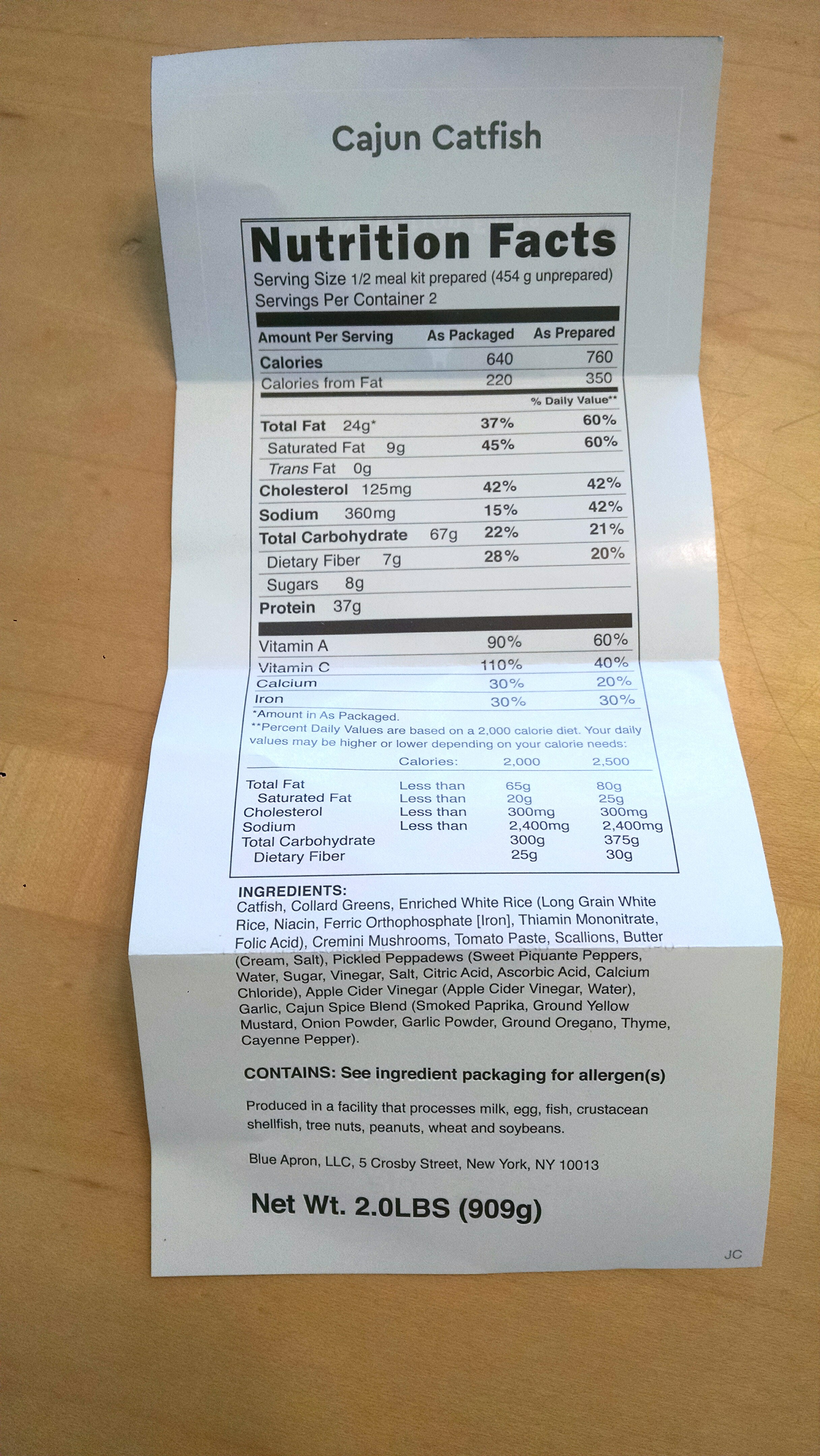
  • Cajun Catfish

I’ll be honest. My first reaction was a furrowed brow. I’m not a huge spice fan, nor do I care much for cheeseburgers. (I’m so glad I didn’t have a choice with the meal selections, though. Keep reading to find out why!)

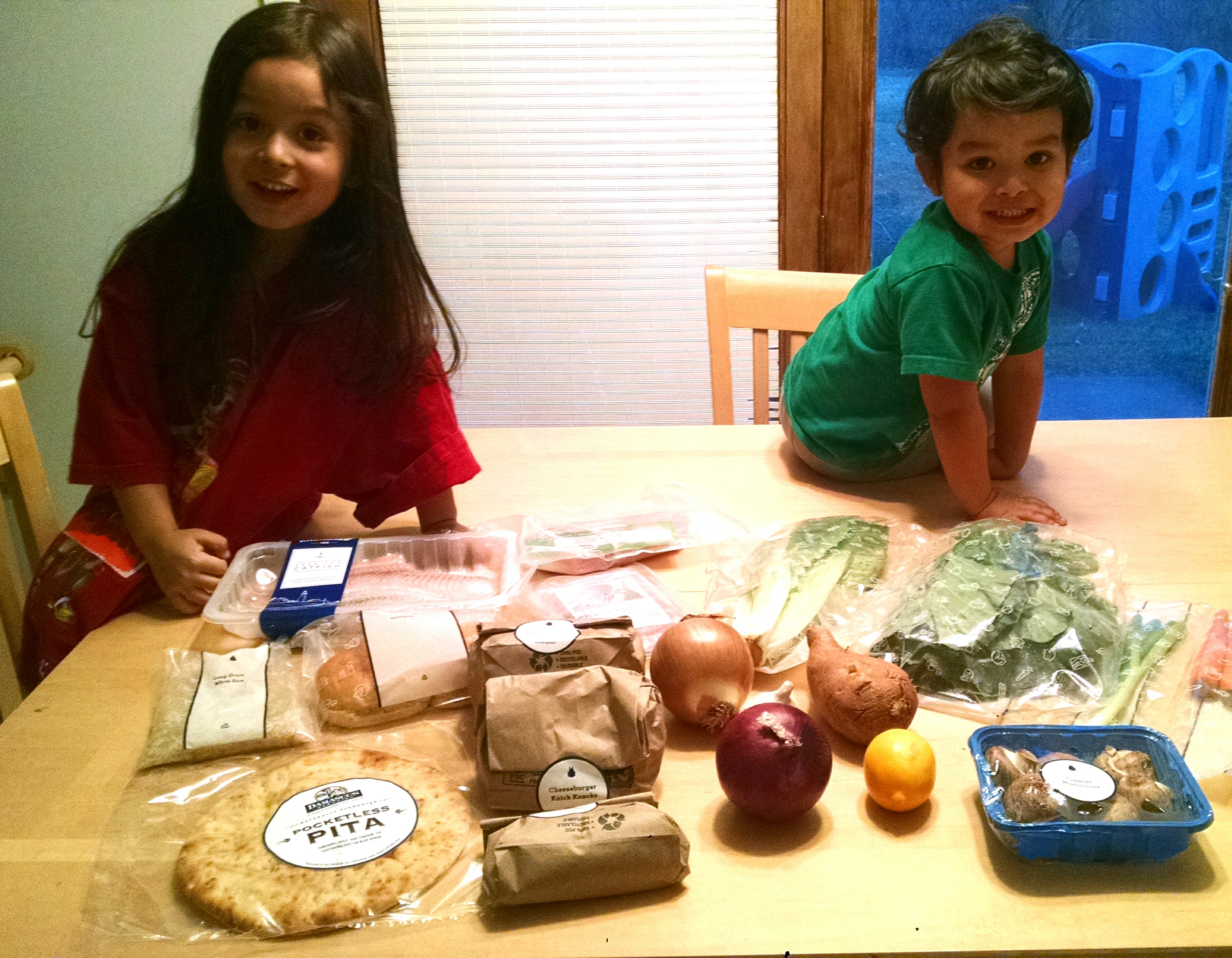
A box showed up on my doorstep a week later. My kids could barely contain their excitement. I was psyched, too.

Upon opening the box, we discovered colors and shapes and textures all waiting to be diced, sauteed, and garnished. It was delightful.

IMG_20170220_111257I loved the freshness of it all. It truly was a chance to cook gourmet meals from scratch as a family.

Each meal comes with clear instructions. The kids loved looking at the step-by-step pictures and matching the foods with them.

Benefits and Drawbacks of Blue Apron

With any review comes the honest observations of pros and cons. I feel it’s only right to share both sides of my experience with you.

BENEFITS

Blue Apron completely transformed my kitchen. The aroma of Cajun rice with red peppers cooking next to two catfish fillets with sauteed collard greens was a thrill for my senses. Also, the food was delicious. I’m so glad I didn’t get to decide what meals arrived because I would never have braved these new flavors. They weren’t kidding when they said food from scratch is best!

IMG_20170220_110659Blue Apron also gave me the gift of education. I was able to teach my children about the meals, the seasonings, the nutrition in each food, and so on. My daughter bragged to her friends, dolls, and everyone in earshot that she tried a radish for the first time (Blue Apron sent a recipe for a kale and radish salad). I love that my kid took pride in eating healthy food.

Note: My kids are too young for using a knife, but if you have older kids, this is a great opportunity to teach them some important food prep/kitchen safety skills they can carry into their own lives down the road.

DRAWBACKS

Every recipe had something spicy which didn’t work so well for my 2-year-old. If you have younger kids, you may need to keep leftovers handy or whip up something on the side. That did take more time and effort.

Also, the prep time before meals is fairly time-consuming. That makes sense with meals from scratch, but the estimated prep time on each recipe card was much shorter than what it took me to wash, dry, mince, and chop everything. With both kids hovering nearby and no sous-chef, it simply took extra time. Make sure you factor that in when you plan your evening so that you’re not serving dinner at 8:30 PM (that may or may not have happened on Day 1…).

The most obvious potential drawback is the expense. Family meals per week are between $70 and $140. That’s a significant investment many can’t afford to make. The health benefits could, however, be worth it in the long-term.

Blue Apron Review: My Conclusion

IMG_20170220_111456Blue Apron has become my unofficial culinary school. Since trying it, I’ve branched out and purchased new ingredients at the store like fresh salmon and, yes, catfish fillets.

Although my husband and I agree that Blue Apron isn’t something we can afford continually, I’d love to try it out with the kids when they’re a little older. What a great way to make some memories, learn an awesome skill, and eat healthier.

If you don’t think this is a good fit for your family, consider it for when the kids get older or give it as a housewarming or wedding gift.

Ready to give Blue Apron a try? Click here to get started. That link is also good for $30 dollars off your first order.

Full disclosure: I obtained three free meals for the purpose of reviewing Blue Apron. However, the opinions and thoughts shared below are entirely my own.

If you enjoyed this article please leave us a comment below or share it on social media.

Here are Blue Apron reviews from our friends, Budget and invest, Thousandaire and Cleverdude. And for a more holistic view on all the current meal kit vendors, be sure sure to check out top10.com!”

P.S. Are you a stay-at-home mom? Make sure you bookmark or pin some of these resources for later!

  • 10 Steps to a Successful Stay-at-Home Mom Budget
  • How to Afford Your Dream of Becoming a Stay-at-Home Mom
  • 14 Online Jobs for Stay-at-Home Moms (That Are Worth Your Time)
  • 13 Ways for Stay-at-Home Moms to Save Money
  • Loans for Stay-at-Home Moms – What Are YOUR Options?
  • The SAHM Budget Test: How to Afford to Be a Stay-at-Home Mom

Filed Under: Family Time, Healthy Living & Eating, Product Reviews for Parents, Shopping Tagged With: blue apron review, Family Meals, meal delivery, meals made from scratch

My Paribus Review: Is Paribus Receipt Fetcher the Next Money-Maker for Your Family?

March 6, 2017 | Leave a Comment

Paribus reviewAccording to a Pew Research Center survey, 79 percent of Americans made online purchases in 2016. Fifty-one percent purchased something on their cell phones. Parents make up a massive percentage of those shoppers, so that’s why I’ve put together this Paribus review. It’s here to help you find ways to earn cash back on those online purchases this year.

My Paribus Review: Is Paribus Right for Your Family?

If you’re handy with your smartphone, you probably already use money-saving apps like RetailMeNot, Swagbucks, or Walmart’s Savings Catcher, but there’s a new kid in town called Paribus, and it’s different than any other app you’ve tried.

What Is Paribus?

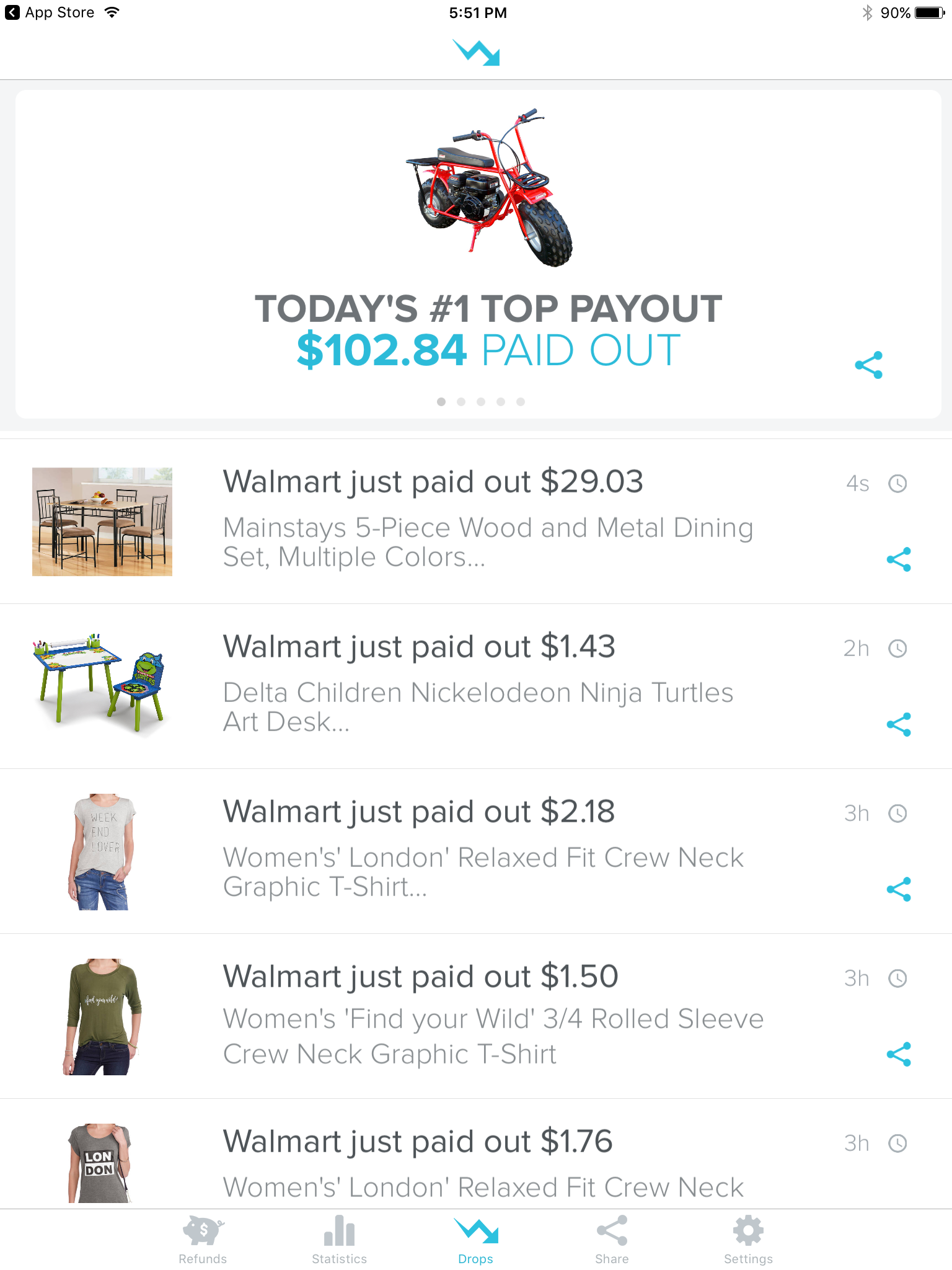
Paribus is an app available to all Apple devices and is free to download. Every time you shop online, Paribus automatically scans your digital receipt to see if there are purchases eligible for cash back over the subsequent weeks.

For example, let’s say you bought your son a $60 LEGO kit at Walmart.com for his birthday last week, but you’ve just noticed the price dropped to $40! Paribus automatically contacts Walmart to find out if you can get that $20 refunded. If they agree, then you get 100% of that refund!

Not bad for doing basically nothing, right?

What Are the Benefits and Drawbacks to Using Paribus?

It goes with the territory that every new product has its pros and cons. Your days are filled with tending to kids, running your household, and keeping your head on straight. My job is to help you make an informed decision about products that may or may not benefit your family as honestly as I can.

Therefore, here are the benefits and drawbacks I observed when using Paribus.

BENEFITS

It’s free. From the moment you download the app to your first cash back alert, there are no charges or hidden fees. Although, you do have to spend money shopping online, obviously! 

It could be great for the holidays. Last Christmas, I asked a group of moms to share their favorite way to go Christmas shopping and the majority answered, “Online.” If you rack up most of your holiday spending money with online retailers then you could be in for some cash back on some of those purchases.

DRAWBACKS

You have to share quite a bit of private information with Paribus. Like I said earlier, I want to be totally honest in this review, so I need to share one drawback that gave me considerate pause at first. Paribus will have authority to read, send, delete, and manage your email. They also request your Amazon login and password, as well as your credit card information.

I worked for years in fraud prevention at a financial institution, so those were automatic red flags to me. I dug in and researched user experiences since the app’s inception in 2014. Despite the scary amount of personal information, I did not read one report of fraudulent activity or compromised information from users.

IMG_0231 (2)

I’m just reviewing this product as a consumer and don’t have authority to ensure this software is secure, but you can hear directly from Paribus and learn more details about how they handle our information via this CNBC report.

Watch out for hiccups. I experienced a technical bug when I tried to sync my Amazon account with Paribus. Upon further research, I discovered several other complaints about technical hiccups like that. I’m sure they’re updating and ironing out bumps all the time, but just be aware that those may cause some delays.

Not every purchase or store is eligible. A number of users complained that Paribus only pays back on eligible stores and purchases, so their cash back wasn’t as much as they hoped. Considering your family’s needs over the course of this year, you may want to evaluate where you’ll be shopping for them and how often. Paribus updates the list of eligible retailers regularly.

Paribus Review – Final ThoughtsIMG_0235

The million dollar question is this: Did I actually get cash back using Paribus? 

Not yet. I believe the reason is because I shop infrequently online and have only just started using Paribus.

Paribus is a free app that requires minimal upkeep, so if your alright with the parameters discussed throughout this article and you already shop online regularly, then it’s likely this app will make you some money. If you don’t shop a lot until Christmas, then it may still be helpful. If you just don’t shop a lot, ever, then you may not hear much chatter from Paribus.

Are money-saving apps like Paribus a wise replacement for good financial habits? Not at all. We use terms like “personal finance” and “financial living” because you must live out certain principles in order to succeed. Laying a foundation with things like budgeting, saving, and spending less than you make are far and away more important than using the right gadget or app. Are apps still helpful? Yes. But don’t let them tempt you to spend more than you intended to and wreck your foundation.

The Sign-Up Process

The following four steps taken directly from Paribus’ sign-up page will help you get started:

Paribus I

In other words:

  • Download the app.
  • Sync your info to Paribus.
  • Shop.
  • Get paid.

Where are some of your favorite online stores when you’re shopping for your family? Share one below!

This post was sponsored by Paribus. 

P.S. Are you a stay-at-home mom? Make sure you bookmark or pin some of these resources for later!

  • 10 Steps to a Successful Stay-at-Home Mom Budget
  • How to Afford Your Dream of Becoming a Stay-at-Home Mom
  • 14 Online Jobs for Stay-at-Home Moms (That Are Worth Your Time)
  • 13 Ways for Stay-at-Home Moms to Save Money
  • Loans for Stay-at-Home Moms – What Are YOUR Options?
  • The SAHM Budget Test: How to Afford to Be a Stay-at-Home Mom

Filed Under: Discount Sites, Money and Finances, Product Reviews for Parents, Shopping Tagged With: make money online, online shopping, paribus review, save money online, shopping for your family

How Does Giving Assistant Work?

February 27, 2017 | Leave a Comment

giving assistantI think we can all agree that shopping online is the bees’ knees, right? Not only are online prices super competitive, the “work” of shopping can often be done faster from home. And bonus; the items you buy are delivered right to your front door. As an added benefit, companies like Giving Assistant are actually paying customers to shop online.

That’s right. They give you cash back on the things you buy.

How Giving Assistant Works

The first step is to create a free account with Giving Assistant.

giving assistant II

After you log in to your account, you can start shopping either by store or by category. Each store offers a certain percentage of cash back on purchases. Five percent is the average discount percentage. However, many stores offer discounts of up to 7% and even more, depending on the day.

When you make a purchase, the store pays that cash back to Giving Assistant. If you’re a member, the cash back goes right into your account.

If you’re a non-member, Giving Assistant keeps the cash back and donates a meal to Feeding America. In fact, Giving Assistant donates a meal to Feeding America for every single qualified purchase.

As a bonus, Giving Assistant informs buyers of any online coupons that can help bring their purchase price even lower. When you combine coupons with cash back bonuses you save even more money on the things you buy.

How to Receive Your Cash Back Bonuses

As you accumulate cash back rewards, the site allows you to transfer those rewards to a debit card through Paypal. You’ll have the option to transfer your money once you’ve earned at least $5.01 in bonus cash. No waiting for checks to come in the mail or trying to reach high minimum payout balances.

Giving Assistant pays out pretty quickly as well – often within one business day when using Paypal’s secure site.

Giving to Charity through Giving Assistant

When members earn cash back, they also have the option of donating some or all of their earnings to charity. Members can choose from hundreds of non-profit organizations to donate to, such as Feed the Children or the Red Cross.

Which Stores Participate?

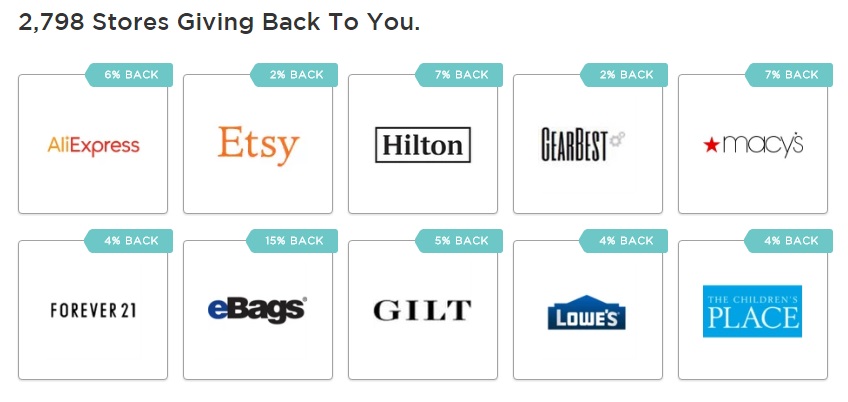
According to their website, Giving Assistant has over 2700 stores participating in its cash back program. Some examples are:giving assistant I

  • Big box stores such as Walmart, Target, Kmart and Kohls
  • Online retailers such as Amazon and Coburn’s
  • Specialty sites such as Etsy, Redbubble, Café Press and Ebay
  • Specialty stores such as Macy’s, Nordstrom, Coach and Ann Taylor


With nearly 3,000 stores to choose from, everyone is bound to find a shopping venue that fits their needs.

In this day and age, people are becoming more mindful of how their purchases affect the world as a whole. With Giving Assistant, shoppers can become a part of a growing conscious capitalism movement.

By combining shopping with charity, you meet your needs and help the less fortunate get their needs met, too.  Shopping responsibly has arrived.

Are you a fan of shopping online? Would you ever try Giving Assistant? Share why or why not below!

ATTN Stay-At-Home Moms: Make sure you bookmark or pin some of these resources for later!

  • 10 Steps to a Successful Stay-at-Home Mom Budget
  • How to Afford Your Dream of Becoming a Stay-at-Home Mom
  • 14 Online Jobs for Stay-at-Home Moms (That Are Worth Your Time)
  • 13 Ways for Stay-at-Home Moms to Save Money
  • Loans for Stay-at-Home Moms – What Are YOUR Options?
  • The SAHM Budget Test: How to Afford to Be a Stay-at-Home Mom
  • Walmart Savings Catcher
  • How Much Do Youtubers Make?
Filed Under: Discount Sites, Product Reviews for Parents, Reviews News, Shopping Tagged With: Amazon, donate money online, giving assistant, how to save money online, online shopping

Living On Very Little Income? Here Are Some Basic Considerations.

February 20, 2017 | Leave a Comment

Living On Very Little IncomeAs a trained financial coach and someone who has experienced life below the poverty line, I’m passionate about helping people who find themselves living on very little income. I want them to know there’s more hope than they realize. It’s not easy, but there are steps people can take today to improve their financial situation at home. Let’s go over a few of those basic considerations now.

Living on very little income? Here are some basic considerations.

What you earn annually does not directly affect your living situation. For example, things like cost of living, recurring bills, spending habits, and hobbies make a huge difference. Some families can make do on $25,000, others struggle with $125,000.

The key component that made the biggest difference in my own life wasn’t my bank account balance, it was my behavior. When my mindset shifted toward healthier habits, the numbers inevitably followed. Here are a few key behavioral shifts I made that improved our finances when money was especially tight.

3 Ways to Successfully Live On Less

Protect the “four walls.”

According to the U.S. Census Bureau, the poverty line for a family of four is $24,339. View your family’s size and threshold here.

In the book The Total Money Makeover: A Proven Plan for Financial Fitness, author Dave Ramsey talks about taking care of the “four walls.” This is a key component for anyone who is living on very little income. The four walls are:

  • Food
  • Shelter (rent, mortgage, utilities)
  • Transportation (fuel, auto maintenance)
  • Clothing (when needed)
Amazon

You may experience creditors calling you about a bill that’s overdue, what’s that when your family is still able to eat and there’s no eviction notice on your door? Protecting the four walls, no matter your income, puts you in a completely different place emotionally.

Start a “Rainy Day” fund

If you feel like you’re one broken appliance away from a crisis due to your limited income, it’s time to save up for emergencies. It’s so easy to say you can’t spare an extra $500 right now to just sit in the bank, you wouldn’t be alone in that thinking. Over 62% of people responded in a recent Bankrate poll that they wouldn’t be able to cover an unexpected expense like a $500 car repair or a $1,000 trip to the ER.

But remember, we’re looking at modifying behavior. You can walk a different path than the majority.

For example, how would it feel if your radiator cracked and white smoke started billowing out of your hood tomorrow? Now how would it feel if you knew there was money in the bank to fix it immediately? You’ve just reduced a crisis to a problem with a solution.

Ways to save for emergencies:

  • Create a budget and educate yourself on your current spending habits. Cut back in areas of excess and drop that extra cash into an emergency fund. For free printable or downloadable budget forms, click here.
  • Set up an automated savings transfer every month to make sure the habit sticks.
  • Sell items around your house on Facebook or in a garage sale. Got a stack of books lying around? Try selling them on Amazon or Bookscouter.com.
  • Eliminate as much debt as possible. This will free up more and more money each month to put toward savings and living expenses.

Increase your income.

If you’ve protected your four walls, started planning ahead for emergencies, and created a budget to track your spending, then congratulations. You’re light-years ahead of so many Americans who carry the stress and worry of finances on their shoulders day in and day out.

Many people skip those first integral steps and jump straight to this last one: Increase your income. Hopefully, now you can see why a shift in your own habits needs to take place first. Then, you’ll feel more empowered to do something to increase your income. The foundation has been laid. Now here are a few ways to increase your income:

  • Pick up a second job.
  • Increase your hours or work overtime.
  • Seek a promotion or raise.
  • Start a side hustle from home.
  • Seek out a higher-paying job.

You have the same 24 hours as everyone else, so getting a second job or working longer hours comes with the sacrifice of time away from home. If that’s what it takes to protect your four walls and set up a buffer against emergencies, then that might be the right answer for the time being.

Recommended Reading: Raising a Child On a Budget: How to Save Money and Be a Happy Family

If you’re living on very little income, this is probably a difficult season for you. Change won’t happen overnight, but if you build a financial foundation based on your values (i.e. protecting your family), then each decision will flow out of that and sacrifices like cutting up a credit card or eating out less will sting less. The trade off will eventually be a more peaceful home and greater financial freedom.

Have you ever experienced living on very little income? What steps did you take to improve your finances?

This post may contain affiliate links.

Do you dream of becoming a stay-at-home mom? We’ve assembled a collection of resources just for you!

  • 10 Steps to a Successful Stay-at-Home Mom Budget
  • How to Afford Your Dream of Becoming a Stay-at-Home Mom
  • 14 Online Jobs for Stay-at-Home Moms (That Are Worth Your Time)
  • 13 Ways for Stay-at-Home Moms to Save Money
  • Loans for Stay-at-Home Moms – What Are YOUR Options?
  • The SAHM Budget Test: How to Afford to Be a Stay-at-Home Mom

Filed Under: Home and Living, Money and Finances Tagged With: how to increase your income, living on very little income, poverty threshold, save for emergencies, Total Money Makeover

Take Over Apartment Lease – How to Quickly Find Your Replacement Renter

February 6, 2017 | Leave a Comment

take over apartment leaseThe tricky thing about life is that it doesn’t always line up with our schedule. Perhaps you find yourself in a situation where you have to move before your lease is up. Breaking a lease is complicated, potentially expensive, and best avoided at all cost. However, when you have no choice, and your to-do list suddenly includes “someone must take over apartment lease,” here are your next three steps.

Take Over Apartment Lease – How to Quickly Find Your Replacement Renter

Perhaps “Plan A” was to coordinate your moving date with the end of your lease. Perhaps an unexpected life event occurred like an out-of-state job offer or the end of a relationship. Now your facing “Plan B.” You might be wondering where to even begin.

Step 1 – Understand your options.

Spend some time reading over your lease agreement. It will include vital information about what’s expected of you and your landlord if a lease break occurs. In many states, you may be required to help find a replacement renter, but that’s not always the case.

Meanwhile, start putting away money in savings. If you break your leasing agreement, you’ll likely pay the amount of your rent for every month until another renter can be found. Keep in mind, this can add up quick if you live in an expensive city like Minneapolis.

One caveat to this is if you had to move out due to your landlord not following through with his commitment in the contract.

For example, maybe you’ve discovered mold. It’s a direct result of a leaky appliance your landlord promised to replace. If the agreement to fix this appliance was in writing, you could have just cause for breaking your lease early.

Step 2 – Inform your landlord as soon as possible.

The benefits of informing your landlord of your plans sooner rather than later outweigh the drawbacks. They are as follows:

  • Being proactive, polite, and honest about your plans to leave will help greatly, especially if you discover there is room for negotiation on your break lease.
  • As I mentioned early, you may legally be required to help your landlord find a replacement renter. Therefore, the sooner you bring it to his or her attention, the sooner you can both begin your search. The sooner you begin searching, the less you’ll have to pay in rent down the road.
  • Depending on the terms in your lease agreement, you may have the option of a termination agreement with your landlord. That would basically allow you to pay a one-time fee for breaking your lease early without the extra work of finding a subletter or new tenant.

Step 3 – Find someone to take over your apartment lease.

If no termination agreement can be reached and you have no other choice but to find your replacement, try these options:

  • Notice boards – One common place for soliciting new apartment tenants is on notice boards located at grocery stores, laundromats, or within the apartment complex, itself.
  • Craigslist – Another option is to list the information on Craigslist. Be careful about how much personal information you share online and about meeting any potential renters alone.
  • Local newspaper – Before there was Craigslist, there was the newspaper. The exposure your request receives, the quicker you’ll find someone.
  • Social media – Again, be cautious about your personal information, but word of mouth can be a great asset when you’re searching for someone to take over your apartment lease in a hurry.
  • Hire a 3rd party to transfer the lease for you – There are companies who will market your apartment’s vacancy and transfer your lease for you. Always read the fine print, weigh the cost, and understand what you’ll still be responsible for when they’re finished.

When in doubt, try to protect your contract from a lease break. But if you absolutely cannot, use these steps as a guide through this time of transition.

What are some ways you’d recommend someone finding a replacement renter quickly?

BTW – Are you a stay-at-home mom? Make sure you bookmark or pin some of these resources for later!

  • 10 Steps to a Successful Stay-at-Home Mom Budget
  • How to Afford Your Dream of Becoming a Stay-at-Home Mom
  • 14 Online Jobs for Stay-at-Home Moms (That Are Worth Your Time)
  • 13 Ways for Stay-at-Home Moms to Save Money
  • Loans for Stay-at-Home Moms – What Are YOUR Options?
  • The SAHM Budget Test: How to Afford to Be a Stay-at-Home Mom

Filed Under: Home and Living, Money and Finances Tagged With: find someone to take over your apartment lease, how to find a replacement renter, landlord, lease break, take over apartment lease

7 Easy Recipes Kids Can Make Themselves

January 30, 2017 | 2 Comments

easy recipes kids can make themselvesDue to the busyness of life, it’s not always feasible for moms and/or dads to be at home when the kids need to eat. Helping them learn to cook for themselves will help them understand responsibility, self-care, and a new way to have fun. Therefore, here are some fantastic and easy recipes kids can make themselves.

7 Recipes Kids Can Make Themselves

1. Salad Bar

Not only are salads healthy, they’re easy to make for kids of nearly any age. The ingredient possibilities are endless. If parents keep a variety of fresh ingredients on hand, kids can put together a salad that fits their differing taste preferences. Some ideas for ingredients to have on hand include:

  • Bagged, pre-washed salad
  • Cherry or grape tomatoes
  • Green pepper
  • Green onion
  • Cucumber
  • Deli meat
  • Hard-boiled eggs
  • Avocado
  • Chopped walnuts, sliced almonds or sunflower seeds
  • A variety of dressings

As long as your child has been taught how to safely use a serrated-edge knife, there’s no limit to the ingredients they can include in their salad bar.

2. Sandwiches

As with a salad bar, sandwiches have endless possibilities and don’t have to be limited to the traditional PB&J. A variety of deli meats, veggies, cheeses and spreads such as mayonnaise, mustard and guacamole will add an extra boost to the plain sandwiches of yesteryear.

For example, tuna and chicken salad are quick and easy sandwiches that can be spiced up with simple ingredients. Here’s an easy recipe kids can make themselves.

  • 1 5-ounce can of tuna or chicken breast, drained
  • 1 tablespoon of mayonnaise or salad dressing
  • 1 green onion, sliced thin
  • 1/2 stick of celery, sliced thin

Mix all ingredients in a small bowl and spread on your choice of bread. Add a slice of cheese and/or pre-cooked bacon if desired.

3. Taco Bar

With only seven easy-to-prepare ingredients, your kids can whip up a taco bar that will please the masses.

  • Browned hamburger (seasoned with premade taco seasoning)
  • Bagged, shredded lettuce
  • Shredded cheddar cheese
  • A jar of salsa
  • Diced tomatoes
  • Sliced green onion
  • Hard and/or soft taco shells

Want to do your taco bar a bit differently? Substitute the taco shells with tortilla chips and have your child put their nacho creation in the microwave for one minute.

4. English Muffin Pizzas

This recipe can be made in the microwave or in a toaster oven. For each child, have:

  • 1 English muffin, sliced in half (toast in the toaster first if you’re using the microwave)
  • 2 tablespoons of pizza sauce from a jar
  • ¼ c. of shredded mozzarella
  • Additional toppings such as pepperoni, sliced olives or other sliced veggies as desired

Place the two halves face up on a plate or toaster-oven-safe baking sheet. Spread one tablespoon of pizza sauce (I like Chef Boyardee) on each muffin half. Add desired toppings. Cover each half with some of the mozzarella cheese. Cook the pizzas in the microwave or toaster oven until cheese is melted and bubbly.

5. Homemade Mac & Cheese

This is one of the most popular easy recipes kids can make themselves due to its tastiness and simplicity. Not to mention the health benefits for making it from scratch rather than from a box.

Ingredients:

  • 1 c. of dry macaroni
  • 1/3 c. shredded cheddar cheese
  • 2 slices American cheese
  • 1 tablespoon butter
  • 1/3 c. milk
  • Salt and pepper to taste

Prepare pasta as directed. When finished, drain and return pasta back into pot. Mix in all ingredients. When all of the cheese is melted and the ingredients are thoroughly mixed it’s ready to eat!

6. Creamy Fruit Dip with Fresh Fruit

This healthy and easy-to-make snack is great for after school or after dinner. It makes a terrific breakfast meal as well.

Fruit Dip:

  • 1 c. vanilla yogurt
  • 4 oz. cream cheese, softened
  • 1 tablespoon honey
  • 1 tablespoon brown sugar
  • 1/4 teaspoon ground cinnamon

In a medium-sized glass bowl, beat cream cheese with electric mixer until smooth. Add remaining ingredients and beat until combined thoroughly. Serve immediately or chill until ready to eat. Serve with your choice of fresh fruit, such as strawberries, bananas or apple slices.

7. Banana Parfait Dessert

This simple dessert can be modified to satisfy a variety of different taste preferences.

Ingredients:

  • 1 -3.4 ounce package of Jello instant banana pudding
  • 1 8-oz. container frozen whipped topping, thawed but still cold.
  • 1 medium banana, sliced
  • 4 vanilla wafer cookies

Prepare banana pudding as directed. Add sliced bananas. Place one cup of mixture in a medium-sized bowl or sundae dish. Garnish with vanilla wafers and a dollop of whipped topping.

Substitutions:

  • Vanilla pudding with strawberry slices
  • Chocolate pudding with bananas or chocolate chips

Even though these are easy recipes kids can make themselves, they’re also great for making with your child. Snag a few of these ideas as you plan your next grocery trip and get ready to make some memories (and a few messes) together with your children in the kitchen.

Finally, if you are a parent you know that children can be really expensive to feed.  If you are interested in possibly cutting down on your expenses, consider something like Amazon’s subscribe and save. Subscribe and save is good for things like Z-bars, coffee and laundry detergent. If you use a lot of dry staples like these, it might be worth your time to sign up for it.

If you want to read more about kids in kitchen check out our articles on:

  • The Learning Tower: Keeping your child safe in the kitchen
  • Keeping your kids occupied without tv: screen-free activities for your preschooler

What recipes did you learn to make as a child? Share one with us!

Image Credit: lunar (MorgueFile)

P.S. Are you a stay-at-home mom? Make sure you bookmark or pin some of these resources for later!

  • 10 Steps to a Successful Stay-at-Home Mom Budget
  • How to Afford Your Dream of Becoming a Stay-at-Home Mom
  • 14 Online Jobs for Stay-at-Home Moms (That Are Worth Your Time)
  • 13 Ways for Stay-at-Home Moms to Save Money
  • Loans for Stay-at-Home Moms – What Are YOUR Options?
  • The SAHM Budget Test: How to Afford to Be a Stay-at-Home Mom

Filed Under: Family Time, Growing Up, Healthy Living & Eating, Home and Living Tagged With: easy recipes kids can make themselves, how to teach kids to cook, recipes for kids, snacks for kids, teach children to cook

« Previous Page
Next Page »
  • Facebook
  • Pinterest
  • RSS
  • Twitter

Basic Principles Of Good Parenting

Here some basic principles for good parenting:

  1. What You Do Matters: Your kids are watching you. So, be purposeful about what you want to accomplish.
  2. You Can’t be Too Loving: Don’t replace love with material possessions, lowered expectations or leniency.
  3. Be Involved Your Kids Life: Arrange your priorities to focus on what your kid’s needs. Be there mentally and physically.
  4. Adapt Your Parenting: Children grow quickly, so keep pace with your child’s development.
  5. Establish and Set Rules: The rules you set for children will establish the rules they set for themselves later.  Avoid harsh discipline and be consistent.
  6. Explain Your Decisions: What is obvious to you may not be evident to your child. They don’t have the experience you do.
  7. Be Respectful To Your Child: How you treat your child is how they will treat others.  Be polite, respectful and make an effort to pay attention.
Best Parenting Blogs

Most Popular

Baby

10 Baby Names That Were Once Considered “Grandparent Names” but Feel Cool Again

Evan Morgan
Baby

9 Baby Names Inspired by Fall Without Naming Your Child Autumn

Evan Morgan
Baby

10 Vintage Baby Names That Sound Surprisingly Modern Again

Evan Morgan
Baby names

Teachers Admit: These 6 Baby Names Create Instant Bias in the Classroom

Latrice Perez
6 Baby Names That Sound Cute Now but Cause Problems Later

6 Baby Names That Sound Cute Now but Cause Problems Later

Brandon Marcus

All content on Kids Ain’t Cheap is for entertainment purposes only. By reading this blog, you agree that Kids Ain’t Cheap is not responsible for any actions taken after reading this blog. For the full disclaimer, see our privacy policy.

Please note that Kids Ain’t Cheap has financial relationships with some of the merchants mentioned here. Kids Ain’t Cheap is funded by banner advertising, commission sales and search optimization consulting.

Copyright © 2006–2026 | District Media | All Rights Reserved | Privacy Policy

Copyright © 2026 Runway Pro Theme by Viva la Violette