• Home
  • About Us
  • Toolkit
  • Archives
  • Advertise
  • Privacy Policy

Kids Ain't Cheap

But They Sure Are Worth It

  • Parenting
    • Baby Stuff
    • Books and Reading
      • Aesops Fables
      • Comic Books
    • Education
    • Family Time
    • Green Living
    • Growing Up
    • Healthy Living & Eating
    • Holidays
    • Parenting
    • Random Musings
    • Shopping
    • Stuff to Do
  • Money
  • Product Reviews
    • Books and Magazines
    • Discount Sites
    • Furniture
    • House Keeping
    • Reviews News
    • Toys and Games
  • Contact Us
  • Our Editorial Commitment
  • Search

8 Phrases That Accidentally Break Kids’ Hearts

May 5, 2025 | Leave a Comment

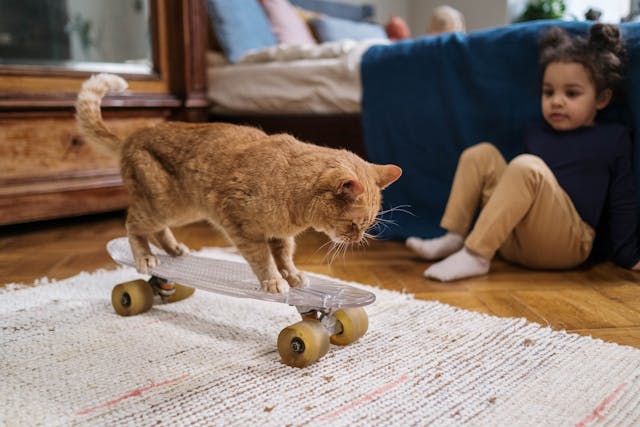
Image by ManuelTheLensman

Most parents speak with love in their hearts. But even the most well-meaning words can land in a child’s mind with more weight than we expect. Children are still learning how to interpret tone, language, and emotion. And often, the things adults say casually, out of stress, habit, or frustration, can hit harder than we realize.

The truth is, some of the most common phrases used with kids don’t nurture them. They quietly chip away at their self-worth, confuse their emotions, or make them feel unseen. While none of us get it right 100% of the time, becoming more aware of our words is one of the most powerful ways to deepen connection and trust.

Here are eight phrases that often do more harm than good and what to say instead.

“You’re fine.”

This phrase tends to come out when a child is upset, and we want to soothe them quickly. But when kids hear “You’re fine” while they’re visibly crying or anxious, it sends a mixed message. It tells them that their feelings are either wrong or too inconvenient to acknowledge.

Instead, try: “You’re safe. I’m here. Want to tell me what’s going on?” You’re still offering reassurance, but without dismissing how they feel.

“Because I said so.”

In the moment, this may seem like a way to end the conversation. But it doesn’t teach kids anything about the reasoning behind rules or decisions. It can make children feel powerless, especially when they’re seeking clarity or connection.

A better option is to calmly explain your thinking in a few words. Even a short, honest reason gives them something to learn from. “We’re leaving now because it’s getting late, and your body needs rest” can go a long way in helping kids feel respected.

“Why can’t you be more like your brother/sister?”

Comparisons don’t motivate. They wound. Even if your intention is to inspire better behavior, this kind of comment usually stirs up shame, resentment, or competition between siblings. It can make a child feel they’ll never be enough on their own terms.

What helps more is focusing on your child’s individual growth. “I know this isn’t easy for you, but I see you trying” is more encouraging and builds self-worth, not rivalry.

“You’re being so dramatic.”

This one often comes out when a child is melting down over something that seems minor to us. But for kids, big emotions feel big. Dismissing their reaction doesn’t help them regulate. It just teaches them their feelings are too much or embarrassing.

Instead, try validating the feeling even if you don’t agree with the reaction. “That really upset you, huh?” opens the door to conversation instead of shutting it down.

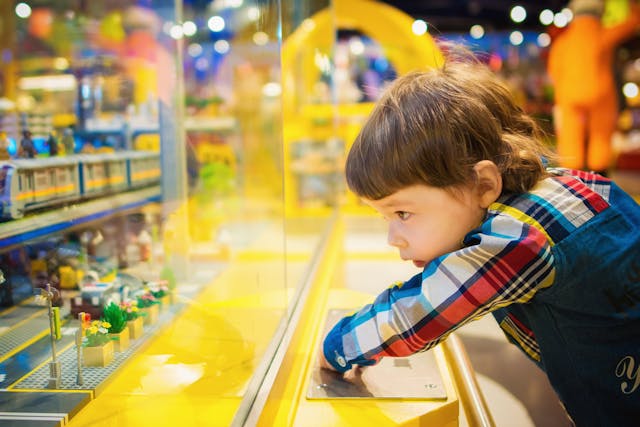
Image by Tamara Govedarovic

“If you don’t stop, I’m leaving without you.”

Threats tied to abandonment, even empty ones, can be especially scary to young kids. While you may mean it as a tactic to hurry them along, what they hear is: I could be left behind.

A gentler approach might be: “We need to go now. How can I help you get ready faster?” It keeps your tone firm but supportive, showing you’re still on their team.

“You’re too sensitive.”

Children are born with different temperaments. Some feel everything deeply, and labeling them as “too” anything tells them who they are isn’t acceptable. Over time, they may learn to hide their emotions rather than manage them.

If your child is overwhelmed, offer empathy: “You feel things strongly, and that’s okay. I’m here to help you handle it.” Sensitivity can be a strength when it’s nurtured, not shamed.

“Big boys/girls don’t cry.”

This outdated phrase has harmed generations of kids by suggesting that expressing emotion is weak or immature. Crying is a natural response to pain, frustration, or sadness, and it’s not something to outgrow.

Better yet, say: “It’s okay to cry. Everyone cries sometimes. Let’s breathe together.” This allows your child to feel safe and supported, even in their most vulnerable moments.

“I’m disappointed in you.”

Few words carry more weight than this one. When kids hear it, they often internalize it as “I am a disappointment” rather than “I made a mistake.” It becomes about their identity instead of their behavior.

You can still hold boundaries without shame. Try: “That choice wasn’t okay, and we need to talk about it. But I still love you, no matter what.” Discipline doesn’t have to come at the cost of your child’s self-esteem.

Words shape how children see themselves and the world. While no parent can filter every phrase perfectly, being mindful of how our words land can make a profound difference. A simple change in how we speak can open the door to trust, emotional safety, and lifelong confidence.

What’s a phrase you heard as a child that stuck with you, for better or worse?

Read More:

Real Talk: Blunt Parenting Advice You Won’t Hear Elsewhere

10 Parenting Practices That Are More Harmful Than You Think

Filed Under: Money and Finances, Parenting Tagged With: child development, childhood trauma, communication with kids, emotional intelligence, emotional validation, gentle parenting, hurtful phrases, parenting mistakes, parenting tips, Positive Parenting

5 Subtle Ways Narcissistic Parents Hurt Their Grandkids

May 5, 2025 | Leave a Comment

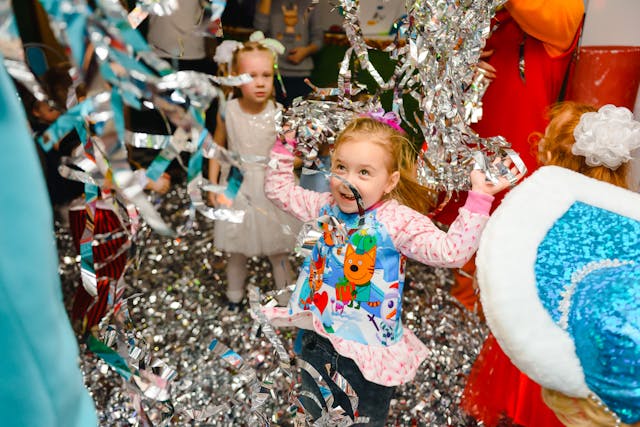
Image by Benjamin Elliott

We all want our children to grow up surrounded by love. That often means encouraging relationships with extended family, including your own parents. But what if those parents are narcissistic?

Maybe they don’t yell, criticize, or act outwardly cruelly. In fact, they might be charming, generous, or full of praise, especially when other people are watching. But behind closed doors, their behavior can be deeply manipulative and emotionally damaging. And often, the harm they cause to their grandkids is subtle. You might even miss it at first.

Here’s the truth: narcissistic parents rarely change just because they’ve become grandparents. In many cases, their old patterns—control, guilt, attention-seeking, competition, and boundary-blurring—resurface, only now they’re aimed at your children.

Here are five quiet but powerful ways narcissistic grandparents can negatively affect your child’s emotional health and how to draw the line without the family fallout.

1. They Compete for Your Child’s Affection

At first, it may look like love. Gifts, attention, extra treats, special privileges. But underneath the surface is a subtle message: “I can make you happier than your parents can.” This isn’t about spoiling. It’s about control.

Narcissistic grandparents often treat their grandchild’s affection like a trophy. They want to be the “favorite,” and they’ll compete with you—directly or indirectly—to win it. They might override your rules, downplay your authority, or frame you as the “boring” or “mean” parent.

The child doesn’t see this manipulation. They just feel confused about who to trust. Over time, it can damage your bond and create division in your home.

2. They Use Your Kids to Meet Their Own Emotional Needs

Grandkids should never be emotional caretakers, but narcissistic grandparents often blur that line.

They might treat your child like a “mini therapist,” confiding in them about adult problems. Using guilt to get more attention: “I’m so sad you didn’t call me today,” or “I guess I’m not important to you anymore.” They even position themselves as victims to gain sympathy.

This emotional enmeshment isn’t just inappropriate. It’s harmful. It teaches kids that other people’s happiness is their responsibility. It creates anxiety, guilt, and pressure where love should be free.

3. They Undermine Your Parenting Subtly but Constantly

Narcissistic parents often think they know better than you. And they’ll let your kids know it.

“Your mom’s too strict.”
“Your dad doesn’t understand what kids really need.”
“Grandma would never say no to that.”

Sometimes, it’s said with a wink and a smile. But make no mistake; this is sabotage. It erodes your authority and creates a confusing double standard that makes discipline, routines, and boundaries hard to maintain.

It also teaches your child that rules are optional and that their loyalty should shift depending on who gives them what they want.

Image by Johnny Cohen

4. They Make Your Child Responsible for Their Reputation

Narcissistic grandparents care deeply about appearances. They want to be seen as the “fun one,” the “devoted one,” the “best grandparent ever.” So they’ll pressure your child to perform that role.

Smile for the photo. Say thank you even if you didn’t want the gift. Tell everyone how much fun you had, even if you didn’t.

This can force your child into emotional dishonesty. They learn that being polite matters more than being real. That making an adult look good is more important than speaking up. Over time, this pressure can shut kids down emotionally and make them doubt their instincts.

5. They Ignore Boundaries and Expect Access

Narcissistic grandparents often believe that being “family” means they’re entitled to full, unrestricted access to your child. They may drop by unannounced, press you for alone time, or disregard limits on visits, food, media, or discipline.

If you push back? They might call you controlling and ungrateful or accuse you of keeping the grandkids from them. They’ll frame your boundaries as cruelty and themselves as the victim.

This creates stress for you and tension your kids can feel. It also teaches them that boundaries are “mean” instead of healthy.

How to Protect Your Kids (Without Blowing Up the Family)

Dealing with a narcissistic parent is hard. Doing it while raising children adds another layer of emotional complexity. But it is possible to protect your kids, set limits, and preserve your sanity.

Here’s how to start:

  • Name the behavior. You don’t have to diagnose them—but privately, get honest with yourself. Recognize the patterns, even if they come with smiles and hugs.
  • Decide your non-negotiables. What’s most important to you? Respecting rules? Not being emotionally manipulated? Choose a few core boundaries and stick to them.
  • Limit alone time. Don’t feel obligated to allow unsupervised visits if you’re concerned. Supervision can reduce the opportunity for emotional harm.
  • Prepare your kids. As they grow, teach them about emotional safety, honesty, and boundaries. Let them know they can talk to you about anything—no matter who it involves.
  • Give yourself permission. You don’t owe access to someone who continues to harm—even subtly. Protecting your child isn’t overreacting. It’s parenting.

Breaking the Cycle Is Hard But Worth It

You may have spent your whole life navigating your parent’s narcissism. And now, watching it extend to your children is heartbreaking. But here’s the good news: you have more power than you think.

You can break the cycle, set a new example, give your kids the safety, clarity, and love you may not have gotten yourself, even when it’s uncomfortable, even when it causes friction.

Your kids are watching. Let them see what healthy love looks like.

Have you dealt with a narcissistic grandparent in your child’s life? What helped you hold your boundaries?

Read More:

How Parenting Trends Are Changing the Way Kids Grow Up

Teaching Your Child That “Family” Doesn’t Mean “Tolerate Abuse”

Filed Under: Money and Finances, Parenting Tagged With: child mental health, emotional boundaries, family dynamics, generational trauma, narcissism and kids, narcissistic parents, parenting boundaries, protecting your child, toxic family, toxic grandparents

Is It Ever Okay to Teach Your Kids To Fight?

April 28, 2025 | Leave a Comment

teach your kids to fight
Image Source: 123rf.com

According to recent statistics, about 20% of students ages 12 to 18 have experienced bullying. Taunting, rudeness, and even fighting are all common issues your children may face on the playground or in the cafeteria at some point. How should you advise them to handle these situations to ensure they don’t get emotionally or physically scarred? If your child’s bully tries to instigate a fight, should your child defend themselves or try to run away? Below, we’ll explore whether or not it is ever ok to teach your kids to fight fire with fire. 

Studies on Fighting Back Against Bullies Are Mixed 

Although all forms of bullying are difficult to deal with, it’s especially hard to teach your child how to deal with a violent bully. The fear of a bully pushing, kicking, or shoving your child at school may make them afraid to attend. Talking to school administrators and working with them to find solutions may help improve the situation. However, many students (roughly 60%) believe that their school isn’t doing enough to stop bullying. If your child is continually targeted and doesn’t think administrators are intervening enough, is it ok to teach them to fight back? 

The studies and results on the efficacy of fighting back are mixed. Some studies suggest that defending yourself from a bully by hitting back may prevent future fights. However, other research indicates that victims who fight fire with fire are more likely to be bullied again just six months later. That’s why experts suggest instructing your child to seek help from a friend or adult instead. You can also teach your kids to stand up for themselves verbally during bullying episodes. Addressing the root cause of the bullying, such as a misunderstanding or disagreement, can help prevent future altercations. 

Walking Away Isn’t Giving Up 

Walking away from a bully to seek help from an adult may feel like giving up. Your child may be worried they’ll be seen as weak if they try to run away. However, it’s important to discuss the benefits of refusing to match the bully’s energy with your child. 

Your child is less likely to get in trouble with school administrators if they escape instead of physically engaging the bully. Victims who fight back may receive harsh punishment due to zero-tolerance policies in schools. Even self-defense might count as perpetuating violence and come with steep penalties. Teaching your child non-violent self-defense techniques, such as breakfalls, can help them avoid injury and get away from the bully. 

It’s also important to reiterate to your child that walking away is a brave expression of boundaries. Refusing to engage and stooping to the bully’s level shows that your child is mature and above the attacks. Pretending to be unbothered by and indifferent to bullying can actually make your child seem cooler to their peers than getting dragged into fights. Remaining confident and calm can help your child earn respect and rob the bullies of any satisfaction. Once bullies realize your child isn’t an interesting, engaging target, they’ll likely move on. 

Self-Defense Outside of School 

Unfortunately, playground bullying isn’t the only threat parents have to worry about. The world can be a scary and dangerous place for kids. Sadly, attempted kidnappings and other crimes sometimes occur, and it’s important to teach your child about these realities in an age-appropriate way. Explaining the difference between schoolyard bullies and criminals can help your kids understand why different responses may be needed. Having these tough conversations will prepare your child to handle any risk to their personal safety in the best way possible.

Read More

  • Everything You Should Teach Your Kids About Fire Safety
  • Volunteering with Kids: Teaching Compassion

Vicky Monroe headshot
Vicky Monroe

Vicky Monroe is a freelance personal finance writer who enjoys learning about and discussing the psychology of money. In her free time, she loves to cook and tackle DIY projects.

Filed Under: Money and Finances

8 Irresponsible Purchases Parents Are Making For Their Children

April 25, 2025 | Leave a Comment

8 Irresponsible Purchases Parents Are Making For Their Children
Image Source: Pexels

As parents, we all want to give our children the best lives possible. If you didn’t have a lot growing up, you probably don’t want your kids to experience the disappointment of going without. However, it’s important not to go overboard and make irresponsible purchases for your children. Kids don’t need luxuries like designer goods or in-app purchases to thrive. In fact, overindulging your kids can spoil them and make them less grateful. Here are 8 irresponsible purchases you should consider skipping.

1. Designer Goods 

Designer Goods
Image Source: Pexels

If your child doesn’t wear a uniform to school, he or she may feel pressure to keep up with other kids and wear designer clothes. Your kids probably think they need to rock Air Jordan sneakers or expensive Lululemon gear to become popular. 

But buying your children pricey clothes is teaching them the wrong lesson—that they have to dress to impress to be accepted. It may be better to skip this irresponsible purchase and tell your kids that they have great personalities, regardless of what they’re wearing. 

2. In-App Purchases

In-App Purchases
Image Source: Pexels

Many games that are popular with kids, including Roblox and Fortnite, allow kids to make in-app purchases to upgrade their character. These digital points can be surprisingly pricey. According to Statista, 40% of families spend between $10 and $100 per month on in-app purchases. 

Although gaming can boost creative expression, it’s important to limit your child’s screen time and in-app purchases. Games can feel real to kids and become kind of addictive. If your child has trouble putting the controller down when asked or makes excessive in-app purchases, it’s probably time to cut back on screens. 

3. iPhones 

iPhones
Image Source: Pexels

iPhones tend to be very expensive, especially if you purchase a brand new one from Apple. For example, the iPhone 16 Pro model starts at about $999. Kids are often more likely to lose or mistreat their belongings than adults. 

If your child is getting their first phone, it may be better to start with a cheaper brand while they learn digital responsibility. Once they prove that they can handle their new device, you could discuss upgrading their phone as a Christmas or birthday gift. Or better yet, ask your child to contribute some of their savings to the purchase price of the phone. 

4. Junk Food 

Junk Food
Image Source: Pexels

Kids of all ages love sugary snacks and junk food. Your kids probably beg for treats like soda and cereal at the store. Although it’s tempting to give in, holding firm can help safeguard your children’s health. 

We all know that kids would eat a big bowl of ice cream for dinner if allowed. But they usually don’t understand the negative consequences of eating too much junk food, such as lack of energy, poor academic performance, and weight gain. Even if your kids don’t like vegetables, it’s important to keep serving them a balanced diet to set them up for success. 

5. Pets

Pets
Image Source: Pexels

Pets can teach children responsibility, but parents often end up doing all of the work. Kids who swear they’ll walk the dog before you adopt them often stop after a few weeks when the novelty starts to wear off. While there is no shortage of child-appropriate pets, from dogs and cats to fish, gerbils, and small reptiles, each come with their own unique needs. 

When looking at adding a pet to your family, make sure you think about which type of pet will fit with your family’s lifestyle the best. While fish aren’t snuggly or playful in the same way a dog is, they also need much less active care and attention, making them a better fit for families who are out of the house most of the day.

6. Beauty Products 

Beauty Products
Image Source: Pexels

Children have become enamored with beauty products after seeing them on social media. Kids as young as six have skincare routines, even though all they need is a gentle soap or lotion at most. 

Children have thinner, more sensitive skin than adults, so using these “anti-aging” or “brightening” products can cause facial irritation and breakouts. Allowing your kids to use makeup at a young age can also cause skin issues like rashes and redness. 

7. Too Many Toys 

Too Many Toys
Image Source: Pexels

If your kids ask for new toys constantly and you always say yes, you’ll amass a giant pile of action figures. Plus, when kids have too many toys, they may get overwhelmed and have a hard time playing with everything. Being mindful of the requests you say “yes” to can help you avoid this problem. 

Try to opt for items that offer high replayability value and are different from ones your child already has. Kids get lots of toys for birthdays and holidays, so refrain from buying them anything new as those dates approach. 

8. Huge, Expensive Birthday Parties

Huge, Expensive Birthday Parties
Image Source: Pexels

Do you remember watching My Super Sweet 16 growing up? The teens on the show had generous parents who threw them huge parties and gave them lavish gifts. However, many of the teens seemed dissatisfied and entitled. 

Although you want to celebrate your child on their birthday, spoiling them with over-the-top parties and presents may not be the right approach. Going overboard and splurging on balloon arches and pony rides could give your kids unrealistic expectations and make them less grateful overall. 

Is there anything you won’t buy for your kids for their own good? Share your thoughts in the comments.

Read More:
Should People Be Fined for Having Too Many Kids?

Do You Need Kids To Live a “Fulfilled” Life?

Vicky Monroe headshot
Vicky Monroe

Vicky Monroe is a freelance personal finance writer who enjoys learning about and discussing the psychology of money. In her free time, she loves to cook and tackle DIY projects.

Filed Under: Money and Finances Tagged With: Gifts, money, Spending

The Family Road Trip Playbook: Secrets to Smiles on Every Mile

April 23, 2025 | Leave a Comment

Photo by Kylie Paz on Unsplash

Family road trips can be legendary—in all the best ways or the worst. The difference often lies in preparation, mindset, and knowing the little secrets that make the journey fun for everyone in the car. From keeping kids entertained to packing like a pro, this playbook is your go-to guide for transforming a long drive into a memory-making adventure.

Pre-Trip Planning: Set the Stage for Success

Choose a Route That Caters to All Ages

Sure, you could just type your destination into a GPS and go, but family road trips are more enjoyable when the route is part of the experience. Select a path that offers scenic drives, quirky roadside attractions, and enough rest stops to accommodate frequent bathroom breaks.

Tips:

  • Look for destinations with family-friendly attractions spaced out every 2–3 hours.
  • Avoid routes with long stretches of nothing but highway—variety helps keep kids engaged.
  • Use apps or maps that highlight pit stops like historical sites, playgrounds, or quirky museums.

Book Accommodations in Advance

Booking hotels or lodges ahead of time is one of the most effective ways to reduce stress. Kids get cranky when they’re tired, and parents don’t want to be stuck looking for last-minute rooms after dark.

Family-friendly accommodation hacks:

  • Look for places with pools or game rooms.
  • Book hotels with free breakfast—it’s one less thing to worry about in the morning.
  • If traveling with pets, double-check pet policies in advance.

Packing the Essentials (and Then Some)

Create a Strategic Packing Checklist

A successful road trip begins with a well-packed car. Packing strategically helps avoid clutter, meltdowns, and last-minute stops to buy forgotten items.

Must-pack items:

  • Travel pillows and cozy blankets
  • Healthy snacks and refillable water bottles
  • First-aid kit and medications
  • Chargers, power banks, and car adapters
  • A trash bin or bag to keep the car clean
  • Extra clothes for sudden spills or messes

Divide items into “reachable” and “trunk-only” categories. Toys, snacks, and wipes should be accessible at all times.

Build the Ultimate Entertainment Kit

A peaceful drive hinges on distraction. Bring a mix of analog and digital entertainment to suit every age group and mood.

Entertainment ideas:

  • Audiobooks or family-friendly podcasts
  • Activity books, sticker pads, and coloring supplies
  • Magnetic travel board games
  • Tablets preloaded with movies and educational apps
  • A surprise toy or activity to pull out during fussy moments

Try rotating entertainment options every hour to keep things fresh and reduce screen fatigue.

On-the-Road Strategies for Sanity and Smiles

Stick to a Loose but Predictable Schedule

Children thrive on routine—even in the car. While spontaneity is great, some structure can ease anxiety and prevent meltdowns.

Sample schedule:

  • 8:00 AM – Breakfast and departure
  • 10:00 AM – Snack and quick park stop
  • 12:00 PM – Lunch break and stretch time
  • 3:00 PM – Entertainment rotation or screen time
  • 5:00 PM – Hotel check-in or evening rest stop

Flexibility is key, but having predictable events gives kids something to look forward to.

Make Mealtimes Mini-Adventures

Photo by Sandra Harris on Unsplash

Fast food is convenient, but dining doesn’t have to mean settling. Plan a few meals around fun local diners, picnic spots, or even food trucks.

Tips for better food stops:

  • Pack a cooler with fresh fruit, sandwiches, and cheese sticks.
  • Stop at local farmers markets or delis to sample regional flavors.
  • Turn a lunch break into a mini sightseeing excursion or picnic with a view.

Eating well boosts everyone’s mood—and keeps energy crashes to a minimum.

Keep Kids Engaged with Road Games and Activities

Classic Road Trip Games That Still Work

There’s a reason these games are timeless—they’re simple, screen-free, and surprisingly fun for all ages.

Family favorites:

  • I Spy: Ideal for young kids, encourages observation.
  • License Plate Game: Spot plates from as many states as possible.
  • 20 Questions: Great for passing time and sparking curiosity.
  • Would You Rather?: Fun, silly, and guaranteed to get everyone talking.

Print out a few game sheets ahead of time or download free game apps that don’t require internet access.

Encourage Journaling and Storytelling

Turn your road trip into a creative journey. Give kids notebooks to draw or journal about their favorite stops and feelings throughout the trip.

Benefits of road trip journaling:

  • Encourages reflection and mindfulness
  • Creates a keepsake of the adventure
  • Builds writing and storytelling skills

Parents can join in by jotting down funny quotes or moments to look back on later.

Handle Setbacks Like a Pro

Embrace the Unexpected

Even the most meticulous plans can hit bumps. Flat tires, sudden weather changes, or missed turns don’t have to ruin the day—just pivot.

Stay calm strategies:

  • Keep an emergency roadside kit in the car.
  • Always have at least one offline navigation tool.
  • View mishaps as part of the adventure and keep a light tone.

The way parents respond to stress sets the tone for the entire car. A little humor goes a long way.

Manage Sibling Squabbles Smartly

Tired kids + confined space = potential drama. But with a few tricks, you can defuse arguments before they erupt.

Conflict prevention tips:

  • Assign personal spaces in the car using organizers or color-coded bins.
  • Set time limits on shared items like tablets or toys.
  • Let each child choose a road trip playlist or audiobook chapter.

Sometimes, simply pulling over for a quick stretch and fresh air does wonders for morale.

Capture the Magic as You Go

Photo by Alif Ngoylung on Unsplash

Photos, Videos, and Fun Memories

Don’t wait until the end to start capturing memories. Use the journey itself to document your family’s adventure.

Creative memory-making ideas:

  • Take “then and now” photos at each major stop.
  • Record silly travel interviews with the kids.
  • Create a family hashtag if sharing highlights on social media.

Give kids a disposable camera or old phone to snap photos from their perspective—some of the best memories come through their eyes.

Filed Under: KACURP, Money and Finances

Here Are 10 Free Things You Can Get For Being A Parent

April 19, 2025 | Leave a Comment

mom holding child in nature
Image Source: Unsplash

Parenthood often feels like signing an endless stream of checks—formula, shoes, piano lessons, dentist visits. Yet tucked between the price tags are genuine zero‑dollar wins: programs, samples, and services designed specifically to lighten the load for families.

Whether you’re saving pennies for daycare or just love a good bargain, these 10 free things for parents will give your wallet (and stress levels) a welcome break.

1. Baby Registry Welcome Boxes

Major retailers—Amazon, Target, Walmart, Babylist, and buybuy BABY—compete for your registry by mailing complimentary welcome boxes. Typical hauls include full‑size bottles, onesies, diapers, wipes, lotion, and coupons worth $30–$120.

The only requirement is creating a registry and—depending on the store—purchasing one qualifying item or reaching a minimum registry value that friends and family fulfill. It’s basically a starter kit for the first few weeks, delivered to your doorstep for $0.

2. Free Diaper and Formula Samples Through Pediatric Offices

New parents often overlook their pediatrician’s stash of manufacturer samples. Brands like Pampers, Huggies, Enfamil, Similac, and Earth’s Best distribute newborn‑size diapers, single‑serve formula packets, and coupons straight to doctors’ offices.

Ask the nurse at each wellness visit if any samples are available; most clinics are happy to send you home with bags of extras, especially after product reps restock.

3. Kids‑Eat‑Free Nights at Restaurants

Plenty of chain restaurants and local diners run weekly “Kids Eat Free” promotions—meaning one complimentary kids’ entrée for each adult meal purchased. Popular options include:

  • IHOP: Kids eat free from 4 p.m.–10 p.m. (check your individual location to confirm the offer)
  • Denny’s: Varies by location, often Tuesday or Saturday.
  • Applebee’s, Moe’s Southwest Grill, and Red Robin also rotate similar deals.

Call ahead or check each website—then time your dining‐out nights to coincide with the promotion for an automatic 30–40 percent bill reduction.

4. Local Library Goldmines

Your library card unlocks far more than story time. Most branches lend:

  • STEM kits (robots, microscopes)
  • Board games and puzzles
  • State park passes or museum passes
  • Language‑learning apps and commercial audiobook subscriptions (Libby, Hoopla)

All free, all waiting on the shelf or in a digital queue. Make visiting the library part of your weekly routine and cancel a few pricey subscriptions in the process.

Dad holding child in the outdoors
Image Source: Unsplash

5. National Parks Fourth‑Grader Pass (Every Kid Outdoors)

If you have a fourth‑grader—or homeschooler age 10—you’re eligible for a year‑long family pass that waives entry fees at more than 2,000 U.S. national parks, monuments, and wildlife refuges.

Visit EveryKidOutdoors.gov, have your child complete a brief activity, and print the voucher. Show it at park gates and save up to $35 per visit—good from September through the following August.

6. Museum Free Days and Bank of America “Museums on Us”

Many children’s museums, science centers, and zoos schedule monthly or quarterly free‑admission days (usually mid‑week or the first Saturday).

In addition, Bank of America cardholders get one free general admission to 225+ cultural institutions on the first full weekend of every month. You just flash your debit or credit card—kids under a certain age are often free anyway—making family outings a zero‑cost adventure.

7. Free Car‑Seat Checks and Installations

More than half of car seats are not installed incorrectly. Certified Child Passenger Safety Technicians (often firefighters or hospital staff) provide free inspections and installations nationwide.

Search the National Highway Traffic Safety Administration (NHTSA) station locator, book an appointment, and drive away knowing your seat meets safety specs—without paying the $40 some retailers charge.

8. Tax Breaks and Government Credits

“Free money” might sound hyperbolic, but federal and state programs can return thousands at tax time:

  • Child Tax Credit: Worth up to $2,000 per qualifying child under 17.
  • Child and Dependent Care Credit: Up to 35 percent of $3,000–$6,000 in eligible childcare costs.
  • Earned Income Tax Credit (EITC): Offers additional refunds for low‑ to moderate‑income working families.

Using reputable free‑file software or IRS‑certified assistance centers ensures you don’t leave cash on the table.

9. Community Toy‑ and Clothing‑Swaps

Parent Facebook groups, Buy Nothing Project circles, and local churches frequently host swap events where families trade gently used clothes, books, baby gear, and toys—no money exchanged.

Drop off the snow boots that no longer fit; pick up the 3T raincoat your toddler needs. It’s eco‑friendly decluttering with instant wardrobe upgrades—again, free.

10. Free Parenting Classes and Support Hotlines

Hospitals, extension offices, and nonprofits offer complimentary classes on breastfeeding, sleep routines, toddler nutrition, and positive discipline.

Many provide certificate hours that can lower insurance premiums or childcare costs. If you’re stuck at 2 a.m. with a relentless screamer, 24/7 nurse hotlines (included in most pediatric practices or insurance plans) deliver expert reassurance at no charge.

How to Stay in the Freebie Loop

  1. Follow Brands on Social Media: Companies advertise sample windows and giveaway codes on Instagram and TikTok first.
  2. Bookmark Deal Aggregators: Websites like Freebie Mom, The Krazy Coupon Lady, and Baby Freebies round up the newest offers daily.
  3. Join Parent Email Lists: Your local library, parks department, and children’s museum blast free‑day alerts to subscribers.
  4. Ask, Ask, Ask: Whether it’s a pediatric visit or a hardware‑store kids’ workshop, a quick “Do you have complimentary samples or events?” often yields surprises.

The Bottom Line

Raising children will never be “cheap,” but it doesn’t have to drain every dollar either. By tapping into retailer perks, public resources, and community networks, you can score diapers, dinners, education, and entertainment for exactly zero bucks.

Think of these free things for parents as hidden pay raises—money you keep in your pocket while still giving your kids rich experiences and safe, healthy starts. So the next time expenses feel sky‑high, revisit this list, claim a new freebie, and celebrate one less line on the family budget.

Have another no‑cost parenting perk to share? Drop it in the comments—because the best things in parenting (and in life) really can be free.

Read More

  • 6 Surprising Ways Kids Benefit From Boredom
  • Should Boomers Stop Expecting Grandkids from Their Adult Children?

Samantha Warren
Samantha

Samantha Warren is a holistic marketing strategist with 8+ years of experience partnering with startups, Fortune 500 companies, and everything in between. With an entrepreneurial mindset, she excels at shaping brand narratives through data-driven, creative content. When she’s not working, Samantha loves to travel and draws inspiration from her trips to Thailand, Spain, Costa Rica, and beyond.

Filed Under: Money and Finances Tagged With: baby freebies, Family Budgeting, free things for parents, kids‑eat‑free, parenting perks

5 Things Your Kids Will Remember—That Have Nothing to Do With Money

April 19, 2025 | Leave a Comment

Hands holding hundred-dollar bills
Image Source: Unsplash

Sometimes, in the hustle of providing for our families, it’s easy to assume the best gifts come with a price tag—fancy toys, big birthday parties, picture‑perfect vacations.

But when your child looks back on childhood, it’s not the brand of their bike they’ll remember—it’s the way you made them feel. The good news? Some of the strongest memories your kids will hold onto don’t cost a cent, and you’re already perfectly positioned to give them.

If you’ve ever wondered what your kids will remember when they’re grown, here are five meaningful answers—none of which require opening your wallet.

1. The Times You Made Them Feel Safe

Whether you sat beside them during a thunderstorm or held their hand in a crowded mall, kids remember how you protected them—physically and emotionally.

When they were scared of monsters under the bed and you checked anyway, your actions said, “I’ve got you.”

Research on childhood memory shows that feelings of safety imprint more deeply than material events — especially during stressful moments. Conversely, moments when anger or chaos made a child feel unsafe plant memories just as lasting. Calm, consistent reassurance builds a mental “safe base” they’ll draw on for life.

2. The Times You Gave Them Undivided Attention

Kids don’t spell love M‑O‑N‑E‑Y—they spell it T‑I‑M‑E. Something as simple as tossing a football, having a pretend tea party, or sitting on the floor to build blocks says, “You matter.”

You don’t have to arrange elaborate outings, either. What they remember most is that you were fully there—phone down, eyes on them, mind present.

3. The Way You Interacted With Your Spouse or Co‑Parent

Children are always watching, especially when it comes to relationships. How you speak to your partner, how you handle disagreements, and how you show everyday care becomes their blueprint for future love and security.

Even if you’re no longer with their other parent, the respect (or lack of it) you show still molds their outlook. They notice the hugs, shared laughs, and, yes, how arguments are resolved. Those subtle, everyday exchanges teach them what healthy communication looks like—and what it doesn’t.

4. Your Words of Affirmation (and Criticism)

Words are powerful, especially coming from you. Whether kids hear “You’re so brave” or “Why do you always mess up?” shapes how they see themselves for decades. This doesn’t mean you can’t correct behavior, but pairing discipline with encouragement is essential.

Let them know their worth isn’t based on perfection but on effort, growth, and who they are. Behavioral psychologists note that a child’s “inner voice” often echoes a parent’s tone for life, underscoring why mindful language matters so much.

5. Your Family Traditions

From Friday‑night pizza to a silly birthday song you always sing off‑key, rituals create emotional anchors. They don’t need to be Pinterest‑worthy to be powerful. Traditions give kids something to look forward to and help define your family’s unique rhythm.

Years from now they might forget which gaming console they had, but they won’t forget the smell of pancakes every Sunday or the annual backyard camp‑out. Small, consistent rituals weave the memories that last.

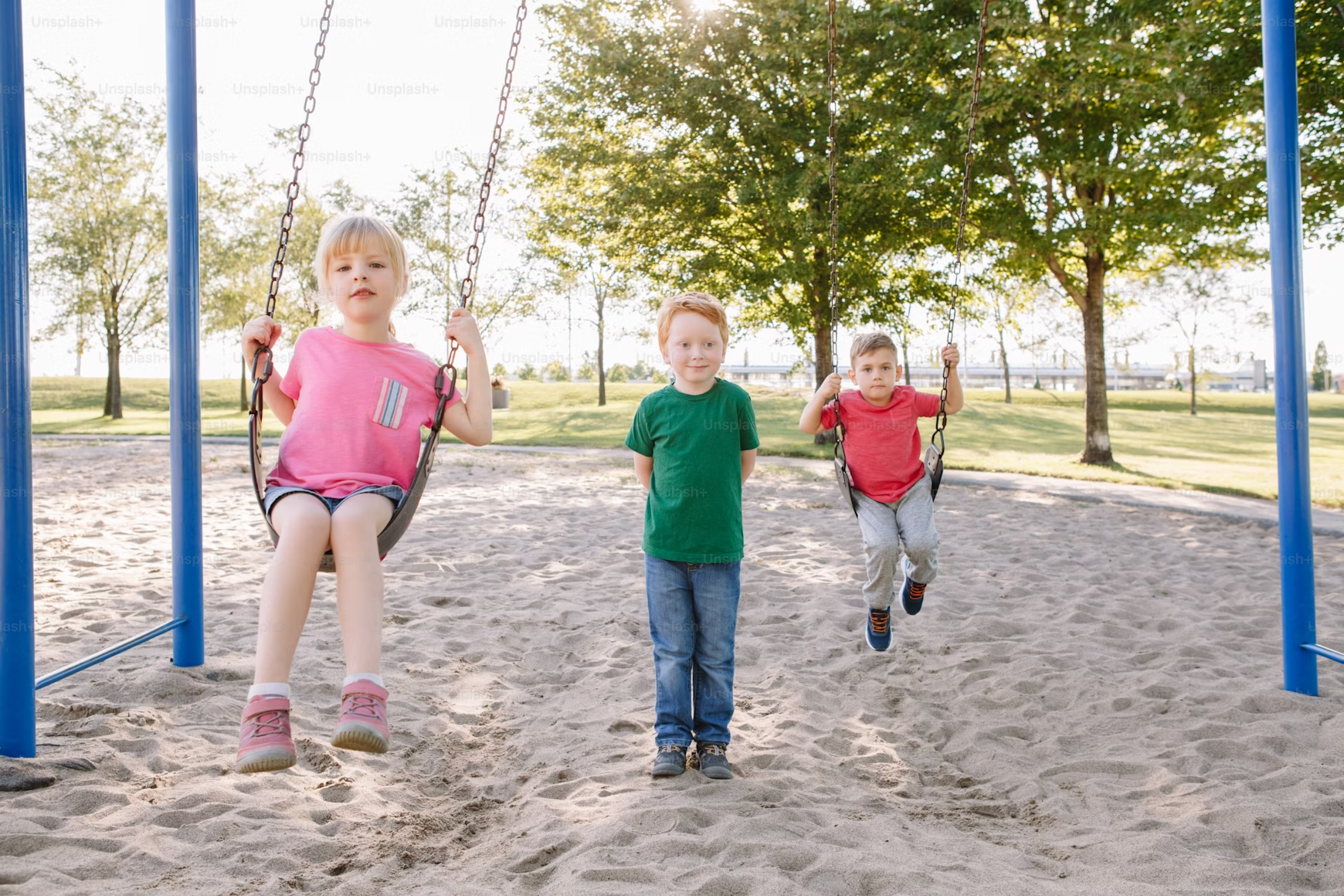
Three kids on swings, symbolizing the life lessons they already carry
Image Source: Unsplash

The Takeaway Your Kids Are Already Carrying

Ultimately, what your kids will remember isn’t what’s wrapped under the tree but who was sitting around it. The security you offer, the time you invest, and the love you model speak louder than any gift or gadget. These moments don’t require a credit card—just presence, patience, and intention.

Often, what feels smallest to us ends up being the biggest in their hearts. Next time you wonder if you’re doing enough, remember: you’re already giving them what matters most.

Has your kid ever remembered something remarkable? Let us know in the comments.

Read More

  • Tips for Raising a Family on a Budget
  • 6 Signs Your Child Is Struggling with Social Anxiety

Samantha Warren
Samantha

Samantha Warren is a holistic marketing strategist with 8+ years of experience partnering with startups, Fortune 500 companies, and everything in between. With an entrepreneurial mindset, she excels at shaping brand narratives through data-driven, creative content. When she’s not working, Samantha loves to travel and draws inspiration from her trips to Thailand, Spain, Costa Rica, and beyond.

Filed Under: Money and Finances Tagged With: child development, emotional parenting, family connection, kids remember, parenting memories, practical parenting tips

Is Your Dog Ready to Be a Big Brother or Sister?

April 18, 2025 | Leave a Comment

Two puppies
Image Source: Unsplash

Bringing home a baby changes everything—including life for your dog. If your pup has been your “first baby” for years, introducing a newborn sibling can be a big adjustment.

The good news? With a little preparation and a lot of love, your dog and baby can build a strong bond right from the start. This guide walks you through thoughtful, practical ways to help your dog become the best furry big sibling they can be.

Below are five essential strategies to help your dog transition smoothly, feel secure, and respond well when baby finally arrives.

1. Start With Baby’s Scent

Dogs rely heavily on scent to understand their world—and a new baby brings a whole lot of new smells. One effective way to prepare your dog is to start introducing the baby’s scent gradually. Before you bring your baby home, let your dog sniff a blanket, hat, or onesie the baby has worn. This “scent preview” eases anxiety and sets the stage for a positive introduction.

2. Practice Baby Scenarios With a Doll

Your dog is used to fetch and sofa snuggles—but bouncing a baby? That’s new. Using a life‑like doll to simulate common baby activities can help desensitize your dog ahead of time. Try feeding, rocking, and carrying the doll while observing your pup’s reactions. It may feel silly, yet it makes a world of difference once the real bundle arrives.

3. Modify Your Dog’s Routine in Advance

Babies shake up well‑established routines, and pets often struggle with sudden change. Begin shifting walk times, feeding schedules, and attention windows a few weeks before your due date so your dog doesn’t associate the switch directly with the baby. A gradual transition keeps your pet feeling secure and reduces the risk of jealousy.

Teaching a dog basic commands outdoors
Image Source: Unsplash

4. Teach and Reinforce Critical Commands

When your hands are full of bottles and blankets, the last thing you need is a pup leaping into the mix. That’s why it’s crucial to train key cues like “stay,” “leave it,” and “go to your mat”. Practice these commands in different rooms and with distractions so your dog responds reliably. Clear boundaries protect both baby and dog—and lower everyone’s stress.

5. Manage That First Meeting Carefully

The first encounter sets the tone. Professionals recommend a calm, staged introduction: have one adult greet the dog alone first, let the pup sniff a baby blanket, then bring the baby in once the excitement dies down. Use praise and treats to reinforce gentle, relaxed behavior.

A Growing Pack: Why This Transition Matters

Your baby’s arrival is a beautiful milestone—but for your dog, it can feel like a big unknown. Helping your pup feel included, safe, and respected during this time is one of the best gifts you can give both your child and your pet.

Think of this transition as expanding your family’s communication playbook. Introduce baby‑related sounds early—soft recordings of coos, gentle lullabies, even the faint whir of a swing—so Fido won’t be startled on day one. Rotate new baby scents, like freshly washed onesies or lotion, into your dog’s resting spaces, pairing them with praise and treats to build positive associations. Maintain your pup’s favorite routines—morning walks, puzzle feeders, evening cuddle time—so a sense of normalcy anchors the change.

Managed with care, the dog‑and‑baby relationship can blossom into a lifelong bond. Someday, hearing your child call your dog their “first best friend” will make every bit of preparation worthwhile.

What helped your dog adjust when your baby arrived? Share your tips in the comments—we’d love to hear your story!

Read More

  • Tips for Ensuring a Cost-Effective Home Build for Your Family
  • 4 Simple Ways Your Family Can Save Money
Samantha Warren
Samantha

Samantha Warren is a holistic marketing strategist with 8+ years of experience partnering with startups, Fortune 500 companies, and everything in between. With an entrepreneurial mindset, she excels at shaping brand narratives through data-driven, creative content. When she’s not working, Samantha loves to travel and draws inspiration from her trips to Thailand, Spain, Costa Rica, and beyond.

Filed Under: Money and Finances, Parenting Tagged With: dog training for new baby, dogs and babies, introducing dog to baby, newborn prep, parenting with pets, pet safety

Why More Parents Are Choosing to Raise Their Kids Without Gender Labels

April 17, 2025 | Leave a Comment

gender fluid human
Image Source: Unsplash

In delivery rooms across North America, a centuries‑old ritual still unfolds: a quick glance between a medical professional and new parents, followed by the words “It’s a boy!” or “It’s a girl!”

For many families, that single sentence shapes everything from the color of the nursery to the expectations placed on the child’s future career, hobbies, and personality. Yet a growing number of parents are quietly rewriting this script. Instead of announcing gender at birth, they’re allowing space for their children to discover and declare their own identities in their own time.

This approach—often called gender‑creative or gender‑expansive parenting—can feel radical in a world where pink and blue still dominate baby aisles. But supporters say the method is less about erasing gender and more about expanding possibilities. What is driving the rise of this philosophy, and how does it unfold in daily family life?

A Need for Breathing Room in Identity Development

Advocates point out that traditional gender expectations can box children in long before they have the language to articulate who they are. Data from developmental psychologists show that by toddlerhood, many kids already limit their toy and clothing choices because they perceive certain items as “not for my gender.”

Eliminating gender labels at the outset gives children a blank canvas. Instead of filtering interests through “boy things” or “girl things,” they can gravitate toward what truly captivates them—be it glittery ballet slippers, remote‑control excavators, or both.

Parents who practice gender‑creative methods often recount small but meaningful moments when their child’s tastes defy stereotypes. A preschooler might pair a superhero cape with a floral sun hat and announce it’s the perfect outfit for building block towers. Without pre‑set labels, families say children feel freer to invent and adopt the expressions that fit them best, fostering confidence and a sense of authenticity.

gender-expansive parenting
Image Source: Unsplash

Challenging a Legacy of Gender Stereotypes

Gender‑expansive parenting is also a response to the entrenchment of gender marketing. Over the last few decades, children’s products have become more rigidly divided by color, theme, and even shelf placement.

By declining early labels, parents aim to break this feedback loop. They often curate play spaces with a wide variety of toys—dolls and dump trucks side by side, tool benches next to tea sets—so curiosity rather than marketing decides which activities take hold. Over time, advocates argue, this diversity of experiences contributes to broader skill sets, empathy, and resilience.

Supporting Mental Health and Well‑Being

Beyond toys and clothing, many families turn to gender‑free parenting with mental health in mind. Studies tracking LGBTQ+ youth find that children who feel supported and accepted in their gender journeys show lower rates of anxiety, depression, and self‑harm. Parents reason that if social expectations are loosened early, kids who later identify as transgender or nonbinary may face fewer internal conflicts and external pressures.

Some critics worry that omitting gender entirely might sow confusion. Proponents counter that children still learn about gender—they simply do so as observers within a spectrum rather than as subjects assigned to a category. Caregivers typically use gender‑neutral pronouns such as “they/them” until a child expresses a preference. When toddlers begin using “he” or “she” for themselves, parents respect and adopt those choices, treating self‑identification as a milestone similar to picking a favorite color or food.

Practical Strategies at Home and in Public

Implementing gender‑creative parenting varies by household. Common steps include:

  1. Neutral language: Parents often refer to their babies as “our child” instead of “our son” or “our daughter,” and close relatives follow suit.
  2. Open wardrobe and toy selection: Clothing is chosen for comfort, durability, and personal flair, not for conformity. Toy boxes remain unsorted by gender cues.
  3. Proactive conversations: Families talk about how some people are boys, some are girls, and some identify differently. Picture books featuring diverse characters serve as springboards for discussion.
  4. School collaboration: Parents may meet with teachers to explain their approach, asking educators to honor the child’s self‑expressed identity and to avoid stereotyping classroom activities.
  5. Boundaries with outsiders: When strangers ask “Is it a boy or a girl?” caregivers might reply, “We’re letting them decide who they’ll be,” or simply, “They’re a kid who loves dinosaurs and finger paint.”

Admittedly, these practices can invite awkward moments. Some extended family members worry that children will be teased or lack a sense of belonging. Proponents emphasize that the goal is not to isolate kids from social norms but to equip them with language and confidence to assert themselves—skills that ultimately protect against teasing rather than invite it.

Cultural Shifts and Community Support

The rise of gender‑creative parenting aligns with broader cultural shifts. Media coverage of transgender and nonbinary youth has increased, and more jurisdictions are updating legal frameworks to include non‑gendered markers on identification documents.

Social media communities and support groups offer parents practical advice and solidarity. This visibility helps newcomers feel less alone and provides models for navigating challenges, from preschool enrollment forms that demand “M” or “F” to pediatric clinics that default to gendered growth charts.

Balancing Individual Choice and Social Context

Choosing to raise children without preset gender labels is not without critics. Some argue that children need clear categories to understand social structures, while others worry about complicating interactions with peers who have traditional views.

Families respond that their approach is about flexibility, not erasure—gender exists, but it is self‑determined rather than assigned.

Ultimately, gender‑expansive parenting is part of a larger dialogue on autonomy, respect, and inclusion. By offering children room to explore identity without confines, caregivers hope to cultivate young people who see possibilities in themselves and in others.

Whether society embraces or questions this path, its growing prominence suggests an enduring truth: parents will continue to seek the healthiest, most authentic environments for their children to flourish—even if that means reimagining traditions that once seemed set in stone.

How do you feel about gender-expansive parenting? Let us know in the comments below.

Read More

  • Why Burned-Out Moms Are Fantasizing About Running Away
  • Why Women Don’t Want to ‘Have It All’ Anymore

Samantha Warren
Samantha

Samantha Warren is a holistic marketing strategist with 8+ years of experience partnering with startups, Fortune 500 companies, and everything in between. With an entrepreneurial mindset, she excels at shaping brand narratives through data-driven, creative content. When she’s not working, Samantha loves to travel and draws inspiration from her trips to Thailand, Spain, Costa Rica, and beyond.

Filed Under: Money and Finances

7 Things Kids Don’t Actually Need That Parents Still Feel Guilty About

April 17, 2025 | Leave a Comment

Image Source: Unsplash

It sneaks in quietly—when you say “no” to a toy at checkout or skip the over‑the‑top birthday bash. That inner voice whispering, “Am I doing enough?” is all too familiar. Yet much of what we stress over isn’t what kids need.

The pressure to provide more—more stuff, more experiences, more perfection—is usually rooted in outside expectations, not reality. Here are seven common things children don’t truly need (even if parenting guilt tells you otherwise).

1. Brand‑New, Trendy Everything

Kids outgrow clothes and lose interest in toys fast. Choosing good‑quality hand‑me‑downs or shopping secondhand teaches gratitude and sustainability without draining your wallet.

Turn thrift trips into mini‑treasure hunts. Give your child a small budget and let them choose one “new‑to‑them” item—maybe a sparkly jacket or a stack of picture books. You’ll teach money sense, ignite creativity (“How can we style this?”), and cut clutter. When relatives ask for gift ideas, suggest experiences (museum passes, zoo memberships) or quality staples that last more than a season.

2. Over‑the‑Top Celebrations

Research shows children gain lasting happiness from connection rather than extravagance. A simple party with a few friends, cake, and shared laughter is more than enough.

Pick one “signature” ritual—pancakes shaped like their age, a birthday‑morning playlist, a handwritten letter. These cost little yet become eagerly awaited traditions. Invite just a handful of friends and let the guest of honor choose a cooperative game or outdoor adventure.

3. A Constant Yes

Saying “no” helps kids develop patience and resilience.

Create a family “pause list” for requests that aren’t urgent—new gadgets, impulse treats. Revisit the list every two weeks so desires cool (or prove genuine).

When you do decline, pair the no with empathy: “I know those sneakers look awesome. Let’s add them to your birthday wish list.”

Over time children learn patience, budgeting, and that disappointment isn’t a catastrophe.

4. Perfect School Pictures and Milestones

Keep a monthly “real‑life reel” on your phone: the missing tooth grin, the mud‑splattered jeans after soccer. Print a few candid shots and place them on the fridge where everyone can laugh together. When photo‑day panic hits, remind yourself that kids value the smile behind the crooked collar, not the collar itself. Imperfection humanizes family memories.

Child playing in a clean living room
Image Source: Unsplash

5. A Clean House 24/7

A spotless home is nice—but connection matters more. Parenting experts at Zero to Three emphasize that playtime promotes growth even if the living room looks chaotic.

Institute a quick “10‑minute tidy” before bedtime—set a timer, blast a song, and make cleanup a race. The rest of the day, let the Lego city sprawl. Researchers say loose‑part play in lived‑in spaces boosts cognitive flexibility. A house that occasionally looks lived in signals to children that exploration trumps presentation.

6. Constant Productivity and Perfection

Trying to do everything perfectly leads to burnout. Modeling balance shows kids healthy ways to manage stress.

Block one agenda‑free Saturday morning each month. No chores, no lessons, no errands—just unstructured time for wandering the neighborhood, building blanket forts, or doing absolutely nothing.

When kids watch you lounge with a book or take a mindful walk, they learn rest is productive too. This rhythm lowers family stress and preserves curiosity.

7. Sacrificing All Self‑Care and Spending

Treating yourself to small comforts boosts energy and mood, benefiting everyone at home. Self‑care isn’t selfish; it’s maintenance.

Schedule micro‑rituals: a 15‑minute stretch at sunrise, a Friday latte date with yourself, a quarterly friends’ night out. Explain to kids: “Just like a phone needs charging, grown‑ups need recharging.”

Let them witness you returning calmer and happier—that lived example teaches self‑respect better than any lecture.

The Real Essentials Can’t Be Bought

When you peel back parenting guilt, what remains is the desire to nurture. Kids need love, safety, presence, and acceptance—none of which require pricey upgrades or perfect optics.

Letting go of guilt around non‑essentials leaves room for joy and genuine connection.

What’s something you’ve stopped feeling guilty about? Share in the comments—we’d love to hear.

Read More

  • Year-round Money Saving and Fun Activites for Parents and Kids
  • Teaching Children About Money

Samantha Warren
Samantha

Samantha Warren is a holistic marketing strategist with 8+ years of experience partnering with startups, Fortune 500 companies, and everything in between. With an entrepreneurial mindset, she excels at shaping brand narratives through data-driven, creative content. When she’s not working, Samantha loves to travel and draws inspiration from her trips to Thailand, Spain, Costa Rica, and beyond.

Filed Under: Money and Finances Tagged With: Family Budgeting, guilt‑free parenting, kids don’t need, parenting expectations, parenting guilt, practical parenting, self‑care for parents

How To Get Free Clothes For Your Child When Money Is Tight

April 12, 2025 | Leave a Comment

Parent picking out free clothes for a child
Image Source: Unsplash

When clothing feels out of reach, real help is closer than you think. Kids grow fast. One minute their jeans fit perfectly; the next, you’re wondering how their ankles are sticking out. If finances are stretched thin, it can feel daunting—even overwhelming. You want your child to have what they need to feel comfortable and confident, without draining your wallet. The good news? You’re not alone, and there are judgment-free ways to get free clothes for your child.

Below are five compassionate options families are using right now—no shame, no strings, just genuine support when you need it most.

1. Turn to Local Charities and Nonprofits

Organizations like the Salvation Army and Goodwill get it—parenting is tough, especially on a tight budget. Many run clothing closets or seasonal drives specifically to help kids who need items for back-to-school or winter weather. These programs offer gently used clothing, often in great condition, at no charge to qualifying families. If you’re unsure where to start, call your local community center or reach out to a nearby church. These resources exist to lend a hand during challenging seasons, providing everything from coats to baby onesies.

2. Join or Start a Community Clothing Swap

Clothing swaps are a win-win for everyone. You bring in clothes your child has outgrown and leave with sizes that fit—entirely free. Whether it’s organized by your local library, a parenting group, or just neighbors, these swaps let families recycle clothes while saving money. Planning swaps before a new season ensures every child has weather-appropriate gear.

Even if you have nothing to trade right now, you can often still take what your child needs—no questions asked. Check out the Buy Nothing Project as well, which organizes local groups for no-cost giving and receiving of items.

3. Explore Facebook Groups in Your Area

Generous families frequently list free kids’ clothes online, especially during cleanouts or seasonal transitions. Local “Buy Nothing” Facebook groups, swap pages, or neighborhood communities can be goldmines for gently-used items.

Join these groups, turn on notifications, and be ready to respond quickly—it’s first-come, first-served. You’ll not only score free clothing but also help keep these items out of landfills, which is great for both your budget and the environment.

Free clothing resources
Image Source: Unsplash

4. Look Into Clothing Assistance Programs

Across the country, nonprofits and government-backed agencies supply free clothing via voucher systems. Families in need can use these vouchers at designated thrift stores without spending a dime. This approach is especially useful if you’re handling growth spurts or tackling multiple kids’ wardrobes at once.

A few calls to social service offices or a local 211 helpline can put you on the path to finding these resources. Having formal support doesn’t mean you’ve failed—it means you’re determined to meet your child’s needs in the most secure way possible.

5. Try Specialized Nonprofits Like Cradles to Crayons

For families struggling with deeper financial challenges, specialized nonprofits may be a direct lifeline. An example is Cradles to Crayons, which delivers essential clothing packages to kids who need them the most. They work through partnering schools, social workers, and youth organizations to ensure that children not only get the right size but also maintain dignity in the process.

You can explore their mission and location-specific details on their site or tap into local parenting networks that know which nonprofits are actively distributing clothing in your area.

Empowering Your Efforts Without Costing a Dime

Seeking free clothes for your child doesn’t mean you’re failing. It means you’re resourceful, responding to life’s hurdles with resilience. From local swaps to national nonprofits, these solutions prove there’s a genuine community ready to help. Best of all, they’re often about more than clothes—they’re about neighbors supporting neighbors, parents uplifting parents, and kids growing up surrounded by care. That’s the real message: you and your child deserve support without judgment.

Have you tapped into any local resources or inventive hacks to keep your child’s wardrobe stocked? Share your experiences or tips in the comments. We’re all in this together, ensuring our kids stay warm, confident, and truly cared for.

Read More

  • Kids Ain’t Cheap But They Sure Are Worth It!
  • 9 Things You Should Never Buy Cheap for Your Kids
Samantha Warren
Samantha

Samantha Warren is a holistic marketing strategist with 8+ years of experience partnering with startups, Fortune 500 companies, and everything in between. With an entrepreneurial mindset, she excels at shaping brand narratives through data-driven, creative content. When she’s not working, Samantha loves to travel and draws inspiration from her trips to Thailand, Spain, Costa Rica, and beyond.

Filed Under: Money and Finances

5 Negative Techniques That Deter Communication with Your Teenager

April 7, 2025 | Leave a Comment

5 Negative Techniques That Deter Communication with Your Teenager
Image Source: Pexels

If it seems like your teen never comes to you with their problems, your communication style may be partly to blame. Without realizing it, you may be employing negative conversation techniques like lecturing or interrogating. When parents inadvertently invalidate their children’s feelings, they may begin to pull away emotionally. If you want to rebuild trust and open communication with your teen, here are 5 negative conversation habits to avoid. 

Lecturing Instead of Listening

Lecturing Instead of Listening
Image Source: Pexels

Trying to impart wisdom on your teen through a one-sided lecture probably won’t have the intended effect. Teens often interpret well-meaning lectures as judgment or criticism, which puts them on the defensive. Even if your monologue is full of great advice, it will likely go in one ear and out the other!

Understandably, teens want to feel heard and validated by their parents. If you talk over your teen instead of actively listening when they share their problems, your child may feel like you don’t care. 

If you’re concerned about your teen’s behavior, the first step is to ask them what’s going on and truly listen. Once you know what’s wrong, whether it’s school stress or problems with friends, you can open up a dialogue about how to solve the problem. Brainstorming potential fixes with your teen will make a bigger, more positive difference than launching into a diatribe. 

Invalidating Their Feelings

Invalidating Their Feelings
Image Source: Pexels

Teens go through big hormonal changes, which can cause them to overreact emotionally in ways that seem irrational to adults. As a parent, it’s important to put yourself in your child’s shoes and try to remember what it felt like to be a teenager. 

While young adults have fewer responsibilities than adults, they still face pressures like bullying, school, stress, social media use, and body image issues. Even seemingly minor problems like arguing with a friend can feel like the end of the world to a teen with limited life experience. 

When your child comes to you with a small problem that feels devastating, your first reaction may be to put the issue into perspective. However, that type of reaction can feel invalidating or dismissive to your teen. Instead of minimizing the situation, try to express sympathy instead. Saying “I’m sorry” or “that must’ve been hard for you” will go a long way toward building trust with your teen. You don’t have to join your teen in over-dramatizing or catastrophizing the situation to acknowledge and validate their “big feelings.” 

“Because I Said So” 

Imposing Unilateral Decisions Without Discussion
Image Source: Pexels

As parents, we’re responsible for our children’s safety. So sometimes we have to make unpopular decisions to safeguard their well-being. Teens who are trying to establish independence may not understand why healthy limits and boundaries are necessary. Your child may not see a problem with staying up late on their phone. But you know they’ll be exhausted the next day, which will affect their school performance.

If your teen doesn’t think a certain rule is necessary, try to explain your reasoning to them. Your child is more likely to follow their curfew, for example, if they understand why you chose that specific time. Avoid using authoritarian phrases like  “because I said so” to justify rules to your teen when they question you. This type of language leaves no room for discussion and may confuse and frustrate your child, leading to resentment. 

Interrogating

Interrogating
Image Source: Pexels

Parents have a biological drive to make sure children are protected and safe at all times, and knowing where they are and with whom is a crucial part of that. Unfortunately, interrogating your teen with rapid-fire questions is not the way to foster open communication. Interrogating your teen can teach him or her to drip-feed you half-truths instead of being open with you.

Your teen may feel the need to hide things from you or spin a story to get your approval. This habit of obscuring the truth could put your teen in potentially dangerous situations, such as sneaking out to go to a party. Instead of interrogating or prying, try asking open-ended questions to foster healthy, honest communication with your teen. 

For example, if your child forgets to answer your texts while out with friends, calmly ask them why. Giving them a chance to explain what happened instead of assuming the worst and interrogating them will help foster trust.

Comparing Your Teen to Others

Comparing Your Teen to Others
Image Source: Pexels

Comparing your teen to their friends or siblings is one of the most efficient ways to shut down a conversation and deter an open dialogue. While you may simply be trying to emphasize your level of concern or disappointment, blunt language can significantly impact kids and teens. Comparing your child to others can reduce their sense of individuality, lower their self-esteem, and introduce frustration. 

While other teens may seem wonderful, you have to remember you are likely seeing them on their best behavior. Inadvertently comparing your child to someone they dislike or have disagreements with can lead to resentment and more acts of rebellion.

How do you foster trust and open communication with your teen? Share your tips in the comments!

Vicky Monroe headshot
Vicky Monroe

Vicky Monroe is a freelance personal finance writer who enjoys learning about and discussing the psychology of money. In her free time, she loves to cook and tackle DIY projects.

Filed Under: Money and Finances, Parenting Tagged With: communication, Parenting, teenagers

« Previous Page
Next Page »
  • Facebook
  • Pinterest
  • RSS
  • Twitter
Best Parenting Blogs

Most Popular

Baby

10 Baby Names That Were Once Considered “Grandparent Names” but Feel Cool Again

Evan Morgan
Baby

9 Baby Names Inspired by Fall Without Naming Your Child Autumn

Evan Morgan
Baby

9 Baby Names That Sound Expensive Even Though Naming Your Baby Is Still Free

Evan Morgan
Baby names

Teachers Admit: These 6 Baby Names Create Instant Bias in the Classroom

Latrice Perez
6 Baby Names That Sound Cute Now but Cause Problems Later

6 Baby Names That Sound Cute Now but Cause Problems Later

Brandon Marcus

All content on Kids Ain’t Cheap is for entertainment purposes only. By reading this blog, you agree that Kids Ain’t Cheap is not responsible for any actions taken after reading this blog. For the full disclaimer, see our privacy policy.

Please note that Kids Ain’t Cheap has financial relationships with some of the merchants mentioned here. Kids Ain’t Cheap is funded by banner advertising, commission sales and search optimization consulting.

Copyright © 2006–2026 | District Media | All Rights Reserved | Privacy Policy

Copyright © 2026 Runway Pro Theme by Viva la Violette