• Home
  • About Us
  • Toolkit
  • Archives
  • Advertise
  • Privacy Policy

Kids Ain't Cheap

But They Sure Are Worth It

  • Parenting
    • Baby Stuff
    • Books and Reading
      • Aesops Fables
      • Comic Books
    • Education
    • Family Time
    • Green Living
    • Growing Up
    • Healthy Living & Eating
    • Holidays
    • Parenting
    • Random Musings
    • Shopping
    • Stuff to Do
  • Money
  • Product Reviews
    • Books and Magazines
    • Discount Sites
    • Furniture
    • House Keeping
    • Reviews News
    • Toys and Games
  • Contact Us
  • Our Editorial Commitment
  • Search

The Ultimate First Year Baby Budget Guide: Affordable Must-Haves for New Parents on a Tight Budget 

February 28, 2025 | Leave a Comment

The Ultimate First Year Baby Budget Guide: Affordable Must-Haves for New Parents on a Tight Budget
Image Source: Pexels

The amount of supplies and gear new parents have to buy can be overwhelming and costly. Although you’ll probably get lots of cute onesies from family and friends, you’ll still need to purchase a car seat, stroller, baby monitor, and more. If money is tight, check out our baby budget list, which will help guide your purchases. Below are the essential items you’ll need to bring your baby home from the hospital. 

Baby Budget List for New Parents 

1. Graco 4Ever Car Seat 

Although this car seat isn’t the cheapest on the market, its convertible design ensures you can use it for years to come. It transforms from a harness car seat into a booster to accommodate children up to 120 pounds. With proper use and care, Graco claims that this car seat can last for up to 10 years, allowing you to truly get your money’s worth.

2. VTech Baby Monitor 

It’s worth it to splurge on items you’ll use for a long time, such as a convertible car seat. However, since you’ll only need a baby monitor until your child starts sleeping through the night, a basic model will do the job. Made by trusted electronics manufacturer VTech, this baby monitor offers reliable performance at an affordable price. It features a long battery life of up to 19 hours, a clear 2.8” display, 2-way talk, built-in lullabies, and more. 

3. Mama Koala Cloth Diapers 

Next on this budget baby list are cloth diapers by Mama Koala. A newborn baby will go through as many as 3000 diapers in the first year, which can cost up to $900. Cloth diapers can be a cheaper alternative to disposable ones since they’re reusable. While you do need to wash cloth diapers, they pay for themselves after only 15 uses. 

These Mama Koala diapers come with adjustable inserts to prevent leaks and increase absorbency. They also grow with your child and fit toddlers up to 40 pounds thanks to the flexible fasteners, making them even more cost-effective.

4. Budget Stroller

As a new parent, you’ll need to bring a lot of baby gear with you when you head out of the house. To help reduce some of the load, consider getting a carseat stroller combo like the Baby Trend Ez Ride Travel System. This model’s baby carrier securely fits into both the car seat base and stroller, so you won’t have to move your newborn to and from different seats. When your child outgrows the carrier, fortunately you can still use the stroller. It has a multi-position reclining seat that can comfortably accommodate toddlers. 

However, some parents prefer a standalone stroller so they can leave their child’s car seat in their vehicle. In that case, the Century Stroll On 3-Wheel Stroller is a great option. It folds up compactly and weighs just 15 pounds, making it easy to transport. It also has a large adjustable canopy with a peekaboo window, two trays, a reclining seat, and locking wheels. 

5. Graco On the Go Zip Playard

Everything your baby needs can take up a lot of space and they often grow out of things fairly quickly. As your newborn grows into a toddler, you will no longer need a bassinet, and will likely need to buy a playpen. The Graco On the Go Zip Playard is a great example of a transitional item. 

The bassinet easily converts into a playpen to grow with your baby, saving space and money at the same time. This product follows AAP Safe Sleep Guidelines, so you can rest assured that your baby is secure. There’s also a toy bar to keep your baby entertained, and mesh siding to help you keep a watchful eye on your child. 

6. Halo Newborn Swaddle 

Many new parents believe they need lots of different linens, but you can actually get by with just a swaddle if you’re on a tight budget. This newborn swaddle by Halo is large enough to be used as a nursing and stroller cover, burp cloth, or changing pad cover in a pinch. It’s made of soft cotton and features a 3-way adjustable design for maximum comfort. There’s even an inverted zipper that allows you to change your baby’s diaper without removing them from the swaddle. 

Wrapping Up 

Although we’ve covered many of the items you’ll need, keep in mind that this budget baby list isn’t all-inclusive. If your health insurance doesn’t provide feeding supplies, you may need to purchase a pump. Plus, you’ll need hygiene items like diaper cream and wipes. 

But hopefully this roundup has given you some ideas on how to save money on big-ticket items. Purchasing multi-use products like a bassinet that doubles as a playpen will help you save space and cut costs. 

Although some items may need to be purchased new for safety or hygiene reasons, you can also save money by buying used when possible. Amazon Renewed is a great place to find gently used, refurbished products. Sometimes baby items also show up on Woot, which is Amazon’s discount site. 

Do you have any money-saving advice for new parents? Share your tips in the comments below!

Vicky Monroe headshot
Vicky Monroe

Vicky Monroe is a freelance personal finance writer who enjoys learning about and discussing the psychology of money. In her free time, she loves to cook and tackle DIY projects.


Filed Under: Baby Stuff Tagged With: Baby, newborn baby essentials, Saving Money

12 Childcare Issues That Rich People Never Have to Face

February 26, 2025 | Leave a Comment

12 Childcare Issues That Rich People Never Have to Face
Image Source: Pexels

For the average family, childcare is one of their biggest monthly expenses. If daycare is draining your finances, you might have to put savings for your child and their future on the backburner. Wealthy people usually don’t have to make trade-offs or sacrifices to afford quality childcare. In this post, we’ll explore 12 childcare issues that rich people never have to face to help raise awareness about these disparities. 

1. Limiting Family Size Due to Childcare Costs

Limiting Family Size Due to Childcare Costs
Image Source: Pexels

Depending on the age of the child, the cost of full-time childcare can range from $5,000 to $17,000 per year. For some families, sending just one child to daycare is such a financial struggle that they can’t afford to have a second. 

Lower-income couples who have always wanted multiple children are often forced to make tough family planning decisions. Out of financial necessity, they might have to limit their family size or delay having more kids until their oldest children are in school and out of daycare. Wealthy families simply don’t face these financial constraints.

2. Skipping Date Night to Save Money 

Going on a weekly date night is a great way for couples to reconnect. Rich couples can easily afford nanny services, allowing them to regularly enjoy time away from the kids. 

On the other hand, less affluent families are often unable to fit the cost of babysitting and eating out into their tight budgets. If they live near family and friends, they may be able to get free childcare occasionally when they need a break from parenting duties. This disparity may be one of the reasons low-income couples have higher divorce rates on average. 

3. Dealing with Daycare Closures 

Dealing with Daycare Closures
Image Source: Pexels

Wealthy people often have live-in nannies and don’t have to deal with daycare closures. Daycares can shut down temporarily due to inclement weather, staffing issues, or illness outbreaks. During the pandemic, many parents struggled to find backup care for their children and were forced to juggle childcare responsibilities with remote work.

4. Burden on Older Siblings 

Low-income families often struggle to afford childcare, which can place more responsibility on older siblings. In lieu of aftercare, the eldest child may walk younger siblings home from school and look after them until their parents return. This role forces the oldest child to grow up more quickly and may not be developmentally appropriate. Kids from affluent backgrounds who don’t have to step up for their siblings are free to enjoy their childhood and act their age. 

5. Trouble Affording Summer Camp 

Trouble Affording Summer Camp
Image Source: Pexels

Summer camp is a quintessential childhood experience. Everyone remembers those warm summer days spent canoeing, playing games, and hiking. But while the kids are out having fun, the parents are working to pay up to $2000 for each week of camp. If you’ve been saving for your child for a long time, you may be able to afford this luxury. But many low-income families can’t and struggle to arrange childcare during the summer. 

Going into debt for summer camp or simply being unable to afford it is a hardship wealthy families don’t have to face. They can send their children to the best, most enriching summer camps without blinking at the cost, which is definitely a privilege. 

6. Lack of Individualized Attention 

In daycare settings, workers often have to look after multiple children at a time, limiting the amount of attention each child receives. Studies have shown that lack of attention during childhood can lead to behavioral problems. 

Wealthy families often have a highly qualified live-in nanny who can focus on their child individually, allowing them to form a closer bond. Rich parents may also hire tutors for their young children to help prepare them for school and extracurriculars. As a result, children from rich backgrounds may have better developmental outcomes.

7. Limited Parental Leave 

In the US, new parents aren’t guaranteed paid time off. Some workplaces don’t provide paid maternity or paternity leave as a benefit, which is why saving for your child is so important. Having cash reserves set aside will enable you to take time off to bond with your newborn without financial stress. 

8. Lack of Services for Special Needs

Skipping Date Night to Save Money
Image Source: Pexels

Even if you’ve been saving for your child for a while, you still might not have enough funds to cover services for a special needs child. Speech, occupational, and physical therapy sessions can cost $100 or more. Depending on your child’s level of impairment, they may need years of treatment to catch up, costing you thousands. 

Wealthy families can afford to pay for therapy or even send their children to specialized schools without financial strain, leading to better long-term outcomes. 

9. Transportation Issues

Lack of transportation is another childcare issue that wealthy people don’t deal with. Some families can only afford one car, which makes coordinating daycare and work schedules difficult. Low-income families may even rely on public transportation, which makes getting around even harder. 

Affluent families can afford extra vehicles, and may even be able to pay a nanny or driver to bring their kids to school. This is a big advantage that saves wealthy parents a lot of time. 

10. Staying at Home Isn’t an Option

For many, childcare is a catch-22. You can’t have a traditional job without childcare, but childcare can take up a significant portion of your income. Less affluent couples are forced to find a way to get by on a single income or pony up for childcare. While couples will often debate if having a parent stay home is worth it, for single parents that isn’t an option at all. 

When making childcare decisions, wealthy couples usually don’t have to factor in the cost. If one parent wants to stay home, they can do so without financial strain. Nannies can also be hired to help fill in any gaps, which is an option regular people don’t have. 

11. Saving for Your Child vs. Paying for Childcare 

If you’re middle or working class, saving for your child to go to college while paying for childcare is likely impossible. In 2022, the average family spent between 9% and 16% of their income on daycare. After paying bills and buying food, this leaves little room for saving for the future. 

Affluent parents are often able to set up trusts for their kids and pass on generational wealth. Children from rich backgrounds who can attend college without worrying about the cost have a big leg up. 

12. Impacts on Your Career

Impacts on Your Career
Image Source: Pexels

You always want to see some form of forward momentum in your career. But if you’re consistently being taken away from work to care for your kids or arrange last-minute backup care, you may miss some opportunities. While some employers may be more understanding or flexible, many lower-income parents will experience some impact on their career trajectory.

What are some childcare issues you’ve faced? Share your experiences in the comments.

Vicky Monroe headshot
Vicky Monroe

Vicky Monroe is a freelance personal finance writer who enjoys learning about and discussing the psychology of money. In her free time, she loves to cook and tackle DIY projects.

Filed Under: Money and Finances Tagged With: Childcare, financial problems, rich people

How to Plan an Epic Party: 10 Cheap Birthday Party Ideas You’ll Love

February 21, 2025 | Leave a Comment

How to Plan an Epic Party: 10 Cheap Birthday Party Ideas You’ll Love
Image Source: Pexels

One in five parents spend more than $500 on their child’s birthday party every year. Considering how expensive hosting an event has gotten, cheap birthday party ideas can be hard to come by. To help you stick to your budget without sacrificing fun, we’ve come up with this list of affordable celebration options. From camping in the backyard to decorating baked goods with friends, here are 10 ways to make your kiddo feel special without breaking the bank. 

Top 10 Cheap Birthday Party Ideas 

1. Movie Night

Movie Night
Image Source: Pexels

A movie night is one of the top cheap birthday party ideas. Thanks to streaming services, tons of movies are available right on your TV. If you want to create an extra special experience, buy a cheap projector and set up your viewing outside. You can simply use a bedsheet as a makeshift flatscreen to keep things budget-friendly. 

An advantage of being outside is not having to worry about providing enough seating for everyone. Just bring some blankets and lay out on the lawn! Don’t forget to grab some bags of popcorn, chips, and candy on sale, or ask guests to bring their favorite snack or drink to share instead of gifts. 

2. Brunch Party

Brunch Party
Image Source: Pexels

An at-home brunch buffet will be a hit with both kids and adults! If you have a waffle maker, you can set up a made-to-order waffle station with a variety of toppings. With parental assistance, your child’s guests could also toast their own bagels or English muffins. Breakfast foods like scrambled eggs, pancakes, and sausage are easy to keep warm using disposable chafing dishes and sterno cans. 

Alternatively, you could stick to continental breakfast favorites like yogurt and pastries. For entertainment, garden party games such as croquet, bocce ball, and cornhole pair well with a brunch theme. 

3. At-Home Spa Day 

At-Home Spa Day
Image Source: Pexels

Everyone likes to be pampered on their special day, so consider hosting an at-home spa party for your birthday girl. It’s easy to set up a DIY facial bar using common ingredients like oats, honey, yogurt, and avocado. Alternatively, you could purchase a few sheet facial masks from the drugstore. While you’re there, grab some nail polish for mani-pedis and a few hair accessories for a French braiding station. A DIY bath bomb-making kit could also be a fun addition. 

To feed your child and their friends on a budget, make finger foods like cucumber sandwiches, mini quiches, or muffins, and cut veggies with dip. Don’t forget to whip up some fruit-flavored spa water to keep everyone hydrated, which is the secret to glowing skin. 

4. Free Museum Day

Free Museum Day
Image Source: Pexels

Virtually all museums have free admission days that allow the public to enjoy the exhibits at no cost. While these events might not fall exactly on your birthday, they can still be a fun and affordable way to celebrate with a small group. Some libraries also offer free day passes to local museums, but keep in mind that the number available is usually limited. 

Whether you love art, science, or seeing animals at the zoo, we know you’ll have a great time celebrating your birthday at one of your local institutions! 

5. Camping 

Camping
Image Source: Pexels

Camping is another cheap birthday party idea that’s always a hit with kids. Consider setting up a tent in the backyard to give guests a taste of the outdoors without losing access to amenities like indoor plumbing. If local regulations allow, starting a bonfire can enhance the camping experience, enabling you to roast marshmallows and tell stories around the fire. Stargazing using an app like SkyView Lite is another fun party activity that children of all ages will enjoy. 

If your guests are prepared to rough it, hosting the event at a campground could be a fun adventure. You’ll be able to fully embrace the outdoors by preparing a meal over the fire and hiking local trails.

Does your child have a winter birthday? If space allows, you could set up a fort in the living room to create an indoor glamping experience. Instead of roasting marshmallows, make smores in the microwave and tell spooky stories while passing around a flashlight.

6. Backyard Sprinkler Party

Yard Sprinkler Party
Image Source: Pexels

Can’t afford to take your child and their friends to the water park? Set up one at home instead! Even if you don’t have a pool or slip-and-slide, you can run the sprinklers or turn on the hose to cool everyone off. Water soakers and balloons are also fun additions to a backyard sprinkler party. Just don’t forget the sunscreen!

7. Scavenger Hunt

Treasure Hunt
Image Source: Pexels

If cheap birthday party ideas are still outside of your budget, consider setting up a free scavenger hunt. You can use items from around the house (such as stuffed animals, toy figurines, and other small objects) to create a fun scavenger hunt for guests.

The venue can be your home, neighborhood, local park, or even the beach. No matter where you set up the event, creating interesting clues is key. If your child is older, they may enjoy geocaching, which involves using coordinates off of their phone to find the objects. Younger kids would love a treasure map or hand-written riddles and clues. 

8. Picnic at a Local Park

Picnic at a Local Park
Image Source: Pexels

If camping isn’t your style but your family still enjoys being outdoors, consider hosting a picnic at a local park. Most parks have designated event spaces with picnic tables, grills, and pavilions, making it easy to entertain a group of any size. However, you may need a permit or reservation to take advantage of these amenities. 

To feed everyone affordably, bring along a cooler filled with sandwiches or hot dogs and burgers to cook on the grill. You won’t need to spend much on entertainment either thanks to the playground equipment. But it can’t hurt to bring some outdoor toys like bubbles, hula hoops, and frisbees. Keep the decorations simple to stay on budget—a pinata, some streamers, and a weighted balloon bouquet are enough to set the mood. 

9. Indoor or Outdoor Game Night 

Indoor or Outdoor Game Night
Image Source: Pexels

Looking for cheap birthday party ideas that work in both winter and summer? An at-home game night is a great option. When the weather is cold, kids can enjoy their favorite video and board games inside the house. You can also play classic party games like musical chairs, pin the tail on the donkey, limbo, and Simon Says. 

During the summer, activities like badminton, capture the flag, freeze tag, and soccer can help kids burn off steam. You can also set up fun relay races, such as an egg toss or sack race. 

10. Baking Party 

Baking Party
Image Source: Pexels

Kids of all ages love sweet treats, making a baking party a fun idea for an event. Depending on the age and skill level of your guests, you could get them involved in the baking process or simply allow them to help decorate. Cookies, cupcakes, and brownies are all good menu options. Allow guests to customize their goodies with sprinkles, colored icing, candy, edible glitter, and fondant. 

What are your favorite cheap birthday party ideas? Let us know in the comments!

Vicky Monroe headshot
Vicky Monroe

Vicky Monroe is a freelance personal finance writer who enjoys learning about and discussing the psychology of money. In her free time, she loves to cook and tackle DIY projects.

Filed Under: Money and Finances Tagged With: birthday celebrations, birthday on a budget, Saving Money

10 Adorable Ideas for Throwing a Baby Shower on a Budget

February 17, 2025 | Leave a Comment

10 Adorable Ideas for Throwing a Baby Shower on a Budget
Image Source: Pexels

Hosting an in-person baby shower can be shockingly expensive. For a guest list of 50 people, the average cost ranges from $1,000 to $1,500. Luckily there are ways to cut down on certain expenses like food, venue rental fees, and decorations. Here are some of my favorite tips to help you throw a baby shower on a budget based on my personal experience.

How to Throw a Baby Shower on a Budget

A few months ago I helped organize a baby shower for my older sister. Here’s everything I learned about how to throw a baby shower on a budget. 

1. Choose an Affordable Venue 

Choose an Affordable Venue
Image Source: Pexels

If you’re trying to throw a baby shower on a budget, it’s important to control your venue rental costs. Event spaces can cost a thousand dollars even for relatively short timeframes. We ended up throwing my sister’s shower at a restaurant, but if we could do it over again, we’d probably host it at one of our houses. Buying some extra tables and chairs would’ve been cheaper than renting out a venue. 

But if your guest list is too long for an at-home shower, consider affordable alternatives like hosting it at a park or local community center. Churches and organizations like the Elks Lodge and YMCA often have affordable event spaces. Conference rooms at hotels and community centers at apartments can also be reasonably priced. 

2. Pick a Low-Key Theme

Pick a Low-Key Theme
Image Source: Pexels

One of the keys to throwing a baby shower on a budget is choosing a low-key theme. My sister’s baby shower was right before Christmas, so we went with a blue and white color scheme and used puns like “Santa Baby” to personalize the event. Picking something fun yet easy to pull off will help you stick to your budget. I’m partial to this bee theme, which allows you to play with adorable puns like “Who will this baby bee?”

3. DIY Decorations 

DIY Decorations
Image Source: Pexels

Making your own decorations (or recruiting friends and family to help) is one of the best ways to save money on your baby shower. Paying several hundred dollars for balloon arch and floral arrangements is out of the question when you’re on a tight budget. 

But luckily you can accomplish a similar look for less by putting together this DIY balloon arch kit and making your own paper flowers. These faux bouquets can be given to guests as gifts or saved as decor for the baby’s nursery, making them even more special than regular flowers. 

Another affordable decoration we used at my sister’s shower was a set of paper blocks that spelled out “baby.” It was easy to put together but made a big visual impact in the space because it was so tall. Wooden signs and banners can also help you jazz up any venue without spending a fortune. There are even all-in-one baby shower kits with everything you need to transform your party space, from garland to balloons to crepe pom poms. 

4. Make Your Own Food 

Make Your Own Food
Image Source: Pexels

Making your own food is a great way to save on your baby shower and allows you to guarantee the quality. We’ve all heard horror stories about bad food or caterers bailing last minute. But what if you still want the elegant presentation you associate with catering? Keeping food hot can be the biggest challenge. 

We recommend chafing dishes, but a set of four can cost over $100. If that is over budget, fear not, we found this great disposable set that comes with everything you need. From sterno heat cans to serving ware and covers, getting your food to your guests will be a breeze. 

Another important piece that caterers often supply is the plates and cutlery for your guests. Fortunately, there are some really high-quality disposable options that won’t break the bank. This navy blue set comes with 50 settings of cutlery and two plates and is also available in white or pink. 

Finally, we recommend a quality napkin. While you might not want to deal with the hassle or cost of keeping enough cloth napkins, finesse napkins can be a fantastic alternative. Finesse napkins are made of aerated paper that feels just like cloth without the cost. This set of 200 is only $0.15 per piece. 

5. Play Simple Party Games 

Play Simple Party Games
Image Source: Pexels

A lot of baby shower games can be played without having to buy anything, such as “Don’t Say Baby.” But if you don’t want to go the DIY route we recommend looking at some inexpensive sets. From baby-themed scratch-off cards to trivia and word searches, there are many inexpensive yet entertaining activity packs available. 

6. Create a Signature Mocktail 

Create a Signature Mocktail
Image Source: Pexels

My sister’s baby shower had a cash bar for guests, but we didn’t want to leave our special guests out. So we created a mocktail for our mom-to-be so she could celebrate with refreshments. 

We kept things simple by mixing cranberry blood orange juice with sparkling water. But you could also buy a mocktail mixer like this lemon & basil lavender blend, or go with a canned non-alcoholic beverage. Serve it in baby-themed cups to add a special touch.  

7. Set Up a Crafting Station 

Set Up a Crafting Station
Image Source: Pexels

The crafting station that we set up at my sister’s baby shower was a big hit, especially with the kids in attendance. Guests were able to decorate wooden baby blocks and either take them home or leave them for the baby’s nursery. But you can also find affordable bib and onesie decorating kits to help guests unleash their creativity! 

8. Budget-Friendly Invitations

Invitations
Image Source: Pexels

Between design and printing, custom invitations can cost an arm and a leg. Fortunately, there are some really nice DIY kits available on Amazon, such as this floral invitation set. These kits have spaces to write in the location, date, and time of your shower, and even come with envelopes. If you don’t like flowers, you can find other designs that match your color scheme and theme better. 

Another option is using services like Paperless Post or Evites to send digital invitations. They’re light on your wallet and the planet, making them a win-win.

9. Choose Affordable Party Favors

Choose Affordable Party Favors
Image Source: Pexels

It’s always nice to give out a party favor that guests can remember the event by. We decided to hand out scratch-off lottery tickets in these fun holders that say “Baby is so lucky to have you.” But you can also find other affordable options like these baby-themed votive candles. The idea is that guests will light the candle on the day the baby is born and make a special wish for the child while blowing it out. 

10. Consider a Virtual Shower 

Consider a Virtual Shower
Image Source: Pexels

Unfortunately, many of our family members live across the country and couldn’t make it to my sister’s shower. To ensure they were included, we held a virtual baby shower as well as an in-person event. However, a virtual shower is a great alternative if you’re on a strict budget and can’t afford all the party trimmings. 
These baby shower invitations are designed for virtual events. You can customize them with your address so guests know where to send presents and include the link to your Zoom meeting space. You can still play games and open gifts at your virtual shower, allowing distant family and friends to come together and celebrate the arrival of your little one.

Vicky Monroe headshot
Vicky Monroe

Vicky Monroe is a freelance personal finance writer who enjoys learning about and discussing the psychology of money. In her free time, she loves to cook and tackle DIY projects.

Filed Under: Baby Stuff Tagged With: Baby Shower, baby shower ideas, save money

10 Times Kids’ Stupid Mistakes Wrecked Their Parents’ Finances

February 14, 2025 | Leave a Comment

Kids mistakes that wreck family finances
Image Source: Pexels

Some types of kids’ mistakes are easy to laugh off, such as the DIY haircuts children give each other when they discover the kitchen shears. However, other mishaps and accidents can have real financial consequences for families. For example, parents may be saddled with serious costs if their kids cause property damage at a neighbor’s house or make unauthorized, nonrefundable purchases. To help make you aware of potential financial risks, here are 10 common kids’ mistakes that could cost you serious money. 

10 Kids’ Mistakes That Cost Their Parents Serious Money

1. Game Microtransactions

Gaming microtransactions
Image Source: Pexels

One of the most common and costly kids’ mistakes is game microtransactions. Over the years, there have been many reports of children buying thousands of dollars of in-game content. For example, a six-year-old in Connecticut racked up a $16,000 bill in a mobile game called Sonic Forces: Speed Battle. His mom initially noticed the problem after $2,500 was charged to her credit card. 

However, when she contacted her credit card company, she was told that the charges were probably fraud-related. Because she believed she was being scammed, she didn’t question her son about the charges, which continued to mount. 

By the time everyone realized what was happening, her son had run up a $16,000 bill. Unfortunately, the 60-day refund window had passed, leaving her responsible for the microtransactions. Yikes! 

To prevent this from happening to you, remember to enable parental controls that block in-app purchases and remove your credit card information from your devices. 

2. Property Damage 

Kids’ mistakes can also cause extensive property damage. Football star Tyreek Hill’s South Florida home, which he purchased for $6.9 million, was damaged in an accidental fire. Reportedly, a child playing with a lighter in one of the bedrooms started the blaze, which primarily engulfed the attic. Luckily the family made it out safely and no one was injured. 

Although insurance covers property damage, homes hold many sentimental memories and belongings that often can’t be replaced. So it’s tragic when children’s unintentional mishaps cause fires. 

3. A $4,000 Amazon Order 

Amazon orders can be kids mistakes
Image Source: Pexels

Nowadays kids are so tech-savvy that a 5-year-old figured out how to place a massive Amazon order, costing her parents thousands. According to Today.com, Lila asked her mom for her phone one night to play some games. But instead, Lila actually logged into Amazon and went on a huge shopping spree. 

She bought nearly $4,000 of merchandise using a saved credit card, including multiple dirt bikes and pairs of women’s cowboy boots. Her mom canceled the orders that hadn’t shipped yet, but several huge boxes still showed up at their door a few days later. 

Fortunately, this was one of the kids’ mistakes that was reversible. All of the Amazon sellers agreed to take back the merchandise and issue refunds. Some parents aren’t so lucky and end up saddled with unreturnable products. 

When Lila’s parents asked why she pulled this stunt, she simply said “I wanted it and I got it.” Hopefully, this sassy little shopper has learned her lesson and won’t put her parents in financial jeopardy again! 

4. Roughhousing 

Another common kid mistake is roughhousing. Children can get carried away while playing and forget their own strength, which sometimes results in injuries. If you leave your child unsupervised and cause harm to a peer, you could be responsible for the injured party’s medical bills. However, there are usually caps on how much money parents can be held liable for. 

5. Unauthorized Donations 

Tweens and teens have also made costly kids mistakes that messed up their family’s finances. According to Screen Rant, one teenager donated nearly $20,000 of his family’s savings to popular Twitch streamers. Luckily the parents were able to contact Twitch’s payment processor and get the vast majority of the money refunded. 

However, the situation was a big logistical headache. It was hard to get in touch with anyone who could help, and some of the funds couldn’t be recovered, causing financial losses. Although this teen definitely should’ve known better, younger children also use Twitch, so parents argue that the platform needs better fraud detection methods. 

6. Memecoins 

Memecoin kids financial mistakes
Image Source: Pexels

Another financial kids’ mistake parents should be aware of is selling memecoins. These are cryptocurrencies that are created for fun or as a joke. One teen made his own memecoin and bought a large percentage of the shares. 

Unexpectedly, the coin surged in value, prompting the teen to cash out and earn tens of thousands of dollars in an evening. However, many other investors lost money on the coin because the teen sold his entire supply at once, causing the value to plummet. Although this incident didn’t cost his parents any money, they received angry messages on social media from disgruntled investors. 

Kids can easily be convinced to create or buy memecoins and end up on the losing end of the transaction. So make sure to closely monitor your child’s online activity so they don’t get taken in by crypto schemes. 

7. Accidental Cable Purchase

Did you ever buy a pay-per-view movie without your parent’s permission? Even today, kids are still making unauthorized cable purchases, including a 2-year-old who accidentally bought an NBA League Pass. 

While playing with the remote, she clicked just the right combination of buttons to purchase a pricey $200 cable add-on. Sadly, her dad wasn’t able to get the charge reversed, leaving him on the hook for a hefty unexpected expense. To prevent future mishaps, he added password purchase protection to his TV. 

8. Online Auction Gone Awry 

Online auctions kids bidding
Image Source: Pexels

Kids can also get into trouble with online auctions. A 14-month-old little girl gained access to her father’s eBay account on his phone. She placed a bid on a vintage car and ended up winning the auction for $225. Her dad’s first reaction was to panic and ask the seller to cancel the transaction. 

Although the seller was willing to release him from the deal, he ended up deciding to keep the vehicle. He started working on it as a project car and hopes to give it to his daughter when she’s old enough to drive. While this purchase didn’t necessarily wreck her family’s finances, the car repairs will likely cost them thousands, making it an expensive kids’ mistake.

9. Damage to Neighbor’s Property 

Another common kid mistake that puts strain on the family’s finances is vandalism. Some children act out their frustration on others’ property, resulting in hefty bills for their parents. One Reddit user’s glass greenhouse was broken by an unruly neighborhood child, resulting in nearly $3,000 in damages. 

10. Huge DoorDash Orders

Kids mistakes DoorDash
Image Source: Pexels

The final kid mistake we want to highlight is placing an accidental food order. A Texas mother left her phone unlocked, allowing her 2-year-old son to gain access to her DoorDash account. Somehow he clicked the right combination of buttons to order 31 cheeseburgers from McDonald’s. He also left a generous 25% tip for the driver, which brought the total to a whopping $91.70. 

His mom said the incident was funny because no one in the family likes cheeseburgers. She made a post on a local Facebook page to explain the saga and offer up the burgers for free. Her story ended up going viral and was even covered by CNN.

Have your children ever made any mistakes that had negative financial consequences? Share your stories in the comments.

Vicky Monroe headshot
Vicky Monroe

Vicky Monroe is a freelance personal finance writer who enjoys learning about and discussing the psychology of money. In her free time, she loves to cook and tackle DIY projects.

Filed Under: Money and Finances Tagged With: Kids, money, playtime disasters

Is Homeschooling Cheaper Than Public School? 10 Surprising Costs to Consider

February 10, 2025 | Leave a Comment

Is Homeschooling Cheaper Than Public School? 10 Surprising Costs to Consider
Image Source: Pexels

If you have children attending a public school, you know it’s not truly free. From activity fees for sports to lunch money, it costs the average American family $750 or more to send a child to public school each year. 

With these high costs, you may be wondering, is homeschooling cheaper than public school? We’ll break down the costs and give you the information you need to make an educated decision about your child’s education.

1. Property Taxes

Property Taxes
Image Source: Pexels

Instead of being funded through tuition like private schools, public schools rely on taxes to operate. You may be surprised to learn that a percentage of your property tax goes to your local public school. Even if you don’t have kids, are homeschooling, or are empty nesters, you are still paying school tax if you own your home. This is one cost you just can’t get away from.

2. State & Federal Taxes

State & Federal Taxes
Image Source: Pexels

Is homeschooling cheaper than public school when it comes to tax deductions? You may be surprised by the answer. On the federal level, some education-related expenses like activity fees fall under qualified education expenses and are deductible only if your child attends public school. Keep in mind that QEEs do not include necessities like supplies, transportation to and from school, or medical expenses. So make sure to familiarize yourself with the guidelines and only deduct eligible costs.

It is important for homeschoolers to note that the IRS does not allow any federal tax deductions for homeschooling. A few states like Minnesota and Illinois do allow textbooks and educational materials to be deducted for both public school students and homeschoolers. 

3. Food

Food
Image Source: Pexels

Food is a cost that’s roughly the same whether you decide to homeschool your kids or send them to the local public school. Although school cafeterias don’t aim to make a profit, they still have to cover overheads like food and salary costs. Even though cafeterias get bulk discounts from food suppliers, it could be cheaper for your child to bring a packed lunch to school if you’re a savvy grocery shopper. It’s important to pay attention to food costs and take steps to reduce them whether you’re homeschooling or sending your child to public school.

4. Transportation

Transportation
Image Source: Pexels

Transportation is a huge cost for many families. Unless you live within walking distance of your child’s public school, you’ll have to buy extra gas to get your kids to and from class every day. Factors that can influence transportation costs include the fuel efficiency of your car, the distance driven, and the price of gas in your area. Even if your child takes the bus, many districts charge an added fee for that convenience. So transportation is one area where homeschooling can definitely be cheaper than public school because you don’t have to leave the house. 

5. Educational Materials

Educational Materials
Image Source: Pexels

Is homeschooling cheaper than public school when it comes to educational materials? Probably not. Public schools typically don’t charge fees for basic educational materials like textbooks. However, children often need to pay for and bring their own supplies to school, such as glue and colored pencils. 

On the other hand, homeschooling parents have to purchase a curriculum and textbooks entirely out-of-pocket. And they still have to bear the costs of essential school supplies like scissors and copypaper. While the cost of workbooks and other educational materials may be tax-deductible in your state, this is still a significant cost you’ll have to shell out. 

You can expect to pay several hundred dollars each year for all of the textbooks you’ll need. However, you may be able to find used materials in homeschooling groups to save money. There are also free resources for teachers online that can help you design your curriculum. 

6. Activity Fees

Activity Fees
Image Source: Pexels

When it comes to extracurriculars, is homeschooling cheaper than public school? Both options are on par in terms of cost. Homeschooled children have the right to participate in any activity the school district offers. If your child is involved in school-sponsored sports or any clubs, they will likely need to pay an activity fee to cover the cost of any equipment. 

Likewise, some public schools charge full-time students activity fees for classes or extracurriculars that aren’t required to graduate. You’ll also have to pay out-of-pocket if your student chooses to do extracurriculars outside of school, such as taekwondo or ballet. However, if you’re able to offer your child enrichment at home, you may be able to save money by homeschooling. 

7. Tutors and Private Teachers

Tutors and Private Teachers
Image Source: Pexels

Both homeschooling and public school parents sometimes hire tutors for their children. If you homeschool, you may need support from a tutor for certain complex subjects, such as math or science. Public school students may also require extra instruction from a tutor, especially if they’re falling behind due to lack of individualized attention. 

Tutoring costs an average of $20 to $80 an hour. A shared private teacher that you split the cost of with other families costs significantly more—expect to spend anywhere from $1,300 to $4,000 per month. However, tutoring isn’t a necessity, so you can try to do without it whether you homeschool or send your kids to public school.

8. Field trips

Field trips
Image Source: Pexels

Every student loves field trips, but when you’re homeschooling, the entirety of the cost will fall on you. From museum and zoo passes to camps, be prepared to spend at least a couple hundred dollars each year planning learning excursions. Your local library may have passes available for local museums, which can help lessen the cost of these family outings. 

You can also pay for a museum membership to reduce the price per visit, or use discount sites like Groupon to save money. Many museums offer free days a few times per year or even reduce the cost of tickets for locals. 

But if you’re wondering, is homeschooling cheaper than public school, this is one area that usually costs more. Public school parents say that most field trips cost them less than $20, likely due to the educational or bulk discounts that schools can get on tickets. 

9. Child Care

Child Care
Image Source: Pexels

One area where homeschooling is potentially cheaper is childcare costs. If you don’t get out of work in time to pick your children up from school in the afternoon, you may end up paying a lot for aftercare. On average, aftercare costs between $140 and $500 per month. 

If some of your children are too young for public school, you’ll likely pay even more for childcare. The price of full-time daycare can be as high as $1,500 per month, which is a cost that can be completely eliminated if you decide to homeschool from a young age. 

10. Your Income

Your Income
Image Source: Pexels

Is homeschooling cheaper than public school? To make that determination, you also have to consider any loss of income from homeschooling. If you can’t find a side hustle or part-time job that fits around your schedule, homeschooling can have a high opportunity cost. 

Losing one parent’s income completely could potentially set you behind on retirement and other important financial goals. It’s important to determine if living on one salary is realistic for your family. Sending your kids to public school so you can work could be better for everyone’s future, giving you extra disposable income for investing, enriching vacations, and extracurriculars. 

Wrapping Up: Is Homeschooling Cheaper Than Public School?

Trustedcare.com says that the cost of one year of homeschooling ranges from $700 to $2800. Public school, on the other hand, only costs $100 to $1000 for extracurriculars. At the end of the day, is homeschooling cheaper than public school? 

Usually, public school is cheaper. However, in certain cases, parents could save money on aftercare and transportation costs by homeschooling. Even if there’s an added cost associated with homeschooling, there are many fantastic reasons to teach your kids instead of sending them to public school. Kids form a special bond with their parents when they homeschool. They also get more individualized attention and a custom curriculum tailored to their interests, which can help support their academic success in college and beyond. It’s crucial to assess your specific situation to decide which option will be better for your family. 

Vicky Monroe headshot
Vicky Monroe

Vicky Monroe is a freelance personal finance writer who enjoys learning about and discussing the psychology of money. In her free time, she loves to cook and tackle DIY projects.

Filed Under: Money and Finances Tagged With: education, Finances, Homeschool

Everything You Need to Know About the New Family Leave Policies in Your State

February 6, 2025 | Leave a Comment

Image Source: 123rf.com

Navigating family leave policies can be complex, especially with recent changes at both federal and state levels. Understanding how these adjustments affect you is crucial for planning and ensuring you have the support you need during significant life events. Let’s explore the latest developments in family leave policies and what they mean for you.

Federal Guidance on Paid Family and Medical Leave

In January 2025, the Internal Revenue Service (IRS) issued guidance concerning the tax treatment of contributions and benefits under state-paid family and medical leave programs. This guidance, detailed in Revenue Ruling 2025-4, clarifies how these programs are taxed and outlines reporting requirements for employers and employees.

For instance, employers can deduct their contributions to mandatory paid family and medical leave programs as an excise tax payment. Employees receiving state-paid family leave payments must include these amounts in their gross income. This ruling impacts states with mandatory paid leave programs, including the District of Columbia.

State-Specific Family Leave Policies

Family leave policies vary significantly across states. Some states have implemented mandatory paid family and medical leave programs, while others offer unpaid leave or have no specific provisions. It’s essential to consult your state’s official resources or the IRS website for the most accurate and up-to-date information regarding your state’s policies. For example, California, New York, and New Jersey have established paid family leave programs, each with unique eligibility criteria and benefits.

Employer Responsibilities and Tax Implications

Employers participating in state-paid family and medical leave programs must adhere to specific tax obligations. Contributions to these programs are generally deductible as excise taxes. However, employees must include the benefits received in their gross income, with the employer’s portion subject to Social Security and Medicare taxes. Employers should stay informed about these requirements to ensure compliance and proper reporting.

Transition Relief for 2025

The IRS has provided transition relief for the 2025 calendar year concerning certain withholding, payment, and information reporting requirements for state-paid medical leave benefits. This relief aims to assist employers and states in adjusting to the evolving landscape of family leave policies. Employers should review the IRS’s guidance to understand how this relief may apply to their specific situations.

Staying Informed and Compliant

Given the dynamic nature of family leave policies, it’s imperative to stay informed about both federal and state regulations. Regularly reviewing updates from the IRS and your state’s official channels will help you understand your rights and responsibilities. Consulting with a tax professional or legal advisor can also provide personalized guidance tailored to your circumstances.

Navigating the Evolving Landscape of Family Leave

Understanding the intricacies of family leave policies is essential for both employers and employees. By staying informed about federal guidance and state-specific regulations, you can ensure compliance and make well-informed decisions regarding family leave. Remember, policies are subject to change, so continuous education and consultation with professionals are key to navigating this evolving landscape effectively.

Will the new changes to Family Leave help families in the long run? What are your thoughts? We’d like to know more about it in the comments below.

Read More:

How Does Child Support Affect Tax Return?

Here’s Everything You Should Know About The New Child Support Bill

Tamila McDonald
Tamila McDonald

Tamila McDonald is a U.S. Army veteran with 20 years of service, including five years as a military financial advisor. After retiring from the Army, she spent eight years as an AFCPE-certified personal financial advisor for wounded warriors and their families. Now she writes about personal finance and benefits programs for numerous financial websites.

Filed Under: Money and Finances Tagged With: 2025 updates, employer responsibilities, family leave policies, family support, IRS guidance, legal compliance, paid family leave, state regulations, tax implications, workplace policies

Family Vacation Ideas on a Budget: 8 Destinations That Are Big on Fun, Small on Cost

February 5, 2025 | Leave a Comment

Family Vacation Ideas on a Budget: 8 Destinations That Are Big on Fun, Small on Cost
Image Source: Pexels

A one-week vacation for four people costs nearly $8,000 on average. So it’s no wonder that you’re looking for family vacation ideas on a budget! Luckily you can save thousands by being smart and strategic. Staying at a campsite instead of a hotel, packing your own food, and visiting free attractions will help you enjoy yourselves without breaking the bank. Here are eight of our favorite family vacation ideas on a budget, from Washington D.C. to Dry Tortugas National Park. 

8 Family Vacation Ideas on a Budget 

1. Washington, D.C.

Washington, D.C.
Image Source: Pexels

First on our list of family vacation ideas on a budget is Washington, D.C. Although you may not think a big city is an affordable destination, D.C. has lots of free amenities that make it a budget-friendly choice. Many of the museums downtown offer free entry, including the National Museum of Natural History, the National Portrait Gallery, the National Museum of American History, and the Hirshhorn Museum & Sculpture Garden. You can also visit the Library of Congress at no cost and view the beautiful interiors, as well as walk around the National Mall. 

The Metro is a convenient, affordable way to get around and see different parts of the city, such as Georgetown and Dupont Circle. If you can’t afford a hotel in the city, there are cheap campsites not far from D.C. in Maryland, including Greenbelt Park. 

2. Boston, Massachusetts 

Boston, Massachusetts 
Image Source: Pexels

Another city that’s surprisingly affordable to visit is Boston, Massachusetts. The subway system (called the T) is inexpensive and easy to navigate, allowing you to explore different neighborhoods. You could spend a whole day window shopping in Back Bay, admiring the historic houses in Beacon Hill, and enjoying the water views in the Seaport District. 

You can also walk the Freedom Trail for free. It’s a group of 16 important historic sites, including Faneuil Hall, Paul Revere’s house, and the Old North Church. Certain sites may charge admission fees, but your kids can still learn a lot about the American Revolution even if you stick to the free areas. 

Although hotels in Boston can be pricey, you can stay in the suburbs for less. Residential areas like Worcester and Watertown have budget-friendly chain hotels. You could also opt to stay in one of the tourist towns outside of Boston, such as Salem, Marblehead, or Concord, which all have historic sights of their own. If you visit during the summer, there are plenty of campgrounds in Massachusetts where you can pitch a tent or park an RV. 

As in any city, food can also be more expensive, but using apps like Too Good to Go can reduce your food costs. Restaurants use it to sell excess meals and baked goods at a discount, enabling you to feed your family on vacation on a budget. 

3. Traverse City, Michigan 

Traverse City, Michigan 
Image Source: Pexels

Looking for family vacation ideas on a budget outside the city? Traverse City, Michigan is the perfect low-key getaway for families hoping to escape the hustle and bustle. It’s home to Sleeping Bear Dunes National Lakeshore, one of the largest freshwater dunes systems in the world. The dunes are over 450 feet high in parts, offering fantastic views of Lake Michigan. You can even camp there!

Michigan has more lighthouses than any other state and Traverse City has eight waiting to be explored. While certain lighthouses offer tours or charge admission, most are $5 per adult and all are free or $2 for kids which still puts this squarely in the budget realm. Window shopping at the Grand Traverse Commons provides a fascinating look into the past. Originally built in the 1800s as an asylum, this sprawling Victorian complex was converted into boutique shopping and dining in 2022. With 140 acres of garden, there is lots of room for your kids to run and play. 

If you time your trip right, you can check out the annual Cherry Festival, which usually runs from the end of June to early July. They have tons of fun, free activities for families to watch, including cherry pit spitting contests, dog jumping competitions, and cherry pie eating contests. There’s also a kids’ club, games, rides, and more. 

4. Dry Tortugas National Park in Florida

Dry Tortugas National Park in Florida
Image Source: Pexels

While South Florida is viewed as an expensive, luxury destination, just offshore of Key West is one of America’s least visited national parks, Dry Tortugas. While you can take a boat ride and explore the island just for the day, camping on the island is a great time. Besides food, the only expense will be the ride aboard the Yankee Freedom, the ship that makes a round trip each day. 

Once on the island, you and your family can camp for up to three days. The island has a lot for you to explore and see, from a Civil War-era fort to the rotating menagerie of sea life. There is great snorkeling, and people often kayak to another nearby island for even more family fun.

5. Chicago, Illinois

Chicago, Illinois
Image Source: Pexels

Chicago is one of my favorite cities, but you have to be choosy to make sure you stick to your budget. My biggest tip is to stay in the surrounding suburbs like Naperville. Hotels that are far out from downtown charge far less and offer some fantastic deals if you can go at the right time. While parking downtown is a nightmare, it is easy to catch the commuter train from most of the suburbs and go straight into the heart of downtown for only $5. 

There is no shortage of budget-friendly activities once downtown. The Lincoln Park Zoo is always free and a great stop if you have kids. Originally founded in 1868, it is the second oldest zoo in the country and houses everything from polar bears to flamingos. Chicago is known for its amazing museums like the Field Museum and the Art Institute. While both charge admission, they do have free days. The Garfield Park Conservatory is one of the largest botanical conservatories in the world. It offers free admission to Chicago residents and usually charges a small fee for out-of-towners. 

Walking around downtown and admiring Chicago’s beautiful Art Deco architecture is an activity in and of itself. Don’t forget to stop by Buckingham Fountain and the city’s iconic Bean sculpture for a family photo op! There’s also no shortage of delicious, affordable food in the city, from deep-dish pizza to Chicago-style hot dogs. 

6. Banff, Alberta, Canada 

Banff, Alberta, Canada 
Image Source: Pexels

Banff is likely another place you don’t automatically think of as being budget-friendly, though you may be surprised. Staying in the iconic Fairmont costs several hundred dollars per night, but if you camp or stay in Canmore, the next town over, you can find much cheaper accommodations. 

After making it to Banff, you’ll be amazed by the amount you can do while sticking to the budget. The majority of the iconic scenic spots, like Peyto Lake, are either free or in the national park that requires a small fee for a pass. The trails and roads inside the park will give you access to amazing views and animal sightings like Elk, bears, and bighorn sheep. Back in town, Cascade Gardens is free. Plus, the Cave and Basin National Historic Site has free days if you can plan to be there at the right time.

7. The Grand Canyon 

The Grand Canyon 
Image Source: Pexels

The Grand Canyon is one of the best family vacation ideas on a budget. You can road trip to this bucket list destination and camp once you get there. However, spots fill up quickly, so make sure you reserve yours about six months in advance if you want to stay near the canyon. Bringing your own food to your campsite can help make this trip even cheaper. 

Although there’s a small fee to enter the park, there are lots of fun, free activities to enjoy inside. The Rim Trail is a flat, scenic trail perfect for kids with shuttle stops along the way. The Yavapai Geology Museum is free to enter and explains the history and composition of the rock formations inside the canyon. The Tusayan Museum and Ruins in Grand Canyon National Park is also free to visit and covers the history and lifestyle of the Pueblo people. Last but not least, Kolb Studio is a historic photography studio inside the park with must-see art exhibits. 

8. Staycation 

Staycation
Image Source: Pexels

Sometimes you don’t need to travel far to enjoy a family vacation! Finding fun attractions in your own neck of the woods helps you avoid lodging and transportation costs. Do some research and see if you can find any water or theme parks, museums, zoos, state parks, or other activities within driving distance. Entering your city’s name on TikTok or Instagram can help you uncover hidden gems you’ve never explored. 

In addition to becoming a tourist in your own city, you and your kids can enjoy some bonding time at home. Woot, Amazon’s daily deals site, often has steep discounts on sports and outdoor equipment your kids will love, from inflatable pools to trampolines. Treating your kids to a special new toy or activity they can enjoy at home is often cheaper than going away on a trip, but can still create special memories. 

Hopefully, we’ve given you some great family vacation ideas on a budget to inspire you to save money on travel. What are your favorite affordable destinations? Let us know in the comments!

Vicky Monroe headshot
Vicky Monroe

Vicky Monroe is a freelance personal finance writer who enjoys learning about and discussing the psychology of money. In her free time, she loves to cook and tackle DIY projects.

Filed Under: Money and Finances

Here’s Everything You Should Know About The New Child Support Bill

February 3, 2025 | 7 Comments

Here's Everything You Should Know About The New Child Support Bill Key
Image Source: Pexels

It’s only February, but a new child support bill has already been passed, and another has been proposed. With all of these legal changes, it is important to understand what is new for 2025 and what could be coming down the road. Here’s an overview of the impacts of the new child support bill.

New Child Support Bill

New Child Support Bill
Image Source: Pexels

On January 4th, President Biden was presented with and signed the Supporting America’s Children and Families Act. Originally introduced to the House of Representatives in July of 2024, the SAC&F Act primarily focuses on supporting vulnerable children in foster care through Title 4 Social Security assistance. The new law also impacts child support and the ability of states to collect it. While the original bill passed in the House had a number of other measures centered on delinquent child support, those provisions seem to have been lost in the Senate.

The major impact of the SAC&F Act on child support is allowing states to use contractors to collect overdue payments through federal tax refunds. Plus, the bill expanded Native American tribal access to tax information, enabling them to run their own independent child support enforcement programs. This legislation will help ensure that caregivers receive the child support payments they rely on to make ends meet. It will also make it harder to evade child support.

The use of contractors to collect payments is expected to be a cost-saving measure, bringing in $5 for every dollar spent. The Congressional Budget Office has estimated the savings from the new child support bill will be nearly $800 million dollars.

Potential New Child Support Bill Introduced

Potential New Child Support Bill Introduced
Image Source: Pexels

In late January, Senator Kevin Cramer of North Dakota introduced a new child support bill. If passed, it would allow soon-to-be mothers to receive child support before giving birth. While Cramer is a conservative lawmaker, similar measures have been enacted by states across the political spectrum, from California to Alabama.

Currently, 25 states including North Dakota have enacted the Uniform Parentage Act. It was originally introduced in 1973 and gives women a legal mechanism to file for and collect child support while pregnant. If passed, Cramer’s bill would give this ability to women in every state.

In states without the Uniform Parentage Act, mothers are only eligible to collect child support after giving birth. This places the full financial burden of pregnancy, which can cost $19,000 on average, solely on the mother. While Cramer’s bill has the potential to be bipartisan, there are possible issues with blanket implementation on the state level.

Potential Ramifications

A requirement of child support is first determining paternity. Some states require that when a married woman is pregnant, the husband is automatically listed as the father. This legally establishes paternity even if there is a separation, pending divorce, or infidelity. The paternity could later be challenged and determined via DNA testing. However, this could leave uninvolved husbands temporarily responsible for child support in states that use marriage to determine paternity.

However, there’s no reason to worry about this bill’s potential ramifications yet. Cramer’s bill still has a long way to go before being made law. It was only introduced last week, so it still needs to be introduced and voted on in the House. As we’ve seen with the Supporting America’s Children and Families Act, there can be numerous revisions throughout this process. And if the bill were ultimately passed, it could look significantly different than the original proposal.

What do you think of the changes brought about by the new child support bill? Let us know in the comments.

Vicky Monroe headshot
Vicky Monroe

Vicky Monroe is a freelance personal finance writer who enjoys learning about and discussing the psychology of money. In her free time, she loves to cook and tackle DIY projects.

Filed Under: Money and Finances Tagged With: child support, Kids, money

7 Reasons Why Thrift Shopping May Be Bad For Your Budget

January 31, 2025 | Leave a Comment

7 Reasons Why Thrift Shopping May Be Bad For Your Budget
Image Source: Pexels

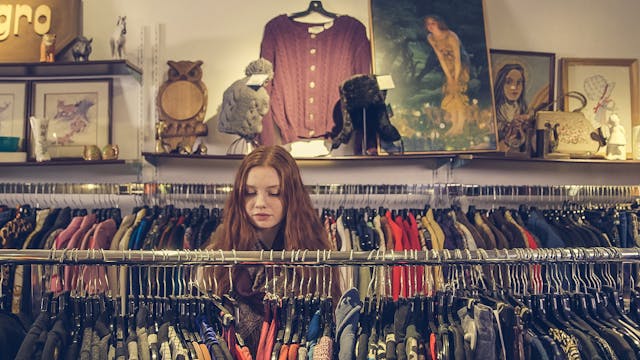
Who doesn’t love thrifting? The thrill of the hunt and the unknown possibility of what you’ll find can be very exciting. You can also feel like you’re saving money or helping the environment by preventing goods from going into the landfills. But what if I told you there are also a lot of reasons why thrift shopping is bad? From fast fashion to reselling and bed bugs, you may not be getting the deal you thought you were.

Justifying Overbuying

Justifying Overbuying
Image Source: Pexels

Some of the visits to the thrift store may be a bust, causing you to walk away with nothing. During other trips, you might feel like you’ve hit the jackpot and found everything you’ve been looking for. When you find and buy item after item, you have to be careful and remember your budget. We tell ourselves thrifting is cheaper than buying new items and it’s environmentally friendly to give them a second life. But really, we’re justifying overbuying. Ultimately, you have to treat the thrift shop like any other store and only get what you actually need. 

Impulse Buying

Impulse Buying
Image Source: Pexels

So many people love the hunt of thrifting. Unfortunately, this can easily turn into impulse shopping. One of the reasons why thrift shopping is bad is because it feels very urgent. If your local store didn’t have something the last time you were there, you may be worried they won’t have it the next time you stop by. 

This contributes to the feeling that purchases are “now or never.” Unless you find exactly what you’re looking for, carefully consider whether you’d buy this product under normal circumstances, or if the pressure is pushing you to do it.

Reduced Lifespan

Reduced Lifespan
Image Source: Pexels

Since items at the thrift store are secondhand, it’s impossible to know just how much usable life they have left. The rise of fast fashion has accelerated this issue. Some clothing items may look great on the rack, but if they weren’t built to last, they could fall apart within a few months. The same goes for electronics, which may have hidden issues that cause them to fail.

Look for signs of wear like undone hems and rips and tears on clothing. It’s also important to consider the cost before you buy. Some thrift stores are more expensive than others and don’t offer much of a discount. So in certain cases, you may be better off splurging a bit more to get a new item, especially if it comes with a warranty.

The War on Reselling

The War on Reselling
Image Source: Pexels

Reselling sites like Poshmark and Mercari can be a great resource, allowing consumers to find the specific used items they’re searching for at lower prices than new merchandise. Many of the listings on these sites are items that the sellers thrifted themselves. 

Unfortunately, this has resulted in many thrift stores raising their prices across the board to discourage reselling. Shoppers report that secondhand goods are costing more and more every year, so you may not be saving as much as you think. Sometimes hunting for clearance deals at Walmart can be cheaper, which is one reason why thrift shopping is bad for your budget. 

More Productive Uses for Your Time

More Productive Uses for Your Time
Image Source: Pexels

Unless you’re luckier than me, looking for a certain item at a thrift store takes a lot of time. Have you ever thought about the money involved in the time spent thrifting? Shoppers on the hunt usually have to drive to their local thrift shop multiple times and spend a few hours searching. 

While you’re there, you may impulse-buy a few other items. If you skip the thrift store and spend a few hours on a new side hustle instead, you may earn enough to simply buy the item you’re looking for brand new. So if you’re considering why thrift shopping is bad for your budget, be sure to consider the opportunity cost of your time. 

Bed Bugs

Bed Bugs
Image Source: Pexels

My top reason why thrift shopping is bad is bed bugs! While I have been lucky so far, I am always mindful of the risks. Thrifted items come from other people’s homes and are stored with thousands of other items. It only takes one item with bed bugs to potentially infest a majority of the items. Although bed bugs are associated with clothes and mattresses, they can even be in electronics and wooden furniture. They like to hide in nooks and crannies, which can make them hard to spot. 

There are precautions you can take, such as drying clothes for over 30 minutes in high heat. If you live in a very cold area, you could leave furniture and clothes outside to freeze, but you can’t do that to electronics. Remember that the stakes are high and bed bug remediation is expensive! One slip up and you could end up with bed bugs infesting everything you own. 

Rethrifting

Rethrifting
Image Source: Pexels

To complete the thrifting circle of life, we may donate our own unwanted items when we’re done with them. Depending on where you choose to donate and how you sort through your items before donating, re-thrifting can be a wonderful idea. Just be careful to make sure you’re not donating something that would be better resold. You may be leaving a lot of money on the table by donating certain desirable brands. 

Wondering why thrift shopping is bad? It all depends on your buying approach. If the pressure of the hunt causes you to make frequent impulse purchases, you may be better off staying home. However, if you have the willpower to only buy things you absolutely need, shopping secondhand can be a great way to save money and give items a new life.

Vicky Monroe headshot
Vicky Monroe

Vicky Monroe is a freelance personal finance writer who enjoys learning about and discussing the psychology of money. In her free time, she loves to cook and tackle DIY projects.

Filed Under: Shopping Tagged With: Saving Money, Secondhand Stores, Shopping

From Closet to Cause: The Best Places to Donate Baby Clothes

January 24, 2025 | 1 Comment

Where to donate unneeded baby clothes to help at rick children
Image Source: Pexels

Babies grow out of everything from clothing to infant car seats in the blink of an eye! It can be hard to figure out what to do with all the baby gear you no longer need. Between listing all your items and negotiating with hagglers, selling baby clothes on eBay or Facebook can be a time-consuming hassle. Gifting your child’s hand-me-downs to a growing family may be easier and more gratifying. But if you don’t know any new moms in your area, you may be wondering, where can you donate baby clothes? Here’s a list of worthy charities and organizations that accept baby clothes.

Where to Donate Baby Clothes

Foster care
Image Source: Pexels

1. Foster Closets 

Children in foster care usually have very few belongings and need support. Foster closets are nonprofit organizations that provide free or low-cost necessities to foster kids and parents, including clothes, books, and bedding. These closets are often run by volunteers and rely on community donations, so they’re great places to support if you’re wondering where to donate baby clothes. Look up “foster closets near me” or call your local CPS to find out how to drop off your gently used items.

2. Buy Nothing Groups

Image Source: Pexels

Buy Nothing groups are forums where you can offer free, gently used items like baby clothes to people in your community. You can also respond to requests for household goods if you’re willing to donate the items someone needs. These gifting groups are usually hosted on Facebook or the Buy Nothing app. Membership is limited to households in your area, so you won’t have to pay any shipping costs to donate baby clothes. Just keep in mind that trading, bartering, and selling aren’t allowed. You can find your local forum here. 

3. Baby Banks and Pregnancy Centers 

Similar to foster closets, baby banks are organizations that provide material resources to low-income parents. They’re always in need of gently used baby clothes and gear, so see if you can find one in your area to donate to. Pregnancy centers that serve expectant mothers could also make use of your secondhand items. 

4. Giving Factory Direct

baby clothes
Image Source: Pexels

Wondering where to donate baby clothes if you don’t have a baby bank in your area? Try Giving Factory Direct, an organization that helps clothing-insecure children. All you have to do is enter the size of the baby clothes you want to donate and Giving Factory will match you with a family in need. You’ll receive a free shipping label so you can package your items and drop them off at UPS. Just make sure that your donations don’t have any rips, stains, or personalized name tags before you send them off. 

5. Thrift Stores 

Thrift stores like Goodwill and the Salvation Army are also great places to drop off gently used baby clothes. Although secondhand shops make customers pay for merchandise, the profits they earn support their charity efforts. Goodwill, for example, spends more than 80% of its revenue on job training programs for veterans and people with disabilities. Plus, thrift stores often give shopping vouchers to partner organizations like The Red Cross, which are then distributed to people in need.

6. Churches

get baby clothes
Image Source: Pexels

The final entry on our list of where to donate baby clothes is one of your local churches. Many congregations run clothing drives to support families in the community and would appreciate your donation. Some churches even have their own baby banks, so call a few religious organizations in your area and see who accepts infant apparel.

Hopefully, we’ve helped you figure out where to donate baby clothes to make a difference in your community. Are there any organizations or charities we missed? Let us know in the comments!

Vicky Monroe headshot
Vicky Monroe

Vicky Monroe is a freelance personal finance writer who enjoys learning about and discussing the psychology of money. In her free time, she loves to cook and tackle DIY projects.

Filed Under: Baby Stuff Tagged With: baby clothes, Charity, Used Goods

These 5 Books Will Help You With Effective Communication With Your Kids

January 22, 2025 | Leave a Comment

These 5 Books Will Help You With Effective Communication With Your Kids
Image Source: Pexels

If you find it difficult to talk to your children sometimes, you’re not alone. Around 70% of parents say they struggle to meaningfully communicate with their kids. Children have developing brains and smaller vocabularies than adults, so it can be hard to bridge the gap and relate to each other. Plus, younger children often have trouble expressing their emotions and tend to melt down, making calm discussion a challenge. Luckily there are effective communication books that can help you build rapport with your kids and set boundaries without yelling. Check out five of our favorite titles below.

5 Effective Communication Books

1. How to Talk So Kids Will Listen Series 

How to Talk So Kids Will Listen Series 
Image Source: Pexels

The How to Talk So Kids Will Listen series can help you navigate discussions with your child at every developmental stage. There are separate books about communicating with toddlers, talking to kids ages 7 and older, and supporting angsty teens. The authors also wrote about how to motivate your child to succeed in school and speak to kids when they’re having a meltdown or tantrum. 

Parents say that the strategies in these effective communication books have helped them learn to acknowledge their children’s feelings. Validating their kids’ emotions has improved their relationship and reduced familial stress. The book series has also enabled parents to avoid yelling when they get overwhelmed or frustrated. The authors present alternative ways for caregivers to set boundaries, express their needs to their kids, and foster cooperation.

2. The Whole Brain Child Series

The Whole Brain Child Series
Image Source: Pexels

The Whole Brain Child series centers around fostering healthy brain development in your child, which makes it easier to have positive conversations. Authors Siegel and Bryson have written multiple effective communication books together, including The Whole Brain Child, No-Drama Discipline, and The Yes Brain: How to Cultivate Courage, Curiosity, and Resilience in Your Child. 

The Whole Brain Child explains how to help your child build healthy coping skills and resilience during tough, emotional moments. The book is based on modern neuroscience, so it has lots of research-informed methods to improve communication between you and your child, even when they’re having an outburst. 

The Yes Brain Child is all about fostering a cooperative, “yes” mindset in your child. Helping them remain open to new experiences will make everything from bedtime to stepping outside of their comfort zone easier. Last but not least, No-Drama Discipline can help you define your discipline style and set clear limits with your kids without yelling or reprimanding them. 

3. How to Talk to Kids About Anything

How to Talk to Kids About Anything
Image Source: Pexels

One of the most effective communication books for parents is How to Talk to Kids About Anything. We all know that kids ask a lot of questions, some of which are difficult to answer. When your child starts inquiring about hard topics like divorce and money, this book will equip you to navigate the conversation in an age-appropriate way. How to Talk to Kids About Anything also includes useful tips, case studies, and even scripts to help you find the best words to explain tough realities to your child.

4. Raising Good Humans: A Mindful Guide to Breaking the Cycle of Reactive Parenting 

Raising Good Humans: A Mindful Guide to Breaking the Cycle of Reactive Parenting 
Image Source: Pexels

Everyday life is busy and hectic, especially when you have kids! It can be tough to keep your cool when your child refuses to get ready for school or melts down in the checkout line. Raising Good Humans discusses mindfulness strategies to help you regain your composure during stressful moments. 

Calming your nervous system will enable you to talk to your child in a calmer, more productive way. One parent said the book was so impactful it made her cry. Once she implemented the author’s tips, she immediately noticed a difference in communication with her child.

5. Talk with Your Kids: 109 Conversations About Ethics and Things That Really Matter

Talk with Your Kids: 109 Conversations About Ethics and Things That Really Matter
Image Source: Pexels

Some children have a hard time opening up, especially during the turbulent tween and teen years. One of the most effective communication books to spark conversations with older children is Talk with Your Kids: 109 Conversations About Ethics and Things That Really Matter. 

It contains conversational prompts to encourage thoughtful discussion about ethical issues, such as bullying, war, lying, and more. This book will help your child define their values and articulate their positions in a logical way. It can also help you and your child connect, understand each other, and deepen your relationship.

Effective communication books can help you navigate everyday stressors with grace and improve your relationship with your child. Which books have leveled up your parenting skills? Let us know in the comments!

Vicky Monroe headshot
Vicky Monroe

Vicky Monroe is a freelance personal finance writer who enjoys learning about and discussing the psychology of money. In her free time, she loves to cook and tackle DIY projects.

Filed Under: Parenting Tagged With: Books, communication, Parenting

« Previous Page
Next Page »
  • Facebook
  • Pinterest
  • RSS
  • Twitter
Best Parenting Blogs

Most Popular

Baby Girl

12 “Grandma” Baby Names That Are Suddenly Cool Again

Evan Morgan
Baby

9 Baby Names That Sound Rare Without Being Hard to Spell

Evan Morgan
Target Store

Choking Incident Prompts Recall of 49,000 Target Gigglescape “Under the Sea” Popping Toys

Evan Morgan
Frustrated Girl

Why Some Students on the Spectrum Are Labeled With ODD

Evan Morgan
Coke Bottles

12 Things Kids Took to School in the ’70s That Would Never Be Allowed Today

Evan Morgan

All content on Kids Ain’t Cheap is for entertainment purposes only. By reading this blog, you agree that Kids Ain’t Cheap is not responsible for any actions taken after reading this blog. For the full disclaimer, see our privacy policy.
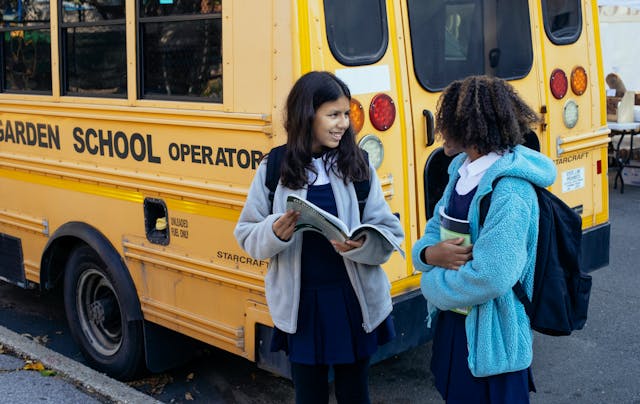
Please note that Kids Ain’t Cheap has financial relationships with some of the merchants mentioned here. Kids Ain’t Cheap is funded by banner advertising, commission sales and search optimization consulting.

Copyright © 2006–2026 | District Media | All Rights Reserved | Privacy Policy

Copyright © 2026 Runway Pro Theme by Viva la Violette