• Home
  • About Us
  • Toolkit
  • Archives
  • Advertise
  • Privacy Policy

Kids Ain't Cheap

But They Sure Are Worth It

  • Parenting
    • Baby Stuff
    • Books and Reading
      • Aesops Fables
      • Comic Books
    • Education
    • Family Time
    • Green Living
    • Growing Up
    • Healthy Living & Eating
    • Holidays
    • Parenting
    • Random Musings
    • Shopping
    • Stuff to Do
  • Money
  • Product Reviews
    • Books and Magazines
    • Discount Sites
    • Furniture
    • House Keeping
    • Reviews News
    • Toys and Games
  • Contact Us
  • Our Editorial Commitment
  • Search

Kiddies Watching: 10 Things Your Kids Realize That You Never Pay Attention To

March 23, 2025 | Leave a Comment

beautiful multiethnic children lying on carpet and looking at camera
Image Source: 123rf.com

Kids are always watching. They absorb more than we think—from our moods and habits to the way we treat others and handle stress. But while parents are focused on bedtime routines and lunchboxes, kids are noticing things that fly right under our radar. These quiet observations shape their beliefs, their behaviors, and even their sense of self. Here are 10 surprising things your kids pick up on—even if you don’t realize it.

How You Talk About Yourself

When you call yourself fat, stupid, or “a mess,” your child hears it loud and clear. They learn how to talk to themselves by watching how you talk to you. Even self-deprecating jokes can plant seeds of insecurity. Modeling self-respect teaches them to value their own worth. Speak kindly about yourself—you’re showing them how to do the same.

How You React Under Stress

Whether you’re stuck in traffic or dealing with work drama, your response matters. If you explode or shut down, they learn to do the same when things get hard. Calm, problem-solving responses show them that big feelings can be handled with grace. You don’t have to be perfect—just aware. Your coping style becomes their blueprint.

How You Treat Strangers

Whether you smile at the cashier or ignore the homeless man on the street, your kids notice. These small moments shape their sense of empathy and kindness. Even casual rudeness can leave an impression. Kids watch how you treat people who can’t give you anything in return. That’s where they learn true compassion.

If You Keep Your Promises

“I’ll play with you after dinner” or “We’ll go to the park this weekend” sticks with them. When promises aren’t kept—even small ones—kids feel forgotten. Following through builds trust and teaches accountability. Life happens, but consistent follow-through matters more than you think. Your word is their security blanket.

Your Screen Time Habits

Smiling parents with children spending time playing with smartphones at home
Image Source: 123rf.com

Telling your child to put down the iPad while you scroll Instagram sends mixed signals. Kids notice when they have to compete with a screen for your attention. Your digital habits teach them what real presence looks like. Modeling balance helps them develop healthier tech boundaries. Show them they matter more than your notifications.

How You Handle Conflict With Your Partner

Even if you fight behind closed doors, tension leaks. Kids sense when things feel off. Watching how you argue—whether it’s respectful or resentful—teaches them how relationships work. Conflict isn’t the problem; it’s how you manage it that leaves a lasting impression. Resolve with love, and they’ll carry that lesson into their own lives.

What You Say About Others

Gossip, judgment, or criticism doesn’t go unnoticed. When kids hear you talking badly about neighbors, friends, or family, it affects how they view the world. They may start to question who they can trust—or mimic the behavior themselves. Choose kindness in your words, even when others aren’t around. You’re always teaching—even unintentionally.

Whether You Listen

When your child talks and you half-listen while multitasking, they notice. Being present, even for a 60-second story, builds their confidence and sense of importance. Dismissing them, even accidentally, can make them feel invisible. Focused attention, eye contact, and a few genuine questions go a long way. Listening isn’t just kind—it’s empowering.

If You Practice What You Preach

Telling your child to be honest while lying to get out of a commitment sends mixed messages. Kids are quick to spot hypocrisy. They crave authenticity. If your actions don’t align with your values, they may stop listening. Walk your talk—it matters more than anything you say.

How You Treat Yourself

From how you eat to whether you rest, your child watches how you care for yourself. Self-neglect teaches them that it’s normal to run on empty. Prioritizing your own well-being teaches them that taking care of yourself isn’t selfish—it’s necessary. Love yourself, and you’ll teach them how to do the same.

Kids Pick Up Everything

Your kids may not say much, but they’re picking up everything. It’s not about being perfect—it’s about being intentional. The little things you do speak louder than any lecture. And when you lead with love, honesty, and presence, your children learn how to do the same. Your daily actions are their lifelong lessons.

What’s something you realized your child picked up from you—good or bad? Let’s hear it in the comments.

Read More:

10 Times Kids’ Stupid Mistakes Wrecked Their Parents’ Finances

7 Lessons from Kids That’ll Change How You See the World

Latrice Perez

Latrice is a dedicated professional with a rich background in social work, complemented by an Associate Degree in the field. Her journey has been uniquely shaped by the rewarding experience of being a stay-at-home mom to her two children, aged 13 and 5. This role has not only been a testament to her commitment to family but has also provided her with invaluable life lessons and insights.  As a mother, Latrice has embraced the opportunity to educate her children on essential life skills, with a special focus on financial literacy.

Filed Under: Money and Finances

Naming Regrets: 8 Types of Names That Could Spell Trouble for Your Child’s Future

March 23, 2025 | Leave a Comment

A portrait of happy young family with two small children in autumn nature, having fun.
Image Source: 123rf.com

Picking a baby name can feel like the most joyful part of parenting—until the regrets start to creep in. Some names may sound adorable in the nursery but bring problems down the road, from teasing to job discrimination. While every name is valid, certain choices unintentionally set kids up for struggle. Whether it’s pronunciation issues, pop culture references, or gender confusion, naming carries more weight than we realize. Here are 8 names parents often regret—along with why they cause trouble later on.

Overly Trendy Names

What’s popular today might feel outdated tomorrow. Trendy names often tie a child to a specific moment in pop culture. Think “Khaleesi” or “Nevaeh.” These names may stand out now, but in 10 years, they might feel cringey. Choose a name that can grow with your child—not just impress your Instagram followers.

Names With Difficult Spellings

Creative spellings like “Maddisyn” or “Jaykub” may feel unique, but they often create lifelong hassles. Teachers mispronounce them, friends misspell them, and job applications get confusing. A name shouldn’t require constant clarification. Simplicity doesn’t mean boring—it means accessible. Consider how your child will feel having to spell their name out forever.

Names With Negative Associations

Some names come with baggage. Whether it’s a criminal in the news, a notorious celebrity, or a disliked public figure, the association sticks. Even if the name itself is nice, the reputation may follow your child unfairly. Always Google the full name before you commit. A quick check could save a lifetime of awkward moments.

Gender-Ambiguous Names Without Clarity

Two little child, girl and boy in nature, sitting on a stone, looking at each other with a smile, outdoors. Space for Text. Retro toned. Summer
Image Source: 123rf.com

Names like “Jordan,” “Taylor,” or “Rowan” are beautiful, but they can cause confusion without context. While gender-neutral names are gaining popularity, they may require extra explanation in certain settings. Think email introductions, resumes, or roll calls. It’s not a dealbreaker—but it’s something to consider if clarity matters to you.

Unpronounceable Foreign Names (in Certain Regions)

Cultural names are beautiful and meaningful—but when they’re placed in regions where no one can pronounce them, it can lead to frustration. Constant correction wears on a child’s patience and self-esteem. It’s okay to honor your roots—just be aware of the potential challenges. Some parents find balance by using traditional middle names instead.

Names That Invite Teasing

Kids are creative—and sometimes cruel. Names that rhyme with embarrassing words or sound like body parts often become punchlines on the playground. Before finalizing a name, say it out loud with the last name and consider how kids might twist it. A little foresight can save your child a lot of grief.

Initials That Spell Something Unfortunate

Your child’s initials may not seem important—until they spell something like “BUM” or “PMS.” Kids notice, and so do adults. Double-check initials against monograms, backpacks, and future email addresses. It’s a small step that can prevent big regrets.

Names That Clash With Surnames

Sometimes the first name and last name just don’t flow. Think “Ella Bella” or “Nick Kerr.” It might be unintentional, but when names rhyme, sound silly, or create crude phrases, they can become a lifelong source of embarrassment. Say the full name out loud several times before deciding. You’ll be glad you did.

Think Beyond the Baby Years

A name isn’t just for birth announcements—it follows your child into classrooms, job interviews, and adult relationships. Choosing wisely doesn’t mean playing it safe—it means thinking long-term. A name can empower your child, open doors, or become a burden. It’s one of the first gifts you give them. Make it one that grows with them, not one they’ll wish they could change.

Do you have name regrets—or did someone you know struggle with theirs? Share your stories below.

Read More: 

The Ultimate First Year Baby Budget Guide: Affordable Must-Haves for New Parents on a Tight Budget 

Why Vintage Baby Clothes Are Cooler Than Anything in Stores Right Now

Latrice Perez

Latrice is a dedicated professional with a rich background in social work, complemented by an Associate Degree in the field. Her journey has been uniquely shaped by the rewarding experience of being a stay-at-home mom to her two children, aged 13 and 5. This role has not only been a testament to her commitment to family but has also provided her with invaluable life lessons and insights.  As a mother, Latrice has embraced the opportunity to educate her children on essential life skills, with a special focus on financial literacy.

Filed Under: Money and Finances Tagged With: baby name advice, baby names, child development, name meanings, naming mistakes, parenting regrets, unique baby names

Doctors Swear by These 7 Baby Sleep Hacks—And They Actually Work

March 23, 2025 | Leave a Comment

Laughing, smiling  little newborn baby boy sleeping in white blanket, lying on bed.
Image Source: 123rf.com

When you’re a sleep-deprived parent running on fumes and cold coffee, getting your baby to sleep can feel like solving a mystery with no clues. Every baby is different, but pediatricians and sleep experts agree on a few tried-and-true techniques that actually work. These aren’t just recycled internet tips—they’re backed by science and used by professionals who help babies sleep better every day. If you’ve tried everything and nothing sticks, these hacks might be your game-changer. Here are seven doctor-approved baby sleep strategies that work for real families.

Establish a Predictable Bedtime Routine

Doctors emphasize that babies thrive on routine, especially when it comes to sleep. Creating a simple, calming ritual—like bath time, followed by a lullaby and cuddles—helps signal to your baby that it’s time to wind down. Repeating the same pattern every night conditions their brain to associate these actions with sleep. Keep it quiet and consistent, avoiding bright lights or screen time before bed. The more predictable bedtime becomes, the less resistance you’ll face.

Use White Noise Strategically

White noise mimics the comforting sounds babies hear in the womb, making it easier for them to fall—and stay—asleep. Pediatricians often recommend a white noise machine to drown out household sounds or street noise that could jolt your baby awake. Just be sure to place the device at a safe distance from the crib and keep the volume under 50 decibels. Don’t worry about creating a “dependency”—many babies naturally wean off it as they grow. For now, if it helps your little one sleep, it’s worth using.

Respect Wake Windows (And Don’t Wait Too Long)

Many parents wait until their baby is rubbing eyes or yawning to start bedtime, but doctors say that might be too late. Once babies get overtired, their cortisol spikes, making it harder for them to settle down. Knowing your baby’s ideal wake window based on their age can prevent this struggle. For example, newborns may only tolerate 45–90 minutes of wake time, while older babies might go two to three hours. Timing naps and bedtime around these windows can improve sleep quality dramatically.

Don’t Rush to Pick Them Up

cute newborn baby girl in the bed
Image Source: 123rf.com

It’s natural to want to soothe your baby the second you hear a whimper, but sleep experts say pausing can be helpful. Babies, especially in lighter stages of sleep, often stir, fuss, or cry briefly before settling back down. By rushing in too quickly, you might actually wake them fully. Doctors suggest giving your baby a minute or two to see if they self-soothe. You’re not ignoring them—you’re giving them a chance to develop healthy sleep habits.

Keep Day and Night Clearly Separate

Newborns don’t know the difference between day and night, but you can teach them. During the day, keep the lights bright, talk to your baby often, and don’t tiptoe around. At night, keep things dim, quiet, and low-key—even during feedings or diaper changes. Doctors recommend avoiding eye contact at night to signal that it’s not time to play. This helps regulate their internal clock and supports better nighttime sleep.

Try a Dream Feed

For babies who wake up hungry during the night, some pediatricians recommend a “dream feed.” This involves gently feeding your baby while they’re still partially asleep, usually between 10 p.m. and midnight. The goal is to fill their belly before they hit their longest sleep stretch, helping them (and you) rest longer. Not all babies respond to this technique, but it’s worth trying if your child consistently wakes from hunger. Make sure they’re still upright and burped afterward to avoid gas.

Make the Crib a Sleep-Only Zone

Sleep experts agree: the crib should be a space dedicated to rest. Avoid using it for playtime or time-outs, as this can create mixed associations. Keeping the crib strictly for sleep helps your baby mentally link it with relaxation and rest. Doctors also stress the importance of a safe sleep environment—firm mattress, no loose blankets or toys, and baby on their back. Consistency here builds a stronger sleep routine and ensures safety, too.

 Sleep Success Starts With Simplicity

You don’t need fancy gadgets or complicated sleep schedules to help your baby rest better. The best advice often comes from experts who’ve studied infant sleep for years—and their strategies focus on consistency, awareness, and comfort. By tuning into your baby’s needs while implementing these proven tips, you’ll likely see major improvements. Sleep isn’t just a dream—it’s a skill, and like any skill, it gets better with the right support. Your well-rested baby (and your well-rested self) will thank you.

Which of these sleep hacks have you tried—or are planning to try tonight? Let us know in the comments and share what’s worked for you.

Read More:

14 Things We Used to Do at Sleepovers That Kids Today Would Find Bizarre
10 Ways To Get Your Newborn To Sleep Through The Night

Latrice Perez

Latrice is a dedicated professional with a rich background in social work, complemented by an Associate Degree in the field. Her journey has been uniquely shaped by the rewarding experience of being a stay-at-home mom to her two children, aged 13 and 5. This role has not only been a testament to her commitment to family but has also provided her with invaluable life lessons and insights.  As a mother, Latrice has embraced the opportunity to educate her children on essential life skills, with a special focus on financial literacy.

Filed Under: Money and Finances Tagged With: baby sleep, baby sleep schedule, infant sleep hacks, new parent survival, newborn sleep advice, pediatrician tips, sleep training, white noise

7 Secrets to Stopping Toddler Tantrums—And It’s Not What You Think

March 23, 2025 | Leave a Comment

cute little girl is crying
Image Source: 123rf.com

Every parent knows the feeling: your toddler is red-faced, flailing, and howling in the middle of the grocery store. The judgmental stares come from every direction, and you’re left wondering what you did wrong. But here’s the truth—tantrums are a normal part of development. Still, that doesn’t mean you’re powerless. These seven lesser-known tactics go beyond the usual “stay calm” advice and actually help stop tantrums before they escalate.

Connect Before You Correct

When toddlers act out, they’re usually not trying to misbehave—they’re overwhelmed. Correcting them mid-tantrum often backfires because they’re not in a place to listen. Instead, try kneeling down, making eye contact, and saying something like, “You’re really upset right now, huh?” This simple act of connection helps them feel seen, which can calm their nervous system. Once they’re regulated, then you can talk about behavior.

Give Two Controlled Choices

Toddlers crave autonomy, but they don’t know how to ask for it. When they’re denied something outright, it can trigger frustration. Instead of just saying no, offer them two acceptable choices. For example, “Do you want the blue cup or the red one?” This empowers them while still keeping you in charge. It’s a small shift that can prevent a full-blown meltdown.

Catch the Tantrum Before It Starts

Most tantrums have a buildup—eye rubbing, whining, or clumsiness. These are signs your toddler may be hungry, tired, or overstimulated. By noticing and responding to these cues early, you can often stop a tantrum in its tracks. Sometimes, a snack or a five-minute cuddle break is all it takes. Prevention isn’t always possible, but it’s incredibly effective when you catch the storm before it hits.

Use Play as a Pressure Valve

little girl with their mouth wide open
Image Source: 123rf.com

Toddlers process emotions through movement and play. A game of chase or a silly dance session can release pent-up energy and reduce tantrum frequency. Laughter and connection lower stress hormones and build emotional resilience. If your child is on the edge, try a spontaneous game instead of a stern talk. You’ll be surprised how quickly giggles can replace tears.

Validate Without Giving In

You can acknowledge your toddler’s feelings without giving them what they want. Say something like, “You’re really upset that you can’t have another cookie. That’s hard.” This shows empathy but keeps your boundary intact. Often, kids escalate tantrums because they feel misunderstood, not because they didn’t get their way. Validation teaches them to trust you—even when they’re disappointed.

Model Emotional Language

Most toddlers don’t have the words to describe what they feel, so it comes out as screaming or hitting. Help them build an emotional vocabulary by naming their feelings in the moment. “It looks like you’re feeling frustrated because the blocks fell.” Over time, they’ll learn to express themselves more clearly. This won’t stop tantrums overnight, but it lays the foundation for better communication.

Stay Consistent With Boundaries

One of the biggest tantrum triggers is inconsistency. If bedtime is 8 p.m. one night and 10 p.m. the next, your toddler’s brain gets confused and overwhelmed. Set predictable routines and stick to them, even when it’s inconvenient. The more they know what to expect, the safer and more stable they feel. And that sense of safety dramatically reduces outbursts.

Tantrums Aren’t A Sign of Bad Parenting

Tantrums aren’t a sign of bad parenting or a “difficult” child—they’re a natural part of learning to manage big emotions. But how you respond can either make them worse or help them pass. By using these connection-based techniques, you give your child the tools to calm themselves and trust you more deeply. And when that happens, tantrums don’t disappear—but they definitely get easier to handle. You’ve got this.

What’s the strangest place your toddler has ever had a meltdown—and how did you handle it? Share your story in the comments!

Read More:

What Is Positive Discipline? A Cost-Effective Approach to Parenting
Stop Now! 12 Behaviors That Say You’ve Crossed The Line From Discipline to Abuse

Latrice Perez

Latrice is a dedicated professional with a rich background in social work, complemented by an Associate Degree in the field. Her journey has been uniquely shaped by the rewarding experience of being a stay-at-home mom to her two children, aged 13 and 5. This role has not only been a testament to her commitment to family but has also provided her with invaluable life lessons and insights.  As a mother, Latrice has embraced the opportunity to educate her children on essential life skills, with a special focus on financial literacy.

Filed Under: Money and Finances Tagged With: child development, Emotional Regulation, gentle discipline, parenting hacks, parenting toddlers, toddler behavior, toddler tantrums

The One Gentle Parenting Trick That Changed Everything

March 23, 2025 | Leave a Comment

Family in a summer park. Mother in a white t-shirt. Cute little boy with paints on his face
Image Source: 123rf.com

If you’ve ever felt torn between being a nurturing parent and setting strong boundaries, you’re not alone. Gentle parenting can seem like a balancing act between love and discipline, and sometimes it’s hard to know if you’re doing it “right.” But there’s one simple, powerful mindset shift that changes everything. It’s not about having the perfect script or never losing your temper—it’s about something much deeper. Here’s the gentle parenting trick that made all the difference.

Focus on Connection Before Correction

Most of us are wired to jump straight into fixing behavior: “Stop that!” “Don’t do that!” But kids respond better when they feel emotionally connected first. Gentle parenting emphasizes building trust, especially during moments of conflict. When your child knows you’re on their team—even when they mess up—they’re more open to learning and changing. This shift in perspective turns discipline into an act of love, not punishment.

Why Connection Calms the Nervous System

Science backs up what many parents have learned intuitively: kids can’t learn when they’re emotionally flooded. Tantrums, defiance, and meltdowns are often signs of an overwhelmed nervous system. When you respond with calm, empathetic presence instead of punishment, you help your child regulate. That co-regulation is the foundation of emotional intelligence. And it starts with you—not the timeout corner.

Seeing Misbehavior as Communication

Children often “act out” because they lack the language to express what they need. Gentle parenting teaches us to look beneath the behavior. Is your child hungry? Tired? Feeling disconnected from you? By addressing the root instead of just the symptom, you build trust and solve the real issue. It’s not permissive—it’s powerful.

Setting Limits with Kindness

Dad and son in field park on sunny day
Image Source: 123rf.com

Being gentle doesn’t mean being a pushover. In fact, clear, loving boundaries are a key part of this approach. Instead of shouting “no,” you can say, “I won’t let you hit, but I’m here to help you calm down.” The limit stays firm, but it’s delivered with compassion. This teaches your child how to navigate strong feelings without shame.

Repairing After We Mess Up

No parent gets it right 100% of the time. The beauty of gentle parenting is that it honors the repair process. Saying “I’m sorry I yelled. I was feeling really stressed, but that’s not your fault,” models’ emotional accountability. Kids learn that mistakes are part of relationships—and that love isn’t conditional. Repair builds resilience and teaches emotional maturity by example.

How This One Trick Shifted Everything

The moment I started connecting first—kneeling down, making eye contact, offering a calm touch—my home changed. The yelling decreased. My child became more cooperative. And I became less reactive. It wasn’t magic, but it felt like it. Connection was the missing piece I didn’t know I needed.

Parenting That Builds Hearts, Not Just Habits

Gentle parenting isn’t a trend—it’s a mindset that prioritizes emotional connection over compliance. The simple act of connecting before correcting turns discipline into a bridge instead of a wall. Your child still learns boundaries—but they also learn trust, empathy, and security. And you get a more peaceful home in the process.

What’s one parenting moment where connection worked better than correction? Share your story—we’d love to hear it.

Read More: 

5 Characteristics of a Good Parent for Raising Financially Savvy Kids

Parents, Listen Up! 12 Gentle Parenting Fails and the Fixes That’ll Change Your Life

Latrice Perez

Latrice is a dedicated professional with a rich background in social work, complemented by an Associate Degree in the field. Her journey has been uniquely shaped by the rewarding experience of being a stay-at-home mom to her two children, aged 13 and 5. This role has not only been a testament to her commitment to family but has also provided her with invaluable life lessons and insights.  As a mother, Latrice has embraced the opportunity to educate her children on essential life skills, with a special focus on financial literacy.

Filed Under: Money and Finances

Think Your Child’s Car Seat Is Safe? These 7 Shocking Facts Say Otherwise

March 22, 2025 | Leave a Comment

car seat safety
Image Source: 123rf.com

Every parent believes their child’s car seat is installed properly and is doing its job effectively. Yet studies show many parents unknowingly overlook critical safety details that could put their child at risk. In fact, the National Highway Traffic Safety Administration (NHTSA) estimates that nearly half of all car seats are incorrectly installed or misused. Before your next drive, consider these seven surprising facts that reveal hidden dangers lurking in your child’s car seat. Staying informed is trendy—and essential—for every responsible parent.

1. Improper Installation Is Extremely Common

You might think your car seat is perfectly installed, but the reality is shockingly different. NHTSA studies suggest approximately 46% of car seats are not installed correctly, dramatically reducing their effectiveness. Common errors include loose seat belts, incorrect harness adjustments, and wrong seat angles. Even minor mistakes compromise your child’s safety, increasing the risk of injury during a collision. Certified safety technicians can help verify proper installation, significantly improving car seat safety.

2. Secondhand Car Seats Are a Risky Choice

While thrifting is trendy for clothing or furniture, secondhand car seats pose significant hidden risks. Older seats could have unseen structural damage from previous accidents or recalls, drastically lowering their protective value. Additionally, car seats generally have expiration dates—usually between six and ten years from manufacture. Expired seats weaken over time due to plastic degradation and component wear, risking your child’s safety. It’s essential to know your seat’s exact history, including accidents and recalls, before trusting it. Purchasing new seats or thoroughly researching secondhand models is crucial for safety-conscious parents.

3. Winter Coats Compromise Harness Safety

Bundling up your child in a thick winter coat seems harmless but is actually dangerous when placed in a car seat. Heavy coats create slack in harness straps, making them appear snug when they’re actually too loose. In a collision, coats compress instantly, leaving dangerous slack and increasing injury risks. Experts recommend removing bulky outerwear before buckling your child into their seat. Instead, use blankets or coats placed over your child after the harness is securely tightened.

4. Harness Positioning Matters More Than You Think

Incorrect harness placement is surprisingly common yet critical for car seat effectiveness. Straps placed incorrectly, too loose, or twisted can significantly increase injury risk during accidents. Chest clips must always sit at armpit level, keeping the harness properly aligned over your child’s shoulders. For rear-facing seats, straps should be at or just below shoulder level; for forward-facing seats, they should be at or slightly above. Regularly double-checking harness positioning ensures optimal safety on every ride.

5. Accessories Might Be Dangerous

Cute car seat accessories—like strap covers, head supports, or hanging toys—may seem harmless but can seriously jeopardize safety. Many third-party products aren’t tested with your car seat, potentially interfering with harness effectiveness or seat stability. Accessories might shift during impact, loosen harnesses, or even injure your child directly. Experts advise sticking only to manufacturer-approved accessories specifically designed for your exact car seat model.

6. Booster Seats Are Often Misused

Transitioning your child to a booster seat too early or incorrectly is another common safety mistake. Booster seats rely on adult seat belts, meaning your child must be of the appropriate height and weight to safely use one. Incorrectly positioned seat belts cause severe injuries in collisions, especially if improperly placed across a child’s abdomen or neck. Ensure your child meets booster-seat age, weight, and height recommendations precisely before transitioning. Always verify seat belt positioning during every ride, maintaining correct belt placement across hips and shoulders. Familiarize yourself with the guidelines before making the switch.

7. Car Seat Recalls Are Surprisingly Frequent

Manufacturers issue recalls more often than many parents realize—frequently for severe safety defects or component failures. Unfortunately, many families unknowingly use recalled seats daily, putting their children at risk. To stay informed, register your car seat immediately upon purchase and regularly check recall databases. Online resources like NHTSA.gov offer recall search tools that provide timely safety alerts and updates.

Stay Informed, Stay Safe

Your child’s safety in the car depends entirely on your knowledge, vigilance, and regular checks. Staying informed about common car seat errors, expiration dates, harness safety, recalls, and risky accessories can dramatically improve your child’s safety every ride. Proper car seat use is about more than just strapping in—it requires continuous education, careful installation, and attention to detail. After all, the most important trend for parents today is always the safety and well-being of their precious little passengers.

Read More

  • Car Seat Recommendations
  • Car Services With Car Seats
  • Cheapest New Cars in 2025
Latrice Perez

Latrice is a dedicated professional with a rich background in social work, complemented by an Associate Degree in the field. Her journey has been uniquely shaped by the rewarding experience of being a stay-at-home mom to her two children, aged 13 and 5. This role has not only been a testament to her commitment to family but has also provided her with invaluable life lessons and insights.  As a mother, Latrice has embraced the opportunity to educate her children on essential life skills, with a special focus on financial literacy.

Filed Under: Parenting Tagged With: car seat, car seat safety, Safety

7 Terrifying Things Parents Forget That Can Have Devastating Consequences

March 22, 2025 | Leave a Comment

Happy father and mother holding children playing together in park with sunset view, Cheerful family father mother and children enjoying picnic at park, Family with healthy lifestyle, Life insurance
Image Source: 123rf.com

Parents have an endless list of responsibilities, and with so much going on, it’s easy to forget things. While most oversights are harmless, some can have terrifying consequences. A moment of forgetfulness can put a child in danger, sometimes with life-altering results. These mistakes don’t always happen due to negligence—often, they occur simply because parents are overwhelmed, distracted, or running on autopilot.

Here are seven terrifying things parents forget that can lead to serious consequences.

Forgetting a Baby in the Car

Every summer, heartbreaking headlines remind us of the dangers of leaving a baby in a hot car. Many parents assume they could never make this mistake, yet it happens every year, often to loving and responsible caregivers.

Heatstroke can occur within minutes, as temperatures inside a parked car can rise rapidly. Babies and young children are particularly vulnerable because their bodies overheat faster than adults. Some parents forget because of a break in routine—such as a different parent dropping the baby off at daycare—or simply because they are exhausted and distracted.

To prevent this, some experts recommend leaving a purse, phone, or even a shoe in the backseat as a reminder to check before locking the car. Apps and car seat alarms are also available to alert parents if they accidentally leave their child behind.

Forgetting to Secure Furniture and TVs

Many parents take precautions to baby-proof electrical outlets and sharp corners, but one of the most overlooked dangers in a home is unsecured furniture. Dressers, bookshelves, and TVs can become deadly if a child tries to climb on them and they tip over.

Each year, children are seriously injured or killed in furniture-related accidents. It only takes a moment for a child to pull out a drawer, use it as a step, and cause a heavy piece of furniture to fall. Anchoring furniture to the wall with anti-tip straps can prevent these tragedies. Parents often assume it won’t happen to their child—until it does.

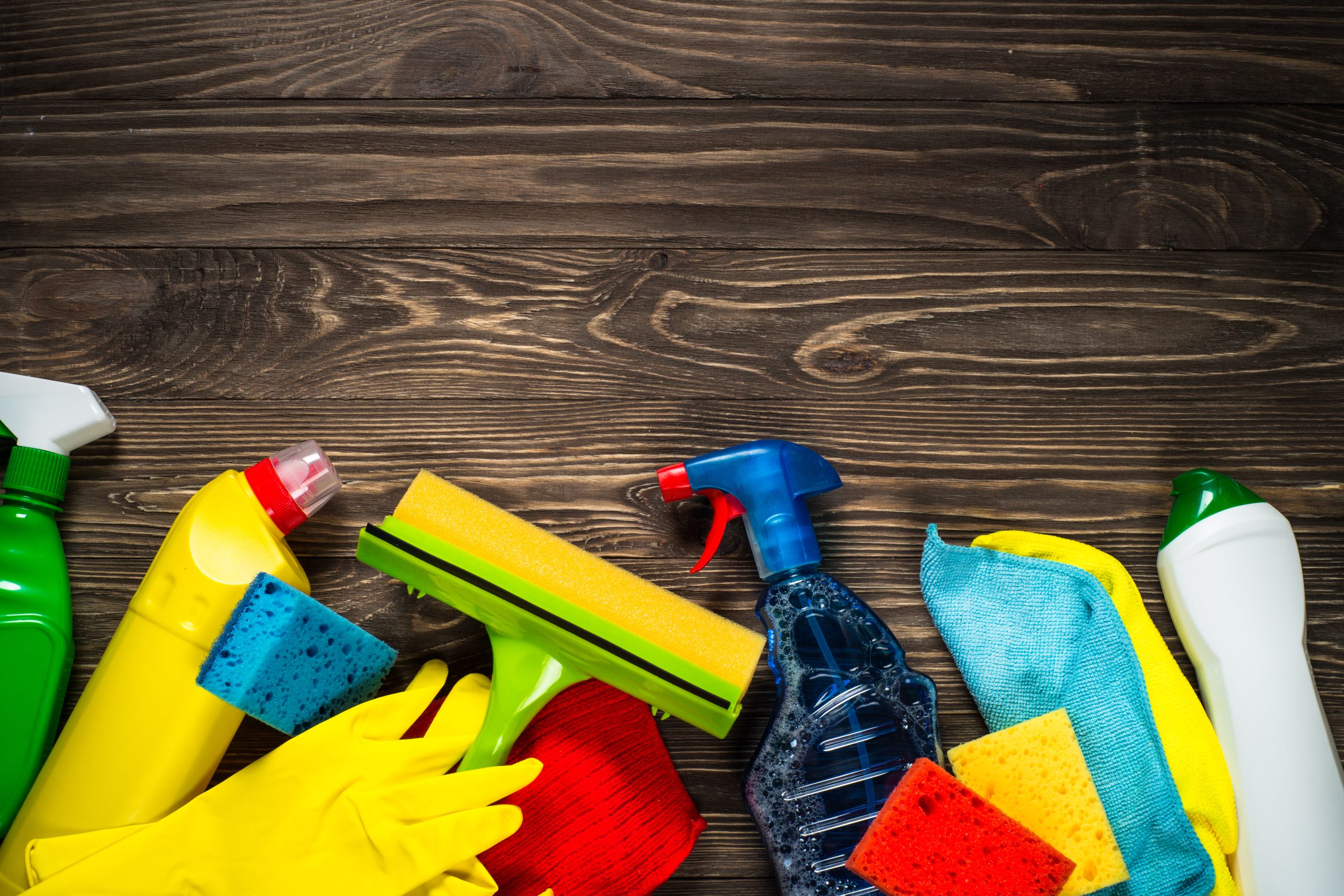
Forgetting About Medication and Cleaning Supplies

Cleaning product, household, sanitary supplies on wooden table. Top view with copy space.
Image Source: 123rf.com

Most parents keep medication and cleaning products out of reach, but accidents happen when items are left out just for a moment. A bottle of pain relievers on the counter, an open purse with prescription medication inside, or a cleaning spray left near a sink can quickly become accessible to a curious child.

Small children explore with their hands and mouths, and many everyday items can be extremely toxic. Child-resistant packaging helps, but it’s not foolproof. Keeping all medications and household cleaners locked away, even when in use, can prevent life-threatening poisoning incidents.

Forgetting to Check the Bathwater Temperature

A hot bath may seem harmless, but scalding water can cause severe burns in seconds. Young children’s skin is much more sensitive than an adult’s, and they can suffer third-degree burns at temperatures above 120°F (49°C).

Parents sometimes forget to test the water before placing their child in the tub or assume that adjusting the faucet mid-bath will cool things down quickly. A sudden burst of hot water or a slight mistake in temperature control can result in painful injuries. Installing anti-scald devices on faucets and always checking the water with a thermometer or wrist can prevent unnecessary burns.

Forgetting to Lock or Secure Pools and Water Sources

Drowning is one of the leading causes of death for young children, and it happens faster and more silently than most parents realize. Many accidents occur not because parents are unaware of the dangers of water but because they forget to secure it properly.

A backyard pool, an inflatable kiddie pool, or even a bucket of water can pose a serious risk. Children can drown in as little as two inches of water, and it takes just a moment of distraction for an accident to occur. Pool fences with self-latching gates, door alarms, and strict water safety rules can help prevent devastating tragedies.

Forgetting to Check Car Seat Straps and Installations

Car seats are one of the most important safety tools for children, but they only work if used correctly. Many parents make small but dangerous mistakes, such as forgetting to buckle the chest clip at the right level, leaving straps too loose, or not realizing the car seat is improperly installed.

Even in minor car accidents, an improperly secured child can suffer severe injuries. Studies show that a large percentage of car seats are used incorrectly. Double-checking that straps are snug, the chest clip is positioned correctly, and the seat is properly anchored can mean the difference between life and death in a crash.

Forgetting About Small Objects That Can Be Choking Hazards

Young children will put almost anything in their mouths, and small objects can quickly become deadly choking hazards. Parents often baby-proof their homes when their child first starts crawling, but as kids grow, new risks appear.

Coins, small toy parts, batteries, pen caps, and even food that is too large or the wrong shape can cause a choking emergency. Parents sometimes forget to scan the floor or check for small, overlooked items that could be within reach. Learning CPR and keeping a close eye on small objects can help prevent a life-threatening situation.

Awareness Can Prevent Tragedy

No parent is perfect, and forgetting things happens to everyone. But when it comes to child safety, even small mistakes can lead to serious consequences. The best way to prevent these terrifying accidents is to stay aware, build habits that reinforce safety, and use reminders when necessary.

Parenting is exhausting, and distractions are everywhere. A little extra caution and a few simple precautions can go a long way in keeping children safe.

Have you ever caught yourself forgetting something potentially dangerous? Share your thoughts in the comments below.

Read more: 7 Terrifying Things Parents Forget That Can Have Devastating Consequences

Latrice Perez

Latrice is a dedicated professional with a rich background in social work, complemented by an Associate Degree in the field. Her journey has been uniquely shaped by the rewarding experience of being a stay-at-home mom to her two children, aged 13 and 5. This role has not only been a testament to her commitment to family but has also provided her with invaluable life lessons and insights.  As a mother, Latrice has embraced the opportunity to educate her children on essential life skills, with a special focus on financial literacy.

Filed Under: Parenting Tagged With: baby safety, car seat safety, child accidents, childproofing, childproofing tips, drowning prevention, home safety, parenting mistakes, parenting safety

8 Nursery Ideas That’ll Make Your Friends Jealous

March 19, 2025 | Leave a Comment

8 Nursery Ideas That’ll Make Your Friends Jealous
Image Source: Pexels

This post includes affiliate links. If you purchase anything through these affiliated links, the author/website may earn a commission.

One of the most exciting parts of a pregnancy journey is getting to decorate and prepare the nursery. There’s no shortage of baby nursery ideas out there, so how do you narrow things down? To help you find the style that suits you best, we’ve put together this list of baby nursery ideas that will make your friends jealous. From modern to boho, here are eight trending nursery designs you’re sure to love. 

1. Modern Nursery 

If you’re not a fan of colorful or childish baby nursery ideas, take notes from designer Devin Kirk. The nursery in his Chicago home features funky black and white stripes and a mobile that looks like a piece of modern art. Flensted Mobiles offers similar mobiles that are made in Denmark. This one incorporates primary colors, while this one keeps things more neutral and airy with an all-white design. Add a bold, modern accent wall using this black and white brush stroke wallpaper by Bobby Berk, and you’ll be well on your way to creating an enviable nursery. 

2. Boho Nursery 

Boho Nursery
Image Source: Pexels

One of the best baby nursery ideas is a boho design that incorporates lots of cozy textures. This boucle glider by Yaheetech has wooden legs and plush cream upholstery, adding tons of warmth to your baby’s room. Another fun way to play with texture is by laying a faux fur rug on the floor or even draping it over your glider. Montessori toys in soothing colors like a pastel xylophone help complete the neutral boho chic look. 

3. Nautical Ocean Theme

If you’re looking for a creative, gender-neutral nursery theme, consider creating a cute ocean-themed room. This nautical blue and white wallpaper features an octopus and mermaids to help set the mood without going overboard. Fill the room with stuffed sea friends like fish plushies. Don’t forget to pick up a copy of Who Do You See Under the Sea to help your child learn about life underwater! 

4. Enchanted Garden

Enchanted Garden
Image Source: Pexels

If you’re craving fresh baby nursery ideas that bring the outdoors in, consider building your own enchanted garden. Flora wallpaper and fairy lights can help you set a magical mood. Decorate with a cute wooden toadstool and use a gauzy canopy to create a cozy rocking area. A butterfly toy and leafy mobile can add the finishing touches. Additionally, this padded board book called Goodnight Sleepy Fairy will fit right in. 

5. Safari Expedition

Take your newborn on an exciting adventure every time you put them in their crib with a safari nursery. Hang baby lion and elephant pictures on the walls. You can also use a tropical leaf mobile to help set the scene. Place a few comfy, earth-toned pillows around the room and add stuffed giraffe toys to complete the look. There is no shortage of children’s books that can pull double duty as both enrichment and decor. Books like The Happy Lion and Curious George are sure to entertain your little one. 

6. Retro Nursery 

Retro Nursery
Image Source: Pexels

Looking for baby nursery ideas that aren’t too juvenile? A retro theme is a classic choice that can grow with your child. You won’t have to redo it in a few years, helping you save money and effort. This geometric peel-and-stick wallpaper will help bring a fun 1970s vibe to the space. Or opt for more neutral linear wallpaper for a more subtle vintage look. Round out the retro theme by adding this mid-century modern-inspired rocker. 

7. Space Explorer

Visit new worlds with your baby in their exciting space exploration nursery! From floating planets to star fairy lights, there will be a lot to keep your baby interested and happy. Decorate the room with fun constellation wallpaper and moon pillows to make it comfy while carrying the theme throughout. A rocket ship toy and the book Goodnight Moon are the perfect finishing touches. 

8. Rustic Nursery 

Rustic Nursery
Image Source: Pexels

Last but not least, one of our favorite baby nursery ideas is a rustic theme. A great way to create drama is to create a shiplap accent wall, either with real wood or this slatted peel-and-stick wallpaper. Hanging up a plush deer head and plaid tassel curtains helps continue the country vibe. This woodland mobile featuring bears and trees pairs perfectly with this framed mountain wall art. Wooden furniture can help round out the space. 

What are your favorite baby nursery ideas? Share your design tips in the comments!

Vicky Monroe headshot
Vicky Monroe

Vicky Monroe is a freelance personal finance writer who enjoys learning about and discussing the psychology of money. In her free time, she loves to cook and tackle DIY projects.

Filed Under: Baby Stuff, Money and Finances Tagged With: baby nursery ideas, Baby stuff, nursery

10 Extracurriculars That Are Draining Your Wallet (But Totally Worth It)

March 17, 2025 | Leave a Comment

10 Extracurriculars That Are Draining Your Wallet (But Totally Worth It)
Image Source: Pexels

Due to inflation and high demand, extracurricular activities for kids have become much more expensive in recent years. According to Yahoo Finance, 52% of parents say they spend more than $1,000 per year on their children’s hobbies. Sports like horseback riding and karate help kids burn off energy and develop self-confidence and discipline, so the expense is definitely worth it. Although these 10 extracurricular activities for kids will drain your wallet, you’ll love watching your child play or perform so much that you won’t mind! 

Horseback Riding 

Horseback riding
Image Source: Pexels

According to the Louisiana Federal Credit Union, horseback riding costs an average of $2,000 to $5,000 per year. But speaking from personal experience, that estimate may be on the low side if you plan to buy your child a horse. Between lesson costs, farrier and vet visits, and boarding and competition fees, owning a horse costs at least ten thousand dollars per year. Ouch! 

However, if you can afford it, this hobby is a wonderful way to teach your kids responsibility and help them stay active. Students learn to care for their horses by picking out their feet, grooming them, and bathing them. English-style riding and dressage are difficult to master and require a great deal of discipline and physical exertion. Plus, riding and bonding with a horse is very therapeutic and can help your child cope with stress. 

Figure Skating 

Figure Skating
Image Source: Pexels

Figure skating is one of the most expensive extracurricular activities for kids, especially if your child has dreams of competing on the national stage. Competing in the sport can cost upwards of $35,000 per year according to Money.com. Specialized, experienced coaches often charge $60 to $120 per hour for lessons. Skaters also have to pay for their practice time on the ice, competition fees, costumes, and choreography. Some skaters even cross-train as dancers to improve their technique. 

If you can afford these costs, figure skating can be an incredibly enriching endeavor for your child. It’s both an art and a sport, allowing kids to express themselves creatively while building self-confidence and physical ability. When your child steps out on the ice with confidence and flair, the financial outlay will definitely feel worth it!

Ice Hockey 

Hockey is one of the most expensive extracurricular activities for kids
Image Source: Pexels

If you’re looking for cheap extracurricular activities for kids, unfortunately, ice hockey doesn’t fit the bill. If your child wants to play competitively, you’ll likely spend $2,500 per year or more on equipment, travel, lessons, and other costs. Player registration alone, (which is required to participate in competitions) costs over $600. Although ice hockey is a pricey activity, it will help teach your child how to cooperate with others and manage their time. Balancing competitions with homework will help your child learn to prioritize and work efficiently. 

Skiing or Snowboarding 

Skiing
Image Source: Pexels

Skiing and snowboarding are popular options for winter extracurricular activities for kids, but did you know on average it will cost $2250 per season? Your child will likely outgrow equipment like skis and snow pants every other season. Lift tickets can also be pricey depending on your location. Some resorts have free tickets for kids under a certain age or offer early bird specials, helping families save money. You may also spend a lot of time and gas traveling to ski resorts unless you have a hill nearby. 

Fortunately, there are upsides to snowboarding and skiing. Your child will need fewer lessons than in most other activities, potentially just one or two a season. Plus, this sport is a great way to keep kids active after most summer and fall activities have ended. 

Karate

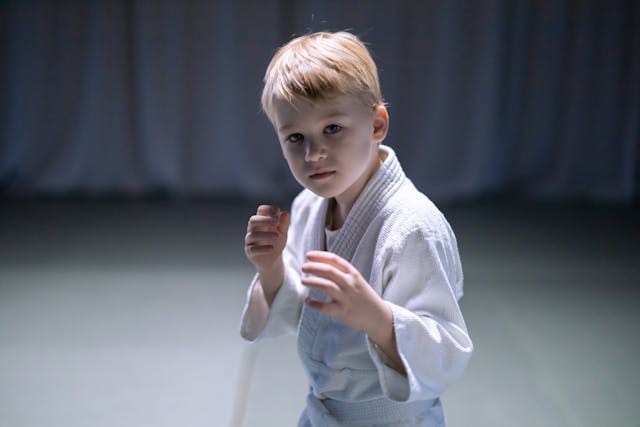
Karate is one of the most common extracurricular activities for kids
Image Source: Pexels

Karate and similar martial arts are very popular options to keep kids active while teaching them self-control and personal strength. However, keep in mind that instruction costs can vary, ranging from just $50 per month to over $200 depending on the dojo. And if your child becomes interested in pursuing martial arts on a competitive level, private lessons and tournaments can quickly inflate your annual costs to $2,000. But the values that karate instills, such as respect and perseverance, are definitely worth the cost. 

Piano

Piano
Image Source: Pexels

Piano is one of the most common extracurricular activities for kids, and for good reason. Learning to play the piano pushes our brain, and studies have shown that children who play music have higher IQs and improved performance in math and reading. Playing the piano is a skill that will stay with your child for life and is a very fun talent to show off. Before signing your child up for lessons, it’s important to understand the costs associated. 

Your child will likely need weekly lessons to progress, which can add up to $3000 per year or more. Your child will also need access to a piano to practice outside of lessons. An upright is usually best for serious young pianists but can cost upwards of $3,000 to $10,000 depending on the brand. Upright pianos also require regular maintenance and tuning, so don’t forget to factor piano servicing fees into your cost estimate. 

Golf

Golf
Image Source: Pexels

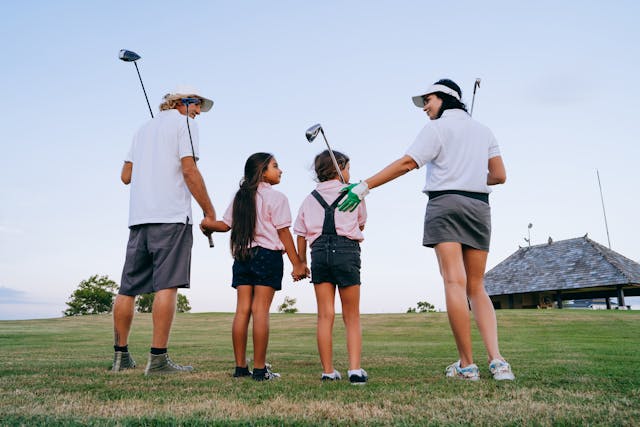
Golf.com has done a great job breaking down the costs for a child to learn to golf and become competitive at it. If your child just wants to learn casually and can find an older set of clubs, you are likely looking at about $1,000 for the season. This cost estimate includes start-up costs, tee times, and a basic lesson or two. If your child becomes competitive and attends tournaments, the costs can skyrocket. 

From weekly lessons to equipment and travel, parents can be looking at a $20,000 bill per season. With all of that said golf is a great option when looking at extracurricular activities for kids. It gets your child outside and encourages sociability while being less dangerous than other contact sports like football. Learning to golf at a young age can even lead to fun summer jobs like being a caddy in high school. Plus, knowing how to golf can benefit your child’s career as it’s a common networking activity in the business world. 

Tennis

Tennise
Image Source: Pexels

Tennis is a great option when looking at summertime extracurricular activities for kids. It keeps kids active and improves hand-eye coordination, balance, and agility. Depending on how seriously your child decides to pursue tennis, you may not need to pay for too many lessons either. If this is just a casual summer sport, a single season of weekend camps can be enough to solidify basic skills. 

If your child starts to pursue tennis competitively, expect costs to rise. Growing kids will need new tennis equipment and clothing more often than adults. Altogether, the cost of private lessons, tournaments, travel, and camps can add up to $1,100 or more each season. 

Dance 

Dance is one of the best extracurricular activities for kids
Image Source: Pexels

Dance is one of the most popular extracurricular activities for kids, especially girls. It’s a fun way for kids to burn off energy, improve their physical fitness, and express their creativity. Similar to horseback riding, mastering different dance styles and learning routines requires dedication and practice, teaching your child the value of hard work. 

However, the benefits of dance come at a cost. On average, parents spend between $60 and $150 per month on lessons. You’ll also have to cover the cost of footwear, clothing, and competition fees. But luckily shopping at discount dancewear stores can help you save money. Some dance studios also host fundraisers to help offset the cost of competing.

Sailing 

Sailing is one of the most unique extracurricular activities for kids
Image Source: Pexels

If you live near the water and have a local program offering sailing camps for children, you may be able to get away with paying under $200 for weekly lessons and races spanning most of the season. Compared to some other options on this list, that is a downright bargain. Unfortunately, as your child progresses and gets older, these lessons quickly increase in price. Learning on larger boats with more rigorous programs like American Sailing can start costing over $500 just for a day or two on the water. 

While your child can then potentially crew on other’s boats for races and similar events, this may spark a desire to buy a boat as an adult, which is prohibitively expensive. From docking and seasonal maintenance to repairs and recurring costs, owning a boat can cost $10,000 per year or more. However, the health benefits of sailing make this hobby worth it. Getting out on the water is a great way to reduce stress, build muscle and bone strength, promote heart health, and learn to collaborate well with other crew members.

Do you think the cost of extracurricular activities for kids is worth it? Share your thoughts in the comments.

Vicky Monroe headshot
Vicky Monroe

Vicky Monroe is a freelance personal finance writer who enjoys learning about and discussing the psychology of money. In her free time, she loves to cook and tackle DIY projects.

Filed Under: Money and Finances Tagged With: Activities, cost of raising a child, extracurricular activties

5 Reasons Why Texas Daycare Costs Are Skyrocketing (and How to Cope)

March 12, 2025 | Leave a Comment

5 Reasons Why Texas Daycare Costs Are Skyrocketing (and How to Cope)
Image Source: Pexels

Child care has always been expensive, but the average cost of daycare in Texas has skyrocketed over the past few years. Inflation and worker shortages have forced many daycares in the state to raise their prices. As a result, care for a 4-year-old costs an average of $800 per month, which is out of reach for many families. To help you understand the child care landscape in Texas, we’ll explain why costs are surging and cover financial strategies to help you cope.

Why the Average Cost of Daycare in Texas Is Skyrocketing

Population Growth 

Population Growth
Image Source: Pexels

Population growth is one of the reasons why the average cost of daycare in Texas is skyrocketing. From April 2020 to July 2023, the state’s population grew 4.7%, with many families relocating to major cities like Dallas and Austin. Newcomers have increased the demand for child care, and unfortunately, there aren’t enough child care providers to go around. 

Child Care Deserts 

Child Care Deserts
Image Source: Pexels

As mentioned above, Texas is experiencing a shortage of childcare providers. In fact, more than half of Texas counties have become child care deserts. In these areas, there are three times as many children under 5 than the number of daycare slots available. Due to this shortage, many parents are forced to stay at home with their kids instead of working. It’s estimated that lack of child care costs the state over $11 billion in lost productivity. 

Staff Shortages

Staff Shortages
Image Source: Pexels

Daycare centers have a difficult time finding qualified staff, which limits the number of children they can safely accommodate. According to the Texas Legislative Study Group, low wages may be contributing to staffing challenges. On average, daycare workers in Texas are paid just $11.43 per hour, well below the national average of $14.60 per hour. As a result, daycare centers have trouble attracting workers, and the industry has high employee turnover rates. Unfortunately, these staffing shortages have driven up the average cost of daycare in Texas to a level that’s unaffordable for many families. 

High Operating Expenses

High Operating Expenses
Image Source: Pexels

Daycares have high operating expenses, which is why they often can’t afford to provide competitive salaries. Despite low wages, labor costs still account for 80% of the average child care center’s budget. Daycares also spend heavily on nutritious meals and enrichment activities, leading to slim profit margins. Many child care centers have been forced to close due to insufficient revenue. Between March 2020 and January 2023, 5,000 child care providers shut their doors. 

Loss of Funding 

Loss of Funding
Image Source: Pexels

Unfortunately, loss of pandemic-era funding may increase the average cost of daycare in Texas even more. In 2026, daycares will stop receiving federal stimulus funding. Since these funds are helping offset high operating costs, daycares may be forced to raise their prices when the stimulus ends.

How to Cope with Rising Daycare Costs

The average cost of daycare in Texas can feel downright unaffordable. Here are some financial strategies you can implement to help your family cope. 

The Texas Workforce Commission

The Texas Workforce Commission
Image Source: Pexels

The Texas Workforce Commission provides child care scholarships for eligible children under 13 to allow parents to attend work or school. TWC’s Child Care Management Services requirements differ from county to county, and applicants have to pass an eligibility screener.  Once approved, these scholarships can cover a portion or all of the costs associated with child care. Their website can help you identify local service providers who accept the benefits. 

Taxes

Taxes
Image Source: Pexels

The Child and Dependent Care Credit is a tax break that can offset the cost of daycare. The tax credit can be applied to 20-35% of qualifying daycare expenses, helping to relieve some of your financial burden. However, you must be a working parent or looking for a job to qualify, and the tax credit may be smaller for higher-income families.

Flexible Spending Accounts

FSAs help with the average cost of daycare in Texas
Image Source: Pexels

Your employer may offer a Dependent Care Flexible Spending Account, which allows you to set aside pre-tax dollars for child care costs. However, there’s a limit to how much you can contribute to an FSA. Single-filers can only deposit up to $5,000 per year even if the amount they spend on daycare is higher.

How do you cope with the cost of daycare? Share your tips in the comments.

Vicky Monroe headshot
Vicky Monroe

Vicky Monroe is a freelance personal finance writer who enjoys learning about and discussing the psychology of money. In her free time, she loves to cook and tackle DIY projects.

Filed Under: Money and Finances Tagged With: cost of day care, daycare, money

7 Lessons from Kids That’ll Change How You See the World

March 10, 2025 | Leave a Comment

7 Lessons from Kids That’ll Change How You See the World
Image Source: Pexels

Although kids aren’t usually viewed as a source of wisdom, they embody many positive traits that adults may lose along the way. Children often have a more exploratory mindset than adults and approach life with greater curiosity. Observing them can teach us a lot about the world and change how we see things. From childhood imagination to the value of play, here’s what adults can learn from kids. 

1. The Value of Play 

The Value of Play
Image Source: Pexels

For kids, playing isn’t just a fun pastime—it’s a key part of a healthy lifestyle. Games and pretend play contribute to children’s social, emotional, and cognitive development. Childhood activities like making forts and skipping rocks help kids explore their environment, build confidence and motor skills, learn to solve problems, and more. Hanging out with friends is also crucial, enabling kids to deepen their understanding of language and relationships. 

The value of play is what adults can learn from kids. We tend to view play as a recreational or leisure activity. But it’s important for us to carve out time to play for our own well-being. Activities like rollerblading, coloring, and playing board games relieve stress and boost our creativity. Incorporating play into your routine can help you become a better problem-solver and happier version of yourself. 

2. Enjoy the Little Things

Enjoy the Little Things
Image Source: Pexels

Kids are excited about everything, from a trip to the grocery store with mom to a cool leaf they found on the sidewalk. They approach daily life with a sense of wonder and curiosity that adults usually lose along the way. What adults can learn from kids is how to value the little things. Kids are eager to soak up all the experiences they can and are enthusiastic about seemingly trivial events like show and tell at school. 

Adults usually don’t feel that level of happiness and excitement unless we’re experiencing a big milestone, like taking a trip or getting a promotion. But we can try to increase our capacity for joy by being more mindful and grateful for everyday pleasures, such as our morning cup of coffee or a beautiful sunset. 

3. Love of Reading 

Love of Reading
Image Source: Pexels

For most kids, a bedtime story is a favorite nightly ritual that cannot be missed. Reading to your children is a crucial part of childhood development and fosters curiosity. Once kids start reading themselves, they’re truly off to the races. 

Unfortunately, for many adults, reading often stops once there aren’t assignments required for school. But reading is necessary for professional and personal development. Nonfiction can help you upskill and deepen your knowledge of your industry, while fiction allows you to get lost in a story and relieve built-up stress. 

4. Try New Things

Try New Things
Image Source: Pexels

Kids dive headfirst into new adventures, from trying new foods to visiting unfamiliar places. Studies have shown that kids are more exploratory than adults, which helps them learn new things. Adults are often more closed off to new experiences. 

We may have a hard time leaving our comfort zone due to fear of failure or discomfort. We get stuck in a rut and stick to our familiar routines instead of taking a chance. But as they say, variety is the spice of life! So the next time you have the opportunity to try a hobby or meet new people, approach the experience with an open, curious mindset just like a child would.

5. Importance of Helping Others 

Importance of Helping Others
Image Source: Pexels

What adults can learn from kids is the importance of helping others. Researchers have discovered that kids can be kinder and more willing to help others than adults. Children as young as 14 months old will go out of their way to assist someone who’s struggling, even if they have to pause a favorite activity to do so. 

Kids don’t seem to be as motivated by rewards as adults—they just enjoy being helpful and nice to others. Although adults are often busy with work and family commitments, carrying out a random act of kindness every now and then can improve our emotional and physical health. 

6. Celebrate Accomplishments

Celebrate Accomplishments
Image Source: Pexels

When kids create a new drawing or finish a worksheet, they’re always eager to display it on the fridge proudly. As adults, we’re often afraid to toot our own horn and celebrate our accomplishments. We’re worried about seeming vain, so we downplay our skills and abilities. 

But it’s important to acknowledge your talents and achievements, both big and small. Rewarding or praising yourself for a job well done boosts your self-esteem and motivation, and even helps prevent burnout according to Forbes. So don’t forget to pat yourself on the back the next time you achieve a goal! 

7. Believe in Possibilities 

Believe in Possibilities
Image Source: Pexels

When asked what they want to be when they grow up, young children come up with some pretty wild answers. They believe they can be anything, from YouTubers to superheroes. Along the way, adults lose this sense of possibility and learn to be more realistic. However, dreaming about the future and remaining open to new opportunities is good for our well-being. Envisioning a bright future gives us the hope and motivation we need to pursue our goals. 

What have you learned from your kids? Share your experience in the comments! 

Vicky Monroe headshot
Vicky Monroe

Vicky Monroe is a freelance personal finance writer who enjoys learning about and discussing the psychology of money. In her free time, she loves to cook and tackle DIY projects.

Filed Under: Growing Up Tagged With: education, Kids, Life Lessons

Why Vintage Baby Clothes Are Cooler Than Anything in Stores Right Now

March 3, 2025 | Leave a Comment

Many adults wear vintage clothes to stand out and make a fashion statement. But did you know that you can buy vintage baby clothes too? They’re often cooler and higher quality than the clothing available in stores today. You can find vintage baby clothes on eBay, at thrift stores, and on apps like Vinted. Here’s why you should consider shopping secondhand for your newborn or toddler. 

Vintage Baby Clothes Are Sustainable 

Image Source: Pexels

Every year, over 90 million tons of clothes end up in the landfill. Fast fashion contributes to this problem. Clothing that’s cheap to produce isn’t durable enough to stand the test of time and often ends up in the garbage. Buying gently used baby clothes helps reduce this textile waste and gives high-quality garments from the past a second life.

They’re Nostalgic 

Vintage baby clothes are nostalgic and can remind parents or grandparents of their own childhood. It’s fun to take photos of your baby in the same type of clothing you wore at their age. You may even have a baby box in the attic with some special outfits you can pass down to the next generation. 

Made of Better Materials

Better Materials
Image Source: Pexels

According to TheRoundup.org, nearly 60% of modern clothing is made of synthetic materials. Vintage garments, on the other hand, are often made from natural fibers like cotton, linen, and wool. Natural garments are usually produced with fewer chemicals and are more durable, so they hold up to rough play and frequent washes. Plus, cotton is more breathable and comfortable than synthetics like acrylic and nylon. It’s likely that your kids will prefer the look and feel of vintage baby clothes. 

Vintage Baby Clothes Are Cost-Effective

Whether you’re finding vintage baby clothes at the thrift store or on eBay, you can expect to save quite a bit by shopping secondhand. New, mass-produced baby clothes can cost anywhere from $5 to $15 or more per garment. On average, parents spend over $600 a year to buy 0 to 2T baby clothes. Gently used baby clothes are usually discounted substantially, allowing you to save 50% or more. 

However, rare or collectible vintage items can sometimes cost more than new fast fashion. If you want to dress your baby in luxury vintage clothes, shopping at thrift stores and estate sales (instead of boutiques that may mark prices up) can help you save money. 

Timeless Designs

Fast fashion has caused trends to come and go quickly. Many modern clothes for babies and toddlers feature details that date them, such as the most popular cartoon characters of the moment. Vintage baby clothes tend to be more classic, with silhouettes and details that have stood the test of time. 

You can find vintage rompers, bonnets, and smock dresses with classic embellishments like embroidery and lace, enabling you to build a timeless wardrobe for your baby. With proper care, your child may even be able to pass down these items to their kids, potentially creating a fashion legacy for your family! 

Vintage Baby Clothes Are Unique

Image Source: Pexels

Shopping secondhand ensures that your child stands out from the crowd. Instead of wearing the same mass-produced outfits as everyone else, your baby or toddler will have their own personal style. Dressing up your child in vintage clothes is a great way to encourage creativity and uniqueness from a young age. 

Buying Vintage Baby Clothes Supports Small Businesses

Small businesses and independent secondhand sellers on sites like eBay often employ people in the community and enrich the local economy. Buying vintage clothes from a small business allows you to support your neighbors instead of lining the pockets of a major retailer. Plus, these transactions are usually a win-win. You’ll get higher quality items at fair prices while uplifting local entrepreneurs. 

Would you dress your kids in vintage clothes? Why or why not? Share your thoughts in the comments!

Vicky Monroe headshot
Vicky Monroe

Vicky Monroe is a freelance personal finance writer who enjoys learning about and discussing the psychology of money. In her free time, she loves to cook and tackle DIY projects.

Filed Under: Baby Stuff Tagged With: baby clothes, cheap clothes, Vintage Treasures

« Previous Page
Next Page »
  • Facebook
  • Pinterest
  • RSS
  • Twitter
Best Parenting Blogs

Most Popular

Baby Girl

12 “Grandma” Baby Names That Are Suddenly Cool Again

Evan Morgan
Baby

9 Baby Names That Sound Rare Without Being Hard to Spell

Evan Morgan
Target Store

Choking Incident Prompts Recall of 49,000 Target Gigglescape “Under the Sea” Popping Toys

Evan Morgan
Frustrated Girl

Why Some Students on the Spectrum Are Labeled With ODD

Evan Morgan
Coke Bottles

12 Things Kids Took to School in the ’70s That Would Never Be Allowed Today

Evan Morgan

All content on Kids Ain’t Cheap is for entertainment purposes only. By reading this blog, you agree that Kids Ain’t Cheap is not responsible for any actions taken after reading this blog. For the full disclaimer, see our privacy policy.

Please note that Kids Ain’t Cheap has financial relationships with some of the merchants mentioned here. Kids Ain’t Cheap is funded by banner advertising, commission sales and search optimization consulting.
Copyright © 2006–2026 | District Media | All Rights Reserved | Privacy Policy

Copyright © 2026 Runway Pro Theme by Viva la Violette