• Home
  • About Us
  • Toolkit
  • Archives
  • Advertise
  • Privacy Policy

Kids Ain't Cheap

But They Sure Are Worth It

  • Parenting
    • Baby Stuff
    • Books and Reading
      • Aesops Fables
      • Comic Books
    • Education
    • Family Time
    • Green Living
    • Growing Up
    • Healthy Living & Eating
    • Holidays
    • Parenting
    • Random Musings
    • Shopping
    • Stuff to Do
  • Money
  • Product Reviews
    • Books and Magazines
    • Discount Sites
    • Furniture
    • House Keeping
    • Reviews News
    • Toys and Games
  • Contact Us
  • Our Editorial Commitment
  • Search

Best Games to Teach Elementary Students Geography

June 18, 2020 | Leave a Comment

For many of us, we learned geography in school through memorization.  We memorized capitals, populations, physical geography.  Oh, the tedium.  While I liked geography, learning it in school took all of the joy out of it.  However, it doesn’t have to be that way.  You can bring geography to life for your student by cooking food eaten in that country and playing games.
Games to Teach Elementary Students Geography

Best Games to Teach Elementary Students Geography

There are so many fun games to teach kids about geography!

The Professor Noggins Series
Games to Teach Elementary Students Geography

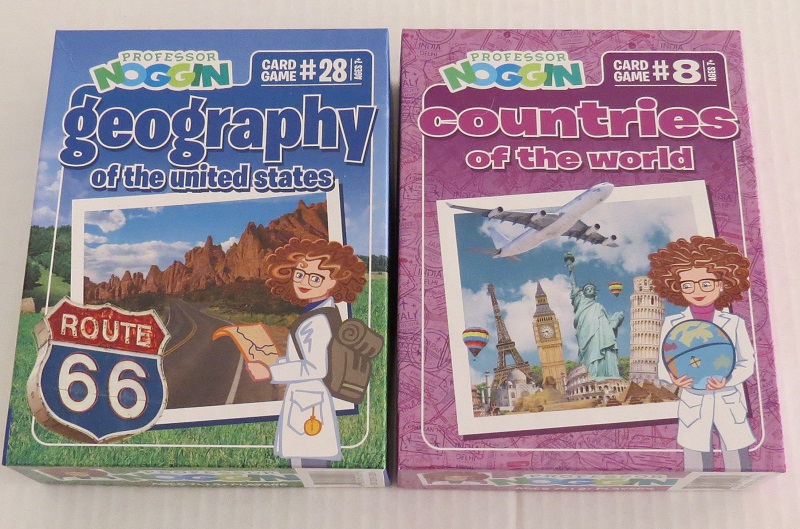
If you’re looking for a quick and educational game, try the various Professor Noggins games.  Popular geography titles include Wonders of the World, Countries of the World, Countries of the World II, and Geography of the United States.

These games are good for ages 7+.  To play the game, roll the dice.  Then, the next player will read you the question.  You can choose between student or scholar.  A student question might read, “The peninsula of Cape Cod juts into which ocean?”, while a scholar question will ask a more difficult question like, “Guadalupe Mountains National Park is located in which state?”  When you’ve gone through the entire deck, whoever has the most cards (correct answers) wins.  Because of the two different levels, this game is great for multiple ages.  I enjoy playing these games with my kids, especially because I usually learn something, too!

The Scrambled States of America
Games to Teach Elementary Students Geography

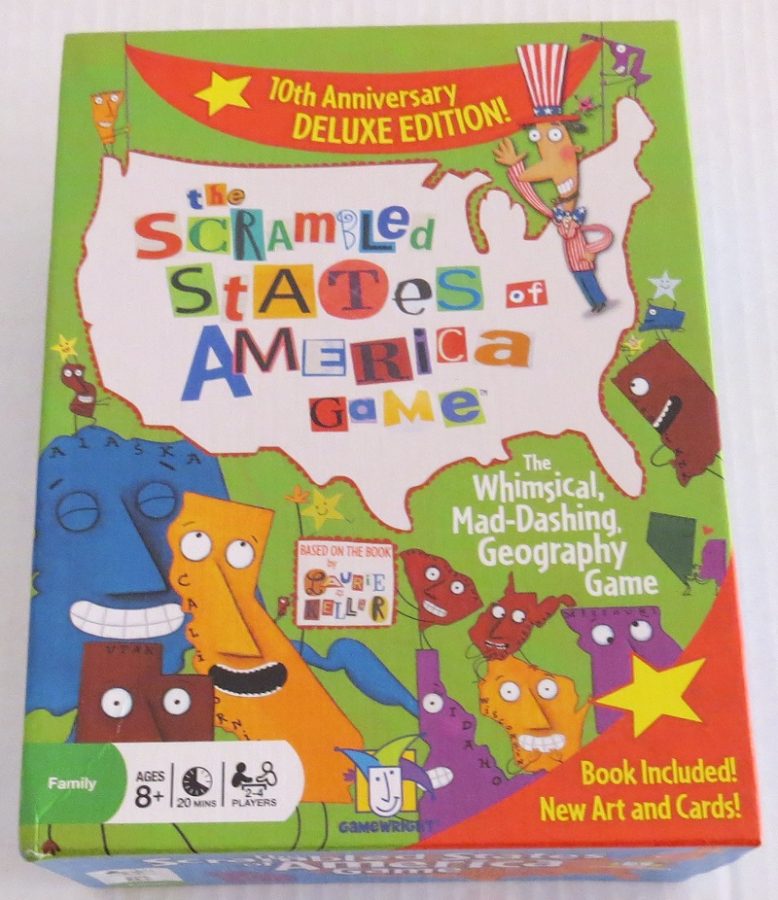
In this fun game, each player is given a U.S. map and five state cards.  Then, you read a playing card such as, “Capital starts with A or B.”  The player then looks at their five-state cards to see if they have a card that fits the criteria.  If they have one, they put that card aside and pick a new one.  The winner is the person who has the most state cards when the pile runs out.

I enjoy The Scrambled States of America because there are two options to play.  You can either race (the first person to answer correctly wins the round), or each player can answer and all the players that have it right win that round.  The latter version is perfect for younger kids or kids who have dyslexia and take more time to read.  The former is perfect for competitive older kids.

Ticket to Ride
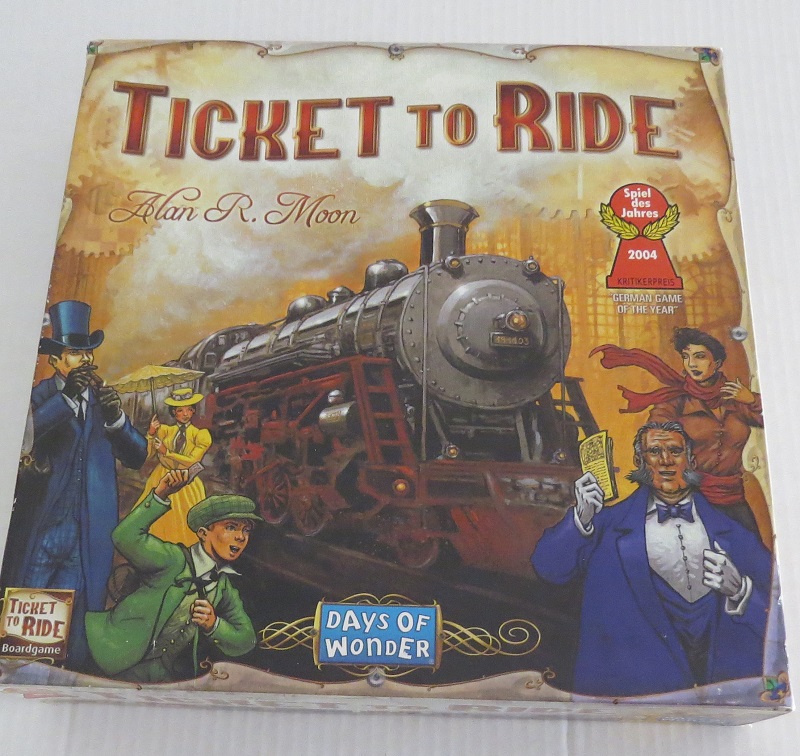
Ticket to Ride is often a long game.  Plan on playing for an hour or so, but it also makes a fun family game.  Players choose three cards that represent trips across America.  They can choose to keep all of the cards, only two, or only one.  If they complete the trip, they get the number of points on the card.  If they don’t complete the trip, the points on the card are deducted from their score.  The winner is the person who has the most points at the end.

Players learn where the states are as well as what the major cities are through regular play.  Our family really enjoys this game.

Final Thoughts

These are just three of the best games to teach elementary students geography.  There are many others available.  With so many fun resources, why settle for boring lessons?  Make learning geography fun instead!


Melissa Batai
Melissa Batai

Melissa is a writer and virtual assistant. She earned her Master’s from Southern Illinois University, and her Bachelor’s in English from the University of Michigan. When she’s not working, you can find her homeschooling her kids, reading a good book, or cooking. She resides in Arizona where she dislikes the summer heat but loves the natural beauty of the area.

Filed Under: Education, Family Time Tagged With: educational games, elementary students, geography, Homeschool

DIY Accounting? 5 Reasons to Hire a Pro for Your Small Business Taxes

June 17, 2020 | Leave a Comment

diy accounting

Have you ever made an error on your taxes, missed a year, or lost some of your tax paperwork?

If so, you’re not alone — those are some of the most common tax mistakes. But if you’re running a small business, any tax errors could cost you serious money.

[Read more…]

Filed Under: KACURP, Money and Finances

5 Deliciously Bold Espresso Drink Recipes You Can Make at Home

June 17, 2020 | Leave a Comment

espresso home recipes

Coffee has taken off around the globe, with sales during 2019 topping $48 billion in the United States alone.

Whether you’re already a hardened coffee fan, or just discovering the joys of coffee culture, you could do with some inspiration on how to maximize the experience.

[Read more…]

Filed Under: KACURP, Money and Finances

How to Help Your Teen Create Healthy Sleep Habits

June 17, 2020 | Leave a Comment

sleep hygiene for teens

Despite needing over 9 hours of sleep a night, your teen is likely getting closer to only 7 hours, and that’s a huge problem.

Sleep deprivation in teens affects their mental health and their ability to focus on their studies. It can make them more prone to depression and anxiety.

[Read more…]

Filed Under: KACURP, Money and Finances Tagged With: Sleep

Internet Safety for Children: Protection from Inappropriate Content

June 17, 2020 | Leave a Comment

More avenues for children are going digital, making internet safety for them crucial. Parents must understand how to protect the kids when they are online.

[Read more…]

Filed Under: KACURP, Money and Finances

5 Amazing Steps on How to Decorate a Lovely Bedroom Space

June 11, 2020 | Leave a Comment

How to Decorate a Bedroom

Are you having problems with the design of your bedroom? Do you want to turn it from an old design into a new style? Well, there are many easy steps you can do to turn your bedroom into a unique one. One way to do it is by using creative arts.

The main question here is; What kind of art do you need to hang in your bedroom? What is the best thing to do to fill a space?

To help you solve each question, we’ve come up with some easy and unique bedroom wall decor ideas you can use. Here’s how to decorate a bedroom.

[Read more…]

Filed Under: KACURP, Money and Finances

Games that Teach Kids About Money

June 11, 2020 | Leave a Comment

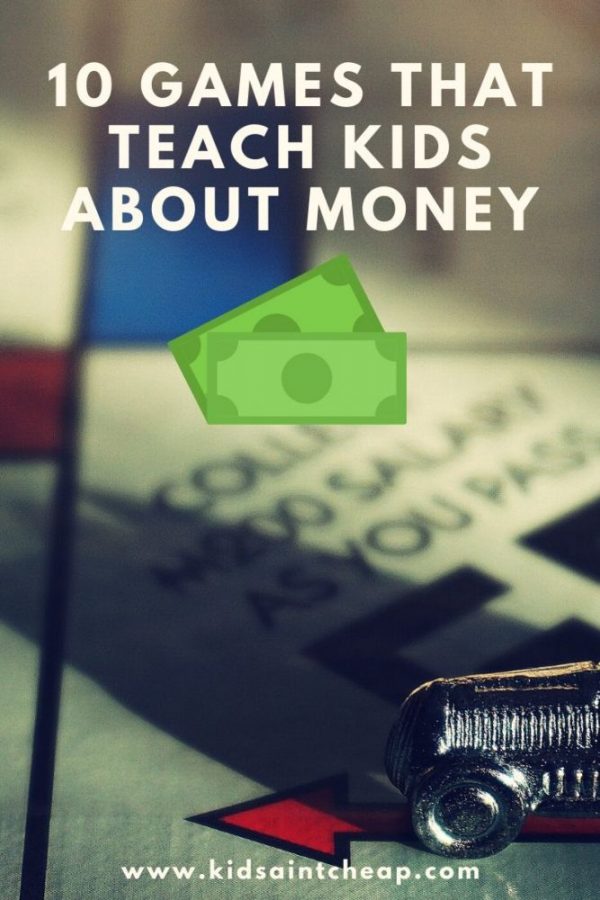
Let’s be honest.  Hoping children learn via parent lecture is unlikely and boring.  Kids don’t listen, and parents get frustrated.  But there is a fun way to teach kids about things that doesn’t feel like learning—playing games.  If you want to teach your kids how to behave responsibly financially, don’t lecture.  Instead, play games that teach kids about money.

Games that teach kids about money

Classic Board Games That Teach Kids About Money

My favorite place to start when using games to teach about money are the classic games.  You know, the ones we grew up playing.

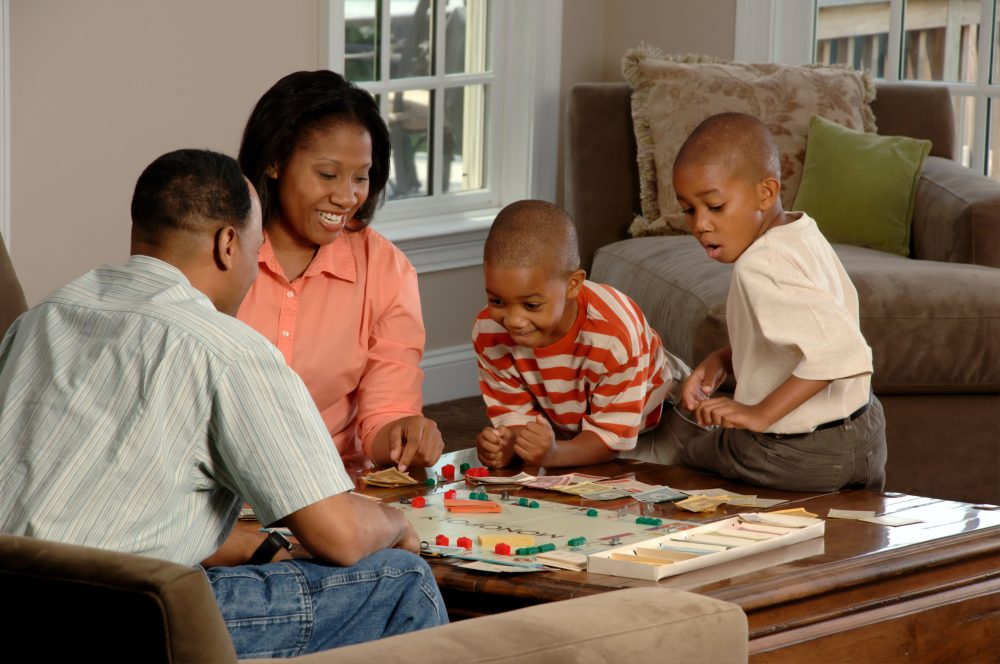
Monopoly

Games that Teach Kids about Money
Photo by National Cancer Institute on Unsplash

This classic game teaches your kid the value of location, location, location when buying land.  It also teaches kids about the importance of having rental income.  And of course, your kids learn about property taxes, stocks, and income.

The only drawback to this game (and some don’t see it as a drawback) is that it can take a long time to play, upwards of an hour or longer.

Life

In The Game of Life, kids choose whether to go to college or go right to work.  They also learn about the importance of insurance and avoiding loans.  The stock market also plays a role in the game.

One thing I find confusing is that the more kids you have, the more money you seem to make.  I haven’t found that to be true in real life!

Pay Day

In Pay Day, the board is set up like a calendar month.  Players can choose to buy deals such as a pizza joint for $800.  Then, later in the game, they can choose to sell it and make $12,000.  Players also get bills in the mail and have to pay them.  Throughout the game, players can borrow money from the bank or other players, but they need to agree on the terms.

This is a great game for teaching kids about investing and borrowing.  Parents may like it because you can choose how many months to play.  The more months you play, the longer the game goes.

Newer Board Games That Teach Kids about Money

Beyond the classic games mentioned above, there are several new board games that teach kids about money.

Cashflow for Kids

This game was created by Robert Kiyosaki of Rich Dad, Poor Dad.  The game is suitable for kids ages 6 and older.  The board is fairly simple.  Kids land on a green or red space or a dollar sign.  When they land on a green space, something positive happens to their financial situation.  For instance, they can choose to buy a stock and get passive income.  If they land on a red, they have to pay an expense.  The dollar sign gives them a payday, and this is also when they can get their passive income.

While the board is simple, this game is great for teaching kids about positive, long-term uses of your money and negatives uses of it.

The Allowance Game

Designed for ages 5 to 10, The Allowance Game teaches kids about earning and spending money as they travel around a board.  They might spend money for movie tickets and earn money for losing a tooth.  They can also put their money in the bank and earn interest.

The money that is used resembles real United States money, so it’s easy for young kids to learn how to differentiate the different bills and coins, too.

Act Your Wage Game

Followers of Dave Ramsey will love the Act Your Wage Game, especially if you’d like to easily teach your children Ramsey’s Baby Steps.  When you play the game, you’re given a life situation—how much you make per year and if you’re married or not as well as basic bills such as food and utilities.  You also draw debt cards.

You follow Ramsey’s Baby Steps to get yourself out of debt and in a financially secure position.  Along the way, you’ll fill envelopes so you can spend cash rather than using credit.

Online Games

You can also find games that teach kids about money by going online.

Rich Kid Smart Kid

The Rich Kid Smart Kid site  (from the makers of the board game Cashflow for Kids) has several mini-games including:

  • Jesse’s Ice Cream Stand
  • Reno’s Debt Dilemma
  • Ima’s Pay Yourself 1st
  • Jesse’s Big Change

These microgames teach kids entrepreneurship, debt management, and how to start an emergency fund.

Peter Pig’s Money Counter

Peter Pig’s Money Counter is ideal for 5 to 8-year olds who are learning to add and subtract money.  Kids need to put the money in different jars, and then they can buy things such as clothes for the pig.  By doing the various activities, kids learn how to add and subtract money.

Financial Football

Financial Football taps into some kids’ love of the NFL to help teach them about finances.  The game has three different levels:

  • Rookie (ages 11-14)
  • Pro (ages 14-18)
  • Hall of Fame (ages 18+)

To go down the football field, players must answer financial questions.  This game was created by VISA in conjunction with Drew Brees, who created several of the questions in the game.

If you homeschool, you can dig even deeper with this game, as there are also lesson plans and pre and post-tests available.

The Playoff

The Playoff is designed for kids ages 14+.  In this immersive game, you choose between two vloggers, Alex and Jess.  You manage their finances and deal with unexpected events like getting robbed all while trying to develop a video in just three days.  Whoever ends the game with the most money wins.

Just like Financial Football, this game has lesson plans, so it could be used in schools or if you homeschool.

Final Thoughts

Teaching your kids about money is challenging.  Sure, they’ll watch how you handle your money, but they may need more instruction for how to handle their money wisely.  Luckily, there are many games that teach kids about money.  Your kids can learn and face natural consequences through the game before they do so in real life. Then, when they’re teens and young adults, they hopefully will know how to manage money responsibly.


Melissa Batai
Melissa Batai

Melissa is a writer and virtual assistant. She earned her Master’s from Southern Illinois University, and her Bachelor’s in English from the University of Michigan. When she’s not working, you can find her homeschooling her kids, reading a good book, or cooking. She resides in Arizona where she dislikes the summer heat but loves the natural beauty of the area.

Filed Under: Money and Finances Tagged With: educational games, financial literacy, Games, games that teach about money, money management, teaching money management

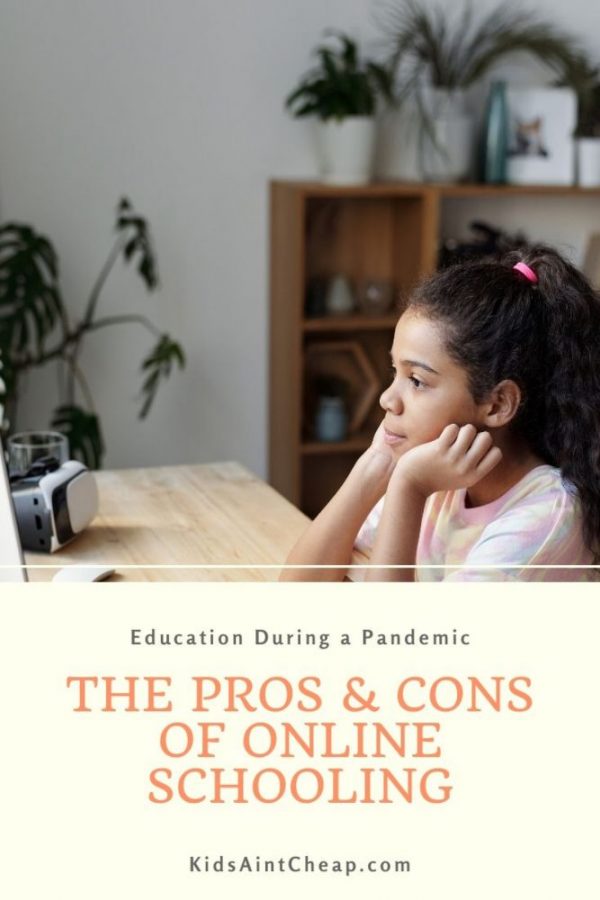
The Pros and Cons of Online Schooling

June 4, 2020 | Leave a Comment

As the pandemic continues to rage and school guidelines for the fall emerge, many parents are looking at alternatives.  While some parents are considering homeschooling, others are looking at online schooling.  After all, online schooling takes some of the burden of education off the parents’ shoulders.  However, before you make the leap, it’s important to understand the pros and cons of online schooling.

The Pros and Cons of Online Schooling

The Pros of Online Schooling

Parents’ Time Is Freed Up

If you’re children are in middle school or above, they will require little attention from you during school hours.  They should be able to do their work independently.  This is likely to be a huge benefit to parents who are also working from home during the pandemic.

The Credits Can Transfer

If you’re looking at online schooling just for a year or two while there is not a treatment or a vaccine, then you’ll want to be sure that your child can seamlessly rejoin brick and mortar school later.  If you choose an accredited online school, your child will easily be able to transfer classes to a physical school later.

Students Have a More Flexible Schedule

When students learn online, they have a much more flexible schedule.  For instance, teens are notorious for wanting to stay up late and get up late.  If they attend online school, they can do exactly that with no serious repercussions.  Or, if a student wants to get a part-time job, he could work any time of day and do school work during unconventional times.  He’s not limited to getting his education between the hours of 8 and 3 as he would be if he attended a traditional school.

The Cons of Online Schooling

When considering the pros and cons of online schooling, you must give careful consideration to the cons, as they may ruin your online experience.

Children’s Motivation Is Important

How motivated is your child to do work?  Kids who are highly motivated will likely do well in online school.  Children who need peer pressure to get work done may struggle with online schooling.  Think carefully about your child’s level of motivation before enrolling her in an online school.

Some Platforms Can Be Difficult to Navigate

Not all online schools are the same.  Some platforms are boring and difficult to navigate, which can be frustrating, especially for young learners.  Our oldest child tried online school a few years ago and hated the experience, largely because of the platform.

After two years in a brick and mortar school, we decided again to put him in an online school due to the pandemic.  We chose carefully.  The online school he’s currently enrolled in has an engaging, intuitive platform, and he’s enjoying his experience much more.

Final Thoughts

As you weigh your child’s education options as you consider next school year, carefully weigh the pros and cons of online schooling.  For the right child, online school can offer some incredible freedoms.  Or, online school can be a miserable experience.  The choice largely depends on your child and the school you choose.

Melissa Batai
Melissa Batai

Melissa is a writer and virtual assistant. She earned her Master’s from Southern Illinois University, and her Bachelor’s in English from the University of Michigan. When she’s not working, you can find her homeschooling her kids, reading a good book, or cooking. She resides in Arizona where she dislikes the summer heat but loves the natural beauty of the area.

Filed Under: Education Tagged With: education, kids education, online school, pandemic

The Most Fascinating Facts You Never Knew About Diamonds

June 4, 2020 | Leave a Comment

About Diamonds

Since people now use diamonds for various things, its importance has grown over the past centuries. As such, it is considered as one of the most valuable gemstones that anyone can have. Despite its popularity, there are some amazing facts about diamonds that most people have never heard of. Here are some of them.


Diamonds have been in existence for billions of years


The first diamonds were discovered in India around 3,000 years ago. Various studies, however, have shown that they have probably been in existence for more than 4 billion years. Who would have assumed that diamonds were formed before dinosaurs lived on this planet?

Diamonds were found by humans when volcanic eruption brought them close to the surface of the earth with other ancient items such as surface rock, wood, and fossils.


Diamonds contain a single element


When you consider the beauty of diamonds, you would probably assume that they have several elements. But you couldn’t be further from the truth. Diamonds contain about 100 percent carbon. According to scientists, the crystalline structure of diamonds is formed when carbon atoms bond due to the pressure and heat under the surface of the earth.

Every diamond differs

When it comes to the rarest and oldest gemstones in the world, you cannot talk without mentioning diamonds. They were formed at various periods during the earth’s evolution. As a result of this, you cannot find two natural diamonds that are exactly the same. Their colors, characters, and looks are determined by conditions around the time and place of their formation. Although lab diamonds are a better choice due to availability, natural diamonds are more unique because of this particular reason.


The majority of diamonds are formed over 100 km underneath the surface of the earth


Even though they are capable of sparkling and dispersing light, diamonds are formed in total darkness at over 100 km beneath the surface of the earth. As volcanic eruptions force Magna to the surface of the earth, diamonds are kept inside the rocks and brought up to areas where they can be mined.


Diamonds were sometimes not mined


Nowadays, most diamonds are mined underwater or underground with the help of heavy, advanced tools. But it was not so many years ago when miners used to find them at the bottom of or around the shores of rivers.


A few diamonds may come from outer space


While most diamonds are formed by volcanic eruptions, some may be exceptions. It has been suggested that some diamonds may have been made in an interstellar condition. According to some studies, carbonado diamonds might have been deposited into the earth by an asteroid that affected our planet around 3 billion years ago. These carbonado diamonds are often seen in some places in South America and Africa. This type of diamond doesn’t usually aggregate in a single place. They are sparkling, awesome, and valuable and are often used for making black diamond jewelry pieces.


About 4 out of every 5 diamonds in the world are sold in New York City


As you could have guessed, the majority of diamond markets are found in the metropolitan cities around the world where people value them. More interestingly, it has been estimated that about 80 percent of all diamonds in the globe are sold in New York City. This American city has tons of places where diamonds are auctioned.


Some diamonds are not colorless


To many individuals, one of the characteristics of diamonds is that they are colorless. However, this is not entirely true as there are a few diamonds that are not colorless or white. In rare cases, diamonds may be brown, red, green, blue, brown, pink, orange, black, and yellow. So, if you come across diamonds that are not white or colorless, don’t be surprised.


Cutting and polishing process lowers the weight of diamonds by as much as 50 percent


Diamonds are usually mined rough. Therefore, the rough diamonds have to go through a comprehensive cutting and polishing process to take them to their full potential. During this process, the diamonds can lose as much as 50 percent of its initial weight.


Miners mine over one million carats of diamonds annually


There are several mining companies around the world. All these companies collectively mine over a million carats of diamonds annually. In addition to the ones mined, companies produced around 110,000 tons of synthetic diamonds in labs annually. From jewelry manufacturers to producers of medical and industrial tools, these diamonds are used by various individuals and companies for a wide range of things.

These fascinating facts about diamonds further reveal why these gemstones are highly sought-after.

Filed Under: KACURP, Money and Finances

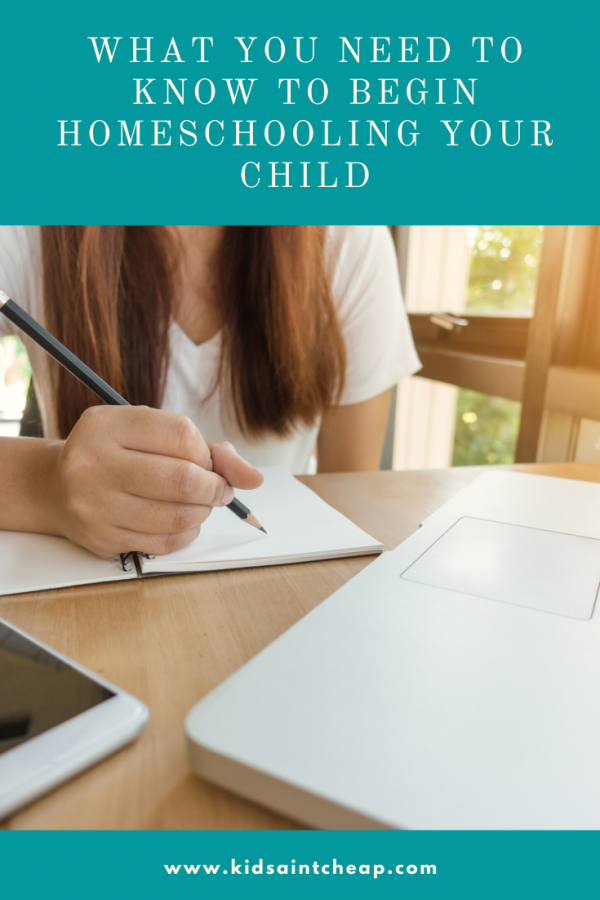
What You Need to Know to Homeschool Your Child in the Age of COVID-19

May 28, 2020 | Leave a Comment

Since the CDC recently released their guidelines for schools to reopen in the fall, many parents are considering homeschooling their children.  This may be because they fear their child getting COVID-19 or they feel the guidelines are too restrictive.  If you are keeping your options open, here’s what you need to know to homeschool your child in the age of COVID-19.

What You Need to Know to Homeschool Your Child in the Age of COVID-19

Check Your State’s Requirements

Every state has different requirements for homeschoolers.  Some states such as Illinois do not even require that you report to your state that you’ve begun homeschooling.  Other states like Pennsylvania have strict oversight.  In that state, each year you must keep a portfolio of learning and have a designated person approve it at the end of the year.  Some states are in between and require that you just send in an affidavit that you are currently homeschooling.

Consider Online School

Especially if you have older children, you may want to consider enrolling them in an online accredited program.  If you are homeschooling simply because of COVID-19, you may find that next year the virus (and all of the restrictive guidelines) have diminished and you’re ready to send your kids back to school.  You can do this seamlessly if you’ve had your child in an accredited online school.

Plus, if you’re also working from home, you can be less involved with an online school.

Homeschooling Takes Less Time

What You Need to Know to Homeschool in the Age of COVID-19
Photo by Kyle Gregory Devaras on Unsplash

How quickly children can complete their work when homeschooling is astonishing to many parents.  When a child goes to a brick and mortar school, there is a lot of waiting.  Waiting for other kids to finish an assignment before the teacher moves on.  Waiting for kids to quiet down for instructions or to go to lunch, etc.  When you eliminate all of the waiting time and children are allowed to do their work at their own pace, school can be completed surprisingly quickly.

You shouldn’t be surprised if your lower elementary kids finish all of their school work in an hour or two.  Middle school kids will likely take three to four hours.  High schoolers will need five to six hours.  As long as the work is getting done, there’s no need to take eight hours a day like brick and mortar schools do.

Don’t Recreate School at Home

Many first time homeschoolers try to recreate brick and mortar school at home.  These parents try to develop a strict schedule and use the same materials schools do.

Please realize that children will thrive in homeschooling when you relax the rules a bit.  You can let kids work at their own pace as long as they get their work done for the day.  Take the time to find curriculum your kids will love now that you have the freedom to pick and choose.  My daughter loves Legos.  So, we bought a Lego science curriculum that is STEM-based.  You have the freedom to make those types of decisions.

Final Thoughts

These are the basics of what you need to know to homeschool your child in the age of COVID-19.  I know the decision to homeschool can be scary, but many, many parents homeschool.  Their children go on to become successful adults.  If you chose, you can do this.

Melissa Batai
Melissa Batai

Melissa is a writer and virtual assistant. She earned her Master’s from Southern Illinois University, and her Bachelor’s in English from the University of Michigan. When she’s not working, you can find her homeschooling her kids, reading a good book, or cooking. She resides in Arizona where she dislikes the summer heat but loves the natural beauty of the area.

Filed Under: Education Tagged With: COVID-19, Homeschool

Steps to Divorce: 7 Immediate Steps to Take Before Getting a Divorce

May 26, 2020 | Leave a Comment

steps to divorce

There are 787,251 divorces in the United States within a year. While the country’s divorce rate is no longer 50 percent, many people still navigate the exhausting process of filing for divorce.

If you’re about to work through the divorce process, it’s important to have a plan in place. Otherwise, you could unintentionally miss an important step. To help, we’ve listed the seven steps to divorce; the steps you must take before filing.

[Read more…]

Filed Under: KACURP, Money and Finances Tagged With: divorce

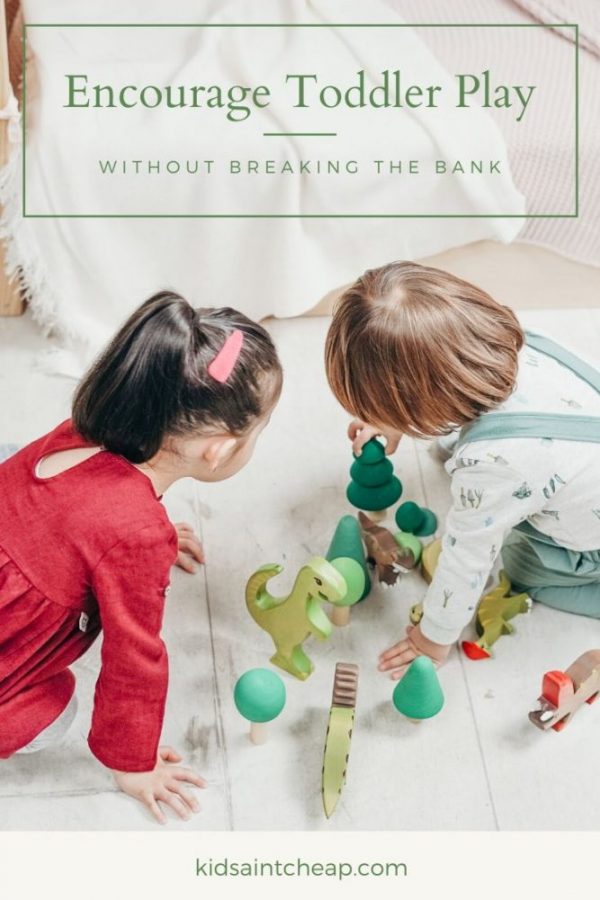
Encourage Toddler Play without Breaking the Bank

May 21, 2020 | Leave a Comment

The toddler years from one to three are a time of tremendous growth.  Kids learn to walk, run, and explore their worlds.  They are curious, and both their minds and bodies are developing rapidly.  As a parent, giving your children safe ways to play and explore is important to their development.  At this age, you can find plenty of frugal ways to encourage toddler play without breaking the bank.

Encourage Toddler Play without Breaking the Bank

Low-Cost Supplies

There are so many low-cost supplies that you can stock your shelves with that will keep your child happy for hours.

Play-Doh

For less than $5, you can pick up a small set of Play-Doh for your toddler.  Play-Doh has definitely gotten fancier since my kids were toddlers.  Now you can buy Play-Doh with glitter in it and in a large variety of color.  Kids are usually happy playing with just Play-Doh, but if you want to spend a bit more, you can buy Play-Doh toys like a hair dresser shop or a gravel construction yard, for example.  You can also try your hand at making homemade playdough.

Finger Paint

If you have $8, you can buy a 6 pack of finger paint that will provide your child with artistic and sensory expression.  All of my children loved to finger paint when they were toddlers, but my middle child easily wanted to finger paint several times a week.  She still enjoys art, and I attribute it to all the time she spent finger painting when she was young.

Bubbles

This is likely the best way to encourage toddler play without breaking the bank.  Bubbles are ridiculously cheap, less than $1 for a small bottle, and yet your child can likely use them for at least a month.  He can experiment with how hard to blow to form the bubble or run and try to get the bubble to form.  Even better, mom or dad can blow bubbles while your toddler tries to catch them without popping them or runs through them.

Sidewalk Chalk

Sidewalk chalk is yet another way to let your little artist express herself.  You can get a box of 48 pieces of chunky chalk (perfect for little hands) for around $5.  These will last all summer, and your sidewalk or driveway is the perfect canvas.

Bath Supplies

After finger painting, my younger two kids’ favorite activity was taking a bath.  They loved to have the tub filled with bubbles to play in.  When the bubbles dissipated, they liked to play with their bath toys.  They could easily spend 45 minutes to an hour in the tub.  (Just make sure a parent stays in the room with them.)  You could buy the bubbles and a few toys for your kids for less than $20.  My girls’ favorite bath activity was using bath crayons to draw on the tub walls.

Doctor Kit

Many toddlers like playing doctor.  They take the stethoscope to your chest to check your breathing, they check your reflexes, and then they give you their diagnosis.  They also love it when you give them an exam.  These kits are a bit more expensive, around $20, but your child will likely use them quite a bit.  (We bought ours used at a garage sale for $1, which is another great way to save money).

Make It Yourself

There are other ways to encourage toddler play without breaking the bank.  Namely, instead of buying something, make it yourself!

Calm/Glitter Bottles

Many toddlers are fascinated with calm/glitter bottles and can spend a surprising amount of time tipping them from side to side.  Making a calm bottle is not difficult; there are plenty of tutorials online.

Once you buy the ingredients, you likely have enough to make several bottles.  Once your child tires of one, make a new one in a different color with different items inside.  Even though this tutorial only had glitter, I’ve seen calm bottles filled with a variety of items like large stars to give them some more visual appeal.

Bowling Set

Another idea for outdoor fun is to make a toddler bowling set.  You’ll need some empty water bottles and a ball.  Your toddler can practice knocking them down.  He’ll love it if you play with him.

The nice thing about a homemade bowling set is not only that it’s frugal, but if one bowling pin gets damaged, it’s easy to replace.

https://youtu.be/PHm4jK6x_sg

Sensory Play

There are a host of reasons why sensory play is beneficial for kids, not the least of which is that it helps develop connections in the brain and encourages imaginative play.

Probably the easiest one is to buy a can of shaving cream.  When my kids were about three, I’d put a light layer of shaving cream on a cookie sheet, and they practiced writing their letters in the shaving cream.  They loved the sensation, and they were learning at the same time.

Another less messy way to do this is to put a bit of shaving cream and a drop or two of dye in a gallon plastic freezer bag.  (Don’t fill it too much!)  Then kids can write their letters in the cream, but they do so on top of the bag so they still get sensory input, but there’s no mess for parents to clean up.

There are plenty of sensory play ideas online.

Don’t Forget the Books!

While it’s very important to encourage play in your toddlers, don’t forget to also read aloud to your child daily, the more the better.  The stories that you read aloud to your child now will eventually lead to imaginative play later.

I read aloud to my children frequently, and when my girls were in first and second grade, we read the entire Little House on the Prairie series.  They had the discipline to sit through those books because they were used to being read to.  For the next few years, much of their imaginative play was based on what they learned through those books.

Final Thoughts

Children under the age of three experience a phenomenal amount of brain and body growth in these important years.  Starting now, make sure to give your child plenty of safe opportunities to play and learn.

Melissa Batai
Melissa Batai

Melissa is a writer and virtual assistant. She earned her Master’s from Southern Illinois University, and her Bachelor’s in English from the University of Michigan. When she’s not working, you can find her homeschooling her kids, reading a good book, or cooking. She resides in Arizona where she dislikes the summer heat but loves the natural beauty of the area.
Filed Under: Education, Growing Up, Parenting Tagged With: frugal and fun, long-lasting toys for toddlers, toddlers

« Previous Page
Next Page »
  • Facebook
  • Pinterest
  • RSS
  • Twitter
Best Parenting Blogs

Most Popular

Baby Girl

12 “Grandma” Baby Names That Are Suddenly Cool Again

Evan Morgan
Baby

9 Baby Names That Sound Rare Without Being Hard to Spell

Evan Morgan
Target Store

Choking Incident Prompts Recall of 49,000 Target Gigglescape “Under the Sea” Popping Toys

Evan Morgan
Frustrated Girl

Why Some Students on the Spectrum Are Labeled With ODD

Evan Morgan
Coke Bottles

12 Things Kids Took to School in the ’70s That Would Never Be Allowed Today

Evan Morgan

All content on Kids Ain’t Cheap is for entertainment purposes only. By reading this blog, you agree that Kids Ain’t Cheap is not responsible for any actions taken after reading this blog. For the full disclaimer, see our privacy policy.

Please note that Kids Ain’t Cheap has financial relationships with some of the merchants mentioned here. Kids Ain’t Cheap is funded by banner advertising, commission sales and search optimization consulting.

Copyright © 2006–2026 | District Media | All Rights Reserved | Privacy Policy

Copyright © 2026 Runway Pro Theme by Viva la Violette