• Home
  • About Us
  • Toolkit
  • Archives
  • Advertise
  • Privacy Policy

Kids Ain't Cheap

But They Sure Are Worth It

  • Parenting
    • Baby Stuff
    • Books and Reading
      • Aesops Fables
      • Comic Books
    • Education
    • Family Time
    • Green Living
    • Growing Up
    • Healthy Living & Eating
    • Holidays
    • Parenting
    • Random Musings
    • Shopping
    • Stuff to Do
  • Money
  • Product Reviews
    • Books and Magazines
    • Discount Sites
    • Furniture
    • House Keeping
    • Reviews News
    • Toys and Games
  • Contact Us
  • Our Editorial Commitment
  • Search

These 6 Dog Behaviors Are Actually Red Flags

May 5, 2025 | Leave a Comment

Image by Victor G

Dogs are loyal companions, expert snugglers, and some of the best communicators in the animal kingdom—if you know how to read their signals. A tilt of the head, a wag of the tail, or even a low growl can tell you more than words ever could. But sometimes, the signs are easy to miss. Or worse, we mistake them for quirky personality traits, and that’s when problems quietly escalate.

As pet parents, we often interpret our dog’s behavior through a human lens. We might say, “Oh, he’s just being weird today,” or “She’s in a mood,” when what we’re actually witnessing is a call for help. Some of these red flags come off as harmless, even funny. But if your dog consistently displays any of the behaviors below, it might be time to stop laughing and start paying attention.

1. Tail Chasing: Is It Play or a Cry for Help?

At first glance, tail chasing can be hilarious. Your pup spins like a furry tornado, seemingly entertained by its own tail. But if this becomes a daily ritual or goes on for long stretches of time, it could indicate a deeper issue.

Tail chasing is often associated with boredom or lack of exercise, especially in high-energy breeds. But obsessive tail-chasing, particularly when accompanied by whining, barking, or difficulty stopping, can signal canine compulsive disorder (CCD), a condition similar to OCD in humans. In some cases, neurological problems or even flea allergies near the tail area could be to blame.

What to do: Increase physical activity and introduce mentally stimulating toys. If it continues, consult your vet or a veterinary behaviorist for a closer look.

2. Suddenly Hiding or Withdrawing from the Family

Is your once-sociable dog now avoiding eye contact, hiding under the bed, or retreating to corners? Don’t chalk it up to “just wanting space.” A change like this can be a major warning sign of emotional distress or a physical health issue.

Dogs often isolate themselves when they’re in pain. It’s a protective instinct rooted in their ancestry when showing weakness could attract predators. But isolation can also stem from fear, depression, or a reaction to changes in the home, such as a new baby, loud renovations, or increased conflict among humans.

What to do: Keep a journal of when and how often your dog retreats. Combine that with a thorough vet check-up and a conversation about any environmental changes they may be reacting to.

3. Growling When Being Touched or Approached

Many pet owners instinctively scold a dog for growling. But here’s the thing: growling is a form of communication. It’s your dog saying, “Something’s wrong, and I need space.”

Growling when touched, especially during affection or grooming, can signal pain or discomfort. Arthritis, hip dysplasia, or dental disease may be making your pup irritable. Alternatively, growling could indicate fear, past trauma, or resource guarding (like protecting food, toys, or personal space).

What to do: Don’t punish the growl. Instead, respect it. Document when it happens, and speak to your vet to rule out physical causes before consulting a trainer or behaviorist for emotional triggers.
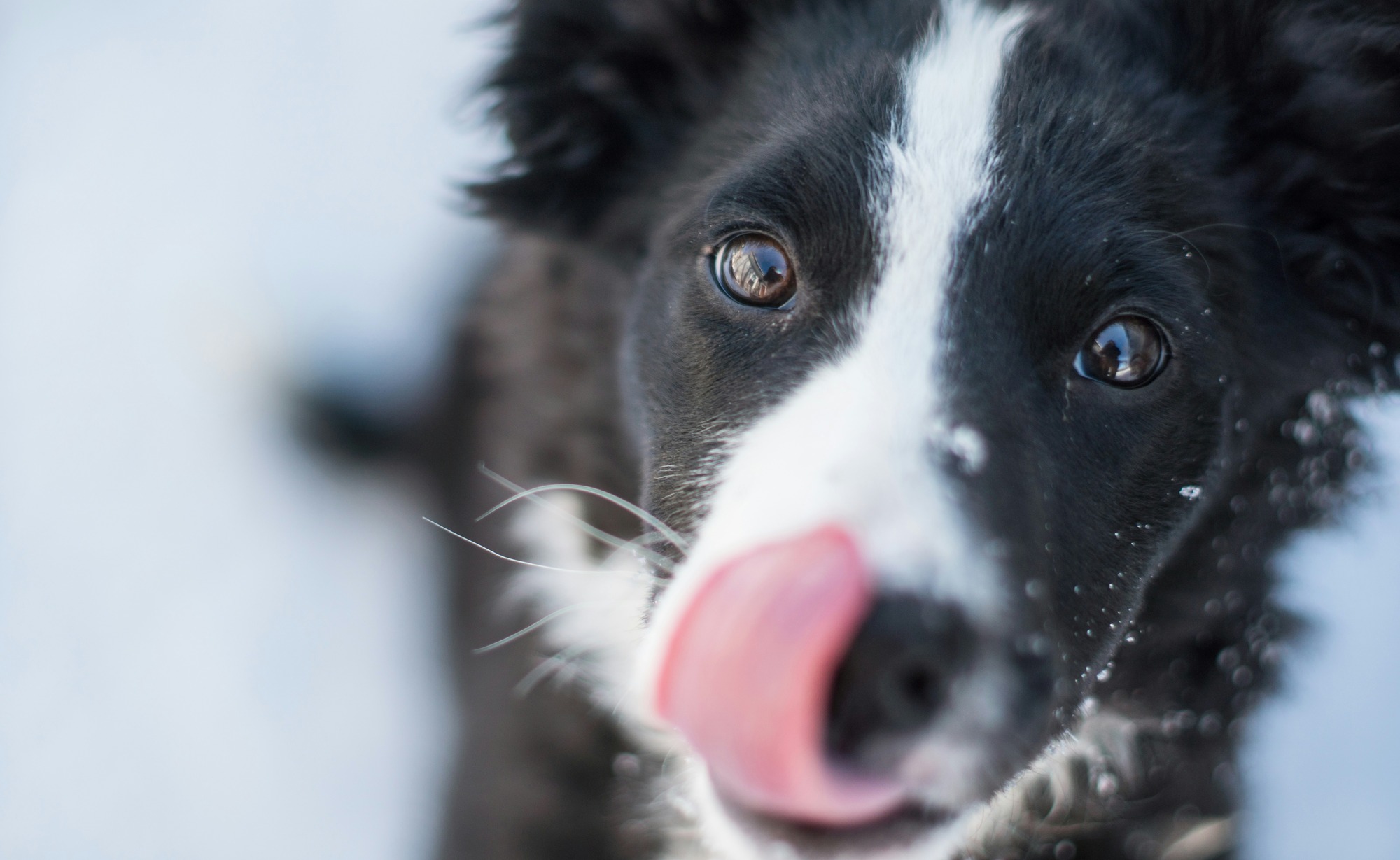
Image by Ivy Schexnayder

4. Obsessive Licking, Especially of Paws, Walls, or Air

A dog licking its paws after a walk? Normal. But if your dog is constantly licking the same area—day and night—it’s time to take notice.

Excessive paw licking can indicate seasonal allergies, skin infections, joint pain, or anxiety. Meanwhile, air licking or licking non-food surfaces may be linked to nausea, dental discomfort, or compulsive behavior. It’s not just a bad habit. It’s your dog trying to self-soothe.

What to do: Check for cuts, swelling, or odor between your dog’s toes or around the mouth. If nothing’s visible, a vet visit can rule out underlying medical issues and help determine if anxiety might be the cause.

5. Heavy Panting While Resting

Panting is perfectly normal after exercise or on a hot day. But if your dog is panting heavily while lying still in a cool room or during the night while you’re asleep, that’s a potential red flag.

Panting can be a sign of pain, respiratory problems, heatstroke, or anxiety. It can also indicate poisoning or heart disease in older dogs. What makes this one dangerous is how easily it can be overlooked, especially if your dog is older or has a thick coat.

What to do: Monitor your dog’s panting patterns and watch for other signs like drooling, restlessness, or glazed eyes. If your dog is panting heavily without an obvious cause, don’t wait—call your vet immediately.

6. Forgetting Commands They’ve Known for Years

Let’s be real—dogs can be stubborn. But if your well-trained pup suddenly stops responding to “sit,” “stay,” or their name, something deeper may be going on.

Hearing loss (common in aging dogs), vision impairment, cognitive dysfunction (canine dementia), or even a neurological issue can cause a dog to appear “defiant” when, really, they’re struggling to understand you. This behavior might also pop up during periods of high stress or illness.

What to do: Rule out ear infections or other health issues first. If your vet gives a clean bill of health, a canine cognitive assessment may be helpful. And no matter what, never punish a dog for not responding. Focus on rebuilding trust and communication.

When in Doubt, Trust Your Gut

You know your dog better than anyone. If they’re suddenly acting out of character, becoming withdrawn, or just “not themselves,” it’s always worth investigating. Waiting too long to take action can allow a small issue, like a skin allergy or sore joint, to spiral into something more serious.

Behavior is communication. Your dog may not have words, but their body is speaking volumes. And the more fluent you become in dog body language, the safer and happier your furry friend will be.

Have you ever brushed off a strange behavior in your dog, only to realize it was something serious? What helped you spot the difference?

Read More:
Pet Parents Beware: Common Mistakes You Might Be Making

Great Pet Care Habits You Can Teach the Whole Family

Filed Under: Pets Tagged With: canine health warning signs, dog anxiety symptoms, dog behavior red flags, dog body language, dog training basics, pet care advice, pet parenting tips, responsible dog ownership, signs your dog needs help, unusual dog behavior

How Dogs Help You Heal From a Breakup

April 27, 2025 | Leave a Comment

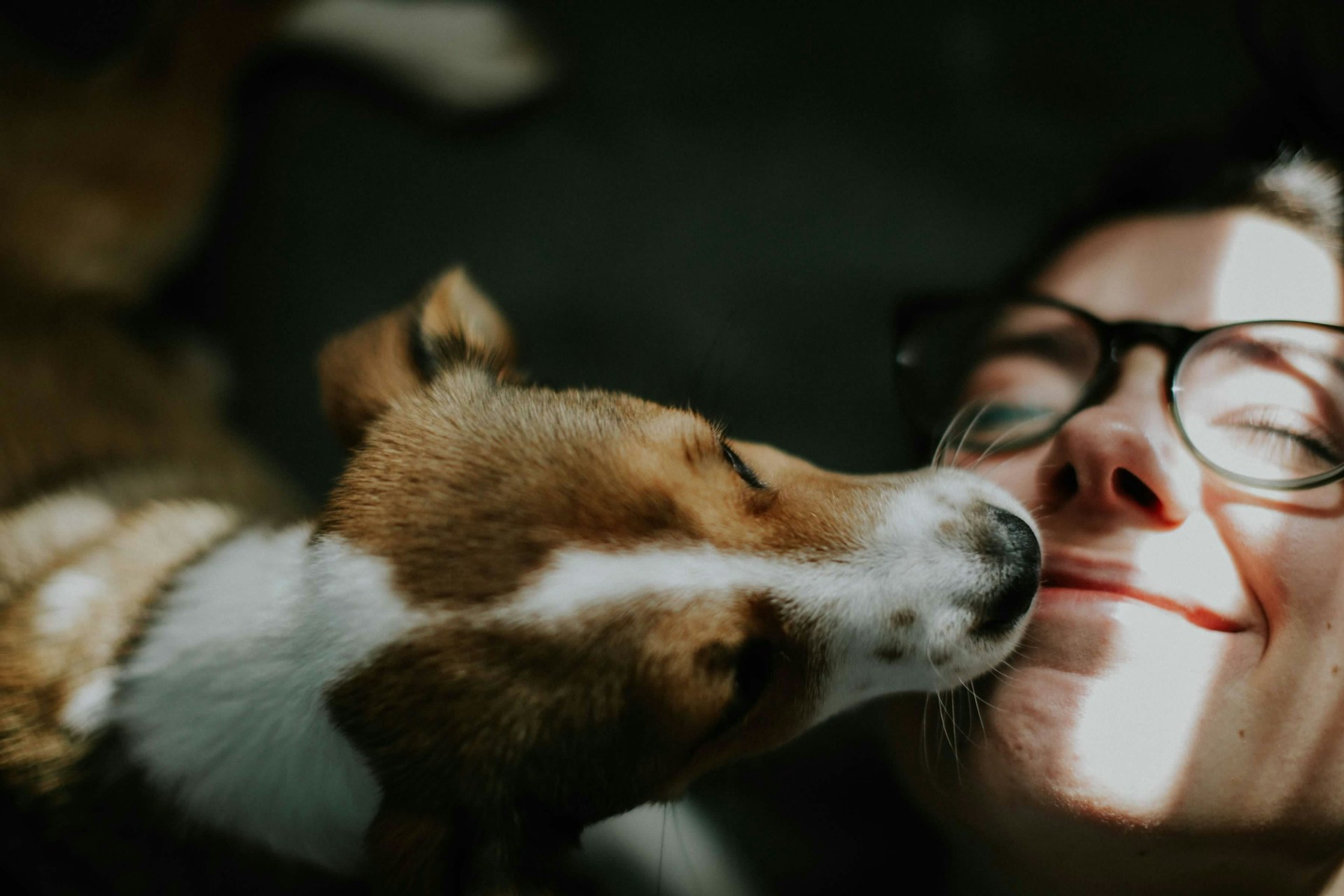
puppy licking owner's face
Image Source: Unsplash

Heartbreak can flip your world upside down, making everyday moments—like sipping morning coffee or scrolling social media—feel strangely heavy. In that vulnerable space, the steady presence of a dog can be surprisingly powerful, offering comfort that words rarely reach.

Research shows that interacting with dogs triggers oxytocin release, lowering stress hormones and easing emotional pain. Beyond the feel-good chemicals, dogs provide unconditional companionship that reminds you you’re lovable even when self-doubt runs high. Their loyal eyes and wagging tails create a safe emotional anchor, making the first steps toward healing a little less daunting.

Wondering how your dog could help you heal from a terrible breakup? Keep reading to find out!

Dogs Offer Immediate Emotional Regulation

Petting a dog for as little as ten minutes measurably reduces cortisol, the body’s primary stress hormone. Lower cortisol levels translate to fewer anxiety spikes, calmer breathing, and reduced muscle tension—all common physical symptoms of heartbreak. Dogs’ intuitive nature means they often sense distress and lean in for extra snuggles or gentle head nudges. That tactile comfort provides grounding, interrupting spirals of rumination and self-criticism. Over time, these consistent micro-moments of relief add up, creating a more stable emotional baseline.

Built-In Routine Restores Purpose

A breakup can leave your schedule—and identity—feeling fractured. Daily dog care—morning walks, feeding times, and play sessions—offers built-in structure that refocuses attention outward. Completing these responsibilities releases dopamine, the brain’s reward neurotransmitter, reinforcing positive habits and motivation. Veterinary behaviorists note that predictable routines also comfort the dog, creating a beneficial feedback loop of calm energy between pet and owner. By showing up for your dog each day, you’re also showing up for your own healing.

Physical Activity Sparks Natural Antidepressants

Dogs thrive on movement, and their enthusiasm is contagious. Regular walks, hikes, or games of fetch elevate heart rate and boost serotonin—often called the “happiness chemical.” Exercise has been shown to be as effective as some antidepressants for mild to moderate depression, making active play a double win. Outdoor adventures expose you to nature’s restorative effects, which studies link to lowered blood pressure and improved mood. Even a quick lap around the block can shift your mindset from stuck to empowered.

dog smiling
Image Source: Unsplash

Social Bridges Reduce Isolation

Loneliness often follows a breakup, yet dogs break the ice effortlessly. Dog owners are far more likely to meet new people in their neighborhoods than non-owners. Simple interactions—smiling at fellow dog walkers, chatting with baristas who admire your pup—create micro-connections that rebuild social confidence. These small exchanges lay groundwork for deeper friendships or support networks down the line. Your dog’s friendly presence signals approachability, making it easier to reenter social spaces at your own pace.

Unconditional Acceptance Boosts Self-Worth

Rejection can dent self-esteem, but a dog’s love is steadfast and nonjudgmental. This unconditional acceptance helps counter negative self-talk that often follows relationship loss. Caring for your dog also reminds you of your capability and kindness, qualities that may feel overshadowed in heartbreak’s aftermath. Acts of caregiving strengthen self-compassion, a key factor in resilience. Each time your dog greets you with joy, it reinforces the belief that you are worthy of love and connection.

Mindfulness Through Play and Presence

Dogs live fully in the moment, inviting you to pause and do the same. Whether tossing a ball or practicing basic commands, interacting with your pup demands attention to the here and now. This present-moment focus reduces rumination, a major contributor to post-breakup distress. Even quiet moments—listening to your dog’s breathing or watching them explore a park—encourage gentle awareness that calms racing thoughts. By mirroring your dog’s mindful state, you gradually train your brain toward peace rather than pain.

A Loyal Companion on the Road to Recovery

Healing from a breakup rarely follows a straight path, but sharing that journey with a dog can make each twist feel less lonely and more hopeful. From science-backed stress relief to spontaneous social encounters, dogs deliver layered benefits that address both emotional and physical aspects of loss.

Ready to embrace extra walks, wagging tails, and unconditional love as part of your self-care plan? Tell us how your dog has helped you heal—or what questions you have about adopting a furry friend—down in the comments and join the conversation!

Read More

  • 9 Things No One Tells You About Getting a Dog With PTSD
  • 5 Powerful Ways to Strengthen Your Marriage Before Having a Baby

Samantha Warren
Samantha

Samantha Warren is a holistic marketing strategist with 8+ years of experience partnering with startups, Fortune 500 companies, and everything in between. With an entrepreneurial mindset, she excels at shaping brand narratives through data-driven, creative content. When she’s not working, Samantha loves to travel and draws inspiration from her trips to Thailand, Spain, Costa Rica, and beyond.

Filed Under: Pets Tagged With: breakup recovery, dog companionship, emotional support animals, Mental Health, pet therapy, resilience, self-care

6 Dog Breeds That Will Fiercely Protect Your Children

April 5, 2025 | Leave a Comment

German Shepard
Image Source: 123rf.com

When choosing a family dog, finding a breed that is both loving and protective is essential. Certain breeds are naturally inclined to guard and defend, making them wonderful companions for households with children. Combining fierce loyalty with gentle care, these dogs ensure your children’s safety while enriching their lives with affection. Here are six dog breeds known for their protective instincts and devotion to family.

German Shepherd

German Shepherds are highly intelligent and loyal, making them exceptional protectors for families. They have a strong sense of vigilance and can quickly recognize potential dangers, stepping in to safeguard their loved ones. Despite their role as guardians, they are gentle, patient, and affectionate with children. Their trainability ensures they adapt well to family routines and rules. With their energy and versatility, German Shepherds fit perfectly into active households that can keep them engaged.

Labrador Retriever

While Labrador Retrievers are known for their friendly and sociable nature, they are also fiercely protective when it comes to their families. Labs form strong bonds with children and instinctively defend them when necessary. They’re gentle and calm around kids, making them an ideal breed for households with younger children. Proper training strengthens their protective instincts, creating a balance between playfulness and vigilance. Their loving demeanor ensures they are both trusted guardians and cherished companions.

Boxer

Close up view of a Boxer dog looking at camera.
Image Source: 123rf.com

Energetic and full of personality, Boxers are devoted to their families and naturally protective of their children. These dogs are alert and fearless, always ready to respond to potential threats. Their affectionate and playful nature makes them wonderful with kids, while their loyalty guarantees safety. Boxers thrive in family environments where their energy is embraced and matched with regular physical activity. Their enthusiasm and dedication bring both security and joy to households.

Golden Retriever

Golden Retrievers may not have the imposing presence of other protective breeds, but their loyalty and intelligence make them exceptional guardians. Known for their gentle demeanor, they are incredibly patient with children and quick to sense and respond to potential dangers. Their trainable nature allows them to adapt to the needs of their families effortlessly. Golden Retrievers excel in homes with young children, fostering a nurturing and safe environment.

Doberman Pinscher

Doberman Pinschers are fearless and highly focused, qualities that make them excellent protectors. Although they have an intimidating presence, Dobermans are incredibly loving and devoted to their families. They’re known for their quick responses to threats and unwavering loyalty, making them reliable guardians. Their intelligence and need for structure mean they thrive with consistent training that channels their protective instincts. Dobermans are ideal for families who appreciate their courage and affectionate bond.

Great Pyrenees

Calm and composed, Great Pyrenees dogs are natural guardians with a gentle heart. Originally bred to protect livestock, these dogs extend their protective instincts to their families, especially children. They are patient and nurturing, making them perfect for households with kids. Their vigilance ensures your family’s safety, while their loving nature fosters strong connections. Despite their large size, Great Pyrenees are known for their kindness and adaptability, offering security and affection in equal measure.

Loyal Companions for Peace of Mind

Protective dog breeds combine devotion and safeguarding instincts, making them ideal for families with children. These six breeds excel at providing both security and love, ensuring a harmonious household dynamic. With proper training and care, they become trusted companions who enrich the lives of everyone they protect.

Which breed would work best with your family’s needs? Share your thoughts and experiences in the comments below.

Read More:

14 Profitable Stay-at-Home Mom Jobs Online (That Are Worth Your Time)

These Are The 8 Best Pets For Small Children

Tamila McDonald
Tamila McDonald

Tamila McDonald is a U.S. Army veteran with 20 years of service, including five years as a military financial advisor. After retiring from the Army, she spent eight years as an AFCPE-certified personal financial advisor for wounded warriors and their families. Now she writes about personal finance and benefits programs for numerous financial websites.

Filed Under: Pets Tagged With: child safety, family dogs, loyal companions, protective dog breeds

The Safest Ways to Introduce Pets to Young Children

April 1, 2025 | Leave a Comment

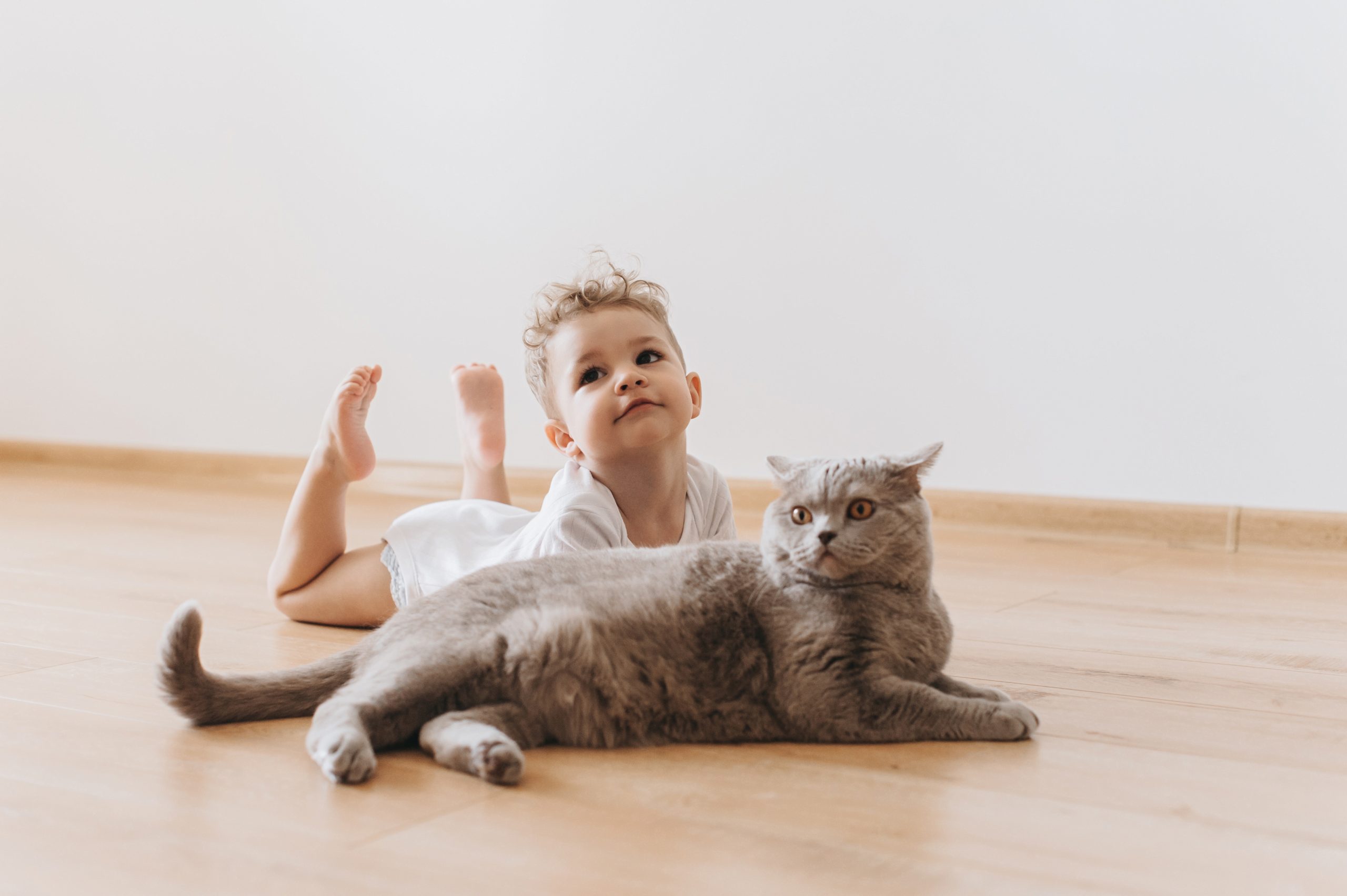
adorable toddler boy and grey british shorthair cat lying on floor together at home
Image Source: 123rf.com

Bringing a new pet into the family is exciting—but also a little nerve-wracking when you have small children. Both your child and the animal need time, space, and structure to build a healthy relationship. Rushing the process can lead to misunderstandings, injuries, or stress on both sides. That’s why pet introductions should be handled with care. Here’s how to do it safely and smoothly.

1. Set the Scene Beforehand

Before the pet even walks in, talk to your child about what to expect. Let them know the animal might feel nervous or shy, and that’s perfectly normal. Go over gentle behavior—no grabbing, yelling, or chasing. Prepare a quiet space for the pet to retreat if overwhelmed. Creating a calm environment from the start sets the tone.

2. Supervise Every Interaction

Never leave a young child and a pet alone during the first days—or even weeks. Stay close to observe body language and step in if either seems uncomfortable. This lets you gently correct behavior, like pulling fur or rough petting. In some cases, incorrect handling can stress your pet. For example, grabbing a Bearded Dragon by the tail can be interpreted as predatory behavior by the animal. Similarly, hugging an elderly dog too tightly may stress the dog.

In any event, supervision also builds your child’s confidence as they learn how to interact appropriately with the pet.

3. Teach Boundaries Early

Children should learn that pets have feelings, too. Help them recognize when a dog or cat wants space—ears back, tail down, moving away. Use age-appropriate language like “That means she needs a break.” Encourage calm, slow approaches and praise gentle touch. Kids who understand boundaries early form stronger, safer bonds with animals.

4. Reward Positive Behavior

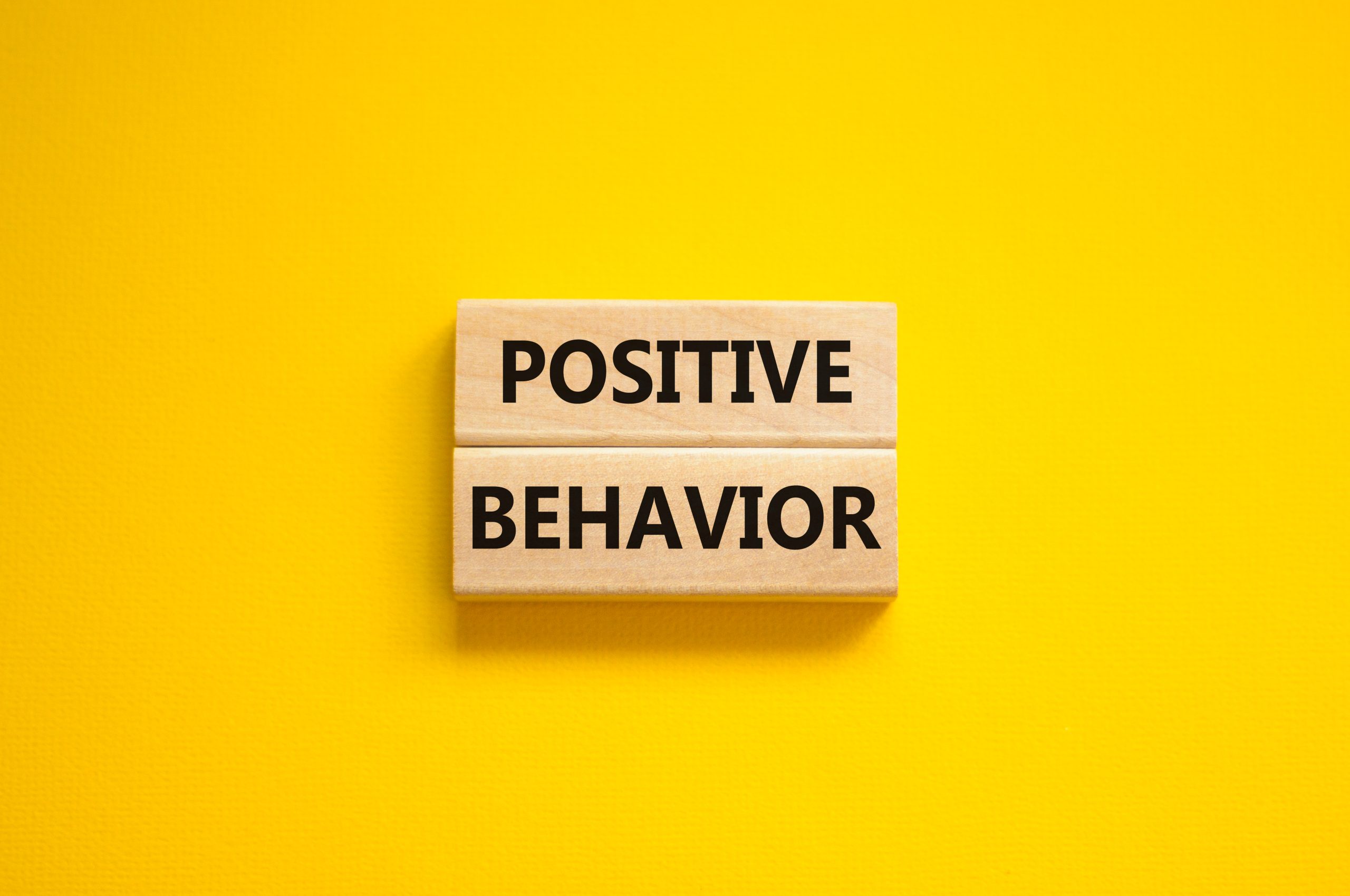
Positive behavior support symbol. Concept words Positive behavior on wooden blocks on a beautiful yellow background. Business, psychological and Positive behavior support concept. Copy space.
Image Source: 123rf.com

Reinforce every safe, gentle interaction your child has with the pet. Compliment them for being calm, listening to instructions, or noticing when the animal walked away. This builds confidence and teaches them that kindness earns trust. You can also include the pet in praise—“See how happy she is when you’re gentle?” Celebrate their progress together. Small wins lead to lifelong pet friendships.

5. Take It Slow

There’s no need to rush friendship. Let the child and pet set the pace, even if it takes days or weeks. Some pets need more time to adjust, especially rescues or shy animals. Pushing them together too soon can create fear or resentment. Respecting the timeline shows both the child and the pet that their comfort matters.

Building Trust Together

When done safely, introducing pets to young children can be a magical experience. It teaches empathy, responsibility, and patience. With careful steps, you can foster a bond that lasts a lifetime. Just remember—supervision and gentle guidance are key to everyone feeling safe.

Do you remember your child’s first meeting with a pet? Share your story in the comments!

Read More:

These Are The 8 Best Pets For Small Children

Can School Be Bad For Your Child?

Latrice Perez

Latrice is a dedicated professional with a rich background in social work, complemented by an Associate Degree in the field. Her journey has been uniquely shaped by the rewarding experience of being a stay-at-home mom to her two children, aged 13 and 5. This role has not only been a testament to her commitment to family but has also provided her with invaluable life lessons and insights.  As a mother, Latrice has embraced the opportunity to educate her children on essential life skills, with a special focus on financial literacy.

Filed Under: Pets Tagged With: child safety, first pet tips, introducing pets, kids and animals, parenting tips, pet safety, pets and kids

These Are The 8 Best Pets For Small Children

March 31, 2025 | Leave a Comment

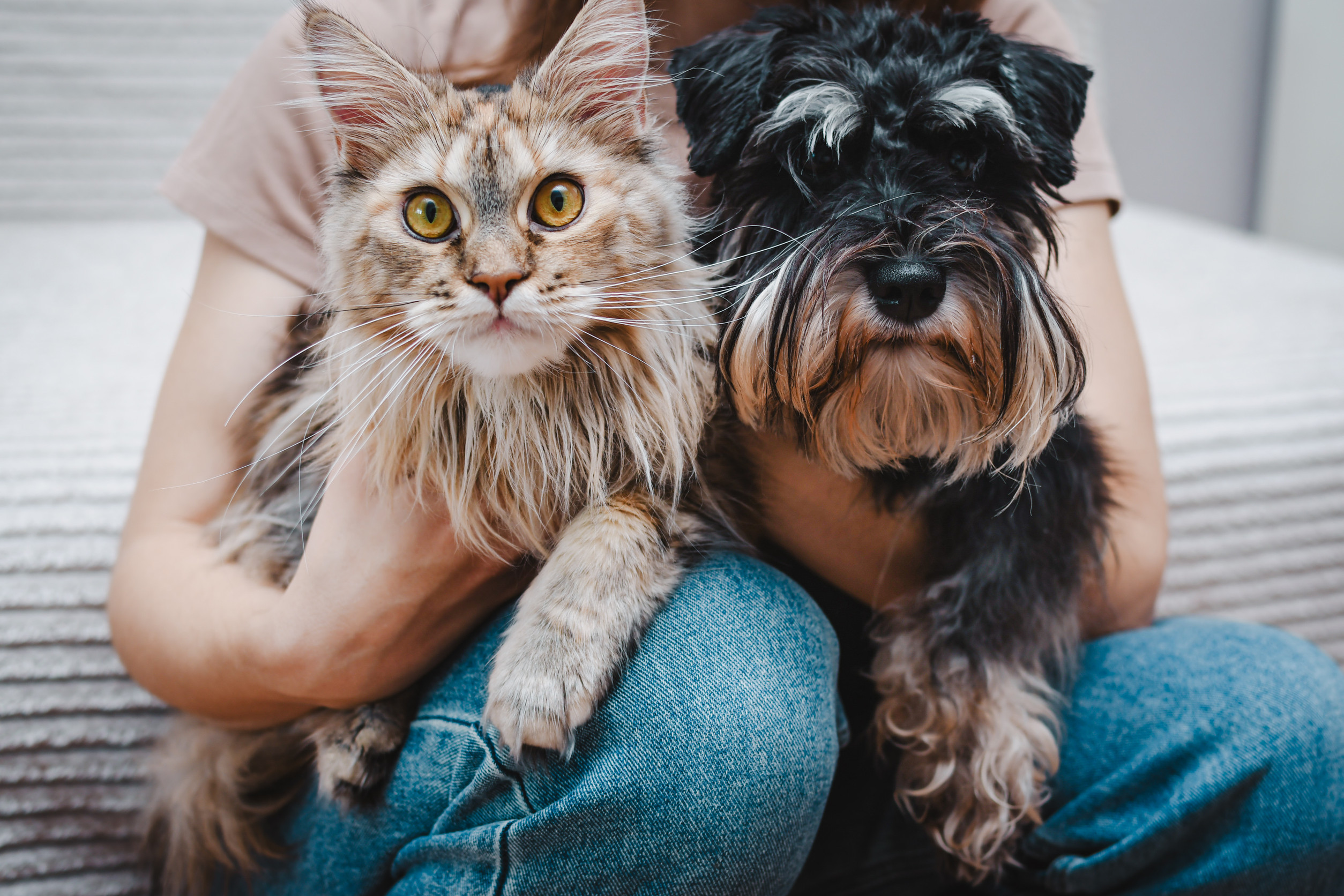
dog and a cat in the hands of their owner
Image Source: 123rf.com

Introducing a pet into a home with small children can be an incredibly rewarding experience. Pets offer companionship, teach responsibility, and provide endless joy and learning opportunities. However, it’s important to choose a pet that matches your family’s lifestyle and your child’s ability to care for it. In this article, we’ll explore eight of the best pets for small children, examining their care needs, temperament, and overall suitability for a family environment. By understanding the unique characteristics of each pet, you can make an informed decision that enhances your family life.

1. Dogs

Dogs are known for their loyalty and affectionate nature, making them excellent companions for children. Breeds such as Labrador Retrievers, Poodles, and Cavalier King Charles Spaniels are especially renowned for their friendly and patient demeanors. A well-trained dog can teach children about responsibility, empathy, and the importance of routine. Daily walks, playtime, and proper care are essential to ensure that the dog remains happy and healthy. In turn, children often develop a deep, lifelong bond with their canine friend.

2. Cats

Cats are another popular pet choice, known for their independence and gentle affection. They typically require less maintenance than dogs, while still offering companionship and interactive play. Introducing a cat to a home with small children can teach kids about gentle handling and respect for an animal’s space. Cats can be a calming presence, and their playful antics often bring joy to the household. However, it’s important to supervise interactions to ensure the cat is not overwhelmed.

3. Guinea Pigs

Guinea pigs are gentle, sociable rodents that make great pets for young children. They are relatively low-maintenance, requiring a spacious cage, a balanced diet of hay and fresh vegetables, and regular gentle handling. Their calm nature and soft sounds can be very soothing to kids. Guinea pigs typically live for 5 to 8 years, providing a medium-term commitment for families. They also offer a great opportunity for children to learn about daily pet care responsibilities.

4. Fish

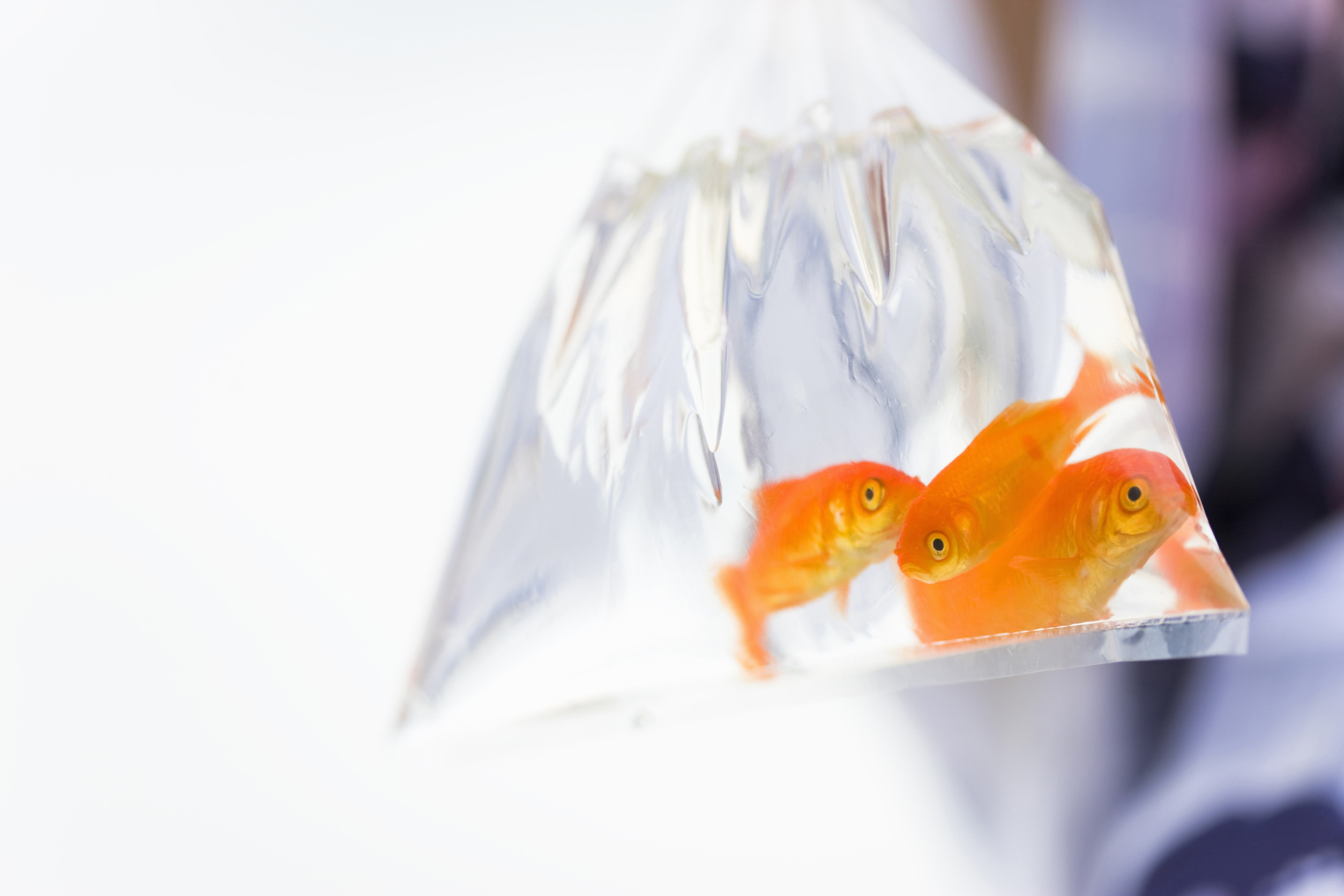
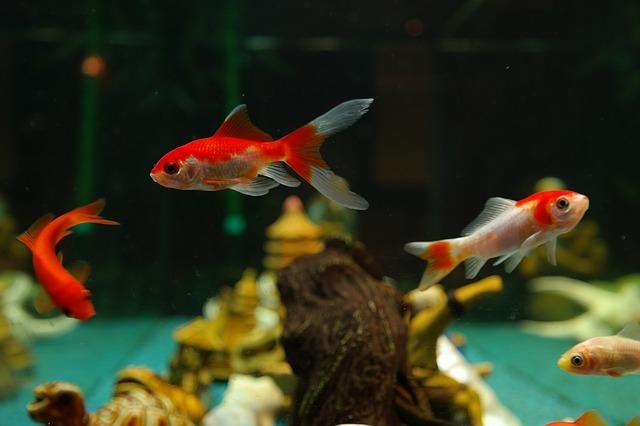
Goldfish
Image Source: 123rf.com

Fish, particularly hardy species like goldfish or bettas, are an excellent introduction to pet care for small children. They require regular feeding and periodic tank cleaning, which teaches kids consistency and responsibility. Watching fish swim can be both calming and educational, offering insights into aquatic life. Although fish do not provide the same level of interaction as mammals, their care routines can be easily managed by a family. A well-maintained aquarium becomes a living classroom for young minds.

5. Rats

Rats are often misunderstood but are actually highly intelligent and social creatures. They can be trained to perform tricks, recognize their names, and enjoy interactive play with their owners. Rats require a spacious cage, mental stimulation through toys, and a balanced diet to thrive. Their relatively short lifespan of 2 to 3 years means they can be a good introductory pet for teaching responsibility without a long-term commitment. Their friendly and curious nature often makes them a hit with children when handled properly.

6. Hamsters

Hamsters are small, energetic pets that can bring fun and excitement to a household. They are relatively low-maintenance but require secure, stimulating habitats with tunnels and exercise wheels. Due to their nocturnal nature, they are most active in the evening, which can be a fun discovery for children. Hamsters have a short lifespan of 2 to 3 years, making them a manageable pet for a child’s first experience with responsibility. Supervision is important to ensure gentle handling, as they can be easily startled.

7. Gerbils

Gerbils are active and curious rodents that do well when kept in pairs. They are known for their playful behavior and low odor, making them ideal for families with small children. A spacious cage with plenty of bedding for burrowing keeps gerbils happy and engaged. Their lifespan of about 3 to 4 years provides a balance between commitment and ease of care. Gerbils encourage interactive play and can be a delightful addition to the family.

8. Budgies (Parakeets)

Budgies are small, colorful birds known for their friendly and sociable nature. They respond well to gentle handling and can even learn to mimic simple words. Budgies require a spacious cage, a balanced diet, and regular social interaction to thrive. Their lifespan ranges from 5 to 10 years, offering a long-term but manageable pet option for families. Budgies bring a vibrant energy to the home and can help teach children about caring for living creatures.

Right Pet for Your Family

Selecting a pet involves considering your family’s lifestyle, the level of care required, and your child’s ability to handle responsibilities. Discuss the decision as a family and involve your child in the research process. Each pet has unique needs, so it’s important to choose one that aligns with your daily routine and long-term plans. Educate your child on proper pet care to foster respect and responsibility. This collaborative approach ensures that the new pet will be a source of joy and learning.

Final Thoughts on Family Pets

Welcoming a pet into your home is a decision that can enrich your family’s life in many ways. Pets offer companionship, teach empathy, and create memorable experiences that last a lifetime. By considering factors such as temperament, care requirements, and your child’s readiness, you can choose a pet that perfectly fits your family. Remember, the right pet not only brings joy but also helps in the development of responsibility and compassion in children.

Which pet do you think is best suited for a family with small children? Have you had positive experiences with any of these pets? Share your thoughts, tips, and personal stories in the comments below.

Read More:

Great Pet Care Habits You Can Teach the Whole Family

14 Places to Get Amazing Free Stuff for Your Dog

Tamila McDonald
Tamila McDonald

Tamila McDonald is a U.S. Army veteran with 20 years of service, including five years as a military financial advisor. After retiring from the Army, she spent eight years as an AFCPE-certified personal financial advisor for wounded warriors and their families. Now she writes about personal finance and benefits programs for numerous financial websites.

Filed Under: Pets Tagged With: child-friendly pets, Family Pets, Parenting, pet care, pets for children

Is Pet Insurance Worth it?

May 17, 2019 | Leave a Comment

Is Pet Insurance Worth It

Things have certainly changed over the last few decades when we look at how we care for our pets. As a child, I remember that we took our pets to the vet for rabies shots and if they were sick. That was it. Now perhaps my parents weren’t the most caring pet owners, but it seemed like that was commonplace in my little circle in the world. Now people do routine wellness visits and sick visits in the same way that one would do with their children. Is pet insurance worth it?

[Read more…]

Filed Under: Pets Tagged With: pet insurance

What Are Pet Loans?

April 10, 2019 | Leave a Comment

pet loans

Many families love to own pets as part of their family unit and to teach their children age-appropriate responsibility in caring for a pet. Pets also contribute to the family’s mental well-being and encourage children to nurture other life. Some people choose to rescue a pet; others decide to pay for a purebred or exotic pet for their home. Pet loans are for buyers who wish to purchase a pet and cover the cost of veterinarian services.

[Read more…]

Filed Under: Pets

Why Fish Are the Perfect Starter Pet for Children

November 19, 2014 | Leave a Comment

fish for petsIf you are looking for a first pet for your children that is easy to manage, but can still enthuse them, then you need to seriously think about investing in a Fish Tank and as many, or as few fish as you would like to put in it.

It’s fair to say that fish do get a bit of hard time when it comes to recognising them as ‘proper’ pets, but this really shouldn’t be the case. Granted, they perhaps aren’t as ‘hands on’ as a cat or a dog but what they may lack in physical interactivity they more than make up for in other areas, so what exactly makes them the perfect starter pet for a child?

A Wealth of Choice

Perhaps the best aspect is the choice you can offer your children when you involve them in the selection process. This can be both a great bonding experience, as well as simply an enjoyable family time when you choose the size of the tank, the accessories within it, and of course the fish themselves. Thanks to the huge variety offered by reliable retailers like All Pond Solutions you can essentially provide an entirely bespoke pet that you can’t otherwise get with different animals.

Hassle-free Care and Educational

Another benefit as a parent is you don’t have to worry about any allergy issues with your children, nor are there the dangers that come with the waste and mess you get with cats and dogs. If you have slightly older and more responsible children they can easily learn how to clean fish-tanks and feed their fish and you can use this as means for them to earn their pocket money and learn about responsibility.

Furthermore in regards to the educational element, if you invest in more exotic and unusual fish from different climes you can help your children learn about other cultures and the science behind why fish need the water a certain temperature.

Aesthetically Pleasing

The final advantages come from a design point of view; a fish tank can really add a fresh and interesting look to any room in your home, particularly when backlit. On top of this, a fish tank can have a calming and almost hypnotic effect that can help you and your children relax and unwind.

So there you have it, if you are looking for a first pet for your children, fish are the perfect choice for you.

Brian
Brian

Brian is the founder of Kids Ain’t Cheap and is now sharing his journey through parenthood.

 
Email • Google + • Facebook • Twitter

Filed Under: Pets Tagged With: fish, pets, pets for kids

A Pet Owner’s Guide to Surviving the Holidays

December 3, 2013 | Leave a Comment

holiday pets

The holidays are times of both excitement and stress, of festivity and fatigue. If you own pets, you not only get to prepare lavish meals, shop for family and friends, decorate, and wrap gifts, but you also have to deal with keeping your furry kids out of trouble when guests are over or when there are dangerous edibles like chocolate laying around.

But don’t despair! Owning pets can enhance your holiday spirit, not hinder it. Just check out the following tips for surviving the holidays with pets at home:


Staying Out of Trouble

The biggest issue with pets is that they can’t seem to stay out of trouble, especially when there are human treats and toys and decorations all around them. It’s quite a departure from the living arrangements they’re accustomed to for the other eleven months of the year, so many pets are naturally intrigued by the sweet smells in the air and tinsel hanging from the walls (they’d probably love nothing more than to claw or chew it all up!).

For starters, the ASPCA offers a comprehensive list of foods that are hazardous for dogs as well as one for cats. Things like chocolate can really upset their stomachs (or worse, if eaten in large quantities), so be sure to secure garbage containers and leave no food out where your pet could snatch it. Even if you have a cat or a big dog that’s normally pretty obedient, don’t underestimate what they’d do to get at that chocolate cake or roasted chicken sitting on your counter.

Also be mindful of decorations that could potentially harm your pet, such as a tree (make sure it’s locked in place so it can’t fall over) or small decorations that they could chew up or swallow, causing intestinal issues that could lead to a pricy visit to the veterinarian.


Hosting Guests

Having guests over for holiday parties presents another problem for pet owners: what should you do with Fluffy and Fido? Some people won’t appreciate animals freely roaming around while they’re trying to eat, but locking up your pets for several hours isn’t a realistic or humane option either. Your options here include: leaving your pets in your bedroom with a comfortable inside dog bed and letting them out after your guests have finished their meal, hiring a pet sitter to take care of your pets while you’re busy playing host or hostess, asking your neighbor to look after your pets for the evening (only if they like animals, of course), or if you have children and your party is for the adults only, ask or pay your human kids to look after your furry, four-legged kids for the night.


Going Out of Town

If you go out of town for the holidays, the logistics of making sure your pets are taken care of become a bit more complicated. Some people don’t mind dropping their pets off at a boarding facility, but not only are these rather pricy during the holiday season, they could potentially lead to health problems if your pet catches an illness from someone else’s pet. Another option is to simply bring your pet along on your holiday travels, but for many, this isn’t possible due to limited space or pet restrictions at your destination.

There is also the option of hiring a pet sitter, but this could cost you in upwards of $20-50 per visit, depending on the time duration and services rendered (e.g., taking your dog on a walk or crushing pills for your cat). If you don’t have a doggie door or your cat doesn’t use an indoor litter box, you could end up having to pay for multiple visits to make sure your pets are going to the bathroom regularly. To save money, consider hiring a reliable teenager in your neighborhood who clearly loves animals and would love to make some cash over the holidays by looking after your pets.

It is worth remembering, however, that teens are not always the most reliable people and may not be able to deal with an animal with complex needs. As such, in cases such as this, a professional sitter might, despite the initial expense, be the best option for you. You can click here to see the advantages of hiring a dedicated cat sitter, and can further search online to find local sitters tailored to your pet’s specific needs that fall within your budget. This way, you know your pet will be well cared for for as long as you are away.

If you’re only heading out of town for one night, however, you may be able to get away with leaving your pets alone, as long as they’re relatively independent anyway. All you need to do is give them a good meal before heading out (you can check out these Dr. Marty Nature’s Blend reviews if you’re looking for something to treat them with) and ensure they can go to the toilet in their normal way without you. If your pets are well-behaved, you can also put out some food for breakfast in the morning. Most pets only eat when they’re hungry, so once they’ve had their fill, they’ll leave the rest for whenever they want it.

Holiday Gift-Giving

Sure, there’s a lot to think about when it comes to managing your pets during the holidays, but it’s not all precautionary measures! When it comes time to unwrap presents, it’s always fun to give something to your pet to make sure they don’t feel left out. Whether it’s a simple bone or bag of cat treats or a luxurious new bed (you can always search around for coupons and coupon codes to minimize the costs of gifts for your pets), getting something for your pet is a nice way to share the holiday cheer with every member of your family.

What other tips and tricks do you have when it comes to pets around the holidays?

Brian
Brian

Brian is the founder of Kids Ain’t Cheap and is now sharing his journey through parenthood.

 
Email • Google + • Facebook • Twitter

Filed Under: Pets Tagged With: cat, dog, Holiday, holiday pets

The Expenses of a Family Pet

March 5, 2013 | 3 Comments

family petWe talk about how expensive our kids can be, but what about our fur babies?

I’m an animal lover of all, even the not-so-pretty ones, but my family pet of choice is a cat. I grew up with a house full of them (we had four at one point) and my husband and I currently have one spoiled three-year-old kitty we both adore. We were discussing eventually getting a dog, but it won’t be for a long time given how expensive our cat has proven to be.


Our Family Pet Expenses

Our cat was diagnosed with irritable bowel disease (IBD) a few months after we got her. This was an annoyingly expensive diagnosis to make. Outside of exploratory surgery, we had almost every diagnostic test done for a feline just to have the vet eventually tell us that the episodes of vomiting, diarrhea and not eating were being brought on my an irritation. Something we would basically have the deal with for the rest of her life. She was right. Every six to eight months we end up at the vets office having our cat’s episodic symptoms treated. It is not cheap.

This post isn’t about how expensive my cat is. It is to alert you that, though cats are generally a lower maintenance animal, it isn’t always the truth. We got our cat with a clean bill of health and no obvious issues only to find out a few months later she had a health condition that would ultimately end up costing us thousands. This may be true for any pet.


Why You Need to Budget for a Family Pet

It breaks my heart when I hear stories of animal neglect and abuse. It makes me even sadder when I find out the neglect is brought on because the owners simply didn’t have the finances in order to properly care for the animal.

Until this cat, I’ve never considered pet insurance, but with her diagnosis, my husband and I seriously considered it for the first time. In our situation it didn’t make sense, given that they wouldn’t cover her pre-existing conditions, but you better believe it is something I will obtain for all future pets. I’ve had a look online at what’s out there, and found that there are so many options out there. Lemonade isn’t your traditional insurance company, for example, but could be a great option for you if you are looking for an affordable way to protect your pet. With our little fur baby, we’ve become pretty good at recognizing triggers and knowing what to do before it escalates into a full-blown (read: budget busting) episode so deal with them as they arise.

Ways to Lower Your Family Pet Expenses

In order for us to keep emergency vet bills lower, we have opted to maintain her on a more expensive diet. Our experience is that paying more for higher quality food causes less flare-ups, (one to two per year versus upwards of five). Yes, our monthly costs are higher in the ‘pet food’ category, but paying more for a good quality food leads to less emergency vet visits which have the potential to be extremely expensive. The same goes for all pets. It’s much better to invest in a pricier, nutritious food – whether that’s Badlands Ranch Dog Food for your dog or a similarly nutritious cat, rabbit, or fish food – to ensure their health, which in turn will save you money in other areas, like vet bills.

When you chose to add a pet to your family, it is only fair to the animal to care for it in every way required. You are choosing to bring them into your life, your family. If you can’t afford the proper food or vet care, maybe now isn’t the time to be thinking about a pet. I’ve had friends look at us like we were nuts when we tell them how much we spend on our cat, and ask us why we wouldn’t just have her put down and be done with it all. Why? Because we love her and have accepted responsibility of her. If it got to a point we couldn’t care for her we would do our best to find someone who could. We didn’t give up on her just because she costs more than a $15.00 bag of cat food every month.

Even without an emergency every arising, your pet will still need normal care. Everything from food, to common pest treatments, annual vet exams and treatments, affordable pet vaccinations, age or breed related illnesses, the list goes on. There is so much more to consider outside of feeding and playing with your pet.

If you’re thinking about getting a pet, or have one now, consider adding a ‘pet expense’ category to your budget so if an emergency arises, and you don’t have pet insurance, you have the funds without risking the rest of your family’s needs.

Do you have a dedicated category for your family pet in your budget?

Catherine
Catherine

Catherine is a first time momma to a rambunctious toddler. When she isn’t soaking up all that motherhood has to offer, you can find her blogging over at Plunged in Debt where she chronicles her and her husbands journey out of debt. You can also follow her on Twitter.

plungedindebt.com

Filed Under: Pets Tagged With: Family Pet, Family Pets, Fur Babies, Pet

Seeing The Emotional Side of Our Children

April 6, 2011 | 2 Comments

Piglet
Photo by Soil-net.com

It has been a long week here. Hamilton the baby piglet has passed away due to a congenital problem. I received the phone call the other morning from my future son-in-law that something was wrong with “Hammy”. I jumped up and got dressed and my daughter was at work. We decided not to tell her right away because there was no need to upset her if it wasn’t serious.

The vet checked Hammy out and ran tests but sent us home to wait for the results. We told my daughter. Hammy was not getting better so we called the vet back and brought him back in. By the time he was rushed back the vet said to get him to Tufts Animal Hospital right away.

Death of a pet

To make a long story short I was home with my family and my daughter called me hysterical. Hamilton had passed away in her arms 15 minutes from the hospital. There was absolutely nothing I could do to help my daughter feel better. They went to the hospital because Kay had to know what happened and they told her it looked liked something he had been born with. They took Hammy home and asked if I wanted to be there for the burial. As you all know I helped raise him and I had to be there for the kids.

We are all still heartbroken. My daughter and her fiancé are still grieving. I received a phone call that night and this is exactly what was said to me, “Mom, I feel as though I have lost a baby and it shouldn’t hurt this bad.” My heart was so heavy and I was so frustrated because there was not ONE thing I could say to make her feel better.

Even her brothers ages 13 and 10 years were grieving. My 13-year-old son walked off on his own and just stared out at the river. He couldn’t deal with his sister and her fiancé actually crying. My 10-year-old son stayed close but I could tell he didn’t know what to do. He wanted so much to say something but had no clue what words to use.

When we left my daughters house and returned home we still needed to have dinner. My boys told me that they would give all of their money to K and C to help pay for the doctors for Hammy. My heart lurched again.

I have now learned that there are times when we will really have to watch our children hurt right from the core of their beings. And that there is nothing we can do to stop it but give them love and space.

Being a parent is so much work but seeing the love in my kids does make me so proud. RIP Hamilton, you will certainly always be in our hearts.

Have you ever experienced the death of a pet with children around?

Brian
Brian

Brian is the founder of Kids Ain’t Cheap and is now sharing his journey through parenthood.

 
Email • Google + • Facebook • Twitter

Filed Under: Parenting, Pets Tagged With: Death, grieving, pets

The Nitty Gritty of Cat Litter

April 4, 2011 | Leave a Comment

Sel-cleaning litter box with cat litterOkay, I know it’s not the most glamorous topic in the world, but it is important if you have a cat or are thinking of getting one. I adopted my very first cat less than 15 years ago. Before that time, I had decided that “I wasn’t a cat person.” I love all animals great and small but that doesn’t mean I want to own all of them.

Then – into my life – walked a cute little gray and white kitten, who I named Sadie. I was hooked. Two years later, I ended up adopting a precocious black kitten who I named Ozzie — aka The Million Dollar Cat. Now, I am a bona fide cat expert!

Well, maybe not quite but I do know a lot about cat litter. Not only have my cats tested just about every kind of cat litter there is — I also worked in the pet industry for two years. Because of this, what I lack in personal experience – I learned through the experiences of others.

How hard can it be to pick a cat littler anyway?

Here are some of the main types of cat litter. There is clay litter, clumping litter, corn, newspaper, pine, wheat, crystal, scented, unscented, natural (and not so natural), heavy and light weight. The main things people want to know are; which one lasts the longest, hides the odor and it the most eco-friendly? There are really so many things to consider. Who knew? I will explain some of the pros and cons of each and then reveal my MOST favorite cat littler in the whole world!!! 🙂

Clay Litter

Clay litter is probably the cheapest option, but it is heavy and doesn’t clump. This means it may need to have a complete litter change more often to prevent bacteria and odor. Clay litter may contain some chemicals to supress the odor. It also emits a lot of dust.

Found on Amazon.com

Clumping Litter

This can be made of any number of materials but essentually it clumps so it is easy to dispose of liquid waste. Most of these can help to supress odor and come in scented and unscented versions. The clumping clay litter still emits quite a bit of dust though.

Found on Amazon.com

Natural fiber litter

Corn, wood, newspaper, wheat, etc are biodigradable and most are natrual. You’ll have to check the pacakging. Some may be scented and some may contain chemicals for clumping purposes. I have used the corn, wood and newspaper varieties and the corn was my favorite for odor control. The pine litter I tried smelled great when I first put it in the box but it soaked up the liquid waste and got funky fast. Now, they offer a clumping version which I have not tried. I imagine it works much like the corn.

Found on Amazon.com

Crystal litter

Crystal litter has become popular in recent years. I have never tried it but people who have seem to like it. Many of them use it in their automatic litter boxes because it doesn’t get stuck in the tongs like some of the other litters can.

Found on Amazon.com

Scented or unscented?

This is up to you. Ozzie developed an allergy to one of the scented clumping litters I used when when he was a kitten. Sadie never had any problems but Ozzie’s paws got chapped and even started bleeding. It was horrible. That’s when I switched to an unscented version that the vet recommended. If your cat is prone to upper respiratory infections you should choose a low dust unscented cat litter.

Now for my VERY favorite cat litter! I absolutely adore this brand for many reasons…

Arm & Hammer Essentials Natural Clumping Litter

This wondrous litter is made using corn cobs and baking soda. It contains a light fresh scent which I love and luckily, Ozzie’s paws haven’t had an adverse reaction to it. I tried another corn litter before but the fine particles stuck to my cat’s paws leaving dusting cat prints all over the house.

If you have a cat I highly recommend this litter. They aren’t even paying me to say that — but they should!!! 🙂

Found Amazon.com

Of course, not all litters work for all cats and owners, if your cat is having issues using their litter box, it is best to consult the vet. Cats are really good about going in their boxes, so if they suddenly stop doing that — it may be the sign of a bigger issue.

TIP: When switching litters, it is best to mix a little of the new in with the old and slowly make the transition. Cats can be finicky and if you totally switch it might throw them off and they may refuse to use the box all together.

If you have any questions or suggestions of your own — I would love to hear them.

Do you have cats? Why type of litter do you use?

Brian
Brian

Brian is the founder of Kids Ain’t Cheap and is now sharing his journey through parenthood.

 
Email • Google + • Facebook • Twitter

Filed Under: Pets, Product Reviews for Parents, Random Musings Tagged With: Cat litter, cats, pets

« Previous Page
Next Page »
  • Facebook
  • Pinterest
  • RSS
  • Twitter
Best Parenting Blogs

Most Popular

Baby

9 Unusual Baby Names That Sound Like They Belong to Future CEOs

Evan Morgan
Baby

10 Baby Names That Were Once Considered “Grandparent Names” but Feel Cool Again

Evan Morgan
Target Store

Choking Incident Prompts Recall of 49,000 Target Gigglescape “Under the Sea” Popping Toys

Evan Morgan
Frustrated Girl

Why Some Students on the Spectrum Are Labeled With ODD

Evan Morgan
Coke Bottles

12 Things Kids Took to School in the ’70s That Would Never Be Allowed Today

Evan Morgan

All content on Kids Ain’t Cheap is for entertainment purposes only. By reading this blog, you agree that Kids Ain’t Cheap is not responsible for any actions taken after reading this blog. For the full disclaimer, see our privacy policy.

Please note that Kids Ain’t Cheap has financial relationships with some of the merchants mentioned here. Kids Ain’t Cheap is funded by banner advertising, commission sales and search optimization consulting.

Copyright © 2006–2026 | District Media | All Rights Reserved | Privacy Policy

Copyright © 2026 Runway Pro Theme by Viva la Violette