• Home
  • About Us
  • Toolkit
  • Archives
  • Advertise
  • Privacy Policy

Kids Ain't Cheap

But They Sure Are Worth It

  • Parenting
    • Baby Stuff
    • Books and Reading
      • Aesops Fables
      • Comic Books
    • Education
    • Family Time
    • Green Living
    • Growing Up
    • Healthy Living & Eating
    • Holidays
    • Parenting
    • Random Musings
    • Shopping
    • Stuff to Do
  • Money
  • Product Reviews
    • Books and Magazines
    • Discount Sites
    • Furniture
    • House Keeping
    • Reviews News
    • Toys and Games
  • Contact Us
  • Our Editorial Commitment
  • Search

13 Fashion Items Your Kid Secretly Hates Because of Peer Pressure

May 23, 2024 | Leave a Comment

DALL-E

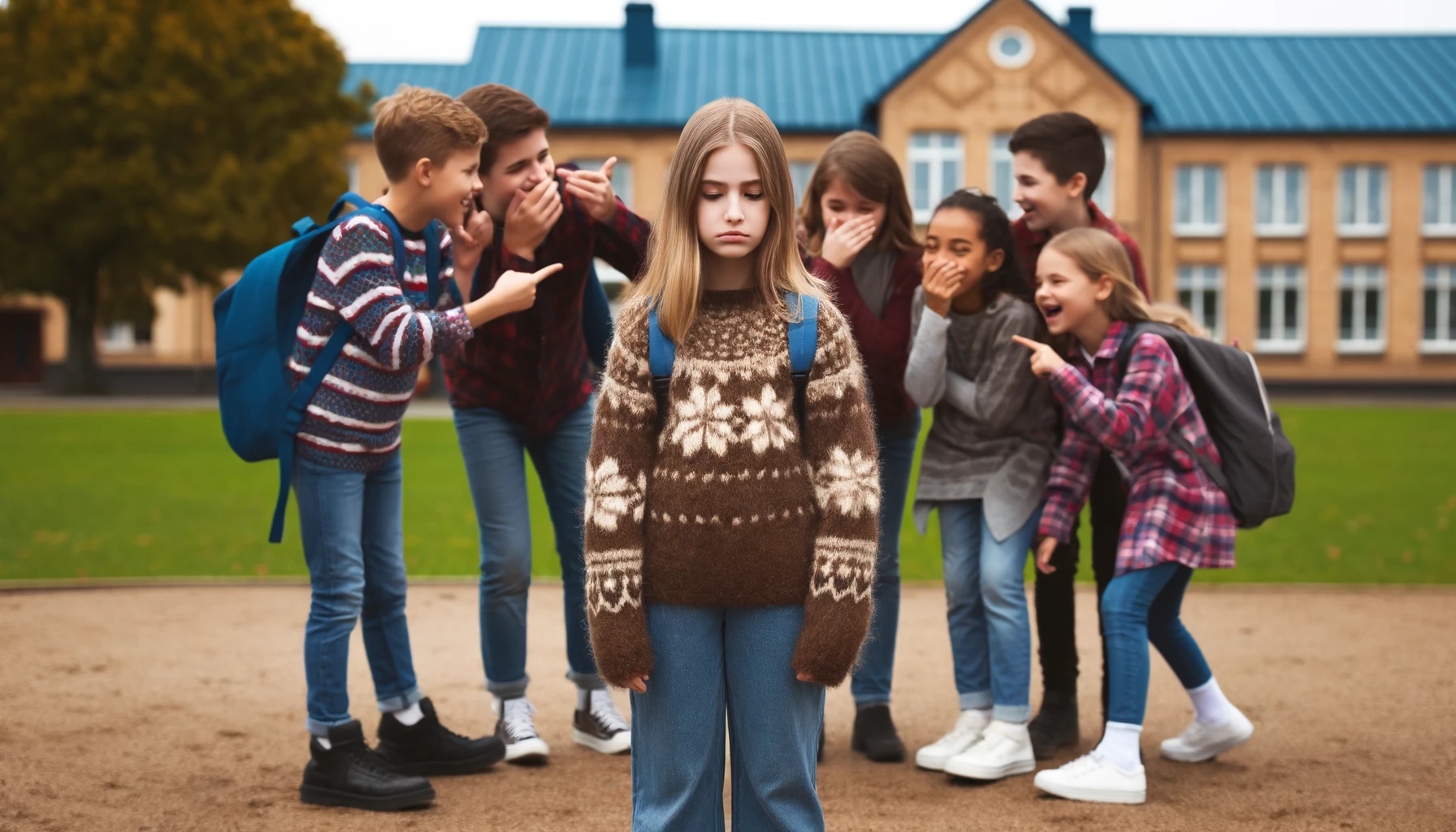
Peer pressure can significantly impact a child’s fashion choices. In today’s fast-paced world, where trends change almost overnight, what your child decides to wear can often be influenced by their friends and social media. Here are 13 items your child is likely to avoid wearing due to peer pressure.

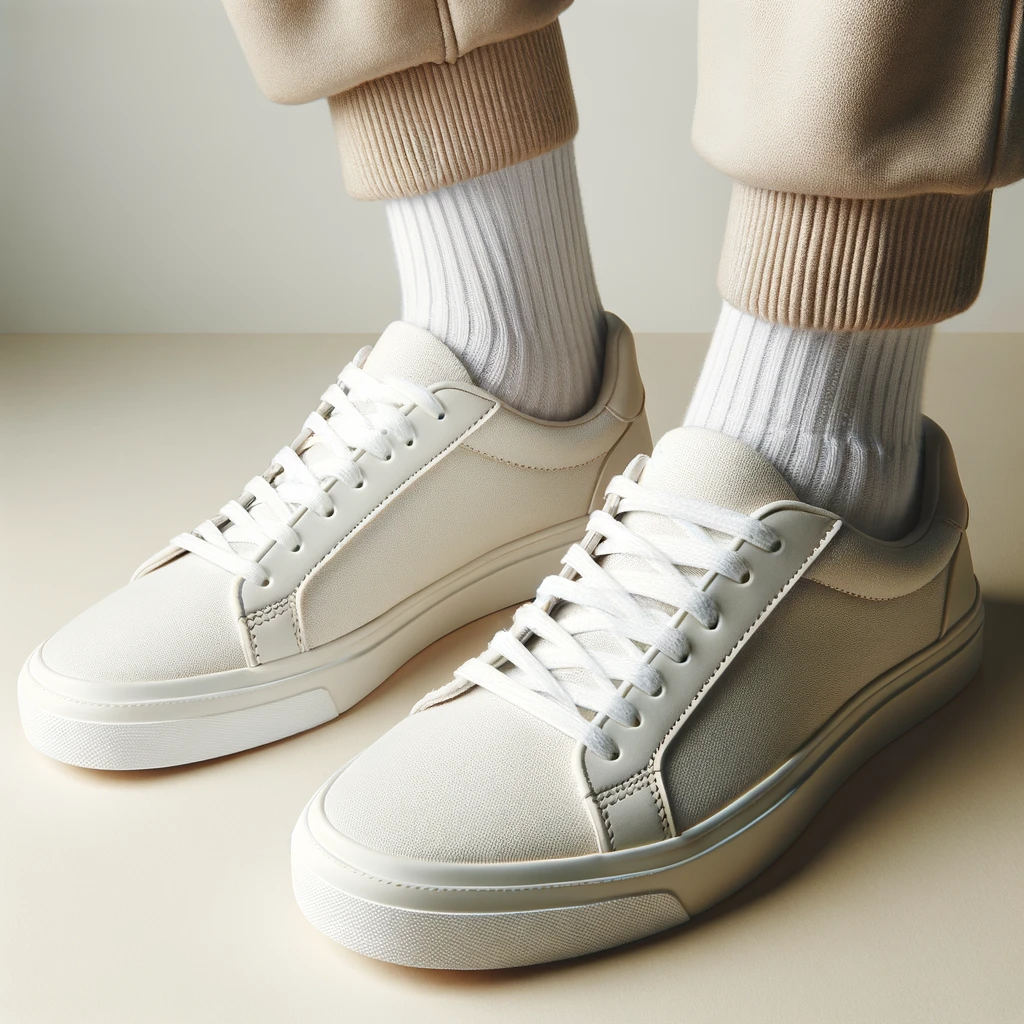
1. Unbranded Sneakers
DALL-E

In a world dominated by brand consciousness, unbranded sneakers often fall by the wayside. Children and teenagers today are highly influenced by what brands their peers are wearing. Sporting a pair of unbranded sneakers can sometimes be seen as a social faux pas. Kids often fear that wearing such items might make them the target of jokes or ridicule. This pressure to conform means that even if the sneakers are comfortable and practical, they might still gather dust. The fear of being labeled as uncool can lead children to avoid these items altogether.

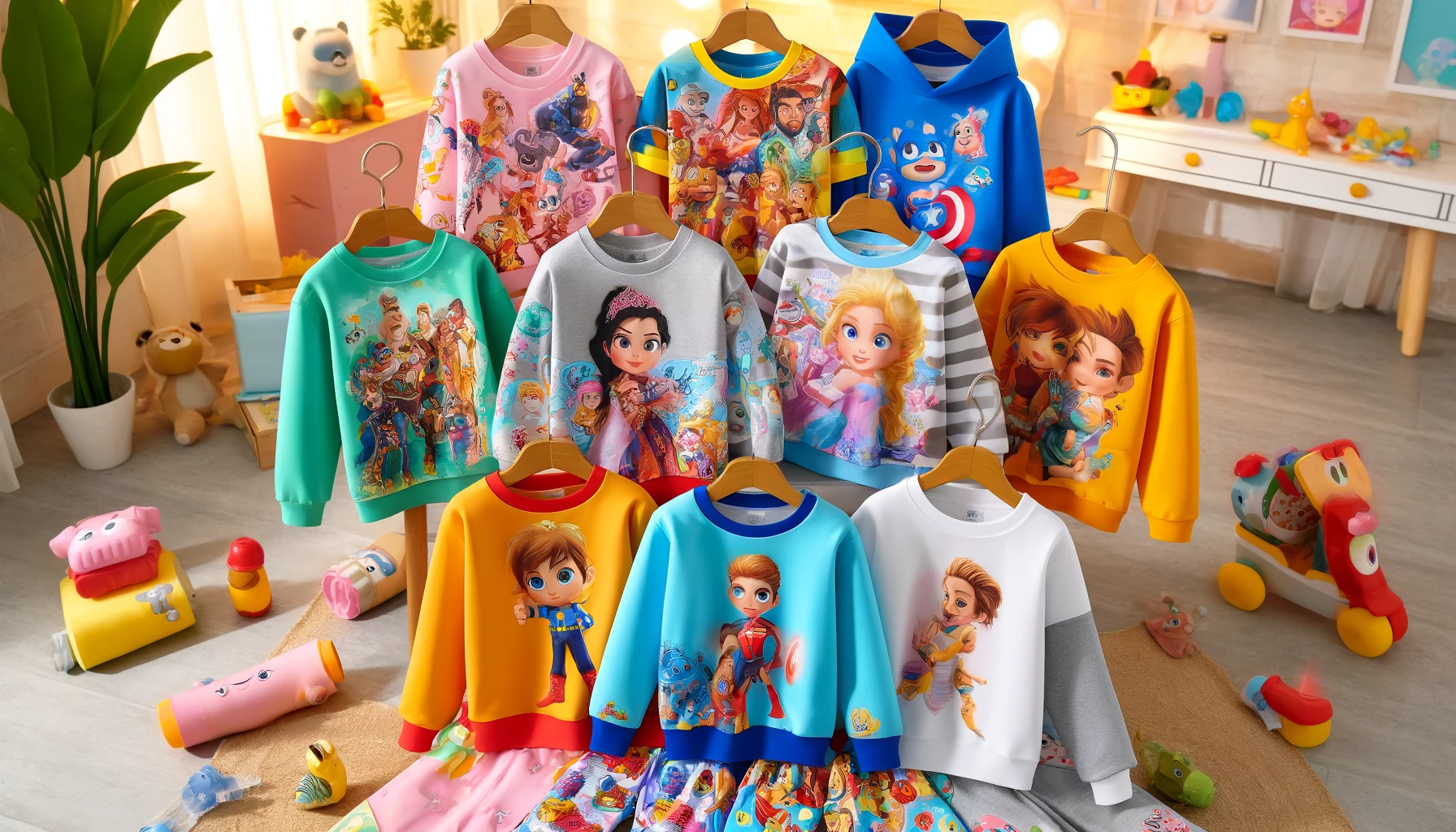
2. Cartoon-themed Clothes
DALL-E

Once children hit a certain age, cartoon-themed clothing becomes a major no-go. While younger kids might adore their favorite characters on their shirts, older kids often see this as babyish. Peer pressure plays a big role here, as wearing such items can lead to teasing. The shift from loving cartoons to seeking more mature styles is heavily influenced by wanting to fit in. Children might still enjoy these characters in private but will avoid wearing them publicly. This transition marks a significant change in how kids express themselves through fashion.

3. Hand-me-downs

DALL-E

Hand-me-downs used to be a practical solution for growing kids, but now, they can be a source of embarrassment. In the age of fast fashion, the idea of wearing second-hand clothes can make children feel out of place. Peer pressure to wear the latest trends makes hand-me-downs less appealing. Even if the clothes are in great condition, kids might resist wearing them due to fear of judgment. The desire to appear affluent or at least on par with their peers drives this avoidance. As a result, many perfectly good clothes are left unworn.

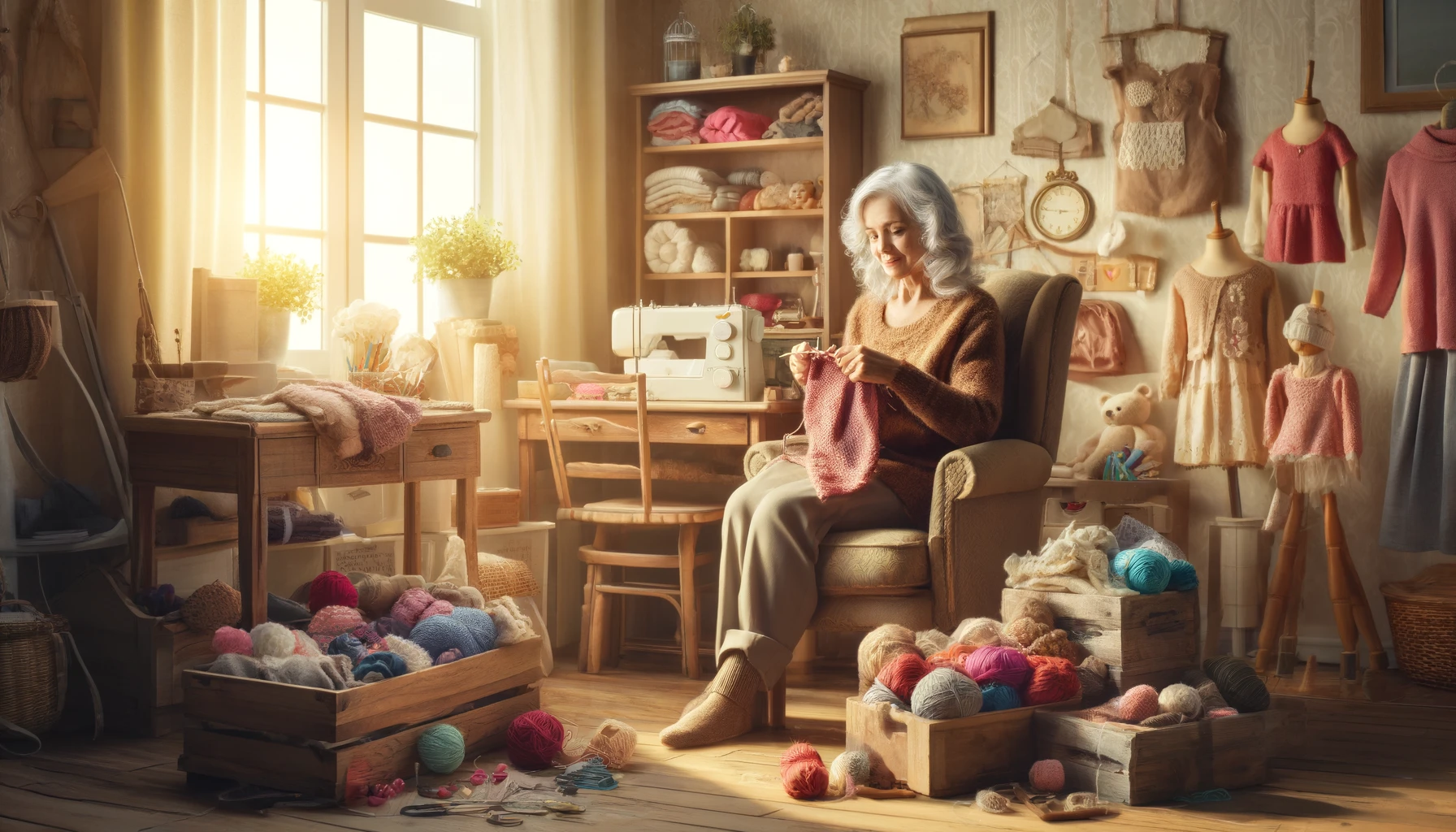
4. Homemade Clothes
DALL-E

While homemade clothes can be unique and well-made, they often don’t stand a chance against store-bought brands. The idea of wearing something homemade can make children feel different from their peers. In a world where fitting in is crucial, standing out with homemade clothes can be daunting. Peer pressure can make kids prefer mass-produced, branded items over something their parents made with love. The fear of being seen as uncool or outdated plays a big role here. Thus, homemade clothes often get pushed to the back of the closet.

5. Non-logo Apparel
DALL-E

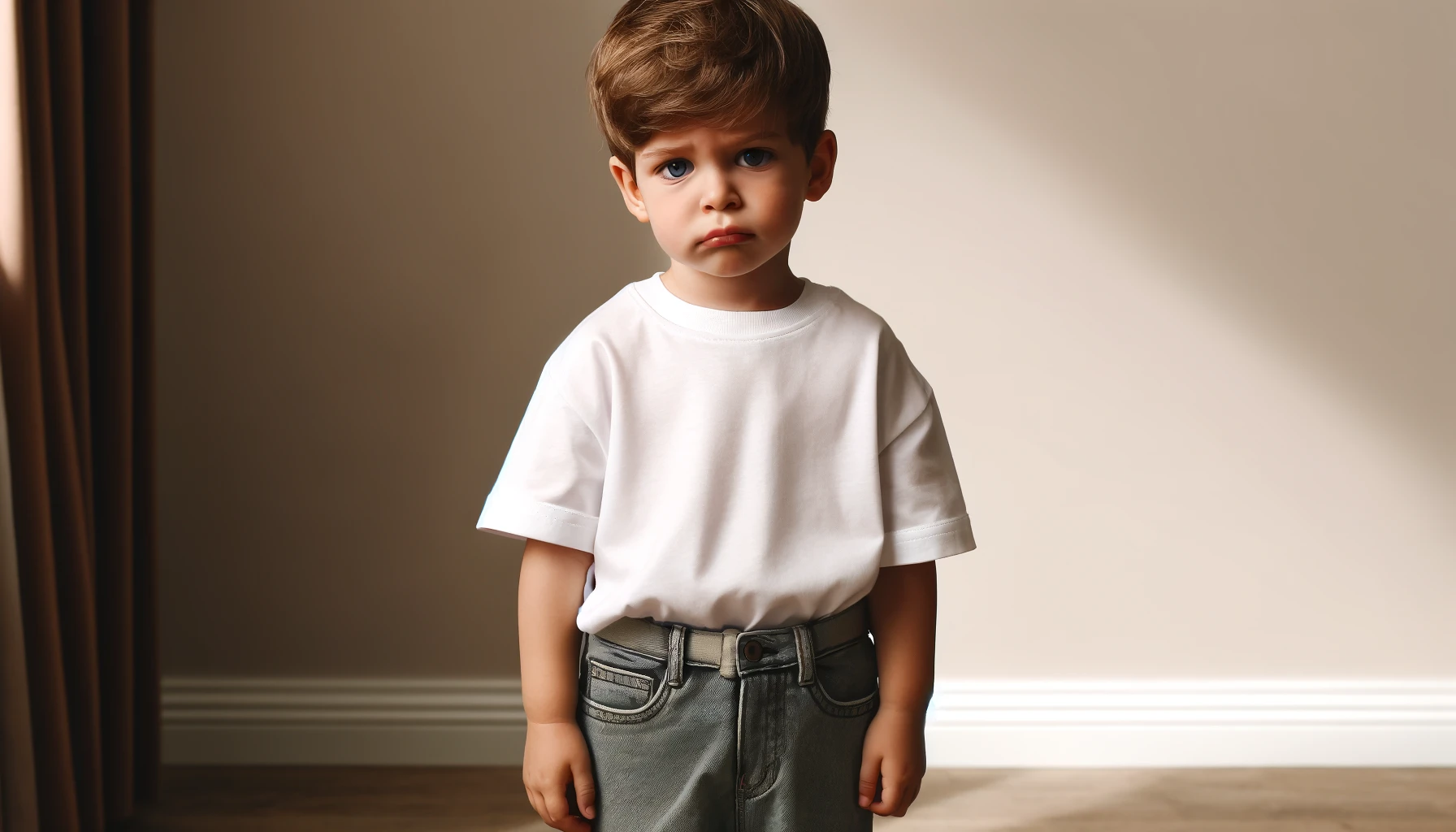
In a society obsessed with logos and branding, wearing non-logo apparel can make kids feel invisible. Logos are often seen as a status symbol among children and teenagers. Not having a recognizable brand on their clothes can make them feel less accepted by their peers. This peer pressure can lead to a preference for branded items, even if non-logo apparel is just as stylish. The need to fit in and be recognized drives this behavior. Consequently, non-logo apparel is often left unworn.

6. “Outdated” Trends

DALL-E

Fashion is ever evolving, and what was trendy last year might be outdated today. Children are highly aware of current trends and are quick to ditch anything perceived as outdated. Peer pressure to stay current can make kids avoid wearing last season’s styles. The fear of being seen as out of touch with the latest fashion can be overwhelming. Even if they once loved these items, the need to conform takes precedence. This results in a constant cycle of updating wardrobes to keep up with trends.

7. Bright Colors

123rf

While bright colors can be fun and expressive, they often fall victim to peer pressure. Children might avoid wearing bold hues to blend in with their friends. Neutral and muted colors are often seen as more mature and stylish. The fear of standing out too much can deter kids from choosing bright colors. Peer pressure to conform to a certain look or style can make these items less appealing. Despite their potential to brighten up an outfit, bright colors often remain unworn.

8. Hats

DALL-E

Hats can be a stylish accessory, but they often get sidelined due to peer pressure. Children might fear that wearing a hat will make them look different or draw unwanted attention. Peer influence can make hats seem uncool or unnecessary. Even if a hat completes an outfit or provides practical benefits, it might still be avoided. The desire to fit in and avoid standing out leads to hats being left at home. This reluctance means that many hats never see the light of day.

9. Formal Wear
DALL-E

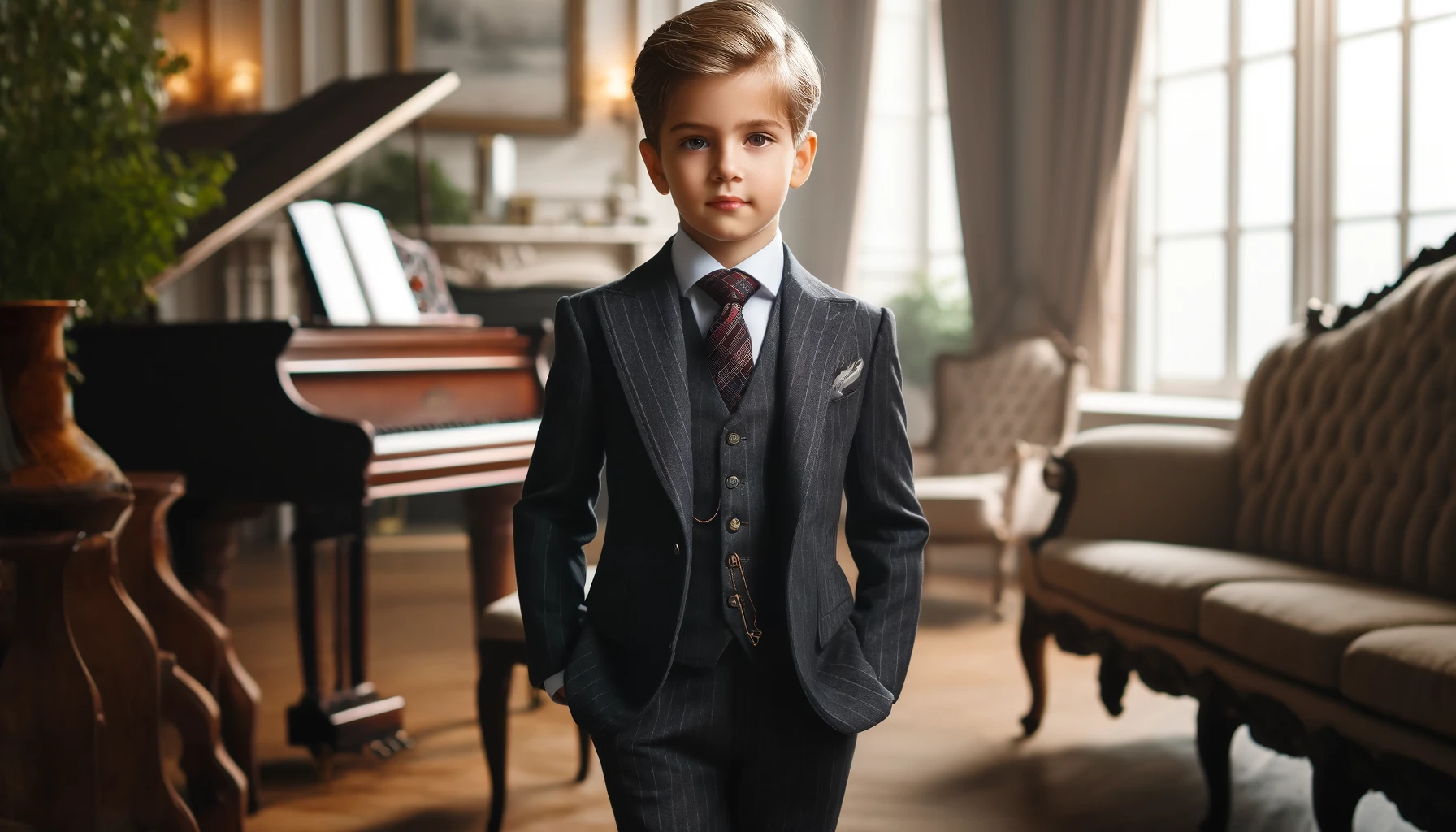
Formal wear is often reserved for special occasions, but even then, children might resist wearing it. The pressure to look casual and relaxed can make formal attire seem out of place. Peer influence can make kids prefer more laid-back styles, even at formal events. The fear of being overdressed or looking too serious can deter them from choosing formal wear. Despite its appropriateness for certain occasions, formal wear often gets sidelined. This results in children opting for more casual alternatives.

10. Heavy Coats

DALL-E

While heavy coats are essential for cold weather, they often fall out of favor with kids. The pressure to look stylish can make bulky coats seem unattractive. Children might prefer lighter jackets, even if they don’t provide as much warmth. Peer influence to prioritize fashion over function can lead to resistance against wearing heavy coats. The fear of looking unfashionable can outweigh the need for warmth. Consequently, heavy coats might remain unworn during colder months.

11. Certain Accessories

DALL-E

Accessories like scarves, belts, or jewelry can be hit or miss due to peer pressure. Children might avoid certain accessories if they feel they don’t fit in with their friends’ style. The pressure to conform to a particular look can make these items less appealing. Even if an accessory adds to an outfit, it might be left behind due to fear of judgment. The need to blend in can lead to a simpler, more uniform style. This results in many accessories being left unworn.

12. Traditional Clothing

DALL-E

Traditional or cultural clothing can often be avoided due to peer pressure. Children might fear that wearing such items will make them stand out too much. The pressure to look like their peers can make traditional attire seem undesirable. Even if they take pride in their heritage, the need to fit in can take precedence. Peer influence can make kids prefer more mainstream fashion choices. As a result, traditional clothing might be reserved for special occasions or not worn at all.

13. Unique Styles

123rf

Children often shy away from unique or unconventional styles due to peer pressure. The desire to fit in can make them avoid anything that seems too different. Peer influence can push them towards more mainstream fashion choices. Even if they have a unique sense of style, the fear of standing out can deter them. The pressure to conform can stifle their creativity and self-expression. This leads to unique styles being overlooked in favor of more common trends.

Navigating Peer Pressure in Children’s Fashion Choices

123rf

Peer pressure has a profound impact on children’s fashion choices. From unbranded sneakers to traditional clothing, many items remain unworn due to the desire to fit in. Understanding this dynamic can help parents support their children’s individuality while navigating the challenges of growing up in a trend-driven world.

Latrice Perez

Latrice is a dedicated professional with a rich background in social work, complemented by an Associate Degree in the field. Her journey has been uniquely shaped by the rewarding experience of being a stay-at-home mom to her two children, aged 13 and 5. This role has not only been a testament to her commitment to family but has also provided her with invaluable life lessons and insights.  As a mother, Latrice has embraced the opportunity to educate her children on essential life skills, with a special focus on financial literacy.

Filed Under: Parenting Tagged With: children's fashion, individuality, Parenting, Peer pressure, social influence, trends

10 Reasons Why So Many Parents Think Spanking Is Effective

May 22, 2024 | Leave a Comment

123rf

Spanking has been a contentious topic in parenting circles for years. Despite growing research and movements against corporal punishment, many parents still believe spanking is an effective disciplinary method. Understanding the reasons behind this belief can provide insights into parental motivations and the persistence of this practice. Here are ten reasons why so many parents think spanking is effective.

1. Cultural Tradition

123rf

For many parents, spanking is deeply rooted in cultural traditions. They grew up in households where spanking was the norm, making it a familiar and accepted practice. This generational practice continues because parents believe it worked for them and thus will work for their children. The continuation of such practices can be seen as a way to preserve cultural identity and values. Moreover, these traditions are often reinforced by extended family members and community norms. Parents may feel a sense of duty to uphold these practices as part of their cultural heritage.

2. Immediate Compliance

123rf

Spanking often results in immediate compliance from children, which can be seen as effective in the short term. Parents may feel a sense of relief and accomplishment when their child quickly stops undesirable behavior. This immediate response can be particularly appealing in high-stress situations where quick solutions are needed. The swiftness of spanking compared to other disciplinary methods can make it seem more efficient. This perceived efficiency reinforces the idea that spanking is an effective way to manage behavior. The instant change in a child’s behavior can be very satisfying for parents seeking quick results.

3. Lack of Alternatives

123rf

Many parents’ resort to spanking because they lack knowledge of alternative disciplinary methods. Without access to effective non-physical discipline strategies, spanking may seem like the only viable option. Parenting resources and education are not always readily available or accessible to all parents. The absence of guidance on positive discipline techniques leaves a gap that spanking fills. This lack of alternatives can be compounded by social and economic factors that limit parents’ exposure to different parenting styles. As a result, spanking becomes a default response to challenging behavior.

4. Perceived Control

DALL-E

Spanking gives parents a sense of control over their child’s behavior. This perception of control can be comforting, especially in situations where parents feel overwhelmed. The act of spanking can create a clear and immediate boundary for children, reinforcing the parent’s authority. This reinforcement of authority can be crucial in maintaining order within the household. The physical aspect of spanking can also provide a tangible way for parents to assert their role as disciplinarians. This perceived control is often equated with effective parenting, despite the potential long-term consequences.

5. Reinforcement from Peers

DALL-E

Parents often receive reinforcement from their peers who also believe in spanking. This social validation can strengthen their belief in the effectiveness of spanking. Parenting communities, both online and offline, can create echo chambers where spanking is normalized and supported. The shared experiences and testimonials of other parents can serve as powerful endorsements for spanking. This peer reinforcement can make parents feel more confident in their disciplinary choices. Additionally, the fear of judgment from peers can discourage parents from exploring alternative methods.

6. Immediate Behavior Correction

DALL-E

The immediate correction of behavior that spanking provides is another reason parents find it effective. When children exhibit dangerous or highly undesirable behaviors, a quick response can seem necessary. Spanking can halt the behavior instantly, reducing the risk of harm or escalation. This quick correction can be particularly appealing in emergency situations where other methods may take too long. The speed of spanking in correcting behavior can be mistakenly viewed as a sign of its effectiveness. Parents may not consider the long-term impact of repeated physical punishment on their child’s development.

7. Emotional Release for Parents

DALL-E

For some parents, spanking serves as an emotional release. In moments of extreme frustration or anger, spanking can provide a way to vent these emotions. This release can momentarily alleviate the stress and tension that builds up from dealing with challenging behavior. While not a healthy or recommended practice, this emotional aspect can contribute to the perception of effectiveness. Parents may feel a temporary sense of relief or satisfaction after spanking, reinforcing the behavior. However, this short-term emotional release can have detrimental effects on both the parent and child in the long run.

8. Learned Behavior

DALL-E

Parents who were spanked as children are more likely to use spanking as a disciplinary method. This learned behavior is passed down through generations, creating a cycle of corporal punishment. The normalization of spanking in their upbringing makes it a default response to misbehavior. Parents may not question the practice because it was a significant part of their own childhood discipline. This perpetuation of learned behavior can be challenging to break without conscious effort and education. Understanding and acknowledging this cycle is crucial for moving towards more positive disciplinary approaches.

9. Fear of Spoiling the Child

DALL-E

Some parents believe that without spanking, their children will become spoiled or undisciplined. They fear that leniency will lead to a lack of respect for authority and poor behavior. This fear drives parents to use spanking as a way to enforce discipline and prevent spoiling. The belief that strict physical discipline is necessary for raising well-behaved children is deeply ingrained. Parents may not realize that positive discipline techniques can be equally, if not more, effective. Addressing this fear requires education on the benefits of alternative disciplinary methods.

10. Misinformation

DALL-E

There is a significant amount of misinformation about the effectiveness of spanking. Many parents believe outdated or incorrect information that supports the use of spanking. Misconceptions about child development and behavior management contribute to the persistence of spanking. The spread of misinformation can come from various sources, including family, media, and even some professionals. Parents may not have access to current research that highlights the negative impacts of corporal punishment. Combating this misinformation requires widespread dissemination of accurate, research-based information on child discipline.

Changing Perspectives on Spanking

DALL-E

Understanding why so many parents think spanking is effective reveals a complex interplay of cultural, social, and psychological factors. While spanking may provide immediate results, the long-term consequences on children’s development and parent-child relationships cannot be ignored. Educating parents on positive disciplinary methods and addressing the underlying reasons for spanking can help shift perspectives towards more effective and compassionate parenting practices.

Latrice Perez

Latrice is a dedicated professional with a rich background in social work, complemented by an Associate Degree in the field. Her journey has been uniquely shaped by the rewarding experience of being a stay-at-home mom to her two children, aged 13 and 5. This role has not only been a testament to her commitment to family but has also provided her with invaluable life lessons and insights.  As a mother, Latrice has embraced the opportunity to educate her children on essential life skills, with a special focus on financial literacy.

Filed Under: Parenting Tagged With: ChildBehavior, ChildDevelopment, CorporalPunishment, discipline, Parenting, ParentingAdvice, ParentingStrategies, ParentingTips, PositiveDiscipline, Spanking

Toxic Grandparents: 12 Things Baby Boomer Grandparents Must Avoid

May 17, 2024 | Leave a Comment

Toxic Grandparents 12 Things Baby Boomer Grandparents Must Avoid

Navigating the role of a grandparent can be delightful yet complex. For Baby Boomer grandparents, adapting to modern parenting styles and expectations requires understanding and tact. The term “toxic grandparents” isn’t about vilifying our elders but rather highlighting behaviors that can strain family dynamics. This guide will outline 12 key things that Baby Boomer grandparents should avoid to foster healthy, supportive relationships with their grandchildren and their parents.

1. Undermining Parental Authority

Undermining Parental Authority

One of the cardinal rules for grandparents is to respect the parenting decisions of the grandchildren’s parents. Offering unsolicited advice or criticizing parenting choices in front of the children can undermine parental authority, creating confusion and conflict. Baby Boomer grandparents need to support and reinforce the parents’ rules and discipline strategies, not contradict them.

2. Favoritism Among Grandchildren

Favoritism Among Grandchildren

Showing favoritism can sow discord among siblings and affect their self-esteem. Grandparents must be mindful of how they distribute their time, attention, and gifts among their grandchildren. Consistent, equitable treatment helps all grandchildren feel valued and loved, which is crucial to developing a positive self-image.

3. Using Guilt as a Tool

Using Guilt as a Tool

Manipulating grandchildren or their parents with guilt, for example, lamenting about not being visited often, can create unnecessary emotional stress. Healthy relationships are based on a mutual desire to spend time together, not on guilt-fueled obligations. Baby Boomer grandparents should foster a welcoming and positive atmosphere that grandchildren and their parents want to be part of.

4. Ignoring Boundaries

Ignoring Boundaries

Overstepping boundaries set by the parents, whether it’s about feeding, bedtime routines, or screen time, can lead to major disagreements. It’s important for grandparents to discuss and understand these boundaries and to follow them closely to maintain harmony within the family.

5. Being Overly Critical

Being Overly Critical

Constant criticism can be harmful to both parents and grandchildren. Whether it’s commenting on parenting styles, children’s behavior, or even trivial things like haircuts, it’s better to keep negative opinions to oneself unless your children or grandkids explicitly seek advice. Encouragement and praise can go a long way in strengthening familial bonds.

6. Refusing to Modernize Parenting Techniques

Refusing to Modernize Parenting Techniques

Baby Boomer grandparents might prefer traditional parenting methods, but it’s essential to respect and adapt to the modern techniques adopted by the grandchildren’s parents. This includes understanding current health, safety, and education guidelines and embracing new practices even if they differ from past norms.

7. Overindulgence

Overindulgence

While it’s natural to want to spoil grandchildren, overindulgence—whether in the form of sweets, gifts, or lenient rules—can interfere with the boundaries set by parents. Moderation is essential, and grandparents should align with the parents’ wishes to maintain consistency in upbringing.

8. Competing with Other Grandparents

Competing with Other Grandparents

Competition among grandparents can be detrimental, especially if it places grandchildren in the middle of a rivalry. Celebrate each grandparent’s unique relationship with the grandchildren without turning it into a contest of affection or generosity.

9. Disregarding Parental Lifestyle Choices

Disregarding Parental Lifestyle Choices

Whether it’s dietary preferences, religious beliefs, or educational choices, dismissing or openly criticizing the parents’ lifestyle choices can create tension. It’s essential to respect these decisions and discuss any concerns directly with the parents rather than question them in front of the children.

10. Neglecting to Listen

Neglecting to Listen

Effective communication involves listening just as much as talking. Grandparents should give their grandchildren and their parents the space to express themselves without jumping to conclusions or interrupting. This builds trust and demonstrates respect for their thoughts and feelings.

11. Inflexibility in Plans and Traditions

Inflexibility in Plans and Traditions

While traditions are important, inflexibility can lead to conflicts, especially during holidays or special occasions. Being open to new ideas and accommodating changes in plans can prevent feelings of resentment and ensure that everyone enjoys family gatherings.

12. Spreading Negativity

Spreading Negativity

Maintaining a positive attitude, even in challenging times, is crucial. Grandparents who complain frequently about personal matters or family issues can affect the overall family atmosphere. Focusing on positivity and resilience is beneficial, which can significantly influence the grandchildren’s outlook on life.

Don’t Become Toxic Grandparents by Embracing These Tips!

Don’t Become Toxic Grandparents by Embracing These Tips!

Avoiding these toxic behaviors can help Baby Boomer grandparents build loving, supportive, and respectful relationships with their grandchildren and their parents. Embracing modern parenting, respecting boundaries, and fostering open communication are all essential strategies. By adapting to these roles, grandparents can ensure their impact on their grandchildren’s lives is as positive and enriching as possible.

Read More:

13 Parenting Guidelines That Don’t Apply to Grandparents

Second-Hand Parenting: 12 Reasons Your Parents Shouldn’t Be Raising Your Kids

Catherine Reed
Catherine Reed

Catherine is a tech-savvy writer who has focused on the personal finance space for more than eight years. She has a Bachelor’s in Information Technology and enjoys showcasing how tech can simplify everyday personal finance tasks like budgeting, spending tracking, and planning for the future. Additionally, she’s explored the ins and outs of the world of side hustles and loves to share what she’s learned along the way. When she’s not working, you can find her relaxing at home in the Pacific Northwest with her two cats or enjoying a cup of coffee at her neighborhood cafe.

Filed Under: Relationships Tagged With: baby boomers, grandchildren, grandkids, grandparents, Parenting, parenting styles, toxic grandparents

Healthcare for Your Child: Understanding Insurance, Costs, and Ways to Save

February 23, 2024 | Leave a Comment

Navigating the world of healthcare for your child can be a complex journey fraught with challenges and surprises. From understanding the intricacies of insurance coverage to managing out-of-pocket expenses and uncovering saving strategies, this guide aims to simplify pediatric healthcare. The aim is to arm parents with knowledge and tips to make informed decisions, ensuring their children receive the best care possible without breaking the bank. [Read more…]

Shay Huntley
Shay Huntley

Shatel Huntley has a Bachelor’s degree in Criminal Justice from Georgia State University. In her spare time, she works with special needs adults and travels the world. Her interests include traveling to off-the-beaten-path destinations, shopping, couponing, and saving.

Filed Under: healthcare, Medical Tagged With: Healthcare Costs, Healthcare for Your Child, Insurance Coverage, Parenting, Pediatric Healthcare, Saving Tips

What Are the Perks of Having Twins?

August 27, 2020 | Leave a Comment

Many people think of having twins and immediately think of the negatives.  Twice the expenses at once, twice the chaos. . .But these misconceptions only tell part of the story.  Many moms of twins share that there are incredible perks to being blessed with two babies at once.

The Perks of Having Twins

Perks of Having Twins

There are many benefits of having twins that most people don’t think of.  Consider these.

Double the Tax Deduction Instantly

When you have a new baby, you qualify for an additional tax deduction, but with twins, you immediately get double the tax deduction!  That can make quite a difference on your yearly tax return and can help pay for some of the extra expenses twins incur.

One Pregnancy—Two Babies

If you have easy pregnancies, you likely won’t care about this perk.  However, for women who struggle through pregnancy with morning sickness and discomforts, this can be a true joy.  One pregnancy, but two babies!  If you only want two children, you could reap all the rewards of having two kids but only struggle through one pregnancy.  Yes to that!
Built-In Friends

The Perks of Having Twins
Photo by Jelleke Vanooteghem on Unsplash

My cousin has twins, and she said the first year was extremely difficult.  After that, though, she felt that she was luckier than other moms because her twin sons each had built-in playmates in one another.  While many kids when they’re young rely on their parents to keep them entertained, she said her boys did that for one another.  She enjoyed watching their “twin language” develop and the way they played with each other for hours.  No play dates required.

Share Clothes

If your twins are the same sex, they can share clothes.  This gives them twice the wardrobe at the same price as buying clothes for singletons.

Easier Homework Time

When you think of the perks of having twins, you likely don’t think of homework time.  Yet, if your twins are in the same class and have the same teacher in elementary school, they both have the same assignments due.  Rather than looking at two or three different sets of homework as you would if you were mom to two singletons, the twins will get the same homework, making your job as homework assistant easier.

Discounts for Twins

Did you know if you have twins you can get discounts at a surprising number of places?  My cousin said that she received discounts on daycare when she registered her twins.  A quick search on the web shows that many, many companies offer parents of twins discounts for all sorts of items from mattresses, to formula, to sleeping pods.  The list goes on and on.

Sure, you’ll be paying more out of pocket when you make a purchase times two, but you may save more overall compared to buying twice with singletons because you get a discount.

Final Thoughts

While it is true that by having twins you can face double the expense at one time, there are also many perks of having twins that save you money and time.

Read More

Tips for Approaching Parents of Twins

What I Love Most about Having Twins

Tips on Buying Gifts for Twins


Melissa Batai
Melissa Batai

Melissa is a writer and virtual assistant. She earned her Master’s from Southern Illinois University, and her Bachelor’s in English from the University of Michigan. When she’s not working, you can find her homeschooling her kids, reading a good book, or cooking. She resides in Arizona where she dislikes the summer heat but loves the natural beauty of the area.

Filed Under: Money and Finances, Parenting Blog at KidsAintCheap Tagged With: Child, Parenting, Twins

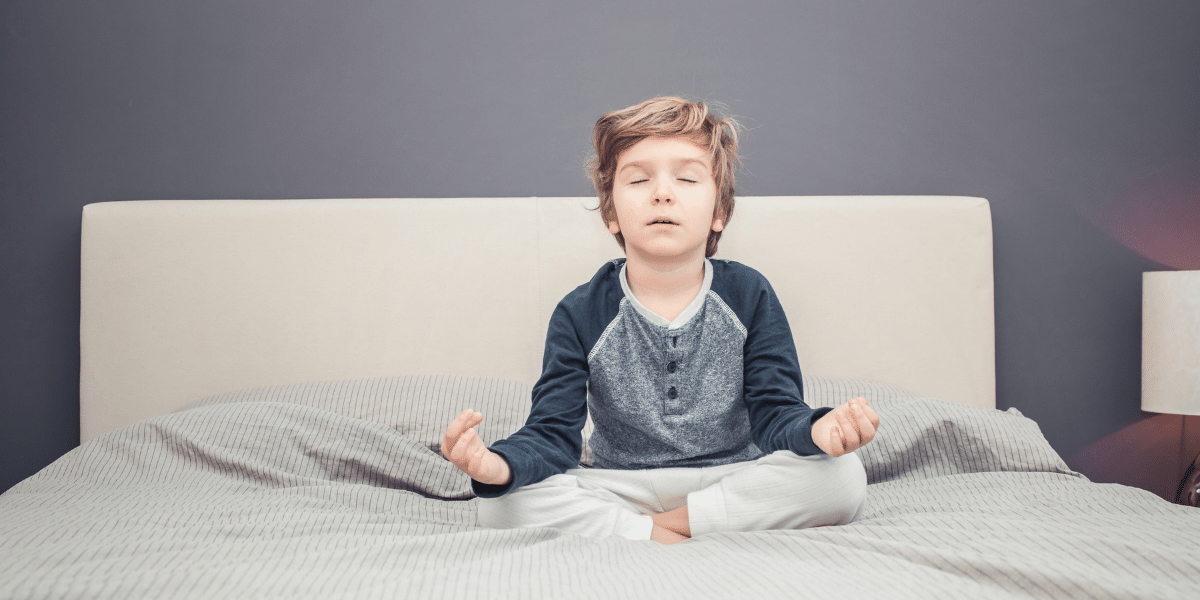
Best Tips To Teach Your Child How To Meditate

June 28, 2019 | Leave a Comment

Studies are showing that when children learn how to meditate, they learn how to handle their emotions better and are capable of self-soothing when situations arise. No matter how old your children are, it’s never too late or too early to teach them a few practices. Teaching them also ensures that you are also taking some time out to do a bit of meditative practice. Here are some of the best tips I can give you on teaching your children this invaluable skill.

[Read more…]

Filed Under: Growing Up, Parenting, Parenting Blog at KidsAintCheap Tagged With: Kids, Parenting

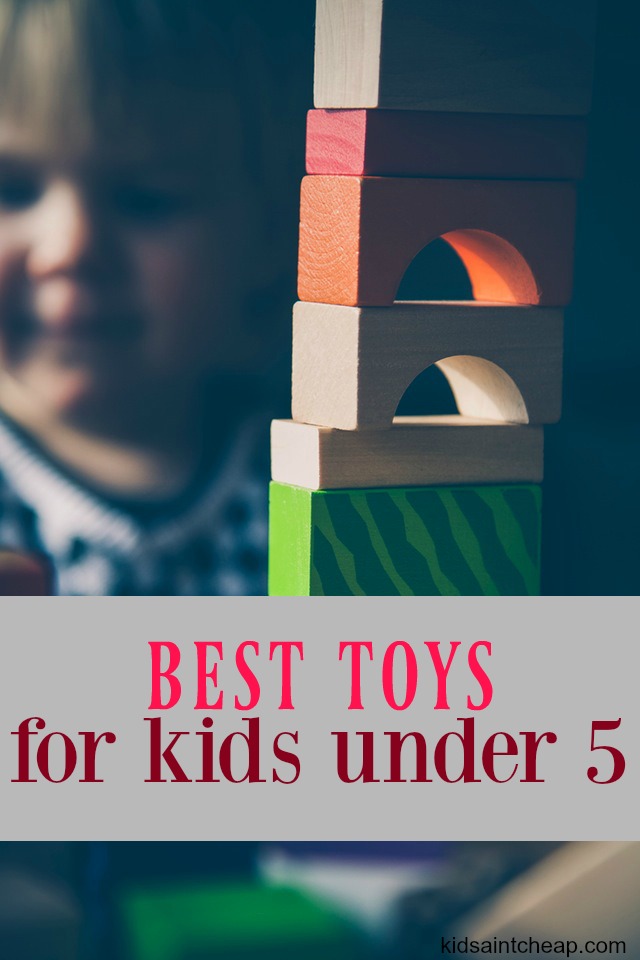
My Favorite Toys for Kids Under 5 Years

August 3, 2016 | Leave a Comment

If you're buying a gift for a little one and want to spend your money on something that will actually be used here are my favorite toys for kids under 5.A friend of mine was recently trying to decide on if a toy purchase for her son was ‘’worth it’’. She didn’t want to start buying a bunch of useless toys for him to have her small house cluttered with kids stuff that was hardly used (a problem I can sympathize with).

My house is overrun with kids stuff. Our daughter is the first grandchild, niece, baby in a long time and people love buying baby stuff despite us asking not to. We have made it quite clear we would rather have a contribution to her education savings than another doll or stuffed animal but people feed off that immediate toddler smile and ‘’thank you’’. However over the years though, a few toys have come into our lives that we love and have had hours of fun playing with. Gifts I am so grateful for, or money I’m so glad we spent.

Books

This is an easy one, but we’re big book lovers and I am all too happy to give another book a home.

Reading is very important to us and though we have a few favorites that rotate every few days, we love having new stories come into our lives. You can never go wrong with giving a child a book.

A few of our favorites from the last four years are the Oliva series; the Fancy Nancy series; Each Peach, Pear, Plum; Sandra Boynton (anything); Look and Find books (hours of fun playing eye-spy); A Very Hungry Caterpillar; The Kissing Hand; Are You My Mother and Sheep in a Jeep. I have hundreds of children’s books in my house and always looking for more! You may be able to find deals on these books using a ebay.ca coupon.

Play Food and Accessories

I think it was for my daughters first birthday that someone gave her a huge gift of pretend food and accessories (pots/pans/bowls/spoons). Over three years later and these are still going strong. Where it started out as a good learning toy- identifying shapes, colors and types of food, she now interacts with them and role-plays which is really fun. A huge hit in our house.

Toy Cash Register

This was a gift from her babysitter when she turned two. Not only does she just love playing with the pretend money it is a huge learning opportunity for us to teach her financial lessons. Sometimes we’ll play grocery store with her pretend food and we’re at the point now of teaching her how many coins she needs to buy the things. Again, over two years later and this still consistently gets played with.

Play House

Two years ago we had an opportunity to buy a small playhouse at a store for 60% off, we decided to go for it and she loves it. I think we paid $100 for it and have gotten a ton of use out of it. It’s plastic and we keep it outside year round. She goes from growing her pretend garden to literally shoveling the snow out of her front ‘’door’’. We play with it year-round and will continue to until she’s too big for it.

Lego/Blocks

My husband was given a collection of wooden blocks when he was a child and he was able to save them to give her our daughter. We have a few different types of blocks (everything from traditional Lego to wood blocks) and she loves them all. This is something I don’t see her growing out of anytime soon.

Crayons/Paper/Coloring books/Stickers

It’s just that simple. We go though a ton of all of the above and she loves them.

Some toys are a complete waste of money. We’re much better at picking our battles in terms of what we spend money on but we are very happy that a few toys have found their way into our lives and offered our daughter so much joy!
What are your favorite toys for small kids?

Catherine
Catherine

Catherine is a first time momma to a rambunctious toddler. When she isn’t soaking up all that motherhood has to offer, you can find her blogging over at Plunged in Debt where she chronicles her and her husbands journey out of debt. You can also follow her on Twitter.
plungedindebt.com

Filed Under: Parenting, Shopping Tagged With: best kids toys, kids toys, Parenting

My Experience With Co-Sleeping

June 15, 2016 | Leave a Comment

Before having a baby we never thought we'd be co-sleeping. But we did. For ten months. Here's how it went.Before having our daughter, I never would have thought that we would co-sleep. We knew we wanted her close, in our room, for the first few weeks but could never have foreseen bed-sharing, for what ended up being almost 10 months.

The first few nights at home, our daughter slept in a bassinet close to the couch I was forced to sleep on since getting in and out of our bed was too challenging post c-section. After a few nights I was able to get into bed and we moved her to the bedroom where I would climb in and out of bed for nighttime nursing sessions.

The issue we were running into was that she was waking up too much when she nursed and would take me almost an hour to get her back to sleep, multiple times per night. After a few weeks of this, in a totally exhausted and desperate state, I brought her in bed with me where we both were able to sleep for the first time in almost a month. She was still waking every two to three hours to feed but because I wasn’t rousing her too much, she’d nurse then we’d both fall right back to sleep. It was glorious and so a new routine was formed.

It took my husband a little while to get comfortable with bed sharing as he was nervous about something happening to her while we slept, but I assured him that even though I was ‘’asleep’’ it was a very different hyper-aware sleep. In almost 10 months, we didn’t have any issues and it worked very well for our family.

Though my husband was initially nervous about it, he ended up really enjoying the experience as well. The three of us developed a nice closeness that we all enjoyed and looked forward to. Obviously if you have a spouse who isn’t in favor of bedsharing, or any form of co-sleeping, it likely won’t work out. Had my husband been dead-set against it I would not have continued but I’m so glad it did work.

People were warning us that with bedsharing we would end up with a college student still in our bed but that wasn’t the case. When we were all ready, and as I was preparing to go back to work, we transitioned her out of our bed and into her own crib. There was a two to three night transition but we haven’t looked back since and she’s four now.

Co-sleeping has many options that work well for various families. We did also try moving her pack-and-play crib beside our bed, but as soon as I would pick her up, position her, and lay her back down, she’d be awake for upwards of an hour. Nothing else seemed to work for us as well as bedsharing. Again, I never thought I’d be the type of parent who would even consider co-sleeping but it just worked for us. Having experienced it once I would likely do it again with future children.

Did you try co-sleeping? How did it work for you?

Catherine
Catherine

Catherine is a first time momma to a rambunctious toddler. When she isn’t soaking up all that motherhood has to offer, you can find her blogging over at Plunged in Debt where she chronicles her and her husbands journey out of debt. You can also follow her on Twitter.

plungedindebt.com

Filed Under: Family Time, Parenting Tagged With: bedsharing, cosleeping, Parenting

Would You Buy a Home For Your Child?

May 4, 2016 | Leave a Comment

While paying for your child's college is noble if you can do so is there ever any reason to buy a home for your child? Let us know what you think!I work for a successful dentist. Part of his success definitely comes from his frugality which I admire. When most think dentist, they think big beautiful home, fancy cars, great work schedule and exotic vacations on a regular basis. While his house is nice, it’s large by necessity not lavishness, he and his wife have four kids and live well within their means. He’s been in practice for 30 years, still works five (long) days per week, by choice, until recently he drove a 16 year old van and when he does take time off it’s usually incorporating a little work with a little play.

He’s extremely modest, except when it comes to his kids.

I totally respect parents who can afford to put their children through school. While I don’t think it is the parent’s duty to do so, if you’re able to afford both putting them through post-secondary while taking care of your own long term financial goals, that’s great. What I can’t wrap my head around is parents who, beyond post-secondary years, continue to financially support their children. For so many reasons I think this is a terrible idea.

Should You Buy a Home for Your Child?

One of the dentist’s children is getting ready to graduate from university this month. He’s finishing with a degree in engineering and already has a job lined up with, what I’ve been told, is a good competitive salary- even better given he has zero debt to manage. He is in a much better position than most all of his peers that’s for sure.

Needless to say I was a little shocked to hear the dentist say he and his wife were considering buying a house for this son to live in, rent free.

Here’s the thing. The kid has already gone through life never having a ‘real’ job, he’s made money doing some sports coaching stuff casually but his only responsibilities were to do well in both school and sports, again given his upbringing that’s fine and I’m not judging, but continuing to baby him beyond university is setting him up for failure. It’s high time he takes care of himself.

If they were genuinely interested in investing in real estate in this city (second highest in our country), because they planned on living there or something, maybe I get it but the kid shouldn’t be allowed to live there rent free that’s for sure.

Thankfully the wife of the dentist spoke some sense in to him and explained where my head at is well, basically that it’s not their responsibility to provide for him anymore and instead are going with him to see a finance person about how he can save for his own place should he choose to stay there (he’s thinking of going back to school).

Though his children are well taken care of, they really do understand how fortunate they are and see how hard their father works to provide for them (probably why of the four kids not one went into dentistry). This story had the potentially to end tragically- like it does for so many families of parents to hold onto their kids way too long, but thankfully they came to their senses and backed out of the idea.

Would you buy your kids a house to live in?

Catherine
Catherine

Catherine is a first time momma to a rambunctious toddler. When she isn’t soaking up all that motherhood has to offer, you can find her blogging over at Plunged in Debt where she chronicles her and her husbands journey out of debt. You can also follow her on Twitter.

plungedindebt.com

Filed Under: Money and Finances, Parenting Tagged With: buy your child a home, Home Buying, Parenting

We’re Trying to Raise Independent Kids

April 20, 2016 | Leave a Comment

In our effort to raise independent kids my husband and I support our daughter in her choices. Although, there are some things we won't budge on.Before getting pregnant for the first time, my husband and I agreed that we would raise our children to make their own choices, to experience things both good and bad and learn from their mistakes. We feel it is the best way to define yourself as an individual, as it can be just as important to find out what you don’t like in life as it is to discover your passions.

Our daughter has already shown an affinity for dance, sports and all things mechanical. She loves her weekly ballet class and spends the days between showcasing her newly-learned moves to anybody she runs into. She loves soccer, and is looking forward to playing again this summer. On her “team” last year, you can tell which children were into it and wanting to participate, and the ones that were, let’s say, indifferent. She is among the former.

Likely due to the conversations with her Daddy, her love for planes, trains and automobiles (any machine or vehicle, really) shines through. To wit, when it comes to screen time, by far her favourite show is Paw Patrol, featuring puppies operating high-tech rescue vehicles.

As long as she continues to show a passion for these things, we’ll continue to support her. Sports and tech are easy things for us to support, and though dance is a new one for my husband and I, we love how much of a positive impact it has had on her already.

Though my husband and I consider ourselves to be fans of music, neither of us play an instrument. That said, if our daughter came to us wanting to learn an instrument, we’d absolutely do everything we could to support her.

There are some things that we won’t budge on in terms of development. First and foremost, reading is a big part of our daughter’s life. Every night before bed, she gets two books read to her, and at various times throughout the day we’ll read to her. We’ll promote reading once she begins school, and will continue to ensure she develops her communication skills. Good communication skills are crucial as both a person and professional.

Another thing we will not be variable on is time spent outdoors. We grew up camping, playing in the woods and spending time under the stars at the family cottage. Our daughter will spend time doing the same. She won’t be a child that spends all of her time inside. Luckily for us, to this point she’s shown a love for the outdoors, and as she gets older we’re excited about the thought of things like canoe trips, orienteering and other such adventures.

We very much want our daughter, and any other future children, to be their own people. It’s important for them to have unique personalities and to be unafraid to embrace and express their passions in life. We’ll be behind them no matter what, and though we’ll be staunch on communication skills and the outdoors, our children will be able to choose their own path hopefully knowing who they are as a person, and knowing their mom and dad love them and are there for them through it all.

How do you nurture independence in your kids?

Catherine
Catherine

Catherine is a first time momma to a rambunctious toddler. When she isn’t soaking up all that motherhood has to offer, you can find her blogging over at Plunged in Debt where she chronicles her and her husbands journey out of debt. You can also follow her on Twitter.

plungedindebt.com

Filed Under: Growing Up Tagged With: Parenting, raising independent kids

One Parenting Skill Every Parent Should Master

March 9, 2016 | Leave a Comment

If you want to raise happy, well-rounded children learn this one parenting skill every parent must master.Parents love to see their kids happy. Especially during the tumultuous times of toddlerhood when their world doesn’t quite make sense, we like to see them as happy as possible. Being a parent is about caring for, and raising, confident, happy and well-rounded kids. To do this sometimes we have hard battles to contend with. One of the hardest parenting skills we have to learn to master is learning to say ‘No’.

Learning to say No isn’t easy but it is one of the best things we can do for our kids. The world we live in is not a world of ‘’yes’’ all the time. In my life I have certainly had more No’s told to me then Yes’s but I’ve also learned so much more from the no’s then the yes’s. It can be hard to watch your kids grasp the understanding of why we say no but they need to learn the importance of it.

I practice my balance of yes and no as often as I can. For instance when my daughter and I make one of our trips to the local dollar store, she will inevitably ask for something, a ‘’treat’’. Sometimes I say yes and sometimes I say no. Almost four years in, and she now understands that for a multitude of reasons she won’t get a treat every time. Sometimes it’s based on behaviour, sometimes it’s because I didn’t bring enough money, and sometimes it’s because I want to practice saying ‘no, we’re not getting a treat today’’ so she understands it’s not an event that will happen all the time.

Why We Must Learn to Say No

When we don’t master this skill, and don’t start early, we set our kids up for failure. Just last week I had two siblings come in to see me at work, aged 10 and 8. They both presented with malformations in their teeth and oral development that were indicative of sever thumb sucking. I asked the girls to which they denied sucking their thumb, I asked a few other questions before mom finally told me both girls were still using pediatric pacifiers every day, all day when not in school. Needless to say I was a little shocked and told both mom and girls that it had to stop immediately since their development was being seriously hindered by the object in their mouth.

I don’t know what I was expecting but I certainly wasn’t expecting mom to outright refuse to do it because ‘’she didn’t want to upset them in anyway and it was just easier to let them have it’’. All this after I explained the serious consequences (like not having any function of 8 permanent teeth and needing serious orthodontic treatment if they didn’t stop ASAP). I looked at her and said ‘’you’re the mother you need to step in and say No’’, a word clearly NOT in her vocabulary.

I hear so many horror stories of parents delaying their retirement or getting into a financial horror story from helping their kids out financially. So many times it seems like such an easy situation to avoid- just say no. I’m not saying we as parents shouldn’t help our kids out but if it put you in a bad situation you’re not actually helping anyone.

Learning to say no is a crucial lesson to teach kids. It helps set boundaries and protects them (and you too sometimes) from dire situations. In my opinion there are too many ‘’yes parents’’ out there, looking to fill some sort of void (maybe they work a lot or feel they put their kid in a tough situation with a move or something) regardless, saying yes too often will only have detrimental effects on both you and your kids.

How do you practice setting boundaries?

Catherine
Catherine

Catherine is a first time momma to a rambunctious toddler. When she isn’t soaking up all that motherhood has to offer, you can find her blogging over at Plunged in Debt where she chronicles her and her husbands journey out of debt. You can also follow her on Twitter.

plungedindebt.com

Filed Under: Parenting Tagged With: Parenting, parenting skills, saying no

Keeping up with the Joneses (Parenting Edition)

February 24, 2016 | Leave a Comment

For the first time I've felt pressure to maintain appearances for my daughter. So I wonder, are you, too, keep up with the Joneses as a parent?At the beginning of the year, my daughter started ballet. Halfway through the semester they have a public showcase which is a time where the families can see what is being accomplished in class and, as well a time for the students to get used to being outside of their studio and on a larger stage with an audience. By the time their annual recital comes around they’re a little more comfortable on a stage and know what to expect.

The showcase is not the full practiced recital with costumes and all. We were excited to see her dance though (parents aren’t allowed in the studio during weekly dance class to encourage independence/the studios aren’t very big) and she was excited to show off her moves. I was a little surprised to find out, that during this less formal performance, that parents would be bringing flowers to their kids. I didn’t know what to do.

For a formal dance recital performance, I understand that parents might bring a flower or small bouquet for a job well done and to congratulate their kids, but for a mid-semester quick showcase I wasn’t so sure. This was my first time so I was very much ‘’going with the flow’’. In the end, I decided that flowers for this day would be a bit much and were unnecessary, that was until I got a text from my sister-in-law.

Her friend has a daughter I the same dance company as ours. He called her to warn her that when they went to their first showcase they were literally the only parents without flowers for their daughter and it was nothing but tears for a few hours following. I didn’t want that to be us. I didn’t want to walk into the dressing room afterwards empty handed and have to explain in a roomful of pre-schoolers and parents that mommy and daddy didn’t bother getting flowers because they were a waste of money for such an event. We didn’t have time so our family made an emergency flower stop and picked up a small bouquet (50% off!).

This was the first time since having my daughter that I really felt like I was doing something to appease other people. Parents mostly. Don’t get me wrong, she was pretty excited to get a few flowers of her own, but I still feel like it was a bit unnecessary for the event in question. Had we not got the call from my sister-in-law, I would have stuck to my instinct and my kid would have been the only one (without flowers) and possibly spent the drive home crying, so in the end I’m glad we avoided that.

I’ve always very much gone to the beat of my own drum, and not cared what other people think about me, my family or any choices we make but I notice more and more that my thought process around my daughter to be more concerning with what other people will think. I think it’s partly because she’s not quite at an age to fully understand things. Sure we could have skipped the flowers and I could have attempted to explain that we only get them for recitals but she wouldn’t have really understood why she didn’t get any while everyone else did.

As she gets older and more understanding I think it will be easier to explain why we may do (or do not) certain things but for now I choose my battles.

Have you ever felt pressure to do something for your kids?

Catherine
Catherine

Catherine is a first time momma to a rambunctious toddler. When she isn’t soaking up all that motherhood has to offer, you can find her blogging over at Plunged in Debt where she chronicles her and her husbands journey out of debt. You can also follow her on Twitter.

plungedindebt.com

Filed Under: Parenting Tagged With: comparison, money, Parenting

« Previous Page
Next Page »
  • Facebook
  • Pinterest
  • RSS
  • Twitter

Basic Principles Of Good Parenting

Here some basic principles for good parenting:

  1. What You Do Matters: Your kids are watching you. So, be purposeful about what you want to accomplish.
  2. You Can’t be Too Loving: Don’t replace love with material possessions, lowered expectations or leniency.
  3. Be Involved Your Kids Life: Arrange your priorities to focus on what your kid’s needs. Be there mentally and physically.
  4. Adapt Your Parenting: Children grow quickly, so keep pace with your child’s development.
  5. Establish and Set Rules: The rules you set for children will establish the rules they set for themselves later.  Avoid harsh discipline and be consistent.
  6. Explain Your Decisions: What is obvious to you may not be evident to your child. They don’t have the experience you do.
  7. Be Respectful To Your Child: How you treat your child is how they will treat others.  Be polite, respectful and make an effort to pay attention.
Best Parenting Blogs

Most Popular

Baby Girl

12 “Grandma” Baby Names That Are Suddenly Cool Again

Evan Morgan
Baby

9 Baby Names That Sound Rare Without Being Hard to Spell

Evan Morgan
Target Store

Choking Incident Prompts Recall of 49,000 Target Gigglescape “Under the Sea” Popping Toys

Evan Morgan
Frustrated Girl

Why Some Students on the Spectrum Are Labeled With ODD

Evan Morgan
Coke Bottles

12 Things Kids Took to School in the ’70s That Would Never Be Allowed Today

Evan Morgan

All content on Kids Ain’t Cheap is for entertainment purposes only. By reading this blog, you agree that Kids Ain’t Cheap is not responsible for any actions taken after reading this blog. For the full disclaimer, see our privacy policy.

Please note that Kids Ain’t Cheap has financial relationships with some of the merchants mentioned here. Kids Ain’t Cheap is funded by banner advertising, commission sales and search optimization consulting.

Copyright © 2006–2026 | District Media | All Rights Reserved | Privacy Policy

Copyright © 2026 Runway Pro Theme by Viva la Violette