• Home
  • About Us
  • Toolkit
  • Archives
  • Advertise
  • Privacy Policy

Kids Ain't Cheap

But They Sure Are Worth It

  • Parenting
    • Baby Stuff
    • Books and Reading
      • Aesops Fables
      • Comic Books
    • Education
    • Family Time
    • Green Living
    • Growing Up
    • Healthy Living & Eating
    • Holidays
    • Parenting
    • Random Musings
    • Shopping
    • Stuff to Do
  • Money
  • Product Reviews
    • Books and Magazines
    • Discount Sites
    • Furniture
    • House Keeping
    • Reviews News
    • Toys and Games
  • Contact Us
  • Our Editorial Commitment
  • Search

Back-to-School Costs Are Climbing Again: Which Expenses Do Parents Forget Until August?

July 26, 2026 | Leave a Comment

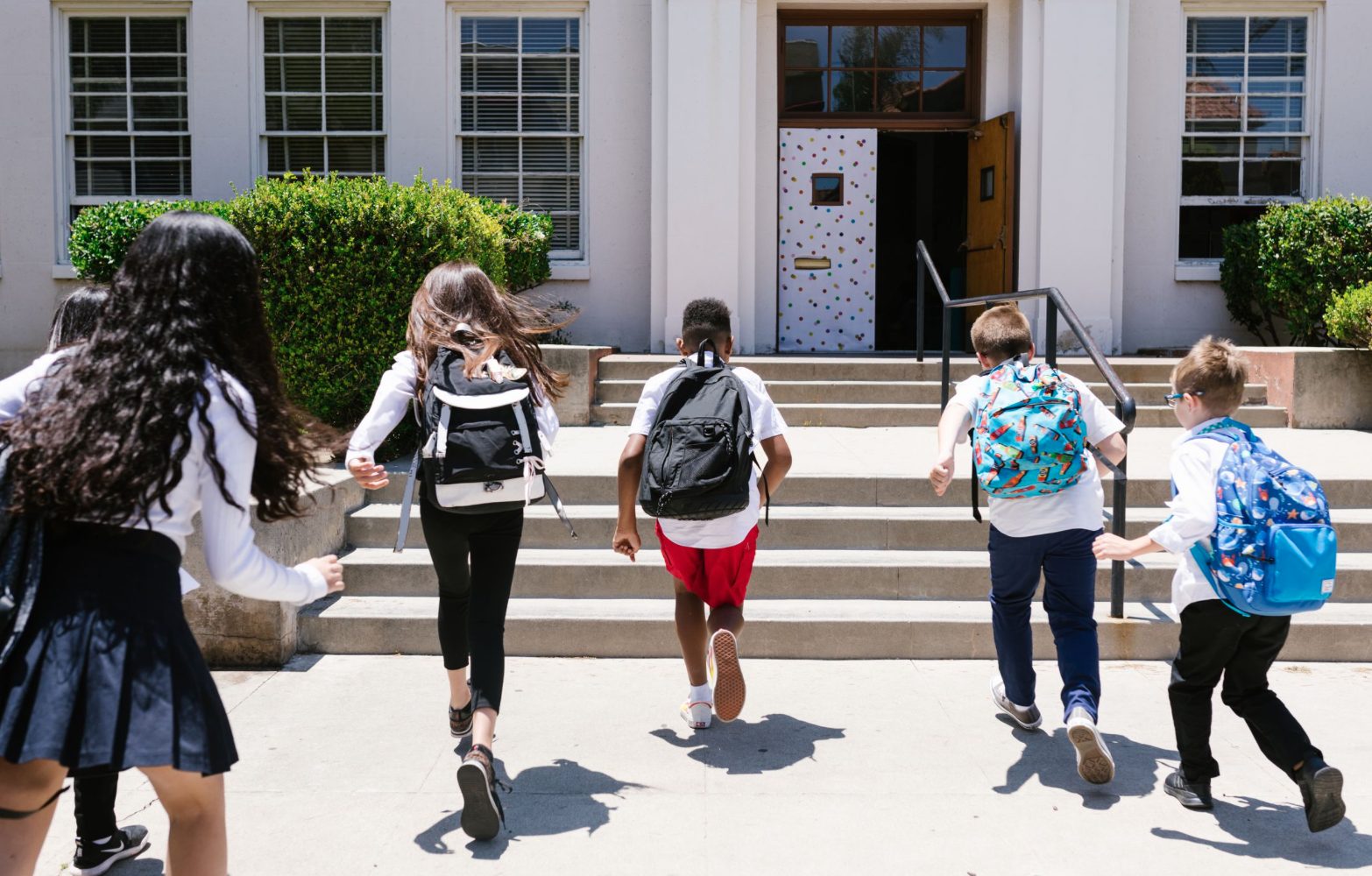
Group Of Students
Hidden back-to-school costs often include technology accessories, activity fees, classroom supplies, and everyday expenses that appear after classes begin. Planning ahead for these overlooked purchases can help families stay on budget. (Pexels).

As summer winds down, many families think the biggest back-to-school purchases are already behind them. Then August arrives, and a wave of overlooked expenses begins piling onto the budget. While backpacks, notebooks, and lunchboxes usually make the shopping list, several hidden costs often catch parents off guard. According to the National Retail Federation, families with K-12 students are expected to spend an average of nearly $864 this back-to-school season, with electronics, clothing, shoes, and supplies driving much of the increase.

Classroom Requests Keep Growing After School Starts

Many parents assume the school supply list is final, but teachers frequently request additional materials once classes begin. Items like tissues, hand sanitizer, printer paper, art supplies, headphones, or specialty notebooks often appear during the first few weeks of school. In classrooms with limited budgets, teachers sometimes ask families to replenish shared supplies throughout the year. A parent who budgeted $150 for supplies may easily spend another $50 to $100 before September ends. Planning for these follow-up requests can prevent an unpleasant surprise.

Technology Costs Go Beyond Buying a Laptop

Technology has become one of the largest back-to-school costs for many families. Even if a child already owns a laptop or tablet, parents may still need to purchase headphones, chargers, software subscriptions, calculators, printer ink, or protective cases. Some schools also recommend backup batteries or cloud storage for assignments. The National Retail Federation reports that electronics remain the largest spending category for many families, reflecting how essential digital learning has become. Budgeting for accessories is just as important as budgeting for the device itself.

Activity Fees Add Up Faster Than Expected

School registration often doesn’t include every expense students will face during the year. Sports participation fees, band uniforms, field trips, club memberships, yearbooks, parking permits, and fundraising commitments frequently arrive weeks after classes begin. Families with multiple children can quickly find themselves paying several hundred dollars beyond their original budget. Even public schools often charge optional fees that become difficult to avoid once children become involved. Setting aside a separate activities fund before August can make these costs much easier to handle.

Clothing Isn’t Finished After the First Shopping Trip

Many parents buy new clothes before school starts, only to discover their child still needs additional items later. Dress code requirements, seasonal weather changes, growth spurts, and worn-out shoes can all lead to unexpected purchases. Teenagers may also need specific clothing for athletics, science labs, or school performances. Retail experts note that many families intentionally buy only essential items at first and return later for additional purchases as needs become clearer. Leaving room in the clothing budget helps reduce financial stress.

Lunches, Transportation, and Everyday Extras Stretch the Budget

Some of the biggest forgotten back-to-school costs aren’t purchased in stores at all. School lunches, after-school snacks, increased grocery bills, fuel for daily drop-offs, parking fees, and childcare during early dismissal days quietly add up over time. Families also spend more replacing reusable water bottles, lunch containers, and other everyday items that wear out during the school year. Recent surveys show many parents continue making back-to-school purchases well after classes begin, with more than half spending at least another $250 after the first day of school. Tracking these ongoing expenses helps families avoid overspending.

The Smartest Way to Prepare for Hidden Back-to-School Costs

The easiest way to reduce financial stress is to expect these hidden back-to-school costs before they happen. Instead of spending every dollar before school begins, consider reserving 15% to 20% of your budget for August and September surprises. Shopping during major summer sales, comparing prices online, reusing supplies when possible, and involving children in budgeting decisions can also help stretch every dollar. Financial experts recommend focusing first on necessities rather than trends or brand-name items that often increase spending without adding real value. A little flexibility in your budget today can prevent relying on credit cards later in the school year.

Budgeting Today Can Save Stress Tomorrow

Hidden back-to-school costs often create more financial pressure than the supplies parents plan for months in advance. Building a realistic budget that includes classroom requests, technology, activities, clothing, and daily expenses can help families stay ahead. Every household will face different priorities, but planning for the unexpected makes the school year less stressful.

Which hidden school expense has surprised your family the most? Share your experience and budgeting tips in the comments to help other parents prepare.

What to Read Next

10 Places Parents Can Find Free School Supplies Before Classes Begin

Teachers Beg Parents: Stop Buying These 7 Expensive School Supplies

Here’s Why School Supplies Continue to Cost More and More Every Year

Evan Morgan

Evan Morgan has been a full-time freelance writer and editor for 10+ years. When not working, he enjoys catching the latest true crime documentary or getting lost in a good book.

Filed Under: Finance Tagged With: back-to-school costs, education, Family Budget, Money Saving Tips, Parenting, personal finance, school shopping, school supplies

10 Places Parents Can Find Free School Supplies Before Classes Begin

July 24, 2026 | Leave a Comment

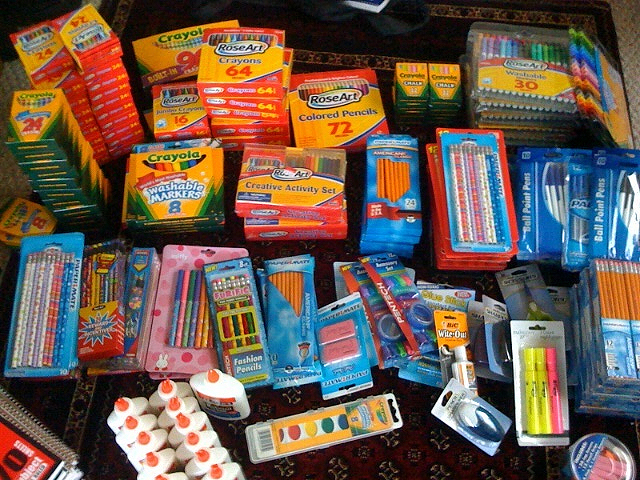
School Supplies
Families can find free school supplies through school districts, United Way events, churches, community centers, retailers, and military family programs before the new school year begins. (Pexels).

As the back-to-school season approaches, many families are looking for ways to stretch their budgets without sacrificing what their children need for success. The average family can spend well over $100 per child on essential classroom supplies, making free school supplies an important resource for households of every income level. Fortunately, communities across the United States offer a wide range of programs that provide backpacks, notebooks, pencils, calculators, and other essentials before the first day of school. Knowing where to look early can make all the difference, since many giveaways require registration or distribute supplies on a first-come, first-served basis.

1. Local School Districts

Many public school districts organize annual back-to-school events that provide free school supplies to students who qualify. These programs are often funded through partnerships with local businesses, education foundations, and nonprofit organizations. Some districts distribute supplies directly through schools, while others host community-wide events before classes begin. Check your district’s website or social media pages during the summer for registration deadlines and eligibility requirements. Calling your child’s school office is also an easy way to learn about available assistance.

2. United Way Affiliates

United Way chapters across the country coordinate large school supply drives that help thousands of students every year. Programs such as Operation SOS and Ready Set School partner with school districts and community organizations to distribute backpacks filled with classroom essentials. Many events also include free health screenings, haircuts, or family resource fairs. Supplies are often prioritized for families with financial need, so registering early is recommended. These community partnerships continue expanding each year to meet growing demand.

3. Community Centers

Community recreation centers and neighborhood organizations frequently host back-to-school festivals that include free school supplies. These events often feature games, food, health services, and educational resources alongside backpack giveaways. Parents appreciate having multiple services available in one location instead of visiting several organizations. Since supplies are usually limited, arriving early increases your chances of receiving everything on your child’s school list. Many community centers also offer after-school programs that families can learn about during these events.

4. Churches and Faith-Based Organizations

Many churches sponsor annual backpack drives regardless of a family’s religious affiliation. Local congregations often collect donated school supplies throughout the summer before distributing them to students in need. Some events include free meals, children’s activities, and additional family support services. Requirements vary by location, with some asking only for proof of residency or student enrollment. Calling nearby churches a few weeks before school starts can uncover valuable local opportunities.

5. Military Family Programs

Military families have access to specialized assistance through organizations such as Operation Homefront’s Back-to-School Brigade. The nationwide program provides backpacks filled with school supplies for eligible military children and has distributed more than 630,000 backpacks since it began. Registration is generally required, and events fill quickly in many communities. The program helps ease financial pressure during PCS moves and other military transitions. Eligible families should monitor local event announcements throughout the summer.

6. Local Businesses

Banks, credit unions, medical offices, radio stations, and small businesses frequently sponsor free school supplies giveaways as part of their community outreach efforts. These events are commonly advertised through local newspapers, Facebook pages, and community calendars. Some businesses partner with nonprofits to serve hundreds of families during a single weekend event. Even independently owned stores often collect donations from customers throughout July. Watching local announcements can help parents discover opportunities they might otherwise miss.

7. Retailer-Sponsored Events

Major retailers regularly partner with charitable organizations to collect and distribute free school supplies before the school year begins. Walmart and The Salvation Army’s Stuff the Bus campaign is one of the best-known examples, with donations benefiting local children in communities nationwide. Some stores also sponsor backpack giveaways or donate supplies directly to nearby schools. Because these events vary by location, checking participating retailers in your area is worthwhile. These partnerships continue helping families manage rising back-to-school costs.

8. Local Nonprofit Organizations

Many nonprofit organizations focus specifically on helping children succeed in school by providing free school supplies. Groups like Communities In Schools, Boys & Girls Clubs, YMCA branches, and local family resource organizations often host annual distribution events. Some organizations also provide clothing, hygiene products, and tutoring resources alongside school supplies. Parents should contact nonprofits several weeks before school starts because some require advance registration. These organizations frequently collaborate to serve more families together than they could individually.

9. Food Banks and Family Assistance Programs

Food banks increasingly recognize that educational supplies are another basic household necessity during late summer. Many organize seasonal backpack giveaways alongside grocery distributions, making it easier for families facing financial hardship to receive multiple forms of assistance. Parents can often learn about additional housing, utility, or childcare resources during these visits. Supplies may include everything from crayons and folders to calculators and binders. Asking your local food pantry about back-to-school events can reveal resources you may not have considered.

10. Public Libraries

Libraries have become valuable community resource hubs that extend far beyond books. Many host free school supplies events, literacy fairs, and educational programs before the academic year begins. Children often receive backpacks, notebooks, reading materials, and information about homework assistance while attending family-friendly activities. Library staff can also direct parents to other organizations offering free school supplies nearby. Visiting your local library before classes begin is a smart way to prepare for a successful school year.

Helping Every Child Start Strong

Finding free school supplies may take a little planning, but the savings can significantly reduce back-to-school stress for families. Checking school districts, United Way affiliates, community centers, churches, military programs, local businesses, retailer-sponsored events, nonprofits, food banks, and libraries gives parents multiple opportunities to receive assistance. Register early whenever possible because many programs have limited supplies or attendance caps. A few phone calls or online searches today could save your family both money and worry before classes begin.

Where have you found free school supplies in your community, and what advice would you share with other parents? Leave a comment below and join the conversation.

What to Read Next

Teachers Beg Parents: Stop Buying These 7 Expensive School Supplies

Here’s Why School Supplies Continue to Cost More and More Every Year

Affordable DIY Kids Crafts Supplies You Can Buy Today for Endless Fun

Evan Morgan

Evan Morgan has been a full-time freelance writer and editor for 10+ years. When not working, he enjoys catching the latest true crime documentary or getting lost in a good book.

Filed Under: Parenting Tagged With: Back to School, backpacks, churches, community centers, education, family savings, free school supplies, military families, Parents, school districts, school supplies, United Way

9 Back-to-School Expenses Parents May Be Able to Get Covered

July 22, 2026 | Leave a Comment

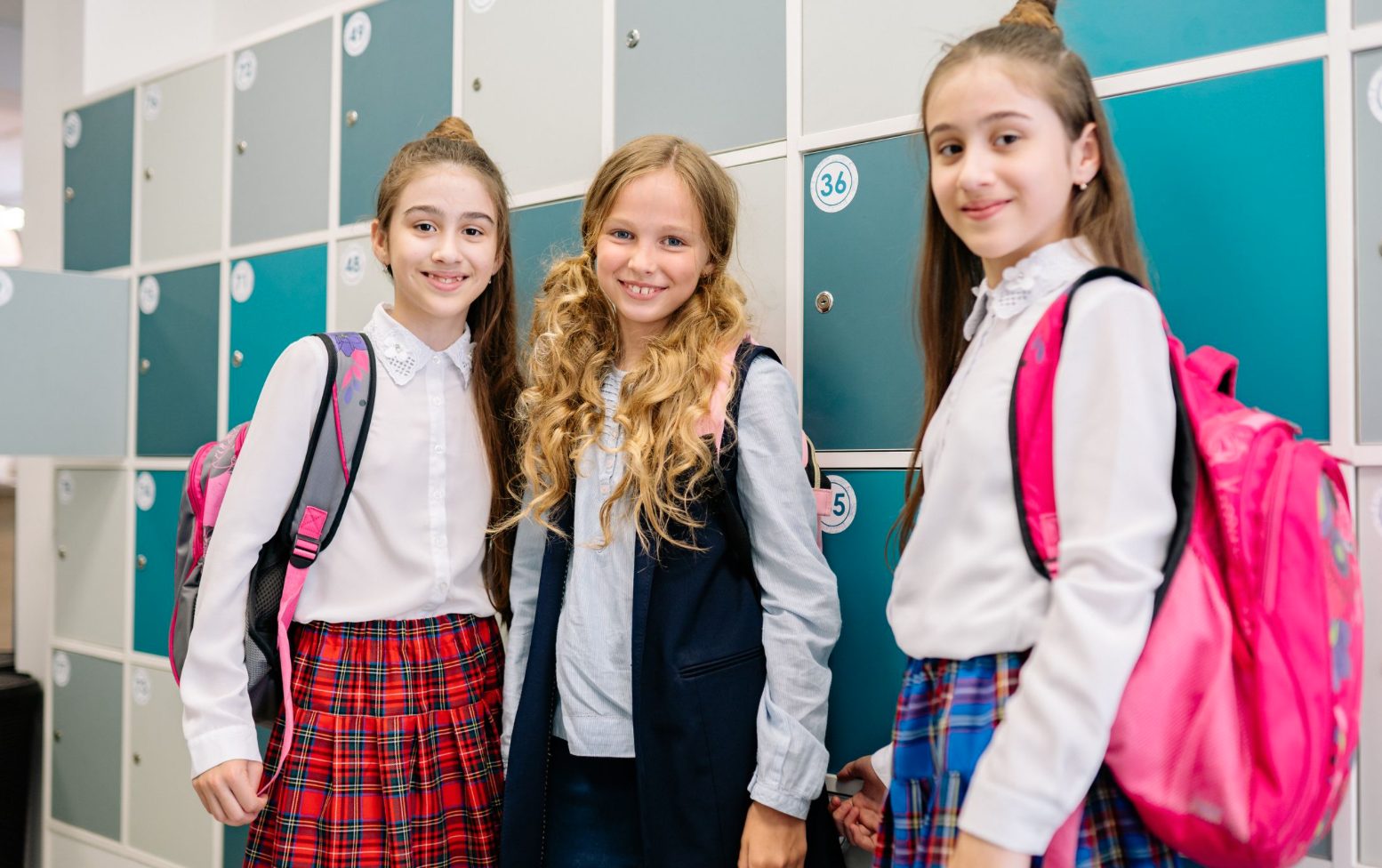
Girls In School
Discover nine back-to-school expenses parents may be able to get covered through community programs, school benefits, employer perks, and financial assistance that could save hundreds this school year. (Pexels).

Back-to-school shopping can put a serious dent in a family’s budget, especially when supply lists seem to grow every year. According to the National Retail Federation, families collectively spend billions of dollars annually on back-to-school purchases, making it one of the biggest seasonal expenses outside the holidays. The good news is that many parents overlook programs, employer benefits, and community resources that can help cover some of these costs. Knowing where to look could save hundreds—or even thousands—of dollars before the first school bell rings.

1. School Supplies Through Community Programs

Many nonprofit organizations, local businesses, and charities host annual backpack and school supply giveaways before classes begin. These events often provide backpacks, notebooks, pencils, calculators, and other classroom essentials at no cost. Families usually only need to register or meet basic income guidelines to qualify. Checking with local churches, community centers, or United Way chapters several weeks before school starts can uncover valuable opportunities. Even families who don’t typically seek assistance may qualify for temporary seasonal programs.

2. Backpacks and Clothing Assistance

Several retailers partner with charitable organizations to provide free or discounted school clothing and backpacks. Organizations like the Salvation Army, Boys & Girls Clubs, and local school districts frequently distribute vouchers or host shopping events for eligible families. Some school districts also maintain clothing closets stocked with donated uniforms and everyday apparel. Parents should contact their child’s school counselor if financial hardship makes purchasing clothing difficult. These resources are designed to ensure every student starts the school year with confidence.

3. Technology and Internet Access

Many schools now issue laptops or tablets to students for classroom and homework use, eliminating one major expense for parents. Families without reliable internet may qualify for discounted broadband plans through participating providers or local nonprofit initiatives. Some public libraries even lend Wi-Fi hotspots to families needing temporary access. Before purchasing expensive electronics, ask the school what devices are already provided. Taking advantage of available technology programs can prevent unnecessary spending.

4. Free School Meals

Breakfast and lunch costs can add up quickly throughout the school year, but many students qualify for free or reduced-price meal programs. Some states have expanded universal free meal programs, while other districts continue to offer income-based assistance. Completing the school’s meal application remains worthwhile even if eligibility seems uncertain because household circumstances vary. School nutrition departments can explain available options before classes begin. This benefit can save families hundreds of dollars over the course of a school year.

5. Sports and Activity Fee Assistance

Participation in sports, band, theater, and academic clubs often comes with registration fees, equipment costs, or travel expenses. Many schools maintain scholarship funds specifically to help students participate regardless of financial circumstances. Community organizations and youth sports foundations also provide grants for uniforms and equipment. Parents shouldn’t assume their child must skip activities because of cost. Speaking with coaches or activity directors early often reveals financial assistance that isn’t widely advertised.

6. Health and Vision Services

Many schools partner with local healthcare providers to offer free vision screenings, hearing tests, dental clinics, and required vaccinations. Some nonprofit organizations also provide free eye exams and prescription glasses for children who qualify. Addressing these needs before school begins can eliminate unexpected medical expenses later in the year. Parents should review school communications carefully because these services often have limited enrollment periods. Preventive care also helps students stay focused and ready to learn.

7. College Savings and Education Benefits

Parents with employer-sponsored education benefits or education savings accounts may be able to offset certain school-related costs. Recent changes have expanded qualified uses for some 529 education savings plans, allowing eligible families greater flexibility for certain K-12 education expenses depending on state rules. Some employers also offer educational assistance benefits that extend beyond higher education, making it worthwhile to review workplace benefits annually. Understanding available education funding options before spending out of pocket can lead to meaningful savings. Families should verify eligible expenses before making withdrawals to avoid tax consequences.

8. Flexible Spending Accounts for Eligible Expenses

If your employer offers a Flexible Spending Account (FSA), certain school-related health expenses may qualify for reimbursement. Prescription medications, medical supplies, vision care, and some required medical equipment can often be paid with pre-tax dollars. While school supplies themselves aren’t eligible, using an FSA for qualifying healthcare expenses frees up household money for other back-to-school purchases. Reviewing eligible expenses before the school year starts helps maximize available tax savings. Even modest reimbursements can ease overall back-to-school costs.

9. Scholarships for Private School or Specialized Programs

Parents often associate scholarships with college, but many private schools, educational foundations, and scholarship organizations also assist K-12 students. Financial aid may cover tuition, transportation, books, or specialized educational programs depending on eligibility. Some states have also introduced education savings initiatives that help qualifying families pay for approved educational expenses. Application deadlines often arrive months before the school year begins, making early planning essential. Researching opportunities each year can uncover funding that many families never realize exists.

Smart Planning Can Make Back-to-School More Affordable

Back-to-school costs don’t have to overwhelm your household budget when you know where financial assistance may be available. From free school supplies and meal programs to employer benefits and education funding, many families qualify for help they never consider exploring. Spending just a little time researching local resources before shopping can result in significant savings throughout the school year. Every dollar saved can be redirected toward your family’s other financial priorities.

Which back-to-school expense surprised you the most, and have you found any local programs that helped your family save money? Share your experience in the comments to help other parents discover valuable resources.

What to Read Next

Teachers Beg Parents: Stop Buying These 7 Expensive School Supplies

Here’s Why School Supplies Continue to Cost More and More Every Year

5 Ways To Find The Most Budget Friendly School Supplies on Amazon

Evan Morgan

Evan Morgan has been a full-time freelance writer and editor for 10+ years. When not working, he enjoys catching the latest true crime documentary or getting lost in a good book.
Filed Under: Parenting Tagged With: back-to-school expenses, education savings, Family Budget, financial assistance, Parenting, personal finance, school meals, school supplies

What Teachers Wish Parents Would Stop Buying for the Classroom

July 20, 2026 | Leave a Comment

School Supplies
Practical classroom supplies like pencils, tissues, dry-erase markers, and glue sticks often help teachers far more than novelty items or decorative extras. Thoughtful donations based on teacher requests can make every classroom budget go further. (Pexels).

Parents who generously donate classroom supplies deserve appreciation, but good intentions do not always translate into helpful purchases. Teachers often receive well-meaning items that are difficult to use, create distractions, or fail to meet the actual needs of students. According to a 2025 AdoptAClassroom survey, teachers spend an average of $895 out of pocket each school year because classroom budgets often fall short, making thoughtful donations more important than ever. When parents understand what teachers truly need, every dollar stretches further and benefits the entire classroom.

Heavily Scented Products Can Create Health Problems

Strongly scented hand sanitizers, tissues, candles, and air fresheners may seem like thoughtful additions, but many teachers would rather avoid them altogether. Students and staff can have asthma, allergies, migraines, or sensory sensitivities that are triggered by artificial fragrances. A classroom should be comfortable for every child, and overpowering scents can quickly become a distraction instead of a benefit. Fragrance-free tissues, unscented hand sanitizer, and gentle cleaning supplies are usually the safer choice. When parents are unsure, checking the classroom wish list first is the easiest way to avoid purchasing something that cannot be used.

Novelty School Supplies Often Cause More Distractions Than Learning

Character-themed pencils, oversized erasers, glitter notebooks, and flashy gadgets may excite children in the store, but teachers often find they interrupt instruction. Students naturally compare items, trade them, or spend valuable class time showing them off instead of focusing on lessons. Decorative classroom supplies also tend to wear out more quickly than standard materials. Simple, durable notebooks, folders, pencils, and crayons are usually the items teachers reach for every day. Practical classroom supplies help lessons run smoothly while keeping attention where it belongs—on learning.

Cheap Bulk Supplies That Break Easily

Buying the least expensive option is understandable, especially during back-to-school shopping, but poor-quality classroom supplies often create extra work. Markers that dry out within days, glue sticks that barely stick, or pencils that constantly snap end up being replaced almost immediately. Teachers frequently find that dependable brands save money because they last much longer throughout the school year. Considering that many educators still purchase classroom basics with their own money, durable supplies provide far more value over time. Spending slightly more on quality often reduces waste and frustration for everyone involved.

Classroom Decorations Teachers Did Not Request

Many parents enjoy donating motivational posters, seasonal decorations, or decorative bins, believing they will brighten the classroom. While the gesture is thoughtful, teachers usually spend considerable time designing learning spaces that match their instructional goals, grade level, and available wall space. Extra decorations may not fit the classroom theme or could conflict with school fire-safety rules if too much material is displayed. Some educators also intentionally minimize visual clutter to support students with attention challenges or sensory needs. Before purchasing decorations, parents should ask whether the teacher actually has room or a need for them.

Individual Supplies When the Classroom Uses Shared Materials

Some parents carefully select personalized folders, crayons, or pencils expecting only their child to use them, only to discover that many classrooms combine supplies into shared community bins. This practice helps ensure every student has access to the same materials throughout the year, even when some families cannot afford every item on the supply list. Communal classroom supplies can also reduce disruptions when students run out of basics during class. Rather than purchasing expensive personalized versions, parents can often make a bigger impact by choosing quality standard supplies that everyone can use. Asking the teacher about the classroom’s supply policy before shopping can prevent confusion and disappointment.

Small Changes Can Make a Big Difference

Supporting a classroom is not about spending more money; it is about spending wisely. Teachers consistently say that practical classroom supplies such as pencils, dry-erase markers, copy paper, tissues, disinfecting wipes, and quality glue sticks disappear quickly because they are used every day. Organizations that study classroom funding continue to report that educators regularly fill budget gaps with their own money, making carefully chosen donations especially meaningful. Parents who follow teacher wish lists instead of guessing often provide the greatest value for both students and educators.

The Real Gift Teachers Appreciate Most

Every parent wants to help children succeed, and most classroom purchases come from a place of kindness. The biggest takeaway is that teachers usually prefer practical, requested classroom supplies over trendy or decorative items that may never be used. Listening to classroom needs instead of shopping based on appearance helps reduce waste, saves teachers money, and creates a better learning environment for every student. Small, thoughtful choices can have a lasting impact throughout the school year.

What classroom item surprised you most on this list, and what do you think parents should add—or stop adding—to school supply carts? Share your thoughts in the comments and join the conversation.

What to Read Next

Here’s Why School Supplies Continue to Cost More and More Every Year

Teachers Beg Parents: Stop Buying These 7 Expensive School Supplies

5 Ways To Find The Most Budget Friendly School Supplies on Amazon

Evan Morgan

Evan Morgan has been a full-time freelance writer and editor for 10+ years. When not working, he enjoys catching the latest true crime documentary or getting lost in a good book.

Filed Under: Education Tagged With: Back to School, classroom supplies, education, Parenting, Parents, school supplies, teacher tips, teachers

The One Back-to-School Expense Families Forget Every Year

July 19, 2026 | Leave a Comment

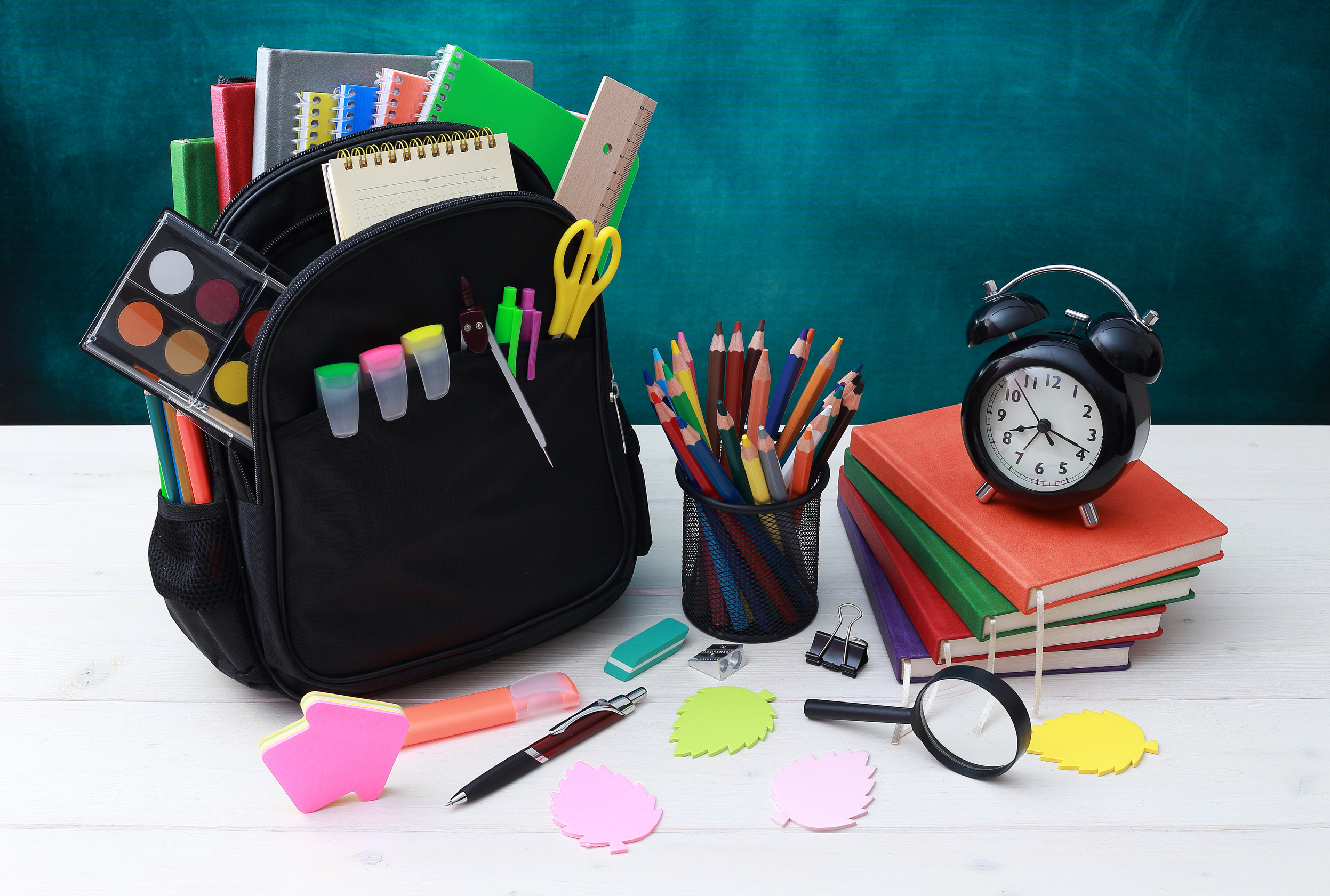
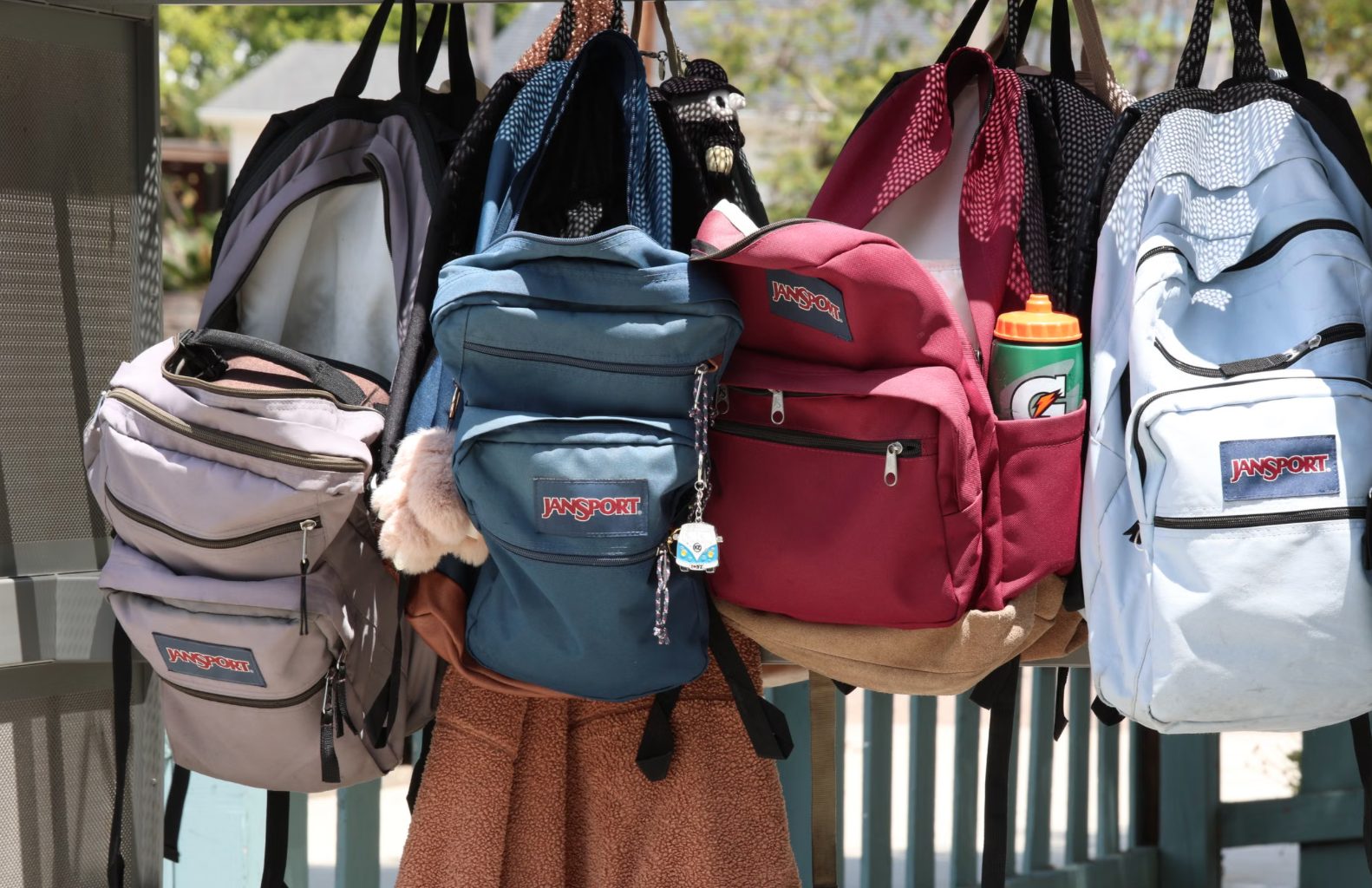
Backpacks
Parents often budget for backpacks and supplies but overlook the smaller school costs that appear throughout the year. Planning ahead for hidden school expenses can help reduce financial stress. (Pexels).

Back-to-school shopping usually starts with notebooks, backpacks, and new shoes, but one important cost often catches families by surprise after the first day of class. Hidden school expenses can quietly add hundreds of dollars to a family’s budget over the course of the school year. While many parents carefully plan for supply lists, they often overlook the steady stream of smaller costs that arrive weeks or months later. Recognizing these expenses early can help families avoid financial stress and keep their budgets on track.

The Hidden School Costs That Add Up Fast

The biggest forgotten expense isn’t a single purchase but the ongoing costs that appear throughout the school year. Field trips, classroom activity fees, school photos, book fairs, spirit wear, fundraisers, replacement supplies, and club dues can easily add up before parents realize how much they’ve spent. A child who loses a water bottle, breaks headphones, or needs new folders halfway through the year creates additional surprise expenses. According to the National Retail Federation, families already expect to spend hundreds of dollars before school even begins, making unexpected costs even harder to absorb. Planning for these hidden school expenses from the beginning helps prevent financial surprises later.

Why These Expenses Catch Families Off Guard

Most school shopping happens during a few busy weeks, giving parents the impression that the largest costs are behind them. However, schools often send permission slips, fundraiser announcements, and activity requests throughout the year instead of all at once. A family might pay $20 for a field trip one week, $35 for school pictures the next, and another $25 for a classroom celebration shortly afterward. None of these expenses seems overwhelming on its own, but together they can significantly stretch a monthly budget. This pattern explains why many families feel financially squeezed even after finishing their back-to-school shopping.

Simple Ways to Prepare Before the School Year Starts

Creating a small “school extras” fund is one of the easiest ways to stay ahead of unexpected costs. Even setting aside $15 to $25 each month throughout the year can build a helpful cushion before classes begin. Keeping extra pencils, glue sticks, folders, and notebooks at home also reduces last-minute trips to the store when supplies run out. Shopping during seasonal sales and purchasing generic brands whenever schools allow can stretch every dollar further. Many parents also reuse gently used backpacks, lunch boxes, and binders if they remain in good condition, saving money without sacrificing quality.

Don’t Forget Technology and Replacement Costs

Technology has become another overlooked category of hidden school expenses. Many students now need headphones, calculators, charging cables, computer mice, or device cases, and these items occasionally need replacing during the school year. Younger children are especially likely to misplace accessories or accidentally damage them through everyday use. Purchasing inexpensive protective cases and labeling personal items can reduce replacement costs while helping children keep track of their belongings. Spending a little on prevention often saves much more than repeatedly replacing lost or broken equipment.

Looking Beyond the Supply List

Back-to-school shopping doesn’t truly end when the first bell rings because hidden school expenses continue appearing throughout the year. Families who plan ahead for these smaller costs often experience less financial stress and avoid relying on credit cards for unexpected purchases. A realistic annual school budget should include not only supplies and clothing but also room for activities, replacement items, and special events. Preparing for the expenses you cannot always predict is one of the smartest financial moves parents can make.

Which hidden school expense surprised your family the most, and what tips would you share with other parents? Leave a comment and join the conversation.

What to Read Next

Why “Back to School” Shopping Feels Like a Mortgage Payment Now

5 Ideas For Back To School Photos

6 School Policy Changes Parents Should Watch This Year

Evan Morgan

Evan Morgan has been a full-time freelance writer and editor for 10+ years. When not working, he enjoys catching the latest true crime documentary or getting lost in a good book.

Filed Under: Parenting Tagged With: Back to School, education, Family Budget, hidden school expenses, Money Saving Tips, Parenting, personal finance, school supplies

The School Supply Requests That Don’t Stop After Back-to-School Season

March 21, 2026 | Leave a Comment

School supplies
Image source: shutterstock.com

Walking through the aisles in August feels like a rite of passage for every parent. You carefully check off every highlighter and glue stick on that printed list. However, the financial drain does not actually end when the first bell rings. Many families find themselves facing a secondary wave of requests by mid-November. Tissues, hand sanitizer, and even copy paper suddenly become urgent needs for the classroom. You might feel like you failed to prepare properly for the term. On the contrary, the system relies on your guilt to cover basic operational gaps in the budget.

The Mid-Year Supply Creep

Teachers often run out of essential cleaning supplies before the first winter break even starts. Schools frequently lack the funding to restock these items throughout the academic year. Consequently, parents receive polite emails asking for donations of disinfecting wipes or extra pencils. These small asks might seem insignificant at first glance. Surprisingly, the cumulative cost adds up to hundreds of extra dollars for a single household. You are essentially paying a hidden tax to keep the classroom functional. Retailers capitalize on this cycle by raising prices after the initial August sales end. Finding a pack of markers for a dollar becomes nearly impossible in February.

Parents scramble to find deals while feeling pressured to support their child’s teacher. This constant demand creates a sense of perpetual financial obligation that never quite settles. You aren’t just buying for your child anymore. Instead, you are subsidizing a public institution that is struggling to stay afloat. Recent analysis from the National Education Association highlights that school supply prices have surged nearly triple the overall inflation rate for the 2025-2026 term.

The Wish List Pressure Cooker

Amazon wish lists have transformed how teachers communicate their classroom needs to families. These digital registries often include everything from ergonomic chairs to expensive STEM kits. While these items enhance learning, they place an immense social burden on parents who see the list. You might worry that your child will fall behind if you do not contribute. Furthermore, the public nature of these lists creates an unspoken competition among neighbors. Nobody wants to be the only family not helping the art department. Hidden costs extend far beyond the physical items you purchase and ship. Shipping fees and convenience markups eat away at your monthly household budget.

Many parents feel forced to choose between a classroom donation and their own savings goals. Historically, education funding has shifted the burden of classroom enrichment onto private citizens. This shift happened so slowly that most people accepted it as a normal part of parenting. You deserve to recognize that your frustration is a byproduct of a broken funding model. The school system effectively crowdsources its survival from your paycheck. Reports from AdoptAClassroom show that 97% of teachers say their school-provided budget is simply not enough to meet student needs this year.

Subscription Style Schooling

Modern classrooms now operate on what looks like a subscription model for parents. You provide the initial hardware and then pay monthly fees in the form of supplies and snacks. This cycle continues until the very last day of the term in June. Often, the requests become more specific and expensive as the year progresses. Scientific calculators or specific lab materials can appear on the radar without warning. Schools depend on your inability to say no to your child’s education.

This emotional leverage is a powerful tool for balancing a school’s books. On the other hand, voicing frustration often leads to being labeled as unsupportive of teachers. You are caught in a social trap designed to keep the supplies flowing. Recognizing the pattern is the first step toward managing the financial impact. You can start by setting a strict yearly budget for classroom contributions. This boundary protects your family finances from the endless emergency requests. According to K-12 Dive, districts are increasingly looking for alternative funding as federal pandemic-era relief funds have officially expired in 2026.

The Burden of the Invisible School Tax

The constant stream of supply requests is not a sign of your poor planning. It is a symptom of a system that expects parents to bridge the gap between tax revenue and actual costs. You are being asked to do more with less while the expectations for your children continue to rise. Understanding this hidden system allows you to stop feeling guilty about your bank account. You are doing enough by showing up and supporting your student every day. The responsibility for systemic funding issues should never rest solely on your shoulders. Recent data from Public School Review warns that families should expect costs for basic items like paper and binders to continue rising through the 2026 academic year.

Do you feel like your school district treats your wallet like an open tab? Think about how these requests have changed your household budget this year and leave a comment below.

What to Read Next…

  • 6 Smart Ways Parents Are Cutting School Lunch Costs Right Now
  • 7 Things Schools Say Parents Should Do Immediately If Bullying Starts
  • Parents Are Stunned by the New Homework Shift Showing Up in Elementary Schools
Latrice Perez

Latrice is a dedicated professional with a rich background in social work, complemented by an Associate Degree in the field. Her journey has been uniquely shaped by the rewarding experience of being a stay-at-home mom to her two children, aged 13 and 5. This role has not only been a testament to her commitment to family but has also provided her with invaluable life lessons and insights.  As a mother, Latrice has embraced the opportunity to educate her children on essential life skills, with a special focus on financial literacy.

Filed Under: Money and Finances Tagged With: Amazon wish lists, back to school 2026, classroom donations, classroom funding, education budget, education costs, education reform, educational equity, Family Budgeting, hidden costs of schooling, hidden school tax, household expenses, inflation 2026, mid-year supply creep, parenting costs, parenting finances, parenting stress, school budget gaps, school funding gaps, school supplies, teacher spending

Before You Pay: 6 Classroom Requests That Are Now Being Sent as Supply Lists

February 27, 2026 | Leave a Comment

School supplies
Image source: shutterstock.com

Many parents remember when school shopping meant grabbing a few notebooks and a pack of pencils. Those simple days have vanished as districts across the country struggle with shrinking budgets and rising costs. Today, your child’s supply list might look more like a corporate inventory. Schools often hide these operational requests in plain sight to subsidize their own budgets. You should stay alert to avoid paying for the school’s overhead out of your own pocket.

1. Hidden Maintenance Fees

One common addition to modern lists involves bulk cleaning supplies. Districts frequently demand high-end disinfecting wipes or massive jugs of hand sanitizer. We all want a clean environment for our children, yet these are traditionally janitorial expenses. If every parent in a large class brings multiple containers, the teacher ends up with a surplus of chemicals. This practice serves as a subtle way to charge a maintenance fee without using that specific name.

2. Administrative Supply Shifts

Schools also request reams of white printer paper or expensive ink cartridges. These items represent core operational tools that the district should provide for its staff. When you see these requirements, it suggests the promise of a free public education is starting to fray. Many parents feel guilty if they do not provide these items. They fear their child might miss out on a printed worksheet. This pressure turns your desire to be a supportive parent into a revenue stream for the school board.

3. The Cost of Digital Learning

The transition to digital classrooms has introduced a new set of hidden costs for families. You might see mandatory tech insurance or specific brands of expensive headphones on the list. Some schools even ask for professional software subscriptions that used to be provided in classroom sets. The administration is essentially shifting the cost of the digital age directly onto your personal credit card. These digital requirements often ignore the varying financial situations of local families.

4. Luxury Technology Requirements

High-end personal technology is appearing on lists with increasing frequency. Some teachers now request specific noise-canceling headsets or specialized tablets for individual use. While these tools can enhance learning, they are often beyond the scope of a standard school budget. Forcing parents to purchase professional-grade gear creates an uneven playing field in the classroom. You should evaluate if these gadgets are truly essential for daily lessons before heading to the checkout line.

5. Office Furniture Requests

Surprisingly, some supply lists now include items intended for the classroom infrastructure itself. You might find requests for standing desk converters or specialized ergonomic chairs. These are office furniture items that fall under the responsibility of the school district. A parent should not be expected to furnish the room where their child learns. When schools ask for these upgrades, they are offloading capital expenses onto the parents.

6. Navigating Legal Boundaries

If you notice these items, you should check your state laws regarding what constitutes a free education. Many regions prohibit schools from requiring parents to purchase non-instructional supplies. For instance, Georgia Code § 20-2-1013 explicitly states that local units of administration cannot require pupils or parents to purchase instructional materials or technical equipment. Similarly, the ACLU of Southern California has fought long legal battles to prove that charging for basic necessities violates state constitutions. You can often skip these items or donate a smaller amount without affecting your child’s standing. Standing your ground helps ensure that public education remains accessible to everyone.

Final Thoughts on School Supplies

Navigating the back-to-school season requires a careful eye and a firm boundary. While supporting your child’s education is vital, you should not feel obligated to cover the operating costs of the entire district. By focusing on essential learning tools, you can manage your budget effectively while still ensuring your student has what they need for success. Remember that your contribution to the classroom is valued, but it should remain within the bounds of a traditional supply list.

Does your child’s supply list include things like copy paper or cleaning wipes this year? Think about the most unusual item you have seen and leave a comment below.

What to Read Next…

  • Parents Are Stunned by the New Homework Shift Showing Up in Elementary Schools
  • New York Child Care Funding Freeze Sparks Confusion — What Parents Should Watch for in 2026
  • Therapists Warn: The 5 Conversation Mistakes Making Your Child Withdraw
Latrice Perez

Latrice is a dedicated professional with a rich background in social work, complemented by an Associate Degree in the field. Her journey has been uniquely shaped by the rewarding experience of being a stay-at-home mom to her two children, aged 13 and 5. This role has not only been a testament to her commitment to family but has also provided her with invaluable life lessons and insights.  As a mother, Latrice has embraced the opportunity to educate her children on essential life skills, with a special focus on financial literacy.

Filed Under: Money and Finances Tagged With: Back to School, classroom requests, education costs, hidden fees, parenting on a budget, school budget, school supplies, supply lists

Teachers Beg Parents: Stop Buying These 7 Expensive School Supplies

February 1, 2026 | Leave a Comment

Teachers Beg Parents: Stop Buying These 7 Expensive School Supplies
Image Source: Shutterstock.com

Every school year starts the same way: packed aisles, frantic parents, colorful packaging screaming “must-have,” and kids begging for the coolest new gear. It feels responsible, loving, and supportive to load up the cart with premium supplies, because who doesn’t want their child to feel confident and prepared? But here’s the truth teachers quietly whisper in break rooms and shout in group chats: a lot of those pricey school supplies are a total waste of money.

They don’t improve learning, they don’t help kids focus, and in many cases, they create more distractions than benefits. If you want to save money and actually help your child succeed in the classroom, these are the seven expensive supplies teachers wish parents would stop buying.

1. The Designer Backpack Arms Race

That $80 backpack with the limited-edition character print might look adorable in August, but by October it usually looks like it went through a small war. Teachers see broken zippers, torn straps, and lost accessories every year, no matter how expensive the bag was. Kids drag backpacks across floors, overload them with books, and toss them under desks, which means durability matters more than branding.

A simple, well-constructed backpack with reinforced stitching lasts longer than most designer options. Teachers say the best backpack is boring, sturdy, washable, and not emotionally devastating when it inevitably gets damaged.

2. Fancy Pencil Boxes With Built-In Gadgets

Multi-level pencil organizers with pop-out compartments, mirrors, locks, and tiny drawers look impressive, but they quickly become classroom chaos machines. Teachers watch kids spend more time opening, closing, reorganizing, and showing off their pencil boxes than actually using them. These oversized cases also take up valuable desk space and slow down transitions between activities.

A basic zip pouch or small hard case keeps supplies organized without turning into a distraction device. Teachers consistently say simpler storage equals better focus and smoother classroom flow.

3. High-End Mechanical Pencils And Premium Pens

Parents often assume better tools mean better performance, but classrooms don’t work like luxury offices. Expensive mechanical pencils break, get lost, and cause tears when they disappear under desks or into backpacks. Teachers see kids spending more time fixing lead jams than writing sentences.

Standard pencils and basic pens work just as well for learning and are easier to replace without stress. If a supply causes more anxiety than productivity, it’s not helping your child academically.

4. Trendy Personalized Supplies With Names On Everything

Monogrammed folders, custom notebooks, and name-printed supplies look adorable on Instagram, but teachers know the real outcome. Kids lose them, trade them, spill on them, or outgrow the designs halfway through the year. Personalized items also cost significantly more than standard versions while offering zero academic benefit.

Teachers care far more about functionality than personalization. Neutral supplies save money, reduce pressure, and prevent meltdowns when something inevitably gets lost.

5. Premium Art Supplies For Everyday Classroom Use

Professional-grade markers, high-end colored pencils, and specialty art kits might sound like a great investment in creativity, but classrooms are not art studios. Teachers use supplies daily, and wear-and-tear happens fast. Expensive art materials dry out, break, or get shared across classrooms, which means your investment disappears quickly.

Standard school-grade supplies are designed for durability and heavy use. Teachers often say it’s better to save premium art tools for home projects where kids can actually protect and care for them.

Teachers Beg Parents: Stop Buying These 7 Expensive School Supplies
Image Source: Shutterstock.com

6. Overpriced Organizational Systems

Fancy binders with built-in planners, divider systems, and color-coded sections seem like the perfect solution for school organization. In reality, teachers watch kids struggle to maintain them all year long. Papers get shoved into random sections, folders tear, and systems collapse under real classroom pressure.

Keeping your child organized for school may be difficult, but simple tools work better because they’re easier for kids to maintain independently. Teachers consistently recommend basic folders, simple binders, and clear labeling over complex systems that look good but fail in practice.

7. Tech Accessories For Non-Tech Classrooms

Wireless earbuds, tablet keyboards, stylus pens, and digital accessories often get added to school shopping lists because they feel “modern” and future-ready. But many classrooms either restrict tech use or provide school-managed devices.

Teachers frequently deal with lost earbuds, broken chargers, and constant distractions caused by personal tech accessories. These items create management issues rather than learning benefits. Teachers say wait until the school clearly requires them before spending money on tech extras.

What Teachers Actually Want Parents To Do Instead

Teachers don’t want parents to stop caring or stop preparing their kids for school. They want families to spend money wisely, not emotionally. Durable basics beat flashy extras every time in a real classroom environment. Focus on reliability, simplicity, and practicality instead of aesthetics and trends. The best supplies support learning quietly without becoming distractions, stressors, or status symbols. When parents choose function over flash, kids show up calmer, more focused, and more confident.

Which school supply have you spent way too much money on — and did it actually help your child in the classroom, or just your shopping cart ego? Tell your stories to fellow parents in the comments section.

You May Also Like…

How Your Child’s Cell Phone Could Now Ruin Them In School

8 Budget Cuts in Education That Directly Impact Your Kids

What To Do When Your Child Doesn’t Like Their Teacher

Cops Confirm: The New “Smart” School Lockers That Are Secretly Scanning Your Child’s Belongings

8 Hidden Costs of “Free” Public Education

Brandon Marcus
Brandon Marcus
Brandon Marcus is a writer who has been sharing the written word since a very young age. His interests include sports, history, pop culture, and so much more. When he isn’t writing, he spends his time jogging, drinking coffee, or attempting to read a long book he may never complete.

Filed Under: Education, ElegantPark Satin Bridal Shoes Tagged With: Back to School, budgeting, classroom tips, education, Family Finance, kids education, Parenting, school supplies, smart spending, teachers

10 School Supply Lists That Now Feel Financially Impossible

August 22, 2025 | Leave a Comment

10 School Supply Lists That Now Feel Financially Impossible
Image source: 123rf.com

Back-to-school shopping has always been a big deal for families, but in recent years, it has turned into a major financial challenge. Between rising inflation, expanded expectations from schools, and the sheer amount of items now required, parents are often shocked at the cost of filling backpacks each fall. What used to be a simple trip for notebooks and pencils can now rival a monthly grocery bill. If you’ve ever stared at your child’s supply sheet and wondered how on earth you’ll afford it all, you’re not alone. Let’s take a look at 10 school supply lists that now feel financially impossible and why so many families are struggling to keep up.

1. Kindergarten Classrooms With Every Detail Covered

Kindergarten used to mean crayons, a glue stick, and maybe some markers. Today, many schools send home school supply lists that require everything from bulk packs of tissues to personal headphones. Some even request specific brand names to ensure consistency, which drives up costs even further. While teachers understandably want the best for their classrooms, parents often feel the pinch when the list runs two pages long. For families with multiple children starting school, these lists can be financially overwhelming before the year even begins.

2. Middle School Math Kits That Rival College Courses

Middle school parents often find themselves shelling out for expensive calculators, geometry kits, and graph paper by the ream. These math-focused school supply lists are no small investment, and the price tags can shock families used to simpler requirements. A scientific calculator alone can cost upwards of $100, and some schools require one for each student, with little flexibility. Add in specialized notebooks and rulers, and the expenses pile up quickly. The result is a financial burden that’s difficult for many households to manage.

3. Technology Expectations Starting Earlier Than Ever

It’s not uncommon now for schools to expect students to bring their own tablets, laptops, or headphones. These technology-heavy school supply lists can run into the hundreds, if not thousands, of dollars per student. Families without easy access to electronics often feel the most pressure, especially when schools discourage “shared” devices. Even when districts provide partial support, there are still accessories and software to purchase. What was once a luxury is now considered essential, creating a significant financial divide.

4. Art Programs That Rely on Parents’ Wallets

Art classes bring creativity to life, but they also come with long, costly supply sheets. Parents are asked to purchase paints, specialty brushes, sketchbooks, and even items like modeling clay. These art-focused school supply lists can rival professional artist kits, leaving families frustrated at the expense. While creative learning is incredibly valuable, the financial responsibility often falls heavily on parents. Many feel they are funding the entire classroom with little relief.

5. High School Science Demands with Pricey Tools

High school students often need lab goggles, scientific calculators, and even personal lab notebooks that meet strict specifications. These science-based school supply lists are especially hard on families when multiple children are enrolled at the same time. Items like calculators or lab equipment aren’t cheap, and they’re often non-transferable between siblings if teachers demand newer models. The expense creates a heavy financial weight just to keep students prepared for class. For some families, it feels nearly impossible to meet these expectations.

6. Extracurricular Clubs with Hidden Supply Needs

Sports, band, and after-school clubs often tack on their own unofficial lists of must-have items. Parents may face expenses for uniforms, instrument accessories, or even specific binders and folders for club activities. These extra school supply lists come without much warning, catching families off guard in the middle of the year. Unlike classroom essentials, many of these items are not optional. The accumulation of hidden costs makes school participation a financial balancing act.

7. Bulk Classroom Contributions That Add Up

Many schools now ask each student to bring bulk items like packs of printer paper, sanitizing wipes, or tissues. While understandable in underfunded districts, these contributions can feel like an added tax on families already stretched thin. School supply lists that include bulk goods shift the financial responsibility from schools to households. With rising grocery and utility bills, even “small” items add up quickly when multiplied across all students. Parents often feel they’re subsidizing school budgets in ways they simply can’t afford.

8. Specialty Courses That Demand Unique Supplies

Electives like home economics, shop, or photography often require unique supplies that are difficult to find cheaply. Parents may need to purchase sewing kits, woodshop safety gear, or even specialized software for digital courses. These elective-driven school supply lists can easily exceed the cost of core subjects. While electives are valuable for skill-building, the financial burden can make them inaccessible to lower-income families. The result is an uneven playing field for students who want to explore diverse interests.

9. College Prep Classes That Push Premium Resources

Advanced Placement or International Baccalaureate classes often have their own school supply lists that go beyond the basics. Teachers may require specific prep books, online subscriptions, or specialized binders. The push for college readiness comes at a high price, often putting families in a tough financial spot. These added costs can discourage students from participating in advanced programs that could benefit their future. The irony is that these lists are meant to prepare students for success but often create barriers instead.

10. Multiple Kids, Multiple Lists, One Stretched Budget

Perhaps the toughest challenge comes when parents have more than one child in school. With each child receiving their own supply sheet, the costs can multiply into the hundreds or even thousands of dollars. Families often juggle overlapping items from different school supply lists, with little chance to share supplies across grade levels. Even the most budget-conscious parents struggle to keep up with this reality. For many, the back-to-school season now feels like a financial crisis rather than a fresh start.

Rethinking What Families Can Truly Afford

When school supply lists grow longer and pricier each year, families are forced to make difficult financial choices. Education is vital, but the costs are putting unnecessary pressure on households already battling rising expenses. Schools, districts, and policymakers need to rethink what is truly essential versus what should be supplied at the institutional level. Parents want to support their children’s learning but shouldn’t feel financially crushed every August. The conversation around affordability needs to happen now to prevent school from becoming financially impossible for too many families.

Do you feel school supply lists have gotten out of control? Share your experiences and ideas for saving money in the comments below.

Read More:

Here’s Why School Supplies Continue to Cost More and More Every Year

8 School Rules That Should’ve Changed Decades Ago

Catherine Reed
Catherine Reed

Catherine is a tech-savvy writer who has focused on the personal finance space for more than eight years. She has a Bachelor’s in Information Technology and enjoys showcasing how tech can simplify everyday personal finance tasks like budgeting, spending tracking, and planning for the future. Additionally, she’s explored the ins and outs of the world of side hustles and loves to share what she’s learned along the way. When she’s not working, you can find her relaxing at home in the Pacific Northwest with her two cats or enjoying a cup of coffee at her neighborhood cafe.

Filed Under: Education Tagged With: Back to School, education costs, Family Budgeting, financial planning, parenting tips, Saving Money, school supplies

The Top 3 Tips For Saving On School Expenses

February 6, 2014 | Leave a Comment

school suppliesWith skyrocketing education costs, rising fuel prices, and a lack of affordable housing over much of the country, finding ways to save money whilst at university is as important as ever. Luckily, there are a few things you can do while you’re in school to save money and avoid an excessive amount of debt. Sure, you still need to have a great time whilst you’re getting your higher education, but, if you want to have a bright financial future, then it’s wise to save what you can – wherever you can. Here are 3 tips that can save you bucket loads whilst you’re still at school.


1. Grants and Scholarships

We know this is an obvious one, but so few students actually put in the time and effort to apply for grants and scholarships. There are lots of companies and organisations out there who are waiting and willing to subsidize parts of, or all of your education. So do some research online, and speak to your university about all available options. You may just be surprised at what you find. By all means, apply to all those you’re eligible for. But don’t be put off approaching other independent organisations and companies about possibly securing some form of financial help. For example, if you already work part-time for a company, ask them if they’d be willing to pay for some part of your education. You never know, and god knows you could use all the help you can get!


2. Make a Budget

When it comes to the world of finances, having a budget never hurts. You need to be aware of how much you can realistically spend each week, without going into debt. Set aside a spare Sunday and write all your upcoming expenses down. Having an idea of all your outgoings, as well as your incomings, will give you a full picture of your financial situation, and help put things in perspective.
You’ll then know how much you can play with each week without going into debt. Also, if you currently have credit card debts with multiple companies, then it may be a good idea to see Fox Symes about debt consolidation. Lumping all your interest payments into one can save you lots of money at the end of each month. Of course, as with any budget, you’ll need to stick to it almost religiously if you want to come out of your degree in the black. But learning this kind of self-discipline during your early years will only help you in your future.


3. Live Off Campus

Another way to save money while going to school is to live off campus. Whether you choose to live with your parents or a group of friends, this can save you a lot of money in the long run. Of course, before committing to any lease, or promising to live at home, do some calculations to find out whether living off campus will actually bring your total costs down. Sometimes, transportation costs can offset any savings to be had by living outside the campus grounds.

There are many more ways you can save money whilst attending school. Keep an eye out for what your classmates are doing to save money, and see if those things can work for you too. But in any case, the above suggestions will give you a great start on your savings goals, and hopefully you can come out of your university years with a degree in hand, and little to no debt.

What other tips do you have to save money on school supplies?

Brian
Brian

Brian is the founder of Kids Ain’t Cheap and is now sharing his journey through parenthood.

 
Email • Google + • Facebook • Twitter

Filed Under: Shopping Tagged With: Saving Money, school expenses, school supplies

« Previous Page
  • Facebook
  • Pinterest
  • RSS
  • Twitter

Basic Principles Of Good Parenting

Here some basic principles for good parenting:

  1. What You Do Matters: Your kids are watching you. So, be purposeful about what you want to accomplish.
  2. You Can’t be Too Loving: Don’t replace love with material possessions, lowered expectations or leniency.
  3. Be Involved Your Kids Life: Arrange your priorities to focus on what your kid’s needs. Be there mentally and physically.
  4. Adapt Your Parenting: Children grow quickly, so keep pace with your child’s development.
  5. Establish and Set Rules: The rules you set for children will establish the rules they set for themselves later.  Avoid harsh discipline and be consistent.
  6. Explain Your Decisions: What is obvious to you may not be evident to your child. They don’t have the experience you do.
  7. Be Respectful To Your Child: How you treat your child is how they will treat others.  Be polite, respectful and make an effort to pay attention.
Best Parenting Blogs

Most Popular

Baby

9 Unusual Baby Names That Sound Like They Belong to Future CEOs

Evan Morgan
Baby

10 Baby Names That Were Once Considered “Grandparent Names” but Feel Cool Again

Evan Morgan
Target Store

Choking Incident Prompts Recall of 49,000 Target Gigglescape “Under the Sea” Popping Toys

Evan Morgan
Frustrated Girl

Why Some Students on the Spectrum Are Labeled With ODD

Evan Morgan
Coke Bottles

12 Things Kids Took to School in the ’70s That Would Never Be Allowed Today

Evan Morgan

All content on Kids Ain’t Cheap is for entertainment purposes only. By reading this blog, you agree that Kids Ain’t Cheap is not responsible for any actions taken after reading this blog. For the full disclaimer, see our privacy policy.

Please note that Kids Ain’t Cheap has financial relationships with some of the merchants mentioned here. Kids Ain’t Cheap is funded by banner advertising, commission sales and search optimization consulting.

Copyright © 2006–2026 | District Media | All Rights Reserved | Privacy Policy

Copyright © 2026 Runway Pro Theme by Viva la Violette