• Home
  • About Us
  • Toolkit
  • Archives
  • Advertise
  • Privacy Policy

Kids Ain't Cheap

But They Sure Are Worth It

  • Parenting
    • Baby Stuff
    • Books and Reading
      • Aesops Fables
      • Comic Books
    • Education
    • Family Time
    • Green Living
    • Growing Up
    • Healthy Living & Eating
    • Holidays
    • Parenting
    • Random Musings
    • Shopping
    • Stuff to Do
  • Money
  • Product Reviews
    • Books and Magazines
    • Discount Sites
    • Furniture
    • House Keeping
    • Reviews News
    • Toys and Games
  • Contact Us
  • Our Editorial Commitment
  • Search

7 Things Teachers Wish Parents Would Stop Buying for School Parties

February 16, 2026 | Leave a Comment

School party
Image source: shutterstock.com

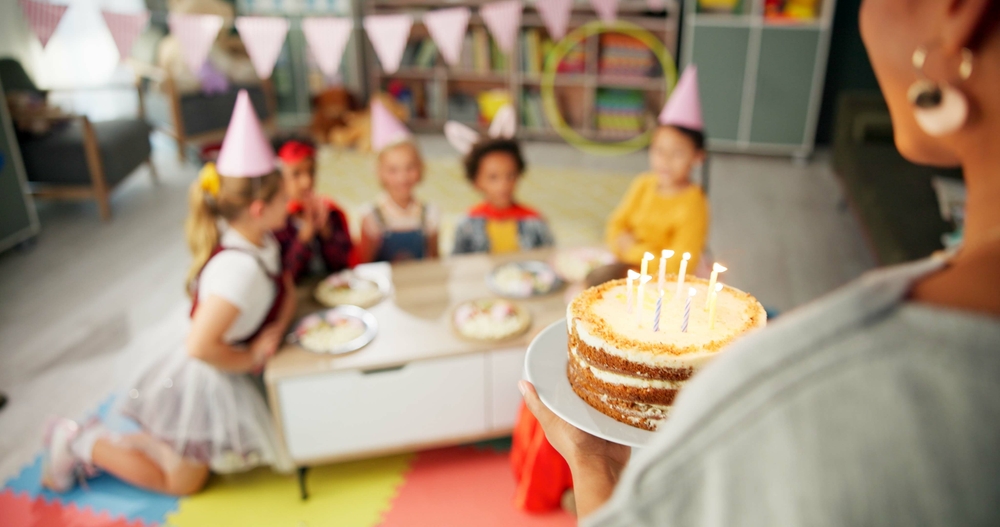
Walking into your child’s classroom with a bag full of party supplies should be a joyful moment. Instead, you often feel a strange tension from the person standing at the chalkboard. It is not your fault that you want to be the fun parent who brings the best treats. However, the hidden system of classroom management is fragile and easily disrupted by well-intended gifts. Honestly, what looks like a celebration to you can feel like a logistical nightmare to a teacher. You are about to learn the specific items that trigger a secret eye-roll from educators. Let us reveal how to support the classroom without accidentally causing a meltdown.

1. The Messy Glitter Bomb Trap

Glitter is the houseguest that never leaves and teachers absolutely dread it. While shiny crafts look great on a card, that dust settles into every floor crevice and keyboard for the rest of the year. Custodial staff often have to spend extra hours trying to scrub it away. Surprisingly, even a small bottle can ruin a teacher’s entire afternoon of cleanup. You might think it adds flair, but it actually adds hours of unpaid labor to someone’s day. Save the sparkles for your own living room floor instead.

2. High-Fructose Corn Syrup Overloads

Bringing in three dozen frosted cupcakes might seem like a sweet gesture for the kids. On the other hand, you are essentially handing the teacher a room full of children on a sugar high. Once the initial rush wears off, the inevitable crash leads to irritability and a total loss of focus. This makes the rest of the school day unproductive and stressful for everyone involved. Teachers wish parents would consider lower-sugar alternatives that do not cause a behavioral spike. A simple fruit tray is often the real hero of the party.

3. Inexpensive Plastic Goodie Bag Fillers

Those tiny plastic whistles and bouncy balls usually end up in the trash within twenty-four hours. Worse yet, they often break immediately and become choking hazards or sharp floor debris. Teachers view these as clutter that distracts students during actual lesson time. It is a financial trap where you spend twenty dollars on items that provide no lasting value. Honestly, the kids usually fight over the same cheap toy for five minutes before losing interest. Consider skipping the bags and donating a single book to the class library instead.

4. Unlabeled Home-Baked Goods

The hidden danger of the classroom is the rising number of severe food allergies. While your grandma’s cookie recipe is delicious, a teacher cannot verify the ingredients for a child with a nut or gluten allergy. If there is no official label, that food often has to stay in the teacher’s lounge or go in the trash. This leads to wasted money and hurt feelings for everyone. Always opt for store-bought items with a clear list of allergens visible on the package. It is the only way to ensure every child can participate safely in the fun.

5. Interactive Toys That Make Noise

Anything that chirps, whistles, or beeps is a direct assault on a teacher’s sanity. Classrooms are already loud environments with twenty-plus children talking at once. Adding electronic noise-makers into the mix makes it impossible for the teacher to give instructions. These toys often get confiscated before the party even ends to preserve the peace. You might think it is a harmless gift, but it creates a power struggle between the student and the educator. If it requires batteries or a lung full of air to make a sound, leave it at the store.

6. Massive Pizza Orders Without Warning

Showing up with five hot pizzas at lunchtime sounds like a great surprise for the class. However, it often disrupts the pre-planned school lunch schedule and leaves the cafeteria staff with wasted food. Some students may have specific dietary plans that do not include pizza, leaving them feeling left out. Teachers need to coordinate these events days in advance to ensure the schedule allows for a long lunch. Always check with the teacher at least a week before you commit to a hot food delivery. Coordination is the key to a successful classroom celebration.

7. Excessive Decor That Requires Setup

If your party supplies require the teacher to climb a ladder or spend thirty minutes taping things to the wall, it is too much. Teachers have very limited breaks and cannot spend them acting as your personal event decorators. On the other hand, simple table covers and napkins are always appreciated because they are functional. Avoid the elaborate streamers and balloon arches that require professional-level assembly. Keep the decor minimal so the focus stays on the students having a good time together.

Supporting the Teacher Through Simple Choices

The most empowering thing you can do for a teacher is to ask what they actually need before you shop. Most educators would prefer a pack of extra pencils or a box of tissues over a bag of plastic toys. By choosing functional and safe items, you validate the hard work the teacher does every day. You have the power to make the school party a success without adding to the classroom’s hidden stress levels. Your thoughtfulness goes a long way when it is aligned with the reality of the school day. Stay vigilant about allergies and mess levels to remain the teacher’s favorite ally. Your kids will still have a blast even without the glitter.

What is the most successful item you have ever brought to a school party? Leave a comment below and help other parents avoid the party trap!

What to Read Next…

  • Teachers Share the 5 Valentine’s Gifts That End Up in the Trash Immediately
  • Teachers Beg Parents: Stop Buying These 7 Expensive School Supplies
  • 7 Things Your Child’s Teacher Is Legally Required to Report to the State (That They Won’t Tell You to Your Face)
Latrice Perez

Latrice is a dedicated professional with a rich background in social work, complemented by an Associate Degree in the field. Her journey has been uniquely shaped by the rewarding experience of being a stay-at-home mom to her two children, aged 13 and 5. This role has not only been a testament to her commitment to family but has also provided her with invaluable life lessons and insights.  As a mother, Latrice has embraced the opportunity to educate her children on essential life skills, with a special focus on financial literacy.


Filed Under: Money and Finances Tagged With: classroom tips, education, Georgia Schools, Money Saving, Parenting, School Parties, teachers

This Seemingly Smart Allowance Trend Is Leaving Teens Financially Unprepared

February 14, 2026 | Leave a Comment

This Seemingly Smart Allowance Trend Is Leaving Teens Financially Unprepared
Image Source: Shutterstock.com

Just like everything else in the world, it seems that allowances have changed. What once felt like a straightforward weekly cash handout has transformed into something far more “strategic” and tech-driven, and parents everywhere think they’re giving teens a head start.

This trend that looks smart on paper is quietly setting teens up to make some serious money mistakes later. Teens are learning to swipe, spend, and save in very specific ways—but not necessarily in ways that prepare them for real financial independence. The modern allowance might feel like a clever hack, but it’s failing in one critical area: teaching teens how to manage real, messy, adult money.

The Gamified Allowance: Fun Now, Trouble Later

Some parents have embraced a “gamified” allowance system, linking payments to apps, chores, or even performance-based goals. On the surface, it sounds brilliant: teens learn responsibility, earn rewards, and can see their progress in flashy graphics.

But gamification often creates a transactional mindset instead of a strategic one. Teens start thinking, “If I don’t do exactly this, I won’t get that,” rather than learning the intrinsic value of budgeting or long-term planning. They might master short-term wins, but when faced with real-world bills, credit cards, or unexpected expenses, they often freeze or make hasty decisions because they’ve never navigated unstructured financial situations. Gamification teaches the rules of the game, not the rules of life, and that gap can lead to financial mistakes that compound fast.

Digital Allowances and the Disconnection From Cash

Apps and prepaid debit cards have revolutionized how teens handle money, letting them transfer funds, pay online, and track spending in real-time. Parents love the convenience and security, and teens enjoy the instant access.

But digital money feels abstract. Swipe after swipe, tap after tap, and teens rarely internalize the value of what they’re spending. When dollars appear as numbers on a screen rather than bills in a wallet, overspending becomes easier, saving feels optional, and the tactile experience of money—which is crucial for financial intuition—gets lost. Teens may appear financially savvy online, but they can struggle with real-world scenarios like paying rent, managing cash flow, or even understanding interest on a credit card.

Tying Allowance to Chores: Motivation or Manipulation?

Linking allowance to household chores seems fair, right? It teaches work ethic and accountability, after all. But studies and financial experts increasingly warn that this model can backfire if it becomes the primary way teens earn money. When teens associate all money with immediate labor, they may never explore other critical money lessons, like delayed gratification, investing, or budgeting beyond short-term goals. They start calculating the exact payoff for every minor effort instead of understanding intrinsic value or long-term benefits.

Allowances should teach teens to make money decisions, not just trade time for cash. Otherwise, they risk developing a mindset where financial independence only exists within strict, transactional boundaries.

This Seemingly Smart Allowance Trend Is Leaving Teens Financially Unprepared
Image Source: Shutterstock.com

Saving Without Strategy Leaves Teens Vulnerable

Even when teens are encouraged to save, the methods often lack sophistication. Many are told to put a portion of their allowance into a savings app or digital wallet, but few get lessons in setting goals, tracking interest, or distinguishing between emergency funds and long-term savings. Saving in a vacuum feels good, but it doesn’t teach teens how to prioritize expenses or make tough choices between wants and needs.

Without a structured approach, teens can become frustrated with saving, withdraw prematurely, or misallocate funds, which becomes a hard habit to break once adult responsibilities like rent, utilities, and student loans arrive. Teaching smart, strategic saving—beyond the instant gratification of “I saved this week”—is essential for building lasting financial resilience.

Credit Simulations Can Backfire

Some programs offer teens “credit cards” or borrowing simulations to teach financial responsibility. While the idea has merit, many teens treat it like a game rather than a serious financial tool. They experiment with limits, max out balances, and rarely feel the real consequences of overspending.

Lacking proper guidance, simulated credit experiences can normalize risky financial behavior instead of preventing it. When teens graduate to real credit cards, the transition can feel abrupt, and they may find themselves juggling interest, late fees, and debt accumulation they weren’t prepared for. Real-life financial literacy requires hands-on experience combined with careful guidance—not just a risk-free sandbox.

The Allure of “Smart Money Apps”

Modern money apps promise to teach teens budgeting, investing, and financial independence. They sound amazing—and some deliver—but relying solely on apps can backfire. Apps provide structure, but they often remove the messy, human side of money: decision fatigue, emotional spending, and prioritizing conflicting goals.

Teens need to wrestle with real trade-offs and face consequences without an algorithm always stepping in to nudge or correct. Otherwise, they may develop a false sense of financial security, assuming that as long as an app says their balance is healthy, they’re prepared for the real world. Real financial maturity develops in the friction, the mistakes, and the problem-solving moments that technology often shields them from.

How to Reframe Teen Allowances for Lifelong Financial Success

Parents can pivot from transactional or app-heavy allowances to approaches that teach resilience, flexibility, and long-term thinking. Encourage teens to divide their money into categories: spending, saving, investing, and giving. Introduce goal-setting, reward delayed gratification, and have open conversations about mistakes, risks, and consequences.

You should also try to encourage real-world experiences like budgeting for a weekend trip, paying for a subscription, or contributing to group gifts. Even small doses of real responsibility, paired with reflection, can teach teens more about money than any app, chore, or game ever could.

Setting Up Teens to Thrive, Not Just Survive

Allowance trends will continue to evolve, promising convenience, motivation, and engagement. But without critical guidance, they risk leaving teens unprepared for the unpredictability of real financial life. Teens need structured freedom, real-world experimentation, and conversations about money that don’t shy away from complexity. They benefit most when parents focus less on clever systems and more on developing intuition, judgment, and confidence.

Setting teens up for financial literacy isn’t glamorous or flashy—it’s consistent, reflective, and sometimes messy work—but the payoff is lifelong readiness and empowerment.

How are you preparing teens to handle money beyond allowances? Make sure you share all of your tips in our helpful comments section.

You May Also Like…

Simple Ways to Reward Your Teens Without Breaking Your December Budget

Why Borrowing Grandparents’ Rules Could Backfire on Raising Teens

The Real Talk: 6 Hard Conversations Parents Need To Have With Their Teens

9 Traditional Family Routines That Help Kids Feel Secure

7 Boomer-Era Family Traditions That Lower Household Stress

Brandon Marcus
Brandon Marcus
Brandon Marcus is a writer who has been sharing the written word since a very young age. His interests include sports, history, pop culture, and so much more. When he isn’t writing, he spends his time jogging, drinking coffee, or attempting to read a long book he may never complete.

Filed Under: Money and Finances Tagged With: allowance trends, Financial Education, financial literacy, money habits, money mistakes, parenting tips, personal finance, smart spending, teen budgeting, teen finance, teen independence

Why So Many Parents Feel Financially Behind Every January

January 16, 2026 | Leave a Comment

Why So Many Parents Feel Financially Behind Every January
Image source: shutterstock.com

January has a weird way of making even responsible parents feel like they’re starting the year in a hole. The calendar flips, the holiday glow fades, and suddenly every bill seems to show up at once. If you’ve ever stared at your bank app and wondered how things got so tight so fast, you’re not alone. A lot of families feel financially behind in January because the month stacks timing, expectations, and real-life kid costs all together. The good news is that once you understand what’s driving the squeeze, you can build a plan that makes January feel way less personal.

The Calendar Flip Turns “Normal” Bills Into A Pileup

January doesn’t create new expenses as much as it lines them up in the same two-week window. Mortgage or rent, utilities, insurance, and subscriptions can all hit before the first “regular” paycheck feels settled. Add in a couple kid-related surprises, like class fees or a growth-spurt wardrobe moment, and the math starts to feel rude. That’s why parents often feel financially behind even if they stayed pretty steady through the fall. The fix starts with listing every bill by exact due date so the month stops feeling like a surprise attack.

Holiday Spending Shows Up Late, And It Hits Hard

Even if you budgeted, the holidays create “aftershocks” that land in January instead of December. Credit card statements close, shipping charges finalize, and returns don’t always get refunded as quickly as you’d hope. Families also tend to forget the small stuff that adds up, like extra groceries, classroom gifts, and last-minute travel add-ons. When those totals arrive all at once, it can feel like you’re financially behind before the year even gets moving. A simple move is to total holiday spending in one sitting, then choose one category to tighten for the next 30 days to rebuild breathing room.

Kids’ Schedules Reset, And So Do The Costs

Winter break ends, routines restart, and a lot of kid-related costs come back online immediately. Childcare deposits, after-school programs, sports registrations, and tutoring can all pop up right when the rest of the budget feels stretched. If you used flexible spending during the holidays for fun or convenience, January can feel like payback. That’s one reason parents feel financially behind in the first month, even when they didn’t do anything “wrong.” Try creating a “school-year sinking fund” with a small weekly auto-transfer so January programs don’t feel like emergency expenses.

January Is Peak Comparison Season, And It Messes With Your Head

New Year energy makes everyone talk about goals, glow-ups, and “fresh starts,” which is not always friendly to a family budget. Social media loves a clean planner, an expensive gym membership, and a perfectly organized pantry restock. Meanwhile, your reality might include daycare tuition, a kid with picky food phases, and a car that chose January to make a noise. When you compare your behind-the-scenes to someone else’s highlight reel, you’ll feel financially behind no matter what your numbers say. Give yourself a rule for January: don’t add a new monthly commitment until you’ve lived through one full normal-paycheck cycle.

Winter Costs Are Real, And They’re Not A Personal Failure

Cold weather makes the basics more expensive for a lot of households. Heating bills climb, kids stay inside more (hello, snack consumption), and illnesses can bring co-pays, medicine, and missed work hours. Even if you meal plan, winter can push you toward convenience foods and delivery on the weeks when everyone’s tired. Those seasonal patterns can make families feel financially behind because the budget gets less flexible at the exact wrong time. Build a “winter buffer” line item for January and February, even if it’s small, so higher costs don’t automatically mean you messed up.

One Quick January Audit That Actually Helps

You don’t need a brand-new budgeting system to get control of the month. Start with a 20-minute January audit: list fixed bills, list kid costs, then write down the three categories that usually creep up (groceries, eating out, and random school stuff are common). Pick one category to cap for two weeks and one category to make easier, like planning three low-effort dinners to avoid last-minute spending. This works because it targets the exact places January squeezes you without turning life into a no-fun challenge. When you make one small change you can stick with, you stop feeling financially behind and start feeling capable.

Why Parents Feel Financially Behind In January

January combines delayed holiday charges, routine resets, and winter expenses into a single month that feels louder than it is. The stress also comes from timing, because many families pay for “normal life” before they’ve fully recovered from the end-of-year surge. Parents carry a lot of invisible planning, so money pressure can feel like a personal report card even when it’s just a seasonal pattern. When you name what’s happening, you can problem-solve instead of spiraling into guilt. The goal isn’t perfection in January, it’s building a steadier runway into spring.

A January Reset That Still Leaves Room For Joy

A strong January plan doesn’t punish you for having fun in December. Choose one realistic money move, like shifting due dates, adding a small sinking fund, or doing a quick weekly spending check-in. Keep one “yes” in the budget, even if it’s a simple treat like movie night at home, because deprivation makes plans break faster. If you’ve been feeling financially behind, treat January as information, not a judgment. You can reset the month without resetting your whole personality.

What’s the one expense that always surprises your family in January, and what’s one change you’ll try this year?

What to Read Next…

9 January Budget Hacks Parents Use to Recover From Holiday Spending

7 Old-School Parenting Habits That Still Save Families Money

9 Things You’re Buying for Your Baby That They’ll Never Actually Use

10 Mistakes Parents Make When Talking About Money With Kids

Budget-Friendly Indoor Adventures for Kids When It’s Too Cold to Play Outside

Catherine Reed
Catherine Reed

Catherine is a tech-savvy writer who has focused on the personal finance space for more than eight years. She has a Bachelor’s in Information Technology and enjoys showcasing how tech can simplify everyday personal finance tasks like budgeting, spending tracking, and planning for the future. Additionally, she’s explored the ins and outs of the world of side hustles and loves to share what she’s learned along the way. When she’s not working, you can find her relaxing at home in the Pacific Northwest with her two cats or enjoying a cup of coffee at her neighborhood cafe.

Filed Under: Money and Finances Tagged With: childcare costs, Family Budgeting, holiday spending, January budgeting, kids expenses, money mindset, parenting finances, saving strategies

7 Old-School Parenting Habits That Still Save Families Money

January 13, 2026 | Leave a Comment

7 Old-School Parenting Habits That Still Save Families Money
Image source: shutterstock.com

Some money-saving ideas come and go, but the ones that worked for our parents and grandparents tend to stick around for a reason. When prices jump and budgets feel tighter, it helps to lean on routines that don’t require apps, subscriptions, or a “life hack” product to get results. The best part is that these habits usually make daily life simpler, too, because they cut down on last-minute shopping and decision fatigue. Old-school parenting habits also teach kids that “enough” can feel really good. Here are seven throwback routines that still help families keep more cash in the house.

1. Old-School Parenting Habits Begin With a Real Meal Plan

A basic plan beats a perfect plan, so pick three easy dinners and repeat them every week. Keep a running list of “backup meals” that use pantry staples, like pasta, chili, or breakfast-for-dinner. Write the grocery list from the plan and stop buying “maybe” items that turn into fridge science projects. If you already have a freezer, use it like a savings account by freezing leftover portions and extra bread. This habit lowers impulse spending because you walk into the store knowing exactly what you’re there to buy.

2. Make Hand-Me-Downs the Default, Not the Exception

Kids outgrow clothes at an impressive speed, so treat new outfits like a special occasion, not the baseline. Start a simple “next size” tote in a closet and drop in anything still in good shape as soon as it’s outgrown. Ask friends or relatives if they want to swap bags every season so everyone refreshes without paying retail. When someone offers a bundle, say yes first and sort later, because the cost is usually a quick wash and a thank-you text. Families who stick with old-school parenting habits often realize that “used” doesn’t mean “less,” it just means “smarter.”

3. Fix It Before You Replace It

Before you rebuy something, try one small repair, even if it’s not pretty. Sew a button, patch a knee, tighten a screw, or glue the toy that “broke” in three pieces. Keep a tiny home kit with safety pins, a basic sewing set, super glue, and a mini screwdriver, because those four things solve a lot. If an item can’t be fixed, try to salvage parts, like batteries, wheels, or storage bins, for future use. Old-school parenting habits treat broken items as a problem to solve, not an automatic trip to the checkout page.

4. Use the Library Like a Shopping Alternative

The library can replace a surprising number of purchases, especially books, movies, and kid activities. Make it a weekly routine so kids get excited about choosing, returning, and choosing again. Many libraries also offer free passes or discounts for local museums and attractions, which can turn a pricey outing into a budget-friendly one. If you have a “gift request” moment, suggest library hold lists or series collections instead of buying the whole set. Old-school parenting habits work best when kids see fun as something you borrow, share, and rotate, not something you constantly buy.

5. Bring Back Cash Limits for the “Little Stuff”

Small purchases feel harmless until they stack up across a month. Set a weekly cash amount for categories like snacks, convenience store stops, or quick kid treats, and keep it in an envelope. When the cash runs out, the spending stops, which removes the daily debate and the “just this once” trap. This method also helps kids understand trade-offs in a way that a card swipe doesn’t. Old-school parenting habits make limits visible, and that visibility is often what changes behavior.

6. Make “Home” the Default Entertainment

A lot of family spending happens because boredom shows up and money becomes the easiest solution. Build a simple home rotation: game night, movie night, kitchen “picnic,” craft drawer challenge, and a walk that ends with hot chocolate at home. Keep a small box of supplies for rainy days, like cards, coloring pages, and a few cheap craft basics, so you don’t panic-buy a new activity. When kids ask to go somewhere, offer a home version first, then save the paid outing for a planned day. This habit doesn’t feel restrictive when you treat it like a tradition instead of a backup plan.

7. Teach the “Wait” Muscle Early

Kids want things fast, and stores are designed to make parents say yes faster, too. Practice waiting with small stuff first, like a toy request, a trendy snack, or the next fun gadget. Use a simple list on the fridge called “Things We’re Considering,” and revisit it after a week to see what still matters. Many wants fade on their own, and the ones that stay can become intentional birthday or holiday ideas. The ability to wait saves money now and builds a skill kids will use for bigger decisions later.

Keep the Past, Keep the Cash

These habits work because they reduce repeat spending, not because they demand perfection. Pick one routine that feels easiest and stick with it for two weeks before adding another. Even small changes, like library trips or a weekly meal plan, can free up money you can actually use elsewhere. Old-school parenting habits also create a calmer rhythm at home, which makes it easier to follow the budget without constant stress. When kids grow up around these routines, they learn that smart choices are normal, not a punishment.

Which of these money-saving habits did your family grow up with, and which one are you willing to try this week?

What to Read Next…

10 Mistakes Parents Make When Talking About Money With Kids

10 Things You’re Overspending On Because of Social Media Parenting Trends

Ways Parents Can Sneak in Money Lessons at Family Game Night

6 Reasons Stay-at-Home Parenting Isn’t the Budget Saver It’s Made Out to Be

10 Outdated Parenting Rules That Are Still Costing Parents Time and Money

Catherine Reed
Catherine Reed

Catherine is a tech-savvy writer who has focused on the personal finance space for more than eight years. She has a Bachelor’s in Information Technology and enjoys showcasing how tech can simplify everyday personal finance tasks like budgeting, spending tracking, and planning for the future. Additionally, she’s explored the ins and outs of the world of side hustles and loves to share what she’s learned along the way. When she’s not working, you can find her relaxing at home in the Pacific Northwest with her two cats or enjoying a cup of coffee at her neighborhood cafe.

Filed Under: Money and Finances Tagged With: Family Budgeting, frugal family tips, kid expenses, Meal Planning, parenting on a budget, saving money with kids, secondhand shopping, simple living

11 School Practices That Punish Neurodivergent Children

January 3, 2026 | Leave a Comment

11 School Practices That Punish Neurodivergent Children
Image source: shutterstock.com

If your child keeps getting labeled “disruptive,” “lazy,” or “defiant,” it’s worth asking a harder question: are they being punished for how their brain works? A lot of families end up in a loop of behavior charts, missing recess, and constant negative notes home, even when the child is trying. The truth is that many classrooms still prioritize compliance over regulation, and that can hit kids with ADHD, autism, learning differences, and sensory needs the hardest. The good news is you can spot the patterns, document what’s happening, and ask for specific supports that actually help. Here are 11 common pain points to watch for, plus practical ways to respond.

1. Taking Away Recess As A “Consequence”

When kids lose recess, they lose the exact movement break that helps them regulate. For many neurodivergent kids, sitting still longer doesn’t build skills, it increases stress. If a teacher says recess is “earned,” ask for different school practices that don’t remove a body break. Suggest a short reset walk, a quick helper job, or a calming corner instead. Document how behavior changes on days your child gets movement.

2. Public Clip Charts And “Traffic Light” Behavior Systems

Public charts turn mistakes into shame, and shame rarely improves behavior. Kids who struggle with impulse control can get “stuck on red” early and stop trying. Ask whether feedback can be private, like a discreet check-in or a note home that’s factual. If your child is anxious, request a plan that focuses on replacement skills, not public ranking. You can also ask for positive goals that are specific and realistic.

3. Zero-Tolerance Rules For “Disrespect”

Rigid rules often punish tone, facial expressions, and delayed processing more than actual harm. A child who blurts, argues, or melts down may be overwhelmed, not intentionally rude. Many school practices treat escalation as a choice instead of a stress response. Ask the team to define “disrespect” in observable terms, not feelings. Push for de-escalation steps before discipline, like a break pass or a quiet reset.

4. Forced Eye Contact And “Whole-Body Listening”

Eye contact can be painful or distracting for some kids, especially autistic students. “Whole-body listening” can also punish harmless regulation, like looking down or moving hands. Instead, ask the teacher to measure comprehension, not posture. Offer alternative school practices like “listening body choices,” including doodling, fidgets, or looking at notes. If needed, request this as an accommodation in writing.

5. Penalizing Fidgeting, Stimming, Or Quiet Movement

Small movements can be a child’s way of staying present, not acting out. When those movements get punished, kids often replace them with bigger behaviors because they’re dysregulated. If your child uses a fidget, chew tool, or rocking, ask what’s allowed and where. Explain that regulation tools help learning and share what works at home. Put a simple plan in place so the tool isn’t treated like a toy.

6. One-Size-Fits-All Seating And Sensory Exposure

Some kids can’t learn well under buzzing lights, loud rooms, or tight desk clusters. When a child reacts, adults may call it “dramatic” instead of addressing the trigger. Ask for small changes first, like a seat near the door, a study carrel, or noise-reducing headphones. If cafeterias and assemblies are the problem, request a quieter option or a gradual re-entry plan. Small sensory supports can prevent big blowups.

7. Punishing Late Work Without Checking Executive Function

Late work is often an organization problem, not a motivation problem. If a child can’t start, plan, or break tasks into steps, punishments add pressure without adding skills. Many school practices pile on zeros and detentions, which makes avoidance worse. Ask for scaffolds like chunked deadlines, a daily checklist, or teacher sign-offs. Also request a realistic homework cap so nights don’t become a battle.

8. Grading Handwriting More Than Knowledge

Messy handwriting can come from dysgraphia, motor planning issues, or fatigue, not laziness. If your child knows the material but loses points for writing, that’s a mismatch. Ask whether they can type, use speech-to-text, or give oral responses for some assignments. If copying from the board is hard, request printed notes or a photo of the board. The goal is showing learning, not suffering through penmanship.

9. Timed Tests And Speed-Based “Mastery”

Speed can punish slow processing, anxiety, and attention differences even when understanding is solid. A timer can turn a manageable test into a shutdown. If your child consistently knows answers later, ask for extended time or untimed testing. Bring examples that show accuracy improves with time, because data helps. This is one of those school practices that looks “fair” on paper but isn’t fair in reality.

10. Participation Grades That Reward Only One Communication Style

Some kids think deeply but don’t speak fast, speak often, or speak in groups. Participation grades can punish quiet kids, anxious kids, and kids who need more processing time. Ask for alternative ways to show participation, like written responses, small-group roles, or turn-and-talk with a partner. Encourage the teacher to grade “evidence of engagement,” not volume. Your child shouldn’t have to perform extroversion to earn credit.

11. Discipline For Needing Breaks Or Leaving The Room

Walking out can be unsafe, but sometimes it’s the only way a child knows to escape overload. If a child gets punished for leaving, they may stay and explode instead. Ask for a supervised break plan with clear steps, like a break card, a designated location, and a check-in timer. Make sure adults agree on the plan so it’s consistent across classes. The goal is safety and regulation, not control.

What To Do When “Normal” Doesn’t Fit

Start by writing down patterns, including triggers, times, and what helped. Use calm, specific language when you talk to the school, and ask for supports tied to learning, not blame. That’s how you shift the conversation from “bad behavior” to “needed skills.” If the first response is “we treat everyone the same,” remind them that equal treatment isn’t the same as equal access.

Which of these school practices have you seen, and what’s helped your child most?

What to Read Next…

Understanding the Costs of Early Childhood Special Education and How to Save

5 Back-to-School Routines That Ignite Morning Meltdowns

7 Ways Schools Fail to Hold Bullies Accountable

The Teacher Shortage Crisis: How It’s Affecting Your Child’s Education

School Smarts: 7 Surprising Gaps That Could Affect Your Child’s Education

Catherine Reed
Catherine Reed

Catherine is a tech-savvy writer who has focused on the personal finance space for more than eight years. She has a Bachelor’s in Information Technology and enjoys showcasing how tech can simplify everyday personal finance tasks like budgeting, spending tracking, and planning for the future. Additionally, she’s explored the ins and outs of the world of side hustles and loves to share what she’s learned along the way. When she’s not working, you can find her relaxing at home in the Pacific Northwest with her two cats or enjoying a cup of coffee at her neighborhood cafe.

Filed Under: Money and Finances Tagged With: 504 plan, ADHD, autism, child behavior, classroom strategies, education advocacy, IEP, neurodiversity, Parenting, school support

Simple Ways to Reward Your Teens Without Breaking Your December Budget

December 29, 2025 | Leave a Comment

Simple Ways to Reward Your Teens Without Breaking Your December Budget
Image source: shutterstock.com

December has a way of turning every “good job” into a spending decision, especially with teens who notice what their friends are getting and doing. You want to reward effort, growth, and responsibility, but you also don’t want to roll into January with regret and credit card stress. The trick is to make rewards feel meaningful without making them expensive, and to keep them predictable so you’re not constantly improvising. When teens know what they’re working toward, they usually respond better than when rewards feel random. Here are simple, realistic ways to celebrate your teen without wrecking your December budget.

1. Use Privileges As Rewards Instead Of Purchases

Teens often value freedom more than stuff, which is great news for your wallet. Offer an extended curfew for a specific night, a later weekend wake-up time, or permission to choose the family dinner plan. You can also trade responsibilities, like covering one chore for them in exchange for a win you want to recognize. Rewards like this protect your December budget while still feeling personal and earned. The key is to tie the privilege to a clear behavior so it feels fair, not like a bribe.

2. Create A “Yes Day” Menu That Has Built-In Limits

A “yes day” doesn’t have to mean unlimited spending, and teens actually respect clear boundaries when you set them upfront. Make a short menu of pre-approved options like “pick the movie,” “choose dessert,” “get a specialty drink,” or “invite a friend over.” Put a simple cap on it, like choosing two items from the menu, so everyone knows the rules. This keeps the reward fun without you spiraling into a bigger plan mid-day. It’s an easy way to protect your December budget while still giving your teen something to look forward to.

3. Reward With Time, Not Things

Time is a scarce resource in teen life, especially when school pressure and social life collide. Offer a one-on-one coffee run, a late-night drive with music, or a “no lecture” lunch out where you just listen. These rewards build connection, and connection is what actually motivates a lot of teens more than parents realize. You can also frame it as a mini tradition, like “when you finish finals, we do our drive.” This kind of reward supports your December budget because it’s low-cost but high-impact.

4. Swap Gift Cards For “Experience Vouchers” At Home

If your teen likes the idea of “getting something,” create vouchers that feel official. Think: “pick the next show we binge,” “control the playlist for a week,” or “one free ride anywhere within 10 miles.” Print them on paper, put them in an envelope, and present them like a real gift. Teens roll their eyes until they realize the voucher actually gives them power, then they’re in. These vouchers stretch your December budget because they deliver value without requiring a purchase. They also reduce impulse spending, since you’re not grabbing random stuff just to have something to hand over.

5. Pay For Convenience They’ll Actually Feel

Convenience is a teen love language, especially during stressful weeks. Cover a week of school lunches, handle their least favorite chore, or take over a tedious errand they dread. You can also “buy back” a responsibility temporarily, like doing their laundry once after a big exam week, as long as it’s framed as a reward and not a new expectation. The point is to reward effort by giving them breathing room, not more clutter. This supports your December budget because convenience rewards cost little or nothing, but they feel huge.

6. Let Them Upgrade Something They Already Own

Teens often want upgrades, not brand-new everything, and that can work in your favor. Offer a small budget to refresh something they use daily, like a new phone case, a fresh set of earbuds tips, or a better water bottle lid. You can also do a “trade-in” rule where they have to donate or toss an old version before a new one comes in. This keeps spending contained and prevents the endless pile-up of stuff. A controlled upgrade can fit into your December budget more easily than a big surprise purchase. It also teaches teens to prioritize what matters instead of chasing every trend.

7. Use Cash With A Clear Purpose

Cash can be a great reward, but it works best when you attach it to something meaningful. Offer a small amount tied to a goal, like “$15 toward a hangout,” “$10 toward a game,” or “$20 to add to your savings.” This keeps the reward from disappearing into random snacks while still giving your teen choice and autonomy. You’re not buying the thing directly, which also reduces arguments about brands and preferences. When you label the cash reward, it feels more intentional and easier to justify inside your December budget. It also sets up good money conversations without making it a lecture.

A December Reward Plan That Feels Good In January

The best rewards aren’t the biggest ones, they’re the ones that feel fair, specific, and connected to what your teen actually values. When you decide your reward “types” ahead of time, you stop making emotional spending decisions in the middle of a hectic month. Mix privileges, time, convenience, and small controlled upgrades, and you’ll have plenty of ways to celebrate progress without stress. Your teen gets recognition, and you keep your financial footing steady. That’s the win: a December budget that doesn’t sabotage the rest of your winter.

What kind of reward motivates your teen most right now—freedom, time together, convenience, or a small upgrade?

What to Read Next…

Budget-Friendly Indoor Adventures for Kids When It’s Too Cold to Play Outside

The One Thing Most Parents Forget to Budget for in January and How Kids Can Help

Budgeting Tips for Parents in the Month After the Big Holiday Bills Arrive

Modern Parenting Trap: Why Reward Charts Are Losing Their Effectiveness

Budget-Friendly Family Road Trips That Are Still Fun When It’s Cold Outside

Catherine Reed
Catherine Reed

Catherine is a tech-savvy writer who has focused on the personal finance space for more than eight years. She has a Bachelor’s in Information Technology and enjoys showcasing how tech can simplify everyday personal finance tasks like budgeting, spending tracking, and planning for the future. Additionally, she’s explored the ins and outs of the world of side hustles and loves to share what she’s learned along the way. When she’s not working, you can find her relaxing at home in the Pacific Northwest with her two cats or enjoying a cup of coffee at her neighborhood cafe.

Filed Under: Money and Finances Tagged With: December budgeting, family finances, frugal parenting, holiday spending, mindful spending, parenting teens, rewards systems, teen motivation, winter break prep

Creative Winter Projects Kids Can Make Using Items You Already Own

December 25, 2025 | Leave a Comment

Creative Winter Projects Kids Can Make Using Items You Already Own
Image source: shutterstock.com

When kids are stuck inside and boredom starts bouncing off the walls, it’s tempting to run to the store for a quick “fix.” But some of the best crafts and activities don’t come from a shopping bag, they come from a drawer, a recycling bin, and that random stash of buttons you forgot you had. At-home creativity is cheaper, calmer, and often more satisfying because kids get to invent instead of just assemble. If you’ve been craving activities that feel fresh without spending extra money, this list is for you. Here are creative winter projects kids can make using things you probably already own.

1. Cardboard “Snow Town” With Boxes And Paper Scraps

Grab cereal boxes, shipping boxes, and any cardboard you can safely cut, then help kids build a tiny neighborhood. These winter projects work best when kids draw doors, windows, and signs using markers, crayons, or leftover wrapping paper. Use tape, glue, or even folded tabs to stand buildings upright and connect them like a street. Add “snow” by tearing white paper, cotton balls, or tissue into little drifts. When it’s done, kids can play with it for days, not just minutes.

2. Sock Snowmen Made From Singles And Fillers

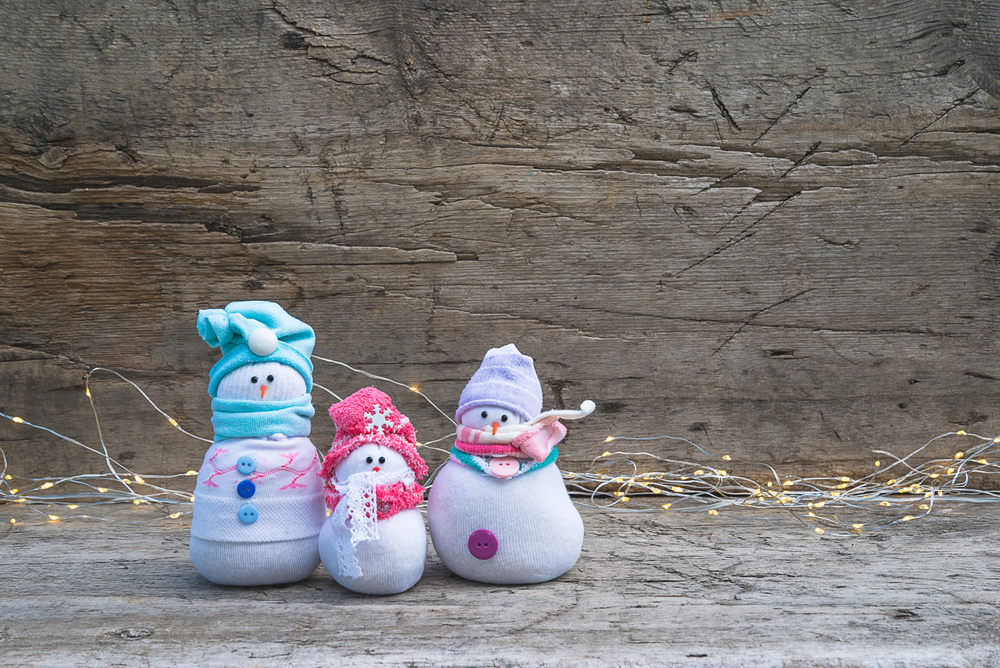
Those lonely socks without a match can finally become something useful… a snowman! For these projects, fill a sock with rice, dried beans, or even crumpled paper, then tie it off with a hair tie or string. Add a face with markers or buttons, and use ribbon, yarn, or scrap fabric for a scarf. If you have rubber bands, you can shape a head and belly by banding the sock in the middle. Kids love making a whole “family” of snowmen and naming each one.

3. “Window Snowflakes” Using Paper You’d Recycle

All you need is paper and scissors to create instant winter magic. Fold printer paper, old homework pages, or brown bag paper, then cut shapes and unfold for surprise designs. These winter projects become extra fun when kids try to make themes, like stars, trees, or initials. Tape the snowflakes to windows or string them into a garland for a big visual payoff. Even better, kids can make a few each day and watch the display grow.

4. DIY Snow Globes With Jars And Kitchen Odds And Ends

If you have a jar, you have the foundation for a snow globe-style craft. Use a small toy, a Lego figure, a pinecone, or a random figurine as the centerpiece, then secure it to the lid with glue if you have it. For these projects, fill the jar with water and add a pinch of glitter, confetti, or even tiny paper bits for the “snow.” A drop of dish soap can help the sparkle float more slowly, which kids find oddly fascinating. Just tighten the lid well and keep it as a shake-and-watch winter decoration.

5. Coffee Filter Or Tissue Paper “Stained Glass” Art

Kids can create bright, beautiful window art without fancy supplies. Color coffee filters with markers, then lightly spray with water so the colors blend, or use tissue paper squares stuck to a clear surface with a glue-and-water mix. These winter projects are perfect for using up old markers that don’t write perfectly anymore. Once the paper dries, tape it to a window and let sunlight do the decorating. It’s an easy win when you need something calming and low-mess.

6. Card Games Turned Into Homemade Board Games

Old decks of cards can become an entire game workshop. Have kids design a simple board on paper or cardboard, then use cards as movement rules, challenges, or “event” prompts. These winter projects build creativity and problem-solving because kids have to test the rules and fix what doesn’t work. Add tokens made from coins, buttons, or small toys, and you’ve got a playable game that feels original. The best part is that kids will want to teach the game to someone else, which reinforces the fun.

7. “Recycled Robot” Builds From Packaging And Containers

Save a few safe recyclables like paper towel tubes, egg cartons, yogurt cups, and bottle caps, and let kids invent characters. Use tape as your best friend and let perfection go, because the charm is in the weirdness. These projects get even better when kids create a backstory, name, and “powers” for their robot. If you have foil, stickers, or leftover gift tags, those make easy upgrades. When kids display their robot lineup, it feels like a mini art show at home.

8. Memory Or Matching Games Made From Old Cards And Paper

Cut cardstock, cereal boxes, or thick paper into small squares and let kids decorate pairs. You can theme it around winter shapes, family jokes, or even spelling words they’ve been practicing. These winter projects double as a game you can play on repeat, which makes the effort feel worth it. Keep the designs simple for younger kids and more detailed for older kids who like a challenge. Store the set in a zip bag or jar so it stays ready for the next bored afternoon.

9. Indoor “Campfire” Story Corner With Blankets And Flashlights

This isn’t a craft in the traditional sense, but it’s a project kids can build and then use. Stack pillows, drape blankets over chairs, and create a cozy corner with a flashlight “campfire” and paper flames. These projects help kids practice storytelling, especially if you add a jar of prompts written on scraps of paper. Kids can draw a prompt like “a talking mitten” or “a lost snow boot” and spin a story. It’s simple, screen-free fun that feels special because they helped create the setup.

10. Upcycled Gift Wrap Collages And “Winter Cards”

Save scraps of wrapping paper, tissue paper, and ribbon from holidays or birthdays and turn them into collage art. Kids can make greeting cards, bookmarks, or winter scenes by cutting and layering shapes. These winter projects are great for practicing fine motor skills while keeping the vibe relaxed and playful. Add handwriting practice by having kids write notes to grandparents, neighbors, or teachers. It creates something meaningful without requiring a trip to the craft aisle.

Winter Projects That Save Money And Make Memories

The real win isn’t just that these ideas cost almost nothing, it’s that they turn ordinary items into shared moments. When kids learn to create with what’s around them, they build confidence and creativity at the same time. You also avoid the cycle of buying supplies that get used once and then forgotten. Keep a small “project bin” of recyclables, paper scraps, and odds and ends so you can start quickly when boredom hits. A little imagination can stretch a winter day in the best way.

Which of these ideas would your kids get excited about first, and what random household item do you always seem to have plenty of?

What to Read Next…

Winter Craft Materials You Probably Already Have and Kids Will Love

Homemade Gifts Made Easy: 8 Fun Projects for Kids to Create and Give

10 Cozy Activities That Double as Emotional Regulation Tools

6 Holiday Family Movie Night Ideas That Will Make Your Winter Extra Cozy

Cure Cabin Fever: Ideas for When Children Are Bored Indoors

Catherine Reed
Catherine Reed

Catherine is a tech-savvy writer who has focused on the personal finance space for more than eight years. She has a Bachelor’s in Information Technology and enjoys showcasing how tech can simplify everyday personal finance tasks like budgeting, spending tracking, and planning for the future. Additionally, she’s explored the ins and outs of the world of side hustles and loves to share what she’s learned along the way. When she’s not working, you can find her relaxing at home in the Pacific Northwest with her two cats or enjoying a cup of coffee at her neighborhood cafe.

Filed Under: Money and Finances Tagged With: budget parenting, DIY projects, frugal family fun, Kids Crafts, recycled crafts, screen-free ideas, winter activities

10 Subscription Boxes That Promise Growth but Cost More Than You Think

December 23, 2025 | Leave a Comment

10 Subscription Boxes That Promise Growth but Cost More Than You Think
Image source: shutterstock.com

It’s easy to get sold on the idea that one monthly delivery will fix everything: more reading, more creativity, more confidence, less screen time. These boxes look like a neat shortcut, especially when parents are juggling work, school emails, and the endless “what do we do now?” question. The catch is that many options that promise growth also quietly add costs that don’t show up in the first promo price. Some of those costs are financial, and some are time, clutter, and stress that lands right back on the parent. Here are 10 common box types to watch closely, plus simple ways to keep your budget from getting surprised.

1. The “STEM Experiment” Boxes With One-Time Tools

These kits can look like a great learning boost, but supplies often run out fast. Parents end up buying refills like vinegar, batteries, goggles, or extra containers. Some boxes include fragile parts that break after one use, which turns “science time” into a replacement shopping trip. If a child loves it, the monthly price can become the smaller part of the total. Before subscribing, check whether each activity needs extras and price those add-ons.

2. The Book Boxes That Create a Book-Pile Budget

A monthly book delivery can be fun, but it adds up quickly if a child’s interests shift. Many families already pay for books through school fairs, classroom wish lists, and library holds. When the box overlaps with what a parent would have bought anyway, the “new value” shrinks. The cost also includes storage, because books don’t disappear when the month ends. A smart compromise is rotating library stacks first, then subscribing only for truly special picks.

3. The Arts-and-Crafts Boxes That Multiply Mess and Rebuys

Craft kits can be calming for kids, but they often generate leftover supplies that don’t match anything else. A parent may need to buy better glue, paint brushes, or extra paper to finish projects cleanly. Glitter, beads, and tiny pieces also create ongoing cleanup time that doesn’t come with the box. That hidden labor matters, especially on busy weeknights. If a kit is meant to promise growth, make sure it also fits the time a family actually has.

4. Promise Growth Boxes That Push “Optional” Upgrades

Some subscriptions lure families in with a low intro price, then layer on add-ons for the “real” experience. Parents see offers for bonus packs, premium materials, extra lessons, or “limited edition” upgrades. Kids often feel the pressure because the upgrades are marketed as the most exciting part. Over time, the base box becomes the starting line, not the full product. If the box seems designed to promise growth through upsells, it can be better to buy a single kit at retail instead.

5. The Sensory Play Boxes That Require Constant Refills

Sensory kits can be a lifesaver for quiet play, but many rely on consumables like sand, putty, slime, or foam. Those materials dry out, get contaminated, or end up in the vacuum within days. Parents also end up buying bins, mats, and storage systems to keep the mess contained. The box price rarely includes the “home setup” costs that make sensory play manageable. If a family loves sensory activities, buying bulk materials locally can be cheaper than monthly deliveries.

6. The Cooking Boxes That Don’t Cover the Grocery Reality

Kid-friendly cooking kits can teach skills, but they often require fresh ingredients that a parent supplies. That means extra grocery runs, missing items at dinnertime, and more waste if the recipe flops. Some also require special tools like kid-safe knives, baking sheets, or measuring sets. The hidden cost becomes the parent’s planning time, not just the receipt total. To keep it affordable, choose boxes that use pantry basics a family already keeps.

7. The “Confidence and Mindset” Boxes With Ongoing Extras

Boxes built around feelings, journaling, or “self-esteem boosts” can be thoughtful, but they often include memberships or digital content. Parents may find paywalled audio tracks, app access fees, or recommended companion products. The messaging can also create pressure to keep subscribing so a child “stays on track.” A family might spend a lot without seeing clear results, especially if the child needs personalized support. When a box claims to promise growth emotionally, consider whether a school counselor, library books, or local groups offer more value.

8. The Coding Boxes That Require Screens and Subscriptions Anyway

Coding kits can be great, but many still rely on tablets, laptops, or online portals. Some require a monthly software membership or a specific device compatibility that isn’t obvious at checkout. If the program is glitchy, a parent becomes tech support, which adds stress on top of cost. Kids may also lose interest if the learning curve feels steep without live help. It’s often cheaper to start with free beginner platforms, then pay only when a child sticks with it.

9. The “Little Explorer” Boxes That Add Hidden Travel Spending

Nature or adventure-themed boxes can inspire curiosity, but they often suggest outings to complete the activities. Families might feel nudged toward museums, classes, trail gear, or weekend trips to make the box “worth it.” That turns a subscription into a lifestyle expense that’s bigger than the monthly fee. Parents also spend time coordinating schedules, transportation, and weather-friendly plans. If the goal is to promise growth through experiences, pick boxes that work at home without extra spending.

10. The Boxes That Are Hard to Cancel and Easy to Forget

Some subscriptions bury the cancellation steps or require a specific window to stop billing. Parents can miss that window during busy seasons and pay for months they don’t use. Others ship automatically even if a child has aged out of the content level. The longer a family pays, the harder it feels to quit, because nobody wants to admit it didn’t work. Before buying, check cancellation rules, email reminders, and whether you can pause easily.

The Real “Growth” Is Spending With Eyes Open

Subscriptions can be fun, and some truly help families build better routines. The key is separating the marketing story from the real total cost in money, time, space, and stress. When a box is a good fit, it supports family life instead of taking it over. When it’s not, it quietly drains the budget while everyone feels guilty about “not using it enough.” A plan that protects your budget is also a plan that protects your energy.

Which subscription box tempted your family the most, and what hidden costs showed up after the first month?

What to Read Next…

9 Parenting Trends That Are Quietly Harming Emotional Growth

The Best Ways to Encourage a Growth Mindset in Children

How Much Are You Really Paying for Developmental Toys?

Why Teaching Kids to Donate After the Holidays Can Save Money and Build Gratitude

Brain Drain: 7 Everyday Habits Hurting Your Child’s Brain Development

Catherine Reed
Catherine Reed

Catherine is a tech-savvy writer who has focused on the personal finance space for more than eight years. She has a Bachelor’s in Information Technology and enjoys showcasing how tech can simplify everyday personal finance tasks like budgeting, spending tracking, and planning for the future. Additionally, she’s explored the ins and outs of the world of side hustles and loves to share what she’s learned along the way. When she’s not working, you can find her relaxing at home in the Pacific Northwest with her two cats or enjoying a cup of coffee at her neighborhood cafe.

Filed Under: Money and Finances Tagged With: clutter control, family spending, frugal parenting, household budgeting, kids activities, kids learning, money-saving tips, parenting budget, screen-free ideas, subscription boxes

How to Use December to Launch a Family Habit That Will Save Big in the New Year

December 16, 2025 | Leave a Comment

How to Use December to Launch a Family Habit That Will Save Big in the New Year
Image source: shutterstock.com

December gets a reputation for blowing up everyone’s budget, but it can quietly become the month that changes your money story. Between school breaks, holiday events, and year-end sales, you see exactly where your cash tends to disappear. That makes this the perfect time to start one simple family habit that quietly saves money all year long. Instead of waiting for a tough January reset, you can use the rhythm of December to test ideas, get your kids on board, and make changes feel natural. By the time the calendar flips, you’re not starting from scratch—you’re already in motion.

1. Look At Where Your Money Actually Goes

Before you launch anything new, you need a clear picture of what December really costs your family. Pull up your bank or credit card statements and highlight all the holiday-related spending, from gifts and groceries to last-minute takeout. Notice patterns like “We order food on busy nights” or “We always add extra treats to the cart when we shop with the kids.” Share a simple version of what you see with your children so they understand why you want to make a change. When everyone sees the same numbers, the new plan feels like a team solution instead of a surprise rule.

2. Choose One Family Habit Together

Trying to fix everything at once almost guarantees frustration, so pick one focus. Ask your kids which money-saving idea sounds doable, like planning snacks so you skip drive-thru stops or always checking the pantry before a grocery run. When you focus on just one family habit, everyone knows what you are working on and it feels doable. Let each person share what might make that new routine easier or more fun, and write down the final choice where everyone can see it. When kids help choose the goal, they feel ownership instead of resistance.

3. Start With A Tiny December Trial

Instead of declaring a huge resolution, frame December as an experiment. Choose a small, specific version of your new routine, like “On weeknights, we make simple dinners at home four nights instead of three.” Decide how long the trial will last, such as the last two weeks of December or the days when everyone is out of school. Treat the month as a low-pressure test run for your new family habit, not a pass-or-fail challenge. At the end of the trial, talk together about what worked, what felt hard, and what you want to keep in January.

4. Build The Habit Into Your Existing Routine

New routines stick best when they attach to something you already do. If you want to cut grocery overspending, make “five-minute list time” a non-negotiable part of your routine before anyone grabs their coat. Add your chosen family habit to something you already do every day, like eating dinner together or packing school lunches. This keeps the change from feeling like one more task that steals time from an already busy season. The easier the habit is to remember in December chaos, the more likely it is to last once the New Year starts.

5. Make It Visible And Fun For Kids

Kids love seeing their progress, so turn your plan into something they can track. Create a simple chart, sticker system, or paper chain that grows every time your family follows the new routine. Let kids help decorate a poster or chart that celebrates your family habit in a way that feels playful instead of strict. You might add little rewards that don’t cost much, like choosing the movie for family night or picking a board game to play. When the process looks fun, kids remind you to stick with it instead of the other way around.

6. Celebrate Small Wins And Show The Savings

Don’t wait for a giant result before you celebrate what you’re doing differently. At the end of each week in December, talk about moments when your family made a choice that supported the new routine. Count up the money you saved, even if it’s just a few dollars from skipping one impulse purchase. Then connect those savings to something your family cares about, like paying off a bill faster or building a summer activity fund. When kids see how small choices turn into real numbers, they understand that their efforts matter.

Let December Be Your Launchpad For Change

By treating December as a practice month, you remove the pressure that often makes New Year’s resolutions fade. You’ve already seen how your new routine fits your real life, not an imaginary perfect schedule. You can adjust anything that felt too strict and keep the pieces that worked smoothly. By the time January arrives, your family habit will already be in motion and saving you real money in the background. That way, your New Year starts with confidence, momentum, and a shared sense of purpose instead of financial stress.

What kind of family habit do you think would save your household the most money if you started testing it this December?

What to Read Next…

New Year’s Resolutions for Families That Focus on Savings and Togetherness

Why Teaching Kids to Donate After the Holidays Can Save Money and Build Gratitude

How to Use Kids’ Holiday Gift Money to Start a Savings Habit Before They Spend

The Winter Adaptive Wardrobe Plan That Cuts Kids’ Clothing Costs in Half

How to Create a Family Savings Jar with Kids That Feels Like a Game

Catherine Reed
Catherine Reed

Catherine is a tech-savvy writer who has focused on the personal finance space for more than eight years. She has a Bachelor’s in Information Technology and enjoys showcasing how tech can simplify everyday personal finance tasks like budgeting, spending tracking, and planning for the future. Additionally, she’s explored the ins and outs of the world of side hustles and loves to share what she’s learned along the way. When she’s not working, you can find her relaxing at home in the Pacific Northwest with her two cats or enjoying a cup of coffee at her neighborhood cafe.

Filed Under: Money and Finances Tagged With: December planning, Family Budgeting, family routines, financial goals, frugal parenting, kids and money, New Year habits, Saving Money

The Winter Sports Swap-Up Plan That Saves on Gear Without Losing the Fun

December 15, 2025 | Leave a Comment

The Winter Sports Swap-Up Plan That Saves on Gear Without Losing the Fun
Image source: shutterstock.com

Winter can feel long and expensive when your kids discover how many winter sports exist and want to try them all. Between boots, helmets, jackets, and activity fees, the cost of keeping them active can snowball fast. It is easy to feel like you have only two choices: say yes and blow the budget, or say no and feel guilty about limiting their fun. The good news is there is a third option that sits right in the middle. A simple swap-up plan lets your kids stay active, try new things, and enjoy the season while you protect your bank account. With a little organization and creativity, you can treat winter like a gear-sharing season instead of a spending spree.

1. Map Out Your Winter Sports Plan

Start by listing the specific activities your kids want to try this season and how often they will realistically do them. Next to each activity, write down any must-have gear and what is optional or nice to have. This quick overview keeps you from buying everything for every winter sports idea that pops up. Once you see it all on paper, you can prioritize one or two main activities and treat others as occasional adventures. A clear plan helps you swap and share with purpose instead of panic-buying whatever is left on the rack.

2. Start With A Closet And Basement Gear Hunt

Before you buy anything, shop your own house. Pull out bins, check coat closets, and look through storage for last year’s gloves, helmets, and snow pants. Try everything on the kids and sort items into “fits now,” “too small but still in good shape,” and “ready to donate or recycle.” The “too small” pile becomes your ticket for swapping with other families. When you know exactly what you already have, it is easier to match up with friends who need what your kids have outgrown and who can offer what your kids need now for winter fun.

3. Build A Simple Neighborhood Swap-Up Network

You do not need a huge event to make gear swapping work. Start by texting a few nearby families and asking if anyone wants to trade or loan items for the season. You can create a group chat where parents post photos and sizes of extra boots, skates, or coats they are willing to share. When kids decide a certain activity is not their favorite, that gear can move to another family without sitting unused. Over time, your small network can cover a wide range of winter sports needs with far less money leaving anyone’s wallet.

4. Mix Borrowed, Used, And Rented Gear

Not every item has to be brand-new or owned outright. For fast-growing kids, borrowed or thrifted outerwear often makes more sense than expensive sets that fit for one season. Consider rental shops or community programs for big-ticket items like skis or snowboards, especially if your child is just trying an activity for the first time. Save your “buy new” budget for gear that must fit precisely for safety, like helmets, and still keep an eye out for sales and coupons. This mix lets your child explore different winter sports options while you keep long-term costs under control.

5. Rotate Activities So Gear Stretches Further

If your kids love everything, resist the pressure to do it all every weekend. Instead, rotate activities so you use the same basic gear for multiple outings. A sturdy pair of snow pants and warm base layers can work for sledding, snowshoeing, and backyard snow play. You can plan themed days, like “sled hill morning and hot cocoa afternoon,” that feel special without adding new expenses each week. By focusing on a few core pieces and rotating how you use them, your winter sports budget stretches much further.

A Fun-First Mindset That Kids Remember

At the end of the season, your kids will not remember the brand names on their coats as much as they remember laughing on the hill or gliding across the ice. When you focus on experiences instead of constant upgrades, you send a powerful message about what really matters. A thoughtful swap-up plan also shows kids how communities share, reuse, and take care of resources together. They learn that trying new things does not have to mean buying new things every time. That mindset can follow them into future sports, hobbies, and even how they approach money as adults.

What is one swap, share, or creative gear hack that has helped your family enjoy winter without overspending? Share your ideas in the comments to help other parents.

What to Read Next…

Winter Gear Essentials That Parents Overbuy and How to Avoid the Trap

7 Hidden Costs of Enrolling Your Kid in Travel Sports

8 After-School Activities That Drain Family Budgets the Fastest

How to Pick the Right Inflatable Snow-Toy for Your Kids Without Overpaying

3 Sports That Cost Very Little To Participate In But Kids Love

Catherine Reed
Catherine Reed

Catherine is a tech-savvy writer who has focused on the personal finance space for more than eight years. She has a Bachelor’s in Information Technology and enjoys showcasing how tech can simplify everyday personal finance tasks like budgeting, spending tracking, and planning for the future. Additionally, she’s explored the ins and outs of the world of side hustles and loves to share what she’s learned along the way. When she’s not working, you can find her relaxing at home in the Pacific Northwest with her two cats or enjoying a cup of coffee at her neighborhood cafe.

Filed Under: Money and Finances Tagged With: Family Budget, frugal family fun, gear swap, kids activities, kids winter gear, parenting on a budget, saving money on sports, winter sports

How to Use Kids’ Holiday Gift Money to Start a Savings Habit Before They Spend

December 11, 2025 | Leave a Comment

How to Use Kids’ Holiday Gift Money to Start a Savings Habit Before They Spend
Image source: shutterstock.com

When relatives hand your child an envelope of cash at the holidays, it can feel like that money burns a hole in their pocket instantly. Before they rush to buy the first toy or game they see, you have a rare chance to use that moment to teach lifelong money skills. With a little planning and the right scripts, you can help them turn part of their holiday gift money into the start of a solid savings habit instead of an impulse spree. Instead of being the parent who always says no, you become the coach who helps them make choices they’ll feel proud of later. When kids see their savings grow from a gift they were excited to receive, they connect generosity, gratitude, and independence in a way that sticks.

1. Reframe Holiday Gift Money As a Tool

The first step is helping kids see gift cash as more than a ticket to the nearest toy aisle. Sit down together and talk about how this money can do different jobs, like saving for something big, giving to others, or buying a fun treat now. Use simple language and examples from their world, such as saving for a big LEGO set or a trip to the trampoline park. When you emphasize choice, kids feel empowered rather than restricted, which makes them more open to saving. Framing the conversation around what the money can help them do, instead of what they can’t have, keeps things positive and collaborative.

2. Set Clear Save, Spend, Give Buckets

Once you’ve set the tone, break the money into simple categories that make sense to your child. Many families like using three jars or envelopes labeled save, spend, and give so kids can see the plan in action. Together, decide what percentage of the holiday gift money goes into each jar, and let your child help count it out. Younger kids might do better with easy fractions like half to save and half to spend, while older kids can handle more detailed splits. When they physically move the bills or coins into each container, they feel ownership over the system, not just the stuff they’ll eventually buy.

3. Let Kids Help Build the Plan

Kids are more likely to stick with a savings habit when they’ve had a voice in shaping it. Ask them what they want to save for and write it down or draw a picture to tape onto the save jar. Talk through how long it might take to reach that goal and whether they want to add future allowance or chore money to the same container. If they’re old enough, involve them in choosing a basic savings account or custodial account so they can see their balance on a screen. When they feel like co-creators instead of passengers, they learn that managing money is something they can handle, not just something adults do for them.

4. Make Saving Feel Just as Fun as Spending

If saving always feels like the boring option, kids will naturally push back. Build excitement by celebrating small milestones, like hitting the first five or ten dollars in their save jar. Turn “deposit days” into a quick family ritual with a favorite snack or a silly song to mark the occasion. The more fun you attach to the act of saving, the less your child will see it as a sacrifice and the more they’ll see it as a win.

5. Use Simple Visuals So Progress Feels Real

Kids are visual learners, so make their progress impossible to miss. Clear jars, see-through piggy banks, or basic charts on the fridge help them connect the money they’re choosing not to spend with something tangible. You can divide the chart into blocks that match real dollar amounts and let them color in a block each time they move money into savings. Point out how those blocks or coins add up over time and compare them to the picture of their goal. When they see that part of their holiday gift money is bringing them closer to something meaningful, they start to understand delayed gratification without a lecture.

Small Habits Now, Big Confidence Later

In the end, the goal isn’t to control every dollar your child receives, but to help them practice making thoughtful choices. Using even a portion of their holiday gift money to build a savings habit shows them they have power over what happens next. They learn that they can enjoy some spending now and still plan for bigger dreams later, which is a skill many adults are still working on. Over time, these small decisions add up to real confidence, because they’ve watched themselves follow through on a plan they helped create. That’s a gift that lasts far longer than any toy they would have grabbed on the first shopping trip.

How do you handle holiday cash gifts in your house, and what tricks have helped your kids get excited about saving some of it? Share your ideas in the comments to inspire other families.

What to Read Next…

New Year’s Resolutions for Families That Focus on Savings and Togetherness

DIY Gifts Kids Can Make That Cost Less Than a Movie Ticket

How to Turn Kids’ Post-Holiday Blues Into an Opportunity for Connection

Child Savings: 11 Unexpected Taxes That Destroy Child Savings

Start The New Year Off With A Fun Family Trip to Florida

Catherine Reed
Catherine Reed

Catherine is a tech-savvy writer who has focused on the personal finance space for more than eight years. She has a Bachelor’s in Information Technology and enjoys showcasing how tech can simplify everyday personal finance tasks like budgeting, spending tracking, and planning for the future. Additionally, she’s explored the ins and outs of the world of side hustles and loves to share what she’s learned along the way. When she’s not working, you can find her relaxing at home in the Pacific Northwest with her two cats or enjoying a cup of coffee at her neighborhood cafe.

Filed Under: Money and Finances Tagged With: Family Finance, frugal parenting, holiday gift money, kids and money, parenting tips, savings habits for kids, teaching kids to save

A Parent’s Guide to Safe Heating at Home

December 9, 2025 | Leave a Comment

When you’re planning or designing a baby’s room, it’s easy to overlook how heating installation choices affect your child’s comfort and safety. Even small decisions about how the room warms up can make a big difference for newborns and young children. This guide helps you create a space that stays safely warm and consistent.

Heat And Babies

Babies and young children are worse at handling temperature swings than adults because they lose and gain heat faster; their small bodies have a large surface area relative to their weight, so a room that feels “a bit warm” to you can be too warm for them. Their temperature-regulation system is still developing, and they can’t cool down or warm up efficiently, their sweat glands, circulation, and shivering reflexes aren’t fully mature, and they can’t take off a layer, move away from a heat source, or open a window. They also can’t tell you directly when they’re uncomfortable, so heat safety for kids starts with watching for small temperature changes that adults might ignore.

Overheating is especially concerning because it’s a known risk factor for sleep-related infant deaths (SIDS). Research behind the American Academy of Pediatrics’ safe sleep guidelines connects higher room temperatures, heavy bedding, or excessive clothing with increased SIDS risk. A consistently warm environment doesn’t just affect comfort; it can disrupt sleep cycles, increase dehydration risk, and put stress on their cardiovascular and nervous systems. Stable, moderate temperatures (which depend in part on consistent heating maintenance) support healthy development and strengthen heat safety throughout a baby’s first years.

For most healthy babies, many pediatric sources recommend around 68-72°F (20-22°C) as a comfortable nursery temperature, while some safe-sleep organizations in Europe suggest a slightly cooler 61-68°F (16-20°C) for sleep when paired with light bedding. These ranges support heat safety tips that focus on avoiding extremes rather than creating a toasty room.

Home Risks That Impact Heat Safety

Think in three layers: fire, burns, and air quality. Fire and electrical risks come from overloaded outlets, multiple heaters on one circuit, or old space heaters without tip-over protection or overheat shut-off. Heaters placed too close to curtains, bedding, or furniture are a classic cause of home heating fires, and using extension cords with powerful heaters increases the danger. Damaged cords, unstable heater bases, and similar electrical issues add to the overall heat safety risk profile in a child’s space.

Burn risks include hot metal radiators, baseboards, heating pipes, and heater grills that can burn on contact. Space heaters with exposed elements, front grills that get extremely hot, and floor registers blowing very warm air create additional hazards for babies and young children who may touch or lean against them. Choosing a child safe heater becomes especially important once kids start moving independently.

Air and health risks come from fuel-burning heaters like gas, kerosene, or wood stoves that can produce carbon monoxide and other pollutants if not properly vented, especially when furnace maintenance is overdue. Constant heating can dry out the air enough to irritate airways, worsen coughs or eczema, and make colds feel more intense. Warm pockets often form near vents, radiators, or sunny windows even when the thermostat looks normal, and heavy clothing layers, thick sleep sacks, or indoor hats can lead to overheating even in an otherwise safe room temperature, a key area where heat safety for kids can slip without parents realizing it.

How to Choose a Child Safe Heater

If you must use a space heater in a nursery, think of it as a medical device, not a cozy gadget, and always favor modern electric heaters rather than fuel-burning ones. A child safe heater for a baby’s room needs predictable, steady warmth rather than intense bursts, and the essential safety elements all serve that goal. Tip-over shutoff and overheat protection prevent dangerous accidents, while a cool-touch exterior and enclosed heating elements make a safe heater for baby room setups much more reliable. A stable, wide base helps prevent tipping, and a digital thermostat or precise temperature control allows you to set an actual target temperature instead of relying on vague low/medium/high settings. Safety certification (like UL or ETL, depending on your region) is also non-negotiable and ensures the heater meets basic electrical and fire-safety standards.

Helpful extras include child-lock controls, quiet operation that won’t disrupt sleep, and timer or eco/low modes that maintain the room’s temperature gently without blasting heat all night. Cord-management features are also useful in a nursery. Red flags remain the same across all contexts: avoid fuel-burning heaters in a baby’s room, anything designed for garages or outdoor spaces, or models without clear safety markings or documentation. All of these choices tie directly into practical heat safety tips for families.

The best options for baby rooms are usually ceramic heaters, oil-filled radiators, or wall-mounted panel heaters because they heat evenly, avoid hot exposed parts, and stay relatively cool to the touch, essential qualities in a child safe heater.

Setting Up a Safe Heater for Baby Room

Aim for a stable room temperature, not an “extra warm” one. Most guidance suggests about 68-72°F (20-22°C) for babies, with some safe sleep groups recommending a cooler 61-68°F (16-20°C) range for sleep. It’s better to dress the baby appropriately than to crank the heat. Light, breathable layers work well, and the usual rule of giving the baby one more layer than an adult in the same room still applies. Cotton sleepwear and a properly sized sleep sack help maintain a safe level of warmth without relying on loose blankets or heavy duvets, which increase overheating and SIDS risk. This is a core heat safety for kids principle that applies year-round.

Humidity control matters just as much as temperature. Keeping the room around 40-60% relative humidity supports comfort and airway health. If your skin feels dry or you notice static, the air is likely too dry, and a well-maintained humidifier, or even occasional evaporative methods like drying laundry in the room, can help support overall heat safety by preventing irritation and dryness.

Gentle, indirect heat is ideal. Systems that warm the room evenly, such as baseboard heat, radiant floors, mini-splits, or panel heaters, avoid creating hot pockets or blasting warm air at the crib. If you use a safe heater for baby room conditions, pre-warm the room before sleep and then switch to a lower setting or off depending on how well the main heating maintains temperature.

Airflow should stay comfortable without blowing directly onto the baby’s face or head. Warming the room before bedtime and then maintaining a steady, moderate temperature works best. Leave space around vents, radiators, and heaters so heat can circulate evenly, and keep doors slightly open when possible to prevent CO₂ buildup and reduce extreme temperature swings, small heat safety tips that make a big impact.

Placement Tips for Better Heat Safety for Kids

Think in three safety circles around any heater. The hot zone is the one-metre (about three-foot) area around the unit, and cribs, beds, play mats, curtains, furniture, toys, and laundry should stay outside that space. A child safe heater still needs proper placement to work safely. Keep the base clear of clutter and avoid extension cords entirely. A heater should always sit on a hard, flat, non-flammable surface, never on rugs, soft flooring, furniture, beds, chairs, or anything unstable.

For toddlers or pets, create a kid-free zone by adding distance plus a physical barrier such as a sturdy play yard or safety gate if you can’t keep them out of the room. Cords should stay tucked behind furniture where children can’t pull them, and heaters should never be placed in walkways or areas where someone could trip. These are core heat safety tips that reduce burn and trip hazards.

Radiators and hot pipes benefit from a no-touch zone. Use covers or guards if surfaces get very hot. With baseboard heaters, block direct access with securely placed furniture at a safe distance to prevent contact or climbing, simple but effective measures for heat safety for kids.

Certain positioning choices instantly reduce risk. If a child is old enough to roam unsupervised, it’s often safer not to place a heater directly in their room at all; heating an adjacent hallway or nearby space and letting warmth flow in reduces the chance of unsupervised contact. Maintain the one-metre clearance around any heater, direct airflow away from the crib or play areas, and use barriers when necessary to keep toddlers or pets safe while the heater is running.

Every Parent’s Must-Know Heat Safety Tips

Think of “walk level” safety, not adult eye level. Get down on the floor and do a “crawl-through.” From a baby’s perspective, what can they touch, pull, climb, or bump into? Adjust heater placement and cords based on that. This helps you spot gaps in heat safety you might otherwise miss.

Lock in safety habits. Turn portable heaters off when you leave the room or go to sleep unless they’re specifically rated and set up for that use and your pediatrician and local fire guidance say it’s okay. Never leave kids unattended in a room with a heater they can reach, and keep wet clothes, towels, or blankets off heaters (fire hazard). These are the everyday heat safety tips that prevent the most accidents.

Install and test detectors, with working smoke alarms on every level and carbon monoxide detectors if you use any fuel-burning appliance or have an attached garage.

Create “no-go” rules early. Even before they fully understand, narrate, “We don’t touch the heater; it’s hot. We stay behind this line.” Use tape on the floor to mark a boundary for older toddlers and teach a simple “no-touch zone” around heaters and radiators. These small routines support long-term heat safety for kids as children grow.

Watch for seasonal hazards such as space heaters added “temporarily” during cold snaps and electric blankets or heating pads in adult beds (never in infants’ sleep spaces).

Keep loose fabrics, curtains, blankets, clothing, far from heat sources. Recheck heater placement whenever furniture moves or decorations change, and inspect cords, vents, and surfaces each morning for signs of overheating or contact.

Improving Indoor Air Quality for Better Heat Safety

Warm air should also be clean and breathable. Ventilation helps with that: brief “shock ventilation” through wide-open windows replaces stale air without freezing the house, and using kitchen or bathroom exhaust fans reduces humidity spikes from cooking and showers that can otherwise lead to condensation and mold. Keeping the nursery door slightly open also helps prevent CO₂ buildup during naps.

Humidity management stays important in winter. Aim for roughly 40-60% humidity, leaning toward the middle of that range to balance comfort and mold prevention. If you use a humidifier in the nursery, clean it daily and fill it with distilled or demineralized water to avoid mineral dust and bacteria or mold growth. Evaporative methods can work as well, as long as they don’t over-humidify the room.

Filter and system maintenance support overall air quality. Change or clean HVAC and air-purifier filters as often as the manufacturer recommends, especially during heavy use. Dusting around radiators, baseboards, and vents helps keep particles from circulating. Fuel-burning systems like boilers, gas furnaces, or fireplaces should be serviced regularly to minimize carbon monoxide and other combustion byproducts, and a properly done furnace installation helps these systems vent safely and maintain cleaner airflow.

Avoid pollutants that get marketed as “cozy.” Candles, incense, aerosols, or indoor smoking add unnecessary particles and irritants, and warm air circulates those more quickly. Warm air circulates irritants faster, affecting heat safety for kids with sensitive airways. Opening windows briefly when conditions allow, maintaining balanced humidity with clean equipment, and staying on top of filter changes all work together to keep the nursery’s warm air safe and breathable.

Spotting Discomfort for Safer Heat Safety

Signs a baby or child may be too hot often show up as a warm or sweaty back or neck, flushed cheeks, damp hair or a moist chest, faster breathing or heartbeat, and changes in behavior like irritability, unusual crying, or excessive sleepiness. If this happens, move them to a cooler spot, remove a layer of clothing or switch to a lower-tog sleep sack, and offer breast milk or water if age-appropriate to prevent dehydration. If they become very lethargic, difficult to wake, or are breathing very fast, treat it as a medical emergency.

Signs of being too cold include a cool chest, back, or belly (hands and feet can be cool and still be normal), pale or mottled skin, fussiness, rigid or tense muscles, difficulty settling, or poor feeding. Adding a light layer or using a slightly warmer sleep sack helps, and you should make sure no drafts are blowing on them. If they remain cold at the chest or back or seem unusually listless, contact your pediatric provider.

A quick comfort check every parent can use is feeling the back of the neck or chest. If it’s hot and sweaty, remove a layer and cool the room. If it’s cool and slightly clammy, add a light layer and check again in 10-15 minutes. The back of the neck or chest is more reliable than hands or feet for judging comfort.

When to Upgrade Heating for Heat Safety for Kids

A simple rule applies: if you wouldn’t trust a heater in a hospital nursery, don’t trust it in your baby’s room. Replacement becomes worth considering when a unit is more than 8-10 years old or lacks modern safety features like tip-over shutoff, overheat protection, cool-touch housing, and proper certifications. Visible signs of damage, frayed or warm cords, discoloration, cracks, strange smells, buzzing, or crackling, also mean the heater shouldn’t be in a nursery. Overheating, aggressive cycling, heating unevenly, or an exterior that becomes very hot during normal use are further indicators that the device is no longer safe. Upgrading improves consistency and strengthens long-term heat safety for kids.

Sometimes the issue isn’t the heater but the home. Relying on multiple plug-in heaters to compensate for a failing main heating system is a sign that the system itself needs repair or upgrading. If your home uses gas, oil, wood, or any other fuel-burning heat, install carbon monoxide detectors and consider having the system evaluated. Large room-temperature swings, freezing one moment, sauna-hot the next, suggest that better controls or upgraded equipment would create a more stable, safer environment. Household needs also shift; once a baby becomes mobile, any heater they can reach or push becomes a risk worth eliminating.

Upgrading ensures safer operation, steadier temperatures, and better efficiency, all linked to strong, reliable heat safety for the whole household.

Filed Under: KACURP, Money and Finances

« Previous Page
Next Page »
  • Facebook
  • Pinterest
  • RSS
  • Twitter
Best Parenting Blogs

Most Popular

Baby

10 Baby Names That Were Once Considered “Grandparent Names” but Feel Cool Again

Evan Morgan
Baby

9 Baby Names Inspired by Fall Without Naming Your Child Autumn

Evan Morgan
Baby

9 Baby Names That Sound Expensive Even Though Naming Your Baby Is Still Free

Evan Morgan
Baby names

Teachers Admit: These 6 Baby Names Create Instant Bias in the Classroom

Latrice Perez
6 Baby Names That Sound Cute Now but Cause Problems Later

6 Baby Names That Sound Cute Now but Cause Problems Later

Brandon Marcus

All content on Kids Ain’t Cheap is for entertainment purposes only. By reading this blog, you agree that Kids Ain’t Cheap is not responsible for any actions taken after reading this blog. For the full disclaimer, see our privacy policy.

Please note that Kids Ain’t Cheap has financial relationships with some of the merchants mentioned here. Kids Ain’t Cheap is funded by banner advertising, commission sales and search optimization consulting.

Copyright © 2006–2026 | District Media | All Rights Reserved | Privacy Policy

Copyright © 2026 Runway Pro Theme by Viva la Violette