• Home
  • About Us
  • Toolkit
  • Archives
  • Advertise
  • Privacy Policy

Kids Ain't Cheap

But They Sure Are Worth It

  • Parenting
    • Baby Stuff
    • Books and Reading
      • Aesops Fables
      • Comic Books
    • Education
    • Family Time
    • Green Living
    • Growing Up
    • Healthy Living & Eating
    • Holidays
    • Parenting
    • Random Musings
    • Shopping
    • Stuff to Do
  • Money
  • Product Reviews
    • Books and Magazines
    • Discount Sites
    • Furniture
    • House Keeping
    • Reviews News
    • Toys and Games
  • Contact Us
  • Our Editorial Commitment
  • Search

How Kids Make Millions On Youtube: The Kan and Aki Youtube Channel Income Report

July 3, 2017 | Leave a Comment

kan and aki youtube channel incomeEver click on a video with millions of views and wonder how much money that channel is making? Many people, like Justin Beiber, have even risen to celebrity status as a result of Youtube. Others haven’t walked the red carpet but are still raking in millions from their videos. Even kids. That’s why today we’re going to look at a great example: The Kan and Aki Youtube channel income report.

Kids & Youtube: The Kan and Aki Youtube channel income summary

Who are Kan and Aki?

Since social media has spread to every corner of the world, it means new celebrities are popping up all over the grid. Take Japan, for example. Two young sisters named Kan and Aki have starred in more than 730 videos since 2010. The Japanese children jump around, dance, sing along to lively music, and dress in fun costumes along with their other two siblings. Most notably, however, the two sit at a table and open toys to describe and review.

Recommended Reading: “The Best Way to Raise Money-Savvy Kids”

This has become one of the more popular ideas since tablets and phones enable children to watch more Youtube. For whatever reason, kids love watching people open new toys and showcase them one at a time. Like Christmas all year long – except they keep none of it. My own two kids lock their eyes on the screen when they see a video that unveils a new toy.

For Kan and Aki’s family, these popular videos have generated some serious cash. Let’s break down how that works on Youtube.

How to Make Money On Youtube

Your most precious commodity on Youtube is views. Not only is your message reaching more people, but you’re getting paid for it. According to Investopedia, once users sign up for AdSense on their account, they earn an average of $7.60 per 1,000 views as of 2013. For example, earning several hundred views for your review of LuLaRoe leggings might earn you $5 in ad revenue. Taylor Swift’s music video “Shake It Off” has over two billion views and has earned at least $17 million.

Other ways to monetize your Youtube channel are:

  • Affiliate income
  • Sponsored reviews
  • Selling your own products
  • Marketing your own services

Now, let’s take a closer look at Kan and Aki’s channel to find out how they’ve done financially. It will be impossible for me to calculate exactly what they’ve earned since I don’t know if companies have sponsored them to review their products (it’s likely). We’ll just speculate their ad revenue.

This Kan and Aki Youtube channel income report shows statistics as of July 2017:

  • Subscribers: 1,665,621
  • Uploaded Videos: 731
  • Total Views: 3,813,037,956

Out of curiosity, I calculated how much money nearly four billion views would earn. According the average, that’s $28,978,800 in seven years.

Not bad for kids.

Or anyone, for that matter.

Want to see an example from the Kan and Aki Youtube channel? This video of Kan and Aki reviewing a cooking set for kids currently has been viewed more than 121 million times:

It’s interesting to take a look at families like this who have such a unique income stream, but most kids don’t earn back their cost of living. Therefore, we put together a list of 35 ways for parents to save money. Be sure to check that out before you go!

What are your thoughts on kids making money on Youtube? Would you ever let your children create videos someday? Share your thoughts with us in the comments below!

Are you a stay-at-home mom? Make sure you bookmark or pin some of these resources for later!

  • 10 Steps to a Successful Stay-at-Home Mom Budget
  • How to Afford Your Dream of Becoming a Stay-at-Home Mom
  • 14 Online Jobs for Stay-at-Home Moms (That Are Worth Your Time)
  • 13 Ways for Stay-at-Home Moms to Save Money
  • Loans for Stay-at-Home Moms – What Are YOUR Options?
  • The SAHM Budget Test: How to Afford to Be a Stay-at-Home Mom

Filed Under: Entertainment, Money and Finances, Random Musings Tagged With: kan and aki net worth, kan and aki youtube channel income, make money on youtube, youtube ad revenue, youtube celebrities

The SAHM Budget Test: How to Afford to Be a Stay-at-Home Mom

June 26, 2017 | Leave a Comment

how to afford to be a stay-at-home momCan moms really afford to live at home full-time with their children? So many families are trapped by student loan and credit card debt, requiring both parents to work full-time outside the home. I’ve been in those shoes. Today, through a myriad of challenges, and a few key triumphs, I discovered how to afford to be a stay-at-home mom.

We’ve covered a wide range of topics centered around finances and SAHMs (listed below). Be sure to check those out if you haven’t.

  • 10 Steps to a Successful Stay-at-Home Mom Budget
  • How to Afford Your Dream of Becoming a Stay-at-Home Mom
  • 14 Online Jobs for Stay-at-Home Moms (That Are Worth Your Time)
  • 13 Ways for Stay-at-Home Moms to Save Money
  • Loans for Stay-at-Home Moms – What Are YOUR Options?

Meanwhile, I put a unique spin on today’s article and have prepared a “SAHM Budget Test” for you.

Why?

Throughout the last six years, my husband and I experienced a complete turnaround of our money habits, our careers, and the trajectory of our future together. It started with asking questions.

“Is debt crippling our future?”

“Do we need an emergency fund?”

“How do we talk about all this?

As we answered every question, we discovered something. Every decision you make with your finances is interwoven with your life and that of your family’s.

So it was with my journey toward becoming a stay-at-home mom.

The SAHM Budget Test: How to Afford to Be a Stay-at-Home Mom

Rather than recount the details of how my husband and spent three years working our financial plan that enabled me to stay home full-time, I’m going to ask you some of the most important questions we asked ourselves. These questions helped us stay focused on what would work for our family rather than falling back on whatever society or our peers were doing with their money.

Dave Ramsey calls it “Living like no one else so that one day you can live, and give, like no one else.” I couldn’t agree more.

Do you know exactly what you need to live on each month?

One of the best ways to answer the question “Can I afford to be a SAHM?” is to calculate EXACTLY what your family must live on each month. For example, compile your list of utilities, bills, and essential expenses like food and gas. This list should include what you’ll realistically purchase even if it’s not a need (i.e. money for restaurants or Starbucks), but do your best to trim.

We’re just looking for an honest snapshot.

Can you practice living on your significant other’s income right now?

I don’t recommend anyone quit her job and stay home without practicing a single-income lifestyle for at least 90 days. The reason is my husband and I stunk at first! We needed MUCH more than three months to crack down on our excess spending and to adjust our lifestyle in order to function solely on his income. But the practice was like a life jacket when we swam to the deep end and officially let go of my income.

Will you need to bring in a supplemental income from home?

There is a TON of pressure on moms these days to make money from home. And it’s really a shame. Should they do so if they truly feel that calling? Absolutely! But not out of guilt or peer pressure. I work 15 hours a week as a freelance writer and am so passionate about what I do. However, I didn’t earn a dime until well over a year after I turned in my keys at the bank. It takes time to build a profitable business from home, so do NOT factor that as an income source unless you have an established business!

Instead, read the next question to consider other ways of utilizing more of your partner’s income.

What can you no longer afford on one income?

When you practice the single-income budget for a few months, it’ll become more clear what changes will need to happen in your current lifestyle. This dream of staying home may require drastic action.

For example, do you need to sell your newer vehicle and buy a 10-year-old Honda? What valuables can you sell for a profit? How about downsizing? Is the size of the mortgage payment preventing you from buying enough groceries on one income?

I’m not saying you can’t own a home. Just weigh the opportunity costs. For the first few years of staying home, you may need to make some sacrifices in your lifestyle to achieve your goal. But I can speak from experience when I say the time at home with your kids is a wonderful distraction from the things of which you let go.

Test Results

How’d your answers turn out? Do you have a better feeling about how ready you are to financially stay home? I hope, more than anything, this didn’t discourage you if the answers weren’t to your liking yet. Educating yourself about your own financial snapshot is the first (and bravest) step toward this goal.

Remember, it took me three years.

If you’re ready to take step two and really begin forming a plan of action toward becoming a stay-at-home parent, I’ve put together a resource just for you. “The Stay-at-Home Mom Blueprint” is the ebook I wish I had when my husband and I first got married. It includes our story of becoming debt-free and finding a way to live on less than $2,000 a month while I stayed home. It also includes 150 strategies to:

  • Chop debt
  • Save money
  • Sell household goods
  • Create healthy conversations about money  with your spouse
  • Make a budget that works for your family
  • Start an at-home business
  • Maintain a healthy, single-income lifestyle for years to come

SAHM Blueprint

If you’re ready to take your next step and access this digital resource, follow this link for more details.

Your Turn: Got a tip for how to afford to be a stay-at-home mom? We want to hear it!

This post may contain affiliate links.

Don’t forget to check out these additional tips for SAHMs!

  • 10 Steps to a Successful Stay-at-Home Mom Budget
  • How to Afford Your Dream of Becoming a Stay-at-Home Mom
  • 14 Online Jobs for Stay-at-Home Moms (That Are Worth Your Time)
  • 13 Ways for Stay-at-Home Moms to Save Money
  • Loans for Stay-at-Home Moms – What Are YOUR Options?

Filed Under: Money and Finances, Parenting Tagged With: at-home parent, become a sahm, how to afford to be a stay-at-home mom, stay-at-home mom budget, wahm

13 Ways for Stay-at-Home Moms to Save Money

June 12, 2017 | Leave a Comment

ways for stay-at-home moms to save moneyWhen I became a stay-at-home mom in 2014, I felt a pang of guilt for no longer contributing financially to the family. Then, as the weeks of staying home progressed, I discovered something incredible. I had a new superpower. I was so much better at saving money! Not to say I was perfect, but by simply spending the lion’s share of my days caring for little ones AT HOME, I saved loads. Let’s take a closer look at some of those practical ways for stay-at-home moms to save money.

13 Ways for Stay-at-Home Moms to Save Money

Since a mom is involved in so many transactions throughout the week, I thought it’d be best to look through these money-saving tips in categories.

Kids and Babies

Don’t buy all new. The minute you become pregnant, you are inundated with offers for bright and shiny things. Everyone will tell you how to keep your baby out of peril. Each piece of advice will be different. Your greatest weapons are:

  • Research
  • Common Sense

Research may show you that buying a car seat new is a wise investment. It may reveal used clothes make a lot of sense for growing babies. Common sense may show you that the French chandelier in your friend’s baby’s nursery doesn’t have to show up in yours, too.

Find out if you qualify for a free breast pump. The government may give you a free breast pump or provide you with a reimbursement. I highly recommend checking it out.

Be strategic about the professional photo sessions. Social media creates so much pressure for parents to create “perfect moments” during each chapter of their children’s lives. Don’t get swept away in expensive photo sessions unless you’ve planned for them and have the budget available.

Food

Load digital coupons. So many stores offer digital coupons. They’re handy and often apply to checkout automatically.

Make your own baby food. I am not a DIY maven. However, when I started researching the health benefits of making homemade baby food (and that getting started wasn’t that hard), I gave it a go.

Once your baby is ready for solids, try mashing a banana or pureeing some superfoods. Freeze them in an ice cube tray for long-term!

Consolidate your trips. Try as I might, I always end up overspending or impulsing buy at the grocery store. Limiting my trips is one way I combat that problem. Another is by ordering my groceries online via ClickList or Shipt. That way, I’m not tempted to overspend and save so much time, too.

House

Pay extra on your mortgage. It’s amazing how much money people can save on their mortgage by paying an extra $100 per month. For example, if you had a 30-year mortgage of $165,000 at 4.5 percent, you’d pay an estimated $135,971 in INTEREST. By paying $100 extra each month over those 30 years, you’d only pay $105,547 in interest. That’s over $30,000 in savings!

Try BankRate’s free amortization calculator here.

Unplug. You can save a lot of money over time on your utilities simply by unplugging your appliances and shutting off your lights. If the weather is nice, shut off the thermostat and throw open some windows.

Reduce extra payments like your phone bill, cable, entertainment subscriptions. What can you trim back in your budget? Can you drop cable? Can you renegotiate your phone bill?

Build an emergency fund. Having money set aside for the unexpected will save so much money on emergency swipes of the credit card.

Selling and Earning

Sell your used goods. Today it’s easier than ever to sell your household goods to others. Check out these seven apps that’ll help you turn your secondhand stuff into cash.

Earn gift cards to cover Christmas. Swagbucks is one of the most popular sites for earning gift cards. You can watch videos, conduct searches, shop online, or do surveys to earn gift cards for places like PayPal, Amazon, and Target. You won’t earn a living, but it’s a great way to cover birthday presents, weddings, or Christmas.

Start a side gig. If you’re a stay-at-home mom looking for a way to make serious money from home, please check out my recent post “14 Profitable Stay-at-Home Mom Jobs Online (That Are Worth Your Time).” It outlines several cash-generating ideas from remote jobs to becoming an entrepreneur.

Ways for Stay-at-Home Moms to Save Money – Part IISAHM Blueprint ebook cover - transparent

I’ve been piling up resources and tips like this for the last three years after my own debt-free journey with my husband. We went from broke and clueless to budgeting and conquering our financial goals – like me becoming a stay-at-home mom – with the steps you’ve read in this article.

If you dream of the day you can stay home with your kids but could use a roadmap like I did, check out “The Stay-at-Home Mom Blueprint.” This eBook tells my story of beating debt and beating the odds to stay home when we only had $2,000 to live on each month.

It also includes 150 strategies to chop your debt, save money, earn from home, and afford your dream of becoming a SAHM.

If you liked this list of ways for stay-at-home moms to save money, “The Stay-at-Home Mom Blueprint” is this plus steroids.

Click here to learn more!

Your Turn: Share with us a few ways for stay-at-home moms to save money in the comments below!

This post contains affiliate links.

Are you a stay-at-home mom? Check out these bonus resources created just for you!

Are you a stay-at-home mom? Make sure you bookmark or pin some of these resources for later!

  • 10 Steps to a Successful Stay-at-Home Mom Budget
  • How to Afford Your Dream of Becoming a Stay-at-Home Mom
  • 14 Online Jobs for Stay-at-Home Moms (That Are Worth Your Time)
  • Loans for Stay-at-Home Moms – What Are YOUR Options?
  • The SAHM Budget Test: How to Afford to Be a Stay-at-Home Mom
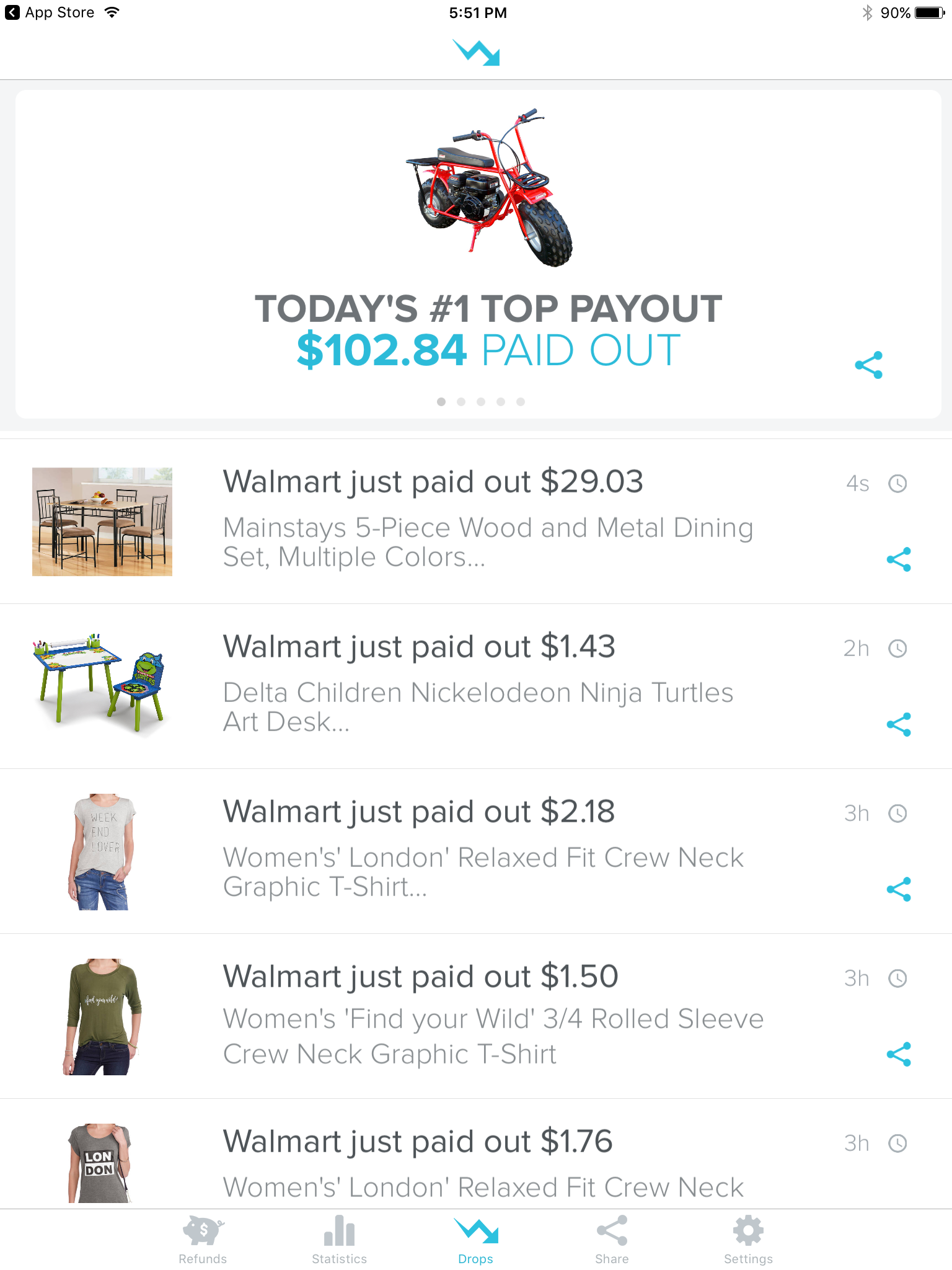
  • Walmart Savings Catcher
  • How Much Do Youtubers Make?

Filed Under: Books and Reading, Coupons, Family Time, Money and Finances, Parenting, Shopping Tagged With: how to save more money, SAHM, Saving Money, the stay-at-home mom blueprint, ways for stay-at-home moms to save money

How to Afford Being a Stay-at-Home Mom

May 29, 2017 | Leave a Comment


how to afford being a stay-at-home momWhen I was pregnant with my first child, every day held excitement about the future. But I couldn’t quite shake the weight I felt on my shoulders when I thought about returning to work six weeks after her birth. I wanted so desperately to stay home, but simply couldn’t imagine how to afford being a stay-at-home mom.

It just doesn’t come up much in school, does it? “Living On Half Your Income 101.” Yeah, not so much. Today’s culture often says things like “Put it on credit” or “You deserve more” or good ‘ole “YOLO.” But some dreams involve spending and earning a whole lot less.

And they sure are worth it.

See, my husband and I really needed a roadmap, some kind of guidelines to help us navigate these tumultuous waters.

If that’s you, then let me encourage you. Our “get-your-financial-act-together” journey started in 2011. In 2012, my husband and I paid off $22,000 to become debt-free right before our daughter’s birth. We stockpiled as much as we could into our emergency savings and learned to continually live within our means (MUCH harder than it sounds!).

This led to one of the happiest days of my life. It was in May of 2014. I was 30 weeks pregnant with our second child and kept having labor symptoms when I’d work on my feet all day at my job. Rather than risk a premature delivery, that became the catalyst for our leap of faith.

That was the day I quit my job and officially became a stay-at-home mom. I waddled to my car with astonishment stamped on my face. It really was happening.

You need to understand the primary reason for this astonishment. We would now be living on less than $2,000 a month. It seems impossible that we could have done this (especially if you knew how bad we were at budgeting when we were single!). The thing is, we hustled our hineys off and no longer had debt. We’d been budgeting like paupers and renting from family instead of rushing into a home we couldn’t afford.

Even on such a small income, we really were ready. Hence my amazement.

Every dream is different. And that’s OK.

Your dream may not be to stay home. That’s totally fine! If you love working outside the home, then embrace that and enjoy your work. Nor are you required to generate an income if you do decide to stay home full-time. Let’s just get that out there.

So many of the steps we took as a couple had very little to do with me making extra money from home. They set an important foundation that centered around three major components:

  • Communication
  • Changing habits
  • Financial freedom

Let’s pull back the curtain a little further and explore what I mean.

How to Afford Being a Stay-at-Home Mom

Here are some practical first steps you can take in your journey toward spending more time with your kids!

Step #1: Kick debt to the curb.

When my husband and I committed to paying off our outstanding debt in two years instead of seven, we forced ourselves to:

  • Budget every month
  • Snip our credit cards and always pay with debit or cash
  • Live intentionally on less
  • Communicate in healthier ways about money

For example, the biggest way my husband and I melted debt was to intentionally begin living on his income. It took months, but eventually, we were able to apply every dime from my paycheck toward debt.

After that, our small income became that much more powerful. Imagine what you could do with your money if you didn’t have any payments. That one thought spurred us on.

Recommended Article: “10 Steps to Create a Successful Stay-at-Home Mom Budget”

Step #2: Save for the unexpected.

Saving for emergencies is the most powerful way you can create financial stability in your home. Smaller emergencies like an oil leak can be covered in the “auto repair” portion of your budget. But what if your income-generating spouse loses his job? That buffer is the difference between you remaining a stay-at-home mom through that transition or scrambling for work alongside your partner.

A great place to start with a savings buffer is $1,000. More can be accumulated once you’re out of debt, but that first $1k is your Kevlar vest against calamity.

Step #3: Act.

We covered the basics. Whether you’re a mother or would like to be one someday, you can begin this journey today. It’s time to choose your next step and ACT.

A great place to start is a conversation with your significant other. This plan requires openness and commitment from both of you. It’s also going to take time. Best to start the conversation now.

For example, when I messed up the budget, I knew I could approach my husband about it instead of burying my head in the sand like I’d done in the past. We worked through many problems that way. Extend grace. Talk about your dreams. Re-commit.

Another great next step is to further your education. Try joining a Facebook group that centers around whipping your family finances into shape. The added support is tremendous. Here are two great groups you can join:

  • Your Debt Freedom Family
  • Dave Ramsey Budgeting for SAHM and Friends

Build on the foundation.

If you’ve read this far, it means you’re dead serious about your dream of becoming a stay-at-home mom. That’s awesome.

I believe you can do it, but this is just the framework. It’s not going to keep the rain or wind out of your house. To add siding, insulation, a roof, and even some shiplap if that’s your fancy, then I strongly encourage you to check out my eBook called “The Stay-at-Home Mom Blueprint.” In it, I expand my story on climbing out of debt and achieving my dream of staying home. I also walk you through 150 practical strategies that my husband and I used (and still use today) to communicate better, chop debt, and save money.SAHM Blueprint

This is the roadmap I wish I’d had when we first dreamed of transitioning into a single-income family.

Also, if you do want to earn money from home, “The Stay-at-Home Mom Blueprint” includes dozens of ideas to sell your stuff, earn gift cards or cash from home, or build an online business. My business didn’t happen until nearly two years after I became a SAHM. Since then, I’ve made nearly $20,000 just working part-time as a freelance writer. I know without a doubt that this business wouldn’t have happened if I hadn’t safely transitioned into a stay-at-home mom first.

Ready to take your journey toward staying home to the next level?

Grab your copy of “The Stay-at-Home Mom Blueprint” today.

Your Turn: What advice would you give someone on how to afford being a stay-at-home mom? Share with us below!

This post may contain affiliate links.

Image Credit: AI Photography

Hungry for more financial tips for stay-at-home moms? Look no further!

  • 10 Steps to a Successful Stay-at-Home Mom Budget
  • 14 Online Jobs for Stay-at-Home Moms (That Are Worth Your Time)
  • 13 Ways for Stay-at-Home Moms to Save Money
  • Loans for Stay-at-Home Moms – What Are YOUR Options?
  • The SAHM Budget Test: How to Afford to Be a Stay-at-Home Mom

Filed Under: Books and Magazines, Books and Reading, Education, Home and Living, Money and Finances Tagged With: how to afford being a stay-at-home mom, how to stay home, SAHM, stay-at-home mom blueprint, wahm

How to Shape Your Child’s Money Personality

May 24, 2017 | Leave a Comment

child-1073638_640Children need our guidance for everything they do. Children cost us a lot of money and it seems they always need something, even well into their college years. You may not think of fiscal responsibility when describing your children’s needs, but this too is something they’re going to learn from you — whether you intend to teach them or not.

It’s important to start teaching financial responsibility to your children as soon as they start noticing and asking about money. It is common for children to think money is plentiful and infinitely available. “Money doesn’t grow on trees,” we will all tell our children at one time or another.

How are they going to learn this? Regardless of your income, you should start teaching your children the value of money and help them develop financial responsibility. Here are a few ideas you can employ to help you accomplish this.

Create Want and Need Lists

Help your children learn the difference between needs and wants. Have your children identify things they need in life — like food, clothing and shelter — versus the things they want, like video games, electronic devices and spinners. Teach them that needs come first and that wants can be assessed and evaluated before purchasing anything.

Teach them about doing without in lean financial times and what compromises a limited budget might force you to make.

Teach Earning

Teach your children that money is not given, but earned. Let them learn the value of a dollar by giving them paid assignments in addition to their expected chores. Don’t overwhelm them. Give them something they can accomplish, like cleaning the yard up after the dog or raking the leaves into yard waste bags. Putting dishes away is a simple chore. Make it a challenging but reachable goal which pays off for them.

Teach Spending

Talk about wise spending and mistakes you have made. Share the story about blowing your crisp $5 bill on a stuffed rabbit you had to have on an impulse buy. Let your children know you can’t buy everything you want and show them some of the sacrifices you have made. Go shopping and look at things you would love to have but can’t afford, or that simply wouldn’t be a good idea to buy considering your budget.

Teach them that buying a car means buying gas, insurance, paying for maintenance and a host of other things they won’t automatically think to budget for.

Teach Saving

Buy a piggy bank or some other bank or jar to throw coins into. Have them guess how much money they have. Make goals for an amount to save. Help them identify something they can buy when they reach that goal. Counting money teaches them math skills, and the more they save, the less they’ll want to spend their money.

Teach them the importance of having an emergency fund for unexpected expenses, which will inevitably arise. If the money starts building up, go to your bank or credit union and set up their own savings account.

Teach Charity

Have your children go through their toys and clothes and determine which things they no longer want or need.

Talk about the potential use and appreciation still offered by the item and why it should not be thrown in the trash. Let your child decide to make the tough decisions. Practice this regularly to teach them to avoid clutter. Have your child accompany you to a Salvation Army or Goodwill to donate the items.

Encourage Work

You might pay them for doing a little extra around the house, or maybe you are a family which offers weekly allowances. At some point, a neighbor or friend may need a helping hand with some task they don’t want to do themselves. Shoveling snow from the driveway, cutting the grass, raking leaves and babysitting are common first jobs for children.

If you feel they’re ready and responsible enough to do such tasks, welcome the opportunity for them to earn money. This will give them a sense of accomplishment and further teach them the value of money.

Double Their Money

Perhaps your child has earned some money from babysitting or doing yardwork. Birthdays can produce a windfall of $20 bills from family and friends. Rather than watch all of that money get squandered on candy, iTunes gift cards and impulse buys, give your children a chance to double their money.

Offer to deposit all or any of the money they wish to save into their savings account and match it with your own funds. Let them work it out themselves. Let them decide whether giving up their money is worth doubling it for the future. Maybe they will come up with a plan to deposit half, so they will have the full amount in the bank and the rest to spend.

Whether you end up with a saver or a spender may not be entirely up to you. Children have their own personality traits and obviously inherit the best and worst from you and your spouse. As with any other lesson in life, all you can do is teach and lead by example. Help them make decisions, but try to make sure they’re deciding for themselves. This will teach them responsibility — financial and otherwise. Maybe your children will be role models for you some day.

Anum Yoon is a personal finance blogger and writer who runs Current on Currency, a blog for anyone who is seeking friendly money advice. 

James Hendrickson

James Hendrickson is an internet entrepreneur, blogging junky, hunter and personal finance geek.  When he’s not lurking in coffee shops in Portland, Oregon, you’ll find him in the Pacific Northwest’s great outdoors.   James has a masters degree in Sociology from the University of Maryland at College Park and a Bachelors degree on Sociology from Earlham College.  He loves individual stocks, bonds and precious metals.

Filed Under: Money and Finances

10 Steps to Create a Successful Stay-at-Home Mom Budget

May 22, 2017 | Leave a Comment

stay-at-home mom budgetDo you dream of becoming a stay-at-home mom but your family depends on your income? Your dream may not be impossible. It starts with a plan, a lot of self-compassion, and determination. I know from experience. Our most effective tool on our journey to a single-income family with an at-home parent started with a stay-at-home mom budget.

I’d like to show you how.

In 2014, I gave my notice at my job just a few weeks before having my second child. With only my husband’s income, we now had less than $2,000 per month to live on. That may sound impossible, but we spent years preparing for that day. It’s amazing how little income you can live on when you don’t have a car payment or student loan debts. It’s amazing how free you feel when you make such an empowering decision like staying home with your children. I

It’s amazing how little income you can live on when you don’t have a car payment or student loan debts. It’s amazing how free you feel when you make such an empowering decision like staying home with your children.

I wish that for you.

This list of steps will show you exactly how we beat the odds and successfully transitioned into a single-income family of four.

10 Steps to Create a Successful Stay-at-Home Mom Budget

Let me just say we stunk at budgeting before my husband and I got married. Like really stunk at it. I even worked as a teller and couldn’t keep my finances straight. I can laugh now, but it caused its share of anxiety in me at the time. I dreamed of staying home with my children someday, but our debts and sloppy spending made it felt unachievable then.

These 10 steps revolutionized so much more than our budget. It reshaped my mindset about money, my role in our marriage, how we communicate, and how we plan for the future. Check ’em out:

Take a financial snapshot.

Look at what you’ve been spending, how much you owe in debt, what you have in savings, and what you earn each month. It takes time, but this is a great starting point for anyone looking to improve their finances.

Before you ever write another budget, make sure you’re aware of where your money is really going.

Calculate how much you NEED to live on each month.

This number is vital. It’s not how much you spend on cable or fast food or extra clothes for the kids. This is the total you need, absolutely need, each month to keep the lights on, put gas in the tank, and feed the family.

A great way to calculate that number is to add up your monthly bills. They’re typically a set amount. Then, include things you typically buy in a month like food and gas. This is the baseline for you to plan your stay-at-home mom budget. You know this much needs to come in. If you and your spouse currently bring in more than that, then let’s talk about some ideas for that extra money next.

Build up a buffer.

When you reduce your family income, it’s paramount to have an established savings account for unexpected expenses. Millions of families live paycheck to paycheck with no clear financial plan for the next blown transmission or trip to the ER. You can set yourself apart from that statistic. Choose an account today and commit to putting away $1,000 for emergencies only as fast as you can.

Demolish debt.

Eliminating as many monthly payments from your life as you can before you become a stay-at-home mom is huge. If you’re already home with the kids, it’s still as important as ever.

For example, my husband and I started applying more and more of my paycheck toward student loan debt. What we thought would take seven years took less than two. Intentionality will bring about big results in your life.

Meet regularly with your spouse or accountability partner.

While my husband and I were paying off extra toward debt and saving for emergencies, we met regularly to discuss our budget. We still do. It isn’t always easy, but carving out a 15-minute window once a month to make sure you’re on the same page will reduce your stress and set up your stay-at-home mom budget for success.

Need some help creating a budget? Here are several free downloadable budgeting forms.

Sleep on big financial decisions.

Give yourself a 24-hour window before you make any purchase more than a set dollar amount. This is especially important for houses, automobiles, furniture, and the like.

Leave room for fun.

Even though you’ll have less money in the budget once you’re a stay-at-home mom, it doesn’t mean you can’t have fun. If it’s in your spending plan (and preferably not on a credit card), plan for fun outings or date nights or taking the children to the zoo. I even recommend a little fun money for you and your significant other to spend however you wish. A little freedom helps you life when finances tighten up.

Don’t compare yourself with others.

With social media, it’s almost impossible to not compare your life with others’. Remember this, though: It’s entirely possible they’re in debt up to their armpits and you don’t know it. Remember your reason for wanting to stay home. It may mean you have to live in a smaller house for a while, but the trade-off is more time with your kids.

Employ self-compassion when you fail.

You will fail. Your spouse will fail. Rather than give up and quit budgeting, give yourself some grace and try again. I’ve derailed more budgets than I can count. Working through that frustration and stress was like working a muscle. You will grow your abilities, too.

Focus on your behavior, not your numbers.

Ever read that quote about personal finance being 80 percent behavior and 20 percent head knowledge? It was true in my case. When I stopped chasing my credit score and started chasing a debt-free mindset, my account balance changed dramatically. What are some behaviors you can focus on that’ll help you establish a functional stay-at-home mom budget?

“What’s my next step?”

Hopefully, this article gave you some ideas on how to begin this journey. It’s meant to inspire and educate, but one blog post can only offer so much.

What I needed on my own journey toward staying home was a financial roadmap. Much of my husband’s and my experiences were trial and error (and more errors and some more errors). Beating the odds in 2014 lit a fire within me to help other women achieve this dream.Paperback-Book-Small-Spine-Mockup

That’s why I created a companion eBook to this article called “The Stay-at-Home Mom Blueprint.” It’s packed with 150 ways to chop debt, save money, earn a side income from home, and implement a financial plan that WILL enable you to spend more time with your kids.

This eBook contains everything I wish I’d known when I started my journey, from surviving our first messy budget as newlyweds to figuring out coupons to earning my first $10,000 with my at-home writing business.

If this is your dream to spend more time at home, then I wrote this for you. Look, it’s not easy. We spent years making this transition without a guide like “The Stay-at-Home Mom Blueprint.” Even so, it was worth it. Your journey will be, too.

May this resource empower you to take these steps to achieve what matters most to you.

Ready to grab your copy? Find “The Stay-at-Home Mom Blueprint” available here.

What’s your number ONE hurdle that prevents you from spending more time at home? Tell us about it in the comments below!

This post contains affiliate links.

Are you a stay-at-home mom? Make sure you bookmark or pin some of these resources for later!

  • How to Afford Your Dream of Becoming a Stay-at-Home Mom
  • 14 Online Jobs for Stay-at-Home Moms (That Are Worth Your Time)
  • 13 Ways for Stay-at-Home Moms to Save Money
  • Loans for Stay-at-Home Moms – What Are YOUR Options?
  • The SAHM Budget Test: How to Afford to Be a Stay-at-Home Mom

  • Walmart Savings Catcher
  • How Much Do Youtubers Make?

Filed Under: Coupons, Home and Living, Money and Finances, Parenting, Shopping Tagged With: personal finance, SAHM, save more money, stay-at-home mom budget, the stay-at-home mom blueprint

How to Save Money – 35 Top Ways for Parents to Save Money

May 15, 2017 | 2 Comments

how to save moneyNo matter what you earn in a year, if you’re raising a child, then saving money is going to be a huge part of your life. You’ll save for diapers, school supplies, soccer cleats, and college. To help in your frugal efforts, here is a master list of how to save money.

Many of these tips came from real parents discussing this important topic via SavingAdvice.com.

How to Save Money – 35 Top Ways for Parents to Save Money

This is one of those articles that can be a useful resource for you, time and time again. As you read through, there will be things you can apply to your life today, but some tips may not apply til later. I suggest you bookmark or pin this post to ensure you have access to you it later.

  1. Switch to bank accounts with no fees.
  2. Cancel unused memberships.
  3. Cancel subscriptions. Examples include magazines, newspapers, online entertainment, dating, or networking memberships.
  4. Skip the cafe and bring home brewed coffee to work.
  5. Eat out less; cook at home more.
  6. Save money on your electricity bill. Install a smart meter (some libraries loan them out for free) to measure how much electricity your appliances are using. You could be saving more by simply unplugging what you can.
  7. Contact your cell phone provider to ask how to save money on your bill. They may have a discount plan to offer.
  8. When other phone companies cold call you, ask if they can beat your current company’s price.
  9. Are you looking at a phone for your child that’s only to be used for emergencies? Try buying a prepaid phone rather than something on contract.
  10. Comparison shop. This is huge for every major purchase in your life – from cribs to colleges.
  11. Don’t buy “convenient foods” when you can make something from scratch. Frozen meals are quicker to prepare but you pay for the convenience and they’re often much less healthy for you.
  12. Buy in bulk versus smaller quantities at traditional supermarkets (Costco, Amazon’s Subscribe and Save).
  13. Batch your meals on the weekends. By preparing a large quantity of breakfast or snack foods during the weekend, you’re setting up your week to be more frugal and freeing up a considerable amount of time.
  14. Save those pennies and dimes. Designate a family piggy bank for all your coins. When it’s full, go do something fun together.
  15. Don’t balk at used items. Yard sales, thrift stores, and online garage sales may have just the items you’re looking for at a fraction of the price. Children’s clothing is a prime example, especially when they’re very young. They grow so fast!
  16. Whenever you can, shut off your heat or air conditioning and throw open those windows. You’ll save a considerable amount on your utility bill in the long run.
  17. Get creative with transportation. Can you carpool, ride a bike, or even walk to work? These may seem like extremes, but they’re also fantastic ways to save money on gas as well as preserve the life of your vehicle.
  18. Reconsider that credit card “deal.” As popular as it is to accumulate airline miles or to snag that 30% savings at Kohl’s consider the long-term drawback your experiencing.
  19. Be mindful of your spending habits. If you’re bringing home a paycheck, but there’s nothing left at the end of the week to drop into savings, then it’s time to dig in and evaluate what you’re really spending.
  20. Clip or download coupons. Apps like Cartwheel or Paribus or RetailMeNot can give you convenient methods for saving on weekly expenses.
  21. Wait at least 24 hours before making a large purchase. Give yourself a chance to come down from your “fever” to make a more thought-out decision.
  22. Check your wallet. By knowing how much money you have before you walk out the door, you’ll be aware of what you can and cannot spend throughout that day.
  23. Pack your lunch.
  24. Find some free hobbies.
  25. Identify wants versus needs.
  26. Lower your car insurance by combining policies or paying it annually instead of monthly.
  27. Learn how to save money on child-related taxes. See a full run-through of your options here.
  28. Launch a “No-Spend Challenge”. Choose a spending category (i.e. fast food) and set a time for not spending any money in that category.
  29. Try the 52-Week Money Challenge. Learn how to save over $1,300 a year here.
  30. Use a monthly budget. I know from experience that this will help you conquer debt more quickly and save money before you ever spend money elsewhere.
  31. Find deep discounts on Amazon merchandise through SnagShout.com.
  32. Don’t spend your tax return; save it.
  33. Automate a monthly transfer into savings. You’re much more likely to stick with it!
  34. Pay $100 extra on your mortgage each month. This doesn’t save money in the short-term, obviously, but you’ll save thousands in interest over time.
  35. Get accountability. However you’re saving money for your family, one of your most powerful tools is support. Not only does my spouse hold me accountable on a continual basis, but I love feeding off the positive energy in a supportive Facebook group of like-minded savers called “Your Debt Freedom Family.” We only discuss things related to our families and our finances – no spam or marketing. If you’d like to join, you can do so here!

The biggest progress I made when I was trying to figure out how to save money as a parent was remembering my “Why.” In my case, it was the little one growing rapidly in my tummy. She didn’t know it at the time, but my first child gave me strength, every day, to cut back, live on the budget, and save. It was worth it for her.

What’s one money-saving tip you’d add to this list? We’d love to hear about it in the comments below!

Are you a stay-at-home mom? Check out these bonus resources just for you!

  • 10 Steps to a Successful Stay-at-Home Mom Budget
  • How to Afford Your Dream of Becoming a Stay-at-Home Mom
  • 14 Online Jobs for Stay-at-Home Moms (That Are Worth Your Time)
  • 13 Ways for Stay-at-Home Moms to Save Money
  • Loans for Stay-at-Home Moms – What Are YOUR Options?
  • The SAHM Budget Test: How to Afford to Be a Stay-at-Home Mom

Filed Under: Family Time, Money and Finances, Parenting Tagged With: best ways to save money as parents, how to save money, Money Saving Tips, personal finance, Saving Money

How to Launch a 52-Week Money Challenge for Kids

April 10, 2017 | Leave a Comment

52-week money challenge for kidsAs you set your goals each year, it’s fun to include your children in the process. Involvement helps them learn to set goals of their own. In the interest of helping them develop strong savings habits, why not have them participate in a 52-week money challenge for kids?

Similar to the well-known 52-week money challenge for adults, the kids’ challenge helps kids to save more money by determining a set amount of cash to put into a savings account, and then increasing that amount each and every week.

How to Personalize Your Child’s 52-Week Money Challenge for Kids

Based on your child’s age and his or her ability to access money, you can pick the weekly money amount that works best for their particular situation.

Even with the smallest weekly contribution, the savings will add up. If your child is younger, you can start with a small amount – for example, a nickel – each week. Here’s how the challenge works:

  • $0.05 contribution – WEEK 1
  • $0.10 contribution – WEEK 2
  • $0.15 contribution – WEEK 3

And so on. If you choose to use a nickel for the challenge, your child simply increases each weekly savings contribution by one nickel. By the end of the 52 weeks, your child will have saved $68.90.

Here is a breakdown of other coin values and potential savings amounts:

  • Dime = Save $137.80 by the end of the 52 weeks.
  • Quarter = Save $344.50 by the end of the 52 weeks.
  • Dollar = Save $1,378 by the end of the 52 weeks.

Why Teaching Kids to Save is Important

We’re living in a time where it’s easy to not save money. Clever marketing and social pressures encourage kids to spend rather than save. Therefore, they start to believe they can have the latest and greatest of everything on the market – without the hard work of earning it.

Saving money is becoming less and less important to people as generations go by. America’s declining savings rate proves it. In May of 1975, the personal savings rate in the United States reached a high of 17%. At the end of 2016, it was 5.4%.

By teaching our children to develop a habit of saving money, we give them a head start on the road to financial responsibility.

Other Ways to Teach Kids to Save

Besides using a 52-week money challenge for kids, there are other ways you can teach your children to make saving money a consistent habit.

  • Require your kids to save a percentage of all money they earn or receive as a gift
  • Boost your child’s enthusiasm for saving by committing to match what they put into savings dollar for dollar
  • Create a savings contest between you and your child (or between your children) to see who can save the biggest percentage of their income for the year

The 52-week money challenge for kids is a great way to encourage children not just to save money, but to challenge themselves to save more than they initially thought was possible. So, give your kids the gift of making savings a habit starting today.

Bonus Reading: “6 Fun Money Games for Kids”

Would you ever do a 52-week money challenge with your child? Have ever done one on your own? Let us know in the comments below!

Image Credit: Nathaniel_U (Creative Commons)

Are you a stay-at-home mom? Make sure you bookmark or pin some of these resources for later!

  • 10 Steps to a Successful Stay-at-Home Mom Budget
  • How to Afford Your Dream of Becoming a Stay-at-Home Mom
  • 14 Online Jobs for Stay-at-Home Moms (That Are Worth Your Time)
  • 13 Ways for Stay-at-Home Moms to Save Money
  • Loans for Stay-at-Home Moms – What Are YOUR Options?
  • The SAHM Budget Test: How to Afford to Be a Stay-at-Home Mom
  • 52-week Money Challenge by Saving Advice

Filed Under: Education, Growing Up, Money and Finances, Parenting, Stuff to Do, Toys and Games Tagged With: 52-week money challenge for kids, how to launch a 52 week money challenge, money games, save money, teach kids to save

4 Creative Money Challenges for Kids

March 20, 2017 | 2 Comments

money challenges for kidsOne of the biggest – and most important – hurdles parents face is that of teaching their kids to save money. In today’s instant gratification world, kids are often led to believe that spending is more beneficial than saving. It’s our job as parents and caregivers to teach them the benefits of saving over spending. By utilizing these money challenges for kids you can help your child learn the importance of saving money.

4 Creative Money Challenges for Kids

The 365-Day Money Challenge

The 365-Day Money Challenge has flexibility in both the amount of money you can use and when you earn it. The first step is to print out a chart that has 365 days of money amounts on it, starting with $.01 up to $3.65. Then, post the chart somewhere where your child will see it every day. Each morning when your child gets up, they pay their piggy bank or money jar an amount from the chart. When they pick a money amount to save, they then cross that amount off on the chart. Each money amount can only be used once throughout the year. By the end of the year, they’ll have saved $667.95!

Wants some ideas for how to help your child earn money? Check out these chores here.

The Matching Money Challenge

This money challenge will involve parents and/or grandparents as well. The first step is to have your child decorate a jar with a lid, such as a large canning jar. They can also use their own piggy bank. Each week your child will put in their bank the money they’ve earned through different sources. Money earned for chores or allowance, or money received from gifts are some ideas for finding money to save.

After the jar is filled up, parent and child bring the jar to the bank to deposit the money. When the money is counted, parents or grandparents match the amount the child has saved. The final deposit into your child’s savings account will be double what they have saved!

The 52-Week Savings Challenge

Similar to the 365-day challenge, this challenge requires kids to save money on a regular basis. First, they print out this chart. Each week has a money amount – payable in quarters – listed on the chart.  Your child chooses which amount he or she wants to save each week, crossing that amount off as they go. By the end of the year, your child will have saved $344.50.

The Make-it-Your-Own Money Challenge

This challenge can be implemented in a number of different ways. The goal is to help kids improve their lives in some way or teach them that work produces income. The first step in this challenge is to determine a dollar amount payout. Parents can work with children to help decide how much they want to earn in a given time period. The challenge can be modified to work for every family’s budget and specific goals.

For instance, some kids may have a goal of earning $10 in a week.  Others might want to earn more over a longer time period. It also helps to determine with your child why he or she wants to save. Having a reason for saving helps motivate kids to save more.

After you’ve determined how much to save and in what time period, parents create jobs or tasks with coordinating payouts. The “jobs” can consist of several different options, such as:

  • Doing chores around the house that are outside of normally assigned chores
  • Doing learning challenges such as reading books or completing math worksheets
  • Implementing healthy habits such as exercising or making healthy eating choices
  • Choosing to cut down on screen time in favor of reading or spending time with loved ones

The challenge can be customized to fit whatever goals your family or your child may have. As a bonus, your child will earn a reward them for achieving those goals.

Teaching kids to manage money well is just one of the things we can do to prepare them for independence. By helping our children develop a habit of saving money, we can prepare them to be financially responsible adults.

Got any money challenges for kids of your own to add? Drop it below!

Are you a stay-at-home mom? Check out these hot tips and pin one for later! 

  • 10 Steps to a Successful Stay-at-Home Mom Budget
  • How to Afford Your Dream of Becoming a Stay-at-Home Mom
  • 14 Online Jobs for Stay-at-Home Moms (That Are Worth Your Time)
  • 13 Ways for Stay-at-Home Moms to Save Money
  • Loans for Stay-at-Home Moms – What Are YOUR Options?
  • The SAHM Budget Test: How to Afford to Be a Stay-at-Home Mom

Filed Under: Education, Family Time, Money and Finances, Parenting, Toys and Games Tagged With: 52 week money challenge, how to teach kids about money, money challenges for kids, teach children good habits

My Paribus Review: Is Paribus Receipt Fetcher the Next Money-Maker for Your Family?

March 6, 2017 | Leave a Comment

Paribus reviewAccording to a Pew Research Center survey, 79 percent of Americans made online purchases in 2016. Fifty-one percent purchased something on their cell phones. Parents make up a massive percentage of those shoppers, so that’s why I’ve put together this Paribus review. It’s here to help you find ways to earn cash back on those online purchases this year.

My Paribus Review: Is Paribus Right for Your Family?

If you’re handy with your smartphone, you probably already use money-saving apps like RetailMeNot, Swagbucks, or Walmart’s Savings Catcher, but there’s a new kid in town called Paribus, and it’s different than any other app you’ve tried.

What Is Paribus?

Paribus is an app available to all Apple devices and is free to download. Every time you shop online, Paribus automatically scans your digital receipt to see if there are purchases eligible for cash back over the subsequent weeks.

For example, let’s say you bought your son a $60 LEGO kit at Walmart.com for his birthday last week, but you’ve just noticed the price dropped to $40! Paribus automatically contacts Walmart to find out if you can get that $20 refunded. If they agree, then you get 100% of that refund!

Not bad for doing basically nothing, right?

What Are the Benefits and Drawbacks to Using Paribus?

It goes with the territory that every new product has its pros and cons. Your days are filled with tending to kids, running your household, and keeping your head on straight. My job is to help you make an informed decision about products that may or may not benefit your family as honestly as I can.

Therefore, here are the benefits and drawbacks I observed when using Paribus.

BENEFITS

It’s free. From the moment you download the app to your first cash back alert, there are no charges or hidden fees. Although, you do have to spend money shopping online, obviously! 

It could be great for the holidays. Last Christmas, I asked a group of moms to share their favorite way to go Christmas shopping and the majority answered, “Online.” If you rack up most of your holiday spending money with online retailers then you could be in for some cash back on some of those purchases.

DRAWBACKS

You have to share quite a bit of private information with Paribus. Like I said earlier, I want to be totally honest in this review, so I need to share one drawback that gave me considerate pause at first. Paribus will have authority to read, send, delete, and manage your email. They also request your Amazon login and password, as well as your credit card information.

I worked for years in fraud prevention at a financial institution, so those were automatic red flags to me. I dug in and researched user experiences since the app’s inception in 2014. Despite the scary amount of personal information, I did not read one report of fraudulent activity or compromised information from users.

IMG_0231 (2)

I’m just reviewing this product as a consumer and don’t have authority to ensure this software is secure, but you can hear directly from Paribus and learn more details about how they handle our information via this CNBC report.

Watch out for hiccups. I experienced a technical bug when I tried to sync my Amazon account with Paribus. Upon further research, I discovered several other complaints about technical hiccups like that. I’m sure they’re updating and ironing out bumps all the time, but just be aware that those may cause some delays.

Not every purchase or store is eligible. A number of users complained that Paribus only pays back on eligible stores and purchases, so their cash back wasn’t as much as they hoped. Considering your family’s needs over the course of this year, you may want to evaluate where you’ll be shopping for them and how often. Paribus updates the list of eligible retailers regularly.

Paribus Review – Final ThoughtsIMG_0235

The million dollar question is this: Did I actually get cash back using Paribus? 

Not yet. I believe the reason is because I shop infrequently online and have only just started using Paribus.

Paribus is a free app that requires minimal upkeep, so if your alright with the parameters discussed throughout this article and you already shop online regularly, then it’s likely this app will make you some money. If you don’t shop a lot until Christmas, then it may still be helpful. If you just don’t shop a lot, ever, then you may not hear much chatter from Paribus.

Are money-saving apps like Paribus a wise replacement for good financial habits? Not at all. We use terms like “personal finance” and “financial living” because you must live out certain principles in order to succeed. Laying a foundation with things like budgeting, saving, and spending less than you make are far and away more important than using the right gadget or app. Are apps still helpful? Yes. But don’t let them tempt you to spend more than you intended to and wreck your foundation.

The Sign-Up Process

The following four steps taken directly from Paribus’ sign-up page will help you get started:

Paribus I

In other words:

  • Download the app.
  • Sync your info to Paribus.
  • Shop.
  • Get paid.

Where are some of your favorite online stores when you’re shopping for your family? Share one below!

This post was sponsored by Paribus. 

P.S. Are you a stay-at-home mom? Make sure you bookmark or pin some of these resources for later!

  • 10 Steps to a Successful Stay-at-Home Mom Budget
  • How to Afford Your Dream of Becoming a Stay-at-Home Mom
  • 14 Online Jobs for Stay-at-Home Moms (That Are Worth Your Time)
  • 13 Ways for Stay-at-Home Moms to Save Money
  • Loans for Stay-at-Home Moms – What Are YOUR Options?
  • The SAHM Budget Test: How to Afford to Be a Stay-at-Home Mom

Filed Under: Discount Sites, Money and Finances, Product Reviews for Parents, Shopping Tagged With: make money online, online shopping, paribus review, save money online, shopping for your family

Living On Very Little Income? Here Are Some Basic Considerations.

February 20, 2017 | Leave a Comment

Living On Very Little IncomeAs a trained financial coach and someone who has experienced life below the poverty line, I’m passionate about helping people who find themselves living on very little income. I want them to know there’s more hope than they realize. It’s not easy, but there are steps people can take today to improve their financial situation at home. Let’s go over a few of those basic considerations now.

Living on very little income? Here are some basic considerations.

What you earn annually does not directly affect your living situation. For example, things like cost of living, recurring bills, spending habits, and hobbies make a huge difference. Some families can make do on $25,000, others struggle with $125,000.

The key component that made the biggest difference in my own life wasn’t my bank account balance, it was my behavior. When my mindset shifted toward healthier habits, the numbers inevitably followed. Here are a few key behavioral shifts I made that improved our finances when money was especially tight.

3 Ways to Successfully Live On Less

Protect the “four walls.”

According to the U.S. Census Bureau, the poverty line for a family of four is $24,339. View your family’s size and threshold here.

In the book The Total Money Makeover: A Proven Plan for Financial Fitness, author Dave Ramsey talks about taking care of the “four walls.” This is a key component for anyone who is living on very little income. The four walls are:

  • Food
  • Shelter (rent, mortgage, utilities)
  • Transportation (fuel, auto maintenance)
  • Clothing (when needed)
Amazon

You may experience creditors calling you about a bill that’s overdue, what’s that when your family is still able to eat and there’s no eviction notice on your door? Protecting the four walls, no matter your income, puts you in a completely different place emotionally.

Start a “Rainy Day” fund

If you feel like you’re one broken appliance away from a crisis due to your limited income, it’s time to save up for emergencies. It’s so easy to say you can’t spare an extra $500 right now to just sit in the bank, you wouldn’t be alone in that thinking. Over 62% of people responded in a recent Bankrate poll that they wouldn’t be able to cover an unexpected expense like a $500 car repair or a $1,000 trip to the ER.

But remember, we’re looking at modifying behavior. You can walk a different path than the majority.

For example, how would it feel if your radiator cracked and white smoke started billowing out of your hood tomorrow? Now how would it feel if you knew there was money in the bank to fix it immediately? You’ve just reduced a crisis to a problem with a solution.

Ways to save for emergencies:

  • Create a budget and educate yourself on your current spending habits. Cut back in areas of excess and drop that extra cash into an emergency fund. For free printable or downloadable budget forms, click here.
  • Set up an automated savings transfer every month to make sure the habit sticks.
  • Sell items around your house on Facebook or in a garage sale. Got a stack of books lying around? Try selling them on Amazon or Bookscouter.com.
  • Eliminate as much debt as possible. This will free up more and more money each month to put toward savings and living expenses.

Increase your income.

If you’ve protected your four walls, started planning ahead for emergencies, and created a budget to track your spending, then congratulations. You’re light-years ahead of so many Americans who carry the stress and worry of finances on their shoulders day in and day out.

Many people skip those first integral steps and jump straight to this last one: Increase your income. Hopefully, now you can see why a shift in your own habits needs to take place first. Then, you’ll feel more empowered to do something to increase your income. The foundation has been laid. Now here are a few ways to increase your income:

  • Pick up a second job.
  • Increase your hours or work overtime.
  • Seek a promotion or raise.
  • Start a side hustle from home.
  • Seek out a higher-paying job.

You have the same 24 hours as everyone else, so getting a second job or working longer hours comes with the sacrifice of time away from home. If that’s what it takes to protect your four walls and set up a buffer against emergencies, then that might be the right answer for the time being.

Recommended Reading: Raising a Child On a Budget: How to Save Money and Be a Happy Family

If you’re living on very little income, this is probably a difficult season for you. Change won’t happen overnight, but if you build a financial foundation based on your values (i.e. protecting your family), then each decision will flow out of that and sacrifices like cutting up a credit card or eating out less will sting less. The trade off will eventually be a more peaceful home and greater financial freedom.

Have you ever experienced living on very little income? What steps did you take to improve your finances?

This post may contain affiliate links.

Do you dream of becoming a stay-at-home mom? We’ve assembled a collection of resources just for you!

  • 10 Steps to a Successful Stay-at-Home Mom Budget
  • How to Afford Your Dream of Becoming a Stay-at-Home Mom
  • 14 Online Jobs for Stay-at-Home Moms (That Are Worth Your Time)
  • 13 Ways for Stay-at-Home Moms to Save Money
  • Loans for Stay-at-Home Moms – What Are YOUR Options?
  • The SAHM Budget Test: How to Afford to Be a Stay-at-Home Mom

Filed Under: Home and Living, Money and Finances Tagged With: how to increase your income, living on very little income, poverty threshold, save for emergencies, Total Money Makeover

Take Over Apartment Lease – How to Quickly Find Your Replacement Renter

February 6, 2017 | Leave a Comment

take over apartment leaseThe tricky thing about life is that it doesn’t always line up with our schedule. Perhaps you find yourself in a situation where you have to move before your lease is up. Breaking a lease is complicated, potentially expensive, and best avoided at all cost. However, when you have no choice, and your to-do list suddenly includes “someone must take over apartment lease,” here are your next three steps.

Take Over Apartment Lease – How to Quickly Find Your Replacement Renter

Perhaps “Plan A” was to coordinate your moving date with the end of your lease. Perhaps an unexpected life event occurred like an out-of-state job offer or the end of a relationship. Now your facing “Plan B.” You might be wondering where to even begin.

Step 1 – Understand your options.

Spend some time reading over your lease agreement. It will include vital information about what’s expected of you and your landlord if a lease break occurs. In many states, you may be required to help find a replacement renter, but that’s not always the case.

Meanwhile, start putting away money in savings. If you break your leasing agreement, you’ll likely pay the amount of your rent for every month until another renter can be found. Keep in mind, this can add up quick if you live in an expensive city like Minneapolis.

One caveat to this is if you had to move out due to your landlord not following through with his commitment in the contract.

For example, maybe you’ve discovered mold. It’s a direct result of a leaky appliance your landlord promised to replace. If the agreement to fix this appliance was in writing, you could have just cause for breaking your lease early.

Step 2 – Inform your landlord as soon as possible.

The benefits of informing your landlord of your plans sooner rather than later outweigh the drawbacks. They are as follows:

  • Being proactive, polite, and honest about your plans to leave will help greatly, especially if you discover there is room for negotiation on your break lease.
  • As I mentioned early, you may legally be required to help your landlord find a replacement renter. Therefore, the sooner you bring it to his or her attention, the sooner you can both begin your search. The sooner you begin searching, the less you’ll have to pay in rent down the road.
  • Depending on the terms in your lease agreement, you may have the option of a termination agreement with your landlord. That would basically allow you to pay a one-time fee for breaking your lease early without the extra work of finding a subletter or new tenant.

Step 3 – Find someone to take over your apartment lease.

If no termination agreement can be reached and you have no other choice but to find your replacement, try these options:

  • Notice boards – One common place for soliciting new apartment tenants is on notice boards located at grocery stores, laundromats, or within the apartment complex, itself.
  • Craigslist – Another option is to list the information on Craigslist. Be careful about how much personal information you share online and about meeting any potential renters alone.
  • Local newspaper – Before there was Craigslist, there was the newspaper. The exposure your request receives, the quicker you’ll find someone.
  • Social media – Again, be cautious about your personal information, but word of mouth can be a great asset when you’re searching for someone to take over your apartment lease in a hurry.
  • Hire a 3rd party to transfer the lease for you – There are companies who will market your apartment’s vacancy and transfer your lease for you. Always read the fine print, weigh the cost, and understand what you’ll still be responsible for when they’re finished.

When in doubt, try to protect your contract from a lease break. But if you absolutely cannot, use these steps as a guide through this time of transition.

What are some ways you’d recommend someone finding a replacement renter quickly?

BTW – Are you a stay-at-home mom? Make sure you bookmark or pin some of these resources for later!

  • 10 Steps to a Successful Stay-at-Home Mom Budget
  • How to Afford Your Dream of Becoming a Stay-at-Home Mom
  • 14 Online Jobs for Stay-at-Home Moms (That Are Worth Your Time)
  • 13 Ways for Stay-at-Home Moms to Save Money
  • Loans for Stay-at-Home Moms – What Are YOUR Options?
  • The SAHM Budget Test: How to Afford to Be a Stay-at-Home Mom

Filed Under: Home and Living, Money and Finances Tagged With: find someone to take over your apartment lease, how to find a replacement renter, landlord, lease break, take over apartment lease

« Previous Page
Next Page »
  • Facebook
  • Pinterest
  • RSS
  • Twitter
Best Parenting Blogs

Most Popular

Baby

10 Baby Names That Were Once Considered “Grandparent Names” but Feel Cool Again

Evan Morgan
Baby

9 Baby Names Inspired by Fall Without Naming Your Child Autumn

Evan Morgan
Baby

9 Baby Names That Sound Expensive Even Though Naming Your Baby Is Still Free

Evan Morgan
Baby names

Teachers Admit: These 6 Baby Names Create Instant Bias in the Classroom

Latrice Perez
6 Baby Names That Sound Cute Now but Cause Problems Later

6 Baby Names That Sound Cute Now but Cause Problems Later

Brandon Marcus

All content on Kids Ain’t Cheap is for entertainment purposes only. By reading this blog, you agree that Kids Ain’t Cheap is not responsible for any actions taken after reading this blog. For the full disclaimer, see our privacy policy.

Please note that Kids Ain’t Cheap has financial relationships with some of the merchants mentioned here. Kids Ain’t Cheap is funded by banner advertising, commission sales and search optimization consulting.

Copyright © 2006–2026 | District Media | All Rights Reserved | Privacy Policy

Copyright © 2026 Runway Pro Theme by Viva la Violette