
• Home
  • About Us
  • Toolkit
  • Archives
  • Advertise
  • Privacy Policy

Kids Ain't Cheap

But They Sure Are Worth It

  • Parenting
    • Baby Stuff
    • Books and Reading
      • Aesops Fables
      • Comic Books
    • Education
    • Family Time
    • Green Living
    • Growing Up
    • Healthy Living & Eating
    • Holidays
    • Parenting
    • Random Musings
    • Shopping
    • Stuff to Do
  • Money
  • Product Reviews
    • Books and Magazines
    • Discount Sites
    • Furniture
    • House Keeping
    • Reviews News
    • Toys and Games
  • Contact Us
  • Our Editorial Commitment
  • Search

7 After-School Activities That Are Quietly Putting Kids in Danger

September 4, 2025 | Leave a Comment

7 After-School Activities That Are Quietly Putting Kids in Danger
Image source: 123rf.com

Parents often sign their children up for programs believing they’re providing enrichment, growth, and a safe space after school. While many of these programs do offer real benefits, not every activity is as safe as it seems. Hidden risks—from physical injuries to mental health challenges—can lurk behind even the most popular choices. Recognizing after-school activities that are quietly putting kids in danger is an important step in making sure your child stays healthy and protected.

1. Competitive Sports with Overtraining Risks

Sports can build teamwork and discipline, but the pressure to succeed can push kids beyond their limits. Overtraining often leads to injuries like stress fractures, sprains, or concussions that may go unnoticed until they worsen. Coaches sometimes prioritize performance over safety, which adds to the risk. Parents may also underestimate how quickly frequent practice schedules wear children down. For many families, competitive sports rank high among after-school activities that are quietly putting kids in danger.

2. Martial Arts Programs with Minimal Oversight

Martial arts are praised for teaching respect and focus, but not all programs are created equal. Some schools have underqualified instructors who fail to emphasize safety or proper technique. Children may be pushed into sparring before they are ready, leading to unnecessary injuries. Facilities with poor supervision can also allow bullying or unsafe practices to go unchecked. Without careful research, martial arts can become one of the after-school activities that are quietly putting kids in danger.

3. Music Lessons That Trigger Performance Anxiety

Learning music can enhance creativity, but high expectations can create intense pressure. Children may feel overwhelmed by constant practice requirements or the stress of public performances. Instructors who focus only on perfection instead of growth can unintentionally harm a child’s self-esteem. This emotional toll often goes unnoticed because parents see music as a “safe” choice compared to physical activities. As a result, music lessons can surprisingly be one of the after-school activities that are quietly putting kids in danger.

4. Academic Tutoring with Excessive Demands

Extra tutoring may help children succeed in school, but pushing too hard can backfire. Sessions that pile on additional hours of work after a long school day may lead to burnout. Students can experience sleep deprivation, anxiety, or even depression when the pressure becomes too much. Parents often mistake this stress for laziness or lack of focus, missing the deeper issue. Academic tutoring can quietly shift into one of the after-school activities that are quietly putting kids in danger when balance is lost.

5. Dance Classes with Body Image Pressures

Dance is often viewed as a healthy form of expression, yet it can expose children to harmful body image messages. Instructors or peers may emphasize appearance over skill, fostering unhealthy comparisons. This environment can lead to disordered eating, low self-worth, or long-term mental health struggles. Injuries are also common when students are encouraged to push their bodies too hard. What seems like a creative outlet can quickly become one of the after-school activities that are quietly putting kids in danger.

6. Technology Clubs with Unmonitored Screen Time

STEM and coding programs can prepare kids for the future, but they often involve extended screen time. Excessive use of computers or tablets may lead to eye strain, posture issues, or disrupted sleep cycles. Without careful monitoring, kids might also stumble into inappropriate online spaces or unsafe interactions. Parents may see these clubs as purely educational and overlook the hidden risks. In reality, technology-based programs can be among the after-school activities that are quietly putting kids in danger.

7. Volunteer Programs That Lack Proper Safeguards

Community service and volunteering can teach responsibility, but not all programs are designed with children’s safety in mind. Some placements may expose kids to unsafe neighborhoods or situations where adult supervision is minimal. Inadequate background checks on staff or mentors further increase risks. Parents who assume nonprofit organizations are always safe may unknowingly overlook warning signs. Without strong oversight, volunteer work can sadly fall into the category of after-school activities that are quietly putting kids in danger.

Awareness Is the Best Form of Protection

Not every program carries equal risks, but parents need to look beyond surface benefits and examine the hidden dangers. Asking questions about supervision, instructor training, and safety policies can prevent problems before they arise. Encouraging open conversations with children about how they feel in these programs also helps parents catch warning signs early. Recognizing the potential for harm does not mean avoiding all activities—it means choosing wisely. By being proactive, parents can make sure after-school activities enrich their kids’ lives without quietly putting them in danger.

Have you ever discovered hidden risks in a program your child attended? Share your experiences and insights in the comments below.

What to Read Next…

8 School Rules That Should’ve Changed Decades Ago

Here’s Why School Supplies Continue to Cost More and More Every Year

Is Your Child’s School Quietly Tracking Their Location Without Your Consent?

12 Reasons Why Your Kids are Behind Academically

7 Reasons You Shouldn’t Waste Money on Private Schools

Catherine Reed
Catherine Reed

Catherine is a tech-savvy writer who has focused on the personal finance space for more than eight years. She has a Bachelor’s in Information Technology and enjoys showcasing how tech can simplify everyday personal finance tasks like budgeting, spending tracking, and planning for the future. Additionally, she’s explored the ins and outs of the world of side hustles and loves to share what she’s learned along the way. When she’s not working, you can find her relaxing at home in the Pacific Northwest with her two cats or enjoying a cup of coffee at her neighborhood cafe.


Filed Under: Education Tagged With: after school activities, child safety, extracurricular activities, family advice, hidden dangers, kids' health, Parenting, parenting tips

Can You Lose Custody for Letting Your Kid Walk to the Park Alone?

September 3, 2025 | Leave a Comment

Can You Lose Custody for Letting Your Kid Walk to the Park Alone?
Image source: 123rf.com

Parents often struggle to balance independence and safety, especially as children grow older and crave more freedom. Allowing a child to walk to the park alone may feel like a normal step in fostering responsibility, but in today’s world, it can raise questions about neglect and custody. Laws, cultural expectations, and even neighborhood norms all shape how such decisions are judged. Understanding whether you can lose custody for letting your kid walk to the park alone requires looking at both legal standards and real-life consequences.

1. The Role of State Laws in Parenting Freedom

Every state has its own definitions of neglect, which can affect how independent activities are viewed. Some states have clear “free-range parenting” protections that recognize a child’s right to walk to school or the park without adult supervision. In other states, the laws are vague, leaving decisions up to caseworkers or judges. Parents may face scrutiny if their choices are seen as exposing the child to harm, even when no harm occurs. This patchwork of rules is what makes families wonder if they could lose custody for letting your kid walk to the park alone.

2. Community Perception and Reports from Strangers

Even if parents feel comfortable with a child’s independence, onlookers may see things differently. A stranger might call child protective services if they believe a child appears unsupervised or at risk. Once an investigation begins, the situation can escalate quickly depending on the findings. Some parents have been investigated or even temporarily lost custody over cases tied to public reports. This reality makes concerns about whether you can lose custody for letting your kid walk to the park alone more than just theoretical.

3. The Age and Maturity of the Child

A big factor in these cases is the child’s age and ability to handle being alone safely. A ten-year-old who knows the neighborhood and follows safety rules may be viewed differently than a six-year-old in the same situation. Courts and agencies often evaluate maturity, decision-making skills, and whether the parent prepared the child for independence. If officials believe the child is too young, parents may face neglect claims. These judgments often influence outcomes in custody cases, raising fears about whether you could lose custody for letting your kid walk to the park alone.

4. How Custody Battles Complicate the Issue

When parents are already in a custody dispute, everyday choices are often magnified. An ex-spouse might use the fact that a child was allowed to walk alone as evidence of poor judgment. Even if the parent’s actions were reasonable, the accusation can carry weight in a courtroom. Judges are tasked with making decisions based on the “best interests of the child,” and perceptions of safety heavily influence their rulings. This dynamic increases the chances that you could lose custody for letting your kid walk to the park alone during a contentious divorce or custody battle.

5. Practical Steps Parents Can Take

Parents who want to encourage independence while protecting custody rights can take several precautions. Teaching children road safety, stranger awareness, and when to seek help builds confidence and reassures authorities. Informing neighbors or coordinating with other parents may also reduce misunderstandings. Keeping records, such as age-appropriate guidelines or even expert recommendations, can show that the decision was thoughtful and safe. These steps reduce the risk of being judged harshly if questioned about whether you could lose custody for letting your kid walk to the park alone.

Encouraging Independence Without Fear

Childhood independence is a valuable part of growing up, but parents today face the challenge of balancing freedom with societal expectations. While laws and custody decisions vary, the key is showing that choices were made responsibly and with the child’s best interest in mind. Parents who prepare their kids and stay mindful of local norms are far less likely to face serious consequences. The fear of whether you can lose custody for letting your kid walk to the park alone reflects broader debates about parenting in modern society. By focusing on safety and communication, families can support independence without sacrificing security.

Do you think parents should worry about legal risks when allowing kids independence? Share your perspective in the comments below.

What to Read Next…

Custody Battle: 6 Documents You Need Before Child Custody Battles Cost You Everything

8 Common Babysitting Practices That Can Lead to Legal Trouble

10 Things Boomers Did as Parents That Would Spark Outrage Today

Are Parental Rights Being Ignored in Public School Curriculums?

Is Your Child’s School Quietly Tracking Their Location Without Your Consent?

Catherine Reed
Catherine Reed

Catherine is a tech-savvy writer who has focused on the personal finance space for more than eight years. She has a Bachelor’s in Information Technology and enjoys showcasing how tech can simplify everyday personal finance tasks like budgeting, spending tracking, and planning for the future. Additionally, she’s explored the ins and outs of the world of side hustles and loves to share what she’s learned along the way. When she’s not working, you can find her relaxing at home in the Pacific Northwest with her two cats or enjoying a cup of coffee at her neighborhood cafe.

Filed Under: Parenting Tagged With: child custody, child safety, custody, divorce, family law, Free-Range Parenting, legal rights, Parenting

Why Grandparents Are Being Blocked From Visiting After Divorce

September 3, 2025 | 2 Comments

Why Grandparents Are Being Blocked From Visiting After Divorce
Image source: 123rf.com

Divorce reshapes families in countless ways, often leaving grandparents caught in the middle. For many, time spent with grandchildren is one of life’s greatest joys, but custody battles and strained relationships can create unexpected roadblocks. Understanding why grandparents are being blocked from visiting after divorce helps shed light on the emotional and legal hurdles at play—and what options families may have to restore these important bonds.

1. Custody Agreements Can Limit Access

When parents separate, the custody agreement typically outlines who has legal rights to the children. Unfortunately, these agreements rarely include specific provisions for grandparents, which means their visitation is left to the discretion of the parents. If one parent opposes visits, even long-standing relationships can suddenly be cut off. For grandparents being blocked from visiting after divorce, the custody order often becomes the biggest barrier. Without court intervention, they may have little influence over the decisions made by either parent.

2. Tension Between Parents Spills Over

High-conflict divorces create an environment where relationships with extended family can be collateral damage. If one parent harbors resentment toward their ex-spouse, that hostility can extend to the grandparents on that side of the family. Even if grandparents remain neutral, they may be viewed as “taking sides,” which leads to restricted visits. In many cases, children miss out on valuable connections because of lingering bitterness between adults. This reality highlights why grandparents being blocked from visiting after divorce is not always about them personally but about unresolved conflicts between the parents.

3. Misunderstandings and Miscommunication

Sometimes visitation issues arise from simple misunderstandings rather than outright hostility. A parent might believe grandparents are overstepping, questioning parenting decisions, or disregarding household rules. These perceptions can escalate into restrictions or full bans on visits. In some cases, a lack of open communication prevents solutions that could satisfy everyone. For grandparents being blocked from visiting after divorce, clarifying expectations and respecting boundaries can go a long way toward reopening doors.

4. Legal Rights for Grandparents Vary by State

One of the most frustrating aspects for grandparents is that visitation rights are not consistent nationwide. Some states allow grandparents to petition the court for visitation if it is in the child’s best interest, while others give parents nearly full authority to decide. Courts often prioritize parental rights over extended family relationships, which can make legal remedies difficult to achieve. Knowing the laws in a specific state is crucial before taking legal steps. For grandparents being blocked from visiting after divorce, this lack of uniformity often adds confusion and stress.

5. Parental Concerns About Influence

Parents may block visits if they feel grandparents are undermining their parenting style or introducing conflicting values. For example, disagreements about discipline, religion, or lifestyle can drive wedges in the family dynamic. While grandparents typically mean well, parents sometimes perceive their involvement as intrusive rather than supportive. This can result in limited or supervised visits, if any at all. In these cases, understanding the parent’s perspective is key to finding common ground and rebuilding trust.

6. Financial Disputes After Divorce

Money can complicate family relationships after divorce, particularly if grandparents have been involved in financially supporting the children. A parent may feel pressured, judged, or overshadowed by that financial role, leading them to cut ties. Resentment over who pays for school, activities, or basic needs can spill into decisions about visitation. When emotions are already running high, these disputes can create long-lasting divides. For grandparents being blocked from visiting after divorce, addressing money issues separately can prevent them from derailing the relationship.

7. Steps Grandparents Can Take

Although the situation can feel hopeless, grandparents do have options. Open communication with both parents, showing respect for household rules, and demonstrating support without interference can sometimes soften tensions. Seeking mediation before legal action may help preserve family relationships while ensuring the child’s best interests remain central. If necessary, grandparents can explore legal petitions for visitation, though outcomes vary widely. Ultimately, persistence and a focus on the child’s well-being can make a difference over time.

Protecting the Grandparent-Grandchild Bond

The bond between grandparents and grandchildren can be one of the most nurturing and stabilizing relationships in a child’s life. Yet divorce often disrupts those connections in painful ways, leaving many grandparents feeling sidelined. Understanding the causes behind grandparents being blocked from visiting after divorce is the first step toward finding solutions that honor family ties. While the path forward may be challenging, proactive communication and patience can help rebuild bridges. The effort invested today ensures children don’t lose out on the wisdom, love, and stability grandparents bring to their lives.

Have you or someone you know faced challenges with grandparent visitation after divorce? Share your thoughts and experiences in the comments below.

What to Read Next…

6 Things Toxic Grandparents Do Without Even Realizing It

Toxic Grandparents: 12 Things Baby Boomer Grandparents Must Avoid

7 Ways Grandparents Are Making Parenting Harder—Without Knowing It

Why Grandparents Shouldn’t Babysit Their Grandkids Every Week – The Unspoken Issue

How Grandparents Can Undermine Kids’ Responsibility—And What You Can Do About It

Catherine Reed
Catherine Reed

Catherine is a tech-savvy writer who has focused on the personal finance space for more than eight years. She has a Bachelor’s in Information Technology and enjoys showcasing how tech can simplify everyday personal finance tasks like budgeting, spending tracking, and planning for the future. Additionally, she’s explored the ins and outs of the world of side hustles and loves to share what she’s learned along the way. When she’s not working, you can find her relaxing at home in the Pacific Northwest with her two cats or enjoying a cup of coffee at her neighborhood cafe.

Filed Under: Parenting Tagged With: child custody, divorce, family law, family relationships, grandparents, Parenting, visitation rights

Is Your Pediatrician Required to Report a Messy House?

September 3, 2025 | Leave a Comment

Is Your Pediatrician Required to Report a Messy House?
Image source: 123rf.com

Parenting doesn’t come with a manual, and keeping a perfectly tidy home while raising children often feels impossible. Many parents worry that their messy house might be judged harshly, especially by professionals like pediatricians. The question is: could a messy house actually raise red flags that lead to mandatory reporting? Understanding what pediatricians are legally required to report and how they assess home environments can give parents peace of mind while also clarifying where real concerns might lie.

Understanding Mandatory Reporting Rules

Pediatricians, like other medical professionals, are considered mandatory reporters. This means they must notify child protective services if they suspect abuse, neglect, or unsafe living conditions. A messy house on its own usually doesn’t meet that threshold, but if the clutter poses direct risks to a child’s safety, it can trigger concerns. For example, garbage blocking exits, mold growth, or sharp objects within reach could escalate beyond “untidy” to “unsafe.” Knowing the distinction between a messy house and a hazardous one is critical for parents.

When a Messy House Becomes a Health Concern

A messy house isn’t automatically a problem, but it can become concerning when hygiene and safety are compromised. If a home is cluttered but still generally clean, pediatricians are unlikely to see it as neglect. On the other hand, dirty diapers left for days, spoiled food accessible to children, or infestations could suggest a child’s health is at risk. Pediatricians focus on how the environment impacts the child’s well-being, not whether every toy is picked up. The line is less about appearances and more about health and safety.

Factors Pediatricians Consider

When assessing whether to report, pediatricians look beyond the state of the home. They consider the child’s overall health, growth, and emotional development. If the child is clean, well-fed, and meeting milestones, a messy house is less likely to draw concern. However, if the environment directly contributes to illness, injuries, or developmental delays, doctors may feel obligated to act. Their role is to protect children, not to judge a parent’s housekeeping standards.

1. Messy vs. Unsafe Environments

The difference between a messy house and an unsafe one is significant. A few piles of laundry or unwashed dishes do not equal neglect. Problems arise when hazards like broken glass, animal waste, or blocked fire exits put a child in danger. Pediatricians are trained to recognize these risks rather than simply reacting to disorganization. Parents should know that most doctors understand the chaos of raising kids and are not looking for perfection.

2. Signs That Could Trigger Reporting

Certain conditions within a messy house may cross the line into mandatory reporting territory. Severe insect or rodent infestations, exposed electrical wiring, or structural damage are examples that could prompt concern. If the child lacks access to clean bedding, safe food, or adequate clothing, the environment might be flagged as neglectful. Pediatricians typically look for patterns of neglect, not isolated incidents. This means an occasional lapse is not the same as a chronic unsafe situation.

3. How Pediatricians Handle Concerns

When a pediatrician notices issues, they rarely jump straight to reporting. More often, they start with questions and guidance. A doctor might ask if parents are struggling with stress, financial hardship, or mental health challenges that affect home upkeep. They may provide resources such as parenting classes, social services, or cleaning assistance programs. Reporting is typically a last resort, used only if the child’s safety appears to be at serious risk.

4. Protecting Yourself and Your Family

Parents worried about their messy house being misinterpreted can take simple steps to protect themselves. Keeping food properly stored, ensuring children have clean sleeping spaces, and addressing visible safety hazards go a long way. If you’re overwhelmed, seeking help from family, community groups, or support services shows effort and responsibility. Pediatricians understand that life with kids is hectic and that many families struggle with time and resources. What matters most is that the child’s needs are consistently met.

5. When to Seek Extra Support

Sometimes, the stress of maintaining a home while parenting becomes too heavy. If clutter and chores pile up to the point of feeling unmanageable, it might be time to seek extra support. Hiring occasional cleaning help, joining local parenting support groups, or reaching out to friends can make a difference. Pediatricians themselves can be allies, connecting families to services designed to ease the burden. Asking for help demonstrates commitment to your child’s well-being, not failure as a parent.

Key Takeaway: A Messy House Isn’t Automatically Neglect

The bottom line is that most pediatricians recognize the difference between a messy house and a dangerous one. Their responsibility is to protect children, not to enforce unrealistic standards of cleanliness. If the home environment poses no direct risks to health or safety, parents don’t need to fear judgment or mandatory reporting. By staying attentive to their child’s needs and addressing genuine hazards, families can rest assured that pediatric visits remain a source of support, not suspicion.

What do you think—should pediatricians have a say in how tidy a home is, or should it only matter when safety is truly at risk? Share your thoughts in the comments!

What to Read Next…

5 Unintended Consequences Of Keeping A Child Sheltered

Can You Afford to Be a Stay-at-Home Parent? Here’s a Simple Calculator

6 Times Parents Should Cancel a Family Vacation (and Why It’s the Right Call)

8 Reasons Why Children Are Priceless

Beyond The Report Card: 11 Discipline Methods That Secretly Backfire On Parents

Catherine Reed
Catherine Reed

Catherine is a tech-savvy writer who has focused on the personal finance space for more than eight years. She has a Bachelor’s in Information Technology and enjoys showcasing how tech can simplify everyday personal finance tasks like budgeting, spending tracking, and planning for the future. Additionally, she’s explored the ins and outs of the world of side hustles and loves to share what she’s learned along the way. When she’s not working, you can find her relaxing at home in the Pacific Northwest with her two cats or enjoying a cup of coffee at her neighborhood cafe.

Filed Under: Parenting

Why Are More Parents Getting Sued for School Lunch Debts?

September 2, 2025 | Leave a Comment

Why Are More Parents Getting Sued for School Lunch Debts?
Image source: 123rf.com

When you think about lawsuits, unpaid school lunch bills probably aren’t the first thing that comes to mind. Yet in recent years, more districts have taken parents to court over cafeteria balances that often start as small amounts and grow quietly over time. With tighter school budgets and increasing costs, administrators are turning to aggressive tactics to collect overdue funds. For families already struggling financially, this trend adds stress and legal risk to an already challenging situation. Understanding why school lunch debts have become a legal issue sheds light on a bigger problem facing both households and schools nationwide.

1. The Rising Cost of Meals in Public Schools

One major factor driving school lunch debts is the rising cost of meals. Inflation has affected everything from food to labor, making it more expensive for schools to prepare and serve lunches. A typical hot meal that once cost a couple of dollars may now cost significantly more, especially when factoring in higher supply costs. Families living paycheck to paycheck often can’t keep up with these increases, and even a small weekly shortfall adds up quickly. When districts enforce strict payment policies, the result can be unpaid balances that spiral into lawsuits.

2. Limited Access to Free or Reduced-Price Lunch Programs

While federal programs provide free and reduced-price meals, not every family qualifies or applies in time. The income thresholds often exclude households who earn just slightly above the cutoff, leaving them to cover the full cost even if they still struggle financially. Some parents may not realize they can reapply if their circumstances change, missing opportunities for relief. Without support, even modest lunch costs can build into unmanageable school lunch debts. As balances climb, districts may pursue legal action to recoup their losses.

3. Schools Facing Budget Shortfalls

Public schools operate under tight financial constraints, and cafeteria programs are expected to balance their own budgets. When unpaid meal charges pile up, the deficit has to be covered from somewhere. Some districts try fundraising or community donations, but these sources aren’t always reliable. To avoid pulling funds from classroom resources, schools may choose to hand the matter over to collection agencies or file lawsuits. By treating unpaid lunch bills as delinquent accounts, districts see legal measures as a way to protect their finances.

4. Aggressive Collection Practices

The decision to pursue lawsuits over school lunch debts isn’t just about finances—it’s also about setting a precedent. Some administrators argue that if they don’t act, more parents will ignore meal charges. Unfortunately, the enforcement strategies can be harsh, with collection notices escalating into court filings. Families are often surprised when a seemingly minor bill leads to legal trouble, especially if they weren’t aware of the mounting balance. This approach has sparked debate about whether debt collection methods are appropriate in an educational setting.

5. The Stigma of Lunch Debt and Legal Action

Another overlooked factor is the stigma that comes with both unpaid meals and lawsuits. Children may already feel embarrassed if they’re denied hot lunches or given alternative meals due to unpaid bills. When parents are then taken to court, the issue becomes a source of public shame. Some families fear that unresolved school lunch debts could even affect their reputation or job prospects if judgments appear on credit reports. The social and emotional burden adds another layer to the financial stress.

6. State and Federal Policy Gaps

Policies around how schools handle unpaid meals vary widely by state and district. Some states have outlawed “lunch shaming” practices but still allow schools to seek repayment through collections or lawsuits. Others provide additional funding to cover unpaid meals, but these solutions aren’t consistent across the country. Without stronger federal guidelines, many districts are left to create their own systems for managing lunch debt. The lack of uniform protections leaves many families vulnerable to legal action over school lunch debts.

7. The Impact on Families Already in Crisis

Families most affected by these lawsuits are often the same ones dealing with broader financial struggles. Medical bills, housing costs, and job instability frequently take priority, and cafeteria balances get overlooked. When legal notices arrive, they create a sense of panic and overwhelm for parents who may not have the resources to fight in court. Instead of offering support, the system often magnifies existing hardships. As a result, legal action over school lunch debts deepens inequality rather than resolving it.

8. Possible Solutions and a Path Forward

Communities and advocates are calling for more compassionate approaches to handling unpaid meal charges. Options include creating hardship funds, allowing community donations, or adjusting eligibility thresholds for free and reduced-price meals. Some districts have experimented with forgiveness programs, wiping out debt balances to give families a fresh start. Others push for more consistent state or federal support to ensure all children can eat at school without their parent’s facing lawsuits. These approaches aim to address the root causes instead of punishing struggling households.

A Hard Lesson About Debt and Education

The growing trend of parents being sued for school lunch debts reveals how financial struggles ripple into every corner of life, even a child’s cafeteria tray. What starts as a few missed payments can become a legal ordeal that burdens families and disrupts communities. Schools need funding, but relying on lawsuits to collect money creates more harm than good. By recognizing the issue as both a financial and social problem, we can push for solutions that feed kids without punishing parents.

Do you think schools should take parents to court over unpaid meals, or should new policies offer better support? Share your thoughts in the comments.

What to Read Next…

8 School Rules That Should’ve Changed Decades Ago

10 School Supply Lists That Now Feel Financially Impossible

7 Reasons You Shouldn’t Waste Money on Private Schools

Is Your Child’s School Quietly Tracking Their Location Without Your Consent?

Here’s Why School Supplies Continue to Cost More and More Every Year

Catherine Reed
Catherine Reed

Catherine is a tech-savvy writer who has focused on the personal finance space for more than eight years. She has a Bachelor’s in Information Technology and enjoys showcasing how tech can simplify everyday personal finance tasks like budgeting, spending tracking, and planning for the future. Additionally, she’s explored the ins and outs of the world of side hustles and loves to share what she’s learned along the way. When she’s not working, you can find her relaxing at home in the Pacific Northwest with her two cats or enjoying a cup of coffee at her neighborhood cafe.
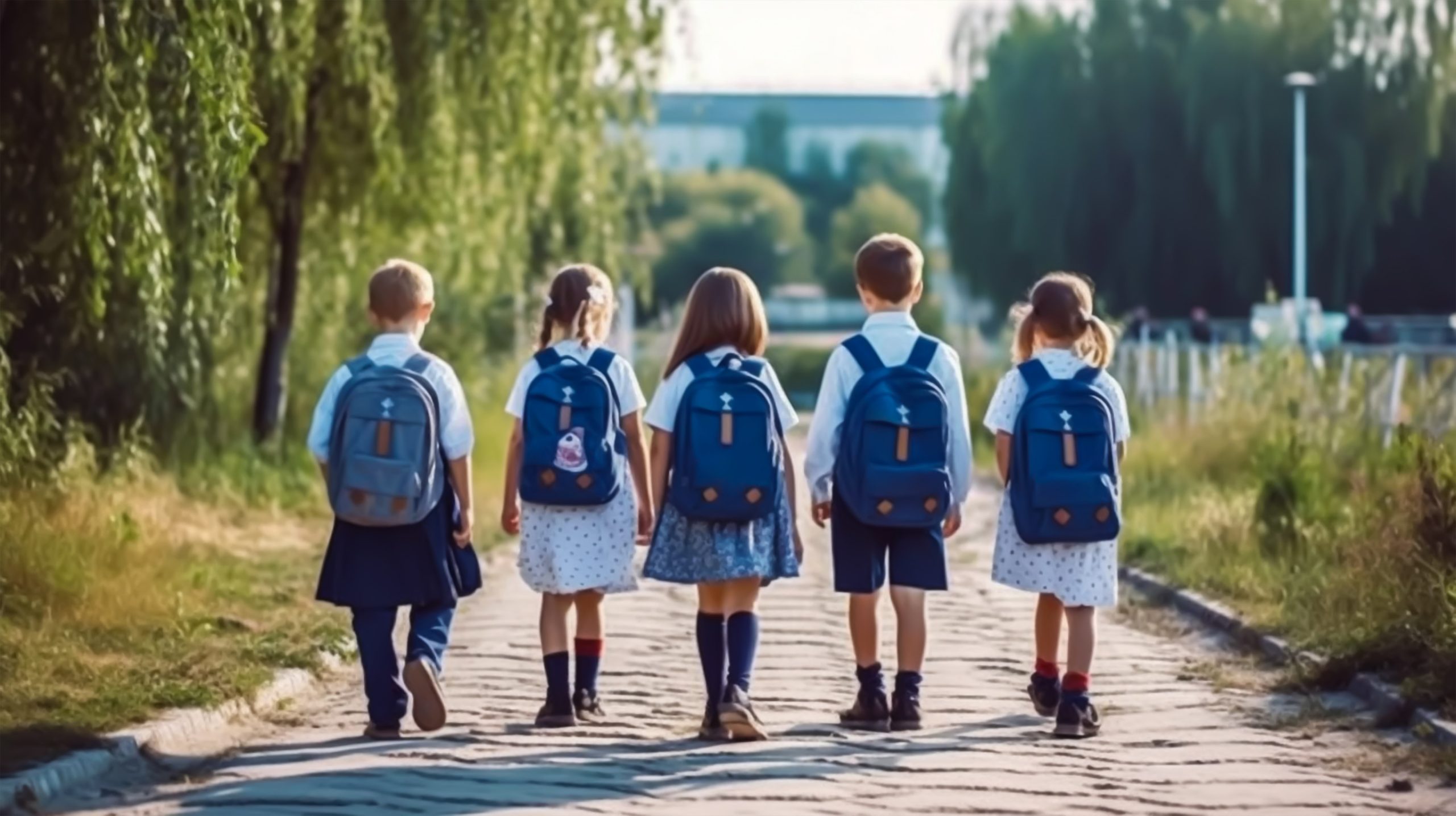
Filed Under: Education Tagged With: education policy, Family Finance, lawsuits, parenting and money, school funding, school lunch debts, unpaid bills

6 Baby Items Hospitals Don’t Provide Anymore—But Parents Think They Do

September 1, 2025 | Leave a Comment

6 Baby Items Hospitals Don’t Provide Anymore—But Parents Think They Do
Image source: 123rf.com

New parents often head to the hospital believing they’ll leave with a bag full of freebies. For decades, hospitals were known for sending families home with everything from formula to keepsakes. But policies have changed, and what parents expect is not always what they actually receive. Knowing which baby items hospitals don’t provide anymore can help families prepare and avoid last-minute stress. Planning ahead ensures a smoother transition home and fewer surprises during those first hectic days with a newborn.

1. Free Formula Samples

There was a time when hospitals sent parents home with a supply of formula. Today, many hospitals have moved away from this practice due to breastfeeding initiatives and partnerships with health organizations. Parents often assume they’ll get bottles of formula included, but most facilities only provide it during the stay if medically necessary. Once discharged, families are expected to buy their own supply. This makes formula one of the baby items hospitals don’t provide anymore, leaving parents to plan ahead.

2. Diaper Stockpiles

Hospitals still give newborns diapers while admitted, but the idea of leaving with a large stash is outdated. Most parents now only get enough for use during their stay, not extras to take home. The cost of disposable diapers and the emphasis on cutting waste mean hospitals are limiting what they hand out. Parents should be ready with a package of newborn diapers at home. Diapers are one of the most common baby items hospitals don’t provide in bulk anymore.

3. Pacifiers for Every Baby

Pacifiers used to be handed out to nearly all newborns. Today, many hospitals have restricted their use unless parents specifically request them, citing concerns about breastfeeding success. This has led to confusion when new parents expect them to be included in standard care. Families should pack their preferred pacifier in the hospital bag just in case. Pacifiers are another example of baby items hospitals don’t provide as freely as they once did.

4. Infant Grooming Supplies

Years ago, hospitals often sent families home with small grooming kits that included items like nail clippers, baby brushes, and thermometers. These days, those extras are rarely included. Parents are expected to purchase their own infant grooming items before or after birth. While hospitals may use these tools for care, they typically do not send them home with families. Grooming kits are one of the overlooked baby items hospitals don’t provide anymore but many parents still expect.

5. Keepsake Items like Diaper Bags

Hospitals once had partnerships with brands that allowed them to distribute promotional items, such as branded diaper bags or baby booklets. These free giveaways were a way for companies to market directly to new parents. Most hospitals no longer offer them due to budget cuts and changing policies on advertising. Today, families should not expect extras beyond basic care items. Keepsake freebies like diaper bags are among the baby items hospitals don’t provide anymore.

6. Large-Scale Baby Blankets

While hospitals still give newborns swaddle blankets during their stay, they do not usually send extras home. Parents might assume they’ll receive several, but they’re only provided for use in the hospital. These blankets are often reused and laundered for other patients, not given as take-home gifts. Families should plan to pack or purchase swaddles or baby blankets ahead of time. Baby blankets are one of the practical baby items hospitals don’t provide in multiples anymore.

Preparing Beyond Expectations

Hospital stays today focus on medical care, not on supplying families with everything they need for the weeks ahead. Parents who understand which baby items hospitals don’t provide anymore can better plan their packing list and stock up at home. While it may feel like traditions have changed, the shift emphasizes personal choice and preparation. By taking control of what you bring and what you buy afterward, you reduce stress and ensure your baby has everything they need. Being prepared helps families focus less on missing items and more on enjoying their new arrival.

Were you surprised by which baby items hospitals don’t provide anymore? Share your experience and tips for new parents in the comments below!

What to Read Next…

9 Childhood Milestones That Are Happening Later Than Ever

8 Reasons Why Children Are Priceless

9 Things No One Tells You About Raising an Only Child

Can You Afford to Have Kids in 2025? Here’s What It Really Costs Per Year

5 Unintended Consequences Of Keeping A Child Sheltered

Catherine Reed
Catherine Reed

Catherine is a tech-savvy writer who has focused on the personal finance space for more than eight years. She has a Bachelor’s in Information Technology and enjoys showcasing how tech can simplify everyday personal finance tasks like budgeting, spending tracking, and planning for the future. Additionally, she’s explored the ins and outs of the world of side hustles and loves to share what she’s learned along the way. When she’s not working, you can find her relaxing at home in the Pacific Northwest with her two cats or enjoying a cup of coffee at her neighborhood cafe.

Filed Under: Parenting Tagged With: baby items hospitals don’t provide, baby preparation, hospital stay, new parents, newborn essentials, parenting tips

Do School Dress Codes Still Discriminate—Even in Kindergarten?

September 1, 2025 | Leave a Comment

Do School Dress Codes Still Discriminate—Even in Kindergarten?
Image source: 123rf.com

Parents often assume that rules about what children can wear only become an issue in middle or high school. Yet, increasingly, families are noticing that even the youngest students are being impacted by clothing policies. Questions about fairness, bias, and outdated thinking are surfacing in kindergarten classrooms, sparking debates about whether school dress codes unintentionally discriminate against certain groups. For parents who want their children treated equally from the start, understanding these hidden issues is more important than ever.

1. Gender-Based Clothing Restrictions

One of the most persistent problems with school dress codes is that they often set different standards for boys and girls. In some schools, girls are told to avoid clothing like tank tops or leggings, while boys rarely face restrictions of the same kind. Even in kindergarten, these rules can send messages about how children should look or behave based on gender. Such distinctions can reinforce stereotypes before children even learn to read. The reality is that school dress codes can unintentionally create unequal expectations at the earliest ages.

2. Cultural and Religious Clothing Challenges

Another area where school dress codes may discriminate is in how they address cultural or religious attire. Items like headscarves, turbans, or traditional patterns are sometimes restricted, leaving children and families feeling excluded. Even young students in kindergarten may be told their clothing does not meet “uniform standards,” despite it being tied to their identity. These rules can place unnecessary pressure on families to choose between faith and compliance. Instead of fostering inclusivity, restrictive policies can alienate children who deserve to feel accepted.

3. Socioeconomic Barriers to Compliance

Many schools require uniforms or strict clothing guidelines that can be expensive to follow. Families with limited budgets may struggle to buy multiple sets of approved clothing, especially when young children grow so quickly. In kindergarten, this often means parents must sacrifice elsewhere to keep up with the rules. Children may be disciplined for showing up in the wrong shoes or shirt, even though the issue is financial rather than behavioral. This makes socioeconomic bias one of the overlooked ways school dress codes discriminate.

4. Disciplinary Action for Minor Violations

Kindergarteners are just beginning to learn routines and rules, yet some schools enforce dress codes with surprising severity. A child might face warnings or be pulled out of class for wearing a shirt with the wrong color collar. This level of discipline can interrupt learning and create embarrassment over something trivial. When these rules are disproportionately applied to certain groups, the discrimination becomes even clearer. It raises concerns about whether school dress codes promote fairness or simply punish children unnecessarily.

5. Impact on Self-Esteem and Expression

Clothing is one of the first ways children express themselves, even at the kindergarten level. Strict dress codes that limit colors, styles, or accessories may discourage individuality and creativity. Some children may internalize the idea that their personal choices are wrong or inappropriate. This can harm self-esteem, particularly when rules seem unfairly targeted toward specific groups. School dress codes may seem small, but they can have long-term effects on a child’s confidence and sense of belonging.

6. The Uneven Enforcement Problem

One of the most frustrating aspects for parents is how inconsistently school dress codes are enforced. Two kindergarteners wearing nearly identical outfits may face different outcomes depending on who is monitoring the rule. Subjective enforcement can lead to bias, whether intentional or not, and often affects marginalized students more severely. This inconsistency undermines trust between families and schools. It also shows that school dress codes are not just about clothing but about the power to decide who fits in and who does not.

7. Moving Toward Inclusive Policies

The growing awareness of these issues is pushing some schools to revisit their policies. Inclusive dress codes prioritize comfort, cultural respect, and practicality over rigid rules. For kindergarteners, this often means allowing greater flexibility while still keeping clothing safe and appropriate for learning. Parents and educators who advocate for change are helping ensure that children are not unfairly judged based on what they wear. Updating school dress codes is one step toward creating truly equitable classrooms.

Rethinking What Really Matters in Kindergarten

At the heart of the debate, families must ask: what do school dress codes accomplish, and at what cost? Rules that create stress, exclude cultures, or reinforce inequality distract from the real purpose of kindergarten, which is learning and growth. A child’s clothing should not dictate how they are treated, especially during their earliest years of education. By rethinking dress codes, communities can create classrooms where every child feels welcome and valued. Equality in education begins with fairness in even the smallest details.

Do you think school dress codes should be reformed to better serve young children, or do they still play an important role? Share your thoughts in the comments below!

What to Read Next…

8 School Rules That Should’ve Changed Decades Ago

Here’s Why School Supplies Continue to Cost More and More Every Year

12 Reasons Why Your Kids are Behind Academically

10 Surprising Facts About How Much School Uniforms Really Cost

7 Reasons You Shouldn’t Waste Money on Private Schools

Catherine Reed
Catherine Reed

Catherine is a tech-savvy writer who has focused on the personal finance space for more than eight years. She has a Bachelor’s in Information Technology and enjoys showcasing how tech can simplify everyday personal finance tasks like budgeting, spending tracking, and planning for the future. Additionally, she’s explored the ins and outs of the world of side hustles and loves to share what she’s learned along the way. When she’s not working, you can find her relaxing at home in the Pacific Northwest with her two cats or enjoying a cup of coffee at her neighborhood cafe.

Filed Under: Education Tagged With: cultural inclusion, education equality, Kindergarten, Parenting, school dress codes, student rights

9 Birthday Traditions That Are Quietly Disappearing in 2025

August 31, 2025 | Leave a Comment

9 Birthday Traditions That Are Quietly Disappearing in 2025
Image source: 123rf.com

Birthdays have always been a time for joy, family, and celebration, but the way we honor them is shifting. Some of the most familiar customs are fading from parties as families adapt to modern lifestyles, tighter budgets, and changing cultural preferences. From store-bought cakes to elaborate parties, the old ways of celebrating are quietly being replaced with new trends that reflect today’s values. Understanding which birthday traditions are disappearing in 2025 can help you plan celebrations that feel both relevant and meaningful.

1. The Big Sheet Cake

The image of a frosted sheet cake with candles used to define birthdays. In 2025, however, many families are opting for cupcakes, smaller cakes, or even healthier alternatives like fruit towers. The move away from sheet cakes comes from both cost concerns and dietary preferences. With so many allergies and health-conscious choices, a one-size-fits-all dessert is no longer practical. This shift makes the traditional sheet cake one of the birthday traditions slipping away.

2. Sending Paper Invitations

Handwritten or printed invitations once added a personal touch to birthday parties. Now, digital invites through apps and social media are far more common. Parents and friends find them quicker, cheaper, and easier to track for RSVPs. The environmental angle also plays a role, with families cutting down on unnecessary paper. In 2025, paper invitations are among the birthday traditions that feel outdated.

3. Blowing Out Candles on a Cake

For decades, blowing out candles was a cherished part of birthdays. Today, however, people are more cautious about hygiene, especially after recent health concerns worldwide. Many now use sparklers, decorative lights, or even digital candle effects instead. The simple act of blowing out candles is disappearing from parties more often. This once iconic gesture is one of the birthday traditions being quietly replaced.

4. Goody Bags for Guests

Kids’ birthday parties used to end with goody bags filled with candy and small toys. Now, many parents view them as unnecessary expenses and wasteful clutter. Minimalist parenting trends and environmental awareness are changing how families approach party favors. Experiences, like a fun group activity, are becoming the new gift to guests. As a result, goody bags are another one of the birthday traditions that are disappearing in 2025.

5. Singing the Birthday Song at the Table

Gathering around to sing the birthday song once felt like the highlight of a party. In recent years, though, it has started to feel awkward and outdated for many families. Some opt for background music or personalized playlists instead of the traditional tune. Children, especially, may find it uncomfortable to sit through the full song. That makes the birthday song one of the birthday traditions fading away.

6. Hosting Parties at Home

For decades, birthdays meant decorating the house and inviting friends over. Now, families often choose outside venues such as play gyms, trampoline parks, or even virtual parties. Hosting at home can be stressful, time-consuming, and costly, which is why many prefer simpler, outsourced solutions. The rise of professional party services has made home parties less common. In 2025, hosting at home is one of the birthday traditions taking a backseat.

7. Handmade Cards

Homemade cards used to be a thoughtful way to show love on birthdays. Today, they are often replaced with digital messages, GIFs, or quick notes on social media. With busy schedules, fewer people are taking the time to craft something by hand. Even store-bought cards are less frequent as online greetings dominate. This once heartfelt ritual is one of the birthday traditions being left behind.

8. Lavish Gift Unwrapping in Front of Guests

There was a time when unwrapping gifts in front of everyone was an expected part of the celebration. These days, many families skip it to save time and avoid putting pressure on children. Some kids feel uncomfortable being the center of attention, while parents often prefer to handle gifts privately. Guests also appreciate not waiting through long sessions of gift opening. This makes the group unwrapping session another birthday tradition that is disappearing in 2025.

9. Handwritten Thank-You Notes

Thank-you notes were once the polite follow-up after receiving birthday gifts. Now, most families rely on a quick text message, email, or social media post to express gratitude. It is faster, easier, and more aligned with today’s communication habits. While less personal, it reflects the fast-paced lifestyle of modern families. Handwritten notes are one of the birthday traditions that have almost vanished in 2025.

Holding on to What Matters Most

While many birthday traditions are disappearing in 2025, the heart of a birthday remains unchanged: celebrating life and the people we love. Trends may shift toward convenience, health, and sustainability, but the joy of gathering still matters most. Parents and friends can adapt celebrations to fit the times while keeping the emotional connection alive. What truly counts is making the person feel valued. The future of birthdays may look different, but the love behind them will always endure.

Which birthday traditions do you miss the most, and which ones are you glad to see go? Share your thoughts in the comments below!

What to Read Next…

8 Happy Moments That Every Child Should Experience

Here’s 10 Things Chat GPT Told Me People Are Doing Wrong With Raising Their Kids

Can You Afford to Have Kids in 2025? Here’s What It Really Costs Per Year

Praise vs. Confidence: 10 Effects of Over-Celebrating Small Wins on Kids

Are Kids Picking Up Your Financial Stress Even If You Hide It?

Catherine Reed
Catherine Reed

Catherine is a tech-savvy writer who has focused on the personal finance space for more than eight years. She has a Bachelor’s in Information Technology and enjoys showcasing how tech can simplify everyday personal finance tasks like budgeting, spending tracking, and planning for the future. Additionally, she’s explored the ins and outs of the world of side hustles and loves to share what she’s learned along the way. When she’s not working, you can find her relaxing at home in the Pacific Northwest with her two cats or enjoying a cup of coffee at her neighborhood cafe.

Filed Under: Parenting Tagged With: birthday traditions, family celebrations, kids’ birthdays, lifestyle changes, modern parenting, party planning

Is Your Child’s School Quietly Tracking Their Location Without Your Consent?

August 30, 2025 | Leave a Comment

Is Your Child’s School Quietly Tracking Their Location Without Your Consent?
Image source: 123rf.com

As technology becomes more integrated into daily learning, parents may not realize just how much information schools collect on students. One growing concern is whether a child’s school is tracking their location without parents knowing. While administrators often argue these tools increase safety and efficiency, the hidden costs include privacy erosion and potential misuse of sensitive data. Parents need to ask hard questions because the issue isn’t just about technology but about who controls a child’s personal information.

Why Schools Are Turning to Location Tracking

Many schools argue that tracking helps maintain student safety in emergencies, manage attendance, and streamline transportation systems. Some campuses use ID cards with embedded chips or mobile apps tied to student accounts. These tools allow administrators to see where students are throughout the day. While this might sound practical, it also raises serious questions about oversight. Parents often have no idea such systems are in place, and transparency is lacking.

The Hidden Risks of Digital Surveillance

When a child’s school tracks their location, it introduces risks that extend beyond the classroom. Sensitive data about daily routines can be hacked, leaked, or misused. If student information falls into the wrong hands, it can create long-lasting consequences. In addition, normalizing surveillance at such a young age teaches kids to accept being constantly monitored. That kind of lesson may not align with the values parents want to instill.

Are Parents Being Informed?

In many districts, location tracking policies exist in fine print buried within handbooks or enrollment forms. Parents might technically be giving consent, but only because the information is hard to find or poorly explained. Some schools fail to provide clear opt-out procedures, leaving families with little control. When parents do find out, it is often after the system is already running. This lack of communication can create mistrust between families and school officials.

Financial Motivations Behind the Push

Technology vendors market tracking tools aggressively, promising improved attendance records and funding opportunities tied to accurate data. For schools, these systems can look like a quick way to secure additional resources. However, the financial incentives don’t always consider privacy trade-offs. Parents need to understand that when a child’s school tracks their location, it is framed as “cost-saving,” but it might actually come at the cost of their child’s digital safety. The question is whether the budget benefit outweighs the risk to students.

How to Protect Your Child’s Privacy

Parents can take steps to safeguard their child’s information and push for more accountability. First, review all enrollment documents for fine print about digital monitoring. Second, ask administrators directly about whether location tracking is being used, and if so, what safeguards are in place. Third, demand clear opt-out policies and written explanations about how the data will be stored and shared. By staying proactive, parents can ensure they are not left in the dark.

What Lawmakers Are Doing About It

Privacy advocates are calling for stronger protections at both the state and federal levels. Some states have introduced laws requiring schools to disclose the use of digital tracking systems. However, enforcement varies widely, and many districts still operate without meaningful oversight. Without consistent rules, families are left to navigate a confusing mix of policies. Until legislation catches up, parents must remain their child’s first line of defense.

The Bigger Lesson for Families

Beyond the technology itself, this trend opens the door to a larger conversation about privacy. Children should learn the value of boundaries, both online and offline. If parents model questioning authority and asking how data is used, kids will adopt those habits too. A school’s tracking system can serve as a teaching moment about digital literacy and rights. Protecting privacy is not just about today’s school day but about preparing kids for tomorrow’s world.

Protecting Your Child’s Future Starts with Awareness

The idea of a child’s school tracking their location may seem harmless at first glance, but unchecked surveillance erodes trust and puts personal data at risk. Parents need to know what’s happening, ask the right questions, and push for stronger transparency. Schools have a responsibility to keep students safe, but that should never come at the expense of privacy. Awareness and advocacy can ensure children are protected both inside and outside the classroom.

How would you feel if you found out your child’s school was quietly tracking their location? Share your thoughts in the comments below.

What to Read Next…

8 School Rules That Should’ve Changed Decades Ago

Here’s Why School Supplies Continue to Cost More and More Every Year

7 Reasons You Shouldn’t Waste Money on Private Schools

10 School Supply Lists That Now Feel Financially Impossible

12 Reasons Why Your Kids are Behind Academically

Catherine Reed
Catherine Reed

Catherine is a tech-savvy writer who has focused on the personal finance space for more than eight years. She has a Bachelor’s in Information Technology and enjoys showcasing how tech can simplify everyday personal finance tasks like budgeting, spending tracking, and planning for the future. Additionally, she’s explored the ins and outs of the world of side hustles and loves to share what she’s learned along the way. When she’s not working, you can find her relaxing at home in the Pacific Northwest with her two cats or enjoying a cup of coffee at her neighborhood cafe.

Filed Under: Education Tagged With: child privacy, digital privacy, education technology, location tracking, parental rights, school surveillance, student safety

Modern Parenting Trap: Why Reward Charts Are Losing Their Effectiveness

August 29, 2025 | Leave a Comment

Modern Parenting Trap: Why Reward Charts Are Losing Their Effectiveness
Image source: 123rf.com

For years, many parents have leaned on reward charts to encourage good behavior and motivate children to meet responsibilities. Stickers, stars, or check marks on a colorful chart once seemed like a simple way to inspire kids to stay on track. Yet more families are discovering that this system doesn’t always work in the long run, leaving both parents and children frustrated. Reward charts may provide short-term gains, but they often fail to build the deeper habits, resilience, and internal motivation children truly need. Understanding why reward charts are losing their effectiveness can help parents find more meaningful strategies that support healthy development.

1. External Motivation Only Goes So Far

At their core, reward charts rely heavily on external motivation. Children complete tasks not because they value the action itself, but because they want a sticker or prize. While this approach might work at first, the excitement fades over time. Kids may begin to lose interest or even push back when rewards are withheld. This shows why reward charts are losing their effectiveness in shaping lasting behavior.

2. Overemphasis on Perfection

Reward charts can create pressure for children to perform flawlessly every day. A missed chore or a forgotten task often feels like failure when there’s an empty box on the chart. Instead of fostering resilience, these systems may increase frustration and lower self-esteem. Children might even hide mistakes to avoid losing rewards. The result is a tool that unintentionally teaches perfectionism rather than growth, another reason why reward charts are losing their effectiveness.

3. Rewards Can Undermine Intrinsic Motivation

Psychologists often warn that when rewards are used too frequently, they can actually diminish a child’s natural interest in activities. For example, a child who once enjoyed helping in the kitchen might lose enthusiasm if it becomes tied to earning a sticker. Instead of feeling proud of their contribution, they start associating the task only with the reward. This shift undermines intrinsic motivation, which is vital for long-term development. It is one of the clearest examples of why reward charts are losing their effectiveness.

4. Sibling Rivalries and Competition

In homes with multiple children, reward charts can fuel rivalry. One child may consistently outperform the others, creating resentment and discouragement. Instead of fostering teamwork, the system can turn into a competition that pits siblings against each other. Parents may notice children comparing stickers rather than focusing on their own progress. Such outcomes reveal how reward charts can cause more tension than harmony within families.

5. Short-Term Compliance Without Lasting Habits

Many parents appreciate how quickly reward charts can get results in the short run. A child might eagerly complete chores or practice reading to earn a reward that day. However, once the system is removed, the behaviors often fade as well. The chart doesn’t always teach children the underlying value of responsibility, kindness, or persistence. This short-term compliance is another major reason reward charts are losing their effectiveness.

6. Increased Negotiation and Pushback

Over time, children often become savvy negotiators when it comes to rewards. They may begin asking, “What do I get for this?” before agreeing to help or behave. This mindset shifts the focus away from cooperation and toward bargaining. Parents may find themselves caught in a cycle of increasing rewards just to maintain participation. This constant pushback demonstrates the limitations of relying too heavily on reward charts.

7. Emotional Impact on Parents

Reward charts can also take an emotional toll on parents who feel guilty or defeated when the system fails. Many mothers and fathers blame themselves when their child loses interest or refuses to participate. This frustration can build tension in the household and reduce the sense of connection between parent and child. Instead of being a helpful tool, the chart becomes a symbol of conflict. These emotional challenges underscore why reward charts are losing their effectiveness in modern households.

Finding Balance Beyond the Chart

While reward charts aren’t entirely without value, they work best as a temporary tool rather than a long-term solution. Children benefit more when parents combine structure with encouragement, natural consequences, and open conversations about responsibility. The key is to help kids understand why their actions matter, not just what they stand to gain. By shifting focus from rewards to values, families can foster independence, resilience, and cooperation. True growth happens when children learn that their choices have meaning beyond stickers or stars.

Have you tried using reward charts in your home? Share your experiences and insights in the comments below.

What to Read Next…

10 Ways Parents Are Accidentally Teaching Entitlement

5 Unintended Consequences Of Keeping A Child Sheltered

9 “Teachable Moments” That Often Turn Into Parent Regrets

Is Parenting Today Way Too Soft? Here’s Why It Might Be Hurting Your Kids

9 Childhood Milestones That Are Happening Later Than Ever

Catherine Reed
Catherine Reed

Catherine is a tech-savvy writer who has focused on the personal finance space for more than eight years. She has a Bachelor’s in Information Technology and enjoys showcasing how tech can simplify everyday personal finance tasks like budgeting, spending tracking, and planning for the future. Additionally, she’s explored the ins and outs of the world of side hustles and loves to share what she’s learned along the way. When she’s not working, you can find her relaxing at home in the Pacific Northwest with her two cats or enjoying a cup of coffee at her neighborhood cafe.

Filed Under: Parenting Tagged With: behavior management, child development, family strategies, parenting tips, Positive Parenting, reward charts

9 Childhood Milestones That Are Happening Later Than Ever

August 28, 2025 | Leave a Comment

9 Childhood Milestones That Are Happening Later Than Ever
Image source: 123rf.com

Child development has always varied from child to child, but today many experts and parents are noticing shifts in when major childhood milestones are reached. From talking and walking to becoming independent, some milestones are being delayed more than in previous generations. Busy lifestyles, increased screen time, and changing parenting styles all play a role in these shifts. While delays are not always cause for concern, awareness helps parents offer the right support. By recognizing how these childhood milestones are evolving, families can better prepare their children for success.

1. Speaking First Words Later

For decades, babies often spoke their first clear words around one year old. Today, some are taking longer to reach this milestone, with many not speaking until closer to 18 months. One factor contributing to later childhood milestones like speech is increased exposure to screens, which limits real conversation practice. Parents may also be busier, leading to fewer face-to-face interactions that stimulate language. Encouraging frequent talking, reading, and singing can help kids find their voices sooner.

2. Delayed Walking

Walking is another of the classic childhood milestones that is occurring later for some children. While the average used to be between 9 and 12 months, many children now begin closer to 14 or 15 months, and possibly as late as 18 months. More time in strollers, carriers, or playpens may reduce opportunities to practice movement. Parents sometimes worry, but pediatricians often assure that later walking is within normal limits. Providing safe spaces for crawling and cruising can give kids confidence to take those first steps.

3. Potty Training at Older Ages

Potty training has shifted noticeably over the last few decades. Once expected by age two, many children today do not fully master it until closer to three or even four. Busy schedules and disposable diapers make waiting more convenient, which delays this childhood milestone. In some cases, kids may resist if pressured too soon. Patience and consistency are key to helping children feel comfortable and independent.

4. Learning to Read Later in School

In previous generations, many children were expected to read simple sentences by the end of kindergarten. Today, reading proficiency is often delayed until first or even second grade. While some kids still pick it up early, reliance on technology can reduce interest in books. This later achievement in childhood milestones does not mean failure, but it highlights the importance of encouraging daily reading. Creating a book-friendly environment makes a lasting difference.

5. Taking Longer to Develop Social Skills

Socialization is one of the most critical childhood milestones, yet many kids are struggling with it. Some children have fewer opportunities for unstructured play, leading to slower development of cooperation and sharing. Online entertainment and smaller family sizes also limit social practice. Parents may notice their kids taking longer to form friendships or handle conflict. Organized playdates and community activities can provide valuable practice.

6. Driving at Older Ages

Unlike previous generations, many teens today are waiting longer to get their driver’s licenses. This is one of the later childhood milestones influenced by both parental caution and reliance on ridesharing services. Some teens feel less urgency to drive because transportation is more accessible. While not inherently negative, delayed driving can affect independence. Encouraging responsible driving lessons early can still build confidence.

7. Moving Out of the Family Home Later

One of the most noticeable delayed childhood milestones occurs during young adulthood. More teens and young adults are staying at home well into their twenties. Rising housing costs, student loan debt, and delayed career starts make independence more difficult. Parents may feel conflicted about supporting their children longer than expected. Open discussions about goals and responsibilities can help balance support with growth.

8. Marriage and Family Formation Later in Life

Compared to previous generations, young adults are waiting longer to marry and start families. This shift in childhood milestones reflects cultural, financial, and career-driven choices. Many prioritize education and career stability before settling down. While not inherently negative, these delays reshape family structures and timelines. Parents can support their children by respecting their pace while offering guidance when asked.

9. Emotional Independence Taking Longer to Develop

Perhaps one of the most subtle but important childhood milestones is emotional independence. Many young people today rely on parents for guidance and decision-making well into adulthood. Constant communication through phones and social media can make separation harder. This delay may hinder the development of problem-solving skills. Encouraging gradual independence through responsibility and trust helps kids mature emotionally.

Rethinking “Normal” in Development

The timeline for childhood milestones has shifted, but that doesn’t always mean something is wrong. Changing lifestyles, economic pressures, and cultural expectations all play a role in when kids achieve key steps. What matters most is that children feel supported, encouraged, and guided along their path. Every child moves at their own pace, and parents can nurture progress with patience and understanding. Rethinking normal allows families to focus less on deadlines and more on raising confident, capable kids.

Have you noticed certain milestones happening later in your own children’s lives? Share your experiences and insights in the comments below.

What to Read Next…

8 Happy Moments That Every Child Should Experience

Are We Giving Our Kids Too Much Freedom Too Soon? Here’s Why You Might Be Wrong

9 Things No One Tells You About Raising an Only Child

Is Parenting Today Way Too Soft? Here’s Why It Might Be Hurting Your Kids

These Are The 10 Best Excuses Kids Use To Get Out of Doing Chores

Catherine Reed
Catherine Reed

Catherine is a tech-savvy writer who has focused on the personal finance space for more than eight years. She has a Bachelor’s in Information Technology and enjoys showcasing how tech can simplify everyday personal finance tasks like budgeting, spending tracking, and planning for the future. Additionally, she’s explored the ins and outs of the world of side hustles and loves to share what she’s learned along the way. When she’s not working, you can find her relaxing at home in the Pacific Northwest with her two cats or enjoying a cup of coffee at her neighborhood cafe.

Filed Under: Parenting Tagged With: child development, childhood milestones, delayed milestones, family support, parenting tips, raising kids

6 Emotional Clues Kids Give When They’re Afraid to Talk to You

August 28, 2025 | Leave a Comment

6 Emotional Clues Kids Give When They’re Afraid to Talk to You
Image source: 123rf.com

Children do not always come right out and share their feelings, especially when they fear disappointing or upsetting their parents. Instead, they often communicate through subtle emotional clues that signal discomfort, worry, or hesitation. If these signals go unnoticed, kids may retreat further into silence, leaving important issues unresolved. Recognizing these patterns can help parents respond with patience and empathy rather than frustration. By tuning in to these emotional clues, families can create a safer space for honest conversations.

1. Sudden Withdrawal from Normal Routines

A powerful emotional clue is when a child suddenly pulls away from activities they normally enjoy. They might skip family meals, avoid after-school hobbies, or prefer solitude in their room. This type of withdrawal often signals that something is weighing heavily on their mind. By stepping back, kids hope to avoid uncomfortable discussions while processing emotions privately. Parents can gently check in, showing curiosity rather than judgment to invite openness.

2. Overreacting to Small Problems

When kids overreact to everyday frustrations, it may be one of the emotional clues pointing to deeper fears. A minor request like cleaning a room can trigger tears or anger that feel out of proportion. These reactions may not be about the task itself but about bottled-up feelings they are afraid to share. By noticing the intensity, parents can recognize that the meltdown is a signal of something larger. Offering calm support rather than criticism encourages kids to open up.

3. Unusual Changes in Sleep Patterns

Shifts in sleep often reveal hidden emotions children don’t express verbally. A child who suddenly struggles to fall asleep, wakes frequently, or begins having nightmares may be signaling distress. These sleep disruptions are emotional clues that they are wrestling with thoughts they cannot yet put into words. Kids often fear that sharing their worries will upset their parents, so the stress shows up at night instead. Gentle reassurance and open-ended questions can help uncover the root cause.

4. Becoming Extra Agreeable or Quiet

Some children go the opposite direction by becoming overly agreeable or unusually quiet. They may nod, smile, or say “yes” quickly to avoid conflict, even if they feel differently inside. These emotional clues suggest they are scared of how a parent might react to honesty. By silencing their real feelings, they protect themselves from potential disappointment or anger. Parents who notice this pattern can encourage more authentic conversations by asking for their child’s true thoughts.

5. Sudden Drop in Confidence or Self-Esteem

Kids who feel afraid to talk often show it through a dip in self-esteem. They may make comments about not being good enough or avoid challenges they once embraced. These emotional clues can be a way of deflecting attention from the real issue they’re keeping hidden. Fear of judgment or criticism may be holding them back from honest sharing. Supporting them with praise, encouragement, and reassurance can create a bridge toward openness.

6. Frequent Physical Complaints Without Clear Cause

When children don’t feel safe expressing emotions, their feelings sometimes appear as physical complaints. Headaches, stomachaches, or sudden fatigue can be emotional clues that something is wrong emotionally rather than physically. Kids may use these complaints as a shield, hoping adults won’t push too hard into what’s bothering them. Recognizing these patterns helps parents ask gentle follow-up questions instead of dismissing the discomfort. Showing compassion makes it more likely the child will reveal the real concern over time.

Building Trust Through Awareness

Emotional clues are a child’s way of waving a quiet flag when words feel too difficult. By paying attention to shifts in behavior, mood, and confidence, parents can spot these subtle warnings early. Responding with calm curiosity and unconditional support builds the foundation for trust. When kids know their emotions will be met with care rather than anger, they are far more likely to open up. Awareness today can strengthen lifelong bonds of understanding tomorrow.

What emotional clues have you noticed in your own children when they’re holding something back? Share your stories in the comments below.

What to Read Next…

Toxic Relatives and Kids: How to Protect Their Emotional Health

10 Emotional Tolls of Parenting a Child With High Expectations

What Are “Emotional Allowances” and Should Your Kids Get One?

10 Things Boomers Did as Parents That Would Spark Outrage Today

Is Parenting Today Way Too Soft? Here’s Why It Might Be Hurting Your Kids

Catherine Reed
Catherine Reed

Catherine is a tech-savvy writer who has focused on the personal finance space for more than eight years. She has a Bachelor’s in Information Technology and enjoys showcasing how tech can simplify everyday personal finance tasks like budgeting, spending tracking, and planning for the future. Additionally, she’s explored the ins and outs of the world of side hustles and loves to share what she’s learned along the way. When she’s not working, you can find her relaxing at home in the Pacific Northwest with her two cats or enjoying a cup of coffee at her neighborhood cafe.

Filed Under: Parenting Tagged With: child communication, emotional clues, family trust, kids’ emotions, parenting advice, parenting tips

« Previous Page
Next Page »
  • Facebook
  • Pinterest
  • RSS
  • Twitter
Best Parenting Blogs

Most Popular

Baby Girl

12 “Grandma” Baby Names That Are Suddenly Cool Again

Evan Morgan
Baby

9 Baby Names That Sound Rare Without Being Hard to Spell

Evan Morgan
Target Store

Choking Incident Prompts Recall of 49,000 Target Gigglescape “Under the Sea” Popping Toys

Evan Morgan
Frustrated Girl

Why Some Students on the Spectrum Are Labeled With ODD

Evan Morgan
Coke Bottles

12 Things Kids Took to School in the ’70s That Would Never Be Allowed Today

Evan Morgan

All content on Kids Ain’t Cheap is for entertainment purposes only. By reading this blog, you agree that Kids Ain’t Cheap is not responsible for any actions taken after reading this blog. For the full disclaimer, see our privacy policy.

Please note that Kids Ain’t Cheap has financial relationships with some of the merchants mentioned here. Kids Ain’t Cheap is funded by banner advertising, commission sales and search optimization consulting.

Copyright © 2006–2026 | District Media | All Rights Reserved | Privacy Policy

Copyright © 2026 Runway Pro Theme by Viva la Violette