• Home
  • About Us
  • Toolkit
  • Archives
  • Advertise
  • Privacy Policy

Kids Ain't Cheap

But They Sure Are Worth It

  • Parenting
    • Baby Stuff
    • Books and Reading
      • Aesops Fables
      • Comic Books
    • Education
    • Family Time
    • Green Living
    • Growing Up
    • Healthy Living & Eating
    • Holidays
    • Parenting
    • Random Musings
    • Shopping
    • Stuff to Do
  • Money
  • Product Reviews
    • Books and Magazines
    • Discount Sites
    • Furniture
    • House Keeping
    • Reviews News
    • Toys and Games
  • Contact Us
  • Our Editorial Commitment
  • Search

Before You Buy: 10 Popular Kids’ Toys With Cancer-Causing Materials

July 21, 2025 | Leave a Comment

Before You Buy 10 Popular Kids Toys With Cancer Causing Materials
Image source: 123rf.com

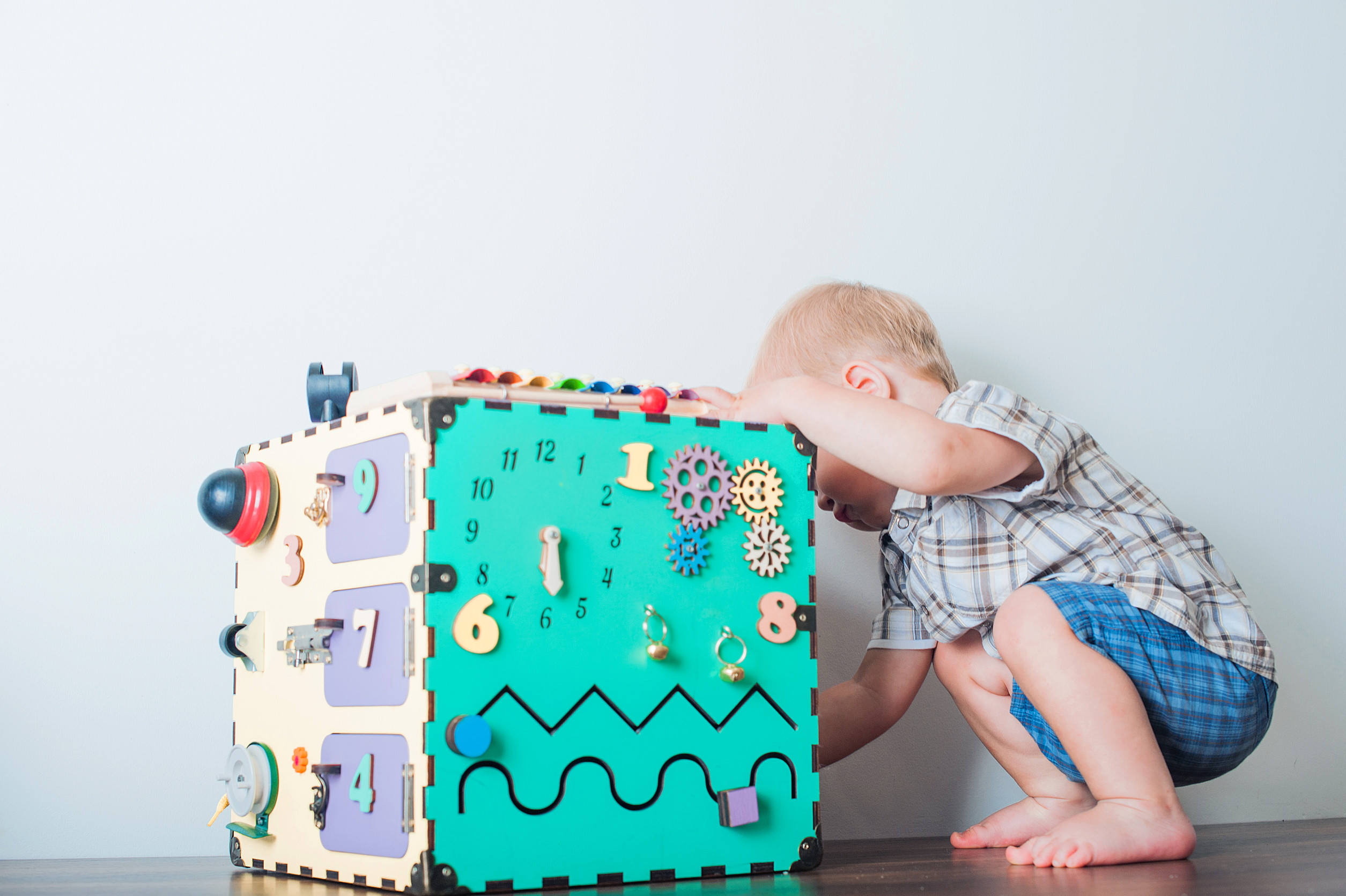
Shopping for toys should be fun and safe, not a game of chemical roulette. But many popular children’s toys are made with ingredients linked to serious health concerns—including cancer. From plastic dolls to bath toys and even art kits, some products contain cancer-causing materials that parents rarely know to watch for. These toxins might not be visible to the naked eye, but over time, exposure through touch, inhalation, or even mouthing can add up. Before you fill the toy box, check out these ten common culprits that could be putting your child at risk.

1. Cheap Plastic Dolls With PVC

Many budget-friendly dolls and action figures are made from polyvinyl chloride (PVC), a plastic that often contains harmful additives. During manufacturing, PVC is softened with phthalates, which are chemicals linked to hormone disruption and cancer. Over time, these toxins can leach out, especially when the toy is chewed or heated. While the doll may look harmless, the long-term health risks are anything but. Avoiding toys made with PVC is one way to limit your child’s exposure to cancer-causing materials.

2. Bath Toys With Mold and Chemical Additives

Rubber duckies and other bath toys may seem like classics, but many are made from synthetic rubber or vinyl that includes toxic plasticizers. These materials can break down over time in warm, moist environments, leaching chemicals like phthalates or forming mold inside. Children often squeeze or mouth these toys, increasing their risk of ingesting harmful substances. Some studies have even found carcinogenic compounds in the water that leaks out of used bath toys. Safer options include toys made from food-grade silicone or sealed designs that don’t trap moisture.

3. Slime Kits Containing Borax

DIY slime kits have exploded in popularity, but many contain borax or boric acid—ingredients flagged for reproductive toxicity and potential carcinogenic properties in high doses. The concern grows when children mix slime by hand or play with it for extended periods without washing afterward. Skin contact can lead to rashes, and accidental ingestion (especially with younger kids) can be even more dangerous. While borax isn’t banned, its use in toys is controversial in several countries. Look for borax-free slimes or make your own with safe, non-toxic ingredients.

4. Costume Jewelry with Lead and Cadmium

Children’s play jewelry, especially inexpensive pieces sold in bulk or from discount stores, often contains heavy metals like lead or cadmium. These are two well-known cancer-causing materials that have also been linked to developmental and neurological damage. Since kids tend to put items in their mouths, even brief contact can be harmful over time. Some pieces tested have shown shockingly high levels of toxic metals, especially in paint and metal coatings. Always opt for jewelry labeled lead-free and avoid anything without safety certifications.

5. Painted Toys Without Safety Certifications

Brightly colored wooden toys might appear eco-friendly, but unless the paint is labeled non-toxic and lead-free, it can still pose a risk. Older or imported toys may use paint that contains lead or other carcinogenic compounds. Even small chips or flakes can become dangerous if inhaled or ingested. When shopping for wooden toys, look for certifications like ASTM or EN71 to confirm that they meet child safety standards. Choosing trusted brands helps reduce the risk of exposure to hidden cancer-causing materials.

6. Vinyl Lunchboxes and Backpacks

Many kids’ accessories like lunchboxes and backpacks are made from vinyl or plastic-coated fabrics. These often contain phthalates and other cancer-causing materials used to make the product flexible and durable. Over time, these chemicals can rub off onto food containers, hands, or other belongings inside the bag. Some manufacturers have begun using safer materials, but not all labels clearly list what’s inside. When in doubt, choose fabric-based options or bags labeled phthalate-free and BPA-free.

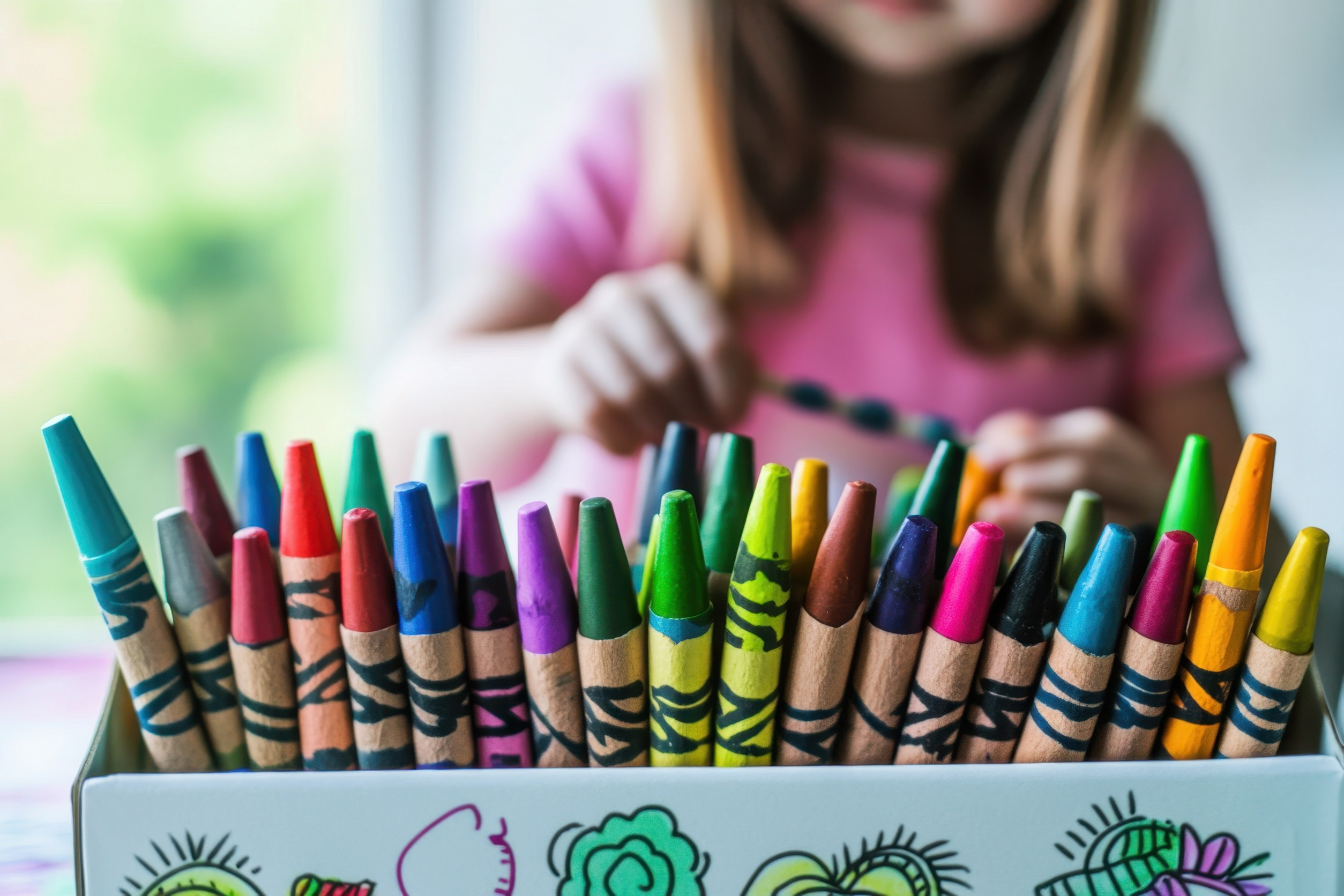
7. Crayons and Art Supplies with Talc or Asbestos Contamination

You might be shocked to learn that some crayons and colored powders have tested positive for asbestos contamination due to talc. Talc is a mineral that can naturally occur near asbestos in the earth, and when not properly refined, both can end up in finished products. Asbestos is a well-known carcinogen, and the idea that it could be in your child’s craft box is deeply concerning. Always buy from reputable brands and check for third-party testing on crayons, chalk, and powders. Steers clear of novelty or off-brand supplies that don’t disclose their ingredient sources.

8. Inflatable Toys Made with Toxic Plasticizers

Inflatable balls, beach toys, and bouncy castles are often made from PVC and include plasticizers to maintain flexibility. These plasticizers can include phthalates and other compounds tied to cancer and hormonal disruption. Since these toys are often used outdoors and in warm conditions, they’re more likely to break down and release harmful chemicals. Look for inflatable toys labeled phthalate-free or made with alternative materials like TPU (thermoplastic polyurethane). These provide the same fun without the hidden risk.

9. Glow Sticks and Glow-in-the-Dark Toys

Glow products are a hit with kids at parties and nighttime events, but many contain dibutyl phthalate or similar chemicals inside. While they’re generally safe when intact, cracks or leaks can expose your child to these toxic substances. Contact with the skin or eyes can be irritating, and ingestion may require medical attention. These additives are not just unpleasant—they are flagged as potential cancer-causing materials in high exposure scenarios. If you love glow products, opt for LED-based alternatives instead.

10. Soft Plastic Toys from Unknown Brands

Those squishy, squeezable plastic toys are fun and affordable, but many are manufactured with minimal regulation. When they come from unknown brands or lack safety labeling, the risk of cancer-causing materials increases. Without proper oversight, they may contain banned substances or dangerously high levels of toxins. Kids often play with these for extended periods or even nap with them, increasing daily exposure. Choose toys from verified brands that submit to strict third-party chemical testing and provide full transparency.

Choosing Safe Doesn’t Mean Choosing Less Fun

Protecting your child from cancer-causing materials doesn’t mean emptying the toy box or never buying new things again. It’s about staying informed, reading labels, and opting for quality over quantity. Even small shifts—like choosing wooden toys with non-toxic paint or ditching vinyl backpacks—can make a meaningful difference. Safe toys still bring plenty of fun, just without the hidden risks. With a little research and care, you can shop smarter and help your child play safer.

Have you ever discovered a hidden danger in one of your child’s toys? Share your story or tips for safer toy shopping in the comments below!

Read More:

8 Everyday Products Dangerous for Toddlers

5 Toys That Were Never Designed to Be Used by Children

Catherine Reed
Catherine Reed

Catherine is a tech-savvy writer who has focused on the personal finance space for more than eight years. She has a Bachelor’s in Information Technology and enjoys showcasing how tech can simplify everyday personal finance tasks like budgeting, spending tracking, and planning for the future. Additionally, she’s explored the ins and outs of the world of side hustles and loves to share what she’s learned along the way. When she’s not working, you can find her relaxing at home in the Pacific Northwest with her two cats or enjoying a cup of coffee at her neighborhood cafe.
Filed Under: Parenting Tagged With: cancer-causing materials, child safety products, eco-friendly toys, kids' health, non-toxic toys, parenting tips, safe toy shopping, toxic toys, toy safety

Think Your Baby’s Safe? 5 Toddler Habits Stalling Brain Development

July 21, 2025 | Leave a Comment

Think Your Babys Safe 5 Toddler Habits Stalling Brain Development
Image source: 123rf.com

We all want our toddlers to grow up healthy, happy, and bright—but what if some common daily routines are quietly interfering with their brain development? As parents, it’s easy to overlook habits that seem harmless on the surface but may be slowing down your child’s cognitive progress behind the scenes. Brain development in the early years sets the foundation for learning, memory, emotional regulation, and problem-solving skills. That’s why recognizing and addressing these behaviors early is critical. Let’s explore five surprisingly common toddler habits stalling brain development—and what you can do to help.

1. Too Much Screen Time, Not Enough Human Interaction

Many parents use screens to keep toddlers occupied while they juggle household tasks or grab a moment of peace. But extended screen time limits critical face-to-face interactions that stimulate speech, empathy, and social skills. When toddlers spend hours glued to devices, they miss opportunities for back-and-forth conversation, imaginative play, and problem-solving—all essential for brain growth. Pediatricians recommend limiting screen use to under an hour per day for children aged 2–5, and even less for younger toddlers. Instead of relying on screens, opt for shared reading, singing, or simple games that encourage eye contact and engagement.

2. Poor Sleep Routines That Disrupt Restorative Sleep

Sleep isn’t just a break—it’s an active period when the brain organizes memories, builds connections, and recharges. Toddlers who go to bed late, wake frequently, or don’t nap consistently can miss out on critical stages of deep sleep. Over time, this lack of restorative rest can lead to irritability, slower language acquisition, and difficulty concentrating. Establishing a consistent bedtime routine, avoiding screens before bed, and creating a calming sleep environment can make a big difference. Quality sleep helps ensure your child’s brain gets the time it needs to grow and develop properly.

3. Feeding on Autopilot Without Encouraging Exploration

Mealtime can become rushed, repetitive, or overly structured without allowing your toddler the chance to explore new textures and tastes. This habit may seem minor, but it can limit sensory stimulation and autonomy—two essential components of toddler brain development. Encouraging your child to touch, smell, and even play with new foods promotes curiosity, coordination, and decision-making. It also helps build healthy associations with food, which supports emotional and cognitive growth. Try offering a variety of foods and let your toddler lead sometimes, even if it gets a little messy.

4. Lack of Physical Movement and Outdoor Play

Active movement isn’t just good for gross motor skills—it directly supports brain development by stimulating neural connections related to balance, coordination, and spatial awareness. Toddlers who spend too much time confined indoors or strapped into devices like strollers or car seats miss out on valuable opportunities for learning through movement. Even simple activities like climbing, dancing, or running help the brain and body develop in sync. Outdoor play also reduces stress and encourages creativity through unstructured exploration. Try to include at least an hour of active play each day and make it fun for the whole family.

5. Not Enough Talk, Songs, or Storytelling

Talking to toddlers even when they can’t respond with full sentences is one of the most powerful ways to support early brain development. Language exposure helps build vocabulary, improves listening skills, and strengthens the ability to understand the world. If a toddler hears only limited speech during the day, they may struggle to keep up with developmental milestones like speech, reading, and comprehension. Narrating daily activities, reading out loud, or singing familiar songs can all help boost verbal skills. Make it a habit to talk and sing to your toddler frequently, even if you feel a bit silly—they’re soaking it all in.

Helping Healthy Habits Stick from the Start

While these toddler habits stalling brain development may seem small on their own, their impact adds up over time. The good news is that with just a few intentional changes—less screen time, more active play, better sleep, and consistent communication—you can set your child up for long-term success. Parenting doesn’t require perfection, just a willingness to adapt and grow alongside your child. Keep your routines flexible but mindful, knowing that your everyday actions play a huge role in shaping your little one’s brain. Your attention today builds their foundation for tomorrow.

Which of these habits have you noticed in your home—and how have you worked to shift them? Share your thoughts in the comments!

Read More:

6 Family Secrets That Could Derail Child Development

9 Parenting Beliefs That Are Harmful to Your Kids

Catherine Reed
Catherine Reed

Catherine is a tech-savvy writer who has focused on the personal finance space for more than eight years. She has a Bachelor’s in Information Technology and enjoys showcasing how tech can simplify everyday personal finance tasks like budgeting, spending tracking, and planning for the future. Additionally, she’s explored the ins and outs of the world of side hustles and loves to share what she’s learned along the way. When she’s not working, you can find her relaxing at home in the Pacific Northwest with her two cats or enjoying a cup of coffee at her neighborhood cafe.

Filed Under: Parenting Tagged With: brain development, child growth, early childhood, early learning, Outdoor Play, parenting tips, Screen Time, toddler development, toddler habits, toddler sleep

Experts Are Worried: 10 “Eco-Friendly” Baby Products With Harmful Chemicals

July 20, 2025 | Leave a Comment

Experts Are Worried 10 Eco Friendly Baby Products With Harmful Chemicals
Image source: 123rf.com

As more parents look to eco-friendly baby products to reduce their environmental impact, a troubling reality has surfaced—many of these so-called “green” items still contain harmful chemicals. Just because something has an organic label or comes in recycled packaging doesn’t always mean it’s safe for your baby. In fact, some eco-labeled products still harbor ingredients linked to hormone disruption, allergies, and even developmental delays. It’s a frustrating reality for well-intentioned parents trying to make safer choices. Here’s a closer look at 10 popular eco-friendly baby products that may not be as safe as they seem.

1. “Natural” Baby Wipes

Baby wipes labeled as eco-friendly often advertise plant-based fibers and compostable materials. But a deeper look at the ingredients list sometimes reveals preservatives like phenoxyethanol or fragrance blends that can irritate sensitive skin. The term “natural” isn’t regulated, which allows many companies to sneak in questionable additives. Experts warn that babies can develop rashes or allergic reactions from prolonged exposure. Look for fragrance-free, EWG-rated options with short, simple ingredient lists.

2. Organic Baby Shampoo

Yes, even organic baby shampoo can contain harmful ingredients like sodium benzoate, cocamidopropyl betaine, or essential oils that may be too harsh for infants. While eco-friendly baby products promise gentleness, the reality is that not all formulas are suitable for daily use. Some natural oils and plant extracts can trigger eczema or eye irritation. Pediatric dermatologists recommend patch testing and avoiding strong scents. When in doubt, choose the most basic cleanser possible.

3. Bamboo Diapers

Bamboo diapers are often marketed as biodegradable and chemical-free, but the manufacturing process can involve heavy bleaching and chemical softeners. Just because the outer layer is made of bamboo doesn’t mean the absorbent core is toxin-free. Some contain SAP (super absorbent polymer) gels and adhesives that can break down and affect your baby’s skin. Eco-friendly baby products should be transparent about what’s in every layer. If you can’t find clear sourcing and safety testing, reconsider the brand.

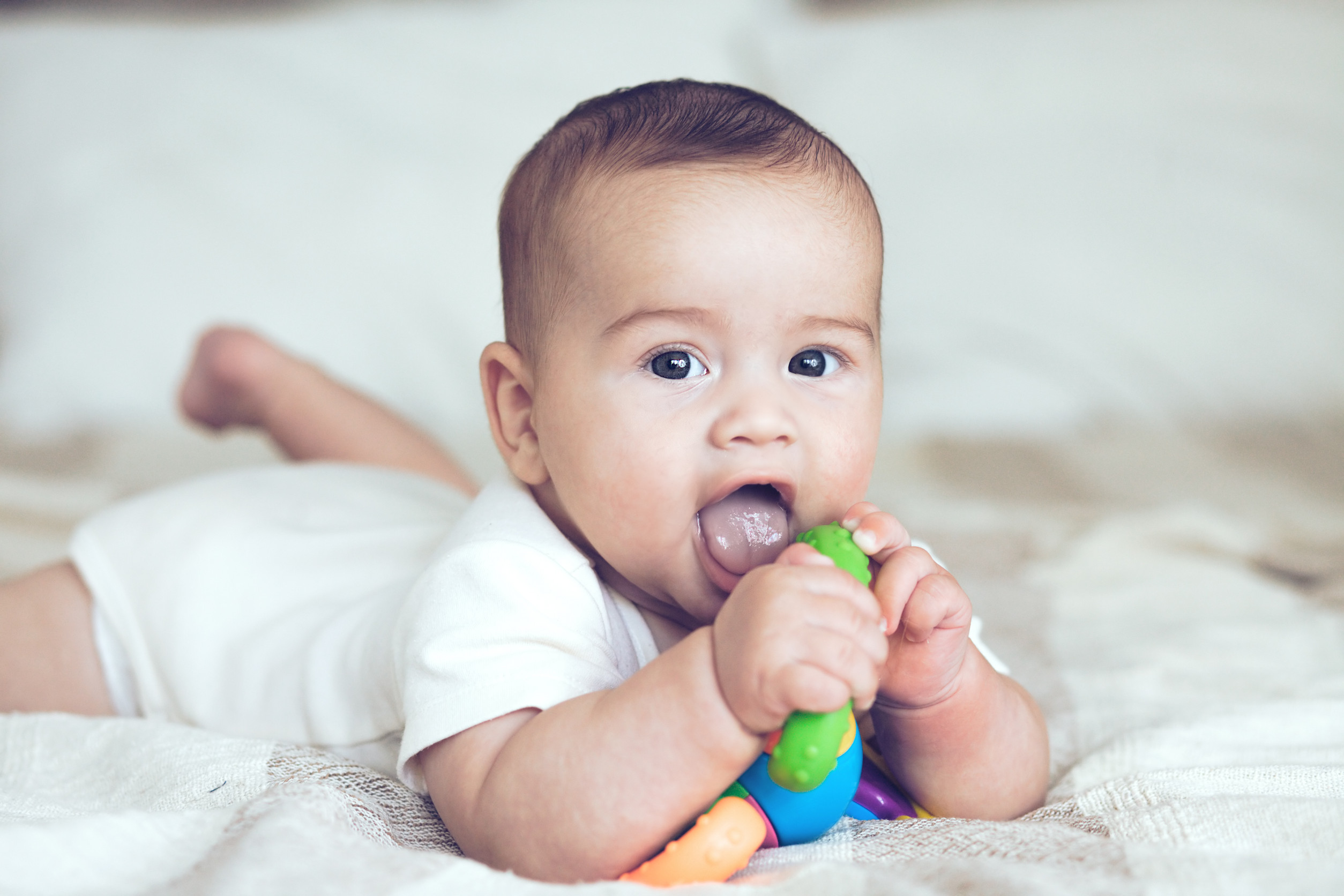
4. Green-Labeled Teething Toys

Many silicone or rubber teething toys claim to be non-toxic and eco-conscious, but not all are third-party tested for chemical safety. BPA-free doesn’t always mean free from other concerning additives like PVC, phthalates, or heavy metals. Babies chew on these items daily, so trace chemicals can enter their systems quickly. Look for medical-grade silicone and independent certifications like OEKO-TEX or GOLS. Don’t rely solely on marketing terms like “eco” or “green.”

5. Plant-Based Baby Laundry Detergent

Some plant-based detergents still contain synthetic surfactants, preservatives, and brighteners that aren’t baby-safe. Just because it’s made from plants doesn’t mean it’s automatically gentle on skin or lungs. Eco-friendly baby products should ideally be free of artificial fragrances, dyes, and SLS (sodium lauryl sulfate). Be especially wary of brands that don’t disclose full ingredients. If it says “proprietary blend,” skip it and find a product with full transparency.

6. Reusable Cloth Diapers with Synthetic Liners

Cloth diapers are a popular eco-conscious choice, but many include polyester or polyurethane laminate (PUL) linings to prevent leaks. These materials can release VOCs (volatile organic compounds), especially when heated in the dryer. Over time, that exposure can irritate a baby’s skin or contribute to indoor air pollution. While the environmental impact is lower than that of disposables, synthetic liners still pose concerns. Choose brands with certified organic cotton interiors and avoid plasticized inserts when possible.

7. Baby Mattresses with “Eco Foam”

Many baby mattresses use “eco foam” or “plant-based foam” as a selling point, but most are still made primarily from polyurethane with only a small percentage of plant oils. These foams can off-gas chemicals like formaldehyde or flame retardants, which have been linked to respiratory problems. A truly safe, eco-friendly baby product in this category should be GOTS or GREENGUARD Gold certified. Always read the materials list and avoid any product that smells strongly out of the box.

8. All-Natural Baby Lotions

Even the cleanest-looking baby lotions can include synthetic preservatives, drying alcohols, or essential oils that cause reactions. Just because something is labeled “all-natural” doesn’t mean it’s hypoallergenic or tested for infant use. Eco-friendly baby products should minimize ingredients and avoid known irritants, especially for newborns. Focus on products that are dermatologist-approved and fragrance-free. When possible, consult your pediatrician before using anything new on your baby’s skin.

9. Organic Cotton Clothing Treated with Dyes

Organic cotton is a great material, but if the clothing is treated with chemical dyes or finishes, it can still irritate your child’s skin. Some dyes contain azo compounds, which are banned in certain countries due to their potential toxicity. Eco-friendly baby products should prioritize not only the material but also the processing and finishing steps. Look for garments with certifications like GOTS, which monitor the entire production chain. Be cautious of brightly colored items without labeling.

10. “Green” Cleaning Sprays for Baby Gear

Many eco-labeled cleaning sprays boast plant-derived ingredients but include methylisothiazolinone (MIT) or synthetic solvents for effectiveness. These additives can trigger allergic reactions or asthma, especially when sprayed on surfaces babies touch or their mouths. Eco-friendly baby products should be safe for frequent contact, especially if they’re used on highchairs, toys, or bottles. A safer approach is using vinegar-water solutions or fragrance-free cleaners tested for baby use. Read every label and avoid mystery ingredients.

Labels Don’t Always Mean Safety

It’s frustrating to realize that even eco-friendly baby products can contain chemicals that don’t belong anywhere near your child. But by becoming a label detective and prioritizing third-party testing and transparency, you can protect your little one while still supporting sustainability. The key is to look beyond the greenwashing and understand that “natural” isn’t always safe and “eco” doesn’t always mean clean. Your baby’s health is worth that extra layer of scrutiny. Safer, smarter choices start with knowing what questions to ask.

Have you ever discovered hidden ingredients in a product you thought was safe? Share your experience or go-to brands in the comments below!

Read More:

8 Everyday Products Dangerous for Toddlers

5 Toys That Were Never Designed to Be Used by Children

Catherine Reed
Catherine Reed

Catherine is a tech-savvy writer who has focused on the personal finance space for more than eight years. She has a Bachelor’s in Information Technology and enjoys showcasing how tech can simplify everyday personal finance tasks like budgeting, spending tracking, and planning for the future. Additionally, she’s explored the ins and outs of the world of side hustles and loves to share what she’s learned along the way. When she’s not working, you can find her relaxing at home in the Pacific Northwest with her two cats or enjoying a cup of coffee at her neighborhood cafe.

Filed Under: Parenting Tagged With: Baby Gear, baby safety, eco-friendly baby products, green parenting, harmful chemicals, natural baby care, organic baby products, parenting tips

That ‘Perfect’ Nursery Photo? It’s Hiding These 8 Shocking Dangers

July 20, 2025 | Leave a Comment

That 'Perfect' Nursery Photo? It's Hiding These 8 Shocking Dangers
Image source: 123rf.com

The soft lighting, coordinated colors, dreamy mobiles, and plush accents make that perfect nursery photo on Instagram or Pinterest look like a peaceful paradise. But beneath the curated aesthetic often lie safety hazards that go unnoticed by new parents caught up in design trends. While it’s natural to want a beautiful space for your baby, it’s even more important to create one that’s safe and functional. Many of the most-shared nursery setups actually include features that pediatricians and child safety experts warn against. Here are eight hidden dangers that could be lurking in that perfect nursery photo—and how to design a space that’s just as safe as it is sweet.

1. Crib Bumpers and Pillow Displays

Crib bumpers, decorative pillows, and stuffed animals may look cozy in a perfect nursery photo, but they can be suffocation hazards. The American Academy of Pediatrics recommends a bare crib with only a fitted sheet. Despite being banned for sale in several states, bumpers still show up in trendy nursery shots. These items can trap a baby’s face or limbs, increasing the risk of Sudden Infant Death Syndrome (SIDS). It’s best to keep cribs simple and avoid adding anything soft or loose.

2. Blankets and Quilts

That heirloom quilt draped over the crib rail or folded at the foot of the bed might be adorable, but it’s not safe for a sleeping infant. Even lightweight blankets pose a suffocation risk to babies under 12 months. In many perfect nursery photo setups, quilts are shown tucked into cribs as a design element. Instead, opt for wearable blankets or sleep sacks that keep babies warm without risk. Display sentimental blankets on the wall or over a chair, not in the crib.

3. Furniture That’s Not Anchored

That chic dresser or bookshelf may look great in a photo, but if it’s not anchored to the wall, it can tip over dangerously. Babies start pulling up sooner than most parents expect, and unsecured furniture can become a serious threat. A perfect nursery photo rarely shows what’s going on behind the scenes, like safety straps or anchors. Be sure to secure all tall or heavy furniture to prevent tip-overs. It’s a small step that can save a life.

4. Curtains or Cords Near the Crib

Long curtains or window blind cords can be serious strangulation hazards if they’re within reach of the crib. In many perfect nursery photo layouts, a crib is placed near a window to make use of natural light or balance the room. But if cords hang down nearby, it’s an accident waiting to happen. Keep all cords far out of reach, and use cordless blinds or safety clips when needed. Your baby’s crib should be placed well away from windows for both light and safety reasons.

5. Wall Décor That Can Fall

Heavy picture frames, shelves, or wall hangings over the crib look charming, but they can fall and injure a sleeping baby. Many perfect nursery photo designs feature gallery walls or mounted decorations right above where a baby rests. If these aren’t secured properly—or if they fall during an earthquake or from vibrations—they become a danger. Instead, choose lightweight decals, fabric banners, or soft canvas prints if you want to decorate near the crib. Safety should always outweigh style.

6. Overfilled Changing Tables

A changing table styled with open baskets, lotions, powders, and décor may be pretty, but it can also be risky. Babies can grab items and put them in their mouths, and even a small reach can lead to a fall if a caregiver gets distracted. In a perfect nursery photo, these surfaces are styled to look neat and curated, not necessarily safe. Keep changing tables organized but minimal, with supplies out of reach or behind childproof drawers. Always keep one hand on your baby during changes.

7. Unsecured Rugs or Slippery Floors

Rugs that aren’t anchored with non-slip pads can be a major tripping hazard for tired parents carrying a baby. Many perfect nursery photo shoots feature layered rugs or high-pile carpets for visual appeal. But in real life, these can slide underfoot or cause you to trip during late-night feedings. Choose rugs with rubber backing or add non-slip mats underneath to reduce the risk. Safety and comfort should work hand-in-hand in any nursery.

8. Plugged-In Devices or Nightlights Too Close to Baby

A soft-glow nightlight or baby monitor might seem harmless, but placing electronics too close to the crib isn’t recommended. Overheating, exposed wires, or entanglement risks can turn that perfect nursery photo setup into a real concern. Always check the placement of cords, outlets, and devices in your child’s sleep space. Keep electronics out of the crib and away from bedding or flammable materials. Battery-operated or wall-mounted options offer a safer alternative.

Picture-Perfect Safety Starts with Awareness

While it’s fun to get inspiration from that perfect nursery photo, your baby’s safety should always be the top priority. The best nursery is one where peace of mind and thoughtful choices replace trends and appearances. With a few small adjustments, you can still create a space that’s both beautiful and secure. Trust your instincts, check the safety guidelines, and don’t let social media pressure shape your parenting decisions. After all, nothing is more picture-perfect than a safe and happy baby.

Have you spotted any common nursery décor choices that might pose hidden risks? Share your thoughts or tips with other parents in the comments!

Read More:

9 Classic Nursery Rhymes Every Toddler Should Know

6 Urgent Safety Checks for Baby Gear

Catherine Reed
Catherine Reed

Catherine is a tech-savvy writer who has focused on the personal finance space for more than eight years. She has a Bachelor’s in Information Technology and enjoys showcasing how tech can simplify everyday personal finance tasks like budgeting, spending tracking, and planning for the future. Additionally, she’s explored the ins and outs of the world of side hustles and loves to share what she’s learned along the way. When she’s not working, you can find her relaxing at home in the Pacific Northwest with her two cats or enjoying a cup of coffee at her neighborhood cafe.

Filed Under: Parenting Tagged With: baby safety, babyproofing, childproof nursery, crib safety, new parent advice, nursery hazards, parenting tips, perfect nursery photo, safe sleep

Digital Safety: 6 Steps to Safeguard Your Child’s Online Identity

July 20, 2025 | Leave a Comment

Digital Safety 6 Steps to Safeguard Your Childs Online Identity
Image source: 123rf.com

Kids are growing up in a world where their personal information is just as vulnerable online as adults—if not more. From signing into games to posting photos, every click and login leaves behind a digital footprint. While the internet can be a place of learning and fun, it can also expose children to risks like identity theft, data tracking, and cyberbullying. That’s why digital safety needs to be a top priority for every parent, not just when things go wrong but as an ongoing part of online life. Here are six essential steps to help protect your child’s online identity and teach them how to stay safe in the digital world.

1. Use Strong Passwords and Teach Your Child Why It Matters

Creating strong, unique passwords for your child’s accounts is one of the first lines of defense in digital safety. Simple combinations like “123456” or “password” are easy for hackers to crack, especially on gaming or school platforms where security may be less strict. Help your child understand the importance of using a mix of letters, numbers, and symbols that are hard to guess. Use a password manager or keep a secure list so you don’t lose track of them. Most importantly, never use the same password across multiple accounts.

2. Keep Personal Details Off Public Profiles

It might seem harmless to list your child’s age, school, or city in an online profile, but those small bits of data can quickly add up. Strangers or bots can use that info to piece together an identity or create fake accounts. Talk to your child about what should and shouldn’t be shared online, including photos that give away locations or routines. For maximum digital safety, keep profiles private and encourage your child to use nicknames or initials when possible. Less personal information means fewer ways for someone to misuse their identity.

3. Review Privacy Settings Together

Most apps and websites have privacy settings, but they’re often buried in menus or set to “public” by default. Sit down with your child and review the settings on each platform they use, from social media to gaming apps. Make sure content is only visible to approved friends or followers and disable features like location tracking where possible. Learning how to control who sees what is a big part of digital safety. Doing it together also gives your child the confidence to make safer choices on their own.

4. Monitor App Permissions and Downloads

Every time your child downloads a new app or game, they may be granting access to things like their camera, microphone, contacts, or location. These permissions can create serious vulnerabilities if misused by third parties or malicious software. Make it a habit to check the permissions for each new download and explain to your child why certain features shouldn’t be allowed. Stick to trusted app stores and review ratings and reviews before installing anything new. This step helps maintain digital safety while still letting your child explore technology.

5. Watch for Phishing and Fake Links

Even kids can fall for phishing scams, especially if they’re disguised as game updates, free downloads, or messages from friends. Teach your child how to spot suspicious emails, pop-ups, or in-app messages that ask for passwords or personal details. One click on a fake link can open the door to data theft or account hacking. Encourage them to come to you anytime they’re unsure about something online. Knowing what to avoid is a powerful digital safety skill that protects their identity and your family’s information.

6. Talk Often About Online Choices and Consequences

Digital safety isn’t just about tools and settings—it’s about ongoing conversations. Check in regularly with your child about what apps they’re using, who they’re talking to, and what they’re sharing. Create a home environment where questions are welcomed and mistakes can be talked about without shame. Kids are more likely to make safe choices when they feel supported and informed. Digital habits are built over time, and staying involved shows your child that their safety is your priority.

Smart Habits Today Build a Safer Tomorrow

Protecting your child’s online identity doesn’t require high-tech tools or constant surveillance—it starts with awareness, conversations, and a few smart habits. Digital safety is a shared responsibility, and when parents stay engaged, kids learn how to navigate the internet with confidence and care. The goal isn’t to instill fear, but to equip your child with the tools to stay safe while enjoying everything the digital world has to offer. A proactive approach now can help your child avoid problems down the road and build a healthier relationship with technology for life.

What steps have you taken to improve digital safety in your home? Share your go-to tips or lessons learned in the comments below!

Read More:

6 Urgent Steps to Protect Your Home from Kids’ Dangers

10 Places Your Kids Shouldn’t Be Left Alone (Even If They Beg You To)

Catherine Reed
Catherine Reed

Catherine is a tech-savvy writer who has focused on the personal finance space for more than eight years. She has a Bachelor’s in Information Technology and enjoys showcasing how tech can simplify everyday personal finance tasks like budgeting, spending tracking, and planning for the future. Additionally, she’s explored the ins and outs of the world of side hustles and loves to share what she’s learned along the way. When she’s not working, you can find her relaxing at home in the Pacific Northwest with her two cats or enjoying a cup of coffee at her neighborhood cafe.
Filed Under: Parenting Tagged With: cybersecurity for kids, digital safety, Internet Safety, kids and technology, online identity protection, online privacy, parenting tips, tech-savvy parenting

Parental Stress: 10 Financial Habits Keeping Parents Stressed

July 20, 2025 | Leave a Comment

Parental Stress 10 Financial Habits Keeping Parents Stressed
Image source: 123rf.com

Parenting comes with enough emotional demands without money making things harder. Still, many parents unknowingly add to their own parental stress by sticking to financial habits that drain time, energy, and peace of mind. Whether it’s overspending on things kids outgrow quickly or avoiding long-term planning out of fear, these habits can create a constant state of anxiety. The good news? Identifying and adjusting these patterns can bring more calm to your home and more control to your finances.

1. Living Without a Budget

Not having a clear monthly budget is one of the fastest ways to increase parental stress. Without a plan, money seems to disappear, making it harder to stay ahead of bills or save for future needs. Budgeting gives your finances structure and shows you where every dollar goes. It also helps avoid the guilt or panic that comes with unexpected expenses. A simple, realistic budget can be a major stress reliever for the whole family.

2. Relying Too Much on Credit Cards

Using credit cards for day-to-day expenses might feel like a safety net, but the debt can pile up fast. High-interest payments and growing balances create long-term pressure. Parental stress builds when the monthly minimums get harder to meet and financial freedom starts to slip away. It’s better to use credit cards strategically, not as a backup plan. Building an emergency fund helps reduce dependency on credit.

3. Spending Without Tracking

Impulse buys at the store, app purchases for the kids, or frequent takeout meals can all add up without notice. When you’re not tracking where your money is going, it’s easy to overspend and feel confused about why you’re always stretched thin. This financial fog adds to daily stress, especially when surprise costs pop up. Tools like budgeting apps or simple spreadsheets can bring much-needed clarity. Awareness is key to controlling spending.

4. Putting Off Emergency Savings

Life with kids is unpredictable, and not having a cushion for the unexpected makes everything more stressful. From car repairs to medical bills, even small emergencies can feel like disasters if you’re unprepared. Skipping emergency savings is a financial habit that quietly feeds parental stress. Start small—even $10 or $20 a week can grow into a safety net. The peace of mind is worth the effort.

5. Not Planning for Big Expenses

Birthdays, holidays, back-to-school season—they all come around every year, yet many families treat them like surprise expenses. When you don’t plan ahead, you may end up scrambling or going into debt to cover the costs. Parental stress often spikes during these times because they’re emotionally charged and financially demanding. Set aside money each month for predictable annual expenses. Future-you will be grateful you did.

6. Overspending on Kids

Every parent wants to give their child the best, but overspending on toys, clothes, and activities can hurt more than it helps. When your finances are stretched too thin, even small indulgences can lead to regret or resentment. Parental stress often stems from trying to keep up with others or buy happiness. Focus on quality time, not quantity of stuff. Your child needs your presence more than your purchases.

7. Avoiding Money Conversations with Your Partner

Money can be a tough topic, but avoiding it only makes problems worse. Disagreements, misunderstandings, or secret spending habits all increase parental stress and tension at home. Regular, honest conversations about goals, budgets, and challenges build teamwork. Even if it’s uncomfortable, open communication can bring clarity and shared confidence. You’re a team—face finances together, not alone.

8. Neglecting Retirement Savings

It’s tempting to put all your focus (and money) on your kids’ present and future, but ignoring your own retirement plans is risky. Without a plan for later in life, you may be setting yourself—and your children—up for future financial strain. Parental stress doesn’t end when the kids grow up if retirement isn’t secure. Even modest contributions now can grow significantly over time. Take care of your future so your children don’t have to.

9. Skipping Insurance Coverage

Skipping or reducing coverage to save a few bucks can lead to major expenses down the line. Whether it’s health, auto, renters, or life insurance, being underinsured puts your family at risk. Parental stress intensifies when an emergency hits and you’re not covered. Review your policies regularly to make sure they match your family’s needs. The right coverage brings protection and peace of mind.

10. Thinking Short-Term Only

Making financial decisions based only on today’s needs can leave you unprepared for tomorrow. Whether it’s not saving, investing, or planning for college, short-term thinking keeps you in a reactive state. Parental stress comes from always feeling like you’re one step behind. Balance your current needs with your long-term goals to create more stability. Small steps now lead to greater security down the road.

Less Stress Starts with Small Changes

You don’t have to overhaul your entire financial life in one weekend. But taking even a few small steps to change these habits can significantly lower parental stress and create a calmer, more confident household. Money doesn’t have to be a source of tension—it can be a tool for building the future you want for your family. With a little planning, a bit of discipline, and some open conversations, financial peace is possible.

Which financial habit do you think causes the most parental stress in your home? Share your thoughts or tips in the comments below!

Read More:

The Financial Trap of Parenting: What No One Tells You

Why Some Parents Are Going Into Debt to Hide Financial Struggles from Their Kids

Catherine Reed
Catherine Reed

Catherine is a tech-savvy writer who has focused on the personal finance space for more than eight years. She has a Bachelor’s in Information Technology and enjoys showcasing how tech can simplify everyday personal finance tasks like budgeting, spending tracking, and planning for the future. Additionally, she’s explored the ins and outs of the world of side hustles and loves to share what she’s learned along the way. When she’s not working, you can find her relaxing at home in the Pacific Northwest with her two cats or enjoying a cup of coffee at her neighborhood cafe.
Filed Under: Money and Finances Tagged With: Family Budgeting, financial planning, financial wellness, household finances, money habits, parental stress, parenting tips, stress relief for parents

Other Kids’ Privacy: 7 Things Never to Post About Other Kids Online

July 20, 2025 | Leave a Comment

Other Kids Privacy 7 Things Never to Post About Other Kids Online
Image source: 123rf.com

Snapping a cute photo of your child at a birthday party or school play might feel innocent enough—but what about the other kids in the picture? In our hyper-connected world, it’s easy to forget that not all parents are comfortable with their child’s image or personal details being shared online. Even well-meaning posts can accidentally cross the line and compromise other kids’ privacy. Whether you’re sharing on social media, in parenting groups, or through a blog, it’s important to pause and think before you hit “post.” Protecting every child’s digital footprint is part of being a respectful and responsible adult in the age of constant sharing.

1. Full Names Paired with Photos

Including both a child’s face and full name in a post can put them at risk, especially when shared on public accounts. This makes it easier for strangers to find, identify, or even contact that child. Protecting other kids’ privacy means thinking beyond your own comfort level with sharing. Even if you’re friends with their parents, you should ask before tagging or naming any child online. First names only—or better yet, no names at all—help reduce digital exposure.

2. School or Location Details

Posts that include school names, team names, or specific location tags make it easy for others to track where a child spends their time. Even something as simple as a school T-shirt or a sign in the background can reveal more than intended. Respecting other kids’ privacy means keeping identifiable details out of your posts, especially if they involve regular routines. It’s also wise to avoid checking in at school events or group gatherings in real time. Post after the fact, and skip the geotags.

3. Discipline or Meltdowns

No matter how relatable a tantrum or awkward moment may seem, sharing a photo or story about another child’s meltdown crosses a line. These posts can be embarrassing for the child and upsetting for their parents. Other kids’ privacy should include the right to have their tough moments kept private, not made public for a laugh or sympathy. What feels like a funny anecdote to you could be humiliating to someone else’s family. Keep sensitive stories offline, especially if the child involved isn’t your own.

4. Medical or Developmental Information

Even with good intentions, sharing information about another child’s allergies, diagnosis, or developmental challenges is a major breach of trust. That information belongs to the child and their family, not the internet. Other kids’ privacy extends to health and learning differences, whether you’re posting to educate, vent, or celebrate. If it’s not your story to tell, it’s best left unsaid. Support others quietly and privately without risking their child’s confidentiality.

5. Group Photos Without Permission

It’s easy to take a group shot at a birthday party or school event and want to share it to celebrate the fun. But unless every parent has given the okay, that picture could violate someone else’s boundaries. Other kids’ privacy is especially vulnerable in group photos because even background faces can be easily identified. A safer approach is to crop the photo, blur faces, or only post pictures of your own child. Better yet, ask parents beforehand or offer to share pictures privately.

6. Personal Comments or Comparisons

Making comments like “Emma always finishes first in class, unlike some of the others” may seem harmless, but it can hurt feelings or stir up tension. Public comparisons and critiques—whether direct or subtle—can undermine another child’s confidence. Respecting other kids’ privacy includes how you talk about their abilities, behavior, or place in a group. Keep your focus on your own child’s accomplishments without dragging others into the mix. Encouragement should never come at someone else’s expense.

7. Birthday, Address, or Event Info

Sharing invitations, party plans, or “see you at Jake’s house at 2!” posts might feel convenient, but they expose details that others might prefer to keep private. Other kids’ privacy includes keeping their personal schedule and home life off your timeline. Even RSVPs or tagged stories at private events should be handled carefully. It’s always better to communicate privately when it comes to party plans or gatherings. Be the parent who protects the moment, not the one who overshares it.

Privacy is a Shared Responsibility

Respecting other kids’ privacy doesn’t mean you have to stop posting about your family—it just means being more mindful of who else might be affected. Every child deserves to grow up with a clean digital slate and the chance to control their own story later. By pausing before you share and choosing privacy over publicity, you’re modeling the kind of thoughtfulness we all hope our kids will one day show, too. A little extra care today can prevent hurt feelings, broken trust, or long-term digital regrets tomorrow. Let’s make the online world safer for every child, not just our own.

What rules do you follow when posting photos or stories that include other kids? Share your tips or experiences in the comments!

Read More:

Privacy Violation: 7 Things Never to Post About Your Kids Online

9 Privacy Settings You Didn’t Know Existed for Kids’ Devices

Catherine Reed
Catherine Reed

Catherine is a tech-savvy writer who has focused on the personal finance space for more than eight years. She has a Bachelor’s in Information Technology and enjoys showcasing how tech can simplify everyday personal finance tasks like budgeting, spending tracking, and planning for the future. Additionally, she’s explored the ins and outs of the world of side hustles and loves to share what she’s learned along the way. When she’s not working, you can find her relaxing at home in the Pacific Northwest with her two cats or enjoying a cup of coffee at her neighborhood cafe.
Filed Under: Parenting Tagged With: child protection, digital parenting, kids and tech, online privacy, other kids' privacy, parenting tips, respectful parenting, social media safety

Vulnerable Kids: 12 Estate Planning Errors That Leave Kids Vulnerable

July 20, 2025 | Leave a Comment

Vulnerable Kids 12 Estate Planning Errors That Leave Kids Vulnerable
Image source: 123rf.com

No parent wants to imagine a future where their child is left unprotected, but failing to plan properly for the unexpected can do just that. When estate planning is overlooked or done incorrectly, it can leave vulnerable kids at the mercy of court systems, unprepared guardians, or financial instability. Even well-meaning parents sometimes make simple errors that create complicated, painful outcomes for their children. If something were to happen to you tomorrow, would your plan keep your kids safe, secure, and supported? Here are 12 estate planning mistakes that could leave your children exposed—and how to avoid them.

1. Not Naming a Legal Guardian

One of the most critical mistakes is failing to legally name a guardian for your children. Without this, a court may choose someone based on availability, not who you would have wanted. This puts vulnerable kids in the hands of people who may not share your values or parenting style. It can also lead to custody disputes among family members. Always have a written, legally binding designation in place.

2. Assuming a Verbal Agreement is Enough

Telling your sibling or best friend, “You’ll take the kids if something happens,” isn’t legally binding. Verbal agreements don’t hold up in court when guardianship decisions are made. Vulnerable kids can be left in limbo during legal proceedings, especially if no documentation exists. Always put your wishes in writing and make sure they’re included in your will. Legal clarity protects your children and avoids confusion.

3. Ignoring Financial Planning

Estate planning is more than just deciding who gets what—it’s also about preparing financially for your child’s needs. If no trust or funding plan exists, life insurance money or assets may be tied up in probate. This delay can leave vulnerable kids without access to necessary resources. Consider setting up a trust that can be managed by a trusted adult. This gives you control over how and when the money is used.

4. Naming Only One Guardian Without a Backup

Life changes fast, and the person you originally chose as guardian may no longer be able to step in. Naming only one option puts vulnerable kids at risk if that guardian becomes unavailable. Always name at least one backup guardian in your estate plan. This ensures your children are cared for by someone you trust, no matter what. The more flexible your plan, the more protected your children are.

5. Forgetting to Update Your Will

Your family situation, financial status, and relationships can all change over time. If you don’t regularly update your will, outdated plans may no longer reflect your wishes or circumstances. Vulnerable kids could end up with an unsuitable guardian or an overlooked inheritance. Aim to review and update your estate documents every few years or after major life events. A current plan is a safe plan.

6. Leaving Assets Directly to Minors

Leaving money or property directly to a child may sound generous, but minors often can’t legally manage inherited assets. This often triggers court involvement and can result in mismanaged funds. Vulnerable kids may have their inheritance controlled by someone you didn’t choose. Instead, establish a trust to manage their financial future until they reach an age you determine is appropriate. This adds structure and long-term protection.

7. Choosing the Wrong Executor or Trustee

The people managing your estate and your child’s trust should be responsible, trustworthy, and capable. Choosing someone out of convenience, rather than qualification, can lead to poor decisions or even misuse of funds. Vulnerable kids rely on these individuals for stability and security. Take your time selecting the right people, and talk with them beforehand. Make sure they understand the role and are willing to take it on.

8. Overlooking Digital Assets

Photos, memories, school records, and even online banking access may be stored digitally. Without passwords or legal access instructions, your family might struggle to retrieve them. Vulnerable kids can lose sentimental or practical resources if digital assets are ignored. Include a digital estate plan with account information and instructions. This ensures that important parts of your child’s life aren’t lost.

9. Failing to Communicate Your Plan

Even a well-written plan can create confusion if no one knows it exists. Vulnerable kids could be caught in a scramble if guardians, family members, or executors are left guessing. Talk to everyone involved so they know their roles and your wishes. Clear communication now reduces stress and conflict later. Let your loved ones in on the plan—they’re part of your safety net.

10. Not Coordinating with Life Insurance

If your life insurance beneficiary is your child directly, the funds could be delayed or misused. Vulnerable kids might not access the money until a court-appointed guardian steps in. Consider listing a trust as the beneficiary instead. That way, funds are managed according to your instructions and for your child’s benefit. Coordination avoids legal hurdles during a difficult time.

11. Assuming It’s Only for the Wealthy

Many people think estate planning is something only rich families need. But even a modest income, a small home, or a simple savings account matters when it’s all your child has left. Vulnerable kids benefit from any level of planning, regardless of wealth. It’s not about the dollar amount—it’s about making sure your kids are secure. Estate planning is a parenting responsibility, not a financial status symbol.

12. Delaying the Process

Putting off estate planning is easy to do. But waiting until “later” leaves vulnerable kids exposed to risk if something happens unexpectedly. Life is unpredictable, and having a plan in place provides peace of mind for everyone. Start small if needed, and build your plan over time. Just don’t wait until it’s too late.

The Most Loving Gift Is Being Prepared

No one wants to imagine their children navigating life without them, but preparing now is one of the most powerful acts of love you can give. Estate planning doesn’t just protect money—it protects vulnerable kids from confusion, stress, and uncertainty. With a clear, thoughtful plan in place, you’re giving them security, guidance, and peace in a moment when they’ll need it most. Don’t let simple mistakes create lifelong consequences. A few smart steps today can protect your child’s future tomorrow.

What’s one step you’ve taken (or plan to take) to protect your kids through estate planning? Share your thoughts or questions in the comments!

Read More:

6 Surprising Ways Your Child’s Inheritance Could Be Reduced

8 Legal Battles Families Face Over Inheritance and Children’s Rights

Catherine Reed
Catherine Reed

Catherine is a tech-savvy writer who has focused on the personal finance space for more than eight years. She has a Bachelor’s in Information Technology and enjoys showcasing how tech can simplify everyday personal finance tasks like budgeting, spending tracking, and planning for the future. Additionally, she’s explored the ins and outs of the world of side hustles and loves to share what she’s learned along the way. When she’s not working, you can find her relaxing at home in the Pacific Northwest with her two cats or enjoying a cup of coffee at her neighborhood cafe.

Filed Under: Money and Finances Tagged With: child safety, estate planning, family protection, financial planning for parents, guardianship, parenting advice, vulnerable kids, wills and trusts

Mental Health Crisis: 4 Critical Questions About Your Child’s Mental Health

July 20, 2025 | Leave a Comment

Mental Health Crisis 4 Critical Questions About Your Childs Mental Health
Image source: 123rf.com

It’s hard to think of anything more important than your child’s well-being, but in today’s fast-paced, pressure-filled world, their mental health can easily go unnoticed until something feels off. Kids may not always have the words to express what they’re feeling, and as parents, we might miss early signs because they’re hidden behind mood swings, silence, or even laughter. The truth is, we’re seeing more children than ever struggling with anxiety, depression, and stress—sometimes quietly, sometimes loudly. That’s why it’s so important to check in early and often. Asking the right questions can help you understand what’s going on beneath the surface and respond with the support your child truly needs.

1. Is My Child Showing Signs of Stress, Anxiety, or Depression?

Sometimes, the mental health crisis doesn’t come with a big warning sign—it starts small. You might notice changes in sleep patterns, appetite, or school performance. A child who once loved socializing might start isolating, or a normally energetic kid may seem tired and withdrawn. These shifts can be signs of something deeper going on, like anxiety or depression. Watch for patterns over time and trust your instincts when something doesn’t feel right.

2. How Safe Does My Child Feel Talking to Me?

When it comes to the mental health crisis, open communication is one of the most powerful tools a parent can have. If your child doesn’t feel safe or comfortable sharing what’s on their mind, emotional struggles can build up silently. Ask yourself how you usually respond when they bring up difficult emotions. Are you listening or jumping in with advice? Building emotional safety takes patience, but it makes all the difference when your child needs to talk.

3. Are Social Pressures and Technology Affecting Their Mental Health?

In today’s digital world, many kids face social pressure not just at school but also through their phones. Social media can fuel comparison, bullying, and constant pressure to present a perfect image—all of which feed the mental health crisis. Take time to ask your child how they feel about their online interactions and what kind of content they’re consuming. You may be surprised by how much it’s impacting their self-worth or emotional state. Having regular, judgment-free conversations about tech helps you stay connected and informed.

4. Do We Have the Right Support in Place?

No one expects you to have all the answers when it comes to mental health, but knowing where to turn for help is crucial. Whether it’s a school counselor, pediatrician, or mental health professional, having support can help your child manage and overcome struggles before they deepen. If your child is showing signs of being in a mental health crisis, reaching out for help is a sign of strength, not failure. Keep an eye on available resources in your area and build a support system before a crisis hits. The earlier you act, the better your child’s chances of healing and thriving.

Every Question Counts When It Comes to Mental Health

You don’t need to be a mental health expert to help your child—you just need to be a present, curious, and caring parent. By asking meaningful questions, listening without judgment, and staying tuned in to shifts in behavior, you’re already making a difference. The mental health crisis facing many kids today doesn’t have to be a silent one. Together, with awareness and support, we can give our children the tools they need to face their feelings and grow stronger. The most powerful thing you can do is show up—and keep asking questions that matter.

What signs have helped you recognize when your child is struggling emotionally? Share your experiences or tips in the comments below.

Read More:

15 Reasons Why Wealthy Kids Struggle with Mental Health

Teen Warning: 10 Urgent Warnings for Parents of Teens

Catherine Reed
Catherine Reed

Catherine is a tech-savvy writer who has focused on the personal finance space for more than eight years. She has a Bachelor’s in Information Technology and enjoys showcasing how tech can simplify everyday personal finance tasks like budgeting, spending tracking, and planning for the future. Additionally, she’s explored the ins and outs of the world of side hustles and loves to share what she’s learned along the way. When she’s not working, you can find her relaxing at home in the Pacific Northwest with her two cats or enjoying a cup of coffee at her neighborhood cafe.
Filed Under: Parenting Tagged With: anxiety in kids, child mental health, depression in children, emotional wellness, family communication, kids and emotions, mental health crisis, parenting tips

Backfiring: 11 Parenting Strategies That Backfire on Kids

July 20, 2025 | Leave a Comment

Backfiring 11 Parenting Strategies That Backfire on Kids
Image source: 123rf.com

Most parents want the very best for their kids, but even well-intentioned approaches can sometimes do more harm than good. Certain parenting strategies that backfire might seem helpful on the surface, but over time, they can lead to anxiety, resentment, or poor behavior. Whether it’s being too strict, too lenient, or too involved, these habits can send the wrong message to kids and create challenges that ripple into adulthood. The good news? When we recognize these missteps, we can adjust and build healthier dynamics that truly support our children’s growth. Here are 11 parenting moves that often miss the mark and what to try instead.

1. Overpraising Everything

It’s natural to want to encourage kids by celebrating their efforts, but constant praise can lose its meaning. When everything they do is labeled “amazing,” they may struggle to handle criticism or failure. Parenting strategies that backfire like this often result in children developing a fear of not being perfect. Instead, focus on praising specific actions or efforts rather than broad labels. This helps kids understand the value of hard work and growth.

2. Using Fear to Gain Control

Scaring kids into obedience with threats or exaggerated consequences might work temporarily, but it rarely builds trust. Children raised in fear often learn to hide mistakes rather than grow from them. Parenting strategies that backfire in this way can damage communication and emotional security. A better approach is to set clear, fair boundaries and follow through calmly. Consistency teaches responsibility more effectively than intimidation.

3. Always Rescuing Them from Consequences

It’s tough to watch your child face a tough moment, but swooping in every time something goes wrong prevents important lessons. Shielding them from all failure can lead to helplessness and a lack of resilience. Parenting strategies that backfire here can result in kids who feel entitled or ill-equipped to problem-solve. Let natural consequences play out when safe and age-appropriate. Support them through it rather than removing every obstacle.

4. Comparing Them to Others

Even casual comparisons—“Why can’t you be more like your brother?”—can hurt a child’s self-esteem. Kids often internalize these remarks and feel like they’re not good enough. Parenting strategies that backfire this way can create sibling rivalry, jealousy, or self-doubt. Every child is different, and they all develop at their own pace. Celebrate their unique strengths instead of stacking them up against someone else.

5. Giving In Just to Avoid Conflict

It might seem easier to give in to whining or tantrums to keep the peace, but it sends the wrong message. Kids quickly learn they can wear you down with persistence. Parenting strategies that backfire like this teach children to push boundaries instead of respecting them. Stand firm with your limits while offering empathy and options. Kids feel safer when they know their parents mean what they say.

6. Overscheduling Their Lives

Enrolling your child in back-to-back activities may seem enriching, but too much can lead to stress and burnout. Kids need unstructured time to play, explore, and just be kids. Parenting strategies that backfire here can lead to anxiety and a lack of downtime for mental rest. Watch for signs your child is feeling overwhelmed or exhausted. Balance enrichment with relaxation to support emotional health.

7. Ignoring Your Own Behavior

Kids are always watching, and how you handle frustration, conflict, or responsibility matters more than what you say. Telling them not to yell while yelling yourself sends mixed messages. Parenting strategies that backfire in this way weaken credibility and trust. If you mess up, own it—apologizing and modeling self-control is powerful. Your behavior teaches more than any lecture ever will.

8. Using Guilt as a Tool

Saying things like “After everything I do for you…” might make a child feel ashamed rather than motivated. Guilt-based parenting strategies that backfire can lead to emotional confusion and insecurity. Instead of guilt-tripping, be honest about your feelings and explain how your behavior affects others. Kids respond better to empathy and understanding. Healthy communication builds stronger relationships than guilt ever will.

9. Expecting Immediate Obedience

It’s tempting to expect kids to act instantly when we ask something, but they aren’t robots. Expecting too much compliance too quickly can result in power struggles. Parenting strategies that backfire like this may push kids to rebel or shut down emotionally. Offer choices when possible and allow space for them to process requests. Mutual respect creates more cooperation than constant commands.

10. Dismissing Big Feelings

Saying things like “You’re fine” or “That’s nothing to cry about” may seem like reassurance, but it can invalidate emotions. Kids who feel unheard may stop sharing altogether. Parenting strategies that backfire in this way can damage emotional awareness and trust. Instead, listen, reflect their feelings, and help them name what they’re going through. Emotional validation is a powerful tool for connection.

11. Being Overly Controlling

Tightly managing every detail of a child’s life can backfire as they grow older and crave independence. Over-controlling parenting can result in anxiety, rebellion, or an inability to make decisions. These parenting strategies that backfire often come from a place of love but leave little room for autonomy. Offer guidance, but let them take age-appropriate risks and make choices. Independence builds confidence and life skills they’ll need down the road.

Real Growth Starts with Real Awareness

Parenting is a learning process, and even the best of us have moments we wish we could redo. The good news is that recognizing parenting strategies that backfire gives you the chance to make meaningful changes. Kids don’t need perfection—they need connection, honesty, and room to grow. By staying curious and open to improvement, you’re already doing something right. Every day offers a fresh opportunity to raise emotionally healthy, confident children.

Have you ever caught yourself using a parenting strategy that didn’t go as planned? Share your story or insights in the comments!

Read More:

8 Parenting Trends That Sound Great (But Might Be Hurting Your Kids)

Future Drain: 10 Spending Habits That Drain Your Child’s Future

Catherine Reed
Catherine Reed

Catherine is a tech-savvy writer who has focused on the personal finance space for more than eight years. She has a Bachelor’s in Information Technology and enjoys showcasing how tech can simplify everyday personal finance tasks like budgeting, spending tracking, and planning for the future. Additionally, she’s explored the ins and outs of the world of side hustles and loves to share what she’s learned along the way. When she’s not working, you can find her relaxing at home in the Pacific Northwest with her two cats or enjoying a cup of coffee at her neighborhood cafe.

Filed Under: Parenting Tagged With: child behavior, emotional development, mindful parenting, parenting mistakes, parenting strategies that backfire, parenting tips, raising kids

Game Scams: 9 Online Scams That Mimic Kids’ Games to Trick Them

July 20, 2025 | Leave a Comment

Game Scams 9 Online Scams That Mimic Kids Games to Trick Them
Image source: 123rf.com

Most parents know to keep an eye on what their kids are doing online—but even the most vigilant can miss a scam disguised as fun. Today’s game scams are designed to look just like popular games, complete with colorful graphics, cheerful characters, and enticing rewards. Unfortunately, behind the playful design, many of these apps or websites are built to steal personal information, trick kids into clicking dangerous links, or pressure them into spending real money. If your child plays games online, it’s crucial to understand the risks and teach them what to watch out for. Here are nine game scams that parents should know about to keep their kids safe while they play.

1. Fake Game Downloads

Some scam websites or app stores offer “free” versions of popular games, but what actually gets downloaded is malware. These fake versions often look convincing, using similar names or logos to trick kids. Once installed, they can collect data, show inappropriate ads, or even lock the device. Game scams like these can slip through if your child downloads from an unofficial source. Stick to trusted app stores and remind your child never to download games without checking with you first.

2. Robux and In-Game Currency Generators

Scammers know kids love in-game currencies like Robux or V-Bucks, so they create fake websites offering free currency in exchange for surveys, logins, or downloads. These sites can steal passwords or lead to viruses. Game scams like this often appear through social media ads or videos promising “easy hacks.” If it sounds too good to be true, it probably is. Teach your child that only official game platforms offer real currency purchases.

3. Phony Game Invitations

Scammers may send emails or messages saying a friend has invited your child to a new game or tournament. These invitations can contain links that download malware or lead to phishing sites. Game scams like this rely on curiosity or excitement to get kids to click quickly. Help your child verify invitations by checking directly with the friend or visiting the official site. Never click links from unknown senders, even if they sound fun.

4. Fake Game Updates

Kids may see pop-ups claiming their game needs an “urgent update” and offering a download link. These aren’t real updates—they’re often loaded with spyware or viruses. Game scams of this kind are sneaky because they use fear tactics to rush a reaction. Updates should only come from within the official app or game store. Make sure your child knows to ignore suspicious update messages.

5. Click-to-Play Ads That Redirect

Some ads embedded in kids’ game websites say “click here to play,” but actually lead to scam sites. Once clicked, these ads might launch fake prize offers, shady app installs, or adult content. Game scams using ads are common on free game sites without strict ad policies. Install ad-blockers and guide your child toward safer gaming platforms. When in doubt, preview the site yourself before letting your child explore.

6. Impersonator Game Accounts

Scammers sometimes create accounts that look like game developers, customer service, or even other players. They may message your child asking for passwords or trying to get them to visit an outside site. Game scams like this work best on platforms with open messaging. Teach your child that real support will never ask for passwords or private information. Encourage them to come to you if anyone online asks for personal details.

7. Free Skin and Item Giveaways

Online videos, fake apps, and social posts often advertise free skins, weapons, or accessories for popular games. These “giveaways” usually require your child to enter a username or download something. Game scams like this are built to harvest login data or push malware. Let your child know that real game items are only available through the game itself or approved promotions. If a giveaway doesn’t come from the official site, skip it.

8. Fake Game Review Sites

Some websites pose as trusted game review platforms but are designed to redirect visitors to scam downloads or phishing links. These sites can look professional and use legitimate game names to build trust. Game scams like these often show up in search engine results if your child is researching a new game. Check URLs closely and stick with well-known review sites. Bookmark a few safe ones your child can use with your guidance.

9. Subscription Trap Games

Some free-to-play games ask for payment details under the pretense of a “free trial,” then start charging without clear consent. These hidden subscriptions can cost real money and are often hard to cancel. Game scams involving subscriptions are especially tricky for kids who don’t fully understand billing systems. Always review app permissions and payment settings. If your child wants a new game, read the terms together first.

Empowering Kids to Recognize Game Scams

The internet can be a fantastic place for kids to learn and play, but it’s also full of traps disguised as fun. Game scams are getting more sophisticated, and they often prey on curiosity, excitement, or a child’s desire to be part of the latest trend. The best protection is open conversation and teaching kids how to pause and think before they click. Let them know it’s okay to ask questions or bring you anything that seems suspicious. The more they know, the better they can enjoy games safely.

Have you or your child ever run into a game scam online? Share your experience in the comments so others can learn from it!

Read More:

Emotional Trap: 11 Parenting Scams Targeting Your Emotions

Mail Exposure: 6 Ways Your Child’s Mail Gives Them Away

Catherine Reed
Catherine Reed

Catherine is a tech-savvy writer who has focused on the personal finance space for more than eight years. She has a Bachelor’s in Information Technology and enjoys showcasing how tech can simplify everyday personal finance tasks like budgeting, spending tracking, and planning for the future. Additionally, she’s explored the ins and outs of the world of side hustles and loves to share what she’s learned along the way. When she’s not working, you can find her relaxing at home in the Pacific Northwest with her two cats or enjoying a cup of coffee at her neighborhood cafe.

Filed Under: Parenting Tagged With: child protection, digital parenting, game scams, Internet Safety, kids and technology, online games, Online Safety, parenting tips

Toy Danger: 8 Hidden Dangers Lurking in Your Child’s Toys

July 20, 2025 | Leave a Comment

Toy Danger 8 Hidden Dangers Lurking in Your Childs Toys
Image source: 123rf.com

When your child is gleefully playing with a new toy, the last thing you’re thinking about is whether it might pose a hidden risk. But beneath the bright packaging and playful designs, some toys can present unexpected hazards that put your little one’s safety at risk. From toxic materials to small parts you didn’t even notice, toy danger is more common than many parents realize. Staying informed about what to look out for can help you make smarter, safer choices without taking away the fun. Here are eight hidden dangers you should know about before handing over that next toy.

1. Choking Hazards in Disguise

Even toys marked for older children can end up in the hands of toddlers who love to explore with their mouths. Detachable parts, loose buttons, and even plush eyes on stuffed animals can become serious choking risks. The toy danger becomes greater when the packaging doesn’t clearly warn about age suitability. Always do a physical inspection, especially for hand-me-downs, to check for wear and loose elements. If something can fit through a toilet paper roll, it’s too small for kids under three.

2. Toxic Materials and Paints

Some toys, especially those produced overseas or from lesser-known brands, may contain harmful chemicals. Lead-based paints and phthalates are still found in some products despite regulations. Toy danger spikes when toxic materials are used in items that kids frequently chew, suck, or cuddle. Look for labels that say “non-toxic” and check for recalls regularly through the Consumer Product Safety Commission (CPSC). It’s also a smart move to stick with trusted brands that meet U.S. safety standards.

3. Magnets That Can Be Swallowed

Magnetic toys can seem like harmless fun until one or more magnets get loose. If swallowed, they can attract each other inside the body and cause serious internal injuries. The toy danger here is often hidden, especially when magnets are embedded in parts that break or pop open. Supervise play with magnetic toys and avoid them entirely for younger kids. Always discard any toys with exposed or missing magnets immediately.

4. Battery-Operated Hazards

Button batteries are tiny, shiny, and extremely dangerous if swallowed. They’re often found in musical books, light-up toys, and small gadgets marketed to children. A swallowed battery can burn through tissue and cause severe damage within hours. Toy danger increases when battery compartments don’t have secure screws to keep little fingers out. Make it a habit to check battery covers and avoid any product with a flimsy or missing compartment.

5. Strangulation Risks from Strings and Cords

Toys with pull cords, necklaces, or long strings can become strangulation hazards, especially in cribs or playpens. Even dress-up items marketed for kids can include pieces that pose a real threat. Toy danger can sneak into your home when items are reused or repurposed in ways manufacturers didn’t intend. Keep strings shorter than 7 inches and avoid letting your child sleep or nap with toys around their neck. Supervise closely during any kind of pretend play involving cords or leashes.

6. Inappropriate Age Ratings

Sometimes a toy may seem simple enough, but its construction or features are meant for older kids. Age ratings aren’t just about development—they’re also about safety. A toy rated 6+ might have parts or mechanisms that are hazardous to a younger child. The toy danger here is assuming “my child is advanced for their age” means they’re ready for anything. Stick to the recommended age range and save more complex toys for when they’re ready.

7. Poorly Made Plush Toys

Soft toys may seem like the safest bet, but low-quality materials and stitching can make them risky. Seams can split, exposing stuffing or small pellets that become choking hazards. Toy danger can also come from wires inside the limbs that poke through as the toy ages. Choose plush toys that meet safety standards, and regularly inspect them for wear and tear. If it’s falling apart, it’s time to toss it.

8. Noise Levels That Can Damage Hearing

Toys that sing, beep, or roar might be fun for a few minutes, but many are louder than you’d expect. Some toys emit sounds above 85 decibels—enough to cause hearing damage over time. The toy danger here is especially high when sounds are emitted close to a child’s ear. Always test noise-making toys yourself before handing them over. Look for toys with volume control or mute options, and teach your child not to hold them directly against their head.

Don’t Let the Fun Turn Risky

Playtime should be joyful, not dangerous. While it’s impossible to eliminate every toy danger, being a little more alert can go a long way in protecting your child. Check toys regularly, research brands, and trust your gut when something feels off. Remember, safety doesn’t mean less fun—it means more peace of mind while they explore and play. And that’s worth every extra minute spent making sure the toys they love are truly safe.

Have you ever discovered a hidden hazard in one of your child’s toys? Share your story in the comments—we’d love to hear from you!

Read More:

5 Toys That Were Never Designed to Be Used by Children

10 Cool Toys in the 60’s

Catherine Reed
Catherine Reed

Catherine is a tech-savvy writer who has focused on the personal finance space for more than eight years. She has a Bachelor’s in Information Technology and enjoys showcasing how tech can simplify everyday personal finance tasks like budgeting, spending tracking, and planning for the future. Additionally, she’s explored the ins and outs of the world of side hustles and loves to share what she’s learned along the way. When she’s not working, you can find her relaxing at home in the Pacific Northwest with her two cats or enjoying a cup of coffee at her neighborhood cafe.

Filed Under: Parenting Tagged With: child safety, kids and toys, parenting advice, parenting tips, safe playtime, toy danger, toy hazards, toy safety

« Previous Page
Next Page »
  • Facebook
  • Pinterest
  • RSS
  • Twitter
Best Parenting Blogs

Most Popular

Baby Girl

12 “Grandma” Baby Names That Are Suddenly Cool Again

Evan Morgan
Baby

9 Baby Names That Sound Rare Without Being Hard to Spell

Evan Morgan
Target Store

Choking Incident Prompts Recall of 49,000 Target Gigglescape “Under the Sea” Popping Toys

Evan Morgan
Frustrated Girl

Why Some Students on the Spectrum Are Labeled With ODD

Evan Morgan
Coke Bottles

12 Things Kids Took to School in the ’70s That Would Never Be Allowed Today

Evan Morgan

All content on Kids Ain’t Cheap is for entertainment purposes only. By reading this blog, you agree that Kids Ain’t Cheap is not responsible for any actions taken after reading this blog. For the full disclaimer, see our privacy policy.

Please note that Kids Ain’t Cheap has financial relationships with some of the merchants mentioned here. Kids Ain’t Cheap is funded by banner advertising, commission sales and search optimization consulting.

Copyright © 2006–2026 | District Media | All Rights Reserved | Privacy Policy

Copyright © 2026 Runway Pro Theme by Viva la Violette