
• Home
  • About Us
  • Toolkit
  • Archives
  • Advertise
  • Privacy Policy

Kids Ain't Cheap

But They Sure Are Worth It

  • Parenting
    • Baby Stuff
    • Books and Reading
      • Aesops Fables
      • Comic Books
    • Education
    • Family Time
    • Green Living
    • Growing Up
    • Healthy Living & Eating
    • Holidays
    • Parenting
    • Random Musings
    • Shopping
    • Stuff to Do
  • Money
  • Product Reviews
    • Books and Magazines
    • Discount Sites
    • Furniture
    • House Keeping
    • Reviews News
    • Toys and Games
  • Contact Us
  • Our Editorial Commitment
  • Search

Why Kids Today Are Struggling More Than Ever—And What Parents Can Do

April 8, 2025 | Leave a Comment

child looking sad while sitting down
Image Source: Unsplash

If you’ve ever looked at your child and wondered, “Why does life seem harder for them than it did for me at their age?”—you’re not imagining it. The world our kids are growing up in looks dramatically different from the one we knew—and not always in ways that make life easier.

Escalating mental health struggles, digital overload, and the lingering effects of the pandemic are putting unprecedented pressure on young people. The good news? With awareness and empathy, parents can take meaningful steps to protect and support their children’s mental well-being in this new landscape.

Let’s explore five key reasons kids today are struggling more than ever—along with what you can do to help.

1. Mental Health Issues Are on the Rise

More than 1 in 5 U.S. adolescents—around 5.3 million kids—were diagnosed with a mental or behavioral health condition in 2023, according to data from the Arkansas Center for Health Improvement. Children’s mental health is being shaped by rising rates of anxiety, depression, and conduct issues. Girls are more prone to mood-related challenges, while boys are more likely to struggle with behavioral concerns. It can be tough to process if you’re facing these issues in your own household. But rather than getting stuck on the “why,” focus on next steps. Seek professional input, involve school counselors, or simply make time for open conversations at home—your steady support can make a profound difference.

2. Digital Life Is Rewiring Childhood

Screens and social media are woven into nearly every aspect of modern life. A Pew Research study revealed that two-thirds of U.S. parents feel parenting is harder now than it was 20 years ago, often because of technology and online pressures. Constant comparisons, unfiltered content, and cyberbullying can distort a child’s self-image. Rather than banning devices outright, aim for balanced digital habits: set screen-time boundaries, model healthy online behaviors, and check in regularly about what your child sees and feels in their virtual world.

sad child staring into the distance
Image Source: Unsplash

3. Many Kids Aren’t Getting the Help They Need

As mental health issues climb, access to care remains limited. A concerning 60% of youth with major depression don’t receive formal treatment. Disparities are even more pronounced for children in marginalized or underserved communities. Financial barriers, lack of local providers, and social stigma can keep families from seeking or receiving help. As a parent, any effort you make—whether it’s exploring telehealth services, talking to your child’s pediatrician, or advocating for mental health resources at their school—signals to your child that you’re in their corner.

4. The Pandemic Took a Hidden Emotional Toll

COVID-19 may no longer dominate headlines, but its emotional aftershocks linger. While routines may have stabilized, many kids are still grappling with unfinished grief, anxiety, and social gaps left by periods of isolation. You might see younger kids becoming clingier or teens withdrawing. Validating these feelings and offering consistent emotional check-ins can help them slowly rebuild a sense of normalcy.

5. Parental Involvement Makes a Big Difference

Kids thrive when parents, caregivers, and schools work together, but it’s not always easy. Time constraints, financial stress, and language barriers can all get in the way. Even small acts of involvement—joining a parent-teacher conference, helping with homework, or emailing a guidance counselor—can reassure kids that you’re on their team. It’s not about being perfect. Simply being present and letting your child know they’re not alone can bolster their sense of security and well-being.

Practical Ways You Can Support Your Child

  • Create Daily Connection: Schedule a consistent “together time” for sharing highs and lows of the day—no screens allowed.
  • Validate Their Feelings: Instead of rushing to fix, offer empathy—“It sounds like that was really tough.”
  • Encourage Self-Expression: Explore hobbies, from art and music to sports, to help kids find positive outlets for stress.
  • Watch for Red Flags: Sudden mood changes, withdrawing from activities, or drastic shifts in eating or sleeping can be signs of deeper struggles.
  • Seek Professional Help: Therapy or counseling isn’t a last resort; it’s a proactive step when issues feel overwhelming.

A New Kind of Childhood Needs a New Kind of Support

Yes, the pressures our kids face may seem heavier than ever—but that doesn’t mean you’re powerless. By staying informed, engaging with your child’s world, and making mental health a priority in day-to-day life, you can help them build resilience and a sense of hope. You can’t control everything that touches your child’s life, but you can be the steady anchor they need. And sometimes, that anchor is exactly what makes all the difference.

Have you noticed changes in your child’s emotional well-being? Share what’s helped your family stay connected in the comments below.

Read More

  • 10 Of The Hardest Foods To Get Young Children To Eat
  • Come Back Here: 8 Dangers of Running Away You Need to Teach Your Child
Samantha Warren
Samantha

Samantha Warren is a holistic marketing strategist with 8+ years of experience partnering with startups, Fortune 500 companies, and everything in between. With an entrepreneurial mindset, she excels at shaping brand narratives through data-driven, creative content. When she’s not working, Samantha loves to travel and draws inspiration from her trips to Thailand, Spain, Costa Rica, and beyond.


Filed Under: Parenting Tagged With: children’s mental health, digital parenting, mental health support, parenting advice, teen anxiety

The Best Ways to Encourage a Growth Mindset in Children

April 8, 2025 | Leave a Comment

curious child with ball
Image Source: Unsplash

Has your child ever said, “I’m just not good at math” or “I’ll never draw like the other kids”? These types of beliefs don’t mean they lack talent; they may simply lack something even more vital: a growth mindset. A growth mindset empowers kids to see that success doesn’t come from being the best right away—it comes from effort, learning, and resilience when things get tough. The best part? Mindsets can be nurtured. With a few proactive steps, you can guide your child toward bouncing back from challenges and feeling proud of every bit of progress.

1. Teach Your Child That Their Brain Is Like a Muscle

When kids understand that their brains get stronger with practice, they’re far more open to tackling challenges head-on instead of avoiding them. A simple analogy compares the brain to a muscle: It needs “exercise” to grow, much like legs get stronger from running. Remind your child, “You’re just building your brain muscles,” whenever they’re feeling discouraged. This perspective shift shows them intelligence isn’t a fixed trait—it’s something that evolves over time. As Dr. Sarah McKay explains, introducing this concept early sets a solid foundation for a growth-focused mindset.

2. Praise the Process, Not Just the Outcome

It’s natural to say “You’re so smart!” after a good grade, but that kind of praise can unintentionally support a fixed mindset. Instead, focus on the effort, strategy, and resilience your child demonstrates. Try comments like, “I love how hard you worked on that project” or “You kept trying even when it got tough.” A Healthy Slice of Life suggests that recognizing effort rather than results fosters a willingness to take on new challenges. When setbacks come, kids understand it’s the journey that builds real skills—and that fosters genuine confidence.

3. Normalize Mistakes and Celebrate Learning Opportunities

Mistakes shouldn’t be feared; they’re stepping stones toward growth. While it can be tempting to protect your child from disappointment, doing so might send the message that errors are unacceptable. Instead, encourage them to find the lessons in every slip-up—ask questions like, “What did that teach you?” or say “I can see you learned something important there.” American University’s SOE Online underscores that when kids view mistakes as valuable moments for growth, resilience becomes second nature.

4. Encourage Trying New Things (Even If Success Isn’t Guaranteed)

It’s comforting for anyone—kids and adults alike—to stick to what they’re already good at. Yet exploring uncharted territory, whether it’s a new instrument or a different sport, often proves how capable we are of growing. As TherapyWorks points out, embracing new activities forces us to adapt and persist, core elements of a growth mindset. Even small steps outside a child’s comfort zone can yield big confidence gains when they see their own improvement over time.

5. Create a Safe Space Where Questions and Curiosity Flourish

For kids to take risks and expand their abilities, they need to know it’s okay to fail—and to ask questions along the way. A nurturing environment means listening attentively without judgment and celebrating curiosity. That might look like holding back from providing all the answers right away, so your child learns to reason and problem-solve independently. Boys & Girls Clubs of America highlights that a supportive space helps kids trust in their capacity to learn, reinforcing long-term growth and mental resilience.

What Matters Most: Keep the Focus on the Journey

Developing a growth mindset isn’t about being perfect. It’s about daring to try, stumbling, and gathering strength from each experience. Whether your child is wrestling with academics, forging new friendships, or attempting an unfamiliar hobby, your encouragement sets the tone for how they view setbacks and success. Every time you highlight effort over outcome, you’re helping them grow far beyond a single activity—they’re building skills and confidence for life.

Which strategies have helped your child build resilience and confidence? Share your experiences in the comments—your story might be just the inspiration another parent needs.

Read More

  • 12 Of The Cutest Baby Names For Your Little Princess
  • Too Safe? 8 Modern Safety Gear Items Parents Didn’t Grow Up With
Samantha Warren
Samantha

Samantha Warren is a holistic marketing strategist with 8+ years of experience partnering with startups, Fortune 500 companies, and everything in between. With an entrepreneurial mindset, she excels at shaping brand narratives through data-driven, creative content. When she’s not working, Samantha loves to travel and draws inspiration from her trips to Thailand, Spain, Costa Rica, and beyond.

Filed Under: Parenting Tagged With: child development, emotional resilience, Growth Mindset, parenting tips, Positive Parenting

How to Build a Strong Bond With Your Child Through Communication

April 8, 2025 | Leave a Comment

actively listening and smiling during a meaningful conversation.
Image Source: Unsplash

Let’s face it—parenting doesn’t come with an instruction manual. One day you’re wiping sticky fingers, the next you’re fielding big questions at bedtime. Throughout these moments, one factor quietly holds it all together: communication. It’s much more than just talking. It’s listening, noticing, and genuinely showing up. When we prioritize how we connect with our children, we lay the groundwork for a strong bond that can last a lifetime.

Whether you’re guiding a curious toddler or supporting a preteen through emotional ups and downs, putting solid communication practices in place today can strengthen trust, empathy, and connection for years to come.

1. Listen Like It Matters—Because It Does

Listening is one of the most powerful ways to bond with your child—and not just any listening. It’s the kind where you set down your phone, make eye contact, and tune in to their words and emotions. An article on building bridges in parent-child communication highlights that active listening creates trust and emotional safety. When kids know you’re really hearing them, they’re far more likely to open up, whether they want to talk about their day at school or a deeper concern.

2. Create a Judgment-Free Comfort Zone

Children need to feel safe in your presence, especially during vulnerable moments. How you respond when they share their feelings teaches them whether it’s okay to keep sharing. Criticism, harsh reactions, or dismissing what they say—even unintentionally—can shut down communication. Advice on building strong bonds suggests using validating phrases like, “I’m glad you told me,” or “It’s okay to feel upset.” These gentle reminders assure kids that their emotions are valid and encourage them to be open, even about the hard stuff.

3. Make Time to Talk—Really Talk

Between endless notifications and busy schedules, carving out regular conversation time can feel like a luxury. But small, intentional chats—during dinner, car rides, or before bedtime—can have a huge impact. Research on effective communication with children and tips on building strong relationships both emphasize the value of daily dialogue. These consistent check-ins show your child that you value their thoughts and experiences. Even five fully present minutes can do more for your relationship than an hour of distracted multitasking.

4. Model the Words You Want Them to Use

Kids learn to communicate by watching how you talk—and how you handle conflict. When you speak truthfully, apologize when necessary, and express feelings calmly, you teach them crucial life skills. Resources on communication strategies for children and guidance on productive parent-child dialogue highlight the impact of consistent modeling. By showing them what respectful honesty looks like, you create a family culture where openness is not just allowed—it’s encouraged.

Image Source: Unsplash

5. Celebrate Their Voice and Validate Their Feelings

One of the simplest ways to deepen the parent-child connection is by demonstrating that your child’s opinions and emotions count. Information on young children and communication indicates that naming and validating a child’s feelings fosters self-esteem and enhances your relationship. This might look like saying, “It sounds like you felt really left out today,” or “That must have been exciting!” Encouraging them to share—and meeting their words with acceptance—builds confidence and teaches them the value of self-expression.

Strengthening Trust One Word at a Time

Parent-child communication isn’t about finding magic phrases. It’s about nurturing an environment where each person’s feelings and experiences can be shared openly. When you listen with empathy, model honest dialogue, set aside distraction-free time, and consistently validate your child’s emotions, you’re creating a space where trust can thrive. These steady, compassionate conversations form the bedrock of a lifelong bond—one where your child knows, “My voice matters, and I am deeply loved.”

How do you encourage open communication with your child? We’d love to hear your experiences in the comments.

Read More

  • 7 Reasons Parents Must Enforce Chores
  • 5 Chores That Teach Work Ethic Principles to Toddlers


Samantha Warren
Samantha

Samantha Warren is a holistic marketing strategist with 8+ years of experience partnering with startups, Fortune 500 companies, and everything in between. With an entrepreneurial mindset, she excels at shaping brand narratives through data-driven, creative content. When she’s not working, Samantha loves to travel and draws inspiration from her trips to Thailand, Spain, Costa Rica, and beyond.
Filed Under: Parenting Tagged With: building trust with your child, child development, emotional bonding, listening skills, parent-child communication, parenting advice, parenting tips

10 Of The Hardest Foods To Get Young Children To Eat

April 7, 2025 | Leave a Comment

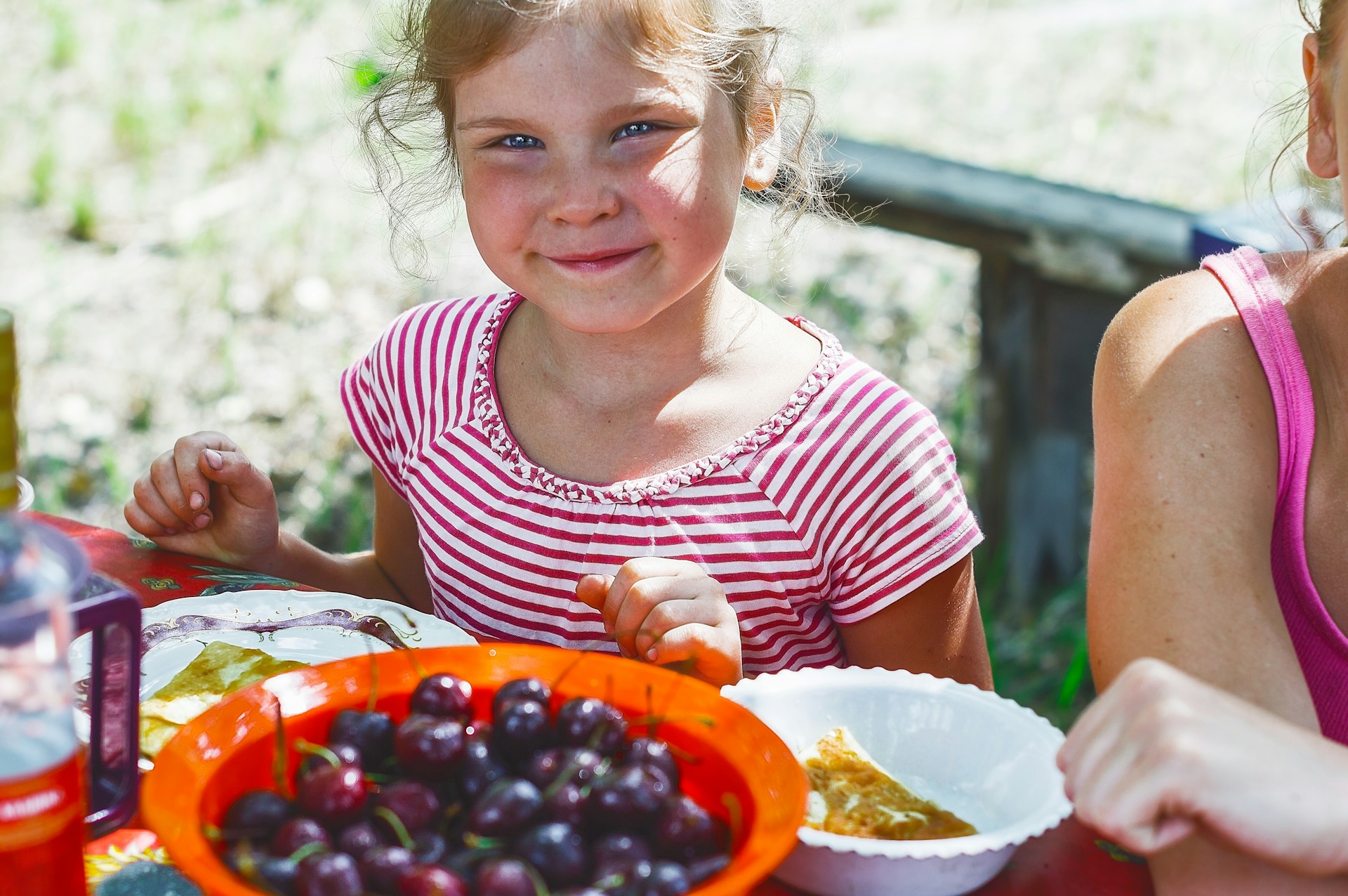
Child sitting at the lunch table
Image Source: Unsplash

Kids are naturally curious eaters—until they aren’t. Sometimes, their aversion to a certain texture, smell, or color is enough to spark a full-on mealtime standoff.

If you’re facing daily battles with picky eaters, rest assured, you’re not alone. It helps to make a habit out of trying new foods weekly, but sometimes you may still face resistance.

Let’s take a look at ten of the most challenging foods for young children and share practical tips to help them feel more comfortable sampling what’s on their plate.

1. Leafy Greens

Spinach, kale, and arugula top the list of most-rejected foods. Their slightly bitter flavor and sometimes “slimy” texture can be too intense for toddlers and preschoolers.

Try This: Blend small amounts of spinach into fruit smoothies, or bake kale chips for a crunchy treat. Keep it low-pressure and celebrate any small steps toward acceptance.

2. Fish

A strong smell, flaky texture, and unfamiliar taste often make fish a tough sell for kids.

Try This: Begin with milder fish like cod or tilapia. Serve it alongside favorite sides, and introduce dipping sauces they already enjoy to make it feel less intimidating.

3. Beans

Beans are nutritional powerhouses, but can feel “mushy” or have a chewy skin that turns kids off.

Try This: Mash beans into quesadillas or blend them into a dip with familiar flavors (like cheese or mild salsa). Offering foods kids can scoop or dip can spark curiosity.

4. Tomatoes

Tomato sauce? No problem. Fresh tomatoes? Totally different story. Seeds and burst-in-your-mouth juices can be overwhelming.

Try This: Roast cherry tomatoes to soften their flavor or cut them into smaller pieces so they’re not such a big surprise. Gradually work up to raw tomatoes in salads.

5. Onions

The sharp flavor and scent of onions—especially raw—can be off-putting for little taste buds.

Try This: Let them watch (or help!) you cook. Sauté onions so the smell dissipates, and explain how cooking changes the flavor. Building familiarity often reduces resistance.

6. Mushrooms

Spongy texture and an earthy smell can make mushrooms an immediate “no.”

Try This: Finely chop or blend them into meatballs, sauces, or pasta dishes where they’re less visible. Over time, kids may realize they enjoy the taste once the “weird look” barrier is lowered.

7. Peas

Despite being small and somewhat sweet, peas are commonly left untouched. The pop they make can be a sensory challenge.

Try This: Mix peas into macaroni and cheese, or mash them with potatoes. Frozen peas can also be a fun, crunchy snack that kids might find more appealing.

8. Eggs

Eggs vary drastically in taste and texture depending on how they’re cooked, leading many kids to say “no thanks.”

Try This: Try muffin-shaped egg cups or mini quiches with cheese. Pairing eggs with a favorite sauce (ketchup, mild salsa) can transform the experience into something fun and familiar.

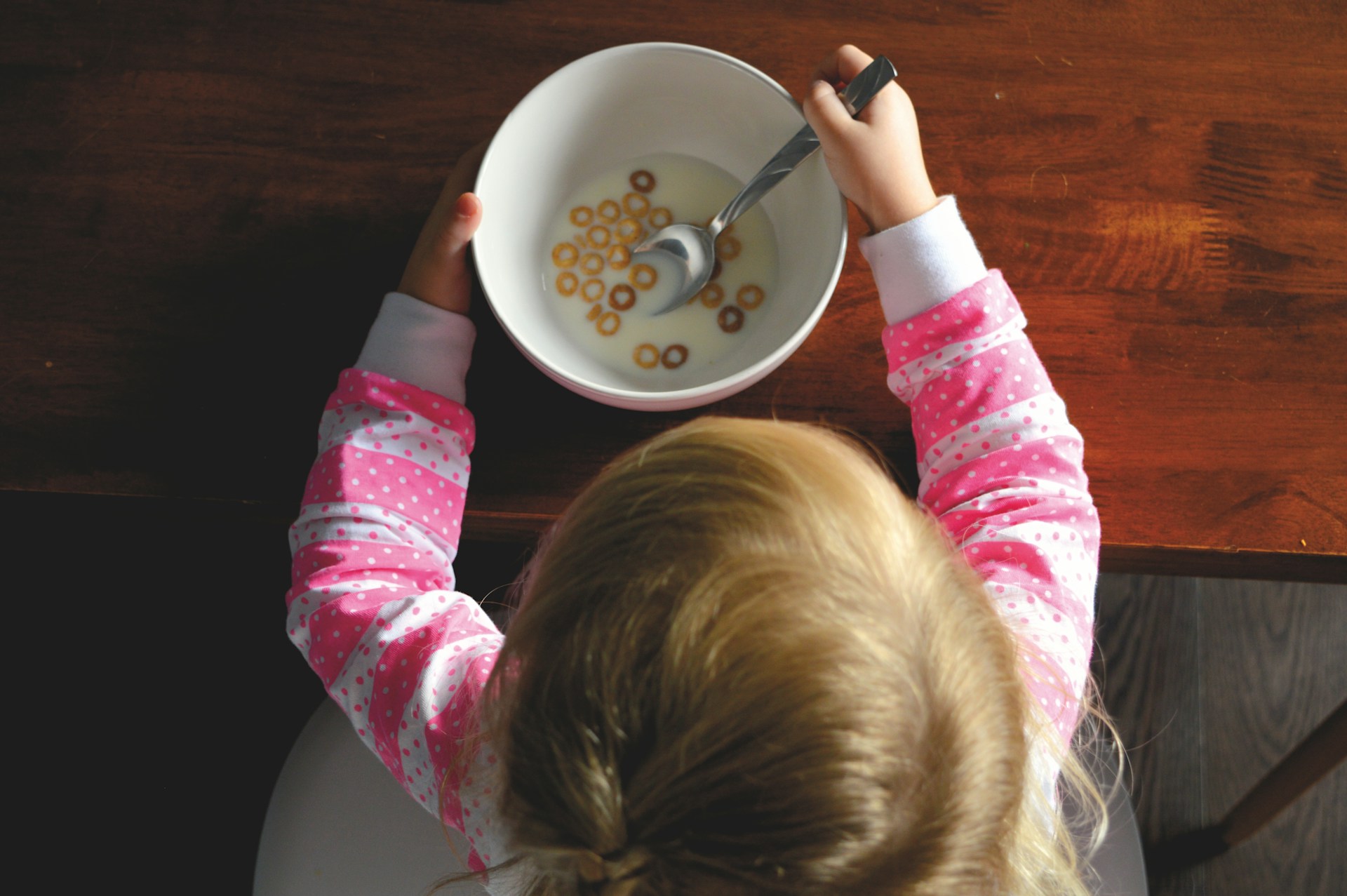
child eating cereal
Image Source: Unsplash

9. Whole Grains

Shifting from white bread or pasta to whole-grain versions is a big change in taste and appearance.

Try This: Start with half-and-half versions, mixing whole-grain pasta or rice with the refined type. Gradual exposure helps them adapt without rejecting it outright.

10. Mixed Dishes (Casseroles, Stir-Fries)

Soups, casseroles, or stir-fries where ingredients “touch” can trigger resistance due to combined textures and flavors.

Try This: Serve components separately at first. For instance, offer plain chicken alongside lightly cooked veggies and rice. Over time, mix small portions to help them adjust.

Nourishing Patience: You’ve Got This

When it comes to picky eaters, remember that persistence and low-pressure exposure are key. Children often need repeated interactions before they feel comfortable tasting something new. 

Keep the atmosphere calm, celebrate small victories, and trust that mealtime harmony is a work in progress—not an overnight transformation.

Do you have a go-to trick for getting kids to try new foods? Share your favorite hack in the comments!

Read More

  • Your Dog Died: 8 Ways To Break The News To Your Child
  • 10 Creative Discipline Techniques That Don’t Involve Time-Outs or Punishments
Samantha Warren
Samantha

Samantha Warren is a holistic marketing strategist with 8+ years of experience partnering with startups, Fortune 500 companies, and everything in between. With an entrepreneurial mindset, she excels at shaping brand narratives through data-driven, creative content. When she’s not working, Samantha loves to travel and draws inspiration from her trips to Thailand, Spain, Costa Rica, and beyond.
Filed Under: Parenting Tagged With: balanced diet, healthy food for kids, kids nutrition, mealtime struggles, parenting tips, picky eaters, toddler meals

Come Back Here: 8 Dangers of Running Away You Need to Teach Your Child

April 7, 2025 | Leave a Comment

sad looking girl in parking lot
Image Source: Unsplash

Kids love to explore—that’s part of being a child. Yet, those spontaneous moments of curiosity can quickly turn risky when they dash off without warning. Teaching them about the dangers of running away isn’t about scaring them; it’s about empowering them to make safer choices.

Here are eight important risks every parent should discuss with their children, along with practical tips to help them stay close and aware.

1. They Might Get Lost in an Unfamiliar Place

Children can become overwhelmed if they wander away in large stores, busy streets, or noisy environments. Once they realize they’re alone, fear sets in quickly, and they may not know how to find their way back. Emphasize that staying near a trusted adult keeps everyone safe and calm, because reuniting can feel like an eternity when you’re lost.

2. They Can Be Hit by a Car or Bicycle

Running into the street on impulse is a leading cause of childhood injuries. Little ones often don’t grasp how fast traffic moves or how limited a driver’s vision can be. Teach them to always stop at the curb and look both ways, reminding them that “excitement” is never a good reason to dash into the road.

3. They Can Be Approached by a Stranger

While we don’t want to make children fearful of everyone, being approached by a stranger when they’re alone poses serious risks. Go over what to do if they become separated—like finding a store employee or police officer. Reassure them it’s okay to seek help, but never to leave with someone they don’t know.

4. They May Panic and Make Riskier Choices

Fear clouds judgment. If a child realizes they’re lost, they might keep running, hide in an unsafe spot, or forget to call out for help. Practice “stay put” drills: explain that if they ever can’t see you, they should stop and wait in one place so you can find them.

5. They Can End Up Near Water Without Supervision

A curious kid might wander to a nearby pond or fountain, not understanding how slippery edges or shallow depths can be dangerous. Stress the importance of never going near water without an adult. Even small amounts of water can pose big risks.

6. They Might Get Locked In or Left Behind

Climbing into a parked car, running into an elevator alone, or exploring a locked storage room can quickly turn into a scary situation. Explain that looking around isn’t forbidden—it’s just important to have a grown-up nearby so they don’t accidentally end up trapped or stranded.

7. They May Enter Dangerous Terrain

Parking garages, alleyways, loading docks, or construction sites can tempt kids chasing a ball or a stray cat. Emphasize which areas are off-limits and why. Point out hazards in your own neighborhood, so your child can visualize the potential dangers rather than hearing abstract warnings.

8. You Could Lose Sight of Each Other for Hours

A few seconds of separation can feel like a lifetime to both child and parent. In crowded places like amusement parks or airports, children don’t always stay put if they’re overwhelmed or afraid. Encourage meet-up spots and teach them to memorize your phone number. Let them know how scary and complicated it can be to search for each other when they keep moving around.

young child looking out at the ocean
Image Source: Unsplash

Build Awareness Without Fear

Discussing the dangers of running away can be done gently. Kids don’t intend to end up in trouble; they’re just exploring with limited experience. By giving them practical safety habits—like looking both ways before crossing the street or staying calm when lost—you’re equipping them to explore more responsibly.

What strategies have helped your family keep kids from running off in public? Feel free to share your tips and experiences in the comments. Other parents could benefit from your wisdom!

Read More

  • 9 Things You Should Never Buy Cheap for Your Kids
  • Playground Dangers: 8 Pieces of Playground Equipment That Could Seriously Injure Your Child
Samantha Warren
Samantha

Samantha Warren is a holistic marketing strategist with 8+ years of experience partnering with startups, Fortune 500 companies, and everything in between. With an entrepreneurial mindset, she excels at shaping brand narratives through data-driven, creative content. When she’s not working, Samantha loves to travel and draws inspiration from her trips to Thailand, Spain, Costa Rica, and beyond.

Filed Under: Parenting Tagged With: child awareness, child safety, dangers of running away, family advice, parenting tips

Too Safe? 8 Modern Safety Gear Items Parents Didn’t Grow Up With

April 7, 2025 | Leave a Comment

smiling parent with child
Image Source: Unsplash

Parenting has come a long way since the days of latchkey kids and helmet-free bike rides. In our quest to keep children secure, we’ve introduced a host of modern safety gear that previous generations never imagined—everything from padded edge guards to harness backpacks.

While these innovations can bring peace of mind, they also raise a key question: Are we truly making our kids safer, or are we wrapping them in bubble wrap and stifling their natural growth?

Below, we explore eight popular safety items that didn’t exist when we were kids, weighing the benefits against the possibility that we might be overdoing it.

After all, a certain amount of risk-taking helped many of us learn our limits and discover our strengths. Let’s see where these modern solutions fit in.

1. Baby Knee Pads

Designed to cushion little knees on hard floors, knee pads have become trendy with fun designs and plush materials. While they can help if your baby has specific sensitivities or if you have rough flooring, most experts say bare knees do just fine.

Crawling is a developmental milestone involving strength and coordination—letting babies feel the surface with their skin can be beneficial. If anything, knee pads might alter their natural movement pattern.

2. Toddler Leashes (Safety Harness Backpacks)

Few topics spark debate as quickly as toddler leashes. Proponents praise them for preventing little ones from bolting off in crowded places. Detractors worry they create a false sense of security and take away opportunities to teach boundaries. Parents in the past managed without these harnesses, relying on close supervision and hand-holding. If you do opt for a leash-style backpack, keep in mind it’s a short-term solution—teaching awareness and listening skills still matters most in the long run.

curious baby
Image Source: Unsplash

3. Outlet Covers with Sliding Doors

Gone are the days of simply plugging plastic caps into unused outlets. Modern versions include sliding doors that spring shut when a plug is removed, claiming to be even more tamper-proof. While they can offer an extra layer of security, they also tend to be trickier to install.

Realistically, constant supervision and teaching children about off-limits areas can be just as effective. Use them if they add peace of mind, but don’t let them lull you into ignoring basic safety practices.

4. Padded Edge and Corner Guards

Yes, toddlers trip a lot. Soft foam covers for coffee tables, counters, and other sharp edges have become standard in baby-proofing aisles. They do reduce the impact of minor collisions, but a watchful eye and thoughtful furniture arrangement go a long way, too.

Past generations managed with fewer gadgets, focusing on guiding kids to navigate their environment. If you use padded guards, consider them a supplement—not a replacement—for vigilance.

5. Rear-View Mirrors for Car Seats

These add-on mirrors let you keep an eye on your rear-facing baby while driving, supposedly easing parental anxiety. However, constantly glancing at that mirror could distract you from the road. Previous generations didn’t have them and somehow stayed alert to their babies’ needs. If you’re genuinely worried, pull over to check on your little one rather than taking your eyes off traffic.

6. Anti-Tip Furniture Straps

Unlike some other gear on this list, anti-tip straps address a very real hazard. Dressers, bookshelves, and TVs can topple if kids climb on them. Modern furniture is often tall, lightweight, and less stable, so properly anchoring it to the wall can prevent serious injuries. This is one category where modern innovation clearly does save lives—no downside here.

7. Smart Baby Monitors with Breathing Sensors

Gone are the days of basic audio-only baby monitors. Today’s devices track breathing patterns, heart rate, and even room temperature. While this data can be reassuring, it can also trigger false alarms and heightened parental anxiety. Experts generally agree these monitors don’t necessarily prevent conditions like SIDS. If you find a high-tech monitor useful, great—just don’t let it replace good old-fashioned parental instinct and checking in person.

8. Inflatable Bath Cushions and Tubs

From inflatable inserts to foam mats, modern baths for babies boast extra cushioning and anti-slip features. They claim to reduce the risk of accidents, but your best safety measure is never leaving a child alone in the bath. Many parents from previous generations relied on kitchen sinks or simple plastic tubs with zero padding, supervised with unwavering attention. If an inflatable tub simplifies bath time for you, go for it—but remember that close supervision is what really keeps bath time safe.

Striking the Balance Between Protection and Parenting

All this modern safety gear can be a helpful ally in keeping your children from harm. Yet it’s important to recognize that no product can replace active, attentive parenting. While some of these gadgets provide real peace of mind and address genuine hazards, others might be more about marketing than necessity. Ultimately, trusting your intuition and focusing on hands-on interaction will do more for your child’s well-being than any invention possibly could.

What modern safety gear do you swear by—or skip entirely? Share your thoughts in the comments! Your experience may help other parents decide what truly makes sense for their family.

Read More

  • 6 Dog Breeds That Will Fiercely Protect Your Children
  • Becoming A Mom at 40: 8 Challenges and Rewards You Didn’t Expect

Samantha Warren
Samantha

Samantha Warren is a holistic marketing strategist with 8+ years of experience partnering with startups, Fortune 500 companies, and everything in between. With an entrepreneurial mindset, she excels at shaping brand narratives through data-driven, creative content. When she’s not working, Samantha loves to travel and draws inspiration from her trips to Thailand, Spain, Costa Rica, and beyond.

Filed Under: Parenting Tagged With: child safety, child safety equipment, kids and safety, modern parenting, overprotective parenting, parenting gear, toddler safety tips

8 Ridiculous Things Parents Bought And Immediately Regretted It

April 7, 2025 | Leave a Comment

parenting book
Image Source: Unsplash

Every parent has that one story: you bring home the latest “must-have” kid item, only to regret it moments later.

Don’t worry—you’re not alone. It’s all part of the parenting fails learning curve, and it doesn’t mean you’re doing a bad job.

Let’s explore eight outrageous buys parents wish they could take back, plus some pointers on what actually works when it comes to keeping kids engaged and caregivers sane.

1. The Life-Sized Stuffed Animal That Took Over the Living Room

It looked adorable in the store—and your child was thrilled. A few days later, that massive giraffe has become a tripping hazard, a dust magnet, and way too big to stash anywhere.

Lesson Learned: Cute doesn’t always equal practical. Opt for smaller stuffed toys that are easier to store and clean.

2. The Flashy Toddler Tablet That Promised “Learning and Fun”

“Interactive” often ends up meaning repetitive songs, limited apps, and zero volume control. Before long, you’re dealing with a frustrated toddler (and even more frustrated parent).

Lesson Learned: Sometimes blocks, books, or simple board games spark more creativity—and fewer batteries.

3. The Diaper Changing Table That Became a Storage Unit

It seemed like a nursery essential until real life hit, and you started changing diapers wherever was most convenient. Now it’s basically an expensive shelf covered in blankets and wipes.

Lesson Learned: A portable changing pad on a safe surface can do the job just as well, often for a fraction of the cost.

4. That Too-Realistic Baby Doll That Terrified Everyone

You wanted a nurturing play experience—but ended up with a lifelike doll that blinks or cries at the worst moments. Its vacant stare at 3 a.m. can be the stuff of nightmares.

Lesson Learned: Keep it simple. A soft, cuddly doll fosters imagination without the creepy factor.

Parent with children
Source: Unsplash

5. The Ultra-Fancy High Chair That Came With a Manual

Who knew feeding time required an engineering degree? Adjustable trays, multiple recline settings, and Bluetooth features can quickly overwhelm parents who just need something easy to clean.

Lesson Learned: Look for sturdy, wipeable designs with minimal parts. Mealtime is already messy—no need for extra complications.

6. The Sandbox You Thought Would Be Magical

It sounds like classic childhood fun until it morphs into a neighborhood litter box. Rain, bugs, and constant supervision can turn this dreamy setup into a major headache.

Lesson Learned: Consider water tables or kinetic sand indoors for easier cleanup. Outdoor sand play works best with strict upkeep and a sturdy cover.

7. The “Must-Have” Parenting Gadget That Broke After One Use

From wipe warmers to fancy pacifier sterilizers, many gadgets end up gathering dust—or break almost immediately. They’re often more hassle than help.

Lesson Learned: Read reviews, consider how often you’ll really use it, and ask yourself if a simple solution (like a washcloth or burp cloth) might do the trick just as well.

8. The Ride-On Toy That Eats Batteries Like Candy

It lights up, it sings, it zooms—and it guzzles batteries nonstop. After the initial thrill, kids may lose interest, leaving you with a noisy hunk of plastic to maintain.

Lesson Learned: Manual ride-ons or pedal-powered toys tend to have more staying power and cost less in the long run (especially for your ears and wallet).

When Regret Turns Into Wisdom

Parenting fails aren’t really failures—they’re stepping stones that help you figure out what works best for your family. Sometimes, simplicity wins over every high-tech, flashy, oversized gizmo. 

After all, your child craves your attention and connection more than any shiny new object. Next time you’re tempted by the latest gadget, just remember: the best purchases are the ones that truly bring joy and make life easier, not harder.

Ever bought something you instantly regretted? Share your story in the comments—because learning (and laughing) together is all part of the parenting journey.

Read More:

  • 7 Birthday Gifts Your Child Should Never Bring to a Party
  • 9 Surprising Benefits of Letting Kids Make Their Own Rules for a Day
Samantha Warren
Samantha

Samantha Warren is a holistic marketing strategist with 8+ years of experience partnering with startups, Fortune 500 companies, and everything in between. With an entrepreneurial mindset, she excels at shaping brand narratives through data-driven, creative content. When she’s not working, Samantha loves to travel and draws inspiration from her trips to Thailand, Spain, Costa Rica, and beyond.

Filed Under: Parenting Tagged With: baby gear regrets, baby products, child safety, Family Budgeting, parenting advice, parenting fails, toddler toys

7 Solutions to Help Your Early Riser Stay Occupied While You Sleep

April 7, 2025 | Leave a Comment

smiling child
Image Source: Unsplash

When it’s 5:30 a.m. and your child is already bouncing out of bed, finding ways to snag a few extra minutes of sleep can feel like mission impossible.

But being the parent of an early riser doesn’t have to mean perpetual exhaustion. With a little planning, you can empower your child to enjoy calm, independent activities while you ease into your day.

Below, discover seven parent-approved strategies that help early risers stay busy, safe, and happily entertained—no matter how early they wake.

1. Set Up a Quiet Morning Activity Box

Stock a special box each night with screen-free toys, books, and puzzles your child can use independently. Label it as their “Morning Box” so it feels exciting and exclusive. Rotating items weekly keeps the novelty fresh and channels their morning energy into quiet play.

2. Use a Wake-Up Clock That Teaches Time

Kid-friendly clocks that change color when it’s “okay” to get up can be a game-changer. Until the light turns green, encourage your child to stay in bed or engage in quiet activities. This helps them learn healthy boundaries around morning routines while giving you a bit more rest.

3. Create a Safe Independent Play Space

Dedicate a child-proof area—like a bedroom or living room corner—for early-morning play. Keep it stocked with soft toys, books, and simple building blocks. With an environment tailored to quiet, low-mess activities, they’ll feel comfortable exploring without constant supervision.

smiling parent and child
Source: Unsplash

4. Prepare a “Mini Breakfast” the Night Before

A hungry tummy often wakes early risers. Stash non-perishable snacks—dry cereal, a granola bar, or a fruit pouch—where they can reach them. Pair it with a water bottle or spill-proof cup, and you’ll reduce those “I’m starving!” wake-up calls (and buy a few more minutes of slumber).

5. Introduce a Quiet Time Chart

Keep a simple visual chart of morning options: reading, drawing, or building with blocks. Hang it at your child’s eye level so they can choose an activity themselves, reinforcing independence. By focusing on quiet morning activities, you set the tone for a peaceful start to the day.

6. Curate a “Morning Playlist”

Soft, instrumental tunes can gently signal “calm playtime” until you’re ready to join them. Over time, this music becomes an auditory cue for independent, low-noise fun—rather than a free-for-all that wakes the entire household.

7. Build a Morning Routine Together

Collaborate with your child to map out their early riser routine. Practice simple steps: checking the wake-up clock, grabbing a quick snack, choosing a quiet activity, and waiting until your alarm goes off. When they feel ownership over the plan, they’re more likely to follow it—even at sunrise.

Early Birds Can Learn Independence, Too

Being an early riser doesn’t have to doom your mornings. With consistent routines and a dash of creativity, you can help your child develop independence—and grant yourself a bit more rest. Little by little, these strategies turn frantic dawns into calm beginnings, setting a positive tone for the rest of the day.

What’s your best tip for handling an early riser? Share your experience in the comments below—you might just inspire another sleep-deprived parent!

Read More

  • Playground Dangers: 8 Pieces of Playground Equipment That Could Seriously Injure Your Child
  • 10 Creative Discipline Techniques That Don’t Involve Time-Outs or Punishments
Samantha Warren
Samantha

Samantha Warren is a holistic marketing strategist with 8+ years of experience partnering with startups, Fortune 500 companies, and everything in between. With an entrepreneurial mindset, she excels at shaping brand narratives through data-driven, creative content. When she’s not working, Samantha loves to travel and draws inspiration from her trips to Thailand, Spain, Costa Rica, and beyond.

Filed Under: Parenting Tagged With: early riser, independent play, kids' independence, morning routines, parenting tips, quiet morning activities, sleep-deprived parents

10 Ways Divorce Negatively Affects Small Children

April 7, 2025 | Leave a Comment

young child who looks sad
Source: Unsplash

When parents decide to separate, it’s never just the adults who feel the strain. For small children, divorce can introduce confusion, fear, and a sense of instability they’re not equipped to process on their own. Young kids rely on routine, predictability, and secure relationships to navigate the world—and divorce can shake up all three.

The good news? Understanding the dangers and challenges your children face during and after a divorce is the first big step in helping them cope. Below, we’ll explore ten critical ways divorce can negatively affect small children, along with practical tips for guiding them through this storm with love, empathy, and structure.

1. Loss of Stability and Routine

Children thrive on consistent daily rhythms. Divorce often means juggling two households, which can upend bedtime rituals, mealtimes, and even who picks them up from daycare.

Tip: Collaborate with your co-parent on a consistent schedule. Even if routines differ slightly between homes, having predictable patterns can ground your child in a sense of safety.

2. Emotional Confusion

Without the language to describe their complex feelings, small children can become overwhelmed by sudden changes in family life.

Tip: Encourage expression through play, drawing, or simple check-ins. Acknowledge their emotions—words like “I see you’re feeling sad” help them feel validated.

3. Fear of Abandonment

A parent moving out can feel like personal rejection or raise fears that the remaining parent might leave too.

Tip: Provide repeated reassurance that both parents love them and will stay in their lives. Being reliable—showing up on time, keeping promises—goes a long way toward easing these fears.

4. Loyalty Conflicts

Young children may worry that showing affection for one parent betrays the other. This inner tug-of-war can cause guilt and confusion.

Tip: Never ask them to “choose” sides, and avoid speaking negatively about your co-parent in front of them. Let them know it’s okay to love both parents fully.

5. Behavioral Changes

If kids don’t have the words to express their emotions, they might act them out through aggression, regression, or even withdrawal.

Tip: See behaviors as communication, not disobedience. Creating a safe, calm environment and considering professional guidance (like a child therapist) can help them process these feelings more constructively.

6. Academic Challenges

Stress at home often spills over into the classroom. Children might have trouble focusing, completing homework, or staying motivated.

Tip: Keep teachers informed of your child’s situation so they can offer extra support or understanding. Maintaining steady routines and bedtime habits at home also helps your child concentrate better at school.

7. Difficulty Forming Secure Attachments

Small children form their understanding of trust and security early. When a primary caregiver’s presence suddenly changes, it can affect how they attach to others in the future.

Tip: Offer consistency and emotional availability. Respond to their needs promptly and compassionately, so they learn that adults in their life remain reliable and caring—even in hard times.

8. Sense of Guilt or Responsibility

Children often believe their own words or actions caused the divorce, carrying silent guilt that can harm self-esteem.

Tip: Remind them often, “It’s not your fault.” Reinforce that divorce is a grown-up decision stemming from grown-up problems—never a child’s doing.

9. Social Struggles

Your child might withdraw from friends or struggle to connect with peers who aren’t going through the same experience.

Tip: Encourage positive social interactions through playdates, sports, or clubs. The presence of supportive adults—teachers, relatives, neighbors—can also help your child feel less isolated and more accepted.

Young child with Mickey Mouse cup
Source: Unsplash

10. Long-Term Emotional Impact

Without help, bottled-up sadness or resentment can linger into adolescence or adulthood.

Tip: Early intervention matters. Therapy, open communication, and loving co-parenting can help your child learn resilience. Over time, they can emerge stronger and emotionally healthier than you might imagine.

Supporting Your Child Through the Storm

Divorce doesn’t have to define a child’s future, but it does require mindful handling in the present. By keeping routines consistent, emotions validated, and communication open, you can soften the emotional upheaval. 

Co-parent with empathy, prioritize your child’s well-being, and remember: they’re counting on your warmth and reassurance to guide them forward.

Have you gone through a divorce with young children? Share your experiences or helpful tips in the comments—they might be exactly what another parent needs to hear.

Read More

  • 7 Birthday Gifts Your Child Should Never Bring to a Party
  • 9 Surprising Benefits of Letting Kids Make Their Own Rules for a Day
Samantha Warren
Samantha

Samantha Warren is a holistic marketing strategist with 8+ years of experience partnering with startups, Fortune 500 companies, and everything in between. With an entrepreneurial mindset, she excels at shaping brand narratives through data-driven, creative content. When she’s not working, Samantha loves to travel and draws inspiration from her trips to Thailand, Spain, Costa Rica, and beyond.

Filed Under: Parenting Tagged With: child behavior, divorce and small children, emotional well-being, family support, parenting advice

8 Things To Teach Your Child About Running Away When You’re Calling Them

April 7, 2025 | Leave a Comment

sad looking child
Image Source: Unsplash

Sometimes, your heart skips a beat when your little one dashes off instead of responding to your call—especially in busy places like parking lots or playgrounds.

Teaching them to stay put or return promptly isn’t about strict obedience; it’s about child safety and trust. Below, we’ll cover eight practical ways to guide your child toward safer decisions when they’re tempted to run off.

1. Help Them Understand Why It Matters

Children respond better when they grasp the reason behind your rules. Explain that calling their name usually signals potential danger—like nearby cars or unfamiliar individuals. Use calm, real-life examples:

“See how fast that car turned the corner? That’s why I need you to stop when I call.”
This shifts their mindset from feeling “controlled” to feeling empowered and part of their own safety plan.

2. Practice the “Freeze” Game

Turn a safety lesson into a fun habit. Play a game where your child stops immediately—like a statue—whenever they hear “Freeze!” Doing this regularly (in your yard, park, or even indoors) builds muscle memory. Over time, they’ll instinctively halt rather than bolt when you call.

3. Reinforce Positive Responses Immediately

When your child does come back promptly, even if it takes a second try, let them know you noticed:

“Thank you for listening so quickly! That helps me keep you safe.”
Highlighting the positive moment encourages them to repeat the behavior and feel proud of their response.

4. Avoid the Temptation to Chase Them

Chasing can turn a dangerous situation into a game. Instead, stay in place, call their name firmly, and if needed, lower yourself to their eye level. Use a phrase you’ve practiced—like “Safety time!”—to emphasize seriousness without causing alarm.

5. Develop a “Come When Called” Signal

In noisy or crowded environments, shouting your child’s name might not be enough. Create a distinctive sound or a hand signal that means “stop and find me.” A consistent family safety code can cut through chaos and give your child a clear directive.

6. Talk Through Consequences—Without Shame

Explain that running away from you isn’t about being “bad”; it’s about staying safe. A gentle approach works best:

“I worry that if you run off, I can’t protect you if a car comes.”
Keep the tone loving and factual, helping your child see how their actions connect to real-life risks.

7. Role-Play Common Scenarios Together

Act out situations they might face in parking lots, stores, or sidewalks. Let them pretend to be both the child and the parent. Practice how they should respond when you call or give a signal. This playful rehearsal helps them remember what to do in the moment.

8. Set Boundaries Before Going Out

Before exiting the car or heading into a park, spend a quick moment reviewing the safety rules:

“Remember, if I call your name today, what do we do?”
Having this mini-briefing primes them for success, reducing the chance they’ll forget in the excitement of new surroundings.

happy, smiling baby

Confidence Grows in Prepared Kids

Running away often stems from curiosity or excitement—not a desire to stress you out.

By combining clear expectations, fun practice, and empathetic communication, you equip your child with the habits and awareness they need to navigate the world safely. These strategies won’t guarantee they’ll never dash again—but they’ll make a big difference in building trust and responsiveness.

Have your own tip for keeping kids from running off? Share your experience in the comments below!

Read More

  • 8 Expenses for Children That No Parent Should Be Paying
  • Is It Ethical to Enroll Children in Competitive Pageants?

Samantha Warren
Samantha

Samantha Warren is a holistic marketing strategist with 8+ years of experience partnering with startups, Fortune 500 companies, and everything in between. With an entrepreneurial mindset, she excels at shaping brand narratives through data-driven, creative content. When she’s not working, Samantha loves to travel and draws inspiration from her trips to Thailand, Spain, Costa Rica, and beyond.

Filed Under: Parenting Tagged With: child behavior, child safety, communication, parenting advice, parenting tips, safety rules for kids, teaching children

7 Punishments for Kids in the 60s That Would Never Be Tolerated Today

April 7, 2025 | Leave a Comment

child looking sad
Image Source: Unsplash

Parenting methods have evolved drastically over the decades. What many caregivers in the 1960s considered “normal” discipline would raise major red flags today—especially as research continues to shed light on the impact of harsh punishments.

Below are seven outdated discipline practices from the ’60s that highlight how far we’ve come in understanding children’s emotional and developmental needs.

1. Corporal Punishment at Home Was the Norm

Using belts, wooden spoons, or even hands to spank was widely accepted. Quick physical corrections were viewed as the fastest route to “proper behavior.” We now know repeated corporal punishment can fuel aggression, anxiety, and strained bonds between parent and child. Most pediatricians and mental health experts today urge families to use non-physical approaches rooted in empathy and teaching, rather than fear.

2. Public Humiliation as a Teaching Tool

Making a child wear a sign (“I’m a liar”) or forcing them to stand in a corner during family gatherings was meant to instill a lesson. Instead, it instilled shame. Research shows that shaming a child—especially in front of others—can damage self-esteem and erode trust in authority. Modern discipline focuses on respectful, private conversations that guide a child toward better choices without tearing down their self-worth.

3. Washing Mouths Out with Soap

Commonly used for “talking back” or swearing, soap-in-the-mouth punishment blurred the lines between caretaking and harm. It introduced both physical risks (like ingestion or allergic reactions) and a sense of betrayal. Rather than intimidating a child into changing their language, current approaches emphasize open dialogue about why certain words hurt and how to express emotions more effectively.

baby looking confused
Source: Unsplash

4. Withholding Meals as Consequence

Refusing a child dinner to punish misbehavior was not unheard of in the ’60s. Parents believed it taught children that actions have consequences. Now we understand that food insecurity—even temporarily—can lead to anxiety, unhealthy eating habits, and disrupted growth. Experts recommend consistent, nourishing meals regardless of behavior, because reliable access to food fosters emotional security and trust at home.

5. Locking Kids in Closets or Bedrooms

Isolation was seen as a legitimate way to force reflection on misdeeds. Locking a child alone in a dark space, however, can induce extreme fear and panic—especially for younger kids who can’t process the situation. Today’s parents lean on “time-ins” or calm-down corners, ensuring children remain supervised and emotionally supported while learning about boundaries and consequences.

6. Severe School Punishments with Parental Approval

From paddling to public scolding, schools in the 1960s regularly used physical or humiliating punishments—often with parental consent. The assumption was that fear = respect. Most U.S. schools have since banned these practices. Instead, they’re turning toward restorative discipline and social-emotional learning. Modern families generally agree that collaboration between home and school should involve teaching correct behavior, not instilling fear.

7. “Seen and Not Heard” Household Rules

Children of the ’60s often lived under strict codes of silence at home—expected to listen, obey, and avoid voicing opinions. Emotions like anger or sadness were rarely validated. Current parenting trends encourage open communication, giving kids a voice in family matters. Respect is mutual; parents guide rather than dictate, and feelings are acknowledged rather than dismissed.

Parenting Has Come a Long Way—and Still Grows

Looking at these outdated discipline methods can evoke mixed emotions—shock, discomfort, maybe even a bit of nostalgia. But there’s a positive side: we’ve made real progress toward more compassionate, evidence-based parenting.

Today’s caregivers focus on teaching, connecting, and guiding rather than instilling fear or shame. If you find yourself drawn to gentler, more respectful approaches than what you grew up with, know that you’re part of a broader evolution—one that prioritizes your child’s emotional health alongside their behavior.

Have you encountered any of these discipline methods in your own family? Feel free to share your experiences—and how you’ve adapted or changed them for your own children—in the comments below.

Read More

  • 10 Creative Discipline Techniques That Don’t Involve Time-Outs or Punishments
  • Why Father-Daughter Dances Mean So Much To Your Child

Samantha Warren
Samantha

Samantha Warren is a holistic marketing strategist with 8+ years of experience partnering with startups, Fortune 500 companies, and everything in between. With an entrepreneurial mindset, she excels at shaping brand narratives through data-driven, creative content. When she’s not working, Samantha loves to travel and draws inspiration from her trips to Thailand, Spain, Costa Rica, and beyond.

Filed Under: Parenting Tagged With: 1960s parenting, child punishment history, gentle parenting, old school parenting, outdated discipline, parenting evolution

5 Negative Techniques That Deter Communication with Your Teenager

April 7, 2025 | Leave a Comment

5 Negative Techniques That Deter Communication with Your Teenager
Image Source: Pexels

If it seems like your teen never comes to you with their problems, your communication style may be partly to blame. Without realizing it, you may be employing negative conversation techniques like lecturing or interrogating. When parents inadvertently invalidate their children’s feelings, they may begin to pull away emotionally. If you want to rebuild trust and open communication with your teen, here are 5 negative conversation habits to avoid. 

Lecturing Instead of Listening

Lecturing Instead of Listening
Image Source: Pexels

Trying to impart wisdom on your teen through a one-sided lecture probably won’t have the intended effect. Teens often interpret well-meaning lectures as judgment or criticism, which puts them on the defensive. Even if your monologue is full of great advice, it will likely go in one ear and out the other!

Understandably, teens want to feel heard and validated by their parents. If you talk over your teen instead of actively listening when they share their problems, your child may feel like you don’t care. 

If you’re concerned about your teen’s behavior, the first step is to ask them what’s going on and truly listen. Once you know what’s wrong, whether it’s school stress or problems with friends, you can open up a dialogue about how to solve the problem. Brainstorming potential fixes with your teen will make a bigger, more positive difference than launching into a diatribe. 

Invalidating Their Feelings

Invalidating Their Feelings
Image Source: Pexels

Teens go through big hormonal changes, which can cause them to overreact emotionally in ways that seem irrational to adults. As a parent, it’s important to put yourself in your child’s shoes and try to remember what it felt like to be a teenager. 

While young adults have fewer responsibilities than adults, they still face pressures like bullying, school, stress, social media use, and body image issues. Even seemingly minor problems like arguing with a friend can feel like the end of the world to a teen with limited life experience. 

When your child comes to you with a small problem that feels devastating, your first reaction may be to put the issue into perspective. However, that type of reaction can feel invalidating or dismissive to your teen. Instead of minimizing the situation, try to express sympathy instead. Saying “I’m sorry” or “that must’ve been hard for you” will go a long way toward building trust with your teen. You don’t have to join your teen in over-dramatizing or catastrophizing the situation to acknowledge and validate their “big feelings.” 

“Because I Said So” 

Imposing Unilateral Decisions Without Discussion
Image Source: Pexels

As parents, we’re responsible for our children’s safety. So sometimes we have to make unpopular decisions to safeguard their well-being. Teens who are trying to establish independence may not understand why healthy limits and boundaries are necessary. Your child may not see a problem with staying up late on their phone. But you know they’ll be exhausted the next day, which will affect their school performance.

If your teen doesn’t think a certain rule is necessary, try to explain your reasoning to them. Your child is more likely to follow their curfew, for example, if they understand why you chose that specific time. Avoid using authoritarian phrases like  “because I said so” to justify rules to your teen when they question you. This type of language leaves no room for discussion and may confuse and frustrate your child, leading to resentment. 

Interrogating

Interrogating
Image Source: Pexels

Parents have a biological drive to make sure children are protected and safe at all times, and knowing where they are and with whom is a crucial part of that. Unfortunately, interrogating your teen with rapid-fire questions is not the way to foster open communication. Interrogating your teen can teach him or her to drip-feed you half-truths instead of being open with you.

Your teen may feel the need to hide things from you or spin a story to get your approval. This habit of obscuring the truth could put your teen in potentially dangerous situations, such as sneaking out to go to a party. Instead of interrogating or prying, try asking open-ended questions to foster healthy, honest communication with your teen. 

For example, if your child forgets to answer your texts while out with friends, calmly ask them why. Giving them a chance to explain what happened instead of assuming the worst and interrogating them will help foster trust.

Comparing Your Teen to Others

Comparing Your Teen to Others
Image Source: Pexels

Comparing your teen to their friends or siblings is one of the most efficient ways to shut down a conversation and deter an open dialogue. While you may simply be trying to emphasize your level of concern or disappointment, blunt language can significantly impact kids and teens. Comparing your child to others can reduce their sense of individuality, lower their self-esteem, and introduce frustration. 

While other teens may seem wonderful, you have to remember you are likely seeing them on their best behavior. Inadvertently comparing your child to someone they dislike or have disagreements with can lead to resentment and more acts of rebellion.

How do you foster trust and open communication with your teen? Share your tips in the comments!

Vicky Monroe headshot
Vicky Monroe

Vicky Monroe is a freelance personal finance writer who enjoys learning about and discussing the psychology of money. In her free time, she loves to cook and tackle DIY projects.

Filed Under: Money and Finances, Parenting Tagged With: communication, Parenting, teenagers

« Previous Page
Next Page »
  • Facebook
  • Pinterest
  • RSS
  • Twitter
Best Parenting Blogs

Most Popular

Baby

10 Baby Names That Were Once Considered “Grandparent Names” but Feel Cool Again

Evan Morgan
Baby

9 Baby Names Inspired by Fall Without Naming Your Child Autumn

Evan Morgan
Baby

10 Vintage Baby Names That Sound Surprisingly Modern Again

Evan Morgan
Baby names

Teachers Admit: These 6 Baby Names Create Instant Bias in the Classroom

Latrice Perez
6 Baby Names That Sound Cute Now but Cause Problems Later

6 Baby Names That Sound Cute Now but Cause Problems Later

Brandon Marcus

All content on Kids Ain’t Cheap is for entertainment purposes only. By reading this blog, you agree that Kids Ain’t Cheap is not responsible for any actions taken after reading this blog. For the full disclaimer, see our privacy policy.

Please note that Kids Ain’t Cheap has financial relationships with some of the merchants mentioned here. Kids Ain’t Cheap is funded by banner advertising, commission sales and search optimization consulting.

Copyright © 2006–2026 | District Media | All Rights Reserved | Privacy Policy

Copyright © 2026 Runway Pro Theme by Viva la Violette