Few things pull at your heart quite like hearing your child say, “Daddy, I’m scared.”
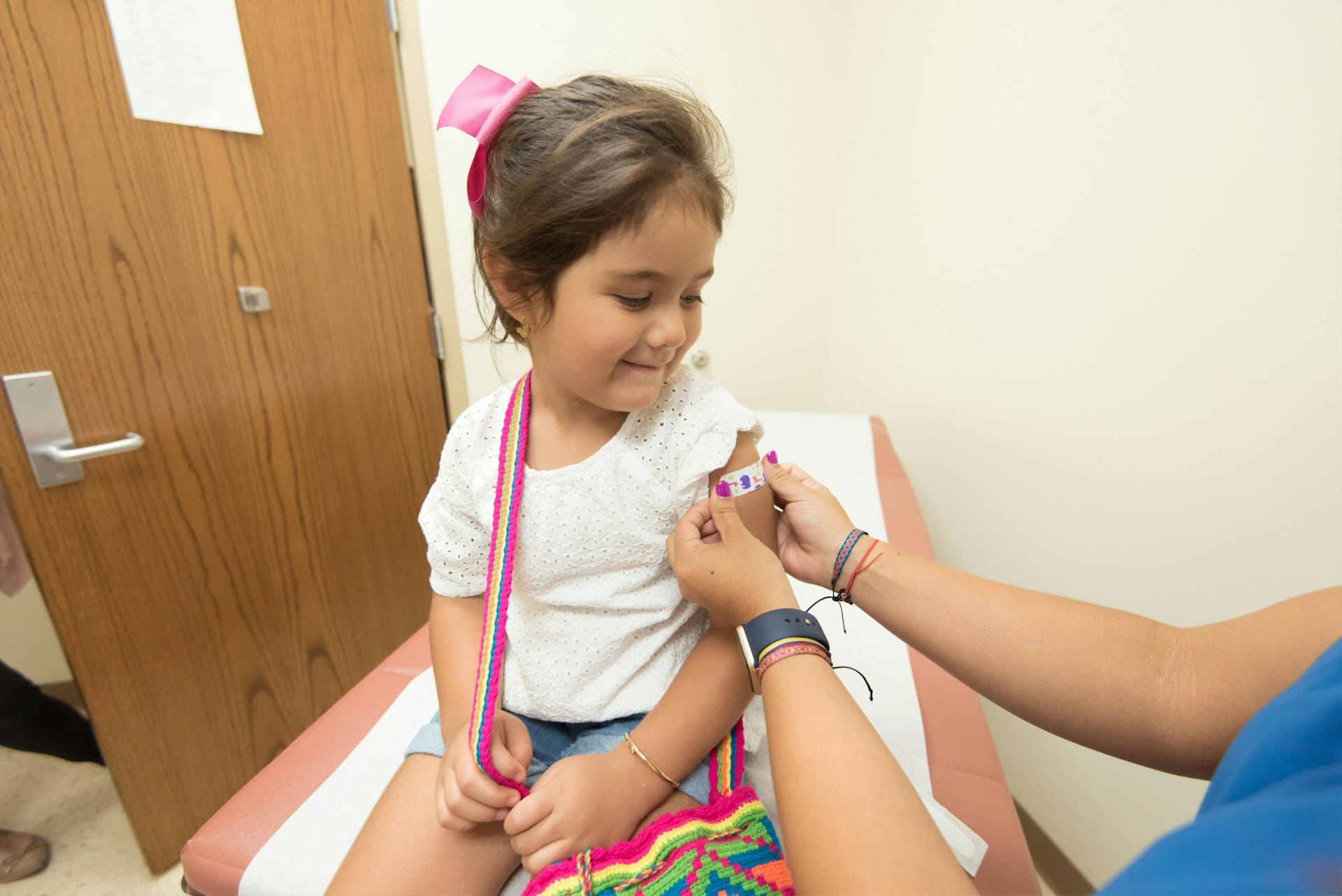
Whether it’s a routine surgery or an unexpected trip under bright hospital lights, medical procedures can trigger confusion, fear, and uncertainty in kids. While you may not remove all the nerves, you can walk through it together with comfort and confidence. Preparing them in a calm, honest manner not only eases anxiety but fosters emotional resilience.
Below are five practical yet compassionate ways to get your child ready for a hospital procedure—keeping their emotional well-being front and center.
1) Use Age-Appropriate Language and Sensory Details
When explaining the procedure, adapt your words based on your child’s developmental level. Focus on what they might see (masks, hospital beds), hear (machines beeping), smell (cleaners, soaps), or feel (tightness of a blood pressure cuff). Avoid overwhelming them with excessive detail, but don’t conceal important information either—kids often sense when something’s being glossed over. Think about introducing simple coping tools like deep breathing or listening to music while waiting. Providing developmentally appropriate information and offering distraction strategies can significantly lessen a child’s anxiety about medical events.
2) Make Room for All Emotions
Your child may alternate between brave moments and tears—and that’s okay. Children need the freedom to express how they feel, whether they talk, draw, or act it out in pretend play. Welcome their questions and respond to misconceptions gently but honestly. Saying “You’re not allowed to be scared” invalidates their feelings, while “It’s totally normal to be nervous; I feel that way sometimes, too” paves the way for honesty. As child psychology experts advise, allowing emotional expression helps kids process fear in constructive ways.
3) Build Trust with the Medical Team
Imagine stepping into a room of unfamiliar adults who’re about to poke you—it’s intimidating. Kids feel more secure if they know who’s helping them and why. Take a moment to introduce the nurse, share what the doctor’s role is, and reassure them that everyone is working to help them feel better. You might also use books or child-friendly videos that depict hospital settings in a friendlier light. Encouraging trust through open communication and emotional validation is a major step toward easing fear.
4) Pack Comfort Items, Not Just Essentials
Sometimes a favorite stuffed animal or cozy blanket can accomplish more than a dozen reassuring words. Bringing a comfort object helps children feel “at home” in a sterile environment. Be sure to check hospital policies on what items are permitted. From a well-loved plush to a calming music playlist, these familiarity anchors can dramatically reduce tension. According to guidance from Johns Hopkins Medicine, personal comfort items help children cope more effectively with the unfamiliar hospital atmosphere.
5) Follow Important Safety Instructions
The hospital team usually gives specific steps before the procedure—like washing with antibacterial soap and skipping lotions or oils. Pay close attention, as these steps can significantly lower infection risks. If your child must skip food or drink after a certain point (NPO guidelines), it’s vital to follow that rule, since ignoring it can lead to delays or cancellations. Setting alarms or notes around your home ensures you keep those instructions front of mind.

Gentle Strength Starts With You
Hospital visits can leave the most confident parents feeling a bit lost or powerless. But with thoughtful preparation—balancing empathy, honesty, and practical tips—you’re giving your child the tools to handle tough experiences more bravely. Remember, it’s all right to show your own feelings, too.
Children often model your approach, so if you stay compassionate but grounded, they learn to be the same. “Daddy, I’m scared” might still feel heavy, but now you’re equipped to respond with calm reassurance and guiding support.
Has your child faced a hospital procedure? Let us know what helped them feel safe in the comments—your experiences might offer a helpful perspective to other parents.
Read More
- Large Family Grocery List: 12 Must-Have Items to Keep Everyone Fed and Happy
- How to Help Your Toddlers Develop Great Tooth-Brushing Habits

Samantha Warren is a holistic marketing strategist with 8+ years of experience partnering with startups, Fortune 500 companies, and everything in between. With an entrepreneurial mindset, she excels at shaping brand narratives through data-driven, creative content. When she’s not working, Samantha loves to travel and draws inspiration from her trips to Thailand, Spain, Costa Rica, and beyond.