
• Home
  • About Us
  • Toolkit
  • Archives
  • Advertise
  • Privacy Policy

Kids Ain't Cheap

But They Sure Are Worth It

  • Parenting
    • Baby Stuff
    • Books and Reading
      • Aesops Fables
      • Comic Books
    • Education
    • Family Time
    • Green Living
    • Growing Up
    • Healthy Living & Eating
    • Holidays
    • Parenting
    • Random Musings
    • Shopping
    • Stuff to Do
  • Money
  • Product Reviews
    • Books and Magazines
    • Discount Sites
    • Furniture
    • House Keeping
    • Reviews News
    • Toys and Games
  • Contact Us
  • Our Editorial Commitment
  • Search

How to Build a Family Emergency Fun Jar for Unexpected Winter Activities

December 29, 2025 | Leave a Comment

How to Build a Family Emergency Fun Jar for Unexpected Winter Activities
Image source: shutterstock.com

Winter has a special talent for blowing up your plans—snow days, rainy weekends, sick-day boredom, and that “we can’t go anywhere” mood that hits right after lunch. Instead of defaulting to screens or spending money to “fix” the day, you can build a simple system that saves your sanity and keeps kids excited. An emergency fun jar turns those unpredictable moments into instant options, and it works because the decision is already made. Think of it like a tiny family tool that replaces whining with momentum. Once it’s set up, you’ll wonder why you didn’t do it sooner.

1. Start With A Jar That’s Easy For Kids To Use

Choose a container that kids can open without help, because independence is half the magic. A mason jar works, but a plastic container with a lid is safer for little ones and easier to toss in a cabinet. If you have older kids, a jar on a shelf can feel fun and “official,” like a family tradition. Label it clearly so nobody mistakes it for a craft supply bin or snack stash. The simpler the setup, the more your emergency fun jar gets used on the exact days you need it.

2. Pick Categories So You Don’t End Up With Twenty “Bake Cookies” Ideas

A good mix keeps the jar fresh, especially if winter drags on. Aim for categories like “quick and cozy,” “move your body,” “creative,” “helpful,” and “tiny adventure.” This prevents the jar from becoming a list of high-effort activities that require a store run or a huge mess. It also helps you include options for different energy levels, because not every rough day needs a full production. When the emergency fun jar feels balanced, it works for both snowy excitement and gloomy cabin-fever afternoons.

3. Write Activity Slips That Actually Work In Real Life

Keep each slip specific and doable, with a start point and a clear finish. “Do art” is vague, but “draw a comic strip with three panels” gives kids a path forward. Include quick activities like “make a pillow mountain” alongside longer ones like “indoor scavenger hunt with 10 items.” If an idea needs supplies, note them right on the slip so you aren’t scrambling mid-activity. The more realistic your slips are, the more your emergency fun jar becomes a true rescue plan instead of a cute concept.

4. Mix In “No-Spend” Ideas And “Small-Spend” Treats

This is where the jar becomes a budget tool, not just entertainment. Fill most slips with no-spend options like indoor obstacle courses, dance parties, board games, or a living room campout. Then add a handful of small-spend activities that feel special, like hot chocolate from a café, a $5 thrift-store challenge, or renting a new movie at home. You can even color-code slips: one color for free, another for low-cost, so you can choose based on the week’s budget. When your emergency fun jar includes both types, you stay in control without feeling like you’re always saying no.

5. Add “Kid-Run” Activities To Reduce Your Mental Load

The best winter activities are the ones kids can start without you doing all the work. Include slips like “make a mini talent show,” “build a fort village,” “create a Lego challenge,” or “make a paper airplane runway.” You can also add “teach the family something” prompts, where each kid shows a skill or shares a fun fact. These activities give kids a sense of ownership, which reduces arguing and increases follow-through. The more kid-run slips you add, the more the emergency fun jar becomes a parent sanity saver, not a parent job.

6. Keep A Tiny “Winter Rescue Kit” Next To The Jar

If you want this system to work on stressful days, make it easy to launch. Keep a small basket nearby with basics like markers, tape, scissors, paper, a deck of cards, and a few craft odds and ends. Add seasonal extras if you have them, like cocoa packets, glow sticks, or a cheap snow sled by the door. This prevents the classic problem where you pick an activity, then spend 20 minutes hunting for supplies while kids melt down. Pairing a supply basket with your emergency fun jar makes the whole thing feel effortless.

7. Set Simple Rules For How And When You Use It

Rules keep the jar exciting instead of turning it into a constant demand. Some families use it only on snow days or weekends, while others use it as a daily “pick one” routine during break. You can also set a rule like “one slip per kid” or “one family slip, then one solo slip,” depending on your household vibe. If kids argue about what they want, make the jar the decider and stick to it. Once the rules are clear, the emergency fun jar becomes a trusted routine that replaces the daily negotiating.

8. Refresh It Monthly So It Stays Interesting

Even great ideas get stale if kids see the same slips every week. At the end of each month, pull out anything nobody chooses and replace it with new options. Ask kids to add two ideas each so they feel invested, and you aren’t doing all the brainstorming alone. Keep a few “classics” that always work, like movie night or indoor fort time. A quick refresh keeps the emergency fun jar feeling like a surprise, not like a recycled list.

Your Winter Backup Plan That Actually Gets Used

When winter chaos hits, you don’t need more willpower, you need fewer decisions. A jar full of ready-to-go ideas saves time, reduces whining, and helps you stick to your budget without feeling restrictive. Kids get the fun of randomness and the confidence of choosing, and parents get a tool that makes rough days feel manageable. Start small, test what works, and build your stash over time. The best part is that once your emergency fun jar becomes a habit, it turns winter “stuck” days into memories you’ll actually laugh about later.

If your family made one activity slip right now, what would everyone vote to add first?

What to Read Next…

Winter Craft Materials You Probably Already Have and Kids Will Love

How to Build Kids’ Resilience and Gratitude During a Cold Month of Cabin Fever

6 Holiday Family Movie Night Ideas That Will Make Your Winter Extra Cozy

Budget-Friendly Indoor Adventures for Kids When It’s Too Cold to Play Outside

How to Pick the Right Inflatable Snow-Toy for Your Kids Without Overpaying

Catherine Reed
Catherine Reed

Catherine is a tech-savvy writer who has focused on the personal finance space for more than eight years. She has a Bachelor’s in Information Technology and enjoys showcasing how tech can simplify everyday personal finance tasks like budgeting, spending tracking, and planning for the future. Additionally, she’s explored the ins and outs of the world of side hustles and loves to share what she’s learned along the way. When she’s not working, you can find her relaxing at home in the Pacific Northwest with her two cats or enjoying a cup of coffee at her neighborhood cafe.


Filed Under: Parenting Tagged With: boredom busters, budget parenting, family routines, frugal family fun, Indoor Activities, kids activities, parenting hacks, snow day ideas, winter activities

10 Subscription Boxes That Promise Growth but Cost More Than You Think

December 23, 2025 | Leave a Comment

10 Subscription Boxes That Promise Growth but Cost More Than You Think
Image source: shutterstock.com

It’s easy to get sold on the idea that one monthly delivery will fix everything: more reading, more creativity, more confidence, less screen time. These boxes look like a neat shortcut, especially when parents are juggling work, school emails, and the endless “what do we do now?” question. The catch is that many options that promise growth also quietly add costs that don’t show up in the first promo price. Some of those costs are financial, and some are time, clutter, and stress that lands right back on the parent. Here are 10 common box types to watch closely, plus simple ways to keep your budget from getting surprised.

1. The “STEM Experiment” Boxes With One-Time Tools

These kits can look like a great learning boost, but supplies often run out fast. Parents end up buying refills like vinegar, batteries, goggles, or extra containers. Some boxes include fragile parts that break after one use, which turns “science time” into a replacement shopping trip. If a child loves it, the monthly price can become the smaller part of the total. Before subscribing, check whether each activity needs extras and price those add-ons.

2. The Book Boxes That Create a Book-Pile Budget

A monthly book delivery can be fun, but it adds up quickly if a child’s interests shift. Many families already pay for books through school fairs, classroom wish lists, and library holds. When the box overlaps with what a parent would have bought anyway, the “new value” shrinks. The cost also includes storage, because books don’t disappear when the month ends. A smart compromise is rotating library stacks first, then subscribing only for truly special picks.

3. The Arts-and-Crafts Boxes That Multiply Mess and Rebuys

Craft kits can be calming for kids, but they often generate leftover supplies that don’t match anything else. A parent may need to buy better glue, paint brushes, or extra paper to finish projects cleanly. Glitter, beads, and tiny pieces also create ongoing cleanup time that doesn’t come with the box. That hidden labor matters, especially on busy weeknights. If a kit is meant to promise growth, make sure it also fits the time a family actually has.

4. Promise Growth Boxes That Push “Optional” Upgrades

Some subscriptions lure families in with a low intro price, then layer on add-ons for the “real” experience. Parents see offers for bonus packs, premium materials, extra lessons, or “limited edition” upgrades. Kids often feel the pressure because the upgrades are marketed as the most exciting part. Over time, the base box becomes the starting line, not the full product. If the box seems designed to promise growth through upsells, it can be better to buy a single kit at retail instead.

5. The Sensory Play Boxes That Require Constant Refills

Sensory kits can be a lifesaver for quiet play, but many rely on consumables like sand, putty, slime, or foam. Those materials dry out, get contaminated, or end up in the vacuum within days. Parents also end up buying bins, mats, and storage systems to keep the mess contained. The box price rarely includes the “home setup” costs that make sensory play manageable. If a family loves sensory activities, buying bulk materials locally can be cheaper than monthly deliveries.

6. The Cooking Boxes That Don’t Cover the Grocery Reality

Kid-friendly cooking kits can teach skills, but they often require fresh ingredients that a parent supplies. That means extra grocery runs, missing items at dinnertime, and more waste if the recipe flops. Some also require special tools like kid-safe knives, baking sheets, or measuring sets. The hidden cost becomes the parent’s planning time, not just the receipt total. To keep it affordable, choose boxes that use pantry basics a family already keeps.

7. The “Confidence and Mindset” Boxes With Ongoing Extras

Boxes built around feelings, journaling, or “self-esteem boosts” can be thoughtful, but they often include memberships or digital content. Parents may find paywalled audio tracks, app access fees, or recommended companion products. The messaging can also create pressure to keep subscribing so a child “stays on track.” A family might spend a lot without seeing clear results, especially if the child needs personalized support. When a box claims to promise growth emotionally, consider whether a school counselor, library books, or local groups offer more value.

8. The Coding Boxes That Require Screens and Subscriptions Anyway

Coding kits can be great, but many still rely on tablets, laptops, or online portals. Some require a monthly software membership or a specific device compatibility that isn’t obvious at checkout. If the program is glitchy, a parent becomes tech support, which adds stress on top of cost. Kids may also lose interest if the learning curve feels steep without live help. It’s often cheaper to start with free beginner platforms, then pay only when a child sticks with it.

9. The “Little Explorer” Boxes That Add Hidden Travel Spending

Nature or adventure-themed boxes can inspire curiosity, but they often suggest outings to complete the activities. Families might feel nudged toward museums, classes, trail gear, or weekend trips to make the box “worth it.” That turns a subscription into a lifestyle expense that’s bigger than the monthly fee. Parents also spend time coordinating schedules, transportation, and weather-friendly plans. If the goal is to promise growth through experiences, pick boxes that work at home without extra spending.

10. The Boxes That Are Hard to Cancel and Easy to Forget

Some subscriptions bury the cancellation steps or require a specific window to stop billing. Parents can miss that window during busy seasons and pay for months they don’t use. Others ship automatically even if a child has aged out of the content level. The longer a family pays, the harder it feels to quit, because nobody wants to admit it didn’t work. Before buying, check cancellation rules, email reminders, and whether you can pause easily.

The Real “Growth” Is Spending With Eyes Open

Subscriptions can be fun, and some truly help families build better routines. The key is separating the marketing story from the real total cost in money, time, space, and stress. When a box is a good fit, it supports family life instead of taking it over. When it’s not, it quietly drains the budget while everyone feels guilty about “not using it enough.” A plan that protects your budget is also a plan that protects your energy.

Which subscription box tempted your family the most, and what hidden costs showed up after the first month?

What to Read Next…

9 Parenting Trends That Are Quietly Harming Emotional Growth

The Best Ways to Encourage a Growth Mindset in Children

How Much Are You Really Paying for Developmental Toys?

Why Teaching Kids to Donate After the Holidays Can Save Money and Build Gratitude

Brain Drain: 7 Everyday Habits Hurting Your Child’s Brain Development

Catherine Reed
Catherine Reed

Catherine is a tech-savvy writer who has focused on the personal finance space for more than eight years. She has a Bachelor’s in Information Technology and enjoys showcasing how tech can simplify everyday personal finance tasks like budgeting, spending tracking, and planning for the future. Additionally, she’s explored the ins and outs of the world of side hustles and loves to share what she’s learned along the way. When she’s not working, you can find her relaxing at home in the Pacific Northwest with her two cats or enjoying a cup of coffee at her neighborhood cafe.

Filed Under: Money and Finances Tagged With: clutter control, family spending, frugal parenting, household budgeting, kids activities, kids learning, money-saving tips, parenting budget, screen-free ideas, subscription boxes

6 Backyard Games That Have Led To Suits Parents Never Anticipated

December 19, 2025 | Leave a Comment

6 Backyard Games That Have Led To Suits Parents Never Anticipated
Image source: shutterstock.com

Nobody invites the neighbors over thinking, “Hope this ends in a legal dispute.” But backyard games can go sideways fast when kids get competitive, equipment gets sketchy, or someone wanders into the wrong space. Most parents aren’t trying to run a courtroom-worthy event—they’re trying to burn energy and make memories. The problem is that small oversights can turn a fun afternoon into an injury, a property mess, or an angry phone call. Here are six common backyard favorites that have sparked real conflicts, plus practical ways to keep play fun and low-drama.

1. Trampoline Time Turns Into a Collision Problem

Trampolines look harmless until two kids jump out of rhythm and someone lands wrong. Backyard games that involve bouncing invite awkward falls, head bumps, and the dreaded “double bounce” that launches a smaller kid unexpectedly. Even safety nets don’t prevent every injury, especially when kids try flips or jump near the edge. You can lower risk by limiting jumpers to one at a time, setting a clear “no flips” rule, and supervising closely. If you have frequent guests, it’s worth confirming your homeowner’s coverage and keeping the trampoline in good repair with pads and secure anchors.

2. Water Balloon Wars Escalate Into Slips and Damage

Water balloon fights feel like pure summer, but they can turn into a slippery hazard in minutes. Kids run full speed on wet grass, concrete, or decks, and a hard fall can lead to broken teeth or a head injury. This kind of play can also wreck screens, patio furniture, and anything left outside that shouldn’t get soaked. Keep the action on grass, not near steps or pool areas, and set a boundary that keeps kids away from windows and grills. If your space is tight or your deck turns slick, swap in soft foam water blasters or sponges in a bucket.

3. Pellet “Target Practice” Disguised as Just Playing

Some families treat pellet guns like a rite of passage, but they can cause serious injury and property damage. A stray shot can crack a window, hit a neighbor’s car, or injure someone who wasn’t even part of the activity. Backyard games with projectiles also create bigger problems if kids aim at each other “as a joke.” The safest move is to skip projectile weapons entirely during group hangouts, especially with mixed ages and distracted supervision. If kids want a target-style activity, choose foam-based toys and still treat eye safety and boundaries seriously.

4. Slip-and-Slide Races Create High-Speed Falls

Slip-and-slides look like a simple strip of plastic, but speed plus water plus uneven ground is a risky mix. Kids can hit rocks, tree roots, sprinkler heads, or a rough patch of grass and end up with a sprain or a hard impact. Backyard games that encourage racing push kids to dive harder and ignore their limits. Prep the area by clearing debris, choosing a flat spot, and padding the “end zone” so kids don’t slide into a fence or patio. You can also make it a one-at-a-time activity with a slow, controlled start instead of a running launch.

5. DIY Obstacle Courses Aren’t as Safe as They Look

Parents love building obstacle courses with chairs, ropes, pallets, and homemade balance beams. The problem is that improvised equipment can collapse, tip, or snag a kid in a way you didn’t foresee. When setups rely on unstable items, injuries can turn into arguments about who approved what. Use purpose-built outdoor play items when possible, and avoid stacked furniture or anything that can shift under weight. If you do DIY, keep everything low to the ground, test it yourself, and require kids to walk the course before they run it.

6. Tag Turns Into Trespassing or a Neighbor Dispute

Tag sounds innocent until kids sprint across property lines, climb fences, or crash into someone else’s yard décor. When boundaries aren’t clear, one tumble into a flower bed or one broken garden light can spark a conflict that lasts longer than the party. Backyard games that involve chasing also increase collisions, especially when kids dodge around grills, fire pits, and patio edges. Set a visible play zone with cones, chalk, or pool noodles laid on the ground, and make the rule simple: “If you step out, you’re out.” If you live close to neighbors, give them a heads-up and keep the loudest chase games to earlier hours.

Keeping Fun From Becoming a Headache

You can’t bubble-wrap childhood, but you can run smarter play. Walk your yard like a kid would, because kids sprint where adults stroll and they don’t notice hazards the same way. Keep backyard games safer by setting simple rules up front, supervising the highest-risk activities, and choosing play zones that avoid hard surfaces and breakable items. When you host, you’re also managing expectations, so don’t be shy about limits that protect everyone. A calm, well-run backyard hangout is still plenty fun—and it’s a lot cheaper than dealing with repairs, medical bills, or angry neighbors.

What backyard rule has saved your sanity the most when kids are running wild—clear boundaries, closer supervision, or swapping in safer games?

What to Read Next…

Are You Still Legally Responsible If Your Teen Damages Someone’s Car?

6 Reasons Daycare Cameras Are Becoming a Legal Battleground

8 Times a Family Group Chat Led to Legal Trouble

What Happens If Your Toddler Gets Hurt at a Friend’s House?

8 Common Babysitting Practices That Can Lead to Legal Trouble

Catherine Reed
Catherine Reed

Catherine is a tech-savvy writer who has focused on the personal finance space for more than eight years. She has a Bachelor’s in Information Technology and enjoys showcasing how tech can simplify everyday personal finance tasks like budgeting, spending tracking, and planning for the future. Additionally, she’s explored the ins and outs of the world of side hustles and loves to share what she’s learned along the way. When she’s not working, you can find her relaxing at home in the Pacific Northwest with her two cats or enjoying a cup of coffee at her neighborhood cafe.

Filed Under: Legal Tagged With: backyard safety, homeowners liability, injury prevention, kids activities, neighborhood etiquette, Outdoor Play, Parenting, summer games

The Winter Sports Swap-Up Plan That Saves on Gear Without Losing the Fun

December 15, 2025 | Leave a Comment

The Winter Sports Swap-Up Plan That Saves on Gear Without Losing the Fun
Image source: shutterstock.com

Winter can feel long and expensive when your kids discover how many winter sports exist and want to try them all. Between boots, helmets, jackets, and activity fees, the cost of keeping them active can snowball fast. It is easy to feel like you have only two choices: say yes and blow the budget, or say no and feel guilty about limiting their fun. The good news is there is a third option that sits right in the middle. A simple swap-up plan lets your kids stay active, try new things, and enjoy the season while you protect your bank account. With a little organization and creativity, you can treat winter like a gear-sharing season instead of a spending spree.

1. Map Out Your Winter Sports Plan

Start by listing the specific activities your kids want to try this season and how often they will realistically do them. Next to each activity, write down any must-have gear and what is optional or nice to have. This quick overview keeps you from buying everything for every winter sports idea that pops up. Once you see it all on paper, you can prioritize one or two main activities and treat others as occasional adventures. A clear plan helps you swap and share with purpose instead of panic-buying whatever is left on the rack.

2. Start With A Closet And Basement Gear Hunt

Before you buy anything, shop your own house. Pull out bins, check coat closets, and look through storage for last year’s gloves, helmets, and snow pants. Try everything on the kids and sort items into “fits now,” “too small but still in good shape,” and “ready to donate or recycle.” The “too small” pile becomes your ticket for swapping with other families. When you know exactly what you already have, it is easier to match up with friends who need what your kids have outgrown and who can offer what your kids need now for winter fun.

3. Build A Simple Neighborhood Swap-Up Network

You do not need a huge event to make gear swapping work. Start by texting a few nearby families and asking if anyone wants to trade or loan items for the season. You can create a group chat where parents post photos and sizes of extra boots, skates, or coats they are willing to share. When kids decide a certain activity is not their favorite, that gear can move to another family without sitting unused. Over time, your small network can cover a wide range of winter sports needs with far less money leaving anyone’s wallet.

4. Mix Borrowed, Used, And Rented Gear

Not every item has to be brand-new or owned outright. For fast-growing kids, borrowed or thrifted outerwear often makes more sense than expensive sets that fit for one season. Consider rental shops or community programs for big-ticket items like skis or snowboards, especially if your child is just trying an activity for the first time. Save your “buy new” budget for gear that must fit precisely for safety, like helmets, and still keep an eye out for sales and coupons. This mix lets your child explore different winter sports options while you keep long-term costs under control.

5. Rotate Activities So Gear Stretches Further

If your kids love everything, resist the pressure to do it all every weekend. Instead, rotate activities so you use the same basic gear for multiple outings. A sturdy pair of snow pants and warm base layers can work for sledding, snowshoeing, and backyard snow play. You can plan themed days, like “sled hill morning and hot cocoa afternoon,” that feel special without adding new expenses each week. By focusing on a few core pieces and rotating how you use them, your winter sports budget stretches much further.

A Fun-First Mindset That Kids Remember

At the end of the season, your kids will not remember the brand names on their coats as much as they remember laughing on the hill or gliding across the ice. When you focus on experiences instead of constant upgrades, you send a powerful message about what really matters. A thoughtful swap-up plan also shows kids how communities share, reuse, and take care of resources together. They learn that trying new things does not have to mean buying new things every time. That mindset can follow them into future sports, hobbies, and even how they approach money as adults.

What is one swap, share, or creative gear hack that has helped your family enjoy winter without overspending? Share your ideas in the comments to help other parents.

What to Read Next…

Winter Gear Essentials That Parents Overbuy and How to Avoid the Trap

7 Hidden Costs of Enrolling Your Kid in Travel Sports

8 After-School Activities That Drain Family Budgets the Fastest

How to Pick the Right Inflatable Snow-Toy for Your Kids Without Overpaying

3 Sports That Cost Very Little To Participate In But Kids Love

Catherine Reed
Catherine Reed

Catherine is a tech-savvy writer who has focused on the personal finance space for more than eight years. She has a Bachelor’s in Information Technology and enjoys showcasing how tech can simplify everyday personal finance tasks like budgeting, spending tracking, and planning for the future. Additionally, she’s explored the ins and outs of the world of side hustles and loves to share what she’s learned along the way. When she’s not working, you can find her relaxing at home in the Pacific Northwest with her two cats or enjoying a cup of coffee at her neighborhood cafe.

Filed Under: Money and Finances Tagged With: Family Budget, frugal family fun, gear swap, kids activities, kids winter gear, parenting on a budget, saving money on sports, winter sports

New Year’s Eve Traditions That Are Fun, Free and Unforgettable for Kids

December 10, 2025 | Leave a Comment

New Year’s Eve Traditions That Are Fun, Free and Unforgettable for Kids
Image source: shutterstock.com

There’s something magical about watching your kids light up as the clock counts down to a brand-new year, even if they never make it to midnight. New Year’s Eve with little ones doesn’t have to mean pricey parties, crowded events, or complicated crafts that leave you stressed and exhausted. With a bit of planning, you can turn the night into a cozy celebration that feels special, affordable, and totally age-appropriate. The key is choosing New Year’s Eve traditions that focus on connection, not cost. When kids feel involved, seen, and excited, they’ll remember the laughter and love long after the confetti is swept up.

1. Kick Off New Year’s Eve Traditions With a Family Countdown

Kids don’t need to stay up until midnight to feel like they’re part of the excitement. Choose a “family midnight,” like 8 or 9 in the evening, and build your countdown around that time. Every half hour, reveal a simple activity like a silly dance, a mini scavenger hunt, or a quick round of charades. You can write the activities on slips of paper and pull them from a bowl, which adds a fun surprise element. By the time your countdown ends, your kids will feel like they had a full celebration and still get the sleep they need.

2. Create a Free DIY Time Capsule

A DIY time capsule is a simple way to help kids reflect on the year while looking ahead with hope. Ask each child to draw a picture of their favorite memory, write down something they’re proud of, and list one thing they want to try next year. Tuck everything into a shoebox or large envelope, along with a few printed photos or small keepsakes. Label it with the year and a future date to open it together. This is one of those New Year’s Eve traditions that quietly teaches gratitude and helps kids see how much they grow from year to year.

3. Host a Silly Family Awards Show

Turn your living room into a low-cost “awards show” stage using a blanket as a curtain and a flashlight as a spotlight. Work with your kids to come up with playful categories like “Best Bedtime Story Reader,” “Funniest Dance Moves,” or “Most Creative Snack Maker.” Write simple certificates on scrap paper, and let kids decorate them with crayons or stickers before the show begins. Take turns announcing the awards, clapping loudly, and striking silly poses for photos. When kids see themselves celebrated in everyday ways, New Year’s Eve traditions start to feel deeply personal instead of just another holiday on the calendar.

4. Take a Cozy Gratitude and Wishes Walk

If the weather cooperates, bundle everyone up for a short neighborhood walk before your family countdown. Bring flashlights or glow sticks to make it feel like an adventure and invite kids to point out things they’re grateful for as you walk. You might notice favorite houses, friendly neighbors, or funny memories tied to certain spots on your route. On the way back, ask everyone to share one hope or wish for the coming year. This simple ritual weaves movement, reflection, and conversation into your New Year’s Eve traditions without costing a cent.

5. Plan a Budget-Friendly Balloon Drop or Pillow Parade

You don’t need a fancy event space to recreate that dramatic balloon-drop feeling kids see on TV. If balloons fit your budget, fill a few and tape a clean plastic tablecloth to the ceiling with the balloons tucked inside, then tug it gently at “midnight” so they fall. If you’d rather skip balloons, stash pillows and stuffed animals in a big blanket and do a soft and silly “pillow drop” instead. Turn on upbeat music and let kids dance, jump, and roll around in the chaos for a few minutes. When you wrap up with a quick snack and cuddle on the couch, those playful moments become some of their favorite New Year’s Eve traditions.

Keep New Year Memories Going All Year Long

The best family celebrations don’t end when the calendar flips; they turn into small habits that keep you close long after the holiday is over. Choose one or two favorites from your New Year’s Eve traditions and find ways to miniaturize them for ordinary weekends, like a monthly “family awards night” or a seasonal gratitude walk. When kids see that special time together isn’t limited to big holidays, they feel more secure and connected. You’ll also feel less pressure to create a picture-perfect evening once a year because you’re building memories all the time. In the end, what kids remember most is that you slowed down, showed up, and made space for joy together.

What simple, low-cost New Year’s Eve ideas have become favorites in your home? Share your best tips in the comments to inspire other families.

What to Read Next…

New Year’s Resolutions for Families That Focus on Savings and Togetherness

How to Turn Kids’ Post-Holiday Blues Into an Opportunity for Connection

Ways to Improve Your Child’s Health in the New Year

Start The New Year Off With A Fun Family Trip to Florida

8 Emotional Red Flags in Kids That Show Up During the Holidays

Catherine Reed
Catherine Reed

Catherine is a tech-savvy writer who has focused on the personal finance space for more than eight years. She has a Bachelor’s in Information Technology and enjoys showcasing how tech can simplify everyday personal finance tasks like budgeting, spending tracking, and planning for the future. Additionally, she’s explored the ins and outs of the world of side hustles and loves to share what she’s learned along the way. When she’s not working, you can find her relaxing at home in the Pacific Northwest with her two cats or enjoying a cup of coffee at her neighborhood cafe.

Filed Under: holidays Tagged With: budget holidays, family traditions, free family fun, kids activities, New Year with kids, New Years Eve, parenting tips

How to Pick the Right Inflatable Snow-Toy for Your Kids Without Overpaying

December 4, 2025 | Leave a Comment

How to Pick the Right Inflatable Snow-Toy for Your Kids Without Overpaying
Image source: shutterstock.com

When the first real snowfall hits, many kids instantly start begging for a new sled, tube, or snow toy of their own. As a parent, it’s easy to feel torn between wanting them to have something fun and not wanting to waste money on gear that falls apart after two runs. The winter aisle is packed with bright colors, cartoon characters, and price tags that don’t always match the quality you’re getting. With a little strategy, you can pick out a snow toy that’s safe, sturdy, and exciting without blowing the family budget. Here’s how to sort through the options so your kids get more joy per dollar every time they head to the hill.

1. Start With Inflatable Snow-Toy Safety

Before you even browse cute designs, think about how the right inflatable snow-toy will behave on the hill. You want something that tracks straight, doesn’t flip easily, and lets your child keep their feet forward instead of dragging behind. Check the recommended age range, weight limit, and maximum riders, because overloading a sled is one of the fastest ways to turn fun into an injury. Look for clear safety warnings, bright colors that stand out against snow, and a pull rope so you’re not struggling to drag it back up the slope. If your child is new to sledding or nervous about speed, choose a basic inflatable snow-toy without ramps, wings, or complicated shapes so they can build confidence gradually.

2. Match the Toy to Your Child’s Age and Size

A sled that’s perfect for your ten-year-old can be completely wrong for your preschooler. Younger kids generally do better with wider, lower designs they can sit in rather than on top of, because that lower center of gravity helps them feel stable. If your toddler is small, a wide, low inflatable snow-toy is easier to control and less likely to tip than a long, narrow model built for speed. Older kids may want more speed or a design that lets them lie on their stomachs, but they still need room to keep elbows and knees inside the edges. When you’re shopping online, always check the listed measurements and compare them to your child’s height so you’re not surprised when the box arrives.

3. Compare Materials, Handles, and Construction

Not all winter inflatables are built to survive more than a few runs down the hill. Look for thick, puncture-resistant PVC, reinforced seams, and double-stitched handles rather than thin plastic that feels like a pool float. An inflatable snow-toy with sturdy, well-placed handles makes it easier for kids to hang on, especially when they hit a bump or rutted patch of snow. Check reviews for complaints about slow leaks, seams splitting, or valves popping open, because those problems usually show up quickly in real-world use. If you live somewhere with lots of ice or exposed rocks, it’s often worth paying a little more for a heavier-duty model that won’t tear after one weekend.

4. Balance Price, Durability, and Features

It’s tempting to grab the cheapest sled you see in a big bin, but that bargain can cost more if it deflates halfway through the season. A very cheap inflatable snow-toy may save you a few dollars now, but you might end up replacing it mid-winter when the material thins out or the seams rip. On the other hand, you don’t need to splurge on the flashiest branded design with lights and extra gadgets if your child will be happy simply sliding down the hill. Compare price per season by asking yourself how many winters you realistically expect the toy to last and dividing the cost by that number. Sometimes a mid-range option with solid construction and simple graphics is the sweet spot between durability and affordability.

5. Shop Smart and Avoid Overpaying

The easiest way to overpay is to wait until the first big snowstorm, when everyone else is rushing to buy sleds and stores have no reason to discount them. If you can, watch for early-season sales, clearance events at the end of winter, or off-season deals where retailers are trying to clear out bulky stock. Buying your inflatable snow-toy during those quieter times often means better prices, plus a larger selection so you’re not stuck with whatever is left on the shelf. Compare prices across a few websites, and don’t forget to factor in shipping costs, taxes, and any rewards points or cashback offers you can stack. Reading a mix of reviews before you click “buy” can also help you spot toys that fall apart quickly, saving you from paying twice when you have to replace a disappointing sled.

A Smart Approach to Winter Thrills

Choosing a sled might feel like a small purchase, but it’s still worth slowing down and thinking through safety, fit, and value. When you’re clear on what your kids need and how they’ll use it, you can skip the impulse buys and focus on toys that actually hold up. A little research helps you stretch your winter fun budget while avoiding the frustration of leaks, tears, and one-and-done gear. You also teach your kids an important lesson about comparing options and spending money wisely, even on things that seem purely fun. With the right sled and a bit of planning, you’ll spend more time laughing on the hill and less time worrying about whether you wasted your cash.

What’s your best tip for choosing a winter sled or tube without overpaying—and what’s the one mistake you’ll never make again? Share it in the comments!

What to Read Next…

6 Holiday Family Movie Night Ideas That Will Make Your Winter Extra Cozy

Stock-Up Items to Buy Right After Christmas That Will Last Through Winter

Simple Ways to Keep Your Kids Healthy This Winter

How Much Are You Really Paying for Developmental Toys?

Toy Investments: Here Are The Top 10 Most Expensive Lego Sets

Catherine Reed
Catherine Reed

Catherine is a tech-savvy writer who has focused on the personal finance space for more than eight years. She has a Bachelor’s in Information Technology and enjoys showcasing how tech can simplify everyday personal finance tasks like budgeting, spending tracking, and planning for the future. Additionally, she’s explored the ins and outs of the world of side hustles and loves to share what she’s learned along the way. When she’s not working, you can find her relaxing at home in the Pacific Northwest with her two cats or enjoying a cup of coffee at her neighborhood cafe.

Filed Under: Shopping Tagged With: budgeting with kids, frugal family tips, kids activities, Outdoor Play, product buying guides, sledding safety, winter fun, winter gear for kids

7 Family Outings That Sound Fun—Until Someone Ends Up in the ER

November 12, 2025 | Leave a Comment

7 Family Outings That Sound Fun—Until Someone Ends Up in the ER
Image source: shutterstock.com

Family time is supposed to be full of laughter, bonding, and unforgettable memories, but not all adventures go as planned. What starts as a simple picnic, park day, or beach trip can quickly turn into a nightmare when accidents happen. From dehydration to unexpected injuries, even the most innocent activities can carry hidden risks. The good news is that with a little foresight and preparation, families can still enjoy these moments without adding a hospital visit to the itinerary. Here are seven common family outings that sound like a blast—until safety takes a backseat.

1. The Backyard Trampoline Party

Trampolines are a childhood favorite, but doctors consistently rank them among the top causes of ER visits. Sprains, fractures, and head injuries happen when multiple kids jump at once or attempt flips. Safety nets help, but supervision is the real game-changer when it comes to safer family outings. Parents should set rules like one jumper at a time and no somersaults without training. Choosing level ground and checking for rust or broken springs can also prevent serious injuries before they happen.

2. The Classic Beach Day

A trip to the beach sounds relaxing until sunburn, jellyfish stings, or rip currents turn it into chaos. Kids can easily wander too far, get dehydrated, or be caught in unpredictable tides. Lifeguards recommend keeping children within arm’s reach and setting up a shaded base to avoid heat exhaustion. Always reapply sunscreen every two hours and pack plenty of water and snacks to maintain energy. Simple precautions make these family outings both safe and fun without unwanted surprises.

3. The Playground Picnic

Playgrounds are designed for fun, but falls from slides or swings remain a major cause of childhood injuries. Hot metal slides in the summer can even cause burns without parents realizing it. Before letting kids loose, check the equipment’s temperature, stability, and surface material underneath. Encourage kids to play one at a time on high structures to reduce pushing or collisions. Turning the outing into a supervised picnic with plenty of hydration breaks can make the day smoother and safer.

4. The Amusement Park Adventure

Few family outings are as exciting as a trip to an amusement park, but rides and crowds can create hidden hazards. Motion sickness, dehydration, and lost children are all common emergencies. Parents should review ride height and health restrictions before waiting in line and plan frequent rest stops. Hydration and sunscreen are must-haves when spending hours in the sun. Assigning a meeting spot in case anyone gets separated gives families extra peace of mind.

5. The Hiking Trail Excursion

A family hike offers exercise and bonding, but terrain, wildlife, and heat can turn it risky. Even short hikes can lead to sprained ankles, insect bites, or getting lost if families stray from marked trails. Always bring a map, first aid kit, and enough water for everyone—especially in hot weather. Sturdy shoes and lightweight clothing make a big difference for comfort and safety. Nature can be unpredictable, so preparation is what separates adventure from accident.

6. The Petting Zoo Experience

Petting zoos teach kids about animals, but they can also expose them to germs, allergies, and bites. Not all animals like being touched, and sudden movements can startle them. Parents should remind children to stay calm, pet gently, and always wash hands afterward. Hand sanitizer is good, but running water and soap are better after any animal contact. These family outings can still be educational and fun when handled with hygiene and respect in mind.

7. The Backyard Bonfire Night

Gathering around a fire for s’mores sounds cozy until sparks or smoke cause injuries. Burns, inhalation, or tripping near the firepit are common accidents, especially with excited kids nearby. Always keep a bucket of water or sand within reach and make sure chairs are placed a safe distance away. Children should never be left unattended near open flames, even for a moment. A few clear rules and constant supervision can keep your family outings full of warmth instead of worry.

Turning Risky Moments Into Safe Memories

Accidents don’t have to define family fun. With a bit of preparation and awareness, every trip, hike, or backyard celebration can stay joyful and injury-free. The key is planning for safety without losing spontaneity—pack the essentials, set expectations, and stay engaged. Family outings are meant to bring everyone closer, and a few smart habits can make sure they do just that. When safety is part of the plan, the best memories come home unscathed.

Have you ever had a family outing that took an unexpected turn? Share your story and lessons learned in the comments below!

What to Read Next…

The Family Road Trip Playbook: Secrets to Smiles on Every Mile

Family Vacation Ideas on a Budget: 8 Destinations That Are Big on Fun, Small on Cost

The Secrets to Stress-Free Travel: 12 Tips for a Seamless Vacation

Bored No More: The 7 Best Travel Games for Endless Fun on the Go

Should You Wait to Travel Internationally Until Your Kids Are Older?

Catherine Reed
Catherine Reed

Catherine is a tech-savvy writer who has focused on the personal finance space for more than eight years. She has a Bachelor’s in Information Technology and enjoys showcasing how tech can simplify everyday personal finance tasks like budgeting, spending tracking, and planning for the future. Additionally, she’s explored the ins and outs of the world of side hustles and loves to share what she’s learned along the way. When she’s not working, you can find her relaxing at home in the Pacific Northwest with her two cats or enjoying a cup of coffee at her neighborhood cafe.
Filed Under: Healthy Living & Eating Tagged With: accident prevention, child health, family outings, family safety, kids activities, outdoor safety, parenting advice, parenting tips

9 Innocent Childhood Games That Could Result in a Call to Authorities

September 15, 2025 | Leave a Comment

9 Innocent Childhood Games That Could Result in a Call to Authorities
Image source: 123rf.com

Childhood is supposed to be carefree, full of imagination and harmless fun. Yet in today’s world, some activities that once seemed perfectly normal can raise red flags with neighbors, teachers, or even law enforcement. From harmless pranks to simple outdoor fun, certain behaviors may now be viewed as risky, unsafe, or even suspicious. Parents should understand how some innocent play could be misinterpreted, leading to unwanted attention from authorities. Here are nine examples of childhood games that, while common in the past, might not fly under the radar today.

1. Playing Cops and Robbers

Generations of kids grew up pretending to chase down criminals or escape as the bad guy. However, the use of toy guns or even finger-guns has become increasingly controversial. What once seemed like harmless childhood games can now be misinterpreted as a threat, especially in public spaces. Schools in particular have taken strong stances against simulated weapons of any kind. A simple game of cops and robbers could lead to disciplinary action or worse, a concerned adult calling the police.

2. Ding-Dong Ditch

This prank of ringing a doorbell and running away has entertained kids for decades. Unfortunately, some neighbors may see it less as playful mischief and more as harassment or trespassing. In neighborhoods with security cameras, ding-dong ditching is often recorded, and parents may receive angry complaints. If repeated, the authorities could become involved, and what began as childhood games quickly turns into a serious discussion about respect and property rights. It’s a clear example of how fun can cross into potential trouble.

3. Building Treehouses Without Permission

Climbing trees and building forts used to be a hallmark of growing up. Today, liability concerns, property boundaries, and safety regulations make this activity risky. If children build on someone else’s property without asking, it can be considered trespassing. Injuries sustained while climbing or hammering boards could prompt calls to child services. What once represented independence now can be misinterpreted as neglectful supervision or unsafe behavior.

4. Backyard “Survival Games”

Many kids enjoy pretending they are stranded in the wilderness, complete with pretend shelters and makeshift tools. However, when knives, matches, or even realistic play weapons are introduced, it raises concerns. Neighbors spotting kids with sharp tools or fire can easily mistake it for dangerous activity. These types of childhood games could lead to intervention from adults who fear the children aren’t safe. Parents should set clear boundaries while allowing kids to explore their creativity responsibly.

5. Playing Hide-and-Seek in Public Spaces

Hide-and-seek is a timeless activity, but playing it in large public spaces like malls, parking lots, or abandoned buildings is problematic. Concerned adults may assume children are lost, or property owners may see it as trespassing. Police may even be called if the setting raises suspicions. What starts as an innocent round of childhood games can escalate quickly in the wrong environment. Choosing safe, private areas for play is essential.

6. Water Balloon or Nerf Gun Battles

Outdoor water balloon fights or Nerf gun wars are summer staples. Yet, realistic-looking toy guns or rowdy outdoor noise can alarm bystanders. In some cases, brightly colored toys have been mistaken for real weapons, resulting in police involvement. Even simple water balloon tossing can be seen as vandalism if property is damaged. Parents should remind kids that these childhood games need appropriate settings to avoid misunderstandings.

7. Playing Prank Calls

Once a silly way for kids to amuse themselves, prank calling is no longer taken lightly. With caller ID and digital tracing, prank calls can be tracked and reported easily. Businesses and households alike may see repeated prank calls as harassment. What seems funny in the moment can quickly escalate into a police visit. Kids may not realize how much laws have changed since their parents played similar childhood games decades ago.

8. Backyard Wrestling or Roughhousing

Many children love pretending to be wrestlers, superheroes, or action movie stars. Unfortunately, roughhousing often results in scrapes, bruises, or even serious injuries. Teachers, neighbors, or bystanders may interpret those injuries as signs of abuse rather than play. Additionally, wrestling in public parks can alarm other families. Innocent childhood games can quickly be seen as violent behavior if not monitored carefully.

9. Exploring “Abandoned” Places

Kids are naturally curious and often drawn to empty houses, sheds, or construction sites. What they see as adventure, adults see as trespassing or dangerous exploration. Injuries sustained in such places could trigger serious investigations into parental supervision. On top of that, property owners may report children as vandals even if no harm was intended. This type of childhood games is one of the riskiest when it comes to accidental trouble with authorities.

Protecting Play Without Losing the Fun

Children need space to play, imagine, and explore, but parents also need to recognize the risks of how that play is perceived today. Innocent childhood games can be misinterpreted in a world that takes safety and security more seriously than ever. Setting clear boundaries, choosing appropriate spaces, and guiding kids toward safer alternatives helps protect both the children and the parents from misunderstandings. The goal is not to eliminate fun, but to make sure childhood memories aren’t overshadowed by unwanted calls to the authorities.

Have you ever seen harmless play taken the wrong way? Share your experiences and thoughts in the comments below.

What to Read Next…

6 Things Kids Say That Could Be Used Against You in Court

Why Some Parents Are Being Investigated Over Homeschooling Records

When a Child’s Lie Leads to a CPS Investigation

Custody Battle: 6 Documents You Need Before Child Custody Battles Cost You Everything

8 Reasons Why “Free‑Range Parenting” Might Be Endangering Your Child

Catherine Reed
Catherine Reed

Catherine is a tech-savvy writer who has focused on the personal finance space for more than eight years. She has a Bachelor’s in Information Technology and enjoys showcasing how tech can simplify everyday personal finance tasks like budgeting, spending tracking, and planning for the future. Additionally, she’s explored the ins and outs of the world of side hustles and loves to share what she’s learned along the way. When she’s not working, you can find her relaxing at home in the Pacific Northwest with her two cats or enjoying a cup of coffee at her neighborhood cafe.

Filed Under: Legal Tagged With: child safety, childhood games, childhood safety, family life, kids activities, modern parenting, Parenting, parenting advice

Skip These 7 Expenses If You Want to Actually Afford Summer Camp

May 26, 2025 | Leave a Comment

Skip These 7 Expenses If You Want to Actually Afford Summer Camp

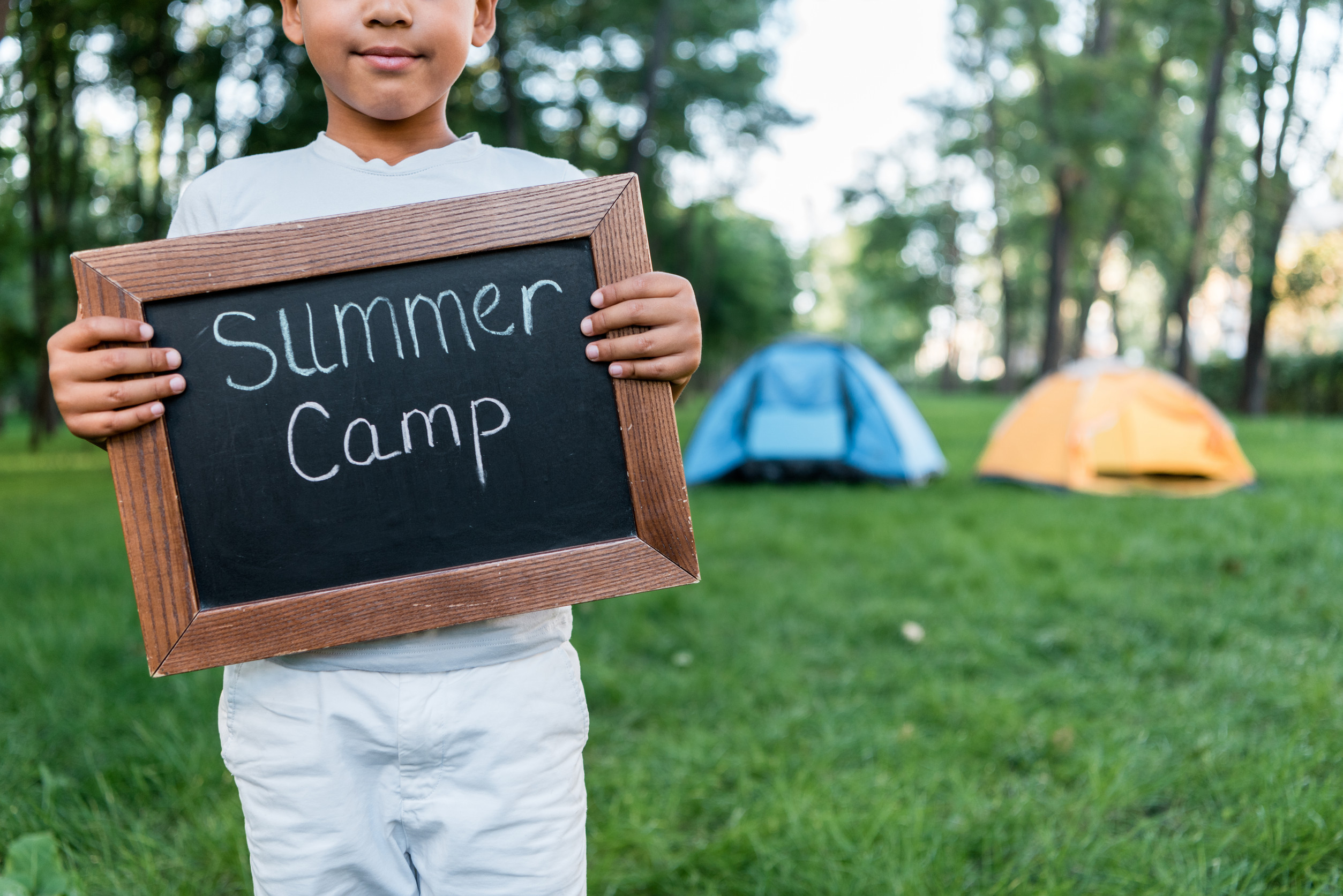
Summer camp can be one of the most enriching experiences for kids—but the cost often leaves parents wondering if it’s even possible. Between registration fees, gear, and daily living expenses, many families find themselves scrambling to cover the full cost. If you want to afford summer camp without diving into debt or draining your emergency fund, the solution might be simpler than you think. Cutting back on a few common—but unnecessary—expenses can free up the funds you need to send your child off to a summer they’ll never forget. Here are seven things to stop spending on now if you’re serious about making summer camp happen.

1. Daily Coffee Runs

That morning latte might not seem like much, but it adds up fast. Spending $5 a day on coffee means over $100 a month—money that could go directly into your camp fund. If you’re trying to afford summer camp, swapping your daily café habit for homemade brews is one of the easiest wins. You don’t have to give up coffee altogether—just rethink how you get your caffeine fix. Even reducing your coffee shop visits to once a week can create meaningful savings over a few months.

2. Takeout and Food Delivery

Ordering dinner when you’re exhausted is tempting, but those restaurant bills can quickly wipe out your budget. Cutting back on takeout and delivery—even just two nights a week—can save hundreds by the time summer rolls around. If you want to afford summer camp, try planning simple meals or prepping food in batches to reduce reliance on pricey convenience options. Get the kids involved in cooking to turn it into family time instead of a chore. With some planning, you can save money and eat better at the same time.

3. Subscriptions You Forgot You Had

Streaming services, unused apps, subscription boxes—it’s easy to sign up and forget you’re being charged every month. Take a close look at your credit card statement and cancel anything you don’t use regularly. If you’re trying to afford summer camp, even $10 or $20 per month in forgotten fees can make a difference over time. Consider rotating subscriptions instead of keeping multiple at once. Clearing out the digital clutter frees up your finances for something your child will truly benefit from.

4. Name-Brand Groceries

Kids don’t care whether their cereal came from a top-tier brand or a store label—they just want it to taste good. Sticking to name brands can quietly drain your grocery budget without offering much added value. Choosing store-brand items, especially for staples like snacks, cleaning supplies, and pantry goods, can significantly reduce your weekly bill. If your goal is to afford summer camp, trimming your grocery budget is one of the most effective strategies. Keep your eye on the long-term reward—memorable experiences beat fancy packaging every time.

5. Trendy Seasonal Clothes

It’s easy to get swept up in spring shopping—especially with all the adorable kids’ fashion lines out there. But the reality is that kids grow fast, and many of those cute outfits only get worn once or twice. If you want to afford summer camp, skip the new wardrobe and stick with last year’s clothes whenever possible. Thrift stores, hand-me-downs, and clothing swaps with other families can fill the gaps without emptying your wallet. Save the splurging for back-to-school shopping instead.

6. Weekend Entertainment and Impulse Buys

Trips to the movies, spontaneous toy purchases, amusement parks—these fun extras can silently wreck your budget. While it’s important to make memories, it’s also worth asking whether every weekend needs to come with a price tag. If your goal is to afford summer camp, consider planning low-cost alternatives like picnics, hiking, or game nights. Reducing impulse spending teaches kids the value of saving for bigger goals. Let them help decide which outings to cut, and you’ll turn budgeting into a team effort.

7. High-Cost Phone or Cable Plans

Many families are paying more than they need to for phone service, internet, and cable. Bundled plans, outdated contracts, or unneeded features can drive up your bill without delivering much benefit. Shop around, switch to a budget carrier, or negotiate a better deal—especially if you’re out of contract. If you’re serious about wanting to afford summer camp, these recurring monthly savings can go straight into your camp fund. A few phone calls and some minor inconvenience now could mean big adventure for your child this summer.

Smart Spending Today Means Summer Fun Tomorrow

Every dollar you save now is a step closer to making summer camp a reality. While these cuts might feel small on their own, they add up fast—and can be the difference between “maybe next year” and “we’re already signed up.” If you want to afford summer camp without stress, shift your mindset from “what do we need to give up?” to “what are we choosing to invest in?” Your child’s growth, confidence, and independence are worth every penny you thoughtfully save.

What have you cut from your budget to make summer camp possible? Share your tips—or your goals—in the comments below!

Read More:

15 Surprising Ways Your Daily Habits Impact Your Finances

6 Times Parents Should Say “I Can’t Afford That” Out Loud

Catherine Reed
Catherine Reed

Catherine is a tech-savvy writer who has focused on the personal finance space for more than eight years. She has a Bachelor’s in Information Technology and enjoys showcasing how tech can simplify everyday personal finance tasks like budgeting, spending tracking, and planning for the future. Additionally, she’s explored the ins and outs of the world of side hustles and loves to share what she’s learned along the way. When she’s not working, you can find her relaxing at home in the Pacific Northwest with her two cats or enjoying a cup of coffee at her neighborhood cafe.

Filed Under: Budgeting Tagged With: afford summer camp, camp costs, Family Budgeting, kids activities, money-saving strategies, parenting tips, summer camp savings

7 Childhood Milestones That Come With Surprise Costs

May 11, 2025 | Leave a Comment

7 Childhood Milestones That Come With Surprise Costs

Every childhood milestone is worth celebrating—but many come with hidden price tags parents don’t see coming. From first steps to first dances, these moments are precious, exciting, and sometimes unexpectedly expensive. While it’s easy to prepare for diapers or daycare, the financial side of growth spurts, school changes, and developmental achievements often catches parents off guard. A “simple” milestone can trigger a cascade of purchases, fees, or upgrades you didn’t factor into the family budget. Let’s look at seven major moments in your child’s life that can also lead to surprise spending, and how to plan ahead.

1. Moving from Crib to “Big Kid” Bed

Transitioning out of the crib feels like a proud moment—until you realize it’s more than just swapping furniture. Parents often end up buying a new mattress, frame, bedding, pillows, and even room décor to match the upgrade. Safety rails, nightlights, and storytime books about the change can also add up quickly. The shift also tends to spark requests for character-themed sheets or room themes that weren’t part of the original plan. What starts as a $200 bed can quickly become a $600 bedroom makeover.

2. Potty Training

Saying goodbye to diapers sounds like a money-saving win, and eventually it is—but getting there can be pricey. From training toilets and padded undies to rewards charts, pull-ups, and extra laundry, potty training costs sneak in fast. Accidents often mean replacing rugs, clothes, or car seat covers, and some families opt for books, toys, or even apps to help the process along. Add in waterproof mattress protectors and new bedding, and suddenly the cost climbs. Potty training is a milestone with messy—and costly—side effects.

3. Starting Kindergarten

You may think public school will ease your wallet, but starting kindergarten often feels like a shopping spree. Required supply lists include everything from markers and folders to disinfecting wipes and Ziploc bags. Add a backpack, lunchbox, school clothes, and optional classroom donations, and you’re looking at a few hundred dollars right out of the gate. Transportation and after-school care may also become new budget items. Even if tuition isn’t involved, the cost of raising a child definitely spikes during this back-to-school phase.

4. Losing the First Tooth

That first wiggly tooth is a rite of passage, but it can also spark surprise spending. Some parents feel pressure to make the Tooth Fairy’s visit magical, with glittery money, notes, or small gifts. A tooth fairy pillow or special box often joins the celebration. If a dentist recommends early orthodontic care or a mouthguard, the cost of that tiny tooth grows quickly. What starts as a cute dollar-under-the-pillow tradition can sometimes turn into an ongoing budget item.

5. Joining a Sports Team or Activity

Extracurriculars are fantastic for skill-building and socializing, but they’re rarely cheap. Sports can cost hundreds or even thousands of dollars a year, from registration fees and uniforms to equipment, shoes, and travel costs. Some parents also pay for extras like private coaching, team snacks, or end-of-season banquets. The same goes for dance, music, martial arts, or theater. Even “low-cost” activities come with sneaky fees that don’t appear until you’ve committed.

6. Getting Their First Phone

Many parents put off this milestone until middle school or later, but eventually, the phone conversation comes up, and so do the bills. Buying a phone is just the beginning. Monthly service plans, protective cases, insurance, screen repairs, and app purchases add up fast. Parents may also invest in parental control software or monitoring services for peace of mind. What starts as a tool for safety and communication often becomes a long-term expense you’ll need to budget for well in advance.

7. The First School Dance or Social Event

You might think dances and school socials are a high school thing, but they often start earlier, and they bring plenty of surprise costs. Tickets, outfits, shoes, haircuts, photos, and even transportation can all be part of the event. Kids may want to match a theme, join a group dinner, or get accessories last minute. Even if you keep it low-key, there’s pressure to help your child feel confident and included. It’s one moment that seems small but touches the wallet unexpectedly.

Being Ready for More Than Just the Moment

Childhood milestones are more than photo ops—they often involve emotional and financial investment. While it’s easy to focus on the big picture, the smaller, everyday moments quietly stretch your budget the most. By expecting these hidden costs and planning ahead, you can celebrate without stress and keep your finances in check. Whether it’s a $10 lost tooth or a $500 team sport, these transitions deserve attention and preparation. Because the milestones are fleeting, but the bills can stick around longer than you think.

Which milestone surprised you emotionally and financially? Share your story with us in the comments!

Read More:

6 Affordable Sports Activities for Children

How Much You’re Really Spending on Kids’ Clothes Each Year

Catherine Reed
Catherine Reed

Catherine is a tech-savvy writer who has focused on the personal finance space for more than eight years. She has a Bachelor’s in Information Technology and enjoys showcasing how tech can simplify everyday personal finance tasks like budgeting, spending tracking, and planning for the future. Additionally, she’s explored the ins and outs of the world of side hustles and loves to share what she’s learned along the way. When she’s not working, you can find her relaxing at home in the Pacific Northwest with her two cats or enjoying a cup of coffee at her neighborhood cafe.

Filed Under: Parenting Tagged With: back-to-school costs, childhood milestones, cost of raising a child, Family Budgeting, kids activities, modern parenting, parenting expenses, parenting tips, surprise parenting costs, toddler transitions

10 Screen-Free Activities to Keep Kids Entertained

April 3, 2025 | Leave a Comment

Kids group playing with ball in the backyard
Image Source: 123rf.com

In today’s digital age, keeping kids entertained without screens can feel like an impossible challenge. However, there are plenty of enriching, fun-filled activities that not only keep children engaged but also foster creativity, problem-solving, and social interaction. Whether you’re looking for indoor or outdoor options, these screen-free activities offer a refreshing alternative to digital entertainment.

1. Build a Fort

Creating a cozy hideaway using blankets, pillows, and furniture is an exciting adventure. Encourage kids to design their own forts with tunnels, multiple rooms, or even a ‘secret entrance.’ Once the fort is built, they can use it as a reading nook, an imaginative play space, or even a pretend camp-out. This activity promotes creativity, problem-solving, and teamwork. Bonus points for incorporating twinkling fairy lights for an extra magical touch!

2. Create a DIY Obstacle Course

Turn your living room or backyard into a challenging course using household items. Kids can jump over pillows, crawl under chairs, and balance on a line of tape. Adding time challenges or different difficulty levels makes it even more engaging. This physical activity improves coordination and helps burn off extra energy. Kids love the sense of achievement when they conquer the course!

3. Write and Act Out a Play

Encourage your child to create their own story and perform it as a theatrical production. They can design costumes, make props, and rehearse their lines before putting on a final performance for the family. Acting helps build confidence and encourages self-expression. Let them experiment with different genres like comedy, mystery, or fantasy. Maybe even film their production to watch later!

4. Cook a Simple Recipe Together

Brother and sister preparing cake mixture together at the kitchen table, waist up
Image Source: 123rf.com

Get kids involved in the kitchen by selecting an easy-to-make recipe they’ll enjoy preparing. Measuring ingredients, stirring, and assembling food teaches valuable skills while making mealtime more engaging. Choose fun options like homemade pizza, fruit popsicles, or sandwiches with creative shapes. Cooking together fosters independence and an appreciation for food. Plus, it’s a wonderful bonding experience!

5. Go on a Nature Scavenger Hunt

Whether in your backyard, a local park, or during a hike, a nature scavenger hunt is a fantastic way to explore the outdoors. Create a checklist of items to find—such as pinecones, specific leaves, animal tracks, or flowers. This activity encourages observation skills and an appreciation for the natural world. As an added twist, challenge kids to take notes or draw what they discover!

6. Try Origami or Crafting

Origami is a fascinating way to turn a simple piece of paper into intricate designs. Teaching kids how to fold different shapes strengthens patience and fine motor skills. Alternatively, craft projects like friendship bracelets, DIY greeting cards, or painting on rocks are fantastic screen-free hobbies. They can even create gifts for friends and family!

7. Host a Family Game Night

Board games, card games, or even charades provide endless entertainment while fostering teamwork and problem-solving skills. Make it a tradition by selecting different games each week. Whether competitive or cooperative, games help children practice strategy, patience, and fair play. For added excitement, let them create their own game with fun rules and challenges!

8. Read a Book or Tell Stories

Cultivate a love for storytelling by diving into a captivating book or making up a story together. Allow kids to take turns adding to the narrative, creating unexpected twists. Reading enhances vocabulary and imagination while providing a calm, screen-free experience. Encourage them to write and illustrate their own stories if they feel inspired!

9. Explore Science Experiments

Engage curiosity with simple at-home science experiments, like baking soda volcanoes, invisible ink, or homemade slime. Science-based activities enhance critical thinking and exploration skills while being fun to perform. Many experiments require only common household items, making them budget-friendly. These activities nurture a love of learning through hands-on discovery!

10. Garden or Grow Something

Teaching kids how to care for plants fosters responsibility, patience, and an appreciation for nature. Whether growing flowers, herbs, or vegetables, this hands-on activity connects them with the natural world. Start small by planting seeds in a pot or creating a small garden patch. They’ll see the fruits of their labor as they nurture life from seed to bloom!

Child’s Creativity

Screen-free entertainment doesn’t have to be boring or difficult to arrange. With a little creativity, kids can engage in enriching activities that build crucial skills and promote family bonding. Encouraging offline play leads to more meaningful interactions and lifelong hobbies. Try integrating a few of these ideas and watch your child’s creativity soar!

Which of these activities will you try first? Do you have any other screen-free ideas to share? Drop a comment below and let’s inspire more creative play!

Read More: 

10 Rules That Should Apply to Parents and Children in a Healthy Household

5 Toys That Were Never Designed to Be Used by Children

Latrice Perez

Latrice is a dedicated professional with a rich background in social work, complemented by an Associate Degree in the field. Her journey has been uniquely shaped by the rewarding experience of being a stay-at-home mom to her two children, aged 13 and 5. This role has not only been a testament to her commitment to family but has also provided her with invaluable life lessons and insights.  As a mother, Latrice has embraced the opportunity to educate her children on essential life skills, with a special focus on financial literacy.

Filed Under: Parenting Tagged With: child development, Creativity, education, Family bonding, fun for kids, kids activities, learning through play, Parenting, screen-free play

8 Affordable Birthday Party Ideas That Won’t Break the Bank

January 31, 2025 | Leave a Comment

8 Affordable Birthday Party Ideas That Won’t Break the Bank
Image Source: Pexels

On average, birthday parties for kids cost an average of $300 to $500, which many parents can’t afford. If you have multiple children or you’re on a budget, you’ll likely have to find ways to cut costs. Hosting the party at home, making the food and desserts yourself, and choosing budget-friendly decor can save you money. To help you plan a festive celebration that won’t break the bank, here are 8 affordable birthday party ideas. 

1. Board Game Party 

First on our list of affordable birthday party ideas is a board game night at home. Depending on the size of your guest list, you may already have enough board games on hand to keep everyone entertained. But if you need to purchase a few extra games, family favorites like Trouble, Sorry, Battleship, and Guess Who can usually be purchased for under $20 each. 

Keeping the decorations simple yet festive can help you cut costs. This fun backdrop says “Game on” and will set the tone for your child’s party perfectly. Adding these jumbo inflatable dice and game night-themed plates will round out the decor. For party favors, you can’t go wrong with gaming stickers and candy. 

2. Dinosaur Party 

Studies have shown that one in three children loves dinosaurs, so this affordable birthday party idea is sure to be a hit! Plus, the setup couldn’t be easier thanks to this dinosaur party kit. It contains everything you need for an at-home birthday bash, including cake toppers, balloons, table settings, and streamers. 

No party is complete without food. Use these dino cookie cutters to transform fruit slices and sandwiches into fun shapes. Instead of buying an expensive cake, save money by making these Betty Crocker dinosaur sprinkle cookies. For entertainment, grab this pin the tail on the dinosaur game and have a Jurassic Park movie screening. 

3. At-Home Escape Room 

Escape rooms are popular party venues, but cost anywhere from $25 to $40 per person. Luckily you can cut costs by purchasing an “escape room in a box” from Mattel. It contains everything you need to create an immersive experience at home, including over a dozen puzzles and real locks. It even connects to Alexa to enhance gameplay.

4. Medieval Knights Party

Remember how fun it was to go to Medieval Times as a kid? Tickets for the real show can cost upwards of $65 per person. But you can turn this into an affordable birthday party idea by replicating the experience at home. This fun inflatable jousting kit will make your kids and their friends feel like gladiators. 

These medieval birthday party decorations will help you transform your home into a castle. The kit includes banners, balloons, cake toppers, and more. For dinner, turkey legs (which can easily be cooked in an Instant Pot) are sure to be a hit. Finally, set the tone for the party with this medieval music playlist. 

5. Under the Sea Party

If your child loves the ocean, beach, or aquarium, an under-the-sea party is a great choice! For entertainment, watch classic movies like Finding Nemo and The Little Mermaid. Kids will also enjoy this aquatic bean bag toss game. To save money, keep the decorations simple with this ocean decor kit, which comes with balloons, tablecloths, cupcake toppers, and more. Fish sticks are an easy, crowd-pleasing lunch option. Instead of buying a cake, whip up some cupcakes with blue buttercream frosting. 

6. Spy Adventure Party 

Looking for more affordable birthday party ideas? Consider hosting a spy adventure party. Playing espionage games like Codenames and Spy Alley will make your kids and their guests feel like secret agents. You can also watch detective movies like Inspector Gadget and Spy Kids. 

For decorations, blow up these spy balloons and hang this top-secret backdrop. To complete the experience, pass out these secret agent party favors, which include mustaches, magnifying glasses, and detective ID cards. 

7. DJ Party 

Make sure your guests feel the beat of the music as they arrive for your DJ-themed party! Play this Kidz Bop soundtrack to create a fun, vibrant atmosphere. Hang up these DJ decorations to turn your home into a kid-friendly club. You could even turn down the lights, set up sound-activated party lights, and pass out glow sticks. To keep the partygoers entertained, play games like musical chairs and freeze tag. Finally, set up a snack table with treats like chips and dip, punch, and candy. 

8. Unicorn Princess Party 

Celebrate your little girl with a fabulous princess and unicorn party. Encourage guests to come dressed up as royalty to enhance the princess vibes. You can also pass out some extra accessories like crowns and faux jewels. For activities, pick up these mini bubble wands and a bracelet-making kit. Deck out your home with princess balloons and this unicorn party kit, and you’re guaranteed to have a magical day! 

You don’t have to break the bank to create special birthday memories for your child. Hopefully, these affordable birthday party ideas have given you the inspiration you need to cut costs without sacrificing family fun.

Vicky Monroe headshot
Vicky Monroe

Vicky Monroe is a freelance personal finance writer who enjoys learning about and discussing the psychology of money. In her free time, she loves to cook and tackle DIY projects.

Filed Under: Parenting Tagged With: birthday on a budget, kids activities, Party Planning Tips

« Previous Page
Next Page »
  • Facebook
  • Pinterest
  • RSS
  • Twitter

Basic Principles Of Good Parenting

Here some basic principles for good parenting:

  1. What You Do Matters: Your kids are watching you. So, be purposeful about what you want to accomplish.
  2. You Can’t be Too Loving: Don’t replace love with material possessions, lowered expectations or leniency.
  3. Be Involved Your Kids Life: Arrange your priorities to focus on what your kid’s needs. Be there mentally and physically.
  4. Adapt Your Parenting: Children grow quickly, so keep pace with your child’s development.
  5. Establish and Set Rules: The rules you set for children will establish the rules they set for themselves later.  Avoid harsh discipline and be consistent.
  6. Explain Your Decisions: What is obvious to you may not be evident to your child. They don’t have the experience you do.
  7. Be Respectful To Your Child: How you treat your child is how they will treat others.  Be polite, respectful and make an effort to pay attention.
Best Parenting Blogs

Most Popular

Baby

10 Baby Names That Were Once Considered “Grandparent Names” but Feel Cool Again

Evan Morgan
Baby

9 Baby Names Inspired by Fall Without Naming Your Child Autumn

Evan Morgan
Baby

10 Vintage Baby Names That Sound Surprisingly Modern Again

Evan Morgan
Baby names

Teachers Admit: These 6 Baby Names Create Instant Bias in the Classroom

Latrice Perez
6 Baby Names That Sound Cute Now but Cause Problems Later

6 Baby Names That Sound Cute Now but Cause Problems Later

Brandon Marcus

All content on Kids Ain’t Cheap is for entertainment purposes only. By reading this blog, you agree that Kids Ain’t Cheap is not responsible for any actions taken after reading this blog. For the full disclaimer, see our privacy policy.

Please note that Kids Ain’t Cheap has financial relationships with some of the merchants mentioned here. Kids Ain’t Cheap is funded by banner advertising, commission sales and search optimization consulting.

Copyright © 2006–2026 | District Media | All Rights Reserved | Privacy Policy

Copyright © 2026 Runway Pro Theme by Viva la Violette