• Home
  • About Us
  • Toolkit
  • Archives
  • Advertise
  • Privacy Policy

Kids Ain't Cheap

But They Sure Are Worth It

  • Parenting
    • Baby Stuff
    • Books and Reading
      • Aesops Fables
      • Comic Books
    • Education
    • Family Time
    • Green Living
    • Growing Up
    • Healthy Living & Eating
    • Holidays
    • Parenting
    • Random Musings
    • Shopping
    • Stuff to Do
  • Money
  • Product Reviews
    • Books and Magazines
    • Discount Sites
    • Furniture
    • House Keeping
    • Reviews News
    • Toys and Games
  • Contact Us
  • Our Editorial Commitment
  • Search

Single Dads: You’re Not Failing—You’re Fathering

April 14, 2025 | Leave a Comment

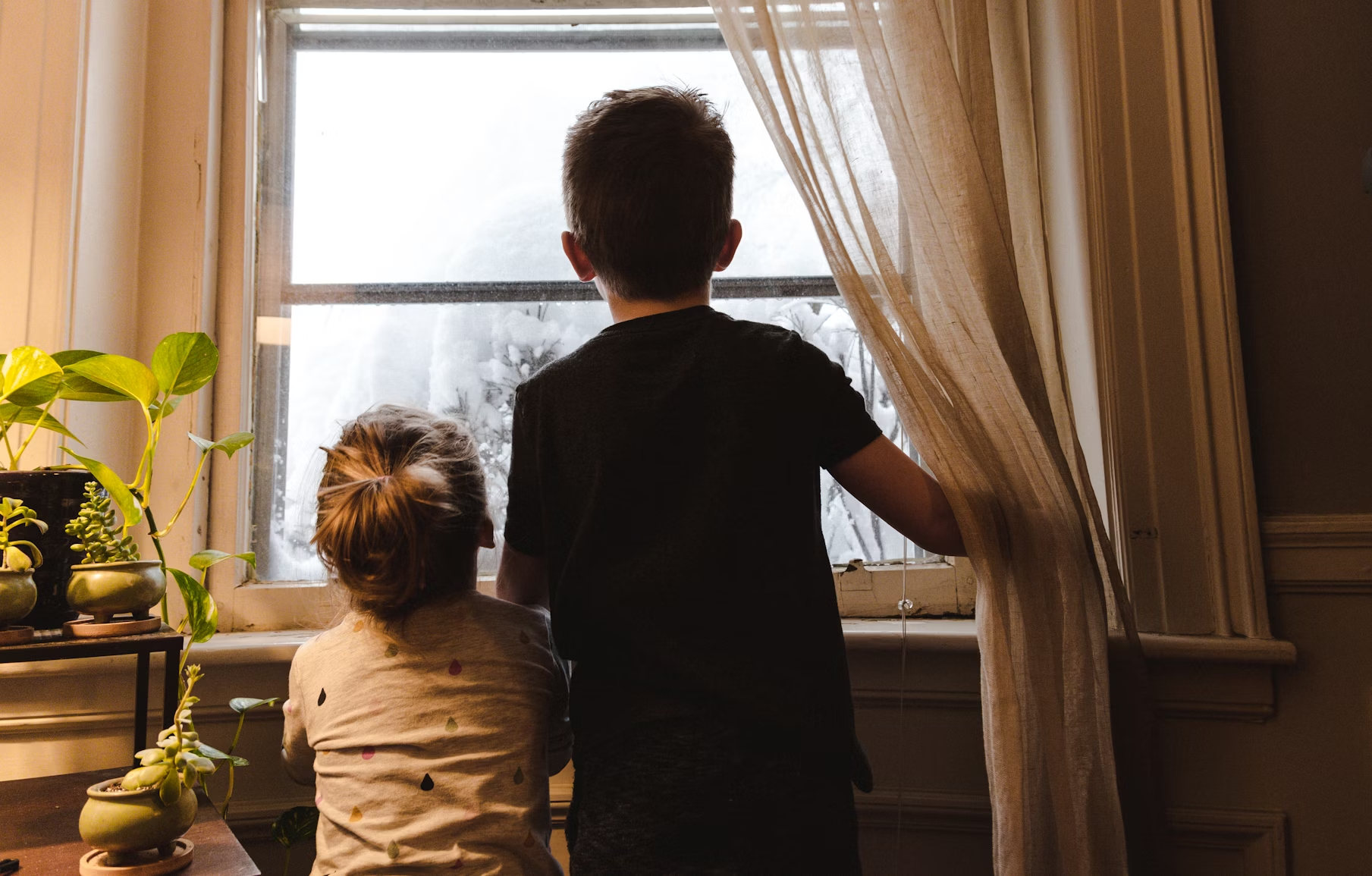
Single dad spending quality time with his child
Image Source: Unsplash

You’re not just surviving—you’re showing up, day in and day out. And that effort means more than you might realize. For many single dads, the pressure to “do it all” can bring quiet self-doubt or lead to unfair comparisons with other family setups.

Here’s the truth, though: raising a child on your own isn’t about brokenness – it’s about remarkable strength, endless love, and steadfast dedication. If you’ve ever worried that you’re not doing enough, take this as your reminder: you’re fathering, not failing.

The Rise of the Single Dad

Parenting norms are shifting, and single dads are increasingly part of that change. In the U.S., about 8% of households with minor children are led by single fathers—a striking jump from just over 1% in 1960. This data, compiled by the Pew Research Center, represents a ninefold growth, from fewer than 300,000 families to over 2.6 million. Currently, more than 1.5 million single fathers live full-time with their children, as noted in a recent study by LendingTree. These numbers do more than illustrate a trend – they speak to evolving roles and a genuine willingness to be present, despite challenges.

The Unique Challenges You Navigate

As a single dad, you’re balancing a range of responsibilities, often without the broader support couples might rely on. You’re the protector, day-to-day caregiver, carpool driver, and bedtime story reader—all at once. Many single fathers face hurdles like financial strain, limited childcare options, or the emotional toll of doing this mostly on their own. That’s a lot. Friends, neighbors, or local parenting groups can provide much-needed backup, confirming you’re not alone in the journey. Tapping into these resources can offer not just practical help, but also a sense of camaraderie.

Why Routine is Your Superpower

When you’re handling parenting solo, structure matters. Predictable routines—like setting mealtimes, bedtime rituals, and homework sessions—bring a sense of stability that kids crave. These routines also serve you: they cut down on chaos and free up mental energy. You might create a morning checklist to ensure your child’s lunch, backpack, and uniform are ready to go. Rituals like a bedtime story or nightly chat can deepen your emotional bond, reminding both of you that love and security exist amidst life’s demands.

Single father carrying child through daily life
Image Source: Unsplash

Your Parenting Makes a Difference

There’s a myth that children from single-parent households are fated for difficulties. While raising a child alone can present economic or developmental challenges, the real key is the quality of parenting. Kids thrive on consistent love, clear guidance, and emotional safety—exactly what you’re providing each day.

Even if finances are tight or schedules are hectic, your focused presence builds the emotional scaffolding they need to become confident adults. They won’t remember fancy toys nearly as much as the time you spent listening and caring.

5 Practical Tips to Keep You Moving Forward

  1. Stick to a Daily Routine: It might be simple things—like dinnertime at 6 pm or half an hour of reading together before bed—but it eases stress for everyone.
  2. Ask for Help: Whether it’s a neighbor offering a ride or a local church group with childcare resources, you don’t have to do this alone.
  3. Communicate with Your Child: A heart-to-heart can happen in the car, at dinner, or during a quick walk. Keeping that bond strong makes tough days more manageable.
  4. Connect with Other Single Dads: Seek out local meet-ups or online forums where experiences are shared freely. Sometimes, hearing “me too” can lift your spirits.
  5. Prioritize Self-Care: Even if it’s just 10 minutes to breathe quietly or watch something that makes you smile, your child benefits when you’re emotionally and mentally recharged.

Keep Your Eyes on What Matters Most

It’s easy to compare your life to a two-parent household and feel like you’re missing the mark. But as you pack lunches at dawn or juggle bedtime alone, you’re showing your child that family can look many ways and still be filled with love.

Fatherhood doesn’t demand perfection—just presence. If that means you sometimes rely on frozen pizza for dinner, so be it. Your child will recall the silly chats, the steady hand, the unwavering presence—those are the real cornerstones of a secure childhood.

You’re Not Alone—and You’re Doing Better Than You Think

It’s normal to wonder if anyone understands the unique weight you carry.

The answer? Absolutely. Your role is crucial, your challenges are valid, and your dedication is commendable. You’re modeling empathy, toughness, and flexibility all at once.

Every small step forward reminds the world that dad-led households work—and work well. Keep going, and let yourself believe: you’re more than enough.

Have you built routines or found support systems that ease single fatherhood? Let us know in the comments—your tips could uplift another dad walking the same path.

Read More:

  • Where to Find Financial Support for Single Dads?
  • 10 Reasons Why Single-Parent Households Are Under Scrutiny
Samantha Warren
Samantha

Samantha Warren is a holistic marketing strategist with 8+ years of experience partnering with startups, Fortune 500 companies, and everything in between. With an entrepreneurial mindset, she excels at shaping brand narratives through data-driven, creative content. When she’s not working, Samantha loves to travel and draws inspiration from her trips to Thailand, Spain, Costa Rica, and beyond.


Filed Under: Parenting Tagged With: child development, fatherhood, parenting advice, parenting support, single dads, single parenting

Can Yelling Ever Be “Justified” Parenting—or Is It Always Damage?

April 14, 2025 | Leave a Comment

Parent yelling while child looks upset
Image Source: Unsplash

We’ve all had those moments: the sippy cup spills (again), the laundry piles never seem to end, and someone’s late for school—before you know it, you’re yelling. In the whirlwind of parenthood, yelling can feel like an instant release or a moment of control.

But it begs a critical question: Can yelling at your child ever be justified, or does it always leave a mark?

According to most research, the consequences of yelling in parenting may be more serious than many realize.

Let’s dive into what yelling really does when it happens, whether it’s ever “okay,” and how you can make positive changes—even on your most stressful days.

1. Yelling Feels Natural—But That Doesn’t Make It Harmless

All parents lose their cool occasionally. Parenting is emotional, demanding, and chaotic. In moments of high stress, shouting might seem like a normal reaction. But studies indicate that yelling isn’t harmless, even if it’s rare or emotionally fueled.

In fact, the impact can be similar to physical discipline, causing fear, anxiety, depression, and behavioral problems in children. According to this resource from Humanium, yelling can lead to long-term emotional harm, regardless of how justified it felt in the moment.

2. Even “Protective Yelling” Can Have Consequences

You might think certain situations justify yelling—your child darts across a busy road, or nearly touches a hot stove. While raising your voice instinctively in emergencies can help keep them safe, it doesn’t negate the negative impact yelling can have. Even this so-called “protective yelling” can instill fear or stress if it becomes a regular parenting tactic. It’s a short-term solution that might reinforce immediate compliance but can also erode trust and emotional security in the long run.

3. Yelling Models Poor Emotional Regulation

Children learn to handle conflict and frustration largely from observing how we, as parents, respond. When we yell, we’re effectively showing them that yelling is an acceptable outlet for anger. This modeling can lead them to mimic the same aggression with siblings, peers, or even authority figures. As research in the Journal of Marriage and Family notes, consistent yelling teaches kids fear rather than reflection or problem-solving—an approach that harms their ability to self-regulate when they’re upset.

4. The Long-Term Effects Extend Beyond the Moment

Even if yelling yields compliance now, it often fosters resistance in the long run. Children who are regularly yelled at might become withdrawn, oppositional, or more aggressive themselves. Studies also show that repeated exposure to shouting can heighten a child’s risk of anxiety, depression, and other mental health struggles into adolescence and adulthood. According to research highlighted by the American Psychological Association, verbal aggression can fundamentally shift how a child’s brain processes stress.

Parent hugging child after a tough moment
Image Source: Unsplash

5. Love Doesn’t Cancel Out the Harm

Many parents will yell at times but also shower their kids with hugs and reassurance. While affection is invaluable, it doesn’t undo the emotional hurt caused by yelling. Children may start questioning their safety in the parent-child bond, fearing unexpected eruptions of anger. Emotional unpredictability can cultivate an environment of hypervigilance, leading kids to feel they must walk on eggshells. Consistency—both emotional and behavioral—is key to a secure attachment.

So, What Can You Do Instead?

If yelling has become a habit, it’s not too late to shift gears. Start by identifying triggers, such as tiredness, stress, or a specific time of day when everything feels overwhelming. Develop alternative strategies—maybe you take a quick breath or step out of the room before reacting. You could also try a calm but firm tone to get your child’s attention; remind them you’re upset without escalating volume. Positive discipline approaches encourage building routines, using natural consequences, and guiding emotional awareness, all of which help kids learn without fear.

Repair Is More Important Than Perfection

No one parents flawlessly, and slip-ups happen. If you do yell, a sincere apology—explaining you felt overwhelmed—can go a long way. It shows your child that grown-ups also have lessons to learn about self-control. It emphasizes accountability and reassures them that your relationship is grounded in respect and emotional safety, even when mistakes occur.

Balancing Love, Boundaries, and Composure

Ultimately, discipline should teach, not terrify. When big emotions come crashing, taking a moment to ground yourself can make all the difference. Teaching kids healthy emotional regulation means modeling it ourselves—showing that, yes, we get mad, but we can handle those feelings constructively. If you’ve been relying on yelling as a go-to, consider gradually incorporating calmer tactics. Over time, you’ll likely notice a more peaceful home environment and a stronger bond with your child.

Have you successfully moved away from yelling? Let us know which strategies helped you stay calm in the comments below. Sharing your experiences might guide another parent toward a more peaceful household.

Read More:

  • “Spanking A Child Has Its Place” (Here’s When It’s Okay)
  • When You Regret Yelling at Your Kids: What No One Talks About
Samantha Warren
Samantha

Samantha Warren is a holistic marketing strategist with 8+ years of experience partnering with startups, Fortune 500 companies, and everything in between. With an entrepreneurial mindset, she excels at shaping brand narratives through data-driven, creative content. When she’s not working, Samantha loves to travel and draws inspiration from her trips to Thailand, Spain, Costa Rica, and beyond.

Filed Under: Parenting Tagged With: child development, child safety, Parenting, parenting advice, parenting tips

7 Red Flags Your Child May Be Struggling (Even If They Say They’re Fine)

April 14, 2025 | Leave a Comment

Child looking down, showing signs of emotional struggle
Image Source: Unsplash

When your child says “I’m fine,” it can be tempting—and sometimes a relief—to accept it at face value. But as any parent or caregiver knows, kids don’t always have the language or the desire to reveal what’s really going on. Sometimes their inner struggles surface in more subtle ways long before they’re ready to discuss them.

Recognizing these early red flags can empower you to offer support before things escalate. From school avoidance to frequent physical complaints, here are seven signals your child may be quietly battling more than they let on—and steps you can take to help.

1. Persistent Irritability or Moodiness

Occasional bad days are normal for kids and teens. But a constant state of crankiness or emotional outbursts could indicate a deeper issue. Anxiety, depression, or chronic stress often hide behind irritability, especially in older children. According to Embark Behavioral Health, many adolescents dealing with hidden anxiety might act out more at home because they feel safest there. If your child was once easygoing but now seems angry or withdrawn, take it as a potential red flag rather than just “moodiness.”

2. Avoiding School or Falling Behind Academically

One of the most common early signs of emotional distress is trouble at school, whether that looks like skipping classes, refusing to get ready in the morning, or showing a noticeable dip in grades. While it’s natural for kids to complain about homework sometimes, persistent school avoidance or academic decline warrants a closer look. Issues like depression, anxiety, bullying, or unaddressed learning challenges may lurk beneath the surface. It’s a good time to talk to teachers, counselors, or coaches to see if they’ve noticed changes, too.

3. Shifts in Sleep Patterns

Sleep is crucial for a child’s mental and physical health. When that changes suddenly—whether it’s insomnia, excessive napping, or nighttime restlessness—it might be more than a phase. Sleep disturbances often go hand-in-hand with anxiety or depression. Try gently asking about how rested they feel in the mornings or if anything is keeping them awake. Limit screens before bed and introduce consistent routines to encourage a smoother wind-down. Parents point out that improving sleep hygiene can have a surprisingly positive effect on a child’s overall mood.

4. Complaints About Physical Aches with No Clear Cause

Kids naturally complain about tummy aches or headaches to dodge chores or school. But repeated, unexplained physical complaints can reflect emotional tension. Stress and worry often manifest in the body, especially when children can’t articulate what’s bothering them. If your child frequently mentions aches without a medical explanation, it may be time to check in about stress at school, friendships, or self-esteem. A gentle conversation or even a simple doctor’s visit to rule out anything physical can help you figure out if emotional distress is the real culprit.

Child picking at food, showing loss of appetite
Image Source: Unsplash

5. Significant Changes in Appetite

Has your child been eating noticeably more or less than usual? Such shifts in appetite, especially alongside mood changes, can point to emotional turmoil like depression or anxiety. Emotional eating or consistently skipping meals are signsthat something deeper might be going on. Keep an eye on their meal patterns, encourage regular family dinners, and be open to hearing what they have to say if they’re not hungry or are suddenly ravenous. Consistency in nutrition also gives you a daily chance to observe and connect.

6. Pulling Away from Friends and Family

Social withdrawal is one of the clearest indicators that a child may be struggling, even if they claim they’re fine. Maybe they no longer hang out with friends, or they’ve dropped interests they once loved. It doesn’t have to be drastic; a slow retreat from activities and relationships can still signal underlying issues like anxiety, low self-esteem, or depression. If you see these changes, gently encourage them to reach out to friends or join group activities. Meanwhile, maintain lines of communication at home without pressuring them too hard.

7. Destructive or Risky Behavior

When kids feel emotionally overwhelmed, they sometimes express it through boundary-pushing actions like aggression, vandalism, or sudden risk-taking (think dangerous stunts or experimenting with substances). These behaviors usually aren’t about “being bad.” Instead, they can be ways to cope with stress, sadness, or anger they can’t voice. Let them know they’re loved and safe, and consider talking to a mental health professional if the behaviors escalate. Quick intervention can help them find healthier ways to handle strong emotions.

What You Can Do When “I’m Fine” Isn’t the Full Story

Spotting signs your child is struggling doesn’t mean you’re failing—it means you’re paying close attention. Even if your child brushes you off, trust your instincts if you sense something is off. The sooner you acknowledge these red flags, the earlier you can help them navigate big feelings and stressful circumstances.

Don’t hesitate to reach out to school counselors, pediatricians, or mental health professionals for advice. Above all, remain a calm, consistent presence; let your child know they’re never alone, and it’s okay to talk about whatever they’re facing.

What subtle changes have you noticed in your child that made you think something deeper might be going on? Share your observations and experiences in the comments—other parents can learn from your story.

Read More

  • How Do You Teach Kids About Consent and Boundaries?
  • 6 Signs Your Child Is Struggling with Social Anxiety
Samantha Warren
Samantha

Samantha Warren is a holistic marketing strategist with 8+ years of experience partnering with startups, Fortune 500 companies, and everything in between. With an entrepreneurial mindset, she excels at shaping brand narratives through data-driven, creative content. When she’s not working, Samantha loves to travel and draws inspiration from her trips to Thailand, Spain, Costa Rica, and beyond.

Filed Under: Parenting Tagged With: behavioral changes, child mental health, emotional wellness, parenting advice, parenting tips, red flags in behavior, teen anxiety

Bad Things Happen: Here’s Why Every Family Should Have A Village

April 13, 2025 | Leave a Comment

family with newborn baby
Image Source: Unsplash

You can do everything “right”—plan the meals, childproof the house, juggle work and bedtimes—and then one night the dog bites your toddler, or your car refuses to start, or your child spikes a fever on your big work-presentation day. That’s when “the village” isn’t just an expression—it’s a lifeline. No matter how prepared or capable you are, every family will eventually face stress, loss, health issues, or financial trouble. It’s not a matter of being unprepared, and it’s definitely not a sign of failure. It’s just being human—and having a reliable family support network can be the difference between sinking and swimming.

Below is a closer look at why building your village isn’t just a nicety—it’s essential.

Family Support Builds Resilience in the Face of Stress

When challenges emerge, having a circle of trustworthy people to lean on significantly lowers your family’s stress levels. Research shows strong support networks help families feel more secure and content, even in trying times. Whether it’s a neighbor grabbing your kids from school or a grandparent ready to listen, these moments matter more than you might think. A built-in support system speeds up emotional recovery and gives children a sense of care extending beyond their immediate home. In essence, a dependable family support network boosts both individual resilience and family-wide well-being.

Practical Help Makes Everyday Life More Peaceful

Having a village often means there’s someone who will step in, not only during emergencies but also for random Tuesday chaos. People in your support circle can provide rides, pitch in with a meal, or fill in when the babysitter cancels. Though these might appear to be small gestures, they prevent parental burnout and keep things manageable. A family support network can also include people who share resources or offer household advice, reducing your stress load. The result? A calmer home environment where parents aren’t running on fumes.

Emotional Backing Protects Everyone’s Mental Health

Parenting can be isolating. Carrying your family’s mental load can quickly become overwhelming if you lack emotional outlets. Emotional support within your village—friends who check in, relatives who truly listen, coworkers who get it—helps curb anxiety and prevent burnout. According to studies in home care, emotional backing from a robust network boosts mental health for both caregivers and family members. Your village might not solve every problem, but it ensures you don’t face them alone.

happy mom with her child on the beach
Image Source: Unsplash

A Support Network Lifts Outcomes for Every Generation

Families often juggle caring for children and older adults simultaneously. A village not only helps shoulder the workload but also gives you the moral boost to keep going even when life feels tough. Whether it’s organizing a carpool for your kids or arranging doctor appointments for grandparents, a capable support circle can sustain families for the long haul. It’s not just about weathering a crisis—it’s about fostering well-being for every stage of life.

Strong Social Connections Meet Real, Everyday Needs

Sure, your village can be grandparents or siblings—but it may also include the trusted teacher at daycare, a long-time neighbor, or another parent you meet at soccer practice. These connections can offer tangible help, share reliable advice, and even provide child care when time is tight. It’s not an indulgence; it’s meeting a fundamental parenting need.

Moreover, showing your child how a community cares for one another teaches them that it’s okay to reach out, give help, and receive help. This sense of belonging is crucial for kids and caregivers alike.

Building Your Village Before You Need It

The thing about a support system is that you might not recognize its true worth until a crisis happens. That’s why establishing these connections now—before life gets bumpy—is so valuable. Join local parenting groups, keep in touch with neighbors, strengthen ties with extended family, and practice both offering and seeking small favors.

Your village may not be exactly who you predicted; it could include the friendly bus driver, a chatty store clerk who brightens your day, or a parent from the swim team. The key is openness—your network takes shape through the people willing to show up and your willingness to let them.

Real Strength Is Letting People In

Being a “good parent” doesn’t mean doing everything by yourself. Embracing help and shared responsibility can make your caregiving more enduring, your household calmer, and your family more resilient overall. Difficulties will happen in life—they always do. Yet having a solid support network ensures you won’t confront them single-handedly. Start cultivating your village now, so it’s robust when you need it most.

How has building a village benefited your family? Share your experiences or tips in the comments. Sometimes hearing from other parents can spark ideas for widening your own support network.

Read More

  • 9 Surprising Benefits of Letting Kids Make Their Own Rules for a Day
  • Want Great Kids Movies for Free? These Are Free Movies on YouTube for Kids
Samantha Warren
Samantha

Samantha Warren is a holistic marketing strategist with 8+ years of experience partnering with startups, Fortune 500 companies, and everything in between. With an entrepreneurial mindset, she excels at shaping brand narratives through data-driven, creative content. When she’s not working, Samantha loves to travel and draws inspiration from her trips to Thailand, Spain, Costa Rica, and beyond.

Filed Under: Parenting Tagged With: building support systems, caregiver mental health, emotional resilience, family village, parenting advice, parenting support

7 Pranks No Kid Should Play On Their Friends

April 12, 2025 | Leave a Comment

Kid sneaking up with a prank idea
Image Source: Unsplash

A silly prank can spark laughter. But when jokes go too far, they can leave hurt feelings—or even real harm in their wake. As a parent, guiding your child also means helping them understand where to draw the line. Not all tricks are created equal, and what seems funny to one child might be deeply upsetting to another. Here are 7 pranks kids should avoid – plus tips on steering your child toward safer, more considerate fun.

1. The “Scary Insect” Prank

Hiding a fake spider or rubber snake in someone’s backpack or bed might sound harmless, but it can seriously frighten kids (and adults!) with deep-seated phobias. Fear-based pranks usually lead to panic, not giggles, and they can damage trust if a child begins to associate friends with anxiety. If your child likes the shock factor, nudge them toward surprises that produce surprise without genuine fear.

Extra tip: For fun ideas that don’t scare or hurt, check out Parents.com’s safe prank suggestions – they keep the laughs but ditch the fear.

2. The “Locked In” Joke

Trapping a friend in a closet, bathroom stall, or even under a blanket isn’t just a prank—it can be genuinely scary. Some kids may panic if they feel confined, especially if they’re already prone to anxiety or claustrophobia. Plus, it risks real danger if there’s no quick way out. Teach your child that pranks involving removing someone’s freedom are off-limits. Safety and respect matter more than momentary laughs.

3. “Toilet Trouble” Pranks

Plastic-wrapping a toilet seat or stuffing it with tissue might sound funny in theory, but it’s messy, embarrassing, and downright unpleasant for the person on the receiving end. Bathroom-based pranks can also cross boundaries of personal hygiene and privacy. If your child finds these stunts hilarious, suggest comedic alternatives that don’t interfere with someone’s most basic needs. A good rule: if it disrupts hygiene or humiliates, skip it.

Damaged belongings used as a prank
Image Source: Unsplash

4. The “Torn/Damaged Belongings” Prank

Pretending to ruin a friend’s favorite hoodie, phone, or homework is a surefire way to break trust. Even if the damage isn’t real, the victim feels immediate panic and betrayal over something they value. Children’s belongings often hold personal or sentimental importance, and messing with them can lead to bigger conflicts—including disciplinary actions at school. Urge your child to stay away from messing with people’s property—even as a so-called joke.

5. The “Fake Emergency” Prank

Pretending to be hurt or scream “Fire!” when none exists might grab attention, but it teaches kids that serious situations are game material. Not only does it cause genuine fear, but it also wastes time if adults or other children rush to help. In worst-case scenarios, false alarms can tie up resources that should remain free for real emergencies. Encourage your child to keep crisis-level words and actions strictly out of their prank repertoire.

6. The “Embarrassing Reveal” Joke

Posting a friend’s private photo, reading their diary entry aloud, or revealing a secret in front of peers can shatter trust faster than any silly gag. Kids often view these “shaming” pranks as harmless, but the victim might feel singled out or even bullied. Public embarrassment can leave deep emotional scars, especially if it spreads on social media. If your child loves a good laugh, show them how to do it with friends, not at their expense.

7. The “You’re Not Invited” Prank

Telling someone they’re excluded from a party or outing—then dropping a casual “Just kidding!”—can seriously hurt a child’s sense of belonging. Social pranks that toy with inclusion are often deeply felt, and they can plant seeds of insecurity. Remind your child that friendship should foster connections, not erode them. Instead, encourage inclusive fun that brings everyone closer.

Turning Pranks Into Teachable Moments

Not all pranks come from a mean place; sometimes kids are just testing boundaries. Still, it’s crucial to help them see why certain jokes step over the line. Encourage your child to ask: “Would I want this done to me?” If the answer is no, it’s time to rethink. Apologies and accountability—owning a mistake and making it right—can preserve friendships if they’ve accidentally gone too far.

Key Takeaway: Keep Humor Kind

Kids crave humor and bonding—but it doesn’t have to cross boundaries or incite harm. Teaching children empathy in their jokes helps them become more thoughtful friends and classmates. Instead of “You’re not invited,” they learn “We’d love for you to join.” Instead of humiliating someone with an embarrassing reveal, they find ways to make everyone laugh together. Humor should unite, not divide.

Has your child ever tried or experienced one of these pranks? We’d love to hear your story or how you helped them learn from it. Share in the comments below—sometimes the best lessons come from real-life experiences.

Read More

  • When You Think Your Kid Might Be The Bully
  • Seeing The Emotional Side of Our Children
Samantha Warren
Samantha

Samantha Warren is a holistic marketing strategist with 8+ years of experience partnering with startups, Fortune 500 companies, and everything in between. With an entrepreneurial mindset, she excels at shaping brand narratives through data-driven, creative content. When she’s not working, Samantha loves to travel and draws inspiration from her trips to Thailand, Spain, Costa Rica, and beyond.

Filed Under: Parenting Tagged With: child safety, emotional well-being, friendship tips, parenting advice, pranks kids should avoid, safe pranks

How to Talk to Your Kids When You’re Struggling Mentally Yourself

April 11, 2025 | Leave a Comment

the vulnerability and connection involved in talking to kids while managing your own mental health challenges
Image Source: Unsplash

Parenting when you’re mentally struggling is one of the toughest emotional balancing acts. You want to shield your kids from your pain, but you also don’t want them feeling confused, scared, or shut out. The truth is—talking to your kids about mental health doesn’t weaken their world, it can strengthen your bond.

When handled with care and honesty, these conversations teach your children it’s okay not to be okay—and that they’re never alone in big emotions. Here’s how to open up in a way that supports your kids while staying true to your own healing journey.

1. Normalize Talking About Feelings

Kids are naturally curious, especially when they sense something’s off at home. By introducing age-appropriate discussions about mental health, you invite your child to ask questions and share their own emotions. According to the National Alliance on Mental Illness (NAMI), normalizing conversations around mental health can help cut down stigma and promote a sense of safety.

Remember, you don’t have to have all the answers—just reassure them that talking about feelings is a sign of strength, not weakness. Even a simple “I’ve felt sad lately, but I’m glad we can talk about it” can go a long way.

2. Use Language That Fits Their Age

You know your child best. Use words that match their developmental level. For younger kids, keep it simple—“My brain feels tired sometimes, and that makes it harder to play.” With older kids, you can offer more detail without overwhelming them. The Child Mind Institute emphasizes explaining how your struggles affect day-to-day life, without expecting them to fix anything. The goal is clarity and reassurance, not burdening them with adult worries.

3. Be Honest About Getting Help

One of the most impactful things you can do as a parent is model help-seeking behavior. If you’re in therapy, taking medication, or practicing certain coping strategies, let your child know in a way that feels right for your family. Mentioning that you’re taking steps to feel better reassures them that your well-being isn’t on their shoulders. It also sends a powerful message that seeking assistance—through a counselor, doctor, or supportive community—is normal and courageous. Children mirror what they see; watching you actively address mental health can encourage them to do the same when they need it.

reflecting the importance of honest, age-appropriate conversations during times of emotional struggle
Image Source: Unsplash

4. Let Them Talk—and Really Listen

Just like you, kids need to feel heard—even if they don’t always have the words. Create space for your child to express themselves without interruption or correction. Mirror back what they share to show you understand: “It sounds like it was scary when you saw me crying.”

You don’t have to solve everything in one chat; simply being present, calm, and open is often more than enough.

5. Bring in Backup When Necessary

If you’re too overwhelmed to manage tough conversations—or if your child has deeper questions you can’t address—calling in professional help can be life-changing. A mental health expert can provide age-appropriate explanations or even offer family sessions, easing the emotional burden on you. Emphasize to your child that “Sometimes grown-ups need help for their feelings, just like we need doctors for our bodies.” This openness demonstrates that therapy or professional guidance is a normal part of caring for mental health, not a last resort.

The Strength in Vulnerability

Talking to your child about mental health struggles doesn’t make you a weak parent—it makes you a courageous one. In fact, your willingness to walk these delicate paths can profoundly shape how your children handle their own emotional journeys. Keep your words simple, your tone calm, and remember: they don’t need a perfect parent—they just need a real one, showing them how to navigate life’s challenges with honesty and compassion. The fact that you’re even considering this conversation means you’re already offering them a huge lesson in emotional resilience.

Have you ever opened up to your child about your emotional struggles? Share your experiences in the comments below—we’d love to know what helped you feel more supported and understood.

Read More

  • Great Pet Care Habits You Can Teach the Whole Family
  • How to Choose the Perfect Pet for Your Family
Samantha Warren
Samantha

Samantha Warren is a holistic marketing strategist with 8+ years of experience partnering with startups, Fortune 500 companies, and everything in between. With an entrepreneurial mindset, she excels at shaping brand narratives through data-driven, creative content. When she’s not working, Samantha loves to travel and draws inspiration from her trips to Thailand, Spain, Costa Rica, and beyond.

Filed Under: Parenting Tagged With: child development, children and mental health, emotional wellbeing, family communication, mental health tips for parents, parenting advice

7 Baby Girl Names That Mean Beautiful (and What Makes Them Special)

April 10, 2025 | Leave a Comment

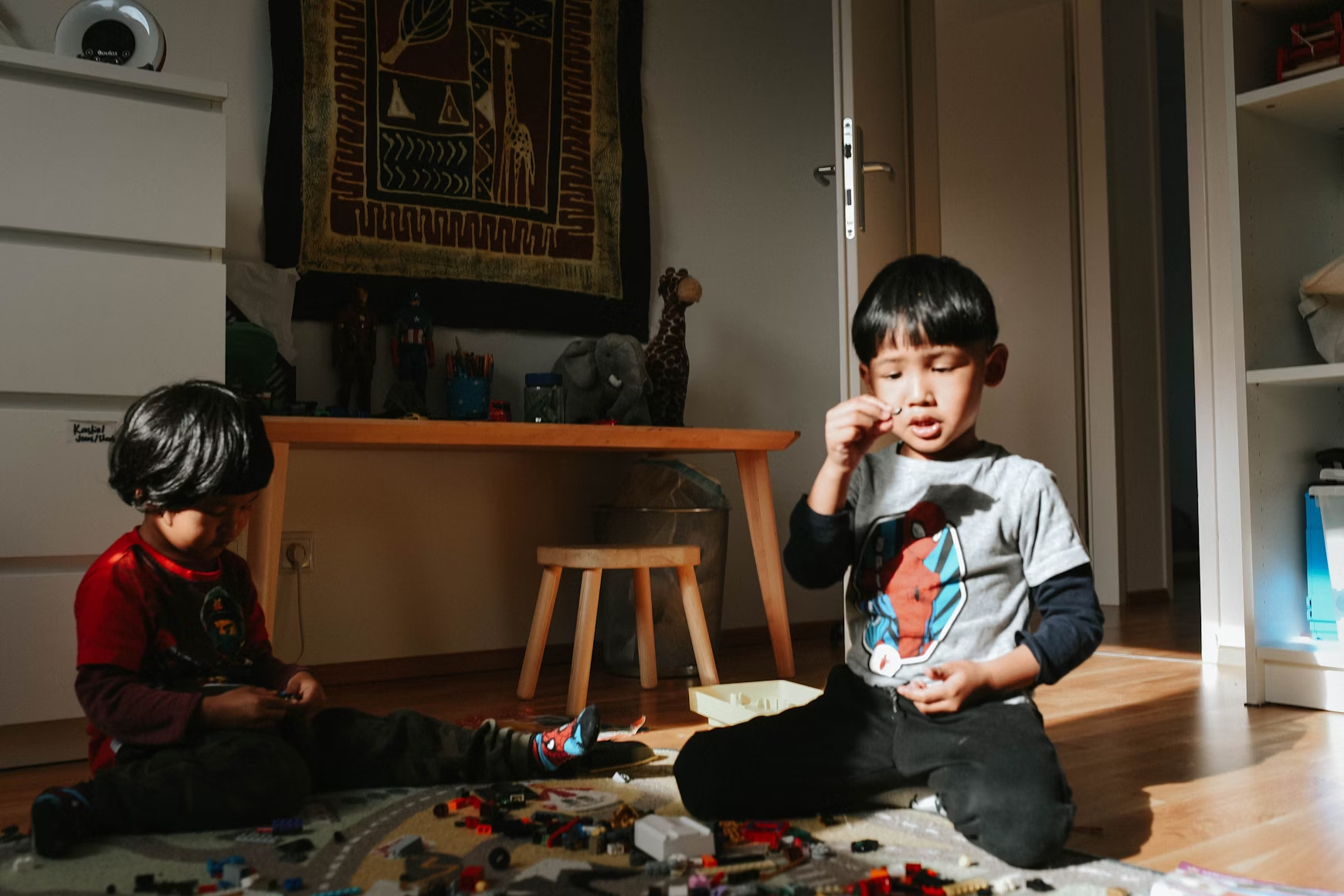
A smiling baby girl lying on a soft blanket, looking up with bright eyes and a joyful expression
Image Source: Unsplash

Choosing a name for your daughter is one of the first heartfelt decisions you’ll make as a parent. It’s not just about what sounds sweet—it’s about meaning, legacy, and the hopes you carry for her future. If you’re drawn to baby girl names that mean “beautiful,” you’re not alone. Many parents long for names that reflect their child’s spirit, charm, and the joy they bring to the world. Let’s explore seven meaningful names that celebrate beauty—inside and out.

1. Bella: The Classic Beauty with Global Appeal

Bella is a name that needs little introduction—short, graceful, and full of charm. Derived from Italian and Latin roots, Bella simply means “beautiful,” and it wears the meaning proudly. Thanks to its presence in pop culture (any Twilight fans?), it feels both contemporary and timeless. Despite its popularity, Bella retains an elegance that appeals across ages and cultures. If you’re looking for a name that reflects your daughter’s radiant presence, Bella is a luminous choice.

Fun Fact: For more inspiration on Italian- and Latin-influenced names, check out FamilyEducation’s baby names list for a wide range of beautiful options.

2. Callista: A Timeless Greek Gem

Callista, of Greek origin, translates to “most beautiful” or “pretty and bright-eyed,” making it a lovely way to welcome a baby girl. Though less common than some others on the playground, this name carries a sophisticated tone that ages gracefully. Callista can be shortened to Callie or Lissa—both charming nicknames that suit different stages of life. For parents seeking a classical vibe with modern adaptability, Callista offers a stellar blend of strength and softness.

3. Adina: An Elegant and Unique Choice

Adina is a name found in Israeli culture, meaning “beautiful” or “delicate.” It’s refreshingly unique without feeling overly trendy. Many parents appreciate how Adina manages to be quietly confident—a balance of grace and strength. Nickname lovers might enjoy Dina, which rolls off the tongue sweetly for toddlers and remains appealing into adulthood. If you’re looking for a name that is both understated and packed with significance, Adina fits the bill.

4. Anwen: Beauty with a Welsh Heartbeat

Anwen is a Welsh name meaning “fair and beautiful,” radiating a soft, lyrical quality. While it’s not widely used outside of Wales, it holds a poetic charm that’s deeply personal. Anwen connects your child to cultural traditions while carrying a sense of calm and tenderness. With its melodic sound and historical depth, Anwen stands out without being flashy—perfect for families who appreciate under-the-radar names that still feel timeless.

A peaceful baby girl wearing a soft, pastel outfit and lying on a cozy blanket, with a gentle smile and curious eyes
Image Source: Unsplash

5. Shaina: A Lovely Yiddish Treasure

Shaina means “beautiful” or “lovely” in Yiddish, bringing a cozy warmth to the name. It has been cherished in many Jewish families for generations, but also crosses cultural lines with ease. The name feels simultaneously traditional and accessible—short, easy to spell, and pronounce. A big plus? Shaina has a down-to-earth charm that grows gracefully alongside your child, ensuring it remains endearing at every age.

6. Mei: Beauty with Brevity and Strength

Mei is a Chinese name that directly translates to “beautiful,” and its simplicity is part of its power. It’s just one syllable, yet it carries centuries of cultural heritage and symbolism. While petite in form, Mei is bold in meaning, often chosen to represent inner and outer beauty. It also makes for a clean, elegant middle name if you’re seeking a strong complement to a longer first name.

Tip: If you’d like more insight into naming practices across different cultures, Bounty’s guide to baby name meanings offers a great starting point.

7. Jamila: A Name with Rich Soul and Beauty

Jamila is an Arabic name meaning “beautiful” or “graceful,” resonating with warmth and depth. It’s beloved in many parts of the world for its smooth, gentle sound. Jamila can be affectionately shortened to Mila—a name that’s quickly gaining popularity in its own right. Balancing legacy with contemporary flair, Jamila is both worldly and deeply personal. It honors heritage while feeling fresh and is well-suited for modern naming trends.

A Name That Reflects What You See in Her

Naming your child is personal, powerful, and often emotional. Each of these baby girl names that mean beautiful offers more than just good looks on paper; they carry stories, legacies, and layers of affection. Whether you’re drawn to one due to your cultural background, the lyrical sound, or the profound symbolism, remember one thing: it should feel like her. The name you choose is just the beginning of a lifetime of beautiful memories.

Do any of these names resonate with you? Share your favorites—or your own suggestions that mean “beautiful”—in the comments. We’d love to hear what resonates with your family!

Read More

  • Naming Regrets: 8 Types of Names That Could Spell Trouble for Your Child’s Future
  • 9 Baby Names You’ve Never Heard Before, But Should Consider
Samantha Warren
Samantha

Samantha Warren is a holistic marketing strategist with 8+ years of experience partnering with startups, Fortune 500 companies, and everything in between. With an entrepreneurial mindset, she excels at shaping brand narratives through data-driven, creative content. When she’s not working, Samantha loves to travel and draws inspiration from her trips to Thailand, Spain, Costa Rica, and beyond.
Filed Under: Parenting Tagged With: baby girl names, baby name meanings, beautiful baby names, cultural baby names, naming your baby, parenting advice, unique girl names

What To Say: 7 Things You Should Say to a Child When a Parent Dies

April 10, 2025 | Leave a Comment

Image Source: Unsplash

Losing a parent is a life-altering event—especially for a child.

When a child’s world is suddenly turned upside down by the death of a parent, the right words can offer a lifeline. It’s one of the hardest conversations a caregiver can face, but it’s also one of the most important. Children often feel confused, fearful, and even guilty after such a loss, and how we speak to them matters deeply. Below, we’ve gathered seven supportive phrases and approaches to help guide you through what to say to a child when a parent dies—along with practical tips rooted in empathy, honesty, and love.

Whether you’re a co-parent, grandparent, teacher, or close family friend, these words can help a grieving child begin to understand, feel safe, and find strength in their sadness.

1. “They died. Their body stopped working, and they won’t be coming back.”

Children need clear, age-appropriate language when learning about death. That means using concrete terms like “died” instead of vague euphemisms such as “passed on” or “gone to sleep,” which can confuse or even scare them. While it may feel harsh to say it out loud, it removes ambiguity and helps them start to process reality. According to Winston’s Wish, being honest and direct gives children a foundation to trust the adults around them.

Practical Tip: If your child asks questions you don’t know how to answer, it’s okay to say, “I don’t know. But I do know I’m here for you.”

2. “You didn’t cause this—and it’s not your fault.”

Grieving children often carry unseen guilt. It’s not uncommon for young minds to believe that something they said, did, or even thought somehow led to their parents’ death. Reassuring them that they are not to blame is a powerful step in helping them let go of internalized shame. This message may need to be repeated over time in simple ways, especially during quiet reflective moments. The Child Development Institute notes that children need compassionate reminders that death isn’t a consequence of their behavior.

3. “You are safe, and you will be taken care of.”

Losing a parent can trigger worries about personal safety and future stability. Children may fear that other loved ones will also die or abandon them.

By offering reassurance and setting expectations—whether it’s who will pick them up from school, where they’ll sleep, or who will pack their lunch—you provide structure and control. Let them know that while life may look different, you and others are still there to love, protect, and care for them.

Marie Curie underscores the importance of offering a child calm, consistent information after a major loss.

4. “It’s okay to cry and feel anything you need to feel.”

Telling a child it’s okay to be sad—or angry, confused, or numb—helps normalize the wide range of grief responses. Emotions around loss rarely follow a neat checklist, and modeling your own healthy expression of grief can make a big difference. You might say, “I feel really sad, too. I miss them every day.” This shared vulnerability shows that big emotions are safe to express—and that grieving doesn’t have to be silent.

Practical Tip: Even if your child doesn’t cry, encourage other forms of expression like drawing, storytelling, or gentle physical activities.

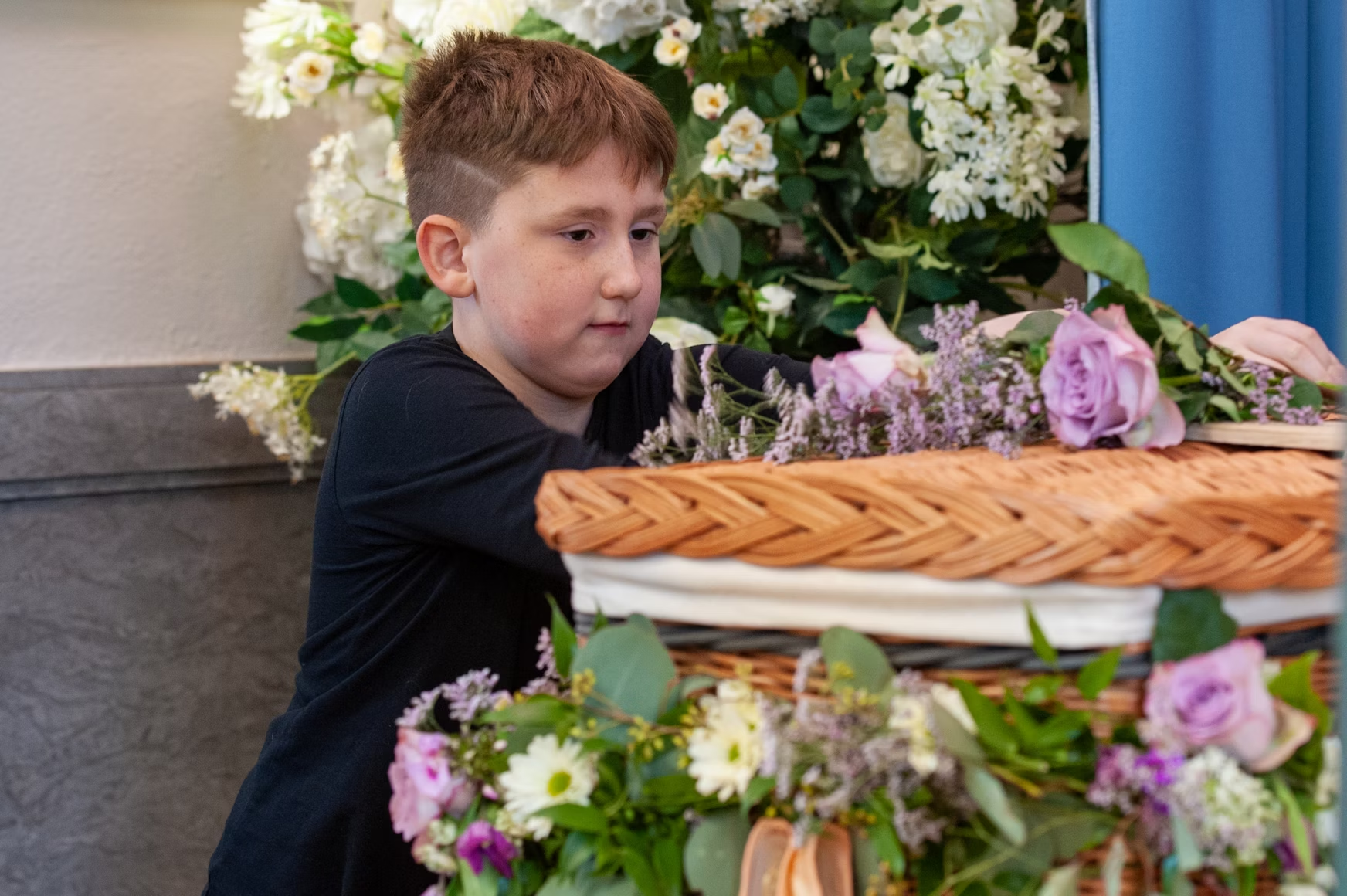
A young child being comforted by an adult
Image Source: Unsplash

5. “Would you like to be part of the funeral or celebration of their life?”

Many people aren’t sure whether children should attend funerals. But excluding them may actually send the message that they aren’t allowed to grieve or say goodbye. Offering your child the option to participate—at their own comfort level—can help them feel included and supported. They might draw a picture, place a small toy or flower, or simply sit next to you for the service. Eluna provides thoughtful ways to involve children in age-appropriate mourning rituals, so they can honor their loved one in a meaningful way.

6. “Let’s talk about them. What do you remember?”

Memories become bridges between past and present, especially when navigating grief. Encouraging a child to talk about their parent—not just once, but regularly—keeps their connection alive in a healthy way. This can include sharing funny stories, looking through photos, or marking the parent’s birthday with a cupcake and a candle. Remind them that it’s okay to smile or laugh at happy memories; it doesn’t diminish how much they’re missed.

Practical Tip: Consider setting aside a special memory box or scrapbook. Children can add letters, pictures, or small keepsakes that remind them of their parents.

7. “I’m here. And I will be, even on the hard days.”

Sometimes the simplest promise means the most. Children need consistent, long-term reassurance that they’re not facing this grief alone. Invite ongoing conversations with open-ended encouragement: “If you ever want to talk, or just sit together, I’m here.” Grief doesn’t simply vanish—it’s a journey children carry with them as they grow. Having a stable adult presence is key to helping them feel grounded and safe.

A Gentle Path Through the Hardest Moments

When a child loses a parent, no words can erase the pain. Yet what you say—and how you say it—can offer warmth, clarity, and hope. Aim for honesty paired with compassion, recognizing that children will remember the emotional support even more than the specific phrases. By showing up with patience and love, you’re helping a grieving child take their first courageous steps toward healing.

What words helped you or a child you know during a major loss? Share your experiences in the comments below. Your story might be the reassurance another family needs.

Read More

  • 7 Secrets to Stopping Toddler Tantrums—And It’s Not What You Think
  • How To Talk About Death With Your Children
Samantha Warren
Samantha

Samantha Warren is a holistic marketing strategist with 8+ years of experience partnering with startups, Fortune 500 companies, and everything in between. With an entrepreneurial mindset, she excels at shaping brand narratives through data-driven, creative content. When she’s not working, Samantha loves to travel and draws inspiration from her trips to Thailand, Spain, Costa Rica, and beyond.

Filed Under: Parenting Tagged With: child emotional support, child loss, grief support for kids, how to talk to kids about death, parent death, parenting advice, talking about death

The Silent Danger Lurking in Your Child’s Daily Routine

April 9, 2025 | Leave a Comment

Parent rushing a child through a morning routine, emphasizing the silent emotional strain of a fast-paced daily schedule.
Image Source: Unsplash

Is your daily routine hurting more than it’s helping? It might sound surprising, especially since routines often serve as a lifeline for families. Bedtime battles become smoother, school mornings happen on schedule, and everyone knows what to expect. Yet, something that feels beneficial on the surface can quietly cause harm underneath. The silent danger in your child’s daily routine isn’t a lack of structure—it’s when that structure becomes too rigid, stale, or emotionally disconnected. As caregivers, recognizing when a routine is no longer serving your child is essential to prevent smaller issues from escalating into bigger problems.

The Good Stuff: Why We Love Routines

Daily routines are undeniably helpful. They offer children a sense of safety by creating predictability—an especially important factor in lowering anxiety and building emotional security. When kids know what’s coming next, they gain a feeling of control in a world that’s still very new and sometimes overwhelming. A kids’ routines guide highlights how established daily patterns also foster independence; children become more confident when they practice the same tasks each day.

Additionally, a how-to resource on creating a daily routine for kids notes that repeating tasks encourages them to handle some responsibilities on their own—lessening the likelihood of power struggles over chores or bedtime. In this way, routines support both child development and family harmony.

If routines offer so many perks, where’s the danger lurking?

The image emphasizes the emotional disconnection that can arise when routines become too structured and lose their warmth.
Image Source: Unsplash

The Hidden Risk: Emotional Disconnection

Even the most well-designed routine can slip into autopilot mode, where efficiency takes precedence over emotional connection. Perhaps you’re so focused on quickly getting through the bedtime checklist that you barely notice your child’s mood or their need for a few comforting words. When tasks become rigid items to check off, children might feel unseen or rushed. Over time, this can pave the way for emotional distance or behavior problems.

A daily routine study suggests that overly strict schedules can contribute to impulsivity and emotional dysregulation if kids don’t have enough flexibility. The structure meant to support them can start to feel confining if there’s no room for spontaneity or recognition of emotional cues.

Routine Overload: When ‘Structure’ Turns into Stress

Children may appear endlessly energetic, but they’re also sensitive to feeling overwhelmed. A schedule that looks ideal on paper can become exhausting in practice. Maybe it’s crammed with extracurricular activities, or maybe it demands adherence to every single rule down to the minute. While the initial intent is to promote focus and consistency, kids sometimes interpret the pressure as stress.

Too many to-dos with little downtime can trigger anxiety. You might see children shut down, act out, or develop resistance to the very structure that’s supposed to help them. Another routine-focused resource notes that when kids lose the freedom to explore, rest, or simply daydream, they often start pushing back. Striking the right balance between providing structure and allowing breathing room can be key to preventing frustration—for both your child and yourself.

Adapting Through Change: Flexible Routines in Crisis

Routines become particularly powerful during stressful times—if you’re open to modifying them. Emergencies, family illnesses, or even big life changes like moving can unsettle everyone, especially children. During these moments, small elements of your usual routine (like a favorite bedtime story or a familiar mealtime ritual) can offer comfort and normalcy.

However, maintaining the entire schedule to perfection isn’t necessary—or even possible—when life’s unpredictable. A children’s preparedness guide points out that in crises, a flexible structure offers reassurance without adding extra pressure. If you find yourself stressed about not “doing it all,” take a deep breath and focus on the routines that center connection rather than perfection.

Finding the Balance: Structure with Heart

The goal isn’t to abandon structure altogether; it’s to shape a daily routine that genuinely meets your child’s emotional and developmental needs. Periodically check in with your child to see which parts of the day they look forward to—and which parts they might dread. Are mornings too hurried? Are after-school hours too packed?

Small, simple rituals can keep routines from feeling robotic. You might spend a few minutes chatting about the day during snack time or create a silly song for cleaning up toys. As children grow, their needs change, and their routines should adapt accordingly. A schedule that works for a preschooler might feel restrictive to a tween.

By inserting mini-moments of connection—like sharing a cozy hug before bedtime or asking open-ended questions about their day—you ensure that routine doesn’t equal monotony. The best routines are living, breathing plans that evolve with your family’s needs.

Keeping What Works—and Letting Go of What Doesn’t‘

Routines are a powerful parenting tool, yet they’re not magic. The real magic lies in noticing your child’s cues and blending structure with emotional warmth. If your schedule is starting to feel stressful or if you sense your child disengaging, remember it’s okay to tweak—or even momentarily ditch—parts of the routine. Your child’s sense of well-being should always come first.

Over time, flexible consistency fosters independence, reduces stress, and supports a healthy mental outlook. By prioritizing meaningful moments—whether it’s a quick high-five before school or a few extra minutes to talk about feelings—you reinforce the emotional bonds that truly matter. After all, a “perfect” routine won’t mean much if it leaves your child feeling unseen.

What portion of your family’s daily routine feels like it needs a little more heart and a little less hustle? We’d love to hear your stories or challenges—share your thoughts in the comments.

Read More

  • Playground Dangers: 8 Pieces of Playground Equipment That Could Seriously Injure Your Child
  • Creating Child-Friendly Space: Key Tips On Designing Creative And Safe Kids Playroom
Samantha Warren
Samantha

Samantha Warren is a holistic marketing strategist with 8+ years of experience partnering with startups, Fortune 500 companies, and everything in between. With an entrepreneurial mindset, she excels at shaping brand narratives through data-driven, creative content. When she’s not working, Samantha loves to travel and draws inspiration from her trips to Thailand, Spain, Costa Rica, and beyond.

Filed Under: Parenting Tagged With: child safety, daily routine, family wellness, mental health for kids, parenting advice, parenting tips, routines for children

10 Signs Your Child Is Struggling More Than They Admit

April 8, 2025 | Leave a Comment

conveys emotional withdrawal and subtle signs of inner struggle in children.
Image Source: Unsplash

As parents, we’re often tuned in to the big moments—report cards, birthdays, or a sudden tantrum in the cereal aisle. But what about the quieter, less obvious shifts in your child’s behavior or mood? Kids don’t always say, “I’m having a tough time.” Instead, they show us. Recognizing the signs your child is struggling—sometimes before they even realize it themselves—can help you step in early, before minor stresses snowball into bigger issues.

Below are 10 subtle indicators that your child might be facing emotional or mental challenges, along with supportive ways to respond.

1. Unexplained Changes in Daily Routines

Has your child suddenly stopped eating breakfast or started sleeping at odd hours? Shifts in basic routines—like sleeping, eating, or hygiene—can signal emotional or mental distress. According to guidance from pediatric organizations, notable changes in daily habits may point to underlying mental health concerns. Because these red flags can blend into normal family chaos, they’re easy to overlook. Pay attention if something feels consistently “off.”

2. School Avoidance or Drop in Enthusiasm

It’s normal for kids to complain about homework. But daily morning meltdowns, frequent “sick days,” or intense anxiety before school may be a sign of deeper issues. This kind of school refusal can result from academic stress, peer conflicts, or separation anxiety, as highlighted by resources on school avoidance. If your child is unwilling to discuss the cause, consider reaching out to their teacher or a counselor to identify what’s really going on.

3. Increased Sensitivity or Irritability

Is your usually calm child suddenly on edge? Minor frustrations may trigger major outbursts, or they may get tearful over situations that never bothered them before. These emotional explosions often signal that something more significant lies beneath the surface. Observing these changes in mood and asking gentle, open-ended questions can open the door to what’s really troubling them.

emotional cues that may indicate a child is struggling internally.
Image Source: Unsplash

4. Attention-Seeking Behavior

Sometimes a child repeatedly acts out—whining, defying, or being unusually loud—because they feel disconnected. They might also withdraw or become extra quiet in a bid for attention. Experts note that such actions can be a child’s way of saying, “I need you to notice me.” Rather than labeling this as “bad behavior,” try seeing it as a signal. Ask yourself: What are they truly trying to tell me?

5. Physical Complaints Without Clear Medical Cause

Recurrent headaches, stomachaches, or general aches—especially around specific times, like before school—can sometimes indicate emotional distress. Of course, every child fakes an illness once in a while, but ongoing or patterned physical complaints may be tied to anxiety or other mental health challenges. Paying attention to timing and consistency can help you detect whether stress is the hidden culprit.

6. Sudden Withdrawal from Family or Friends

A child who once shared every detail of their day might start isolating behind a locked bedroom door. This type of social withdrawal can be a coping mechanism for emotions they don’t fully understand. If you notice changes—like skipping out on favorite family activities or avoiding friends—it’s worth checking in. Sometimes just knowing you’re available and willing to listen is enough to encourage them to open up.

7. Drop in Academic Performance

Are missing assignments piling up? Has your child’s teacher noted a lack of focus? Stress, anxiety, and other emotional issues directly impact the ability to concentrate. The shift might show up as poor grades or forgotten homework. Instead of assuming they’re just lazy or unmotivated, consider that emotional challenges could be interfering. A compassionate conversation is a better first step than punishment.

8. Intense Perfectionism or Fear of Mistakes

On the flip side, watch for kids who crumble emotionally over minor errors. Perfectionism can be another sign of inner distress, reflecting a deep fear of failure or disappointment. It’s crucial to reassure your child that mistakes are part of learning. Encourage them to see errors as opportunities for growth instead of catastrophes.

9. Loss of Interest in Hobbies They Once Loved

Did your sports-loving child suddenly quit the team, or your budding artist abandon their paintbrushes? A noticeable decline in previously enjoyed activities could point to sadness, anxiety, or overwhelm. Before jumping to conclusions, try gently inviting them to revisit that activity together. It might rekindle some enthusiasm—or reveal that something else is getting in the way of their passion.

10. Gut Feeling That Something Is “Off”

You know your child best. Sometimes, there’s no blatant behavior—just a strong parental intuition that something isn’t right. Trust that inner voice. Even a simple check-in, like “I’ve noticed you seem different lately. Want to chat?” can open the door. Making space for casual but caring conversations can make a world of difference.

What Matters Most: Connection Over Correction

Spotting the signs your child is struggling is about understanding, not diagnosing. Kids often lack the words to explain what’s wrong, so their emotions manifest in other ways. By staying curious, asking questions, and keeping communication lines open, you show them they’re not alone—and that you’re ready to help.

If you notice any combination of these signs persisting, consider seeking guidance from a pediatrician, school counselor, or mental health professional. Early support can prevent bigger hurdles down the line. Ultimately, your presence and willingness to listen may be exactly what your child needs to feel safe, heard, and loved.

Have you noticed any of these subtle changes in your own child? Feel free to share your experiences or tips in the comments below. Sometimes, just knowing we’re not alone can ease the burden for both parents and kids.

Read More

  • 7 Common Types of Behavioral Disorders in Children Every Parent Should Know
  • Unlock the Heart of Your Child: 10 Life-Changing Ways to Build an Emotional Bond
Samantha Warren
Samantha

Samantha Warren is a holistic marketing strategist with 8+ years of experience partnering with startups, Fortune 500 companies, and everything in between. With an entrepreneurial mindset, she excels at shaping brand narratives through data-driven, creative content. When she’s not working, Samantha loves to travel and draws inspiration from her trips to Thailand, Spain, Costa Rica, and beyond.

Filed Under: Parenting Tagged With: child mental health, emotional wellbeing, kids anxiety, parenting advice, parenting tips, signs of emotional distress

Why Kids Today Are Struggling More Than Ever—And What Parents Can Do

April 8, 2025 | Leave a Comment

child looking sad while sitting down
Image Source: Unsplash

If you’ve ever looked at your child and wondered, “Why does life seem harder for them than it did for me at their age?”—you’re not imagining it. The world our kids are growing up in looks dramatically different from the one we knew—and not always in ways that make life easier.

Escalating mental health struggles, digital overload, and the lingering effects of the pandemic are putting unprecedented pressure on young people. The good news? With awareness and empathy, parents can take meaningful steps to protect and support their children’s mental well-being in this new landscape.

Let’s explore five key reasons kids today are struggling more than ever—along with what you can do to help.

1. Mental Health Issues Are on the Rise

More than 1 in 5 U.S. adolescents—around 5.3 million kids—were diagnosed with a mental or behavioral health condition in 2023, according to data from the Arkansas Center for Health Improvement. Children’s mental health is being shaped by rising rates of anxiety, depression, and conduct issues. Girls are more prone to mood-related challenges, while boys are more likely to struggle with behavioral concerns. It can be tough to process if you’re facing these issues in your own household. But rather than getting stuck on the “why,” focus on next steps. Seek professional input, involve school counselors, or simply make time for open conversations at home—your steady support can make a profound difference.

2. Digital Life Is Rewiring Childhood

Screens and social media are woven into nearly every aspect of modern life. A Pew Research study revealed that two-thirds of U.S. parents feel parenting is harder now than it was 20 years ago, often because of technology and online pressures. Constant comparisons, unfiltered content, and cyberbullying can distort a child’s self-image. Rather than banning devices outright, aim for balanced digital habits: set screen-time boundaries, model healthy online behaviors, and check in regularly about what your child sees and feels in their virtual world.

sad child staring into the distance
Image Source: Unsplash

3. Many Kids Aren’t Getting the Help They Need

As mental health issues climb, access to care remains limited. A concerning 60% of youth with major depression don’t receive formal treatment. Disparities are even more pronounced for children in marginalized or underserved communities. Financial barriers, lack of local providers, and social stigma can keep families from seeking or receiving help. As a parent, any effort you make—whether it’s exploring telehealth services, talking to your child’s pediatrician, or advocating for mental health resources at their school—signals to your child that you’re in their corner.

4. The Pandemic Took a Hidden Emotional Toll

COVID-19 may no longer dominate headlines, but its emotional aftershocks linger. While routines may have stabilized, many kids are still grappling with unfinished grief, anxiety, and social gaps left by periods of isolation. You might see younger kids becoming clingier or teens withdrawing. Validating these feelings and offering consistent emotional check-ins can help them slowly rebuild a sense of normalcy.

5. Parental Involvement Makes a Big Difference

Kids thrive when parents, caregivers, and schools work together, but it’s not always easy. Time constraints, financial stress, and language barriers can all get in the way. Even small acts of involvement—joining a parent-teacher conference, helping with homework, or emailing a guidance counselor—can reassure kids that you’re on their team. It’s not about being perfect. Simply being present and letting your child know they’re not alone can bolster their sense of security and well-being.

Practical Ways You Can Support Your Child

  • Create Daily Connection: Schedule a consistent “together time” for sharing highs and lows of the day—no screens allowed.
  • Validate Their Feelings: Instead of rushing to fix, offer empathy—“It sounds like that was really tough.”
  • Encourage Self-Expression: Explore hobbies, from art and music to sports, to help kids find positive outlets for stress.
  • Watch for Red Flags: Sudden mood changes, withdrawing from activities, or drastic shifts in eating or sleeping can be signs of deeper struggles.
  • Seek Professional Help: Therapy or counseling isn’t a last resort; it’s a proactive step when issues feel overwhelming.

A New Kind of Childhood Needs a New Kind of Support

Yes, the pressures our kids face may seem heavier than ever—but that doesn’t mean you’re powerless. By staying informed, engaging with your child’s world, and making mental health a priority in day-to-day life, you can help them build resilience and a sense of hope. You can’t control everything that touches your child’s life, but you can be the steady anchor they need. And sometimes, that anchor is exactly what makes all the difference.

Have you noticed changes in your child’s emotional well-being? Share what’s helped your family stay connected in the comments below.

Read More

  • 10 Of The Hardest Foods To Get Young Children To Eat
  • Come Back Here: 8 Dangers of Running Away You Need to Teach Your Child
Samantha Warren
Samantha

Samantha Warren is a holistic marketing strategist with 8+ years of experience partnering with startups, Fortune 500 companies, and everything in between. With an entrepreneurial mindset, she excels at shaping brand narratives through data-driven, creative content. When she’s not working, Samantha loves to travel and draws inspiration from her trips to Thailand, Spain, Costa Rica, and beyond.

Filed Under: Parenting Tagged With: children’s mental health, digital parenting, mental health support, parenting advice, teen anxiety

How to Build a Strong Bond With Your Child Through Communication

April 8, 2025 | Leave a Comment

actively listening and smiling during a meaningful conversation.
Image Source: Unsplash

Let’s face it—parenting doesn’t come with an instruction manual. One day you’re wiping sticky fingers, the next you’re fielding big questions at bedtime. Throughout these moments, one factor quietly holds it all together: communication. It’s much more than just talking. It’s listening, noticing, and genuinely showing up. When we prioritize how we connect with our children, we lay the groundwork for a strong bond that can last a lifetime.

Whether you’re guiding a curious toddler or supporting a preteen through emotional ups and downs, putting solid communication practices in place today can strengthen trust, empathy, and connection for years to come.

1. Listen Like It Matters—Because It Does

Listening is one of the most powerful ways to bond with your child—and not just any listening. It’s the kind where you set down your phone, make eye contact, and tune in to their words and emotions. An article on building bridges in parent-child communication highlights that active listening creates trust and emotional safety. When kids know you’re really hearing them, they’re far more likely to open up, whether they want to talk about their day at school or a deeper concern.

2. Create a Judgment-Free Comfort Zone

Children need to feel safe in your presence, especially during vulnerable moments. How you respond when they share their feelings teaches them whether it’s okay to keep sharing. Criticism, harsh reactions, or dismissing what they say—even unintentionally—can shut down communication. Advice on building strong bonds suggests using validating phrases like, “I’m glad you told me,” or “It’s okay to feel upset.” These gentle reminders assure kids that their emotions are valid and encourage them to be open, even about the hard stuff.

3. Make Time to Talk—Really Talk

Between endless notifications and busy schedules, carving out regular conversation time can feel like a luxury. But small, intentional chats—during dinner, car rides, or before bedtime—can have a huge impact. Research on effective communication with children and tips on building strong relationships both emphasize the value of daily dialogue. These consistent check-ins show your child that you value their thoughts and experiences. Even five fully present minutes can do more for your relationship than an hour of distracted multitasking.

4. Model the Words You Want Them to Use

Kids learn to communicate by watching how you talk—and how you handle conflict. When you speak truthfully, apologize when necessary, and express feelings calmly, you teach them crucial life skills. Resources on communication strategies for children and guidance on productive parent-child dialogue highlight the impact of consistent modeling. By showing them what respectful honesty looks like, you create a family culture where openness is not just allowed—it’s encouraged.

Image Source: Unsplash

5. Celebrate Their Voice and Validate Their Feelings

One of the simplest ways to deepen the parent-child connection is by demonstrating that your child’s opinions and emotions count. Information on young children and communication indicates that naming and validating a child’s feelings fosters self-esteem and enhances your relationship. This might look like saying, “It sounds like you felt really left out today,” or “That must have been exciting!” Encouraging them to share—and meeting their words with acceptance—builds confidence and teaches them the value of self-expression.

Strengthening Trust One Word at a Time

Parent-child communication isn’t about finding magic phrases. It’s about nurturing an environment where each person’s feelings and experiences can be shared openly. When you listen with empathy, model honest dialogue, set aside distraction-free time, and consistently validate your child’s emotions, you’re creating a space where trust can thrive. These steady, compassionate conversations form the bedrock of a lifelong bond—one where your child knows, “My voice matters, and I am deeply loved.”

How do you encourage open communication with your child? We’d love to hear your experiences in the comments.

Read More

  • 7 Reasons Parents Must Enforce Chores
  • 5 Chores That Teach Work Ethic Principles to Toddlers


Samantha Warren
Samantha

Samantha Warren is a holistic marketing strategist with 8+ years of experience partnering with startups, Fortune 500 companies, and everything in between. With an entrepreneurial mindset, she excels at shaping brand narratives through data-driven, creative content. When she’s not working, Samantha loves to travel and draws inspiration from her trips to Thailand, Spain, Costa Rica, and beyond.
Filed Under: Parenting Tagged With: building trust with your child, child development, emotional bonding, listening skills, parent-child communication, parenting advice, parenting tips

« Previous Page
Next Page »
  • Facebook
  • Pinterest
  • RSS
  • Twitter

Basic Principles Of Good Parenting

Here some basic principles for good parenting:

  1. What You Do Matters: Your kids are watching you. So, be purposeful about what you want to accomplish.
  2. You Can’t be Too Loving: Don’t replace love with material possessions, lowered expectations or leniency.
  3. Be Involved Your Kids Life: Arrange your priorities to focus on what your kid’s needs. Be there mentally and physically.
  4. Adapt Your Parenting: Children grow quickly, so keep pace with your child’s development.
  5. Establish and Set Rules: The rules you set for children will establish the rules they set for themselves later.  Avoid harsh discipline and be consistent.
  6. Explain Your Decisions: What is obvious to you may not be evident to your child. They don’t have the experience you do.
  7. Be Respectful To Your Child: How you treat your child is how they will treat others.  Be polite, respectful and make an effort to pay attention.
Best Parenting Blogs

Most Popular

Baby

9 Baby Names That Sound Rare Without Being Hard to Spell

Evan Morgan
Baby

9 Unusual Baby Names That Sound Like They Belong to Future CEOs

Evan Morgan
Target Store

Choking Incident Prompts Recall of 49,000 Target Gigglescape “Under the Sea” Popping Toys

Evan Morgan
Frustrated Girl

Why Some Students on the Spectrum Are Labeled With ODD

Evan Morgan
Coke Bottles

12 Things Kids Took to School in the ’70s That Would Never Be Allowed Today

Evan Morgan

All content on Kids Ain’t Cheap is for entertainment purposes only. By reading this blog, you agree that Kids Ain’t Cheap is not responsible for any actions taken after reading this blog. For the full disclaimer, see our privacy policy.

Please note that Kids Ain’t Cheap has financial relationships with some of the merchants mentioned here. Kids Ain’t Cheap is funded by banner advertising, commission sales and search optimization consulting.

Copyright © 2006–2026 | District Media | All Rights Reserved | Privacy Policy

Copyright © 2026 Runway Pro Theme by Viva la Violette