• Home
  • About Us
  • Toolkit
  • Archives
  • Advertise
  • Privacy Policy

Kids Ain't Cheap

But They Sure Are Worth It

  • Parenting
    • Baby Stuff
    • Books and Reading
      • Aesops Fables
      • Comic Books
    • Education
    • Family Time
    • Green Living
    • Growing Up
    • Healthy Living & Eating
    • Holidays
    • Parenting
    • Random Musings
    • Shopping
    • Stuff to Do
  • Money
  • Product Reviews
    • Books and Magazines
    • Discount Sites
    • Furniture
    • House Keeping
    • Reviews News
    • Toys and Games
  • Contact Us
  • Our Editorial Commitment
  • Search

Parents Report Delays: Why Speech Therapy Waitlists Are Growing Nationwide

April 19, 2026 | Leave a Comment

Mom And Daughter
Image Source: Pexels

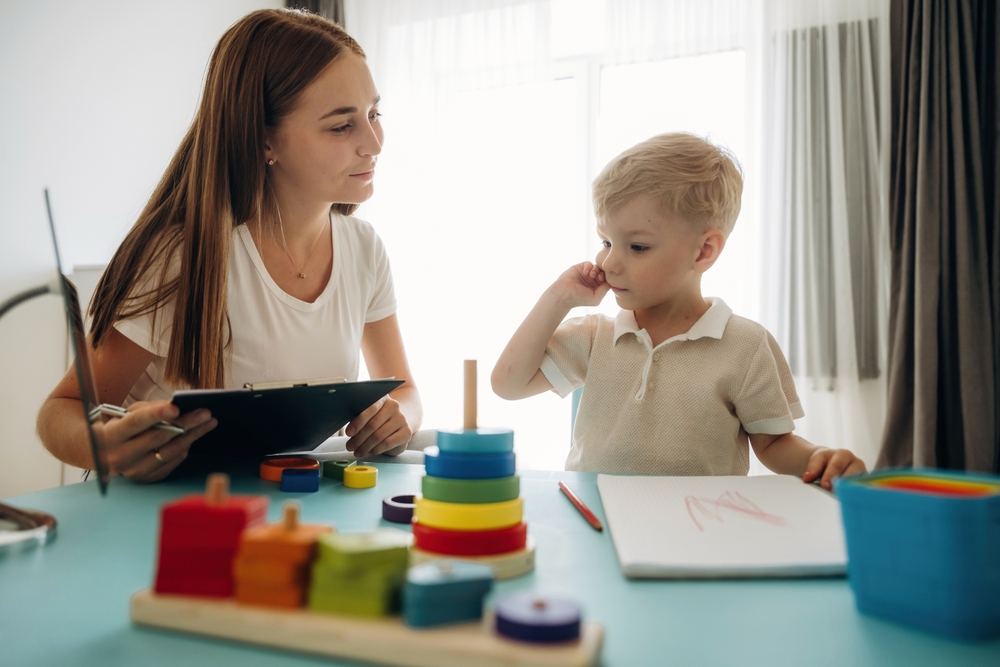
Parents across the country are sounding the alarm: getting a child into speech therapy is taking longer than ever. What used to be a few weeks’ wait has stretched into months—and in some cases, close to a year. For families concerned about developmental milestones, these delays can feel overwhelming and even frightening. The growing speech therapy waitlists are not just an inconvenience; they represent a deeper strain on the healthcare and education systems. Understanding why this is happening can help parents take smarter, more proactive steps.

A Surge in Demand for Pediatric Speech Services

One of the biggest drivers behind growing speech therapy waitlists is a sharp increase in demand. Since the pandemic, pediatric specialists have reported a noticeable rise in speech and language delays, particularly among toddlers and preschool-aged children. Many experts link this to reduced social interaction during critical developmental years, when children typically learn communication through play and group settings. According to data from private therapy networks and healthcare providers, referrals for speech evaluations have increased significantly since 2021. This surge has outpaced the system’s capacity, creating bottlenecks that continue to widen.

A Nationwide Shortage of Licensed Speech-Language Pathologists

At the same time demand is rising, the supply of qualified professionals is not keeping up. Speech-language pathologists (SLPs) require advanced degrees, clinical hours, and certification, making the pipeline into the profession both rigorous and time-consuming. Many school districts and clinics report open positions that remain unfilled for months due to a limited pool of candidates. Burnout has also become a factor, with some clinicians leaving the field or reducing their caseloads after the pandemic. In rural and underserved areas, the shortage is even more pronounced, leaving families with few or no nearby options. This imbalance between supply and demand is a central reason speech therapy waitlists continue to grow nationwide.

Insurance Barriers and Administrative Delays

Even when providers are available, insurance hurdles can slow down access to care. Parents often face delays related to referrals, prior authorizations, and coverage limitations before therapy can even begin. Some plans restrict the number of sessions or require extensive documentation to prove medical necessity, adding another layer of waiting. In real-life scenarios, families report spending weeks navigating paperwork before securing an appointment. These administrative barriers not only delay treatment but can also discourage families from pursuing services altogether. As a result, children who need early intervention may miss critical windows for development.

School System Backlogs and Limited Resources

Public schools play a major role in delivering speech therapy services, especially for children under special education programs. However, many districts are struggling with overwhelming caseloads and limited budgets. Speech-language pathologists in schools often manage dozens of students at once, reducing the frequency and intensity of sessions each child receives. Evaluations for Individualized Education Programs (IEPs) can also be delayed due to staffing shortages and scheduling constraints. Parents frequently report waiting months just for an initial assessment through the school system. These systemic challenges contribute significantly to the growing speech therapy waitlists seen across the country.

The Rise of Teletherapy: A Partial Solution

Teletherapy has emerged as a promising way to address access issues, but it is not a complete fix. Virtual sessions can expand reach, especially for families in remote areas, and reduce travel time for busy parents. Many providers now offer online speech therapy, which has helped shorten wait times in certain regions. However, not all children benefit equally from virtual care, particularly younger kids who require hands-on engagement. Technology barriers, such as unreliable internet or lack of devices, can also limit participation. While teletherapy is a valuable tool, it cannot fully replace in-person services or eliminate speech therapy waitlists entirely.

What Parents Can Do While Waiting

Facing long speech therapy waitlists can feel discouraging, but there are practical steps parents can take in the meantime. Engaging in daily conversations, reading aloud, and encouraging interactive play can support language development at home. Many speech therapists recommend simple strategies like modeling correct pronunciation and expanding on a child’s words during conversation. Parents can also explore early intervention programs, community clinics, or university training programs that may offer shorter wait times. Staying proactive and informed can make a meaningful difference while waiting for formal therapy. Most importantly, trusting your instincts and advocating for your child remains essential.

Beyond the Wait: What This Means for Families Moving Forward

The rise in speech therapy waitlists highlights a critical gap in pediatric healthcare that cannot be ignored. Delays in treatment can have long-term impacts on academic performance, social skills, and confidence, making early access more important than ever. Addressing this issue will require coordinated efforts from healthcare providers, educators, insurers, and policymakers. In the meantime, parents must navigate these challenges with resilience and resourcefulness. By understanding the causes behind the delays, families can make more informed decisions and seek alternative solutions. The path forward may not be easy, but awareness is the first step toward change.

What has your experience been with speech therapy waitlists, and what strategies have helped your family cope during the delay? Share your thoughts in the comments—your insight could help another parent facing the same challenge.

What to Read Next

6 Early Signs of Developmental Delays Parents Are Being Told Not to Ignore

Early Intervention Alert: Why Many Children With Developmental Delays Still Aren’t Getting Help Early Enough

Screen Time Isn’t Causing Autism — But It Can Cause Autism-Like Delays

Evan Morgan

Evan Morgan has been a full-time freelance writer and editor for 10+ years. When not working, he enjoys catching the latest true crime documentary or getting lost in a good book.


Filed Under: Parenting Tagged With: child development, parenting advice, pediatric speech delay, speech therapy shortage, speech therapy waitlists

Parents Confess the Baby Gear They’d Never Buy Again

April 13, 2026 | Leave a Comment

Baby
Image Source: Pexels

Bringing home a new baby often comes with a long shopping list filled with must-have gear, but not every purchase lives up to the hype. Many parents quickly discover that some items gather dust, while others simply don’t justify their price tag. From bulky gadgets to overly complicated contraptions, these regrets are surprisingly common. Learning from other parents’ experiences can save you both money and frustration. Here are some of the most commonly regretted baby gear purchases—and what to consider instead.

Bulky Travel Systems That Are Hard to Maneuver

Many parents admit they were drawn to travel systems because they promise convenience in one package. However, once used in real life, these systems can feel heavy, awkward, and difficult to fold. Navigating tight spaces like stores or sidewalks often becomes more stressful than helpful. Parents also find that babies outgrow the infant car seat component faster than expected. A lightweight stroller paired with a separate car seat often ends up being a more practical and flexible solution.

Fancy Bottle Warmers That Take Too Long

Bottle warmers sound like a lifesaver, especially during late-night feedings when time feels critical. In reality, many parents say these devices are slow and inconsistent, which can lead to frustrated babies. Some models are also difficult to clean, adding unnecessary hassle to an already busy routine. Many parents report switching to simpler methods like warm water baths. In hindsight, they wish they had skipped the extra gadget altogether.

Wipe Warmers That Dry Out Wipes

At first glance, wipe warmers seem like a thoughtful way to keep babies comfortable during diaper changes. However, many parents quickly notice that wipes tend to dry out faster inside these devices. Constant refilling and maintenance become more of a chore than a benefit. Babies also adapt quickly to room-temperature wipes, making the warmer less necessary. For most families, this purchase ends up feeling more like a luxury than a necessity.

Too Many Newborn Clothes in Tiny Sizes

It’s easy to get carried away buying adorable newborn outfits, especially before the baby arrives. Unfortunately, babies grow incredibly fast, sometimes skipping sizes altogether. Many parents find that their baby only wears certain outfits once—or not at all. Laundry cycles also make it possible to rotate a smaller wardrobe efficiently. Investing in fewer, versatile pieces often proves to be the smarter choice.

Expensive Baby Shoes Before Walking

Tiny baby shoes may look cute, but they serve little practical purpose before a baby starts walking. Parents often realize that socks or booties are more comfortable and easier to manage. Shoes can be difficult to put on and tend to fall off frequently. Many babies also dislike wearing them, leading to unnecessary fuss. Waiting until your child is ready to walk ensures you get real value from your purchase.

High-Tech Baby Monitors With Too Many Features

Advanced baby monitors with apps, tracking tools, and extra sensors can seem reassuring at first. However, parents often find themselves overwhelmed by constant notifications and unnecessary data. Some features create anxiety rather than peace of mind, especially when readings are inconsistent. Simpler audio or video monitors often provide everything parents actually need. In many cases, less technology leads to a calmer parenting experience.

Oversized Diaper Bags That Become Cluttered

Large diaper bags promise to hold everything you might need for your baby. In practice, they often encourage overpacking, making them heavy and difficult to carry. Parents frequently mention digging through clutter just to find essentials. Over time, many switch to smaller, more organized bags. A streamlined approach helps keep outings simple and stress-free.

Baby Food Makers That Are Rarely Used

Baby food makers appeal to parents who want to prepare fresh meals at home. While the idea is appealing, many find the process time-consuming and unnecessary. Store-bought options or simple mashing techniques often work just as well. Cleaning these machines can also be tedious, adding to the frustration. For many families, this gadget ends up sitting unused in the kitchen.

Crib Bumpers That Aren’t Recommended

Crib bumpers were once popular for their aesthetic and perceived safety benefits. However, many parents later learn that they are not recommended due to safety concerns. This realization often leads to regret over spending money on something they won’t use. Modern guidelines emphasize a clear crib with minimal items. Following these recommendations helps ensure a safer sleep environment for babies.

Too Many Baby Gadgets That Promise Convenience

From automatic rockers to specialized sleep devices, the market is filled with products promising to make parenting easier. Parents often find that not all gadgets deliver on these promises. Some items are used briefly before being replaced or abandoned. Simplicity often proves more effective than relying on multiple devices. Focusing on essentials can save both money and space in the long run.

Buy Smart, Not Just Popular

Parenting doesn’t come with a manual, and it’s natural to rely on recommendations when preparing for a baby. However, real-life experiences often reveal that less is more when it comes to baby gear. Prioritizing practicality, ease of use, and long-term value can help you avoid common regrets. Listening to other parents’ honest feedback can guide smarter purchasing decisions. In the end, the best choices are the ones that truly fit your lifestyle and your baby’s needs.

What’s one baby item you bought that you wish you had skipped—and what would you recommend instead? Share your experience in the comments and help other parents make smarter choices!

What to Read Next

3 Times Kids Asked Questions That Exposed Their Parents’ Bank Accounts

12 Things Kids Took to School in the ’70s That Would Never Be Allowed Today

Still Using These Kids’ Toothpastes? 5 Ingredients Experts Say to Watch Closely

Evan Morgan

Evan Morgan has been a full-time freelance writer and editor for 10+ years. When not working, he enjoys catching the latest true crime documentary or getting lost in a good book.

Filed Under: Parenting Tagged With: baby essentials, Baby Gear, baby products, baby registry, new parents, parenting advice, parenting tips

Why “Helicopter Parenting” is Officially Out Among 2026 Millennial Moms

April 12, 2026 | Leave a Comment

Mom And Daughter
Image Source: Pexels

Parenting trends are always evolving, but 2026 feels like a turning point. Millennial moms, once associated with intensive, hands-on parenting styles, are now actively stepping away from the “helicopter” approach. Instead of hovering, they’re choosing trust, independence, and emotional resilience for their kids. This shift isn’t about caring less—it’s about parenting smarter and more intentionally. So, what’s driving this change, and what does it look like in everyday life?

The Burnout Breaking Point

Millennial moms are redefining parenting after years of trying to do it all perfectly. Many have realized that constantly monitoring every aspect of their child’s life leads to exhaustion, anxiety, and even resentment. The pressure to be everywhere, know everything, and fix every problem simply isn’t sustainable. In 2026, more moms are openly acknowledging that burnout doesn’t just affect them—it affects their kids too. As a result, stepping back has become an act of self-care and better parenting.

Kids Need Independence to Thrive

There’s a growing understanding that children benefit from making their own decisions. Millennial moms are embracing the idea that small failures help kids build confidence and resilience over time. Instead of rushing in to solve problems, they’re allowing their children to navigate challenges independently. This doesn’t mean abandoning support—it means offering guidance without control. In the long run, kids raised this way tend to develop stronger problem-solving skills and emotional intelligence.

Social Media Has Changed the Narrative

Ironically, social media played a role in both fueling and dismantling helicopter parenting. While platforms once promoted unrealistic standards of “perfect parenting,” they’re now full of honest conversations about its downsides. Millennial moms are sharing stories of stress, over-scheduling, and the pressure to perform. This transparency has helped normalize a more relaxed, balanced approach to raising kids. In 2026, authenticity is valued far more than perfection.

Mental Health Is a Top Priority

Mental health awareness has skyrocketed, and parenting styles are evolving alongside it. Millennial moms are prioritizing not just their children’s emotional well-being, but their own as well. They understand that constant hovering can increase anxiety in kids rather than reduce it. By giving children space, they’re helping them develop coping mechanisms and emotional resilience. This shift reflects a deeper understanding that healthy boundaries benefit the entire family.

The Rise of “Lighthouse Parenting”

Instead of hovering like helicopters, many moms are embracing what’s called “lighthouse parenting.” This approach focuses on being a steady, reliable presence while allowing kids to explore and learn independently. Like a lighthouse, parents provide guidance and safety without controlling every move. This method encourages trust, communication, and mutual respect between parent and child. It’s a balanced approach that feels more sustainable in today’s fast-paced world.

More Real Life

Millennial moms are also pulling back from the culture of over-scheduling kids’ lives. Packed calendars filled with extracurriculars and constant activities are being replaced with free time and unstructured play. Parents are realizing that boredom can actually spark creativity and self-discovery. By slowing down, families are finding more opportunities to connect naturally. This shift is helping kids develop independence while also reducing stress for everyone involved.

Trusting Kids—and Themselves

Perhaps the biggest change is a shift in mindset: trust. Millennial moms are learning to trust their children’s abilities and instincts more than ever before. At the same time, they’re trusting themselves to know when to step in and when to step back. This confidence comes from experience, research, and a desire to break cycles of overcontrol. In 2026, parenting is less about perfection and more about connection. That trust is becoming the foundation for stronger, healthier relationships.

A Healthier Way Forward

The move away from helicopter parenting isn’t about doing less—it’s about doing what matters most. Millennial moms are choosing connection over control, resilience over perfection, and balance over burnout. This shift is creating a healthier environment for both parents and children to thrive. By allowing kids more independence, families are building stronger foundations for the future. And perhaps most importantly, parenting is starting to feel more human again.

What do you think about this shift in parenting styles? Have you noticed yourself stepping back more—or are you still figuring it out? Share your thoughts in the comments below—we’d love to hear your perspective!

What to Read Next

7 Surprising Parenting Methods That Are Outperforming Old-School Rules

Why Buy Nothing Is the Ultimate Parenting Power Move This Year

‘Gentle Parenting’ Fades in 2026 — The Trend Replacing It

Evan Morgan

Evan Morgan has been a full-time freelance writer and editor for 10+ years. When not working, he enjoys catching the latest true crime documentary or getting lost in a good book.

Filed Under: Parenting Tagged With: child development, helicopter parenting, lighthouse parenting, millennial moms, modern parenting, parenting advice, parenting trends

Pediatricians Warn: The “White Noise” Habit That Is Quietly Damaging Infant Hearing

April 5, 2026 | Leave a Comment

Sleeping Baby
Image Source: Pexels

White noise has become a go-to solution for exhausted parents trying to help their babies sleep longer and more soundly. From sleek sound machines to smartphone apps, the promise of better rest is incredibly appealing during those early months. But pediatricians are beginning to raise concerns about how this seemingly harmless habit may be affecting infant hearing over time. While white noise can be useful, misuse or overuse may carry risks that many parents simply aren’t aware of. Understanding those risks—and how to use white noise safely—can make a meaningful difference in your child’s development.

Why White Noise Became So Popular Among Parents

White noise mimics the constant whooshing sounds babies hear in the womb, which can be soothing and familiar to newborns. Many parents find that it helps babies fall asleep faster and stay asleep longer, especially in noisy households. It can also mask sudden sounds like barking dogs or slamming doors that might otherwise wake a sleeping infant. Because of these benefits, white noise machines have quickly become a staple in nurseries around the world. However, popularity doesn’t always equal safety, especially when guidelines aren’t clearly understood or followed.

The Hidden Risks of Continuous Noise Exposure

One of the main concerns pediatricians highlight is prolonged exposure to high decibel levels. Some white noise machines can reach volumes comparable to a running vacuum cleaner, which is far louder than most parents realize. Infants have delicate, developing auditory systems that are particularly vulnerable to sustained noise exposure. Over time, this can potentially lead to subtle hearing damage or delayed auditory processing. The issue becomes more concerning when devices are left running all night at high volumes, creating a constant stream of sound with no breaks.

How Volume and Distance Make a Big Difference

Not all white noise use is harmful, and much depends on how the device is used. Experts recommend keeping sound levels below 50 decibels, which is roughly the volume of a quiet conversation. Placement also matters, as devices placed too close to a crib can significantly increase the intensity of sound reaching a baby’s ears. Ideally, the machine should be positioned several feet away from the sleeping area to reduce direct exposure. Small adjustments like lowering the volume and increasing the distance can dramatically reduce potential risks.

Signs Your Baby May Be Affected

It’s not always easy to recognize early signs of hearing issues in infants, but there are subtle clues to watch for. A baby who doesn’t startle at loud noises or fails to respond to familiar voices may need further evaluation. Delays in babbling or vocal experimentation can also signal potential concerns. While these signs don’t always point directly to white noise exposure, they are worth discussing with a pediatrician. Early detection is crucial, as addressing hearing issues sooner rather than later can significantly improve outcomes.

Safer Alternatives and Smart Usage Tips

Parents don’t have to abandon white noise altogether, but using it more thoughtfully can make a big difference. Consider using timers so the sound turns off after your baby falls asleep rather than playing continuously. You might also explore gentler alternatives like soft lullabies or ambient nature sounds played at low volumes. Creating a consistent bedtime routine can help babies associate sleep with calming cues beyond just sound. Over time, this reduces reliance on white noise and supports more natural sleep habits.

Finding the Right Balance for Healthy Sleep

White noise can be a helpful tool, but like many parenting aids, it works best when used with care and awareness. Pediatricians aren’t calling for a complete ban but rather encouraging parents to be mindful of volume, duration, and placement. By making small adjustments, you can continue to support your baby’s sleep without putting their hearing at risk. As more research emerges, staying informed will help you make the best choices for your child’s well-being. After all, healthy sleep should never come at the cost of healthy development.

Have you been using white noise for your baby, and did any of these insights surprise you? What changes, if any, will you make to your baby’s sleep routine after reading this? Share your experience or questions in the comments—we’d love to hear how you’re navigating sleep routines at home.

What to Read Next

5 Baby Products Pediatricians Warn Parents to Stop Using Early

12 Household Sounds That Are Affecting Your Child’s Sleep

8 Must-Have Baby Gadgets That Pediatricians Say Delay Development

Evan Morgan

Evan Morgan has been a full-time freelance writer and editor for 10+ years. When not working, he enjoys catching the latest true crime documentary or getting lost in a good book.

Filed Under: Parenting Tagged With: baby safety, baby sleep tips, infant hearing, Newborn Care, parenting advice, sleep training, white noise

The ADHD Medication Rule Doctors Are Breaking for Preschoolers — and Why It Matters

April 2, 2026 | Leave a Comment

ADHD medication rule
Image source: shutterstock.com

Medical guidelines are supposed to act as a shield for our most vulnerable citizens. You trust your pediatrician to follow established protocols when your toddler struggles with focus or hyperactivity. Yet, a quiet shift is happening in exam rooms across the country that bypasses standard safety recommendations. The ADHD medication rule for preschoolers exists to ensure that behavioral therapy is tried before powerful stimulants are introduced. Ignoring this sequence places developing brains at risk for long-term changes we do not fully understand yet. You deserve to know why the system is rushing your child toward a pharmaceutical solution.

Shortcuts in Pediatric Care

Insurance companies frequently prioritize the lowest-cost intervention over the most effective one. A single prescription is significantly cheaper for a provider than months of family coaching sessions. This financial incentive creates a system where the ADHD medication rule is seen as a suggestion rather than a requirement. You are caught in the middle of a struggle between corporate profits and clinical best practices. Furthermore, the lack of specialized child psychologists makes therapy inaccessible for many rural or low-income families. Medication becomes the only tool left in an exhausted doctor’s belt.

This reliance on quick fixes ignores the underlying needs of a developing child. When a physician reaches for a prescription pad within minutes of a consultation, they are often skipping the diagnostic nuance required for such a young age. Preschoolers naturally exhibit high energy and short attention spans as part of their typical growth. Labeling these behaviors as a disorder without exhaustive observation can lead to a lifetime of unnecessary medicalization. You must be the primary gatekeeper for your child when the medical system prioritizes efficiency over personalized care.

Long-Term Brain Development Risks

The preschool years represent a period of explosive neurological growth and pruning. Introducing synthetic stimulants during this window can alter how neurotransmitters naturally calibrate. Research on the long-term effects of early stimulant use remains alarmingly sparse and inconclusive. Therefore, the rush to medicate is essentially an uncontrolled experiment on a massive scale. Parents must demand a more cautious approach that respects the biological complexity of early childhood. Protecting the brain’s natural architecture should be the primary goal of any intervention plan.

Stimulants work by increasing the levels of dopamine and norepinephrine in the brain. While this can provide a temporary calm, we do not know how this artificial surge affects the brain’s ability to produce these chemicals on its own later in life. There are also concerns regarding physical growth suppression and cardiovascular strain in very young children. These physical risks are often downplayed in favor of behavioral compliance in the classroom. Your child is not a problem to be solved with a pill, but a person with a sensitive biological system that requires protection.

Advocating for Therapy First

True success for a child with ADHD comes from building functional skills and environmental supports. Behavioral therapy empowers parents with tools to manage outbursts and improve focus without side effects. These techniques provide a foundation that lasts a lifetime, regardless of future medication needs. You have the right to insist on these services before consenting to a drug regimen. Challenging the status quo ensures your child receives the comprehensive care they actually need.

Therapy involves more than just the child; it requires a shift in how the entire household functions to support a neurodivergent mind. This process takes time, patience, and resources that many modern systems are unwilling to provide. However, the benefits of parent training in behavior management are well-documented and far more sustainable than a daily dose of medication. By choosing this path, you are investing in your child’s ability to self-regulate and navigate the world using their own internal tools.

Choosing Long-Term Health Over Quick Fixes

The decision to medicate a preschooler should never be made under duress or out of convenience. You are the expert on your child’s daily life and their most important advocate in the doctor’s office. Reclaiming the priority of behavioral therapy is a vital step in ensuring your child’s long-term mental and physical well-being. Before you fill a prescription, take the time to review the CDC’s treatment recommendations for young children and explore this guide to evidence-based behavioral programs to see which specialized training might be right for your family.

Your vigilance ensures that your child is treated as a person rather than a diagnosis. Investing in these non-pharmaceutical systems pays dividends in your family’s happiness and your child’s future autonomy. Have you ever felt pressured by a school or doctor to medicate your child before trying other options? Please leave a comment and let me know your thoughts.

What To Read Next…

  • 7 Things Your Child’s Teacher is Legally Required to Report to the State
  • 7 Things Parents With ADHD Kids Say Schools Still Don’t Understand
  • Are We Over‑Diagnosing Kids With ADHD Just to Keep Them in Line?
Latrice Perez

Latrice is a dedicated professional with a rich background in social work, complemented by an Associate Degree in the field. Her journey has been uniquely shaped by the rewarding experience of being a stay-at-home mom to her two children, aged 13 and 5. This role has not only been a testament to her commitment to family but has also provided her with invaluable life lessons and insights.  As a mother, Latrice has embraced the opportunity to educate her children on essential life skills, with a special focus on financial literacy.

Filed Under: Parenting Tagged With: ADHD, ADHD medication rule, drug safety, Mental Health, parenting advice, pediatric medicine, preschool health

7 Things Schools Say Parents Should Do Immediately If Bullying Starts

March 10, 2026 | Leave a Comment

5 Ways Bullying Apps Are Operating Without School Oversight
Image source: shutterstock.com

Discovering your child is a target at school often triggers a mix of intense anger and helplessness. You may feel a sudden urge to confront the principal or call the other parent immediately. These natural impulses can sometimes make a complex situation even more difficult to navigate. Schools typically follow a slow, bureaucratic process that feels dismissive when your child is currently suffering. Educators deal with these patterns daily and rely on a specific protocol for reaching a resolution. Learning the professional way to handle these reports helps transform an ignored complaint into a solved problem.

1. Document Every Single Incident

Start a private log of dates, times, and specific details as soon as you suspect a pattern. Schools rarely act on vague stories without a clear timeline of events to review. Include the names of any witnesses and save digital evidence if the behavior occurs online. This documentation serves as your primary evidence during any meeting with the administration. It moves your conversation from an emotional plea to a factual presentation that is difficult to dismiss. This log is the most powerful tool a parent possesses in a school setting. Using notifying the school templates can help you structure this information for the administration.

2. Review the School Code of Conduct

Every district provides a handbook that defines bullying and outlines specific disciplinary steps. Read this document to understand the exact language the school uses before you make your first phone call. Your concerns are more likely to be categorized correctly if you use their specific terminology. This helps you distinguish between unkindness and legal harassment according to their requirements. Being informed keeps you one step ahead during formal meetings and ensures your child’s rights remain protected. You can review national standards for partnerships to see how schools should ideally collaborate with you.

3. Schedule a Formal Meeting

Avoid trying to resolve the issue through quick hallway chats or casual emails to a teacher. Request a formal meeting with the teacher and a counselor or administrator to discuss the situation officially. This signals that you are serious and expect a documented plan of action from the staff. Stay focused on how the behavior impacts your child’s ability to learn during the discussion. Schools must provide a safe learning environment, so framing your concerns this way is highly effective. These meeting communication tips offer a guide on how to stay focused on your goals during the session.

4. Coach Your Child on Neutral Responses

Your child needs immediate tactical help while the school handles the administrative side of the conflict. Bullies often thrive on specific emotional reactions, so teaching neutral techniques can provide a mental shield. This involves responding with short, boring, and non-emotional phrases like “okay” or “whatever.” It does not stop the intent of the bully, but it makes the target less satisfying to bother. Ensure your child knows that reporting every new incident is a sign of strength rather than weakness.

5. Avoid Contacting the Other Parents

It feels tempting to reach out to the other child’s parents to settle things directly between adults. Educators strongly advise against this because it often escalates the conflict and creates new layers of drama. You cannot predict how another parent will react, and a negative encounter makes the school’s job harder. Let the school act as the mediator and the necessary barrier between the two families. This keeps the focus on the behavior of the children rather than a feud between parents. Many families find this the hardest rule to follow during a crisis.

6. Monitor Social Media and Gaming Platforms

Bullying rarely stops when the school bell rings because it often moves to apps where adults are not looking. Take screenshots of any disparaging comments or exclusionary behavior you find on digital platforms. Most schools now have policies covering off-campus behavior if it spills over into the school day. Keeping a close eye on their digital world provides a fuller picture of the pressure your child faces. It ensures you have a record of the hidden bullying that teachers never see in a physical classroom.

7. Prioritize Your Child’s Mental Health

The administrative battle is important, but the internal world of your child remains the top priority. Consider seeking an outside counselor who provides a safe space for them to process their feelings. Schools focus on safety and discipline but are not always equipped to handle deep emotional recovery. Providing professional support shows your child that you take their pain seriously and they are not alone. Empowering them with coping skills ensures the bully does not win in the long run. If you are unsure where to start, this guide to mental health specialists explains the different types of support available.

Navigating the school system requires a strategic mind and a great deal of patience. You are the strongest advocate for your child, and following these steps ensures their voice is heard. The system might feel like it is working against you, but using the right channels forces it to work. You are teaching your child how to handle injustice with dignity while stopping a bully. Have you ever had to advocate for your child in a difficult school situation? Think about what worked for you and leave a comment below to share your experience with other parents.

What to Read Next…

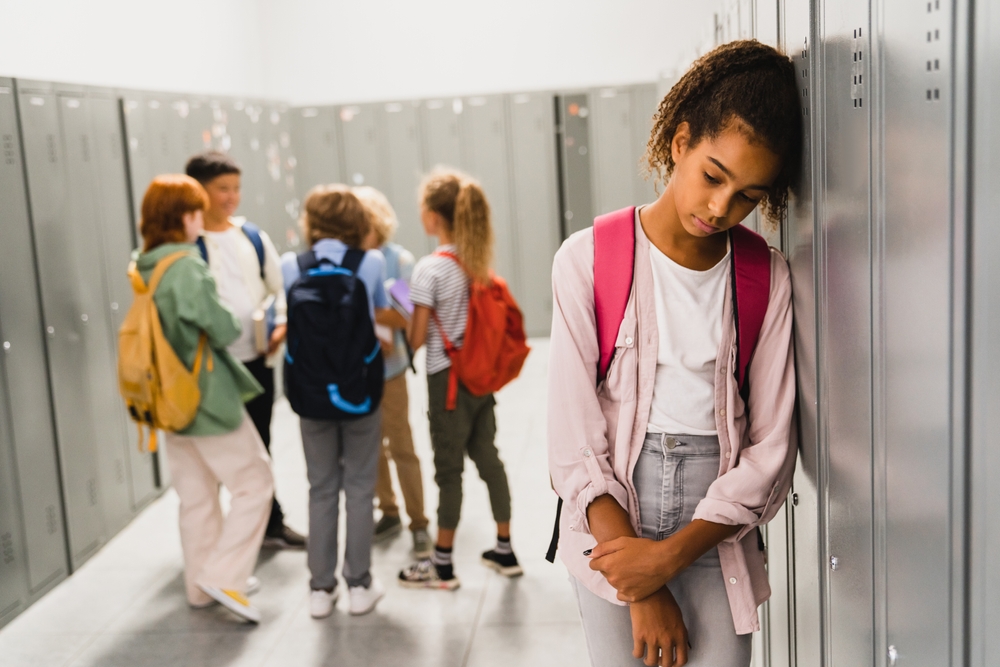
  • 8 Warning Signs a Child May Be Dealing With Bullying at School
  • 5 Ways Bullying Apps Are Operating Without School Oversight
  • 7 School Behaviors Teachers Say Are Getting Harder to Manage in 2026
Latrice Perez

Latrice is a dedicated professional with a rich background in social work, complemented by an Associate Degree in the field. Her journey has been uniquely shaped by the rewarding experience of being a stay-at-home mom to her two children, aged 13 and 5. This role has not only been a testament to her commitment to family but has also provided her with invaluable life lessons and insights.  As a mother, Latrice has embraced the opportunity to educate her children on essential life skills, with a special focus on financial literacy.

Filed Under: Bullying Tagged With: bullying prevention, child safety, education, Mental Health, parenting advice, school administration, school bullying

8 Warning Signs a Child May Be Dealing With Bullying at School

March 7, 2026 | Leave a Comment

dealing with bullying
Image source: shutterstock.com

Every morning, millions of parents drop their children off at school, trusting the system to keep them safe. However, for many kids, the hallways remain a battleground. Bullying in 2026 is no longer just about stolen lunch money or a shove on the playground; it has evolved into a 24/7 digital and psychological siege. Because tactics have changed, the warning signs are much more subtle and easy to miss if you only look for classic symptoms. Honestly, your child might suffer in silence because they fear the social hierarchy will turn against them if they speak up. We are going to look at five quiet red flags that indicate your child is struggling and why early intervention is the only way to protect their mental health.

1. The Sudden Disappearance of Personal Belongings

If your child constantly loses a favorite sweatshirt, expensive headphones, or their lunch box, it might not be simple forgetfulness. Bullying often starts with the testing of boundaries through the theft or destruction of property. A bully might force a child to give up their things or simply break them to exert power. Surprisingly, many children make up elaborate stories about how they lost items because they feel ashamed. If accidental losses become a pattern, it is time to look deeper than just a messy backpack. You can find more on identifying signs of school-based theft and bullying through federal resources.

2. Unexplained Physical Ailments on Sunday Nights

The “Sunday Scaries” are real for adults, but for a bullied child, they manifest as genuine physical illness. Frequent complaints of stomachaches, headaches, or extreme fatigue that disappear on Saturday morning are classic signs of school-related dread. This is the body’s physical response to the chronic stress of an unsafe environment. Here’s the truth: your child isn’t faking it to be lazy; their nervous system is literally sounding an alarm. When the thought of walking through school gates causes a physical reaction, the situation has progressed beyond normal peer conflict.

3. A Drastic Shift in Digital Behavior

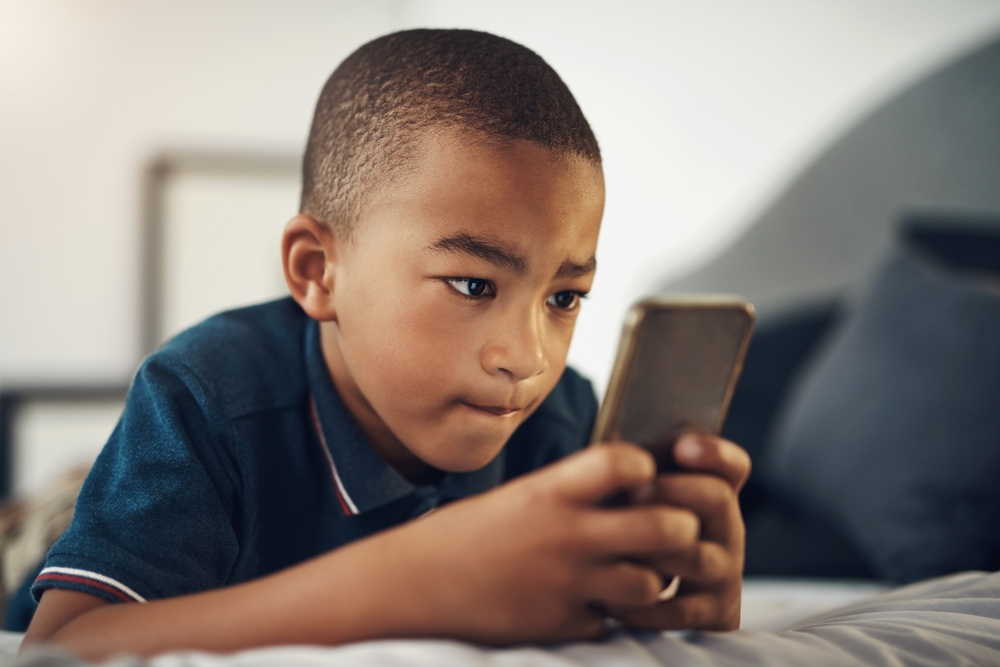
In 2026, cyberbullying is often the primary driver of schoolyard torment. Pay close attention to how your child reacts when they receive a digital notification. Do they suddenly look anxious, angry, or teary-eyed after checking their phone? Alternatively, have they suddenly stopped using an app they used to love? A child who abruptly deletes social media or hides their screen may be trying to manage a digital attack alone. On the other hand, becoming obsessively attached to the phone can be a sign they are trying to monitor what people say in real-time. Review the latest 2026 cyberbullying statistics and trends to see how digital harassment is evolving.

4. The “Ghosting” of Long-Time Friends

Social exclusion is one of the most painful forms of bullying, especially for pre-teens and teenagers. If a best friend of three years is suddenly never mentioned, or if your child stops getting invited to weekend hangouts, a social shift is likely happening. Bullies often work by isolating their target first, making them feel like no one is on their side. When a social circle vanishes overnight, it is rarely a mutual situation. It is usually a calculated move by an aggressor to leave your child standing alone. Experts at PACER’s National Bullying Prevention Center offer strategies for dealing with social isolation.

5. Changes in Sleep and Eating Patterns

When a child is under the constant threat of bullying, their basic biological rhythms are the first to break. You might notice them picking at their dinner or, conversely, coming home absolutely famished because they were too afraid to eat in the cafeteria. Sleep is another major indicator; frequent nightmares or difficulty falling asleep can signal that their mind is stuck in a loop of the day’s traumas. These are not just phases—they are the external markers of internal distress. If you see these signs, consulting mental health resources for bullied youth is a vital next step.

Taking the First Step Toward Healing

Recognizing these signs is the first part of the battle. Your child needs to know that home is a safe harbor where they won’t be judged for the actions of others. By opening a calm, non-confrontational dialogue, you allow them to break the cycle of silence. Have you noticed any of these shifts in your child recently? Leave a comment below so we can support each other through these tough conversations.

What To Read Next…

  • Mental Health for Kids: Why It’s the Biggest Parental Concern in 2025
  • 8 Once-Normal ’70s Kids Hobbies That Helicopter Parenting Quietly Killed
  • 5 Ways Bullying Apps Are Operating Without School Oversight
Latrice Perez

Latrice is a dedicated professional with a rich background in social work, complemented by an Associate Degree in the field. Her journey has been uniquely shaped by the rewarding experience of being a stay-at-home mom to her two children, aged 13 and 5. This role has not only been a testament to her commitment to family but has also provided her with invaluable life lessons and insights.  As a mother, Latrice has embraced the opportunity to educate her children on essential life skills, with a special focus on financial literacy.

Filed Under: Parenting Tagged With: bullying signs, child mental health, Cyberbullying, parenting advice, red flags for bullying, school harassment, school safety, social exclusion

Counselors Say This ‘Normal’ Social Habit Is Fueling Anxiety in Kids — And Parents Are Missing It

March 1, 2026 | Leave a Comment

Counselors This ‘Normal’ Digital Habit Drives Secret Anxiety in Kids
Image source: shutterstock.com

You see your child sitting on the sofa. They scroll through a phone and laugh at videos. You likely think they are simply decompressing after a long school day. In 2026, this looks like a normal social habit for any kid. However, school counselors now sound a desperate alarm about the reality behind that screen. This constant, passive consumption of peer lifestyles creates a quiet crisis of comparison. It fuels anxiety at historically high levels. The issue involves more than just time spent online. It centers on the emotional labor of measuring a real life against a curated, digital fantasy. You are about to discover why this normal habit breaks your child’s peace of mind.

The Comparison Trap of the Curated Life

The human brain never evolved to process the highlight reels of hundreds of people simultaneously. Counselors see children who suffer from emotional exhaustion. These kids constantly perform for an invisible audience. Even when they do not post, they observe. They judge their own messy bedrooms and lunches against the filtered versions they see online. This creates a comparison trap. Your child feels like they are failing simply because their reality lacks a ring light. What looks like relaxation actually functions as a high-stress cognitive task that never ends.

Surprisingly, this anxiety often manifests as physical symptoms. Watch for stomach aches, headaches, or a sudden drop in motivation. On the other hand, kids become masters at masking this distress. They hide their feelings to avoid losing their devices. They fear social disconnection more than the anxiety itself. Research from organizations like the American Academy of Pediatrics highlights how short-form video platforms accelerate these comparison cycles. This hidden system of social pressure operates 24/7 without an adult to moderate it.

The Erosion of True Mental Rest

True mental rest requires a complete break from social evaluation. Unfortunately, the habit of checking phones during every spare second eliminates that rest. Every time your child opens an app, they face a barrage of expectations. They see peers who already started college applications. They see friends on trips they missed. This digital influence prevents the brain from entering a restorative state. According to the Child Mind Institute, the brain needs downtime to process the day’s learning. Instead, the child remains in a state of emotional overload. Even minor setbacks then feel like catastrophic failures.

Counselors recommend that parents look for specific shifts in behavior. Healthy digital balance has likely vanished if your child becomes increasingly irritable after phone use. It is a major warning sign if they stop engaging in real-world hobbies. The solution requires more than just a digital detox. You must encourage an active re-engagement with analog activities. Sports, family meals, or clubs provide the authentic connection that screens cannot replicate. By creating phone-free zones, you give your child’s nervous system permission to power down and recover.

Reclaiming the Real World for Your Child

You serve as the primary gatekeeper of your child’s emotional environment. This means you must challenge what the world currently considers normal. By introducing specific guidelines and modeling healthy tech habits, you offer your child a way out of the anxiety loop. Do not feel guilty for setting boundaries that other parents ignore. You are protecting a critical stage of your child’s development. Aim to move from a life mediated through a screen to one experienced in person. You have the power to help your child thrive by making the real world safer and more interesting than the digital one.

Have you noticed your child’s mood change after they spend too much time on social media? Leave a comment below and share your strategies for helping them disconnect.

What to Read Next…

  • School Counselors Flag a Growing Social Trend Raising Anxiety in Kids Under 12
  • Child Psychologists Warn: 5 Purchases That Feed Kids Egos (Not Development)
  • 10 Modern Parenting Issues That Are Silently Stressing You Out
Latrice Perez

Latrice is a dedicated professional with a rich background in social work, complemented by an Associate Degree in the field. Her journey has been uniquely shaped by the rewarding experience of being a stay-at-home mom to her two children, aged 13 and 5. This role has not only been a testament to her commitment to family but has also provided her with invaluable life lessons and insights.  As a mother, Latrice has embraced the opportunity to educate her children on essential life skills, with a special focus on financial literacy.

Filed Under: Money and Finances Tagged With: child anxiety, digital balance, mental health 2026, parenting advice, parenting tips, school counselors, social media impact, teen anxiety

Child Psychologists Warn: 5 Purchases That Feed Kids’ Egos (Not Development)

February 25, 2026 | Leave a Comment

child psychologists
Image source: Shutterstock.com

We all want to give our children the world, especially when we feel the pressure of modern parenting. You see the polished rooms on social media and the latest gadgets in every backpack, and you wonder if your child is falling behind. It is easy to think that the next big purchase will be the one that finally builds their confidence. However, child psychologists are sounding the alarm on a growing trend of consumerism that does the exact opposite. You might be spending your hard-earned money on items that actually stunt emotional growth and inflate a fragile ego. Here is why your retail therapy for your kids might be backfiring.

1. The All-Access Smartphone

Handing a child a top-tier smartphone before they can manage their own laundry is a recipe for an ego disaster. These devices offer a world of instant gratification and digital validation that a developing brain cannot handle. On the other hand, the constant stream of likes and comments teaches them that their worth is tied to an audience. They stop looking inward for satisfaction and start performing for a screen. This purchase often replaces the boredom that is actually necessary for creativity and self-reflection.

2. High-End Designer Labels

Buying luxury clothing for a child who is still growing out of their shoes every six months sends a loud message. It tells them that status is something you wear rather than something you earn. Surprisingly, this often leads to a deep-seated insecurity once they are around peers they cannot outdress. They begin to view people through the lens of brand names rather than character. You are essentially paying to teach your child that they are only as valuable as the logo on their chest.

3. Unearned Performance Trophies

We want every child to feel like a winner, but filling a shelf with participation trophies can be incredibly damaging. Psychologists argue that these purchases devalue the concept of hard work and resilience. If a child receives the same reward for sitting on the bench as the one who practiced every day, they lose the drive to improve. This creates an ego that expects praise for simply showing up. In the real world, this translates to a lack of grit when things finally get difficult.

4. Over-the-Top Birthday Extravaganzas

The age of the four-figure toddler birthday party has arrived, and it is not doing our kids any favors. When we turn a simple milestone into a production that rivals a wedding, the child becomes the consumer of a spectacle rather than a participant in a community. They learn to expect life to be a series of grand events centered entirely on them. This inflates their sense of importance while simultaneously making ordinary days feel like a letdown. True development happens in the small, quiet moments, not under a rented spotlight.

5. The Infinite Toy Subscription

A constant influx of new toys prevents a child from ever forming a bond with what they already own. Subscription boxes that arrive like clockwork teach kids that novelty is the only cure for boredom. Instead of learning to use their imagination with a single block, they wait for the next plastic gadget to arrive. This cycle of consumption feeds a sense of entitlement and an inability to delay gratification. Honestly, it turns your home into a warehouse of forgotten items rather than a space for meaningful play.

Your child does not need more things to feel significant; they need more experiences that challenge their capabilities. Real confidence comes from overcoming obstacles, learning new skills, and contributing to the family. When we strip away the excess, we give them the space to discover who they are without the noise of material goods. It is a hard shift to make in a world that tells you to buy more, but your child’s future self will thank you for it. Focus on the tools for growth, not the toys for show. Have you noticed a difference in your child’s behavior after a big purchase? Leave a comment below and let’s talk about it.

What to Read Next…

  • Therapists Warn: The 5 Conversation Mistakes Making Your Child Withdraw
  • Is Overscheduling Causing Burnout in Young Children?
  • 8 Children’s Apps That Are Secretly Tracking More Than Location
Latrice Perez

Latrice is a dedicated professional with a rich background in social work, complemented by an Associate Degree in the field. Her journey has been uniquely shaped by the rewarding experience of being a stay-at-home mom to her two children, aged 13 and 5. This role has not only been a testament to her commitment to family but has also provided her with invaluable life lessons and insights.  As a mother, Latrice has embraced the opportunity to educate her children on essential life skills, with a special focus on financial literacy.

Filed Under: Parenting Tagged With: child development, Child Psychology, consumerism, ego, emotional growth, parenting advice, raising kids, smart spending

10 Items to Remove from Your Child’s Room According to FBI Experts

February 18, 2026 | Leave a Comment

Remove from Your Child’s Room
Image source: shutterstock.com

Your child’s bedroom should be the safest place in the world, a sanctuary where they can dream. Unfortunately, modern technology and clever marketing have introduced hidden risks into these private spaces. You aren’t being paranoid for worrying; you are being a protector in a world that targets the vulnerable. Experts in digital safety have identified specific objects that serve as gateways for predators. Here is the reveal of what needs to leave your child’s room right now to keep your family secure.

The Danger of Smart Speakers

Smart speakers feel like helpful digital assistants for playing music or setting alarms. Honestly, these devices are always listening and can be compromised by tech-savvy intruders. If a device has a microphone and an internet connection, it can be turned into a window into your home. FBI experts warn that these tools can accidentally record private conversations. Keeping these in common areas where adults are present is a much safer alternative.

Webcams and Built-in Cameras

Many children have laptops for schoolwork, but the cameras on these devices are major security flaws. A simple piece of malware can allow a remote user to activate the camera without the indicator light ever turning on. This gives a predator a live feed of your child’s most private moments. Surprisingly, even reputable apps can have vulnerabilities that expose these feeds. Use a physical camera cover or simply keep all internet-connected screens out of the bedroom entirely.

Internet-Connected Toys

The smart toy industry is booming, but many of these products have abysmal security standards. Toys that can talk to your child often store data on unsecured servers or use open Bluetooth connections. This allows someone outside your home to connect to the toy and speak directly to your child. It sounds like a horror movie, but it is a documented reality. If a toy requires a Wi-Fi password, it should stay in the living room under your direct supervision.

Hidden Compartment Furniture

While secret drawers seem like fun for storing toys, they can be a major safety hazard. FBI experts note that these compartments are often used by older children to hide items they know are prohibited. Moreover, these pieces of furniture are often less stable and can pose a tipping risk. In an emergency, first responders need to see what is in a room immediately. Simple, open storage is always better for maintaining a transparent environment.

Unsecured Smart Televisions

Modern TVs are essentially giant smartphones mounted on a wall. Most parents do not realize that these devices often have cameras and microphones for voice search. If you have not gone through the privacy settings to disable these features, your TV could be broadcasting. Furthermore, the web browsers on smart TVs often lack the robust parental controls found on computers. Removing the TV from the bedroom encourages better sleep and eliminates a massive digital blind spot.

Physical Hazards and Privacy Risks

The list does not end with electronics. FBI experts also suggest removing:

  • Plug-in air fresheners that can cause respiratory issues or fire hazards.
  • Large mirrors that are not properly anchored to the wall.
  • Bedding with long cords or heavy drapes that pose a strangulation risk.
  • Personal diaries that are not kept in a secure, private location.
  • Excessive stuffed animals that can collect dust and allergens.

Keeping a room minimalist is not just an aesthetic choice; it is a safety strategy.

Your Role As Gatekeeper

Protecting your child in 2026 requires a new kind of vigilance that our parents never had to consider. You are the only thing standing between your family and a system that prioritizes profit over privacy. By removing these high-risk items, you are closing the doors that predators use to gain access. Trust your instincts and take control of your home’s security today. Your peace of mind is worth more than any gadget or convenience.

Does your child have any of these items in their room right now? Leave a comment below and let us know which one you are removing first.

What to Read Next…

  • Therapists Warn: The 5 Conversation Mistakes Making Your Child Withdraw
  • Is Overscheduling Causing Burnout in Young Children?
  • What To Do When Your Child Doesn’t Like Their Teacher
Latrice Perez

Latrice is a dedicated professional with a rich background in social work, complemented by an Associate Degree in the field. Her journey has been uniquely shaped by the rewarding experience of being a stay-at-home mom to her two children, aged 13 and 5. This role has not only been a testament to her commitment to family but has also provided her with invaluable life lessons and insights.  As a mother, Latrice has embraced the opportunity to educate her children on essential life skills, with a special focus on financial literacy.

Filed Under: Money and Finances Tagged With: child safety, Cyber Security, digital privacy, FBI Tips, home security, parenting advice, Protect Your Kids

5 Cold Weather Baby Gear Items That Are Unsafe for Car Seats

February 9, 2026 | Leave a Comment

These Are 5 Cold Weather Baby Gear Items That Are Unsafe for Car Seats
Image Source: Shutterstock.com

Winter can make even the most seasoned parents second‑guess themselves. When temperatures drop, the instinct to bundle up your baby in the warmest, fluffiest gear you can find feels almost primal. But when it comes to car seats, that instinct can clash with safety in ways many caregivers don’t realize. Cold‑weather baby products are everywhere—marketed with adorable photos and promises of warmth—but not all of them are designed with crash dynamics in mind.

Below are five common winter baby gear items that may look cozy and convenient but can actually interfere with how a car seat protects your child. Once you know what to avoid, safer alternatives are easy to use and often more effective.

1. The Puffy Coat Problem: Why Bulk and Car Seats Don’t Mix

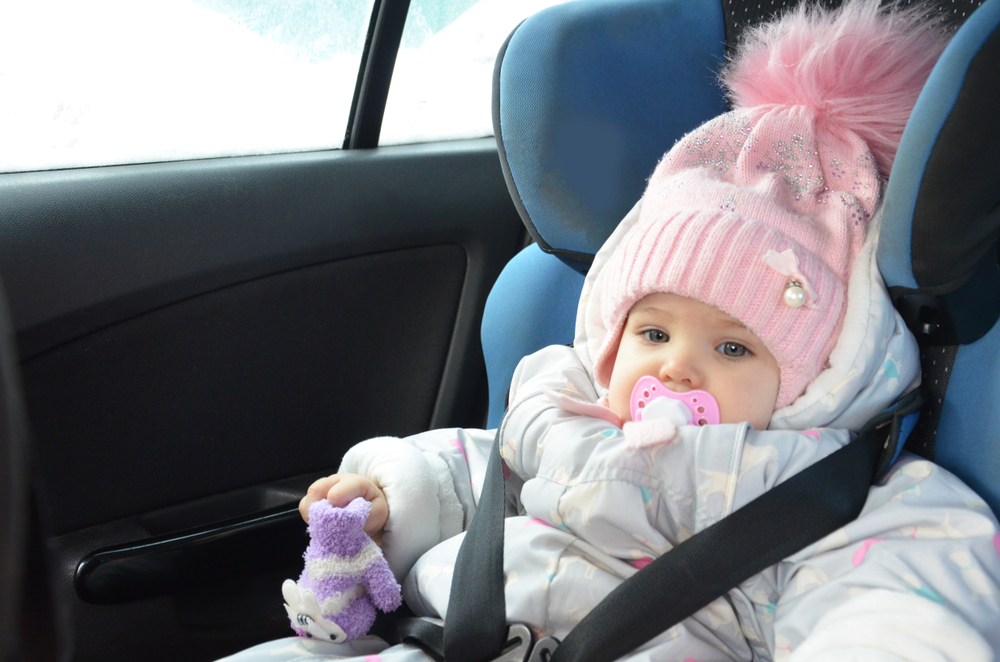
Puffy coats are practically a winter uniform, but they’re one of the biggest hazards when used in a car seat. The issue isn’t the warmth—they’re great for that—it’s the air trapped inside the insulation. That air compresses during a crash, leaving the harness suddenly far looser than it appeared moments before. Even a small amount of compression can create enough slack for a child to slip forward or out of the straps entirely, which is why safety experts consistently warn against using bulky coats in car seats.

Instead of relying on thick outerwear, dress your baby in thin, warm layers and secure the harness snugly against their body. Once they’re buckled in, you can place a blanket over the top of the straps. Or you can use a car seat poncho that goes over the harness. These alternatives keep your child warm without compromising the fit of the seat. Try buckling your child in with the coat on, then remove it and buckle them again without adjusting the straps. If the harness suddenly feels loose, that coat is a no‑go for the car.

These Are 5 Cold Weather Baby Gear Items That Are Unsafe for Car Seats
Image Source: Shutterstock.com

2. Aftermarket Car Seat Covers: Cozy Looks, Hidden Risks

Many parents are surprised to learn that some of the car seat covers sold in stores are not approved by car seat manufacturers. These aftermarket covers often slip between the baby and the seat or between the baby and the harness. This can interfere with how the seat performs in a crash. Because they haven’t been crash‑tested with your specific model, there’s no way to know how they’ll affect the seat’s ability to protect your child.

Look for a cover that is specifically designed to go over the top of the car seat like a shower cap, leaving the harness untouched. These types of covers don’t interfere with the seat’s safety features. And they can help block wind and cold air when you’re moving between the house and the car. There are many things to keep in mind when hunting for a car seat cover, but this is just one of them.

3. Sleeping Bag‑Style Inserts: Warmth at the Cost of Safety

Sleeping bag‑style inserts—those plush, zip‑up cocoons that fit inside the car seat—are undeniably adorable. They’re also undeniably unsafe when used in the car. These inserts add padding behind or around the baby, which can change how the harness fits and how the seat performs in a collision. Even small changes in harness positioning can have major consequences during impact.

If you love the idea of keeping your baby snug, use a warm blanket over the harness or pre‑warm the car with a remote starter or a few minutes of running the heater. You can also dress your baby in fleece layers, which provide warmth without adding bulk. The key is keeping anything soft, padded, or plush out from under or behind your child while they’re buckled in.

4. Strap Covers and Shoulder Pads: Cute but Compromising

Strap covers and shoulder pads are often marketed as comfort items, but most of them are not approved for use with car seats unless they came with the seat itself. These accessories can push the chest clip out of its proper position or create extra space between the harness and your child’s body. In a crash, that extra space can reduce the harness’s ability to keep your child secure.

If your baby seems uncomfortable, check that the harness is positioned correctly and that the straps are at the proper height. Sometimes a simple adjustment makes a big difference. If your car seat manual allows for manufacturer‑approved strap covers, use only those. Otherwise, skip the add‑ons and focus on proper fit.

5. Thick, Plush Head Supports: Soft Isn’t Always Safe

Those fluffy, pillow‑like head supports may look like they cradle your baby perfectly. But they can actually interfere with the car seat’s built‑in head protection. Many of these products add padding behind the baby’s head or neck. This can push their head forward into an unsafe position or alter how the seat absorbs impact forces. Because they aren’t crash‑tested with your specific seat, there’s no guarantee they’ll behave safely in an accident.

If your newborn needs additional support, use only the inserts that came with your car seat or those explicitly approved by the manufacturer. These are designed to work with the seat’s structure and won’t compromise its performance. As your baby grows, their head and neck control will improve naturally, making extra supports unnecessary.

The Warmth‑Without‑Risk Rule Every Parent Should Know

Winter travel with a baby doesn’t have to feel like a battle between warmth and safety. Once you know which products to avoid, it becomes much easier to choose gear that keeps your child comfortable without interfering with the car seat’s protective design. Think of it as a simple rule: nothing bulky, padded, or untested should ever go between your baby and the harness.

What winter car seat safety questions or experiences would you share with other parents? Safety is always most important for your child, so share your advice in the comments.

You May Also Like…

Are Parents Talking Enough About Emotional Safety at Home?

Virginia Baby Food Ban: 5 Specific Brands Just Prohibited Under New Safety Laws

Is Your Little One’s DIY Costume a Potential Safety Hazard?

Budget-Friendly Indoor Adventures for Kids When It’s Too Cold to Play Outside

Beyond The Recall: 6 Baby Gear Recalls You Missed Putting Your Child At Risk

Brandon Marcus
Brandon Marcus
Brandon Marcus is a writer who has been sharing the written word since a very young age. His interests include sports, history, pop culture, and so much more. When he isn’t writing, he spends his time jogging, drinking coffee, or attempting to read a long book he may never complete.

Filed Under: Baby Stuff Tagged With: baby products, baby safety, car seat safety, child passenger safety, cold weather gear, family travel, infant travel tips, parenting advice, winter hazards, winter parenting

Speech Therapists Beg: Throw Away These 5 “Talking” Toys (They Kill Conversation)

February 5, 2026 | Leave a Comment

Speech Therapists Beg: Throw Away These 5 “Talking” Toys (They Kill Conversation)
Image Source: Shutterstock.com

There’s a scary and unique panic that hits when you realize your child’s favorite toy might be doing the exact opposite of what you hoped. You bought it because it “teaches numbers,” “builds vocabulary,” or “encourages learning,” but instead it’s shouting pre‑recorded phrases louder than a carnival barker.

Meanwhile, your child is quietly pressing buttons, mesmerized, not saying a word. Speech therapists across the country have been sounding the alarm for years: many “talking” toys don’t actually help kids talk—they replace the very interactions children need to build real language skills.

The Button‑Pressing Trap: When Toys Talk At Kids Instead of With Them

Speech therapists often explain that language develops through back‑and‑forth interaction—what experts call “serve and return.” Kids say something, you respond, they respond back, and the cycle continues.

Talking toys break that cycle by dominating the conversation. They light up, sing, count, and narrate without leaving space for a child to participate. A toddler presses a button, the toy performs, and the child becomes a passive audience member instead of an active communicator. This pattern can reduce opportunities for kids to practice words, gestures, and social cues. It’s not that these toys are harmful; they simply don’t support the kind of rich, responsive interaction that builds strong language foundations.

1. The Overstimulating “Learning Tablet” That Does All the Talking

Many parents buy toy tablets thinking they’ll introduce letters, numbers, and early vocabulary. But speech therapists consistently point out that these toys often overwhelm kids with flashing lights, rapid‑fire songs, and nonstop chatter. When a toy cycles through the alphabet in three seconds flat, there’s no room for a child to imitate sounds or explore words at their own pace. Kids may tap the screen repeatedly just to trigger the next sound, turning learning into a passive, button‑mashing game.

Real language development thrives on slower, more meaningful interaction—something these toys rarely provide. If you want to support early literacy, simple board books and real conversations do far more than any talking tablet ever could.

2. The Singing Stuffed Animal That Leaves No Space for Conversation

Stuffed animals are usually great for pretend play, but the talking versions often hijack the experience. Instead of encouraging kids to create stories, ask questions, or narrate play, these toys launch into long songs or scripted phrases. A child hugs the toy, and suddenly it’s singing a full verse while the child just listens.

Speech therapists note that this reduces opportunities for imaginative language, which is crucial for vocabulary growth and storytelling skills. Kids learn far more from giving their stuffed animals voices, acting out scenarios, and inventing dialogue than from listening to a plush toy recite pre‑programmed lines.

3. The “Smart” Shape Sorter That Names Every Shape Before Your Child Can Try

Shape sorters are fantastic for problem‑solving and early language—until they start announcing every shape the moment a child touches it. When a toy says “Triangle! Triangle! Triangle!” before a child has a chance to explore, guess, or ask for help, it removes the opportunity for natural learning.

Speech therapists emphasize that kids benefit from trial and error, descriptive language, and gentle guidance from adults. A talking shape sorter often rushes the process, turning a thoughtful activity into a noisy guessing game. A silent shape sorter paired with your own narration supports far more meaningful language development.

Speech Therapists Beg: Throw Away These 5 “Talking” Toys (They Kill Conversation)
Image Source: Shutterstock.com

4. The Musical Activity Table That Turns Playtime Into a Concert

Activity tables are popular because they keep toddlers busy, but the talking, singing versions can dominate the entire room. These toys often blast songs, count numbers, and shout colors nonstop, leaving little room for a child to experiment with sounds or initiate communication. Speech therapists explain that when a toy fills every quiet moment with noise, kids don’t get the chance to practice babbling, labeling objects, or asking for help.

Quiet play is incredibly valuable for language development, and musical tables often drown out those opportunities. A simple table with blocks, cups, or stacking toys encourages far more interaction and creativity.

5. The Talking Cars and Trucks That Replace Imagination With Scripts

Vehicle toys are usually fantastic for pretend play, but the talking versions often limit creativity. Instead of encouraging kids to make engine noises, narrate adventures, or invent characters, these toys repeat the same phrases over and over. A child pushes the truck, and it shouts, “Let’s go to the construction site!”—leaving little room for the child to decide where the truck should go or what it should do.

Speech therapists love vehicle play because it naturally invites storytelling, sound imitation, and role‑playing. Talking vehicles, however, tend to shut down those opportunities by providing ready‑made scripts that kids simply listen to instead of creating their own.

What Speech Therapists Recommend Instead (It’s Surprisingly Simple)

The best toys for language development are often the quietest ones. Blocks, dolls, pretend food, cars, puppets, and simple puzzles encourage kids to talk, imagine, and problem‑solve. These toys leave space for conversation, which is the heart of language learning. Speech therapists also recommend narrating your child’s play, asking open‑ended questions, and modeling new words.

You don’t need expensive educational gadgets—just time, interaction, and toys that invite creativity. Even everyday household items like cups, spoons, cardboard boxes, and laundry baskets can spark rich language experiences.

Kids Learn to Talk From People, Not Toys

Talking toys aren’t villains—they’re just not teachers. Kids learn language through connection, imitation, and shared experiences. When toys take over the talking, kids lose opportunities to practice the skills that matter most. By choosing toys that encourage interaction and imagination, you give your child the best possible foundation for strong communication.

What talking toy drives you the craziest—or surprised you the most? Share your story for other parents in our comments section.

You May Also Like…

6 Innocent Parenting Habits That Lead to Big Therapy Bills Later

How To Use Governmental Resources for Inexpensive Speech Therapy for Kids

8 Must-Have Baby Gadgets That Pediatricians Say Delay Development

How Much Are You Really Paying for Developmental Toys?

Beyond The Toys: 8 Hidden Dangers In Your Child’s Toys

Brandon Marcus
Brandon Marcus
Brandon Marcus is a writer who has been sharing the written word since a very young age. His interests include sports, history, pop culture, and so much more. When he isn’t writing, he spends his time jogging, drinking coffee, or attempting to read a long book he may never complete.

Filed Under: Toys and Games Tagged With: child development, communication development, early childhood, educational toys, Language Skills, parenting advice, parenting tips, playtime tips, speech therapy, talking toys, toddler toys

« Previous Page
Next Page »
  • Facebook
  • Pinterest
  • RSS
  • Twitter

Basic Principles Of Good Parenting

Here some basic principles for good parenting:

  1. What You Do Matters: Your kids are watching you. So, be purposeful about what you want to accomplish.
  2. You Can’t be Too Loving: Don’t replace love with material possessions, lowered expectations or leniency.
  3. Be Involved Your Kids Life: Arrange your priorities to focus on what your kid’s needs. Be there mentally and physically.
  4. Adapt Your Parenting: Children grow quickly, so keep pace with your child’s development.
  5. Establish and Set Rules: The rules you set for children will establish the rules they set for themselves later.  Avoid harsh discipline and be consistent.
  6. Explain Your Decisions: What is obvious to you may not be evident to your child. They don’t have the experience you do.
  7. Be Respectful To Your Child: How you treat your child is how they will treat others.  Be polite, respectful and make an effort to pay attention.
Best Parenting Blogs

Most Popular

Baby

9 Unusual Baby Names That Sound Like They Belong to Future CEOs

Evan Morgan
Baby

10 Baby Names That Were Once Considered “Grandparent Names” but Feel Cool Again

Evan Morgan
Target Store

Choking Incident Prompts Recall of 49,000 Target Gigglescape “Under the Sea” Popping Toys

Evan Morgan
Frustrated Girl

Why Some Students on the Spectrum Are Labeled With ODD

Evan Morgan
Coke Bottles

12 Things Kids Took to School in the ’70s That Would Never Be Allowed Today

Evan Morgan

All content on Kids Ain’t Cheap is for entertainment purposes only. By reading this blog, you agree that Kids Ain’t Cheap is not responsible for any actions taken after reading this blog. For the full disclaimer, see our privacy policy.

Please note that Kids Ain’t Cheap has financial relationships with some of the merchants mentioned here. Kids Ain’t Cheap is funded by banner advertising, commission sales and search optimization consulting.

Copyright © 2006–2026 | District Media | All Rights Reserved | Privacy Policy

Copyright © 2026 Runway Pro Theme by Viva la Violette