• Home
  • About Us
  • Toolkit
  • Archives
  • Advertise
  • Privacy Policy

Kids Ain't Cheap

But They Sure Are Worth It

  • Parenting
    • Baby Stuff
    • Books and Reading
      • Aesops Fables
      • Comic Books
    • Education
    • Family Time
    • Green Living
    • Growing Up
    • Healthy Living & Eating
    • Holidays
    • Parenting
    • Random Musings
    • Shopping
    • Stuff to Do
  • Money
  • Product Reviews
    • Books and Magazines
    • Discount Sites
    • Furniture
    • House Keeping
    • Reviews News
    • Toys and Games
  • Contact Us
  • Our Editorial Commitment
  • Search

Boost Your Child’s Confidence Through Daily Affirmations

June 13, 2025 | Leave a Comment

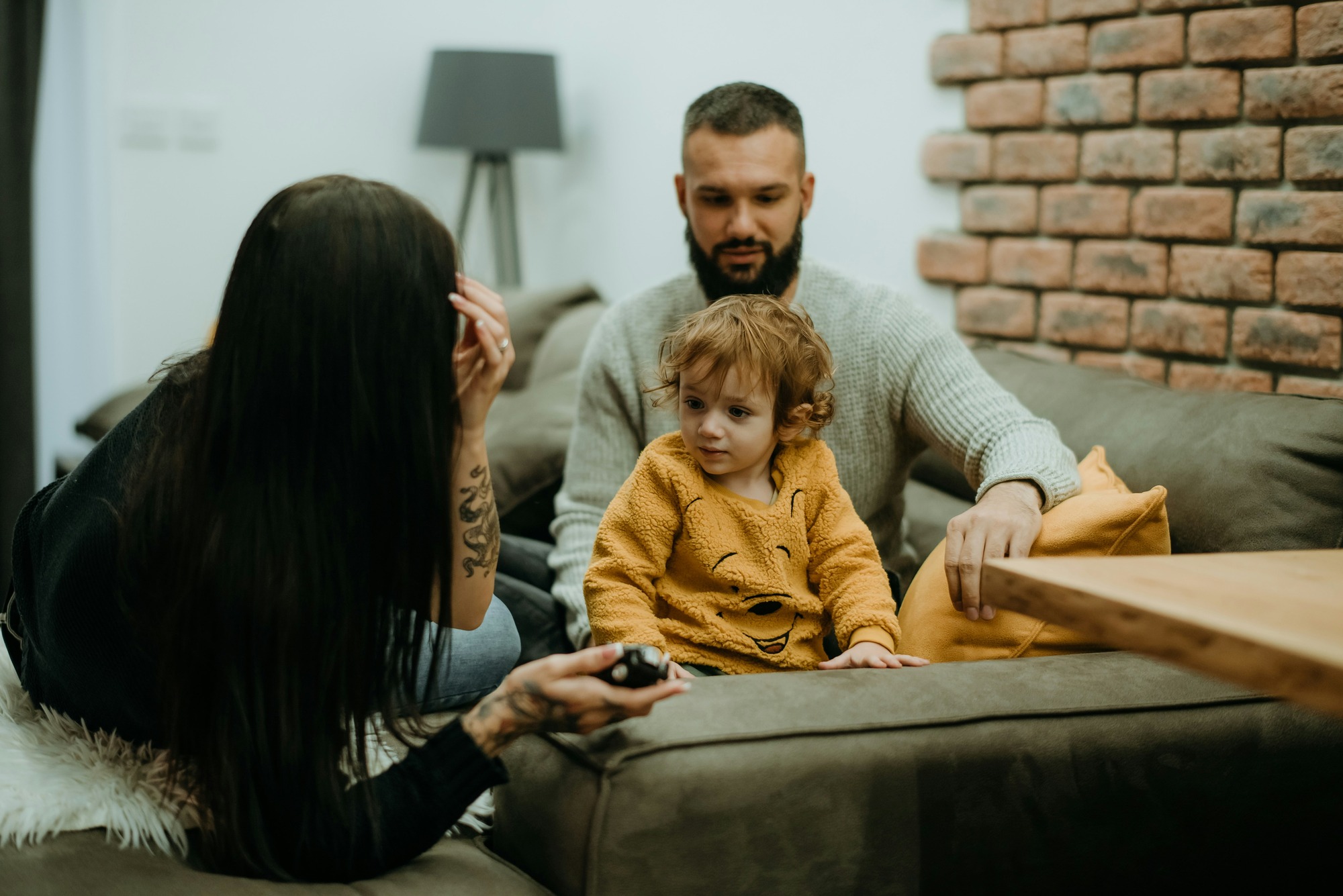
Boost Your Childs Confidence Through Daily Affirmations
Image Source: 123rf.com

Confidence doesn’t magically appear—it’s built slowly, one message at a time. And for kids, those messages often come from us as parents. If your child struggles with self-doubt or negative self-talk, daily affirmations can be a powerful way to turn things around. These simple, repeated statements can help kids feel stronger, more secure, and ready to face challenges with courage. With just a few minutes a day, you can plant seeds of self-worth that grow for a lifetime.

1. Why Daily Affirmations Work for Kids

Daily affirmations work because they help rewire how children see themselves. Just like adults, kids internalize the messages they hear the most—whether they’re positive or negative. Affirmations replace unhelpful thoughts with empowering ones like “I am kind,” “I can learn from mistakes,” or “I am loved.” When spoken consistently, they become part of a child’s inner voice. And over time, this internal positivity boosts self-esteem and emotional resilience.

2. Make Daily Affirmations Part of the Routine

Consistency is key when it comes to daily affirmations. Try weaving them into existing routines like brushing teeth, getting dressed, or driving to school. Say them out loud together or let your child repeat them while looking in the mirror. You can even write them on sticky notes for your child to read each morning. Making affirmations a natural part of the day makes them stick without feeling forced or awkward.

3. Let Your Child Choose Their Affirmations

Kids are more likely to engage with daily affirmations when they help create them. Ask your child what makes them feel proud, happy, or brave, and turn those ideas into simple statements. Giving them ownership helps affirmations feel personal and meaningful, not just another thing Mom or Dad says. Keep them short and age-appropriate—think “I try my best” or “I am a good friend.” When children hear their own voice saying something powerful, the impact is even stronger.

4. Reinforce Affirmations with Actions

Affirmations are most effective when they’re backed by real-life experiences. If your child says, “I am a good listener,” point it out when they really do listen well. Positive feedback helps connect the words to their actual behavior, making them feel authentic and earned. Over time, your child starts to believe in those qualities as true parts of themselves. Affirmations aren’t just words—they’re reminders of what kids are already capable of.

5. Adjust Affirmations to Match Their Needs

Not every affirmation will be a perfect fit all the time. As your child grows and faces different challenges, their daily affirmations should evolve too. A preschooler may need affirmations about bravery at bedtime, while a middle schooler might benefit from reminders that they are enough just as they are. Stay flexible and adjust based on what your child is feeling or going through. Personalizing affirmations shows your child that you’re tuned in to their emotional world.

6. Keep the Tone Uplifting, Not Pressure-Filled

The goal of daily affirmations is to build up—not pile on pressure. Phrases like “I must always be perfect” or “I never get things wrong” can backfire by creating unrealistic expectations. Focus on affirmations that promote effort, kindness, courage, and growth. Let your child know it’s okay to mess up and still be worthy of love and respect. Affirmations should feel like encouragement, not a checklist they’re afraid to fail.

Confidence That Lasts Beyond Childhood

When kids practice daily affirmations, they’re not just boosting their confidence for today—they’re shaping the foundation of their self-image for years to come. These small, positive messages help them handle setbacks, build strong relationships, and face challenges with grit. And the best part? You’re showing them how to be kind to themselves, even when life gets tough. Helping your child grow up with a strong inner voice may be one of the most powerful gifts you give. Start today, and watch their confidence flourish.

Do you use daily affirmations with your child? What’s their favorite one? Share your experience in the comments—we’d love to hear from you!

Read More:

Why Your Child’s Self-Esteem Depends on This One Thing

7 Crushing Comments That Can Wreck a Kid’s Confidence

Catherine Reed
Catherine Reed

Catherine is a tech-savvy writer who has focused on the personal finance space for more than eight years. She has a Bachelor’s in Information Technology and enjoys showcasing how tech can simplify everyday personal finance tasks like budgeting, spending tracking, and planning for the future. Additionally, she’s explored the ins and outs of the world of side hustles and loves to share what she’s learned along the way. When she’s not working, you can find her relaxing at home in the Pacific Northwest with her two cats or enjoying a cup of coffee at her neighborhood cafe.

Filed Under: Parenting Tagged With: child behavior, child confidence, daily affirmations, emotional development, kids self-esteem, mindful parenting, Parenting, parenting tips, Positive Parenting

9 Qualities That Say Your Child Is Being Raised Well

June 6, 2025 | Leave a Comment

9 Qualities That Say Your Child Is Being Raised Well

Every parent wonders at some point, “Am I doing this right?” While there’s no perfect blueprint for parenting, there are clear signs that you’re on the right track. The small, everyday moments often say more than big milestones or report cards. From kindness to resilience, the qualities kids develop early can reflect the care, guidance, and values they’re learning at home. If you notice these behaviors, chances are your child is being raised well—and you deserve to feel proud of that.

1. They Show Kindness Without Being Asked

When your child helps a classmate pick up spilled crayons or shares their snack with a friend who forgot theirs, that’s a meaningful sign. It means they’ve learned empathy, one of the most powerful indicators that your child is being raised well. True kindness isn’t just about saying “please” and “thank you” but choosing to be gentle, generous, and considerate when no one’s watching. These small, unscripted moments reflect the values you’ve modeled. Kids who lead with kindness grow into adults who make the world better.

2. They Can Apologize and Mean It

A genuine apology isn’t easy for most adults—so when a child can do it without being forced, it speaks volumes. Taking responsibility shows that your child is learning accountability and emotional intelligence. Whether they apologize to a sibling for being too rough or tell a friend they didn’t mean to hurt their feelings, it means they’re reflecting and growing. Being able to say “I’m sorry” is a strong sign your child is being raised well. It shows they understand the impact of their actions.

3. They Respect Boundaries (Theirs and Others’)

A child who can say “no” confidently and also respects when someone else says it back is learning something truly important. Healthy boundaries are crucial for emotional safety and future relationships. When your child is being raised well, they understand that personal space, consent, and communication matter. This may show up when they ask before borrowing a friend’s toy or speak up when they’re uncomfortable. These habits come from parents who teach that respect is a two-way street.

4. They Can Handle Disappointment (Most of the Time)

No child handles disappointment perfectly, but if your child can take a “no” without a full meltdown every time, that’s a major win. This shows they’re developing coping skills, resilience, and emotional control. Whether it’s losing a game or not getting the treat they wanted, managing frustration with grace is a sign your child is being raised well. It means you’re giving them the tools to face real-life challenges without crumbling. Emotional regulation isn’t perfect, but progress is powerful.

5. They Include Others

Pay attention to how your child treats kids outside their friend circle. Do they invite the quiet kid to play or stand up for someone being left out? Inclusion shows compassion, leadership, and confidence. When your child is being raised well, they know that being kind to everyone—not just their favorite people—is the right thing to do. These moments of inclusion don’t need to be big or loud; they just need to be consistent.

6. They Ask Good Questions

Curiosity is more than just wanting to know things—it’s a reflection of how a child feels safe, engaged, and respected. A child who’s encouraged to ask “why,” “how,” or “what if” is learning to think for themselves. If your child feels comfortable asking questions about the world, people, and even your rules, that’s a great sign your child is being raised well. It shows they trust you to listen and guide them instead of just shutting them down. Curiosity lays the groundwork for lifelong learning.

7. They Show Gratitude

You know you’re doing something right when your child thanks you for the little things without being prompted. Whether it’s saying thank you after dinner or writing a note to a teacher, gratitude reflects a deeper understanding of generosity and appreciation. Kids who regularly express thanks aren’t just being polite—they’re recognizing effort and value. Gratitude is a meaningful way to know your child is being raised well, especially in a world that often moves too fast to say thanks.

8. They’re Honest (Even When It’s Hard)

Lying is a normal part of development, but a child who chooses honesty even when it’s uncomfortable is learning integrity. If they admit to spilling the milk or breaking the remote instead of blaming the dog, they’re learning to own their actions. That honesty, even when it comes with consequences, signals that your child is being raised well. It means they trust you enough to tell the truth and believe that being honest matters more than getting away with something.

9. They’re Confident Without Being Arrogant

Confidence isn’t about bragging—it’s about self-assurance and believing in one’s ability to try, fail, and try again. If your child takes initiative, shares ideas, or isn’t afraid to speak up in class, that confidence likely started at home. It reflects a secure emotional foundation built on encouragement, listening, and love. When your child is being raised well, you’ll see pride without superiority. They don’t have to be perfect—they just have to believe they’re capable.

The Quiet Proof You’re Doing It Right

You won’t always get applause for the effort you put into parenting—but your child’s everyday choices say more than words ever could. These signs that your child is being raised well are your real-time proof that your lessons, values, and love are sticking. And while no parent gets it right 100% of the time, seeing these qualities shine through is a reminder that you’re raising someone truly special.

What qualities have made you feel proudest as a parent? Which signs tell you your child is growing into someone amazing? Share your thoughts in the comments!

Read More:

8 People You Should Want Your Kids to Look Up To

10 Signs Your Child Is Growing Up Faster Than You Realize

Catherine Reed
Catherine Reed

Catherine is a tech-savvy writer who has focused on the personal finance space for more than eight years. She has a Bachelor’s in Information Technology and enjoys showcasing how tech can simplify everyday personal finance tasks like budgeting, spending tracking, and planning for the future. Additionally, she’s explored the ins and outs of the world of side hustles and loves to share what she’s learned along the way. When she’s not working, you can find her relaxing at home in the Pacific Northwest with her two cats or enjoying a cup of coffee at her neighborhood cafe.

Filed Under: Parenting Tagged With: child behavior, child development, confident kids, emotional intelligence, family values, Parenting, Positive Parenting, raising good kids

10 Baby Names That Have Awesome Meanings

June 5, 2025 | Leave a Comment

10 Baby Names That Have Awesome Meanings

Choosing the perfect baby name is one of the most exciting parts of becoming a parent. You want something that sounds beautiful, fits your child’s personality, and ideally, carries a little extra magic. That’s why more families are leaning toward baby names that have awesome meanings—names that inspire strength, hope, love, or uniqueness every time they’re spoken. Whether you’re looking for something timeless or totally fresh, a meaningful name can give your child something to be proud of before they can even spell it. Here are ten incredible names with powerful meanings that just might land on your shortlist.

1. Aria – “Song” or “Melody”

Aria has surged in popularity thanks to its elegant sound and musical roots. It means “air” in Italian and “melody” in Hebrew, making it a perfect pick for families who love music or beauty in simplicity. The name gained extra buzz through pop culture but still feels gentle and classic. Parents often love it because it evokes creativity and calm. For anyone searching for baby names that have awesome meanings, Aria strikes a beautiful note.

2. Asher – “Happy” or “Blessed”

Asher is a Hebrew name that feels both vintage and modern. Its meaning—“happy” or “blessed”—makes it one of the most joyful name choices out there. Asher has biblical roots but is trending among secular families as well, thanks to its friendly, approachable vibe. It’s simple without being boring, and it carries a positive energy that feels good to say. It’s a standout in the world of baby names that have awesome meanings because of its bright and uplifting feel.

3. Freya – “Noble Woman” or “Goddess of Love”

If you’re looking for a name with power, grace, and a mythological flair, Freya checks every box. This Norse goddess name means “lady” or “noble woman” and is associated with love, beauty, and fertility. It’s gaining traction outside Scandinavia for its fierce yet feminine sound. Freya feels strong and empowering while still sounding playful and soft. For a daughter you want to raise with confidence and heart, this name is packed with meaning.

4. Leo – “Lion” or “Brave”

Leo is a short name that roars with personality. It means “lion” in Latin and has long symbolized courage, strength, and leadership. While it’s a classic, Leo is having a fresh moment among parents who want something cool and bold. It works well on its own or as a nickname for Leonardo or Leopold. This is one of those baby names that have awesome meanings for parents who want a name that exudes quiet power.

5. Amara – “Grace,” “Immortal,” or “Peaceful”

Amara is a multicultural name with multiple interpretations, each one more beautiful than the last. In Latin, it means “graceful”; in Greek, “eternal”; and in African languages, “peaceful.” Its versatility and global appeal make it a gorgeous choice for families of diverse backgrounds. Amara flows softly off the tongue while still sounding grounded and purposeful. It’s a wonderful pick for parents who value both beauty and meaning.

6. Ezra – “Helper” or “Protector”

Ezra is another Hebrew name rising in popularity, thanks to its strong meaning and gentle vibe. It means “helper” or “protector,” making it ideal for parents who want their child’s name to reflect empathy and strength. Despite its ancient roots, Ezra feels modern and trendy. It also pairs well with both short and long middle names, giving it versatility. Among baby names that have awesome meanings, this one shines with quiet depth.

7. Luna – “Moon”

Luna is a name that’s shot to the top of baby name charts in recent years, and it’s easy to see why. Meaning “moon” in Latin, Luna brings to mind beauty, mystery, and calm. It’s celestial without being over-the-top and appeals to parents who love nature or astronomy. Luna feels dreamy yet strong, perfect for a little one with big energy and imagination. It’s one of the most beloved baby names that have awesome meanings for good reason.

8. Kai – “Ocean,” “Willow Tree,” or “Victory”

Kai is a compact name with global reach and lots of layered meanings. In Hawaiian, it means “sea” or “ocean,” while in Japanese, it can mean “forgiveness,” “open,” or “shell.” In Scandinavian roots, it also means “keeper of the keys” or “earth.” This diversity makes Kai a great option for families who love nature or want something strong but flexible. It’s simple, unisex, and effortlessly cool.

9. Nia – “Purpose” or “Bright”

Nia is short, sweet, and incredibly meaningful. It comes from the Swahili language and is one of the seven principles of Kwanzaa, representing “purpose.” It’s also used in Welsh, where it means “bright.” Nia is easy to spell and pronounce, but its simplicity hides a lot of depth. It’s ideal for parents who want a name with cultural significance and heartfelt intention.

10. Felix – “Lucky” or “Successful”

Felix has vintage charm and an undeniably cheerful meaning. Latin in origin, it translates to “happy” or “fortunate,” which is exactly how many parents feel when welcoming a new baby. Felix was a popular name in ancient Rome and is seeing a revival among modern families. It has a lighthearted ring to it while still feeling timeless and classy. It’s one of those baby names that have awesome meanings that adds positivity to every introduction.

A Name That Carries More Than Sound

Names are one of the first gifts we give our children, and choosing one with a powerful meaning can set the tone for how they see themselves and the world. These baby names that have awesome meanings offer more than just good vibes—they offer a legacy of joy, courage, peace, and purpose. Whether you lean toward something bold or beautifully understated, there’s a meaningful name out there that fits your family’s story.

Which baby names with meaningful origins speak to you the most? Are you leaning toward timeless classics or bold modern picks? Drop your favorites in the comments!

Read More:

7 Baby Names that Will Set Your Son Up to Be Strong and Independent

8 Girl Names That Exemply Beauty and Brilliances

Catherine Reed
Catherine Reed

Catherine is a tech-savvy writer who has focused on the personal finance space for more than eight years. She has a Bachelor’s in Information Technology and enjoys showcasing how tech can simplify everyday personal finance tasks like budgeting, spending tracking, and planning for the future. Additionally, she’s explored the ins and outs of the world of side hustles and loves to share what she’s learned along the way. When she’s not working, you can find her relaxing at home in the Pacific Northwest with her two cats or enjoying a cup of coffee at her neighborhood cafe.

Filed Under: Baby Names Tagged With: baby name ideas, baby name inspiration, baby name meanings, baby names, meaningful baby names, Parenting, strong baby names, unique baby names

Why More Kids Are Being Misdiagnosed With These 5 Conditions

June 5, 2025 | Leave a Comment

Why More Kids Are Being Misdiagnosed With These 5 Conditions

When your child is struggling, getting a diagnosis can feel like a relief—until it turns out to be wrong. Misdiagnosis in children is surprisingly common, especially as schools and doctors face increasing pressure to identify and treat issues quickly. With overlapping symptoms, changing behavior, and inconsistent access to specialized care, more kids are being misdiagnosed than ever before. These labels can follow them for years, affecting how they’re taught, treated, and even how they see themselves. Let’s look at five conditions that are most frequently misdiagnosed in children—and how to make sure your child gets the right support.

1. ADHD (Attention-Deficit/Hyperactivity Disorder)

ADHD tops the list of conditions where kids are being misdiagnosed, and the reasons are complex. Many of the core symptoms—like distractibility, fidgeting, and impulsiveness—can also be signs of anxiety, trauma, or even a lack of sleep. Some kids are misdiagnosed simply because they’re more active than their peers or don’t fit into a traditional classroom mold. A rushed evaluation without input from teachers, parents, and psychologists can lead to unnecessary medication or stigma. If ADHD is suggested, seek a comprehensive assessment and consider multiple opinions before moving forward.

2. Autism Spectrum Disorder (ASD)

Autism spectrum disorder is another condition where early intervention is vital, but misdiagnosis is becoming more frequent. Some children with sensory issues, speech delays, or social anxiety may be inaccurately diagnosed with autism when another explanation fits better. On the flip side, some girls and children of color are underdiagnosed because they don’t match the “classic” profile. The rise in awareness is positive, but it’s also led to quicker labeling in some cases. Accurate diagnosis requires time, careful observation, and expertise from professionals familiar with how autism presents across different populations.

3. Pediatric Bipolar Disorder

It’s scary for any parent to hear the word “bipolar” used in relation to a child, especially since this diagnosis is often based on extreme mood swings or behavior outbursts. However, more kids are being misdiagnosed with pediatric bipolar disorder when they may actually have ADHD, depression, or even a trauma-related condition. The symptoms can overlap, but the treatments are very different—and the wrong medication can worsen things. A thorough psychiatric evaluation is crucial before accepting a diagnosis of bipolar disorder in a child under 12. Look for a provider who specializes in pediatric mental health and not just general behavior issues.

4. Oppositional Defiant Disorder (ODD)

ODD is commonly diagnosed when a child is consistently defiant, angry, or argumentative with authority figures. But what if the real issue is that the child is dealing with undiagnosed anxiety, sensory processing challenges, or problems at home? Unfortunately, kids are being misdiagnosed with ODD when their behavior is a response to something deeper. This label can lead to punishment-based interventions rather than compassionate care. Instead of focusing solely on the behavior, professionals should look at the emotional and environmental context behind it.

5. Learning Disabilities

Learning disabilities like dyslexia, dyscalculia, and dysgraphia are real—and more recognized than ever—but they’re also tricky to diagnose accurately. Sometimes kids who are simply behind due to lack of instruction or support get labeled with a learning disability. Other times, a child with an undiagnosed hearing or vision issue is assumed to have a cognitive delay. Misdiagnosing a learning disability can lead to the wrong kind of help—or no help at all. Always request a full psychoeducational evaluation before accepting a diagnosis, and consider retesting as your child grows.

A Label Shouldn’t Define a Child—But Accuracy Matters

It’s important to remember that a diagnosis can open doors to support, but a wrong diagnosis can close them just as fast. With more kids being misdiagnosed, parents need to become active participants in the evaluation process. That means asking questions, getting second opinions, and checking in regularly to make sure the label still fits. Your child is more than any diagnosis, and they deserve care that reflects their full, complex self.

Have you ever questioned a diagnosis your child received? What steps did you take to find answers? Share your story in the comments to help other parents navigate the same journey.

Read More:

10 Reasons You Should Have a Copy of Your Child’s Medical Records

8 Snacks That Kids Love and Doctors Hate

Catherine Reed
Catherine Reed

Catherine is a tech-savvy writer who has focused on the personal finance space for more than eight years. She has a Bachelor’s in Information Technology and enjoys showcasing how tech can simplify everyday personal finance tasks like budgeting, spending tracking, and planning for the future. Additionally, she’s explored the ins and outs of the world of side hustles and loves to share what she’s learned along the way. When she’s not working, you can find her relaxing at home in the Pacific Northwest with her two cats or enjoying a cup of coffee at her neighborhood cafe.

Filed Under: Child behavior Tagged With: ADHD, autism, child behavior, child diagnosis, Child Psychology, learning disabilities, Mental Health, misdiagnosis in kids, Parenting

9 Bad Habits That Kids Are Picking Up From Their Aunts and Uncles (And How to Stop It)

June 5, 2025 | Leave a Comment

9 Bad Habits That Kids Are Picking Up From Their Aunts and Uncles And How to Stop It

Family bonds are incredibly important, and most kids light up at the mention of their favorite aunt or uncle. These grown-up playmates often bring fun, treats, and a break from routine—but sometimes they bring more than you bargained for. Without realizing it, even the most well-meaning relatives can model behaviors that clash with your parenting goals. The truth is, there are several bad habits that kids are picking up from their aunts and uncles—and they tend to stick unless addressed early. Here’s what to watch for and how to tackle it without starting a family feud.

1. Ignoring Boundaries Around Food

Whether it’s sneaking extra candy or letting dessert come before dinner, many aunts and uncles think bending food rules is part of the fun. While occasional treats aren’t a big deal, repeated boundary-breaking teaches kids that your rules are flexible if the right adult is around. This creates confusion and power struggles during regular meals. It can also contribute to poor eating habits or emotional attachment to food. Make sure relatives know your expectations clearly—and don’t be afraid to enforce them.

2. Overusing Screens as Babysitters

Many relatives love to bond with kids over movies or games, but when screens become the go-to distraction every visit, it sets a precedent. If your child comes home expecting unlimited YouTube time or a new game every time they’re bored, the issue may be what’s happening during those visits. Excessive screen time is one of the most common bad habits that kids are picking up from others, even in short bursts. Have a chat about balance and suggest more interactive ways they can spend time together.

3. Using Sarcasm or Inappropriate Humor

Some aunts and uncles think teasing is harmless fun, but kids often don’t pick up on tone or sarcasm the way adults do. What’s meant as a joke can feel confusing or even hurtful, and children may start copying the same snarky or edgy comments at home. It’s especially problematic if it includes language or topics that don’t align with your household values. Set gentle boundaries around humor, especially if it involves name-calling, “roasting,” or inappropriate topics.

4. Encouraging Secrets or “Don’t Tell Your Parents” Moments

When a fun day out ends with “just don’t tell your mom,” it might seem innocent—but it subtly undermines trust between you and your child. Encouraging secrecy, even with good intentions, is one of the more serious bad habits that kids are picking up. It normalizes hiding things from parents and teaches kids that honesty is optional in certain relationships. Let family members know that transparency matters and that you want your child to feel safe telling you everything.

5. Modeling Disrespect for Authority

If an aunt or uncle frequently badmouths bosses, teachers, or other authority figures in front of your child, don’t be surprised if your kid starts doing the same. Kids mimic what they hear, and disrespectful commentary can influence how they speak about adults. This habit can show up at school, in public, or during family conversations, often at the worst possible moment. Encourage relatives to keep adult complaints out of earshot or reframe criticism in more respectful language.

6. Ignoring Bedtimes or Routines

Sleepovers at Auntie’s house might mean midnight snacks, endless cartoons, and no bedtime rules. While that sounds magical for kids, it can wreak havoc when routines need to be reestablished at home. Lack of structure becomes one of the sneakiest bad habits that kids are picking up—because it’s so hard to undo once it’s normalized. Communicate in advance about your child’s bedtime and any non-negotiables so the fun doesn’t come at the expense of sleep and stability.

7. Using Guilt or Bribery to Get Affection

Sometimes aunts and uncles use guilt to coax hugs or bribe kids with gifts for attention. While it may seem sweet on the surface, it teaches children that affection is something to be bought or earned. This can confuse your child’s sense of emotional boundaries and consent. Help relatives understand that genuine connection builds naturally and doesn’t need a trade-off. Model and encourage respectful, mutual affection instead.

8. Swearing or Using Inappropriate Language

Kids are like little parrots—they’ll repeat words and phrases whether they fully understand them or not. If an uncle lets an f-bomb slip every few minutes or throws around slang you’ve been actively avoiding, chances are your kid will pick it up. And probably at the worst time. Language habits are one of the most obvious bad habits that kids are picking up—and one of the hardest to correct once they take hold. Ask relatives to mind their language when little ears are nearby.

9. Dismissing Feelings or Telling Kids to “Toughen Up”

If a child expresses fear or sadness and is met with “you’re fine” or “don’t be a baby,” it can teach them to suppress emotions. While not always intentional, these dismissals can prevent kids from developing emotional intelligence or feeling safe expressing themselves. Encourage your child’s aunts and uncles to validate feelings, even if they don’t fully understand them. Emotional support is a habit that’s just as contagious—and far more valuable.

Creating Boundaries Without Burning Bridges

It’s tough to navigate family dynamics, especially when you’re trying to protect your child without creating tension. The key is to be clear, kind, and consistent. Most aunts and uncles don’t mean harm—they just need a little guidance on what matters most to you as a parent. When everyone’s on the same page, your child gets the love and fun of extended family without the extra habits you don’t want tagging along.

Have you noticed any surprising bad habits that kids are picking up from extended family? How did you handle it? Share your stories in the comments!

Read More:

10 Places Your Kids Are Picking Up Bad Habits—And You Didn’t Even Notice

5 Innocent Mistakes That Turn Into Lifelong Bad Habits

Catherine Reed
Catherine Reed

Catherine is a tech-savvy writer who has focused on the personal finance space for more than eight years. She has a Bachelor’s in Information Technology and enjoys showcasing how tech can simplify everyday personal finance tasks like budgeting, spending tracking, and planning for the future. Additionally, she’s explored the ins and outs of the world of side hustles and loves to share what she’s learned along the way. When she’s not working, you can find her relaxing at home in the Pacific Northwest with her two cats or enjoying a cup of coffee at her neighborhood cafe.

Filed Under: Child behavior Tagged With: bad habits in kids, child behavior, emotional development, extended family, family boundaries, kids and relatives, Parenting, parenting advice, Screen Time

9 Children’s Cartoons That Are Really Made For Adults

June 5, 2025 | Leave a Comment

9 Childrens Cartoons That Are Really Made For Adults

Some cartoons may look like they’re made for kids, but a closer look reveals themes, humor, and depth that clearly target the grown-ups watching alongside their little ones. Whether it’s satirical jokes flying over young heads or surprisingly emotional storytelling, these shows strike a chord with parents, nostalgic viewers, and fans of clever animation. What’s more, many of these children’s cartoons made for adults manage to balance colorful fun with serious life lessons, cultural commentary, and mature subtext. If you’ve ever found yourself watching a cartoon long after your child lost interest, you’re definitely not alone. Here are nine animated series that go far beyond Saturday morning giggles.

1. Bluey

This charming Australian series has won over parents worldwide—not just for its adorable characters, but for its surprisingly emotional depth. While kids love the playful antics of Bluey and Bingo, adults are quietly tearing up at episodes about parenting fatigue, aging, and letting go. The dad jokes land, sure, but it’s the raw parenting truths that really stick with grown-up viewers. With episodes like “Baby Race” and “Camping,” Bluey proves that children’s cartoons made for adults don’t need crude humor to resonate. It’s wholesome, thoughtful, and deeply relatable.

2. Adventure Time

At first glance, Adventure Time looks like a candy-colored fantasy world for kids, but it’s packed with existential questions, emotional trauma, and philosophical reflections. From the nature of identity to the effects of war, this show dives into topics that fly right over most kids’ heads. The characters deal with heartbreak, loneliness, and even mental health issues in nuanced ways. Adults appreciate the layered storytelling and surreal humor that make it more than just a quirky quest. There’s a reason it built a passionate adult fanbase.

3. Avatar: The Last Airbender

This beloved Nickelodeon classic may be a favorite among tweens, but the show’s intricate world-building, moral dilemmas, and political themes clearly appeal to older audiences too. Aang’s journey isn’t just about defeating the Fire Nation—it’s about peace, redemption, and personal growth. The writing respects its audience by refusing to dumb down complex issues like war, trauma, and forgiveness. Fans of all ages still revisit Avatar for its emotional depth and timeless wisdom. It’s one of the best examples of children’s cartoons made for adults who crave meaning with their magic.

4. Steven Universe

With themes of love, identity, and trauma, Steven Universe is another example of animation that speaks volumes to adults. The show’s emotional intelligence is off the charts, dealing with topics like grief, toxic relationships, and emotional regulation in ways that are digestible for kids—but deeply resonant for adults. Its inclusive storytelling and LGBTQ+ representation also make it a standout among modern cartoons. Many adult viewers find healing in its messages and appreciate how it normalizes vulnerability. It’s a comfort show that goes far beyond sparkly gems and catchy songs.

5. The Amazing World of Gumball

This chaotic Cartoon Network series is filled with absurd humor, but the jokes are often satirical and surprisingly sharp. From poking fun at internet culture to lampooning bureaucratic nonsense, Gumball packs in social commentary that most young viewers won’t fully grasp. The animation style is wild, blending 2D, 3D, and live-action, which adds to the offbeat appeal for older audiences. It’s one of those shows you start watching with your kid and then suddenly realize you’re genuinely invested. The more you watch, the smarter it seems.

6. Gravity Falls

This mystery-packed series is a dream for fans of conspiracy theories, paranormal lore, and smart humor. While kids enjoy the supernatural adventures of Dipper and Mabel, adults latch onto the show’s Easter eggs, cryptic codes, and witty writing. The emotional story arcs, especially involving family, loss, and growing up, hit surprisingly hard. It’s clear the creators weren’t just entertaining kids—they were crafting something with layers. Gravity Falls is often praised as one of the best children’s cartoons made for adults who love a good puzzle.

7. Phineas and Ferb

This Disney series follows a brilliant pair of stepbrothers building outrageous inventions over summer break—but it’s the dry humor and clever meta jokes that keep adults tuning in. The back-and-forth between Perry the Platypus and Dr. Doofenshmirtz is a parody goldmine, often more entertaining for parents than the main plot. The show even pokes fun at formulaic storytelling and adult responsibilities. It’s lighthearted, yes, but sneakily smart. Watching it with your kid feels like a win-win for once.

8. Regular Show

With its slacker protagonists and bizarre storylines, Regular Show definitely skews older despite being on Cartoon Network. The show follows Mordecai and Rigby as they dodge work and stumble into surreal adventures—usually involving 80s nostalgia, sarcasm, and a hefty dose of absurdity. It’s packed with grown-up humor, from subtle references to relationship drama. The tone leans more young adult than traditional children’s fare, making it a cult favorite among older teens and twenty-somethings.

9. SpongeBob SquarePants

While undeniably a kid classic, SpongeBob has long been loved by adults for its subversive humor, outrageous expressions, and moments of surprisingly poignant insight. Certain episodes delve into adult-like themes—burnout, isolation, and the pain of being misunderstood—beneath all the jellyfishing antics. Many memes and viral clips come from lines that adults find far more relatable than kids ever could. Over the years, it’s become a cross-generational touchstone in animated comedy.

When Cartoons Speak to the Grown-Ups Too

There’s something special about children’s cartoons made for adults—they connect across generations without losing the joy of animation. These shows prove that storytelling through cartoons isn’t just for kids. In fact, sometimes the most profound moments, the biggest laughs, and the most emotional gut punches come from the most unexpected places on screen.

Which “kids” show surprised you with its adult themes or emotional depth? Share your favorites in the comments—we’re all ears (and eyeballs).

Read More:

The 13 Most Controversial TV Shows of the Decade

10 Screen-Free Activities to Keep Kids Entertained

Catherine Reed
Catherine Reed

Catherine is a tech-savvy writer who has focused on the personal finance space for more than eight years. She has a Bachelor’s in Information Technology and enjoys showcasing how tech can simplify everyday personal finance tasks like budgeting, spending tracking, and planning for the future. Additionally, she’s explored the ins and outs of the world of side hustles and loves to share what she’s learned along the way. When she’s not working, you can find her relaxing at home in the Pacific Northwest with her two cats or enjoying a cup of coffee at her neighborhood cafe.

Filed Under: Parenting Tagged With: animated series, Bluey, cartoons for adults, cartoons with adult humor, children’s cartoons, family TV shows, kids and adults, Parenting

The Most Overlooked Illness in Children—And It’s Getting Worse

June 5, 2025 | Leave a Comment

The Most Overlooked Illness in Children And Its Getting Worse

When parents think of children’s health concerns, the usual suspects come to mind—colds, ear infections, maybe the occasional stomach bug. But there’s one issue quietly affecting millions of kids, and it doesn’t show up on a thermometer or test strip. It hides in plain sight, often dismissed as “just a phase” or “attention-seeking behavior.” The most overlooked illness in children today is mental health issues, especially anxiety and depression—and it’s not only being missed, it’s getting worse. Recognizing and addressing it early can make all the difference in a child’s long-term health, development, and happiness.

Anxiety Isn’t Just an “Adult Problem”

Many parents still assume anxiety is something that starts in high school or adulthood, but it can take root much earlier. Children as young as five or six can experience serious anxiety symptoms, from sleep disturbances to physical aches with no medical explanation. When the signs go unnoticed, they can snowball into chronic emotional struggles. School refusal, meltdowns over routine changes, and perfectionism are just a few ways anxiety shows up in kids. Without support, children may internalize the idea that something is “wrong” with them instead of recognizing it as a treatable condition.

Why Depression in Kids Looks Different

Depression in kids rarely looks like lying in bed all day—it can show up as anger, boredom, or constant frustration. That’s part of what makes it the most overlooked illness in children. Adults might interpret these behaviors as attitude problems, laziness, or lack of discipline. But beneath the surface, a child might be struggling to make sense of sadness they can’t explain or shake. Catching early signs—like a loss of interest in favorite activities or changes in eating and sleeping patterns—can help prevent deeper mental health struggles down the road.

The Pandemic Made It Worse—And the Effects Are Lingering

The last few years have taken a serious toll on kids’ emotional well-being. Isolation, disrupted routines, and fear during the pandemic created a perfect storm for anxiety and depression to thrive. While things may seem more “normal” now, children are still feeling the ripple effects. The American Academy of Pediatrics even declared a national emergency in children’s mental health. It’s not just a blip—it’s a warning sign that the overlooked illness in children is rising fast and needs urgent attention.

What Parents Might Miss at Home

Even attentive, caring parents can miss the signs of mental health struggles. Kids often mask their feelings to avoid upsetting the adults they love or because they don’t have the language to explain what’s going on. Constant tummy aches, an unusual drop in grades, or becoming unusually clingy might be subtle cries for help. Parents should trust their instincts—if something feels “off,” it’s worth investigating further. Open conversations and a supportive home environment can encourage children to share what they’re experiencing.

Why Schools Aren’t Always Equipped to Help

While schools play a critical role in supporting children, they’re often stretched too thin to provide consistent mental health care. A single school counselor may be responsible for hundreds of students, limiting their ability to follow up on every concern. In some cases, kids act out or withdraw completely and get labeled as “problem students” instead of receiving the help they need. This is why parents must be proactive about advocating for their child’s emotional needs, both inside and outside the classroom.

What You Can Do to Help Your Child

Start by creating a safe space for emotional honesty at home. Let your child know it’s okay to talk about feeling scared, sad, or confused—no matter how small the issue seems. Normalize conversations around therapy and mental health support so your child sees it as just another part of self-care. If needed, seek out a pediatric therapist who specializes in anxiety, depression, or trauma. Finally, make sure your child is getting enough sleep, physical activity, and unstructured time to just be a kid. These are powerful tools in building emotional resilience.

A Future That Starts with Awareness

The most overlooked illness in children is only getting worse because it’s often invisible, misread, or ignored. But by shifting how we view children’s emotional health, we can help reverse that trend. Awareness is the first step to meaningful change—not just for your child, but for their peers, classmates, and future generations. As a parent, you don’t have to be a mental health expert. You just have to be open, informed, and willing to listen.

Your Support Could Change Everything

Raising kids means watching out for bumps, fevers, and bruises—but it also means protecting their inner world, even when it’s hard to see. The more we talk about the overlooked illness in children, the more we break the silence and stigma surrounding it. Every child deserves to feel seen, heard, and supported—not just physically, but emotionally too.

What signs have you seen in your child or others that made you think something more serious might be going on? Share your thoughts in the comments—we’d love to hear from you.

Read More:

10 Mistakes Parents Make When Kids Are Dealing With Anxiety

6 Signs Your Child Is Struggling with Social Anxiety

Catherine Reed
Catherine Reed

Catherine is a tech-savvy writer who has focused on the personal finance space for more than eight years. She has a Bachelor’s in Information Technology and enjoys showcasing how tech can simplify everyday personal finance tasks like budgeting, spending tracking, and planning for the future. Additionally, she’s explored the ins and outs of the world of side hustles and loves to share what she’s learned along the way. When she’s not working, you can find her relaxing at home in the Pacific Northwest with her two cats or enjoying a cup of coffee at her neighborhood cafe.

Filed Under: Mental Health Tagged With: child behavior, child mental health, childhood anxiety, childhood depression, kids and emotions, Mental Health Awareness, Parenting, pediatric care

5 Secrets of Academically Successful Kids

May 6, 2025 | Leave a Comment

Image by Jeffrey Hamilton

Every parent wants their child to succeed in school, but academic success doesn’t come down to natural talent or high IQ alone. In fact, some of the most academically successful kids aren’t the ones who breeze through standardized tests or memorize facts the fastest. They’re the ones who consistently practice a few simple, often overlooked habits.

The truth is, thriving in school isn’t about being perfect. It’s about being prepared, curious, and supported in the right ways. Often, the biggest difference between kids who struggle and kids who excel is how they learn to manage challenges, organize their time, and stay engaged.

If you’re wondering what really sets high-achieving students apart, here are five powerful secrets that often go unseen but make a lasting impact.

They’re Not Afraid to Make Mistakes

One of the biggest markers of long-term academic success is resilience. Kids who do well in school aren’t always the smartest in the room, but they’re often the ones most willing to fail, learn, and try again. That mindset, sometimes called a growth mindset, is essential in helping children tackle difficult subjects and keep going when things get tough.

Academically successful students don’t fall apart when they get a low grade or miss a problem. Instead, they see mistakes as part of the process. And just as important, they often have parents or teachers who frame those mistakes not as failures but as opportunities to grow. When children believe their abilities can improve with effort, they’re much more likely to stick with challenges rather than give up.

They Learn to Manage Their Own Time (Even If It’s Messy at First)

Time management isn’t a skill kids magically develop. It’s something they learn—through trial and error and plenty of support. Students who thrive academically tend to develop routines that work for them. That might look like setting aside a specific hour after school to do homework, taking breaks before frustration sets in, or planning ahead for big assignments instead of cramming at the last minute.

But what sets successful kids apart isn’t rigid perfection. It’s that they’re trusted to take ownership of their time. Parents might offer gentle structure or reminders, but they resist the urge to micromanage. Giving kids some control helps them develop independence and a sense of responsibility for their work.

It’s not always smooth at the start. There are missed deadlines, forgotten folders, and last-minute study sessions. But with consistency and patience, kids who learn to manage their time early on often carry that skill with them into high school, college, and beyond.

They’re Encouraged to Ask Questions

Academically successful kids aren’t just the ones who raise their hands when they already know the answer. They’re the ones who aren’t afraid to ask when they don’t. That curiosity, that willingness to dig deeper or admit confusion, is one of the strongest predictors of real learning.

In households where questions are welcomed, where it’s okay not to know everything, kids tend to develop a deeper engagement with the world around them. They don’t just memorize material; they understand it. They’re more likely to connect ideas between subjects and apply what they’ve learned in new ways.

It might sound simple, but this starts at home. Parents who say, “Let’s figure it out together” instead of “You should know this already” create an environment where intellectual exploration is safe. And when that curiosity is celebrated, not criticized, kids feel empowered to keep learning.

Image from Unsplash

They Know School Isn’t the Only Place Learning Happens

Some of the most successful students are ones whose parents foster a love of learning outside the classroom. They read books together, explore museums on weekends, talk about current events at the dinner table, or just allow time for boredom and unstructured play.

This kind of learning doesn’t have to be fancy or expensive. It can be as simple as asking your child what they think about a movie’s ending or letting them help you cook dinner and measure ingredients. These small moments reinforce the idea that learning is a lifelong process—not just something that happens at a desk between bells.

Kids who grow up seeing education as part of everyday life are often more engaged in school because they’ve already been taught that knowledge is valuable, relevant, and fun.

They Feel Emotionally Safe at Home

Academic success doesn’t happen in a vacuum. It depends just as much on emotional stability as it does on flashcards or homework routines. Kids who do well in school often come from environments where they feel supported, loved, and safe to be themselves.

That doesn’t mean life is perfect or stress-free. It rarely is. But emotionally secure kids know they can come home and talk about a tough test, a hard teacher, or a social challenge without being judged or dismissed. They trust that the adults in their lives are on their team.

This sense of security builds confidence. And confidence builds competence. When kids aren’t spending all their energy trying to regulate stress or avoid conflict, they can focus that energy on learning, growing, and tackling the work in front of them.

Academic Success Starts Before the Report Card

When people think of high-achieving students, they often picture straight-A report cards, gifted programs, or college admissions. But the real work happens much earlier—and much more quietly.

It happens when a child is praised for effort rather than outcome. When they’re allowed to fail without being shamed. They are encouraged to explore, make decisions, and speak up. When they’re shown that learning is a gift—not a punishment.

Success in school is about more than just being “smart.” It’s about being emotionally supported, mentally curious, and resilient enough to keep going, even when it’s hard.

What learning habit or mindset helped you most when you were growing up, or what do you wish someone had taught you sooner?

Read More:

School Success Starts at Home—Here’s How to Prep Your Kids

The Surprising Ways Children Learn Best Outside School

Filed Under: Parenting Tagged With: academic success, child development, education, kids and learning, Parenting, school tips, student habits

Dear Non-Parents: Please Stop Saying These Things

May 6, 2025 | Leave a Comment

Image from Unsplash

There’s a universal truth many parents experience: as soon as you have a child, the world around you changes. Your schedule, your energy, your relationships, even the way people talk to you—everything shifts. But one of the most surprising adjustments isn’t the exhaustion or the mess. It’s the way some non-parents respond to your new reality.

It often starts innocently. A friend without kids makes a passing comment, meant as a joke or a casual observation. But to a tired, overextended parent, those words can feel dismissive, tone-deaf, or even a little hurtful. This isn’t about gatekeeping parenthood or saying non-parents can’t have opinions. It’s about understanding that some experiences simply hit differently when you’ve walked through them.

Here are a few phrases parents hear all too often and why they land the way they do.

“I’m So Tired, I Stayed Out Until 2 A.M.!”

Being tired is part of life, and everyone’s exhaustion is valid. But when a parent who’s running on two hours of broken sleep hears this from a well-rested friend, it can sting. Parents aren’t just tired. They’re depleted. The kind of tiredness that comes from middle-of-the-night feedings, early wake-ups, and constant emotional labor isn’t the same as a late night out.

When you’re parenting a small child, your body isn’t just sleepy. It’s in survival mode. So, when someone equates a fun night out with the bone-deep exhaustion of raising kids, it can feel more than a little dismissive.

“I’d Never Let My Kid Use a Tablet.”

It’s easy to imagine perfect parenting when you’re not in the thick of it. But parents know all too well that ideals often give way to reality. Screen time might not be anyone’s first choice, but sometimes it’s the only way to get a moment to cook dinner, take a shower, or catch your breath after a long day.

When non-parents say things like this, it’s often coming from a place of good intentions or strong personal values. But it also assumes a level of control that parenting rarely allows. Kids are unpredictable. Life is chaotic. And sometimes, the iPad is the bridge between a tantrum and peace.

“Just Get a Babysitter.”

This one tends to hit hard. Finding childcare isn’t like ordering takeout. It’s expensive, it’s logistically complex, and for many parents, it’s simply not an option. Add in concerns about safety, trust, and availability, and suddenly, “just get a babysitter” becomes a loaded suggestion.

What sounds like a simple fix to a non-parent can feel like a reminder of how little time, freedom, or resources a parent may actually have. If it were that easy, most parents would already be doing it.

Image by Unsplash

“Must Be Nice to Stay Home All Day.”

Whether said with envy or sarcasm, this comment completely misses the point of what stay-at-home parenting actually involves. It’s not a vacation. It’s a job without breaks, pay, or clocking out.

Stay-at-home parents are often juggling more than one child, managing household logistics, cleaning up constant messes, navigating meltdowns, and keeping tiny humans alive, all while sacrificing social interaction and personal time. Saying this out loud to someone who’s likely already feeling invisible or overwhelmed only adds to the mental weight.

“You Chose to Have Kids.”

Yes, most people who become parents made that choice. But that doesn’t mean they forfeited the right to express frustration, exhaustion, or complex emotions. This phrase is often said as a rebuttal when a parent is venting or being vulnerable.

It’s a subtle way of invalidating their experience, like saying, “You made your bed, now lie in it.” Imagine telling someone who’s overwhelmed at work, “Well, you chose that career.” It’s unhelpful and shuts down the conversation rather than showing empathy.

“When I Have Kids, I’ll Never…”

We’ve all made bold claims about what we’d never do until life humbles us. Parenting has a way of stripping away black-and-white thinking. It introduces gray areas and forces decisions based on survival, not perfection.

So, when a non-parent makes sweeping declarations, it can come across as naive or even a little condescending. Most parents were once those people,e too. But life with kids teaches you quickly: never say never.

“You Shouldn’t Complain, They Grow Up So Fast!”

This one might be the most well-intentioned of all. It’s often said with love, nostalgia, and a reminder to savor the moment. But when you’re deep in the hard days, it can also feel like a guilt trip wrapped in a platitude.

Parents know their kids are growing up fast. They see it every day. But that doesn’t mean every moment is magical. Some days are just plain hard, and saying this to someone who’s in survival mode can make them feel like they’re failing for not enjoying it all.

A Call for Compassion, Not Censorship

None of these phrases come from a place of cruelty. Most are meant as conversation fillers, advice, or even attempts to relate. But when parents feel unseen or misunderstood, even small comments can carry emotional weight.

The truth is that parenting is isolating, and what many moms and dads need most is connection, not correction. You don’t have to walk in someone’s shoes to show empathy. Sometimes the best thing you can say is simply: “That sounds hard. How are you really doing?”

We all say the wrong thing sometimes. But when we pause to listen, learn, and lead with compassion, it can go a long way.

Have you ever heard one of these phrases as a parent or said one without realizing how it might land? What would you rather hear instead?

Read More:

Pet Parents vs. Kid Parents: Is There Really a Difference?

7 Reasons Some Parents Regret Having Kids—And Why We Shouldn’t Judge

Filed Under: Parenting Tagged With: emotional labor, Motherhood, parent life, parenthood struggles, Parenting, parenting boundaries, things non-parents say

6 Common Money Mistakes Kids Make When They Get Their First Job

May 2, 2025 | Leave a Comment

Toy figures of a police officer and photographer standing on a pile of hundred-dollar bills.
Image Source: Unsplash

There’s something magical about a teen’s first paycheck—the pride, the excitement, the burst of independence. Ask any adult and they’ll likely remember that first “real” deposit as a milestone on the road to adulthood. Yet for many kids, steady income quickly translates into a shopping spree, a drained debit card, and a puzzled look when gas money runs out. Building healthy financial habits at the start of a working life is easier than unlearning bad ones later.

The good news: most money mistakes teens make can be prevented—or at least softened—through open conversations, simple systems, and a bit of accountability. Below are six classic missteps teens fall into with their first job, plus friendly, practical ways to steer them toward smarter choices.

1. Spending Every Penny They Earn

The “100 percent consumption trap” tops the list for a reason. A brand-new paycheck often feels like free money—until it’s gone. Takeout meals, digital downloads, and spur-of-the-moment outings drain accounts before teens remember how many hours of work that balance required.

Help your child adopt a three-bucket method: Spend, Save, Give. Even a 70/20/10 split teaches that every dollar has a job. Apps such as Greenlight or gohenry make automatic splits easy, and old-school envelope systems work just as well for cash earners. Emphasize that savings aren’t leftovers; they’re a bill paid to their future self.

2. Not Creating (or Following) a Budget

Budgeting sounds dull to a teenager, but remind them it’s simply a plan for freedom: they decide where money goes instead of wondering where it went. Without a list of expected expenses—gas, subscriptions, phone bills—surprise costs derail goals. Sit down together and map out a basic monthly budget. Encourage them to track spending for two weeks so the plan reflects reality. Not best-case guesses. If paper charts feel ancient, try free teen-friendly tools like Mint or EveryDollar Lite to visualize spending in real time.

3. Ignoring Savings Altogether

“Later” feels safe when you’re 16, but time is the single greatest advantage young savers have. A teen who stashes even $15 a week can see four figures in the bank by graduation—without feeling deprived. Make saving painless: set up an automatic transfer or encourage payroll direct deposit into a separate high-yield savings account. Small wins matter. Challenge them to a 30-day savings streak or a “keep the change” roundup. Celebrating progress—like reaching $100 saved—reinforces the habit long before the bigger goals (car, college, travel) come into play.

4. Living Beyond Their Means

FOMO can wreak havoc on a teen budget. Trendy clothes, daily coffee runs, and weekly streaming subscriptions snowball quickly. Work with your child to distinguish needs, wants, and nice-to-haves. Then help them set one short-term motivational goal (concert tickets) and one longer goal (college dorm essentials). Having something meaningful to work toward makes it easier to skip the third bubble-tea of the week. If peer pressure is intense, practice polite “no thanks” scripts so they feel ready to decline costly invites without embarrassment.

5. Misusing Credit or Debit Cards

Plastic feels frictionless—swipe now, worry later. Debit cards can overdraft; credit cards can snowball into interest debt. Before giving your teen spending power, walk through how card statements work, what interest rates mean, and why minimum payments are a trap.

Consider starting with a low-limit secured card or a prepaid debit account that shuts off at zero. Teach them to check balances weekly (many banking apps allow balance widgets or alerts). Early mastery of responsible card use builds a strong credit foundation and guards against costly surprises.

6. Thinking They Don’t Need Financial Advice

The first paycheck can spark an intoxicating sense of “I’ve got this.” But financial literacy seldom arrives by osmosis. Teens who try to figure it out alone often land in fee territory—think late payments, ATM surcharges, or fraudulent online purchases.

Keep the door open with judgment-free money chats. Set up brief “money check-ins” each month: you supply snacks, they bring bank statements. Focus on listening first, advising second. If they prefer outside voices, point them to reputable podcasts or YouTube channels like “How to Money” or “The Financial Diet” aimed at young audiences.

Turning Mistakes into Teachable Moments

Your child’s first job is more than a paycheck—it’s a personal finance classroom. Mistakes will happen, and that’s okay. Recovering from a $40 overdraft at sixteen is far less painful than a $4,000 credit-card balance at twenty-six.

When slip-ups occur, walk through what went wrong and how to fix it. Help them contact customer service, set up payment plans, or negotiate late fees. Guiding them through problem-solving builds resilience—and shows that money management, like any skill, improves with practice.

Quick-Start Toolkit for Teens

  • Automatic Transfers: Schedule savings the same day payroll hits.
  • Spending Tracker: Use a notes app or spreadsheet to record every purchase for one week.
  • Goal Board: Print pictures of what they’re saving for and hang them near the workspace.
  • Cash Challenges: Try a no-spend weekend or a “save the fives” jar (stash every $5 bill received).
  • Account Alerts: Enable low-balance and large-purchase notifications on banking apps.

Each tool adds a micro-layer of awareness—something many adults wish they’d learned sooner.

Morning jog in the countryside
Image Source: Unsplash

Building a Lifetime of Healthy Habits

Financial confidence isn’t built in a single paycheck cycle. It grows through small, repeated choices: packing lunch instead of DoorDashing, transferring ten dollars before opening TikTok, asking a parent before clicking “Buy Now.” Keep conversations ongoing and celebratory.

Share your own wins and flops—kids value honesty over perfection. With your guidance, they’ll leave high school not just richer in dollars, but richer in wisdom about how money can serve their goals, values, and future dreams.

What money lesson clicked best with your teen? Drop your tips or funniest first-paycheck stories in the comments. We’re all still learning—no matter our age.

Read More

  • 10 Times Kids’ Stupid Mistakes Wrecked Their Parents’ Finances
  • 19 Odd Jobs That Pay Surprisingly Well
Samantha Warren
Samantha

Samantha Warren is a holistic marketing strategist with 8+ years of experience partnering with startups, Fortune 500 companies, and everything in between. With an entrepreneurial mindset, she excels at shaping brand narratives through data-driven, creative content. When she’s not working, Samantha loves to travel and draws inspiration from her trips to Thailand, Spain, Costa Rica, and beyond.

Filed Under: Parenting Tagged With: budgeting for teens, financial literacy, first job tips, kids and money, Parenting, saving habits, teen money mistakes, teen spending | Family Finance

Are Parental Rights Being Ignored in Public School Curriculums?

May 2, 2025 | Leave a Comment

Protester holding a sign about children sacrificing education to fight for their future.
Image Source: Unsplash

Sending your child to public school requires a leap of faith. You trust teachers to keep kids safe, nurture curiosity, and deliver lessons that align—at least loosely—with family values. Lately, however, many caregivers wonder whether that trust is fraying. Headlines about book bans, opt-out requests, and court battles fuel anxiety that parents no longer have a meaningful say in what their children learn.

The issue isn’t just fodder for school-board meetings; it’s reshaping policy from local classrooms all the way to the U.S. Supreme Court. If you’re trying to untangle the legal jargon and community debates, here’s a clear-eyed look at how parental rights intersect with public education—and where the tug-of-war may go next.

Courts Are Now Addressing the Tension Between Parents and Public Schools

In a landmark case heard this spring, the Supreme Court considered whether public schools must allow parents to opt students out of specific lessons they deem objectionable. The decision—expected later this year—could set nationwide precedent on everything from health education to readings that feature LGBTQ characters.

Lower courts remain split: some uphold parents’ ability to request alternatives; others side with districts that emphasize consistent, inclusive curricula. Whatever the final ruling, one thing is certain: legal scrutiny is intensifying, and both sides are gearing up for ripple effects that may reshape classroom policy for decades.

Constitutional Rights Don’t Grant Total Curriculum Control

Parents do possess a constitutional right to direct the upbringing and moral education of their children—a principle rooted in Supreme Court decisions dating back to the 1920s. Yet courts have also ruled that public schools have wide latitude to design curricula that serve educational standards and prepare students for civic life. In short, parental rights are strong but not absolute.

As long as lessons are age-appropriate and not coercive, districts generally have authority to teach topics some families may find uncomfortable. Understanding this legal balance can reframe heated debates: schools aren’t required to mirror every household belief, but they must avoid trampling individual conscience.

Opt-Out Requests Fuel New Legal and Ethical Questions

The most contested flashpoint is the right to opt a child out of certain content—sex-education units, novels with mature themes, or lessons discussing gender identity. Parents seeking greater choice view opt-outs as a protective measure, a way to honor deeply held convictions without restricting other families’ access to material.

Critics counter that too many individualized carve-outs undermine academic goals and marginalize already underrepresented perspectives. Some districts compromise with “alternative assignments,” yet even those solutions can spark debate over which lessons are deemed optional. The broader question: how do schools uphold inclusivity while respecting sincere parental concerns?

Many Parents Feel Their Authority Is Slipping Away

Beyond high-profile lawsuits, everyday interactions fuel frustration. Some parents learn of curriculum changes only after children bring home unfamiliar reading or mention sensitive class discussions. Others say emails and online portals provide information but no real voice in decision-making. This perceived sidelining erodes trust and discourages involvement. Yet practices vary widely.

Districts with robust parent councils and transparent review processes report fewer conflicts, suggesting that proactive communication—not mere policy—can mend the relationship gap. Where channels are weak, misunderstandings grow, and parents often turn to social media or litigation to be heard.

Monk teaching a group of students in a classroom using a chalkboard.
Image Source: Unsplash

Respecting Differences Without Undermining Public Education

Public schools walk a tightrope: they must prepare students for a diverse world while accommodating individual beliefs. Over-favoring any single viewpoint risks alienating others and diluting academic rigor. Imagine tailoring every novel, history lesson, or science unit to meet each household’s standards—eventually, shared learning would collapse into disconnected custom packets.

That’s why most education experts advocate broad exposure to varied ideas, paired with critical-thinking skills that let students evaluate perspectives respectfully. Balanced curricula help children navigate complexity—a skill essential for college, the workplace, and citizenship.

Moving Forward: Practical Steps for Concerned Parents

No curriculum will satisfy every family completely, but you can still influence your child’s learning environment constructively.

  1. Request the syllabus early. Ask teachers or principals for reading lists and unit outlines at the start of each term.
  2. Attend board and committee meetings. Face-to-face engagement beats social-media debates for building rapport and clarity.
  3. Join advisory councils. Many districts have parent committees that review instructional material; volunteer if seats are open.
  4. Propose alternatives respectfully. If a lesson genuinely conflicts with your beliefs, suggest equivalent, standards-aligned content rather than demanding removal.
  5. Model open dialogue at home. Discuss themes your child encounters—even those you disagree with—to teach critical reflection rather than avoidance.

These actions demonstrate collaboration, making it easier for educators to accommodate concerns without compromising educational breadth for the entire class.

The Bottom Line: Shared Goals, Different Paths

Parents, teachers, and administrators ultimately want the same outcome: well-rounded students equipped for adulthood. Conflict arises over the route to that goal.

Remember that public education serves a mosaic of families; compromise, not unanimity, is the realistic benchmark. By staying informed, participating consistently, and approaching disagreements with empathy, you amplify your influence and help create classrooms where every child—yours included—can thrive.

Do you believe schools involve parents enough in curriculum decisions? Have you successfully collaborated with educators to address concerns? Share your experiences and insights in the comments below.

Read More

  • 10 Extracurriculars That Are Draining Your Wallet (But Totally Worth It)
  • Is Homeschooling Cheaper Than Public School? 10 Surprising Costs to Consider

Samantha Warren
Samantha

Samantha Warren is a holistic marketing strategist with 8+ years of experience partnering with startups, Fortune 500 companies, and everything in between. With an entrepreneurial mindset, she excels at shaping brand narratives through data-driven, creative content. When she’s not working, Samantha loves to travel and draws inspiration from her trips to Thailand, Spain, Costa Rica, and beyond.

Filed Under: Parenting Tagged With: child advocacy, education policy, LGBTQ curriculum, parental rights, Parenting, parents and schools, public education laws | Education Insights, school curriculum

Are Stay-at-Home Moms Contributing Less to Society?

May 2, 2025 | Leave a Comment

Many stay-at-home moms report feeling guilty because they don’t work outside the home or contribute much financially. According to Medical News Today, some homemakers even develop symptoms of depression, such as low self-esteem, sadness, and insomnia. Society often doesn’t recognize the immense contributions of stay-at-home mothers or the mental toll that caregiving can take. Below we’ll explore the value of homemaking to help highlight the important role of mothers. 

Valuing the Contributions of Stay-at-Home Moms 

Financial Value of Caregiving

Financial Value of Caregiving
Image Source: Pexels

Stay-at-home mothers perform many duties for their families, including cooking, cleaning, raising the children, and driving everyone around. Plus, many moms homeschool their kids or tutor them to improve their school performance. They also serve a crucial role as a household manager, arranging appointments and keeping everything running. 

Studies have shown that if you tried to assign a dollar value to this labor, it would be worth $140,315 per year. That’s far more than the median household income of $80,610, underscoring the incredible work stay-at-home moms contribute to their families completely unpaid. 

To replace the labor of their wives, husbands would need a cook or meal delivery service, a full-time nanny, a personal assistant, a housekeeper, and more. Most families don’t have the financial resources to hire out all of this labor, which demonstrates the immense value of the services stay-at-home mothers provide. 

Society Values Stay-at-Home Moms

Society Values Stay-at-Home Moms
Image Source: Pexels

Although many stay-at-home moms feel like they aren’t valued by society, polls indicate that people appreciate the work they do. According to NPR, 31% of survey respondents said that society values the labor women perform at home more than their contributions at work. Only 20% said that women’s contributions at work are more important than homemaking. 

The holidays dedicated to celebrating mothers also highlight society’s appreciation of women’s contributions. Mother’s Day, International Women’s Day, and Women’s History Month all aim to shed light on the social achievements of women, including their crucial roles as mothers and caretakers. 

Benefits for Children 

Benefits for Children
Image Source: Pexels

Stay-at-home moms are able to provide a nurturing, stable, and emotionally supportive environment for their kids. In the first years of life, children benefit from having a consistent primary caregiver to meet their needs. The positive early experiences stay-at-home moms provide may help boost their children’s brain development and reduce their stress levels so they can focus on learning. 

As their kids grow, stay-at-home moms are able to create family rituals that support their children’s mental and physical health, such as consistent mealtimes. Families with two working parents often eat fewer healthy meals together, opting for quick fixes like fast food. 

According to the APA, children’s health and well-being can actually be compromised when families miss dinner and spend less time together. Sitting down at the table as a family can reduce symptoms of anxiety and respiratory conditions in children. This family time also improves children’s emotional connection with their parents and siblings and boosts their nutrition. 

More Women Are Becoming Stay-at-Home Moms 

More Women Are Becoming Stay-at-Home Moms
Image Source: Pexels

If you’re a stay-at-home mom, you’re in good company. More and more women are making the decision to step away from their careers and support their family at home. The percentage of stay-at-home mothers nearly doubled from 2022 to 2023 due to changing priorities. Many women are reevaluating their work-life balance and realizing that staying at home is a better fit for their family. 

Hopefully this demographic shift will help change the narrative about caregiving and make homemakers feel more appreciated. Organizations like the Chamber of Mothers are working to increase representation for moms and ensure they have a voice. 

If you’re a stay-at-home mom, what could society or your family do to make you feel more valued? Share your thoughts in the comments.

Read More:

Raising A Child On A Budget: How To Save Money And Be A Happy Family

Meal Planning For A Family On A Budget

Vicky Monroe headshot
Vicky Monroe

Vicky Monroe is a freelance personal finance writer who enjoys learning about and discussing the psychology of money. In her free time, she loves to cook and tackle DIY projects.

Filed Under: Parenting Tagged With: child development, Parenting, Stay At Home Mom

« Previous Page
Next Page »
  • Facebook
  • Pinterest
  • RSS
  • Twitter

Basic Principles Of Good Parenting

Here some basic principles for good parenting:

  1. What You Do Matters: Your kids are watching you. So, be purposeful about what you want to accomplish.
  2. You Can’t be Too Loving: Don’t replace love with material possessions, lowered expectations or leniency.
  3. Be Involved Your Kids Life: Arrange your priorities to focus on what your kid’s needs. Be there mentally and physically.
  4. Adapt Your Parenting: Children grow quickly, so keep pace with your child’s development.
  5. Establish and Set Rules: The rules you set for children will establish the rules they set for themselves later.  Avoid harsh discipline and be consistent.
  6. Explain Your Decisions: What is obvious to you may not be evident to your child. They don’t have the experience you do.
  7. Be Respectful To Your Child: How you treat your child is how they will treat others.  Be polite, respectful and make an effort to pay attention.
Best Parenting Blogs

Most Popular

Baby Girl

12 “Grandma” Baby Names That Are Suddenly Cool Again

Evan Morgan
Baby

9 Baby Names That Sound Rare Without Being Hard to Spell

Evan Morgan
Target Store

Choking Incident Prompts Recall of 49,000 Target Gigglescape “Under the Sea” Popping Toys

Evan Morgan
Frustrated Girl

Why Some Students on the Spectrum Are Labeled With ODD

Evan Morgan
Coke Bottles

12 Things Kids Took to School in the ’70s That Would Never Be Allowed Today

Evan Morgan

All content on Kids Ain’t Cheap is for entertainment purposes only. By reading this blog, you agree that Kids Ain’t Cheap is not responsible for any actions taken after reading this blog. For the full disclaimer, see our privacy policy.

Please note that Kids Ain’t Cheap has financial relationships with some of the merchants mentioned here. Kids Ain’t Cheap is funded by banner advertising, commission sales and search optimization consulting.

Copyright © 2006–2026 | District Media | All Rights Reserved | Privacy Policy

Copyright © 2026 Runway Pro Theme by Viva la Violette