
• Home
  • About Us
  • Toolkit
  • Archives
  • Advertise
  • Privacy Policy

Kids Ain't Cheap

But They Sure Are Worth It

  • Parenting
    • Baby Stuff
    • Books and Reading
      • Aesops Fables
      • Comic Books
    • Education
    • Family Time
    • Green Living
    • Growing Up
    • Healthy Living & Eating
    • Holidays
    • Parenting
    • Random Musings
    • Shopping
    • Stuff to Do
  • Money
  • Product Reviews
    • Books and Magazines
    • Discount Sites
    • Furniture
    • House Keeping
    • Reviews News
    • Toys and Games
  • Contact Us
  • Our Editorial Commitment
  • Search

10 Things Kids Confess to Their Teachers That Parents Never Hear

August 20, 2025 | Leave a Comment

10 Things Kids Confess to Their Teachers That Parents Never Hear
Image source: 123rf.com

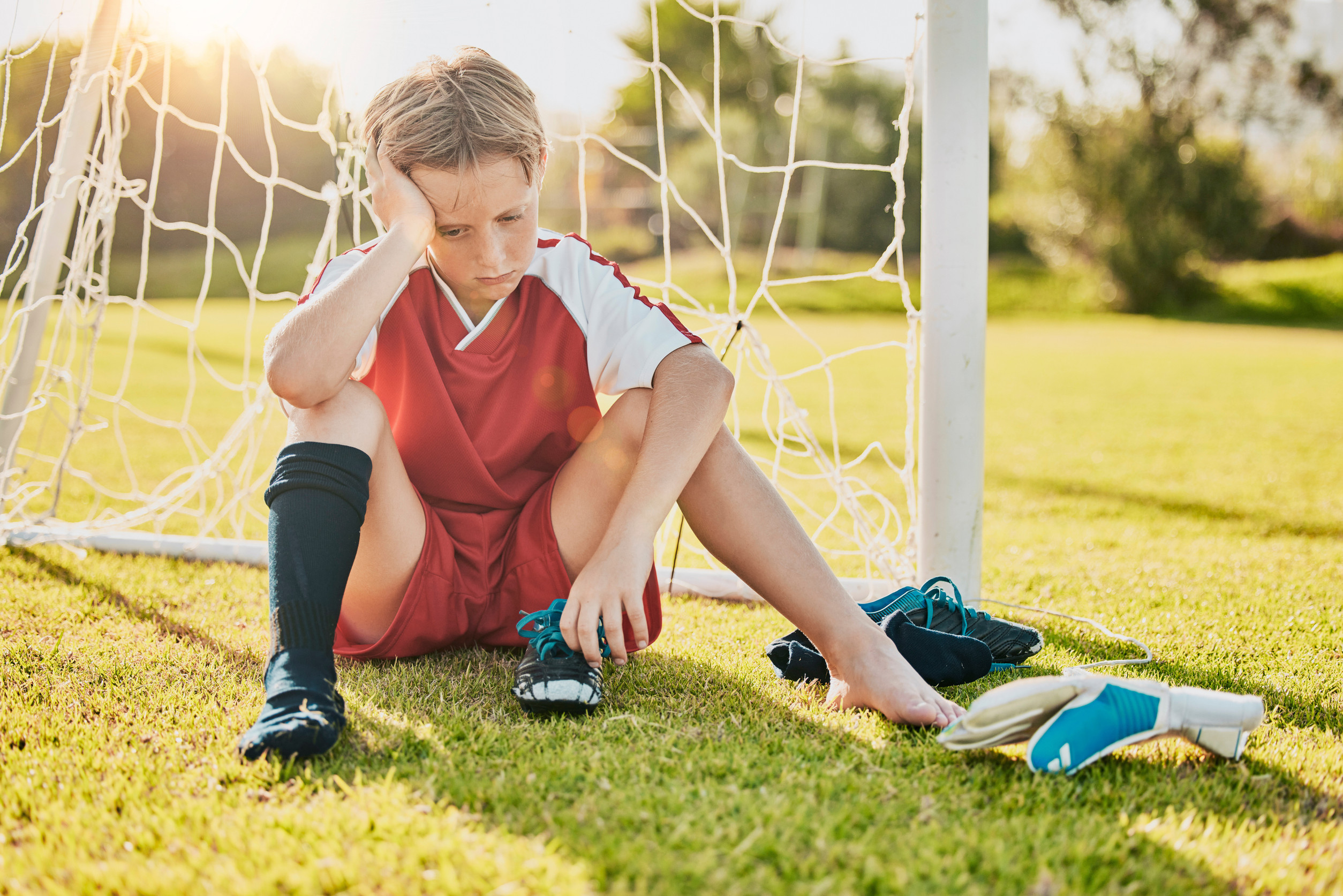
Every parent wonders what their child says when they’re not around, but teachers often get an inside look that moms and dads rarely do. Kids can be surprisingly honest when they feel comfortable, sharing details about their fears, friendships, and daily struggles. These candid moments can reveal valuable insights into how children view the world and what they truly need. By understanding the kinds of things kids confess to their teachers, parents can gain a better perspective on their child’s inner world and strengthen their connection at home.

1. “I’m Scared of Failing”

One of the most common things kids confess to their teachers is the fear of failure. They might not say it at home because they don’t want to disappoint their parents. Teachers often hear students whisper about being nervous before tests or worried they aren’t good enough. This honesty gives teachers the chance to reassure children and build their confidence. Parents who are aware of this fear can offer more encouragement and reduce pressure around grades.

2. “I Don’t Have Friends”

Loneliness is another secret often shared in classrooms rather than at the dinner table. Many kids admit to teachers that they feel left out or excluded on the playground. These confessions help teachers step in with extra support, such as pairing children in group activities or encouraging inclusivity. When parents know their child is struggling socially, they can provide more opportunities for friendships outside of school. Small interventions at home and in class can make a big difference.

3. “I’m Tired All the Time”

Teachers frequently hear about exhaustion that parents might overlook. Kids sometimes confess that they stay up too late on screens or worry at night, making mornings hard. Sharing this with a teacher often comes from trust, and it highlights a deeper need for better routines or stress management. Parents who learn about their child’s fatigue can adjust bedtime habits or reduce evening activities. Being proactive can prevent ongoing health and academic challenges.

4. “I Feel Bullied”

One of the most serious things kids confess to their teachers is about being bullied. Many children hesitate to tell their parents, either out of fear or embarrassment. Teachers become the first adults to know when something is wrong, often noticing patterns in behavior before parents do. When teachers share this with families, it creates a chance for immediate action. Open communication between home and school ensures children feel safe and supported.

5. “I Don’t Understand the Lesson”

Students often feel more comfortable admitting confusion to teachers than to their parents. Kids may be afraid that asking for help at home will disappoint their family. Teachers hear confessions like “I don’t get it” or “I’m lost” much more often than parents realize. This honesty allows teachers to provide extra help before frustration builds. When parents know about it, they can reinforce lessons at home in a calm, supportive way.

6. “I Miss My Parents”

Younger children especially share this vulnerable confession with teachers. They may hide their feelings at home, not wanting to make parents feel guilty. In the classroom, they’ll admit they feel homesick or worry about being apart. Teachers often offer comfort, reassuring kids that their family will be waiting after school. Parents who understand this can make drop-offs smoother and give extra emotional support.

7. “I’m Hungry”

Sometimes kids quietly tell teachers they didn’t eat breakfast or that their lunch isn’t enough. These things kids confess to their teachers often go unnoticed at home because children don’t want to complain. Teachers who hear this may offer snacks or alert parents so the issue can be fixed. Regular hunger impacts focus and behavior in class, making it important to address. Parents can benefit from knowing how much their child truly needs during the school day.

8. “I’m Anxious About Growing Up”

As kids get older, they start to worry about their future. Teachers often hear confessions like “I don’t want to go to middle school” or “I’m scared of high school.” These admissions show that growing up feels overwhelming for many children. Teachers can provide reassurance, framing change as something exciting. Parents can use this knowledge to talk openly about upcoming transitions and ease the stress.

9. “I Don’t Want to Let You Down”

Children sometimes view their teachers as role models and fear disappointing them. This emotional confession doesn’t always make it home, where kids might assume parents already expect the best. Teachers hear these statements when children want validation or encouragement. Recognizing this, teachers can reassure students that effort matters most. Parents can also adopt this supportive tone to balance expectations with understanding.

10. “I’m Afraid to Share at Home”

One of the most telling things kids confess to their teachers is that they can’t share everything at home. Whether it’s embarrassment, fear of punishment, or simply not knowing how, they keep certain feelings hidden. Teachers often become safe spaces where kids unload these thoughts. This highlights the importance of open, judgment-free communication in families. When parents work to build trust, kids will feel more comfortable confiding at home too.

Listening Beyond the Classroom Walls

The things kids confess to their teachers provide a window into emotions, worries, and needs that parents might never hear. These conversations highlight how valuable it is to foster an environment of trust both at school and at home. When parents know what children are really feeling, they can respond with greater empathy and support. The partnership between teachers and families ensures that kids don’t carry these secrets alone. By listening carefully and creating space for honesty, parents can deepen their connection with their children.

What do you think kids feel more comfortable sharing with teachers than with parents? Share your thoughts in the comments below!

Read More:

12 Reasons Why Your Kids are Behind Academically

No Respect? 13 Ways to Recognize Disrespectful Behavior in Kids

Catherine Reed
Catherine Reed

Catherine is a tech-savvy writer who has focused on the personal finance space for more than eight years. She has a Bachelor’s in Information Technology and enjoys showcasing how tech can simplify everyday personal finance tasks like budgeting, spending tracking, and planning for the future. Additionally, she’s explored the ins and outs of the world of side hustles and loves to share what she’s learned along the way. When she’s not working, you can find her relaxing at home in the Pacific Northwest with her two cats or enjoying a cup of coffee at her neighborhood cafe.

Filed Under: Parenting Tagged With: child development, communication, family dynamics, Parenting, school life, teacher relationships

9 School Fundraisers That Cost More Than They Earn

August 19, 2025 | Leave a Comment

9 School Fundraisers That Cost More Than They Earn
Image source: 123rf.com

School fundraising can be a great way to bring in extra money for field trips, equipment, and programs, but not every idea delivers the payoff it promises. In some cases, the effort, time, and upfront expenses outweigh the actual profit made. When parents, teachers, and students invest countless hours only to see minimal returns, frustration sets in quickly. By understanding which school fundraisers tend to cost more than they earn, you can help your child’s school focus on options that make sense financially. Here are nine common examples that often fall short.

1. Catalog Product Sales

Selling candles, kitchen gadgets, or holiday décor from a catalog may seem like an easy way to raise funds, but the profit margins are often low. Schools typically earn only a small percentage of each sale, while the company takes the bulk of the money. Parents may feel obligated to buy overpriced items they don’t need. The shipping costs and product quality can also lead to complaints. When the work doesn’t match the return, these sales rarely pay off.

2. Expensive Dinner Galas

Formal fundraising dinners can be a fun community event, but they come with significant overhead costs. Venue rental, catering, decorations, and entertainment often eat up most of the ticket revenue. Unless ticket prices are set very high, the profit margin can be slim. Volunteers also spend weeks or months planning, which adds to the strain. Without strong sponsorship support, these school fundraisers often end up breaking even or worse.

3. Car Raffle Giveaways

While raffles can be exciting, offering a high-value prize like a car can backfire financially. The cost of the prize, even if discounted, is often so high that ticket sales barely cover it. Marketing and printing expenses further cut into profits. These events also require careful compliance with local raffle laws, adding complexity. Without guaranteed ticket volume, the risk is substantial.

4. Cookie Dough and Frozen Food Sales

Frozen food fundraisers often seem like a safe bet, but storage and delivery issues can create major headaches. Schools must keep items cold, which requires proper facilities or quick distribution. The prices are typically much higher than retail, limiting the number of buyers. Plus, the company usually takes a large percentage of each sale. For the effort involved, these school fundraisers often produce disappointing net income.

5. School Carnivals with High Vendor Costs

Carnivals can be a beloved tradition, but costs for rides, games, and food vendors can add up quickly. If attendance is lower than expected, the school may not even recoup the upfront investment. Volunteer burnout is also a factor, as these events require significant staffing. Some vendors also charge a flat fee regardless of how much is sold. Without careful budgeting, the fun can overshadow the finances.

6. Auction Events with Donated Items

Silent and live auctions can be profitable when items are donated, but they can flop when schools must purchase goods or services to offer. Spending money upfront for prizes or packages drastically cuts into profit. If bids come in low, the return is even smaller. Organizing these events is also time-consuming, often requiring months of prep. Without enough high-demand items, these school fundraisers can underperform.

7. Fun Runs with High Outside Management Fees

Fun runs are a popular way to combine fitness and fundraising, but hiring an outside company to manage the event can take a large portion of the earnings. These companies often provide marketing materials, online pledge tracking, and event day coordination, but they charge a high percentage in return. While the experience can be fun for kids, the actual money earned for the school may be less than expected. Running the event internally can save costs but requires more volunteer support.

8. Holiday Gift Shops

Setting up a holiday shop where kids can buy small gifts for family members sounds heartwarming, but profit margins are often thin. The school must purchase inventory, and leftover items may not sell. Prices need to be low enough for kids to buy, which limits revenue. Managing setup, sales, and restocking adds more work for volunteers. In the end, these school fundraisers may generate more warm fuzzies than actual funds.

9. High-Cost Talent Shows or Performances

Talent shows can be a wonderful way to showcase student creativity, but adding high production costs changes the equation. Renting sound equipment, hiring lighting crews, or booking large venues can be expensive. Unless ticket prices are steep and attendance is high, the school may see minimal profit. These events also require weeks of rehearsals, adding stress to staff and students. Keeping production costs low is key if this fundraiser is to succeed.

Choosing Fundraisers That Truly Benefit the School

Not all school fundraisers are created equal, and sometimes the most elaborate ideas deliver the smallest returns. Schools benefit most from low-cost, high-participation events that don’t require large upfront investments. Before committing to any fundraising idea, it’s important to evaluate the time, cost, and expected profit. By choosing smarter options, schools can raise more money with less strain on families and volunteers. In the long run, practical choices lead to better outcomes for everyone involved.

Have you ever helped with school fundraisers that ended up costing more than they earned? Share your stories in the comments.

Read More:

7 Reasons You Shouldn’t Waste Money on Private Schools

8 School Rules That Should’ve Changed Decades Ago

Catherine Reed
Catherine Reed

Catherine is a tech-savvy writer who has focused on the personal finance space for more than eight years. She has a Bachelor’s in Information Technology and enjoys showcasing how tech can simplify everyday personal finance tasks like budgeting, spending tracking, and planning for the future. Additionally, she’s explored the ins and outs of the world of side hustles and loves to share what she’s learned along the way. When she’s not working, you can find her relaxing at home in the Pacific Northwest with her two cats or enjoying a cup of coffee at her neighborhood cafe.

Filed Under: Education Tagged With: education budget, fundraising tips, Parenting, PTA, school events, school fundraisers, volunteer activities

8 Children’s Activities That Cause More Stress Than Joy

August 19, 2025 | Leave a Comment

8 Children’s Activities That Cause More Stress Than Joy
Image source: 123rf.com

As parents, we want our kids to enjoy activities that spark creativity, build skills, and create lasting memories. But sometimes, even with the best intentions, certain children’s activities end up causing more tension than happiness. Between high expectations, time demands, and logistical headaches, these experiences can leave both kids and parents feeling drained instead of fulfilled. Recognizing which activities tend to cause more stress than joy can help you make better choices for your family’s time and energy. Here are eight common culprits to watch out for.

1. Overly Competitive Sports Leagues

While sports can teach teamwork and perseverance, some leagues place an overwhelming emphasis on winning. This pressure can lead to anxiety, frustration, and burnout, especially for younger children still developing their skills. The rigid schedules and constant travel can also disrupt family routines. When a child feels judged solely on performance, the joy of the game fades quickly. Parents should consider leagues that focus on skill-building and fun rather than intense competition.

2. Elaborate Birthday Parties

Throwing a big birthday bash might sound like a great idea, but elaborate parties often become a major source of stress. Coordinating decorations, activities, food, and guest lists can leave parents feeling overwhelmed. For kids, large crowds and high-energy environments can trigger sensory overload. These children’s activities can turn into an exhausting marathon rather than a celebration. Scaling back to a smaller, more personal gathering often leads to a happier experience for everyone.

3. Excessive Extracurricular Commitments

Signing up for multiple clubs, classes, and practices might seem like a way to give kids a variety of experiences. In reality, an overloaded schedule leaves little time for rest, free play, or family bonding. Children may feel constant pressure to perform in each activity, while parents struggle to keep up with transportation and costs. This strain can quickly overshadow any benefits. Limiting commitments allows for deeper enjoyment and less stress.

4. Pageants and High-Pressure Performances

For some families, pageants and talent shows can be a fun tradition. However, the pressure to look perfect, perform flawlessly, and win can take a toll on a child’s self-esteem. The extensive preparation, from costumes to rehearsals, often consumes significant time and resources. These children’s activities can inadvertently teach that appearance or applause is more important than the joy of participation. Encouraging casual performances or low-pressure events may foster a healthier experience.

5. Competitive Academic Programs

Programs designed to challenge kids academically can be valuable, but too much intensity at a young age can lead to stress. Constant testing, high expectations, and comparison to peers may leave children feeling inadequate. Parents might also find themselves stressed about ensuring homework and projects are perfect. While enrichment is beneficial, it’s important to balance academics with play and downtime. Choosing programs that promote curiosity over competition can keep learning enjoyable.

6. Over-Scheduled Playdates

Playdates are meant to be a chance for kids to relax and enjoy time with friends. Yet when every moment is planned with structured games, crafts, and snacks, it can feel more like a formal event. Both children and parents may feel pressure to keep things “fun” the entire time. Spontaneous, unstructured play often results in more genuine enjoyment. Sometimes fewer planning leads to more laughter and connection.

7. Intense Summer Camps

Summer camps can offer memorable experiences, but certain ones pack in so many activities that kids come home more tired than excited. Early mornings, long days, and non-stop programming can overwhelm younger campers. These children’s activities may leave them too exhausted to enjoy the rest of their summer. Choosing camps with a slower pace or built-in downtime can make the experience more fulfilling. It’s important to match the camp’s energy level to your child’s personality and stamina.

8. Holiday Events Packed with Obligations

From parades to light shows, holiday activities can seem magical, but too many can lead to seasonal stress. Long lines, late nights, and constant rushing can leave kids cranky, and parents frazzled. Trying to fit in every event may cause families to miss the quiet moments that truly make the season special. These children’s activities often feel more like obligations than joyful traditions. Simplifying your calendar can help everyone savor the celebrations.

Choosing Joy Over Obligation

When it comes to children’s activities, more is not always better. The key is finding experiences that align with your child’s personality, interests, and comfort level while also fitting into your family’s lifestyle. Reducing unnecessary commitments and focusing on meaningful moments can transform your schedule from chaotic to enjoyable. By prioritizing joy over obligation, you give your child space to thrive and your family room to breathe.

What children’s activities have you found to be more stressful than joyful in your family? Share your thoughts in the comments.

Read More:

7 Best Outdoor Activities for Kids

10 Cozy Activities That Double as Emotional Regulation Tools

Catherine Reed
Catherine Reed

Catherine is a tech-savvy writer who has focused on the personal finance space for more than eight years. She has a Bachelor’s in Information Technology and enjoys showcasing how tech can simplify everyday personal finance tasks like budgeting, spending tracking, and planning for the future. Additionally, she’s explored the ins and outs of the world of side hustles and loves to share what she’s learned along the way. When she’s not working, you can find her relaxing at home in the Pacific Northwest with her two cats or enjoying a cup of coffee at her neighborhood cafe.

Filed Under: Parenting Tagged With: child development, children’s activities, extracurricular activities, family life, Parenting, stress management, work-life balance

Solo Parent Moves: 8 Crucial Legal Moves for Single Parents

August 18, 2025 | Leave a Comment

single parents
Image Source: 123rf.com

Being a single parent comes with more than just the daily responsibilities of raising a child—it also requires long-term planning. Without the right legal protections in place, single parents can leave their children vulnerable to financial, medical, and custody complications. Many parents focus on immediate needs like school and childcare, but legal documents are just as important. By taking a few strategic steps, single parents can protect both themselves and their children’s future. These legal moves may not seem urgent now, but they can make all the difference when life takes an unexpected turn.

1. Establishing Legal Custody Rights

The first and most important step for single parents is making sure custody is clearly defined. Without a court order or custody agreement, disputes can arise if the other parent challenges your rights. Legal custody also ensures you can make major decisions for your child, such as education and healthcare choices. Even if the other parent is supportive, having documentation provides security. Courts typically prioritize the child’s best interests, so it’s better to formalize these arrangements early.

2. Creating a Will That Names Guardianship

A will is one of the most powerful tools a single parent can have. By naming a guardian, you ensure your child won’t be left in limbo if something happens to you. Without this legal safeguard, courts may assign guardianship without your input. Choosing a trusted family member or friend gives you peace of mind and reduces uncertainty for your child. Updating the will regularly ensures it reflects your current wishes and circumstances.

3. Setting Up a Trust for Financial Security

While a will determines guardianship, a trust provides financial stability for your child. Trusts allow you to specify how money is managed and distributed, preventing misuse. Single parents often use trusts to ensure children receive funds for education, healthcare, and living expenses. Unlike direct inheritance, trusts can protect assets until children reach adulthood. This move creates a financial safety net that outlasts unforeseen challenges.

4. Securing Life Insurance Coverage

Life insurance is critical for single parents who are the sole providers. It ensures that your child has financial support if you pass away unexpectedly. Policies can cover living expenses, college tuition, and even future housing needs. Premiums may feel like another monthly bill, but they provide priceless security. A solid life insurance plan is one of the simplest ways to guarantee your child’s well-being.

5. Drafting a Power of Attorney Document

A power of attorney allows someone you trust to handle legal or financial matters on your behalf. For single parents, this is especially valuable during emergencies or long absences. If you become incapacitated, the designated person can manage bills, accounts, or other important matters. Without this document, your child’s care and your financial obligations may be left unresolved. Having a power of attorney in place is a proactive safeguard every single parent should consider.

6. Preparing an Advance Healthcare Directive

An advance healthcare directive outlines your medical wishes if you can’t speak for yourself. For single parents, this ensures that your child won’t be left to make impossible decisions in a crisis. It can also designate someone to make medical choices on your behalf. This legal move protects both your dignity and your child from added stress during emergencies. Knowing your wishes are documented provides peace of mind.

7. Keeping Child Support Agreements Up to Date

Even when co-parenting arrangements are civil, keeping child support legally documented is crucial. Court-approved agreements prevent disputes and ensure consistent financial support. If circumstances change, such as job loss or relocation, these agreements can be modified legally. Informal arrangements, while convenient, can create problems if the other parent stops contributing. A formal child support plan gives single parents financial predictability.

8. Documenting Emergency Care Instructions

Single parents should also create written instructions for emergencies. This can include consent forms for medical care, contact details for guardians, and instructions for schools or caregivers. Having these documents ready ensures your child is cared for without delay if you’re unavailable. Even a temporary absence, such as a hospital stay, can cause confusion without proper paperwork. Documenting emergency instructions is a small step with major benefits.

Building a Legal Safety Net for Your Child

Single parents juggle countless responsibilities, but securing legal protections is one that should never be overlooked. Custody rights, wills, trusts, and insurance all work together to form a shield around your child’s future. While these steps take time and planning, they provide stability when life is unpredictable. More importantly, they ensure your child is protected no matter what happens. By making these moves now, single parents give their children the strongest possible foundation.

Which of these legal moves do you think single parents overlook most often? Share your thoughts in the comments!

You May Also Like…

  • Pet Legacy: 10 Legal Considerations for Your Child’s Pets
  • Inheritance Impact: 6 Legal Issues Impacting Your Child’s Inheritance
  • What Are You Legally Responsible For If Your Child Bullies Someone?
Amanda Blankenship

Amanda Blankenship is a full-time stay-at-home mom. Her family recently welcomed their second child, a baby boy, into the world. She loves writing about various topics, including politics and personal finance. In her spare time, Amanda loves to play with her kids, make food from scratch, crochet, and read.

Filed Under: Legal Tagged With: custody, financial planning, legal advice, life insurance, Parenting, single parents, trusts, wills

7 Sports That Are Increasing Injury Rates in Kids Under 10

August 18, 2025 | Leave a Comment

7 Sports That Are Increasing Injury Rates in Kids Under 10
Image source: 123rf.com

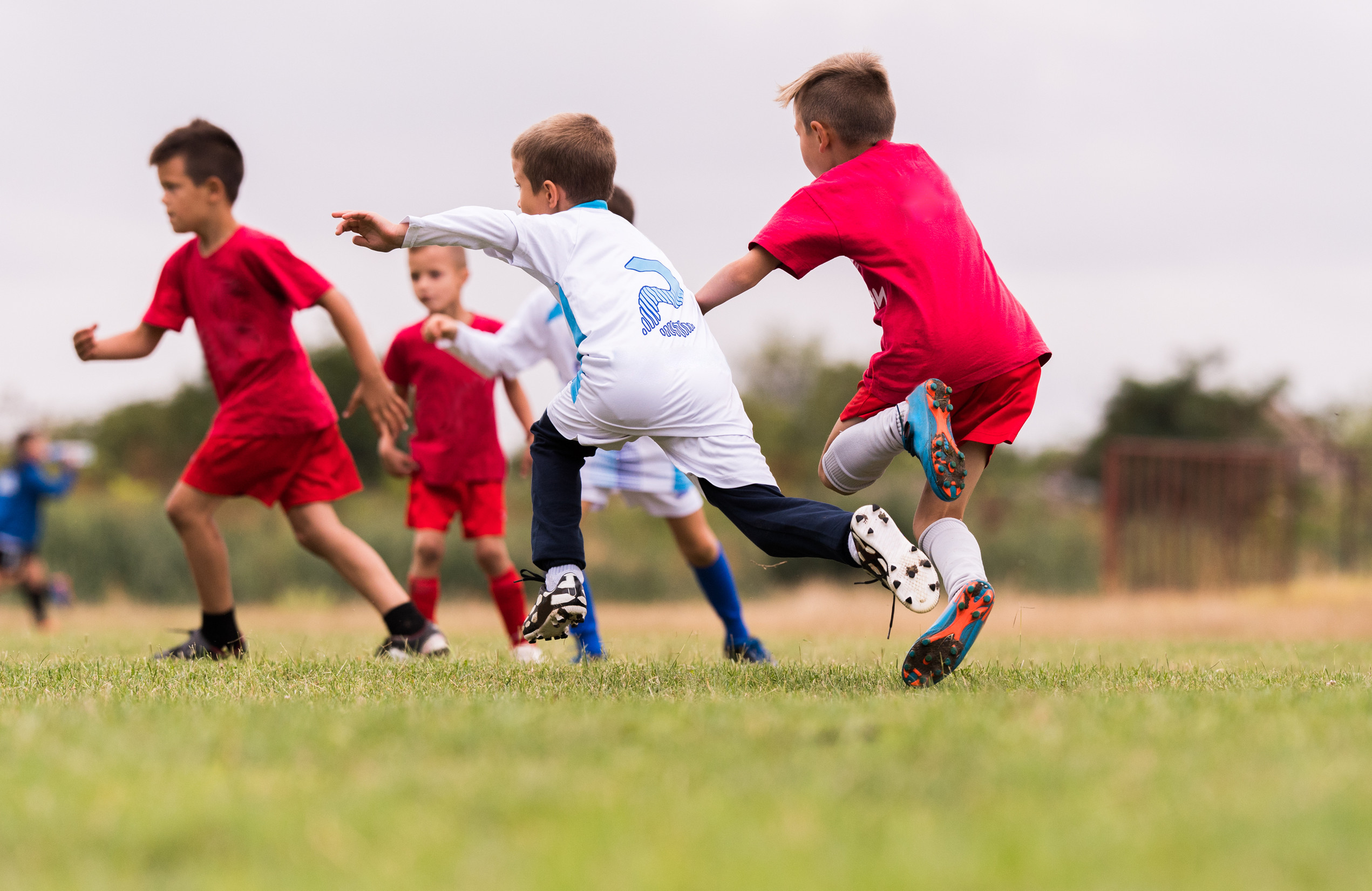
Sports can be a wonderful way for kids to stay active, build friendships, and develop skills, but not all athletic activities are equally safe for younger children. In fact, research shows that certain sports are responsible for increasing injury rates in kids under 10, often due to high-impact movements, contact, or repetitive strain. While no parent wants to keep their child from playing, being aware of the risks can help you take preventive measures. By understanding which sports pose higher injury risks, you can encourage safe participation and minimize harm. Here are seven sports worth watching closely.

1. Soccer

Soccer is a fast-paced game that encourages teamwork, but it also comes with frequent collisions, awkward falls, and overuse injuries. Kids under 10 are still developing balance and coordination, making them more prone to sprains and fractures. The repetitive kicking and sudden direction changes put stress on growing muscles and joints. Head injuries from accidental contact with the ball or other players are also a concern. To lower the risks, proper footwear, size-appropriate balls, and safe coaching techniques are essential.

2. Basketball

Basketball might seem less risky than contact sports, but it contributes to increasing injury rates due to rapid movements and frequent jumps. Young players often sprain ankles when landing awkwardly or colliding with others under the hoop. The hard playing surface can also lead to knee and wrist injuries during falls. Repetitive shooting and dribbling motions may cause strain in the wrists and elbows over time. Ensuring proper warm-ups and teaching correct landing techniques can make a big difference.

3. Gymnastics

Gymnastics is excellent for flexibility and strength, but it has one of the highest injury rates among youth sports. The flips, vaults, and balance beam routines put immense pressure on bones, muscles, and joints that are still developing. Falls from height can cause serious fractures, while repetitive training increases the risk of overuse injuries. Even with mats and spotting coaches, mistakes can happen quickly. Parents should ensure their child’s gym follows strict safety protocols and limits excessive repetition.

4. Football

Football is a leading contributor to increasing injury rates in kids under 10 due to its high-contact nature. Tackling, blocking, and pileups can lead to concussions, fractures, and ligament injuries. Young players may lack the strength and technique to protect themselves properly during play. While flag football is a safer alternative, even non-tackle formats can involve collisions that result in injury. Quality protective gear and strict enforcement of safety rules are key to reducing risks.

5. Baseball and Softball

Baseball and softball injuries often stem from repetitive throwing motions or being struck by the ball. Pitching in particular can cause elbow and shoulder strain in young players whose growth plates are still open. Sliding into bases can lead to sprains, cuts, or even broken bones. While these sports may seem slower paced, the speed of a thrown or batted ball poses a real danger. Limiting pitch counts and using softer balls for younger players can help prevent injuries.

6. Ice Hockey

Ice hockey combines speed, sharp turns, and frequent player contact, making it one of the riskiest sports for young children. Falls on the hard ice can lead to concussions or fractures, even with helmets and pads. Skating at high speeds increases the likelihood of collisions with other players or the boards. The use of sticks adds another injury risk, particularly for facial injuries. Ensuring proper skill development before competitive play is essential for safety.

7. Cheerleading

Cheerleading has evolved into an athletic sport that includes stunts, tumbling, and high-flying routines. While exciting, these activities can cause falls from significant heights and lead to serious head, neck, or back injuries. Younger children may lack the core strength needed to perform safely at advanced levels. Overuse injuries from repetitive jumps and lifts are also common. Proper supervision, spotters, and safety mats are vital to keeping cheerleading as safe as possible.

Balancing Fun with Safety

No parent wants to limit their child’s opportunity to enjoy sports, but being aware of activities tied to increasing injury rates can help you take preventive steps. The goal is not to avoid these sports entirely but to approach them with the right safety measures, coaching, and protective gear. Talking openly with coaches, monitoring your child’s physical condition, and encouraging rest days all contribute to injury prevention. By combining awareness with proactive care, kids can enjoy the benefits of sports while staying healthy.

Which sports do you think need the most safety improvements for young kids? Share your thoughts in the comments.

Read More:

5 Dangerous Games That Kids Are Playing When No Adults Are Around

7 Popular Lunch Snacks That Were Quietly Recalled

Catherine Reed
Catherine Reed

Catherine is a tech-savvy writer who has focused on the personal finance space for more than eight years. She has a Bachelor’s in Information Technology and enjoys showcasing how tech can simplify everyday personal finance tasks like budgeting, spending tracking, and planning for the future. Additionally, she’s explored the ins and outs of the world of side hustles and loves to share what she’s learned along the way. When she’s not working, you can find her relaxing at home in the Pacific Northwest with her two cats or enjoying a cup of coffee at her neighborhood cafe.
Filed Under: Parenting Tagged With: child safety, injury prevention, kids under 10, Parenting, Physical Activity, sports injuries, youth sports

10 Items Your Child Brings Home That Signal Social Struggles

August 18, 2025 | Leave a Comment

10 Items Your Child Brings Home That Signal Social Struggles
Image source: 123rf.com

It’s not always easy to know when your child is facing challenges with friendships or fitting in at school. While some kids talk openly about their feelings, others express their social struggles in subtle ways — often through the things they bring home. These items can be quiet cries for help, revealing frustrations, anxieties, or conflicts they may not be ready to voice. By paying attention to these signs, you can open the door to honest conversations and provide the support they need before the problem grows. Here’s what to watch for and why each item matters.

1. Damaged or Torn Belongings

When your child comes home with broken pencils, ripped clothing, or damaged sports gear, it could be more than simple clumsiness. Frequent damage to personal items may point to bullying or rough treatment from peers. Kids experiencing social struggles might not feel comfortable explaining what happened. Instead, the evidence shows up in their backpack or lunchbox. Ask gentle, open-ended questions to help them share the full story.

2. Missing Lunch or Snacks

If your child repeatedly comes home without their packed lunch or snacks, it may signal more than forgetfulness. Sometimes food is traded away under peer pressure or even taken without permission. This can be a sign of trying to fit in or avoid confrontation. Social struggles like these often leave a child feeling powerless or excluded. Keeping track of patterns can help you spot when it’s time to step in.

3. Notes or Drawings with Negative Themes

Kids often express their feelings through art or writing, especially when they don’t have the words to explain. If you notice drawings with sad faces, words like “alone,” or depictions of conflict, it’s worth a closer look. These creative expressions can reveal feelings of isolation or rejection. Social struggles may feel safer to express on paper than in conversation. Respect their privacy but use the opportunity to invite discussion.

4. Unfinished or Crumpled Homework

When homework comes home incomplete, crumpled, or covered in scribbles, it can reflect more than academic frustration. Your child might be struggling to concentrate because of social issues at school. They may also be avoiding group work or peer collaboration. Social struggles can distract kids from learning and lower their motivation. Check in with teachers to see if they’ve noticed changes in classroom participation.

5. Clothing That Doesn’t Match the Morning Outfit

If your child leaves for school in one set of clothes and comes home in something entirely different, it’s worth asking why. Sometimes clothing swaps are harmless fun, but other times they can be linked to teasing or pressure to fit in. Children facing social struggles may feel embarrassed about their own style or forced to wear something else to avoid ridicule. Listen for subtle clues in their explanation.

6. Gifts from “New Friends” You Haven’t Met

Small trinkets, toys, or accessories from peers you don’t know can be a red flag. While new friendships can be positive, sudden gift exchanges may come with strings attached. In some cases, they can be part of manipulation or exclusion tactics. Social struggles sometimes involve trying to “buy” acceptance. Encourage your child to talk about how they received the item and what it means.

7. Empty Water Bottle or Missing School Supplies

Constantly missing supplies or having an empty water bottle every day can suggest more than forgetfulness. Sometimes items are taken by other students, or your child may be giving them away to gain approval. Social struggles can push kids to sacrifice their own needs to avoid standing out. Replenishing supplies without conversation can allow the cycle to continue unnoticed.

8. Sports Equipment That’s Gone Unused

If your child participates in sports but brings home gear that looks untouched, there may be a reason beyond disinterest. Social struggles on a team — like exclusion from drills or being benched without explanation — can cause them to disengage. Equipment can become a silent reminder of feeling unwelcome. Talking about their experiences at practice can reveal whether the problem is skill-based or socially driven.

9. Invitations They’re “Not Interested” In

When your child starts declining birthday parties, playdates, or after-school activities, pay attention to the why. They may claim they’re not interested, but underlying social struggles could be the real reason. Avoiding gatherings can be a way to protect themselves from rejection or conflict. Respect their boundaries while exploring if something deeper is going on.

10. Technology or Devices with Deleted History

If your child’s tablet or phone comes home with a mysteriously cleared search history or empty messaging apps, it can indicate more than privacy concerns. Social struggles online — like cyberbullying or exclusion in group chats — may lead them to erase evidence. They may fear getting in trouble or reliving hurtful interactions. Approach the topic with empathy rather than accusation to encourage openness.

Staying Attuned to Subtle Signs

The things your child brings home can speak volumes about their day, their friendships, and their place in social circles. While not every damaged item or missing snack points to serious social struggles, repeated patterns should never be ignored. By tuning into these subtle signals and creating a safe space for conversation, you can help your child navigate challenges before they escalate. Being proactive not only strengthens your bond but also gives them the tools to handle social pressures with confidence.

Have you ever spotted a small clue that told you your child was having a tough time socially? Share your experiences in the comments.

Read More:

The Curse of Wealth: 15 Reasons Why Wealthy Kids Struggle With Mental Health and Happiness

5 Unintended Consequences Of Keeping A Child Sheltered

Catherine Reed
Catherine Reed

Catherine is a tech-savvy writer who has focused on the personal finance space for more than eight years. She has a Bachelor’s in Information Technology and enjoys showcasing how tech can simplify everyday personal finance tasks like budgeting, spending tracking, and planning for the future. Additionally, she’s explored the ins and outs of the world of side hustles and loves to share what she’s learned along the way. When she’s not working, you can find her relaxing at home in the Pacific Northwest with her two cats or enjoying a cup of coffee at her neighborhood cafe.

Filed Under: Parenting Tagged With: bullying prevention, child behavior, emotional health, family communication, Parenting, school life, Social Skills

Which of the 4 Learning Styles Is Your Child? How to Teach Based on It

June 14, 2025 | Leave a Comment

Which of the 4 Learning Styles Is Your Child How to Teach Based on It
123rf.com

Every child learns differently, and figuring out your child’s learning style can make all the difference in how they absorb information, stay motivated, and enjoy the process of learning. Some kids light up with visuals, while others need to move, talk it out, or listen quietly. By understanding how your child learns best, you can support them more effectively at home and help them thrive at school. Tailoring your teaching style to match their natural strengths doesn’t just make learning easier—it makes it more enjoyable. Here’s a look at the four most common learning styles and how to teach based on the one that fits your child.

1. Visual Learners: Show, Don’t Just Tell

Children with visual learning styles process information best when they can see it. They often enjoy reading, drawing, and using charts, diagrams, or color-coded materials. If your child remembers things better after seeing pictures or watching demonstrations, they likely lean toward this style. Support their learning by using flashcards, visual schedules, videos, and colorful mind maps. Let them draw pictures to explain ideas or use sticky notes in different colors for organizing information.

2. Auditory Learners: Let Them Listen and Talk

Kids with auditory learning styles learn best by hearing and speaking. They tend to enjoy music, storytelling, discussions, and even reading aloud. If your child remembers song lyrics easily or loves to explain things out loud, they may be an auditory learner. Help them by using rhymes, songs, or recordings to reinforce lessons, and encourage them to explain new concepts back to you. Reading aloud together or using audiobooks can also be powerful tools for retention and understanding.

3. Kinesthetic Learners: Learning by Doing

Kinesthetic learning styles are all about movement and hands-on experience. These kids often have trouble sitting still but light up when they can touch, build, or physically explore a concept. If your child loves science experiments, puzzles, or acting things out, they’re likely a kinesthetic learner. Support them with activities like building models, doing crafts, or incorporating physical games into learning. Even simple tricks like bouncing a ball while practicing spelling can make a big difference.

4. Reading/Writing Learners: Words Are Their Best Tools

Children with reading/writing learning styles thrive through text-based input and output. They often love books, enjoy journaling, and do well with lists, definitions, and written instructions. If your child takes notes on their own or likes to write stories or letters, this might be their strongest learning style. Help them learn by encouraging them to write summaries, use workbooks, and create their own flashcards. Turning verbal instructions into written steps can also boost clarity and understanding.

Blended Learning Styles Are Totally Normal

It’s important to remember that most kids don’t fall neatly into just one of these learning styles. Your child might be a mix of visual and kinesthetic or lean toward auditory learning, depending on the subject. The goal isn’t to label them, but to recognize which approaches work best and build on those strengths. Try different strategies, observe how your child responds, and adjust accordingly. Being flexible and responsive can help your child feel more confident and supported.

Helping Kids Love How They Learn

Recognizing your child’s learning style can transform frustration into confidence. When learning feels aligned with how their brain works, kids are more likely to stay curious, engaged, and self-motivated. Whether your child thrives through hands-on activities, writing, listening, or watching, your support can help them get the most out of every learning moment. Celebrate what makes your child unique and find ways to build learning into everyday life. When you embrace their style, you’re not just helping them succeed—you’re helping them enjoy the journey.

Which of the four learning styles best fits your child? Share your experience and tips in the comments—we’d love to hear what’s working for your family!

Read More:

6 Ways to Spark a Love of Learning in Your Child

5 Secrets of Academically Successful Kids

Catherine Reed
Catherine Reed

Catherine is a tech-savvy writer who has focused on the personal finance space for more than eight years. She has a Bachelor’s in Information Technology and enjoys showcasing how tech can simplify everyday personal finance tasks like budgeting, spending tracking, and planning for the future. Additionally, she’s explored the ins and outs of the world of side hustles and loves to share what she’s learned along the way. When she’s not working, you can find her relaxing at home in the Pacific Northwest with her two cats or enjoying a cup of coffee at her neighborhood cafe.

Filed Under: Education Tagged With: auditory learners, child development, education tips, homeschooling, kinesthetic learners, learning styles, learning support, Parenting, reading and writing learners, visual learners

9 Fun Ways to Teach Kids Emotional Intelligence (That Actually Work)

June 14, 2025 | Leave a Comment

9 Fun Ways to Teach Kids Emotional Intelligence That Actually Work
123rf.com

Helping your child develop emotional intelligence may be one of the most valuable things you do as a parent. Kids who understand their feelings, express themselves calmly, and empathize with others tend to have stronger relationships, better mental health, and more success in school and life. But teaching emotions doesn’t have to feel like a lecture. With the right tools, emotional learning can be fun, interactive, and something your child actually looks forward to. These nine playful strategies are designed to teach kids emotional intelligence in ways that truly stick.

1. Use Emotion Cards for Daily Check-Ins

Emotion cards are a simple, effective way to help your child learn the language of feelings. You can find printable sets online or make your own using paper and markers. Let your child choose a card to describe how they’re feeling and encourage them to explain why. This opens the door to reflection, empathy, and emotional vocabulary development. Making it part of your daily routine helps kids become more aware of their emotions in real time.

2. Read Books with Big Feelings

Stories are a great way to teach kids emotional intelligence because they naturally bring up discussions about feelings, choices, and consequences. Choose books with characters who experience frustration, joy, disappointment, or kindness. After reading, ask questions like, “How do you think she felt?” or “What could he have done differently?” These conversations help kids practice emotional reflection in a safe, relatable context. Books like The Color Monster or When Sophie Gets Angry—Really, Really Angry are excellent starters.

3. Play Feelings Charades

Turn emotional learning into a high-energy game with feelings charades. Write different emotions on slips of paper (happy, nervous, proud, angry) and take turns acting them out. Your child will have fun guessing and mimicking expressions, and it builds emotional recognition and empathy. It’s also a great way to practice identifying subtle emotions like “confused” or “embarrassed.” Laughter and movement make learning more memorable.

4. Introduce a Feelings Thermometer

A feelings thermometer is a visual tool that helps kids gauge the intensity of their emotions. Draw a thermometer on paper with zones like “calm,” “a little upset,” and “very mad.” Ask your child where they think they are on the scale during different moments. This simple tool can prevent meltdowns by giving kids the chance to pause and express how they feel before they lose control. Over time, it encourages emotional regulation and self-awareness.

5. Practice Breathing and Mindfulness Exercises

Teaching kids to pause and breathe when emotions run high is a key part of building emotional intelligence. Make it fun by pretending to blow up a balloon slowly or teaching “hot cocoa breathing”—inhale the smell, exhale to cool it off. Try short, kid-friendly mindfulness apps or lead a few minutes of quiet breathing together before bed. These simple practices give children tools to calm down when they feel overwhelmed. And when practiced regularly, they become second nature.

6. Create an “Emotion Wheel” Craft

Get hands-on by helping your child create their own emotion wheel with sections for different feelings. Use bright colors and expressive drawings so they can easily refer to them when they’re struggling to explain how they feel. Encourage them to spin the wheel and point to a feeling when they’re upset or unsure. This helps validate their emotions while guiding them toward expressing themselves more clearly. Plus, crafts make everything more engaging.

7. Watch and Discuss TV Shows Together

Believe it or not, screen time can be a great tool for building emotional intelligence—when it’s intentional. Choose shows or movies with characters who go through emotional journeys, like Inside Out, Bluey, or Daniel Tiger. Pause to talk about what a character might be feeling or why they acted a certain way. Watching together gives you natural moments to model empathy, ask questions, and explore how different emotions show up in real life. It turns passive watching into an active learning opportunity.

8. Use Role-Playing for Social Scenarios

Role-playing helps kids rehearse tricky situations before they happen in real life. Act out common scenarios like sharing toys, asking for help, or calming down when upset. Let your child try different responses and talk about what worked well. Practicing ahead of time gives kids the confidence to handle social interactions with empathy and self-control. It’s like an emotional dress rehearsal—with lots of chances to try again.

9. Start a Kindness Challenge

Acts of kindness help children connect to others and feel good about themselves. Try a weekly challenge like writing a kind note, helping a sibling, or sharing a toy. Talk about how it felt to give and how others responded. Kindness builds emotional intelligence by strengthening empathy, social awareness, and connection. Make it a family habit and watch how it shapes your child’s heart and mind.

Growing Stronger Through Everyday Moments

Teaching emotional intelligence doesn’t require complicated lessons—it just takes intention, creativity, and connection. Every moment of play, conversation, or challenge can become a learning opportunity when you approach it with empathy. By using these fun, practical tools, you’re helping your child build lifelong skills in managing emotions, understanding others, and making thoughtful choices. And the earlier these habits take root, the more naturally they grow.

Which of these fun strategies do you want to try first? Or do you have a favorite emotional intelligence activity your child already loves? Share it in the comments!

Read More:

5 Tiny Habits That Build Emotional Resilience in Children

20 Creative Ways to Boost Your Child’s Intelligence

Catherine Reed
Catherine Reed

Catherine is a tech-savvy writer who has focused on the personal finance space for more than eight years. She has a Bachelor’s in Information Technology and enjoys showcasing how tech can simplify everyday personal finance tasks like budgeting, spending tracking, and planning for the future. Additionally, she’s explored the ins and outs of the world of side hustles and loves to share what she’s learned along the way. When she’s not working, you can find her relaxing at home in the Pacific Northwest with her two cats or enjoying a cup of coffee at her neighborhood cafe.

Filed Under: Parenting Tagged With: child development, emotional intelligence, Emotional Regulation, empathy building, family games, kids and feelings, Parenting, Social Skills, teaching emotions

10 Homework Hacks Every Parent Should Know to Avoid Meltdowns

June 13, 2025 | Leave a Comment

10 Homework Hacks Every Parent Should Know to Avoid Meltdowns
Image Source: 123rf.com

Homework time doesn’t have to be a nightly battle of tears, frustration, and endless reminders. With the right approach, you can create a smoother, calmer routine that actually helps your child stay focused and feel successful. These simple homework hacks are designed to reduce stress for both kids and parents, making the whole experience more productive and less dramatic. Whether your child is in first grade or middle school, small changes can make a big difference in getting the work done with fewer meltdowns. Try these ten parent-tested strategies to bring peace and progress to your evening routine.

1. Create a Dedicated Homework Spot

A consistent, quiet space helps signal to your child that it’s time to focus. This doesn’t mean you need a fancy desk—a corner of the kitchen table or a nook in their room works fine. The key is to limit distractions like TVs, toys, and clutter. Stock the area with all the essentials: pencils, erasers, paper, and a timer. When your child knows exactly where to go and what to expect, they’ll resist less and focus more.

2. Stick to a Regular Routine

One of the best homework hacks is setting a predictable homework schedule. Choose a time that works best for your family, whether it’s right after school, after a snack, or before dinner. When homework becomes part of the daily routine, it feels less like a surprise and more like a normal task. Keep the routine consistent—even on weekends if needed—to create long-term habits. Kids thrive with structure, and it helps prevent last-minute panic.

3. Use a Visual Timer or Checklist

Visual tools can be a game-changer, especially for younger kids or those who struggle with time management. A simple checklist breaks tasks into manageable steps, and a timer lets them know how long they need to focus. Try using the “Pomodoro technique” where kids work for 25 minutes and take a 5-minute break. This helps avoid overwhelm and keeps energy up. Checking items off a list also builds a sense of accomplishment.

4. Break Big Tasks Into Smaller Chunks

When a child sees a huge worksheet or project, it can instantly feel overwhelming. One of the most effective homework hacks is breaking big assignments into smaller, more doable pieces. Tackle one section at a time with short breaks in between. This keeps motivation high and stress levels low. Teaching your child how to chunk tasks now will help them manage responsibilities well into adulthood.

5. Make Use of “Brain Breaks”

Kids need to move their bodies to refocus their minds. Short, active breaks during homework time can improve attention and reduce frustration. Let them do jumping jacks, dance to a song, or stretch before diving back in. A five-minute break every 20–30 minutes can help reset their brain. It keeps homework from becoming a long, draining chore.

6. Stay Nearby—But Not Hovering

Being close can be reassuring for your child, especially if they tend to get distracted or frustrated. Sit nearby with your own task, like folding laundry or reading, so you’re available without hovering. Let them try to solve problems on their own first, then step in when needed. This helps them build independence while still feeling supported. It also minimizes the “I don’t get it!” panic moments.

7. Keep Snacks and Water Handy

Sometimes what looks like a homework meltdown is really just a hungry brain. Offering a healthy snack and water before or during homework time can keep energy levels steady. Choose foods that fuel focus like fruit, yogurt, cheese sticks, or nuts. Avoid sugary treats that cause crashes. A well-fed child is a more cooperative, clear-headed one.

8. Turn It Into a Positive Challenge

Reframe homework as a challenge to conquer rather than a punishment to endure. Use phrases like “Let’s beat the clock!” or “I bet you can get this done in 20 minutes.” Celebrate wins with praise or small rewards, like choosing a favorite game to play after. Encouraging a positive mindset can turn resistance into motivation. Kids love to rise to a challenge when it feels fun and manageable.

9. Avoid the Homework Power Struggle

If your child digs in their heels, it’s easy to end up in a control battle. Instead of forcing it, take a breath and try to understand what’s causing the resistance. Are they tired, confused, or just in need of a break? Empathize with how they feel and offer a choice: “Would you rather do your reading or math first?” Giving kids some control can help them regain focus without a fight.

10. End on a High Note

Try to wrap up homework time with something positive. Offer praise for effort, not just results: “I saw how hard you worked on that!” This boosts their confidence and makes them more likely to cooperate next time. If things didn’t go well, talk about what could improve tomorrow. Ending on a kind, encouraging note helps make homework feel like a win rather than a war.

A Calmer Approach Starts with Connection

The most helpful homework hacks often come down to your connection with your child. When they feel supported, seen, and understood, they’re far more likely to stay calm and engaged. You don’t need to be a perfect tutor—just a steady, positive presence. With a few smart routines and a dose of patience, homework time can be a whole lot less stressful. And maybe even a little enjoyable.

What homework hacks have worked in your home? Share your favorite tips in the comments and help other parents survive the homework grind!

Read More:

10 School Mistakes That Follow Kids for Years

Can School Be Bad For Your Child?

Catherine Reed
Catherine Reed

Catherine is a tech-savvy writer who has focused on the personal finance space for more than eight years. She has a Bachelor’s in Information Technology and enjoys showcasing how tech can simplify everyday personal finance tasks like budgeting, spending tracking, and planning for the future. Additionally, she’s explored the ins and outs of the world of side hustles and loves to share what she’s learned along the way. When she’s not working, you can find her relaxing at home in the Pacific Northwest with her two cats or enjoying a cup of coffee at her neighborhood cafe.

Filed Under: Education Tagged With: academic success, family stress, homework hacks, homework help, kids and school, Parenting, parenting tips, school routines, study skills

7 Ways to Prepare Your Child for Peer Pressure Before It Hits

June 13, 2025 | Leave a Comment

7 Ways to Prepare Your Child for Peer Pressure Before It Hits
Image Source: 123rf.com

Peer pressure isn’t just a teen problem—it starts earlier than most parents expect. Whether it’s the urge to join in teasing, try something risky, or simply go along to avoid standing out, children are constantly learning how to navigate group dynamics. The key to helping them make smart choices under pressure is preparing them before those situations arise. By building confidence, communication skills, and clear values, you can equip your child to stand strong when it counts. These seven simple strategies will help you prepare your child for peer pressure with calm, confidence, and connection.

1. Talk About Peer Pressure in Age-Appropriate Ways

To prepare your child for peer pressure, start by talking about it before it shows up in real life. Use examples from books, TV shows, or everyday experiences to spark discussion. Ask open-ended questions like, “What would you do if your friends dared you to break a rule?” Keep the tone light but meaningful, so your child feels safe exploring their thoughts. Framing peer pressure as something they can handle builds trust and gives them the words to describe their own feelings later.

2. Practice Role-Playing Scenarios

Children learn best through practice, and role-playing is a great way to prepare your child for peer pressure. Pretend to be a friend asking them to do something they’re unsure about, then switch roles to let them try different responses. Help them come up with simple phrases like “No thanks” or “That’s not for me” that feel natural and easy to remember. Role-play gives kids the chance to feel confident saying no while you’re there to guide and support them. It turns an abstract concept into a real skill they can use.

3. Strengthen Their Decision-Making Muscles

One way to prepare your child for peer pressure is to give them chances to make their own decisions regularly. Let them choose between activities, pick out clothes, or help with family plans. When kids are used to making choices, they’re more likely to feel confident when the stakes are higher. Talk through decisions together, highlighting how to weigh pros and cons and trust their instincts. Building decision-making skills in everyday moments helps children stay grounded when others try to influence them.

4. Teach the Power of Walking Away

Sometimes the best choice is simply removing yourself from a bad situation. Teaching your child that it’s okay to walk away from peer pressure shows them they’re in control of their environment. Talk about real-life examples of choosing different friends or saying “I need to go now” when something doesn’t feel right. Let them know that leaving isn’t quitting—it’s choosing their own path. Remind them that true friends will respect their decisions, not challenge them.

5. Praise Assertiveness, Not Just Obedience

Kids often hear a lot about being polite and cooperative, but to prepare your child for peer pressure, it’s just as important to praise assertiveness. When your child speaks up for themselves or others, acknowledge their courage. Teach them the difference between being assertive and being aggressive, and help them use a calm but firm voice. When you celebrate these moments, your child learns that it’s okay to stand their ground. This boosts their confidence and reduces the fear of rejection from peers.

6. Build a Strong Family Connection

Children who feel deeply connected to their parents are less likely to be swayed by peer pressure. Make time to talk, play, and check in without judgment, so your child knows they can come to you about anything. Reinforce that home is a safe place where they’ll always be heard, even if they’ve made a mistake. This sense of security gives kids the foundation to make tough choices, even when others around them don’t. The stronger your bond, the stronger their boundaries will be.

7. Talk About Values—Often and Openly

To prepare your child for peer pressure, help them understand what your family stands for. Talk regularly about kindness, honesty, respect, and other values you want to instill. Use stories from your own life or ask your child what matters most to them. When children have a clear sense of their values, they have a guide to follow when peer pressure clouds the moment. Knowing what they believe makes it easier to say no with confidence.

Courage Starts Before the Moment Comes

The best way to prepare your child for peer pressure is to build them up before they face it. When you teach, model, and practice healthy ways to respond, you’re giving them more than words—you’re giving them strength. These skills take time to grow, and they’ll get stronger with every conversation, every choice, and every “no” that feels right. Remember, you’re not just raising a child who avoids bad choices—you’re raising someone who can lead with courage. And that’s something to be proud of.

What strategies have helped your child handle peer pressure? Share your tips or stories in the comments—we’d love to hear how your family navigates it!

Read More:

10 Things Parents Should NEVER Assume About Their Kid’s Friends

13 Essential Safety Tips for Parents When Kids Are Spending the Night With Friends

Catherine Reed
Catherine Reed

Catherine is a tech-savvy writer who has focused on the personal finance space for more than eight years. She has a Bachelor’s in Information Technology and enjoys showcasing how tech can simplify everyday personal finance tasks like budgeting, spending tracking, and planning for the future. Additionally, she’s explored the ins and outs of the world of side hustles and loves to share what she’s learned along the way. When she’s not working, you can find her relaxing at home in the Pacific Northwest with her two cats or enjoying a cup of coffee at her neighborhood cafe.

Filed Under: Parenting Tagged With: child confidence, child safety, emotional development, family communication, Parenting, parenting tips, Peer pressure, prepare your child for peer pressure, raising strong kids

6 Ways to Make Learning Letters Exciting

June 13, 2025 | Leave a Comment

6 Ways to Make Learning Letters Exciting
Image Source: 123rf.com

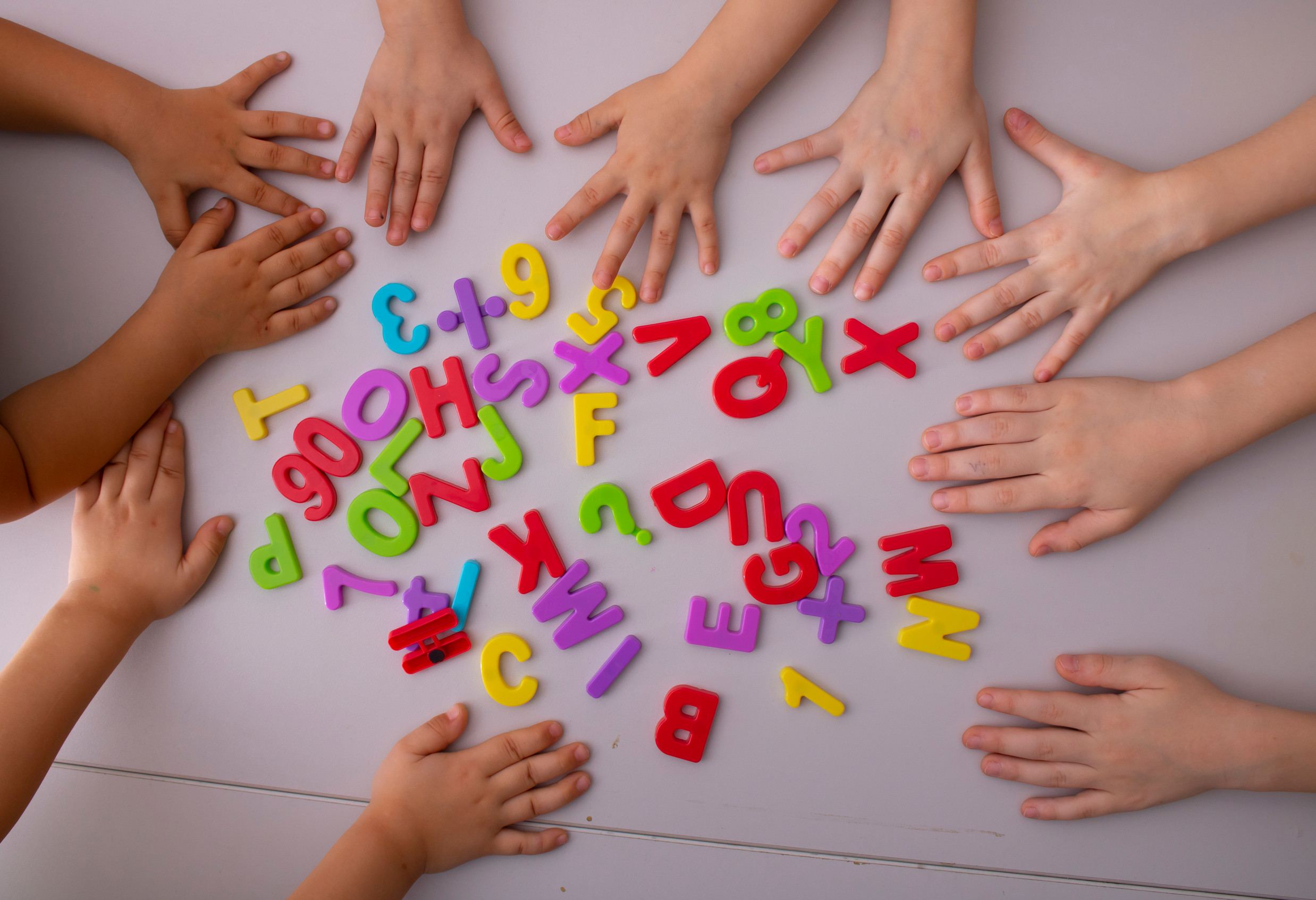
Teaching your child the alphabet doesn’t have to feel like a chore—for you or for them. With a little imagination and the right approach, learning letters can be a joyful part of everyday play. Young kids thrive when they’re having fun, especially when new skills are introduced through songs, games, and hands-on experiences. Whether your child is just beginning to recognize letters or ready to explore phonics, there are countless ways to make the process engaging. Let’s explore six creative strategies to spark their excitement and build a strong foundation for reading success.

1. Turn Learning Letters into a Game

Kids love games, and turning letter recognition into play is one of the easiest ways to make learning letters fun. You can create a simple letter scavenger hunt around the house using sticky notes or flashcards. Try “alphabet hopscotch” where they jump to the correct letter when you call it out. Even matching uppercase and lowercase pairs can feel like a puzzle challenge when presented as a game. When kids associate letters with movement and excitement, they’re much more likely to stay engaged.

2. Get Messy with Sensory Play

Tactile experiences make learning letters memorable. Fill a tray with shaving cream, sand, or salt and encourage your child to draw letters with their fingers. You can also use playdough to form letter shapes or trace them with a paintbrush dipped in water on a chalkboard. These hands-on activities help children remember letters through touch as well as sight. Plus, the sensory element makes it feel like playtime rather than a formal lesson.

3. Sing, Dance, and Chant the Alphabet

If your child responds to music, use rhythm and movement to make learning letters more exciting. Classic songs like the ABCs are great, but you can also try alphabet rap songs or choreographed letter dances. Have your child act out a different motion for each letter (A for airplane arms, B for bouncing, and so on). This combination of physical movement and audio repetition helps reinforce letter shapes and sounds. Singing and dancing make learning letters a full-body experience that sticks.

4. Use Their Favorite Things to Personalize Practice

When you’re learning letters, the more personal it feels, the more meaningful it becomes. Start by focusing on the letters in your child’s name and other familiar words like “Mom,” “Dad,” or “dog.” You can create custom alphabet books using family photos or draw pictures of their favorite toys next to corresponding letters. Reading and writing about what they love helps motivate your child to keep learning. It shows them that letters aren’t just abstract symbols—they’re tools for expressing things that matter.

5. Read Alphabet Books with Enthusiasm

Alphabet books offer a natural way to reinforce letter knowledge while spending quality time together. Choose books with bold visuals, catchy rhymes, and interactive features like flaps or textures. Make the reading experience fun by pointing out each letter and saying its sound or naming objects that start with it. Some books even come with songs or audio recordings for extra engagement. Repetition through reading is one of the most effective ways to support learning letters without added pressure.

6. Bring Letters into Everyday Life

The alphabet is all around us—on cereal boxes, street signs, clothing, and even grocery lists. Use these real-world moments to point out letters and ask your child to name or find them. Turn errands into learning opportunities by playing “I Spy” with letters or identifying them on menus and packaging. This approach helps kids understand that letters are everywhere and useful in daily life. It also reinforces the idea that learning letters isn’t limited to school time—it’s part of the world they interact with.

Confidence Grows One Letter at a Time

Helping your child fall in love with learning letters sets them up for reading success, but it also builds confidence in their ability to learn. When they master a new letter or recognize one out in the world, it sparks a sense of pride and curiosity. Keep it fun, low-pressure, and consistent. You’re not just teaching them the ABCs—you’re showing them that learning is something to enjoy, not fear. And that mindset can last a lifetime.

What fun strategies have helped your child get excited about learning letters? Share your favorite tips in the comments—we’d love to hear them!

Read More:

5 Secrets of Academically Successful Kids

School Success Starts at Home—Here’s How to Prep Your Kids

Catherine Reed
Catherine Reed

Catherine is a tech-savvy writer who has focused on the personal finance space for more than eight years. She has a Bachelor’s in Information Technology and enjoys showcasing how tech can simplify everyday personal finance tasks like budgeting, spending tracking, and planning for the future. Additionally, she’s explored the ins and outs of the world of side hustles and loves to share what she’s learned along the way. When she’s not working, you can find her relaxing at home in the Pacific Northwest with her two cats or enjoying a cup of coffee at her neighborhood cafe.
Filed Under: Education Tagged With: alphabet games, Early Childhood Education, early literacy, kids learning activities, learning letters, Parenting, preschool activities, reading readiness

The Art of Saying ‘No’: Setting Boundaries with Love

June 13, 2025 | Leave a Comment

The Art of Saying No Setting Boundaries with Love
Image Source: 123rf.com

Saying “no” to your child might feel uncomfortable, especially when all you want is to nurture and protect them. But learning how to say it with empathy and intention is one of the most powerful parenting tools you can develop. Setting boundaries doesn’t mean being harsh—it means creating a safe, structured environment where your child knows what to expect. Kids thrive when they understand limits, and those limits are communicated with love. The trick is finding a balance between being firm and being kind, and that’s exactly what this approach is all about.

1. Understand Why Setting Boundaries Matters

Children actually feel more secure when boundaries are in place. They may push limits, but consistent rules help them understand what’s safe, acceptable, and fair. Setting boundaries teaches kids how to manage frustration, develop self-control, and respect others’ needs. Rather than being restrictive, boundaries are the building blocks of emotional stability and confidence. Kids who grow up with healthy boundaries often carry those lessons into adulthood.

2. Be Clear, Not Confusing

When it comes to setting boundaries, clarity is everything. Instead of vague warnings like “Be good” or “Don’t act out,” give specific directions like “Please use a quiet voice inside” or “We only climb on playground equipment, not furniture.” Children need simple, direct language to understand what’s expected. The clearer your boundary, the more likely your child will follow it without confusion. A calm, confident tone helps communicate that the boundary is non-negotiable, not personal.

3. Say No Without Shame

Saying “no” doesn’t have to sound angry or dismissive. You can still honor your child’s feelings while standing your ground. For example, “I know you really want more screen time, and it’s hard to stop, but we’re done for today.” This method of setting boundaries helps children feel seen, even when they don’t get what they want. It teaches them that emotions are valid, but limits still exist. Responding with empathy builds trust while reinforcing structure.

4. Offer Choices Within Limits

One powerful technique for setting boundaries is offering limited choices. This allows children to feel a sense of control without bypassing your rules. For example, “You can put on your pajamas now or in five minutes, but bedtime is in ten.” This keeps the boundary intact while giving your child a role in the decision-making process. Choices empower children to cooperate more willingly and reduce the likelihood of meltdowns. It’s a win-win approach that respects both authority and independence.

5. Follow Through with Consistency

A boundary only works if it’s followed through every time. If you say “No dessert unless you finish dinner,” and then give in, the boundary loses its meaning. Children quickly learn whether your rules are flexible or firm. Setting boundaries with consistency shows that your words matter and can be trusted. Following through may be difficult in the moment, but it pays off with more cooperation over time.

6. Use Routines to Reinforce Limits

Kids feel more at ease when they know what to expect each day. By building predictable routines, you’re setting boundaries that become second nature. Morning, bedtime, and homework routines are great opportunities to teach responsibility and reduce power struggles. A routine acts like an unspoken agreement that everyone understands and can follow. When structure is in place, children are less likely to resist limits because they already know the rhythm.

7. Stay Calm When Boundaries Are Challenged

When kids push back, it can be tempting to argue, yell, or backpedal. But staying calm and steady is crucial when setting boundaries. Take a breath, restate the limit, and avoid power struggles. For example, “I hear that you’re upset, but the rule is no jumping on the couch.” Your calm presence shows your child that you mean what you say without needing to escalate. This approach makes it easier for your child to eventually accept the boundary and move on.

Boundaries Show Love in Action

Setting boundaries may not always earn you applause, but it shows your child that you care deeply about their safety, growth, and well-being. Saying no with kindness, clarity, and follow-through helps them learn the limits of the world while knowing you’ll be there with love through every tough moment. It’s a way of showing up as a steady, compassionate guide. And while they may not thank you now, they’ll carry these lessons into the relationships and responsibilities they face later in life. Boundaries aren’t barriers—they’re signs that someone loves them enough to lead the way.

How do you handle setting boundaries with your kids? Share your go-to strategies or biggest challenges in the comments below—we’d love to learn from each other!

Read More:

You’re Not a Bad Parent for Saying No—But You Might Be for Always Saying Yes

How Do You Teach Kids About Consent and Boundaries?

Catherine Reed
Catherine Reed

Catherine is a tech-savvy writer who has focused on the personal finance space for more than eight years. She has a Bachelor’s in Information Technology and enjoys showcasing how tech can simplify everyday personal finance tasks like budgeting, spending tracking, and planning for the future. Additionally, she’s explored the ins and outs of the world of side hustles and loves to share what she’s learned along the way. When she’s not working, you can find her relaxing at home in the Pacific Northwest with her two cats or enjoying a cup of coffee at her neighborhood cafe.

Filed Under: Parenting Tagged With: child behavior, emotional development, family routines, Parenting, parenting strategies, parenting tips, positive discipline, respectful parenting, setting boundaries

« Previous Page
Next Page »
  • Facebook
  • Pinterest
  • RSS
  • Twitter

Basic Principles Of Good Parenting

Here some basic principles for good parenting:

  1. What You Do Matters: Your kids are watching you. So, be purposeful about what you want to accomplish.
  2. You Can’t be Too Loving: Don’t replace love with material possessions, lowered expectations or leniency.
  3. Be Involved Your Kids Life: Arrange your priorities to focus on what your kid’s needs. Be there mentally and physically.
  4. Adapt Your Parenting: Children grow quickly, so keep pace with your child’s development.
  5. Establish and Set Rules: The rules you set for children will establish the rules they set for themselves later.  Avoid harsh discipline and be consistent.
  6. Explain Your Decisions: What is obvious to you may not be evident to your child. They don’t have the experience you do.
  7. Be Respectful To Your Child: How you treat your child is how they will treat others.  Be polite, respectful and make an effort to pay attention.
Best Parenting Blogs

Most Popular

Baby Girl

12 “Grandma” Baby Names That Are Suddenly Cool Again

Evan Morgan
Baby

9 Baby Names That Sound Rare Without Being Hard to Spell

Evan Morgan
Target Store

Choking Incident Prompts Recall of 49,000 Target Gigglescape “Under the Sea” Popping Toys

Evan Morgan
Frustrated Girl

Why Some Students on the Spectrum Are Labeled With ODD

Evan Morgan
Coke Bottles

12 Things Kids Took to School in the ’70s That Would Never Be Allowed Today

Evan Morgan

All content on Kids Ain’t Cheap is for entertainment purposes only. By reading this blog, you agree that Kids Ain’t Cheap is not responsible for any actions taken after reading this blog. For the full disclaimer, see our privacy policy.

Please note that Kids Ain’t Cheap has financial relationships with some of the merchants mentioned here. Kids Ain’t Cheap is funded by banner advertising, commission sales and search optimization consulting.

Copyright © 2006–2026 | District Media | All Rights Reserved | Privacy Policy

Copyright © 2026 Runway Pro Theme by Viva la Violette