• Home
  • About Us
  • Toolkit
  • Archives
  • Advertise
  • Privacy Policy

Kids Ain't Cheap

But They Sure Are Worth It

  • Parenting
    • Baby Stuff
    • Books and Reading
      • Aesops Fables
      • Comic Books
    • Education
    • Family Time
    • Green Living
    • Growing Up
    • Healthy Living & Eating
    • Holidays
    • Parenting
    • Random Musings
    • Shopping
    • Stuff to Do
  • Money
  • Product Reviews
    • Books and Magazines
    • Discount Sites
    • Furniture
    • House Keeping
    • Reviews News
    • Toys and Games
  • Contact Us
  • Our Editorial Commitment
  • Search

Food Choking Hazards: What Parents Should Watch Out For

April 8, 2025 | Leave a Comment

common food choking hazards for toddlers, including grapes, hot dogs, and popcorn, with safety preparation tips like slicing and cutting into small pieces.
Image Source: Unsplash

It’s every parent’s nightmare: one second your child is giggling over snack time, and the next, they’re suddenly choking. Choking remains a leading cause of injury—and even death—in children under the age of five, yet it often happens silently and in seconds. As scary as that sounds, there’s good news, too: many choking incidents can be prevented with a bit of awareness, supervision, and some simple kitchen scissors. Armed with a little knowledge and a lot of love, you can make mealtime safer for your child without turning it into something stressful. Let’s explore which foods pose the biggest risks and how you can create a safer eating environment at home and on the go.

1. Whole Grapes, Hot Dogs, and Other Round Foods Are a Serious Risk

Children under four are especially vulnerable to choking on round, firm foods. This includes whole grapes, cherry tomatoes, and hot dogs—their shape makes them prime candidates for blocking the airway. While these items are common lunchbox staples, they shouldn’t be served whole to toddlers. Instead, quarter grapes and similar fruits, and slice hot dogs lengthwise before chopping them into small bits.

According to UnityPoint Health’s resource on top choking hazards, pediatric guidelines, and child safety tips from Seattle Children’s, this simple prep step can make a life-saving difference.

2. Popcorn and Peanut Butter? Proceed with Caution

You might be surprised to find out how many everyday snacks can pose a danger. Foods like popcorn, nuts, seeds, chewing gum, hard candies, and thick globs of peanut butter can easily block a young child’s windpipe. Raw vegetables, such as baby carrots, can also lead to accidents if not cut or cooked until they’re soft enough. It’s often recommended to hold off on these items until your child has stronger chewing skills—generally around four years of age or later.

Sticky, hard, or dry textures increase the likelihood of choking, so when in doubt, opt for easy-to-mash options. Even items that seem harmless, like certain fruit snacks, can become a problem if a piece lodges in the throat. Being aware of how textures affect swallowing can help you decide which foods to introduce and which to leave for later.

high-risk foods for young children with icons of round, hard, and sticky foods, and reminders for safe mealtime habits and supervision.
Image Source: Unsplash

3. Prep Makes Perfect: Cutting and Cooking for Safety

How you prepare food matters just as much as what’s on the plate. For toddlers and young children, aim to cut foods into small, manageable pieces—around half an inch or less in size. Cooking firmer vegetables (carrots, green beans) until soft or mashing them can also reduce the risk of choking.

Guidance from the Utah State University Extension on preventing choking underscores that combining smart prep with age-appropriate food choices can dramatically lower the chance of a scary incident. Even fruits that seem soft, like bananas or melon, should be broken into tiny pieces to help your child chew thoroughly and swallow safely.

4. Mealtime Habits: Where and How Your Child Eats Matters

Choking doesn’t just depend on what your child eats—where and how they’re eating also plays a major role. Children should be seated upright, not running around, lying down, or strapped into a car seat while eating. Distractions like screens or toys can cause kids to laugh or take big gulps of food without chewing properly, increasing the risk of choking.

Creating a calm mealtime routine encourages better chewing habits and allows kids to focus on one thing at a time: eating. Pediatric sources emphasize that a quiet, supervised environment helps children recognize their hunger cues and develop healthier long-term eating behaviors.

5. Stay Close, Watch Closely

Supervision is one of the most effective ways to prevent choking. Sitting nearby and keeping your eyes on your child, especially when they’re eating challenging foods, gives you a chance to prompt them to slow down. Avoid giving snacks when your child is crying, laughing, or otherwise distracted, as emotions can override safe swallowing.

Modeling good habits, like chewing slowly and thoroughly, also reinforces what you want your child to do. Active supervision and simple reminders to “take small bites” or “chew well” can go a long way. Consistency is key, and with time, your child will learn to be more cautious, making mealtime both safer and more enjoyable.

A Safer Plate = A Safer Child

Choking is fast and frightening, but many incidents are avoidable with a few mindful tweaks. Cutting food into small, age-appropriate pieces, softening or cooking firmer items, and steering clear of certain snacks until your child is developmentally ready can significantly reduce risks. It’s also crucial to establish a calm, distraction-free environment and stay close while your child eats. These basic guidelines not only help prevent accidents but also create a positive, relaxed atmosphere for the entire family.

Remember, you don’t need to fear every bite—just keep an eye on your child’s chewing abilities and err on the side of caution if something feels off.

What foods has your child struggled with at mealtime? Have you discovered any tips to keep meals both safe and fun? Share your experiences in the comments—other parents might benefit from your story!

Read More

  • Meals So Great Baby Doesn’t Throw it Back: 5 DIY Baby Foods You Can Make at Home
  • Basic But Incredibly Important Tips for Keeping Your Kids Safe
Samantha Warren
Samantha

Samantha Warren is a holistic marketing strategist with 8+ years of experience partnering with startups, Fortune 500 companies, and everything in between. With an entrepreneurial mindset, she excels at shaping brand narratives through data-driven, creative content. When she’s not working, Samantha loves to travel and draws inspiration from her trips to Thailand, Spain, Costa Rica, and beyond.


Filed Under: Parenting Tagged With: child choking prevention, child nutrition, food choking hazards, food safety for toddlers, parenting tips, safe eating for kids, toddler mealtime, toddler safety

5 Negative Techniques That Deter Communication with Your Teenager

April 7, 2025 | Leave a Comment

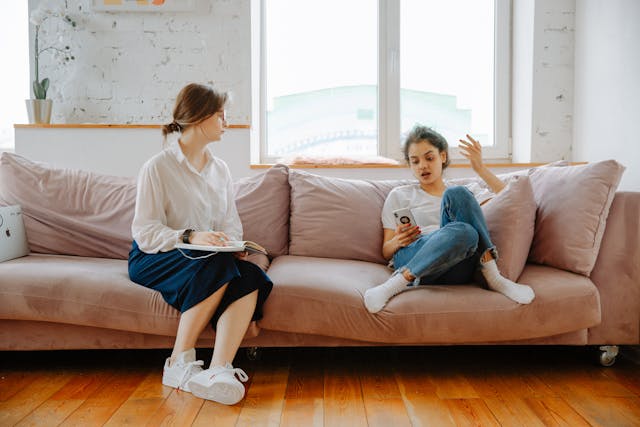
5 Negative Techniques That Deter Communication with Your Teenager
Image Source: Pexels

If it seems like your teen never comes to you with their problems, your communication style may be partly to blame. Without realizing it, you may be employing negative conversation techniques like lecturing or interrogating. When parents inadvertently invalidate their children’s feelings, they may begin to pull away emotionally. If you want to rebuild trust and open communication with your teen, here are 5 negative conversation habits to avoid. 

Lecturing Instead of Listening

Lecturing Instead of Listening
Image Source: Pexels

Trying to impart wisdom on your teen through a one-sided lecture probably won’t have the intended effect. Teens often interpret well-meaning lectures as judgment or criticism, which puts them on the defensive. Even if your monologue is full of great advice, it will likely go in one ear and out the other!

Understandably, teens want to feel heard and validated by their parents. If you talk over your teen instead of actively listening when they share their problems, your child may feel like you don’t care. 

If you’re concerned about your teen’s behavior, the first step is to ask them what’s going on and truly listen. Once you know what’s wrong, whether it’s school stress or problems with friends, you can open up a dialogue about how to solve the problem. Brainstorming potential fixes with your teen will make a bigger, more positive difference than launching into a diatribe. 

Invalidating Their Feelings

Invalidating Their Feelings
Image Source: Pexels

Teens go through big hormonal changes, which can cause them to overreact emotionally in ways that seem irrational to adults. As a parent, it’s important to put yourself in your child’s shoes and try to remember what it felt like to be a teenager. 

While young adults have fewer responsibilities than adults, they still face pressures like bullying, school, stress, social media use, and body image issues. Even seemingly minor problems like arguing with a friend can feel like the end of the world to a teen with limited life experience. 

When your child comes to you with a small problem that feels devastating, your first reaction may be to put the issue into perspective. However, that type of reaction can feel invalidating or dismissive to your teen. Instead of minimizing the situation, try to express sympathy instead. Saying “I’m sorry” or “that must’ve been hard for you” will go a long way toward building trust with your teen. You don’t have to join your teen in over-dramatizing or catastrophizing the situation to acknowledge and validate their “big feelings.” 

“Because I Said So” 

Imposing Unilateral Decisions Without Discussion
Image Source: Pexels

As parents, we’re responsible for our children’s safety. So sometimes we have to make unpopular decisions to safeguard their well-being. Teens who are trying to establish independence may not understand why healthy limits and boundaries are necessary. Your child may not see a problem with staying up late on their phone. But you know they’ll be exhausted the next day, which will affect their school performance.

If your teen doesn’t think a certain rule is necessary, try to explain your reasoning to them. Your child is more likely to follow their curfew, for example, if they understand why you chose that specific time. Avoid using authoritarian phrases like  “because I said so” to justify rules to your teen when they question you. This type of language leaves no room for discussion and may confuse and frustrate your child, leading to resentment. 

Interrogating

Interrogating
Image Source: Pexels

Parents have a biological drive to make sure children are protected and safe at all times, and knowing where they are and with whom is a crucial part of that. Unfortunately, interrogating your teen with rapid-fire questions is not the way to foster open communication. Interrogating your teen can teach him or her to drip-feed you half-truths instead of being open with you.

Your teen may feel the need to hide things from you or spin a story to get your approval. This habit of obscuring the truth could put your teen in potentially dangerous situations, such as sneaking out to go to a party. Instead of interrogating or prying, try asking open-ended questions to foster healthy, honest communication with your teen. 

For example, if your child forgets to answer your texts while out with friends, calmly ask them why. Giving them a chance to explain what happened instead of assuming the worst and interrogating them will help foster trust.

Comparing Your Teen to Others

Comparing Your Teen to Others
Image Source: Pexels

Comparing your teen to their friends or siblings is one of the most efficient ways to shut down a conversation and deter an open dialogue. While you may simply be trying to emphasize your level of concern or disappointment, blunt language can significantly impact kids and teens. Comparing your child to others can reduce their sense of individuality, lower their self-esteem, and introduce frustration. 

While other teens may seem wonderful, you have to remember you are likely seeing them on their best behavior. Inadvertently comparing your child to someone they dislike or have disagreements with can lead to resentment and more acts of rebellion.

How do you foster trust and open communication with your teen? Share your tips in the comments!

Vicky Monroe headshot
Vicky Monroe

Vicky Monroe is a freelance personal finance writer who enjoys learning about and discussing the psychology of money. In her free time, she loves to cook and tackle DIY projects.

Filed Under: Money and Finances, Parenting Tagged With: communication, Parenting, teenagers

Playground Dangers: 8 Pieces of Playground Equipment That Could Seriously Injure Your Child

April 6, 2025 | Leave a Comment

playground equipment
Image Source: 123rf.com

Playgrounds are meant to be fun and safe spaces for kids to explore and burn off energy. But not all equipment on the playground is as safe as it seems. Every year, thousands of children are treated for injuries related to swings, slides, monkey bars, and more. While supervision is key, knowing which equipment poses the highest risks can help you prevent accidents. Some older or poorly maintained equipment can become even more dangerous over time. Here’s a list of eight playground features that could put your child at risk.

1. Monkey Bars

Monkey bars may look fun, but they’re a top source of playground-related injuries. Kids often fall from high distances while swinging or skipping bars. These falls can lead to broken arms, concussions, or even spinal injuries. Children under five are especially vulnerable due to their limited upper body strength. Wet or rusted bars can increase the risk of slipping. Even strong climbers are at risk if other children bump into them mid-swing.

2. Swings

Swings may seem harmless, but they’re one of the most injury-prone pieces of equipment. Kids can be hit by a moving swing if they walk too close. Falls from high swings can result in sprains, fractures, or worse. Improper seat design or chains that pinch skin also present hazards. Double swings, where two children ride together, can increase the chance of collisions. Always check the surrounding area to ensure it’s clear before letting your child use a swing.

3. Metal Slides

Metal slides can become scorching hot in the summer sun, causing serious burns. Even when not hot, slides still pose risks due to high speed and poor landing zones. Younger children often slide down too fast or tumble forward at the bottom. Clothing can catch on the edges or joints of older slides, increasing the chance of injury. Slides that are too tall or steep are particularly dangerous for toddlers. Look for slides with smooth transitions, guardrails, and shaded placement.

4. See-Saws (Teeter Totters)

See-saws can be fun, but they require careful coordination between children. A sudden dismount by one child can send the other crashing to the ground. Pinched fingers and tailbone injuries are common if children don’t hold on properly. Poor design or uneven weight between kids can throw off balance. Older wooden see-saws may have splinters or loose bolts. Younger children may not have the strength or awareness to use them safely.

5. Merry-Go-Rounds

Merry-go-rounds are among the most dangerous equipment due to their spinning motion and potential for ejection. Kids can fall off while it’s spinning or be dragged underneath if they lose grip. Rapid spinning by older children can overwhelm younger kids. Loose clothing or shoelaces can also get caught in the moving parts. The speed and momentum can cause serious head and limb injuries. If there’s no proper handhold or braking mechanism, the risk increases significantly.

6. Climbing Nets and Rope Structures

Climbing nets might appear safe due to their flexible nature, but they come with hidden dangers. Kids can easily slip through wide gaps and become tangled in ropes. Falls from high rope towers can lead to fractures or head trauma. Over time, ropes may fray, snap, or become loose if not properly maintained. Children’s feet can also get caught, causing twisted ankles or worse. Supervision is essential, especially for younger kids on tall or complicated rope structures.

7. Spring Riders

Spring riders look cute and harmless, but can be deceptive. These ride-on toys often have strong recoil that can throw smaller kids off. Older models with exposed springs can pinch fingers or catch clothing. If the base becomes unstable, the rider can tip over completely. Children sometimes attempt to stand or jump on them, increasing the danger. Injuries from falls or improper use are common with this equipment.

8. Tire Swings

Tire swings can spin and swing in unpredictable ways, increasing the risk of collision. They often hang low, creating a tripping hazard when not in use. Kids can hit support poles or other children while swinging. Rainwater inside the tire can become a breeding ground for bacteria. The surface of the tire can also become slippery or brittle over time. Falls and impact injuries are frequent with tire swings, especially on hard surfaces.

Stay Informed, Stay Safe

Playgrounds are a vital part of childhood, but they aren’t risk-free. Knowing which equipment poses the greatest danger helps you make smarter decisions for your child. Regularly inspect playgrounds for worn-out structures, sharp edges, or unsafe surfaces. Encourage safe play, set age-appropriate boundaries, and always supervise. The safest playground is one where fun and caution go hand in hand. A little awareness today can prevent a serious injury tomorrow.

Read More

  • 10 Classic Boy Names You Won’t Hear on Every Playground
  • 7 Strange Clues That Someone Might Be Watching Your Children
Latrice Perez

Latrice is a dedicated professional with a rich background in social work, complemented by an Associate Degree in the field. Her journey has been uniquely shaped by the rewarding experience of being a stay-at-home mom to her two children, aged 13 and 5. This role has not only been a testament to her commitment to family but has also provided her with invaluable life lessons and insights.  As a mother, Latrice has embraced the opportunity to educate her children on essential life skills, with a special focus on financial literacy.

Filed Under: Safety Tagged With: Kids, Parenting, playground, playground equipment, Safety

Your Dog Died: 8 Ways To Break The News To Your Child

April 6, 2025 | Leave a Comment

dog died
Image Source: 123rf.com

Losing a pet is heartbreaking, especially when it comes to telling your child. A dog is often more than just an animal—it’s a best friend, a playmate, and part of the family. Children process grief differently, and how you break the news can shape their emotional understanding for years to come. It’s important to handle the moment with honesty, sensitivity, and care. While every child is different, there are thoughtful ways to help them through this tough loss. Here are eight compassionate ways to tell your child that their beloved dog has died.

1. Be Honest, But Gentle

Use simple and direct language that’s age-appropriate. Avoid phrases like “went to sleep” or “ran away,” which may confuse or scare younger children. Instead, say that their dog died and explain it’s a part of life, even though it’s sad. Let them know it’s okay to feel upset, confused, or even angry. Speak slowly and allow your child time to process the words. Being honest from the start helps build trust and allows for real emotional healing.

2. Choose the Right Time and Place

Pick a quiet, safe space without distractions when you tell your child. Don’t break the news during school hours, bedtime, or in a crowded place. Wait until you can be fully present to answer their questions and hold them if needed. Sitting together at home, perhaps on the couch or in their room, gives a sense of safety. Keep phones off and give your child your full attention. Timing and environment can make a big difference in how they process the news.

3. Let Them See Your Emotions

Don’t feel like you need to hold it all together. Let your child see that you’re sad too—it shows them that grief is a normal part of losing someone you love. Crying or feeling upset in front of them gives them permission to do the same. It helps them feel less alone in their pain. By modeling healthy emotion, you help them navigate their own feelings. Sharing sadness brings comfort and connection.

4. Encourage Questions

Give your child space to ask anything on their mind, even if it seems small or surprising. Children may ask where the dog is now, if they’ll see them again, or what happens when someone dies. Answer as honestly as you can, based on your family’s values or beliefs. Don’t rush to end the conversation—sometimes the questions come later. Reassure them that all questions are okay and that you’re there to talk anytime. Listening is often more important than having the perfect answer.

5. Allow Them to Say Goodbye

If it’s possible, let your child say goodbye in their own way. That could mean writing a letter, drawing a picture, or even having a small memorial. Let them decide how they want to honor their pet’s memory. Participation in a goodbye ritual can give them a sense of closure. It also reinforces the idea that their feelings and memories matter. Saying goodbye can be a powerful step in healing.

6. Share Happy Memories

Talk about the fun, joyful moments they shared with their dog. Tell stories about the dog’s silly habits, favorite toy, or the way they greeted everyone at the door. Sharing memories helps shift the focus from loss to love. It reminds your child that even though their pet is gone, the bond remains. Creating a scrapbook or photo album can be therapeutic. Honoring the good times keeps the love alive.

7. Validate Their Feelings

Let your child know that it’s okay to cry, feel angry, or even not feel much at all right away. Everyone grieves differently, and children often show emotion in waves. Avoid minimizing their sadness or trying to distract them too quickly. Saying things like “you’ll get over it” or “we’ll get a new dog” can feel dismissive. Instead, say, “I know this hurts, and I’m here for you.” Emotional validation is one of the most healing gifts you can offer.

8. Be Patient with the Healing Process

Grief doesn’t have a deadline, especially for children. They may bring up their dog weeks or even months later, and that’s okay. Let them talk about their pet whenever they need to. Grieving is not linear—it comes in waves, and your support will help them through each one. Stay open and compassionate even when it catches you off guard. Your presence and patience will make all the difference.

When Love Lives On

Losing a pet is one of the first deep heartbreaks many children face. It’s a chance for parents to guide them through grief with honesty, love, and emotional safety. How you handle this moment can shape how they understand loss and healing in the future. Through tears, questions, and memories, your child will learn that love doesn’t end with goodbye. While the pain is real, so is the bond they’ll always carry. With your support, they’ll learn that even loss can be a lesson in love that never fades.

Read More

  • Why Dogs Make Horrible Babysitters
  • 6 Dog Breeds That Will Fiercely Protect Your Children
Latrice Perez

Latrice is a dedicated professional with a rich background in social work, complemented by an Associate Degree in the field. Her journey has been uniquely shaped by the rewarding experience of being a stay-at-home mom to her two children, aged 13 and 5. This role has not only been a testament to her commitment to family but has also provided her with invaluable life lessons and insights.  As a mother, Latrice has embraced the opportunity to educate her children on essential life skills, with a special focus on financial literacy.

Filed Under: Growing Up Tagged With: children, Death, dog died, Parenting

10 Creative Discipline Techniques That Don’t Involve Time-Outs or Punishments

April 6, 2025 | 2 Comments

Discipline Techniques
Image Source: 123rf.com

Discipline doesn’t have to mean harsh consequences or time-outs that leave kids confused or upset. In fact, positive discipline strategies can be more effective in teaching kids long-term behavior and emotional regulation. These creative techniques help children understand their actions, build self-awareness, and develop problem-solving skills. The goal is not to shame or scare a child into compliance, but to guide them into better choices. By using patience, consistency, and creativity, parents can create a calmer and more respectful household. Here are 10 discipline techniques that don’t rely on traditional punishments.

1. Redirection

When a child is acting out, sometimes the best move is to redirect their attention to something positive. This works especially well for toddlers and young children who respond to immediate distractions. If your child is throwing blocks, you can guide them to a puzzle or a drawing activity instead. Redirection gently shifts focus without making the child feel “in trouble.” It prevents escalation while keeping your child engaged and learning. Over time, it helps them understand there are better outlets for their energy.

2. Offer Choices

Children often misbehave when they feel powerless or overwhelmed. Giving them two acceptable choices helps them feel more in control and less likely to act out. For example, instead of saying, “Put on your shoes now,” say, “Would you like to wear your red shoes or your blue ones today?” This keeps the child within boundaries while giving them some autonomy. It also prevents power struggles and builds decision-making skills. The sense of control helps calm behavior quickly.

3. Use Natural Consequences

Letting children experience the natural result of their actions—without interference—can be a powerful teacher. If a child refuses to wear a coat, they’ll feel cold and understand why it’s needed. As long as safety isn’t at risk, natural consequences build responsibility and awareness. Instead of punishing a child for forgetting homework, let the teacher address it. These moments teach real-world lessons better than any imposed discipline. Children learn that actions have results—without fear or shame.

4. Practice Do-Overs

Mistakes are learning opportunities, and sometimes a do-over is all that’s needed. If your child speaks rudely, encourage them to try again with a kind voice. Practicing respectful communication or helpful behavior reinforces what’s expected. This approach builds emotional intelligence while correcting behavior. It’s less about shame and more about skill-building. Do-overs create room for growth, not guilt.

5. Calm-Down Corners

Instead of sending kids away as a punishment, create a calm-down space filled with books, soft pillows, or sensory toys. This is not a time-out but a space to help kids regulate their emotions. Let them go there when they’re overwhelmed—not when they’re “bad.” Over time, they learn to choose calming strategies on their own. It encourages mindfulness and emotional control. Teaching kids to pause and reflect is more valuable than isolating them.

6. Role Play Better Behavior

Turn challenging situations into teachable moments through role play. If a child hits out of frustration, act out a better way to express anger together. Practicing kind responses through play helps kids internalize behavior in a low-pressure setting. Use dolls, puppets, or pretend scenarios to illustrate how to solve conflicts. Kids retain lessons better when they’re involved and engaged. It’s a fun way to reinforce respectful actions.

7. Reflective Conversations

After a conflict, sit down with your child to talk about what happened and how they felt. Ask open-ended questions like, “What were you feeling when you did that?” or “What can we try next time?” These conversations help children connect emotions to behavior. It also strengthens the parent-child bond through active listening. Reflection teaches self-awareness and accountability without blame. Over time, kids begin to think before they act.

8. Use Humor and Playfulness

Sometimes humor can diffuse tension faster than lectures. A silly voice, dance break, or playful challenge can redirect a child’s energy. Laughter releases stress and can shift a child’s mood instantly. This method doesn’t ignore misbehavior—it resets the atmosphere so solutions are possible. Humor builds connection and helps children feel safe even in tense moments. It’s a powerful tool for connection and cooperation.

9. Positive Reinforcement

Catch your child doing something right and praise it genuinely. Positive reinforcement builds self-esteem and encourages good behavior. Instead of focusing on what they’re doing wrong, highlight what they’re doing well. Say things like, “I noticed how gently you played with your sister today.” These affirmations motivate kids to repeat positive actions. Encouragement is a stronger motivator than criticism.

10. Set Clear Expectations in Advance

Often, children misbehave because they didn’t know what was expected. Set clear rules ahead of time, especially before outings or transitions. Use simple language and repeat instructions calmly. When children understand the boundaries, they’re more likely to stay within them. Consistency is key to helping them feel secure. Prevention is one of the most effective forms of discipline.

Rethinking Discipline Starts With Connection

Discipline doesn’t have to be about control—it can be about guidance, growth, and connection. When children feel safe, respected, and understood, they’re more likely to respond positively. These techniques help build lifelong emotional skills while reducing daily conflict. The best discipline happens in moments of empathy, not punishment. By staying calm, creative, and consistent, you can shape behavior while strengthening your relationship. In the end, connection is the most powerful tool a parent can use.

Read More

  • What Is Positive Discipline? A Cost-Effective Approach to Parenting
  • Stop Now! 12 Behaviors That Say You’ve Crossed The Line From Discipline to Abuse
Latrice Perez

Latrice is a dedicated professional with a rich background in social work, complemented by an Associate Degree in the field. Her journey has been uniquely shaped by the rewarding experience of being a stay-at-home mom to her two children, aged 13 and 5. This role has not only been a testament to her commitment to family but has also provided her with invaluable life lessons and insights.  As a mother, Latrice has embraced the opportunity to educate her children on essential life skills, with a special focus on financial literacy.

Filed Under: Parenting Tagged With: children, discipline techniques, Parenting

9 Surprising Benefits of Letting Kids Make Their Own Rules for a Day

April 6, 2025 | Leave a Comment

make your own rules
Image Source: 123rf.com

Letting kids call the shots for a day might sound chaotic, but it can actually be an eye-opening experience for both children and parents. With the right boundaries in place, giving kids temporary control can teach life skills, build confidence, and strengthen family bonds. While structure is important, the occasional “kid rules day” allows children to express themselves in new ways. This creative experiment often reveals just how thoughtful and capable kids can be. The result is often a mix of fun, unexpected insights, and memorable moments. Here are nine surprising benefits of letting your kids make the rules for a day.

1. Builds Confidence and Decision-Making Skills

When kids get to make decisions, they realize their opinions matter. It’s empowering to be trusted with choices that usually fall to adults. Choosing what to eat, what to wear, or where to go can be exciting and affirming. Over time, this builds confidence in their own judgment. Even small decisions made throughout the day can help kids become more comfortable with responsibility. That confidence spills over into school, friendships, and future challenges.

2. Encourages Creative Thinking

Kids often come up with imaginative ideas when given free rein. Their rules may include silly activities, invented games, or unconventional routines. This kind of creativity is hard to foster when they’re always following adult instructions. Letting them take the lead encourages original thinking and problem-solving. Parents might be surprised at how inventive and thoughtful their child’s ideas can be. These moments often become the foundation for stronger creativity in other areas of life.

3. Teaches Cause and Effect

By allowing kids to set their own rules, they quickly learn how actions create consequences. If they stay up late or skip vegetables, they may feel tired or sluggish the next day. Instead of hearing “I told you so,” they experience the results firsthand. This form of natural consequence teaches more than lectures ever could. Parents can gently guide the learning process without stepping in too quickly. These moments become powerful teaching tools that stick.

4. Strengthens Family Communication

A day of kid-made rules opens the door for real conversation. Parents learn what matters to their kids, what they enjoy, and how they see the world. In turn, kids feel heard and understood, which boosts connection. The shared experience of the day becomes a memory to laugh about or reflect on. It encourages open dialogue about choices, routines, and emotions. These communication wins often extend far beyond just one day.

5. Promotes Empathy and Consideration

When kids are in charge, they quickly realize their rules affect others. A sibling might not enjoy a loud game or an unconventional breakfast choice. This helps children think about how their decisions impact people around them. Parents can use this to highlight empathy and compromise. It’s a gentle lesson in leadership and fairness. Encouraging kids to consider others while making rules fosters emotional intelligence.

6. Reduces Power Struggles

Letting kids set the rules for a day can help reduce tension and conflict. It creates a safe space where their voices are prioritized. When children feel heard and empowered, they’re less likely to rebel on other days. This cooperative experience can improve behavior in everyday routines. Parents also gain insight into what their kids value most. That understanding makes discipline and guidance easier in the future.

7. Sparks Gratitude for Structure

After a full day of making their own rules, many kids realize how much they rely on structure. They may discover that having someone else cook, clean, or keep things organized is actually comforting. Experiencing the “freedom” comes with understanding its limits. Parents can use this opportunity to talk about the balance between rules and freedom. It often leads to a new appreciation for the normal routine. Gratitude grows when kids see the bigger picture.

8. Encourages Independence

Giving kids control for a day encourages them to think and act independently. Instead of relying on constant adult direction, they learn to plan, manage time, and follow through. These are key skills for future success. Parents can observe how their child handles responsibility in a safe and supported setting. It’s a chance for kids to build autonomy without pressure. That independence leads to more self-reliant, confident kids.

9. Creates Fun, Memorable Moments

Perhaps the best benefit of all is the joy that comes from a kid-ruled day. The laughter, silliness, and surprises make for lasting memories. Families bond over pajama days, cereal dinners, or made-up games. Kids remember being trusted, and parents get a glimpse into their child’s imagination. It’s a reminder that joy and connection are just as important as routine. Sometimes, breaking the rules for a day brings families closer than ever.

Letting Go To Let Them Grow

Letting kids make their own rules—just for a day—can offer powerful life lessons wrapped in fun. It teaches responsibility, sparks creativity, and builds trust between parents and children. While it’s not a daily approach, it’s a meaningful exercise in growth. Children feel seen, heard, and respected when given the chance to lead. And parents walk away with deeper insight into their child’s personality and needs. So go ahead—let them take the reins for a day and watch them shine.

Read More

  • The Benefits of 1000 Hours Outside
  • Financial Benefits of Optimally Spacing Childbirth
Latrice Perez

Latrice is a dedicated professional with a rich background in social work, complemented by an Associate Degree in the field. Her journey has been uniquely shaped by the rewarding experience of being a stay-at-home mom to her two children, aged 13 and 5. This role has not only been a testament to her commitment to family but has also provided her with invaluable life lessons and insights.  As a mother, Latrice has embraced the opportunity to educate her children on essential life skills, with a special focus on financial literacy.

Filed Under: Family Time Tagged With: children, free day, make your own rules, Parenting

6 Dog Breeds That Will Fiercely Protect Your Children

April 5, 2025 | Leave a Comment

German Shepard
Image Source: 123rf.com

When choosing a family dog, finding a breed that is both loving and protective is essential. Certain breeds are naturally inclined to guard and defend, making them wonderful companions for households with children. Combining fierce loyalty with gentle care, these dogs ensure your children’s safety while enriching their lives with affection. Here are six dog breeds known for their protective instincts and devotion to family.

German Shepherd

German Shepherds are highly intelligent and loyal, making them exceptional protectors for families. They have a strong sense of vigilance and can quickly recognize potential dangers, stepping in to safeguard their loved ones. Despite their role as guardians, they are gentle, patient, and affectionate with children. Their trainability ensures they adapt well to family routines and rules. With their energy and versatility, German Shepherds fit perfectly into active households that can keep them engaged.

Labrador Retriever

While Labrador Retrievers are known for their friendly and sociable nature, they are also fiercely protective when it comes to their families. Labs form strong bonds with children and instinctively defend them when necessary. They’re gentle and calm around kids, making them an ideal breed for households with younger children. Proper training strengthens their protective instincts, creating a balance between playfulness and vigilance. Their loving demeanor ensures they are both trusted guardians and cherished companions.

Boxer

Close up view of a Boxer dog looking at camera.
Image Source: 123rf.com

Energetic and full of personality, Boxers are devoted to their families and naturally protective of their children. These dogs are alert and fearless, always ready to respond to potential threats. Their affectionate and playful nature makes them wonderful with kids, while their loyalty guarantees safety. Boxers thrive in family environments where their energy is embraced and matched with regular physical activity. Their enthusiasm and dedication bring both security and joy to households.

Golden Retriever

Golden Retrievers may not have the imposing presence of other protective breeds, but their loyalty and intelligence make them exceptional guardians. Known for their gentle demeanor, they are incredibly patient with children and quick to sense and respond to potential dangers. Their trainable nature allows them to adapt to the needs of their families effortlessly. Golden Retrievers excel in homes with young children, fostering a nurturing and safe environment.

Doberman Pinscher

Doberman Pinschers are fearless and highly focused, qualities that make them excellent protectors. Although they have an intimidating presence, Dobermans are incredibly loving and devoted to their families. They’re known for their quick responses to threats and unwavering loyalty, making them reliable guardians. Their intelligence and need for structure mean they thrive with consistent training that channels their protective instincts. Dobermans are ideal for families who appreciate their courage and affectionate bond.

Great Pyrenees

Calm and composed, Great Pyrenees dogs are natural guardians with a gentle heart. Originally bred to protect livestock, these dogs extend their protective instincts to their families, especially children. They are patient and nurturing, making them perfect for households with kids. Their vigilance ensures your family’s safety, while their loving nature fosters strong connections. Despite their large size, Great Pyrenees are known for their kindness and adaptability, offering security and affection in equal measure.

Loyal Companions for Peace of Mind

Protective dog breeds combine devotion and safeguarding instincts, making them ideal for families with children. These six breeds excel at providing both security and love, ensuring a harmonious household dynamic. With proper training and care, they become trusted companions who enrich the lives of everyone they protect.

Which breed would work best with your family’s needs? Share your thoughts and experiences in the comments below.

Read More:

14 Profitable Stay-at-Home Mom Jobs Online (That Are Worth Your Time)

These Are The 8 Best Pets For Small Children

Tamila McDonald
Tamila McDonald

Tamila McDonald is a U.S. Army veteran with 20 years of service, including five years as a military financial advisor. After retiring from the Army, she spent eight years as an AFCPE-certified personal financial advisor for wounded warriors and their families. Now she writes about personal finance and benefits programs for numerous financial websites.

Filed Under: Pets Tagged With: child safety, family dogs, loyal companions, protective dog breeds

Why Father-Daughter Dances Mean So Much To Your Child

April 4, 2025 | Leave a Comment

That was great. Full length shot of an adorable little girl giving her father a high five after dancing with him
Image Source: 123rf.com

They might seem like a simple evening of music, cupcakes, and awkward dancing. But for a little girl, a father-daughter dance can mean the world. It’s not just about the event—it’s about what it represents: time, attention, and the message that she’s loved just as she is. These moments shape her understanding of relationships, self-worth, and connection. Let’s explore why these dances matter so much—and why showing up is far more powerful than you might realize.

It’s About Feeling Chosen

When a father takes his daughter to a dance, she feels seen, special, and chosen. It sends a clear message: “You’re worth my time.” In a world where girls often compete for attention—on social media, in school, even at home—this undivided focus matters. It tells her she doesn’t have to perform or change to be loved. That foundation of security can ripple through her confidence for years to come.

It Creates a Blueprint for Future Relationships

How a girl experiences love and respect in childhood shapes what she accepts as normal later on. A father who opens doors, listens closely, and shows up with kindness sets the bar. That doesn’t mean being perfect—but it does mean being present. The father-daughter dance becomes a memory she returns to when she’s dating, navigating friendships, or choosing a partner. It becomes the first example of how she deserves to be treated.

It Strengthens the Emotional Bond

Life is busy. Between school, work, and responsibilities, it’s easy to move through the days without real connection. A father-daughter dance carves out time for just the two of them. It allows for laughter, deep conversation, or even just shared silence on the car ride home. These small moments build emotional safety, reminding her that she can always turn to her dad—no matter how old she gets.

It Shows Her She Matters

Happy father and daughter wearing as princesses taking selfie at home, happy moments together
Image Source: 123rf.com

Kids don’t remember everything we say—but they remember how we made them feel. Showing up to an event that’s all about her leaves a lasting impression. It tells her, “You matter. You’re worth celebrating. I want to be here.” That kind of message sticks far longer than any gift ever could. It’s not about being fancy—it’s about being there.

It Teaches Fathers, Too

These dances aren’t just for daughters—they’re lessons for fathers as well. They offer a chance to listen, observe, and truly engage without distractions. Many dads leave these events feeling more connected and more aware of their daughter’s emotional world. It’s a reminder that even a small gesture of love can create big impact. And that parenting isn’t about grand speeches—it’s about consistent presence.

When Memories Become Meaning

The beauty of a father-daughter dance lies in its simplicity. It’s not about the photos, the outfits, or the music. It’s about a little girl twirling under lights, knowing that the most important man in her life thinks she’s worth dancing with. These moments become more than memories—they become proof. Proof that loves shows up. And that kind of proof lasts a lifetime.

Do you have a memory like this that still makes you smile? Or are you planning to attend one soon? Share your thoughts or experiences in the comments—we’d love to hear your story!

Read More:

Single Fathers Are Stepping Up: Here Are 10 Motivations Behind Fathers Taking Over Raising Their Children

What Dads Wish They Did Differently with Their Daughters

Latrice Perez

Latrice is a dedicated professional with a rich background in social work, complemented by an Associate Degree in the field. Her journey has been uniquely shaped by the rewarding experience of being a stay-at-home mom to her two children, aged 13 and 5. This role has not only been a testament to her commitment to family but has also provided her with invaluable life lessons and insights.  As a mother, Latrice has embraced the opportunity to educate her children on essential life skills, with a special focus on financial literacy.

Filed Under: Parenting Tagged With: father daughter dances, feeling chosen, memories become meaning, teach fathers

8 Expenses for Children That No Parent Should Be Paying

April 4, 2025 | Leave a Comment

Portrait of two young elegant brothers posing in wooden frame, looking at camera, wearing fashionable eyeglasses and bow tie.
Image Source: 123rf.com

Raising kids isn’t cheap—we all know that. But somewhere along the parenting journey, the line between providing and enabling can get blurry. Sometimes, we foot the bill not because it’s necessary, but because it feels easier than teaching a valuable lesson. If you’re paying for everything under the sun just to keep the peace, it may be time to reassess. Let’s dive into the eight expenses that might be hurting more than helping—and what you can do instead.

1. Constant In-App Purchases and Gaming Subscriptions

It’s easy to tap “approve” when your child begs for that $4.99 skin or add-on, but it adds up fast. These small digital purchases can teach kids that gratification is only a credit card swipe away. Instead, set spending limits and make them earn virtual perks through chores or allowances. This builds delayed gratification and financial literacy. Teaching kids to wait or work for things trains them to value money—not just use it.

2. Expensive Trendy Clothing

Trends fade, but money lessons stick around. Buying your child every new drop from popular brands can create entitlement and poor budgeting habits. There’s nothing wrong with style, but there’s value in teaching kids how to mix high-low fashion or shop secondhand. Let them use their own savings if they really want that pricey hoodie. It builds independence and helps them distinguish between wants and needs.

3. Extracurricular Activities They’re Not Committed To

We all want our kids to explore their passions—but not at the cost of endless sign-ups and dropouts. Paying for piano, soccer, karate, and coding class when your child isn’t committed can waste time and money. Encourage your child to stick with one activity for a full season before moving on. This teaches discipline, commitment, and respect for your investment. It also gives them the chance to truly learn and grow.

4. Unlimited Data and Streaming Services

Kids don’t need 24/7 access to every app, streaming platform, and social media site. These recurring costs can become long-term expenses that don’t offer much return. More importantly, unrestricted digital access can hurt attention spans, sleep, and social skills. Offer limited screen time and explain the cost of these services. If they want more, let them contribute to the bill—it’s a powerful lesson in responsibility.

5. Fancy Birthday Parties Every Year

Adorable kids have fun together throw colourful confetti at birthday party. They playing together in different games, spending time in decorated studio. Children and events concept
Image Source: 123rf.com

Throwing a birthday bash with ponies, entertainers, and custom cakes might make for good pictures—but is it really worth it every year? The pressure to “go big or go home” is strong, but kids often remember the love and fun more than the decor. Save the splurges for milestone birthdays and focus on meaningful experiences the rest of the time. Teaching kids that joy doesn’t always have to come with a price tag is a gift in itself. They’ll carry that mindset into adulthood.

6. Daily School Lunches from Outside Restaurants

Grabbing lunch from fast food places every day is costly and often unhealthy. While it may seem like a small treat, it creates a habit that’s hard to break and expectations that are hard to meet. Instead, teach your child how to pack a lunch or get involved in meal prep. This promotes healthier choices and saves money. It also shows them the value of effort and planning.

7. Replacement Fees for Lost or Broken Items

Replacing water bottles, jackets, and headphones every month because they were lost or broken? That’s a pattern worth addressing. Covering these costs every time removes accountability. Instead, encourage your child to take care of their belongings and, if they lose them, have them help cover the cost. This builds mindfulness, responsibility, and problem-solving skills.

8. Their Gas Money Once They Start Driving

While it’s normal to help with driving expenses initially, paying for all their gas long-term can teach the wrong message. Driving is a privilege, not a right, and gas costs are a real-world responsibility. Encourage your teen to get a part-time job or handle small errands to contribute. Even if they just chip in occasionally, it sets expectations for adulthood. It also makes them think twice before making unnecessary trips.

Why It’s Okay to Say No

Setting financial boundaries with your children isn’t mean—it’s wise. When parents constantly pay for everything, kids miss out on essential life lessons. It’s not about withholding; it’s about preparing them for the real world. Learning how to manage money, work for things, and value what they have builds confidence and resilience. By saying “no” sometimes, you’re giving your child something far more valuable: self-sufficiency.

What are some expenses you’ve stopped paying for that taught your kids important lessons? Drop your thoughts in the comments—I’d love to hear how other parents handle this!

Read More:

Parenting the Second Time Around: 12 Reasons Your Parents Shouldn’t Be Raising Your Kids

Parenting Myths Busted: The Outdated Advice You Can Finally Ignore

Latrice Perez

Latrice is a dedicated professional with a rich background in social work, complemented by an Associate Degree in the field. Her journey has been uniquely shaped by the rewarding experience of being a stay-at-home mom to her two children, aged 13 and 5. This role has not only been a testament to her commitment to family but has also provided her with invaluable life lessons and insights.  As a mother, Latrice has embraced the opportunity to educate her children on essential life skills, with a special focus on financial literacy.

Filed Under: Parenting Tagged With: budget tips, child responsibility, financial literacy, kids and money, Life Lessons, modern parenting, Parenting, parenting boundaries

Is It Ethical to Enroll Children in Competitive Pageants?

April 4, 2025 | Leave a Comment

Beautiful little girl in a dress posing
Image Source: 123rf.com

Every year, thousands of children take the stage in competitive pageants that promise glamour and success. However, behind the glitz and sparkle lies a growing debate about the ethics of involving young children in such high-pressure environments. The spotlight of a pageant can expose children to intense scrutiny, unrealistic beauty standards, and emotional stress. In this article, we explore whether enrolling children in competitive pageants is truly in their best interest or if it exploits their vulnerabilities.

The Nature of Competitive Pageants

Competitive pageants for children emphasize physical appearance, performance, and the ability to handle pressure. They often feature elaborate costumes, rigorous rehearsals, and strict judging criteria. Proponents claim that pageants help children develop confidence, poise, and public speaking skills. However, the focus on appearance and perfection can overshadow the child’s genuine interests and talents. Critics argue that these events place undue stress on young minds by prioritizing aesthetics over character development.

Psychological Impact on Young Participants

Participating in pageants can have profound psychological effects on children. The intense pressure to conform to specific standards may lead to anxiety, low self-esteem, and body image issues. The constant scrutiny and competition can distort a child’s self-perception and sense of self-worth. Such experiences can have lasting consequences on their emotional development and future relationships. Many experts question whether the benefits outweigh the potential harm to a child’s mental health.

Financial and Social Pressures

Competitive pageants often require significant financial investment in costumes, coaching, travel, and entry fees. This financial burden can strain family resources and create disparities among participants. Moreover, the time commitment and social pressure associated with pageants can impact a child’s academic and social development. Families may feel compelled to invest heavily in these events, sometimes at the expense of other enriching experiences. The commercial nature of pageants raises concerns about exploiting children’s vulnerability for profit.

Ethical Considerations for Parents

Cute girl golden crown outdoors green nature background, princess
Image Source: 123rf.com

Enrolling a child in a competitive pageant raises ethical questions about consent and autonomy. Young children are not fully capable of understanding the implications of participating in such high-stakes competitions. Parents must weigh their aspirations against the potential risks and pressures imposed on their child. Ethical parenting requires that decisions be made with the child’s long-term well-being in mind. Many argue that the drive for fame or financial gain should never come at the expense of a child’s emotional and physical health.

Alternatives to Traditional Pageants

For parents seeking to boost their child’s confidence without the intense pressures of pageants, there are alternative avenues to explore. Community theater, dance classes, or local talent shows offer platforms for performance without the same level of scrutiny. These alternatives tend to focus on personal growth, creativity, and skill development rather than rigid beauty standards. They provide a more supportive environment that nurtures a child’s individuality. Ultimately, these options allow children to shine in their own unique way without the potential pitfalls of competitive pageants.

Children’s Exposure to Pageantry

While competitive pageants may offer certain benefits, the ethical and psychological concerns they raise are significant. The pressure to conform to high expectations, coupled with financial and social burdens, can outweigh the potential gains. Parents should consider whether the environment of a pageant truly aligns with their child’s best interests. Alternative avenues that promote personal growth and genuine self-expression may offer a healthier path. Ultimately, protecting a child’s well-being should always come first.

Do you think the benefits of competitive pageants justify the risks they pose to young children? Share your insights and experiences in the comments below.

Read More:

8 Safety Measures Parents Often Overlook at Home

Should You Let Your Child Decide Their Own Gender Identity?

Tamila McDonald
Tamila McDonald

Tamila McDonald is a U.S. Army veteran with 20 years of service, including five years as a military financial advisor. After retiring from the Army, she spent eight years as an AFCPE-certified personal financial advisor for wounded warriors and their families. Now she writes about personal finance and benefits programs for numerous financial websites.

Filed Under: Parenting Tagged With: child development, child pageants, competitive pageants, ethics, Parenting

6 Signs Your Child Is Struggling with Social Anxiety

April 3, 2025 | Leave a Comment

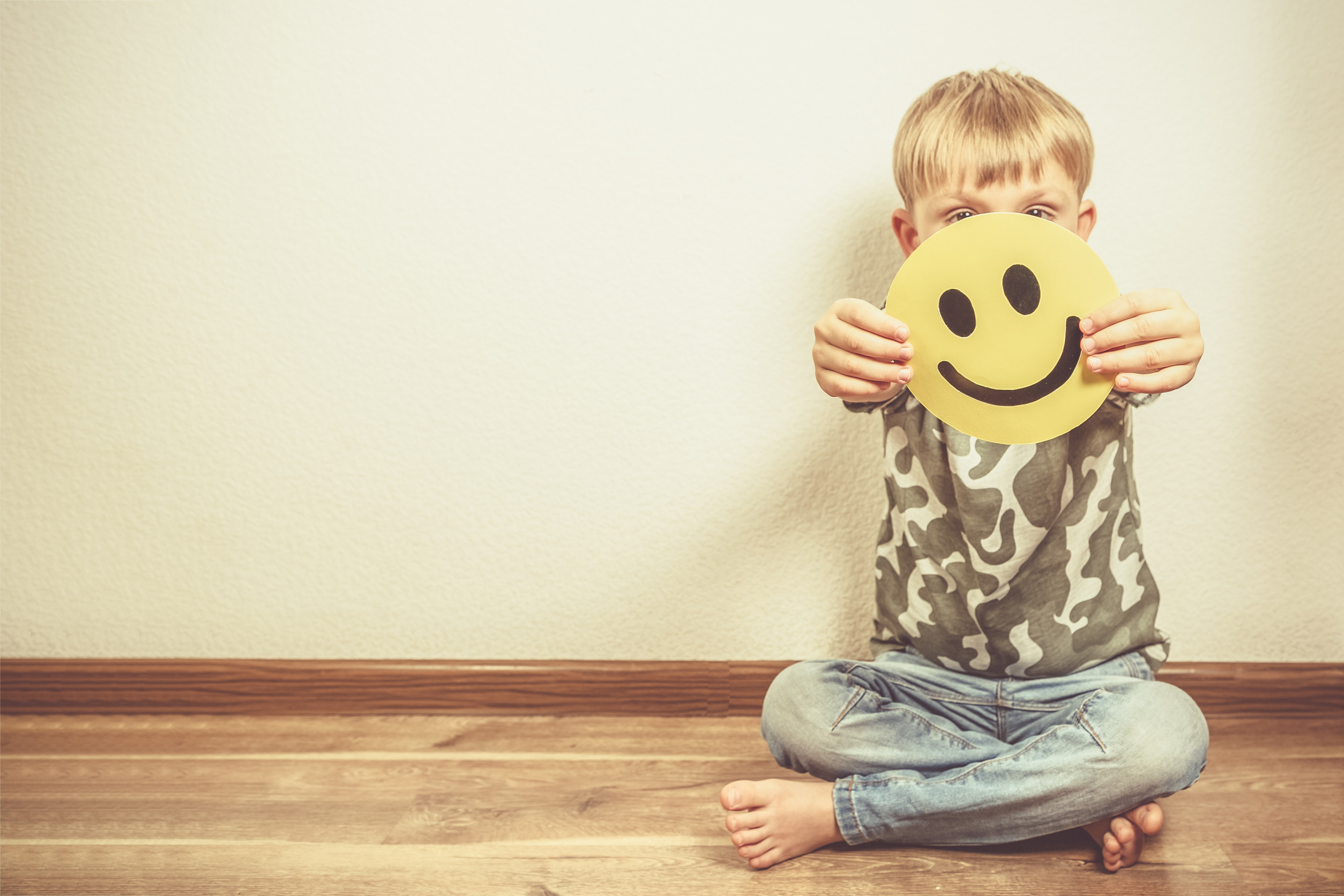
Girl being bullied at the school. Educational school isolation and bullying concept.
Image Source: 123rf.com

Every child experiences moments of shyness in social situations, but social anxiety can significantly impact a child’s ability to form friendships and express themselves. When anxiety becomes more than occasional nerves, it can hinder their emotional and social growth. Recognizing the early signs of social anxiety can be crucial to providing the right support. This article highlights six telltale indicators that your child may be struggling with social anxiety.

1. Avoidance of Social Situations

A child with social anxiety often avoids events or settings that require interaction with peers or adults. Instances such as skipping birthday parties or isolating themselves at school can be warning signs. This behavior goes beyond shyness, indicating deeper feelings of inadequacy and fear. Early awareness can help parents implement supportive strategies.

2. Excessive Fear of Judgment

Children with social anxiety often worry excessively about what others think of them. This fear can keep them from engaging fully in social or academic activities. Their self-doubt may hold them back from trying new experiences. Encouraging positive self-talk and reassurance can help mitigate these fears.

3. Physical Symptoms During Social Interactions

Social anxiety can manifest physically, with symptoms like stomachaches, headaches, sweating, or trembling. These signs appear before or during social events, signaling overwhelming stress. They serve as your child’s body’s way of communicating their discomfort. Recognizing these cues early is crucial to providing appropriate support.

4. Difficulty Making Eye Contact or Speaking in Groups

Some children struggle to make eye contact or speak in group settings due to anxiety. This reluctance often stems from a fear of drawing attention or making mistakes. Over time, this behavior may hinder classroom participation and social development. Gradual, supportive exposure to group interactions can help build their confidence.

5. Extreme Clinginess or Reliance on Parents in Social Settings

Mother and daughter in studio
Image Source: 123rf.com

Older children with social anxiety might lean heavily on their parents in unfamiliar social environments. This excessive reliance signals discomfort with independent interactions. It indicates that they are not ready to navigate social settings on their own. Encouraging gradual independence can help them build self-reliance and confidence.

6. Overthinking Past Social Interactions

Children dealing with social anxiety often ruminate over past interactions, fixating on perceived mistakes or embarrassments. This constant self-analysis reinforces their fear of future social engagements. While reflection can be normal, persistent overthinking can be debilitating. Implementing mindfulness or counseling techniques can help break this cycle.

Early Recognition: Building a Path to Social Confidence

Recognizing social anxiety in children is the first step towards offering effective support. With guidance, understanding, and appropriate strategies, they can overcome these challenges and flourish socially. Early intervention can lead to significant improvements in their overall emotional health. Fostering a supportive environment is key to their development.

Has your child shown signs of social anxiety? What strategies have you found helpful in supporting them? Share your experiences and insights in the comments below!

Read More:

6 Parenting Decisions That Could Lead to Legal Trouble

The One Gentle Parenting Trick That Changed Everything

Latrice Perez

Latrice is a dedicated professional with a rich background in social work, complemented by an Associate Degree in the field. Her journey has been uniquely shaped by the rewarding experience of being a stay-at-home mom to her two children, aged 13 and 5. This role has not only been a testament to her commitment to family but has also provided her with invaluable life lessons and insights.  As a mother, Latrice has embraced the opportunity to educate her children on essential life skills, with a special focus on financial literacy.

Filed Under: Money and Finances, Parenting Tagged With: exteme clinginess, making eye contact, Overthinking Past Social Interactions, social anxiety

10 Screen-Free Activities to Keep Kids Entertained

April 3, 2025 | Leave a Comment

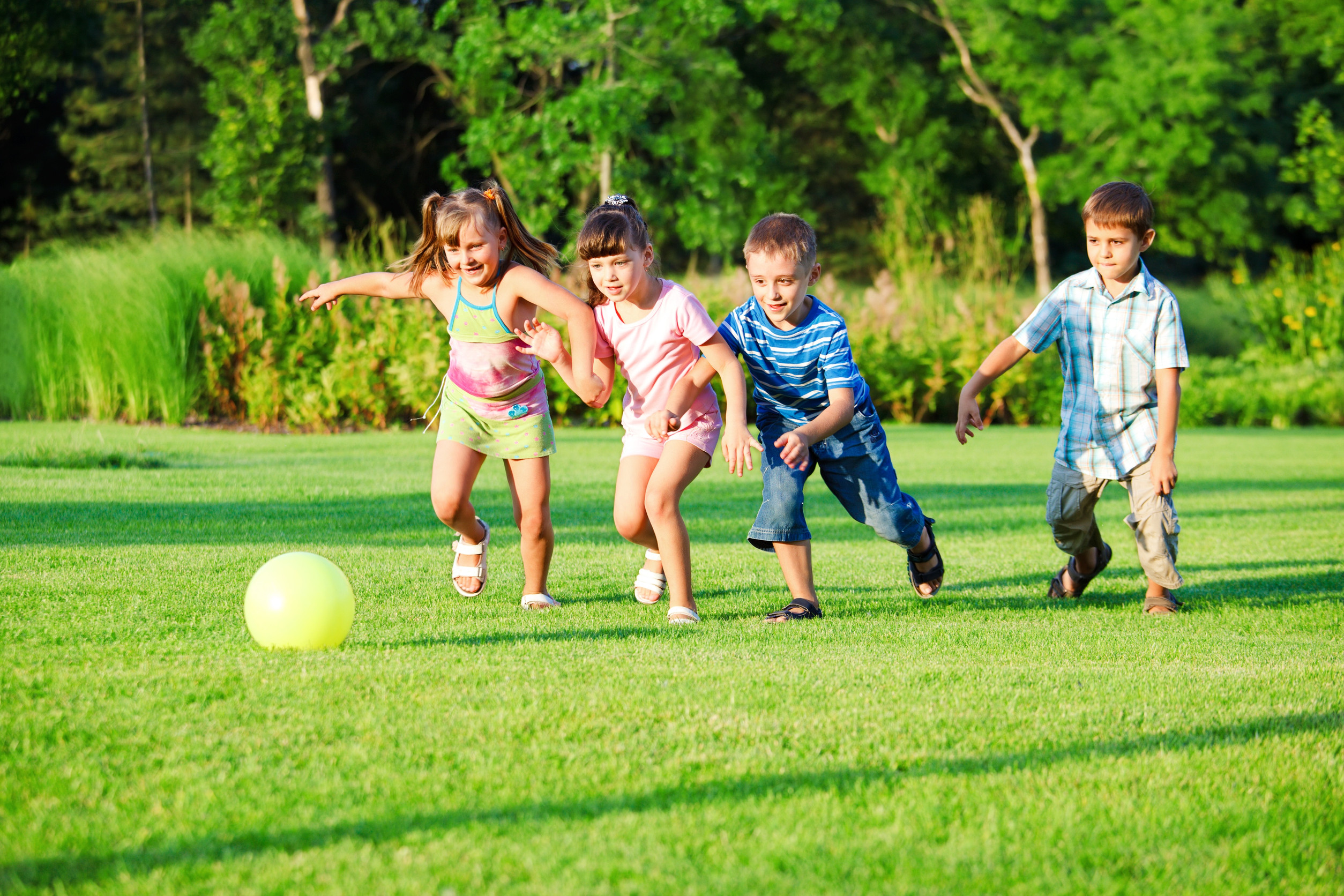
Kids group playing with ball in the backyard
Image Source: 123rf.com

In today’s digital age, keeping kids entertained without screens can feel like an impossible challenge. However, there are plenty of enriching, fun-filled activities that not only keep children engaged but also foster creativity, problem-solving, and social interaction. Whether you’re looking for indoor or outdoor options, these screen-free activities offer a refreshing alternative to digital entertainment.

1. Build a Fort

Creating a cozy hideaway using blankets, pillows, and furniture is an exciting adventure. Encourage kids to design their own forts with tunnels, multiple rooms, or even a ‘secret entrance.’ Once the fort is built, they can use it as a reading nook, an imaginative play space, or even a pretend camp-out. This activity promotes creativity, problem-solving, and teamwork. Bonus points for incorporating twinkling fairy lights for an extra magical touch!

2. Create a DIY Obstacle Course

Turn your living room or backyard into a challenging course using household items. Kids can jump over pillows, crawl under chairs, and balance on a line of tape. Adding time challenges or different difficulty levels makes it even more engaging. This physical activity improves coordination and helps burn off extra energy. Kids love the sense of achievement when they conquer the course!

3. Write and Act Out a Play

Encourage your child to create their own story and perform it as a theatrical production. They can design costumes, make props, and rehearse their lines before putting on a final performance for the family. Acting helps build confidence and encourages self-expression. Let them experiment with different genres like comedy, mystery, or fantasy. Maybe even film their production to watch later!

4. Cook a Simple Recipe Together

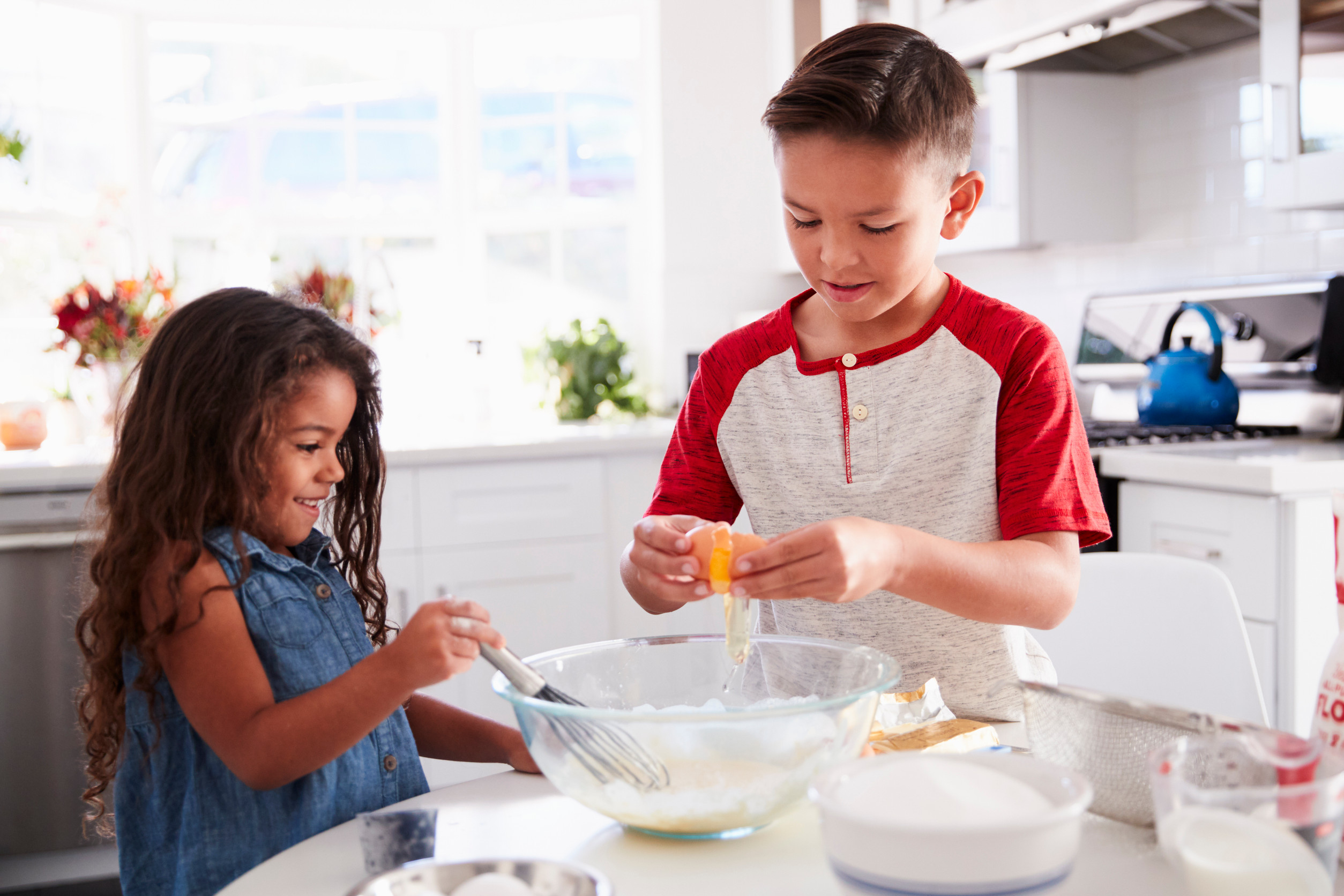
Brother and sister preparing cake mixture together at the kitchen table, waist up
Image Source: 123rf.com

Get kids involved in the kitchen by selecting an easy-to-make recipe they’ll enjoy preparing. Measuring ingredients, stirring, and assembling food teaches valuable skills while making mealtime more engaging. Choose fun options like homemade pizza, fruit popsicles, or sandwiches with creative shapes. Cooking together fosters independence and an appreciation for food. Plus, it’s a wonderful bonding experience!

5. Go on a Nature Scavenger Hunt

Whether in your backyard, a local park, or during a hike, a nature scavenger hunt is a fantastic way to explore the outdoors. Create a checklist of items to find—such as pinecones, specific leaves, animal tracks, or flowers. This activity encourages observation skills and an appreciation for the natural world. As an added twist, challenge kids to take notes or draw what they discover!

6. Try Origami or Crafting

Origami is a fascinating way to turn a simple piece of paper into intricate designs. Teaching kids how to fold different shapes strengthens patience and fine motor skills. Alternatively, craft projects like friendship bracelets, DIY greeting cards, or painting on rocks are fantastic screen-free hobbies. They can even create gifts for friends and family!

7. Host a Family Game Night

Board games, card games, or even charades provide endless entertainment while fostering teamwork and problem-solving skills. Make it a tradition by selecting different games each week. Whether competitive or cooperative, games help children practice strategy, patience, and fair play. For added excitement, let them create their own game with fun rules and challenges!

8. Read a Book or Tell Stories

Cultivate a love for storytelling by diving into a captivating book or making up a story together. Allow kids to take turns adding to the narrative, creating unexpected twists. Reading enhances vocabulary and imagination while providing a calm, screen-free experience. Encourage them to write and illustrate their own stories if they feel inspired!

9. Explore Science Experiments

Engage curiosity with simple at-home science experiments, like baking soda volcanoes, invisible ink, or homemade slime. Science-based activities enhance critical thinking and exploration skills while being fun to perform. Many experiments require only common household items, making them budget-friendly. These activities nurture a love of learning through hands-on discovery!

10. Garden or Grow Something

Teaching kids how to care for plants fosters responsibility, patience, and an appreciation for nature. Whether growing flowers, herbs, or vegetables, this hands-on activity connects them with the natural world. Start small by planting seeds in a pot or creating a small garden patch. They’ll see the fruits of their labor as they nurture life from seed to bloom!

Child’s Creativity

Screen-free entertainment doesn’t have to be boring or difficult to arrange. With a little creativity, kids can engage in enriching activities that build crucial skills and promote family bonding. Encouraging offline play leads to more meaningful interactions and lifelong hobbies. Try integrating a few of these ideas and watch your child’s creativity soar!

Which of these activities will you try first? Do you have any other screen-free ideas to share? Drop a comment below and let’s inspire more creative play!

Read More: 

10 Rules That Should Apply to Parents and Children in a Healthy Household

5 Toys That Were Never Designed to Be Used by Children

Latrice Perez

Latrice is a dedicated professional with a rich background in social work, complemented by an Associate Degree in the field. Her journey has been uniquely shaped by the rewarding experience of being a stay-at-home mom to her two children, aged 13 and 5. This role has not only been a testament to her commitment to family but has also provided her with invaluable life lessons and insights.  As a mother, Latrice has embraced the opportunity to educate her children on essential life skills, with a special focus on financial literacy.

Filed Under: Parenting Tagged With: child development, Creativity, education, Family bonding, fun for kids, kids activities, learning through play, Parenting, screen-free play

« Previous Page
Next Page »
  • Facebook
  • Pinterest
  • RSS
  • Twitter
Best Parenting Blogs

Most Popular

Baby Girl

12 “Grandma” Baby Names That Are Suddenly Cool Again

Evan Morgan
Baby

9 Baby Names That Sound Rare Without Being Hard to Spell

Evan Morgan
Target Store

Choking Incident Prompts Recall of 49,000 Target Gigglescape “Under the Sea” Popping Toys

Evan Morgan
Frustrated Girl

Why Some Students on the Spectrum Are Labeled With ODD

Evan Morgan
Coke Bottles

12 Things Kids Took to School in the ’70s That Would Never Be Allowed Today

Evan Morgan

All content on Kids Ain’t Cheap is for entertainment purposes only. By reading this blog, you agree that Kids Ain’t Cheap is not responsible for any actions taken after reading this blog. For the full disclaimer, see our privacy policy.

Please note that Kids Ain’t Cheap has financial relationships with some of the merchants mentioned here. Kids Ain’t Cheap is funded by banner advertising, commission sales and search optimization consulting.

Copyright © 2006–2026 | District Media | All Rights Reserved | Privacy Policy

Copyright © 2026 Runway Pro Theme by Viva la Violette