
• Home
  • About Us
  • Toolkit
  • Archives
  • Advertise
  • Privacy Policy

Kids Ain't Cheap

But They Sure Are Worth It

  • Parenting
    • Baby Stuff
    • Books and Reading
      • Aesops Fables
      • Comic Books
    • Education
    • Family Time
    • Green Living
    • Growing Up
    • Healthy Living & Eating
    • Holidays
    • Parenting
    • Random Musings
    • Shopping
    • Stuff to Do
  • Money
  • Product Reviews
    • Books and Magazines
    • Discount Sites
    • Furniture
    • House Keeping
    • Reviews News
    • Toys and Games
  • Contact Us
  • Our Editorial Commitment
  • Search

10 Common Phrases Parents Say That Can Damage Emotional Growth

January 9, 2026 | Leave a Comment

10 Common Phrases Parents Say That Can Damage Emotional Growth
Image source: shutterstock.com

Most parents don’t mean harm when words pop out in a stressful moment, but kids don’t only remember what was said—they remember how it felt. The tricky part is that common phrases can sound “normal” in the moment while quietly teaching kids to doubt their emotions, hide needs, or perform for approval. The goal isn’t to talk perfectly or never lose patience. It’s to notice which lines shut a child down and swap them for language that keeps connection and accountability intact. These ten examples are some of the biggest culprits, plus simple replacements that help kids grow emotional skills without feeling dismissed.

1. “You’re Fine”

This phrase can teach kids to question their own body cues, whether they’re hurt, scared, or overwhelmed. It often lands like a dismissal, even when a parent is trying to calm the moment down. Over time, kids may learn to minimize pain or avoid asking for help because they expect to be brushed off. A better option is, “I see you’re hurting—tell me what happened,” which keeps the door open. Then follow with a practical step like a hug, a quick check for injury, or a calm reset.

2. “Stop Being So Sensitive”

Kids hear this as “Your feelings are a problem,” which can push them toward shame instead of resilience. It also skips the real lesson, which is how to manage big feelings without exploding or collapsing. When a parent labels sensitivity as wrong, kids may start masking emotions or becoming defensive to protect themselves. Try, “That hit you hard—let’s talk about what you heard,” and help them name the feeling. After that, guide them to a coping skill like breathing, a short break, or a do-over conversation.

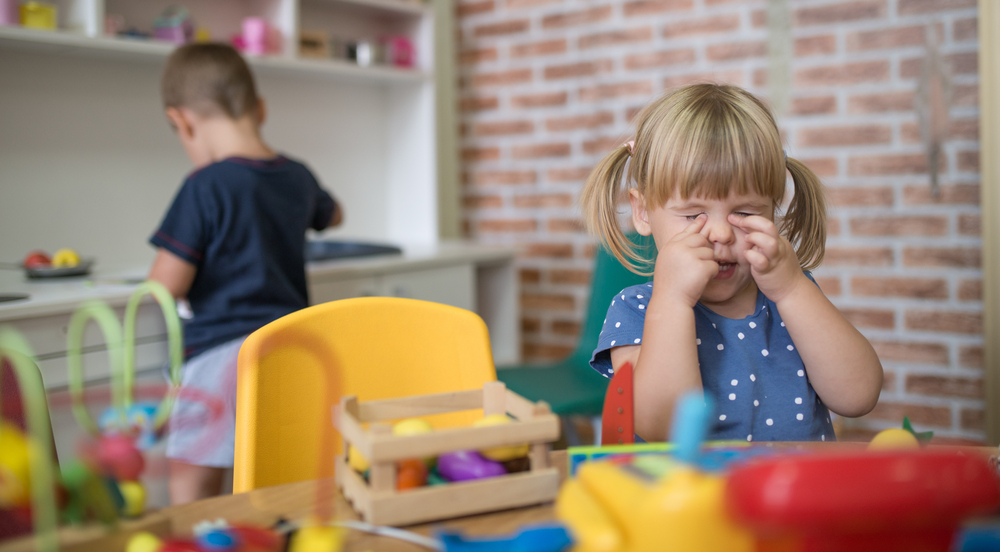
3. “Stop Crying”

Crying is a regulation tool for many kids, and stopping it isn’t the same as calming down. When kids are told to stop, they often learn to hide tears rather than work through what caused them. This can make emotional blowups more likely later because the feeling never got processed. Swap it for, “It’s OK to cry—when you’re ready, we’ll figure this out together.” If the moment is public or busy, add a plan: “Let’s step aside for two minutes, then we’ll try again.”

4. “Because I Said So”

This line ends the conversation, but it doesn’t build understanding or cooperation long-term. Kids may comply short-term while quietly learning that power matters more than reasons. It can also make them less likely to share concerns, since they expect to be shut down. Try, “The answer is no, and here’s why,” using one clear reason and one clear boundary. If time is tight, promise a follow-up: “We’ll talk more after dinner, but the rule stands.”

5. “You Always…” or “You Never…”

Absolutes turn a single mistake into a fixed identity, which can make kids feel hopeless about improving. They also invite arguing, because kids immediately search for exceptions instead of hearing the point. Over time, these common phrases can create a “why try” attitude where kids assume they’re already labeled. Replace them with, “I’m noticing a pattern,” and name the specific behavior you want changed. Then give one next step: “Tonight, we’re putting shoes by the door before bed.”

6. “I’m Disappointed in You”

Disappointment can be real, but kids often translate this into “I’m not lovable when I mess up.” That fear can lead to secrecy, perfectionism, or people-pleasing instead of honest accountability. It also focuses on the parent’s feelings more than the child’s choices and repair. Try, “I don’t like that choice, and we need to fix what happened,” which separates behavior from worth. Follow with repair language: “What can you do to make it right?”

7. “Why Can’t You Be More Like Your Brother/Sister?”

Comparisons don’t motivate most kids—they make them feel ranked. One child feels inadequate, and the other feels pressured to stay “the good one,” which can fuel resentment on both sides. Kids also miss the chance to learn skills in a way that fits their personality. If you catch yourself going there, pause and use common phrases less by getting specific instead. Try, “I need you to do X,” and then coach the skill, like how to start homework or how to speak respectfully.

8. “Don’t Be Mad”

Anger isn’t the enemy; it’s information that something felt unfair, scary, or out of control. When kids are told not to be mad, they may learn to suppress anger until it shows up as sarcasm, defiance, or anxiety. The better lesson is separating the feeling from the behavior. Say, “You can be mad, but you can’t hit or insult,” and offer choices like stomping outside, squeezing a pillow, or taking space. After they settle, help them find the need underneath the anger.

9. “If You Loved Me, You Would…”

This turns love into a bargaining chip, and kids learn that affection depends on performance. It can also blur boundaries, because kids start feeling responsible for managing adult emotions. Over time, common phrases like this can create guilt-based obedience instead of internal values. Swap it for, “I’m feeling stressed, but it’s my job to handle my feelings,” which models healthy responsibility. Then make a direct request: “Please put your plate in the sink because we all contribute.”

10. “You’re Making Me Crazy”

Kids can’t control a parent’s nervous system, but this phrase implies they can—and that’s a heavy burden. It can make kids feel powerful in the worst way, like their feelings cause chaos, so they hide them. It also lets the parent’s reaction stand in for a boundary. Try, “I’m getting overwhelmed, so I’m taking a minute,” which shows regulation in action. Then return with a calm boundary: “I can help when voices are at a normal volume.”

The Switch That Builds Emotional Strength

Small language changes matter because kids practice emotions with parents before they use those skills in the world. When parents replace shamey lines with clear boundaries and empathy, kids learn both self-control and self-respect. Keep one goal in mind: name the feeling, set the limit, and teach the next step. Write down two replacement lines and practice them when everyone is calm, so they’re easier to reach for under stress.

Which common phrases are toughest to stop saying in your house, and what replacements would feel more doable?

What to Read Next…

Backfiring: 11 Parenting Strategies That Backfire on Kids

6 Parenting Phrases Experts Say Cause Long-Term Insecurity

8 Discipline Strategies That Actually Increase Rebellion

10 Parent Habits That Teachers Say Are Making Kids Rude

8 Parenting Rules That Were Invented by Social Media—Not Experts

Catherine Reed
Catherine Reed

Catherine is a tech-savvy writer who has focused on the personal finance space for more than eight years. She has a Bachelor’s in Information Technology and enjoys showcasing how tech can simplify everyday personal finance tasks like budgeting, spending tracking, and planning for the future. Additionally, she’s explored the ins and outs of the world of side hustles and loves to share what she’s learned along the way. When she’s not working, you can find her relaxing at home in the Pacific Northwest with her two cats or enjoying a cup of coffee at her neighborhood cafe.

Filed Under: Parenting Tagged With: child development, communication, discipline, emotional growth, Emotional Regulation, family relationships, gentle boundaries, mental health skills, Parenting

10 Subtle Signs That Your Child Is Losing Trust in You

January 6, 2026 | Leave a Comment

10 Subtle Signs That Your Child Is Losing Trust in You
Image source: shutterstock.com

Trust doesn’t usually vanish overnight—it fades in tiny moments that feel easy to brush off. A shift in tone, a new kind of silence, or a habit of avoiding eye contact can be your early clue that something’s changed. The good news is that noticing the pattern is often enough to turn things around, because kids want to feel safe with you. If you’re worried about losing trust, you don’t need a perfect script—you need consistent repair. These subtle signs can help you spot the drift and respond before it grows.

1. They Stop Volunteering Small Details

You notice they answer questions with one word and don’t circle back with stories. They may still talk, but it’s only about safe topics like homework or what’s for dinner. When you ask follow-ups, they seem annoyed or suddenly “forget.” This often happens when they expect your reaction to be judgment or a lecture. Try responding with curiosity and calm, even when you don’t love what you hear.

2. They Ask More “What If” Questions Than Usual

Kids who feel secure ask for help, but kids who feel unsure test the edges with hypotheticals. They might say, “What would happen if someone lied?” instead of admitting what they did. When consequences feel unpredictable, losing trust can look like constant checking for how mad you’ll be. You can help by naming the goal: “I want the truth more than I want to punish you.” Keep consequences clear, and keep your tone steady.

3. They Get Defensive Over Minor Feedback

A simple reminder turns into a big reaction, even when you feel like you said it gently. They might argue details, blame siblings, or insist you “always” pick on them. Under the surface, they’re protecting themselves from feeling small or unsafe. This is a good time to separate correction from connection by offering reassurance first. Say what you noticed, explain why it matters, and remind them you’re on the same team.

4. Losing Trust Shows Up As “Fine”

They say “fine” to everything, even when you can tell they’re not fine at all. Their face goes blank, their shoulders rise, and the conversation shuts down fast. This isn’t always disrespect—it can be self-protection when talking feels risky. Instead of pushing, try a softer second door like, “Do you want advice, comfort, or space?” If they choose space, set a time to check in again so it doesn’t become permanent distance.

5. They Hide Small Mistakes Instead of Asking for Help

You find out about missing homework, a spilled drink, or a broken item after it’s already a bigger problem. That usually means they expect you to explode or shame them, even if you don’t mean to. When losing trust is in play, kids choose secrecy because it feels safer than honesty. Make repair easier by praising truth-telling the moment it happens. Then handle the issue with clear steps, not character attacks.

6. They Avoid Being Alone With You

They hover near siblings, stay in public rooms, or suddenly “need” to be on a call when you sit down. Sometimes they rush through bedtime or ask the other parent to handle routines. This can be about conflict, but it can also be about emotional safety. Notice when it happens most, like after discipline or during stressful weeks. Rebuild comfort with short, low-pressure time together that doesn’t turn into a talk.

7. They Joke or Deflect When Conversations Get Real

The moment you ask how they’re feeling, they turn it into a joke or change the subject. Humor can be a healthy coping tool, but it can also be a shield. If losing trust has made them wary, they may fear you’ll dismiss their feelings or turn them into a lesson. You can respond by validating the emotion you suspect without forcing a confession. Try, “I get the sense this is a lot, and I’m here when you’re ready.”

8. They Seem Relieved When You’re Not Around

You walk in, and the mood shifts like someone turned down the volume. They may look calmer at a friend’s house or more open with a coach or relative. That doesn’t automatically mean you’re the “bad parent,” but it does signal tension they’re carrying with you. Look for patterns: is it only after conflict, or is it constant? Use that information to adjust how you enter the room, especially with tone and pace.

9. They Stop Coming to You After They’ve Done Something Wrong

Instead of confessing, they wait to get caught, or they tell someone else first. They may also over-explain, like they’re building a case for why they shouldn’t be in trouble. When losing trust starts to grow, kids expect anger more than guidance, so they avoid your reaction. You can change the cycle by leading with, “Thank you for telling me,” even if you’re upset. Save the lecture for later, and focus first on safety and next steps.

10. They Don’t Believe Your Apologies

You say you’re sorry, but they shrug, roll their eyes, or act like it doesn’t matter. That response can mean they’ve heard apologies that didn’t change anything afterward. If losing trust is connected to repeated patterns, your child is watching for behavior, not words. Keep apologies specific, and name what you’ll do differently next time. Then follow through in a way they can actually notice.

Repair Starts With Consistency, Not Perfection

You don’t rebuild connection with one big conversation—you rebuild it with small, dependable moments. Keep your tone calmer than the situation “deserves,” because your child is tracking emotional safety first. Say what you mean, do what you say, and admit mistakes without making your child manage your feelings. If you’ve noticed losing trust, start with one change you can repeat daily, like listening longer before reacting. Over time, those repeats teach your child you’re safe to come back to.

Which of these signs surprised you most, and what’s one small change you’re going to try this week?

What to Read Next…

Building Trust: The Key to Helping Children Open Up About Feelings

8 Tiny Phrases That Build Big Confidence in Kids

How to Build Kids’ Resilience and Gratitude During a Cold Month of Cabin Fever

Do Modern Parenting Hacks Leave Out Crucial Emotional Support?

Parenting in the Age of Doubt: Are We Losing Confidence in Our Choices?

Catherine Reed
Catherine Reed

Catherine is a tech-savvy writer who has focused on the personal finance space for more than eight years. She has a Bachelor’s in Information Technology and enjoys showcasing how tech can simplify everyday personal finance tasks like budgeting, spending tracking, and planning for the future. Additionally, she’s explored the ins and outs of the world of side hustles and loves to share what she’s learned along the way. When she’s not working, you can find her relaxing at home in the Pacific Northwest with her two cats or enjoying a cup of coffee at her neighborhood cafe.

Filed Under: Parenting Tagged With: child trust, connection with kids, discipline tips, emotional safety, family communication, healthy boundaries, Parenting

9 Warning Signs That Your Child’s Daycare Is Cutting Corners

January 5, 2026 | Leave a Comment

9 Warning Signs That Your Child’s Daycare Is Cutting Corners
Image source: shutterstock.com

Daycare is supposed to feel like the place where your child is safe, cared for, and actually seen—not just supervised in the most basic way. But when a center gets stressed, understaffed, or overly focused on saving money, small changes can stack up fast. The hard part is that many parents notice a “weird vibe” long before they get a clear explanation. If you’re worried your child’s daycare might be cutting corners, you don’t need to panic, but you do need to pay attention. These warning signs can help you spot problems early and decide what to do next.

1. Ratios Look Off, And Supervision Feels Thin

If you consistently see one adult juggling too many kids, that’s a safety issue, not a personality quirk. Crowded rooms make accidents more likely, especially during transitions like pick-up, meals, and outdoor time. Ask what the child-to-teacher ratio is for your child’s age group, then compare it to what you observe. When staff is stretched too thin, even great caregivers miss things. If you suspect cutting corners, show up at different times and note whether supervision changes.

2. Staff Turnover Is Constant And Nobody Explains Why

Seeing new faces now and then is normal, but constant churn is a red flag. Kids thrive on predictability, and caregivers can’t build trust if they’re gone in weeks. High turnover can also signal burnout, low pay, or poor management, which impacts the whole room. Ask how long lead teachers have been there and whether aides are trained or just “helping out.” When cutting corners drives staffing decisions, parents usually feel it in communication and consistency.

3. The Space Looks Dirty, Worn, Or Barely Maintained

A little mess during playtime is fine, but grime, odors, and sticky surfaces aren’t. Check bathrooms, diapering areas, and floors near snack tables because those spots tell the truth fast. Look at toys and soft items for stains, missing parts, and signs they aren’t being cleaned regularly. Ask how often linens are washed and high-touch toys are sanitized. If you see cutting corners in cleaning, assume they’re taking shortcuts elsewhere, too.

4. Clear Signs Of Cutting Corners In Staffing

When a center is short-staffed, you’ll see it in the schedule before you see it in an email. Teachers may look exhausted, breaks may never happen, and one adult may float between multiple rooms. You might hear “we’re making it work today” more often than you should. Ask who covers when someone calls out and whether subs are background-checked and trained. If answers feel vague, press for specifics because staffing is the backbone of safety.

5. Injuries Or Incidents Feel Downplayed Or Poorly Documented

Kids get bumps, but you should hear about them clearly and promptly. If your child comes home with marks and staff can’t explain what happened, that’s a problem. Ask how incident reports work, who fills them out, and whether you can review them at pick-up. You should also be told what steps they took to prevent a repeat issue. When cutting corners affects reporting, accountability disappears, and parents lose their chance to protect their child.

6. Sick Policies Shift Based On Convenience

Good centers follow consistent illness rules, even when it’s inconvenient for everyone. If you notice kids coughing nonstop in class, or staff seems unsure when to send someone home, pay attention. Ask what “fever-free” means, how long kids must be symptom-free, and how they handle outbreaks. Also notice whether handwashing is supervised and routine or treated like a suggestion. When cutting corners shows up in health policies, sickness spreads and your child’s comfort drops.

7. Meals, Snacks, Or Diapering Supplies Suddenly Seem Cheaper

If the snack quality drops or your child starts coming home unusually hungry, it’s worth asking questions. You don’t need gourmet food, but you should see balanced options and reasonable portions. For diapering, you should never feel like changes are being delayed to save supplies or time. Ask about meal plans, allergy practices, and whether diaper changes follow a set schedule. If cutting corners is happening in basics, the day likely feels harder for kids.

8. Communication Is Defensive, Vague, Or Always “Too Busy”

A solid daycare welcomes questions because parents are partners, not problems. If staff gets irritated when you ask normal things, that’s a warning sign. Watch for patterns like unanswered messages, rushed handoffs, or updates that don’t match what your child describes. Ask how they share daily notes, behavior concerns, and developmental updates. When the center stops communicating well, it gets easier for bigger issues to stay hidden.

9. Licensing Details Aren’t Easy To Find Or They Avoid Oversight

A reputable daycare doesn’t act secretive about licensing, inspections, or policies. You should be able to see their license posted and get a clear answer on who to contact with concerns. If they discourage drop-ins, avoid tours during active times, or seem nervous about questions, trust your gut. Look for posted emergency plans, staff certifications, and clear pick-up procedures. If transparency is missing, it’s harder to believe quality is a priority.

What To Do When Something Feels Off

Start by writing down what you’ve noticed, including dates and specific examples, so you’re not relying on memory. Schedule a calm conversation and ask direct questions, then pay attention to how they respond, not just what they say. If you don’t get clear answers, do a visit at a different time and observe routines like transitions, diapering, and cleanup. If concerns remain, consider checking public inspection histories and reporting issues through your local licensing agency. You’re not overreacting by protecting your child, and switching care can be the safest move when trust is gone.

What’s one daycare “red flag” you wish you’d known to watch for sooner?

What to Read Next…

You’re Overpaying: 8 Hidden Fees In Daycare Contracts That Surprise You

Top 10 States Where Childcare Costs Now Exceed Rent

6 Reasons Daycare Cameras Are Becoming a Legal Battleground

Childcare Costs Are Crippling Families: The Economic Crisis No One Is Talking About

Why Are More Parents Questioning the Value of Preschool?

Catherine Reed
Catherine Reed

Catherine is a tech-savvy writer who has focused on the personal finance space for more than eight years. She has a Bachelor’s in Information Technology and enjoys showcasing how tech can simplify everyday personal finance tasks like budgeting, spending tracking, and planning for the future. Additionally, she’s explored the ins and outs of the world of side hustles and loves to share what she’s learned along the way. When she’s not working, you can find her relaxing at home in the Pacific Northwest with her two cats or enjoying a cup of coffee at her neighborhood cafe.

Filed Under: Parenting Tagged With: child health and safety, childcare tips, daycare cleanliness, daycare safety, daycare staffing, early childhood care, parenting red flags

10 Mistakes Parents Make When Talking About Money With Kids

January 5, 2026 | Leave a Comment

10 Mistakes Parents Make When Talking About Money With Kids
Image source: shutterstock.com

Money talks happen whether you plan them or not—at the checkout line, during bill time, or when your kid asks why “that family” has something you don’t. The tricky part is that kids don’t just hear what you say; they absorb your tone, your stress level, and the little rules you live by. If you’ve ever worried you’re saying the “wrong” thing, you’re not alone, and you’re not failing. A few simple shifts can turn everyday moments into calm, confidence-building lessons. Here are the most common mistakes parents make and what to do instead.

1. Expecting Talking About Money To Be One Big Talk

A lot of parents wait for a perfect moment, then feel stuck when it never shows up. Kids learn better from short, repeatable conversations than one serious sit-down. Try a “two-minute money chat” during routine moments like grocery planning or packing lunches. When you keep it casual, you lower the pressure for both of you. Over time, those small talks add up to real understanding.

2. Using Shame or Fear To Get Compliance

If your child hears “we can’t afford that” said with frustration, they may connect money to panic. Instead, name the decision without blaming anyone: “That isn’t in our plan right now.” You can still hold the boundary and stay kind at the same time. When talking about money, aim for calm facts over emotional heat. Kids copy your emotional relationship with money as much as your rules.

3. Hiding All Money Stress Like It’s a Secret

Some parents think silence protects kids, but total secrecy can make money feel scary and mysterious. You don’t need to share adult details, yet you can explain basics like “We’re being careful this month.” That approach teaches kids that money has limits, not that money is a taboo subject. If your child senses tension, a simple explanation can reduce their anxiety. Use age-appropriate honesty, then redirect to what you’re doing to handle it.

4. Saying “No” Without Explaining the Trade-Off

“No” is a complete sentence, but kids also need to learn how decisions get made. Try adding one sentence that shows the trade: “We’re skipping that because we’re saving for our trip.” This turns a denial into a lesson in priorities and planning. When talking about money, trade-offs are the most powerful idea you can teach. They learn that spending is a choice, not a personality trait.

5. Treating Allowance as a Reward Instead of a Tool

When allowance only shows up for “being good,” kids may see money as something you earn by pleasing people. Consider separating behavior from budgeting by using allowance to practice planning. You can still have chores, but frame them as contributing to the household, not earning your worth. When talking about money, consistency beats perfection because kids need repetition. A small, predictable amount can teach saving, spending, and giving far better than random payouts.

6. Rescuing Them From Every Money Mistake

It’s hard to watch your kid blow their dollars on something forgettable, but that’s how they learn. If you immediately replace the money or buy the better version, the lesson disappears. Let them feel a small consequence now, so they don’t face a huge one later. Help them reflect with questions like “Was it worth it?” without mocking them. Your job is to coach, not to control.

7. Comparing Your Family to Other Families

Kids notice differences fast, and comparison can turn into resentment or insecurity. Instead of “We’re not like them,” try “Every family makes different choices with their money.” This keeps the focus on values and decisions rather than status. When talking about money, values language helps kids feel grounded instead of deprived. You can also point out invisible costs, like debt, time, or stress, without judging others.

8. Only Talking About Prices Instead of Values

If the only lesson is “that’s expensive,” kids may assume spending less is always the goal. Teach them to ask, “Do I use it a lot?” “Does it solve a real problem?” and “Will I still care next week?” This shifts the conversation from price tags to purpose. When talking about money, values-based questions build better habits than strict rules. It also helps kids understand why you’ll spend on some things and skip others.

9. Making Money Sound Like a Measure of Worth

Statements like “We’re broke” or “I’m bad with money” can stick in a kid’s identity for years. Swap identity labels for skill language: “We’re learning,” “We’re practicing,” or “We’re working on a plan.” Kids should hear that money is a tool you manage, not a scoreboard that judges you. If you mess up, model a reset: “That choice didn’t work—here’s what I’ll do differently.” That teaches resilience, not shame.

10. Skipping Practice With Real-Life Choices

Kids don’t learn money skills from lectures; they learn by doing. Give them safe chances to choose, like picking between two snack options within a set amount. Let them help plan one low-stakes part of the budget, like a family movie night. When talking about money, practice turns abstract ideas into real confidence. Start small, stay consistent, and celebrate good thinking more than perfect outcomes.

The Money Message Kids Remember Most

Your kid won’t remember every rule, but they’ll remember whether money felt scary or manageable at home. Keep your tone calm, your explanations simple, and your expectations realistic for their age. Focus on trade-offs, values, and practice, and your child will build skills without feeling judged. Small conversations, repeated often, create the safest space for learning. The goal isn’t perfection—it’s raising a kid who can think clearly and act wisely.

What’s the hardest part of talking with your kids about money—setting limits, staying calm, or explaining trade-offs?

What to Read Next…

Your Kid’s First Allowance: A Powerful Moment You Shouldn’t Waste

Smart Ways to Teach Kids About Money During Winter Break

How a $5 Weekly Allowance Turns Into a Lifetime of Poor Spending Habits

Cheap and Engaging Ways to Teach Kids Chores That Start Paying Off Now

Are You Being Too Transparent With Your Kids About Finances?

Catherine Reed
Catherine Reed

Catherine is a tech-savvy writer who has focused on the personal finance space for more than eight years. She has a Bachelor’s in Information Technology and enjoys showcasing how tech can simplify everyday personal finance tasks like budgeting, spending tracking, and planning for the future. Additionally, she’s explored the ins and outs of the world of side hustles and loves to share what she’s learned along the way. When she’s not working, you can find her relaxing at home in the Pacific Northwest with her two cats or enjoying a cup of coffee at her neighborhood cafe.

Filed Under: Parenting Tagged With: allowance tips, Family Budgeting, financial literacy, kids and money, money habits, Parenting, teaching kids finances

8 Parenting Rules That Were Invented by Social Media—Not Experts

January 4, 2026 | Leave a Comment

8 Parenting Rules That Were Invented by Social Media—Not Experts
Image source: shutterstock.com

Scroll long enough and you’ll start to feel like you’re failing at something you didn’t even know had a rulebook. Viral advice turns everyday moments into “tests,” and suddenly you’re second-guessing bedtime, snacks, chores, and even the way you talk to your kid. A lot of parenting rules online aren’t built on child development, family logistics, or real-life limits—they’re built on what looks impressive in a 20-second clip. The result is guilt, perfectionism, and a constant sense that you’re behind. Let’s break down eight popular “rules” that sound official, but often create more stress than support.

1. Never Say “No” Without a Full Script

Social media loves a calm, perfectly worded explanation for every limit, but kids often need clarity more than a speech. When you feel pressured to narrate everything, you can accidentally turn simple boundaries into negotiations. Try short, kind limits first, then add a brief reason only if your child truly needs it. If your kid escalates, focus on regulating the moment, not delivering a flawless lesson. When parenting rules demand constant scripts, they ignore that parents also have limited energy and time.

2. Parenting Rules That Ban All “Good Job” Praise

The internet loves to say praise is “bad” because it creates approval-seeking kids, but that take gets oversimplified fast. Encouragement can help kids notice effort, feel seen, and stay motivated, especially when they’re learning something hard. Instead of eliminating praise, make it specific and grounded, like “You kept trying even when it was tricky.” Balance it with curiosity, like “How did you figure that out?” so your child builds internal pride, too. You don’t need to fear every warm word just because a trend made it sound dangerous.

3. Gentle Parenting Means Your Child Never Cries

Some posts treat any crying as proof you “caused harm,” which sets parents up to avoid normal frustration. Kids cry because they’re tired, disappointed, overstimulated, or learning how to handle limits. Your job isn’t to prevent tears at all costs, it’s to stay steady and help them move through big feelings safely. Offer comfort, name the feeling, and keep the boundary without arguing. If a method claims “no tears allowed,” it’s selling a fantasy, not a childhood reality.

4. If They Melt Down, You Must Have “Triggered” Them

This idea makes parents feel like every hard moment is a personal mistake, instead of a normal developmental experience. Kids have meltdowns for lots of reasons, including hunger, transitions, sensory overload, or simply being five. You can respond with empathy without taking responsibility for every emotion your child has. Focus on patterns you can control, like better snack timing, clearer warnings, or calmer exits from fun activities. When parenting rules frame all dysregulation as your fault, they quietly teach parents to panic instead of problem-solve.

5. Screen Time Is Always Bad, No Exceptions

Blanket rules sound bold online, but real families deal with work schedules, sick days, travel, and multiple kids with different needs. The better question is what your child watches, when they watch it, and how they act afterward. Create simple guardrails like “screens after homework” or “one show, then outside time,” and stick to them consistently. Co-watch sometimes so you can talk about what they’re seeing and keep it age-appropriate. A flexible plan you can follow beats a perfect rule you break every week.

6. You Should Never Use Rewards, Ever

Reward charts get treated like a moral failure online, but they can help kids practice routines while skills are still forming. Rewards don’t have to be big, pricey, or manipulative, and they don’t have to last forever. Use them for short seasons, like getting out the door on time or building a new bedtime routine, then fade them out as habits stick. Pair rewards with skill-building, like visual schedules and clear steps, so your child isn’t guessing what to do. Some parenting rules turn tools into taboos, which leaves parents with fewer options when they need support.

7. Your Child Must Eat Exactly What You Serve

This rule sounds tough and tidy, but it ignores sensory preferences, anxiety, and the simple fact that appetites change daily. Power struggles at the table can make picky eating worse and turn dinner into a nightly showdown. Try a “safe food” alongside the meal so your child has something reliable, and let them explore new foods without pressure. Keep portions small and offer repeated exposure, because familiarity often does more than force. Structure matters, but rigid food battles rarely build a healthy relationship with eating.

8. A “Good Parent” Always Feels Calm

Calm parenting gets presented like a personality trait instead of a practice, and that’s not fair to humans with jobs, stress, and no sleep. Kids benefit from repair just as much as they benefit from calm, because repair teaches accountability and trust. If you snap, name it, apologize, and say what you’ll try next time, then move forward without spiraling. Build tiny habits that support you, like a pause phrase, a glass of water, or stepping into another room for ten seconds. Social media loves perfection, but real families grow through realistic recovery.

The Real Test Is What Works in Your House

Before you adopt a viral rule, ask what problem it actually solves and what it costs your family in stress. Look for guidance that respects child development and respects that parents are people, too. Keep what helps, drop what creates shame, and adjust based on your child’s temperament and your household’s limits. If a tip makes you feel like you’re constantly failing, it’s probably designed for clicks, not for real life. You can build a healthy family culture without performing parenting for the internet.

Which social media “rule” has made you feel the most pressure, and what finally helped you let it go?

What to Read Next…

10 Things You’re Overspending On Because of Social Media Parenting Trends

Why Are So Many Parents Afraid to Discipline in Public Now?

10 Things You Should NEVER Share About Your Children on Social Media

Do Modern Parenting Hacks Leave Out Crucial Emotional Support?

The Art of Saying ‘No’: Setting Boundaries with Love

Catherine Reed
Catherine Reed

Catherine is a tech-savvy writer who has focused on the personal finance space for more than eight years. She has a Bachelor’s in Information Technology and enjoys showcasing how tech can simplify everyday personal finance tasks like budgeting, spending tracking, and planning for the future. Additionally, she’s explored the ins and outs of the world of side hustles and loves to share what she’s learned along the way. When she’s not working, you can find her relaxing at home in the Pacific Northwest with her two cats or enjoying a cup of coffee at her neighborhood cafe.

Filed Under: Parenting Tagged With: child behavior, discipline strategies, family routines, gentle parenting, kids and emotions, parenting advice, parenting stress, picky eating, Screen Time, social media trends

7 Psychological Costs of Relocating Your Kids Too Often

January 2, 2026 | Leave a Comment

7 Psychological Costs of Relocating Your Kids Too Often
Image source: shutterstock.com

Moving can look like a clean reset for adults, but kids often experience it as a repeated breakup with everything familiar. New homes come with new rules, new social maps, and new expectations they didn’t choose. Even when the move is “for the best,” children can carry stress that shows up later as mood shifts, school resistance, or clinginess that seems to come out of nowhere. The hardest part is that many families don’t connect those reactions to the move itself until patterns repeat. Once you understand the psychological costs that stack up over time, you can build buffers that protect your kids’ sense of safety and identity.

1. The Psychological Costs Begin With Lost Predictability

Kids relax when life feels patterned and easy to predict. Frequent moves disrupt routines, neighborhoods, and the small comforts that make a day feel normal. When everything changes at once, children can become hyper-alert, watching for what might disappear next. That stress can show up as irritability, perfectionism, or constant “what if” questions. A simple help is to keep the same bedtime rhythm, the same morning playlist, and the same family phrases, even in a brand-new place.

2. Friendships Become Harder to Trust

When kids keep losing friends, they start protecting themselves by not going all-in. Over time, the psychological costs can include social guardedness that looks like shyness, sarcasm, or “I don’t care” energy. Some kids stop initiating play because they assume it won’t last anyway. Others cling tightly and feel crushed by normal friendship bumps because they fear abandonment. You can support them by planning consistent ways to stay connected, like scheduled video calls, postcards, or a yearly visit when possible.

3. Identity Gets Reset Too Often

Kids build identity through belonging, shared memories, and being known by the same people over time. With frequent moves, they may feel like they’re always the “new kid” who has to explain themselves. The psychological costs can include feeling unsure about who they are, because their social role keeps changing. A confident kid at one school might become quiet at the next simply because the context changed. Help by giving them continuity anchors, like a hobby that travels well, a team they can join quickly, or a personal “story” they practice telling about themselves.

4. Anxiety Rises Around Transitions and Goodbyes

Some kids start to dread the packing stage, even if they like the idea of a new home. The psychological costs often show up as stomachaches, sleep trouble, or meltdowns that spike whenever routines shift. They aren’t being dramatic; their body is remembering that change has meant loss before. Even small changes, like switching classrooms or joining a new club, can feel bigger than they should. Use a simple transition plan: name the timeline, show them pictures of the new place, and let them choose a few “first week” comforts like bedding, snacks, or a room setup.

5. School Confidence Can Take a Hit

Every move asks kids to learn a new curriculum pace, new classroom norms, and new teacher expectations. The psychological costs can include academic insecurity, especially if they land in a school that’s ahead or behind their last one. Some kids stop raising their hand because they don’t want to look behind, while others act silly to cover embarrassment. If you notice a slide, request a short teacher check-in early instead of waiting for grades to drop. At home, keep the message steady: “We’re figuring this out together,” and celebrate effort before outcomes.

6. Sibling Dynamics Can Get Tense

When friends disappear, siblings can become each other’s entire social world, which sounds sweet but can also feel suffocating. The psychological costs may show up as more fighting, more comparison, or one child becoming “the responsible one” to keep peace. Kids can also resent a sibling who adapts faster, because it highlights their own struggle. Build in separate time for each child so they don’t feel like they have to compete for comfort and attention. Also protect quiet decompression time after school, because constant newness drains emotional energy fast.

7. Grief Gets Ignored Because the Move Was “Necessary”

Parents often focus on logistics, budgets, and getting settled, which makes sense. But kids can experience real grief when they lose a favorite park, a teacher who got them, or the neighbor who always waved. The psychological costs increase when children feel like they aren’t allowed to be sad because the move was “a good opportunity.” Make space for a small goodbye ritual, like a photo walk of favorite places, a farewell note, or a memory box that stays accessible. When you treat the loss as real, kids feel less alone and bounce back faster.

Build Stability Even If You Still Have to Move

Some families have reasons they can’t avoid relocating, and guilt doesn’t help anyone. What helps is reducing surprises and increasing continuity wherever you can. Keep family rules consistent, protect a few routines like they’re sacred, and give your kids a clear role in the transition so they feel some control. Watch for behavior changes after a move and treat them as signals, not character flaws. The goal isn’t to make moving painless, but to make your child feel safe and seen through every change.

If your family has moved a lot, what’s one thing that helped your kids settle faster—and what made it harder than you expected?

What to Read Next…

What If They’re Not Fine? 4 Critical Questions To Ask Your Child’s Mental Health Professional

A Child Psychologist Reveals 6 Compliments That Do More Harm Than Good

Mental Health Crisis: 4 Critical Questions About Your Child’s Mental Health

The Top 15 Parenting Myths Debunked by Child Psychologists

Why Is “Overpraising” Creating Anxiety in Kids?

Catherine Reed
Catherine Reed

Catherine is a tech-savvy writer who has focused on the personal finance space for more than eight years. She has a Bachelor’s in Information Technology and enjoys showcasing how tech can simplify everyday personal finance tasks like budgeting, spending tracking, and planning for the future. Additionally, she’s explored the ins and outs of the world of side hustles and loves to share what she’s learned along the way. When she’s not working, you can find her relaxing at home in the Pacific Northwest with her two cats or enjoying a cup of coffee at her neighborhood cafe.

Filed Under: Parenting Tagged With: child development, emotional resilience, family relocation, family routines, kids mental health, moving with kids, parenting challenges, school transitions

Why Are So Many Parents Afraid to Discipline in Public Now?

January 1, 2026 | Leave a Comment

Why Are So Many Parents Afraid to Discipline in Public Now?
Image source: shutterstock.com

It’s not that parents suddenly stopped caring about manners or boundaries. It’s that a quick correction in the grocery store aisle can feel like stepping onto a stage where everyone has an opinion and a camera. Add in mixed messages about “gentle” parenting, fear of public judgment, and the reality that kids push limits hardest when you’re tired, and it’s easy to freeze. The good news is this: you can set limits confidently without turning into the “mean parent” you’re worried people will label. Here’s what’s driving the anxiety—and what actually helps in the moment.

1. Phones Turn Everyday Moments Into Performances

A lot of parents worry that one tense moment will end up recorded and shared without context. That fear makes discipline in public feel less like parenting and more like damage control. Even when nobody is filming, the possibility changes how parents act, because they don’t want a private family moment to become a public debate. A simple fix is to use “low-drama” language you’d be okay hearing played back: short, calm, and specific. If you need a bigger consequence, move locations first so you can follow through without an audience.

2. Public Judgment Has Become Louder and Faster

People used to offer a look or a comment, but now parents often feel surrounded by silent evaluations. The pressure makes discipline in public feel like it requires perfect wording, perfect tone, and perfect timing. That’s an impossible standard, especially with a kid who’s dysregulated or overstimulated. Try a pre-planned script like, “I hear you, and the answer is still no,” then stop explaining. The less you narrate your reasoning to strangers, the easier it is to stay steady with your child.

3. Why Discipline in Public Feels Riskier Than It Used To

Many parents fear that any correction will be misunderstood as harshness. That makes discipline in public feel risky, even when the parent is using calm words and reasonable consequences. Some parents also worry about being confronted, reported, or lectured by someone who doesn’t know their family. The practical move is to focus on safety and removal instead of debating: “We’re stepping outside to reset.” When you prioritize getting your child regulated, the rest of the store’s opinions don’t get a vote.

4. “Gentle” Parenting Got Confused With “No Boundaries”

A lot of modern parenting advice emphasizes empathy, and that part is helpful. The problem is that some people interpret empathy as never saying no, never raising a firm voice, and never enforcing consequences. That confusion makes discipline in public feel like you’ll be judged for doing something you actually have to do. A strong middle ground is “kind and firm”: acknowledge feelings, state the limit, and follow through. Your kid learns faster from consistency than from a perfectly soothing speech.

5. Parents Are Burned Out and Running on Empty

It’s hard to hold a boundary when you’re already at your limit, and public places add stress fast. When you’re exhausted, discipline in public can feel like a fight you don’t have the energy to win. Kids also sense that fatigue and may push harder because they’re hungry, bored, or overwhelmed by the outing. Build in “exit ramps” before you even go in: snacks, a time limit, and a clear expectation like “one aisle, then checkout.” If things go sideways, leaving is not failure—it’s strategy.

6. Kids Are Different, and One-Size-Fits-All Discipline Doesn’t Work

Some children melt down loudly, some argue quietly, and some go straight to sprinting away the second you blink. That variety makes discipline in public tricky because what works at home may not work in a store with bright lights and strangers. The best approach is to choose consequences you can actually enforce on the spot: holding hands, sitting in the cart, or ending the trip. Practice expectations before you enter, like “Feet stay on the floor and hands stay to yourself,” so your child knows the rule ahead of time. When you set the boundary early, you’re less likely to negotiate later.

The Goal Isn’t Perfect Parenting—It’s Confident Follow-Through

Most parents aren’t afraid of their kids; they’re afraid of the crowd. The way through that fear is having a simple plan you can repeat when your brain is tired: state the rule, name the consequence, and follow it without a speech. If you feel yourself spiraling, focus on one job—keep everyone safe—and deal with the lesson once you’re in a calmer place. Your child benefits more from steady limits than from a parent who feels trapped by other people’s opinions. When you pick consistency over performance, you get your confidence back.

What’s one situation in a store or restaurant that makes you feel the most judged as a parent—and what would help in that moment?

What to Read Next…

8 Discipline Strategies That Actually Increase Rebellion

10 Things Parents Should NEVER Do During a Public Tantrum

7 Discipline Mistakes Even Good Parents Make

Stop the Meltdowns: 7 Tantrum Triggers You’re Missing

9 Differences in How Millennial Moms and Dads Discipline

Catherine Reed
Catherine Reed

Catherine is a tech-savvy writer who has focused on the personal finance space for more than eight years. She has a Bachelor’s in Information Technology and enjoys showcasing how tech can simplify everyday personal finance tasks like budgeting, spending tracking, and planning for the future. Additionally, she’s explored the ins and outs of the world of side hustles and loves to share what she’s learned along the way. When she’s not working, you can find her relaxing at home in the Pacific Northwest with her two cats or enjoying a cup of coffee at her neighborhood cafe.

Filed Under: Parenting Tagged With: boundary setting, discipline strategies, family routines, gentle parenting, parenting confidence, parenting in public, stress management, Tantrums

Cheap and Engaging Ways to Teach Kids Chores That Start Paying Off Now

December 30, 2025 | Leave a Comment

Cheap and Engaging Ways to Teach Kids Chores That Start Paying Off Now
Image source: shutterstock.com

If chores turn into whining, stalling, and one parent quietly finishing the job “faster,” you’re not alone. The trick isn’t buying fancy chore charts or bribing kids with bigger allowances—it’s making chores simple, doable, and oddly satisfying. When you teach kids chores in a way that fits their age and attention span, you get real help now and fewer battles later. Even better, kids start feeling capable, which is the secret sauce most chore systems miss. Let’s keep it cheap, keep it fun, and make it work in real life.

1. Turn Chores Into “Two-Minute Wins” They Can Actually Finish

Kids will fight a big task, but many will happily tackle something that feels quick and clear. Pick chores that take two minutes or less, like wiping a small table, feeding a pet, or putting shoes in a bin. Use a timer and make it a “beat the beep” challenge instead of a lecture about responsibility. When you teach kids chores through tiny wins, they build confidence and start saying, “What else can I do?” Those mini-tasks add up fast, especially on busy weekdays.

2. Use Side-by-Side Coaching Instead of Shouting From Another Room

Most kids don’t ignore chores because they’re lazy—they ignore them because they aren’t sure what “clean the room” even means. Stand next to them the first few times and narrate the steps like a quick tutorial. Say, “First we grab laundry, then we stack books, then we toss trash,” and keep it moving. This is one of the fastest ways to teach kids chores without power struggles because it removes confusion. After a few rounds, step back and let them run the sequence on their own.

3. Teach Kids Chores With “Chore Stations” Using Stuff You Already Own

Create a few simple stations so kids don’t waste time hunting supplies, then melting down halfway through. A bathroom station can be a rag, a spray bottle of kid-safe cleaner, and a small trash bag stored under the sink. A kitchen station can be a sponge, a towel, and a countertop spray in an easy-to-reach spot. When everything is visible, chores feel less like a scavenger hunt and more like a routine. If you want to teach children chores without spending money, stations are a game-changer because they use what you already have.

4. Make It a Game: “Before-and-After” Photos and Mini Challenges

Kids love proof that they did something, especially if it feels like a challenge they can win. Take a quick “before” photo of a messy area, then an “after” photo when it’s done. Give them a silly title like “Table Rescue” or “Laundry Mountain Mission” to make it feel playful. You can also do quick challenges like “How many toys can you return in 60 seconds?” When you teach kids chores using games, you get focus without begging or negotiating.

5. Give Them Choice, But Not Endless Options

A little control goes a long way, but too many choices turns into decision paralysis. Offer two chore options and let them pick, like “Do you want to wipe the table or match socks?” Keep both choices equally easy so it doesn’t become a loophole hunt. Choice makes kids feel respected, which reduces resistance and keeps the mood lighter. It also helps you teach kids chores as a normal part of family life, not a punishment. Over time, you can rotate choices so they learn multiple tasks without realizing it.

6. Use “First, Then” Language That Keeps Everyone Calm

Long explanations usually backfire when kids are already tired or distracted. Instead, use short “first, then” phrasing like, “First put dishes in the sink, then we do snack.” This keeps the expectation clear and avoids turning chores into a moral debate. It also protects your energy, because you’re not repeating yourself for ten minutes. When you teach kids chores with calm structure, they learn that chores are part of the flow of the day. The payoff starts now because transitions get smoother and you stop doing everything alone.

7. Create a Simple Skill Ladder So They Can Level Up

Kids stick with chores when they feel progress, not when they feel trapped doing the same boring thing forever. Start with the easiest version of a task, then add one step when they’ve mastered it. For example, “Put dirty clothes in the hamper” becomes “sort lights and darks,” then later becomes “start the washer with help.” This approach helps you teach children chores in a way that builds real life skills, not just obedience. Bonus: older kids feel proud when they get “promoted” to bigger responsibilities.

8. Celebrate Effort With Attention, Not Stuff

You don’t need prizes to reinforce chores—you need recognition that feels real. Point out what worked: “You put everything in the right bin,” or “You kept going even when it was boring.” Keep praise specific so it doesn’t sound like empty hype. A high five, a quick dance, or letting them pick the music while they work can be enough. When you teach kids chores with attention instead of buying rewards, you build motivation that lasts beyond the novelty of stickers.

The “Payoff Now” Chore Plan You Can Stick With

Chores start paying off when they’re small, clear, and consistent, not when they’re perfect. Pick a few two-minute tasks, coach side-by-side, and set up simple stations so the work is easy to start. Add games, limited choices, and calm “first, then” phrases to keep the tone from spiraling. Build a skill ladder so kids grow into real responsibility without feeling overwhelmed. Most importantly, when you teach kids chores as a normal part of the day, you get help now and you’re raising a future adult who knows how to contribute.

What’s the one chore your kid fights the most, and what do you think would make it feel easier or more fun?

What to Read Next…

8 Chores Your Child Should Master By The Age of 12

7 Common Chores That May Be Too Dangerous for Young Children

Smart Ways to Teach Kids About Money During Winter Break

Why Teaching Kids to Donate After the Holidays Can Save Money and Build Gratitude

9 Fun Ways to Teach Kids Emotional Intelligence (That Actually Work)

Catherine Reed
Catherine Reed

Catherine is a tech-savvy writer who has focused on the personal finance space for more than eight years. She has a Bachelor’s in Information Technology and enjoys showcasing how tech can simplify everyday personal finance tasks like budgeting, spending tracking, and planning for the future. Additionally, she’s explored the ins and outs of the world of side hustles and loves to share what she’s learned along the way. When she’s not working, you can find her relaxing at home in the Pacific Northwest with her two cats or enjoying a cup of coffee at her neighborhood cafe.

Filed Under: Parenting Tagged With: budget parenting, chores for kids, cleaning hacks, family routines, household management, kids life skills, parenting tips, teaching responsibility

How to Build a Family Emergency Fun Jar for Unexpected Winter Activities

December 29, 2025 | Leave a Comment

How to Build a Family Emergency Fun Jar for Unexpected Winter Activities
Image source: shutterstock.com

Winter has a special talent for blowing up your plans—snow days, rainy weekends, sick-day boredom, and that “we can’t go anywhere” mood that hits right after lunch. Instead of defaulting to screens or spending money to “fix” the day, you can build a simple system that saves your sanity and keeps kids excited. An emergency fun jar turns those unpredictable moments into instant options, and it works because the decision is already made. Think of it like a tiny family tool that replaces whining with momentum. Once it’s set up, you’ll wonder why you didn’t do it sooner.

1. Start With A Jar That’s Easy For Kids To Use

Choose a container that kids can open without help, because independence is half the magic. A mason jar works, but a plastic container with a lid is safer for little ones and easier to toss in a cabinet. If you have older kids, a jar on a shelf can feel fun and “official,” like a family tradition. Label it clearly so nobody mistakes it for a craft supply bin or snack stash. The simpler the setup, the more your emergency fun jar gets used on the exact days you need it.

2. Pick Categories So You Don’t End Up With Twenty “Bake Cookies” Ideas

A good mix keeps the jar fresh, especially if winter drags on. Aim for categories like “quick and cozy,” “move your body,” “creative,” “helpful,” and “tiny adventure.” This prevents the jar from becoming a list of high-effort activities that require a store run or a huge mess. It also helps you include options for different energy levels, because not every rough day needs a full production. When the emergency fun jar feels balanced, it works for both snowy excitement and gloomy cabin-fever afternoons.

3. Write Activity Slips That Actually Work In Real Life

Keep each slip specific and doable, with a start point and a clear finish. “Do art” is vague, but “draw a comic strip with three panels” gives kids a path forward. Include quick activities like “make a pillow mountain” alongside longer ones like “indoor scavenger hunt with 10 items.” If an idea needs supplies, note them right on the slip so you aren’t scrambling mid-activity. The more realistic your slips are, the more your emergency fun jar becomes a true rescue plan instead of a cute concept.

4. Mix In “No-Spend” Ideas And “Small-Spend” Treats

This is where the jar becomes a budget tool, not just entertainment. Fill most slips with no-spend options like indoor obstacle courses, dance parties, board games, or a living room campout. Then add a handful of small-spend activities that feel special, like hot chocolate from a café, a $5 thrift-store challenge, or renting a new movie at home. You can even color-code slips: one color for free, another for low-cost, so you can choose based on the week’s budget. When your emergency fun jar includes both types, you stay in control without feeling like you’re always saying no.

5. Add “Kid-Run” Activities To Reduce Your Mental Load

The best winter activities are the ones kids can start without you doing all the work. Include slips like “make a mini talent show,” “build a fort village,” “create a Lego challenge,” or “make a paper airplane runway.” You can also add “teach the family something” prompts, where each kid shows a skill or shares a fun fact. These activities give kids a sense of ownership, which reduces arguing and increases follow-through. The more kid-run slips you add, the more the emergency fun jar becomes a parent sanity saver, not a parent job.

6. Keep A Tiny “Winter Rescue Kit” Next To The Jar

If you want this system to work on stressful days, make it easy to launch. Keep a small basket nearby with basics like markers, tape, scissors, paper, a deck of cards, and a few craft odds and ends. Add seasonal extras if you have them, like cocoa packets, glow sticks, or a cheap snow sled by the door. This prevents the classic problem where you pick an activity, then spend 20 minutes hunting for supplies while kids melt down. Pairing a supply basket with your emergency fun jar makes the whole thing feel effortless.

7. Set Simple Rules For How And When You Use It

Rules keep the jar exciting instead of turning it into a constant demand. Some families use it only on snow days or weekends, while others use it as a daily “pick one” routine during break. You can also set a rule like “one slip per kid” or “one family slip, then one solo slip,” depending on your household vibe. If kids argue about what they want, make the jar the decider and stick to it. Once the rules are clear, the emergency fun jar becomes a trusted routine that replaces the daily negotiating.

8. Refresh It Monthly So It Stays Interesting

Even great ideas get stale if kids see the same slips every week. At the end of each month, pull out anything nobody chooses and replace it with new options. Ask kids to add two ideas each so they feel invested, and you aren’t doing all the brainstorming alone. Keep a few “classics” that always work, like movie night or indoor fort time. A quick refresh keeps the emergency fun jar feeling like a surprise, not like a recycled list.

Your Winter Backup Plan That Actually Gets Used

When winter chaos hits, you don’t need more willpower, you need fewer decisions. A jar full of ready-to-go ideas saves time, reduces whining, and helps you stick to your budget without feeling restrictive. Kids get the fun of randomness and the confidence of choosing, and parents get a tool that makes rough days feel manageable. Start small, test what works, and build your stash over time. The best part is that once your emergency fun jar becomes a habit, it turns winter “stuck” days into memories you’ll actually laugh about later.

If your family made one activity slip right now, what would everyone vote to add first?

What to Read Next…

Winter Craft Materials You Probably Already Have and Kids Will Love

How to Build Kids’ Resilience and Gratitude During a Cold Month of Cabin Fever

6 Holiday Family Movie Night Ideas That Will Make Your Winter Extra Cozy

Budget-Friendly Indoor Adventures for Kids When It’s Too Cold to Play Outside

How to Pick the Right Inflatable Snow-Toy for Your Kids Without Overpaying

Catherine Reed
Catherine Reed

Catherine is a tech-savvy writer who has focused on the personal finance space for more than eight years. She has a Bachelor’s in Information Technology and enjoys showcasing how tech can simplify everyday personal finance tasks like budgeting, spending tracking, and planning for the future. Additionally, she’s explored the ins and outs of the world of side hustles and loves to share what she’s learned along the way. When she’s not working, you can find her relaxing at home in the Pacific Northwest with her two cats or enjoying a cup of coffee at her neighborhood cafe.

Filed Under: Parenting Tagged With: boredom busters, budget parenting, family routines, frugal family fun, Indoor Activities, kids activities, parenting hacks, snow day ideas, winter activities

Ways to Reuse Holiday Wrapping Materials to Save on Crafts with Kids

December 28, 2025 | Leave a Comment

Ways to Reuse Holiday Wrapping Materials to Save on Crafts with Kids
Image source: shutterstock.com

After the holidays, most homes are sitting on a mini goldmine of craft supplies—bags, boxes, ribbons, tissue paper, and random shiny bits that somehow multiply overnight. Before it all gets crammed into a closet (or tossed in a fit of cleanup energy), take ten minutes to sort it with your kids. You’ll save money on crafts, keep little hands busy, and stretch the fun long past the last gift. Best of all, using what you already have makes crafting feel spontaneous instead of like another errand.

1. Turn Gift Bags Into Sturdy Collage Pages

Gift bags have thicker paper than most construction paper, which makes them perfect for crafts that need a strong base. Cut the sides apart and you’ve got flat sheets for collages, vision boards, or “about me” posters. Kids can glue scraps, stickers, and drawings without the page curling up immediately. If you’re sorting holiday wrapping materials, stack bags by size and let kids pick their favorites for each project. This simple step can replace a whole pack of poster board you might’ve bought.

2. Save Tissue Paper For Sun Catchers And Layered Art

Tissue paper feels like trash during cleanup, but it’s one of the easiest craft wins for kids. Use it for stained-glass-style window art with contact paper, or layer it on white paper with glue to make colorful “painted” effects. Torn tissue works better than perfectly cut shapes, which means younger kids can participate without frustration. Keep a shoebox just for tissue so it doesn’t get crushed inside other holiday wrapping materials. When a winter afternoon drags, you’ll be glad you saved it.

3. Reuse Ribbon For Fine Motor Practice And Decorations

Ribbon is basically a free activity in disguise, especially for kids who like to fidget. Set out a basket of ribbon pieces and let kids practice tying knots, making bows, or weaving patterns through cardboard. They can also wrap ribbon around jars or toilet paper rolls to create little “vases” or napkin rings. Short pieces become bookmark tassels or hanging loops for homemade ornaments. When you gather holiday wrapping materials, separate ribbon by texture so you can quickly grab what works for tying or weaving. It’s cheap, it’s quiet, and it builds skills without feeling like homework.

4. Use Wrapping Paper Scraps For Cut-And-Paste Scenes

Wrapping paper is bright, patterned, and honestly way more interesting than most craft paper. Let kids cut out shapes to make winter scenes, houses, robots, or silly animals with fancy “fur.” Large scraps work like background paper for a whole scene, while tiny bits become confetti or mosaic pieces. Keep a folder or big envelope for flat scraps so they don’t crumple and disappear. If holiday wrapping materials are piling up, give each kid their own scrap envelope to reduce arguing. Suddenly, you’ve got a no-cost craft stash that feels brand new.

5. Repurpose Boxes Into Play Sets And Storage

Boxes are the MVP of post-holiday kid entertainment, and they’re useful long after the craft is done. Turn small boxes into little houses, cars, barns, or “mystery” dioramas with cut-out windows and paper decorations. Bigger boxes become puppet theaters, lemonade stands, or pretend ovens, especially if you add leftover wrapping paper as wallpaper. You can also use decorated boxes as storage for LEGO, art supplies, or dress-up bits. As you sort holiday wrapping materials, flatten and keep a few boxes in different sizes so you’re ready for the next rainy day. You’ll avoid buying plastic bins you don’t actually need.

6. Make Gift Tags Into Story Starters And Mini Games

Gift tags can do more than label presents, especially if you have a pile of unused ones. Use them as flashcards for silly prompts like “Draw a monster,” “Make up a joke,” or “Act like a penguin.” You can also write story starters and let kids pull a tag and build a short story around it. Hole-punched tags become a simple lacing activity with leftover ribbon, which keeps little hands busy while you make dinner. Holiday wrapping materials often include tags in every theme, so kids can sort them by color or pattern as part of the game. It’s low-prep and surprisingly effective.

7. Save Tape Tubes And Bows For Inventor Projects

Don’t underestimate the random little pieces, because kids love “inventor” crafts. Empty tape rolls become wheels, bracelets, or frames for tiny paper scenes. Bows can be used as flower centers, puppet hair, or decorations on homemade cards. Combine these with scraps and you’ve got a perfect “build something” challenge that encourages problem-solving. Store the odd bits in a clear container so kids can see what’s available without dumping everything out. When holiday wrapping materials are visible and sorted, kids use them more often and you clean up less.

A Post-Holiday Craft Stash That Saves Money All Year

The best part about reusing leftover supplies is that it turns clutter into options instead of guilt. A quick sort and a few simple containers can keep your craft supply spending low, even when kids want new projects every week. You’ll also get more creative variety, because wrapping items come in different textures, patterns, and shapes than standard craft packs. Plus, kids take pride in making something from “trash,” which is a win for confidence and independence. If you keep holiday wrapping materials organized, you’ll always have a ready-made activity when boredom hits.

What’s the weirdest wrapping leftover your kid has turned into a craft masterpiece?

What to Read Next…

Winter Craft Materials You Probably Already Have and Kids Will Love

10 Cozy Activities That Double as Emotional Regulation Tools

Quick Fixes for Parents to Avoid the “I’m Bored” Meltdown at Home

Smart Ways to Teach Kids About Money During Winter Break

Why Teaching Kids to Donate After the Holidays Can Save Money and Build Gratitude

Catherine Reed
Catherine Reed

Catherine is a tech-savvy writer who has focused on the personal finance space for more than eight years. She has a Bachelor’s in Information Technology and enjoys showcasing how tech can simplify everyday personal finance tasks like budgeting, spending tracking, and planning for the future. Additionally, she’s explored the ins and outs of the world of side hustles and loves to share what she’s learned along the way. When she’s not working, you can find her relaxing at home in the Pacific Northwest with her two cats or enjoying a cup of coffee at her neighborhood cafe.
Filed Under: Parenting Tagged With: crafting with kids, DIY activities, frugal parenting, holiday cleanup, Kids Crafts, low-cost crafts, reuse and recycle, winter activities

How to Turn Snow Days Into Learning Days That Don’t Cost a Cent

December 27, 2025 | Leave a Comment

How to Turn Snow Days Into Learning Days That Don’t Cost a Cent
Image source: shutterstock.com

Snow days sound magical until everyone’s stuck inside by 9:17 a.m. and the snack requests start. Kids are excited, routines disappear, and parents are trying to work, clean, or just stay sane while the house gets louder by the minute. The secret is not recreating school at home or buying a bunch of “educational” stuff you’ll regret later. It’s turning the day into a handful of simple, fun activities that sneak in skills while keeping kids busy. With a little structure, you can turn a surprise day off into learning days that feel like a win for everyone.

1. Start With A “Snow Day Plan” That Takes Five Minutes

Kids do better when they know what’s coming, even on a day that feels like a free-for-all. Grab a piece of paper and write a simple plan: one morning activity, one midday activity, and one afternoon activity. Add a meal plan too, because hungry kids can derail even the best intentions. When you set this outline, learning days feel intentional instead of chaotic. Keep it flexible and let kids help choose the options so they buy in.

2. Use The Kitchen For Real-Life Math And Science

The kitchen is basically a free STEM lab hiding in plain sight. Let kids measure ingredients, double a recipe, or compare cook times and temperatures. Younger kids can sort utensils, count scoops, and practice sequencing steps. Older kids can estimate costs, track servings, and explain what changed when you swapped an ingredient. This kind of hands-on work turns ordinary tasks into learning days without anyone opening a workbook.

3. Turn Reading Into A Cozy Challenge Instead Of A Chore

Snow days are perfect for reading, but you’ll get more traction if it feels like a game. Set a “reading picnic” on the living room floor with blankets and a stack of books, magazines, or comics. Give kids a fun mission, like finding three new words, spotting a character trait, or summarizing the funniest part. If kids resist books, try audiobooks from the library and have them draw the scene they imagine. When you make it cozy and low-pressure, reading fits naturally into learning days.

4. Make Outdoor Time A Lesson, Even If It’s Short

If it’s safe to go outside, a small outdoor session can reset everyone’s mood. Challenge kids to measure snowfall with a ruler, compare footprint patterns, or time how long it takes gloves to dry. Have them take “winter photos” and write captions that describe what they observe. You can also do a scavenger hunt for shapes, animal tracks, or different types of snow texture. A quick outdoor burst brings fresh air and turns the day into learning days without spending anything.

5. Create A No-Cost Art Studio With What You Already Have

Art doesn’t require a craft store haul, even when kids swear it does. Use cardboard from packages, scrap paper, old magazines, and tape for building, collaging, and designing. Give a prompt like “invent a new animal,” “design a cozy cabin,” or “make a poster teaching someone a winter safety tip.” Kids build creativity, fine motor skills, and communication without realizing it. Simple art prompts keep learning days engaging, and the mess stays manageable when the rules are clear.

6. Use “Life Skills Stations” That Teach Independence

Snow days are a great time to teach practical skills that make weekdays easier. Set up stations like “fold five towels,” “sort socks,” “pack a pretend lunch,” or “clean out one drawer.” Put on music, set a timer, and treat it like a team mission instead of a punishment. Kids learn responsibility and confidence when they practice skills in a calm moment. These small wins are learning days in disguise, and they reduce your workload later.

7. Do A Living Room P.E. Routine That Burns Energy Fast

When kids can’t run around outside, they need a safe way to move indoors. Create a simple circuit using what you have: jumping jacks, wall sits, crab walks, and a hallway “speed walk” loop. Let kids design the routine and take turns being the coach. Movement supports focus, mood, and sleep, which makes the rest of the day smoother. A quick P.E. block turns restless time into learning days you’ll actually enjoy.

8. Set A “Quiet Hour” That Feels Like A Treat, Not A Timeout

Parents need a breather, and kids benefit from downtime, especially when routines are off. Frame quiet hour as “recharge time” with choices like reading, puzzles, drawing, or building with toys. Keep screens optional based on your family rules, but if you use them, choose something calm and set a clear timer. Tell kids what happens after quiet hour so they don’t feel like it’s endless. A dependable pause helps learning days stay calm instead of turning into all-day overstimulation.

9. End With A Simple “What We Learned” Wrap-Up

A wrap-up makes the day feel meaningful and helps kids remember what they did. Ask each child to share one thing they learned, built, cooked, or noticed. If they don’t want to talk, they can draw it or write one sentence on paper. This reflection builds communication and reinforces the skills you snuck in all day. It’s a tiny habit that turns random activities into real learning days.

The Snow Day Routine That Keeps Costs At Zero

The goal isn’t perfection, it’s momentum. Pick a few anchors like a quick plan, one hands-on activity, a movement block, and a quiet hour to keep the day balanced. Rotate options from your home, your library, and the outdoors instead of defaulting to spending money for entertainment. When kids know there’s a rhythm, they cooperate more and complain less. With simple structure and free materials, snow days can become learning days that support your budget and your sanity.

What’s your go-to no-cost snow day activity that actually keeps your kids busy?

What to Read Next…

How to Turn Snowy Park Trips Into Free Family Bonding Moments

Winter Craft Materials You Probably Already Have and Kids Will Love

How to Pick the Right Inflatable Snow-Toy for Your Kids Without Overpaying

The Parent Trap: Why We Feel Guilty About Children Being Bored

How to Build Kids’ Resilience and Gratitude During a Cold Month of Cabin Fever

Catherine Reed
Catherine Reed

Catherine is a tech-savvy writer who has focused on the personal finance space for more than eight years. She has a Bachelor’s in Information Technology and enjoys showcasing how tech can simplify everyday personal finance tasks like budgeting, spending tracking, and planning for the future. Additionally, she’s explored the ins and outs of the world of side hustles and loves to share what she’s learned along the way. When she’s not working, you can find her relaxing at home in the Pacific Northwest with her two cats or enjoying a cup of coffee at her neighborhood cafe.

Filed Under: Parenting Tagged With: budget friendly tips, family routines, free activities for kids, frugal parenting, homeschool ideas, learning at home, snow days, winter activities

After-School Routines That Help Your Kids Wind Down And Save You Stress

December 26, 2025 | Leave a Comment

After-School Routines That Help Your Kids Wind Down And Save You Stress
Image source: shutterstock.com

That after-school window can feel like the loudest part of the day. Kids walk in hungry, wired, and carrying big emotions, while parents are trying to shift from work mode to home mode without losing it. If your afternoons slide into snack battles, homework standoffs, and sibling chaos, it’s not because your family is failing. It usually means your day needs a smoother “landing strip” between school and evening. The right after-school routines can calm the mood, cut down on meltdowns, and make the whole house feel less tense.

1. Start With A “Decompression Minute” At The Door

Kids don’t switch gears instantly, so give them a small buffer before asking questions or issuing instructions. Try a simple sequence: shoes off, backpack down, and one minute of quiet before anything else happens. This creates a predictable transition that signals safety and calm. If your child tends to explode right after walking in, this pause can prevent that first spark. When after-school routines begin with a reset, everything that follows usually goes smoother.

2. Create A Snack System That Prevents Hangry Chaos

Most afternoon drama gets worse when kids are hungry, so plan for that reality. Instead of negotiating snacks daily, build a tiny “snack menu” with two or three approved choices. Portion items in advance or keep a bin in the fridge so kids can grab something without a full kitchen takeover. This saves your patience and reduces waste because you’re not opening five options at once. Families often find that simple after-school routines around food prevent the biggest arguments.

3. Use A Movement Break To Shake Off School Energy

Many kids sit still all day, so their bodies need a chance to move before they can focus or calm down. A 10-minute movement break can be a walk, trampoline time, dance music, or a quick game in the yard. The goal isn’t a workout, it’s a pressure release. When kids get this outlet, they’re less likely to bounce off the walls during homework or dinner prep. Movement also helps kids who struggle with transitions feel more settled.

4. Set A “No Heavy Questions Yet” Rule For Parents

It’s tempting to ask, “How was school?” the second kids enter, but that often lands badly. Save big questions for later, like during dinner or bedtime, when kids are more regulated. In the moment, offer a simple connection line like, “I’m happy you’re home,” or “I missed you.” This removes pressure and keeps kids from shutting down. One reason after-school routines help is that they protect kids from feeling interrogated when they’re still decompressing.

5. Build A Homework Plan That Doesn’t Hijack The Entire Night

Homework goes better when kids know exactly when it starts and when it ends. Pick a consistent time based on your child’s needs, like right after snack or after a movement break. Use a timer or a checklist so kids can see progress and feel less overwhelmed. If your child struggles, break tasks into smaller chunks with quick breaks instead of pushing until everyone melts down. Predictability here matters because it reduces daily bargaining and power struggles.

6. Give Kids One Small “Control Choice” Every Afternoon

Kids spend most of the school day following directions, so they crave control when they get home. Offer one small choice that doesn’t derail the schedule, like choosing the snack option, picking the music, or deciding which subject to start with. This tiny bit of autonomy can lower resistance across the whole afternoon. It also helps siblings because kids are less likely to fight for power when they feel heard. If after-school routines feel too rigid, one control choice can make the structure easier to accept.

7. Make Screens A Planned Tool Instead Of A Default

Screens can be helpful, but unplanned screen time often turns into arguments and rough transitions later. Decide in advance what the screen rule is on school days, and attach it to something predictable like “after homework” or “while dinner is cooking.” Keep the boundary clear and calm, and avoid changing it based on how tired you feel that day. If screens happen, use a warning system for ending them so kids aren’t blindsided. This approach keeps screens from becoming the center of the afternoon.

8. Set Up An “Evening Prep” Habit That Saves Future You

A small amount of prep in the afternoon can make the entire evening smoother. Kids can hang coats, place papers in one spot, refill water bottles, and set out supplies for tomorrow. Keep it simple and quick, like a five-minute family reset before dinner. This reduces the morning scramble, which lowers stress for everyone. Many after-school routines work best when they protect tomorrow as much as they manage today.

9. After-School Routines That Add A Calm Connection Ritual Before Dinner

Late afternoon is a great time for a quick connection moment that grounds everyone. It can be reading together for 10 minutes, a simple card game, or a shared “high and low” check-in. Keep it short so it fits real life, even on busy days. When kids feel seen, they often behave better because they’re not trying to get attention through disruption. The goal is connection without adding another exhausting “thing” to your list.

The Peaceful Afternoon Formula That Actually Sticks

The best routines aren’t the strictest ones; they’re the ones your family can repeat without constant effort. Choose two or three anchors, like the decompression minute, a predictable snack, and a movement break, and make those your baseline. Add the other pieces as needed depending on your schedule and your child’s temperament. When afternoons feel rough, adjust the system instead of blaming yourself or your kids. When after-school routines stay consistent, home can feel calmer and everyone ends the day with more patience in the tank.

What’s the hardest part of your after-school window right now—snacks, homework, sibling noise, or transitions?

What to Read Next…

Ways to Make After-School Snacks That Are Cheap, Nutritious and Kid-Approved

7 Reasons Kids Are Getting Hurt in After-School Programs

8 After-School Activities That Drain Family Budgets the Fastest

10 Warning Signs Of Childhood Burnout (Yes, It’s a Thing Now)

The Winter Sports Swap-Up Plan That Saves on Gear Without Losing the Fun

Catherine Reed
Catherine Reed

Catherine is a tech-savvy writer who has focused on the personal finance space for more than eight years. She has a Bachelor’s in Information Technology and enjoys showcasing how tech can simplify everyday personal finance tasks like budgeting, spending tracking, and planning for the future. Additionally, she’s explored the ins and outs of the world of side hustles and loves to share what she’s learned along the way. When she’s not working, you can find her relaxing at home in the Pacific Northwest with her two cats or enjoying a cup of coffee at her neighborhood cafe.

Filed Under: Parenting Tagged With: after school, calm home, family organization, homework help, kids stress, parenting routines, parenting tips, time management

« Previous Page
Next Page »
  • Facebook
  • Pinterest
  • RSS
  • Twitter
Best Parenting Blogs

Most Popular

Baby Girl

12 “Grandma” Baby Names That Are Suddenly Cool Again

Evan Morgan
Baby

9 Baby Names That Sound Rare Without Being Hard to Spell

Evan Morgan
Target Store

Choking Incident Prompts Recall of 49,000 Target Gigglescape “Under the Sea” Popping Toys

Evan Morgan
Frustrated Girl

Why Some Students on the Spectrum Are Labeled With ODD

Evan Morgan
Coke Bottles

12 Things Kids Took to School in the ’70s That Would Never Be Allowed Today

Evan Morgan

All content on Kids Ain’t Cheap is for entertainment purposes only. By reading this blog, you agree that Kids Ain’t Cheap is not responsible for any actions taken after reading this blog. For the full disclaimer, see our privacy policy.

Please note that Kids Ain’t Cheap has financial relationships with some of the merchants mentioned here. Kids Ain’t Cheap is funded by banner advertising, commission sales and search optimization consulting.

Copyright © 2006–2026 | District Media | All Rights Reserved | Privacy Policy

Copyright © 2026 Runway Pro Theme by Viva la Violette