
• Home
  • About Us
  • Toolkit
  • Archives
  • Advertise
  • Privacy Policy

Kids Ain't Cheap

But They Sure Are Worth It

  • Parenting
    • Baby Stuff
    • Books and Reading
      • Aesops Fables
      • Comic Books
    • Education
    • Family Time
    • Green Living
    • Growing Up
    • Healthy Living & Eating
    • Holidays
    • Parenting
    • Random Musings
    • Shopping
    • Stuff to Do
  • Money
  • Product Reviews
    • Books and Magazines
    • Discount Sites
    • Furniture
    • House Keeping
    • Reviews News
    • Toys and Games
  • Contact Us
  • Our Editorial Commitment
  • Search

Investment Avoidance: 11 Parenting Investment Traps to Avoid

July 19, 2025 | Leave a Comment

Investment Avoidance 11 Parenting Investment Traps to Avoid
Image source: 123rf.com

Parenting is full of choices that feel like investments in time, money, and energy. Whether you’re paying for private school, loading up on enrichment toys, or trying to “buy” your child a better future, it’s easy to fall into spending traps disguised as opportunities. These parenting investment mistakes often come from a good place, but they can drain your finances, stress your family, and fail to deliver real benefits. Knowing what to avoid is just as important as knowing where to invest. Here are 11 parenting investment traps that sound smart but often backfire in the long run.

1. Overpaying for Early Education Programs

Quality preschool can absolutely make a difference, but not every pricey program equals a better future. Many parents pour money into elite early education centers, expecting guaranteed academic success. The truth is, nurturing environments, not branding, matter most in the early years. Kids thrive with engaged caregivers, play-based learning, and social interaction—none of which require a luxury tuition bill. A balanced parenting investment focuses on emotional growth, not just academic head starts.

2. Buying the “Smartest” Toys

It’s tempting to believe that educational toys packed with features are a must-have for brain development. But research shows that open-ended toys like blocks, art supplies, and books often support learning far better than flashy gadgets. Many smart toys are overpriced, underused, and quickly forgotten. Avoid confusing marketing hype with meaningful growth. When it comes to parenting investment, simpler is often smarter.

3. Overloading on Extracurriculars

From music lessons to soccer to coding camp, giving kids opportunities is great, but too many can do more harm than good. Overscheduling leads to burnout, stress, and loss of interest in things they used to enjoy. Parents often invest time and money hoping to “round out” their child’s résumé, but it can backfire. A smart parenting investment means letting kids choose activities that light them up, not ones that just look good on paper. Focus on quality and joy, not quantity.

4. Prioritizing Image Over Value

Buying top-brand clothes, the trendiest tech, or the newest gadgets for your child might feel like a form of love or keeping up socially. But these purchases rarely offer real developmental benefits and can strain your budget for things that matter more. Children don’t need name brands to feel loved or successful—they need presence, connection, and consistency. Parenting investment should build long-term stability, not short-term status. Resist the pressure to compete through consumerism.

5. Choosing Expensive Schools for Prestige

A private or magnet school might sound like a golden ticket, but high tuition doesn’t always mean better outcomes. Some parents sacrifice financial health chasing academic prestige without evaluating whether the school is the right fit. Every child learns differently, and sometimes a local public school provides better support and less pressure. Parenting investment means researching what suits your child’s needs, not just what impresses others. It’s okay to say no to a name if the value isn’t there.

6. Saving for College Without a Plan

It’s important to save for your child’s education, but dumping money into a standard savings account or using retirement funds can derail your financial future. Many parents make well-meaning contributions without considering tax advantages or long-term impact. Using 529 plans, researching scholarships, and understanding financial aid can make a big difference. A thoughtful parenting investment includes strategy, not just savings. Don’t risk your own stability without a clear roadmap.

7. Ignoring Financial Education

Many parents focus so heavily on giving kids things or paying for experiences that they forget to teach them how money works. This missed parenting investment can lead to entitled attitudes or poor financial decision-making later in life. Kids need to learn about saving, budgeting, and spending from a young age. Talking about money regularly helps normalize financial responsibility. Don’t underestimate the value of passing on money skills over material things.

8. Funding a Lifestyle You Can’t Afford

In an effort to give their kids the “best,” some families stretch beyond their means to fund vacations, gadgets, or big-ticket items. While the memories might be sweet, the debt can be sour. Parenting investment should never come at the cost of financial peace. Living within your means teaches your kids a more valuable lesson than luxury ever could. It’s okay to say “no” in the short term to build security for the future.

9. Outsourcing Parenting Too Often

Hiring tutors, coaches, and nannies can be helpful, but relying on others for all emotional or developmental support is a missed opportunity. Kids need connection more than constant instruction. No professional can replace the relationship a child builds with their parent. A wise parenting investment includes your time, your attention, and your presence. Your influence matters more than any expert.

10. Believing Every Opportunity Must Be Seized

FOMO is real for parents, especially when it seems like everyone else’s kid is enrolled in the latest program or trip. But not every opportunity is right for every family. Chasing every option leads to fatigue, burnout, and confusion. Parenting investment should be intentional, not reactive. Sometimes saying “no thanks” is the best move for your child’s well-being.

11. Neglecting Your Own Financial Health

One of the most common parenting investment mistakes is putting your child’s future ahead of your own financial needs. But skipping retirement savings, living paycheck to paycheck, or racking up credit card debt to pay for kid-focused spending isn’t sustainable. A secure parent provides a more stable foundation for their child. Investing in your own future is part of responsible parenting. You’re not being selfish—you’re building strength for the whole family.

Smart Investing Starts with the Right Priorities

You don’t need to spend a fortune or chase every shiny opportunity to be a great parent. In fact, many of the best parenting investments don’t cost a thing—they come from time, connection, and consistency. By avoiding these traps, you can put your resources toward what truly matters. Whether it’s emotional stability, financial education, or simply being present, smart investing in your child’s future starts with strong, sustainable choices today.

Have you fallen into any parenting investment traps—or successfully avoided them? Share your experiences or tips in the comments below!

Read More:

8 Parenting Trends That Sound Great (But Might Be Hurting Your Kids)

10 Parenting Practices That Are More Harmful Than You Think

Catherine Reed
Catherine Reed

Catherine is a tech-savvy writer who has focused on the personal finance space for more than eight years. She has a Bachelor’s in Information Technology and enjoys showcasing how tech can simplify everyday personal finance tasks like budgeting, spending tracking, and planning for the future. Additionally, she’s explored the ins and outs of the world of side hustles and loves to share what she’s learned along the way. When she’s not working, you can find her relaxing at home in the Pacific Northwest with her two cats or enjoying a cup of coffee at her neighborhood cafe.


Filed Under: Parenting Tagged With: budgeting for families, child development spending, financial tips for parents, money mistakes parents make, parenting investment, parenting money traps, raising kids smartly

Wearable Spies: 8 Privacy Concerns with Kids’ Wearables Tracking Them

July 19, 2025 | Leave a Comment

Wearable Spies 8 Privacy Concerns with Kids Wearables Tracking Them
Image source: 123rf.com

From smartwatches to fitness trackers, kids’ wearables promise peace of mind for parents—location updates, fitness goals, and even school reminders all delivered to your phone. But as these devices become more popular, so do the concerns about what they’re really tracking and who’s accessing the data. While marketed as safety tools, kids’ wearables often collect far more information than most families realize. In the wrong hands or under poor oversight, that data can be used in ways that cross serious privacy boundaries. If you’re considering a wearable for your child or already using one, here are eight privacy issues you need to know about.

1. Constant Location Tracking

Most kids’ wearables include GPS so parents can monitor their child’s location at all times. While this can be reassuring, it also means a child’s movements are being tracked and stored, sometimes by third-party apps or cloud services. If the data isn’t encrypted or protected properly, it could be accessed by hackers or shared without your knowledge. Some devices even update location in real-time, making them vulnerable to stalking or surveillance. Kids’ wearables may feel like security, but they also open the door to serious location privacy risks.

2. Data Shared with Third Parties

When you activate a wearable, you usually agree to terms of service that include sharing data with advertisers or analytics companies. That means your child’s steps, sleep habits, or daily routine might be sold or used to profile them. Unlike adults, children can’t give meaningful consent, yet their data may still be packaged for marketing or research. Parents often assume the data stays between them and the app, but kids’ wearables frequently involve multiple behind-the-scenes partners. It’s worth reading the privacy policy carefully and checking what kind of data is collected, stored, and shared.

3. Insecure Bluetooth Connections

Many kids’ wearables connect to phones or tablets using Bluetooth, which can be insecure if not properly managed. Without strong security protocols, nearby devices can intercept the connection, access files, or even send commands to the wearable. Some hackers use Bluetooth vulnerabilities to “sniff” data from unsuspecting devices, including children’s watches. If your child’s wearable doesn’t automatically disable Bluetooth when not in use, the risk increases. Kids’ wearables should always come with strong encryption and security updates to protect against these threats.

4. Inadequate Parental Control Features

Some wearables are marketed as child-safe but lack meaningful privacy settings for parents to manage. If you can’t easily control what data is collected, when tracking occurs, or who has access, the device may not be worth the trade-off. In some cases, kids can also disable safety features or access adult apps and content through the wearable. Without proper oversight, a wearable becomes more than just a tracking tool—it’s an unmonitored gateway to risk. When shopping for kids’ wearables, always check for customizable controls and user-friendly privacy settings.

5. Security Breaches and Data Leaks

Several high-profile security breaches have affected companies that make kids’ wearables. In some cases, millions of data points—including names, photos, locations, and even voice messages—have been exposed. These leaks not only violate a child’s privacy but can also make them a target for identity theft or digital tracking. Even if a company claims to take security seriously, not all wearables go through the same rigorous testing as smartphones or tablets. The growing number of kids’ wearables on the market makes it harder to know which are truly safe.

6. Voice Recording and Audio Surveillance

Some wearables include microphones for voice messaging, hands-free calling, or voice commands. But these features can turn into privacy issues if conversations are recorded without consent or stored on insecure servers. In some cases, recordings can be accessed remotely, or worse, intercepted. Many parents don’t realize the extent to which their child’s speech might be recorded and saved. Kids’ wearables with audio features should come with clear options to disable recording and transparent policies about how voice data is handled.

7. Encouraging a Culture of Surveillance

Beyond technical risks, there’s a bigger-picture concern: normalizing constant monitoring. When kids grow up being tracked at all times, it can send the message that they’re never truly trusted or free. It may even affect how they learn independence, manage boundaries, or develop personal responsibility. While safety matters, so does teaching kids about privacy and mutual trust. Parents using kids’ wearables should be mindful of the emotional and psychological side effects of always watching.

8. Limited Age-Appropriate Regulations

While there are child data protection laws like COPPA in the U.S., not all wearables fall under these rules. Some manufacturers skirt regulations by claiming their product is for general use or failing to disclose full features upfront. As a result, kids’ data may be collected without the protections they deserve. Parents may assume a product is safe simply because it’s labeled “for kids,” but that’s not always the case. Always do your research before buying kids’ wearables and prioritize companies that follow strong privacy guidelines.

Smart Doesn’t Always Mean Safe

Just because a device is labeled smart doesn’t mean it’s safe. Kids’ wearables may offer convenience and peace of mind, but they also come with a host of privacy concerns that too often go unnoticed. Understanding how your child’s data is collected, stored, and shared is essential to making informed decisions. If you choose to use wearables, pick models with strong security, transparent policies, and features you can control. The smartest choice is one that protects your child, not just tracks them.

Are your kids using wearables? What privacy features do you look for before making a purchase? Share your thoughts in the comments below!

Read More:

School Spies: 8 Privacy Risks of School Apps Collecting Data

6 Legal Protections for Your Child’s Digital Footprint

Catherine Reed
Catherine Reed

Catherine is a tech-savvy writer who has focused on the personal finance space for more than eight years. She has a Bachelor’s in Information Technology and enjoys showcasing how tech can simplify everyday personal finance tasks like budgeting, spending tracking, and planning for the future. Additionally, she’s explored the ins and outs of the world of side hustles and loves to share what she’s learned along the way. When she’s not working, you can find her relaxing at home in the Pacific Northwest with her two cats or enjoying a cup of coffee at her neighborhood cafe.

Filed Under: Parenting Tagged With: child data privacy, child safety, kids' wearables, parenting and technology, smartwatches for kids, tracking devices for children, wearable privacy concerns

Stepping In: 6 Things Grandparents Should Know When Raising Children

July 19, 2025 | Leave a Comment

Stepping In 6 Things Grandparents Should Know When Raising Children
Image source: 123rf.com

Whether planned or unexpected, stepping in to raise grandchildren is a role filled with love and big adjustments. Many grandparents take on this responsibility after life throws a curveball, and while their experience is valuable, raising children today looks quite different from it did decades ago. From evolving technology to modern parenting approaches and new legal realities, there’s a lot to learn and adapt to. But with the right mindset and a few practical updates, grandparents can thrive in their role as caregivers. Here are six essential things to keep in mind when raising children in today’s world.

1. Parenting Styles Have Changed for a Reason

One of the first things to recognize when raising children today is that parenting methods have evolved—and for good reason. From gentle discipline to child-led learning, modern parenting leans more on emotional connection than strict control. What worked decades ago may not align with current research on child development, mental health, and education. That doesn’t mean your experience isn’t valuable—it means blending wisdom with new understanding. Staying open to change shows children they are loved and respected in the here and now.

2. Kids Need Stability, Not Perfection

Grandparents raising children often feel pressure to “get it right” or overcompensate for a tough family situation. But what kids really need is a calm, predictable environment filled with patience, support, and love. You don’t have to match the latest trends or compare yourself to younger parents. Instead, focus on consistent routines, clear boundaries, and dependable affection. Raising children well isn’t about being perfect—it’s about showing up with love, day after day.

3. You May Need Legal Guardianship or Custody

When stepping in to raise grandchildren, legal documentation is often necessary to make medical, educational, and financial decisions. Without proper guardianship or custody paperwork, you may hit roadblocks when enrolling them in school or taking them to the doctor. Every state has its own rules, so it’s important to speak with a legal professional early on. This step helps protect both you and the child in your care. Raising children is easier—and safer—when you’re legally empowered to advocate for them.

4. Emotional Support Is Just as Important as Physical Care

It’s easy to get caught up in the logistics of school, meals, and chores—but kids who’ve gone through family changes often carry emotional weight, too. They may struggle with feelings of loss, confusion, or guilt, especially if they’re separated from a parent. Grandparents raising children should prioritize emotional check-ins, encourage open conversations, and seek professional counseling if needed. Your support can be the difference between coping and thriving. Emotional well-being is a core part of raising children successfully.

5. Technology Plays a Big Role in Their World

Today’s children are growing up in a digital world that didn’t exist when many grandparents were parenting. From social media to online learning, understanding technology is key to staying connected and keeping kids safe. You don’t need to be a tech expert, but you do need to know what platforms your child is using and how to manage screen time wisely. Raising children now includes teaching digital responsibility, setting boundaries, and modeling healthy screen habits. Staying informed helps you guide them with confidence.

6. You’re Not Alone—Support Systems Matter

Raising children can feel overwhelming, especially when it comes unexpectedly in your later years. The good news? You don’t have to do it alone. Support groups, local nonprofits, school counselors, and online communities offer resources specifically for grandparents in caregiving roles. Connecting with others who understand your journey can provide encouragement, tips, and much-needed emotional relief. Asking for help isn’t weakness—it’s a powerful step in raising children well.

A New Chapter, Built on Love and Learning

Stepping in to raise children as a grandparent is no small task, but it’s also a deep act of love. You bring life experience, resilience, and unconditional care to the role. At the same time, staying open to change and support will help you navigate this chapter with confidence. Raising children today looks different from it did a generation ago—but your commitment makes all the difference. You’ve done it before, and with the right tools, you can do it again—your way.

Are you or someone you know raising children as a grandparent? Share your insights, challenges, or tips in the comments below!

Read More:

12 Reasons Your Parents Shouldn’t Be Raising Your Kids

8 Reasons Your Kids Prefer Staying with Grandma—And It’s Not Just the Snacks

Catherine Reed
Catherine Reed

Catherine is a tech-savvy writer who has focused on the personal finance space for more than eight years. She has a Bachelor’s in Information Technology and enjoys showcasing how tech can simplify everyday personal finance tasks like budgeting, spending tracking, and planning for the future. Additionally, she’s explored the ins and outs of the world of side hustles and loves to share what she’s learned along the way. When she’s not working, you can find her relaxing at home in the Pacific Northwest with her two cats or enjoying a cup of coffee at her neighborhood cafe.

Filed Under: Parenting Tagged With: child emotional support, grandparents raising grandchildren, legal guardianship, modern parenting, parenting advice, parenting resources, Raising Children

Friendship Rules: 10 Things Never to Discuss with Your Child’s Friends

July 19, 2025 | Leave a Comment

Friendship Rules 10 Things Never to Discuss with Your Childs Friends
Image source: 123rf.com

When your child’s friends come over, it’s easy to forget that you’re not just chatting with your own kid. The conversation may feel casual, but you’re still the adult, and certain topics are best left off-limits. While it’s important to be warm and welcoming, knowing a few key friendship rules helps you maintain boundaries, respect other families’ values, and avoid awkward or inappropriate moments. What might seem like harmless small talk could lead to discomfort, confusion, or even conflict. Here are 10 things you should never discuss with your child’s friends—and why steering clear makes for better relationships all around.

1. Other Parents’ Rules or Parenting Styles

It might be tempting to comment on how another parent disciplines or how late their child is allowed to stay up. But criticizing or even joking about another household’s rules can lead to confusion or tension. Kids may repeat what you said, creating problems between families. Sticking to your own house rules without comparison keeps everyone on the same page. Following this part of the friendship rules helps preserve trust between you and other parents.

2. Your Family’s Financial Situation

Kids are naturally curious and might ask questions about your home, your job, or the stuff you own. But sharing personal financial details can create comparisons or make a child feel uncomfortable about their own circumstances. Whether you’re talking about a big purchase or a tight budget, it’s best to keep money matters private. Even seemingly innocent comments can lead to kids feeling embarrassed or insecure. Friendship rules are about creating a safe, neutral environment.

3. Relationship Drama or Marital Issues

Even if your child’s friend seems mature or empathetic, they are still a kid. Talking about your partner, dating life, or arguments you’ve had can place an emotional burden on a child who isn’t equipped to process adult issues. Kids may also misinterpret what they hear and repeat it in ways that cause problems for your family. If you need to vent, save it for a trusted adult. Stick to friendship rules that protect emotional boundaries.

4. Negative Comments About Other Children

Speaking poorly about another child—even if they’re not present—is a big no-go. Kids are often more observant than we realize, and they may feel torn between loyalty and discomfort. Negative talk also models judgmental behavior that can show up in how your child treats their peers. Even if you’re just “venting,” avoid doing it within earshot of any children. Friendship rules call for kindness and discretion.

5. Politics or Controversial Topics

It’s easy to forget that a casual opinion about the news or a political figure can open a big can of worms. Kids may come from homes with very different beliefs, and hearing something unfamiliar or strong from another adult can be confusing or upsetting. These conversations are better suited for when your own child is older and ready for respectful dialogue. With your child’s friends, it’s best to steer clear and keep things light. Respecting family differences is a core part of smart friendship rules.

6. Body Image, Weight, or Appearance

Compliments or comments about looks may seem harmless, but kids are extremely sensitive to how adults talk about bodies. Even remarks meant as praise can spark comparisons or create insecurities. Avoid pointing out weight, eating habits, or changes in appearance. Focus on qualities like kindness, creativity, or effort instead. Following friendship rules around body talk helps support a healthier mindset for all kids.

7. Personal Struggles You’ve Overheard

If your child shares something private about a friend—like their struggles at home or with school—don’t bring it up with that friend directly. Even if your intentions are kind, it can feel like a breach of trust or privacy. Kids need to feel safe visiting your home, not worried about being questioned or exposed. Stick to being supportive without digging for details. Friendship rules mean respecting personal boundaries, even if you think you’re helping.

8. Religion or Spiritual Beliefs

Unless a child brings it up and clearly wants to talk, avoid discussing religious views or spiritual practices. These conversations are deeply personal and often guided by a child’s family values. Even sharing your own beliefs with no judgment can cause confusion if a child hears something that contradicts what they’ve been taught. If the topic does come up, respond respectfully and neutrally. Friendship rules include honoring every family’s right to shape their child’s beliefs.

9. Gossip About Community or School Drama

Kids may already hear plenty of gossip at school—they don’t need more of it from a grown-up. Sharing rumors, speculating about other families, or laughing at community drama sends the wrong message. It encourages kids to see gossip as entertainment rather than something to avoid. Be the adult who models discretion and respect in every conversation. Friendship rules are about protecting kids from unnecessary drama.

10. Your Opinions About Their Parents

Even subtle remarks about your child’s friend’s parents—like calling them “strict” or “too lenient”—can put kids in an awkward position. They may feel pressured to agree, confused about loyalty, or uncomfortable bringing it up at home. It’s especially risky if the child later repeats your words. No matter your personal opinion, speak respectfully and keep it private. One of the most important friendship rules is protecting the bond between kids and their parents.

Keep the Conversation Safe, Simple, and Supportive

Being welcoming doesn’t mean you need to be a best friend or open book with your child’s visitors. The goal is to create a space where kids feel respected, safe, and comfortable, without adult-level conversations weighing them down. Following these friendship rules not only strengthens your relationship with your child’s friends but also builds trust between families. When in doubt, just keep things light, kind, and age-appropriate. Everyone benefits when boundaries are respected.

What friendship rules do you follow when your child’s friends are over? Share your tips or experiences in the comments below!

Read More:

Teen Warning: 10 Urgent Warnings for Parents of Teens

10 Signs Your Baby Doesn’t Feel Safe With Someone

Catherine Reed
Catherine Reed

Catherine is a tech-savvy writer who has focused on the personal finance space for more than eight years. She has a Bachelor’s in Information Technology and enjoys showcasing how tech can simplify everyday personal finance tasks like budgeting, spending tracking, and planning for the future. Additionally, she’s explored the ins and outs of the world of side hustles and loves to share what she’s learned along the way. When she’s not working, you can find her relaxing at home in the Pacific Northwest with her two cats or enjoying a cup of coffee at her neighborhood cafe.

Filed Under: Parenting Tagged With: friendship rules, guest etiquette, parent-child friendships, parenting boundaries, protecting childhood, respectful parenting, social rules for parents, talking to kids

Shortened Childhood: 7 Health Habits Shortening Childhood for Many

July 19, 2025 | Leave a Comment

Shortened Childhood 7 Health Habits Shortening Childhood for Many
Image source: 123rf.com

Childhood is meant to be a time of growth, curiosity, and carefree play, but certain modern health habits are quietly cutting it short. From rising stress levels to poor sleep and overconsumption of processed foods, today’s kids are facing adult-sized issues at younger and younger ages. These shifts don’t just affect physical health—they reshape mental, emotional, and social development. The result? A shortened childhood that leaves less room for joy and resilience. Let’s explore seven common habits that may be speeding up this shift—and what parents can do to protect the precious years of being a kid.

1. Skipping Sleep in Favor of Screens

One of the biggest contributors to a shortened childhood is the chronic lack of quality sleep. Many kids are staying up too late watching shows, playing games, or scrolling on tablets—often with a device in bed. This habit disrupts natural sleep cycles and can lead to irritability, poor focus, and slower development. Over time, sleep deprivation can also weaken the immune system and increase the risk of obesity. Prioritizing a calm, screen-free bedtime routine is one of the simplest ways to support healthy growth.

2. Ultra-Processed Foods in Daily Meals

Fast food, packaged snacks, and sugary drinks are everywhere—and often make up a major part of a child’s diet. But diets high in processed foods are linked to early puberty, increased anxiety, and metabolic issues. These foods lack the nutrients kids need to thrive, and excess sugar and sodium take a toll over time. A reliance on convenience meals may feel harmless, but it’s a quiet force contributing to a shortened childhood. Choosing whole foods more often helps support development and protects against early health risks.

3. Too Little Outdoor Play

Between structured schedules and digital entertainment, many kids now spend more time indoors than ever before. Without regular outdoor play, children miss out on natural movement, vitamin D, and the emotional regulation that comes from fresh air and unstructured time. This inactivity can accelerate physical health concerns and contribute to anxiety, restlessness, and even depression. A shortened childhood often includes less play and more pressure. Encouraging outdoor time—even just 30 minutes a day—makes a lasting difference.

4. Adult-Level Stress and Pressure

Today’s children face growing academic, social, and extracurricular expectations at younger ages. Standardized testing, early achievement milestones, and overscheduling can create chronic stress that mirrors what adults experience. The constant pressure to perform strips away the freedom to just be a kid. Long-term stress doesn’t just affect mood—it can disrupt hormone balance, immune function, and brain development. Protecting childhood means slowing things down and prioritizing well-being over perfection.

5. Sedentary Lifestyles Driven by Screens

It’s not just what kids watch—it’s how long they’re watching it. Sitting for extended periods in front of screens leads to weaker muscles, poor posture, and increased weight gain. Over time, this inactivity sets the stage for adult-like health issues, including heart concerns and insulin resistance. Physical movement isn’t just about sports—it’s about everyday play, walking, climbing, and jumping. A shortened childhood often includes fewer opportunities for movement, which directly impacts overall health.

6. Ignoring Mental Health Red Flags

Anxiety, depression, and emotional dysregulation are showing up earlier than ever in children. Unfortunately, many signs are brushed off as “just a phase” or go unnoticed until they escalate. When left unaddressed, these mental health struggles can lead to behavior issues, academic problems, and social withdrawal. A child struggling silently may seem like they’re maturing, but in reality, they’re missing key stages of emotional development. Supporting mental wellness early prevents unnecessary hardship and helps protect those valuable childhood years.

7. Early Exposure to Adult Topics

Thanks to social media, streaming platforms, and even overheard adult conversations, kids are being exposed to mature topics far earlier than intended. Discussions about violence, sexuality, politics, or trauma can overwhelm a child’s developing mind. This premature exposure speeds up emotional aging and robs kids of their sense of innocence. A shortened childhood often includes an early loss of that bubble of protection. Setting boundaries around content and creating space for age-appropriate questions can help preserve a more natural pace of learning.

Protecting Childhood Starts with Everyday Choices

Many of the habits leading to a shortened childhood come from convenience, busy schedules, or cultural norms that are hard to escape. But the good news is that small shifts can help reclaim those crucial years. Encouraging rest, movement, healthy eating, and emotional connection brings back the balance kids need. The goal isn’t to create a perfect childhood—it’s to create space for kids to grow at a pace that respects their needs. Every choice you make to support health today shapes the adult your child becomes tomorrow.

Have you noticed signs of a shortened childhood in your own kids or community? Share what you’ve seen and how you’re making a change in the comments!

Read More:

Future Drain: 10 Spending Habits That Drain Your Child’s Future

10 Parenting Practices That Are More Harmful Than You Think

Catherine Reed
Catherine Reed

Catherine is a tech-savvy writer who has focused on the personal finance space for more than eight years. She has a Bachelor’s in Information Technology and enjoys showcasing how tech can simplify everyday personal finance tasks like budgeting, spending tracking, and planning for the future. Additionally, she’s explored the ins and outs of the world of side hustles and loves to share what she’s learned along the way. When she’s not working, you can find her relaxing at home in the Pacific Northwest with her two cats or enjoying a cup of coffee at her neighborhood cafe.

Filed Under: Parenting Tagged With: child wellness, childhood development, early maturity in kids, kids health habits, modern parenting challenges, parenting tips, screen time effects, shortened childhood

Resilient Kids: 12 Smart Moves for Raising a Resilient Child

July 19, 2025 | Leave a Comment

Resilient Kids 12 Smart Moves for Raising a Resilient Child
Image source: 123rf.com

In a world full of unpredictability, raising resilient kids isn’t just helpful—it’s essential. Life will throw curveballs, disappointments, and challenges their way, and how they respond can shape everything from their mental health to their long-term success. The good news? Resilience isn’t something kids are born with or without—it’s a skill you can help them build every day. With some mindful parenting choices, you can help your child bounce back stronger, problem-solve more confidently, and face the future with courage. Here are 12 smart and practical moves to help you raise resilient kids who are ready for anything.

1. Let Them Struggle (Just a Little)

It’s tempting to swoop in the moment your child hits a bump in the road. But giving them space to problem-solve teaches self-reliance and builds confidence. Resilient kids aren’t shielded from failure—they’re supported through it. Let your child try first, offer encouragement, and step in only when truly needed. This approach teaches that struggle doesn’t mean defeat—it means growth.

2. Validate Their Feelings

Kids need to know their emotions are real and okay to feel, even the uncomfortable ones. When your child is upset, resist the urge to fix it right away and instead say something like, “That sounds really hard.” Resilient kids learn that emotions are messages, not something to fear or avoid. Validating their feelings helps them build emotional awareness and regulation. It also strengthens the bond between you and your child.

3. Model Resilience in Your Own Life

Your child is always watching how you handle setbacks, frustration, and change. If you complain constantly or shut down when things go wrong, they’ll likely mirror that behavior. But if you show persistence, self-talk through tough situations, and maintain perspective, they’ll learn to do the same. Resilient kids often have resilient role models at home. Let them see you fail, regroup, and keep going.

4. Encourage Problem-Solving Over Perfection

Teach your child to approach challenges by asking, “What can I try next?” instead of “I can’t do this.” Encourage brainstorming, experimenting, and making mistakes without judgment. Resilient kids don’t expect to get it right the first time—they expect to figure it out over time. Help them focus on effort and creativity rather than flawless outcomes. This mindset fosters courage, adaptability, and grit.

5. Set Realistic Expectations

Kids thrive when they know what’s expected—but only if those expectations are age-appropriate and achievable. Pushing too hard or setting perfection as the goal can crush their confidence. Resilient kids build strength through small wins that stretch but don’t overwhelm them. Break big tasks into manageable steps and celebrate progress, not just results. Your support and patience help them grow at their own pace.

6. Create a Safe Space to Talk

Make it a habit to check in with your child, not just when something’s wrong. When they know they can talk to you without fear of punishment or shame, they’ll be more likely to open up when it matters most. Resilient kids feel emotionally safe and heard at home. Ask questions, listen without interrupting, and respond with empathy. The stronger your communication, the more secure they’ll feel facing challenges.

7. Teach the Power of “Yet”

A simple word like “yet” can change your child’s entire mindset. “I can’t do this” becomes “I can’t do this yet,” which leaves the door open for growth. Resilient kids embrace the idea that learning takes time, and progress is more important than perfection. Use “yet” regularly when your child is frustrated or discouraged. This tiny shift builds a big foundation for resilience.

8. Limit Over-Scheduling

Downtime isn’t lazy—it’s essential for development. Constant stimulation and packed calendars leave no room for reflection, creativity, or recovery. Resilient kids need unstructured time to process emotions, recharge, and explore. Say no to unnecessary activities and prioritize quality time and rest. A balanced routine helps kids better handle stress when it shows up.

9. Teach Responsibility and Natural Consequences

Let your child experience the natural outcome of their choices, like feeling cold when they forget their jacket or missing out when they don’t do homework. This approach teaches accountability without harsh punishments. Resilient kids learn cause and effect in a safe, supportive way. You’re not abandoning them—you’re empowering them. Guide them through the learning process rather than rescuing them from it.

10. Help Them Identify Their Strengths

Everyone has something they’re good at—even if it’s not what’s most celebrated in school or sports. Pay attention to what lights your child up and help them develop that skill or interest. Resilient kids draw confidence from their strengths, especially when other areas feel hard. Encouraging their passions gives them the tools to stay engaged, motivated, and self-assured. They’ll be more prepared to face challenges when they know what makes them unique.

11. Avoid Labels (Even the “Good” Ones)

Calling your child “the smart one” or “the shy one” might seem harmless, but labels can trap them into rigid roles. Even positive labels create pressure and fear of not living up to expectations. Resilient kids are free to grow, change, and explore different parts of themselves. Instead of labels, describe behavior: “You worked really hard on that,” or “You asked a thoughtful question.” This gives space for self-discovery and self-worth.

12. Celebrate Effort, Not Just Success

Winning is nice, but effort is what builds character. Praise your child for how they prepared, how they kept going, or how they handled disappointment. Resilient kids value process over outcome and learn that their worth isn’t tied to a result. This kind of praise builds intrinsic motivation and emotional strength. When setbacks happen, they won’t crumble—they’ll bounce back.

Resilience Is a Skill You Build Together

Raising resilient kids isn’t about toughening them up—it’s about showing them how to face life’s ups and downs with confidence, compassion, and flexibility. These 12 smart moves help lay the groundwork for emotional strength that lasts a lifetime. As your child grows, so will their ability to bounce back, try again, and believe in themselves. With your steady support, they won’t just survive challenges—they’ll thrive because of them.

What’s one thing you’ve done that helped your child build resilience? Share your story in the comments and inspire other parents!

Read More:

8 Happy Moments That Every Child Should Experience

9 Silly Mistakes That Kids Make That We Should Quickly Forgive

Catherine Reed
Catherine Reed

Catherine is a tech-savvy writer who has focused on the personal finance space for more than eight years. She has a Bachelor’s in Information Technology and enjoys showcasing how tech can simplify everyday personal finance tasks like budgeting, spending tracking, and planning for the future. Additionally, she’s explored the ins and outs of the world of side hustles and loves to share what she’s learned along the way. When she’s not working, you can find her relaxing at home in the Pacific Northwest with her two cats or enjoying a cup of coffee at her neighborhood cafe.

Filed Under: Parenting Tagged With: building confidence, child development, emotional strength in children, mental health for kids, parenting tips, raising strong kids, resilient kids, teaching resilience

Dangerous Assumptions: 4 Parenting Assumptions That Are Dangerous

July 18, 2025 | Leave a Comment

Dangerous Assumptions 4 Parenting Assumptions That Are Dangerous
Image source: 123rf.com

We all make assumptions as parents—it’s human nature. But when those assumptions go unchallenged, they can quietly lead to misunderstandings, missed warning signs, and even long-term harm. Some of the most common parenting assumptions seem harmless or even helpful at first glance, yet they may steer us away from what our kids truly need. It’s not about being perfect—it’s about being aware. Let’s take a closer look at four parenting assumptions that are more dangerous than they first appear and how shifting your mindset can better support your child.

1. “My Child Would Tell Me If Something Was Wrong”

One of the most well-intentioned but dangerous parenting assumptions is believing your child will always speak up when something’s wrong. While open communication is a parenting goal, kids—especially younger ones—often stay silent out of fear, shame, or confusion. They may not have the words to explain what’s happening, or they may worry about getting in trouble or disappointing you. This assumption can lead parents to miss signs of bullying, anxiety, abuse, or other emotional struggles. Regular check-ins, active listening, and creating a judgment-free space for honest conversations can help bridge the gap.

2. “They’re Too Young to Understand”

It’s easy to underestimate what kids absorb and comprehend, especially when they’re still in the early stages of development. But this parenting assumption can prevent important conversations about safety, boundaries, emotions, or even family challenges. When parents assume a child is too young to understand, they often delay vital lessons that help kids process the world around them. Even toddlers can begin learning basic emotional language and the concept of consent in simple, age-appropriate ways. The truth is, kids are always observing—so start those conversations early and build on them as they grow.

3. “I Turned Out Fine, So My Parenting Must Be Too”

Many parents use their own childhood as a benchmark for how to raise their kids. But this assumption can shut down critical thinking and unintentionally pass down outdated or harmful practices. Just because something was “normal” in your household doesn’t mean it’s effective or healthy for your child today. Times change, research evolves, and every child has different emotional needs. Reflecting on your own upbringing with curiosity—not defensiveness—can help you break cycles that no longer serve your family.

4. “All Kids Go Through That—It’s Just a Phase”

While some behaviors truly are part of typical development, brushing everything off as a “phase” can delay support when it’s really needed. This parenting assumption can cause parents to miss red flags in their child’s mental health, learning challenges, or social development. Ignoring persistent issues because they don’t seem urgent in the moment can lead to bigger struggles later. It’s better to seek insight early and be told “it’s normal” than to overlook something that needs attention. Trust your gut and don’t be afraid to ask questions or seek professional guidance when something feels off.

Becoming a More Intentional Parent Starts with Awareness

Parenting is full of trial and error, but challenging these common assumptions can lead to more informed, compassionate choices. When we let go of what we think we know and stay curious about our kids’ experiences, we open the door to better connection and support. It’s okay to make mistakes—what matters is being willing to grow. Pay attention, ask questions, and listen with an open heart. Your child doesn’t need you to be perfect—they need you to be present and willing to learn right alongside them.

Have you ever caught yourself falling into one of these parenting assumptions? Share your experience or lessons learned in the comments!

Read More:

10 Parenting Practices That Are More Harmful Than You Think

8 Parenting Trends That Sound Great (But Might Be Hurting Your Kids)

Catherine Reed
Catherine Reed

Catherine is a tech-savvy writer who has focused on the personal finance space for more than eight years. She has a Bachelor’s in Information Technology and enjoys showcasing how tech can simplify everyday personal finance tasks like budgeting, spending tracking, and planning for the future. Additionally, she’s explored the ins and outs of the world of side hustles and loves to share what she’s learned along the way. When she’s not working, you can find her relaxing at home in the Pacific Northwest with her two cats or enjoying a cup of coffee at her neighborhood cafe.
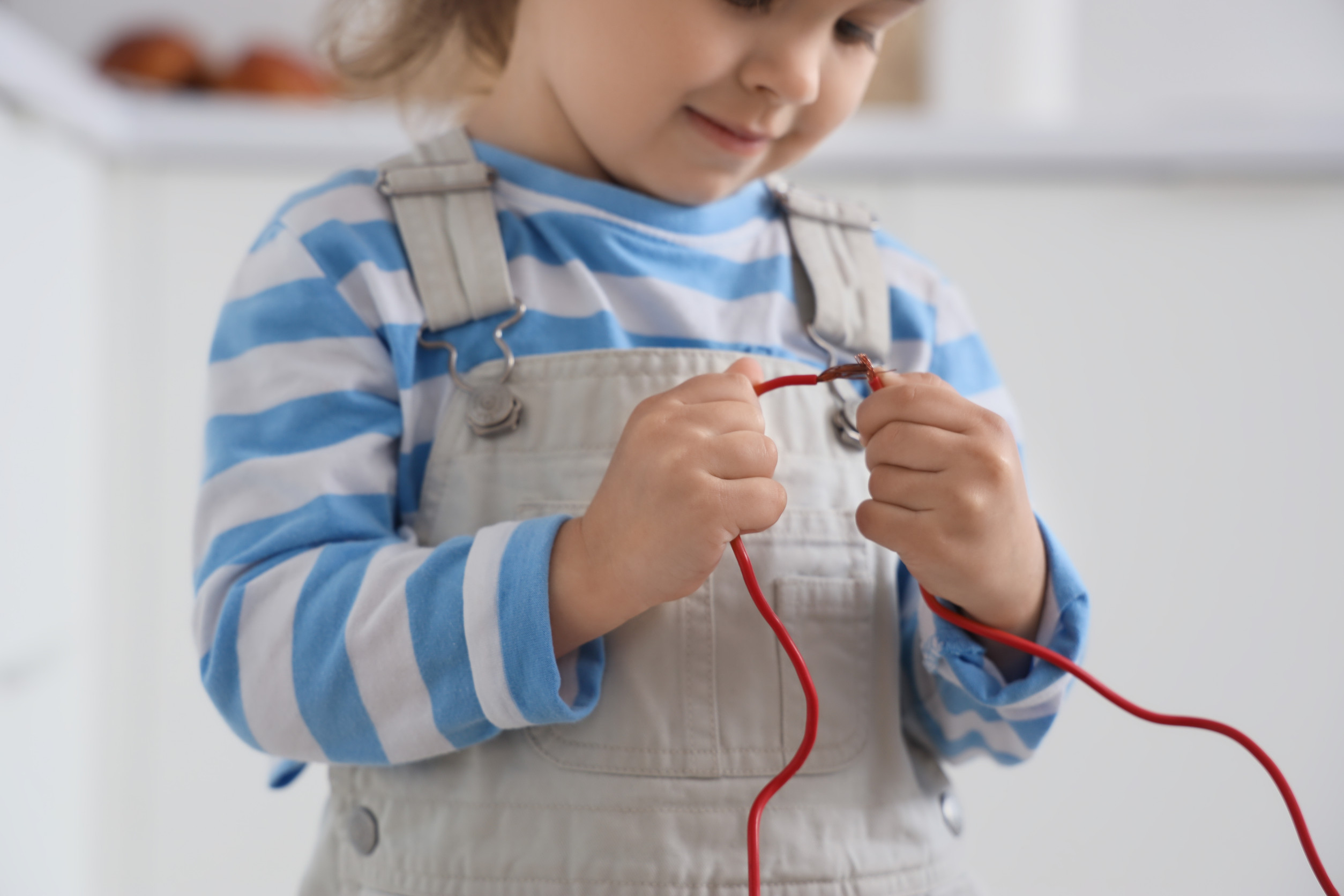
Filed Under: Parenting Tagged With: emotional intelligence for kids, mindful parenting, parent-child communication, parenting assumptions, parenting awareness, parenting mindset, parenting tips

Filter Bypass: 9 Online Threats That Bypass Kid-Friendly Filters

July 18, 2025 | Leave a Comment

Filter Bypass 9 Online Threats That Bypass Kid Friendly Filters
Image source: 123rf.com

Parental controls and kid-friendly filters are a great first step to protect kids online—but they’re not foolproof. Tech-savvy kids, algorithm glitches, and constantly evolving content make it easier than you’d think for inappropriate material to sneak through. A filter bypass can happen in seconds, exposing children to content you thought was blocked. That’s why staying aware of these risks is just as important as setting up digital boundaries. Here are nine common online threats that can slip past kid filters and what you can do to stay ahead of them.

1. Inappropriate YouTube Content Masquerading as “Kids’ Videos”

Some creators disguise adult or violent content using cartoon thumbnails or titles that mimic popular kids’ shows. These fake videos are often tagged in ways that fool algorithms and appear on platforms like YouTube Kids. A filter bypass happens when these videos sneak into the queue despite the platform’s restrictions. Kids may click innocently, expecting Peppa Pig or Minecraft, but get something disturbing instead. Always preview new channels and watch with younger kids whenever possible.

2. Chat Features in Online Games

Games that seem harmless—like Roblox, Minecraft, or even educational platforms—often include live chat or messaging features. These tools can expose kids to unmoderated conversations with strangers, where inappropriate language or grooming attempts may occur. Some game filters try to block offensive words, but users get creative with slang or symbols to bypass them. This type of filter bypass is especially dangerous because it involves real-time interaction. Parents should turn off chat when possible or use platforms with robust moderation.

3. Misleading Ads and Pop-Ups

Free games and apps frequently rely on ads, and not all of them are age appropriate. Even when a game is rated for kids, ads can show violent trailers, dating apps, or misleading download links. Because the ads come from third-party networks, they often escape the app’s own filtering settings. One click can lead kids to sites filled with malware or adult content. To avoid this kind of filter bypass, use premium ad-free versions of games or install reliable ad blockers.

4. Social Media Loopholes

Some kids create accounts on platforms like TikTok, Instagram, or Snapchat by faking their birthdate. Others simply use a parent’s device or borrow login credentials from older friends. Once they’re in, they’re exposed to algorithm-driven content that can quickly escalate from silly videos to explicit or harmful material. Many filters don’t cover social media apps unless they’re manually blocked. Talk with your child about the risks and check device permissions regularly to limit these workarounds.

5. Search Engine Tricks

Even with SafeSearch enabled, kids can find questionable content by using alternate spellings, slang, or vague terms. A filter bypass happens when the search engine doesn’t catch coded phrases or images disguised under innocent keywords. Kids may not even be looking for something inappropriate, but search results can quickly take a wrong turn. Keep browsers set to strict mode and consider using kid-specific search engines like Kiddle or KidRex. It’s also helpful to review recent searches with your child to guide future behavior.

6. Third-Party Browsers on Smart Devices

Some smart TVs, game consoles, and tablets include built-in browsers or allow kids to download their own. These third-party browsers often don’t have the same filtering protections as your home computer. That means a child who can’t access a site on Chrome may be able to view it on another app entirely. This creates an easy filter bypass and makes monitoring much harder. Go through each device in your home and disable or password-protect browsers that aren’t kid-safe.

7. Clickbait Articles and “Related” Content

One article or video can quickly lead to another, thanks to autoplay and related content algorithms. What starts as an educational video on animals could end with a prank video or content meant for much older viewers. Many sites that host clickbait don’t label content clearly, so filters may miss them altogether. Encourage kids to stick with trusted sources, and bookmark safe pages they can return to. Monitoring browser history can also help you catch trends before they become problems.

8. Private Browsing and Incognito Mode

Kids who’ve been online for a while may discover private browsing features, which prevent search history and cookies from being stored. This kind of browsing allows a filter bypass by hiding activity from parental monitoring tools. Even if you’ve blocked explicit sites, private mode can make tracking behavior nearly impossible. Some parental control apps allow you to disable incognito mode completely—consider enabling that setting if it’s available. Teach your child that digital trust goes both ways and why transparency matters.

9. File Sharing and Downloadable Content

Many kids download content like mods for games, eBooks, or free wallpapers from forums or file-sharing websites. These sources are often unmoderated and can include hidden adult content, malware, or pirated materials. Filter settings typically focus on live browsing, not files once they’re downloaded. A filter bypass here can lead to long-term risks if malicious files affect your device. Set download permissions and teach kids to ask before adding anything new to their devices.

Awareness Is Your Best Filter

No filter can replace the watchful eye of a parent. A filter bypass can happen in surprising and subtle ways, and it’s often unintentional on the child’s part. That’s why open conversations, clear boundaries, and age-appropriate digital education are so important. Filters are a great tool, but they should support—not replace—your ongoing involvement. The more you know about these loopholes, the better equipped you are to keep your child safe online.

Have you spotted any filter bypass tricks in your household? Share what you’ve learned and how you handled it in the comments!

Read More:

12 Steps to Secure Your Child’s Digital Footprint for Life

9 Digital Attacks Experts Say Are Imminent for Kids

Catherine Reed
Catherine Reed

Catherine is a tech-savvy writer who has focused on the personal finance space for more than eight years. She has a Bachelor’s in Information Technology and enjoys showcasing how tech can simplify everyday personal finance tasks like budgeting, spending tracking, and planning for the future. Additionally, she’s explored the ins and outs of the world of side hustles and loves to share what she’s learned along the way. When she’s not working, you can find her relaxing at home in the Pacific Northwest with her two cats or enjoying a cup of coffee at her neighborhood cafe.

Filed Under: Parenting Tagged With: child cybersecurity, digital parenting, filter bypass, Internet Safety, kid-friendly filters, online safety for kids, parental controls, protecting kids online

Toddler Danger: 8 Everyday Products Dangerous for Toddlers

July 18, 2025 | Leave a Comment

Toddler Danger 8 Everyday Products Dangerous for Toddlers
Image source: 123rf.com

Toddlers are curious, fearless, and fast—and while that makes for some sweet memories, it also creates real safety concerns. Many of the items sitting around your home right now may seem harmless to you but pose a serious toddler danger. The problem is that everyday products often fly under the radar because they’re not labeled as hazardous or kept out of reach. But toddlers don’t know what’s off-limits, and accidents can happen in seconds. Here are eight common products you’ll want to take a second look at to keep your little one safer.

1. Laundry Pods

Colorful and squishy, laundry pods can look like candy to a toddler. But these highly concentrated detergent packets are extremely toxic if ingested and can also cause burns to the mouth, eyes, or skin. Even a small amount can trigger serious symptoms like vomiting, breathing trouble, or seizures. Store them in a locked cabinet well above eye level and never let your child help with laundry when pods are in reach. Laundry detergent bottles can also pose a toddler danger, so all cleaning products should be secured.

2. Button Batteries

These tiny, shiny batteries are found in remote controls, musical toys, thermometers, and greeting cards. If swallowed, button batteries can burn through a toddler’s esophagus in a matter of hours due to the electrical current they emit. This is one of the most serious hidden dangers in the average household. Always check battery compartments and tape them shut if needed, and keep spare batteries locked away. If you suspect your toddler has swallowed one, it’s an immediate ER visit—don’t wait for symptoms.

3. Cords and Window Blind Strings

Window blind cords, charging cables, and curtain ties can all pose a strangulation hazard. Toddlers often play with anything within their reach, and loose cords can quickly become wrapped around a neck or limb. Cordless blinds are the safest option, but if you have cords, use safety wraps or cord cleats to keep them out of sight and out of mind. Even small cords like headphone wires can be a toddler danger if left dangling. Always take a quick look around to check for hanging hazards.

4. Magnets

While a single magnet might not seem like a big deal, multiple swallowed magnets can attract to one another inside the body. This can cause intestinal blockages, tissue damage, and even life-threatening perforations. Many building toys, jewelry, and novelty items contain small magnets that come loose over time. If you notice toys breaking or pieces missing, toss them immediately. Always check that anything magnetic is toddler-safe and large enough not to be swallowed.

5. Personal Care Products

Toothpaste, makeup, nail polish remover, and mouthwash are easy to access in most bathrooms. But they contain ingredients that can irritate, burn, or poison if your toddler gets into them. Even “natural” or “child-friendly” products are meant for supervised use only. Consider adding childproof locks to bathroom drawers and cabinets, and never leave toiletry bags within reach. Personal care items are one of the most overlooked sources of toddler danger.

6. Houseplants

Believe it or not, many popular houseplants are toxic if chewed on or swallowed. Plants like pothos, philodendron, peace lilies, and even aloe can irritate a toddler’s mouth or cause stomach upset. Since toddlers love exploring with their hands and mouths, these plants need to be placed well out of reach or removed altogether. Do a quick search to check the safety of your indoor greenery. It’s one of the simplest ways to reduce toddler danger inside your home.

7. Medications and Vitamins

A childproof cap doesn’t mean childproof. Toddlers can be shockingly determined when they see something colorful like gummy vitamins or cold medicine. All medications, including over-the-counter pain relievers and supplements, should be stored high up and in locked containers. Even a single adult dose of some medications can be fatal to a toddler. Double-check that purses, backpacks, and nightstands are also free of medication within reach.

8. Furniture and TVs That Aren’t Anchored

Toddlers love to climb, and a heavy dresser or television can easily tip over if pulled on or used as a ladder. Tip-over accidents are more common than many parents realize and can cause head injuries, fractures, or worse. Anchoring furniture to the wall with anti-tip kits is a quick and effective fix. Make sure TVs, bookshelves, and tall furniture pieces are stable and secured. It’s a small task that can prevent a big toddler danger.

Look Again at What’s Hiding in Plain Sight

You don’t need to live in fear, but you do need to stay aware of how quickly normal items can become threats to your toddler. The toddler danger often comes from the everyday things we stop noticing—until something goes wrong. A simple sweep of your home every few weeks can make a huge difference in preventing accidents. Think like a toddler: what can they reach, pull, open, or swallow? The more intentional your setup, the safer your little explorer will be.

What surprising toddler danger did you discover in your home? Share your experience or tips with other parents in the comments!

Read More:

11 Ways You’re Undermining Your Toddler’s Growth

7 Medical Scams Targeting Parents of Toddlers

Catherine Reed
Catherine Reed

Catherine is a tech-savvy writer who has focused on the personal finance space for more than eight years. She has a Bachelor’s in Information Technology and enjoys showcasing how tech can simplify everyday personal finance tasks like budgeting, spending tracking, and planning for the future. Additionally, she’s explored the ins and outs of the world of side hustles and loves to share what she’s learned along the way. When she’s not working, you can find her relaxing at home in the Pacific Northwest with her two cats or enjoying a cup of coffee at her neighborhood cafe.

Filed Under: Parenting Tagged With: babyproofing your home, child safety tips, childproofing tips, household hazards, parenting toddlers, toddler danger, toddler injury prevention, toddler safety

Medical Update: 6 Urgent Updates to Your Child’s Medical History

July 18, 2025 | Leave a Comment

Medical Update 6 Urgent Updates to Your Childs Medical History
Image source: 123rf.com

When was the last time you looked at your child’s medical records? If it wasn’t recent, there’s a good chance something important is missing or outdated. A timely medical update can make a huge difference in an emergency or even during a routine checkup. From allergy changes to new diagnoses, keeping everything current ensures your child gets the best care possible—without surprises. Here are six key areas where a medical update might be urgently needed, and why staying on top of them can protect your child’s health and safety.

1. Newly Discovered Allergies

Children develop and outgrow allergies at a rapid pace, especially in their early years. If your child has had a reaction to food, medications, or environmental triggers, that should be reflected in their records immediately. Failing to add this medical update could put your child at risk for exposure or incorrect treatment during emergencies. Even minor symptoms like rashes or stomach discomfort after eating something new could point to an allergy. Keep your pediatrician and school nurse in the loop with every confirmed or suspected allergy.

2. Medication Changes or Dosage Adjustments

Whether it’s a prescription for asthma or ADHD, keeping current medication details is critical. Kids grow quickly, and dosages often need adjusting—even if they’re on a long-term treatment plan. If your child starts or stops a medication, that’s a medical update your provider needs to track properly. You should also let other caregivers, schools, and sports coaches know if your child requires medication during their care. Having the wrong dosage or outdated medication on file can cause unnecessary delays or side effects in treatment.

3. Hospital Visits or Emergency Room Care

If your child has visited the ER or been admitted to a hospital since their last well-child checkup, that information may not be automatically shared with their pediatrician. Emergency care often involves diagnostic tests, prescriptions, or temporary treatments that should be added to their long-term health record. Leaving this out can lead to duplicate testing, missed follow-up care, or overlooked issues. After a hospital visit, always ask for a discharge summary and bring it to your child’s regular doctor. It’s one of the most overlooked but necessary types of medical update.

4. Updated Vaccination Records

Vaccination schedules can vary depending on your child’s age, school requirements, or any health concerns that delay doses. Any time your child receives a vaccine—whether it’s a seasonal flu shot or a required immunization—make sure it gets recorded in their official file. Keeping this information updated avoids confusion when enrolling in school, summer camps, or daycare. Many healthcare providers also use digital systems that flag overdue vaccines or upcoming ones. A consistent vaccination medical update can prevent administrative headaches and keep your child protected.

5. Developmental or Behavioral Diagnoses

If your child has recently received a diagnosis like autism, speech delay, anxiety, or sensory processing disorder, it’s essential to update their medical records. This allows pediatricians to tailor care and make appropriate referrals for therapy, specialists, or educational support. It also helps schools and other healthcare providers better understand your child’s unique needs. These updates ensure continuity of care and prevent gaps that might delay early intervention. Don’t wait until the next scheduled visit—send a message or call to add these important changes right away.

6. Family History Changes

A less obvious but equally important medical update involves changes to your family’s health history. If a close relative has been diagnosed with a chronic illness, genetic condition, or mental health disorder, your child’s doctor should know. This information can influence which screenings your child needs and when to start them. Family medical history plays a big role in predicting future health risks. Even if the diagnosis doesn’t seem directly related, your child’s provider may adjust their care plan accordingly.

Staying Ahead of the Curve Keeps Kids Safer

It’s easy to assume your child’s doctor has everything on file, but the truth is, they rely on you to share the most up-to-date information. A small medical update—like noting an allergy or new medication—can have a big impact during an emergency, appointment, or referral. Staying organized with your child’s health details not only prevents confusion, it empowers you as an advocate for their care. Set a reminder every few months to review and share any updates with your provider. It’s a simple habit that makes a huge difference in your child’s well-being.

How do you keep your child’s medical updates organized? Share your best tips or tools in the comments below!

Read More:

Act Fast: 11 Parenting Decisions That Require Urgent Action

7 Health Symptoms Demanding Immediate Attention in Kids

Catherine Reed
Catherine Reed

Catherine is a tech-savvy writer who has focused on the personal finance space for more than eight years. She has a Bachelor’s in Information Technology and enjoys showcasing how tech can simplify everyday personal finance tasks like budgeting, spending tracking, and planning for the future. Additionally, she’s explored the ins and outs of the world of side hustles and loves to share what she’s learned along the way. When she’s not working, you can find her relaxing at home in the Pacific Northwest with her two cats or enjoying a cup of coffee at her neighborhood cafe.

Filed Under: Parenting Tagged With: child health records, child safety, emergency preparedness, family medical history, medical update, parenting tips, pediatric care, updated vaccinations

Exposed Child: 7 Ways Your Child’s Identity Is Already Exposed

July 18, 2025 | Leave a Comment

Exposed Child 7 Ways Your Childs Identity Is Already Exposed
Image source: 123rf.com

Your child may not have a credit card or social media account, but their personal information is already floating around more than you think. From baby registries to smart toys, everyday conveniences are quietly collecting and sharing data about your family. The idea of an exposed child might sound dramatic, but the risk is very real—and growing. The good news? Once you know where those risks hide, you can take steps to limit them. Here are seven surprising ways your child’s identity may already be exposed and what you can do to protect them.

1. Oversharing on Social Media

One of the biggest sources of an exposed child is social media—especially when parents unknowingly share too much. Posting birth announcements, first day of school photos, or even shots with visible addresses or school logos can create a digital footprint for your child before they even know what the internet is. Strangers can use this information to guess passwords, create fake profiles, or track personal details over time. Privacy settings help, but screenshots and shared posts can still spread. Think twice before you post and consider what your child might want shared about them later in life.

2. Data Collected from School Forms and Activities

Enrollment forms, online learning platforms, and school fundraising sites all require personal details. Names, addresses, birthdates, and even Social Security numbers are often collected and stored in ways you can’t control. If a school’s data isn’t properly secured, your child’s information could be vulnerable to a breach. It’s easy to assume institutions will protect that data, but breaches in education systems happen more often than most parents realize. Ask how your child’s data is stored, who has access, and whether third-party services are involved.

3. Toys and Devices with Built-In Trackers

Today’s smart toys, fitness trackers, and kids’ tablets often come with built-in location features, microphones, or internet connectivity. That means these gadgets can collect and sometimes transmit sensitive information about your child. If those settings aren’t properly managed—or if a company doesn’t prioritize security—your exposed child could become an unintentional data point in a larger network. Always read privacy policies, disable unnecessary permissions, and avoid connecting toys to open Wi-Fi networks. Just because a device is labeled “kid-friendly” doesn’t mean it’s privacy-friendly.

4. Publicly Shared Birth Announcements and Registries

Celebrating your baby’s arrival is joyful, but the digital trail begins early. Online registries often include full names, birth dates, and even delivery hospitals, which are valuable pieces of identity data. Even if the registry seems private, links can be shared or found in search engines. Combined with other public records, this can make an exposed child easy to track over time. Consider using privacy settings, nicknames, or offline announcements to limit exposure during those early months.

5. Free Apps That Sell Data

Many free apps targeted at children include colorful games and catchy music—but they often collect more than you realize. These apps may ask for access to contacts, location, or the microphone, and then quietly sell the data to third-party advertisers. Even if the app seems harmless, your child could end up part of a larger data set used for marketing or worse. Always read reviews and permissions before downloading, and look for kid apps with verified privacy certifications. Remember: if it’s free, your data is usually the real cost.

6. Family Tree and DNA Testing Services

It’s fascinating to learn about your ancestry, but if you’ve submitted DNA to a testing service, you may have exposed your child in the process. These companies collect and store genetic data that could identify family members who didn’t opt in. While these services promise privacy, data breaches or law enforcement requests have made headlines before. If you’ve tested your DNA, you may be inadvertently making your child traceable as well. Be cautious about what you share and always read the long-term privacy terms before submitting samples.

7. Medical Records and Patient Portals

Healthcare portals are incredibly convenient for booking appointments or checking vaccine records. But like any digital system, they carry risks if not secured properly. An exposed child’s medical information can be valuable on the black market, especially if it includes insurance details or Social Security numbers. Keep passwords strong, avoid using public Wi-Fi for logins, and monitor access regularly. Always ask your pediatrician’s office how your child’s records are stored and who has permission to view them.

Knowledge Is the First Layer of Protection

You can’t completely erase your child’s digital footprint, but you can shrink it and slow it down. The earlier you become aware of the many ways a child’s identity can be exposed, the better equipped you are to protect it. Most of these risks aren’t about doing one big thing wrong—they’re about small, everyday oversights that add up. By asking more questions, adjusting privacy settings, and limiting unnecessary data sharing, you put power back in your hands. A more secure future for your child starts with informed choices today.

Have you spotted any surprising ways your child’s identity has been exposed? Share your experience or tips in the comments!

Read More:

School Spies: 8 Privacy Risks of School Apps Collecting Data

Worsening Threat: 9 Cybersecurity Risks Worsening for Kids

Catherine Reed
Catherine Reed

Catherine is a tech-savvy writer who has focused on the personal finance space for more than eight years. She has a Bachelor’s in Information Technology and enjoys showcasing how tech can simplify everyday personal finance tasks like budgeting, spending tracking, and planning for the future. Additionally, she’s explored the ins and outs of the world of side hustles and loves to share what she’s learned along the way. When she’s not working, you can find her relaxing at home in the Pacific Northwest with her two cats or enjoying a cup of coffee at her neighborhood cafe.

Filed Under: Parenting Tagged With: child data protection, child identity theft, digital parenting, exposed child, kids privacy, modern parenting tips, online safety for kids

Toddler Falls: 5 Home Areas Where Toddlers Get Hurt Most (Are Yours Safe?)

July 18, 2025 | Leave a Comment

Toddler Falls 5 Home Areas Where Toddlers Get Hurt Most Are Yours Safe
Image source: 123rf.com

When toddlers start walking, the world becomes one big adventure—and one big hazard. Their curiosity, unsteady footing, and fearless exploration can turn everyday spaces into danger zones. While a few bumps and bruises are part of growing up, some toddler falls lead to more serious injuries that could be prevented with a few simple changes. Knowing where those high-risk areas are can help you make smarter, safer choices around the house. Let’s walk through the five spots where toddler falls happen most often and how you can make each one safer starting today.

1. Staircases and Steps

Staircases are a leading cause of toddler falls in the home. Toddlers don’t yet have the balance or coordination to navigate steps safely without help. Even a single missed step can lead to a tumble that causes serious injury. Installing sturdy baby gates at both the top and bottom of the stairs is one of the most effective ways to prevent accidents. Make sure handrails are secure and that older siblings know to keep gates closed behind them.

2. Living Room Furniture

Couches, chairs, and coffee tables are all toddler magnets for climbing and jumping. Unfortunately, what looks like harmless play can quickly result in toddler falls off the furniture or into sharp corners. Use corner protectors on tables and choose padded, low-profile furniture if you can. Supervise climbing closely and teach toddlers that furniture isn’t a jungle gym. Keeping floors clear of toys or blankets also helps reduce tripping hazards in this frequently used space.

3. Bathtubs and Bathroom Floors

Slippery surfaces and wet feet are a dangerous combo for toddlers in the bathroom. Whether it’s climbing in and out of the tub or slipping on tile floors, bathroom areas see a lot of toddler falls. Non-slip mats inside and outside the tub make a big difference. Always stay within arm’s reach during bath time, even if your child is sitting. Storing bath products out of reach and using a spout cover can also prevent other common bathroom injuries.

4. Beds and Changing Tables

Falls from heights, even low ones, can be more dangerous than they seem. Toddlers may roll off beds while playing or even while napping if there are no guardrails. Changing tables are another hot spot for toddler falls, especially when a caregiver turns away for even a second. Always use the safety strap on changing tables and never leave your child unattended, even momentarily. Transitioning to a toddler bed with side rails early can help reduce nighttime accidents.

5. Outdoor Patios and Driveways

You might think of toddler falls as an indoor issue, but outdoor areas like patios and driveways are also risky. Uneven pavement, hard surfaces, and lack of soft-landing spots can all lead to injury. Make sure play areas are fenced in and far from traffic zones. If your child plays on a deck or patio, add railings or safety netting to block gaps and drops. Always supervise outdoor play closely, especially if scooters, trikes, or other wheeled toys are involved.

A Few Smart Changes Go a Long Way

No home will ever be 100% fall-proof, but a few simple updates can greatly reduce the risk of toddler falls. Take a walk through your home at your child’s eye level and look for hazards you might normally miss. Add safety gates, non-slip surfaces, and soft corner covers where needed. Most importantly, keep a close eye and trust your instincts—if something feels risky, it probably is. A little prevention today can mean fewer tears and ER visits tomorrow.

Have you made any toddler fall-proofing upgrades at home? Share what worked best for your little one in the comments!

Read More:

11 Ways You’re Undermining Your Toddler’s Growth

7 Medical Scams Targeting Parents of Toddlers

Catherine Reed
Catherine Reed

Catherine is a tech-savvy writer who has focused on the personal finance space for more than eight years. She has a Bachelor’s in Information Technology and enjoys showcasing how tech can simplify everyday personal finance tasks like budgeting, spending tracking, and planning for the future. Additionally, she’s explored the ins and outs of the world of side hustles and loves to share what she’s learned along the way. When she’s not working, you can find her relaxing at home in the Pacific Northwest with her two cats or enjoying a cup of coffee at her neighborhood cafe.

Filed Under: Parenting Tagged With: babyproofing tips, childproofing your home, fall prevention, home safety for toddlers, parenting toddlers, toddler falls, toddler injury prevention

« Previous Page
Next Page »
  • Facebook
  • Pinterest
  • RSS
  • Twitter
Best Parenting Blogs

Most Popular

Baby Girl

12 “Grandma” Baby Names That Are Suddenly Cool Again

Evan Morgan
Baby

9 Baby Names That Sound Rare Without Being Hard to Spell

Evan Morgan
Target Store

Choking Incident Prompts Recall of 49,000 Target Gigglescape “Under the Sea” Popping Toys

Evan Morgan
Frustrated Girl

Why Some Students on the Spectrum Are Labeled With ODD

Evan Morgan
Coke Bottles

12 Things Kids Took to School in the ’70s That Would Never Be Allowed Today

Evan Morgan

All content on Kids Ain’t Cheap is for entertainment purposes only. By reading this blog, you agree that Kids Ain’t Cheap is not responsible for any actions taken after reading this blog. For the full disclaimer, see our privacy policy.

Please note that Kids Ain’t Cheap has financial relationships with some of the merchants mentioned here. Kids Ain’t Cheap is funded by banner advertising, commission sales and search optimization consulting.

Copyright © 2006–2026 | District Media | All Rights Reserved | Privacy Policy

Copyright © 2026 Runway Pro Theme by Viva la Violette