• Home
  • About Us
  • Toolkit
  • Archives
  • Advertise
  • Privacy Policy

Kids Ain't Cheap

But They Sure Are Worth It

  • Parenting
    • Baby Stuff
    • Books and Reading
      • Aesops Fables
      • Comic Books
    • Education
    • Family Time
    • Green Living
    • Growing Up
    • Healthy Living & Eating
    • Holidays
    • Parenting
    • Random Musings
    • Shopping
    • Stuff to Do
  • Money
  • Product Reviews
    • Books and Magazines
    • Discount Sites
    • Furniture
    • House Keeping
    • Reviews News
    • Toys and Games
  • Contact Us
  • Our Editorial Commitment
  • Search

10 Clues Your Child Is Too Young To Have Unrestricted Internet Use

March 31, 2025 | Leave a Comment

Enjoying activities that can be done anywhere, any time. a little boy and girl using a digital tablet at home
Image Source: 123rf.com

In today’s digital age, children are exposed to the internet at increasingly younger ages. While the online world offers valuable educational resources and connectivity, it also presents risks that young users may not be ready to handle. Identifying when a child is too young for unrestricted internet access is crucial for their safety and development. This article outlines ten essential clues that suggest it’s time to implement boundaries and provide guidance. By recognizing these signs, you can create a safer digital environment for your child.

1. Lack of Understanding About Online Privacy

Young children often struggle to understand the concept of privacy in the digital world. They may unknowingly share personal details like their name, address, or school information on public platforms. This can expose them to risks such as identity theft or unwanted contact. Teaching them about the importance of keeping personal information private is essential before granting broader access. Until they show a clear understanding, parental supervision is crucial.

2. Inability to Discern Appropriate Content

Children may have difficulty distinguishing between content that is appropriate and content that is not. They might accidentally access violent, explicit, or otherwise unsuitable material. Exposure to such content can be distressing and may influence their behavior negatively. Parental controls and guided browsing help mitigate these risks. It’s important to ensure that their online experiences are age-appropriate and safe.

3. Difficulty Managing Screen Time

Young children often struggle with self-regulation when it comes to screen time. They can become engrossed in online activities, leading to excessive usage that interferes with other aspects of life. Prolonged screen time may impact physical activity, sleep, and real-life social interactions. Setting clear limits and creating a balanced schedule promotes healthier habits. Parental monitoring helps instill responsible technology use early on.

4. Tendency to Trust Strangers Online

Children are naturally trusting, which can make them vulnerable to online predators or manipulation. They might accept friend requests or engage with strangers without understanding the risks involved. Teaching them about online safety and the dangers of interacting with unknown individuals is crucial. Establishing strict rules about who they can interact with online is essential for protection. Open discussions about these risks help them stay vigilant and cautious.

5. Exposure to Cyberbullying

young dangerous looking teenager hacker girl using mobile phone and laptop computer wearing hood on in internet cyber crime expert or cybercrime concept and cybercrime breaking security
Image Source: 123rf.com

The online world can expose children to cyberbullying, which can be emotionally damaging. Young users might not have the skills to recognize or handle bullying behavior effectively. Discussing what cyberbullying is and how to respond to it can empower them to seek help. Monitoring their online interactions ensures that negative behavior is addressed promptly. Establishing a supportive environment encourages children to speak up if they encounter bullying.

6. Impulsive Sharing of Content

Young children may impulsively share photos, videos, or personal information without understanding the consequences. Once something is posted online, it can be difficult to remove and may have long-lasting effects. Teaching them to think before they post is essential for online safety. Setting guidelines about what is appropriate to share helps prevent impulsive actions. Parental oversight can mitigate risks associated with oversharing.

7. Difficulty Distinguishing Between Ads and Content

Children may not be able to tell the difference between genuine content and advertisements. This can lead them to click on ads that might direct them to harmful or misleading websites. Educating them on how to recognize ads and sponsored content is important. Tools like ad-blockers and supervised browsing can reduce exposure to inappropriate advertising. Helping them develop critical thinking skills regarding online material is essential for safe navigation.

8. Overdependence on Digital Validation

Some children may become overly reliant on social media likes, comments, and shares for validation. This dependence can negatively impact their self-esteem and emotional well-being. Encouraging offline interactions and building real-world confidence helps balance digital influences. Discussing the curated nature of online content can provide a healthier perspective. Limiting access to social media until they are mature enough to handle it is often wise.

9. Limited Critical Thinking Skills

Young minds may accept online information at face value without questioning its credibility. This vulnerability makes them susceptible to misinformation and harmful content. Teaching children to analyze and question what they see online is essential for their development. Encouraging critical thinking through guided discussions and examples can empower them. Parental involvement in online education fosters a more discerning approach to digital content.

10. Resistance to Parental Guidance

If a child consistently resists parental advice regarding internet use, it may indicate they are not ready for unrestricted access. Open dialogue about why rules are in place can help address this resistance. A cooperative approach to setting boundaries reinforces the importance of safety. Gradually increasing freedom as they demonstrate responsibility is a practical strategy. Ensuring they feel supported rather than controlled can lead to healthier digital habits.

Decide When To Limit Internet Access

Recognizing these ten clues can help you decide when to limit your child’s internet access. Balancing the benefits of digital learning with the need for online safety is essential for healthy development. Through open communication and proactive guidance, you can create a secure digital environment.

What strategies have you found effective in managing your child’s screen time? Share your experiences and tips in the comments below!

Read More:

17 Internet Slang Terms That Have Changed Modern Communication

7 Strange Clues That Someone Might Be Watching Your Children

Tamila McDonald
Tamila McDonald

Tamila McDonald is a U.S. Army veteran with 20 years of service, including five years as a military financial advisor. After retiring from the Army, she spent eight years as an AFCPE-certified personal financial advisor for wounded warriors and their families. Now she writes about personal finance and benefits programs for numerous financial websites.


Filed Under: Parenting Tagged With: child safety, digital parenting, Internet Safety, online supervision, Parenting, Screen Time

7 Names That May Mean Ultimate Success For Your Child

March 31, 2025 | Leave a Comment

little happy boy and girl
Image Source: 123rf.com

Choosing a name for your child is a significant decision that can shape their identity and even influence their future. Certain names carry connotations of strength, success, and prosperity that may inspire and empower as they grow. In this article, we explore seven names from various cultures that are associated with ultimate success. While a name alone doesn’t determine destiny, its positive connotations can serve as a source of inspiration. Read on to discover names that might set your child on a path to achievement.

1. William

A classic name with a rich history, William has been borne by leaders, innovators, and influential figures throughout time. Its timeless quality and strong phonetic appeal convey leadership and determination. Many notable individuals named William have made significant contributions in various fields. The name’s historical legacy adds to its stature and appeal. Choosing William can evoke a sense of tradition and excellence.

2. Ethan

Ethan, of Hebrew origin, means ‘strong’ or ‘firm,’ embodying resilience and determination. Its modern popularity is a testament to its robust and straightforward appeal. Parents seeking a name that conveys inner strength and reliability may find Ethan an excellent choice. The name is both timeless and contemporary, bridging generations with its simplicity. Its meaning directly reflects qualities that are highly valued in successful individuals.

3. Kamran

Originating from Persian, Kamran directly translates to ‘successful.’ This powerful meaning makes it an attractive option for parents who wish to imbue their child’s identity with positive connotations. Its unique cultural roots add an element of distinction and sophistication. The name Kamran is both meaningful and melodious, making it memorable. It carries an explicit promise of success, resonating with aspirations for a prosperous future.

4. Victoria

Fairytale princess. Small blond child sit on bed. Little girl wear tiara crown and hairstyle. Hair accessory. Little child with long blond hair. Beautiful hairstyles for baby girls. Be great every day.
Image Source: 123rf.com

Victoria, derived from the Latin word for ‘victory,’ exudes triumph and regal elegance. Historically, it has been associated with queens and influential women, underscoring its connection to leadership and achievement. This name conveys a sense of strength and determination that is both inspiring and empowering. Its timeless charm and royal connotations make it a popular choice for parents. Choosing Victoria can evoke images of success and noble achievement.

5. Inari

Inari, rooted in Japanese culture, signifies ‘successful one.’ The name carries a deep cultural significance and a positive message of prosperity. Its unique sound and meaningful origin set it apart from more common names. Inari reflects a blend of tradition and aspiration, making it a thoughtful choice for a child’s future. The positive meaning embedded in the name can serve as a subtle source of inspiration throughout life.

6. Jacqueline

Jacqueline is often associated with sophistication, success, and resilience. This French-origin name has been embraced by many influential figures, enhancing its reputation as a symbol of achievement. Its elegant sound and timeless appeal make it a distinguished choice for a daughter. The name suggests a blend of strength and refinement that can inspire confidence. Jacqueline carries with it an aura of determination and high aspirations.

7. Emmanuella

Emmanuella is a name that has gained recognition through notable individuals known for their talent and success. Its lyrical quality and cultural depth make it both unique and inspiring. The name evokes a sense of creativity and accomplishment, resonating with modern aspirations. It stands out for its distinctive sound and positive connotations. Choosing Emmanuella may inspire your child to reach for greatness from a young age.

Names Reflect Hopes and Aspirations

Selecting a name is a deeply personal decision that can reflect your hopes and aspirations for your child. The names presented here are associated with strength, success, and prosperity, offering positive connotations that may inspire greatness. While a name alone doesn’t determine one’s destiny, it can serve as a subtle source of motivation and identity.

What are your thoughts on the influence of a name? Share your opinions and experiences in the comments below!

Read More:

5 Baby Names That Are Associated with Luxury Brands

15 Baby Names Handed Down From The Rich to The Poor

Tamila McDonald
Tamila McDonald

Tamila McDonald is a U.S. Army veteran with 20 years of service, including five years as a military financial advisor. After retiring from the Army, she spent eight years as an AFCPE-certified personal financial advisor for wounded warriors and their families. Now she writes about personal finance and benefits programs for numerous financial websites.

Filed Under: Parenting Tagged With: baby names, child success, cultural names, inspiration, name meanings, Parenting

Should Parents Let Their Children Watch R-Rated Movies?

March 30, 2025 | 1 Comment

Children brother and sister watching TV in the evening
Image Source: 123rf.com

Many parents grapple with the decision of whether to allow their children to watch R-rated movies. These films often contain mature themes, strong language, violence, or sexual content—none of which are designed for a child’s eyes or ears. On the other hand, some argue that with proper guidance, teens can learn to critically view such content. Understanding the implications and evaluating your child’s maturity are key steps in making an informed choice. Ultimately, the decision is personal and should align with your family’s values.

1. Consider Age and Maturity

Every child develops at a different pace, and age is not the sole indicator of readiness. Assess your child’s emotional and intellectual maturity before granting access to adult content. Consider how they react to challenging topics and whether they can distinguish between fiction and reality. Open discussions about what they watch can help guide their understanding. Trust your intuition and knowledge of your child’s unique needs.

2. Preview the Movie Yourself

Before allowing your child to watch an R-rated movie, watch it first. This gives you insight into the content and context of the film. You can determine if the themes are suitable for your child or if they may need extra guidance. Pre-screening also prepares you for any discussions afterward. It empowers you to make an informed decision based on firsthand experience.

3. Use It as a Teaching Moment

If you decide the content is appropriate, use the movie as a springboard for conversation. Discuss the themes, characters, and moral dilemmas presented in the film. Encourage your child to ask questions and express their opinions. This dialogue helps develop critical thinking and media literacy skills. A shared viewing experience can turn a challenging topic into a valuable learning opportunity.

4. Set Clear Boundaries

Establish specific rules about what content is acceptable and under what circumstances. Explain why certain films are off-limits or require supervision. Use parental controls and monitor viewing habits to ensure guidelines are followed. Clear boundaries protect your child and maintain trust within the family. Consistency in enforcing these rules is crucial for long-term success.

5. Trust but Verify

VERIFY text written on green wooden frame school blackboard.
Image Source: 123rf.com

Even if you allow R-rated movies, keep an open dialogue about what is being watched. Follow up with your child to see how they feel about the film and if it sparked any questions or concerns. This ongoing conversation reinforces that your guidance is there to support them. It also helps you adjust future decisions based on their reactions. Mutual trust and verification lead to healthier media consumption habits.

It’s Not the Rating, But Readiness

The choice to let children watch R-rated movies isn’t solely about the rating—it’s about understanding your child’s readiness and guiding them through complex content. With careful consideration and open dialogue, you can help them navigate mature themes responsibly. Parenting is about balancing protection with the need to educate. Make your decision with both heart and mind.

What factors influence your decision on letting your children watch R-rated movies? Share your thoughts in the comments below!

Read More:

7 Crushing Comments That Can Wreck a Kid’s Confidence—Avoid These at All Costs!

10 Screen-Free Activities to Keep Kids Entertained

Tamila McDonald
Tamila McDonald

Tamila McDonald is a U.S. Army veteran with 20 years of service, including five years as a military financial advisor. After retiring from the Army, she spent eight years as an AFCPE-certified personal financial advisor for wounded warriors and their families. Now she writes about personal finance and benefits programs for numerous financial websites.

Filed Under: Parenting Tagged With: child development, media consumption, movie ratings, parental guidance, parenting decisions, R-rated movies

8 Boomer Parenting Ideas That Made Their Children Strong (Follow Their Lead)

March 30, 2025 | Leave a Comment

Were proud to call him son. Cropped portrait of a senior couple standing outside with their son
Image Source: 123rf.com

Parenting styles evolve over time, yet some approaches from the Baby Boomer era have stood the test of time. Many Boomer parents instilled values and habits that helped their children become resilient and independent. These time-honored practices may seem old-fashioned in today’s digital age, but they continue to offer valuable lessons. By examining these strategies, modern parents can find inspiration and practical ideas for raising strong, self-reliant children. Here are eight Boomer parenting ideas that helped shape robust, capable individuals.

1. Emphasis on Education

Boomer parents placed a high value on education and academic achievement. They believed that learning was the key to unlocking future opportunities and personal growth. This emphasis fostered discipline, hard work, and a lifelong love of learning. Children were encouraged to excel in school and pursue higher education as a pathway to success. These values continue to inspire academic dedication in the next generation.

2. Teaching Respect for Authority

Respect for elders, teachers, and authority figures was a cornerstone of Boomer parenting. Children were taught to listen attentively and honor the wisdom of those with more life experience. This practice helped establish clear societal boundaries and fostered mutual respect. It laid the foundation for strong interpersonal relationships and effective communication. Embracing respect remains a valuable lesson in today’s complex world.

3. Encouraging Independence

Boomer parents often allowed their children to make decisions and learn from their own experiences. This early independence built confidence and problem-solving skills. Rather than overprotecting, they trusted their kids to navigate challenges on their own. The result was a generation that learned resilience and self-reliance. Fostering independence remains crucial for personal growth and future success.

4. Assigning Household Chores

Chores were seen as an important part of growing up in Boomer households. Children were given responsibilities that taught accountability and teamwork. Regular chores instilled a strong work ethic and prepared them for adult responsibilities. This practice also reinforced the importance of contributing to the family unit. It’s a timeless lesson in responsibility that remains relevant today.

5. Limiting Screen Time

Without the distractions of modern technology, Boomer children spent more time engaging in outdoor activities and face-to-face interactions. This helped build physical health, social skills, and creativity. Parents set boundaries around television and computer use, encouraging active play instead. The emphasis on real-world experiences cultivated stronger interpersonal bonds. Balancing technology with personal interaction is still a relevant challenge for parents today.

6. Well-Defined Rules and Expectations

Know the rules symbol. Wooden blocks with words Know the rules. Beautiful blue background. Business and Know the rules concept. Copy space.
Image Source: 123rf.com

Boomer households were known for having well-defined rules and expectations. These boundaries provided structure and a sense of security for children. Knowing the limits helped kids understand the consequences of their actions and built self-discipline. Clear guidelines ensured that children respected family norms and developed a strong moral compass. Consistency in enforcing boundaries is a timeless approach to effective parenting.

7. Fostering Resilience Through Failure

Failure was not something to be avoided at all costs in Boomer families—it was seen as a valuable learning opportunity. Parents allowed their children to experience setbacks and learn from their mistakes. This approach built resilience and taught the importance of perseverance. Experiencing failure in a supportive environment helped children develop grit and adaptability. Embracing failure as part of growth remains a powerful lesson for modern parents.

8. Prioritizing Family Meals

Regular family meals were a staple in Boomer households, offering a time for bonding and open conversation. Sharing a meal together provided a stable routine and a space for discussing daily experiences. This practice reinforced family unity and ensured that children felt valued and heard. It created lasting memories and a strong support network within the home. Maintaining regular family gatherings continues to be a cornerstone of healthy family dynamics.

Timeless Practices

While the world of parenting has evolved, many Boomer strategies remain relevant for raising resilient, independent children. By embracing education, respect, independence, and strong family values, parents can build a solid foundation for their children’s future. Reflect on these time-tested ideas and consider how they might be adapted to your modern lifestyle. Balancing tradition with innovation can empower your child to thrive.

Which Boomer parenting idea resonates with you the most? Share your experiences in the comments below!

Read More:

13 Smart Moves Boomers Are Making That Millennials Didn’t See Coming

Supporting Adult Children: 8 Things Boomers Can Do Instead of Giving Money

Tamila McDonald
Tamila McDonald

Tamila McDonald is a U.S. Army veteran with 20 years of service, including five years as a military financial advisor. After retiring from the Army, she spent eight years as an AFCPE-certified personal financial advisor for wounded warriors and their families. Now she writes about personal finance and benefits programs for numerous financial websites.

Filed Under: Parenting Tagged With: Boomer parenting, child development, education, family values, independence, parenting tips, resilience, Responsibility

Is It Wrong to Use Santa Claus to Manipulate Children’s Behavior?

March 30, 2025 | Leave a Comment

Portrait of impressed santa claus pouted lips arms touch glasses staring cant believe midnight tree garland city center outside.
Image Source: 123rf.com

The holiday season brings joy, festivities, and the beloved tradition of Santa Claus. Many parents invoke Santa’s ‘naughty or nice’ list as a way to encourage good behavior. But is using this magical figure as a behavioral tool ethically sound? This article examines the practice from multiple angles, exploring its psychological impacts, ethical considerations, and potential effects on parent-child trust. Let’s delve into whether this common tactic is ultimately beneficial or harmful.

1. The Tradition of Santa Claus and Behavioral Expectations

For generations, the story of Santa Claus has been linked with moral lessons and behavioral incentives. Children are told that good behavior brings gifts, while misbehavior leads to coal in their stockings. This narrative has been a powerful tool in shaping behavior during the holiday season. It adds a sense of magic and accountability that many find endearing. However, the ethical implications of using myth to control behavior deserve scrutiny.

2. The Psychological Impact on Children

Leveraging Santa Claus to enforce behavior can have unintended psychological consequences. Children may experience anxiety or stress over the possibility of not receiving presents if they are deemed ‘naughty.’ This fear-based approach might encourage compliance without fostering genuine moral understanding. It can also undermine intrinsic motivation, as children learn to behave well solely for external rewards. The long-term impact on emotional development is a key concern for many experts.

3. Trust and Parental Relationships

The use of Santa Claus in this manner involves an element of deception that may affect trust. When children eventually learn the truth about Santa, they might question other aspects of what their parents have told them. This revelation can lead to feelings of betrayal and diminished trust. Maintaining open and honest communication is crucial for a healthy parent-child relationship. Balancing the magic of Santa with truthful guidance is essential to avoid long-lasting negative effects.

4. Ethical Considerations of Manipulation

Using Santa as a tool for behavior manipulation raises important ethical questions. Is it acceptable to employ a myth to control behavior, even with good intentions? This tactic may suggest that ends justify the means, potentially normalizing deceit in other areas of life. Parents must consider whether this approach aligns with the values they wish to instill. Evaluating the moral cost of such strategies is crucial for responsible parenting.

5. Alternative Approaches to Encouraging Good Behavior

adorable siblings and infant baby sitting together on couch
Image Source: 123rf.com

Instead of relying on Santa to enforce discipline, parents can adopt strategies that build intrinsic motivation. Open discussions about values and the reasons behind rules encourage children to understand and internalize good behavior. Positive reinforcement and clear communication can be more effective and ethical. These methods promote self-discipline rather than obedience driven by fear. A balanced approach helps children develop a genuine sense of right and wrong.

Manipulating Behavior Raises Concerns

While the Santa narrative adds a magical element to the holiday season, using it as a tool to manipulate behavior raises significant concerns. Balancing enchantment with honesty is key to nurturing both good behavior and trust. Reflect on whether your approach supports genuine moral development and consider alternatives that emphasize open dialogue.

How do you incorporate Santa into your family’s traditions without relying on him as a behavioral tool? Share your insights in the comments below!

Read More:

Is It Appropriate to Bribe Children for Good Behavior?

Stop Now! 12 Behaviors That Say You’ve Crossed The Line From Discipline to Abuse

Tamila McDonald
Tamila McDonald

Tamila McDonald is a U.S. Army veteran with 20 years of service, including five years as a military financial advisor. After retiring from the Army, she spent eight years as an AFCPE-certified personal financial advisor for wounded warriors and their families. Now she writes about personal finance and benefits programs for numerous financial websites.

Filed Under: Parenting Tagged With: child behavior, ethics, manipulation, Parenting, Santa Claus

Dating With Children: 8 Ways To Still Be Sensitive To Your Children’s Needs

March 29, 2025 | Leave a Comment

Young white family with their son on the beach on the sand in the summer by the river
Image Source: 123rf.com

Dating as a single parent presents unique challenges that extend far beyond personal happiness. Balancing your desire to find love with ensuring your children feel secure and valued is a delicate task. It requires honest communication, careful planning, and a thoughtful approach. In this article, we provide eight practical strategies for dating while keeping your children’s emotional needs at the forefront. Our goal is to help you create harmony between your personal life and your family’s stability.

Honest Conversations

Begin by having honest, age-appropriate conversations with your children about your dating life. Explain why you’re exploring new relationships and reassure them that your love remains unchanged. Encourage them to share their thoughts and feelings openly. Active listening builds trust and helps them feel included in this transition. This transparency is essential for easing any anxieties they might have.

Prioritizing Stability

Maintaining a consistent routine for your children is critical even when you start dating. Consistent daily schedules provide a sense of security amidst change. Avoid sudden disruptions that might unsettle their familiar world. Gradual changes help them adjust without feeling overwhelmed. Stability reassures your children that, despite new relationships, their core environment remains secure.

Thoughtful Introductions

When the time is right, introduce your new partner to your children carefully and gradually. Ensure that the relationship is serious and has long-term potential before making introductions. Choose neutral, comfortable settings to minimize pressure and allow natural interactions. Allow your children to set the pace and express their comfort level. Thoughtful introductions can foster positive, gradual bonding between your children and your partner.

Establish Balance

Symbolic scales made of stones on the sea background. Concept of harmony and balance. Pros and cons, work - life concept
Image Source: 123rf.com

Establish balance between your dating life and family time. Make sure your children understand which aspects of your personal life remain private. Clear boundaries protect their sense of security and prevent exposure to adult complexities. This separation helps maintain focus on their well-being while you explore new relationships. Consistent boundaries create a balanced and healthy family dynamic.

Being Patient with Reactions

Your children may experience a range of emotions about your dating life, from curiosity to resistance. Give them the space to process these changes without pressure. Patience and empathy are key to easing their transition. Validate their feelings and provide reassurance that your love for them is unwavering. Over time, this supportive approach will help them adapt to the new family dynamics.

Choosing Respectful Partners

Select partners who understand and respect your role as a parent. Look for individuals who are patient and willing to build a relationship with both you and your children. Observing how a potential partner interacts with your kids can provide valuable insights into their suitability. A respectful partner helps create a positive environment for everyone involved. This careful selection process reinforces the stability and emotional well-being of your family.

Monitoring Your Children’s Reactions

Keep a close eye on how your children respond to your dating efforts. Their behavior can provide important clues about their comfort level. Regularly check in with them about their feelings and be ready to adjust your approach as needed. Open dialogue helps address concerns before they escalate. This proactive monitoring ensures that your children continue to feel secure and supported.

Seeking Professional Guidance if Needed

If your children show signs of significant distress, consider seeking help from a family therapist. Professional guidance can offer strategies to ease the transition and address any emotional challenges. Therapy provides a safe space for your children to express their feelings and for you to learn effective coping mechanisms. Investing in professional support demonstrates your commitment to their well-being. This step can be invaluable in navigating complex family dynamics.

Balance Love and Parenting with Sensitivity

Dating as a single parent requires a delicate balance between pursuing personal happiness and safeguarding your children’s emotional needs. By fostering open communication, maintaining stability, and carefully introducing new partners, you can navigate this journey with sensitivity and care. Your children’s well-being should always remain a priority in this journey.

How have you balanced your dating life with your children’s needs? Share your experiences and strategies in the comments below.

Read More:

Here’s How Your Teenage Kids Are Getting Away With Breaking The House Rules

8 Times When The Only Right Answer As A Parent is “Yes”

Tamila McDonald
Tamila McDonald

Tamila McDonald is a U.S. Army veteran with 20 years of service, including five years as a military financial advisor. After retiring from the Army, she spent eight years as an AFCPE-certified personal financial advisor for wounded warriors and their families. Now she writes about personal finance and benefits programs for numerous financial websites.

Filed Under: Parenting Tagged With: dating, family dynamics, parenting advice, relationships, single parenting

The ‘Stranger Danger’ Myth: Teaching Kids About Real Safety Risks

March 29, 2025 | Leave a Comment

danger warnung
Image Source: 133rf.com

For decades, the mantra “don’t talk to strangers” has been drilled into children as a universal safety rule. Parents have used this simple phrase in hopes of protecting their little ones from harm. However, as children grow, they need a more nuanced understanding of safety that goes beyond simply avoiding strangers. The majority of dangerous situations involve people the child already knows, not an unknown face. By rethinking safety education, we can equip our children with the skills to assess risks based on behavior, not just appearance.

Understanding the Limitations of ‘Stranger Danger’

The traditional concept of stranger danger implies that all strangers are threats and familiar people are safe, a view that is both simplistic and potentially harmful. This binary approach ignores the complexity of real-world interactions where danger may come from unexpected sources. Studies show that over 90% of child abuse cases involve someone the child already knows, highlighting the need for a more comprehensive safety strategy. Focusing solely on strangers leaves children unprepared for subtle warning signs in everyday situations. We must teach kids to observe actions and context, not merely labels.

Teaching Children to Recognize Real Danger

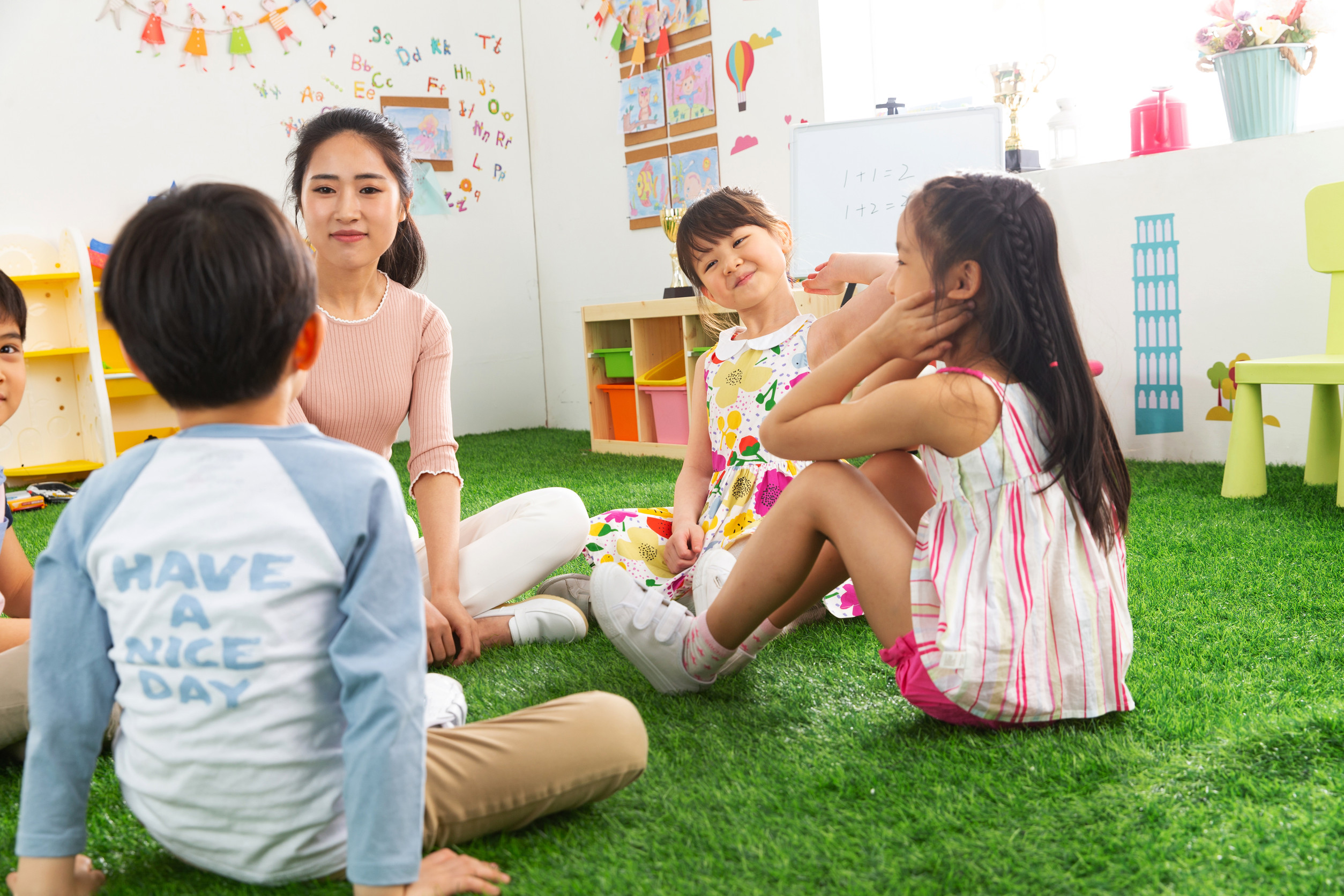
Teaching Children
Kindergarten teachers and the children

Instead of simply warning against strangers, it’s more effective to educate children on identifying unsafe behaviors. Discuss real-life scenarios that illustrate what makes an action or behavior unsafe, regardless of who is involved. Encourage children to trust their instincts and assertively say “no” when they feel uncomfortable. This approach empowers them to base their judgments on observed actions rather than appearances. Role-playing various scenarios further reinforces these crucial lessons.

Encouraging Open Communication

Creating a home environment where children feel comfortable discussing their experiences is essential. Regularly engage in conversations about their daily interactions and listen carefully to their concerns. When children know they can talk openly about uncomfortable situations, they are more likely to seek help when needed. This ongoing dialogue fosters trust and reinforces that their feelings are important. Additionally, discussing personal boundaries helps children understand how to protect themselves.

Identifying Trusted Adults

Help your children identify reliable adults they can turn to in times of need, such as teachers, police officers, or close family friends. Discuss how to recognize these trusted figures and why they are dependable. Role-playing scenarios where children practice asking for help can be a useful strategy. Establishing a family code word for emergencies adds an extra layer of security. Regularly reviewing and updating this list ensures that your child always knows where to turn for help.

Prepare Children with Real Safety Skills

Moving beyond the simplistic “stranger danger” message allows us to prepare our children for the complexities of the real world. By teaching them to recognize genuine warning signs, fostering open communication, and identifying trusted adults, we build a more effective safety net. This balanced approach not only protects them but also empowers them with confidence and critical thinking skills. Our goal is to cultivate a realistic understanding of risk that prepares children for all aspects of life.

How do you balance teaching safety without instilling unnecessary fear? Share your experiences in the comments below.

Read More:

Trouble Online: 10 Dangerous Activities Your Kids Are Participating In Online

10 Hidden Dangers of Social Media Every Parent Should Know

Tamila McDonald
Tamila McDonald

Tamila McDonald is a U.S. Army veteran with 20 years of service, including five years as a military financial advisor. After retiring from the Army, she spent eight years as an AFCPE-certified personal financial advisor for wounded warriors and their families. Now she writes about personal finance and benefits programs for numerous financial websites.

Filed Under: Parenting Tagged With: child development, child safety, Parenting, safety education, stranger danger

8 Reasons Why Time-Outs Might Not Be the Best Discipline Strategy

March 29, 2025 | Leave a Comment

best discipline strategy
Pexels

Time-outs have been a cornerstone of traditional discipline for decades, but recent insights suggest they might not always be effective. Many parents use time-outs to curb undesirable behavior, yet the approach may sometimes do more harm than good. As child development experts reexamine disciplinary methods, the time-out strategy is coming under scrutiny. In this article, we delve into eight reasons why time-outs might not be the best strategy for shaping behavior.

Emotional Disconnect

Time-outs can inadvertently create feelings of isolation in children. When a child is removed from the comfort of parental interaction, they may feel abandoned or unloved. This emotional disconnect can have lasting effects on their self-esteem. In some cases, the absence of a nurturing response during a time-out may increase a child’s anxiety. Consistent emotional support is crucial during moments of discipline.

Misinterpretation of Intent

For time-outs to work, children must understand why they are being isolated. However, many children misinterpret time-outs as a form of punishment rather than an opportunity for self-reflection. This misunderstanding can lead to resentment and behavioral issues in the long run. Clear, age-appropriate explanations are often lacking in traditional time-out practices. As a result, the intended corrective effect may be lost.

Overemphasis on Punishment

Time-outs often focus on penalizing rather than teaching. By emphasizing punishment, parents may inadvertently reinforce negative behavior patterns. Children might learn to associate misbehavior with shame instead of understanding the consequences. This approach can diminish intrinsic motivation for self-correction. Positive reinforcement and education may be more effective in promoting lasting behavioral change.

Lack of Skill-Building

Effective discipline should help children develop self-regulation and problem-solving skills. Time-outs, however, remove the child from the situation without offering guidance on how to improve. This absence of constructive feedback can leave children ill-equipped to handle similar situations in the future. Instead of learning from their mistakes, children may simply associate discipline with isolation. Teaching alternative behaviors is essential for true growth.

Inconsistent Application

Many parents struggle to apply time-outs consistently, which can confuse children about expectations. Inconsistent use of discipline strategies may undermine the intended benefits of time-outs. Without clear boundaries, children are less likely to understand why they are being disciplined. Consistency is key in reinforcing positive behavior. Parents need to develop a structured approach to ensure effectiveness.

Developmental Limitations

Not all children have the cognitive maturity to benefit from time-outs. Young children might not grasp the rationale behind isolation and may become even more distressed. The developmental stage of the child plays a crucial role in how they perceive and respond to discipline. Alternative strategies might be necessary for different age groups. Tailoring discipline to developmental needs can lead to better outcomes.

Potential for Increased Misbehavior

There is a risk that time-outs can inadvertently reinforce negative behaviors. Some children may act out to elicit attention, even if that attention is negative. This pattern can create a cycle where misbehavior is rewarded with a reaction, perpetuating the behavior. Parents must be cautious to ensure that discipline does not become a tool for gaining attention. Addressing the root cause of misbehavior is essential for lasting improvement.

Stress Induction

The experience of being isolated during a time-out can be stressful for children. This stress can manifest as anxiety, frustration, or even defiance. Chronic stress during discipline may impact a child’s emotional well-being and overall development. It’s important to balance the need for corrective action with the child’s emotional health. Alternative, more supportive strategies might be better suited for some children.

Rethinking Discipline Strategies

best discipline strategy
Pexels

While time-outs have long been a popular discipline method, emerging evidence suggests that they may not be the most effective approach for all children. Embracing alternative strategies that focus on teaching, empathy, and consistent communication can foster better behavioral outcomes. As parents, reexamining our discipline methods is crucial for nurturing healthy emotional and social development.

Understanding and Support

By prioritizing understanding and support over isolation and punishment, we can create a more positive environment for our children. Ultimately, the goal is to help them learn from mistakes in a way that builds confidence and resilience.

How have your experiences with time-outs shaped your approach to discipline? Share your insights and alternatives in the comments below.

Read More:

What Is Positive Discipline? A Cost-Effective Approach to Parenting

Stop Now! 12 Behaviors That Say You’ve Crossed The Line From Discipline to Abuse

Latrice Perez

Latrice is a dedicated professional with a rich background in social work, complemented by an Associate Degree in the field. Her journey has been uniquely shaped by the rewarding experience of being a stay-at-home mom to her two children, aged 13 and 5. This role has not only been a testament to her commitment to family but has also provided her with invaluable life lessons and insights.  As a mother, Latrice has embraced the opportunity to educate her children on essential life skills, with a special focus on financial literacy.

Filed Under: Parenting Tagged With: child behavior, child discipline, parenting strategies, Positive Parenting, time-outs

8 Happy Moments That Every Child Should Experience

March 29, 2025 | Leave a Comment

Playful boy and girls running and playing with colorful balloons in garden on green grass
Image Source: 123rf.com

Childhood is a treasure trove of experiences that shape who we become, and every joyful moment leaves a lasting imprint. Creating memorable experiences for children builds resilience, self-confidence, and an overall positive outlook on life. As parents, fostering these happy moments is essential to ensuring our children grow up with a strong foundation of love and support. In this article, we highlight eight pivotal experiences that every child should have to cultivate happiness and lasting memories. These moments set the stage for a joyful, well-rounded life.

The Joy of Unstructured Play

Unstructured play offers children the freedom to explore their creativity without rigid boundaries. It allows them to invent games, solve problems, and engage in imaginative scenarios on their own terms. This form of play fosters independence and encourages social interaction among peers. Children learn to make decisions and overcome challenges in a fun, relaxed environment. Such play is essential for developing critical thinking skills and a resilient spirit.

The Thrill of Learning a New Skill

Mastering a new skill, whether it’s riding a bike, swimming, or playing an instrument, instills a deep sense of accomplishment in children. This experience teaches them the value of persistence and hard work. It not only boosts their self-esteem but also opens up new avenues for creative expression. Celebrating these milestones encourages continuous learning and personal growth. The joy of mastering a skill becomes a cherished memory that fuels future endeavors.

Experiencing the Great Outdoors

The outdoors offers limitless opportunities for exploration and discovery that every child should enjoy. Time spent in nature promotes physical health, mental relaxation, and an appreciation for the environment. Activities such as hiking, camping, or simply playing in the park create lasting memories and strengthen family bonds. Exposure to natural surroundings fosters curiosity and a sense of adventure. These experiences lay the foundation for a lifelong appreciation of the natural world.

Celebrating Family Traditions

Family traditions provide children with a sense of belonging and stability. Whether it’s celebrating holidays, weekly game nights, or special rituals, these moments create a strong family identity. They help children understand their heritage and build a supportive network. Participating in these traditions instills values and creates cherished memories that last a lifetime. Embracing family traditions is a powerful way to reinforce love and unity within the home.

Acts of Kindness and Giving

Acts of Kindness
Image Source: 123rf.com

Engaging in acts of kindness, such as volunteering or helping a neighbor, teaches children empathy and compassion. These experiences help them understand the joy that comes from giving without expecting anything in return. Participating in charitable activities can build a strong sense of community and social responsibility. It also reinforces the idea that small actions can make a big difference. Cultivating a habit of kindness is essential for developing a caring and thoughtful individual.

The Magic of Storytelling

Immersing in stories, whether by reading or listening, sparks a child’s imagination and broadens their perspective. Storytelling not only entertains but also imparts valuable lessons about life, culture, and values. Sharing stories creates a special bond between parents and children. It encourages critical thinking and nurtures creativity by exposing children to diverse ideas. This timeless tradition fosters a lifelong love for learning and literature.

Celebrating Personal Achievements

Recognizing and celebrating a child’s achievements, no matter how small, builds self-confidence and motivates further success. Each accomplishment, from finishing a puzzle to excelling in school, should be acknowledged. Celebrations provide positive reinforcement that encourages children to set and pursue goals. This recognition helps them develop a sense of pride and ownership over their progress. Over time, these moments of celebration become milestones in their journey to self-improvement.

Building Strong Friendships

Forming meaningful friendships is essential for a child’s emotional and social development. Positive interactions with peers teach valuable lessons in empathy, communication, and conflict resolution. Friendships provide a support network that helps children navigate challenges both in and out of school. Encouraging healthy social connections contributes to a balanced and happy childhood. These bonds, built on trust and shared experiences, often last a lifetime.

Crafting a Joyful Childhood

Creating opportunities for these happy moments enriches a child’s life and lays the foundation for a fulfilling future. Every experience, from unstructured play to building strong friendships, contributes to a joyful and resilient personality. As parents, nurturing these moments is one of the greatest gifts we can offer our children. A happy childhood fosters confidence, creativity, and a positive outlook on life.

What are some of the most cherished moments in your child’s life? Share your stories and insights in the comments below.

Read More:

Large Family Grocery List: 12 Must-Have Items to Keep Everyone Fed and Happy

8 People You Should Want Your Kids to Look Up To

Tamila McDonald
Tamila McDonald

Tamila McDonald is a U.S. Army veteran with 20 years of service, including five years as a military financial advisor. After retiring from the Army, she spent eight years as an AFCPE-certified personal financial advisor for wounded warriors and their families. Now she writes about personal finance and benefits programs for numerous financial websites.

Filed Under: Parenting Tagged With: child development, childhood happiness, Family bonding, parenting tips, Positive Parenting

7 Strange Clues That Someone Might Be Watching Your Children

March 28, 2025 | Leave a Comment

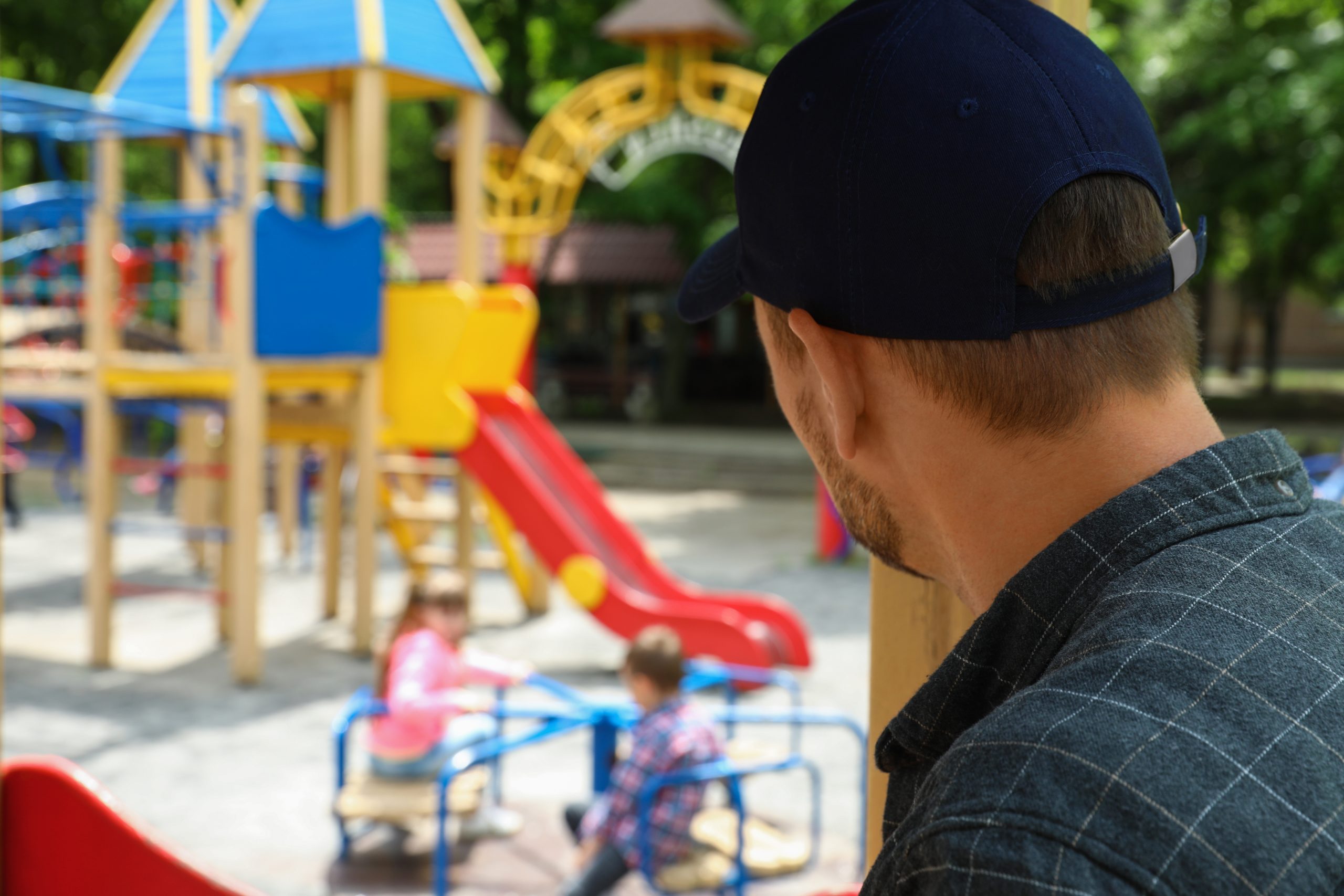
Suspicious adult man spying on kids at playground, space for text. Child in danger
Image Source: 123rf.com

It’s every parent’s worst nightmare: the feeling that something—or someone—isn’t quite right. We live in a world where we teach kids about stranger danger and internet safety, but what if the threat feels invisible? Sometimes the signs are subtle, even strange, but your gut tells you to pay attention. If you’ve ever had a weird feeling about someone hanging around or watching your child, trust it.

Here are seven unusual but serious clues that someone might be watching your kids—and why they should never be ignored.

1. They Show Up Too Often—Without a Reason

It’s one thing to bump into someone once or twice. But if the same person is constantly near your child’s school, playground, or sports practice—without any clear connection—that’s a red flag. Do they have no children with them? Are they just “around” but never actively involved? People who linger repeatedly in kid-heavy areas without reason deserve a second look. Consistent presence without purpose could indicate surveillance or intent.

2. They Know Your Child’s Name Without You Telling Them

If a stranger or acquaintance refers to your child by name—and you never introduced them—ask questions immediately. Children are often more open than adults, and someone may have learned their name from online posts, overheard conversations, or direct interaction without your consent. This knowledge can be used to create false familiarity with your child. It may seem innocent, but it’s often how grooming starts.

3. They Engage with Your Child—Not You

Watch how adults interact. A safe, respectful adult will typically address a parent first, especially around young children. If someone skips you and talks directly to your child, trying to build rapport or gain trust, take it seriously. Predators often bypass parental authority to create emotional connections with kids. That “friendly” behavior might actually be manipulation.

4. You Notice Someone Taking Photos or Videos

Young photographer taking picture with professional camera on green grass. Space for text
Image Source: 123rf.com

In public spaces, photos happen—but if someone is pointing their camera toward your child without permission, that’s a serious violation. Some people may disguise it as snapping general shots, but you can usually tell when it’s deliberate. Always confront the situation calmly but firmly. It’s your right to protect your child’s image and privacy.

5. Your Child Mentions a “New Friend” You’ve Never Heard Of

Children sometimes open up casually. If your child mentions someone you’ve never met—whether it’s an adult online or in real life—ask more. Kids may not realize when attention feels suspicious or inappropriate. They could say something like, “He always watches me skate,” or “She told me not to tell you.” That’s your cue to lean in. Listen carefully and avoid overreacting so they keep communicating.

6. Your Child Is Suddenly Nervous About Certain Places

Pay attention to behavioral changes. If your child used to love the park but now avoids it, or gets quiet near a certain building, ask why. Young kids may struggle to explain their feelings, but fear always has a root. It might not mean someone is watching—but it definitely means something needs exploring. Avoid dismissing their discomfort; it could be a protective instinct.

7. They Ask Specific Questions About Your Child’s Routine

It may sound casual—“What time does your daughter get out of school?” or “Is your son always at the library on Fridays?”—but these questions cross a line. If someone is asking about your child’s schedule without a valid reason, don’t answer. These details can be used to track, follow, or find moments when your child is alone. Respond with, “Why do you ask?” and trust your gut from there.

It’s Not Paranoia—It’s Protection

You don’t have to live in fear to be alert. Being proactive doesn’t make you overprotective—it makes you aware. If something feels off, take it seriously. Talk to your child often, check in with other parents, and report suspicious behavior when necessary. It’s better to feel silly for being cautious than devastated for missing the signs.

Have you ever had a strange encounter that made your “parent radar” go off? Share your story in the comments. Your awareness might help another family stay safe.

Read More: 

9 Reasons Your Children Don’t Respect You and How to Fix It

Is It Appropriate to Bribe Children for Good Behavior?

Latrice Perez

Latrice is a dedicated professional with a rich background in social work, complemented by an Associate Degree in the field. Her journey has been uniquely shaped by the rewarding experience of being a stay-at-home mom to her two children, aged 13 and 5. This role has not only been a testament to her commitment to family but has also provided her with invaluable life lessons and insights.  As a mother, Latrice has embraced the opportunity to educate her children on essential life skills, with a special focus on financial literacy.

Filed Under: Parenting Tagged With: child safety, child surveillance, children, family protection, parenting tips, safety awareness, stranger danger, suspicious behavior

10 Reasons Why Single-Parent Households Are Under Scrutiny

March 28, 2025 | Leave a Comment

Single parent father
Image Source: 123rf.com

Single-parent households have become increasingly common in today’s society, yet they often face heightened scrutiny from various quarters. This article explores ten factors contributing to the intense focus on single-parent families, ranging from economic challenges to social stigma. Understanding these issues can foster empathy and help develop better support systems for single parents. Here, we delve into the complexities and societal implications that shape the narrative around single-parent households.

1. Economic Challenges

Single parents frequently struggle with financial hardships due to relying on a single income. This economic strain can lead to difficulties in providing basic necessities such as housing, education, and healthcare. The correlation between single-parent families and higher poverty rates has been widely documented. Economic challenges often become a focal point in public policy debates and social criticism. Such scrutiny, even if well-intentioned, can inadvertently stigmatize single-parent households.

2. Child Development Concerns

Research indicates that children from single-parent households may face unique developmental challenges compared to their peers in two-parent families. Issues such as academic performance, behavioral problems, and emotional well-being are frequently cited. Critics argue that the absence of a second parental figure can impact a child’s social and cognitive development. However, many of these challenges are intertwined with broader socioeconomic factors rather than the family structure alone. Recognizing this complexity is essential to addressing the real issues at hand.

3. Social Stigma

Single parents often confront a pervasive social stigma that labels them as less capable or as having failed in traditional family roles. This negative perception can lead to isolation, discrimination, and judgment. The stigma not only affects the parent but can also have a lasting impact on the children. Such societal attitudes exacerbate the challenges single parents face, making it harder for them to access necessary support. Challenging these biases is crucial for fostering a more inclusive society.

4. Policy and Welfare Debates

Single-parent households are frequently at the center of discussions about welfare and social support systems. Debates often focus on issues such as child support, housing subsidies, and access to education. Critics argue that these families rely too heavily on government assistance, while supporters emphasize the systemic challenges single parents encounter. These debates can create a polarized environment that oversimplifies complex issues. Such discourse often hinders the development of effective support measures.

5. Influence on Societal Structures

The rise of single-parent households has prompted broader discussions about changing family dynamics and societal values. Traditional family structures are often held as the ideal, and deviations can attract criticism. Some argue that the increase in single-parent families contributes to social problems such as crime and poor educational outcomes. However, these claims frequently overlook the multifaceted causes behind such issues. A nuanced understanding of family structures is necessary to appreciate the challenges and strengths of single-parent households.

6. Educational Attainment

Kid In School
Image Source: 123rf.com

Children in single-parent families may experience lower educational outcomes due to economic constraints and reduced parental involvement. Limited resources can result in fewer opportunities for academic enrichment and extracurricular activities. This disparity has led to increased scrutiny of single-parent households within the education system. However, it’s important to recognize that educational challenges are often linked to broader socioeconomic factors. Addressing these systemic issues can help improve outcomes for all children, regardless of family structure.

7. Health and Well-Being

Single parents often juggle multiple responsibilities, leading to high levels of stress and potential health issues. The constant pressure to balance work, childcare, and household management can impact both parent and child. This strain is frequently cited as a factor contributing to the scrutiny of single-parent households. Health concerns in these families extend beyond the absence of a second parent. Recognizing these pressures is essential for developing supportive interventions.

8. Legal and Custodial Issues

Custody battles and legal disputes are more common in single-parent households, often drawing public attention and criticism. The complexities of family law can leave single parents vulnerable to prolonged legal challenges. These issues are compounded by societal perceptions favoring traditional two-parent arrangements. Understanding the legal challenges faced by single parents is crucial for advocating equitable family policies. This scrutiny underscores the need for reforms that protect the rights and well-being of all families.

9. Housing Instability

Securing stable and affordable housing can be a significant challenge for many single-parent families. Housing instability may lead to frequent moves, disrupting children’s education and social networks. This issue is often highlighted in discussions about poverty and social inequality. Scrutiny of single-parent households sometimes centers on these housing challenges, further stigmatizing the family structure. Addressing housing needs is essential to improving the overall stability of these families.

10. Generational Poverty

There is a persistent concern that children raised in single-parent households are at a higher risk of continuing the cycle of poverty. Generational poverty is a multifaceted issue influenced by economic, educational, and social factors. Critics argue that the structure of single-parent families contributes to these outcomes, though the reality is more complex. Understanding the interplay of these factors is critical for developing effective interventions. Breaking the cycle of poverty requires systemic changes rather than merely placing blame on family structure.

Supporting Single-Parent Families

While single-parent households are under scrutiny for a variety of reasons, it’s essential to approach these discussions with empathy and a nuanced understanding. Each factor highlights systemic challenges that extend beyond individual family dynamics. By focusing on supportive policies and community-based interventions, society can alleviate the pressures faced by single parents. The goal is to empower these families and address the underlying issues that contribute to their struggles.

What steps can society take to better support single-parent families and address the challenges they face? Share your insights in the comments below.

Read More:

Single Fathers Are Stepping Up: Here Are 10 Motivations Behind Fathers Taking Over Raising Their Children

5 Reasons Why Texas Daycare Costs Are Skyrocketing (and How to Cope)

Tamila McDonald
Tamila McDonald

Tamila McDonald is a U.S. Army veteran with 20 years of service, including five years as a military financial advisor. After retiring from the Army, she spent eight years as an AFCPE-certified personal financial advisor for wounded warriors and their families. Now she writes about personal finance and benefits programs for numerous financial websites.

Filed Under: Parenting Tagged With: child development, Economic Challenges, family dynamics, single-parent, social issues

8 Things You Should Never Say to a Child Protective Officer

March 28, 2025 | 1 Comment

Child Protective Services
Image Source: 123rf.com

Interacting with a Child Protective Officer (CPO) can be one of the most challenging experiences for any parent under investigation. The stakes are incredibly high, and every word matters when it comes to ensuring your family’s future. This article outlines eight statements that you should never say to a CPO, as they can jeopardize your case and your child’s well-being. By understanding what not to say, you can navigate these interactions with greater confidence and clarity. Thoughtful, respectful communication is key to maintaining a cooperative dialogue during these sensitive situations.

1. “I don’t need to answer your questions.”

While you have the legal right to remain silent, outright refusal to cooperate can raise suspicions. It may signal non-cooperation and escalate tensions with the officer. Engaging respectfully demonstrates your willingness to address concerns and work towards a resolution. Seeking legal counsel before responding can ensure that you protect your rights effectively. Maintaining a calm and cooperative demeanor is essential for a constructive interaction.

2. “This is all a misunderstanding.”

Downplaying the situation by dismissing it as a misunderstanding can be seen as evasive. It may prevent you from addressing the underlying issues that prompted the investigation. Offering clear, factual explanations instead fosters transparency. Acknowledging the seriousness of the officer’s concerns builds trust. Clear communication is key to resolving the situation without further complications.

3. “I know my rights; you can’t do anything.”

While it is important to be aware of your rights, asserting them in a confrontational manner can harm your relationship with the officer. Such statements may come off as aggressive or dismissive. A balanced approach that respectfully asserts your rights while remaining open to discussion is far more effective. Cooperation can help de-escalate the situation and lead to a better outcome. Always aim for a calm, informed dialogue rather than a power struggle.

4. “I refuse to let you speak to my child.”

Preventing the officer from speaking with your child can be interpreted as a lack of transparency. It may raise concerns about what you are trying to hide. Instead, request to be present during any conversation to ensure that your child is supported. This demonstrates that you are committed to your child’s welfare while maintaining openness. Balancing the need for privacy with cooperation is essential in these situations.

5. “We have nothing to hide.”

Although this phrase may seem reassuring, it can be perceived as dismissive of the investigation’s seriousness. Instead of offering a blanket statement, provide specific details and context for your actions. Detailed explanations help clarify any misunderstandings and demonstrate your willingness to cooperate. Transparency in your responses is key to building trust with the officer. It shows that you take the investigation seriously and are committed to resolving any issues.

6. “I don’t need a lawyer.”

Judge gavel with Justice lawyers having team meeting at law firm background. Concepts of Law and Legal services.
Image Source: 123rf.com

Opting to proceed without legal representation can be risky, especially in high-stakes situations. Legal counsel is essential to ensure that your rights are fully protected and that you understand the process. Refusing a lawyer may signal that you are underestimating the seriousness of the investigation. Engaging an attorney can provide guidance and clarity during this challenging time. It is a crucial step in safeguarding your family’s interests.

7. “I know the law better than you.”

Claiming superior legal knowledge can come off as confrontational and unproductive. This statement may escalate tensions and hinder a constructive dialogue with the officer. A more respectful approach is to ask for clarification and seek mutual understanding. Recognize that the officer is simply doing their job to ensure child safety. Maintaining humility and cooperation is essential for a positive outcome.

8. “I don’t have time for this.”

Minimizing the importance of the investigation by stating you don’t have time can be interpreted as dismissive. Taking the time to address the officer’s concerns is crucial for protecting your child’s welfare. This statement may convey a lack of seriousness about the situation, further complicating matters. Demonstrating commitment to resolving the issues can lead to a more favorable resolution. Allocating adequate time for these discussions is essential.

Navigating Difficult Conversations with Care

Engaging with a Child Protective Officer requires careful, respectful communication to safeguard your family’s interests. By avoiding contentious or dismissive language, you pave the way for a more constructive dialogue. Balancing assertiveness with cooperation is crucial in these sensitive interactions. Seeking legal guidance and maintaining transparency can help you navigate the process effectively. Ultimately, protecting your child’s welfare should always be the priority.

How do you balance assertiveness and cooperation when dealing with authorities in sensitive situations? Share your thoughts and experiences in the comments below.

Read More:

Are Parents Legally Obligated To Pay For College

Should You Let Your Child Walk to School Alone?

Tamila McDonald
Tamila McDonald

Tamila McDonald is a U.S. Army veteran with 20 years of service, including five years as a military financial advisor. After retiring from the Army, she spent eight years as an AFCPE-certified personal financial advisor for wounded warriors and their families. Now she writes about personal finance and benefits programs for numerous financial websites.

Filed Under: Parenting Tagged With: child protection, communication, CPS, legal advice, parental rights

« Previous Page
Next Page »
  • Facebook
  • Pinterest
  • RSS
  • Twitter
Best Parenting Blogs

Most Popular

Baby Girl

12 “Grandma” Baby Names That Are Suddenly Cool Again

Evan Morgan
Baby

9 Baby Names That Sound Rare Without Being Hard to Spell

Evan Morgan
Target Store

Choking Incident Prompts Recall of 49,000 Target Gigglescape “Under the Sea” Popping Toys

Evan Morgan
Frustrated Girl

Why Some Students on the Spectrum Are Labeled With ODD

Evan Morgan
Coke Bottles

12 Things Kids Took to School in the ’70s That Would Never Be Allowed Today

Evan Morgan

All content on Kids Ain’t Cheap is for entertainment purposes only. By reading this blog, you agree that Kids Ain’t Cheap is not responsible for any actions taken after reading this blog. For the full disclaimer, see our privacy policy.

Please note that Kids Ain’t Cheap has financial relationships with some of the merchants mentioned here. Kids Ain’t Cheap is funded by banner advertising, commission sales and search optimization consulting.

Copyright © 2006–2026 | District Media | All Rights Reserved | Privacy Policy

Copyright © 2026 Runway Pro Theme by Viva la Violette