
• Home
  • About Us
  • Toolkit
  • Archives
  • Advertise
  • Privacy Policy

Kids Ain't Cheap

But They Sure Are Worth It

  • Parenting
    • Baby Stuff
    • Books and Reading
      • Aesops Fables
      • Comic Books
    • Education
    • Family Time
    • Green Living
    • Growing Up
    • Healthy Living & Eating
    • Holidays
    • Parenting
    • Random Musings
    • Shopping
    • Stuff to Do
  • Money
  • Product Reviews
    • Books and Magazines
    • Discount Sites
    • Furniture
    • House Keeping
    • Reviews News
    • Toys and Games
  • Contact Us
  • Our Editorial Commitment
  • Search

Are Milestone Tests Really Helping Our Children?

June 7, 2025 | Leave a Comment

Are Milestone Tests Really Helping Our Children

Standardized tests have become a regular part of childhood education, with milestone tests often shaping the way schools, teachers, and even students themselves measure progress. But are these tests truly helping our children succeed—or are they just adding pressure and narrowing the definition of learning? Many parents have watched their child stress over a single test score, wondering if it really captures all their child is capable of. While assessments can serve a purpose, it’s important to examine whether milestone tests are doing more harm than good. Let’s look at the real impact of these exams on kids, learning, and long-term growth.

1. Milestone Tests Can Overemphasize Memorization

One of the biggest concerns with milestone tests is that they often prioritize rote memorization over deeper learning. Students are pushed to cram information to meet test requirements rather than truly understanding the subject. Teachers may feel pressured to teach to the test, which can result in less creative and engaging classroom activities. When kids spend more time rehearsing facts than exploring ideas, their curiosity can start to fade. This model doesn’t always promote lifelong learning—it promotes short-term score gains.

2. They Can Create Unnecessary Stress

For many children, milestone tests are a major source of anxiety. The idea that a single exam could determine their academic future—placement in gifted programs, eligibility for tutoring, or even school funding—can be overwhelming. Some students freeze up during tests, underperforming despite understanding the material. Others may experience sleep issues, headaches, or stomachaches during testing seasons. The emotional toll alone raises questions about whether milestone tests are truly helping our children or simply weighing them down.

3. Scores Don’t Tell the Whole Story

A child is more than their test score, yet milestone tests often reduce performance to a single number or letter grade. This limited metric ignores skills like creativity, collaboration, emotional intelligence, and resilience. Students who are strong writers or innovative thinkers may not shine in multiple-choice formats. Likewise, kids with learning differences or language barriers may struggle with traditional testing despite their abilities. Using test scores as the main measure of success doesn’t reflect the full spectrum of a child’s strengths.

4. Testing Can Widen Educational Gaps

While milestone tests are meant to assess and improve student outcomes, they can unintentionally increase inequality. Children from under-resourced schools may not have access to the same test prep materials or enrichment opportunities as their peers in wealthier districts. This often results in lower scores, not due to a lack of intelligence, but a lack of support. Over time, these disparities can affect school funding, teacher evaluations, and curriculum priorities. Instead of closing the gap, milestone tests can end up reinforcing it.

5. They Limit Teacher Flexibility

When curriculum is designed around testing benchmarks, teachers lose the freedom to adjust their instruction to meet the unique needs of their students. Lessons become rigid, focused on test prep rather than meaningful exploration. Teachers may feel frustrated when they can’t dive into topics their students are curious about because it “won’t be on the test.” This environment can make school less exciting for both teachers and kids. Learning becomes a checklist, not an adventure.

6. Kids Learn to Associate Worth with Scores

It’s easy for children to start believing their value as a student—or as a person—is tied to their test results. High scorers may feel constant pressure to maintain their status, while others might think they’ll never be “smart enough.” This mindset is especially harmful in younger kids, who are still forming their sense of identity. A single bad test experience can leave lasting self-doubt. Education should build confidence, not shatter it with a single Scantron.

7. Milestone Tests Don’t Reflect Real-World Skills

In adult life, few situations involve picking the right answer out of four options in silence under a time limit. Real-world skills like communication, critical thinking, and problem-solving are rarely tested through milestone exams. Projects, presentations, and collaborative tasks prepare kids far better for life beyond school. If we want to equip students for the future, we need assessments that reflect the complexity of real challenges, not just their ability to bubble in answers correctly.

8. Parents and Teachers Want More Holistic Approaches

There’s growing demand from educators and families alike for a more balanced view of student progress. Many would prefer assessments that combine class participation, long-term projects, and feedback-based evaluations. These tools give a more accurate picture of a child’s development and provide actionable steps for growth. Milestone tests, by contrast, often give delayed, generalized results. It’s no wonder more people are asking whether these tests are truly helping our children or just maintaining an outdated system.

Rethinking What Real Progress Looks Like

It’s time to start redefining how we measure success in school. Children thrive when they feel seen for who they are, not just how they score. That means listening to teachers, encouraging creativity, and embracing assessment tools that support growth instead of stifling it. Milestone tests may have their place, but they should never be the only measure of progress. Helping our children succeed means looking beyond the bubble sheet.

Do you think milestone tests are helping or hurting your child’s learning experience? Share your perspective in the comments—we’d love to hear your take.

Read More:

Are Schools Still Preparing Kids for a World That No Longer Exists?

5 Secrets of Academically Successful Kids

Catherine Reed
Catherine Reed

Catherine is a tech-savvy writer who has focused on the personal finance space for more than eight years. She has a Bachelor’s in Information Technology and enjoys showcasing how tech can simplify everyday personal finance tasks like budgeting, spending tracking, and planning for the future. Additionally, she’s explored the ins and outs of the world of side hustles and loves to share what she’s learned along the way. When she’s not working, you can find her relaxing at home in the Pacific Northwest with her two cats or enjoying a cup of coffee at her neighborhood cafe.


Filed Under: Parenting Tagged With: child learning, childhood development, education reform, milestone tests, parenting and education, school testing, standardized testing, student assessment

8 Options Every Child Should Have For Their Birthday Activities

June 6, 2025 | Leave a Comment

8 Options Every Child Should Have For Their Birthday Activities

Birthday parties are a big deal to kids—not just for cake and gifts, but for making memories that stick with them for years. Whether you’re planning something big or keeping it low-key, giving your child choices can make the day feel even more special. The right birthday plans don’t have to cost a fortune or follow a specific trend. What matters is that your child feels included, celebrated, and in control of the fun. These eight ideas are options every child should have for their birthday activities, and they work for different personalities, energy levels, and budgets.

1. A Stay-At-Home Celebration with Their Favorite Things

Not every birthday needs a rented space or crowd of guests. Some kids would love nothing more than a cozy party at home, surrounded by family, favorite foods, and a stack of games or movies. This is one of the most flexible options every child should have for their birthday activities, and it allows full customization. Think build-your-own taco night, homemade decorations, or a pajama party complete with popcorn and a movie marathon. It’s personal, easy to organize, and can be just as fun as anything flashy.

2. A Day Out Doing Something They Love

Instead of a traditional party, some kids prefer quality time doing something they already enjoy. This might be a trip to the zoo, mini-golf, a trampoline park, or their favorite arcade. Letting your child choose the activity gives them a sense of ownership and excitement. These outings are great options for introverted kids or those who aren’t into big group parties. It’s one of those options every child should have for their birthday activities because it makes the day feel truly centered around them.

3. A Themed Party Where They Pick the Theme

Unicorns, superheroes, dinosaurs, space—whatever their obsession, themed parties are always a hit. Even if it’s a simple backyard party, giving your child the chance to choose the theme makes them feel heard and involved. Let them help pick decorations, snacks, and even the playlist to bring their vision to life. This is one of the most creative options every child should have for their birthday activities and can spark a lot of joy without going overboard. Homemade decorations and DIY games make it even more memorable.

4. A Party with Just a Few Close Friends

Not every kid wants a crowd. For many children, the idea of a small gathering with their closest pals feels more fun—and less overwhelming—than a full guest list. This could be a backyard campout, pizza and crafts night, or a sleepover with games and cake. One of the best options every child should have for their birthday activities is the choice to keep it small and meaningful. Sometimes, a few best friends and lots of laughs make for the best birthday memories.

5. A Birthday Focused on Giving Back

Some kids naturally lean toward empathy and generosity, even on their birthday. For those children, giving back can be more fulfilling than getting presents. This might mean collecting donations instead of gifts, spending time volunteering, or hosting a charity-themed celebration. It’s one of the more unique options every child should have for their birthday activities, and it teaches values that last beyond one special day. Plus, it feels good to know you’ve helped others while still celebrating.

6. A DIY or Craft-Based Party

For kids who love to create, crafting is a birthday dream come true. From slime stations to painting parties or jewelry making, hands-on activities are both fun and budget-friendly. Guests get to take something home, and your child gets to lead a project they love. It’s one of the more engaging options every child should have for their birthday activities, especially for kids who enjoy showing off their artistic side. Plus, it keeps everyone busy and entertained without needing constant supervision.

7. A Family Adventure or Mini-Trip

Instead of a party, some families opt for a special outing or overnight adventure. Whether it’s camping, a hotel stay, or visiting a nearby attraction, this kind of celebration turns the day into an experience. This is a great option for children who enjoy exploring new places or value quality time with family. It’s also ideal when you want to combine a birthday with a bit of travel or memory-making. Among the options every child should have for their birthday activities, this one creates lasting moments without needing balloons or streamers.

8. A “Yes Day” Where They Pick the Agenda

Give your child the reins and let them design their perfect day (within reason, of course). A “Yes Day” could include their choice of breakfast, favorite park, a special treat, and picking the family movie that night. It doesn’t take a big budget to let them feel like royalty for a day. This is one of the most empowering options every child should have for their birthday activities because it shows trust and makes the day all about them. Just be prepared to say “yes” to things you normally wouldn’t.

Birthdays Should Reflect Who They Are

There’s no right way to celebrate a birthday—only the right way for your child. When you give them choices and make their interests the priority, you’re sending a powerful message: who they are matters. These options every child should have for their birthday activities are just the beginning of turning a simple birthday into a meaningful tradition.

What birthday option does your child love the most—or what new one are you excited to try? Share your celebration wins and ideas in the comments!

Read More:

Skip These 7 Expenses When Planning a Kid’s Birthday Party

8 Snooze-Proof Birthday Ideas That’ll Blow Your Kid’s Mind

Catherine Reed
Catherine Reed

Catherine is a tech-savvy writer who has focused on the personal finance space for more than eight years. She has a Bachelor’s in Information Technology and enjoys showcasing how tech can simplify everyday personal finance tasks like budgeting, spending tracking, and planning for the future. Additionally, she’s explored the ins and outs of the world of side hustles and loves to share what she’s learned along the way. When she’s not working, you can find her relaxing at home in the Pacific Northwest with her two cats or enjoying a cup of coffee at her neighborhood cafe.

Filed Under: Parenting Tagged With: birthday ideas, birthday traditions, child development, family celebrations, kids and choices, kids birthday activities, kids party planning, parenting tips

9 Qualities That Say Your Child Is Being Raised Well

June 6, 2025 | Leave a Comment

9 Qualities That Say Your Child Is Being Raised Well

Every parent wonders at some point, “Am I doing this right?” While there’s no perfect blueprint for parenting, there are clear signs that you’re on the right track. The small, everyday moments often say more than big milestones or report cards. From kindness to resilience, the qualities kids develop early can reflect the care, guidance, and values they’re learning at home. If you notice these behaviors, chances are your child is being raised well—and you deserve to feel proud of that.

1. They Show Kindness Without Being Asked

When your child helps a classmate pick up spilled crayons or shares their snack with a friend who forgot theirs, that’s a meaningful sign. It means they’ve learned empathy, one of the most powerful indicators that your child is being raised well. True kindness isn’t just about saying “please” and “thank you” but choosing to be gentle, generous, and considerate when no one’s watching. These small, unscripted moments reflect the values you’ve modeled. Kids who lead with kindness grow into adults who make the world better.

2. They Can Apologize and Mean It

A genuine apology isn’t easy for most adults—so when a child can do it without being forced, it speaks volumes. Taking responsibility shows that your child is learning accountability and emotional intelligence. Whether they apologize to a sibling for being too rough or tell a friend they didn’t mean to hurt their feelings, it means they’re reflecting and growing. Being able to say “I’m sorry” is a strong sign your child is being raised well. It shows they understand the impact of their actions.

3. They Respect Boundaries (Theirs and Others’)

A child who can say “no” confidently and also respects when someone else says it back is learning something truly important. Healthy boundaries are crucial for emotional safety and future relationships. When your child is being raised well, they understand that personal space, consent, and communication matter. This may show up when they ask before borrowing a friend’s toy or speak up when they’re uncomfortable. These habits come from parents who teach that respect is a two-way street.

4. They Can Handle Disappointment (Most of the Time)

No child handles disappointment perfectly, but if your child can take a “no” without a full meltdown every time, that’s a major win. This shows they’re developing coping skills, resilience, and emotional control. Whether it’s losing a game or not getting the treat they wanted, managing frustration with grace is a sign your child is being raised well. It means you’re giving them the tools to face real-life challenges without crumbling. Emotional regulation isn’t perfect, but progress is powerful.

5. They Include Others

Pay attention to how your child treats kids outside their friend circle. Do they invite the quiet kid to play or stand up for someone being left out? Inclusion shows compassion, leadership, and confidence. When your child is being raised well, they know that being kind to everyone—not just their favorite people—is the right thing to do. These moments of inclusion don’t need to be big or loud; they just need to be consistent.

6. They Ask Good Questions

Curiosity is more than just wanting to know things—it’s a reflection of how a child feels safe, engaged, and respected. A child who’s encouraged to ask “why,” “how,” or “what if” is learning to think for themselves. If your child feels comfortable asking questions about the world, people, and even your rules, that’s a great sign your child is being raised well. It shows they trust you to listen and guide them instead of just shutting them down. Curiosity lays the groundwork for lifelong learning.

7. They Show Gratitude

You know you’re doing something right when your child thanks you for the little things without being prompted. Whether it’s saying thank you after dinner or writing a note to a teacher, gratitude reflects a deeper understanding of generosity and appreciation. Kids who regularly express thanks aren’t just being polite—they’re recognizing effort and value. Gratitude is a meaningful way to know your child is being raised well, especially in a world that often moves too fast to say thanks.

8. They’re Honest (Even When It’s Hard)

Lying is a normal part of development, but a child who chooses honesty even when it’s uncomfortable is learning integrity. If they admit to spilling the milk or breaking the remote instead of blaming the dog, they’re learning to own their actions. That honesty, even when it comes with consequences, signals that your child is being raised well. It means they trust you enough to tell the truth and believe that being honest matters more than getting away with something.

9. They’re Confident Without Being Arrogant

Confidence isn’t about bragging—it’s about self-assurance and believing in one’s ability to try, fail, and try again. If your child takes initiative, shares ideas, or isn’t afraid to speak up in class, that confidence likely started at home. It reflects a secure emotional foundation built on encouragement, listening, and love. When your child is being raised well, you’ll see pride without superiority. They don’t have to be perfect—they just have to believe they’re capable.

The Quiet Proof You’re Doing It Right

You won’t always get applause for the effort you put into parenting—but your child’s everyday choices say more than words ever could. These signs that your child is being raised well are your real-time proof that your lessons, values, and love are sticking. And while no parent gets it right 100% of the time, seeing these qualities shine through is a reminder that you’re raising someone truly special.

What qualities have made you feel proudest as a parent? Which signs tell you your child is growing into someone amazing? Share your thoughts in the comments!

Read More:

8 People You Should Want Your Kids to Look Up To

10 Signs Your Child Is Growing Up Faster Than You Realize

Catherine Reed
Catherine Reed

Catherine is a tech-savvy writer who has focused on the personal finance space for more than eight years. She has a Bachelor’s in Information Technology and enjoys showcasing how tech can simplify everyday personal finance tasks like budgeting, spending tracking, and planning for the future. Additionally, she’s explored the ins and outs of the world of side hustles and loves to share what she’s learned along the way. When she’s not working, you can find her relaxing at home in the Pacific Northwest with her two cats or enjoying a cup of coffee at her neighborhood cafe.

Filed Under: Parenting Tagged With: child behavior, child development, confident kids, emotional intelligence, family values, Parenting, Positive Parenting, raising good kids

8 Challenges Every Kid Faces During Summer Break

June 6, 2025 | Leave a Comment

8 Challenges Every Kid Faces During Summer Break

Summer break is every kid’s dream—until it isn’t. Sure, school’s out, the sun is shining, and there’s no homework in sight, but beneath the popsicles and pool days, kids often face some surprising hurdles. From boredom to social shifts, this long stretch of unstructured time can bring its own unique stressors. Understanding the challenges every kid faces during summer break helps parents prepare, support, and create a more balanced and meaningful season. Because summer should be fun—but it doesn’t have to be flawless.

1. Feeling Bored (Even with a House Full of Toys)

One of the most common challenges every kid faces during summer break is boredom. With no school structure and hours to fill, even kids surrounded by entertainment options will inevitably complain, “There’s nothing to do!” This boredom can lead to irritability, lack of motivation, or overuse of screens. It’s not a sign your child is lazy—it’s a sign they need a little guidance or variety. Creating a flexible routine with a mix of free play, creative activities, and outdoor time can help keep things fresh.

2. Missing School Friends

While summer is packed with freedom, it can also come with unexpected loneliness. During the school year, kids are surrounded by peers, but once break hits, those daily interactions disappear. Not every child has access to playdates, camps, or neighborhood buddies. For social kids, this is one of the tougher challenges every kid faces during summer break, and it can lead to feelings of isolation or sadness. Making an effort to schedule time with friends or involve kids in group activities can go a long way.

3. Losing Learning Momentum

The dreaded “summer slide” is real. Without regular reading, math practice, or intellectual engagement, kids often forget what they learned during the school year. This academic regression is one of the sneakier challenges every kid faces during summer break, and it becomes more noticeable when school starts back up. Luckily, it doesn’t take much to keep skills sharp—just a few minutes of reading, puzzles, or brain games each day can make a difference. You don’t need a full curriculum, just a consistent spark of learning.

4. Unstable Sleep Routines

Later bedtimes, unscheduled mornings, and screen time before bed can wreak havoc on a child’s sleep. During summer, routines often get tossed out the window, and while flexibility is fun, it can also lead to fatigue and crankiness. Sleep problems are a hidden but powerful challenge every kid faces during summer break and can affect mood, behavior, and even health. Try to maintain some consistency in wake-up and bedtimes, especially during the week, to keep kids rested and regulated.

5. Constant Screen Time Temptation

When boredom strikes, the easiest fix is a screen. And with no school to interrupt the fun, kids often default to video games, YouTube, or social media for hours at a time. Too much screen time is a major challenge every kid faces during summer break, and it can lead to sleep disruption, irritability, and a decline in physical activity. Setting daily limits, encouraging tech-free hours, and offering engaging offline options can help strike a healthier balance.

6. Dealing with Heat and Overexposure

While summer means more time outdoors, it also brings heat exhaustion, sunburns, and general discomfort from high temperatures. Not all kids are great at recognizing when it’s time to hydrate or take a break from the sun. This physical strain is another under-the-radar challenge every kid faces during summer break—and one that can be easily prevented. Remind them to drink water often, wear sunscreen, and take cooling breaks indoors when needed.

7. Sibling Tension from Too Much Togetherness

Without school to separate them, siblings may spend long days together—and not always harmoniously. Arguments over space, toys, and attention can increase, especially when there’s no structured distraction. Managing sibling relationships becomes one of the more exhausting challenges every kid faces during summer break—for kids and parents alike. Rotating individual time, setting clear boundaries, and offering chances to cool off separately can help maintain peace at home.

8. Pressure to Always Be Having Fun

Summer is marketed as the best time of the year, which can create unrealistic expectations. If every moment isn’t filled with adventure, travel, or constant excitement, kids may feel like they’re missing out or not doing “summer” right. This emotional pressure is a surprising challenge every kid faces during summer break, especially when they compare their experience to others’. Reassure your child that quiet days, slow mornings, and downtime are just as valuable as big trips and camps.

Helping Kids Enjoy the Ups and Downs of Summer

Summer break isn’t always carefree—and that’s okay. By recognizing the challenges every kid faces during summer break, parents can offer the support kids need to enjoy their time off without added stress. A little structure, open communication, and thoughtful planning can turn this season into a truly rewarding experience for everyone.

What summer challenges have popped up in your home—and how are you handling them? Share your summer survival tips in the comments!

Read More:

When Summer Freedom Turns Risky: What Time Should Kids Be Home?

15 Outdoor Adventures to Transform Your Kids’ Summer

Catherine Reed
Catherine Reed

Catherine is a tech-savvy writer who has focused on the personal finance space for more than eight years. She has a Bachelor’s in Information Technology and enjoys showcasing how tech can simplify everyday personal finance tasks like budgeting, spending tracking, and planning for the future. Additionally, she’s explored the ins and outs of the world of side hustles and loves to share what she’s learned along the way. When she’s not working, you can find her relaxing at home in the Pacific Northwest with her two cats or enjoying a cup of coffee at her neighborhood cafe.

Filed Under: Parenting Tagged With: child development, family routines, kids and screen time, kids and sleep, parenting tips, summer boredom, summer break, summer parenting struggles

When Summer Freedom Turns Risky: What Time Should Kids Really Be Home?

June 5, 2025 | Leave a Comment

When Summer Freedom Turns Risky What Time Should Kids Really Be Home

Summer break often brings a mix of joy, chaos, and the occasional “Where are they now?” moment. Longer daylight hours and relaxed routines can blur the lines of responsibility, especially when it comes to letting kids stay out later. While a little extra freedom is part of the magic of summer, too much of it can lead to trouble if boundaries aren’t clearly set. That’s why many parents are now asking the same essential question: what time should kids really be home? Finding the right curfew can help kids stay safe, stay grounded, and still enjoy the carefree spirit of summer.

1. Consider Age and Maturity First

There’s no one-size-fits-all rule for summer curfews, because kids develop at different rates. A 12-year-old hanging out at the park might need a much earlier check-in time than a 16-year-old attending a supervised party. Maturity matters just as much as age—can your child handle emergencies, stay in touch, and make safe choices when you’re not around? If you’re unsure, start with an earlier time and expand it gradually as they demonstrate responsibility. When deciding what time kids should really be home, trust and accountability should weigh just as heavily as the clock.

2. Check Local Ordinances

Many cities and towns have curfew laws that apply to minors, especially during the summer months. These regulations may vary by age and time of day, so it’s worth checking with your local government or police department. Violating curfew laws can result in fines or warnings, and you don’t want your child learning about them the hard way. Let your kids know these rules aren’t about punishment—they’re about protection. Understanding the law is part of figuring out what time kids should really be home in your area.

3. Factor in the Type of Activity

Not all evenings out are created equal. Is your child at a sleepover, a movie, a sports practice, or just wandering the neighborhood with friends? The level of supervision and location makes a big difference in determining how late is too late. For example, kids coming home from a structured event may be okay with a later curfew than those out just roaming around. Matching the curfew to the activity helps kids stay safe and avoids a one-rule-fits-all approach.

4. Don’t Ignore Daylight and Neighborhood Safety

Summer sun may stick around until 9 PM, but that doesn’t mean every environment is safe after dark. Consider the safety of your neighborhood, whether your child is walking or biking home, and how well-lit their path is. Even responsible kids can end up in risky situations if the area isn’t secure. This is another factor to weigh when asking what time should kids really be home. It’s not just about the time—it’s about the conditions they’re returning in.

5. Use Technology, But Don’t Rely on It Alone

Phones, smartwatches, and tracking apps can help keep tabs on your child, but they’re not foolproof. Batteries die, Wi-Fi drops, and kids forget to check in. While technology can support your peace of mind, it shouldn’t replace real communication. Set expectations about texting when plans change and always make time for a quick debrief after they get home. Tools can help, but your trust and relationship are still the foundation when setting limits around what time kids should really be home.

6. Create Clear Curfew Expectations

A vague “be home at a reasonable hour” is asking for interpretation—and probably some frustration. Be clear about your expectations and the reasons behind them. If your child knows their curfew is 9:30 and understands it’s to ensure safety and peace of mind, they’re more likely to stick to it. Give a five- to ten-minute grace period, but reinforce consistency. Clear rules remove the guesswork and reduce the chance of late-night power struggles.

7. Be Open to Negotiation

As kids get older and prove their responsibility, consider being flexible. Let them request a later curfew for special occasions or weekends. When they feel heard, they’re more likely to respect the boundaries you set. Allowing them some input teaches negotiation and compromise—skills they’ll use well beyond summer. Just remember that flexibility still requires follow-through; if they miss the mark, it’s okay to pull things back temporarily.

8. Don’t Compare to Other Families

You might hear, “But Jordan’s parents let them stay out until midnight!” more than once this summer. Every family has different rules, and yours don’t need to match anyone else’s. Your job is to make decisions that reflect your child’s needs and your family’s values. Stand firm in what feels right for your household, even if it’s earlier than their friends’ curfews. Knowing what time kids should really be home starts with trusting your instincts—not peer pressure.

9. Use Curfew as a Conversation Starter

Instead of just announcing a curfew, talk to your child about why you’re setting it. Ask how they feel about the time, what their friends’ curfews are, and what their plans involve. This turns curfew into a relationship builder, not just a rule to follow. When kids understand your reasoning, they’re more likely to cooperate and less likely to push back. Open dialogue creates mutual respect and makes summer freedom a little safer.

Setting Boundaries Doesn’t Kill the Fun—It Protects It

Summer doesn’t have to mean throwing out every rule. In fact, thoughtful boundaries help kids enjoy their freedom while staying safe and secure. Asking what time kids should really be home is more than just a parenting dilemma—it’s a chance to build trust, independence, and connection that lasts beyond the season.

How do you decide what time your kids should be home during the summer? Do you set different rules based on age or activities? Share your thoughts below!

Read More:

8 Rules You Must Enforce This Summer So Your Child Isn’t Left Behind

7 Summer Activities That Are Surprisingly Dangerous for Kids

Catherine Reed
Catherine Reed

Catherine is a tech-savvy writer who has focused on the personal finance space for more than eight years. She has a Bachelor’s in Information Technology and enjoys showcasing how tech can simplify everyday personal finance tasks like budgeting, spending tracking, and planning for the future. Additionally, she’s explored the ins and outs of the world of side hustles and loves to share what she’s learned along the way. When she’s not working, you can find her relaxing at home in the Pacific Northwest with her two cats or enjoying a cup of coffee at her neighborhood cafe.

Filed Under: Parenting Tagged With: child supervision, curfew rules, family safety, kids and curfews, parenting boundaries, summer parenting, summer safety, teen independence

9 Children’s Cartoons That Are Really Made For Adults

June 5, 2025 | Leave a Comment

9 Childrens Cartoons That Are Really Made For Adults

Some cartoons may look like they’re made for kids, but a closer look reveals themes, humor, and depth that clearly target the grown-ups watching alongside their little ones. Whether it’s satirical jokes flying over young heads or surprisingly emotional storytelling, these shows strike a chord with parents, nostalgic viewers, and fans of clever animation. What’s more, many of these children’s cartoons made for adults manage to balance colorful fun with serious life lessons, cultural commentary, and mature subtext. If you’ve ever found yourself watching a cartoon long after your child lost interest, you’re definitely not alone. Here are nine animated series that go far beyond Saturday morning giggles.

1. Bluey

This charming Australian series has won over parents worldwide—not just for its adorable characters, but for its surprisingly emotional depth. While kids love the playful antics of Bluey and Bingo, adults are quietly tearing up at episodes about parenting fatigue, aging, and letting go. The dad jokes land, sure, but it’s the raw parenting truths that really stick with grown-up viewers. With episodes like “Baby Race” and “Camping,” Bluey proves that children’s cartoons made for adults don’t need crude humor to resonate. It’s wholesome, thoughtful, and deeply relatable.

2. Adventure Time

At first glance, Adventure Time looks like a candy-colored fantasy world for kids, but it’s packed with existential questions, emotional trauma, and philosophical reflections. From the nature of identity to the effects of war, this show dives into topics that fly right over most kids’ heads. The characters deal with heartbreak, loneliness, and even mental health issues in nuanced ways. Adults appreciate the layered storytelling and surreal humor that make it more than just a quirky quest. There’s a reason it built a passionate adult fanbase.

3. Avatar: The Last Airbender

This beloved Nickelodeon classic may be a favorite among tweens, but the show’s intricate world-building, moral dilemmas, and political themes clearly appeal to older audiences too. Aang’s journey isn’t just about defeating the Fire Nation—it’s about peace, redemption, and personal growth. The writing respects its audience by refusing to dumb down complex issues like war, trauma, and forgiveness. Fans of all ages still revisit Avatar for its emotional depth and timeless wisdom. It’s one of the best examples of children’s cartoons made for adults who crave meaning with their magic.

4. Steven Universe

With themes of love, identity, and trauma, Steven Universe is another example of animation that speaks volumes to adults. The show’s emotional intelligence is off the charts, dealing with topics like grief, toxic relationships, and emotional regulation in ways that are digestible for kids—but deeply resonant for adults. Its inclusive storytelling and LGBTQ+ representation also make it a standout among modern cartoons. Many adult viewers find healing in its messages and appreciate how it normalizes vulnerability. It’s a comfort show that goes far beyond sparkly gems and catchy songs.

5. The Amazing World of Gumball

This chaotic Cartoon Network series is filled with absurd humor, but the jokes are often satirical and surprisingly sharp. From poking fun at internet culture to lampooning bureaucratic nonsense, Gumball packs in social commentary that most young viewers won’t fully grasp. The animation style is wild, blending 2D, 3D, and live-action, which adds to the offbeat appeal for older audiences. It’s one of those shows you start watching with your kid and then suddenly realize you’re genuinely invested. The more you watch, the smarter it seems.

6. Gravity Falls

This mystery-packed series is a dream for fans of conspiracy theories, paranormal lore, and smart humor. While kids enjoy the supernatural adventures of Dipper and Mabel, adults latch onto the show’s Easter eggs, cryptic codes, and witty writing. The emotional story arcs, especially involving family, loss, and growing up, hit surprisingly hard. It’s clear the creators weren’t just entertaining kids—they were crafting something with layers. Gravity Falls is often praised as one of the best children’s cartoons made for adults who love a good puzzle.

7. Phineas and Ferb

This Disney series follows a brilliant pair of stepbrothers building outrageous inventions over summer break—but it’s the dry humor and clever meta jokes that keep adults tuning in. The back-and-forth between Perry the Platypus and Dr. Doofenshmirtz is a parody goldmine, often more entertaining for parents than the main plot. The show even pokes fun at formulaic storytelling and adult responsibilities. It’s lighthearted, yes, but sneakily smart. Watching it with your kid feels like a win-win for once.

8. Regular Show

With its slacker protagonists and bizarre storylines, Regular Show definitely skews older despite being on Cartoon Network. The show follows Mordecai and Rigby as they dodge work and stumble into surreal adventures—usually involving 80s nostalgia, sarcasm, and a hefty dose of absurdity. It’s packed with grown-up humor, from subtle references to relationship drama. The tone leans more young adult than traditional children’s fare, making it a cult favorite among older teens and twenty-somethings.

9. SpongeBob SquarePants

While undeniably a kid classic, SpongeBob has long been loved by adults for its subversive humor, outrageous expressions, and moments of surprisingly poignant insight. Certain episodes delve into adult-like themes—burnout, isolation, and the pain of being misunderstood—beneath all the jellyfishing antics. Many memes and viral clips come from lines that adults find far more relatable than kids ever could. Over the years, it’s become a cross-generational touchstone in animated comedy.

When Cartoons Speak to the Grown-Ups Too

There’s something special about children’s cartoons made for adults—they connect across generations without losing the joy of animation. These shows prove that storytelling through cartoons isn’t just for kids. In fact, sometimes the most profound moments, the biggest laughs, and the most emotional gut punches come from the most unexpected places on screen.

Which “kids” show surprised you with its adult themes or emotional depth? Share your favorites in the comments—we’re all ears (and eyeballs).

Read More:

The 13 Most Controversial TV Shows of the Decade

10 Screen-Free Activities to Keep Kids Entertained

Catherine Reed
Catherine Reed

Catherine is a tech-savvy writer who has focused on the personal finance space for more than eight years. She has a Bachelor’s in Information Technology and enjoys showcasing how tech can simplify everyday personal finance tasks like budgeting, spending tracking, and planning for the future. Additionally, she’s explored the ins and outs of the world of side hustles and loves to share what she’s learned along the way. When she’s not working, you can find her relaxing at home in the Pacific Northwest with her two cats or enjoying a cup of coffee at her neighborhood cafe.
Filed Under: Parenting Tagged With: animated series, Bluey, cartoons for adults, cartoons with adult humor, children’s cartoons, family TV shows, kids and adults, Parenting

10 Ways Parents Accidentally Teach Kids to Be Cruel

June 5, 2025 | Leave a Comment

10 Ways Parents Accidentally Teach Kids to Be Cruel

Most parents want to raise kind, compassionate children—but sometimes, without realizing it, they model behaviors that do just the opposite. Cruelty in kids doesn’t always come from playground bullies or bad influences; it can start at home, subtly and unintentionally. From the way adults react to stress, to the words they use when frustrated, kids are constantly learning what’s acceptable. If we’re not careful, we may teach kids to be cruel by normalizing sarcasm, disrespect, or exclusion in everyday life. Here are ten surprising ways parents may be sending the wrong message, along with tips for course-correcting with intention.

1. Laughing at Someone Else’s Misfortune

It might seem harmless to chuckle at a silly fail video or joke about a neighbor’s bad luck, but kids are watching—and absorbing the message. When parents treat someone’s pain as entertainment, they teach kids to be cruel by normalizing a lack of empathy. These small moments shape how children react when others are hurt or struggling. Instead of laughing, parents can take the opportunity to ask, “How do you think that person felt?” A little reflection goes a long way toward building kindness.

2. Using Name-Calling as Discipline

Frustrated parents sometimes resort to calling their child “lazy,” “bad,” or “a brat” in the heat of the moment. Not only does this type of verbal abuse harm a child’s self-worth, it also models a behavior they may copy with others. When children hear adults assign negative labels, they learn that using hurtful words is a way to control or shame someone. This is one of the most direct ways adults unintentionally teach kids to be cruel. Replacing criticism with calm, specific feedback helps children understand behavior without attacking identity.

3. Gossiping in Front of Children

Even casual gossip—about coworkers, family, or other parents—teaches kids that it’s okay to judge and talk behind people’s backs. When adults share unkind observations at the dinner table or while driving, kids pick up on the tone and content. They may even repeat what they hear at school or use similar tactics in their own social groups. If something negative needs to be discussed, it’s better to save it for private adult time. Showing discretion teaches kids when, how, and if certain conversations are appropriate.

4. Ignoring or Excusing Mean Behavior

When a child is unkind and the behavior is brushed off as “kids being kids,” it sends the message that cruelty isn’t a big deal. Some parents even excuse teasing as harmless or “just joking,” when it’s clearly making someone uncomfortable. This downplays the impact of bullying and discourages kids from taking responsibility. Instead, it’s important to calmly address even minor unkindness and help children reflect on how their actions affect others. Consistency builds better habits.

5. Setting Double Standards

If adults demand kindness from kids but treat waitstaff, teachers, or other parents with rudeness, the double standard won’t go unnoticed. Children mirror what they see, not just what they’re told. Parents who lose their temper, belittle others, or act disrespectfully during conflict unintentionally teach kids to be cruel when angry. Practicing respectful communication—even during stressful moments—shows children how to hold boundaries without resorting to meanness.

6. Dismissing Emotional Reactions

When a child is upset and hears “toughen up,” “don’t be so sensitive,” or “that’s nothing to cry about,” it teaches them to hide emotion and shame others for expressing it. Over time, they may begin mocking others who show vulnerability, because they’ve learned that feelings are a weakness. Teaching emotional intelligence means acknowledging and validating emotions—even ones that seem small or inconvenient. This helps kids build compassion rather than callousness.

7. Using Fear as a Teaching Tool

Threatening punishment or using fear to control behavior may stop kids in the moment, but it often creates resentment and aggression. Children who are constantly managed with fear may replicate that power dynamic with others—especially peers or siblings. They may also see cruelty as a path to control. Parents can use firm, respectful discipline that encourages cooperation and understanding instead of fear and compliance.

8. Promoting “Win at All Costs” Thinking

When parents place a high value on achievement without emphasizing teamwork, fairness, or sportsmanship, kids may begin to view others as obstacles. This can lead to behaviors like cheating, taunting, or exclusion in competitive settings. It’s important to praise effort, encourage empathy in competition, and remind children that success is more meaningful when it’s shared with others. Values like humility and cooperation help balance ambition with kindness.

9. Teasing Children as a Form of Bonding

Many parents tease their kids with affection, but it’s easy to cross the line into sarcasm or mockery. When teasing becomes relentless or targets a child’s insecurities, it doesn’t feel playful—it feels mean. Children might adopt the same style of humor with others and struggle to understand boundaries. Light teasing should always be mutual and respectful, and parents should be quick to apologize if they take it too far.

10. Failing to Address Differences Respectfully

Comments about weight, appearance, culture, or abilities—whether said jokingly or seriously—can reinforce judgmental thinking. Even offhand remarks can shape a child’s view of what is “normal” or “acceptable.” Kids often internalize their parents’ values around inclusion and difference. Speaking positively about diversity, correcting stereotypes, and avoiding derogatory language teaches children to respect everyone, regardless of their background or circumstances.

Raising Kinder Kids Starts with Awareness

We all make mistakes as parents, especially in stressful moments—but recognizing how we may unintentionally teach kids to be cruel is the first step in shifting our approach. By modeling empathy, respect, and emotional awareness, we teach children how to treat others with dignity. Small, everyday changes in how we speak and act can plant the seeds for lifelong kindness.

Have you caught yourself doing any of these without realizing it? What changes have helped you model kindness at home? Share your thoughts in the comments below.

Read More:

How Do You Teach Kids About Consent and Boundaries?

Raising Resilient Kids: 8 Lessons Every Parent Should Teach

Catherine Reed
Catherine Reed

Catherine is a tech-savvy writer who has focused on the personal finance space for more than eight years. She has a Bachelor’s in Information Technology and enjoys showcasing how tech can simplify everyday personal finance tasks like budgeting, spending tracking, and planning for the future. Additionally, she’s explored the ins and outs of the world of side hustles and loves to share what she’s learned along the way. When she’s not working, you can find her relaxing at home in the Pacific Northwest with her two cats or enjoying a cup of coffee at her neighborhood cafe.

Filed Under: Parenting Tagged With: child behavior, child discipline, Child Psychology, emotional development, empathy in children, family habits, parenting tips, raising kind kids

8 Chores Your Child Should Master By The Age of 12

June 4, 2025 | Leave a Comment

8 Chores Your Child Should Master By The Age of 12

Raising responsible kids doesn’t just happen—it takes intention, patience, and a willingness to hand over the broom. Giving children age-appropriate tasks helps build confidence, independence, and a strong work ethic that will serve them well in every stage of life. But knowing which chores your child should master by the age of 12 can make all the difference between creating helpful habits and causing daily frustration. These aren’t about perfection—they’re about participation and life skills. So if you want to raise a capable preteen, here are the essential household tasks they should have down by the time they hit a dozen candles on their birthday cake.

1. Doing Their Own Laundry

Doing laundry is one of the most practical chores your child should master by the age of 12. Kids this age can learn how to separate lights from darks, measure detergent, and operate the washing machine and dryer safely. It also helps them take responsibility for their clothes, especially when they realize what happens to a red sock in a load of whites. Folding and putting away their clean laundry completes the process and teaches ownership of their belongings. This chore builds independence and reduces your load—literally and figuratively.

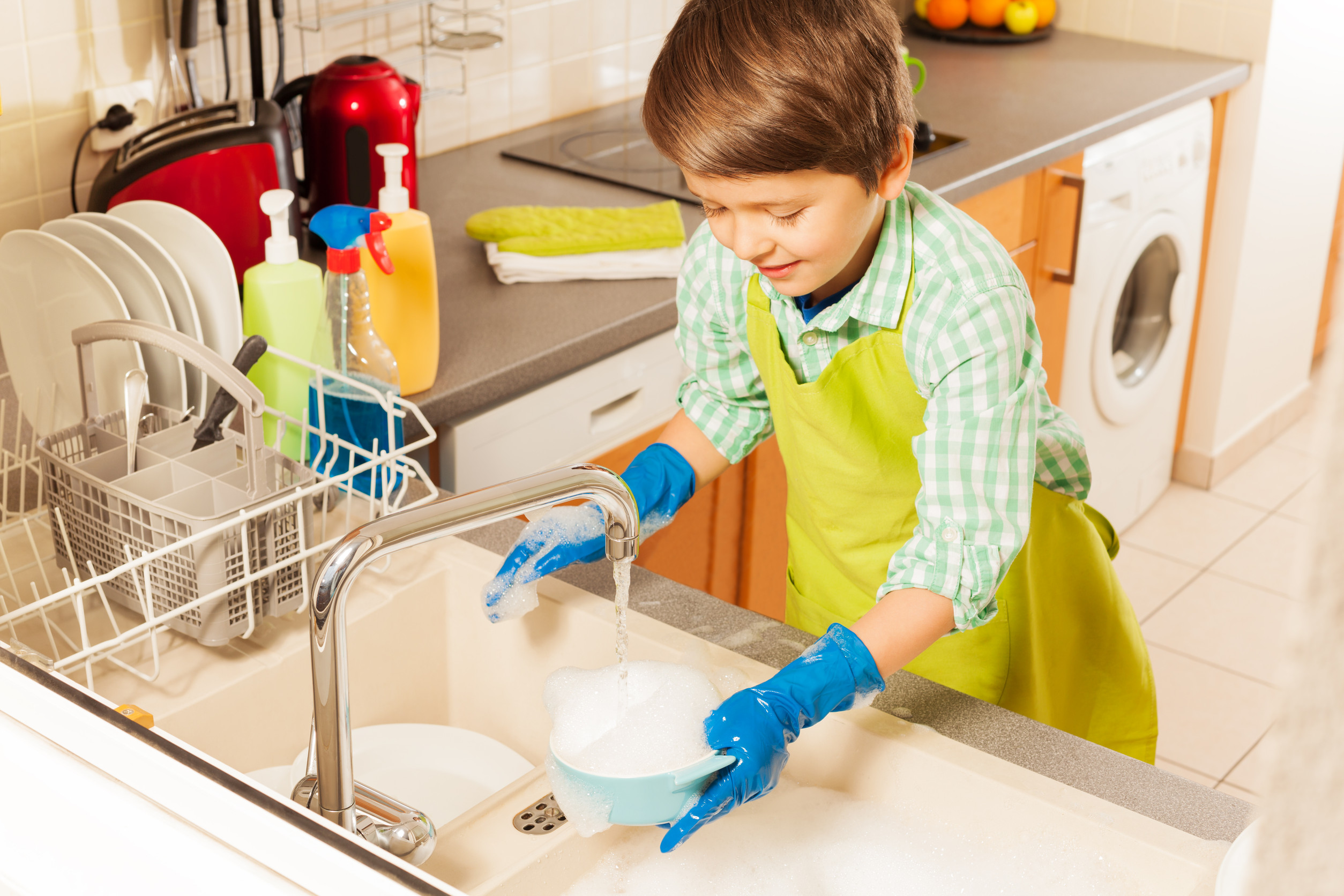
2. Washing Dishes or Loading the Dishwasher

By 12, kids should be fully capable of clearing the table, rinsing dishes, and either washing by hand or loading a dishwasher correctly. It’s one of those chores your child should master by the age of 12 because it’s simple, repetitive, and reinforces the idea of teamwork after meals. Teach them how to handle fragile items carefully and the importance of rinsing food off to avoid caked-on messes. If your child complains, remind them that their contribution is essential to keeping the household running smoothly. It’s also a great chance to teach time-saving hacks and basic kitchen hygiene.

3. Vacuuming and Sweeping

These chores may seem basic, but they require focus and follow-through—qualities every 12-year-old should develop. Sweeping and vacuuming help kids recognize messes and understand the importance of cleanliness. Whether it’s cleaning crumbs from the kitchen or pet hair from the living room, this task teaches attention to detail. Plus, using household tools safely and effectively is a skill they’ll carry into adulthood. Make it more manageable by assigning specific zones or days to maintain consistency.

4. Preparing a Simple Meal

Cooking is not just a survival skill—it’s an empowering one, which makes it one of the top chores your child should master by the age of 12. Start with simple dishes like grilled cheese, scrambled eggs, pasta, or smoothies, and build from there. Learning how to prep ingredients, follow instructions, and safely use kitchen appliances gives kids a real sense of accomplishment. It also encourages healthier eating habits and appreciation for the time that goes into meals. With supervision, they can even prepare lunch for the family once a week.

5. Cleaning the Bathroom

No one loves scrubbing a toilet, but that’s exactly why it’s one of the chores your child should master by the age of 12. From wiping down sinks to cleaning mirrors and taking out trash, bathroom upkeep teaches responsibility and respect for shared spaces. Show them how to use safe cleaning products and protect themselves with gloves if needed. While it may not be fun, it’s part of learning that life includes tasks we don’t always enjoy but still need to do. The earlier kids learn this, the easier adulthood becomes.

6. Taking Out the Trash and Recycling

By 12, kids should know how to gather household trash, separate recycling, and wheel the bins to the curb if needed. It’s a straightforward task, but it’s one of those chores your child should master by the age of 12 because it connects them to the rhythms of the household. It also introduces them to environmental awareness—understanding what can be reused or recycled instead of tossed away. Make sure they know the schedule, the proper bins, and how to replace liners. It’s a task with built-in routine and responsibility.

7. Making Their Bed and Tidying Their Room

Personal responsibility starts in their own space, and that’s why making the bed and keeping a tidy room are foundational chores your child should master by the age of 12. A clean room helps kids stay organized and reduces stress. Daily habits like putting away clothes, organizing toys or books, and dusting shelves instill discipline. You’re not asking for showroom quality—just consistent effort and pride in their personal space. Once they master this, it’s easier to extend that effort to shared spaces in the home.

8. Caring for Pets

If your family has pets, daily feeding, fresh water, cleaning cages, or walking the dog should become part of your child’s routine. Caring for animals is one of the most meaningful chores your child should master by the age of 12 because it builds empathy, consistency, and patience. Explain how pets rely on humans and why their well-being matters. When kids take on this task, they learn that being responsible means showing up every day—no matter what. It’s also a great way to connect emotionally and physically with another living being.

Raising Helpers, Not Houseguests

These chores your child should master by the age of 12 aren’t about making kids “pull their weight” like mini adults—they’re about teaching responsibility, respect, and resilience. By gradually introducing these tasks and praising effort over perfection, you’ll raise someone who feels confident and capable. The bonus? You’ll also reduce your own stress while creating a stronger, more cooperative family dynamic.

What chores have been the most helpful for your kids to learn? Share your experiences and advice in the comments—we’d love to hear from you!

Read More:

7 Reasons Parents Must Enforce Chores

If You’re Not Teaching Them This by Age 10, You’re Already Behind

Catherine Reed
Catherine Reed

Catherine is a tech-savvy writer who has focused on the personal finance space for more than eight years. She has a Bachelor’s in Information Technology and enjoys showcasing how tech can simplify everyday personal finance tasks like budgeting, spending tracking, and planning for the future. Additionally, she’s explored the ins and outs of the world of side hustles and loves to share what she’s learned along the way. When she’s not working, you can find her relaxing at home in the Pacific Northwest with her two cats or enjoying a cup of coffee at her neighborhood cafe.

Filed Under: Parenting Tagged With: age-appropriate chores, child development, child responsibility, family routine, household chores, life skills, parenting tips, raising independent kids

Here’s What Your Education Says About Your Parenting Style

June 4, 2025 | Leave a Comment

Heres What Your Education Says About Your Parenting Style

Believe it or not, your approach to discipline, communication, and even how you handle screen time might be traced back to your educational background. It’s not about how many degrees you have—it’s about how your education has shaped the way you solve problems, gather information, and make decisions. Whether you’ve earned a PhD or learned everything you know from the school of hard knocks, your educational experience plays a subtle but powerful role in how you parent. Understanding what your education says about your parenting style can help you reflect, grow, and even improve your relationship with your child. Ready to see how the classroom has followed you into the playroom? Let’s dig in.

1. High School Education: Practical and Protective

Parents whose formal education stopped at high school often bring a strong sense of practicality and real-world readiness to their parenting style. They may emphasize common sense, work ethic, and street smarts over academic achievements. This can lead to a protective style, where the focus is on providing, preventing mistakes, and ensuring safety. These parents often prioritize teaching life skills early—things like cooking, budgeting, and responsibility. When exploring what your education says about your parenting style, this group tends to value action over theory.

2. Trade or Vocational Education: Hands-On and Structured

If you attended trade school or pursued vocational training, chances are you favor structure and routine in your home. You likely believe in teaching kids the value of hard work, deadlines, and learning by doing. These parents tend to use schedules, reward systems, and concrete goals to help kids thrive. Because their own education emphasized skill-building and real-world application, they often expect the same results-driven focus from their kids. What your education says about your parenting style here is clear: practical skills and clear expectations matter.

3. Associate Degree: Balanced and Encouraging

Parents with associate degrees often bring a balanced mix of structure and emotional support into their parenting. They’ve experienced both the working world and higher education, giving them a broad perspective on what matters most. These parents may encourage academic success, but not at the expense of mental health or family time. They often promote independence while remaining highly involved, striving for a middle ground between hands-on parenting and fostering autonomy. If you’re wondering what your education says about your parenting style with an associate degree, it likely reveals a nurturing yet no-nonsense approach.

4. Bachelor’s Degree: Achievement-Oriented and Informed

Bachelor’s degree holders often take an achievement-focused approach to parenting. They may place a high value on academics, extracurricular involvement, and preparing kids for college or competitive careers. These parents are likely to research parenting strategies, follow developmental guidelines, and seek expert opinions. Structure, planning, and measurable success may play big roles in how they raise their children. What your education says about your parenting style with a bachelor’s degree often points to a research-driven, goal-oriented mindset.

5. Graduate Degree: Analytical and Intentional

Parents with master’s or doctoral degrees tend to be highly intentional and analytical when it comes to raising children. They often read extensively about parenting, child psychology, and educational theory—sometimes to the point of overthinking. These parents may lean toward democratic or gentle parenting approaches, choosing strategies that are backed by studies or endorsed by experts. At the same time, they may struggle with perfectionism or pressure to raise “exceptional” children. In terms of what your education says about your parenting style, a graduate degree suggests a thoughtful but sometimes overly complex approach to decision-making.

6. Self-Taught or Lifelong Learners: Adaptive and Resourceful

Not all education comes with a diploma, and many parents fall into the self-taught or lifelong learner category. These parents tend to be curious, adaptable, and deeply engaged in their children’s interests and emotions. They may pull wisdom from books, podcasts, blogs, and their own life experience. This style often emphasizes learning as a journey and encourages kids to question, explore, and find what works for them. When it comes to what your education says about your parenting style, this route speaks volumes about flexibility and resilience.

Education Isn’t Everything, But It Shapes a Lot

No parenting style is “right” or “wrong,” and education is only one piece of the larger puzzle that shapes how we raise our kids. Still, reflecting on what your education says about your parenting style can help you identify patterns, strengths, and even blind spots. Whether you’re encouraging your child to pursue academics or hands-on skills, the goal is the same: raising capable, confident humans. Awareness of your own influences just helps you do it more intentionally.

Have you noticed how your education has influenced the way you parent? Share your insights in the comments—we’d love to hear your perspective.

Read More:

8 Parenting Styles That Are Sparking Heated Debates

Is Your Parenting Style Shaped by Your Own Childhood?

Catherine Reed
Catherine Reed

Catherine is a tech-savvy writer who has focused on the personal finance space for more than eight years. She has a Bachelor’s in Information Technology and enjoys showcasing how tech can simplify everyday personal finance tasks like budgeting, spending tracking, and planning for the future. Additionally, she’s explored the ins and outs of the world of side hustles and loves to share what she’s learned along the way. When she’s not working, you can find her relaxing at home in the Pacific Northwest with her two cats or enjoying a cup of coffee at her neighborhood cafe.

Filed Under: Parenting Tagged With: child development, education and parenting, family dynamics, parental influence, parenting psychology, Parenting Style, parenting tips, raising kids

5 Expenses That Parents Need to Abandon For The Sake of Their Kids

June 4, 2025 | Leave a Comment

5 Expenses That Parents Need to Abandon For The Sake of Their Kids

Every parent wants the best for their children, but sometimes, giving them the best means letting go of things that aren’t truly adding value to the family’s life. It’s easy to fall into the trap of spending money on status symbols, convenience, or trends that don’t actually serve your child’s well-being. In fact, some common financial habits can do more harm than good when they eat into funds that could be used for quality time, education, or long-term security. If your goal is to raise healthy, emotionally supported, and financially literate kids, then cutting certain spending is an act of love. Let’s explore the top five expenses that parents need to abandon for the sake of their kids—and how doing so can help your whole family thrive.

1. Designer Clothes for Children

Children outgrow clothes faster than you can say “laundry day,” yet some parents still spend a small fortune on name-brand outfits that will barely last a season. Among the most unnecessary expenses that parents need to abandon, designer kids’ clothing takes the cake for style over substance. While it might be fun for a photo op or special occasion, it’s not practical for daily wear, especially when there are plenty of affordable, durable options. Kids don’t care about brand labels, and they’re far more interested in being comfortable and free to move. Instead of stressing over stylish wardrobes, focus on clothes that can handle playtime, spills, and growth spurts.

2. Expensive Birthday Parties

It’s tempting to go all out for your child’s birthday—but the Pinterest-perfect parties with bounce houses, live entertainers, and catered food add up quickly. While you want to make birthdays special, costly celebrations are one of the major expenses that parents need to abandon in favor of simpler, more meaningful traditions. Kids often remember who came to their party, not how much it cost. Hosting a backyard gathering, planning a DIY craft station, or even organizing a picnic in the park can still be fun and memorable without maxing out a credit card. Focus on connection, not extravagance.

3. Unnecessary Tech for Young Kids

Do toddlers really need tablets, kid-specific smartwatches, or Bluetooth-enabled toys that cost triple the price of basic ones? For many families, these gadgets fall squarely into the category of expenses that parents need to abandon. While some tech can serve educational purposes, most of it is simply marketed as must-haves when they’re really distractions. Screen-free play and real-world interaction are what support brain development and social growth in early childhood. Hold off on investing in tech your child doesn’t need—and save your budget for books, puzzles, or outdoor gear that encourage creativity and exploration.

4. Daily Drive-Thru Treats

Picking up fast food or coffee after school may seem harmless, but the habit quickly snowballs into a costly routine. These daily indulgences are one of the most overlooked expenses that parents need to abandon, especially when they’re more about adult convenience than a child’s actual need. Over time, these purchases not only strain your wallet but also establish habits that normalize impulsive spending and poor nutrition. Switching to meal planning or packing snacks and drinks can save hundreds each month. You’re not depriving your child—you’re modeling how to spend with intention.

5. Keeping Up With Other Parents

Whether it’s buying the latest gaming console because “everyone else has one” or enrolling in pricey extracurriculars just to keep pace, comparison is a dangerous (and expensive) trap. One of the most emotionally and financially draining expenses that parents need to abandon is the constant need to match other families’ lifestyles. Children don’t need to be part of everything to feel valued or successful. What matters more is having the support to explore their own interests at their own pace. Letting go of the comparison game frees up time, money, and emotional energy for what really counts—your family’s unique values and goals.

Parenting Smarter Starts With Spending Smarter

The truth is, the best gift you can give your children isn’t a closet full of new clothes or a toy-stuffed playroom—it’s the foundation of financial stability, emotional presence, and shared experiences. Releasing the grip on certain purchases doesn’t mean you’re cutting corners; it means you’re focusing on what truly supports your child’s growth and happiness. When you cut the expenses that parents need to abandon, you make room for wiser investments—like a family savings plan, time together, or even just peace of mind.

What’s one expense you’ve cut that made a positive difference for your family? Share your story in the comments—we’d love to hear how you’re making intentional choices!

Read More:

7 Expenses That Are Quietly Wrecking Your Family Budget

Skip These 7 Expenses If You’re Raising Kids on a Tight Budget

Catherine Reed
Catherine Reed

Catherine is a tech-savvy writer who has focused on the personal finance space for more than eight years. She has a Bachelor’s in Information Technology and enjoys showcasing how tech can simplify everyday personal finance tasks like budgeting, spending tracking, and planning for the future. Additionally, she’s explored the ins and outs of the world of side hustles and loves to share what she’s learned along the way. When she’s not working, you can find her relaxing at home in the Pacific Northwest with her two cats or enjoying a cup of coffee at her neighborhood cafe.
Filed Under: Parenting Tagged With: childhood development, Family Budgeting, financial wellness, frugal parenting, parenting tips, raising kids smart, spending habits

8 Awkward Milestones That No One Warns Parents About

June 4, 2025 | Leave a Comment

8 Awkward Milestones That No One Warns Parents About

No one hands you a parenting manual with a chapter titled “Cringe-Inducing Firsts.” Yet every parent eventually stumbles upon the reality of awkward milestones—the bizarre, embarrassing, and downright hilarious experiences that make you question whether anyone else has gone through the same thing. These aren’t the proud moments posted on social media. They’re the ones whispered between close friends or laughed about years later. From unexpected questions to public outbursts, these awkward milestones are just as real and important as the big ones. Buckle up—parenthood gets weird, and you’re not alone.

1. When They Discover Their Body Parts—In Public

At home, it’s just curiosity. But the first time your toddler gets handsy with themselves in the middle of a grocery store, that curiosity quickly turns into panic. This awkward milestone can leave even the most composed parent scrambling for distractions and wishing for invisibility. It’s a totally normal phase, but it still catches many parents completely off guard. The key is to stay calm, avoid shame, and gently explain boundaries.

2. The First Time They Repeat an “Adult” Word

You didn’t think they were listening during that traffic jam rant—until they loudly repeat your exact words at daycare pickup. Welcome to the awkward milestone of unintended language mimicry. Kids are tiny tape recorders with zero context and full volume. It’s humbling, hilarious, and wildly uncomfortable all at once. Use it as a reminder to model the language you actually want echoed in public.

3. Asking About “Where Babies Come From” at the Worst Possible Time

No parent forgets the moment their child blurts out that question at a family dinner or in a crowded elevator. This milestone is awkward not because the question is wrong, but because the timing always is. Children ask questions when they’re curious, not when it’s convenient. Preparing a simple, age-appropriate response in advance can help you avoid panicked improvisation in front of strangers.

4. Getting Caught in a Lie (Like the Tooth Fairy)

One minute, you’re sneaking money under a pillow. The next, your child is holding a crumpled dollar and saying, “Is this from you?” The unraveling of childhood myths is one of the most bittersweet and awkward milestones you’ll face. It can make you question whether you were building magic or weaving a web of deception. Handle it with honesty and empathy—it’s often a sign they’re ready for deeper trust.

5. The First Loud Public Tantrum

Every parent knows it’s coming, but nothing prepares you for your child screaming on the floor of Target like it’s a Broadway audition. This awkward milestone tests your patience, confidence, and ability to ignore judgmental looks. Children have meltdowns for a variety of reasons, and they often choose the least ideal moment to explode. Breathe, stay calm, and remember you’re not the first to carry a wailing child like a surfboard to the car.

6. Accidental Truth Bombs About Family or Friends

At some point, your child will share a brutally honest opinion with perfect comedic timing—something like “You snore really loud, Grandpa!” or “Mom says that dress looks weird.” These awkward milestones reveal just how closely your child listens (and how little they filter). Use them as teaching moments to explain kindness, tact, and when it’s okay to keep thoughts private. Also, maybe rethink what you say around little ears.

7. First Bathroom Emergency Without a Bathroom

When your potty-training toddler says they really need to go… sometimes, there’s just no time. Whether it’s in the car, at the park, or during a long walk, this awkward milestone is as messy as it is memorable. Parents learn quickly to keep emergency clothes, wipes, and a sense of humor close at all times. It’s not glamorous, but it’s all part of the parenting adventure.

8. The First Time They Point Out Someone’s Differences

Kids are observant and unfiltered, and that combination can lead to incredibly awkward milestones—like loudly pointing at someone and asking why they look different. It can feel mortifying, but it’s also an opportunity to instill empathy, diversity awareness, and kindness. Correcting the behavior doesn’t require shame. A gentle talk afterward can go a long way in shaping how your child sees the world.

Parenthood’s Weirdest Wins Are Still Wins

As odd and uncomfortable as these awkward milestones can be, they’re also signs of your child learning, growing, and exploring the world in their own way. Every cringe-worthy moment is a reminder that you’re raising a curious human who is constantly absorbing, experimenting, and testing boundaries. Embrace the mess, laugh when you can, and remember—every parent has their own stash of “you won’t believe what they did” stories. You’re just building yours.

What’s one awkward milestone that totally caught you off guard? Share your moment in the comments below—we’re all in this together!

Read More:

7 Childhood Milestones That Come With Surprise Costs

Here Are 10 Of The Biggest Milestones A Parent Will Experience With Their Child

Catherine Reed
Catherine Reed

Catherine is a tech-savvy writer who has focused on the personal finance space for more than eight years. She has a Bachelor’s in Information Technology and enjoys showcasing how tech can simplify everyday personal finance tasks like budgeting, spending tracking, and planning for the future. Additionally, she’s explored the ins and outs of the world of side hustles and loves to share what she’s learned along the way. When she’s not working, you can find her relaxing at home in the Pacific Northwest with her two cats or enjoying a cup of coffee at her neighborhood cafe.

Filed Under: Parenting Tagged With: awkward parenting moments, child development, early childhood, parenting advice, parenting humor, toddler milestones

10 Ways to Get Your Child Their First Paying Job This Summer

June 3, 2025 | Leave a Comment

10 Ways to Get Your Child Their First Paying Job This Summer

Summer is the perfect season for more than just sunshine and sleep-ins—it’s also the ideal time for your child to land their first paying job. Whether your goal is to teach responsibility, build confidence, or just get them off the couch for a few hours, a summer job offers invaluable lessons. But if you’re not sure how to help them start, you’re not alone. Many parents struggle to balance legal restrictions, availability, and age-appropriate options. Here are ten smart, parent-approved ways to help your child get their first paying job this summer.

1. Start with Neighborhood Word-of-Mouth

Nothing beats the power of a friendly recommendation when it comes to landing that first paying job. Ask neighbors, friends, or family members if they need help with yard work, pet care, or house cleaning. Many local families are happy to pay a trustworthy teen or tween for small tasks. These jobs might not come with a timecard, but they still offer real experience and money. Plus, working with people your child already knows builds confidence and safety.

2. Post a Digital Flyer on Local Groups

Use online community boards like Nextdoor, Facebook Marketplace, or your local neighborhood app to spread the word. A short, friendly ad with a photo and list of skills—like babysitting, dog walking, or tech help—can attract attention fast. Help your child write the post so they feel ownership over their job search. Just make sure to supervise any responses and check the legitimacy of the request. Many kids land their first paying job by going digital and reaching out locally.

3. Encourage Babysitting or Mother’s Helper Roles

Babysitting is a time-tested way for older kids to earn money during the summer. But if your child is under 13, they can still take on a “mother’s helper” role, assisting while a parent is home. Consider enrolling them in a babysitting safety or CPR class to boost their confidence and credentials. Families with toddlers and infants are especially appreciative of extra hands. This type of job teaches patience, responsibility, and communication skills.

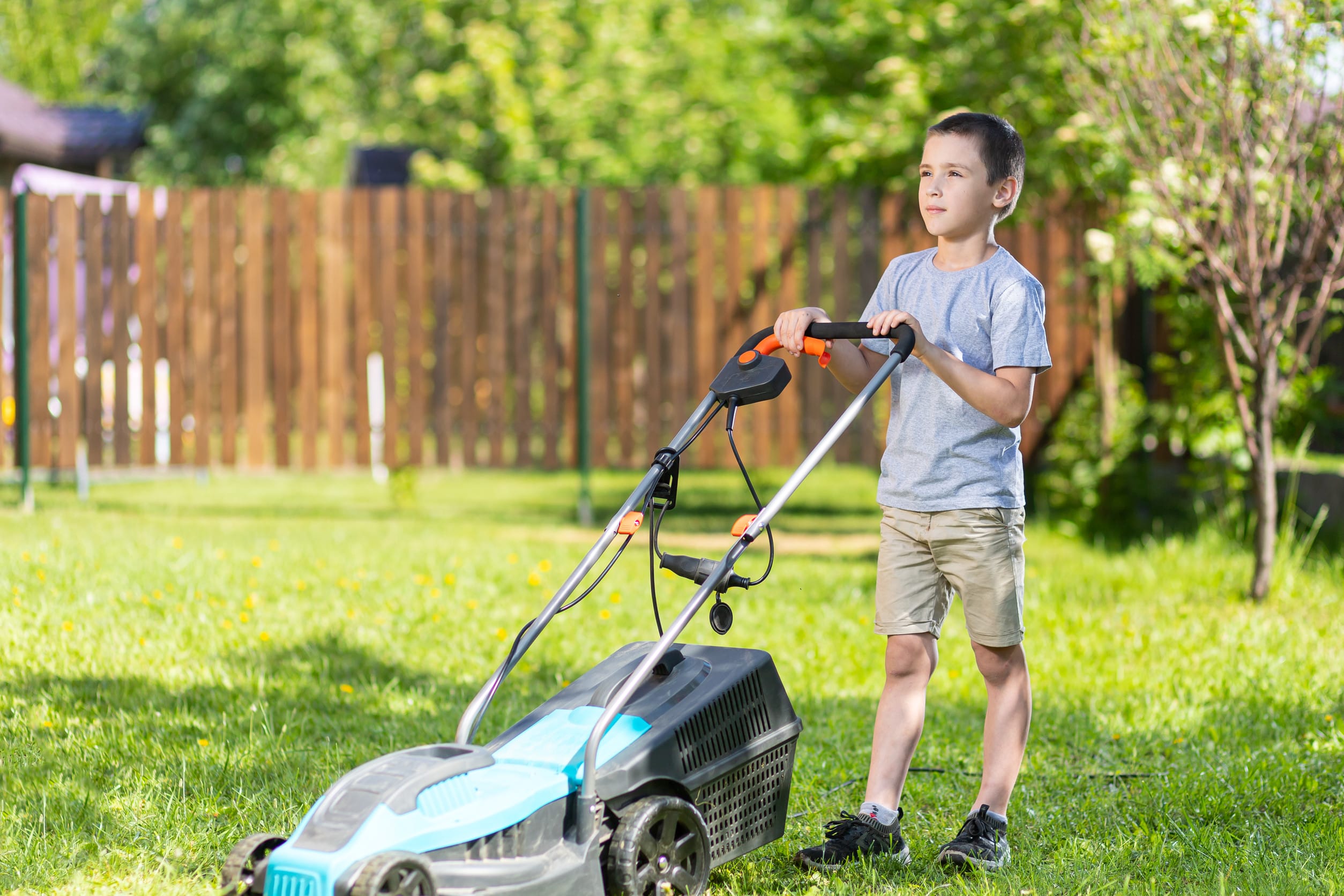
4. Help Them Launch a Lawn Care Hustle

Grass doesn’t stop growing in the summer—and many homeowners would love help keeping up with it. If your child is physically able and interested, lawn mowing, watering plants, and weeding can be a great first paying job. Invest in some basic equipment or share your own tools. Offer to walk with them the first time to introduce them to neighbors and show your support. It’s honest work with flexible hours and plenty of repeat customers.

5. Support Their First Freelance Venture

For tech-savvy kids, graphic design, writing, or video editing can bring in real money. Sites like Fiverr or Etsy (with parent supervision) are platforms where older kids and teens can test out their skills in a real-world market. Encourage them to build a simple portfolio and start small. Even designing logos for family businesses or making birthday cards can build early freelance experience. Turning a hobby into their first paying job feels empowering and exciting.

6. Sell Homemade Crafts or Baked Goods

From friendship bracelets to banana bread, kids love making things—and other people love buying them. Let your child brainstorm what they enjoy creating, then help them plan how to sell it. Farmer’s markets, community festivals, or front-yard pop-ups can be perfect selling spots. Make sure to check local regulations if selling food, and keep everything simple and age-appropriate. Earning money from their own creativity gives kids a huge confidence boost.

7. Partner with Local Camps or Libraries

Many summer camps and libraries hire junior counselors or volunteers who can work up to a paid position. Check with local programs about their minimum age requirements and availability. Even if it starts out unpaid, the connections made often lead to a first paying job later in the summer. Plus, these positions build great skills in teamwork, responsibility, and time management. Your child may even discover a passion they hadn’t expected.

8. Tap into Pet Care Opportunities

Summer is travel season, which means people need help with their pets. Dog walking, pet sitting, or feeding pets while owners are away is a perfect way to earn some money. Have your child create a flyer listing services, rates, and contact info, then distribute it in your area. It’s a gentle, flexible way to start working—and who wouldn’t love getting paid to hang out with animals?

9. Offer Tech Help to Older Adults

Kids today are often more tech-savvy than the adults around them. That makes tech support a surprisingly strong candidate for a first paying job. Helping seniors install apps, clean out inboxes, or connect devices can be a rewarding service. Just be sure your child is patient and polite—traits that can turn a one-time gig into a regular client. This type of work also reinforces problem-solving and interpersonal communication.

10. Use a Job Board Built for Teens

Websites like Snagajob, Indeed, and local workforce programs often include listings just for teens. Some retailers and fast-food chains start hiring at age 14 or 15 with parental permission. Sit down with your child and browse opportunities together. Help them prepare a simple resume, even if it’s just school and volunteer experience. Searching for that first paying job as a team can ease nerves and lead to a great opportunity.

Don’t Just Look for Work—Look for Growth

Getting your child their first paying job isn’t just about the paycheck. It’s about building confidence, teaching independence, and giving them a sense of purpose. Whether it’s walking a neighbor’s dog or selling handmade bracelets, every job is a step toward responsibility and adulthood. The sooner kids experience real work, the sooner they start understanding its value—and their own.

What was your first paying job as a kid—and how are you helping your child find theirs? Share your story in the comments!

Read More:

6 Common Money Mistakes Kids Make When They Get Their First Job

19 Odd Jobs That Pay Surprisingly Well

Catherine Reed
Catherine Reed

Catherine is a tech-savvy writer who has focused on the personal finance space for more than eight years. She has a Bachelor’s in Information Technology and enjoys showcasing how tech can simplify everyday personal finance tasks like budgeting, spending tracking, and planning for the future. Additionally, she’s explored the ins and outs of the world of side hustles and loves to share what she’s learned along the way. When she’s not working, you can find her relaxing at home in the Pacific Northwest with her two cats or enjoying a cup of coffee at her neighborhood cafe.

Filed Under: Parenting Tagged With: first paying job, how to help your child work, jobs for tweens, parenting and money, summer independence, summer jobs for kids, teen job ideas

« Previous Page
Next Page »
  • Facebook
  • Pinterest
  • RSS
  • Twitter
Best Parenting Blogs

Most Popular

Baby

10 Baby Names That Were Once Considered “Grandparent Names” but Feel Cool Again

Evan Morgan
Baby

9 Baby Names Inspired by Fall Without Naming Your Child Autumn

Evan Morgan
Baby

10 Vintage Baby Names That Sound Surprisingly Modern Again

Evan Morgan
Baby names

Teachers Admit: These 6 Baby Names Create Instant Bias in the Classroom

Latrice Perez
6 Baby Names That Sound Cute Now but Cause Problems Later

6 Baby Names That Sound Cute Now but Cause Problems Later

Brandon Marcus

All content on Kids Ain’t Cheap is for entertainment purposes only. By reading this blog, you agree that Kids Ain’t Cheap is not responsible for any actions taken after reading this blog. For the full disclaimer, see our privacy policy.

Please note that Kids Ain’t Cheap has financial relationships with some of the merchants mentioned here. Kids Ain’t Cheap is funded by banner advertising, commission sales and search optimization consulting.

Copyright © 2006–2026 | District Media | All Rights Reserved | Privacy Policy

Copyright © 2026 Runway Pro Theme by Viva la Violette