
• Home
  • About Us
  • Toolkit
  • Archives
  • Advertise
  • Privacy Policy

Kids Ain't Cheap

But They Sure Are Worth It

  • Parenting
    • Baby Stuff
    • Books and Reading
      • Aesops Fables
      • Comic Books
    • Education
    • Family Time
    • Green Living
    • Growing Up
    • Healthy Living & Eating
    • Holidays
    • Parenting
    • Random Musings
    • Shopping
    • Stuff to Do
  • Money
  • Product Reviews
    • Books and Magazines
    • Discount Sites
    • Furniture
    • House Keeping
    • Reviews News
    • Toys and Games
  • Contact Us
  • Our Editorial Commitment
  • Search

7 Questions Parents Should Ask About Seclusion and Restraint Policies

August 8, 2026 | Leave a Comment

Young Girl With Tutor
A parent should meet with school staff to review student safety procedures and discuss seclusion and restraint policies before a crisis occurs. Open communication can help build trust and encourage preventive support strategies. (Pexels).

Parents trust schools to keep children safe while creating an environment where they can learn and grow. Yet many families are surprised to discover that school seclusion and restraint policies can vary significantly between districts and states. Although these interventions are generally intended only for emergency situations involving an immediate risk of serious physical harm, experts continue to encourage schools to prioritize prevention and positive behavioral supports whenever possible. Understanding your child’s school’s seclusion and restraint policies before a crisis occurs helps you ask informed questions, advocate effectively, and build a stronger partnership with educators.

1. When Can Seclusion or Restraint Be Used?

Your first question should focus on exactly when these interventions are permitted. Many school policies allow them only when a student presents an immediate danger to themselves or others rather than for punishment, discipline, or refusing instructions. Ask administrators to explain the specific circumstances that would trigger these actions and whether they follow state laws and district guidelines. Request real-world examples instead of general statements so you clearly understand the policy. If the explanation seems unclear, ask for a written copy of the district’s procedures.

2. What Types of Restraint or Seclusion Are Prohibited?

Not every intervention is considered safe or acceptable. Some states prohibit restraint techniques that restrict breathing or place pressure on a student’s chest because they increase the risk of serious injury. Ask whether your district bans dangerous holds and how staff members are trained to avoid them. Understanding prohibited practices helps parents recognize whether a school’s response follows accepted standards. Student safety should always remain the highest priority.

3. How Are Staff Trained to Prevent Crises?

The best restraint is often the one that never becomes necessary. Ask whether teachers, aides, and specialists receive regular training in de-escalation techniques and Positive Behavioral Interventions and Supports (PBIS). For example, a child experiencing sensory overload may respond better to calming strategies than physical intervention. Schools that emphasize prevention often reduce crisis situations while improving classroom outcomes. This information can provide greater confidence in the school’s overall approach.

4. How Will Parents Be Notified?

Communication should never be delayed after a restraint or seclusion incident. Ask how quickly parents will be contacted and whether notification includes a written report explaining what happened. The report should outline what led to the incident, why intervention was considered necessary, how long it lasted, and whether any injuries occurred. Prompt communication allows parents to ask informed questions while details remain fresh. It also builds trust between families and educators.

5. What Documentation Is Maintained?

Good documentation creates accountability and helps identify patterns over time. Parents should ask whether every incident is documented, reviewed by administrators, and discussed with the student’s support team. Repeated incidents may indicate that current behavior plans need improvement. For example, several similar events might reveal sensory triggers that could be addressed through preventive strategies. Careful recordkeeping benefits both safety and long-term planning.

6. What Happens After a Crisis?

A crisis should not end once the intervention is over. Ask whether students participate in a debriefing to discuss what happened and identify ways to prevent future incidents. Staff should also review whether different strategies could have avoided the restraint or seclusion altogether. These conversations help improve future responses while supporting the student’s emotional well-being. Meaningful follow-up reduces the likelihood of repeated crises.

7. How Can Parents Be Part of Prevention Planning?

Parents know their children better than anyone else. Ask whether you can participate in meetings to discuss triggers, communication preferences, sensory needs, or calming techniques that work well at home. For instance, scheduled movement breaks or access to a quiet area may prevent behaviors from escalating. Collaborative planning creates more individualized support strategies. Strong partnerships between families and schools often lead to better outcomes for students.

Helping Create Safer Schools Together

Learning about seclusion and restraint policies before an emergency occurs can make a meaningful difference. Asking thoughtful questions encourages transparency, accountability, and stronger collaboration between parents and educators. While policies differ by state and school district, informed families are better prepared to advocate for safe, respectful learning environments. Every child deserves a school where prevention comes first and crisis interventions remain a true last resort.

Have you ever asked your child’s school about its seclusion and restraint policies? What answers surprised you most, and what questions would you add to this list? Share your thoughts in the comments and help other parents start this important conversation.

What to Read Next

Special-Education Terms Parents Should Know Before the School Year Begins

What IEP Records Should Parents Save After Every Meeting?

6 504 Plan Assumptions That Can Leave Parents Unprepared

Evan Morgan

Evan Morgan has been a full-time freelance writer and editor for 10+ years. When not working, he enjoys catching the latest true crime documentary or getting lost in a good book.


Filed Under: Parenting Tagged With: behavior intervention, child advocacy, education, Parenting, school safety, seclusion and restraint policies, special education, student safety

7 Signs a School Accommodation Exists on Paper but Not in Practice

August 7, 2026 | Leave a Comment

Classroom
A parent should review a student’s accommodation plan while discussing classroom supports with a teacher, emphasizing that consistent implementation matters just as much as the written document. (Pexels).

A well-written accommodation plan can help level the playing field for a student, but the document alone does not guarantee consistent support. Whether a child has an Individualized Education Program (IEP) or a Section 504 plan, success depends on accommodations being understood and applied throughout the school day. Parents often notice subtle patterns before anyone else, especially when grades, behavior, or stress levels suddenly change. Recognizing these warning signs early can help families start productive conversations with educators instead of waiting for small concerns to become larger problems.

1. Your Child Is Frequently Surprised by Missed Supports

One of the earliest signs is when a student regularly says they forgot to ask for extra time, a quiet testing space, or another listed accommodation. Many accommodations should be provided proactively rather than only when a student remembers to request them. For example, a child with documented extended testing time should not have to negotiate for it before every quiz. Consistent implementation helps reduce unnecessary anxiety and creates predictable learning conditions. Experts note that accommodations are intended to remove barriers, not create additional hurdles for students.

2. Different Teachers Handle Accommodations Differently

Students often have several teachers throughout the day, and consistency matters. If one teacher routinely follows the plan while another rarely does, families may notice uneven academic performance between classes. This difference does not automatically mean anyone is intentionally ignoring the plan, but it may indicate communication gaps or inconsistent implementation. Keeping respectful notes about specific situations can help identify patterns before discussing them with the school. Clear communication often resolves misunderstandings more effectively than assumptions.

3. Classroom Performance Doesn’t Match Home Performance

A child who completes assignments successfully at home but struggles during classroom assessments may be missing needed supports. For instance, a student who performs well with extra processing time at home may have difficulty finishing timed classroom tests without that accommodation. Looking at work samples from different settings can provide valuable context. Sharing these examples during meetings helps keep discussions focused on observable facts instead of frustration. This practical approach often leads to more productive problem-solving.

4. Your Child Begins Avoiding School

Children rarely explain school avoidance with legal or educational terminology. Instead, they may complain about headaches, stomachaches, or simply say school feels overwhelming. While many factors can contribute to school reluctance, parents should consider whether classroom supports are being delivered consistently. Addressing concerns early can prevent unnecessary stress while allowing the school to review current practices together with the family. Open communication benefits everyone involved.

5. Progress Stalls Despite a Strong Accommodation Plan

A detailed accommodation plan may look excellent during meetings, yet progress should still be monitored over time. If report cards, assessments, or classroom participation show little improvement despite appropriate interventions, it may be worth reviewing how accommodations are working in daily practice. Sometimes the issue is not the plan itself but how consistently supports are delivered or whether they remain appropriate for the student’s current needs. Regular review meetings provide opportunities to make thoughtful adjustments. Effective accommodations should evolve as students grow.

6. Communication Between Home and School Becomes Unclear

Parents should generally understand how accommodations are being implemented without needing constant reminders. If updates become vague or questions receive conflicting answers, it may be time to request clarification. A simple conversation focused on specific examples often uncovers misunderstandings that can be corrected quickly. Bringing dated notes, assignments, or teacher emails helps keep discussions objective. Collaborative communication usually produces better outcomes than assuming the worst.

7. Meetings Focus More on the Document Than Daily Practice

Review meetings sometimes spend significant time discussing paperwork while leaving little room to examine how supports function in the classroom. Families may benefit from asking practical questions, such as how accommodations are implemented during quizzes, group work, or substitute teacher days. These real-world examples provide a clearer picture than simply reviewing written language. Schools and families share the same goal of helping students access learning successfully. Focusing on daily experiences often leads to more meaningful conversations than reviewing forms alone.

Looking Beyond the Paper Plan

A written plan is only one part of supporting student success. The most effective school accommodations become part of a student’s daily learning experience through consistent communication and teamwork. Families who document observations, ask thoughtful questions, and work collaboratively with educators are often better positioned to identify solutions before problems grow.

Have you ever noticed a difference between what an accommodation plan says and what happens in the classroom? Share your experience or advice in the comments to help other families navigating similar situations.

What to Read Next

Key Questions to Ask Before Agreeing to a Shortened School Day

Understanding Hidden Costs of Starting a New Therapy Schedule During the School Year

A Closer Look at School-Bus Details Parents of Autistic Children Should Confirm in Writing

Evan Morgan

Evan Morgan has been a full-time freelance writer and editor for 10+ years. When not working, he enjoys catching the latest true crime documentary or getting lost in a good book.

Filed Under: Education Tagged With: 504 plan, classroom support, disability accommodations, education, IEP, Parents, school accommodations, school advocacy, special education, student success

Special-Education Terms Parents Should Know Before the School Year Begins

August 7, 2026 | Leave a Comment

Boy In School
A parent should review special-education paperwork with a school team before the new school year, highlighting key terms like IEP, FAPE, and LRE that every family should understand. (Pexels).

As a new school year begins, many parents attend back-to-school meetings or Individualized Education Program (IEP) conferences and suddenly hear a flood of unfamiliar special-education terms. Acronyms like FAPE, LRE, and IDEA are often mentioned as though everyone already understands them, leaving families hesitant to ask questions. That confusion is more common than many parents realize, especially for those navigating special education for the first time. Understanding these terms can make conversations with educators more productive and help parents advocate confidently for their child.

Why Special-Education Language Matters More Than You Think

Special-education terminology isn’t just educational jargon—it often describes legal rights and educational services that directly affect a child’s learning experience. The Individuals with Disabilities Education Act (IDEA) guarantees eligible students a Free Appropriate Public Education (FAPE) through individualized services tailored to their needs. During the 2022-23 school year, IDEA served more than 8 million children nationwide, highlighting how many families rely on these protections every day. Parents who understand the language used during meetings are often better prepared to ask meaningful questions and recognize when clarification is needed. While federal definitions establish the foundation, states may add protections or procedures, so families should also become familiar with their state’s special-education regulations.

The Terms Parents Hear Most Often During IEP Meetings

One of the most common phrases is IEP, or Individualized Education Program, which is the written plan describing a student’s goals, services, accommodations, and progress measures. FAPE stands for Free Appropriate Public Education, meaning eligible students receive special education and related services at no cost that meet their individual needs. Another important term is LRE, or Least Restrictive Environment, which means students should learn alongside peers without disabilities whenever appropriate while still receiving needed support. Parents may also hear related services, which can include speech therapy, occupational therapy, counseling, transportation, or other supports necessary for a child to benefit from special education. These definitions come directly from federal IDEA regulations, although implementation can vary slightly from one state or school district to another.

Knowing Your Rights Can Reduce Stress and Misunderstandings

Imagine a parent attending an August IEP meeting after their child struggles with reading in elementary school. The school team discusses evaluations, accommodations, annual goals, and procedural safeguards, but none of those terms are explained in everyday language. Without understanding the vocabulary, it becomes difficult to know whether to ask questions or request additional information. Federal law gives parents important rights, including participating in meetings, reviewing educational records, providing consent for evaluations, and requesting an Independent Educational Evaluation in certain circumstances if they disagree with the school’s evaluation. Learning these rights ahead of time helps parents participate as equal members of the educational team rather than feeling overwhelmed by unfamiliar terminology.

Don’t Assume Every State Uses Exactly the Same Process

Although IDEA establishes nationwide standards, states often use different names, forms, or meeting procedures while still following federal requirements. For example, Texas commonly refers to IEP meetings as ARD meetings, short for Admission, Review, and Dismissal, even though they fulfill the same federal purpose. Eligibility timelines, documentation, and additional procedural protections may also differ depending on state law or district policies. Parents should never hesitate to ask school staff how state-specific procedures fit within federal IDEA requirements. Understanding both the federal definitions and local practices helps families avoid confusion and ensures they know what to expect throughout the school year.

The Biggest Takeaway Before School Starts

Special-education language should empower families rather than intimidate them. Taking a few minutes to understand common terms like IDEA, IEP, FAPE, LRE, and related services can make every school meeting more productive and far less stressful. Parents do not need to become legal experts, but knowing the basic vocabulary allows them to participate confidently in decisions affecting their child’s education. When something isn’t clear, asking for a plain-language explanation is both appropriate and encouraged. The more informed families become about special education, the stronger the partnership they can build with educators to support student success.

Have you ever left a school meeting feeling like everyone else understood the conversation except you? Which special-education term confused you the most, or what do you wish schools explained better? Share your experience or questions in the comments below to help other parents feel more confident heading into the new school year.

What to Read Next

Key Questions to Ask Before Agreeing to a Shortened School Day

Understanding Hidden Costs of Starting a New Therapy Schedule During the School Year

6 Questions Parents Can Ask When a School Reduces Related Services

Evan Morgan

Evan Morgan has been a full-time freelance writer and editor for 10+ years. When not working, he enjoys catching the latest true crime documentary or getting lost in a good book.

Filed Under: Parenting Tagged With: Back to School, disability resources, education, FAPE, IDEA, IEP, LRE, Parenting, school success, special education

What IEP Records Should Parents Save After Every Meeting?

August 6, 2026 | Leave a Comment

Mom And Son
An organized binder filled with IEPs, evaluations, meeting notes, and school correspondence can help parents track progress and confidently advocate for their child’s educational needs. (Pexels).

Every Individualized Education Program (IEP) meeting can shape a child’s educational future, but what happens after the meeting matters just as much. The documents parents save often become the strongest evidence of what was discussed, promised, and agreed upon over time. Whether your child is starting special education services or preparing for a transition to middle school or beyond, keeping organized records can prevent confusion and strengthen communication with the school. Knowing which documents deserve a permanent place in your files helps you advocate with confidence while reducing stress if questions arise later.

Why Every IEP Document Matters

The most valuable IEP records parents should keep are the ones that tell the story of a child’s educational progress over multiple school years. A finalized IEP, meeting notes, evaluation reports, progress updates, and written communication with the school all provide important context that may not appear in future meetings. For example, a parent who notices that a reading accommodation disappeared from a new IEP can quickly compare it with previous versions and ask why the change occurred. Education advocates consistently recommend maintaining organized files because schools, teachers, and administrators can change, while your child’s documented history remains essential. These records support informed discussions and stronger advocacy.

Build a Complete Timeline Instead of Saving Only the Latest IEP

Many families mistakenly discard older paperwork once a new IEP is approved, but those historical records often become invaluable. Previous IEPs show how goals, accommodations, and services have evolved and can reveal whether meaningful progress has occurred or if the same challenges continue year after year. Keeping evaluation reports, eligibility determinations, therapy recommendations, and progress reports alongside each IEP creates a complete educational timeline. This documentation can also help when changing school districts, requesting an independent educational evaluation, or consulting an advocate. Having a complete history often leads to better decisions during future meetings.

Save Every Written Communication Connected to the Meeting

The paperwork handed out during an IEP meeting is only part of the record. Emails confirming agreed-upon services, meeting invitations, follow-up summaries, and letters discussing accommodations can clarify misunderstandings if questions arise months later. Imagine a teacher verbally agreeing to provide weekly communication but that commitment never appears in the final IEP; an email documenting the discussion may help resolve the issue quickly. Maintaining these communications in chronological order creates a reliable paper trail that supports productive conversations rather than relying solely on memory. Consistent documentation protects everyone involved.

Don’t Forget Your Own Notes and Supporting Documents

Parents sometimes overlook the value of their personal notes, yet they can become one of the most useful IEP records parents should keep. Notes taken during meetings can capture questions, concerns, and verbal discussions that may not appear in the school’s official summary. It is also helpful to save report cards, work samples, behavior logs, private evaluations, and therapy reports because they provide additional evidence of academic or developmental progress. If you choose to record an IEP meeting, remember that recording rules vary by state, so verify your state’s requirements beforehand. Your own records often fill important gaps between official meetings.

Organizing Records Makes Future Meetings Easier

An organized filing system saves time and reduces stress when preparing for the next annual review. Many parents use a three-ring binder with dividers for IEPs, evaluations, correspondence, progress reports, and meeting notes, while others prefer secure digital folders backed up in cloud storage. Whatever method you choose, making sure every document is dated and storing records in chronological order makes information much easier to locate. A well-organized file allows parents to focus on discussing solutions during meetings instead of searching through stacks of paperwork. Good organization also makes transitions between schools much smoother.

The Records You Save Today Can Protect Tomorrow

Saving the right documents after every IEP meeting is about far more than staying organized. The most important IEP records parents should keep create a clear history of services, goals, evaluations, and communication that supports better educational decisions over time. Families who maintain complete records are often better prepared to ask informed questions, identify changes, and collaborate effectively with school teams. Small organizational habits today can make a significant difference years later.

Which record has been the most valuable in helping your child succeed, or what organization tip would you share with another parent? Leave a comment below and join the conversation.

What to Read Next

How to Tell If a Child’s IEP Goals May Be Too Vague to Measure

What to Know About IEP Details Parents Should Recheck Before the First Day of School

IEP Reporting Rules: What Schools Must Document vs. What They Don’t

Evan Morgan

Evan Morgan has been a full-time freelance writer and editor for 10+ years. When not working, he enjoys catching the latest true crime documentary or getting lost in a good book.

Filed Under: Parenting Tagged With: child development, disability resources, education, IEP, IEP meetings, IEP records parents should keep, Parenting, school advocacy, school records, special education

Key Questions to Ask Before Agreeing to a Shortened School Day

August 6, 2026 | Leave a Comment

Kids With Backpacks
A parent should review educational plans with school staff while discussing whether a shortened school day truly meets a student’s individual needs and long-term learning goals. (Pexels).

Parents are sometimes asked to consider a shortened school day when their child is struggling with medical, behavioral, or disability-related challenges. While the recommendation may be presented as a temporary solution, it can affect academic progress, social development, and access to educational services. Federal disability laws generally expect students with disabilities to receive the same length of school day as their peers unless an individualized team determines a shorter schedule is necessary to meet the student’s unique needs. Before agreeing to any change, families should understand why the proposal is being made and how it may impact their child’s education.

Understand Why a Shortened School Day Is Being Recommended

The first question to ask is why a shortened school day is being proposed and whether the reason is based on your child’s individual needs rather than staffing, transportation, or scheduling challenges. Decisions should be made by an IEP or Section 504 team using individualized evidence instead of administrative convenience. If a student is experiencing behavioral difficulties, the discussion should also explore whether additional supports, accommodations, or services could help them remain in school for the full day. Parents should request documentation explaining the educational basis for the recommendation before making any decision. Asking for clear explanations helps ensure every decision is focused on the student’s best interests.

Ask What Supports Have Already Been Tried

A shortened school day should not be the first strategy considered when challenges arise. Ask whether interventions such as counseling, behavioral supports, sensory breaks, classroom accommodations, or schedule adjustments have already been implemented and evaluated. For example, a student with autism who struggles after lunch may benefit from additional support during transitions instead of leaving school early every day. Reviewing what has and has not worked helps families determine whether a less restrictive option is available. This conversation also encourages schools to consider every reasonable support before reducing instructional time.

Consider the Academic and Social Impact

Missing even one or two hours of instruction each day can add up quickly over the course of a school year. Students may lose access to core academic lessons, specialized instruction, therapy services, electives, extracurricular activities, or valuable social interactions with classmates. These missed opportunities can make it more difficult to meet educational goals and maintain friendships. Families should ask exactly which classes, services, and activities their child would miss under a shortened school day before agreeing to the change. Understanding these tradeoffs helps parents make informed decisions.

Request a Clear Plan for Returning to a Full School Day

If a shortened school day is appropriate, it should include a written plan for returning the student to a full schedule whenever possible. Parents should ask what benchmarks will be used to measure progress, how often the team will review the arrangement, and who is responsible for monitoring improvements. Without regular reviews, a temporary adjustment can unintentionally become a long-term arrangement. Having measurable goals keeps everyone accountable. A written transition plan helps ensure the student’s educational opportunities continue to expand over time.

Know Your Rights Before Signing Anything

Parents have the right to ask questions, request additional meetings, and seek clarification before agreeing to a shortened school day. They may also request independent evaluations or consult an educational advocate if they believe the recommendation is not supported by their child’s needs. Federal disability protections generally require individualized decision-making rather than blanket policies. Understanding these rights allows families to participate confidently in educational decisions that could affect their child’s future. Being informed helps parents become stronger advocates for their children.

Making the Best Decision for Your Child

A shortened school day can be beneficial in limited situations when it is carefully tailored to a student’s individual needs and reviewed regularly. However, parents should never feel pressured to make a quick decision without understanding the educational, legal, and practical implications. Asking thoughtful questions, requesting supporting documentation, and ensuring there is a clear path back to full-time attendance can help protect a child’s learning opportunities. Every child deserves an educational plan built around their unique strengths and needs.

What questions would you ask before agreeing to a shortened school day? Share your thoughts and experiences in the comments below to help other families make informed decisions.

What to Read Next

A Closer Look at School-Bus Details Parents of Autistic Children Should Confirm in Writing

Sensory-Friendly School Supplies: What Helps and What Can Be Skipped

5 Back-to-School Costs Special-Needs Families May Be Able to Document

Evan Morgan

Evan Morgan has been a full-time freelance writer and editor for 10+ years. When not working, he enjoys catching the latest true crime documentary or getting lost in a good book.

Filed Under: Parenting Tagged With: child advocacy, disability rights, education, IEP, Parenting, school accommodations, Section 504, shortened school day, special education

7 Classroom Changes That Can Trigger More Stress for Some Autistic Students

August 6, 2026 | Leave a Comment

Child In Class
A predictable classroom routine, clear communication, and thoughtful sensory supports can help reduce stress for some autistic students during school transitions. (Pexels).

Starting a new school year often brings excitement, but it can also create uncertainty for autistic students who rely on familiar routines and predictable environments. Even changes that seem minor to teachers or classmates may increase anxiety, affect concentration, or lead to emotional overload for some children. Understanding which classroom adjustments can be challenging helps parents and educators respond with greater empathy and practical support. With thoughtful planning and clear communication, many of these transitions can become far more manageable while creating a more inclusive learning environment.

1. Sudden Changes to Daily Routines

Many autistic students feel more secure when they know what to expect throughout the school day. An unexpected assembly, substitute teacher, or last-minute schedule change can increase stress because it interrupts established routines. Visual schedules, advance warnings, and simple explanations often help reduce uncertainty before changes occur. While every child is different, predictable transitions can make a meaningful difference in helping students stay engaged and emotionally regulated. Teachers who prepare students ahead of time often notice smoother adjustments during unexpected events.

2. Rearranged Classroom Layouts

Moving desks, changing seating assignments, or reorganizing learning spaces may seem harmless, but these adjustments can feel overwhelming for some autistic students. Familiar physical environments provide important visual and spatial cues that support comfort and independence. Even locating supplies or navigating the classroom may become temporarily confusing after a redesign. Giving students an opportunity to explore the new layout before lessons begin can ease anxiety. Small orientation activities often help rebuild confidence more quickly.

3. Increased Noise and Sensory Distractions

Classrooms naturally become louder during group projects, indoor recess, or special celebrations. For some autistic students, heightened background noise or bright visual displays can contribute to sensory overload, making it harder to focus or participate. Sensory sensitivities vary widely, so not every autistic child experiences the same challenges. Quiet workspaces, noise-reducing headphones, or short sensory breaks may help students regain focus when needed. Supporting sensory needs benefits learning without lowering academic expectations.

4. Unexpected Social Group Changes

Collaborative learning is valuable, but frequently rotating partners or assigning unfamiliar groups can create additional stress for some autistic students. New social dynamics require interpreting different communication styles and expectations, which may already demand significant mental effort. Allowing extra preparation time or explaining group roles clearly can reduce uncertainty. Pairing students thoughtfully rather than randomly may also encourage more positive interactions. Building familiarity gradually often leads to stronger participation and greater confidence.

5. Different Teaching Styles or New Teachers

Each teacher brings unique communication methods, classroom expectations, and instructional styles. Even positive differences can require autistic students to adjust their routines and processing strategies. Introducing new teachers through classroom visits, photos, or short meet-and-greet sessions before major transitions may ease initial anxiety. Clear, consistent instructions and predictable classroom expectations help students understand what success looks like. Open communication between families and educators also supports smoother transitions throughout the year.

6. Surprise Fire Drills and Emergency Procedures

Emergency drills are essential for school safety, but sudden loud alarms and rapid changes in routine may be especially distressing for some autistic students. Preparing students by discussing upcoming drills when possible, practicing procedures, or using social stories can reduce fear while maintaining safety. Some schools also provide sensory accommodations, such as noise-reducing headphones during scheduled drills when appropriate. Individual needs differ, so planning should reflect each student’s support requirements. Practicing calmly before real emergencies helps build familiarity without minimizing the importance of safety procedures.

7. Changes in Classroom Expectations

As students progress through the school year, teachers may introduce more independent work, faster transitions, or higher academic demands. While these adjustments are a normal part of learning, they can increase stress if expectations change without sufficient explanation. Breaking larger tasks into smaller steps and providing visual reminders often makes new expectations easier to understand. Positive reinforcement and regular check-ins encourage confidence during periods of adjustment. Flexible support allows students to develop independence while respecting individual learning needs.

Helping Students Thrive Through Predictable Support

Supporting autistic students does not mean avoiding every classroom change—it means introducing changes thoughtfully and recognizing that every child responds differently. Research continues to show that predictable routines, clear communication, and individualized accommodations can improve both learning and emotional well-being. Families and educators who work together are often better equipped to identify potential stressors before they become larger challenges. Small adjustments made with empathy can create classrooms where autistic students feel safe, included, and ready to learn.

Which classroom strategy has helped an autistic student in your life the most? Share your experiences or suggestions in the comments to help other parents and educators learn from your perspective.

What to Read Next

What Happens to Autism Accommodations When a Child Changes Schools?

Teachers Warn: 4 Classroom Strategies That Can Harm Autistic Students

How Masking in School Leads to Burnout in Autistic Teen Girls

Evan Morgan

Evan Morgan has been a full-time freelance writer and editor for 10+ years. When not working, he enjoys catching the latest true crime documentary or getting lost in a good book.

Filed Under: Parenting Tagged With: autism, autistic students, classroom tips, education, neurodiversity, Parenting, school anxiety, sensory processing, special education, teachers

A Closer Look at School-Bus Details Parents of Autistic Children Should Confirm in Writing

August 4, 2026 | Leave a Comment

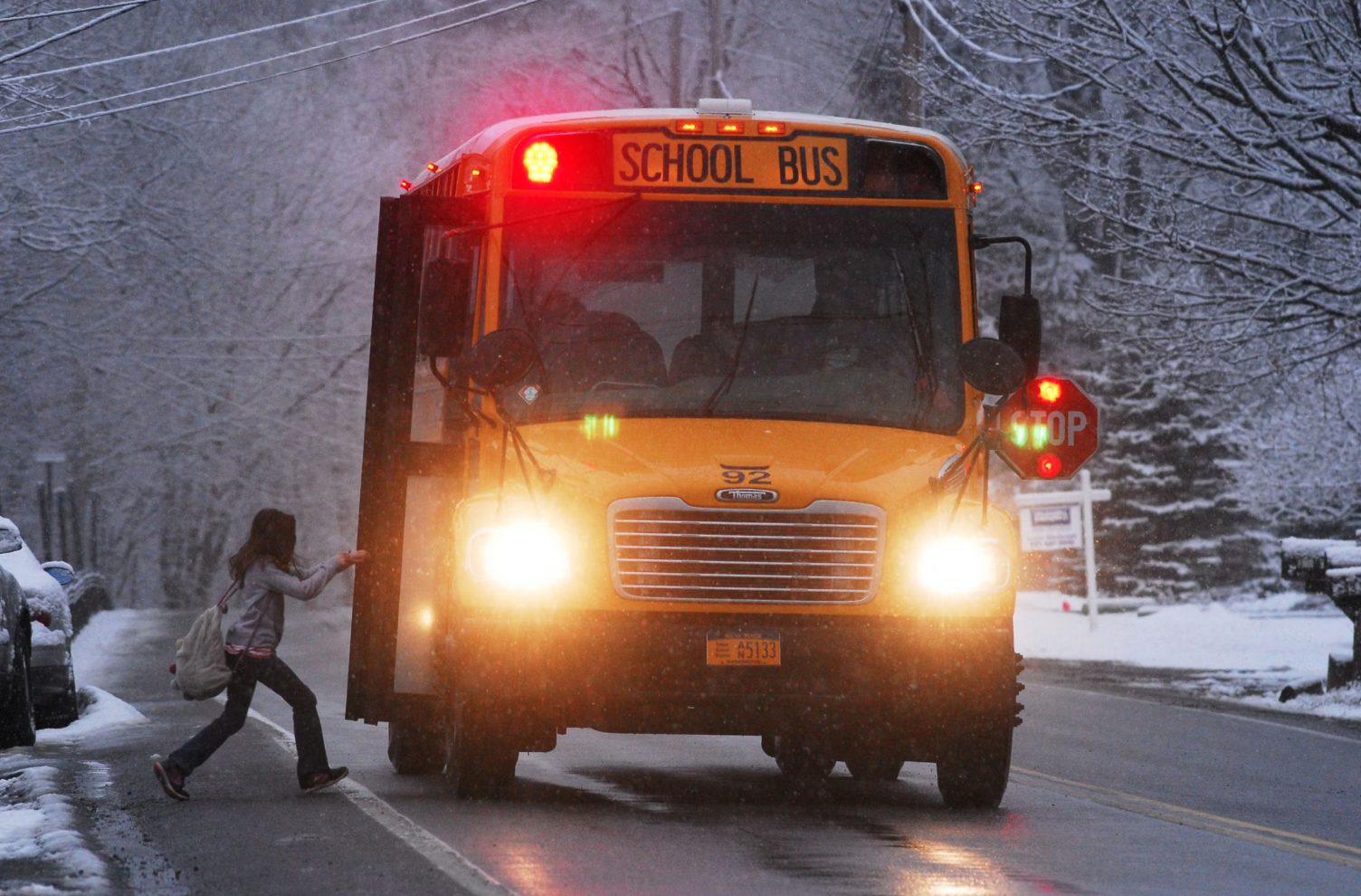
School Bus
A parent should review an autistic child’s school transportation plan with school staff, ensuring important IEP accommodations and safety procedures are confirmed in writing before the school year begins. (Pexels).

The school bus is often the first and last part of a child’s school day, making it just as important as what happens inside the classroom. For autistic children, even small changes during transportation can affect their comfort, safety, and ability to learn once they arrive at school. While many families focus on classroom accommodations, transportation services deserve the same level of attention and documentation. Confirming key bus arrangements in writing can reduce misunderstandings, create accountability, and help ensure consistent support throughout the school year.

Transportation Services Should Match the Child’s IEP

Transportation is not automatically provided as a special education service simply because a child has autism. Instead, the Individualized Education Program (IEP) team determines whether transportation is necessary for the student to access a free appropriate public education, and what accommodations are needed. If transportation is included, the IEP should clearly describe the specific supports rather than simply stating that bus service will be provided. Parents should request written confirmation that the transportation department has received and understands those requirements before the first day of school. This step helps reduce confusion between school staff and transportation providers while ensuring everyone is working from the same plan.

Written Details Help Prevent Daily Misunderstandings

A written transportation plan can address concerns that may seem minor but make a significant difference for an autistic child. Parents should confirm details such as pickup and drop-off locations, approximate pickup windows, who is authorized to receive the child, and procedures if no caregiver is present. If a child benefits from sitting near the front, riding a shorter route, or having consistent seating, those expectations should be documented whenever appropriate. Written communication also provides a record if questions arise later about whether agreed-upon accommodations were followed. Having these details in writing protects both families and school staff by creating clear expectations from the beginning.

Behavioral and Sensory Supports Matter During the Ride

The bus environment can be overwhelming because of loud noises, crowded seating, unpredictable routines, and extended travel times. For some autistic students, supports such as a trained bus aide, visual schedules, noise-reducing headphones, or scheduled seating may help reduce anxiety and prevent behavioral challenges. Parents should discuss these needs during the IEP meeting and request that approved accommodations be documented instead of relying on verbal agreements. A child who becomes distressed during unexpected route changes may benefit from advance notice or consistent transportation routines whenever possible. Addressing sensory and behavioral needs before problems occur often leads to safer, calmer rides for everyone involved.

Communication Plans Can Solve Problems Faster

Transportation issues rarely happen only once, making communication procedures just as important as the accommodations themselves. Parents should ask who to contact if the bus is running late, if a substitute driver is assigned, or if a transportation concern develops during the school year. It is also helpful to know how behavioral incidents, missed pickups, or safety concerns will be documented and shared with families. A clear communication process allows problems to be addressed before they become recurring issues. Many experienced parents find that email summaries after important conversations create an accurate record that everyone can reference later if needed.

Documentation Protects Everyone When Changes Occur

School transportation often changes throughout the year because of staffing shortages, route adjustments, or substitute drivers. When accommodations exist only through verbal conversations, important information can easily be overlooked during those transitions. Written documentation helps ensure that new transportation staff understand a child’s established needs without requiring parents to repeatedly explain them. If transportation services included in the IEP are interrupted, families should contact the school promptly to request clarification and discuss solutions through the IEP process. Maintaining organized records of emails, transportation notices, and IEP documents can make resolving concerns much smoother while supporting collaborative communication with the school.

The Ride to School Is Part of the Learning Experience

A successful school day begins long before the classroom door opens, and transportation plays an important role in that experience. When transportation services are carefully documented, autistic children are more likely to experience consistency, predictability, and appropriate support from home to school and back again. Parents should feel comfortable asking questions and requesting written confirmation whenever transportation plans are discussed because clear communication benefits everyone involved. Taking a proactive approach today can help prevent unnecessary stress and confusion throughout the school year.

What transportation accommodations have made the biggest difference for your child, and is there anything you wish you had requested in writing sooner? Share your experiences in the comments to help other families learn from your journey.

What to Read Next

5 Reasons You Should Let Your Child Catch The Bus To School

Sensory-Friendly School Supplies: What Helps and What Can Be Skipped

7 School Lunch Payment Fees Quietly Raising Parents’ Costs

Evan Morgan

Evan Morgan has been a full-time freelance writer and editor for 10+ years. When not working, he enjoys catching the latest true crime documentary or getting lost in a good book.

Filed Under: Parenting Tagged With: autism, autistic children, disability rights, education, IEP, Parenting, school bus safety, school transportation, special education

6 504 Plan Assumptions That Can Leave Parents Unprepared

August 4, 2026 | Leave a Comment

Child In School
A parent should review a student’s 504 plan while discussing classroom accommodations with school staff, highlighting the importance of understanding rights and regularly updating supports. (Pexels).

When a child qualifies for a 504 plan, many parents feel relieved that support is finally in place. That relief is understandable, but it can also create false confidence about how the process works. A 504 plan is designed to provide equal access to education through accommodations, but it is not a guarantee that every challenge will disappear. Understanding what a 504 plan can and cannot do helps families advocate more effectively and avoid surprises throughout the school year.

1. Assuming a 504 Plan Is the Same as an IEP

Many parents mistakenly believe a 504 plan and an Individualized Education Program (IEP) provide the same level of support. While both help students with disabilities, a 504 plan focuses on accommodations that remove barriers, whereas an IEP includes specialized instruction and measurable educational goals. For example, a student with ADHD may receive extended testing time under a 504 plan but would not automatically receive individualized academic instruction. Knowing the difference helps parents pursue the support that best matches their child’s needs. If a child’s disability significantly affects learning, it may be worth discussing an IEP evaluation with the school.

2. Believing Approval Means Every Accommodation Will Happen Automatically

Receiving an approved 504 plan is only the beginning of the process. Teachers, counselors, and administrators must understand and consistently implement the accommodations outlined in the plan. A parent may assume extended test time is being provided, only to discover months later that it was overlooked in certain classes. Checking in regularly with teachers and asking your child how accommodations are working can catch problems early. Open communication often prevents small issues from becoming larger academic setbacks.

3. Thinking Every Child Qualifies for a 504 Plan

Not every diagnosis automatically qualifies a student for a 504 plan. Schools evaluate whether a physical or mental impairment substantially limits one or more major life activities, including learning, concentrating, reading, or communicating. Two children with the same medical condition may receive different eligibility decisions depending on how the condition affects daily functioning. Parents can strengthen their request by providing medical documentation, teacher observations, and examples of challenges their child experiences at school. Understanding the eligibility standard reduces frustration during the evaluation process.

4. Assuming the Plan Never Needs to Change

Children’s academic and medical needs often change as they grow, and a 504 plan should evolve with them. Accommodations that worked in elementary school may not be sufficient in middle or high school, where workloads and expectations increase. A student with anxiety, for example, might later benefit from scheduled breaks or access to a quiet testing environment during more demanding coursework. Parents should request reviews whenever accommodations no longer reflect their child’s needs rather than waiting for the next scheduled meeting. Regular updates help ensure the 504 plan continues to provide meaningful support.

5. Assuming Schools Will Explain Every Parent Right

Schools generally provide information about procedural safeguards, but many parents don’t realize how much they need to learn on their own. Families have the right to participate in decisions, review educational records, challenge certain decisions, and file complaints if they believe disability rights have been violated. These rights become especially important when disagreements arise over eligibility or accommodations. Keeping copies of evaluations, meeting notes, emails, and the current 504 plan creates a helpful paper trail if concerns develop. Being informed allows parents to advocate with confidence rather than reacting after problems occur.

6. Believing a 504 Plan Solves Every School Challenge

A 504 plan is an important legal protection, but it cannot eliminate every obstacle a student may face. Academic success also depends on classroom instruction, family support, communication, attendance, and the student’s willingness to use available accommodations. For example, a child may have permission to test in a quieter room but hesitate to request it without encouragement from adults. Parents who maintain regular conversations with teachers and their children often identify concerns before grades or confidence begin to decline. Viewing a 504 plan as one tool instead of a complete solution leads to more realistic expectations and better long-term outcomes.

The Best Advocacy Starts With Informed Parents

The most effective 504 plan is one that parents understand and actively monitor throughout the school year. Staying informed about accommodations, eligibility, and your rights helps ensure the plan remains effective as your child grows. Remember that every student’s situation is unique, and eligibility, accommodations, and legal remedies can vary based on individual circumstances. General legal information applies, but families should seek guidance when questions arise about their specific situation.

What assumption about a 504 plan surprised you the most, and what advice would you share with another parent? Leave a comment below and join the conversation.

What to Read Next

Why 504 Plans Often Break Down With Substitute Teachers

7 Questions to Ask Before Signing a 504 Plan

How State Rules Affect the Enforcement of 504 Accommodations

Evan Morgan

Evan Morgan has been a full-time freelance writer and editor for 10+ years. When not working, he enjoys catching the latest true crime documentary or getting lost in a good book.

Filed Under: Parenting Tagged With: 504 plan, disability rights, education, Parenting, school accommodations, student support

Sensory-Friendly School Supplies: What Helps and What Can Be Skipped

August 3, 2026 | Leave a Comment

Young Boy Studying
Practical sensory-friendly school supplies like quiet fidgets, noise-reducing headphones, and comfortable writing tools can support learning when chosen for a child’s specific needs. Thoughtful purchases often outperform trendy gadgets. (Pexels).

Choosing sensory-friendly school supplies can make the school day more comfortable for some children, but not every trending product is worth buying. Many parents and teachers want to create a supportive learning environment without filling backpacks with expensive gadgets that rarely get used. The best approach is to focus on practical items that reduce distractions, improve comfort, and fit naturally into classroom routines. Understanding what truly helps—and what can be skipped—can save money while making school more manageable for children with different sensory preferences.

Focus on Comfort Before Specialty Products

The most effective sensory-friendly school supplies often solve everyday problems rather than introducing complicated solutions. A pair of well-fitting noise-reducing headphones, smooth-writing pencils, or a comfortable backpack can have a greater impact than novelty sensory gadgets. For example, a child who is easily distracted by classroom noise may benefit from headphones during independent work, while another may simply prefer notebooks with thicker paper because they dislike the feel of ink bleeding through. Since every child experiences sensory input differently, observing what consistently causes discomfort is usually more helpful than buying every product labeled as sensory-friendly.

Helpful Supplies That Often Earn Their Place

Some sensory-friendly school supplies have proven useful because they address common classroom challenges without disrupting learning. Quiet fidget tools designed for desk use, pencil grips that reduce hand fatigue, unscented markers, soft-textured erasers, and weighted lap pads are frequently recommended by occupational therapists and educators when appropriate for individual students. A child who struggles to stay focused during reading time, for instance, may quietly use a small fidget while remaining engaged with the lesson. These items work best when teachers approve their use and the child understands they are learning tools rather than toys. Practicality should always come before novelty when deciding what belongs in a backpack.

Products That May Not Be Worth the Money

Not every sensory-friendly school supply lives up to the marketing. Oversized fidget toys, brightly flashing gadgets, heavily scented stationery, or bulky accessories can become distractions instead of supports, especially in busy classrooms. Some products promise to improve focus or behavior without credible evidence, which can leave families spending more without seeing meaningful results. Before making a purchase, ask whether the item solves a specific problem or simply looks appealing on social media. If there is no clear purpose, it may be better to skip it and invest in supplies that address a child’s actual needs.

Work With Teachers to Build a Practical School Kit

Communication between families and educators is one of the most valuable tools when selecting sensory-friendly school supplies. Teachers often know which items fit classroom expectations and which may interfere with instruction or distract other students. A brief conversation before school starts can prevent unnecessary purchases while helping everyone support the child consistently throughout the year. Many classrooms already provide sensory breaks or quiet spaces, making certain personal supplies unnecessary. Building a school kit together creates realistic expectations and increases the likelihood that each item will actually be used.

Smart Choices Create Better School Days

The goal of sensory-friendly school supplies is not to create a perfect learning environment but to remove barriers that make learning harder for some children. Small adjustments, such as choosing comfortable headphones over flashy gadgets or selecting unscented supplies instead of strongly scented alternatives, often provide the greatest value. Trusted organizations, including pediatric experts, emphasize that sensory needs vary widely and should be considered as part of each child’s individual strengths and challenges rather than treated with one-size-fits-all solutions. Parents should also remember that products alone cannot replace supportive teaching strategies, routines, or communication with school staff. Thoughtful purchasing decisions help children feel prepared without adding unnecessary clutter or expense.

The Real Measure of Success Is What Gets Used

The best sensory-friendly school supplies are the ones that genuinely make a child’s school day more comfortable and productive. Instead of chasing every new trend, focus on simple, purposeful tools that solve real challenges and fit naturally into the classroom environment. A carefully chosen backpack, quiet fidget, or pair of noise-reducing headphones can be far more valuable than a collection of unused gadgets. Listening to the child, collaborating with teachers, and making thoughtful purchases often leads to the best outcomes.

Which sensory-friendly school supplies have made the biggest difference for your family or classroom, and what would you skip next time? Share your experience in the comments to help other readers make informed choices.

What to Read Next

The Hidden Sensory Processing Disorders Mistaken for Behavior Problems

The Grocery Costs Parents of Sensory-Sensitive Kids Say No One Talks About

10 Places Parents Can Find Free School Supplies Before Classes Begin

Evan Morgan

Evan Morgan has been a full-time freelance writer and editor for 10+ years. When not working, he enjoys catching the latest true crime documentary or getting lost in a good book.
Filed Under: Parenting Tagged With: autism, Back to School, child development, classroom tips, education, occupational therapy, Parenting, school supplies, sensory needs, sensory-friendly school supplies

How to Tell If a Child’s IEP Goals May Be Too Vague to Measure

August 2, 2026 | Leave a Comment

Boy In School
Clear IEP goals identify a student’s starting point, expected skill, target performance, and method for tracking progress. Families can use these details to ask informed questions and better understand whether educational progress can be measured. (Pexels).

An Individualized Education Program can contain pages of evaluations, services, accommodations, and goals, but the wording of those goals deserves especially close attention. Measurable IEP goals give families and educators a practical way to determine whether a student is actually making progress over time. A statement such as “will improve reading skills” may sound positive, yet it leaves important questions unanswered about the skill being measured and the expected result. Stronger goals identify what the student will do, under what conditions, and how success will be measured. Still, no single phrase determines whether an IEP is adequate, so families should consider the goal alongside evaluations, present levels, services, progress data, and the rest of the educational record.

Look for a Clear Starting Point

Measurable IEP goals usually make more sense when they connect to specific information about the student’s current performance. Imagine a third grader whose records show that she reads 55 correct words per minute in grade-level passages, yet her goal simply says she will “increase reading fluency.” Without a clear baseline and defined target, parents may struggle to tell whether 60, 80, or 100 words per minute represents the expected progress. Present levels can include assessment results, classroom performance, observations, work samples, and other information that explains where the student is starting. When reviewing a goal, ask whether someone unfamiliar with the child could reasonably identify the current challenge and understand the improvement being targeted.

Watch for Words That Cannot Be Easily Measured

Terms such as “improve,” “understand,” “participate more,” or “behave appropriately” can become warning signs when the IEP does not explain what those words mean in observable terms. For example, “Sam will improve classroom participation” does not identify whether participation means raising his hand, completing assignments, responding to questions, or remaining engaged during instruction. A more measurable version might specify that Sam will independently respond to a teacher prompt in four out of five documented opportunities across several sessions. This type of wording gives the team something concrete to observe and record instead of relying mainly on impressions. Measurable IEP goals should reduce reasonable disagreement about what counts as progress, even though professional judgment may still be part of interpreting the data.

Check Whether Success Has a Defined Target

A goal can identify the correct skill and still be difficult to measure if it never establishes what successful performance looks like. Consider a writing goal stating that a student “will write organized paragraphs with fewer errors,” which leaves “organized” and “fewer” open to interpretation. The team could instead identify a target involving a five-sentence paragraph, required organizational elements, a defined number of spelling or punctuation errors, and performance across multiple assignments. Depending on the skill, useful criteria might include percentages, frequency, duration, number of opportunities, rubric scores, or performance on an identified assessment. Measurable IEP goals do not need identical formulas, but the measurement method should fit the skill and provide meaningful evidence of change.

Make Sure Progress Can Be Tracked Over Time

Parents should also look beyond the final target and ask how progress toward it will actually be monitored during the year. If a goal says a student will solve fraction problems with 80% accuracy, for example, the team should be able to explain what work or assessment will produce that percentage and how frequently data will be collected. Consistent monitoring matters because an annual goal should function as more than a destination that is checked only near the next yearly meeting. Progress reports, curriculum-based measurements, work samples, structured observations, or other appropriate tools can help reveal whether instruction and supports are producing the expected improvement. If the measurement process is unclear, families can ask what data will be collected, who will collect it, and how the results will be shared.

Ask Questions Before Assuming a Goal Is Inadequate

Vague wording deserves attention, but families should avoid deciding that an entire IEP is inappropriate after reading one sentence in isolation. A goal that initially appears unclear may be better understood when considered with the student’s present levels, evaluation results, accommodations, services, instructional plan, and documented progress. Parents can bring specific questions to the IEP team, such as asking what skill is being measured, what the baseline is, what data will demonstrate progress, and what performance is expected by the end of the goal period. This approach can turn a general concern into a productive discussion about measurable IEP goals and the student’s individual educational needs. Families with significant concerns about their child’s program may also consider consulting a qualified special education advocate or attorney who can review the complete circumstances.

Clear Goals Make Progress Easier to See

The most useful IEP goals create a visible connection between where a student is now, what the student is expected to learn, and how the team will recognize progress. Specific targets and reliable measurement methods can help parents and educators discuss performance using evidence rather than relying only on impressions. At the same time, measurable wording is one part of an individualized program, and the quality of an IEP should be considered using the full educational record rather than a single checklist. When reviewing your child’s plan, ask whether each goal gives the team enough information to answer the simple question, “How will we know whether this child is making meaningful progress?”

Have you encountered an IEP goal that sounded positive but left you wondering how anyone would measure it, and if so, what questions did you ask the team—share your experience in the comments.

What to Read Next

IEP Reporting Rules: What Schools Must Document vs. What They Don’t

When an IEP Fails: 4 Steps Parents Can Take Before Filing a Complaint

The “Quiet” IEP Denials: 5 Phrases Schools Use to Delay Services

Evan Morgan

Evan Morgan has been a full-time freelance writer and editor for 10+ years. When not working, he enjoys catching the latest true crime documentary or getting lost in a good book.

Filed Under: Parenting Tagged With: education, IEP, IEP goals, learning disabilities, measurable IEP goals, Parents, special education, special education advocacy, student progress

What to Know About IEP Details Parents Should Recheck Before the First Day of School

August 1, 2026 | Leave a Comment

Girl In School
A parent should review an Individualized Education Program with highlighted accommodations before the first day of school, helping ensure important supports are ready when classes begin. (Pexels).

The first days of a new school year can be exciting, but they also bring understandable concerns for families of children with Individualized Education Programs (IEPs). Even when an IEP meeting ended on a positive note in the spring, it is worth reviewing the document before classes begin to ensure everyone is prepared. Small details, such as therapy schedules or classroom accommodations, can make a meaningful difference in how smoothly a student transitions back to school. Taking time to review an IEP before the first day helps parents identify questions early and work collaboratively with the school to support their child’s success.

Review Whether the IEP Still Reflects Your Child’s Current Needs

An IEP is designed to meet a child’s individual educational needs, and those needs can change over time. A student who made significant progress last year may need updated goals, while another child may require additional supports after new challenges emerged. Parents should carefully read annual goals, accommodations, related services, and present levels of academic performance to confirm they accurately describe their child today. If something seems outdated, families can request an IEP meeting rather than waiting until the next annual review. Reviewing these details before school starts helps ensure the educational plan matches the student’s current strengths and areas of need.

Confirm Accommodations, Services, and Communication Plans

Many parents assume everyone involved has already reviewed the IEP, but verifying key details can prevent unnecessary confusion. Check that classroom accommodations, such as sensory breaks, visual supports, assistive technology, or extended testing time, are clearly listed and remain appropriate. If your child receives speech therapy, occupational therapy, behavioral support, or other related services, confirm the frequency and delivery outlined in the document. It is also helpful to know who will coordinate communication between home and school, especially during the first few weeks. A brief email introducing yourself to the teacher and special education team can establish a positive partnership before classes begin.

Understand What Happens When Changing Schools

Families moving to a new district often worry that an existing IEP will automatically transfer without changes, but the process is more individualized than many realize. Under the Individuals with Disabilities Education Act (IDEA), schools must provide services comparable to the previous IEP while determining next steps, but eligibility and services are not guaranteed to remain exactly the same forever. A district may adopt the existing IEP or develop a new one after reviewing records and, if necessary, conducting additional evaluations, particularly when transferring between states. That means parents should bring copies of evaluations, progress reports, and the current IEP to help ensure a smooth transition. Understanding these rules helps set realistic expectations while protecting the child’s right to appropriate educational services.

Prepare for the First Week Before Problems Arise

Practical preparation often reduces stress for both children and parents during the opening days of school. Families of autistic students, for example, may benefit from reviewing classroom routines, practicing transportation plans, or visiting the campus before the first day if the school offers orientation opportunities. Parents should also verify emergency contacts, medication procedures, and any behavior support plans included in the IEP. Keeping organized copies of important documents in both paper and digital form can save valuable time if questions arise. These proactive steps encourage smoother communication and help schools provide appropriate support from day one.

The Best Start Begins with Partnership

A well-prepared IEP is one of the strongest tools available for supporting student success, but it works best when parents and educators communicate openly. Reviewing the document before school begins gives families an opportunity to catch outdated information, clarify expectations, and strengthen collaboration with the educational team. Remember that every child’s eligibility and services are individualized, particularly during school transfers, so avoid assuming accommodations automatically carry over unchanged. Asking thoughtful questions before the first bell rings often prevents misunderstandings later in the semester.

What part of your child’s IEP do you always double-check before school starts, and what advice would you share with another parent? Leave a comment below and join the conversation.

What to Read Next

IEP Reporting Rules: What Schools Must Document vs. What They Don’t

When an IEP Fails: 4 Steps Parents Can Take Before Filing a Complaint

The “Quiet” IEP Denials: 5 Phrases Schools Use to Delay Services

Evan Morgan

Evan Morgan has been a full-time freelance writer and editor for 10+ years. When not working, he enjoys catching the latest true crime documentary or getting lost in a good book.

Filed Under: Parenting Tagged With: autism, autism accommodations school transfer, Back to School, education, IDEA, IEP, Parents, school accommodations, school transition, special education

What Happens to Autism Accommodations When a Child Changes Schools?

August 1, 2026 | Leave a Comment

Kids In School
A parent should meet with school staff to review an autistic student’s educational supports before the first day, helping ensure a smoother transition and appropriate accommodations. (Pexels).

Changing schools can be stressful for any family, but it often brings added uncertainty when a child with autism depends on classroom accommodations to succeed. Many parents worry that an Individualized Education Program (IEP) or 504 Plan will automatically transfer without interruption, only to discover the process is more nuanced. The good news is that federal protections remain in place, but eligibility and services are individualized rather than guaranteed to stay exactly the same. Understanding how autism accommodations school transfer works can help families prepare, reduce delays, and advocate effectively for their child.

Understanding What Transfers and What May Change

When a child changes public schools, the new district must review existing educational records and determine how to provide appropriate support. If a student already has an IEP, the new school generally provides services comparable to the previous plan while reviewing records and deciding whether to adopt the existing IEP or develop a new one. That does not mean every accommodation automatically carries over unchanged because eligibility and services are individualized based on the student’s current needs. Students with a 504 Plan also remain protected, but the receiving school may review documentation before finalizing accommodations. Knowing this distinction helps families avoid the common misconception that every support follows a child unchanged from one school to another.

Why Early Communication Makes a Difference

One of the most effective ways to avoid service interruptions is to contact the new school before the first day of classes. Sharing copies of evaluations, the current IEP or 504 Plan, therapy reports, and recent progress updates gives staff time to prepare. For example, a child who benefits from sensory breaks, visual schedules, or a quiet testing environment is more likely to have those supports available quickly when teachers receive information early. Parents should also ask for a meeting with the special education team soon after enrollment to discuss expectations and answer questions. Strong communication often prevents confusion and helps everyone focus on the child’s successful transition instead of paperwork.

Preparing Your Child for a New Learning Environment

Moving to a different school means adjusting to new routines, teachers, classmates, and sensory experiences that can be overwhelming for autistic students. Visiting the campus before school starts, practicing the daily schedule, and showing photos of important locations can reduce anxiety. Some families create simple social stories that explain what the new school day will look like, making unfamiliar situations easier to understand. Teachers can also help by introducing classroom expectations gradually and identifying a trusted adult the student can approach when feeling overwhelmed. These practical steps often improve confidence while complementing formal accommodations already being discussed.

Advocating Without Assuming Every Support Will Stay the Same

Parents are their child’s strongest advocates, but effective advocacy begins with understanding that educational decisions are individualized. If a previous accommodation addressed a documented need and continues to be appropriate, families should explain why it remains important using recent examples from home, school, or therapy. For instance, if noise-canceling headphones consistently helped prevent sensory overload during independent work, sharing that evidence can strengthen the conversation with the new team. At the same time, parents should remain open to discussing different strategies that may meet the same educational goal. Collaboration usually produces better outcomes than assuming every detail of the previous plan will remain identical.

Moving Forward With Confidence

Changing schools does not erase a child’s educational rights, but it does begin a new review process focused on individual needs. Families who stay organized, communicate early, and understand how autism accommodations school transfer works are often better positioned to minimize disruptions. Every child deserves support that reflects their current strengths, challenges, and learning environment rather than a one-size-fits-all approach. With thoughtful planning and ongoing collaboration, school transitions can become opportunities for growth instead of sources of unnecessary stress. The goal is not simply preserving paperwork but ensuring each child receives meaningful accommodations that help them learn and thrive.

Have you navigated an autism accommodations school transfer, and what advice would you offer? Were there any surprises or strategies that made the transition easier? Share your thoughts and experiences in the comments below to help other families prepare for a smoother school change.

What to Read Next

How State Budget Changes Are Impacting Autism Support in Classrooms

The Screen-Time Paradox: How Digital Isolation Masks Early Autism Signs

Insurance Denials Are Rising for Key Autism Therapies

Evan Morgan

Evan Morgan has been a full-time freelance writer and editor for 10+ years. When not working, he enjoys catching the latest true crime documentary or getting lost in a good book.

Filed Under: Parenting Tagged With: 504 plan, autism, autism accommodations, autism accommodations school transfer, autism support, education, IEP, Parenting, school transfer, special education

« Previous Page
Next Page »
  • Facebook
  • Pinterest
  • RSS
  • Twitter

Basic Principles Of Good Parenting

Here some basic principles for good parenting:

  1. What You Do Matters: Your kids are watching you. So, be purposeful about what you want to accomplish.
  2. You Can’t be Too Loving: Don’t replace love with material possessions, lowered expectations or leniency.
  3. Be Involved Your Kids Life: Arrange your priorities to focus on what your kid’s needs. Be there mentally and physically.
  4. Adapt Your Parenting: Children grow quickly, so keep pace with your child’s development.
  5. Establish and Set Rules: The rules you set for children will establish the rules they set for themselves later.  Avoid harsh discipline and be consistent.
  6. Explain Your Decisions: What is obvious to you may not be evident to your child. They don’t have the experience you do.
  7. Be Respectful To Your Child: How you treat your child is how they will treat others.  Be polite, respectful and make an effort to pay attention.
Best Parenting Blogs

Most Popular

11 Ways Kids Are Outsmarting Parental Controls 1. Using Alternate Devices One common trick is simply turning to another device. If a child’s main phone or tablet is restricted, they may borrow a sibling’s, friend’s, or even a school laptop. This instantly gives them access to content outside of parental oversight. Parents often focus on one device, forgetting that others in the household can serve as loopholes. Knowing this tactic helps families tighten controls across all electronics. 2. Clearing Browsing Histories Many kids quickly learn that clearing browsing history hides evidence of restricted activity. With just a few clicks, they can erase any trace of websites visited. This makes it harder for parents to notice when rules are being broken. Parents may assume no history means no browsing, but the reality is often the opposite. Kids are outsmarting parental controls by making it seem like nothing happened at all. 3. Using Private Browsing Modes Most browsers offer “incognito” or private browsing features. Kids use this mode to access websites without leaving a record in the history. To parents checking later, everything looks clean and safe. This simple trick is often one of the first ways kids discover how to bypass restrictions. Conversations about private browsing can help close this gap. 4. Guessing or Resetting Passwords Children who are persistent may try to guess passwords to parental control apps or accounts. Others may find ways to reset them through email prompts or security questions. Once inside, they can disable restrictions entirely. Parents may not even realize controls have been altered until much later. Stronger, less predictable passwords can make this more difficult. 5. Using VPNs to Hide Activity Virtual private networks, or VPNs, let kids disguise their online locations. With one downloaded app, they can bypass geographic or parental restrictions. Some children learn about VPNs through friends or even social media. This makes it easy for them to reach content that should be blocked. Parents often underestimate just how simple it is for kids to use these tools. 6. Creating Fake Accounts When parents monitor social media, kids may create hidden accounts. These “finstas” or fake profiles allow them to interact freely without parental oversight. While their main account appears harmless, the secondary one tells a different story. Kids are outsmarting parental controls by playing both sides at once. Checking for duplicate accounts can help parents stay more aware. 7. Exploiting Time Zone Settings Some kids change the time zone on their devices to bypass screen time limits. This trick allows them to gain extra hours of usage undetected. Parents may assume controls are working, but in reality, the child is bending the clock. It’s a clever loophole that highlights just how resourceful kids can be. Monitoring device settings regularly can catch this tactic. 8. Disabling or Uninstalling Apps Parental control apps can be deleted or disabled with surprising ease. Some kids even reinstall them before a parent checks, making it seem like nothing changed. Others may simply restrict permissions to prevent apps from functioning properly. When apps aren’t monitored closely, parents may not notice they’ve been tampered with. This shows the importance of consistent follow-up. 9. Turning to Friends for Access If a child can’t get past restrictions on their own, they may rely on friends. Visiting a friend’s house or borrowing their phone can give them a free pass. Parents often forget that peer environments can override restrictions set at home. This kind of social workaround is especially common with gaming or social media. Open conversations about trust and responsibility are essential. 10. Hiding Apps in Plain Sight Kids sometimes download apps that look innocent but serve as gateways to hidden activity. These apps may disguise themselves as calculators or utilities. In reality, they allow file storage, private messaging, or browser access. Parents glancing at a home screen may overlook them entirely. Learning to recognize these disguised apps can help parents stay informed. 11. Outpacing Parents’ Tech Knowledge Finally, kids often know more about devices than their parents do. Whether through YouTube tutorials, TikTok hacks, or peer groups, they quickly learn advanced workarounds. This knowledge gap means controls can be bypassed before parents even realize the loophole exists. Staying informed and continually learning about new technology is the best defense. Kids are outsmarting parental controls because they adapt faster than most adults. The Real Solution Lies Beyond Restrictions While controls and filters are important, no system is perfect. Kids will always find creative ways around barriers, making communication the strongest safeguard. Setting clear expectations, building trust, and having ongoing conversations about online behavior matter more than apps alone. Parents who combine technology with open dialogue create a safer digital environment. The goal isn’t to win a battle of wits but to build a relationship that keeps kids both safe and honest. Do you think kids are outsmarting parental controls faster than parents can keep up? Share your experiences in the comments below. What to Read Next... 6 Parenting Tech Shortcuts That Can Expose Your Child to Strangers How Much Screen Time Is Too Much—Legally Speaking? Is Your Child’s School Quietly Tracking Their Location Without Your Consent? How Much Screen Time Is Quietly Reshaping Childhood Behavior? Why Some Parents Are Being Investigated Over Homeschooling Records

11 Ways Kids Are Outsmarting Parental Controls

Catherine Reed
Smiling grandfather holding a happy baby indoors.

Why Grandparents Shouldn’t Babysit Their Grandkids Every Week – The Unspoken Issue

Samantha
Girl getting makeup done, referencing psychologist-approved age.

Wearing Makeup: Here Is the Age That Psychologists Agree It’s Okay for Girls to Wear Makeup

Samantha
birthday gifts

7 Birthday Gifts Your Child Should Never Bring to a Party

Latrice Perez

Babysitting Without Cash: 10 Ways to Barter Your Way Out of Childcare Costs

Ashleigh Clyde

All content on Kids Ain’t Cheap is for entertainment purposes only. By reading this blog, you agree that Kids Ain’t Cheap is not responsible for any actions taken after reading this blog. For the full disclaimer, see our privacy policy.

Please note that Kids Ain’t Cheap has financial relationships with some of the merchants mentioned here. Kids Ain’t Cheap is funded by banner advertising, commission sales and search optimization consulting.

Copyright © 2006–2026 | District Media | All Rights Reserved | Privacy Policy

Copyright © 2026 Runway Pro Theme by Viva la Violette