• Home
  • About Us
  • Toolkit
  • Archives
  • Advertise
  • Privacy Policy

Kids Ain't Cheap

But They Sure Are Worth It

  • Parenting
    • Baby Stuff
    • Books and Reading
      • Aesops Fables
      • Comic Books
    • Education
    • Family Time
    • Green Living
    • Growing Up
    • Healthy Living & Eating
    • Holidays
    • Parenting
    • Random Musings
    • Shopping
    • Stuff to Do
  • Money
  • Product Reviews
    • Books and Magazines
    • Discount Sites
    • Furniture
    • House Keeping
    • Reviews News
    • Toys and Games
  • Contact Us
  • Our Editorial Commitment
  • Search

8 Girl Names That Exemply Beauty and Brilliances

April 30, 2025 | Leave a Comment

Smiling newborn baby girl with a flower headband lying on a pink fluffy blanket.
Image Source: Unsplash

Naming a child is a momentous, heart-centered task. A carefully chosen name can echo your family’s heritage, reflect your deepest hopes, and empower your daughter long after she leaves the nursery.

If you’re searching for girl names that exemplify beauty and brilliance, the eight options below marry lyrical charm with strong, uplifting meanings. From myth-steeped classics to rare cultural gems, each name offers a thoughtful blend of elegance and intellect. They’re perfect for a little one destined to shine inside and out.

1. Brilliance

Sometimes bold simplicity says it best. Brilliance—of English origin—means “shining,” “exceptional intelligence,” and “perfection.” Though extremely rare, it holds immediate impact. It’s almost like a life mantra woven into everyday introductions. Imagine first-day-of-school roll call: your child’s name not only turns heads but also reminds her (and everyone else) of her potential. If you love modern word names yet crave deeper resonance than “Hope” or “Joy,” Brilliance is a luminous, aspirational choice.

2. Alohi

Soft as ocean breeze and radiant as a tropical sunrise, Alohi is a Hawaiian word for “brilliant” or “shining star.” Its gentle rhythm—ah-LO-hee—feels soothing to say. However, its meaning radiates confidence. Alohi connects your child to nature and Polynesian culture, conjuring images of starlit skies and vibrant island life. Parents drawn to positive energy and spiritual warmth may find Alohi the perfect balance of uniqueness, pronunciation ease, and heartfelt symbolism. Will it be the right fit for your child?

3. Athena

Athena, rooted in ancient Greek myth, embodies wisdom, strategic thinking, and unwavering courage. As the revered goddess of both intellect and warfare—and patron of the arts—Athena proves that strength and sophistication can coexist. The name’s firm first syllable gives it gravitas. Its historical depth ensures lasting relevance. Choosing Athena signals that beauty is more than appearance. It is an active, thoughtful force capable of shaping the world.

4. Arinya

Graceful and globally inspired, Arinya appears in Indian and Thai traditions. It’s often linked to the concepts of “peaceful forest,” “ethereal beauty,” and “intuitive intelligence.” Its lilting melody—ah-RIN-yah—makes it memorable yet gentle. Arinya suits families who appreciate names that honor nature, tranquility, and cross-cultural roots. Rare but not obscure, it offers your daughter a distinctive identity along with a reminder to ground intellectual pursuits in serenity and empathy. So, is your daughter an Arinya?

5. Sophia

Few names balance classic elegance and intellectual heft as seamlessly as Sophia. It’s the Greek word for “wisdom.” Across centuries and continents, Sophia has maintained its polished image without feeling dated. Parents love its soothing vowel sounds, easy nickname options (Sophie, Fia), and universal familiarity. Sophia shows that brilliance can be graceful, approachable, and timeless. These are qualities many hope their daughters will embody as they grow into strong, thoughtful women.

6. Zoe

Compact yet mighty, Zoe means “life” in ancient Greek. The name’s sharp Z opening bursts with zest. Its overall brevity keeps it modern and versatile. These three letters can deliver both sparkle and depth. Zoe evokes vitality, optimism, and resilience: essential building blocks for a childhood (and adulthood) filled with curiosity and joy.

Zoe can appear in delightful variations like Zoë, Zoé, Zoey, Zoie, Zooey, and even Zoee—each spelling giving the same vibrant name its own distinctive flair.

7. Rosie

Rosie may seem sweetly simple, but beneath its rosy-cheeked charm lies rich symbolism. Derived from the rose, it conveys beauty, love, and quiet strength—the same way a delicate bloom can withstand thorns and weather. Recent sound-symbolism studies list Rosie among the most melodious English girl names, underscoring its gentle musicality. For parents who crave a vintage-flavored choice that still feels fresh, Rosie offers warmth, authenticity, and a reminder to grow with grace. Could your daughter be a Rosie?

8. Eliana

Want a name that’s elegant and flowing? Eliana blends Hebrew and Latin roots to convey “God has answered,” “mercy,” or “light.” Pronounced eh-lee-AH-nah, it glides off the tongue and leaves a lingering sense of serenity. Eliana balances spirituality with modern style, making it a fantastic alternative to more common choices like Ariana or Elena. Its layered meaning encourages your child to view her life as both a gift and a guiding light for others. If you want a more unusual name, Eliana could be a beautiful choice.

How to Choose the Right Name for Your Brilliant Beauty

Even with a curated list, narrowing down the perfect name can feel overwhelming. Here are a few guiding questions:

  1. Pronunciation and Spelling: Can family members, teachers, and friends pronounce it easily? Uniqueness is wonderful, but day-to-day usability matters too.
  2. Cultural Connection: Does the name honor your heritage or meaningful traditions? Names often bridge generations and keep family stories alive.
  3. Nickname Potential: Consider whether you love common diminutives—or prefer a name that stands alone.
  4. Long-Term Fit: Picture the name on a preschool cubby, a university diploma, and a business card. Does it adapt to different life stages?
  5. Personal Resonance: Most importantly, say the name aloud often. If it brings a smile every time, you’re on the right track.

Newborn baby wrapped in a white blanket with pink trim.
Image Source: Unsplash

A Name That Reflects a Bright Future

Names shape first impressions, but they also evolve with the person who carries them. The girl names that exemplify beauty and brilliance above offer melodic appeal intertwined with histories of wisdom, courage, and light. Whether you gravitate toward bold originality, mythic power, cultural depth, or timeless sophistication, each option provides a meaningful foundation for your daughter’s unfolding story.

Remember: the best name is one that grows alongside your child, encouraging her confidence, compassion, and curiosity. May your naming journey be as joyful and inspiring as the bright future you envision for your little one.

What do you think of these name ideas? Love them? Not a fan? We want to hear your thoughts in the comments!

Read More

  • 5 Baby Names That Could Set Your Child Up for a Lifetime of Bullying
  • 9 Baby Names You’ve Never Heard Before, But Should Consider
Samantha Warren
Samantha

Samantha Warren is a holistic marketing strategist with 8+ years of experience partnering with startups, Fortune 500 companies, and everything in between. With an entrepreneurial mindset, she excels at shaping brand narratives through data-driven, creative content. When she’s not working, Samantha loves to travel and draws inspiration from her trips to Thailand, Spain, Costa Rica, and beyond.


Filed Under: Parenting Tagged With: baby girl names, baby naming tips, beautiful girl names, brilliant girl names, meaningful names, names with meaning, parenting advice, parenting tips, unique girl names | Baby Names

7 Things Nobody Ever Told You About Your Baby Monitor

April 30, 2025 | Leave a Comment

 Smiling baby lying in a bassinet next to a seated adult.
Image Source: Unsplash

A baby monitor feels like a superhero gadget—standing guard so you can catch your breath, prep a bottle, or simply hear the comforting rustle of your little one breathing. Yet monitors, whether audio, video, or wearable, carry hidden downsides. Low-level radiation, hacking risks, and false alarms can turn a high-tech helper into an energy-sapping stressor.

Before you rest your peace of mind on a blinking LED, take ten minutes to learn the truths most companies skip in their marketing copy. You don’t need to ditch your monitor; you just need to use it wisely.

1. Wireless Baby Monitors Emit Radiation

Most modern baby monitors transmit via Wi-Fi, Bluetooth, or DECT radio frequencies. That invisible signal makes crisp video feeds possible, but it also means continuous electromagnetic radiation. Every wireless baby monitor sold in North America emits high-frequency energy—even when “idle.” Research on the long-term effects of low-level exposure is inconclusive, yet infants’ rapidly developing brains and thinner skulls worry many pediatric specialists.

Simple tweaks help: place the transmitter at least three feet from the crib, activate eco or VOX (voice-activated) modes when possible. Power the unit down for daytime naps if you’re working in the next room.

2. Placement Matters More Than You Think

You’d be shocked how often parents mount a camera directly above the crib, cables dangling like enticing toys. A monitor that slips or a cord that drapes within reach can create a strangulation hazard in seconds. JPMA Cares urges caregivers to secure cords against walls and to keep devices a minimum of three feet from any sleep surface. Angle the camera from a shelf or wall bracket. Zoom features on many models compensate for distance. Proper placement also improves picture clarity, since the lens isn’t fighting crib slats or shadows.

3. Vital-Sign Monitors Aren’t Always Accurate

Sock sensors and belly bands that track oxygen saturation promise early warning during respiratory dips. The reality is more nuanced. In controlled lab settings, many devices work well—but nurseries aren’t labs. A study at the Children’s Hospital of Philadelphia recorded frequent false alarms and missed events on several popular wearables. Parents jolted from sleep by false positives often develop alarm fatigue, eventually ignoring alerts.

If you use a vitals monitor, follow manufacturer instructions to the letter. Choose the correct sock size, avoid lotions that interfere with sensors, and discuss any repeated warnings with your pediatrician instead of relying purely on the app.

4. FDA Approval Is Rare—But It Matters

Because most baby monitors are classified as wellness devices, they bypass strict medical evaluation. That changed in 2023 when one pulse-oximeter earned Food and Drug Administration clearance for home use in medically supervised cases. FDA review verifies accuracy and safety under certain conditions—yet even a cleared device isn’t a free pass. Clearance applies to infants between specific weight and age ranges and is meant to supplement professional care. If your child faces respiratory or cardiac concerns, ask whether prescription-level monitoring is warranted. For healthy babies, safe-sleep routines—flat surface, firm mattress, no loose blankets—remain more protective than any gadget.

Hand holding a smartphone taking a photo of a modern living room.
Image Source: Unsplash

5. Smartphone-Connected Monitors Have Big Limitations

Turning your phone into a monitoring hub sounds efficient—until the app crashes during nap time. Reviews in medical journals list inconsistencies in data capture and transmission for many app-based products. Video lag, weak Wi-Fi signals, and unverified metrics can lull parents into a false sense of security. To reduce glitches, place your router centrally, update firmware promptly, and avoid power-saving modes that throttle background apps. Treat push notifications as helpful prompts, not unquestionable truth—always verify if something seems off.

6. Not All Alerts Are Helpful

You buy a monitor for reassurance. However, some models ping your handset every time the nursery fan oscillates. Over-sensitivity can compound sleep deprivation and make nights even more exhausting. Before declaring the unit defective, explore the settings menu. Adjust motion thresholds, lengthen sound-delay timers, or disable secondary alerts like humidity reports at three in the morning. A streamlined profile focuses on real risks—sustained crying, prolonged stillness—rather than harmless wiggles.

7. Your Baby Isn’t the Only One Being Watched

Baby-monitor hacking stories sound like urban legends until you read accounts of strangers speaking through a nursery camera. The risk spikes when families reuse default passwords or skip firmware updates. Create a unique, complex password, update software regularly, and enable two-factor authentication whenever the feature exists. For extra protection, place the monitor on a guest or IoT network separate from laptops and banking devices. Finally, disable remote access when you’re away. Unused features are essentially unlocked doors.

What This Means for You

Baby monitors are powerful tools—but they’re not magical shields. Think of yours as one layer in a broader safety strategy that includes safe-sleep positioning, regular pediatric visits, and plain-old parental instinct. Five steps to remember:

  1. Choose wisely. Decide whether audio, video, or vitals tracking fits your needs. More features equal more potential headaches.
  2. Position safely. Follow the three-foot rule, and secure every cord.
  3. Optimize settings. Calibrate alerts to match your comfort level.
  4. Maintain cyber hygiene. Strong passwords and timely updates protect privacy.
  5. Keep perspective. No device replaces attentive caregiving or common-sense routines.

When used thoughtfully, a monitor can give you priceless peace of mind without piling on new anxieties. Equip yourself with knowledge, tailor your setup, and get back to what matters most—restful, connected time with your growing child.

Have you used a baby monitor before? If so, how was your experience? Share in the comments below!

Read More

  • Use Video Baby Monitors With Caution
  • Spying On The Nanny: Is It Ethical to Use Nanny Cams to Monitor Babysitters?
Samantha Warren
Samantha

Samantha Warren is a holistic marketing strategist with 8+ years of experience partnering with startups, Fortune 500 companies, and everything in between. With an entrepreneurial mindset, she excels at shaping brand narratives through data-driven, creative content. When she’s not working, Samantha loves to travel and draws inspiration from her trips to Thailand, Spain, Costa Rica, and beyond.

Filed Under: Parenting Tagged With: Baby Gear, Baby Monitor, baby safety, child safety | Parenting, Gear Guides, Newborn Care, parenting tips

5 Great Mother-Daughter Experiences Every Mom Owes Her Little Girl

April 29, 2025 | Leave a Comment

Mother and daughter holding hands while walking on the beach at sunset.
Image Source: Unsplash

There’s something magical about the mother-daughter bond. It’s emotional, ever-evolving, and filled with moments that shape both of your lives. Yet amid packed lunches, carpools, and that Everest-high pile of laundry, intentional one-on-one time can slip through the cracks.

If you want to rekindle the bond you have with your daughter, you’re in the right place. We have five experiences to share that we think you will love. They aren’t just fun—they’re investments in a relationship your little girl will carry well into adulthood.

1. Create a Scrapbook or Memory Journal Together

Few things are as heart-warming as flipping through pages of memories you crafted side by side. Gather vacation photos, holiday snapshots, or pictures of lazy Sundays. Let your daughter glue, doodle, and caption freely. Add pressed flowers, ticket stubs, or pocket-sized souvenirs. Collaborative scrapbooking boosts a child’s sense of belonging and helps both of you savor shared milestones.

Pro tip: Keep a shoebox labeled “Memory Bits” on a shelf—every time something small feels special (a shell from the beach, her first ballet ticket), drop it in. When scrapbook day rolls around, the box is ready.

2. Explore New Places—Near or Far

Travel doesn’t have to mean pricey plane tickets. A train ride to the next city, an afternoon exploring a quirky roadside attraction, or camping in your own backyard delivers the same payoff: stepping out of routine and seeing the world together. Shared adventures foster communication and resilience—especially when plans change and you problem-solve as a team. Years from now, you’ll both laugh about the wrong turn that led to the best donuts in the state.

Pro tip: Give your daughter a small “travel journal.” Even three-word entries or crayon sketches become treasured time capsules of how she saw the world at each age.

3. Host a DIY Spa Day at Home

Life with kids is messy, but pockets of calm are possible. Transform the bathroom into a “spa studio” with homemade yogurt face masks, bubbly foot soaks, and nail polish your daughter decks out with tiny stickers. Light a lavender candle, cue her favorite playlist, and giggle together under cucumber eye patches. Every shared giggle teaches that self-care is a habit, not a luxury.

Pro tip: Print a “spa menu” with silly names: Rainbow Mani, Giggle Facial, or Princess Pedicure. Rotating roles—one day she paints your nails, next week you paint hers—keeps the ritual fresh.

4. Volunteer Side by Side

Some of the richest mother-daughter moments happen while serving others. Whether you assemble hygiene kits, walk shelter dogs, or tidy a community garden, shared service cultivates empathy and teamwork. Your daughter sees kindness in action—and discovers her efforts truly matter. Many nonprofits welcome family volunteers. Just confirm tasks are age-appropriate.

Pro tip: After each volunteer outing, have a “kindness debrief.” Ask, “What was your favorite moment? How did it feel to help?” Reflecting cements the experience and reinforces empathetic habits.

Woman relaxing by a campfire at a forest campsite near a tent.
Image Source: Unsplash

5. Schedule Outdoor Traditions

Some of the best talks happen with PB&Js in hand and grass under your feet. A sunset bike ride, a backyard picnic, or Saturday-morning nature walk invites curiosity and space for conversation—or comfortable silence. Research links outdoor time to reduced stress and better mood, benefiting kids and adults alike.

Pro tip: Create a simple tradition such as “Wonder Walk Wednesday.” Each week you explore a new local trail or park for 30 minutes—rain, shine, or snow. Bring a small magnifying glass or bird-call app to spark discovery.

Because Moments Matter More Than Milestones

We hope to pass along big lessons—kindness, resilience, confidence—but it’s the feelings wrapped around those lessons that stick: the giggle during a botched selfie, the pride when she presses that scrapbook sticker just right, the hushed awe when you both spot a shooting star. Those sensory snapshots become part of her emotional DNA.

So say yes to memory-making even when life feels too full. Your daughter won’t recall whether the house was spotless, but she’ll never forget how it felt to share laughter, adventure, and service with the woman who first showed her what love in action looks like.

What’s your favorite mother-daughter memory? Drop your story in the comments—we’d love to celebrate it with you.

Read More

  • 5 Things Mothers Regret Not Teaching Their Sons
  • Happy Mother’s Day!
Samantha Warren
Samantha

Samantha Warren is a holistic marketing strategist with 8+ years of experience partnering with startups, Fortune 500 companies, and everything in between. With an entrepreneurial mindset, she excels at shaping brand narratives through data-driven, creative content. When she’s not working, Samantha loves to travel and draws inspiration from her trips to Thailand, Spain, Costa Rica, and beyond.

Filed Under: Parenting Tagged With: Family bonding, meaningful activities, mother daughter experiences, parenting tips, quality time

7 Dog Breeds That No One Should Own If They Have Infants At Home

April 29, 2025 | Leave a Comment

Baby and fluffy dog lying face-to-face on a carpeted floor.
Image Source: Unsplash

Welcoming a newborn is exhilarating, exhausting, and—when pets enter the picture—downright complicated. Most dogs are wonderful companions, yet some breeds bring size, strength, or instincts that clash with a household still navigating 2 a.m. feedings.

Babies cry unpredictably, flail tiny arms, and emit new scents, all of which can confuse or overstimulate certain canines. While early socialization and solid training help, genetics and breed tendencies still matter. If your family is eyeing a new furry friend, the following breeds demand extra caution around infants.

Pit Bulls

Pit Bulls often adore their people, but their bite strength and reactive history raise serious concerns in baby-filled homes. Studies attribute a large number of severe dog-related injuries to Pit Bull–type dogs. Even well-loved Pitties can misread a baby’s squeal as prey-like distress or become protective in a flash. Managing that power requires constant supervision and expert training most new parents can’t juggle. Until your child is older, consider a breed with a gentler track record. Your peace of mind is worth it.

Siberian Huskies

With striking eyes and sled-dog stamina, Huskies captivate families—yet their high energy and strong prey drive complicate infant safety. These dogs love rough play and can bowl over a sitting parent or bassinet without realizing their force. Their independent streak sometimes overrides obedience cues. This is especially true when startled by a baby’s sudden movements. Training a Husky is doable but time-intensive, and new parents are already running on minimal sleep. Waiting until kids are sturdier walkers—and you have more bandwidth—may be the wiser route.

Mastiffs

Mastiffs are affectionate “gentle giants,” but that bulk can quickly become hazardous in tight nurseries. A casual tail wag can smack a baby’s head. A simple lean could topple a toddler. Though typically calm, Mastiffs need early socialization to prevent protective guarding around their favorite humans. Combine their drool, size, and space requirements with a newborn’s gear and you may feel overwhelmed. Postponing a Mastiff adoption until your child has better balance keeps everyone safer.

Dogs with High Predatory Aggression

Regardless of breed label, some individual dogs possess intense prey instincts. These are triggered by squeaks, quick motions, or high-pitched cries. A wiggling infant can inadvertently activate those instincts, leading to dangerous snapping or chasing behavior. Training can manage but rarely erase deeply ingrained drives. Signs include fixating on small pets or lunging at joggers and bikes. If you already see these red flags, consult a professional trainer before blending baby and dog under one roof.

Shih Tzus

Their small size fools many parents into assuming safety, yet Shih Tzus can be zippy, territorial, and intolerant of sudden grabs. They often weave underfoot. This creates tripping hazards for sleep-deprived adults carrying newborns. A curious baby tugging fur can provoke defensive nips from this sensitive breed. Shih Tzus thrive when children are old enough to respect canine boundaries. For households with infants, a mellower lap-dog breed may fit better.

Close-up of a happy Pekingese dog with tongue out.
Image Source: Unsplash

Pekingese

Bred as royal companions, Pekingese frequently consider themselves household monarchs. They guard favored humans, toys, or spots on the couch. However, these behaviors spell trouble when a baby “invades” their space. Their short muzzles also make them more prone to respiratory stress, increasing irritability. Because they dislike rough handling, unpredictable baby hands can spark growls or bites. Parents often find it simpler to welcome a Peke once kids understand gentler interactions.

Any Dog Lacking Proper Socialization

Even typically child-friendly breeds can become risky if they’ve never encountered babies, strollers, or nursery noises. Dogs unfamiliar with infant smells or sounds may react with anxiety, barking, or snapping. Consistent exposure, positive reinforcement, and professional guidance are essential prerequisites before mixing dogs and newborns.

If your current pet hasn’t undergone this training, start months ahead of the due date or arrange safe separations. Socialization isn’t optional. It’s foundational for harmonious pet-baby cohabitation.

A Safer Home Comes First

Choosing a dog while caring for a newborn isn’t just about breed popularity or cuteness. It’s about minimizing preventable risks. Powerful jaws, high energy, territorial streaks, or missing socialization can turn ordinary moments into emergencies. Patience—waiting until children are older or selecting calmer breeds—protects both baby and dog from stressful situations.

Are you weighing a pet adoption with an infant at home, or have you navigated this decision already? Share your questions, tips, and experiences below so other parents can learn from your journey!

Read More

  • Dogs and Children: 6 Tips for Teaching Them to Be Gentle With Each Other
  • What Is Dog Anxiety?

Samantha Warren
Samantha

Samantha Warren is a holistic marketing strategist with 8+ years of experience partnering with startups, Fortune 500 companies, and everything in between. With an entrepreneurial mindset, she excels at shaping brand narratives through data-driven, creative content. When she’s not working, Samantha loves to travel and draws inspiration from her trips to Thailand, Spain, Costa Rica, and beyond.

Filed Under: Parenting Tagged With: baby and dog, childproofing, dog breeds not safe for babies, Family Pets, infant safety, parenting tips, pet safety

10 Things We Need to Stop Teaching Kids to Prepare Them for the Future That Won’t Exist

April 29, 2025 | Leave a Comment

son looking sad
Image Source: Unsplash

Our children are heading into a future nothing like the one we grew up imagining. Automation, climate disruption, and shifting social dynamics are already rewriting the rules for success and happiness—and the pace is only accelerating. Yet many family routines and classroom lessons still echo a world where linear careers, rote memorization, and unquestioned authority reigned supreme.

Clinging to those outdated teachings risks leaving the next generation unprepared and uninspired. Instead of forcing yesterday’s playbook, we need to rethink what truly equips kids for a fluid, unpredictable tomorrow.

Below are ten ideas, habits, and assumptions that belong on the chopping block. For each, you’ll also find a future-focused alternative—practical, empowering, and better aligned with the realities children will face.

1. Stop: Valuing Obedience Above All

Drilling kids to “do as you’re told” without question teaches compliance more than wisdom. In an era of misinformation and rapid change, we need critical thinkers, not passive followers.

Start: Encourage respectful disagreement and curiosity. When your child pushes back, pause the lecture and ask, “What led you to that conclusion?” Model how to critique ideas—facts first, feelings second—so they learn to debate without demeaning. Over time, they’ll view questioning as a sign of strength, not defiance, and carry that mindset into classrooms, workplaces, and civic life.

2. Stop: Treating Grades as the Ultimate Goal

A-plus report cards don’t guarantee adaptability or resilience. Employers increasingly prioritize skills, portfolios, and problem-solving over GPAs.

Start: Celebrate mastery and growth. Help them set stretch goals like improving their reading speed or mastering fractions a week early, then track progress on a whiteboard or in a shared doc. Build a digital portfolio with screenshots of science fair prototypes, coding projects, or art commissions that showcase real-world skills. Applaud the process—research, revision, resilience—just as loudly as the outcome. That shift trains kids to see learning as a lifelong game of leveling up, not a quarterly scoreboard.

3. Stop: Separating Science from Creativity

Traditional schooling seprates “left-brain” and “right-brain” pursuits, yet breakthrough innovations come from their intersection.

Start: Blend art with tech. Spend Saturday afternoons coding beats in a music app or designing upcycled tote bags with 3D-printed logos. Encourage them to enter STEM contests that reward visual storytelling or to illustrate science notes with comics. Visit makerspaces where laser cutters sit beside easels, erasing the artificial wall between left and right brain. When imagination and logic coexist, kids learn to translate wonder into workable solutions.

4. Stop: Teaching One Right Career Path

The idea of a single, lifelong job is fading fast. Gig economies, remote teams, and portfolio careers are the norm for many adults already.

Start: Foster entrepreneurial thinking. Challenge your kids to sell handmade stickers on Etsy, moderate a gaming server for tips, or build a neighborhood pet-sitting roster—real ventures that flex marketing, budgeting, and customer service muscles. Rotate chores so they try logistics (planning grocery runs), design (decorating rooms), and analytics (tracking family expenses). Set up informal interviews with baristas-turned-UX-designers or teachers-turned-app-founders to show that zigzags, not straight lines, often lead to fulfilling work.

toy on ground
Image Source: Unsplash

5. Stop: Punishing Failure

When mistakes equal shame, kids play it safe, missing the iterative process every innovator relies on.

Start: Rebrand errors as data. After a flop—be it a burnt cupcake or a lost soccer match—ask, “What worked? What will you tweak next time?” Keep a “fail-forward” journal where family members log missteps alongside lessons learned. Celebrate bold attempts—like auditioning for the play or submitting a poem—regardless of outcome. Over time, children internalize that each setback is simply feedback, propelling their next iteration.

6. Stop: Overemphasizing Memorization

Search engines and AI exceed human recall. What machines can’t replicate are context, discernment, and synthesis.

Start: Prioritize media literacy and sense-making. Make headline dissection a dinner-table game—compare coverage of the same event across three outlets, then rank reliability. Have kids annotate YouTube explainers, noting where creators cite sources or gloss over complexity. Teach them to triangulate data with original reports, expert interviews, or public databases. These habits forge savvy navigators who can filter noise, spot bias, and form evidence-based views.

7. Stop: Equating Screen Time with Laziness

Lumping all digital activity under “bad screen time” ignores the difference between passive scrolling and active creating.

Start: Differentiate consumption from production. Create a daily ratio—say, 60 minutes making for every 60 minutes consuming. They might code a simple game, animate a short film, or mix a podcast intro. Review their creations together, asking what they’d improve next iteration. This approach reframes screens as tools for invention and self-expression, not just entertainment.

8. Stop: Expecting Quiet Compliance in Classrooms

Modern workplaces reward collaboration, negotiation, and cross-cultural dialogue—skills dulled by silent rows of desks.

Start: Champion collaborative projects at home and school. Challenge siblings to co-design a backyard pollinator garden, assigning roles—from researcher to project manager—to mirror real-world teams. Propose a class mini-documentary where students handle scriptwriting, filming, and editing in squads. Debrief conflicts openly, highlighting negotiation tactics that kept momentum. These experiences encode communication, delegation, and conflict-resolution muscles essential for modern work.

9. Stop: Romanticizing Overwork

Hustle culture equates worth with exhaustion, leading to burnout epidemics even among teens.

Start: Model sustainable productivity. Share your own strategies—Pomodoro breaks, Sunday digital detoxes, or post-project vacations—and the performance gains you see afterward. Help them design schedules that block in sleep, exercise, and play before homework fills every corner. Periodically audit commitments together, pruning low-value activities to protect bandwidth. Demonstrating balance today equips them to thrive—not merely survive—in high-pressure settings later.

10. Stop: Ignoring Emotional Intelligence

Technical know-how alone won’t solve global challenges. Teams thrive on empathy, self-awareness, and interpersonal agility.

Start: Teach feelings as fluently as facts. Keep a vocabulary chart on the fridge with nuanced emotions like “frustrated,” “disappointed,” or “elated,” and practice naming them during daily check-ins. Role-play tricky scenarios—resolving a group-project standoff or supporting a friend who failed a test—to rehearse perspective-taking. Slip mindfulness moments between tasks, guiding kids to notice breath and bodily cues. Such habits nurture resilient, compassionate leaders ready to collaborate across cultures and crises.

What Will You Retire—and Replace—First?

Letting go of outdated lessons can feel unsettling, especially when they shaped our own upbringing. Yet choosing future-proof alternatives is an act of faith in our kids’ potential and in a world that desperately needs fresh thinking.

Which old rule do you see differently now, and what new practice will you adopt this week? Share your plans and experiences in the comments so we can learn from one another’s journey toward raising future-ready humans.

Read More

  • Teaching Honesty: Preventing Lying Habits in Children
  • The Parent Trap: Why We Feel Guilty About Children Being Bored

Samantha Warren
Samantha

Samantha Warren is a holistic marketing strategist with 8+ years of experience partnering with startups, Fortune 500 companies, and everything in between. With an entrepreneurial mindset, she excels at shaping brand narratives through data-driven, creative content. When she’s not working, Samantha loves to travel and draws inspiration from her trips to Thailand, Spain, Costa Rica, and beyond.

Filed Under: Parenting Tagged With: Creativity, critical thinking, emotional intelligence, future-ready kids, lifelong learning, outdated education, parenting tips, skills for tomorrow

6 Boys Name Intended For The Fearless Child

April 29, 2025 | Leave a Comment

baby looking curious
Image Source: Unsplash

Choosing a name isn’t just about how it sounds—it’s about the story it tells and the strength it can inspire. Many parents look for names that celebrate courage, resilience, and an adventurous spirit—qualities they hope their child will carry through life. Whether you’re drawn to ancient warriors, mythic heroes, or modern trailblazers, a fearless name can spark confidence from day one. Each option below honors a history of bravery while offering a fresh, memorable twist. Read on to see which of these six powerful names could become the perfect fit for your little champion.

1. Griffin – Guardian of Legends

Rooted in Welsh mythology, Griffin refers to the legendary creature that’s half-lion, half-eagle—an emblem of majesty and courage. The name carries a bold presence without sounding overly formal, striking a balance between modern cool and timeless strength. Its fierce origin story encourages children to see themselves as protectors and leaders. Shortened nicknames like “Griff” or “Finn” add versatility as your son grows. If you want a mythical edge without sacrificing approachability, Griffin delivers both power and charm.

2. Evander – Brave Bow Warrior

Evander stems from Greek mythology and means “good man” or “strong man.” In legend, Evander was a heroic arcadian who introduced Greek arts to Italy—symbolizing both physical and cultural bravery. The name’s rolling rhythm feels classic yet uncommon, making it a standout in classrooms full of Aidens and Liams. Parents love that “Van” or “Evan” work as friendly nicknames. Evander’s blend of gentleness and might suits a child destined to chase big dreams and lift others along the way.

3. Anders – Manly and Independent

Anders is a Scandinavian form of Andrew, meaning “manly” or “warrior.” Scandinavian culture often celebrates adventure and resilience, and Anders taps into that Nordic spirit. The crisp, two-syllable sound pairs well with both short and long surnames, giving it broad appeal. It also travels easily across languages, making it ideal for globally minded families. For a boy who’ll trek his own path, Anders subtly signals independence and fortitude.

4. Cairo – Victorious Conqueror

Inspired by Egypt’s iconic capital, Cairo means “one who is victorious.” The name’s geographic flair evokes exploration and ancient grandeur. Its strong vowel ending gives it a modern vibe, aligning with trendy place-based names like Hudson or Dallas but with an exotic twist. Cairo suggests a spirit of determination—perfect for a child who’ll face challenges head-on. Plus, the built-in nickname “Cai” (pronounced “Kai”) offers a stylish shorthand.

child looking hopeful
Image Source: Unsplash

5. Valor – Virtue in Action

Why not choose the quality itself? Valor is an English word name that literally means courage in the face of danger. It’s bold yet straightforward, signaling a family priority on character over convention. Word names like Justice and Honor are rising—Valor stands out for its confident, one-syllable punch. Giving your son this name can serve as a daily reminder to act with bravery and integrity.

6. Leónidas – Lion-Like Hero

Leónidas (leh-OH-nee-dahs) hails from Greek history—King Leonidas I led the legendary 300 Spartans at Thermopylae. Meaning “son of the lion,” the name embodies raw courage and self-sacrifice. While Leónidas feels grand, it shortens easily to “Leo,” a familiar favorite. Choosing this name invites your child to channel steadfast bravery and protectiveness. Its historical roots also create a lifetime of storytelling opportunities.

Brave Names, Brave Futures

A fearless name does more than make a stylish first impression—it plants early seeds of confidence and adventure. Whether you gravitate toward mythic Griffin, virtuous Valor, or historic Leónidas, each option offers a story your child can grow into.

Which bold name resonates most with your family’s vision of courage, and how will you use it to spark future tales of bravery? Share your favorite fearless boy names in the comments—we’d love to hear your inspirations!

Read More

  • Should You Let Your Family Choose Your Baby’s Name? Experts Weigh In
  • Why You Should Avoid These 5 Overused Baby Names

Samantha Warren
Samantha

Samantha Warren is a holistic marketing strategist with 8+ years of experience partnering with startups, Fortune 500 companies, and everything in between. With an entrepreneurial mindset, she excels at shaping brand narratives through data-driven, creative content. When she’s not working, Samantha loves to travel and draws inspiration from her trips to Thailand, Spain, Costa Rica, and beyond.

Filed Under: Baby Names Tagged With: baby naming, boy names, courageous names, fearless names, naming trends, parenting tips, strong boy names

9 Silly Mistakes That Kids Make That We Should Quickly Forgive

April 29, 2025 | Leave a Comment

happy looking child
Image Source: Unsplash

Children aren’t miniature adults with flawless self-control; they’re curious explorers who discover boundaries by occasionally crossing them. Each “oops” moment—from spilling milk to blurting out awkward questions—teaches crucial lessons about cause and effect, empathy, and self-regulation. When adults respond with harsh critique instead of calm guidance, kids may internalize shame rather than insight, shrinking their confidence to try again.

Quick forgiveness, on the other hand, signals that mistakes are stepping stones, not character flaws. As parents or caregivers, our grace lays the groundwork for resilient, open-minded learners who trust us enough to keep sharing their world.

Reacting gently to minor blunders doesn’t mean condoning bad behavior—it means recognizing developmental reality and choosing connection over conflict. Here are 9 silly mistakes you should forgive quickly:

1. Spilling Something… Again

Little hands are still refining grip strength and spatial awareness, so the occasional toppled cup is development, not defiance. Remain calm and pass your child a towel so they can participate in the clean-up. Demonstrate a steadier two-hand hold and explain why slow movements help. Praise their effort once the mess is gone to reinforce responsibility, not shame. Each spill becomes a lesson in coordination and accountability.

2. Forgetting Shoes on the Way Out

Executive-function skills—planning, memory, and sequencing—are far from finished in young brains. When bare feet appear at the door, treat it as a cue for teaching, not scolding. Keep spare flip-flops in the car to lower stress while habits form. Create a playful “head-to-toe” chant by the door, reviewing shoes last for an easy mnemonic. Consistency and humor will turn forgetfulness into routine.

3. Interrupting Adult Conversation

Impulse control matures slowly, so blurting out feels irresistible to many kids. Explain that conversations have turns just like their favorite games. Offer a silent cue—lightly touching your arm—so they can signal a need without cutting in. When they wait patiently, thank them specifically to reinforce the new skill. Over time, courtesy becomes second nature rather than forced compliance.

4. Asking Embarrassing Questions in Public

Curiosity overrides social filters in childhood, often at inconvenient moments. Whisper a brief, honest answer so your child feels heard without broadcasting details. Later, at home, discuss which topics are private and when it’s okay to ask aloud. Emphasize that questions themselves are never wrong—timing and place simply matter. This approach preserves curiosity while teaching empathy and discretion.

5. Drawing on Walls or Furniture

Creative impulses rarely come with built-in boundaries, so sofas and walls become tempting canvases.

Calmly redirect without scolding the artist’s intent: “Markers go on paper, not the couch.” Provide washable supplies and a dedicated art board or giant paper roll to channel inspiration. Or you could give your kids a template to draw a fun shape on. The main point is to praise every masterpiece created on the correct surface to cement the new rule. Clear expectations paired with positive feedback protect both imagination and décor.

silly child
Image Source: Unsplash

6. Feeding the Dog Human Food

Sharing feels loving, yet children don’t grasp that certain snacks can harm pets. Explain in simple terms which foods are “doggy treats” and which are “people treats.” Involve your child in choosing or making safe pet snacks so they feel included. Celebrate each time they offer the correct treat to reinforce smart caregiving. Soon your child will see responsible feeding as another way to show love.

7. Sneaking an Extra Cookie

Temptation around sweets challenges adults and kids alike, so secret munching isn’t shocking. Use the moment to discuss hunger cues, balance, and why treats are occasional. Plan a baking session together, substituting healthier ingredients to empower better choices. Involve them in setting household snack guidelines so rules feel fair, not imposed. Transforming transgression into teamwork builds both trust and nutrition know-how.

8. Blaming the Sibling (or Imaginary Friend)

Pinning mistakes on others is an early defense mechanism, not malicious deceit. Calmly describe the evidence and explain how honesty fixes problems faster. Model accountability by admitting your own small slip-ups in daily life. Praise truthful admissions, even if they come after initial denial, to reward courage over blame. Gradually, owning actions will feel safer than deflecting them.

9. Mispronouncing a New Word Loudly

Language grows through trial, error, and plenty of public bloopers. Smile and gently repeat the word correctly so your child hears the model without embarrassment. Applaud their effort and curiosity; attempting big words is a sign of growth. Share a humorous story about a word you once mangled to normalize mistakes. Encouragement turns awkward moments into linguistic leaps.

Turning Slip-Ups into Stepping Stones

Responding with calm humor and quick forgiveness transforms household “uh-ohs” into confidence-building lessons. Children absorb our reactions like sponges; when we choose empathy over exasperation, they learn to approach life—and their inevitable future mistakes—with resilience and grace.

Which silly mistake tested your patience this week, and how might a faster forgive-and-teach response strengthen your bond with your child? Share your stories and strategies in the comments so fellow parents can learn from your experience!

Read More

  • These Are the 6 Best Types of Neighborhoods to Raise Your Kids In
  • Is Parenting Today Way Too Soft? Here’s Why It Might Be Hurting Your Kids
Samantha Warren
Samantha

Samantha Warren is a holistic marketing strategist with 8+ years of experience partnering with startups, Fortune 500 companies, and everything in between. With an entrepreneurial mindset, she excels at shaping brand narratives through data-driven, creative content. When she’s not working, Samantha loves to travel and draws inspiration from her trips to Thailand, Spain, Costa Rica, and beyond.

Filed Under: Parenting Tagged With: child development, emotional growth, family harmony, forgiving children, kids’ mistakes, parenting mindset, parenting tips, positive discipline

Finding Your Village as a Single Parent—You’re Not Alone

April 27, 2025 | Leave a Comment

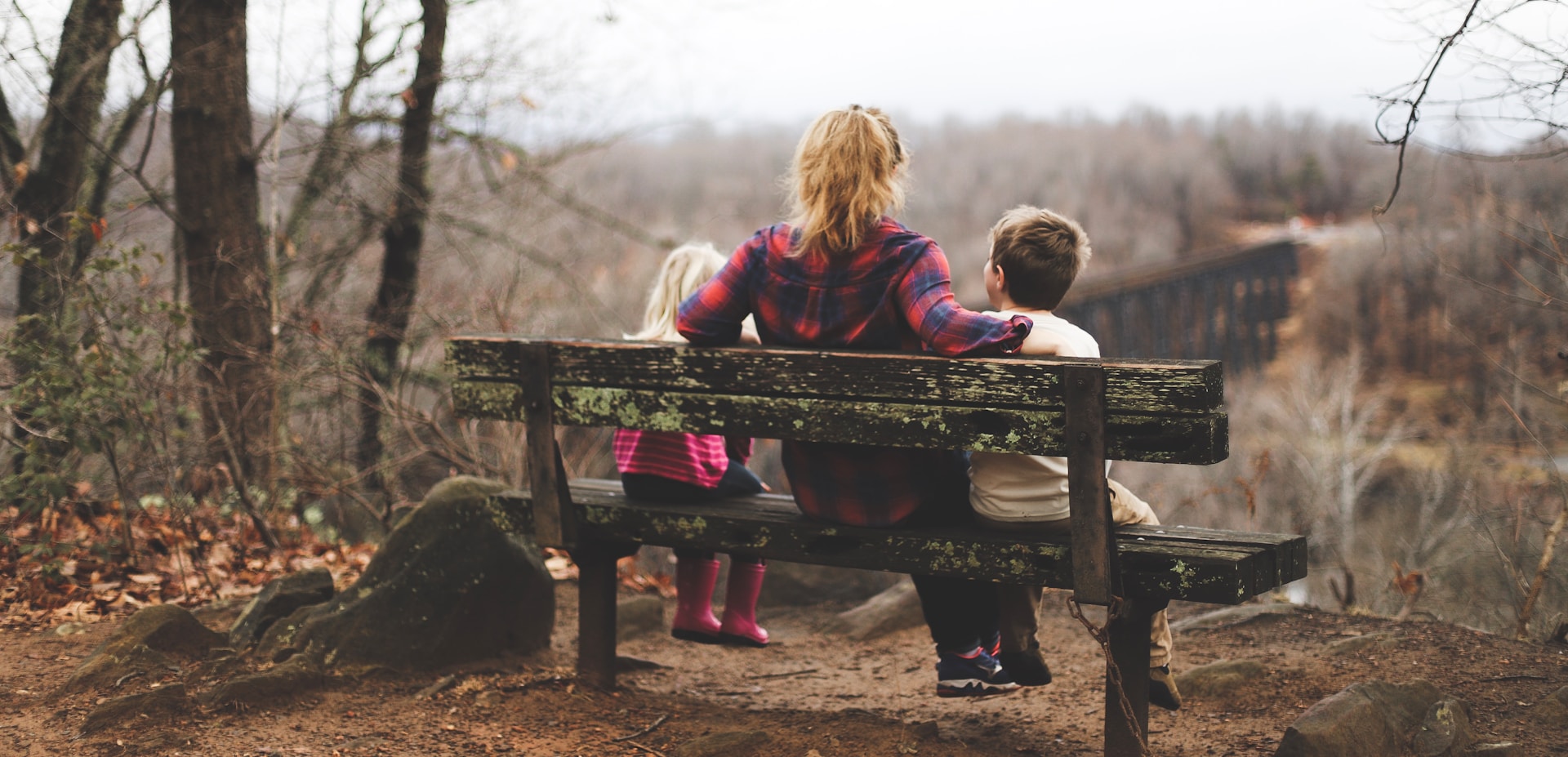
mom with two kids
Image Source: Unsplash

Being the one-and-only grown-up in charge can feel overwhelming, but you don’t have to carry every load by yourself. Support networks exist in places you might not expect—from a friendly neighbor who loves babysitting to an online forum that answers your 3 a.m. questions.

When you intentionally look for help, you’ll discover people who genuinely want to see you and your child succeed. Building that village isn’t a sign of weakness; it’s an act of love and smart self-care. With the right connections, single parenting transforms from a constant uphill climb into a shared journey with trusted companions. Here’s how you can do it:

Why Building a Support System Matters

Reliable social ties protect your mental health, lower stress, and model healthy relationships for your kids. Studies show that single parents who interact regularly with other supportive adults are less likely to experience burnout and more likely to feel confident in their role. Children also benefit; they gain additional role models and learn that community is a valuable resource. A strong village can step in when work runs late, sickness strikes, or you simply need a moment to breathe. In short, community is the antidote to isolation—and isolation is a risk you don’t have to accept.

Identify Your Immediate Needs

Start by listing the daily or weekly tasks that drain your energy most—school pickups, meal prep, or weekend errands. Clarifying these stress points helps you seek targeted support instead of vague “help.” Maybe you need reliable after-school transportation or a meal swap with another busy parent. Writing down priorities also keeps you from saying yes to offers that don’t actually solve your problem. Remember, specificity invites effective assistance.

Tap Into Local Resources

Community centers, libraries, and faith organizations often host free or low-cost childcare events, tutoring programs, and parent networking nights. These spaces create natural opportunities to meet other single parents facing similar challenges.

Sign up for newsletters, join social media groups, and keep an eye on bulletin boards for upcoming gatherings. Even one new local contact can lead to carpool arrangements, playdates, and emotional support. Give yourself permission to attend events solo—the first handshake is usually the hardest part.

young couple outdoors
Image Source: Unsplash

Leverage Digital Communities

Online forums and parenting apps connect you with people who understand your struggles, no matter the hour. Look for moderated groups dedicated to single moms, single dads, or blended families to keep advice practical and compassionate.

Virtual friendships can turn into real-life meetups or resource exchanges, such as sharing discount codes for kids’ necessities. Most importantly, digital spaces remind you that someone else has been exactly where you are. A quick message thread can turn a discouraging night into a manageable one.

Cultivate Intergenerational Bonds

Grandparents, older neighbors, and retired educators often have the time and wisdom young families need. Inviting an older adult to read to your child or share a favorite recipe provides mutual joy and learning.

These relationships expand your village beyond peers, offering stability and diverse life lessons. Children benefit from hearing stories of resilience, while you gain perspective—and maybe a trustworthy babysitter. Intergenerational bonds turn neighborhoods into extended families.

Practice the Art of Asking and Receiving

Many single parents hesitate to request help, fearing judgment or rejection. Reframe asking as offering others a chance to contribute and feel useful. Start small—a ride to practice, a grocery pick-up, or ten minutes of advice on homework strategies.

When help arrives, receive it graciously and reciprocate within your means, perhaps by sharing a batch of homemade muffins or offering your own skill set. Mutual exchange builds lasting trust and keeps your village strong.

Time to Build Your Village!

Creating your village isn’t about finding flawless people; it’s about weaving together a network of genuine, imperfect humans who care. Each small step—attending a local meetup, joining an online forum, or accepting a neighbor’s offer—reduces the weight on your shoulders and enriches your child’s world.

What first step will you take today to expand your support circle? Share your thoughts or success stories in the comments so others can learn from your journey and cheer you on!

Read More

  • Building Strong Character in Your Children: Simple Steps
  • Parenting Fairness: 10 Tips to Make Sure Both Parents Share the Load

Samantha Warren
Samantha

Samantha Warren is a holistic marketing strategist with 8+ years of experience partnering with startups, Fortune 500 companies, and everything in between. With an entrepreneurial mindset, she excels at shaping brand narratives through data-driven, creative content. When she’s not working, Samantha loves to travel and draws inspiration from her trips to Thailand, Spain, Costa Rica, and beyond.

Filed Under: Parenting Tagged With: community resources, emotional well-being, parenting tips, single parenting, solo dads, solo moms, village support

From Chaos to Calm: Strategies for Difficult Toddler Behavior

April 27, 2025 | Leave a Comment

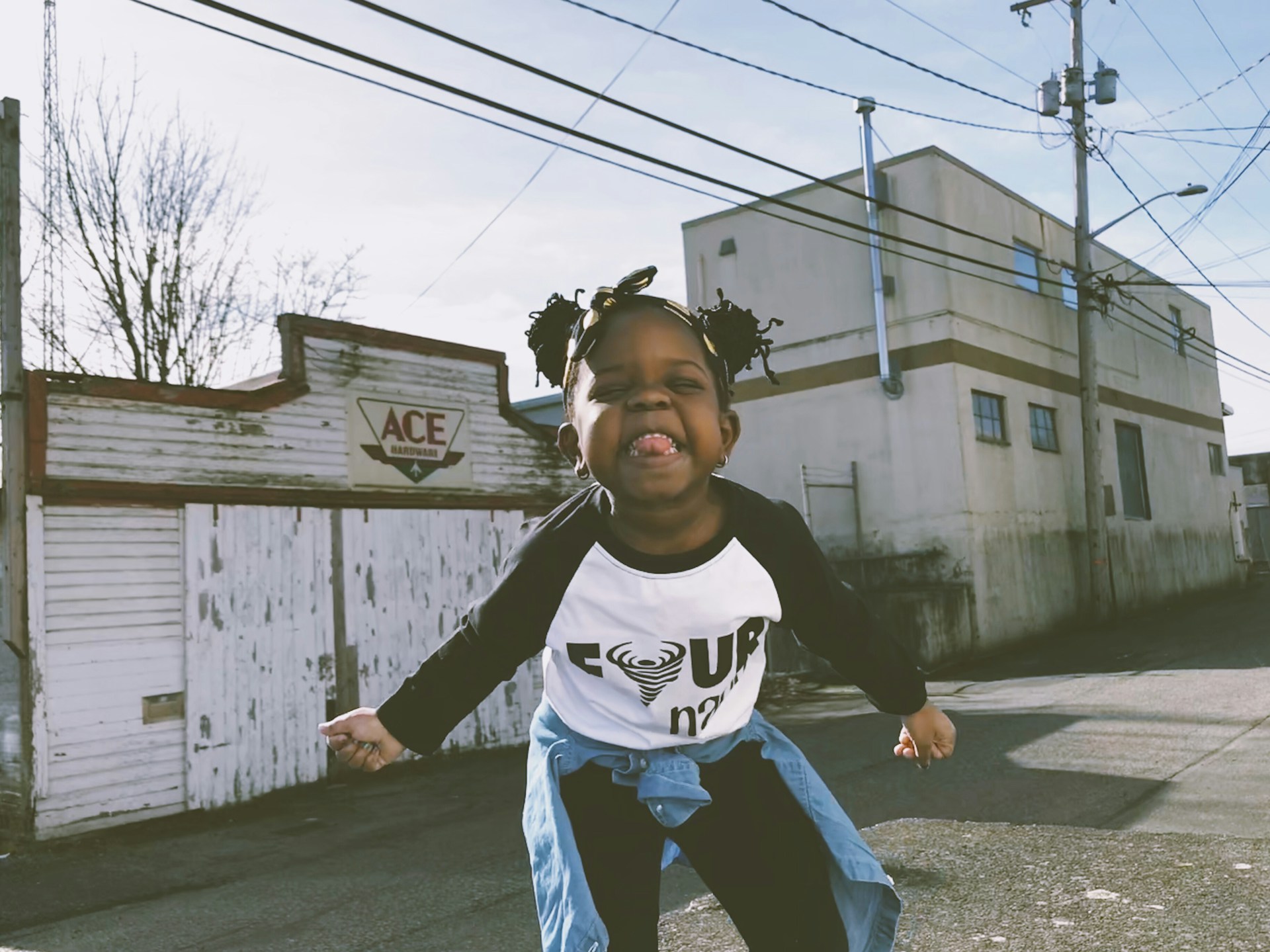
Toddler yelling while wearing a jacket and hat outdoors.
Image Source: Unsplash

Some days with a toddler feel like living with a tiny whirlwind—one who hurls snack cups, insists pants are optional, and sobs because a banana broke “wrong.” If you’ve ever hidden in the pantry to regroup, you’re not alone. Difficult toddler behavior can upend even the most patient parent, but it doesn’t have to rule your household. With a handful of proven tools, a lot of empathy, and steady consistency, you can guide your child from meltdown to mastery and regain a sense of calm along the way.

Below are five expert-backed strategies that turn daily chaos into teachable moments. Each one is simple enough to start today and powerful enough to transform tomorrow.

1. Set Clear, Positive Expectations

Toddlers spend their days testing cause and effect: What happens if I throw this cup? How loud can I scream before Dad reacts? Vague commands like “Be good” or “Stop it” leave them guessing. Swap those for specific, observable directions:

  • “Food stays on the table.”
  • “Feet stay on the floor.”
  • “We use indoor voices.”

Phrase expectations in the positive—tell your child what to do, not just what not to do. Research shows positive wording reduces stress and helps young children process instructions faster. Post simple picture cues at toddler eye-level (a pair of feet on the floor, a spoon staying in a bowl) to reinforce the message without constant nagging.

Parent shortcut: Before entering a store or restaurant, kneel to eye level and preview 1–2 rules. Toddlers remember better when the information is fresh, short, and interactive (“Can you show me what ‘walking feet’ look like?”).

2. Anchor the Day With Predictable Routines

Imagine an adult schedule that changed hourly with no warning—you’d melt down too. Toddlers crave predictability because it makes their big world feel safe. Establish consistent meal, nap, and bedtime windows; add micro-routines for tricky transitions:

  1. Play → Cleanup song → Snack
  2. Brush teeth → Pick two books → Lights out

Use a visual schedule with photos or drawings: breakfast plate, toy box, bath, pajamas. Point to the next step so your child sees what’s coming instead of feeling blindsided. Stable routines reduce tantrums because children spend less energy fighting the unknown.

Tip for shifts: Life happens—doctor visits, travel, relatives. When routine must change, give a toddler-sized heads-up: “After lunch, Grandma will pick you up. Then we’ll have playground time later.” Even a brief preview lowers anxiety.

3. Lead With Positive Reinforcement

Think of attention as fertilizer: whatever you water grows. If 90 percent of your words focus on whining, throwing, or yelling, guess what behavior blossoms? Flip the script: notice the good—loudly and often.

  • “You shared your blocks. That was kind!”
  • “Thank you for using gentle hands with the cat.”
  • “Wow, you put your shoes on the first time I asked!”

Keep praise immediate and specific; pair it with a smile, high-five, or brief hug. Experts recommend a 4-to-1 ratio of positive to corrective comments for toddlers.

For minor misbehaviors (whining, foot stomping), try planned ignoring. When the unwanted action no longer earns a reaction, it often fades.

Mini-reward system: Place five clothespins on a “Fantastic Day” jar each morning. Each time you catch positive behavior, drop a pin into the jar so your toddler hears the clink. When all pins move, celebrate with a dance party or extra story—no candy needed.

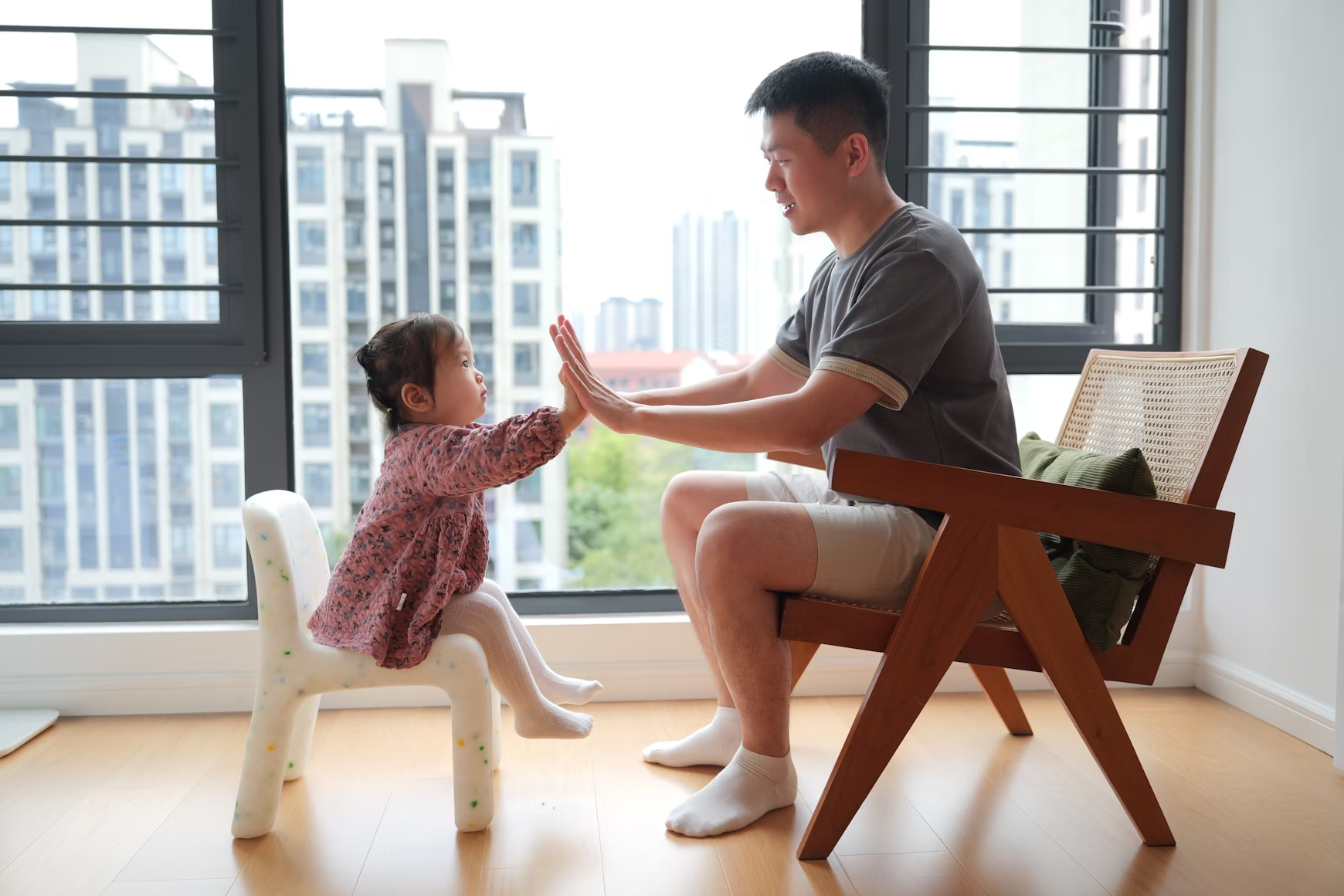
Father and daughter sitting indoors doing a calming hand game.
Image Source: Unsplash

4. Teach Emotional Skills Through Empathy

A toddler’s brain is under construction; the part that controls impulse and language lags behind raw emotion. Meltdowns are often cries for help, not defiance. Start with empathy:

  1. Name the feeling —“You’re mad your tower fell.”
  2. Validate —“It’s okay to feel mad.”
  3. Guide —“Let’s take two big balloon breaths and rebuild.”

Using feeling words builds your child’s vocabulary for self-expression.

Pair that with simple calming tools (blowing bubbles, squeezing a pillow, stomping like dinosaurs) and practice them outside crisis moments so the skills are ready when the storm hits. Children whose parents respond with empathy develop better emotional regulation and fewer behavior problems later (source).

Remember: you’re not indulging bad behavior—you’re teaching a life skill.

5. Sync Up With All Caregivers

Mixed messages confuse toddlers and undercut progress. Share your key phrases, routines, and reward systems with partners, grandparents, babysitters, and daycare teachers:

  • Expectation: “Shoes stay on.”
  • Cue: “Remember, walking feet.”
  • Praise method: high-five + “Great listening!”

Regular 5-minute check-ins (text or voice memo) keep everyone aligned and allow quick tweaks: “Skipping morning nap made bedtime rough. Let’s keep the nap tomorrow.” If your child attends daycare, ask what strategies work there and mirror them at home. Consistency across environments accelerates learning and sparks confidence: rules are clear, adults are united, and the world feels less chaotic.

Keeping Yourself Calm While Teaching Calm

All the strategies above rely on one priceless ingredient—your composure. A dysregulated adult can’t coach regulation in a child. Build tiny self-care pauses into the day: sip water before intervening, breathe while counting to five, tag-team with a partner for a 10-minute reset. Modeling self-control shows your toddler that big feelings are manageable, not dangerous.

From Tantrums to Teach-able Moments

Difficult toddler behavior is normal, temporary, and (believe it or not) an opportunity. When you set clear expectations, ground the day in routine, highlight the positive, teach feelings, and team up with other caregivers, you’re not just surviving; you’re laying foundations for empathy, resilience, and self-discipline. That tiny whirlwind will calm in time, and thanks to your guidance, they’ll emerge ready to navigate the bigger storms life sends their way.

What tactic calmed your latest toddler tornado? Share your wins (and epic fails—we all have them) in the comments. Every story helps another parent feel less alone.

Read More

  • 4 Cheap Recreational Activities for the Whole Family
  • Tired of Chaos? Blunt Advice for Restoring Order at Home

Samantha Warren
Samantha

Samantha Warren is a holistic marketing strategist with 8+ years of experience partnering with startups, Fortune 500 companies, and everything in between. With an entrepreneurial mindset, she excels at shaping brand narratives through data-driven, creative content. When she’s not working, Samantha loves to travel and draws inspiration from her trips to Thailand, Spain, Costa Rica, and beyond.

Filed Under: Parenting Tagged With: behavior management, communication, empathy, parenting tips, Positive Reinforcement, routines, Tantrums, toddler behavior, toddler challenges

Is My Child a Narcissist? Recognizing Narcissistic Behaviors

April 27, 2025 | Leave a Comment

Child sticking out tongue with slouched posture outdoors
Image Source: Unsplash

You love your child, yet something feels off. Maybe every minor setback is someone else’s fault, or compliments quickly morph into cruel comparisons with friends. Asking, “Could my child be showing narcissistic traits?” can feel scary, but noticing these patterns early is an act of powerful, preventative love.

Early awareness means you can shift the family climate, model healthier coping strategies, and guide your child toward genuine empathy before unhelpful habits harden. Below are five research-backed warning signs of narcissistic behaviors in children, plus practical steps to recalibrate your home environment so your child can thrive.

1. Achievements Become Your Parent-Child Battleground

Does a simple “Great job on that test!” evolve into “Yes, I’m so proud—I always knew you’d outshine the others”? Children whose victories are consistently used to elevate the family’s social image can start to believe praise equals superiority, not effort.

Psychologists call this parental overvaluation—treating ordinary milestones as evidence your child is extraordinary in every way. A landmark Dutch study found that overvaluation predicted early narcissistic attitudes more strongly than lack of warmth did.

Try this instead: Praise process (“You studied hard”) and character (“You showed perseverance”), not status or exclusivity.

2. Friendships Feel Like One-Way Streets

All kids quarrel, yet chronically narcissistic children show patterns: they gossip to stay on top, scapegoat peers for group mishaps, or ditch friends as soon as someone new seems “better.” They may apologize only when coerced, without genuine remorse. If your child rarely owns a share of conflict, ask them to narrate the other child’s perspective. Struggling to do so signals an empathy gap, a core component of narcissism.

Action step: Role-play disputes at home and rehearse taking turns stating feelings. Make empathy a family sport, not a lecture.

3. Boundaries? What Boundaries?

Narcissistic traits flourish in homes where limits swing between too loose (permissive pampering) and too rigid (harsh criticism). Either extreme teaches children one lesson: Rules bend to power. Balanced parenting—warmth plus consistency—models mutual respect.

Reset the tone: State rules once, calmly, and follow through. Pair consequences with empathy: “I see you’re upset; it’s still time to stop hitting.” Predictable structure signals that feelings matter, but they never trump another person’s safety or dignity.

4. Identity Feels Inflated—or Fragile

Grandiose boasting (“I’m the smartest kid ever!”) sometimes masks deep insecurity (“If I’m not the best, am I worthless?”). Children swinging between swagger and meltdown after minor criticism may be relying on an unstable self-image patched together by external praise.

Foster a realistic sense of self: Encourage activities outside academics—sports, art, volunteering—where your child risks healthy failure and learns effort counts more than titles. Share your own mistakes out loud to normalize imperfection.

5. Family Roles Are Rigid—Golden Child vs. Scapegoat

If one sibling can “do no wrong” while another is chronically blamed, you may be seeing narcissistic family scripting. Children in the golden role learn entitlement; scapegoats absorb shame, sometimes developing people-pleasing or rebellion.

Rebalance dynamics: Rotate privileges and chores. Celebrate each child’s unique strengths. If you notice favoritism creeping in (from yourself or a co-parent), address it head-on, perhaps with a therapist’s help.

Is It Just a Phase?

Preschoolers are naturally egocentric; they’re still wiring the brain circuits for perspective-taking. What distinguishes normal self-focus from concern?

Developmentally TypicalWorth a Closer Look
Occasional braggingChronic need to dominate conversations
Disliking to share but learning slowlyRefusing to share while mocking others
Accepts “no” after brief protestExplosive rage or manipulation when refused

If patterns persist past age 8, intensify despite guidance, or create social isolation, seek an evaluation from a child psychologist.

Child meditating peacefully on a tree stump in the woods.
Image Source: Unsplash

6 Ways to Guide Your Child Toward Empathy and Balance

  1. Model reflective listening. Show you can summarize your child’s feelings without judgment; then ask them to do the same for yours.
  2. Praise empathy moments. “I saw you help Ella when she fell—that was kind.”
  3. Teach mindful breathing. Emotional regulation opens space for empathy.
  4. Volunteer together. Helping shelters or neighbors shifts focus from self to community.
  5. Limit comparison language. Swap “You’re the best artist” for “I love your color choice—tell me about it.”
  6. Consider therapy early. CBT and family systems work can redirect unhealthy narratives before adolescence cements them.

Your Child’s Story Isn’t Written in Stone

Spotting narcissistic behaviors in children doesn’t mean raising an irredeemable “narcissist.” Personalities are still forming; brains remain wonderfully plastic. By balancing warmth with realistic expectations, setting consistent boundaries, and elevating empathy as a family value, you give your child the tools to develop genuine confidence without trampling others.

Feel uneasy? That’s okay—that feeling can propel growth. Engage supports: pediatricians, counselors, parenting groups. Remember, calling out harmful patterns is not blame; it’s brave stewardship.

Have you wrestled with similar concerns? Share insights or questions below—your story may help another parent find the courage to course-correct with compassion.

Read More

  • The School Is Calling Again: 5 Ways to Help Change a Child’s Bad Behavior at School
  • Should You Buy a House in a Bad School District?

Samantha Warren
Samantha

Samantha Warren is a holistic marketing strategist with 8+ years of experience partnering with startups, Fortune 500 companies, and everything in between. With an entrepreneurial mindset, she excels at shaping brand narratives through data-driven, creative content. When she’s not working, Samantha loves to travel and draws inspiration from her trips to Thailand, Spain, Costa Rica, and beyond.

Filed Under: Parenting Tagged With: Child Psychology, childhood trauma, empathy development, family dynamics, mental wellness, narcissistic behaviors in children, narcissistic parents, parenting tips

Fostering Independence in Young Children: Start Early

April 27, 2025 | Leave a Comment

Young child walking alone through tall grass at sunset.
Image Source: Unsplash

Parenting can feel like an endless tug-of-war between protecting your child and preparing them to stand on their own. It’s tough to watch little fingers fumble with buttons or zippers, especially when you’re running late. Yet those slow, sometimes messy moments are exactly where confidence is born. Fostering independence in young children isn’t about pushing them out of the nest too soon; it’s about giving them age-appropriate tools, space, and trust so they can discover the thrill of “I did it myself!”—a feeling that fuels resilience for years to come.

Below are five research-backed strategies that turn everyday routines into powerful lessons in self-reliance—without adding stress to your already busy day.

1. Confidence Grows From Small Responsibilities

A toddler who gets to carry the napkins to the table or toss dirty socks in the hamper is practicing more than motor skills—they’re learning capability. Studies show children who are trusted with simple, predictable chores develop stronger problem-solving abilities and a healthier self-image. Start tiny: have your two-year-old match lids to plastic containers, or let your preschooler water one potted plant each afternoon. Resist the urge to “fix” crooked placemats or wonky sock pairs. Every imperfect success whispers, You can do hard things, louder than any pep talk.

Try this tonight: After dinner, hand your child a damp cloth and invite them to wipe the table. Praise the effort (“You covered the whole surface!”) rather than the outcome. They’ll beam—and so will you.

2. Embrace the Magic of Independent Play

Unstructured playtime is often where kids’ best ideas—and coping skills—are born. When children build block towers, invent puppet voices, or run toy cars along couch cushions, they practice creativity, decision-making, and emotional regulation. The key is stepping back long enough for true independence to blossom. If they invite you in, follow their lead—but try not to steer. A few minutes of “boring” parental observation can yield 30 minutes of absorbed solo play, giving everyone a peaceful reset.

Set the stage: Create a “yes space” stocked with open-ended items—scarves, cardboard tubes, non-toxic crayons—and store electronics elsewhere. Then announce, “Playtime is yours. I’ll be right here folding laundry if you need me.” Expect a brief protest the first few times; soon curiosity outweighs clinginess.

3. Use Choices and Routines as Secret Weapons

Independence soars when kids feel a healthy sense of control. Offering limited choices—“blue shirt or green shirt?”—lets them practice decision-making without overwhelming options. Pair that freedom with predictable routines, and you carve reliable pathways in their day. Familiar sequences (“Potty, wash hands, then lunch”) reduce power struggles and teach children to anticipate next steps without constant reminders.

Quick tweak: Post a picture schedule at eye level: a toothbrush icon, a book, and a bed for bedtime; a sun, shoes, and backpack for mornings. Invite your child to slide a clothespin along the images as each step is finished. You’ll watch independence click into place—literally.

Cozy, organized living room in a wooden cabin-style home.
Image Source: Unsplash

4. Set Up Your Home for Success

Imagine trying to make breakfast with the cereal on the top shelf and spoons locked in a drawer. That’s how your child feels when needed items are out of reach. A few strategic adjustments can transform frustration into freedom:

  • Lower hooks for coats and backpacks.
  • Label toy bins with words and pictures.
  • Store snacks in clear, easy-open containers on a low shelf.
  • Keep step stools in bathrooms and closets.

These tweaks send a powerful message: This space belongs to you, too. As children navigate their environment smoothly, their confidence (and cooperation) skyrockets.

5. Remember: Independence Builds Emotional Muscle

Each time your child struggles through a challenge—tying shoes, solving a puzzle, negotiating toy-sharing—they add a layer of resilience. Research links early autonomy with reduced anxiety and stronger adaptability later in life. In other words, letting kids handle age-appropriate friction now prepares them to weather bigger storms later.

When frustration flares: Offer “just-enough” help. Instead of finishing the Lego model, guide with questions: “What piece might fit here?” Validate feelings (“It’s tricky, huh?”) while keeping the task in their hands. You’re not only teaching perseverance—you’re modeling how to manage emotions under pressure.

Trust Is the Root of Independence

Ultimately, fostering independence in young children is an act of trust—trust in their abilities and in your willingness to let them learn by doing. Yes, toast will drop butter-side down. Socks will end up mismatched. But each small stumble is an investment in self-belief that pays lifelong dividends. So pause before swooping in. Cheer on the effort. And remember: the confident, resilient adult you dream of raising starts with one wobbly button, one boldly chosen outfit, one victorious “I did it!”

Your turn: How do you weave independence into daily life? Share your favorite tip—or funniest toddler attempt—in the comments. Every little story helps another parent breathe easier.

Read More

  • We’re Trying to Raise Independent Kids
  • 4 Financial Reasons to Teach Your Kids About Car Maintenance Early
Samantha Warren
Samantha

Samantha Warren is a holistic marketing strategist with 8+ years of experience partnering with startups, Fortune 500 companies, and everything in between. With an entrepreneurial mindset, she excels at shaping brand narratives through data-driven, creative content. When she’s not working, Samantha loves to travel and draws inspiration from her trips to Thailand, Spain, Costa Rica, and beyond.
Filed Under: Parenting Tagged With: child independence, confidence in children, early childhood development, parenting tips, preschool routines, resilience in kids, toddler behavior

The Surprising Ways Children Learn Best Outside School

April 27, 2025 | Leave a Comment

Image Source: Unsplash

When we picture “learning,” we often imagine neat rows of desks, worksheets, and standardized tests. Yet some of the most powerful lessons unfold far from fluorescent lights—under trees, on kitchen floors, or in the middle of backyard mud puddles. A growing body of research (and a lot of relieved parents) confirms what many kids instinctively show us: they learn best when exploring the world beyond classroom walls. From sharper attention spans to stronger problem-solving skills, here’s why stepping outside traditional school settings may be the smartest move for your child’s growth—and exactly how to harness those benefits at home.

1. Nature Super-Charges Focus (and Grades)

If your child fidgets through homework, the solution might be as simple as dirt under their nails. Studies comparing indoor and outdoor lessons found that students who learned outside returned to the classroom calmer, more engaged, and needing fewer reminders to stay on task. Many retained the academic material better than peers who stayed indoors —proof that fresh air isn’t just downtime; it’s a brain booster that can translate into higher scores and happier study sessions.

2. Outdoor Play Turbo-Boosts Engagement

Kids don’t daydream on the playground. They laser-focus on whatever excites them—a line of marching ants, a leaf that looks like a heart, or a stick that suddenly becomes a magic wand. In the Muddy Hands Report, 88% of teachers said pupils were more engaged during outdoor lessons. 86% observed better learning overall. When curiosity leads, attention follows—so learning begins to feel like play, not pressure.

3. Time in Green Spaces Fuels Mental Health

Academic success is only half the story; kids also need emotional resilience. Regular exposure to nature has been linked to lower anxiety, improved mood, better sleep, and higher physical activity—all of which prime the brain for learning. Whether it’s a forest hike or 10 minutes tending a balcony herb garden, green time equips children to handle stress and stay motivated when challenges arise.

4. Unstructured Exploration Builds Critical-Thinking Muscles

Unlike worksheets with one “right” answer, natural environments rarely hand out instructions. Should I balance this log or crawl under it? Is that bug safe to touch? Each choice trains children to hypothesize, test, and revise—core skills of scientific thinking and creativity. Researchers consistently find that kids who spend more time in open-ended outdoor play score higher on measures of innovation and flexible problem-solving than peers who spend most of their day indoors.

5. Outdoor Lessons Boost Attendance and Core Skills

For students who dread traditional classrooms, absenteeism quickly snowballs into academic gaps. Innovative schools that make outdoor learning a staple—gardening for math fractions, creek walks for biology—report higher attendance and noticeable gains in reading and writing. This is especially true among previously disengaged kids. When learning feels relevant, tangible, and empowering, children want to show up. Experiential learning is often the best method!

Child pointing at a globe.
Image Source: Unsplash

How to Bring Big-World Learning Home

You don’t need a forest-school budget or acres of land. Try these low-effort, high-impact ideas:

Simple ActivityHidden SkillsQuick Tips
Backyard “Mini-Beast” SafariObservation, vocabulary, empathyHand your child a magnifying glass; ask them to draw or photograph three insects they find.
Kitchen ChemistryFractions, cause-and-effect, patienceLet kids measure ingredients for bread or pancakes, then watch yeast or baking powder make bubbles.
Neighborhood Mapping WalkSpatial reasoning, storytellingHave your child sketch a simple map labeling interesting trees, murals, or friendly pets.
Rain-Gauge ChallengeData collection, graphingPlace a jar outside, mark daily rainfall, then chart results at week’s end.
DIY Bird Feeder & LogbookResponsibility, ecologyCoat a toilet-paper roll in peanut butter and seeds; hang it up and record visiting species.

Re-imagining Education: A Gift Beyond Desks

Kids are wired to learn everywhere—on sidewalks, in sandboxes, beneath the stars. By loosening the grip on rigid academics and embracing everyday adventures, we raise not just smart students but confident, curious humans. The beauty of learning outside school lies in its variability: no two days or discoveries are identical. That unpredictability cultivates adaptability and wonder—traits that standardized tests can’t capture but the future will absolutely demand.

Your Turn: What outdoor or hands-on activity sparked a lightbulb moment for your child? Share your story in the comments; your idea could become another family’s new favorite lesson.

Read More

  • Paying For Your Kids Education
  • How To Afford Out-of-State Tuition

Samantha Warren
Samantha

Samantha Warren is a holistic marketing strategist with 8+ years of experience partnering with startups, Fortune 500 companies, and everything in between. With an entrepreneurial mindset, she excels at shaping brand narratives through data-driven, creative content. When she’s not working, Samantha loves to travel and draws inspiration from her trips to Thailand, Spain, Costa Rica, and beyond.
Filed Under: Parenting Tagged With: alternative education, child development, Cognitive Development, hands-on learning, kids and nature, outdoor learning, parenting tips

« Previous Page
Next Page »
  • Facebook
  • Pinterest
  • RSS
  • Twitter

Basic Principles Of Good Parenting

Here some basic principles for good parenting:

  1. What You Do Matters: Your kids are watching you. So, be purposeful about what you want to accomplish.
  2. You Can’t be Too Loving: Don’t replace love with material possessions, lowered expectations or leniency.
  3. Be Involved Your Kids Life: Arrange your priorities to focus on what your kid’s needs. Be there mentally and physically.
  4. Adapt Your Parenting: Children grow quickly, so keep pace with your child’s development.
  5. Establish and Set Rules: The rules you set for children will establish the rules they set for themselves later.  Avoid harsh discipline and be consistent.
  6. Explain Your Decisions: What is obvious to you may not be evident to your child. They don’t have the experience you do.
  7. Be Respectful To Your Child: How you treat your child is how they will treat others.  Be polite, respectful and make an effort to pay attention.
Best Parenting Blogs

Most Popular

Baby

9 Baby Names That Sound Rare Without Being Hard to Spell

Evan Morgan
Baby

9 Unusual Baby Names That Sound Like They Belong to Future CEOs

Evan Morgan
Target Store

Choking Incident Prompts Recall of 49,000 Target Gigglescape “Under the Sea” Popping Toys

Evan Morgan
Frustrated Girl

Why Some Students on the Spectrum Are Labeled With ODD

Evan Morgan
Coke Bottles

12 Things Kids Took to School in the ’70s That Would Never Be Allowed Today

Evan Morgan

All content on Kids Ain’t Cheap is for entertainment purposes only. By reading this blog, you agree that Kids Ain’t Cheap is not responsible for any actions taken after reading this blog. For the full disclaimer, see our privacy policy.

Please note that Kids Ain’t Cheap has financial relationships with some of the merchants mentioned here. Kids Ain’t Cheap is funded by banner advertising, commission sales and search optimization consulting.

Copyright © 2006–2026 | District Media | All Rights Reserved | Privacy Policy

Copyright © 2026 Runway Pro Theme by Viva la Violette