• Home
  • About Us
  • Toolkit
  • Archives
  • Advertise
  • Privacy Policy

Kids Ain't Cheap

But They Sure Are Worth It

  • Parenting
    • Baby Stuff
    • Books and Reading
      • Aesops Fables
      • Comic Books
    • Education
    • Family Time
    • Green Living
    • Growing Up
    • Healthy Living & Eating
    • Holidays
    • Parenting
    • Random Musings
    • Shopping
    • Stuff to Do
  • Money
  • Product Reviews
    • Books and Magazines
    • Discount Sites
    • Furniture
    • House Keeping
    • Reviews News
    • Toys and Games
  • Contact Us
  • Our Editorial Commitment
  • Search

The Safest Ways to Introduce Pets to Young Children

April 1, 2025 | Leave a Comment

adorable toddler boy and grey british shorthair cat lying on floor together at home
Image Source: 123rf.com

Bringing a new pet into the family is exciting—but also a little nerve-wracking when you have small children. Both your child and the animal need time, space, and structure to build a healthy relationship. Rushing the process can lead to misunderstandings, injuries, or stress on both sides. That’s why pet introductions should be handled with care. Here’s how to do it safely and smoothly.

1. Set the Scene Beforehand

Before the pet even walks in, talk to your child about what to expect. Let them know the animal might feel nervous or shy, and that’s perfectly normal. Go over gentle behavior—no grabbing, yelling, or chasing. Prepare a quiet space for the pet to retreat if overwhelmed. Creating a calm environment from the start sets the tone.

2. Supervise Every Interaction

Never leave a young child and a pet alone during the first days—or even weeks. Stay close to observe body language and step in if either seems uncomfortable. This lets you gently correct behavior, like pulling fur or rough petting. In some cases, incorrect handling can stress your pet. For example, grabbing a Bearded Dragon by the tail can be interpreted as predatory behavior by the animal. Similarly, hugging an elderly dog too tightly may stress the dog.

In any event, supervision also builds your child’s confidence as they learn how to interact appropriately with the pet.

3. Teach Boundaries Early

Children should learn that pets have feelings, too. Help them recognize when a dog or cat wants space—ears back, tail down, moving away. Use age-appropriate language like “That means she needs a break.” Encourage calm, slow approaches and praise gentle touch. Kids who understand boundaries early form stronger, safer bonds with animals.

4. Reward Positive Behavior

Positive behavior support symbol. Concept words Positive behavior on wooden blocks on a beautiful yellow background. Business, psychological and Positive behavior support concept. Copy space.
Image Source: 123rf.com

Reinforce every safe, gentle interaction your child has with the pet. Compliment them for being calm, listening to instructions, or noticing when the animal walked away. This builds confidence and teaches them that kindness earns trust. You can also include the pet in praise—“See how happy she is when you’re gentle?” Celebrate their progress together. Small wins lead to lifelong pet friendships.

5. Take It Slow

There’s no need to rush friendship. Let the child and pet set the pace, even if it takes days or weeks. Some pets need more time to adjust, especially rescues or shy animals. Pushing them together too soon can create fear or resentment. Respecting the timeline shows both the child and the pet that their comfort matters.

Building Trust Together

When done safely, introducing pets to young children can be a magical experience. It teaches empathy, responsibility, and patience. With careful steps, you can foster a bond that lasts a lifetime. Just remember—supervision and gentle guidance are key to everyone feeling safe.

Do you remember your child’s first meeting with a pet? Share your story in the comments!

Read More:

These Are The 8 Best Pets For Small Children

Can School Be Bad For Your Child?

Latrice Perez

Latrice is a dedicated professional with a rich background in social work, complemented by an Associate Degree in the field. Her journey has been uniquely shaped by the rewarding experience of being a stay-at-home mom to her two children, aged 13 and 5. This role has not only been a testament to her commitment to family but has also provided her with invaluable life lessons and insights.  As a mother, Latrice has embraced the opportunity to educate her children on essential life skills, with a special focus on financial literacy.


Filed Under: Pets Tagged With: child safety, first pet tips, introducing pets, kids and animals, parenting tips, pet safety, pets and kids

8 Boomer Parenting Ideas That Made Their Children Strong (Follow Their Lead)

March 30, 2025 | Leave a Comment

Were proud to call him son. Cropped portrait of a senior couple standing outside with their son
Image Source: 123rf.com

Parenting styles evolve over time, yet some approaches from the Baby Boomer era have stood the test of time. Many Boomer parents instilled values and habits that helped their children become resilient and independent. These time-honored practices may seem old-fashioned in today’s digital age, but they continue to offer valuable lessons. By examining these strategies, modern parents can find inspiration and practical ideas for raising strong, self-reliant children. Here are eight Boomer parenting ideas that helped shape robust, capable individuals.

1. Emphasis on Education

Boomer parents placed a high value on education and academic achievement. They believed that learning was the key to unlocking future opportunities and personal growth. This emphasis fostered discipline, hard work, and a lifelong love of learning. Children were encouraged to excel in school and pursue higher education as a pathway to success. These values continue to inspire academic dedication in the next generation.

2. Teaching Respect for Authority

Respect for elders, teachers, and authority figures was a cornerstone of Boomer parenting. Children were taught to listen attentively and honor the wisdom of those with more life experience. This practice helped establish clear societal boundaries and fostered mutual respect. It laid the foundation for strong interpersonal relationships and effective communication. Embracing respect remains a valuable lesson in today’s complex world.

3. Encouraging Independence

Boomer parents often allowed their children to make decisions and learn from their own experiences. This early independence built confidence and problem-solving skills. Rather than overprotecting, they trusted their kids to navigate challenges on their own. The result was a generation that learned resilience and self-reliance. Fostering independence remains crucial for personal growth and future success.

4. Assigning Household Chores

Chores were seen as an important part of growing up in Boomer households. Children were given responsibilities that taught accountability and teamwork. Regular chores instilled a strong work ethic and prepared them for adult responsibilities. This practice also reinforced the importance of contributing to the family unit. It’s a timeless lesson in responsibility that remains relevant today.

5. Limiting Screen Time

Without the distractions of modern technology, Boomer children spent more time engaging in outdoor activities and face-to-face interactions. This helped build physical health, social skills, and creativity. Parents set boundaries around television and computer use, encouraging active play instead. The emphasis on real-world experiences cultivated stronger interpersonal bonds. Balancing technology with personal interaction is still a relevant challenge for parents today.

6. Well-Defined Rules and Expectations

Know the rules symbol. Wooden blocks with words Know the rules. Beautiful blue background. Business and Know the rules concept. Copy space.
Image Source: 123rf.com

Boomer households were known for having well-defined rules and expectations. These boundaries provided structure and a sense of security for children. Knowing the limits helped kids understand the consequences of their actions and built self-discipline. Clear guidelines ensured that children respected family norms and developed a strong moral compass. Consistency in enforcing boundaries is a timeless approach to effective parenting.

7. Fostering Resilience Through Failure

Failure was not something to be avoided at all costs in Boomer families—it was seen as a valuable learning opportunity. Parents allowed their children to experience setbacks and learn from their mistakes. This approach built resilience and taught the importance of perseverance. Experiencing failure in a supportive environment helped children develop grit and adaptability. Embracing failure as part of growth remains a powerful lesson for modern parents.

8. Prioritizing Family Meals

Regular family meals were a staple in Boomer households, offering a time for bonding and open conversation. Sharing a meal together provided a stable routine and a space for discussing daily experiences. This practice reinforced family unity and ensured that children felt valued and heard. It created lasting memories and a strong support network within the home. Maintaining regular family gatherings continues to be a cornerstone of healthy family dynamics.

Timeless Practices

While the world of parenting has evolved, many Boomer strategies remain relevant for raising resilient, independent children. By embracing education, respect, independence, and strong family values, parents can build a solid foundation for their children’s future. Reflect on these time-tested ideas and consider how they might be adapted to your modern lifestyle. Balancing tradition with innovation can empower your child to thrive.

Which Boomer parenting idea resonates with you the most? Share your experiences in the comments below!

Read More:

13 Smart Moves Boomers Are Making That Millennials Didn’t See Coming

Supporting Adult Children: 8 Things Boomers Can Do Instead of Giving Money

Tamila McDonald
Tamila McDonald

Tamila McDonald is a U.S. Army veteran with 20 years of service, including five years as a military financial advisor. After retiring from the Army, she spent eight years as an AFCPE-certified personal financial advisor for wounded warriors and their families. Now she writes about personal finance and benefits programs for numerous financial websites.

Filed Under: Parenting Tagged With: Boomer parenting, child development, education, family values, independence, parenting tips, resilience, Responsibility

8 Happy Moments That Every Child Should Experience

March 29, 2025 | Leave a Comment

Playful boy and girls running and playing with colorful balloons in garden on green grass
Image Source: 123rf.com

Childhood is a treasure trove of experiences that shape who we become, and every joyful moment leaves a lasting imprint. Creating memorable experiences for children builds resilience, self-confidence, and an overall positive outlook on life. As parents, fostering these happy moments is essential to ensuring our children grow up with a strong foundation of love and support. In this article, we highlight eight pivotal experiences that every child should have to cultivate happiness and lasting memories. These moments set the stage for a joyful, well-rounded life.

The Joy of Unstructured Play

Unstructured play offers children the freedom to explore their creativity without rigid boundaries. It allows them to invent games, solve problems, and engage in imaginative scenarios on their own terms. This form of play fosters independence and encourages social interaction among peers. Children learn to make decisions and overcome challenges in a fun, relaxed environment. Such play is essential for developing critical thinking skills and a resilient spirit.

The Thrill of Learning a New Skill

Mastering a new skill, whether it’s riding a bike, swimming, or playing an instrument, instills a deep sense of accomplishment in children. This experience teaches them the value of persistence and hard work. It not only boosts their self-esteem but also opens up new avenues for creative expression. Celebrating these milestones encourages continuous learning and personal growth. The joy of mastering a skill becomes a cherished memory that fuels future endeavors.

Experiencing the Great Outdoors

The outdoors offers limitless opportunities for exploration and discovery that every child should enjoy. Time spent in nature promotes physical health, mental relaxation, and an appreciation for the environment. Activities such as hiking, camping, or simply playing in the park create lasting memories and strengthen family bonds. Exposure to natural surroundings fosters curiosity and a sense of adventure. These experiences lay the foundation for a lifelong appreciation of the natural world.

Celebrating Family Traditions

Family traditions provide children with a sense of belonging and stability. Whether it’s celebrating holidays, weekly game nights, or special rituals, these moments create a strong family identity. They help children understand their heritage and build a supportive network. Participating in these traditions instills values and creates cherished memories that last a lifetime. Embracing family traditions is a powerful way to reinforce love and unity within the home.

Acts of Kindness and Giving

Acts of Kindness
Image Source: 123rf.com

Engaging in acts of kindness, such as volunteering or helping a neighbor, teaches children empathy and compassion. These experiences help them understand the joy that comes from giving without expecting anything in return. Participating in charitable activities can build a strong sense of community and social responsibility. It also reinforces the idea that small actions can make a big difference. Cultivating a habit of kindness is essential for developing a caring and thoughtful individual.

The Magic of Storytelling

Immersing in stories, whether by reading or listening, sparks a child’s imagination and broadens their perspective. Storytelling not only entertains but also imparts valuable lessons about life, culture, and values. Sharing stories creates a special bond between parents and children. It encourages critical thinking and nurtures creativity by exposing children to diverse ideas. This timeless tradition fosters a lifelong love for learning and literature.

Celebrating Personal Achievements

Recognizing and celebrating a child’s achievements, no matter how small, builds self-confidence and motivates further success. Each accomplishment, from finishing a puzzle to excelling in school, should be acknowledged. Celebrations provide positive reinforcement that encourages children to set and pursue goals. This recognition helps them develop a sense of pride and ownership over their progress. Over time, these moments of celebration become milestones in their journey to self-improvement.

Building Strong Friendships

Forming meaningful friendships is essential for a child’s emotional and social development. Positive interactions with peers teach valuable lessons in empathy, communication, and conflict resolution. Friendships provide a support network that helps children navigate challenges both in and out of school. Encouraging healthy social connections contributes to a balanced and happy childhood. These bonds, built on trust and shared experiences, often last a lifetime.

Crafting a Joyful Childhood

Creating opportunities for these happy moments enriches a child’s life and lays the foundation for a fulfilling future. Every experience, from unstructured play to building strong friendships, contributes to a joyful and resilient personality. As parents, nurturing these moments is one of the greatest gifts we can offer our children. A happy childhood fosters confidence, creativity, and a positive outlook on life.

What are some of the most cherished moments in your child’s life? Share your stories and insights in the comments below.

Read More:

Large Family Grocery List: 12 Must-Have Items to Keep Everyone Fed and Happy

8 People You Should Want Your Kids to Look Up To

Tamila McDonald
Tamila McDonald

Tamila McDonald is a U.S. Army veteran with 20 years of service, including five years as a military financial advisor. After retiring from the Army, she spent eight years as an AFCPE-certified personal financial advisor for wounded warriors and their families. Now she writes about personal finance and benefits programs for numerous financial websites.

Filed Under: Parenting Tagged With: child development, childhood happiness, Family bonding, parenting tips, Positive Parenting

7 Strange Clues That Someone Might Be Watching Your Children

March 28, 2025 | Leave a Comment

Suspicious adult man spying on kids at playground, space for text. Child in danger
Image Source: 123rf.com

It’s every parent’s worst nightmare: the feeling that something—or someone—isn’t quite right. We live in a world where we teach kids about stranger danger and internet safety, but what if the threat feels invisible? Sometimes the signs are subtle, even strange, but your gut tells you to pay attention. If you’ve ever had a weird feeling about someone hanging around or watching your child, trust it.

Here are seven unusual but serious clues that someone might be watching your kids—and why they should never be ignored.

1. They Show Up Too Often—Without a Reason

It’s one thing to bump into someone once or twice. But if the same person is constantly near your child’s school, playground, or sports practice—without any clear connection—that’s a red flag. Do they have no children with them? Are they just “around” but never actively involved? People who linger repeatedly in kid-heavy areas without reason deserve a second look. Consistent presence without purpose could indicate surveillance or intent.

2. They Know Your Child’s Name Without You Telling Them

If a stranger or acquaintance refers to your child by name—and you never introduced them—ask questions immediately. Children are often more open than adults, and someone may have learned their name from online posts, overheard conversations, or direct interaction without your consent. This knowledge can be used to create false familiarity with your child. It may seem innocent, but it’s often how grooming starts.

3. They Engage with Your Child—Not You

Watch how adults interact. A safe, respectful adult will typically address a parent first, especially around young children. If someone skips you and talks directly to your child, trying to build rapport or gain trust, take it seriously. Predators often bypass parental authority to create emotional connections with kids. That “friendly” behavior might actually be manipulation.

4. You Notice Someone Taking Photos or Videos

Young photographer taking picture with professional camera on green grass. Space for text
Image Source: 123rf.com

In public spaces, photos happen—but if someone is pointing their camera toward your child without permission, that’s a serious violation. Some people may disguise it as snapping general shots, but you can usually tell when it’s deliberate. Always confront the situation calmly but firmly. It’s your right to protect your child’s image and privacy.

5. Your Child Mentions a “New Friend” You’ve Never Heard Of

Children sometimes open up casually. If your child mentions someone you’ve never met—whether it’s an adult online or in real life—ask more. Kids may not realize when attention feels suspicious or inappropriate. They could say something like, “He always watches me skate,” or “She told me not to tell you.” That’s your cue to lean in. Listen carefully and avoid overreacting so they keep communicating.

6. Your Child Is Suddenly Nervous About Certain Places

Pay attention to behavioral changes. If your child used to love the park but now avoids it, or gets quiet near a certain building, ask why. Young kids may struggle to explain their feelings, but fear always has a root. It might not mean someone is watching—but it definitely means something needs exploring. Avoid dismissing their discomfort; it could be a protective instinct.

7. They Ask Specific Questions About Your Child’s Routine

It may sound casual—“What time does your daughter get out of school?” or “Is your son always at the library on Fridays?”—but these questions cross a line. If someone is asking about your child’s schedule without a valid reason, don’t answer. These details can be used to track, follow, or find moments when your child is alone. Respond with, “Why do you ask?” and trust your gut from there.

It’s Not Paranoia—It’s Protection

You don’t have to live in fear to be alert. Being proactive doesn’t make you overprotective—it makes you aware. If something feels off, take it seriously. Talk to your child often, check in with other parents, and report suspicious behavior when necessary. It’s better to feel silly for being cautious than devastated for missing the signs.

Have you ever had a strange encounter that made your “parent radar” go off? Share your story in the comments. Your awareness might help another family stay safe.

Read More: 

9 Reasons Your Children Don’t Respect You and How to Fix It

Is It Appropriate to Bribe Children for Good Behavior?

Latrice Perez

Latrice is a dedicated professional with a rich background in social work, complemented by an Associate Degree in the field. Her journey has been uniquely shaped by the rewarding experience of being a stay-at-home mom to her two children, aged 13 and 5. This role has not only been a testament to her commitment to family but has also provided her with invaluable life lessons and insights.  As a mother, Latrice has embraced the opportunity to educate her children on essential life skills, with a special focus on financial literacy.

Filed Under: Parenting Tagged With: child safety, child surveillance, children, family protection, parenting tips, safety awareness, stranger danger, suspicious behavior

When A Child Bumps Their Head to Go to Sleep, Here’s What It Means

March 27, 2025 | Leave a Comment

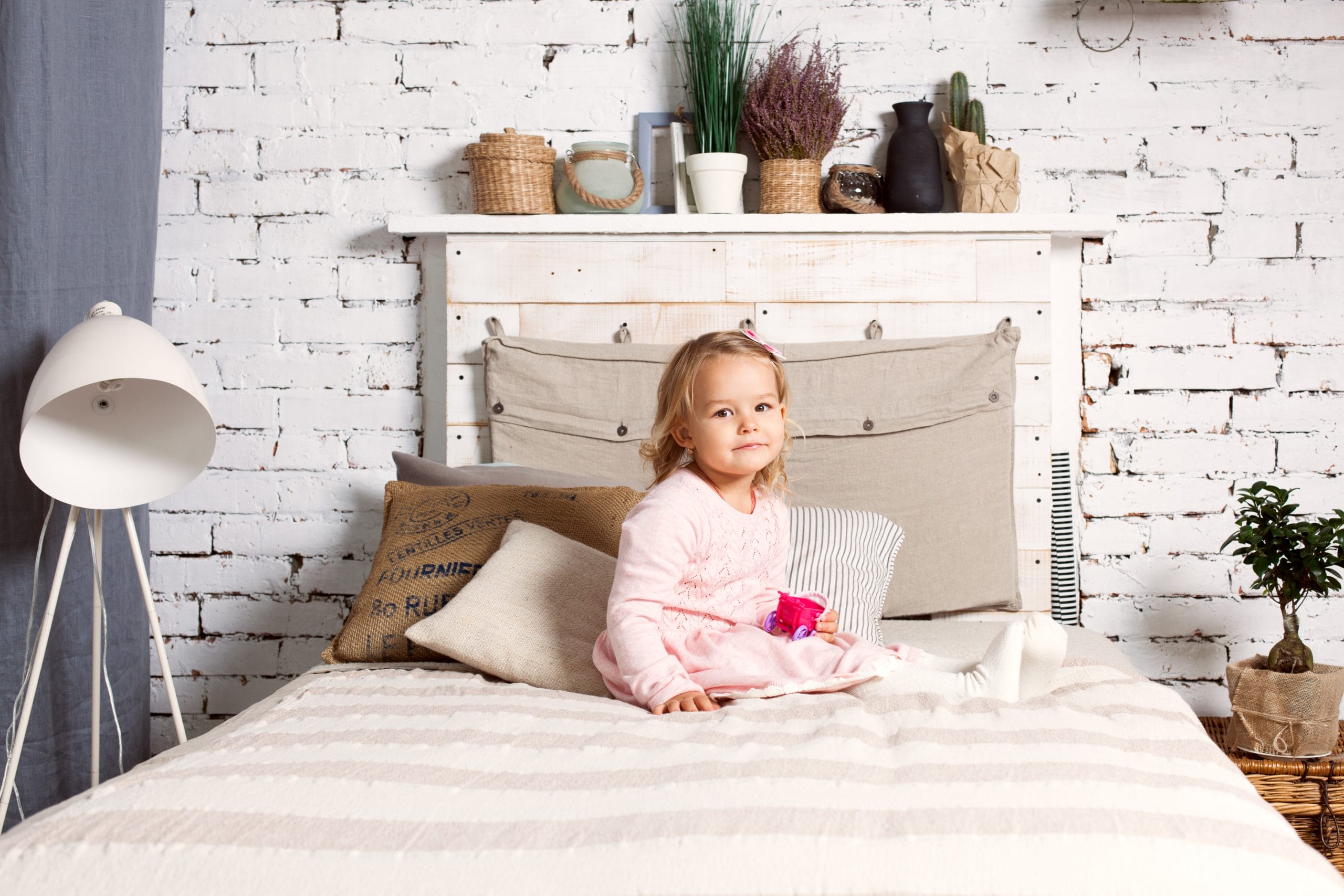
Beautiful girl is sitting on the bed and is holding a toy.
Image Source: 123rf.com

Observing your child gently bump their head as they drift off to sleep can be both endearing and concerning. Many parents have witnessed this rhythmic behavior and wondered about its significance. While it might seem alarming at first, head banging during sleep is often a self-soothing mechanism. In this article, we explore the reasons behind this behavior, when it might be a cause for concern, and how to ensure your child’s safety. Our aim is to provide clarity and actionable advice for worried parents.

Understanding the Behavior

Head banging in young children is a relatively common phenomenon that typically begins around six months of age. It is often a self-soothing behavior, similar to rocking or thumb-sucking, that helps children relax and transition to sleep. Most of the time, this behavior is benign and part of normal development. However, understanding the context in which it occurs is important for determining if it is within a normal range. Observing the frequency and intensity of the behavior can provide key insights.

Common Causes

There are several reasons why a child might engage in head banging. It can be a way to soothe discomfort, such as teething pain, or a method to release built-up tension before sleep. Sometimes, it’s simply a habit formed during periods of tiredness or overstimulation. Environmental factors, like a noisy or chaotic room, can also trigger the behavior. Understanding these causes helps in deciding whether any intervention is necessary.

When to Be Concerned

While head banging is typically harmless, there are instances when it warrants further attention. If the behavior persists beyond early childhood or is accompanied by developmental delays, it may be time to consult a pediatrician. Excessive head banging that results in injury or disrupts sleep significantly should also be evaluated. Monitoring the behavior over time is essential for assessing its impact. Seeking professional advice can provide reassurance and guidance on next steps.

Strategies to Ensure Safety

Ensuring your child’s safety is paramount if they engage in head banging. Consider modifying their sleep environment by using soft padding or adjusting the crib setup to minimize injury risk. Establishing a calming bedtime routine can help reduce the frequency of the behavior. Keeping a sleep diary may reveal patterns or triggers that can be addressed. When in doubt, consulting a healthcare professional is the best course of action.

Supporting Your Child Emotionally

cute, serious boy looking at camera while sitting on bed at home
Image Source: 123rf.com

It’s essential to approach this behavior with empathy and understanding. Recognize that head banging is often a self-soothing technique that helps your child cope with stress or discomfort. Rather than immediately intervening, observe the behavior over time to understand its context. Offering comfort and reassurance can sometimes reduce the need for such actions. Your supportive presence plays a crucial role in helping your child feel secure and understood.

Head Banging Is Usually Normal

Head banging during sleep is usually a normal behavior that diminishes as children grow. However, understanding its causes and ensuring a safe sleep environment is critical. Monitoring the behavior and seeking professional advice if concerns persist can safeguard your child’s well-being. By supporting your child both physically and emotionally, you help them navigate their sleep patterns in a healthy way.

What steps do you take to ensure your child’s safety while respecting their self-soothing needs? Share your experiences in the comments below.

Read More:

Doctors Swear by These 7 Baby Sleep Hacks—And They Actually Work

10 Ways To Get Your Newborn To Sleep Through The Night

Tamila McDonald
Tamila McDonald

Tamila McDonald is a U.S. Army veteran with 20 years of service, including five years as a military financial advisor. After retiring from the Army, she spent eight years as an AFCPE-certified personal financial advisor for wounded warriors and their families. Now she writes about personal finance and benefits programs for numerous financial websites.

Filed Under: Parenting Tagged With: child behavior, child development, parenting tips, self-soothing, sleep habits

5 Baby Names That Are Associated with Luxury Brands

March 25, 2025 | Leave a Comment

baby names
Pexels

Naming a child is one of the first—and most lasting—choices a parent makes. For some, inspiration comes from family heritage or cultural significance. But for others, it’s about style, sophistication, and a little bit of status. That’s where luxury brands come in. High-end names aren’t just splashed across handbags or watches—they’re increasingly making their way onto birth certificates.

Whether you’re drawn to these names because they sound elegant or because they hint at high-end taste, it’s worth exploring how a brand association can shape perception. These names may evoke admiration, curiosity, or even raised eyebrows, depending on the setting. Some parents love the upscale energy they bring, while others worry about setting certain expectations too early. There’s no denying the charm and flair these names carry. Let’s take a look at five baby names tied to luxury brands that are rising in popularity.

Chanel

Inspired by the iconic French fashion house, Chanel is a name associated with grace and timeless style. Often used as a surname, it has made its way into baby name lists, especially for girls. It exudes sophistication and elegance, echoing the legacy of Coco Chanel herself. The name carries a chic, modern appeal while still feeling classic. Parents choosing Chanel hope to imbue their daughter with a sense of refined confidence.

Armani

Armani, an Italian name linked to the world-renowned designer Giorgio Armani, has a bold and contemporary ring. Used as a unisex name, it conveys power, prestige, and global appeal. The name’s sleek sound and stylish association make it a popular choice for parents seeking an edge of luxury. It is distinctive enough to stand out while remaining versatile across cultures. Armani inspires images of sophistication and creative flair.

Bentley

Bentley, long associated with luxury automobiles, is increasingly being embraced as a baby name. This strong, classic name suggests success and a taste for high standards. Often chosen for boys, it carries connotations of refinement and modern elegance. Its growing popularity speaks to a trend of naming that hints at aspiration and status. Parents opting for Bentley are drawn to its bold, sophisticated vibe.

Dior

Dior is a striking, gender-neutral name that exudes glamour and modernity. With strong ties to the fashion world, it carries an air of creativity and innovation. Although rare as a first name, its sleek, memorable sound makes it an attractive option for trend-conscious parents. Dior represents a fusion of luxury and contemporary style, making it both bold and timeless. Its simplicity belies the high fashion legacy behind it.

Cartier

Cartier is synonymous with luxury watches and fine jewelry, making it a name that immediately conveys opulence. Though unconventional as a baby name, its rarity adds an element of exclusivity. It combines historical elegance with a modern twist, appealing to parents who value both tradition and innovation. The name suggests refinement and a discerning taste for quality. Choosing Cartier implies a desire for a name that is both distinctive and laden with prestige.

Name with Intention

baby names
Pexels

Choosing a luxury-inspired baby name can be a bold, meaningful decision. It’s not just about the glamour of a brand—it’s about the values and aspirations you wish to imbue in your child. A name carries weight and can shape first impressions, so it’s important to choose one that will grow with your child. Reflect on what the name will mean to them as they mature.

Would you ever choose a luxury-inspired name for your child? Share your thoughts in the comments!

Read More:

15 Baby Names Handed Down From The Rich to The Poor

Choosing a Baby Name

Latrice Perez

Latrice is a dedicated professional with a rich background in social work, complemented by an Associate Degree in the field. Her journey has been uniquely shaped by the rewarding experience of being a stay-at-home mom to her two children, aged 13 and 5. This role has not only been a testament to her commitment to family but has also provided her with invaluable life lessons and insights.  As a mother, Latrice has embraced the opportunity to educate her children on essential life skills, with a special focus on financial literacy.

Filed Under: Parenting Tagged With: baby name ideas, baby names, luxury brands, naming trends, parenting tips

Teaching Kids About Gun Safety—Even If You Don’t Own a Firearm

March 24, 2025 | Leave a Comment

Pink pistol shoots popcorns on pastel blue background. Candy colors. Minimal flat lay concept of non-violence and peaceful conflict resolution.
Image Source: 123rf.com

Gun safety is an essential conversation for every parent, whether or not you have a firearm in your home. Kids will likely encounter guns through media, friends, or even in real life, and understanding how to handle these situations safely is crucial. Avoiding the conversation entirely can leave children uninformed and at risk. By providing clear, age-appropriate guidance, you empower them to make responsible choices. Here’s how you can teach kids about gun safety effectively.

1. Explain the Reality of Guns Without Fear

Many children see guns in movies, video games, or TV shows, often without understanding their real-life consequences. It’s important to separate entertainment from reality. Explain that guns are not toys and can cause serious harm if mishandled. Use a calm and factual approach to help children grasp the weight of responsibility associated with firearms. Avoid scare tactics, as they can create unnecessary fear rather than respect for gun safety.

2. Teach the Four Essential Rules of Gun Safety

Even if you don’t own a firearm, teaching children these basic gun safety rules can help them respond appropriately if they ever encounter one.

  1. Stop immediately – If they see a gun, they should not touch it.
  2. Do not touch – Explain that handling a gun without proper knowledge is dangerous.
  3. Leave the area – If a gun is found somewhere it shouldn’t be, they should step away from it.
  4. Tell an adult – Emphasize the importance of informing a trusted adult about any unattended firearm.

By reinforcing these simple steps, kids will have a clear plan of action if they ever face an unexpected situation involving a gun.

3. Encourage Open and Honest Conversations

Gun safety should be an ongoing discussion rather than a one-time talk. Encourage your children to ask questions and share any concerns they might have. Make it clear that they won’t be in trouble for talking about guns or asking about them. If they encounter peers discussing or showing firearms, they should feel comfortable bringing the conversation to you. Creating a judgment-free space ensures that kids won’t seek out unreliable sources for their information.

4. Discuss What to Do If a Friend Has a Gun

One of the most dangerous situations a child can face is being around a friend who finds or brings a gun. They need to know how to react in a way that keeps them safe. Teach them to remain calm, avoid touching the firearm, and leave the area as soon as possible. Let them know that telling an adult isn’t tattling—it’s a responsible and necessary action. Stress that no situation involving an unsupervised firearm is safe, no matter what a friend may say.

5. Address Guns in Media and Video Games

Many kids are exposed to guns in movies, TV shows, and video games, where firearms are often portrayed unrealistically. Use these moments as teaching opportunities. Talk about how gun use in entertainment differs from real life and discuss the consequences of gun violence. Help them understand that video games don’t reflect how dangerous firearms truly are. Teaching media literacy can prevent children from developing a careless or inaccurate understanding of guns.

6. Teach Safe Behaviors for Different Environments

Safety First Sign on caution strip.
Image Source: 123rf.com

Children may encounter firearms in various places outside the home, such as at a relative’s house, a friend’s home, or even in public settings. Teach them to always assume that a gun is loaded, even if someone says otherwise. If they visit a friend’s house, they should know it’s okay to ask an adult if there are guns in the home and how they are stored. Reinforce the importance of speaking up if they ever feel unsafe in a situation involving a firearm.

7. Be a Role Model for Responsible Gun Safety Conversations

Children learn best by example, so demonstrating a calm and responsible approach to gun safety is key. Even if you don’t own a gun, show that you take the topic seriously by being informed and discussing it openly. Avoid language that glorifies or demonizes firearms, and instead, focus on safety, responsibility, and awareness. If you have strong personal opinions on guns, separate them from the safety discussion to ensure your child receives balanced information.

Why Every Parent Should Talk About Gun Safety

Gun safety education isn’t just for families who own firearms. The reality is that children can encounter guns in many different ways, and not preparing them for these situations puts them at risk. By fostering open discussions and equipping them with essential safety knowledge, you can help ensure their well-being. The goal isn’t to instill fear but to build awareness and responsibility.

Have you talked to your kids about gun safety? If so, what strategies have worked for you? Share your thoughts in the comments—we’d love to hear your perspective!

Read More:

11 Reasons Mothers Are Abandoning Their Children And How to Prevent It

7 Secrets to Stopping Toddler Tantrums—And It’s Not What You Think

Latrice Perez

Latrice is a dedicated professional with a rich background in social work, complemented by an Associate Degree in the field. Her journey has been uniquely shaped by the rewarding experience of being a stay-at-home mom to her two children, aged 13 and 5. This role has not only been a testament to her commitment to family but has also provided her with invaluable life lessons and insights.  As a mother, Latrice has embraced the opportunity to educate her children on essential life skills, with a special focus on financial literacy.

Filed Under: Gun safety Tagged With: child safety, family safety, firearm awareness, firearm education, gun responsibility, gun safety, kids and gun safety, parenting advice, parenting tips, talking about guns

Drowning Prevention Tips for Parents with Young Children

March 24, 2025 | Leave a Comment

Little girl with her mom having fun in swimming pool.
Image Source: 123rf.com

Keeping young children safe around water is a top priority for parents. Drowning is one of the leading causes of accidental death in children under five, often happening silently and within seconds. Whether at home, the pool, or the beach, taking proactive steps can significantly reduce the risk. Here are essential drowning prevention tips every parent should know.

1. Always Maintain Active Supervision

Children should never be left unattended near water, even for a moment. Drowning happens quickly and quietly, often without splashing or cries for help. Always designate a responsible adult to actively watch children when they are in or near water. Avoid distractions like phones, reading, or conversations that take your attention away. Even if lifeguards are present, parental supervision remains essential.

2. Install Barriers Around Water Areas

Pool fences should be at least four feet high with a self-latching gate to prevent children from wandering in unsupervised. Consider using pool covers and alarms that alert you if someone enters the water unexpectedly. If you have a hot tub, make sure the cover is always securely in place when not in use. Bathtubs should be emptied immediately after use to eliminate unnecessary water hazards. Keeping doors locked and installing door alarms can also help prevent access to backyard pools.

3. Teach Children Basic Water Safety Skills

Enrolling kids in swimming lessons can increase their confidence and ability to navigate water safely. Teach them how to float, tread water, and safely exit a pool. Even if a child knows how to swim, they should still be closely supervised at all times. Discuss rules such as not running near the pool, never swimming alone, and avoiding rough play in the water. Consistently reinforcing these lessons helps children develop lifelong safety habits.

4. Learn CPR and Emergency Response Steps

CPR Or Cardiopulmonary Resuscitation Vector icon
Image Source: 123rf.com

Knowing CPR can make a critical difference in an emergency while waiting for professional help to arrive. Take a certified CPR class to ensure you’re prepared to respond effectively. Keep rescue equipment, such as life rings or a reaching pole, near pools for quick access. Store emergency numbers in your phone and have a plan for what to do if a child is struggling in the water. Reacting swiftly can mean the difference between life and death.

5. Use Proper Safety Gear

Young children should always wear Coast Guard-approved life jackets when swimming in open water, on boats, or near docks. Water wings, floaties, and pool noodles are not substitutes for life jackets and can give a false sense of security. Ensure the life jacket fits properly and is appropriate for the child’s size and weight. Even with flotation devices, kids must be supervised at all times. Safety gear adds an extra layer of protection but does not replace active monitoring.

6. Be Cautious with Bathtime and Small Water Sources

Many drowning incidents occur at home, especially in bathtubs and buckets. Never leave a child alone in the tub, even for a few seconds. If you need to step away, take your child with you. Keep toilet lids closed, empty buckets after use, and store them upside down. Even an inch of water can be dangerous for small children, so it’s essential to stay vigilant around all potential water sources.

7. Educate Older Siblings on Water Safety

Older children should understand that they are not responsible for watching younger siblings in the water. Teach them to recognize when a sibling is in trouble and to alert an adult immediately. Encourage them to follow the same safety rules and set a good example. Having clear conversations about water safety within the family helps reinforce the importance of drowning prevention for everyone.

8. Stay Prepared for Changing Water Conditions

If you’re at the beach, lake, or river, be aware of currents, waves, and sudden drop-offs. Even shallow water can have strong undertows that make swimming dangerous. Always choose swimming areas with lifeguards and pay attention to warning flags or posted signs. Keep a close eye on weather changes, as storms can create unsafe water conditions quickly. Being informed helps you make safer choices for your child’s swimming environment.

Keeping Water Safety a Priority

Preventing drowning requires parents being alert at all times when their child is in the water. By supervising children closely, setting up barriers, teaching water safety, and staying prepared for emergencies, parents can create a safer environment for their little ones.

Have you taken any extra steps to protect your child around water? Share your thoughts in the comments below!

Read More:

7 Secrets to Stopping Toddler Tantrums—And It’s Not What You Think

Why Do So Many Parents Think Vaccines Cause Autism?

Latrice Perez

Latrice is a dedicated professional with a rich background in social work, complemented by an Associate Degree in the field. Her journey has been uniquely shaped by the rewarding experience of being a stay-at-home mom to her two children, aged 13 and 5. This role has not only been a testament to her commitment to family but has also provided her with invaluable life lessons and insights.  As a mother, Latrice has embraced the opportunity to educate her children on essential life skills, with a special focus on financial literacy.
Filed Under: Parenting Tagged With: child water safety, drowning prevention, parenting tips, pool safety, swimming safety, toddler water safety, water safety for kids

Why Saying ‘I Love You’ Every Day Changes Your Child’s Brain

March 24, 2025 | Leave a Comment

Message I love you spelled in wooden blocks. sign for relationships, romance, love and Valentines day, in letters with heart symbol. Mother's Day, Wedding Day, March 8, father's day
Image Source: 123rf.com

Love is more than just an emotion—it’s a powerful force that shapes the way children grow, learn, and connect with the world. Saying “I love you” daily isn’t just a sweet gesture; it has a profound impact on your child’s brain development, emotional stability, and future relationships. Science confirms that consistent verbal affection strengthens neural pathways related to self-worth, security, and resilience. Parents often underestimate how much their words shape their child’s internal world. In this article, we’ll explore why this simple phrase holds so much power and how it can transform your child’s brain.

1. Strengthens Neural Pathways for Emotional Security

Every time you tell your child “I love you,” their brain registers it as a sign of safety and belonging. This activates the limbic system, the part of the brain responsible for emotions and attachment. Repeated expressions of love strengthen neural pathways that foster trust, confidence, and emotional regulation. Over time, children who frequently hear loving words are better equipped to handle stress and challenges. This emotional security becomes a foundation for healthy relationships and strong self-esteem.

2. Boosts Brain Development and Learning Abilities

Love and verbal affirmation don’t just impact emotions—they influence cognitive function too. Studies show that children raised in nurturing environments with frequent verbal affection have higher levels of oxytocin, the hormone linked to bonding and memory. This leads to better learning abilities, improved language skills, and stronger problem-solving capabilities. Feeling secure allows children to explore, take risks, and absorb new information without fear. Simply put, when children feel loved, their brains are more open to growth and development.

3. Reduces Anxiety and Lowers Stress Levels

Children face stress just like adults, whether it’s from school, friendships, or new experiences. Hearing “I love you” regularly helps regulate their body’s cortisol levels, the hormone responsible for stress. When love is consistently reinforced, the brain learns to associate parental presence with comfort and security. This results in lower overall anxiety levels and better coping skills in difficult situations. The more reassured a child feels, the better they can manage emotions and navigate challenges.

4. Builds Self-Worth and Inner Confidence

Girl European appearance haired child of seven in red bright dress shows thumb down on the gray background, direction retro
Image Source: 123rf.com

A child’s self-perception is shaped by the words they hear, especially from their parents. When you say “I love you” every day, it becomes an internal affirmation that reinforces their worth. This helps them develop self-assurance, resilience, and a positive mindset about themselves. Kids who feel consistently loved are more likely to stand up for themselves, take on leadership roles, and believe in their abilities. The simple act of expressing love gives children a lifelong sense of value.

5. Enhances Emotional Intelligence and Empathy

Children learn how to express love and kindness from their caregivers. When they hear “I love you” daily, they develop a deeper understanding of compassion, emotional intelligence, and empathy. This teaches them how to express affection, understand others’ emotions, and form healthy connections. Kids raised in affectionate environments are more likely to show kindness and build strong social relationships. Love, when spoken regularly, sets the stage for emotional maturity.

6. Strengthens Parent-Child Bonding

Verbal affirmations of love create a secure attachment between parent and child. When kids consistently hear “I love you,” they feel emotionally safe, which fosters a stronger bond. This connection encourages open communication, trust, and a willingness to share thoughts and feelings. Children who feel emotionally secure with their parents are more likely to confide in them during difficult times. A strong parent-child relationship sets the foundation for a lifetime of emotional closeness.

7. Encourages a Positive Outlook on Life

Children who grow up in a loving, affirming environment tend to have a more optimistic and resilient mindset. Saying “I love you” daily conditions their brain to seek out positivity and approach life with confidence. It creates a sense of emotional abundance, making them more likely to believe in possibilities, embrace challenges, and bounce back from failures. Love shapes their worldview, helping them see life as a place of safety, support, and growth.

8. Becomes a Habit That Stays Into Adulthood

When children grow up hearing “I love you” every day, they are more likely to carry this habit into adulthood. This means they will be more expressive in their own relationships and more confident in giving and receiving love. It creates a ripple effect—children who feel loved become adults who spread love in their families, friendships, and future parenting. The love you give today builds a foundation for generations to come.

The Power of Three Simple Words

Saying “I love you” daily is one of the most powerful things you can do for your child’s brain and emotional well-being. It reinforces security, builds confidence, and creates a lifelong habit of love and connection. No matter your parenting style, these three words can transform your child’s future in ways you may not even realize.

Do you make it a habit to say “I love you” every day? How has it impacted your relationship with your child? Share your thoughts in the comments below!

Read More:
8 Reasons Why Children Are Priceless

3 Principles for Teaching Children Gratitude Lessons

Latrice Perez

Latrice is a dedicated professional with a rich background in social work, complemented by an Associate Degree in the field. Her journey has been uniquely shaped by the rewarding experience of being a stay-at-home mom to her two children, aged 13 and 5. This role has not only been a testament to her commitment to family but has also provided her with invaluable life lessons and insights.  As a mother, Latrice has embraced the opportunity to educate her children on essential life skills, with a special focus on financial literacy.

Filed Under: Parenting Tagged With: child development, Child Psychology, emotional growth, Family bonding, love and attachment, Mental Health, Parenting, parenting tips, Positive Parenting, raising kids

How to Raise a Child Who Won’t Be Afraid to Speak Up

March 24, 2025 | Leave a Comment

Cute pupils looking through magnifying glass at the elementary school
Image Source: 123rf.com

Every parent wants their child to feel confident expressing themselves. Whether it’s standing up for what’s right, sharing their thoughts, or advocating for their needs, strong communication skills are essential. However, many children struggle with fear of rejection, shyness, or self-doubt, which can make speaking up feel overwhelming. The good news is that confidence is something that can be nurtured over time. Here’s how you can raise a child who won’t be afraid to use their voice.

1. Encourage Open Conversations at Home

Children feel more comfortable speaking up when they know their thoughts and feelings are valued. Create a home environment where open discussions are welcomed and respected. Ask your child about their day, their opinions on different topics, and how they feel about situations they encounter. Avoid interrupting or dismissing their thoughts, even if you disagree. By showing them their voice matters, you give them the confidence to speak up in other areas of life.

2. Teach Them How to Express Themselves Clearly

Many children hesitate to speak up because they don’t know how to articulate their thoughts. Help them develop strong communication skills by teaching them how to organize their ideas and express them with confidence. Encourage them to use “I” statements, such as “I feel…” or “I believe…,” to communicate their thoughts effectively. Role-playing different scenarios can also help them practice speaking up in a safe and supportive way. The more they practice, the more natural it will feel.

3. Praise Their Efforts, Not Just Outcomes

When children feel encouraged, they’re more likely to take risks in speaking up. Instead of focusing only on the result, praise their effort in expressing themselves. Acknowledge their courage when they share their opinions, even if they stumble over their words. This reassures them that their voice is important, regardless of how perfectly they speak. Building confidence takes time, and every step forward is a victory.

4. Model Assertiveness in Everyday Life

Children learn by watching their parents. If they see you speaking up for yourself in a respectful and confident manner, they’re more likely to do the same. Whether it’s addressing a mistake in a store or setting boundaries in a relationship, show them that using their voice is a normal part of life. Explain why you spoke up and how it helped resolve the situation. When they see assertiveness modeled positively, they’ll feel more comfortable doing it themselves.

5. Help Them Overcome Fear of Rejection

Rating feedback scale on wood cube with copy space. Service rating, dissatisfied with satisfaction concept, Bad review, bad service dislike bad quality, low rating, negative social media not good.
Image Source: 123rf.com

Fear of being judged or dismissed often holds children back from speaking their minds. Teach them that not everyone will agree with them, and that’s okay. Reassure them that their opinions are still valid, even if someone disagrees. Encourage them to focus on expressing themselves rather than seeking approval. When they understand that rejection isn’t a reflection of their worth, they’ll feel more confident speaking up in any situation.

6. Teach the Difference Between Assertiveness and Aggression

Speaking up doesn’t mean being rude or forceful. Teach your child the importance of being assertive while remaining respectful. Explain that assertiveness means standing up for oneself with confidence, while aggression involves overpowering others. Role-play different situations to help them practice using a firm but respectful tone. Understanding this balance helps them navigate conversations effectively without fear.

7. Give Them Opportunities to Make Decisions

Allowing children to make choices helps them build confidence in their own judgment. Let them decide things like what to wear, what activities to join, or how to solve small problems. Encourage them to explain their reasoning behind their choices. This helps them learn to trust their own voice and feel comfortable expressing their preferences. The more decisions they make, the stronger their ability to speak up will become.

8. Encourage Them to Stand Up for Others

Advocating for themselves is important, but so is speaking up for those who may not have a voice. Teach your child to recognize when someone else is being treated unfairly and how to offer support. Whether it’s defending a classmate from bullying or speaking out against injustice, standing up for others reinforces their confidence. Knowing they can make a difference boosts their willingness to use their voice.

9. Expose Them to Public Speaking and Group Discussions

Participating in group settings helps children become more comfortable speaking in front of others. Encourage them to join activities like debate clubs, drama classes, or group projects. Public speaking opportunities, even in small settings, help them build confidence in expressing their thoughts. The more they practice in structured environments, the more natural speaking up will feel in everyday situations.

10. Remind Them That Their Voice Matters

Above all, children need to know that what they have to say is important. Regularly remind them that their thoughts, feelings, and ideas are valuable. Encourage them to ask questions, share opinions, and express concerns. When they feel heard and respected, they’ll develop the confidence to speak up in any situation. A strong belief in the power of their own voice will stay with them for life.

Empowering Your Child to Speak with Confidence

Raising a child who isn’t afraid to speak up takes time, patience, and encouragement. By fostering open conversations, modeling assertiveness, and teaching effective communication skills, you’re helping them build the confidence they need to express themselves.

How do you encourage your child to use their voice? Share your thoughts in the comments below!

Read More:

7 Lessons from Kids That’ll Change How You See the World

How To Teach a Child To Count Money

Latrice Perez

Latrice is a dedicated professional with a rich background in social work, complemented by an Associate Degree in the field. Her journey has been uniquely shaped by the rewarding experience of being a stay-at-home mom to her two children, aged 13 and 5. This role has not only been a testament to her commitment to family but has also provided her with invaluable life lessons and insights.  As a mother, Latrice has embraced the opportunity to educate her children on essential life skills, with a special focus on financial literacy.
Filed Under: Parenting Tagged With: child confidence, helping kids speak up, kids communication skills, parenting tips, public speaking for kids, raising assertive kids, self-expression

5 Common Parenting Tips That Did More Harm Than Good

February 12, 2025 | Leave a Comment

5 Common Parenting Tips That Did More Harm Than Good
Image Source: Pexels

When you have a child, everyone tries to give you parenting tips, including your own parents. But some parenting tips can do more harm than good, even if past generations swear by them. From the “one bite” rule to the “cry it out” method, here are 5 pieces of conventional parenting wisdom you should probably ignore and avoid.

5 Parenting Tips With Potentially Negative Consequences 

1. Clean Plate Club

You can’t leave the table until you finish your food.
Image Source: Pexels

Sometimes kids refuse to eat what you’ve prepared or say they’re done after a few bites. This situation can be hard to navigate because you want to ensure they’re getting proper nutrition. Some conventional wisdom suggests that you should make your child sit at the table until they’ve cleaned their plate. Other parents withhold dessert until their child finishes the main meal. But both of these strategies can have negative consequences on their eating habits, especially if they’re refusing to eat because they’re already full. 

Kids have natural hunger and fullness cues that they’re intuitively in touch with. Their appetite levels can fluctuate depending on a variety of factors, including their current rate of growth and the things they did and ate throughout the day. This can be confusing for parents because children may not want the same amount of food for dinner tonight as they did yesterday. But trying to get your child to eat past the point of fullness isn’t the answer. If you put too much on their plate, the best solution is to put it in the fridge and save it for later or tomorrow. 

2. The “One Bite” Rule

You must try at least one bite of new foods.
Image Source: Pexels

One of the most common food-related parenting tips is the “one bite” rule. Parents have been advised to make their kids eat at least one forkful of new foods. However, experts say that forcing kids to eat foods they don’t like can create negative associations with that ingredient or even cause gagging. 

If your child refusing to eat what you’ve made is a consistent problem, try getting them involved in meal planning and preparation to give them a sense of agency. They may be more comfortable trying recipes they helped choose and cook. 

3. Kids Should Be Seen and Not Heard

Kids should be seen and not heard.
Image Source: Pexels

One of the most common parenting tips we’ve all heard is that children should be seen and not heard. But encouraging your child to be quiet, meek, and obedient above all else can stifle their communication skills. Kids need to engage in conversations and ask questions to support healthy intellectual growth. It’s important to teach them to be respectful and avoid interrupting others. However, parents shouldn’t discourage them from sharing their opinions or expressing themselves in age-appropriate ways. 

4. The “Cry It Out” Method

Babies should cry it out.
Image Source: Pexels

Because bedtime is challenging for many kids, there are lots of parenting tips related to sleeping. One of them is the “cry it out” sleep training method. Some believe that babies need to cry themselves to sleep to learn how to self-soothe. However, Psychology Today reports that this is one of the parenting tips you should avoid because it causes excessive stress. 

Babies who are left to cry it out become dysregulated, causing their bodies to release stress hormones. This could potentially have negative consequences on their brain development and ability to regulate their emotions in the future. Meeting your child’s needs when they cry helps strengthen your relationship and build trust between you. Although some parents worry this could create dependence, it actually creates a strong emotional foundation that enables them to be more confident and independent in the future. 

5. All Praise Is Good

Always praise your kids.
Image Source: Pexels

Experts say that too much praise, especially if you’re giving the wrong type of compliments, can actually harm your child’s development. Studies have shown that kids who receive too much praise are more cautious and afraid to make mistakes. Praising your child for their results or intelligence instead of their effort can also make them afraid to fail. Telling them that they’re naturally talented can make them feel like there’s a set standard they have to live up to. Praising them for their hard work instead can encourage them to keep being persistent in pursuit of their goals.

Which parenting tips do you think do more harm than good? Let us know in the comments!

Vicky Monroe headshot
Vicky Monroe

Vicky Monroe is a freelance personal finance writer who enjoys learning about and discussing the psychology of money. In her free time, she loves to cook and tackle DIY projects.

Filed Under: Parenting Tagged With: Letting Babies Cry It Out Is Harmful, Parenting, parenting tips

How Parents Can Create Meaningful Family Memories for Less Money

December 27, 2024 | Leave a Comment

How Parents Can Create Meaningful Family Memories for Less Money
Image Source: Pexels

Deeply connecting with your family doesn’t have to be expensive. Shared experiences, fueled by creativity and effort, are often more valuable than extravagant spending. By focusing on simple but meaningful family memories and activities, parents can foster strong family bonds and spend less money.

1. Plan Themed Family Nights at Home

Spice up family time and ignite creativity with themed family nights! These budget-friendly activities, such as movie marathons with homemade popcorn or DIY art sessions, offer a fun way for everyone to connect. Keep things fresh and inclusive by rotating themes based on each family member’s interests. I have fond memories of our themed nights as kids. Family pizza nights on Fridays were a hit. I also enjoyed our monthly trips to Blockbuster, where we’d choose three movies, stock up on wings and junk food, and spend the evening watching films together.

2. Explore Local Parks and Nature Trails

2. Explore Local Parks and Nature Trails
Image Source: Pexels

Embrace the outdoors! Numerous free or budget-friendly activities await families in nature. Explore local parks and nature trails, where you can hike, picnic, or simply wander. Inspire your children to gather natural treasures like leaves and rocks to craft a nature journal. Embark on nature scavenger hunts, geocaching adventures, or bird-watching excursions. These outdoor experiences not only create lasting memories but also foster healthy habits and a deep appreciation for nature. Remember to check with your local library for a National Park Pass, which grants free admission to many national parks for a specified period.

3. Host a Family Potluck Night

Invite extended family members or friends for a dinner. You can have them join in on the fun by bringing a dish for a potluck-style dinner. Sharing meals prepared by everyone makes the gathering more affordable and collaborative. Add to the meal by hosting fun games, a killer music playlist, or end the night with a storytelling circle. These gatherings emphasize the importance of relationships and foster a sense of belonging.

4. Capture Memories Creatively

Use smartphones or affordable cameras to capture family moments. For special occasions, consider purchasing fun props. Create unique gifts from these images, such as scrapbooks or digital slideshows. Enhance the experience by letting family members participate in designing these memory books. Revisiting these creations over time strengthens the emotional value of shared memories.

5. Volunteer as a Family

Teaching your children about generosity and giving back is a wonderful way to strengthen family bonds while making a difference. Look for opportunities to volunteer as a family throughout the year, such as participating in food drives, community cleanups, or helping at animal shelters. During the holidays, you can assist with toy drives, help distribute meals, or ring the bell for charitable organizations. Volunteering not only instills values of empathy and teamwork in children but also provides a unique opportunity to connect as a family.

Cherished family memories are built on love, togetherness, and shared experiences, not expensive spending. With intention and creativity, parents can plan affordable, unforgettable experiences that their children will treasure forever. Remember you do not need a lot of money to create meaningful family memories. 

Read More

  • How to Have Family Fun on a Budget
  • 8 Cheap Ways for Your Kids to Have Fun This Fall
Shay Huntley
Shay Huntley

Shatel Huntley has a Bachelor’s degree in Criminal Justice from Georgia State University. In her spare time, she works with special needs adults and travels the world. Her interests include traveling to off-the-beaten-path destinations, shopping, couponing, and saving.

Filed Under: Parenting Blog at KidsAintCheap Tagged With: affordable family activities, budget-friendly parenting, creating memories, Family bonding, family traditions, Meaningful Family Memories, parenting tips

« Previous Page
Next Page »
  • Facebook
  • Pinterest
  • RSS
  • Twitter

Basic Principles Of Good Parenting

Here some basic principles for good parenting:

  1. What You Do Matters: Your kids are watching you. So, be purposeful about what you want to accomplish.
  2. You Can’t be Too Loving: Don’t replace love with material possessions, lowered expectations or leniency.
  3. Be Involved Your Kids Life: Arrange your priorities to focus on what your kid’s needs. Be there mentally and physically.
  4. Adapt Your Parenting: Children grow quickly, so keep pace with your child’s development.
  5. Establish and Set Rules: The rules you set for children will establish the rules they set for themselves later.  Avoid harsh discipline and be consistent.
  6. Explain Your Decisions: What is obvious to you may not be evident to your child. They don’t have the experience you do.
  7. Be Respectful To Your Child: How you treat your child is how they will treat others.  Be polite, respectful and make an effort to pay attention.
Best Parenting Blogs

Most Popular

Baby

9 Baby Names That Sound Rare Without Being Hard to Spell

Evan Morgan
Baby

9 Unusual Baby Names That Sound Like They Belong to Future CEOs

Evan Morgan
Target Store

Choking Incident Prompts Recall of 49,000 Target Gigglescape “Under the Sea” Popping Toys

Evan Morgan
Frustrated Girl

Why Some Students on the Spectrum Are Labeled With ODD

Evan Morgan
Coke Bottles

12 Things Kids Took to School in the ’70s That Would Never Be Allowed Today

Evan Morgan

All content on Kids Ain’t Cheap is for entertainment purposes only. By reading this blog, you agree that Kids Ain’t Cheap is not responsible for any actions taken after reading this blog. For the full disclaimer, see our privacy policy.

Please note that Kids Ain’t Cheap has financial relationships with some of the merchants mentioned here. Kids Ain’t Cheap is funded by banner advertising, commission sales and search optimization consulting.

Copyright © 2006–2026 | District Media | All Rights Reserved | Privacy Policy

Copyright © 2026 Runway Pro Theme by Viva la Violette