
• Home
  • About Us
  • Toolkit
  • Archives
  • Advertise
  • Privacy Policy

Kids Ain't Cheap

But They Sure Are Worth It

  • Parenting
    • Baby Stuff
    • Books and Reading
      • Aesops Fables
      • Comic Books
    • Education
    • Family Time
    • Green Living
    • Growing Up
    • Healthy Living & Eating
    • Holidays
    • Parenting
    • Random Musings
    • Shopping
    • Stuff to Do
  • Money
  • Product Reviews
    • Books and Magazines
    • Discount Sites
    • Furniture
    • House Keeping
    • Reviews News
    • Toys and Games
  • Contact Us
  • Our Editorial Commitment
  • Search

8 Things You Should Never Allow Your Kids To Say To Their Grandparents

March 30, 2025 | Leave a Comment

Portrait of grandparents and grandchildren sitting together on sofa in living room
Image Source: 123rf.com

Grandparents hold a special place in the heart of every family, offering wisdom, love, and a connection to the past. Teaching children to speak with respect and thoughtfulness is essential for nurturing these invaluable relationships. There are certain remarks and behaviors that can unintentionally cause hurt and disrupt the harmony between generations. By setting clear expectations, parents can help their children maintain respectful interactions with their grandparents. Here are eight things you should never allow your kids to say to their grandparents.

1. Disrespectful Language

Rude or dismissive language can deeply hurt grandparents, who deserve respect and kindness. Children should be taught to use polite and considerate words when addressing their elders. Respectful language fosters positive interactions and strengthens family bonds. Modeling this behavior at home sets the tone for how children should interact with older family members. It also helps build a culture of mutual respect that benefits everyone.

2. Criticisms About Their Age

Comments that focus on a grandparent’s age, such as “You’re too old to understand,” can be particularly painful. These remarks diminish the wisdom and experience that come with age. Encourage your children to value the insights and stories that only grandparents can share. Teaching them to appreciate the natural process of aging creates a more empathetic and supportive environment. This understanding builds stronger intergenerational connections.

3. Comparisons to Other Relatives

Comparing one grandparent unfavorably to another can lead to feelings of inadequacy and hurt. Avoid phrases that pit one relative against another, as this can create unnecessary tension. Instead, emphasize that each grandparent has unique qualities and strengths. Teaching children to appreciate differences fosters a more inclusive and loving family atmosphere. Respecting individuality is key to harmonious relationships.

4. Expressions of Boredom

kids bored at home, stressed tired exhausted boy and girl tired being inside
Image Source: 123rf.com

Children expressing boredom in the presence of their grandparents can be particularly damaging. Such remarks may discourage grandparents from sharing their stories or wisdom in the future. Encourage your children to engage and ask questions, fostering a lively and respectful dialogue. This interaction enriches the relationship and helps preserve the treasured bond. A little effort in conversation goes a long way in maintaining respect and warmth.

5. Negative Remarks About Gifts

Criticizing or showing disappointment in the gifts received from grandparents can hurt their feelings deeply. These gifts are tokens of love and thoughtfulness, and dismissing them can erode the special bond you share. Teach your children to express gratitude, regardless of the value of the gift. A simple “thank you” goes a long way in showing appreciation. Gratitude strengthens the relationship and reinforces the joy of giving.

6. Dismissive Responses to Their Stories

When grandparents share stories or advice, responding with disinterest or dismissal can be very hurtful. Encourage your children to listen actively and engage with what is being said. This shows that they value the experiences and wisdom of their elders. A respectful response can deepen the relationship and promote a healthy exchange of ideas. Active listening and genuine curiosity are the hallmarks of respectful communication.

7. Inappropriate Jokes or Teasing

While playful banter can be part of a loving relationship, jokes that cross the line can cause lasting hurt. Teach children the importance of sensitivity and the impact their words can have. Inappropriate jokes, especially those targeting a grandparent’s age or abilities, can undermine the respect that has been built over time. Encouraging thoughtful humor ensures that interactions remain positive and inclusive. It’s essential to balance fun with respect.

8. Demanding or Entitled Behavior

Constantly asking for money, gifts, or favors can strain the relationship with grandparents. Such behavior may be perceived as ungrateful and disrespectful. Instead, encourage children to value the presence and wisdom of their grandparents over material benefits. Teaching humility and gratitude ensures that interactions remain warm and appreciative. Respectful behavior builds a legacy of love and mutual support.

Respectful Intergenerational Bonds

Guiding children on how to communicate respectfully with their grandparents is essential for nurturing long-lasting family relationships. By setting clear expectations and modeling positive behavior, parents can help maintain a harmonious and loving bond between generations. These guidelines ensure that every interaction is filled with respect, appreciation, and love.

What strategies have worked for you in teaching your children respectful communication with their grandparents? Share your experiences in the comments below!

Read More:

13 Parenting Guidelines That Don’t Apply to Grandparents

Why Vintage Baby Clothes Are Cooler Than Anything in Stores Right Now

Tamila McDonald
Tamila McDonald

Tamila McDonald is a U.S. Army veteran with 20 years of service, including five years as a military financial advisor. After retiring from the Army, she spent eight years as an AFCPE-certified personal financial advisor for wounded warriors and their families. Now she writes about personal finance and benefits programs for numerous financial websites.

Filed Under: Family Tagged With: child behavior, family values, grandparents, intergenerational bonds, Parenting, respectful communication

Where to Find the Best Outdoor Adventures Near Boise

March 30, 2025 | Leave a Comment

foot girl and guy traveler who sits atop a mountain and looks at a mountain plateau View from back of the tourist traveler on background mountain.
Image Source: 123rf.com

Boise, Idaho, is a haven for outdoor enthusiasts, offering a diverse array of activities that cater to adventurers of all levels. Nestled amidst mountains, rivers, and expansive trails, the city provides countless opportunities to connect with nature. Here are some top outdoor adventures near Boise that you won’t want to miss.​

1. Biking the Boise River Greenbelt

The Boise River Greenbelt is a 25-mile paved trail that meanders along the Boise River, providing scenic views and a peaceful escape within the city. Ideal for biking, walking, or running, the trail connects several parks, including Esther Simplot Park, Ann Morrison Park, and Julia Davis Park, making it perfect for leisurely rides or picnics along the way.

2. Hiking to Table Rock

For panoramic vistas of Boise and the surrounding foothills, the hike to Table Rock is a local favorite. This 4-mile round-trip trail features a 1,000-foot elevation gain, offering a moderate challenge. The summit rewards hikers with breathtaking views, especially during sunrise or sunset. Due to limited shade, it’s advisable to embark on this hike early in the morning to avoid the midday heat. ​

3. Floating the Boise River

A quintessential Boise summer activity, floating the Boise River provides a refreshing way to enjoy the city’s natural beauty. Starting at Barber Park and ending at Ann Morrison Park, this leisurely float spans approximately six miles and takes about two to three hours. Participants can use tubes, rafts, or paddleboards to navigate the gentle currents. For a longer adventure, continue to the Whitewater Park and Quinn’s Pond, with a mandatory portage above the spillover in Ann Morrison. ​

4. Exploring the Boise Foothills

The Boise Foothills boast an extensive network of trails suitable for hiking, mountain biking, and trail running. Areas like Camel’s Back Park and Hulls Gulch Reserve offer moderate hikes with stunning panoramic views of the city and surrounding landscapes. The cooler spring temperatures make for ideal hiking conditions before the summer heat sets in. ​

5. Skiing and Snowboarding at Bogus Basin

Just 16 miles north of Boise, Bogus Basin Mountain Recreation Area offers winter sports enthusiasts a convenient destination for skiing and snowboarding. With 2,600 acres of skiable terrain, seven chairlifts, and 53 runs, it caters to all skill levels. During the summer months, Bogus Basin transforms into a hub for mountain biking, hiking, and scenic chairlift rides.

6. Visiting the Idaho Botanical Garden

Adjacent to the Old Idaho Penitentiary, the Idaho Botanical Garden spans 50 acres and showcases a diverse range of plant collections. It’s an ideal spot for leisurely walks, photography, and learning about native and adapted plants. The garden also hosts events and concerts, adding a cultural touch to your outdoor experience.

7. Whitewater Rafting on the Payette River

rafting group at a river in austria
Image Source: 123rf.com

For adrenaline seekers, the Payette River offers thrilling whitewater rafting opportunities. Located north of Boise, the river features sections ranging from Class II to Class IV rapids, accommodating both beginners and experienced rafters. Numerous outfitters in the area provide guided trips, ensuring a safe and exhilarating adventure. ​

8. Camping in Boise National Forest

Boise National Forest encompasses over 2.5 million acres of diverse landscapes, including mountains, rivers, and forests. With more than 70 campgrounds and numerous dispersed camping sites, it’s an excellent destination for camping, fishing, hiking, and wildlife observation. The forest’s proximity to the city allows for easy weekend getaways into nature. ​

9. Exploring the Sawtooth National Forest

A bit farther afield, the Sawtooth National Forest offers stunning alpine scenery, crystal-clear lakes, and rugged mountain peaks. Activities include hiking, backpacking, fishing, and camping. The Sawtooth Wilderness area is particularly renowned for its breathtaking landscapes and solitude, making it a must-visit for outdoor enthusiasts.

10. Enjoying Hot Springs Near Boise

Idaho is famous for its natural hot springs, and several are located within a short drive from Boise. These geothermal pools provide a relaxing way to unwind after a day of outdoor activities. Popular spots include The Springs in Idaho City and Kirkham Hot Springs near Lowman, both offering serene settings to soak and rejuvenate. ​

Enjoying Boise’s Outdoor Offerings

Boise’s proximity to diverse natural landscapes makes it a paradise for outdoor enthusiasts. Whether you’re seeking thrilling adventures or peaceful retreats, the area’s trails, rivers, mountains, and parks offer something for everyone. Embracing these outdoor opportunities not only enriches your lifestyle but also deepens your connection to the beautiful environment that Boise has to offer.​

Which of these outdoor adventures have you experienced near Boise? Do you have a favorite spot or activity that wasn’t mentioned? Share your insights and recommendations in the comments below—we’d love to hear from you!

Read More:

8 Games That Are Perfect for Grandparents to Play With Grandkids

8 Nursery Ideas That’ll Make Your Friends Jealous


Tamila McDonald
Tamila McDonald

Tamila McDonald is a U.S. Army veteran with 20 years of service, including five years as a military financial advisor. After retiring from the Army, she spent eight years as an AFCPE-certified personal financial advisor for wounded warriors and their families. Now she writes about personal finance and benefits programs for numerous financial websites.

Filed Under: outdoors Tagged With: Biking, Bogus Basin, Boise National Forest, Boise outdoor activities, Boise River Greenbelt, hiking, Table Rock hike, whitewater rafting

Dating With Children: 8 Ways To Still Be Sensitive To Your Children’s Needs

March 29, 2025 | Leave a Comment

Young white family with their son on the beach on the sand in the summer by the river
Image Source: 123rf.com

Dating as a single parent presents unique challenges that extend far beyond personal happiness. Balancing your desire to find love with ensuring your children feel secure and valued is a delicate task. It requires honest communication, careful planning, and a thoughtful approach. In this article, we provide eight practical strategies for dating while keeping your children’s emotional needs at the forefront. Our goal is to help you create harmony between your personal life and your family’s stability.

Honest Conversations

Begin by having honest, age-appropriate conversations with your children about your dating life. Explain why you’re exploring new relationships and reassure them that your love remains unchanged. Encourage them to share their thoughts and feelings openly. Active listening builds trust and helps them feel included in this transition. This transparency is essential for easing any anxieties they might have.

Prioritizing Stability

Maintaining a consistent routine for your children is critical even when you start dating. Consistent daily schedules provide a sense of security amidst change. Avoid sudden disruptions that might unsettle their familiar world. Gradual changes help them adjust without feeling overwhelmed. Stability reassures your children that, despite new relationships, their core environment remains secure.

Thoughtful Introductions

When the time is right, introduce your new partner to your children carefully and gradually. Ensure that the relationship is serious and has long-term potential before making introductions. Choose neutral, comfortable settings to minimize pressure and allow natural interactions. Allow your children to set the pace and express their comfort level. Thoughtful introductions can foster positive, gradual bonding between your children and your partner.

Establish Balance

Symbolic scales made of stones on the sea background. Concept of harmony and balance. Pros and cons, work - life concept
Image Source: 123rf.com

Establish balance between your dating life and family time. Make sure your children understand which aspects of your personal life remain private. Clear boundaries protect their sense of security and prevent exposure to adult complexities. This separation helps maintain focus on their well-being while you explore new relationships. Consistent boundaries create a balanced and healthy family dynamic.

Being Patient with Reactions

Your children may experience a range of emotions about your dating life, from curiosity to resistance. Give them the space to process these changes without pressure. Patience and empathy are key to easing their transition. Validate their feelings and provide reassurance that your love for them is unwavering. Over time, this supportive approach will help them adapt to the new family dynamics.

Choosing Respectful Partners

Select partners who understand and respect your role as a parent. Look for individuals who are patient and willing to build a relationship with both you and your children. Observing how a potential partner interacts with your kids can provide valuable insights into their suitability. A respectful partner helps create a positive environment for everyone involved. This careful selection process reinforces the stability and emotional well-being of your family.

Monitoring Your Children’s Reactions

Keep a close eye on how your children respond to your dating efforts. Their behavior can provide important clues about their comfort level. Regularly check in with them about their feelings and be ready to adjust your approach as needed. Open dialogue helps address concerns before they escalate. This proactive monitoring ensures that your children continue to feel secure and supported.

Seeking Professional Guidance if Needed

If your children show signs of significant distress, consider seeking help from a family therapist. Professional guidance can offer strategies to ease the transition and address any emotional challenges. Therapy provides a safe space for your children to express their feelings and for you to learn effective coping mechanisms. Investing in professional support demonstrates your commitment to their well-being. This step can be invaluable in navigating complex family dynamics.

Balance Love and Parenting with Sensitivity

Dating as a single parent requires a delicate balance between pursuing personal happiness and safeguarding your children’s emotional needs. By fostering open communication, maintaining stability, and carefully introducing new partners, you can navigate this journey with sensitivity and care. Your children’s well-being should always remain a priority in this journey.

How have you balanced your dating life with your children’s needs? Share your experiences and strategies in the comments below.

Read More:

Here’s How Your Teenage Kids Are Getting Away With Breaking The House Rules

8 Times When The Only Right Answer As A Parent is “Yes”

Tamila McDonald
Tamila McDonald

Tamila McDonald is a U.S. Army veteran with 20 years of service, including five years as a military financial advisor. After retiring from the Army, she spent eight years as an AFCPE-certified personal financial advisor for wounded warriors and their families. Now she writes about personal finance and benefits programs for numerous financial websites.

Filed Under: Parenting Tagged With: dating, family dynamics, parenting advice, relationships, single parenting

The ‘Stranger Danger’ Myth: Teaching Kids About Real Safety Risks

March 29, 2025 | Leave a Comment

danger warnung
Image Source: 133rf.com

For decades, the mantra “don’t talk to strangers” has been drilled into children as a universal safety rule. Parents have used this simple phrase in hopes of protecting their little ones from harm. However, as children grow, they need a more nuanced understanding of safety that goes beyond simply avoiding strangers. The majority of dangerous situations involve people the child already knows, not an unknown face. By rethinking safety education, we can equip our children with the skills to assess risks based on behavior, not just appearance.

Understanding the Limitations of ‘Stranger Danger’

The traditional concept of stranger danger implies that all strangers are threats and familiar people are safe, a view that is both simplistic and potentially harmful. This binary approach ignores the complexity of real-world interactions where danger may come from unexpected sources. Studies show that over 90% of child abuse cases involve someone the child already knows, highlighting the need for a more comprehensive safety strategy. Focusing solely on strangers leaves children unprepared for subtle warning signs in everyday situations. We must teach kids to observe actions and context, not merely labels.

Teaching Children to Recognize Real Danger

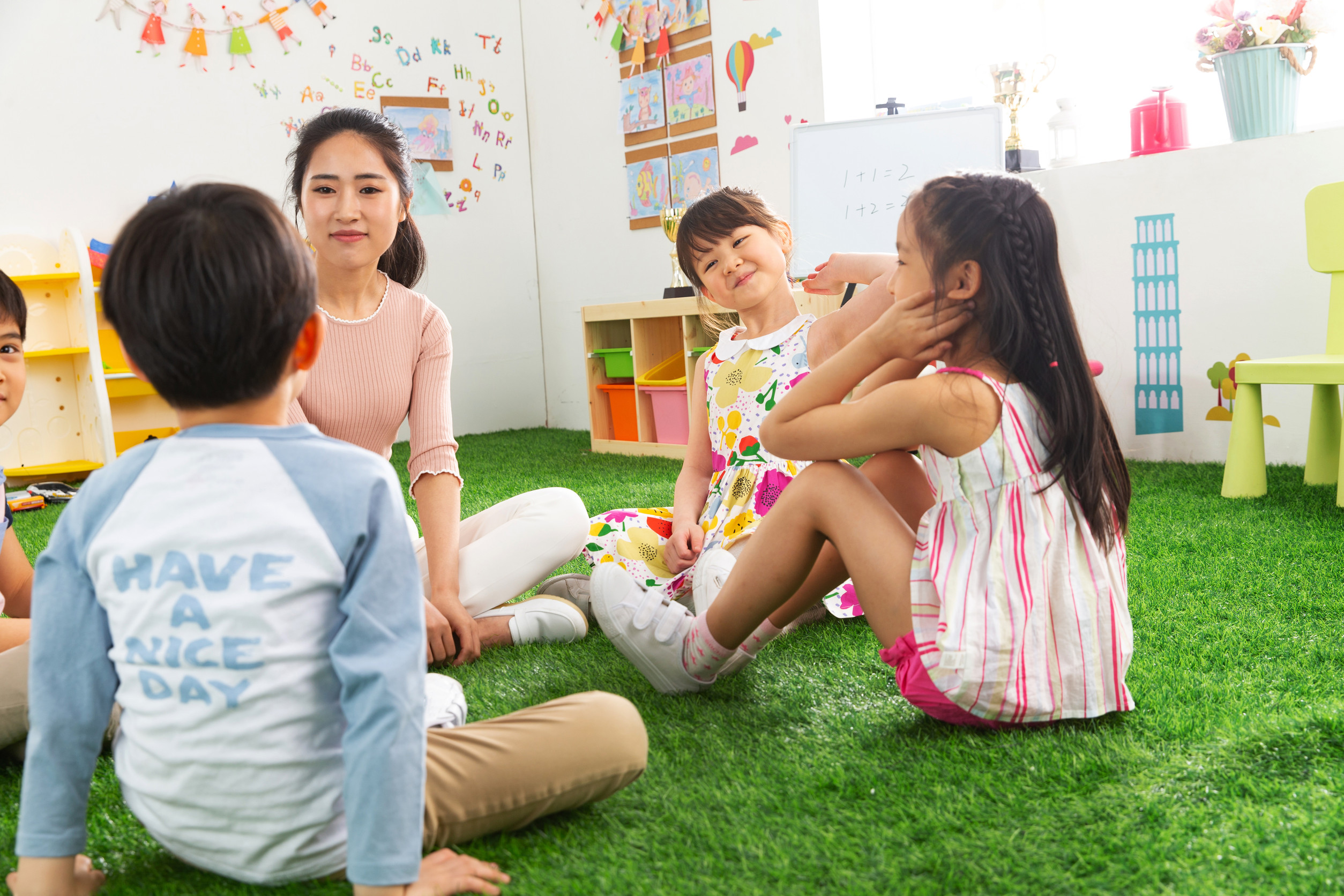
Teaching Children
Kindergarten teachers and the children

Instead of simply warning against strangers, it’s more effective to educate children on identifying unsafe behaviors. Discuss real-life scenarios that illustrate what makes an action or behavior unsafe, regardless of who is involved. Encourage children to trust their instincts and assertively say “no” when they feel uncomfortable. This approach empowers them to base their judgments on observed actions rather than appearances. Role-playing various scenarios further reinforces these crucial lessons.

Encouraging Open Communication

Creating a home environment where children feel comfortable discussing their experiences is essential. Regularly engage in conversations about their daily interactions and listen carefully to their concerns. When children know they can talk openly about uncomfortable situations, they are more likely to seek help when needed. This ongoing dialogue fosters trust and reinforces that their feelings are important. Additionally, discussing personal boundaries helps children understand how to protect themselves.

Identifying Trusted Adults

Help your children identify reliable adults they can turn to in times of need, such as teachers, police officers, or close family friends. Discuss how to recognize these trusted figures and why they are dependable. Role-playing scenarios where children practice asking for help can be a useful strategy. Establishing a family code word for emergencies adds an extra layer of security. Regularly reviewing and updating this list ensures that your child always knows where to turn for help.

Prepare Children with Real Safety Skills

Moving beyond the simplistic “stranger danger” message allows us to prepare our children for the complexities of the real world. By teaching them to recognize genuine warning signs, fostering open communication, and identifying trusted adults, we build a more effective safety net. This balanced approach not only protects them but also empowers them with confidence and critical thinking skills. Our goal is to cultivate a realistic understanding of risk that prepares children for all aspects of life.

How do you balance teaching safety without instilling unnecessary fear? Share your experiences in the comments below.

Read More:

Trouble Online: 10 Dangerous Activities Your Kids Are Participating In Online

10 Hidden Dangers of Social Media Every Parent Should Know

Tamila McDonald
Tamila McDonald

Tamila McDonald is a U.S. Army veteran with 20 years of service, including five years as a military financial advisor. After retiring from the Army, she spent eight years as an AFCPE-certified personal financial advisor for wounded warriors and their families. Now she writes about personal finance and benefits programs for numerous financial websites.

Filed Under: Parenting Tagged With: child development, child safety, Parenting, safety education, stranger danger

8 Happy Moments That Every Child Should Experience

March 29, 2025 | Leave a Comment

Playful boy and girls running and playing with colorful balloons in garden on green grass
Image Source: 123rf.com

Childhood is a treasure trove of experiences that shape who we become, and every joyful moment leaves a lasting imprint. Creating memorable experiences for children builds resilience, self-confidence, and an overall positive outlook on life. As parents, fostering these happy moments is essential to ensuring our children grow up with a strong foundation of love and support. In this article, we highlight eight pivotal experiences that every child should have to cultivate happiness and lasting memories. These moments set the stage for a joyful, well-rounded life.

The Joy of Unstructured Play

Unstructured play offers children the freedom to explore their creativity without rigid boundaries. It allows them to invent games, solve problems, and engage in imaginative scenarios on their own terms. This form of play fosters independence and encourages social interaction among peers. Children learn to make decisions and overcome challenges in a fun, relaxed environment. Such play is essential for developing critical thinking skills and a resilient spirit.

The Thrill of Learning a New Skill

Mastering a new skill, whether it’s riding a bike, swimming, or playing an instrument, instills a deep sense of accomplishment in children. This experience teaches them the value of persistence and hard work. It not only boosts their self-esteem but also opens up new avenues for creative expression. Celebrating these milestones encourages continuous learning and personal growth. The joy of mastering a skill becomes a cherished memory that fuels future endeavors.

Experiencing the Great Outdoors

The outdoors offers limitless opportunities for exploration and discovery that every child should enjoy. Time spent in nature promotes physical health, mental relaxation, and an appreciation for the environment. Activities such as hiking, camping, or simply playing in the park create lasting memories and strengthen family bonds. Exposure to natural surroundings fosters curiosity and a sense of adventure. These experiences lay the foundation for a lifelong appreciation of the natural world.

Celebrating Family Traditions

Family traditions provide children with a sense of belonging and stability. Whether it’s celebrating holidays, weekly game nights, or special rituals, these moments create a strong family identity. They help children understand their heritage and build a supportive network. Participating in these traditions instills values and creates cherished memories that last a lifetime. Embracing family traditions is a powerful way to reinforce love and unity within the home.

Acts of Kindness and Giving

Acts of Kindness
Image Source: 123rf.com

Engaging in acts of kindness, such as volunteering or helping a neighbor, teaches children empathy and compassion. These experiences help them understand the joy that comes from giving without expecting anything in return. Participating in charitable activities can build a strong sense of community and social responsibility. It also reinforces the idea that small actions can make a big difference. Cultivating a habit of kindness is essential for developing a caring and thoughtful individual.

The Magic of Storytelling

Immersing in stories, whether by reading or listening, sparks a child’s imagination and broadens their perspective. Storytelling not only entertains but also imparts valuable lessons about life, culture, and values. Sharing stories creates a special bond between parents and children. It encourages critical thinking and nurtures creativity by exposing children to diverse ideas. This timeless tradition fosters a lifelong love for learning and literature.

Celebrating Personal Achievements

Recognizing and celebrating a child’s achievements, no matter how small, builds self-confidence and motivates further success. Each accomplishment, from finishing a puzzle to excelling in school, should be acknowledged. Celebrations provide positive reinforcement that encourages children to set and pursue goals. This recognition helps them develop a sense of pride and ownership over their progress. Over time, these moments of celebration become milestones in their journey to self-improvement.

Building Strong Friendships

Forming meaningful friendships is essential for a child’s emotional and social development. Positive interactions with peers teach valuable lessons in empathy, communication, and conflict resolution. Friendships provide a support network that helps children navigate challenges both in and out of school. Encouraging healthy social connections contributes to a balanced and happy childhood. These bonds, built on trust and shared experiences, often last a lifetime.

Crafting a Joyful Childhood

Creating opportunities for these happy moments enriches a child’s life and lays the foundation for a fulfilling future. Every experience, from unstructured play to building strong friendships, contributes to a joyful and resilient personality. As parents, nurturing these moments is one of the greatest gifts we can offer our children. A happy childhood fosters confidence, creativity, and a positive outlook on life.

What are some of the most cherished moments in your child’s life? Share your stories and insights in the comments below.

Read More:

Large Family Grocery List: 12 Must-Have Items to Keep Everyone Fed and Happy

8 People You Should Want Your Kids to Look Up To

Tamila McDonald
Tamila McDonald

Tamila McDonald is a U.S. Army veteran with 20 years of service, including five years as a military financial advisor. After retiring from the Army, she spent eight years as an AFCPE-certified personal financial advisor for wounded warriors and their families. Now she writes about personal finance and benefits programs for numerous financial websites.
Filed Under: Parenting Tagged With: child development, childhood happiness, Family bonding, parenting tips, Positive Parenting

10 Reasons Why Single-Parent Households Are Under Scrutiny

March 28, 2025 | Leave a Comment

Single parent father
Image Source: 123rf.com

Single-parent households have become increasingly common in today’s society, yet they often face heightened scrutiny from various quarters. This article explores ten factors contributing to the intense focus on single-parent families, ranging from economic challenges to social stigma. Understanding these issues can foster empathy and help develop better support systems for single parents. Here, we delve into the complexities and societal implications that shape the narrative around single-parent households.

1. Economic Challenges

Single parents frequently struggle with financial hardships due to relying on a single income. This economic strain can lead to difficulties in providing basic necessities such as housing, education, and healthcare. The correlation between single-parent families and higher poverty rates has been widely documented. Economic challenges often become a focal point in public policy debates and social criticism. Such scrutiny, even if well-intentioned, can inadvertently stigmatize single-parent households.

2. Child Development Concerns

Research indicates that children from single-parent households may face unique developmental challenges compared to their peers in two-parent families. Issues such as academic performance, behavioral problems, and emotional well-being are frequently cited. Critics argue that the absence of a second parental figure can impact a child’s social and cognitive development. However, many of these challenges are intertwined with broader socioeconomic factors rather than the family structure alone. Recognizing this complexity is essential to addressing the real issues at hand.

3. Social Stigma

Single parents often confront a pervasive social stigma that labels them as less capable or as having failed in traditional family roles. This negative perception can lead to isolation, discrimination, and judgment. The stigma not only affects the parent but can also have a lasting impact on the children. Such societal attitudes exacerbate the challenges single parents face, making it harder for them to access necessary support. Challenging these biases is crucial for fostering a more inclusive society.

4. Policy and Welfare Debates

Single-parent households are frequently at the center of discussions about welfare and social support systems. Debates often focus on issues such as child support, housing subsidies, and access to education. Critics argue that these families rely too heavily on government assistance, while supporters emphasize the systemic challenges single parents encounter. These debates can create a polarized environment that oversimplifies complex issues. Such discourse often hinders the development of effective support measures.

5. Influence on Societal Structures

The rise of single-parent households has prompted broader discussions about changing family dynamics and societal values. Traditional family structures are often held as the ideal, and deviations can attract criticism. Some argue that the increase in single-parent families contributes to social problems such as crime and poor educational outcomes. However, these claims frequently overlook the multifaceted causes behind such issues. A nuanced understanding of family structures is necessary to appreciate the challenges and strengths of single-parent households.

6. Educational Attainment

Kid In School
Image Source: 123rf.com

Children in single-parent families may experience lower educational outcomes due to economic constraints and reduced parental involvement. Limited resources can result in fewer opportunities for academic enrichment and extracurricular activities. This disparity has led to increased scrutiny of single-parent households within the education system. However, it’s important to recognize that educational challenges are often linked to broader socioeconomic factors. Addressing these systemic issues can help improve outcomes for all children, regardless of family structure.

7. Health and Well-Being

Single parents often juggle multiple responsibilities, leading to high levels of stress and potential health issues. The constant pressure to balance work, childcare, and household management can impact both parent and child. This strain is frequently cited as a factor contributing to the scrutiny of single-parent households. Health concerns in these families extend beyond the absence of a second parent. Recognizing these pressures is essential for developing supportive interventions.

8. Legal and Custodial Issues

Custody battles and legal disputes are more common in single-parent households, often drawing public attention and criticism. The complexities of family law can leave single parents vulnerable to prolonged legal challenges. These issues are compounded by societal perceptions favoring traditional two-parent arrangements. Understanding the legal challenges faced by single parents is crucial for advocating equitable family policies. This scrutiny underscores the need for reforms that protect the rights and well-being of all families.

9. Housing Instability

Securing stable and affordable housing can be a significant challenge for many single-parent families. Housing instability may lead to frequent moves, disrupting children’s education and social networks. This issue is often highlighted in discussions about poverty and social inequality. Scrutiny of single-parent households sometimes centers on these housing challenges, further stigmatizing the family structure. Addressing housing needs is essential to improving the overall stability of these families.

10. Generational Poverty

There is a persistent concern that children raised in single-parent households are at a higher risk of continuing the cycle of poverty. Generational poverty is a multifaceted issue influenced by economic, educational, and social factors. Critics argue that the structure of single-parent families contributes to these outcomes, though the reality is more complex. Understanding the interplay of these factors is critical for developing effective interventions. Breaking the cycle of poverty requires systemic changes rather than merely placing blame on family structure.

Supporting Single-Parent Families

While single-parent households are under scrutiny for a variety of reasons, it’s essential to approach these discussions with empathy and a nuanced understanding. Each factor highlights systemic challenges that extend beyond individual family dynamics. By focusing on supportive policies and community-based interventions, society can alleviate the pressures faced by single parents. The goal is to empower these families and address the underlying issues that contribute to their struggles.

What steps can society take to better support single-parent families and address the challenges they face? Share your insights in the comments below.

Read More:

Single Fathers Are Stepping Up: Here Are 10 Motivations Behind Fathers Taking Over Raising Their Children

5 Reasons Why Texas Daycare Costs Are Skyrocketing (and How to Cope)

Tamila McDonald
Tamila McDonald

Tamila McDonald is a U.S. Army veteran with 20 years of service, including five years as a military financial advisor. After retiring from the Army, she spent eight years as an AFCPE-certified personal financial advisor for wounded warriors and their families. Now she writes about personal finance and benefits programs for numerous financial websites.

Filed Under: Parenting Tagged With: child development, Economic Challenges, family dynamics, single-parent, social issues

8 Things You Should Never Say to a Child Protective Officer

March 28, 2025 | 1 Comment

Child Protective Services
Image Source: 123rf.com

Interacting with a Child Protective Officer (CPO) can be one of the most challenging experiences for any parent under investigation. The stakes are incredibly high, and every word matters when it comes to ensuring your family’s future. This article outlines eight statements that you should never say to a CPO, as they can jeopardize your case and your child’s well-being. By understanding what not to say, you can navigate these interactions with greater confidence and clarity. Thoughtful, respectful communication is key to maintaining a cooperative dialogue during these sensitive situations.

1. “I don’t need to answer your questions.”

While you have the legal right to remain silent, outright refusal to cooperate can raise suspicions. It may signal non-cooperation and escalate tensions with the officer. Engaging respectfully demonstrates your willingness to address concerns and work towards a resolution. Seeking legal counsel before responding can ensure that you protect your rights effectively. Maintaining a calm and cooperative demeanor is essential for a constructive interaction.

2. “This is all a misunderstanding.”

Downplaying the situation by dismissing it as a misunderstanding can be seen as evasive. It may prevent you from addressing the underlying issues that prompted the investigation. Offering clear, factual explanations instead fosters transparency. Acknowledging the seriousness of the officer’s concerns builds trust. Clear communication is key to resolving the situation without further complications.

3. “I know my rights; you can’t do anything.”

While it is important to be aware of your rights, asserting them in a confrontational manner can harm your relationship with the officer. Such statements may come off as aggressive or dismissive. A balanced approach that respectfully asserts your rights while remaining open to discussion is far more effective. Cooperation can help de-escalate the situation and lead to a better outcome. Always aim for a calm, informed dialogue rather than a power struggle.

4. “I refuse to let you speak to my child.”

Preventing the officer from speaking with your child can be interpreted as a lack of transparency. It may raise concerns about what you are trying to hide. Instead, request to be present during any conversation to ensure that your child is supported. This demonstrates that you are committed to your child’s welfare while maintaining openness. Balancing the need for privacy with cooperation is essential in these situations.

5. “We have nothing to hide.”

Although this phrase may seem reassuring, it can be perceived as dismissive of the investigation’s seriousness. Instead of offering a blanket statement, provide specific details and context for your actions. Detailed explanations help clarify any misunderstandings and demonstrate your willingness to cooperate. Transparency in your responses is key to building trust with the officer. It shows that you take the investigation seriously and are committed to resolving any issues.

6. “I don’t need a lawyer.”

Judge gavel with Justice lawyers having team meeting at law firm background. Concepts of Law and Legal services.
Image Source: 123rf.com

Opting to proceed without legal representation can be risky, especially in high-stakes situations. Legal counsel is essential to ensure that your rights are fully protected and that you understand the process. Refusing a lawyer may signal that you are underestimating the seriousness of the investigation. Engaging an attorney can provide guidance and clarity during this challenging time. It is a crucial step in safeguarding your family’s interests.

7. “I know the law better than you.”

Claiming superior legal knowledge can come off as confrontational and unproductive. This statement may escalate tensions and hinder a constructive dialogue with the officer. A more respectful approach is to ask for clarification and seek mutual understanding. Recognize that the officer is simply doing their job to ensure child safety. Maintaining humility and cooperation is essential for a positive outcome.

8. “I don’t have time for this.”

Minimizing the importance of the investigation by stating you don’t have time can be interpreted as dismissive. Taking the time to address the officer’s concerns is crucial for protecting your child’s welfare. This statement may convey a lack of seriousness about the situation, further complicating matters. Demonstrating commitment to resolving the issues can lead to a more favorable resolution. Allocating adequate time for these discussions is essential.

Navigating Difficult Conversations with Care

Engaging with a Child Protective Officer requires careful, respectful communication to safeguard your family’s interests. By avoiding contentious or dismissive language, you pave the way for a more constructive dialogue. Balancing assertiveness with cooperation is crucial in these sensitive interactions. Seeking legal guidance and maintaining transparency can help you navigate the process effectively. Ultimately, protecting your child’s welfare should always be the priority.

How do you balance assertiveness and cooperation when dealing with authorities in sensitive situations? Share your thoughts and experiences in the comments below.

Read More:

Are Parents Legally Obligated To Pay For College

Should You Let Your Child Walk to School Alone?

Tamila McDonald
Tamila McDonald

Tamila McDonald is a U.S. Army veteran with 20 years of service, including five years as a military financial advisor. After retiring from the Army, she spent eight years as an AFCPE-certified personal financial advisor for wounded warriors and their families. Now she writes about personal finance and benefits programs for numerous financial websites.

Filed Under: Parenting Tagged With: child protection, communication, CPS, legal advice, parental rights

Is the ‘Cry It Out’ Method Cruel or Effective?

March 28, 2025 | Leave a Comment

Crying newborn baby (Japanese baby girl)
Image Source: 123rf.com

The debate over the ‘Cry It Out’ (CIO) method of sleep training has polarized parents and experts for years. This technique, which involves letting a baby cry for controlled periods to encourage self-soothing, has both ardent supporters and strong critics.

Advocates say CIO leads to better sleep patterns and improved parental well-being, while detractors worry about potential emotional harm to the infant. In this article, we delve into the research, benefits, and criticisms of the CIO method, offering insights to help you decide what’s best for your family. By understanding both sides of the debate, you can make an informed decision tailored to your child’s needs.

Understanding the CIO Method

The Cry It Out method involves allowing a baby to cry for set intervals before offering comfort. This approach is based on the idea that babies will eventually learn to self-soothe and fall asleep on their own. Proponents point to studies showing that CIO can improve sleep duration and quality for both infants and parents. It is typically recommended to begin this method when a baby is between 4 and 6 months old. Experts stress that consistency and a gradual increase in waiting time are key elements for success.

Benefits Reported by Advocates

Many parents report that CIO significantly improves sleep patterns, benefiting both the child and the entire family. Better sleep can lead to improved mood, increased energy, and reduced stress levels for parents. Some studies indicate that sleep training methods like CIO do not have long-term negative effects on emotional development. The quick results achieved by this method are often cited as a major advantage. Additionally, a well-rested baby can be more alert and content during waking hours, contributing to overall development.

Criticisms and Concerns

Critics of the CIO method argue that allowing a baby to cry without immediate comfort can cause emotional distress. Some worry that prolonged crying may lead to elevated stress hormone levels in infants. There are concerns about potential impacts on the child’s attachment and trust with caregivers. Parents who are uncomfortable with listening to their baby cry may find the method emotionally challenging. These concerns have led some experts to recommend gentler sleep training alternatives that focus on gradual soothing.

Alternative Sleep Training Methods

Sleeping Baby
Image Source: 123rf.com

For parents seeking less stressful alternatives, several gentler sleep training methods are available. The Pick-Up/Put-Down method involves comforting the baby before returning them to their crib, gradually reducing the need for intervention. The Chair Method allows parents to remain present while slowly distancing themselves over time. Gradual extinction methods help minimize crying while still promoting independent sleep. Each alternative offers a different balance between parental involvement and fostering self-soothing skills.

What Research Tells Us

Scientific studies on the CIO method present mixed findings, with some showing no long-term negative effects and others urging caution. Research published in reputable journals indicates that, when implemented correctly, CIO does not harm the parent-child bond. However, the variability in individual child temperament means that one method may work well for some but not for others. It is important to review multiple studies and consider your child’s unique needs. Informed decision-making requires balancing empirical evidence with your parental instincts.

Making the Best Decision for Your Family

Ultimately, choosing a sleep training method should be based on your child’s temperament and your comfort level as a parent. Reflect on your family’s values, your baby’s responses, and your own emotional well-being. Consulting with your pediatrician can provide personalized advice tailored to your situation. It is also helpful to speak with other parents who have tried different methods. The goal is to ensure a restful night for everyone without compromising the emotional health of your baby.

Have you tried the Cry It Out method, or do you prefer a gentler approach? What challenges have you faced in establishing a sleep routine for your baby? Share your experiences, tips, and questions in the comments below to help other parents navigate this challenging decision.

Read More:

When A Child Bumps Their Head to Go to Sleep, Here’s What It Means

Doctors Swear by These 7 Baby Sleep Hacks—And They Actually Work

Tamila McDonald
Tamila McDonald

Tamila McDonald is a U.S. Army veteran with 20 years of service, including five years as a military financial advisor. After retiring from the Army, she spent eight years as an AFCPE-certified personal financial advisor for wounded warriors and their families. Now she writes about personal finance and benefits programs for numerous financial websites.

Filed Under: Parenting Tagged With: baby sleep, Childcare, Cry It Out, infant sleep, parenting methods, sleep training

6 Times It’s Not Safe To Let Your Child Play Contact Sports

March 28, 2025 | Leave a Comment

Childrens are playing soccer on grand arena in sunlights
Image Source: 123rf.com

Contact sports can be thrilling, character-building, and great for physical health—but they also come with real risks. As a parent, you might be torn between encouraging your child’s athletic interests and protecting them from serious injuries. Not every situation is safe, even if your kid is eager to join in. Knowing when to hit pause could spare your child from long-term consequences. Let’s break down the moments when it’s simply not worth the risk.

1. After a Recent Concussion

If your child has recently suffered a concussion, letting them jump back into contact sports is incredibly risky. Even if they seem fine, the brain needs time to heal—and a second injury can lead to long-term cognitive problems. Doctors recommend full rest and a gradual return to activity, not a rush back to the field. Unfortunately, many kids underplay their symptoms just to get back in the game. Parents must step in and prioritize health over pressure to perform.

2. When the Coach Dismisses Safety Protocols

Some coaches are so focused on winning that they ignore safety basics like proper gear, technique, or concussion protocol. If you see a pattern of ignoring injuries or brushing off complaints, that’s a red flag. A coach’s attitude directly influences how safe the environment is. If they aren’t serious about safety, your child shouldn’t be under their supervision. It’s okay to pull your child out and demand better.

3. When Proper Equipment Isn’t Used or Maintained

Gear like helmets, pads, and mouthguards exist for a reason. If your child’s school or team is using old, worn-down equipment—or skipping it altogether—that’s a huge problem. Even top athletes can’t protect themselves without the right tools. Don’t rely on trust alone; inspect the equipment yourself and ask questions. A well-funded team isn’t always a safe one if corners are being cut.

4. If Your Child Has a Preexisting Medical Condition

Doctor and happy smiling child boy patient at home medical inspection. Medicine, healthcare concepts.
Image Source: 123rf.com

Kids with heart issues, joint problems, or neurological conditions may be at higher risk during contact sports. Before signing up, talk to a pediatrician and get a full physical exam. Some conditions can be managed with the right care, but others are incompatible with intense physical contact. Ignoring a medical condition could lead to severe complications—or worse. Always err on the side of caution.

5. When They’re Too Young for the Sport’s Physical Demands

Age matters more than you think. Young children may not have the coordination, muscle development, or judgment to handle the physicality of contact sports. Many injuries happen because kids are simply too small or too slow to protect themselves. Even if a league allows it, that doesn’t mean it’s safe for your child. Wait until they’re ready both physically and emotionally.

6. If Your Child Expresses Fear or Discomfort

Sometimes, your child’s gut feeling is the most important signal. If they express fear, anxiety, or hesitation about playing, don’t brush it off as nerves. Pressure from peers or adults can cause kids to stay in situations they aren’t comfortable with. Listening to your child builds trust and may prevent injury. Forcing a child to play through fear isn’t just unfair—it’s unsafe.

Safety Isn’t Optional

Contact sports can be a rewarding part of childhood, but only when played in the right circumstances. Ignoring safety signs, medical warnings, or your child’s concerns can lead to long-term damage that no trophy is worth. As a parent, your job isn’t just to cheer from the sidelines—it’s to step in when things don’t feel right. Safety isn’t an overreaction; it’s part of being an informed, proactive parent. And when in doubt, protection should always come before performance.

Have you ever pulled your child from a sport due to safety concerns? What helped you make the call? Share your story in the comments—we’d love to hear from you.

Read More:

How to Find Good Deals on Kids Sports Equipment

6 Affordable Sports Activities for Children

Tamila McDonald
Tamila McDonald

Tamila McDonald is a U.S. Army veteran with 20 years of service, including five years as a military financial advisor. After retiring from the Army, she spent eight years as an AFCPE-certified personal financial advisor for wounded warriors and their families. Now she writes about personal finance and benefits programs for numerous financial websites.

Filed Under: Parenting Tagged With: athletic safety, child safety, concussion in kids, contact sports, kids and sports, parenting choices, sports injuries, youth sports

9 Reasons Your Children Don’t Respect You and How to Fix It

March 27, 2025 | Leave a Comment

Closeup portrait of cute young boy gesturing anger
Image Source: 123rf.com

Respect is a cornerstone of healthy family dynamics, yet many parents struggle with their children’s disrespectful behavior. This lack of respect can manifest in subtle ways—from ignoring rules to outright defiance—and can strain the parent-child relationship. In this article, we explore nine common reasons why children might not respect their parents and offer actionable strategies to rebuild and strengthen mutual respect. By understanding the root causes of disrespect, you can take steps to create a more harmonious home environment. Let’s uncover these challenges and discover practical solutions for fostering mutual respect in your family.

Inconsistent Discipline

When rules and consequences vary from day to day, children become confused about what is expected of them. Inconsistent discipline weakens parental authority and creates opportunities for misbehavior. Establishing clear, consistent expectations helps children understand boundaries and the importance of following rules. This structure builds trust and reinforces positive behavior over time. Consistency in discipline is the foundation for cultivating mutual respect between parents and children.

Lack of Active Listening

Children need to feel heard and understood, and when parents fail to actively listen, it can lead to feelings of neglect. This lack of engagement may cause children to act out or disregard parental advice. By making an effort to truly listen and validate their feelings, parents can build stronger bonds. Active listening demonstrates that their opinions matter and encourages reciprocal respect. Improved communication is a key step toward rebuilding mutual respect in the home.

Overuse of Negative Language

Constant criticism or harsh language can erode a child’s self-esteem and lead to rebellious behavior. When parents focus solely on what is wrong, children may feel unappreciated and respond with defiance. Balancing constructive feedback with genuine praise creates a more positive environment. This approach helps children understand that mistakes are part of learning rather than reasons for punishment. Positive communication lays the groundwork for a respectful and supportive relationship.

Modeling Disrespectful Behavior

Children often mirror the behavior they see at home. If parents frequently engage in disrespectful interactions, children are likely to adopt similar habits. Modeling calm, respectful communication sets a strong example for the entire family. Demonstrating how to handle disagreements with empathy and fairness reinforces the value of respect. Consistently exhibiting respectful behavior builds a culture of mutual admiration in the home.

Overprotective Parenting

88c47491-8f7a-4180-a0ed-206a8dc0a9c1
Image Source: 123rf.com

Excessively controlling behavior can lead children to rebel and assert their independence in disrespectful ways. When parents are overly protective, children may feel smothered and undervalued. Allowing some degree of independence encourages self-reliance and mutual respect. Balancing guidance with freedom helps children learn to appreciate boundaries. This balanced approach is essential for fostering a respectful and supportive family dynamic.

Failure to Set Clear Boundaries

Without clear rules, children may not understand what behavior is acceptable. Establishing firm boundaries provides a sense of security and structure. When expectations are clearly communicated, children are more likely to adhere to them. Consistent enforcement of rules helps prevent misunderstandings and conflicts. Clear boundaries lay the foundation for mutual respect and healthy family relationships.

Not Acknowledging Mistakes

Parents who refuse to admit their own errors may inadvertently teach children to avoid accountability. Acknowledging mistakes and apologizing when necessary sets a positive example. This practice encourages children to take responsibility for their actions and learn from their errors. Modeling humility fosters an environment where mutual respect can flourish. When both parents and children are accountable, trust and respect are reinforced.

Lack of Quality Time Together

Spending meaningful time with your children is essential for building a strong, respectful bond. When parents are too busy, children may feel neglected and resort to disrespectful behavior. Quality time together helps reinforce the importance of family and shared values. It provides opportunities for open communication and deepens mutual understanding. Investing in quality time can transform the parent-child relationship and restore respect.

Unrealistic Expectations

Setting overly high standards can pressure children and lead to feelings of inadequacy. When expectations are unattainable, children may rebel or lose respect for the authority setting them. Adjusting expectations to be both challenging and achievable fosters a sense of accomplishment and respect. Recognizing your child’s unique abilities helps build confidence and mutual admiration. This balanced approach encourages growth and nurtures a positive family environment.

Building a Foundation of Mutual Respect

Earning and maintaining your child’s respect is a gradual process that requires consistent effort and open communication. By addressing the root causes of disrespect, such as inconsistent discipline and unrealistic expectations, you can create a nurturing environment where mutual respect thrives. Modeling positive behavior, actively listening, and spending quality time together are key strategies in this journey. Over time, these practices will build a solid foundation for a harmonious and respectful relationship.

What strategies have you found most effective in fostering respect in your household? Share your insights in the comments below.

Read More:

No Respect? 13 Ways to Recognize Disrespectful Behavior in Kids

Here’s How Your Teenage Kids Are Getting Away With Breaking The House Rules

Tamila McDonald
Tamila McDonald

Tamila McDonald is a U.S. Army veteran with 20 years of service, including five years as a military financial advisor. After retiring from the Army, she spent eight years as an AFCPE-certified personal financial advisor for wounded warriors and their families. Now she writes about personal finance and benefits programs for numerous financial websites.

Filed Under: Parenting Tagged With: child behavior, discipline, family dynamics, Parenting, respect

10 Reasons It’s Okay For Your Kids to Fail

March 27, 2025 | Leave a Comment

Two happy children playing on the grass at the day time. Concept Brother And Sister Together Forever
Image Source: 123rf.com

In a world that often celebrates perfection, the idea of failure can be intimidating for both children and parents. However, allowing kids to experience failure is a crucial part of learning and growth. This article explores ten compelling reasons why it’s okay for your children to fail and how these setbacks contribute to their development. Failure teaches resilience, critical thinking, and the importance of persistence. Embracing failure helps your child develop the skills they need to thrive in a challenging world.

Failure Teaches Resilience

When children face failure, they learn to bounce back from setbacks. This resilience is essential for overcoming life’s inevitable challenges. Every failure becomes an opportunity to build strength and perseverance. Learning to overcome difficulties fosters a mindset that sees obstacles as temporary hurdles. Over time, resilient children are better equipped to face future challenges without fear.

Failure Encourages Problem-Solving

Each failure provides valuable feedback on what doesn’t work, prompting children to find alternative solutions. This process enhances their critical thinking and creativity. When children analyze their mistakes, they gain insights that lead to better decision-making. Problem-solving skills developed through failure are indispensable in both academic and real-world settings. This method of learning prepares them for complex challenges later in life.

Failure Fosters Independence

Allowing your children to fail helps them develop self-reliance and confidence in their own abilities. When they face setbacks, they learn to trust their judgment without constant parental intervention. This independence is vital for personal growth and prepares them for adulthood. Children who experience failure become more resourceful and self-motivated. Such independence lays the foundation for a future where they can navigate life on their own terms.

Failure Builds Character

Experiencing setbacks helps children understand the importance of humility and perseverance. They learn that mistakes are a natural part of life and an opportunity for growth. This builds character by encouraging them to reflect on their actions and strive for improvement. Learning from failure instills a sense of responsibility and integrity. These experiences contribute to a balanced and mature personality over time.

Failure Promotes a Growth Mindset

businessman holding light bulb for put think growth mindset different fixed mindset concept vector
Image Source: 123rf.com

When children understand that abilities can be developed through effort, they are more likely to embrace challenges. A growth mindset transforms failure into a tool for continuous learning. It encourages them to persist even when success seems distant. This perspective is key to long-term achievement and personal development. Embracing failure as a learning opportunity fosters resilience and lifelong growth.

Failure Teaches Responsibility

Facing the consequences of failure helps children understand that their actions have direct outcomes. This realization reinforces the importance of accountability in everyday decisions. When children take responsibility for their mistakes, they develop a sense of maturity. This accountability is crucial for building ethical behavior and self-discipline. Over time, this lesson prepares them for the responsibilities of adulthood.

Failure Reduces the Fear of Trying

When children learn that failure is not catastrophic, they become more willing to take risks. This reduction in fear encourages exploration and creativity. A willingness to try new things leads to diverse experiences and personal growth. Over time, the fear of failure diminishes, paving the way for innovation and resilience. This brave approach to challenges is essential for long-term success.

Failure Provides Valuable Feedback

Every failure is a learning opportunity that provides insights into what doesn’t work. Analyzing mistakes helps children refine their strategies and make better choices. This feedback is an essential component of continuous improvement. It teaches them that setbacks are temporary and can lead to valuable lessons. Constructive feedback from failure ultimately leads to smarter decision-making.

Failure Encourages Self-Reflection

Experiencing failure prompts children to reflect on their actions and learn from their mistakes. This introspection builds emotional intelligence and self-awareness. Over time, self-reflection fosters personal growth and a deeper understanding of one’s strengths and weaknesses. It encourages a mindset that values improvement over perfection. This habit of reflection is crucial for lifelong learning and development.

Failure Prepares Children for Real Life

Life is filled with ups and downs, and experiencing failure prepares children for the inevitable challenges of adulthood. They learn that setbacks are not permanent, but rather stepping stones to success. This preparation equips them with the resilience needed to navigate an unpredictable world. Embracing failure early on fosters a realistic perspective on success and achievement. Ultimately, these experiences help children become adaptable, resourceful, and self-assured individuals.

Failure as a Stepping Stone to Success

Allowing your kids to fail can be one of the most empowering lessons you teach them. Failure builds resilience, fosters independence, and provides invaluable feedback for growth. By reframing failure as a natural part of life, you equip your children with the tools to overcome future challenges. Embrace every setback as an opportunity for learning and improvement.

How has experiencing failure shaped your child’s character? Share your insights in the comments below.

Read More:

Why Saying ‘I Love You’ Every Day Changes Your Child’s Brain

7 Lessons from Kids That’ll Change How You See the World

Tamila McDonald
Tamila McDonald

Tamila McDonald is a U.S. Army veteran with 20 years of service, including five years as a military financial advisor. After retiring from the Army, she spent eight years as an AFCPE-certified personal financial advisor for wounded warriors and their families. Now she writes about personal finance and benefits programs for numerous financial websites.

Filed Under: Parenting Tagged With: child development, discipline, failure, Growth Mindset, Parenting, resilience

When A Child Bumps Their Head to Go to Sleep, Here’s What It Means

March 27, 2025 | Leave a Comment

Beautiful girl is sitting on the bed and is holding a toy.
Image Source: 123rf.com

Observing your child gently bump their head as they drift off to sleep can be both endearing and concerning. Many parents have witnessed this rhythmic behavior and wondered about its significance. While it might seem alarming at first, head banging during sleep is often a self-soothing mechanism. In this article, we explore the reasons behind this behavior, when it might be a cause for concern, and how to ensure your child’s safety. Our aim is to provide clarity and actionable advice for worried parents.

Understanding the Behavior

Head banging in young children is a relatively common phenomenon that typically begins around six months of age. It is often a self-soothing behavior, similar to rocking or thumb-sucking, that helps children relax and transition to sleep. Most of the time, this behavior is benign and part of normal development. However, understanding the context in which it occurs is important for determining if it is within a normal range. Observing the frequency and intensity of the behavior can provide key insights.

Common Causes

There are several reasons why a child might engage in head banging. It can be a way to soothe discomfort, such as teething pain, or a method to release built-up tension before sleep. Sometimes, it’s simply a habit formed during periods of tiredness or overstimulation. Environmental factors, like a noisy or chaotic room, can also trigger the behavior. Understanding these causes helps in deciding whether any intervention is necessary.

When to Be Concerned

While head banging is typically harmless, there are instances when it warrants further attention. If the behavior persists beyond early childhood or is accompanied by developmental delays, it may be time to consult a pediatrician. Excessive head banging that results in injury or disrupts sleep significantly should also be evaluated. Monitoring the behavior over time is essential for assessing its impact. Seeking professional advice can provide reassurance and guidance on next steps.

Strategies to Ensure Safety

Ensuring your child’s safety is paramount if they engage in head banging. Consider modifying their sleep environment by using soft padding or adjusting the crib setup to minimize injury risk. Establishing a calming bedtime routine can help reduce the frequency of the behavior. Keeping a sleep diary may reveal patterns or triggers that can be addressed. When in doubt, consulting a healthcare professional is the best course of action.

Supporting Your Child Emotionally

cute, serious boy looking at camera while sitting on bed at home
Image Source: 123rf.com

It’s essential to approach this behavior with empathy and understanding. Recognize that head banging is often a self-soothing technique that helps your child cope with stress or discomfort. Rather than immediately intervening, observe the behavior over time to understand its context. Offering comfort and reassurance can sometimes reduce the need for such actions. Your supportive presence plays a crucial role in helping your child feel secure and understood.

Head Banging Is Usually Normal

Head banging during sleep is usually a normal behavior that diminishes as children grow. However, understanding its causes and ensuring a safe sleep environment is critical. Monitoring the behavior and seeking professional advice if concerns persist can safeguard your child’s well-being. By supporting your child both physically and emotionally, you help them navigate their sleep patterns in a healthy way.

What steps do you take to ensure your child’s safety while respecting their self-soothing needs? Share your experiences in the comments below.

Read More:

Doctors Swear by These 7 Baby Sleep Hacks—And They Actually Work

10 Ways To Get Your Newborn To Sleep Through The Night

Tamila McDonald
Tamila McDonald

Tamila McDonald is a U.S. Army veteran with 20 years of service, including five years as a military financial advisor. After retiring from the Army, she spent eight years as an AFCPE-certified personal financial advisor for wounded warriors and their families. Now she writes about personal finance and benefits programs for numerous financial websites.

Filed Under: Parenting Tagged With: child behavior, child development, parenting tips, self-soothing, sleep habits

« Previous Page
Next Page »
  • Facebook
  • Pinterest
  • RSS
  • Twitter

Basic Principles Of Good Parenting

Here some basic principles for good parenting:

  1. What You Do Matters: Your kids are watching you. So, be purposeful about what you want to accomplish.
  2. You Can’t be Too Loving: Don’t replace love with material possessions, lowered expectations or leniency.
  3. Be Involved Your Kids Life: Arrange your priorities to focus on what your kid’s needs. Be there mentally and physically.
  4. Adapt Your Parenting: Children grow quickly, so keep pace with your child’s development.
  5. Establish and Set Rules: The rules you set for children will establish the rules they set for themselves later.  Avoid harsh discipline and be consistent.
  6. Explain Your Decisions: What is obvious to you may not be evident to your child. They don’t have the experience you do.
  7. Be Respectful To Your Child: How you treat your child is how they will treat others.  Be polite, respectful and make an effort to pay attention.
Best Parenting Blogs

Most Popular

Baby names

Teachers Admit: These 6 Baby Names Create Instant Bias in the Classroom

Latrice Perez
6 Baby Names That Sound Cute Now but Cause Problems Later

6 Baby Names That Sound Cute Now but Cause Problems Later

Brandon Marcus
11 Ways Kids Are Outsmarting Parental Controls 1. Using Alternate Devices One common trick is simply turning to another device. If a child’s main phone or tablet is restricted, they may borrow a sibling’s, friend’s, or even a school laptop. This instantly gives them access to content outside of parental oversight. Parents often focus on one device, forgetting that others in the household can serve as loopholes. Knowing this tactic helps families tighten controls across all electronics. 2. Clearing Browsing Histories Many kids quickly learn that clearing browsing history hides evidence of restricted activity. With just a few clicks, they can erase any trace of websites visited. This makes it harder for parents to notice when rules are being broken. Parents may assume no history means no browsing, but the reality is often the opposite. Kids are outsmarting parental controls by making it seem like nothing happened at all. 3. Using Private Browsing Modes Most browsers offer “incognito” or private browsing features. Kids use this mode to access websites without leaving a record in the history. To parents checking later, everything looks clean and safe. This simple trick is often one of the first ways kids discover how to bypass restrictions. Conversations about private browsing can help close this gap. 4. Guessing or Resetting Passwords Children who are persistent may try to guess passwords to parental control apps or accounts. Others may find ways to reset them through email prompts or security questions. Once inside, they can disable restrictions entirely. Parents may not even realize controls have been altered until much later. Stronger, less predictable passwords can make this more difficult. 5. Using VPNs to Hide Activity Virtual private networks, or VPNs, let kids disguise their online locations. With one downloaded app, they can bypass geographic or parental restrictions. Some children learn about VPNs through friends or even social media. This makes it easy for them to reach content that should be blocked. Parents often underestimate just how simple it is for kids to use these tools. 6. Creating Fake Accounts When parents monitor social media, kids may create hidden accounts. These “finstas” or fake profiles allow them to interact freely without parental oversight. While their main account appears harmless, the secondary one tells a different story. Kids are outsmarting parental controls by playing both sides at once. Checking for duplicate accounts can help parents stay more aware. 7. Exploiting Time Zone Settings Some kids change the time zone on their devices to bypass screen time limits. This trick allows them to gain extra hours of usage undetected. Parents may assume controls are working, but in reality, the child is bending the clock. It’s a clever loophole that highlights just how resourceful kids can be. Monitoring device settings regularly can catch this tactic. 8. Disabling or Uninstalling Apps Parental control apps can be deleted or disabled with surprising ease. Some kids even reinstall them before a parent checks, making it seem like nothing changed. Others may simply restrict permissions to prevent apps from functioning properly. When apps aren’t monitored closely, parents may not notice they’ve been tampered with. This shows the importance of consistent follow-up. 9. Turning to Friends for Access If a child can’t get past restrictions on their own, they may rely on friends. Visiting a friend’s house or borrowing their phone can give them a free pass. Parents often forget that peer environments can override restrictions set at home. This kind of social workaround is especially common with gaming or social media. Open conversations about trust and responsibility are essential. 10. Hiding Apps in Plain Sight Kids sometimes download apps that look innocent but serve as gateways to hidden activity. These apps may disguise themselves as calculators or utilities. In reality, they allow file storage, private messaging, or browser access. Parents glancing at a home screen may overlook them entirely. Learning to recognize these disguised apps can help parents stay informed. 11. Outpacing Parents’ Tech Knowledge Finally, kids often know more about devices than their parents do. Whether through YouTube tutorials, TikTok hacks, or peer groups, they quickly learn advanced workarounds. This knowledge gap means controls can be bypassed before parents even realize the loophole exists. Staying informed and continually learning about new technology is the best defense. Kids are outsmarting parental controls because they adapt faster than most adults. The Real Solution Lies Beyond Restrictions While controls and filters are important, no system is perfect. Kids will always find creative ways around barriers, making communication the strongest safeguard. Setting clear expectations, building trust, and having ongoing conversations about online behavior matter more than apps alone. Parents who combine technology with open dialogue create a safer digital environment. The goal isn’t to win a battle of wits but to build a relationship that keeps kids both safe and honest. Do you think kids are outsmarting parental controls faster than parents can keep up? Share your experiences in the comments below. What to Read Next... 6 Parenting Tech Shortcuts That Can Expose Your Child to Strangers How Much Screen Time Is Too Much—Legally Speaking? Is Your Child’s School Quietly Tracking Their Location Without Your Consent? How Much Screen Time Is Quietly Reshaping Childhood Behavior? Why Some Parents Are Being Investigated Over Homeschooling Records

11 Ways Kids Are Outsmarting Parental Controls

Catherine Reed
Smiling grandfather holding a happy baby indoors.

Why Grandparents Shouldn’t Babysit Their Grandkids Every Week – The Unspoken Issue

Samantha
birthday gifts

7 Birthday Gifts Your Child Should Never Bring to a Party

Latrice Perez

All content on Kids Ain’t Cheap is for entertainment purposes only. By reading this blog, you agree that Kids Ain’t Cheap is not responsible for any actions taken after reading this blog. For the full disclaimer, see our privacy policy.

Please note that Kids Ain’t Cheap has financial relationships with some of the merchants mentioned here. Kids Ain’t Cheap is funded by banner advertising, commission sales and search optimization consulting.

Copyright © 2006–2026 | District Media | All Rights Reserved | Privacy Policy

Copyright © 2026 Runway Pro Theme by Viva la Violette